What is nutrition? Provision to cells and organisms to support life. Nutrition is the science that interprets the interaction of nutrients and other substances in food in relation to maintenance, growth, reproduction, health and disease of an organism. Nutrition is a critical part of health and development. Better nutrition is related to improved infant, child and maternal health, stronger immune systems, safer pre Healthy children learn better. People with adequate nutrition are more productive and can create opportunities to gradually break the cycles of poverty and hunger. Malnutrition, in every form, presents significant threats to human health. Today the world faces a double burden of malnutrition that includes both undernutrition and overweight, especially in low- and middle-income countries.
Types of Nutrition Broadly, there are two types of nutrition among living organisms, namely: • Autotrophic mode • Heterotrophic mode
Autotrophic Nutrition In the autotrophic mode, organisms use simple inorganic matters like water and carbon dioxide in the presence of light and chlorophyll to synthesize food on their own. In other words, the process of photosynthesis is used to convert light energy into food such as glucose. Such organisms are called autotrophs. Plants, algae, and bacteria (cyanobacteria) are some examples where autotrophic nutrition is observed. During photosynthesis, carbon dioxide and water get converted into carbohydrates. These carbohydrates are stored in the form of starch in plants. Plants later derive the energy required from the stored starch. In plants, stomata are the openings on leaves where gaseous exchange takes place and is regulated by guard cells. Plants take in and release gases through these stomatal pores. In desert-like habitats, to avoid water loss, guard cells keep these pores closed during the daytime. Later, during the night time, stomata will be opened to absorb carbon dioxide and store in the vacuoles. During the daytime, they will use this stored carbon dioxide to perform photosynthesis. Other than photosynthesis, plants also depend on soil for micro and macro elements. These elements are used to synthesize proteins and other essential compounds required for the proper functioning and growth of the plants.
Heterotrophic Nutrition Every organism is not capable of preparing food on its own. Such organisms depend on others for their nutrition. The organisms which cannot produce food on their own and depend on other sources/organisms are called heterotrophs. This mode of nutrition is known as heterotrophic nutrition. Fungi and all the animals including humans are heterotrophs. Heterotrophs can be of many varieties depending upon their environment and adaptations. Some may eat plants (herbivores) and others eat animals (carnivores) while few eat both (omnivores). Thus we can say survival of heterotrophs depends directly or indirectly on plants. Heterotrophs are classified into different categories based on their mode of nutrition. They are: • Parasites (e.g. leeches, ticks) • Saprophytes (e.g. mushrooms) • Holozoic (e.g. humans, dogs)
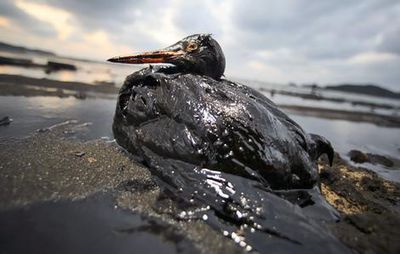
What is an Oil Spill? An oil spill is the release of a liquid petroleum hydrocarbon into the environment, especially the marine ecosystem, due to human activity, and is a form of pollution. The term is usually given to marine oil spills, where oil is released into the ocean or coastal waters, but spills may also occur on land.
Where do oil spills happen? Oil spills that happen in rivers, bays and the ocean most often are caused by accidents involving tankers, barges, pipelines, refineries, drilling rigs and storage facilities, but also occur from recreational boats and in marinas. Causes of Oil Spill: People being careless while sailing oil tankers in cruises, equipment breaking down, natural disasters such as hurricanes, storm surge or high winds, deliberate acts by terrorists, acts of war, vandals or illegal dumping are the important causes of Oil spills.
Effects of Oil Spills: Most oils float on the oceans’ saltwater or freshwater from rivers and lakes. Oil usually spreads out rapidly across the water’s surface to form a thin oil slick. As the oil continues spreading, the slick becomes thinner and thinner, finally becoming a very thin sheen, which often looks like a rainbow. It affects the food chain of the whole ecosystem. When oil spills occur, it will break down a moderate amount of oil and deposit on the bottom. When oil spreads in the ocean, it breaks and sinks into the ocean which deteriorates the health of the ocean life. It contaminates the natural habitat of the ocean. Oil spills have harsh effects on the coastlines. The birds and the sea mammals are covered by the oil. Oil is so damaging to the whole ecosystem as it covers everything which is nearby the coastlines like sand, animals, grass and soil etc. It destroys everything near the coastline. The oil that spills into the ocean can have a great impact on people’s health who consume seafood. It can be damaging for those marine animals who swim in the ocean and if they ingest oil then it will be destroying them.
Imagine you are a bright student and a very ambitious student. You have certain aims and goals to achieve for which you need to study at the best place. You decided to study in London and counted your expenses and fees. I am sure everyone will hesitate at this moment. It’s not easy to spend lakhs and lakhs of money. Unfortunately, you cancel the plan but deserve to study at the best college, which is absolutely correct.
What will you do? Will you stop chasing your dreams? Will you compromise with your dream? Or will you find another way to study the best course from the best place?
In this type of situation online learning can be a lifeline for you, Paul Levison said that” online learning can be a lifeline to those who have obstacles such as geographical distance or physical disabilities.” If you are a student you must have experienced online learning in the past couple of years. If you are an employee you would have experienced working from home. The world is at your fingertips, the world is online now. The education is vast, we have hundreds of degrees. Nowadays you don’t have to go to an institution and get a degree. This is a modern world, study online rather than studying abroad. You can perceive any degree or course from your home. Where there is a will there is a way.
You can study professional degree online, and you have new technologies.
Advantages of studying online:-
You can perceive a degree from the best institution you want to study.
No need to migrate.
You will have your comfort zone and preferred facilities.
Economic problems will be less
low course fees.
Enough content to prepare yourself for challenges.
Compete at national and international levels.
No one will judge you.
Availability of teachers.
Feedback and reviews of teachers.
Every coin has two sides, if online learning has advantages, it will also have disadvantages.
Disadvantages of online learning:-
Distraction and laziness.
Video recommendation.
Less motivation and seriousness.
Less practical learning as compared to offline education.
Natural issues like network and connectivity.
Social media attractions.
An extra comfort zone will not allow us to study well.
You will not enjoy campus recruitment.
Less socialized.
What’s your point of view on online education?
It’s okay if you are pursuing your degree online and it’s worthy. Everything in this world has advantages and disadvantages. Do not need to worry about it. Decide on online learning if your course is less practical and mostly dependent on your conversation. But if you are going for a course with includes more practical learning you must prefer offline learning. Suppose if you pursuing a language professional course, it’s okay if you complete it online but in case you are pursuing a degree in engineering or doctorate then it’s going to be tough for you to learn online, in those cases you should prefer offline learning.
Education is the most powerful weapon in this world which can help you to change the world. Let the way of education be online or offline, it depends on you, how curious you are? How passionate you are? A.P.J. Abdul Kalam said, ” you have to dream before your dreams come true.”
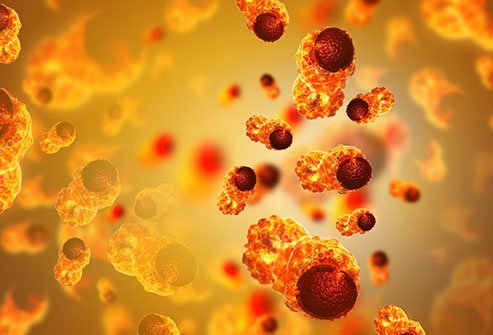
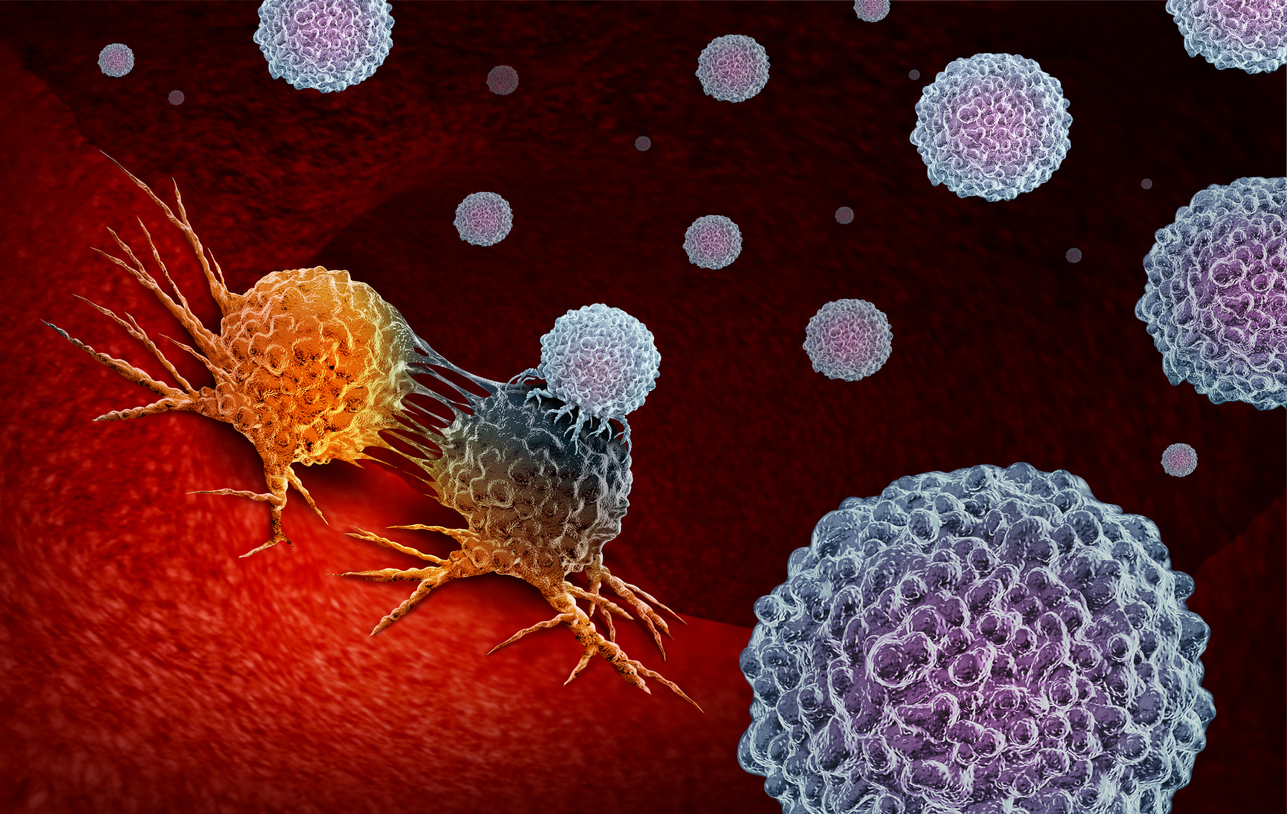
What Is Cancer? Cancer is a group of diseases involving abnormal cell growth with the potential to invade or spread to other parts of the body. It describes the disease that results when cellular changes cause the uncontrolled growth and division of cells. Some types of cancer cause rapid cell growth, while others cause cells to grow and divide at a slower rate. Certain forms of cancer result in visible growths called tumors, while others, such as leukemia, do not. Most of the body’s cells have specific functions and fixed lifespans. While it may sound like a bad thing, cell death is part of a natural and beneficial phenomenon called apoptosis. A cell receives instructions to die so that the body can replace it with a newer cell that functions better. Cancerous cells lack the components that instruct them to stop dividing and to die. As a result, they build up in the body, using oxygen and nutrients that would usually nourish other cells. Cancerous cells can form tumors, impair the immune system and cause other changes that prevent the body from functioning regularly. Cancerous cells may appear in one area, then spread via the lymph nodes. These are clusters of immune cells located throughout the body.
How Does Cancer Develop? ENLARGE Cancer is a genetic disease—that is, it is caused by changes to genes that control the way our cells function, especially how they grow and divide. Genetic changes that cause cancer can happen because: • of errors that occur as cells divide. • of damage to DNA caused by harmful substances in the environment, such as the chemicals in tobacco smoke and ultraviolet rays from the sun. (Our Cancer Causes and Prevention section has more information.) • they were inherited from our parents. The body normally eliminates cells with damaged DNA before they turn cancerous. But the body’s ability to do so goes down as we age. This is part of the reason why there is a higher risk of cancer later in life. Each person’s cancer has a unique combination of genetic changes. As the cancer continues to grow, additional changes will occur. Even within the same tumor, different cells may have different genetic changes. A cancer that has spread from the place where it first formed to another place in the body is called metastatic cancer. The process by which cancer cells spread to other parts of the body is called metastasis. Metastatic cancer has the same name and the same type of cancer cells as the original, or primary, cancer. For example, breast cancer that forms a metastatic tumor in the lung is metastatic breast cancer, not lung cancer. Under a microscope, metastatic cancer cells generally look the same as cells of the original cancer. Moreover, metastatic cancer cells and cells of the original cancer usually have some molecular features in common, such as the presence of specific chromosome changes. In some cases, treatment may help prolong the lives of people with metastatic cancer. In other cases, the primary goal of treatment for metastatic cancer is to control the growth of the cancer or to relieve symptoms it is causing. Metastatic tumors can cause severe damage to how the body functions, and most people who die of cancer die of metastatic disease.
Treatments nnovative research has fueled the development of new medications and treatment technologies. Doctors usually prescribe treatments based on the type of cancer, its stage at diagnosis, and the person’s overall health. Below are examples of approaches to cancer treatment: • Chemotherapy aims to kill cancerous cells with medications that target rapidly dividing cells. The drugs can also help shrink tumors, but the side effects can be severe. • Hormone therapy involves taking medications that change how certain hormones work or interfere with the body’s ability to produce them. When hormones play a significant role, as with prostate and breast cancers, this is a common approach. • Immunotherapy uses medications and other treatments to boost the immune system and encourage it to fight cancerous cells. Two examples of these treatments are checkpoint inhibitors and adoptive cell transfer. • Precision medicine, or personalized medicine, is a newer, developing approach. It involves using genetic testing to determine the best treatments for a person’s particular presentation of cancer. Researchers have yet to show that it can effectively treat all types of cancer, however. • Radiation therapy uses high-dose radiation to kill cancerous cells. Also, a doctor may recommend using radiation to shrink a tumor before surgery or reduce tumor-related symptoms. • Stem cell transplant can be especially beneficial for people with blood-related cancers, such as leukemia or lymphoma. It involves removing cells, such as red or white blood cells, that chemotherapy or radiation has destroyed. Lab technicians then strengthen the cells and put them back into the body. • Surgery is often a part of a treatment plan when a person has a cancerous tumor. Also, a surgeon may remove lymph nodes to reduce or prevent the disease’s spread. • Targeted therapies perform functions within cancerous cells to prevent them from multiplying. They can also boost the immune system. Two examples of these therapies are small-molecule drugs and monoclonal antibodies. Doctors will often employ more than one type of treatment to maximize effectiveness.
Indian society is known for its ability of tolerance and acceptance, and social cohesion making it unique in sustaining its culture. The importance of fraternity enshrined in the Preamble of the constitution makes it a duty of every citizen. Indian society is extensively diverse in cultural and regional aspects and it is pertinent that it is posited in each individual the realization of ideas and objectives in the Preamble concerning every other individual. India from ancient times has thrived to create a nationality that is neither governed by universalism nor by exclusivity to its interest groups. The multi-cultural conundrum is a salient feature of Indian society that has been a boon and a bane over the history of the country.
SALIENT FEATURES OF INDIA: • Multi-Ethnic Society • Multi-Lingual Society • Multi-Class Society • Patriarchal Society • Unity In Diversity • Tribes • Family • Kinship System • Balance between spiritualism and materialism • Balance between Individualism and collectivism • Co-existence of traditionalism and modernity
The multi-ethnic Indian society Multi-ethnicity is a major salient feature of Indian society. An ethnic group or ethnicity is a category of people who identify with each other, usually based on a common language or dialect, history, society, culture, or nation. A society with the co-existence of a wide variety of racial groups is a Multi-ethnic society. India is home to almost multiple racial profiles like Nordic, Dinaric, Proto-Australoid, Mongolian, etc. Multilingualism- salient feature of Indian society India is home to many native languages, and it is also common that people to speak and understand more than one language or dialect, which can entail the use of different scripts as well. India’s 2011 census documents that 121 languages are spoken as mother tongues, which is defined as the first lan¬guage a person learns and uses. Of these languages, the Constitution of India recognizes twenty-two of them as official or “scheduled” languages. Articles 344(1) and 351 of the Constitution of India, titled the Eighth Schedule, recognize the following languages as official languages of the states of India: • Assamese, Bengali, Bodo, Dogri, Gujarati, Hindi, Kannada, Kashmiri, Konkani, Maithili, Malayalam, Manipuri, Marathi, Nepali, Oriya, Punjabi, Sanskrit, Santhali, Sindhi, Tamil, Telugu, and Urdu. Six languages also hold the title of classical languages (Kannada, Malayalam, Odia, Sanskrit, Tamil, and Telugu), which are determined to have a history of recorded use for more than 1,500 years and a rich body of literature. Multi-religious society India is a cradle of world religions whose ancestors have preached and practiced almost all major religions of the world giving rise to worldly beliefs, practices, rites, rituals, ceremonies, and institutions. The co-existence of all the religions and variety of faiths has been a shining example of religious pluralism and tolerance. • The principle of secularism despite several conflicts and riots has been upheld by our citizens time and again. • Indian Constitution has rightly reflected the idea of multi religions. It states that “every citizen has a right to freely practice, preach, profess and propagate any religion or faith”. • A secular state has been defined as a “state in which all religions and citizens irrespective of their faith would be treated impartially”. • Apart from the major religions, several tribal religions are coexisting in Indian society. UNITY IN DIVERSITY: “Unity in Diversity” is a phrase implying unity among people with diverse cultural, religious, and other demographic differences. It denotes the sense of oneness and we-ness .In India, people of different religions have continued to respect the ideals and values of people of other religions, and hence, India has always stood up as an integrated nation ready to put its arms around everybody in this world.
Amity University is India’s private education group ranked in the top 3 % of universities Globally by QS. Our programs are also WES accredited in the US & Canada. We were the very first in India to get UGC approval for our online programs. Amity university is located in Noida, India. The University is recognised by UGC and accredited by NAAC with a grade of A+.
Some professional courses of Amity University
1. Management of Financial Institution and market
Duration – 9 weeks
Mode – Online
2. Accounting for Managers
Duration – 9 weeks
Mode – Online
3. Equity & Derivatives
Duration – 6 weeks
Mode – Online
4. Financial Management
Duration – 11 weeks
Mode – Online
5. Corporate Tax Planning and Financial Analysis
Duration – 8 weeks
Mode – Online
6. Forex and Money markets
Duration – 7 weeks
Mode – Online
7. Management Accounting
Duration – 5 weeks
Mode – Online
8. Mergers & Acquisitions – Concepts & Theories
Duration – 6 weeks
Mode – Online
9. Capital Markets
Duration – 6 weeks
Mode – Online
10. Treasury and Risk Management
Duration – 6 weeks
Mode – Online
For more details visit the official website of amityonline.com
Roses are always a quintessential part of every culture worldwide as it symbolises love and people use them constantly on auspicious occasion, from proposing to someone to decorating things or to smell perfect, it has a wide range of uses. Do you know it has health benefits too? Yes, you heard it right drinking a cup of rose tea can actually makes you healthier and happy from inside too. Researchers found that drinking a cup of tea can also help in weight loss. Here are the lists of health benefits of rose tea
BENEFITS
IMPROVES IMMUNITY
Good immunity comes from healthy food and healthy food is believed to be a little less in taste but rose tea is not among them, it actually tastes good after consuming it daily and has a good effect on immunity. It boosts immunity and increases body resistance against viruses in this pandemic era.
Weight loss
Drinking a cup of hot rose petal water can help in losing weight according to research conducted. It actually increases the flow of hormones that help in reducing weight.
IMPROVES SLEEP CYCLE
Drinking hot rose water before sleep can help in giving you a relaxing sleep and maintain a perfect sleep cycle. Many people have hectic schedules and lots of stress which disturb their sleep cycle and they cant easily sleep, many use sleeping pills to get sleep which is harmful to their body. Drinking rose water before sleep is the best natural way to get insomnia on track.
BOOSTS FOOD DIGESTION
Some foods are more acidic in nature and difficult to digest, drinking rose water can help in reducing the toxicity and acidity of the stomach and helps in digestion. It contains antioxidants which help in digestion.
HELPS WITH MENSTRUAL CRAMPS
Dysmenorrhea, a condition in which ladies suffer from monthly menstrual cramps actually get relaxed from a cup of hot rose petals and also irregular periods can be controlled by this.
SKINCARE
It helps in maintaining good smooth skin and also helps in removing dead cell tissue from the skin. It provides good moisture to the skin and provides sufficient oxygen to make the skin glow and stay wrinkle-free skin.
CONTROL MOOD SWINGS
The mood is something that changes in a fraction of time and a person with more mood swings can actually be hard to understand and doesn’t know why it is hard to feel good and bad at the same time. It can be controlled easily with healthy habits which include a cup of rose water tea. Only a single cup can make a dramatic change in the mood swings and reduce it up to 70% in just 2 weeks.
KEEPS you HYDRATED
Drinking rose water can helps automatically in keeping you hydrated as it is totally made of water and petals of rose so, the daily requirement of water count is also covered by this.
REMOVES TIRED AND FATIQUENESS
It also acts as a refreshment drink and can be drunk to remove fatigue daily which actually is health beneficial. Refreshment with health benefits is such a rare condition earlier but today we have many options and hot rose tea is one among such.
Due to covid , people starting focus on the online learning and they wanted to explore online courses . These days everyone wants to learn something new and with the help of online learning platform and online courses this is possible to do .
There are top 10 online courses in India
1. Data science –
Data science combines math and statistics, specialized programming, advanced analytics, artificial intelligence (AI), and machine learning with specific subject matter expertise to uncover actionable insights hidden in an organization’s data. These insights can be used to guide decision making and strategic planning.
2. Machine learning –
Machine Learning is the field of study that gives computers the capability to learn without being explicitly programmed. ML is one of the most exciting technologies that one would have ever come across. As it is evident from the name, it gives the computer that makes it more similar to humans: The ability to learn. Machine learning is actively being used today, perhaps in many more places than one would expect.
3. Graphic design –
Graphic design is a craft where professionals create visual content to communicate messages. By applying visual hierarchy and page layout techniques, designers use typography and pictures to meet users’ specific needs and focus on the logic of displaying elements in interactive designs, to optimize the user experience.
4. Data Analytics –
Data analytics (DA) is the process of examining data sets in order to find trends and draw conclusions about the information they contain. Increasingly, data analytics is done with the aid of specialized systems and software.
5. Digital Marketing –
Digital marketing, also known as online marketing, refers to advertising delivered through digital channels to promote brands and connect potential customers using the internet and other forms of digital communication such as: Search engines. Websites.
6. Foreign language –
A foreign language is any language that is not native to a particular region or person. Obviously, this definition varies from region to region and by the individuals within a particular region. Many countries have more than one official language or contain significant populations that speak their own languages. Foreign language instruction is often required or strongly encouraged in primary and secondary education; there are also numerous methods of adult language instruction. Many people are bilingual or multilingual, that is, fluent in two or more languages; this is an asset in many professions.
7. Programming –
Computer programming is the process of performing a particular computation, usually by designing and building an executable computer program. Programming involves tasks such as analysis, generating algorithms, profiling algorithms’ accuracy and resource consumption, and the implementation of algorithms.
8. Cyber security –
Cybersecurity is the practice of protecting systems, networks, and programs from digital attacks. These cyberattacks are usually aimed at accessing, changing, or destroying sensitive information; extorting money from users; or interrupting normal business processes.
9. Web development –
Web development is the work involved in developing a website for the Internet or an intranet. Web development can range from developing a simple single static page of plain text to complex web applications, electronic businesses, and social network services.
10. Social media marketing –
Social media marketing is the use of social media platforms and websites to promote a product or service. Although the terms e-marketing and digital marketing are still dominant in academia, social media marketing is becoming more popular for both practitioners and researchers.
Today smartphones provided access to performing finacial transactions of any bank at home. it is no longer needed to visit the institutions physically as all you need is just a smartphone and good internet connectivity .over the years the banks also have evolved a lot with the technology. Hence, it gave birth to Internet banking or digital banking.
one of the preconceptions about online banking is that people are not aware of it that much how it works .online banking performs the same functions as physical branches do just it reduces the time in looking for a physical branch.
you can avail all the bank services from your home with the help of a phone or computer and all of your information is secured with a unique username and password. there are multiple benefits of using online banking like easy transfer of money, can pay bills, saving money, reduced time and energy for a physical visit, and can track record of transactions.
the interesting fact about digital banking is it is cheaper than a physical one as it charges low fees for opening an account and so you spend less but gain more .online banking gives you financial liberty as you can access multiple banks account.
How online banking works? you just need to open your bank account online using a smartphone and then you can easily avail all banking facilities as sometimes you do not need to open an account.
the process for opening the account is very easy as you just need to go to AppStore and download the bank app and just signup with your id and password and have to share personal details like name, address and number so on. you can also avail of debit and credit cards and can also use ATMs.
if we talk about security then online banking is not100% risk-free but most banks follow industry standards that keep the information safe.
difference between banks and credit unions? credit unions are basically non-profit organization which does not publicly trade as the normal bank does .another difference is credit union is run by a member who is minded people but the bank is run by a private person but the board member does not need to be the minded people.
conclusions:
the statics shows that people are not being involved in online banking as much as need to be but it is expected that its uses will increase in the near future just because of depriving of information people are not aware of it as it is not complicated at all .
Online degree courses are by definition, those courses which can offer a degree certificate from an accredited university or college upon completion of the course by a student through the online or digital medium of the Internet. Online courses are preferred by many students who want a flexible course where they can study at their own time and place.
Indians saw a sudden rise in online education in recent times, bringing one of the most debated subjects in the field of e-learning. There are several Indian universities offering online courses in India, thus putting an end to the drawbacks of classroom-based learning, such as location, accessibility, transport, and cost. Moreover, thousands of students in India move to different countries to get higher education and professional prospects. With Indian universities providing online courses, students can gain world quality education at the comfort of their home. For many online learning has become a way to complete their higher education. It has become a boon for working professionals as well as anyone who has other engagements to opt for online courses as it doesn’t carve into their already busy schedule. Some of the most enrolled online courses by students are :
Online BA
Online B.Com
Online BSc
Online BBA
Online MBA
Online MCA
Online MSc
Online Accounting Courses
Online Language master course
Online Content Writing course
Various websites that are providing these certified courses are.
Online degree courses are by definition, those courses which can offer a degree certificate from an accredited university or college upon completion of the course by a student through the online or digital medium of the Internet. Online courses are preferred by many students who want a flexible course where they can study at their own time and place.
Indians saw a sudden rise in online education in recent times, bringing one of the most debated subjects in the field of e-learning. There are several Indian universities offering online courses in India, thus putting an end to the drawbacks of classroom-based learning, such as location, accessibility, transport, and cost. Moreover, thousands of students in India move to different countries to get higher education and professional prospects. With Indian universities providing online courses, students can gain world quality education at the comfort of their home. For many online learning has become a way to complete their higher education. It has become a boon for working professionals as well as anyone who has other engagements to opt for online courses as it doesn’t carve into their already busy schedule. Some of the most enrolled online courses by students are :
Online BA
Online B.Com
Online BSc
Online BBA
Online MBA
Online MCA
Online MSc
Online Accounting Courses
Online Language master course
Online Content Writing course
Various websites that are providing these certified courses are.
Online teaching platforms are learner focused and it helps to construct new knowledge. Many multimedia platforms are used. Online platforms help students to self learn. They are always flexible in nature.
Coursera is a platform that provide online courses and professional courses and after completion of the course every student will be provided with course completion certificate. Anyone can join courses of their choice no restrictions of qualifying subjects. Students can complete the course according to their flexibility. The subjects offered are, professional courses
1.Master of Applied Data Science offered by Michigan University. It is famous ranked university. Any student can enroll the course any time and from anywhere.
2.MBA in Business Analytics offered by O.P Jindal Global University.
3. Bachelor of Science in Computer Science from London University.
4. Master of Science in Data Science offered by University of Colorado Boulder.
DEFINITION OF ENVIRONMENT: The environment can be defined as a sum total of all the living and non-living elements and their effects which influence human life. While all living or biotic elements are animals, plants, forests, fisheries, and birds, etc. The non-living or abiotic elements include water, land, sunlight, rocks, and air, etc. The environment offers resources for production which includes both renewable and non-renewable resources. The environment includes the sun, soil, water, and air, which are essential for human life. It sustains life by providing genetic and biodiversity. The environment enhances the quality of life.
DEFINITION OF POLLUTION: Pollution introduces us to the world of hazardous products. These hazardous materials are called Pollutants. Pollutants, such as volcanic ash, may be normal. Human activity such as garbage or runoff created by factories may also generate them. The quality of air, water and land are impaired by contaminants.
ENVIRONMENTAL POLLUTION: Environmental pollution occurs when in due course of time, the environment is unable to absorb and neutralize toxic byproducts of human activities. Environmental Pollution is not a new phenomenon, yet it remains one of the greatest threats to the health and well-being of humanity and one of the major environmental causes of death and morbidity. In environmental pollution, pollutants originate from a source, are transported by air or water, and are dumped into the soil by human beings.
The long-term impacts of pollution are still being felt despite global attention to the issue. Day by day, our atmosphere is becoming more and more polluted due to anthropogenic activities. It is usually due to the pollutants released into the air, water, soil, etc., through many human activities. Types of Environmental Pollution Based on the part of the environment that is polluted, Pollution is of the following types: 1. Air Pollution 2. Water Pollution 3. Soil Pollution 4. Noise Pollution 5. Radioactive Pollution
AIR POLLUTION: Air Pollution occurs due to undesirable changes in the physical, chemical, or biological characteristics of air that exert harmful effects on all living beings. Harmful effects caused by air pollution depend on the Concentration of pollutants, Duration of exposure to the pollutants and Type of the organism it affects. Effects of Air Pollution: An increased risk of heart disease, wheezing, coughing, and respiratory problems and skin, nose, and throat irritation can be caused by high levels of air pollution. Air Pollution affects human health in different ways, Air pollution may also cause heart attacks, asthma, and other respiratory complications. Like humans, animals can also suffer from a variety of health problems because of air pollution, including birth defects, reproductive failure and diseases. Besides the impact on humans and livestock, air pollution causes a variety of environmental effects. Acid rain includes high levels of nitric and sulfuric acids that are formed by the burning of fossil fuels by the oxides and sulfur oxides released into the air. Acid rain kills trees and acidifies soils and bodies of water, making survival difficult for fishes and other marine organisms.
WATER POLLUTION: Water Pollution is defined as any undesirable change in physical, chemical, or biological properties of water that may affect living beings adversely. Due to human activities, ponds, rivers, oceans, and estuaries are getting polluted in several parts of the world. Effects of Water Pollution: The consequences of water pollution depend on where contaminants are dumped. Water pollution is a significant danger to humans, animals and marine life. Water sources near urbanized areas tend to be highly contaminated by the legal and illegal dumping of waste and chemicals by industrial facilities, health centres and individuals. The death of marine animals, which can destroy the whole food chain, is by far the greatest consequence of water contamination. In drinking water supplies, fertilizer contamination can cause toxic algae blooms that destroy fish and other aquatic animals. Direct exposure to this poisonous algae causes significant human health issues, including neurological symptoms, breathing problems and stomach and liver diseases. When disinfectants used to treat drinking water enter water contaminated with toxic algae and respond to the production of dioxins, a consequential problem is developed.
SOIL POLLUTION: Soil Pollution is the build-up of persistent toxic compounds, chemicals, salts, radioactive materials, or disease-causing agents in the soil, which have adverse effects on plant growth and animal health. Effects of Soil Pollution: For humans, plants, microorganisms and marine life, land and soil contamination have significant implications. Different skin problems, respiratory problems and even various types of cancers may result from polluted land and soil. These poisonous substances come into direct contact with the human body by eating fruits and vegetables grown in polluted soils, direct contact with the skin and breathing in air polluted by particles and dust.
NOISE POLLUTION: The unpleasant, discomfort-causing sound from any source is called noise. The sustained presence of harmful, unwanted, or annoying noise in the environment is called noise pollution. Any object that produces noise is a potential source of noise pollution. Examples are television and radio (when played at a loud volume), air coolers, automobiles, blaring loudspeakers, and air conditioners. Effects of Noise Pollution: Noise has a jarring effect on us. One should not underestimate the impact of noise pollution on people. Some of the harmful effects of noise pollution are Irritation and loss of concentration, Sleep disturbance and stress (which can lead to high blood pressure) and Ear damage and loss of hearing.
RADIO POLLUTION: It is the release of radioactive waves into the environment which are harmful for the environment. This is considered one of the most dangerous pollution because of its permanent effects. It can cause cancer, infertility due to exposure, congenital disabilities, and blindness. It can permanently change the soil, air, and water. It can even cause mutation in species which can propagate for ages.
Global Warming Definition: “Global warming is a gradual increase in the earth’s temperature generally due to the greenhouse effect caused by increased levels of carbon dioxide, CFC’s, and other pollutants.”
The Earth is warming up, and humans are at least partially to blame. The causes, effects, and complexities of global warming are important to understand so that we can fight for the health of our planet. Global warming is the long-term warming of the planet’s overall temperature. Though this warming trend has been going on for a long time, its pace has significantly increased in the last hundred years due to the burning of fossil fuels. As the human population has increased, so has the volume of fossil fuels burned. Fossil fuels include coal, oil, and natural gas, and burning them causes what is known as the “greenhouse effect” in Earth’s atmosphere. The greenhouse effect is when the Sun’s rays penetrate the atmosphere, but when that heat is reflected off the surface cannot escape back into space. Gases produced by the burning of fossil fuels prevent the heat from leaving the atmosphere. These greenhouse gasses are carbon dioxide, chlorofluorocarbons, water vapor, methane, and nitrous oxide. The excess heat in the atmosphere has caused the average global temperature to rise overtime, otherwise known as global warming.
Global warming has presented another issue called climate change. Sometimes these phrases are used interchangeably, however, they are different. Climate change refers to changes in weather patterns and growing seasons around the world. It also refers to sea level rise caused by the expansion of warmer seas and melting ice sheets and glaciers. Global warming causes climate change, which poses a serious threat to life on earth in the forms of widespread flooding and extreme weather. Scientists continue to study global warming and its impact on Earth.
Movies play
a pivotal role in our lives. Regardless, whether it is a 5-year-old or an
elderly watching, each has its own tastes and preferences in movies. For some
binge watching might be a stress buster, likewise, for a few, it might be a
source of entertainment in family gatherings. There are various OTT platforms
streaming blockbuster movies. For example, Netflix is the biggest platform,
where people all over the world binge-watch. Apparently, there are various
genres, like as example, rom-com, mystery, thriller, animations, and many
more.
On a Sunday evening, a family usually plans to
watch a movie, which acts as a source of entertainment and binds them together.
There are various instances in the movies where we relate ourselves to the
protagonist, and aspire to live as heroically as them. Although not all of them
play a positive and detrimental impact. Some prove to be wretched. There might
be a few, which seem efficacious to us but on the other side be impractical to
others. Therefore, one must be mindful of the content that they are
consuming.Cause we adapt habits and
activities which are portrayed in the content. Movies can also be a source to
spread awareness regarding various social topics. It can be used as a medium to
educate and make people aware of social issues. A large proportion of the
population in India is under the impression that the things being done and said
in the movies are always realistic and accurate because it is performed by
their favorite artists. But what they do not envisage is the impact it is
creating in their lives. Intending to maintain communal and religious harmony,
the movies in India go through a process of censorship. So that it is accepted
by all the communities and does not hurt the religious sentiments of any.
Having said that, there are a few movies that seem to be on screen, even though
it has not been accepted well by the audience. In such a case various
inter-communal riots come into view.
Media can act as a boon as well as a bane for
an individual. Rest the decision lies on the audience, whether to make that
3-hour watch worthwhile and actually learn about a plethora of new events
rather than simply consuming impractical content and not being conscious of
what they are consuming. Movies can act as escapism which gets us off reality
for sometime and dive into some really crazy tale that interests us the most.












 Eduindex
You must be logged in to post a comment.