Insurance is a legal agreement between the insurance company and the individual. When you buy Insurance it is a way you protect against unexpected financial losses. The insurance company pays your and your family, when some bad happens to you. When a person pays a insurance company, the company promises to pay the money if the person becomes injured or passed away.The Insurance company pays the value of property lost damaged. If no insurance, then you might be the responsible for all related costs at hard time.
In India, the insurance types are classified to Life insurance, Health insurance, Educational insurance, Home insurance and Car insurance.
Health Insurance: Insurance is for medical costs for expensive treatments. You can buy a generic health insurance policy. There are policies for specific diseases. The premium paid towards health insurance pay the hospital, treatment and medication costs.
Educational insurance: Educational insurance is specially designed as a save tool for children’s education. Education insurance provides a lump amount of money when your child reaches the age for higher education. The child’s life is assured under this is the insurance while the parent / legal guardian is the owner of the policy.
Home Insurance:Home insurance can help with covering the loss or damage of house by fire or other natural disasters like earthquake flood, and lighting
Car Insurance:Car insurance is important for every car owner.It protects you against any sudden incidents like accident.
Some policies compensate the damage towards your during natural disasters. It ensures your families financial stability. It reduces stress during our hard time of our life. Insurance are for safety and security. But apart from that there are also income tax benefits that are avail. It is our choice to choose the way to insurance.It is also our responsibility to keep our family in a safe guard even in a hard time.
The Central Advisory Board of Education (CABE) during pre- independence time played great role in the evolution and monitoring of educational policies and programs. The most important were National Policy on Education (NPE) in 1986 and Program of Action(POA) 1992 put forward that free and compulsory Education of satisfactory quality should be provided up to 14 years (Elementary education). As the result enrollment of students in primary and upper primary schools increased steadily. More enrollment of girls and backward sections of society in Education improved. The central and state governments took strategies to improve drop out rates which include :
Creating parental awareness and community mobilisation, providing incentives, improvement in content and schooling process and National Programme for nutritional support for primary education (mid day meal schemes). Right to elementary education is fundamental right and fundamental duty.
The Minimum level of learning was introduced and it led development of better textbooks and workbooks, supplementary reading materials, teachers handbook and development in pupil evaluation. The Central Government gave funds for expenditure on elementary education.
NON FORMAL EDUCATION
Department of Education started programme of Non- formal education (NFE) for children who remain outside formal system due to different reasons such as drop outs from schools, working children and those who perform domestic chores. The scheme covers urban slums ,hills, desert and tribal areas.
The National Bal Bhavan it is a Autonomous institution under Education department and it help to enhance and improve creativity among children from weaker strata of the society. The programs are designed to bring out the inner potential of a child. The national bal bhavan provides general guidelines and transfer of information, training facility to State and District Bal bhavans.
Promotion of languages – Government encourages in development of all Indian languages including classical, modern and tribal languages and help in production of university level textbooks to facilitate media. Financial assistance given to individuals and voluntary organizations to bring out publications for development of modern Indian languages.
Sarv Shiksha Abhiyan
It is an Indian government program aimed at universalisation of elementary education ” in atime bound manner” . The program was initiated by former Indian prime Minister Atal Bihari Vajpayee. It’s motto is education for all.
Adult Education
The National Literacy Mission(NLM) dominant strategies are literacy campaigns are area specific, time bound , cost effective, volunteer based and outcome oriented. It is aimed at eradication of illiteracy. Learner makes a transition from guided learning to self learning and it also help in skill upgradation. It helps in creation of learning society through ongoing educational programs. Rural libraries are established to improve reading habits among people.
Indira Gandhi Open University (IGNOU)
It was established by the Act of Parliament in September 1985. It is responsible for introduction and promotion of distance education and open university. The main objectives include widening access to higher education to mass audience, organize programs that help people to continue education. IGNOU provide university level education, it is flexible and open.
As we know there are less women entrepreneurs than man . There are many reasons for less women entrepreneurs some are like economy problem, government are not eagerly to help female , they face many problems regarding loans as well as there are many family problems also .
So here are list of 10 successful women entrepreneurs.
1. Falguni Nayar
Falguni Nayar (born 19 February 1963) is an Indian billionaire businesswoman who is the founder and CEO of the beauty and lifestyle retail company Nykaa. Nayar is one of two self-made female, Indian billionaires.
Falguni Nayar
Born
19 February 1963 (age 59)
Mumbai, Maharashtra, India
Nationality
Indian
Education
MBA Finance
Alma mater
Sydenham College of Commerce and Economics, Mumbai
Indian Institute of Management Ahmedabad
Occupation
Founder & CEO of Nykaa
Years active
1963–present
Spouse(s)
Sanjay Nayar
2. Radhika Aggarwal
Radhika Ghai Aggarwal is an Internet entrepreneur and India’s first woman to enter the Unicorn Club. She is the co-founder of online marketplace ShopClues established in 2011 in silicon valley. Currently, she serves as the Chief Business Officer of the company.
3. Aditi Gupta
Aditi Gupta is an Indian author and co-founder of Menstrupedia Comic. She and her husband, both National Institute of Design Alumni, co-founded Menstrupedia Comic in 2012. In 2014, she was named in the Forbes India 30 Under 30 2014 list.
Aditi Gupta
Born
Garhwa, Jharkhand, India
Occupation
Author and co-founder of Menstrupedia Comic
Nationality
Indian
Alma mater
National Institute of Design
Genre
Menstrupedia Comic
Spouse
Tuhin Paul
4. Suchi Mukherjee
Limeroad is an Indian online marketplace, owned by A. M. Marketplaces Pvt Ltd. The company is based in Gurugram, Haryana.
Limeroad
Type of business
Privately held company
Type of site
E-commerce
(E-commerce shopping)
Available in
Hindi, English
Area served
India
Founder(s)
Suchi Mukherjee, Ankush Mehra
CEO
Suchi Mukherjee
Parent
A M Marketplaces Pvt Ltd
Commercial
no
Registration
Required
Launched
2012
Current status
Active
5. Vani Kola
Vani Kola is an Indian venture capitalist. She is the founder and managing director of Kalaari Capital, an Indian early stage venture capital firm. She was listed as one of the most powerful women in Indian business by Fortune India in 2014.
Vani Kola
Vani Kola – Indian Venture Capitalist.
Kola in 2020
Born
1963 or 1964 (age 58–59)
Hyderabad , Andhra Pradesh (now Telangana)
Education
Osmania University (B.Eng.)
Arizona State University (M.Eng.)
Occupation
venture capitalist
Known for
Venture capital in India
6. Roshini Nadar Malhotra
Roshni Nadar Malhotra (born 1980/81) is an Indian billionaire industrialist and the chairperson of HCL Technologies and the first woman to lead a listed IT company in India. She is the only child of HCL founder and billionaire industrialist Shiv Nadar. In 2019, she is ranked 54th on the Forbes World’s 100 Most Powerful Women list. According to IIFL Wealth Hurun India Rich List (2019), Roshni is the richest woman in India. In 2020, she is ranked 55th on the Forbes World’s 100 Most Powerful Women. She is also the CEO of HCL Corporation, the holding company of all HCL Group entities.
Roshni Nadar
Born
1980/1981 (age 40–41)
Education
Northwestern University
Kellogg School of Management
Occupation
Chairperson, HCL Technologies
Years active
2008-present
Spouse(s)
Shikhar Malhotra
Children
2
Parent(s)
Shiv Nadar
Kiran Nadar
7. Kiran Mazumdar Shaw
Kiran Mazumdar-Shaw (born 23 March 1953) is an Indian billionaire entrepreneur. She is the executive chairperson and founder of Biocon Limited and Biocon Biologics Limited, a biotechnology company based in Bangalore, India and the former chairperson of Indian Institute of Management, Bangalore. In 2014, she was awarded the Othmer Gold Medal for outstanding contributions to the progress of science and chemistry. She was on the Financial Times 2011 top 50 women in business list. In 2019, she was listed as the 68th most powerful woman in the world by Forbes. She was named EY World Entrepreneur Of The Year 2020. She is married to John Shaw.
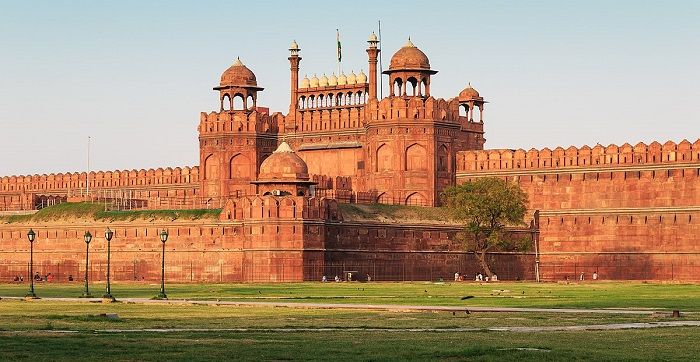
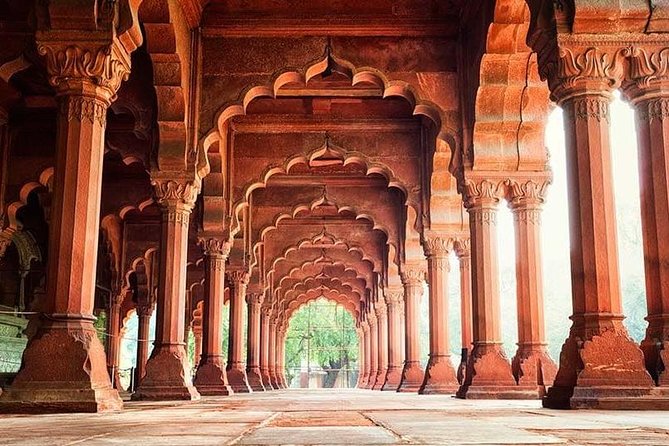
The Red Fort, which is also known as the Lal Qila, was constructed by one of the most famous Mughal emperors, Shah Jahan. Built on the banks of river Yamuna, the fortress-palace was designed by architect Ustad Ahmad Lahauri. It took 8 years and 10 months to build the magnificent fort. The fort served as the royal residence of the Mughal emperors from 1648 to 1857. It took over the honor of royal residence from the famous Agra Fort when Shah Jahan decided to shift his capital from Agra to Delhi.
The Red Fort derives its name from the red-sandstone walls, which make the fort almost impregnable. The fort, which is located at Old Delhi, is one of the massive and prominent structures of India and is a fine example of Mughal architecture. It is often considered as the pinnacle of Mughal creativity. In modern times, the fort is of importance to the people of India as the Indian Prime Minister delivers his Independence Day speech from the fort, every year on August 15. In 2007, it was declared as UNESCO World Heritage Site.
History Shah Jahan, the then Mughal emperor decided to build the Red Fort as the citadel of Shahjahanabad, his new capital at Delhi. The fort, which was completely constructed in the year 1648, remained the residence of the Mughal emperors until 1857. Post the reign of Aurangzeb, the Mughal dynasty grew weaker in every aspect and that started taking a toll on the fort. When Farrukhsiyar, the ninth Mughal emperor, took over the reign from Jahandar Shah after murdering him, the fort began to lose its luster, quite literally. During his reign, the silver ceiling of the fort was replaced with copper in order to raise money. This was probably the beginning of the plunder that would go on for years to come. In 1739, Nadir Shah, the Persian emperor defeated the Mughals and took with him some of the valuables belonging to the fort, including the famous peacock throne, which had served as the royal throne of the Mughals. The weakened Mughals had no other option but to sign a treaty with the Marathas, who had promised to protect them and the fort. In 1760, when Ahmed Shah Durrani of the Durrani dynasty threatened to capture Delhi, the Marathas dug out the silver ceiling of Diwan-i-Khas to strengthen their army. However, Ahmed Shah Durrani defeated the Marathas in the third battle of Panipat and took over the fort. The Marathas reconquered the fort in 1771 and stalled Shah Alam II as the 16th Mughal emperor. In 1788, the Marathas occupied the fort and ruled over Delhi for the next 20 years before the British defeated them during the Second Anglo-Maratha War in 1803. The fort now was occupied by the British, who even built a residence of their own within the fort. During the Indian rebellion of 1857, Bahadur Shah II, was arrested by the British and later exiled to Rangoon. With Bahadur Shah II, the Mughal Empire came to an end and this opened a window of opportunity for the British to loot valuables from the fort. Almost all furniture were either destroyed or shipped to England. Many edifices and landmarks within the fort were destroyed and barracks of stone replaced them. Many priceless possessions like the Koh-i-Noor diamond, the crown of Bahadur Shah and the wine cup of Shah Jahan were sent to the British government. After independence, the Indian Army occupied a major part of the fort before handing it over to the Archaeological Survey of India (ASA) for restoration purposes. The Red Fort is the largest historical structure in Delhi. Every year, the Prime Minister of India hoists the tricolor flag on every Independence Day. Security around the fort during the Independence Day celebrations is tightened as the place was attacked by terrorists on 22 December in the year 2000. The fort also serves as a major tourist attraction and witnesses thousands of visitors throughout the year. Though many buildings are not in great shape, some are still in good condition and efforts are being taken to conserve what is left of the fort. Three museums namely the museum of blood paintings, war-memorial museum and archaeological museum have been set up inside the fort.In the newly released currency note of rupees 500, the fort appears on the back of the note, implying its importance even in the post-independence era.
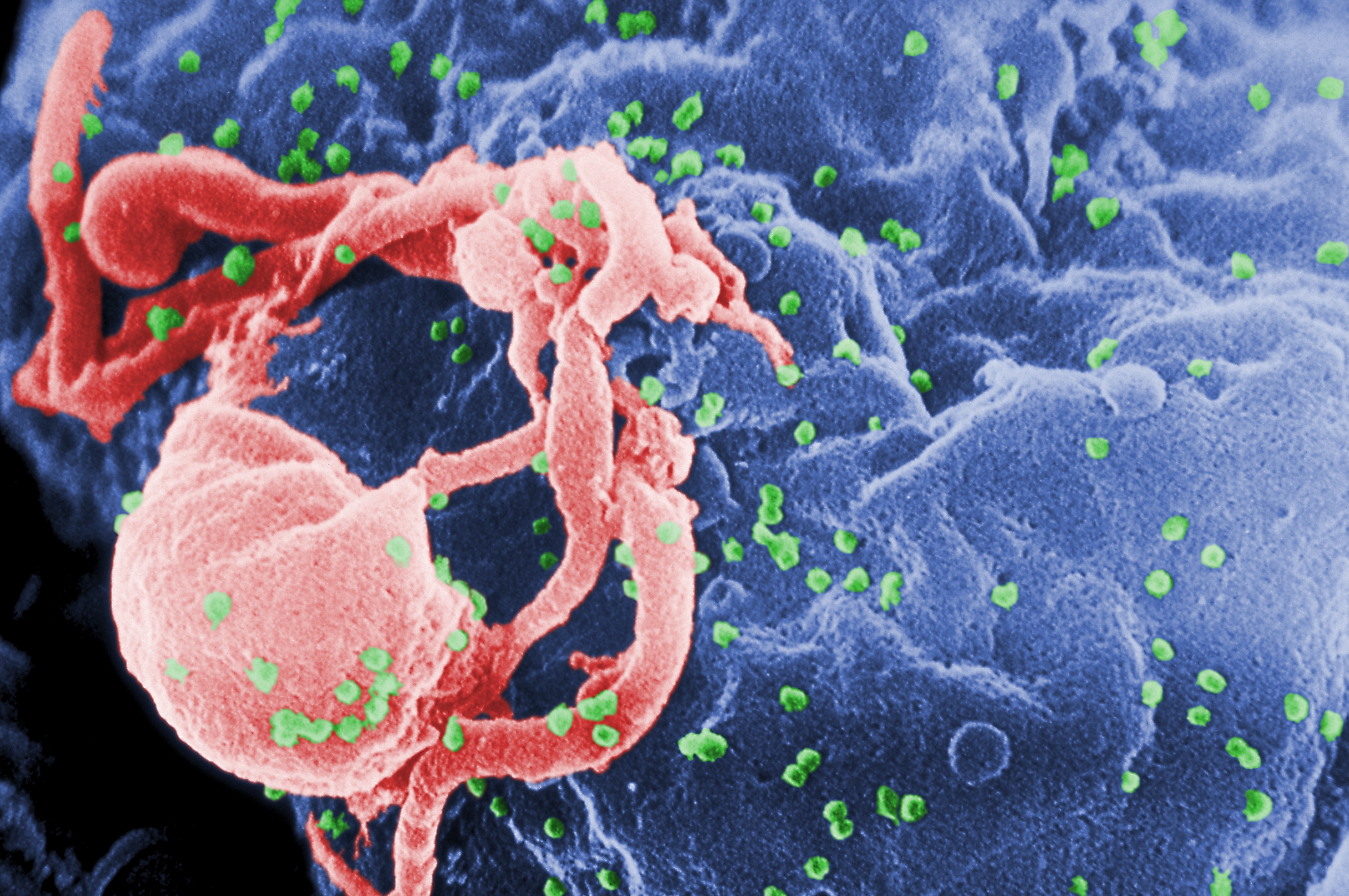
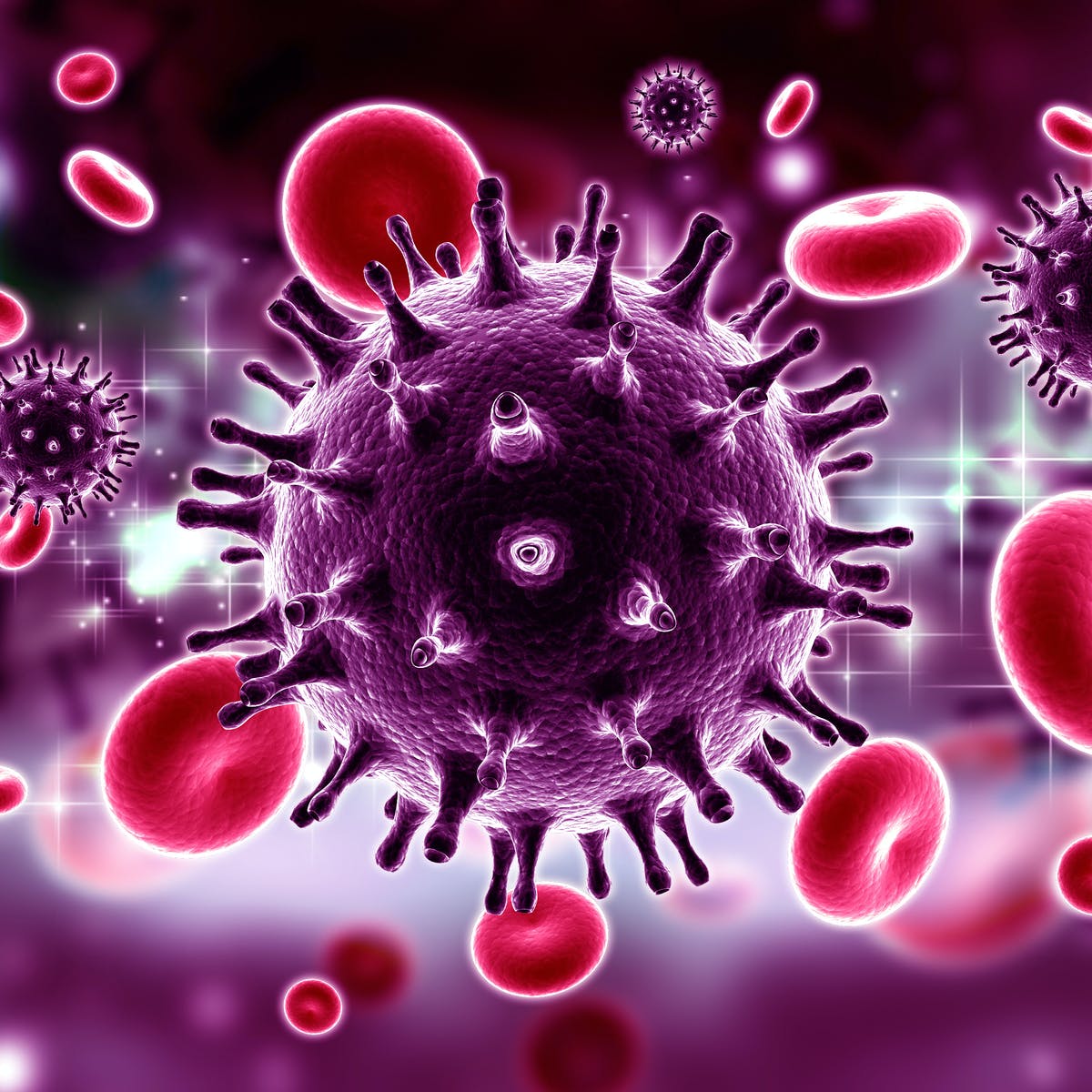
Human Immunodeficiency virus (HIV), a member of the retrovirus family, is the causative agent of Acquired immune deficiency syndrome (AIDS). The human immunodeficiency virus (HIV) targets the immune system and weakens people’s defense against many infections and some types of cancer that people with healthy immune systems can more easily fight off. As the virus destroys and impairs the function of immune cells, infected individuals gradually become immunodeficient. Immune function is typically measured by CD4 cell count. The most advanced stage of HIV infection is acquired immunodeficiency syndrome (AIDS), which can take many years to develop if not treated, depending on the individual. AIDS is defined by the development of certain cancers, infections or other severe long-term clinical manifestations.
Transmission: HIV is a sexually transmitted infection (STI). It can also be spread by contact with infected blood and from illicit injection drug use or sharing needles. It can also be spread from mother to child during pregnancy, childbirth or breastfeeding. Without medication, it may take years before HIV weakens your immune system to the point that you have AIDS. There’s no cure for HIV/AIDS, but medications can control the infection and prevent progression of the disease. Antiviral treatments for HIV have reduced AIDS deaths around the world, and international organizations are working to increase the availability of prevention measures and treatment in resource-poor countries.
Signs and symptoms: The symptoms of HIV vary depending on the stage of infection. Though people living with HIV tend to be most infectious in the first few months after being infected, many are unaware of their status until the later stages. In the first few weeks after initial infection people may experience no symptoms or an influenza-like illness including fever, headache, rash or sore throat. As the infection progressively weakens the immune system, they can develop other signs and symptoms, such as swollen lymph nodes, weight loss, fever, diarrhoea and cough. Without treatment, they could also develop severe illnesses such as tuberculosis (TB), cryptococcal meningitis, severe bacterial infections, and cancers such as lymphomas and Kaposi’s sarcoma.
Prevention Individuals can reduce the risk of HIV infection by limiting exposure to risk factors. Key approaches for HIV prevention, which are often used in combination, include: • male and female condom use; • prevention, testing and counselling for HIV and STIs; • voluntary medical male circumcision (VMMC); • use of antiretroviral drugs (ARVs) for prevention (oral PrEP and long acting products), the dapivirine vaginal ring and injectable long-acting cabotegravir; • harm reduction for people who inject and use drugs; and • elimination of mother-to-child transmission (MTCT) of HIV. HIV is not transmitted if a person’s sexual partner is virally suppressed on ART, so increasing access to testing and supporting linkage to ART is an important component of HIV prevention. This are the few prevention methods to prevent HIV as there is no cure for this disease, but it can be controlled and prevented.
Before 1976, education was exclusively the responsibility of states; the Central government was only concerned with certain areas like co-ordination and determination of standards in technical and higher education, etc. In 1976, through a Constitutional amendment, education became a joint responsibility.
The Indian government has been trying to enhance the quality of education since the time of independence. There have been numerous policies and schemes that aimed at providing better education for everyone, irrespective of caste and religion. Indian constitution allows children with the right to education, which means that education isn’t just something that children want, it is their right.
The Indian government has had some long-term education policies along with some latest additions. Mentioned below are some of the best schemes that were framed to promote education in India-
Samagra Shiksha
Under this scheme, the government has decided to treat the school education from class 1 to 12 holistically and without segments. This scheme is framed to increase the efficiency of school education and provide students with better facilities to promote holistic growth. This has been done due to the long-time need for change in the education system of India.
Eklavya Schools
A lot of scheduled caste and minority people face issues like discrimination while trying to get educated; they generally don’t have enough money to have a proper education. This is why the government of India introduced this scheme. Under this scheme, special schools are to be made for scheduled caste and minority students that will provide basic education along with skill development in sports and other fields. This is being done to provide them equal opportunities.
Free education for poor
This was a masterstroke by the state government of Assam, and under this everyone with a BPL card will be allowed to avail free high quality senior secondary education, polytechnic and other degree courses from government institutions. This is done to help people to get an education even if they cannot afford it. This is sure to promote education in those areas.
Scholarships
One of the main reasons for people opting for not to educate their kids is due to limitations caused due to lack of money. Indian government runs a lot of scholarship schemes like Kanya Vidhya Dhan, which aims at providing funds for the education of girls. Similarly, there are a lot of other programs that cover meritorious students, minorities, etc.
Providing sanitation facilities
One of the main reasons for girls not attending schools in India was the lack of female sanitation facilities in government schools. Government has implemented a variety of policies and schemes to tackle this situation. Now over 80% of schools in India have proper sanitation facilities for students. This has worked efficiently till now and the government is planning to invest more in this area.
Gender education
Telangana government has announced that all the schools coming under their jurisdiction have to facilitate gender education to students compulsorily. This step will help in reducing the widespread inequality in gender in backward areas. Gender inequality is one of the main reasons as to why a lot of Indian kids don’t get a proper education.
Mid-day meals
This is one of the oldest running educational policies of the Indian government. Under this policy, primary schools in rural areas offer a one-time meal to their students. This policy has worked wonders and has been efficiently doing so for a long time now. The schools have to provide meals to students according to the government prescribed meal chart, to facilitate proper growth among students.
Free stationary and dress
Government schools have this policy for a long time now due to its efficiency. Under this policy, 2 members from a family that have a BPL card are allowed to get education from government schools without paying the fee. Stationery and schools dress are also provided to them.
Before 1976, education was exclusively the responsibility of states; the Central government was only concerned with certain areas like co-ordination and determination of standards in technical and higher education, etc. In 1976, through a Constitutional amendment, education became a joint responsibility.
The Indian government has been trying to enhance the quality of education since the time of independence. There have been numerous policies and schemes that aimed at providing better education for everyone, irrespective of caste and religion. Indian constitution allows children with the right to education, which means that education isn’t just something that children want, it is their right.
The Indian government has had some long-term education policies along with some latest additions. Mentioned below are some of the best schemes that were framed to promote education in India-
Samagra Shiksha
Under this scheme, the government has decided to treat the school education from class 1 to 12 holistically and without segments. This scheme is framed to increase the efficiency of school education and provide students with better facilities to promote holistic growth. This has been done due to the long-time need for change in the education system of India.
Eklavya Schools
A lot of scheduled caste and minority people face issues like discrimination while trying to get educated; they generally don’t have enough money to have a proper education. This is why the government of India introduced this scheme. Under this scheme, special schools are to be made for scheduled caste and minority students that will provide basic education along with skill development in sports and other fields. This is being done to provide them equal opportunities.
Free education for poor
This was a masterstroke by the state government of Assam, and under this everyone with a BPL card will be allowed to avail free high quality senior secondary education, polytechnic and other degree courses from government institutions. This is done to help people to get an education even if they cannot afford it. This is sure to promote education in those areas.
Scholarships
One of the main reasons for people opting for not to educate their kids is due to limitations caused due to lack of money. Indian government runs a lot of scholarship schemes like Kanya Vidhya Dhan, which aims at providing funds for the education of girls. Similarly, there are a lot of other programs that cover meritorious students, minorities, etc.
Providing sanitation facilities
One of the main reasons for girls not attending schools in India was the lack of female sanitation facilities in government schools. Government has implemented a variety of policies and schemes to tackle this situation. Now over 80% of schools in India have proper sanitation facilities for students. This has worked efficiently till now and the government is planning to invest more in this area.
Gender education
Telangana government has announced that all the schools coming under their jurisdiction have to facilitate gender education to students compulsorily. This step will help in reducing the widespread inequality in gender in backward areas. Gender inequality is one of the main reasons as to why a lot of Indian kids don’t get a proper education.
Mid-day meals
This is one of the oldest running educational policies of the Indian government. Under this policy, primary schools in rural areas offer a one-time meal to their students. This policy has worked wonders and has been efficiently doing so for a long time now. The schools have to provide meals to students according to the government prescribed meal chart, to facilitate proper growth among students.
Free stationary and dress
Government schools have this policy for a long time now due to its efficiency. Under this policy, 2 members from a family that have a BPL card are allowed to get education from government schools without paying the fee. Stationery and schools dress are also provided to them.
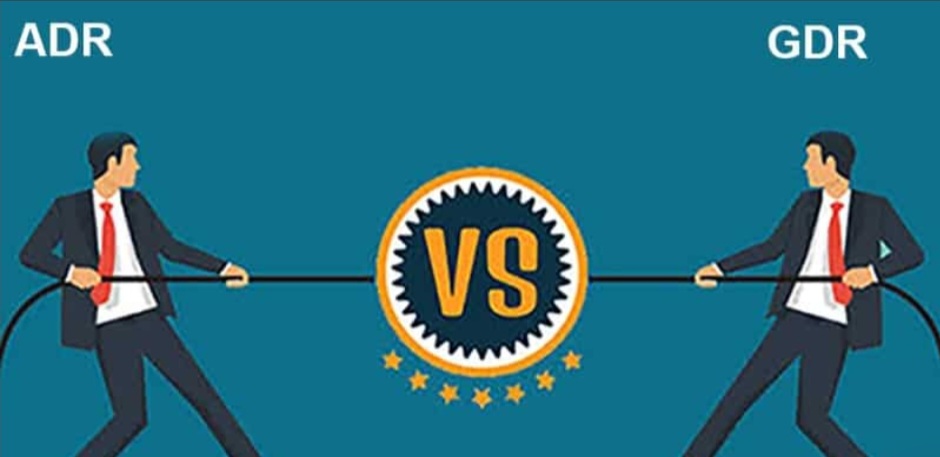
Depository receipt is a “ certificate which may be registered in the holders name but is more usually in form of a bearer security, giving the holder ownership of a specified number of shares in a company which have been deposited with a financial institution usually a depository bank.” It helps and permits the investors to acquire and trade in foreign securities and it gives access to major international markets. Depository receipt include American Depository Receipt( ADR) and Global Depository Receipts( GDR).
ADR and GDR are issued by overseas depositors against ordinary shares issued and placed with domestic custodian by Indian companies. Indian companies are permitted to access international capital markets through issue of ADR and GDR.
American Depository Receipts
It refers to securities offered, sold and traded in the American markets. Shares of foreign companies are traded in U.S stock markets in form of ADR. An ADR is issued by U.S bank and represents shares of foreign company held in custody in United States. By trading in ADRs, American investors manage to avoid problems of dealing in foreign securities markets. It enables companies to raise funds in the U.S financial markets.
Global Depository Receipts
It refers to securities offered, sold and traded outside U.S and outside the company’s home country. They are certificates issued by bank in more than one country . The certificates allow the underlying shares which are traded in only one country to be offered globally without the need to be registered in foreign equity markets. The issuer doesn’t have to comply with U.S General Accepted Accounting Practices (GAAP) and Securities and Exchange Commission (SEC) disclosure requirements.
India has a great history of agrarian culture. Agriculture is the soul of rural India. It is an ancient form of economic activity in our country. It also contributes a significant figure to the Gross Domestic Product (GDP).
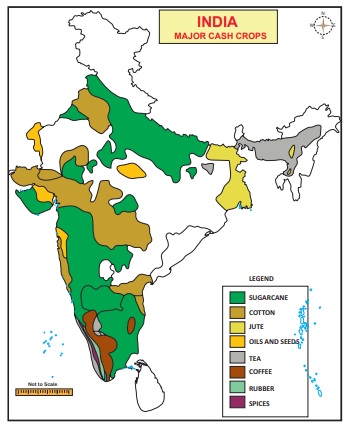
Major Crops A variety of food and non-food crops are grown in different parts of our country.
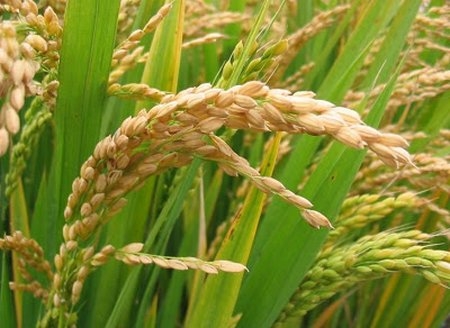
Few crops are: Rice It is grown in the plains of north and in the parts of north-eastern India; it is also cultivated in coastal and deltaic regions. India is the second largest producer in the world after China. Areas of less rainfall, such as Punjab, Haryana and Western Uttar Pradesh and parts of Rajasthan have been made appropriate for cultivation of rice with the development of canal and irrigation tubewells.
Maize It is a kharif crop which in both used as food and fodder. Karnataka, Uttar-Pradesh, Bihar, Andhra Pradesh and Madhya Pradesh are the major maize-producing states of India. Production of maize have increased with the use of modern inputs such as HYV seeds, fertilizers and irrigation.
Millets The coarse grains, such as, jowar, bagra and ragi are major millets produced in India. Maharashtra is the largest producer of jowar. Other than this, Karnataka, Andhra Pradesh and Madhya Pradesh are other leading producer of jowar. Bajra is grown in Rajasthan, which is the largest producer of bajra, followed by Uttar Pradesh, Maharashtra, Gujarat and Haryana.
Ragi Ragi is grown in dry regions and Karnataka is its largest producer followed by Tamil Nadu, Himachal Pradesh, Uttarakhand, Sikkim, Jharkhand and Arunachal Pradesh.
Wheat It is the second most important cereal crop after rice and the two important wheat-growing zones of India are the Ganga- satluj plains in north-west and black soil region of the Deccan. Punjab, Haryana, Uttar Pradesh, Bihar, Rajasthan and Madhya Pradesh are the leading producers of wheat.
Pulses India is the largest producer and consumer of pulses in the world. Major pulses grown are tur, Urad, moong, masur, peas and gram. The leading states producing pulses are Madhya Pradesh, Uttar Pradesh, Rajasthan, Maharashtra and Karnataka.
Sugarcane India is the second largest producer of sugarcane after Brazil. Sugarcane is the main source of sugar, gur, khandsari and molasses. Uttar Pradesh, Maharashtra, Karnataka, Tamil Nadu, Andhra Pradesh, Bihar, Punjab and Haryana are the sugarcane producing States of India.
Oil Seeds Main oil-seeds of India includes mustard, groundnut, coconut, Sesamum (til), soyabean, caster seeds, cotton seeds, linseed and sunflower, in which some are edible and used in cooking. Also, some are used a raw material for the production of soap, cosmetics and ointments. Groundnut is the major oil seed produced in Andhra Pradesh, Tamil Nadu, Karnataka, Gujarat and Maharashtra. Sesamum is a kharif crop in north and caster seed is grown both as rabi and kharif crop.
Tea Tea was introduced by British in our country, which grows well in tropical and sub-tropical climates endowed with deep and fertile well-drained soil. Tea is processed in a tea garden to maintain its freshness and requires huge labour for its cultivation. The hills of Darjeeling and Jalpaiguri, Assam, West Bengal, Tamil Nadu and Kerala are the largest producers of tea in India. Some other tea producing states are Himachal Pradesh, Uttaranchal, Meghalaya, Andhra Pradesh and Tripura.
Coffee The varieties of India coffee has a demand all over the world mostly for its good quality. The Arabica variety, which is brought from Yemen, is produced in India which was initially introduced on the Baba Budan Hills and now-a-days, it is confined to Nilgiri in Karnataka.
Horticulture crops India is very famous for its fruits and vegetables around the would and is the largest producer as well. The fruits like Mangoes, which is mostly produced in Maharashtra, Andhra Pradesh, Uttar Pradesh and West Bengal, Oranges which are produced in Nagpur and Cherrapunjee, Bananas of Kerala, Mizoram, Maharastra and Tamil Nadu, Lichi and guava which is grown in Uttar Pradesh and Bihar are demanded all over the world. The other fruits of great demand are Pineapples of Meghalaya, grapes of Andhra Pradesh, Maharastra; Aplles, pears, Apricots and Walnuts of Jammu and Kashmir and Himachal Pradesh.
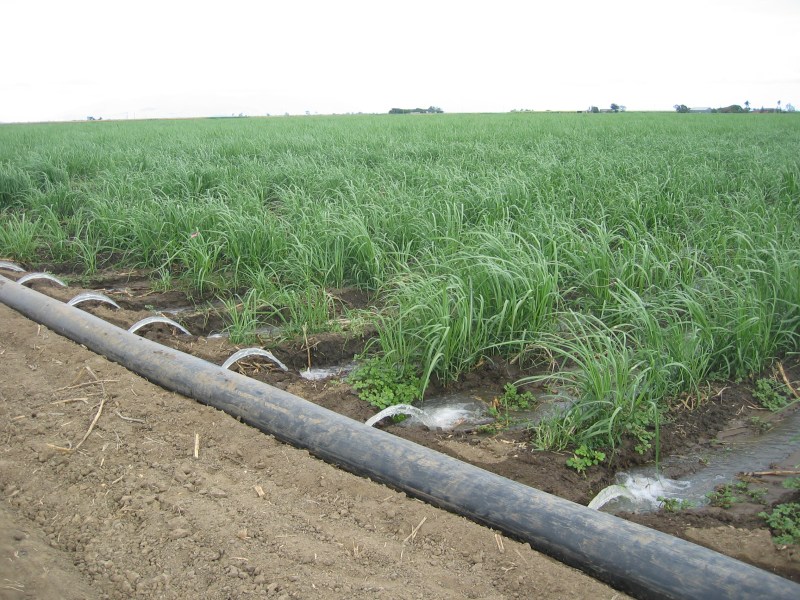
What is Irrigation? Irrigation is the process of applying water to the crops artificially to fulfil their water requirements. Nutrients may also be provided to the crops through irrigation. The various sources of water for irrigation are wells, ponds, lakes, canals, tube-wells and even dams. Irrigation offers moisture required for growth and development, germination and other related functions. The frequency, rate, amount and time of irrigation are different for different crops and also vary according to the types of soil and seasons. The types of irrigation systems are practised based on the different types of soils, climates, crops and resources.
Methods of Irrigation: Irrigation can be carried out by two different methods: • Traditional Methods • Modern Methods Traditional Methods of Irrigation In this method, irrigation is done manually. Here, a farmer pulls out water from wells or canals by himself or using cattle and carries to farming fields. This method can vary in different regions. The main advantage of this method is that it is cheap. But its efficiency is poor because of the uneven distribution of water. Also, the chances of water loss are very high. Some examples of the traditional system are pulley system, lever system, chain pump. Among these, the pump system is the most common and used widely.
Modern Methods of Irrigation The modern method compensates the disadvantages of traditional methods and thus helps in the proper way of water usage. The modern method involves two systems: • Sprinkler system • Drip system
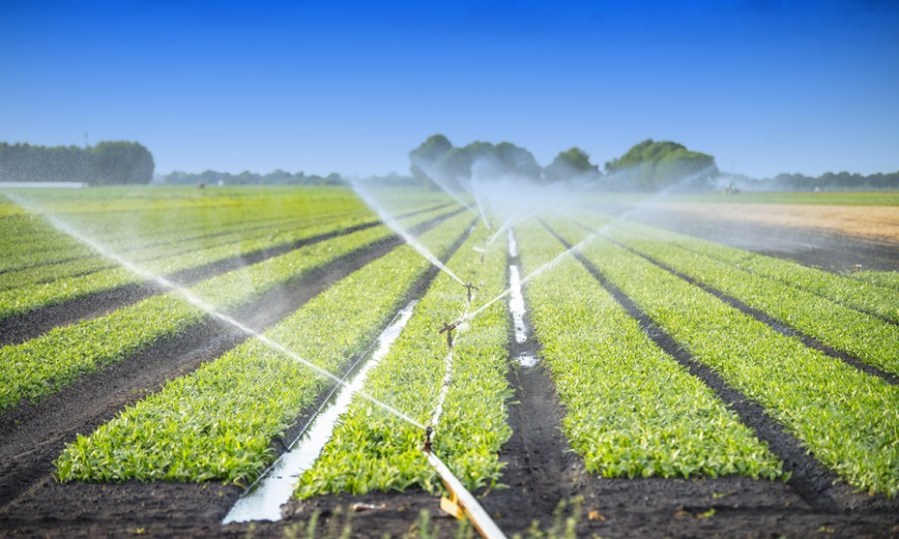
SPRINKLER SYSTEM: A sprinkler system, as its name suggests, sprinkles water over the crop and helps in an even distribution of water. This method is much advisable in areas facing water scarcity. Here a pump is connected to pipes which generate pressure and water is sprinkled through nozzles of pipes.
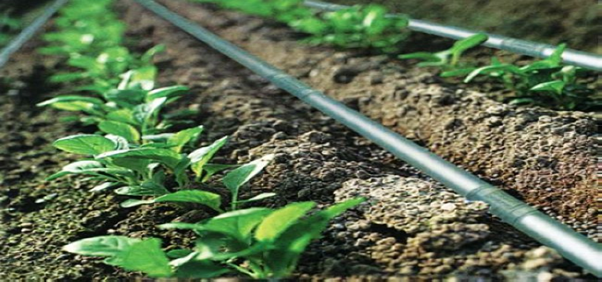
DRIP SYSTEM: In the drip system, water supply is done drop by drop exactly at roots using a hose or pipe. This method can also be used in regions where water availability is less.
FEW OTHER TYPES OF IRRIGATION ARE: Localized Irrigation Water is scattered throughout the land under low pressure. A piped network, that passes throughout the soil, is used for water distribution so that all the plant gets water effectively. Center Pivot Irrigation Water is scattered throughout the land by a machine of sprinklers that move on wheeled towers in 360 degrees pattern or a circle that would move around the land and sprinkle water all over the soil and it is really efficient and effective and this procedure or system is well recommended in a lot of countries but mostly used in the USA. Surface Irrigation Water is scattered equally throughout the land with the help of gravitational pull and it doesn’t require a machine to take care of it. This consists of a vast amount of irrigation methods in which water is scattered, the things you need to have before you introduce the irrigation water to the basins are by siphons, gated pipe. This system is best suited for areas that have a parallel slope or flat surface and a moderate fine-textured soil type. This helps the surface to have water spread through it evenly as it moves down across the basin.
There are three types of surface irrigation: • Basin irrigation • Furrow irrigation • Flood irrigation • Bay/border strip irrigation
Lateral Move Irrigation Water is scattered throughout the land evenly through a series of pipes or water lines, they can either be controlled by hands which could be less effective compared to a man-made machine for sprinkling water all over the land. The sprinkles move only a recommended distance on the field and for the next land, the Reconnection of the water hose is required to cover the next distance. Compared to the other irrigation systems, lateral move irrigation system tends to be way cheaper but requires a lot of labor or manpower. Sub-Irrigation In this process, the surrounding water table is raised to scatter water evenly across the land. Methods like pumping stations, canals, gates, ditches, and a few other systems are used to raise the water table. This irrigation method is one of the most effective for scattering water throughout the areas with a high water table. Manual Irrigation Water is scattered across evenly around the field with the help of manual power such as labors and watering cans. This system is very labor concentrated. Each of these methods is useful in its own specific way and it depends on how you are using it and what you are using it on. The lade matters as sometimes the best irrigation system might seem to have flaws in it. Make sure you determine the soil you are using and check whether you have a good supply reservoir filled with water around you which would make it easier for you to take care of your plants.
in India, till the year 1976, the state was handling the responsibility of education as the central government only take care of forming standards for technical and higher education. since 1976 it has become a joint responsibility . the decision regarding the organization and structure of education is taken by the states .so the union government is clearly concerned about the quality of the type of education.
laws related to the education system in india
as in India, we have the right Right to education which states that every child has the right of getting primary education between the age of six to fourteen here the government meant free primary education. free actually means no child is liable to pay any fees until it completes its primary education. it provides free education to those students who can not avail it on their own. it also gets details about parents, government, and local authorities on the basis of info it gives the free education.
there is another act right to information which allows the examiner to examine that the student should have freedom of speech and expression.
the right to equality is also an act that came by the government to remove the discrimination between the students during the time of admission as the schools can not say no to admission without having a valid reason so which helps in becoming everyone equal for education.
the student have an right of getting a loan for his education if he has attained the age of 18 as now he is eligible for come into any type of contract .
scheme for secondary education
Rashtriya Madhyamik Shiksha Abhiyan
Girls Hostel Scheme
National Scheme of Incentives to Girls for Secondary Education
Inclusive Education for Disabled at Secondary Stage
Scheme of Vocational Education
National Merit-cum-Means Scholarship Scheme
Scheme for construction and running of Girls Hostel for students of secondary and higher secondary schools






 Eduindex
You must be logged in to post a comment.