DDA Planning Assistant Syllabus 2022


Part-I

i.Basic concepts of urban planning and Architecture, Planning Legislation
and GIS.

Section 1: Architecture
Section 2: Environmental Planning and Design
Section 3: Services, Infrastructure and Transportation
Section 4: Planning Legislation and GIS

ii. Delhi Development Act, (DD Act), 1957 will include all sections and provisions of the Act.
iii. Master plan of Delhi 1962-2021 will include provisions, strategies and Master Plan
proposals as per documents published from time to time.

Part-II:

To measure candidate’s reasoning ability, quantitative aptitude and proficiency in English and
General Awareness

a) Test of Reasoning
b) Test of Quantitative Aptitude
c) Test of General Awareness and
d) Test of English Language


DDA Planning Assistant Syllabus 2022: Detailed Syllabus

Part-I

i.Basic concepts of urban planning and Architecture, Planning Legislation
and GIS.

Section 1: Architecture

Elements, construction, architectural styles and examples of different periods of Indian and Western History of Architecture;
Oriental, Vernacular and Traditional architecture;
Architectural developments since Industrial Revolution;
Influence of modern art on architecture;
Art nouveau, Eclecticism, International styles, Post Modernism, Deconstruction in architecture;
Recent trends in Contemporary Architecture;
Works of renowned national and international architects.

Section 2: Environmental Planning and Design

Ecosystem- natural and man-made ecosystems;
Ecological principles Concepts of Environmental Impact Analysis;
Environmental considerations in planning and design;
database for incorporation of environmental concerns in planning analysis, land suitability analysis, vulnerability analysis;
Climate responsive design;
Solar architecture; methods of addressing environmental quality;
Green Building Concepts and Rating; ECBC; Building Performance Simulation and Evaluation;
Environmental pollution- types, cause, controls and abatement strategies.

Section 3: Services, Infrastructure and Transportation

Urban infrastructure- Transportation, Water Supply, Sewerage, Drainage, Solid Waste Management, Electricity and Communications;
Process and Principles of Transportation Planning and Traffic Engineering; Road capacity;
Traffic survey method; Traffic flow characteristics;
Traffic analyses and design considerations; Travel demand forecasting;
Land use transportation – urban from inter-relationships; Design of roads, intersections/ grade separates and parking areas, Hierarchy of roads and level of service;
Traffic and transport management and control in urban areas;
Mass transportation planning; Para-transits and other modes of transportations Pedestrian and slow moving traffic planning; Intelligent Transportation Systems.

Section 4: Planning Legislation and GIS

Planning legislation will include acts and legislation related to development management and maintenance of Delhi and other towns of NCR, municipal corporation and local bodies, Land Acquisition Act, PPP etc. Local self- Governance.

ii. Delhi Development Act, (DD Act), 1957 will include all sections and provisions of the Act.
iii. Master plan of Delhi 1962-2021 will include provisions, strategies and Master Plan
proposals as per documents published from time to time.

Part-II:

To measure candidate’s reasoning ability, quantitative aptitude and proficiency in English and
General Awareness

a) Test of Reasoning
b) Test of Quantitative Aptitude
c) Test of General Awareness and
d) Test of English Language

Videos Lectures Covering these Topics are available at 

https://www.youtube.com/c/Track2Training


Consideration of Environmental Factors in Planning and Development of Urban Areas

 In order to ensure safety and adequate conditions of life of the population, to limit the negative impact of economic and other activities on the environment and to ensure the protection and rational use of natural resources for the benefit of present and future generations, local governments in the implementation of spatial planning should take environmental factors into account. Therefore, speaking about environmental factors, we should pay attention to those functional areas that are most dependent planning in relation to environmental factors or themselves have an impact on the environment.

These are production zones, zones of engineering and transport infrastructures, residential and recreational areas. Production zone designed to accommodate industrial, municipal and warehouse facilities. The production area recommended to be placed on territories with a calm relief, providing convenient transport links to places of settlement employed in the enterprise workers and external facilities and urban transport. Planning should take into account the fact that in the production area included the territory of sanitary protection zones of the objects themselves and in these sanitary protection zones are not allowed in residential houses, preschool and educational institutions, and healthcare institutions, leisure, recreational and sports facilities, horticultural, suburban and gardening cooperatives and agricultural production.

In addition to production areas should pay attention to the zones of engineering and transport infrastructure, which is designed to accommodate activities and facilities and communications of railway, road, river, Maritime, air and pipeline transport, communications and engineering equipment, and also have in one way or another impact on the environment. When planning must take into account compliance with the required distances from such facilities to areas of residential, social, business and recreational areas and other requirements to prevent harmful effects on the environment. It should be understood that the objects of engineering and transport infrastructure, possessing the feature of a direct harmful impact on the security of the population, must be located outside urban and rural settlements.

Also in planning land use should pay attention to the location of the city’s recreational areas. As these areas are intended for the organization of places of rest of the population you need to consider that their territories are not permitted the construction and expansion of existing industrial, communal and storage objects, which can have a negative impact on human health and the environment. The exception may be only industrial, municipal and warehouse facilities, which is directly related to the operation of facilities health and recreational purposes.

Territorial planning of the municipal district is accompanied by the preparation of necessary documentation for territorial planning.

documents of territorial planning;

documents zoning;

documentation on planning the territory.

In accordance with article 18 of the town planning Code of the Russian Federation territorial planning documents of municipalities are:

territorial planning schemes of municipal districts;

master plans of settlements;

master plans of urban districts

The General plan of the municipal formation is main planning document that determines the prospects of development of the city for a long time. It must be presented not only transport, architectural planning, engineering, social and industrial aspects of city development and the ecological living conditions of the population and prospects of preservation of the environment. With the development of project planning documentation should consider the regulations and restrictions on natural resources, the sanitary-hygienic norms and rules, and other regulations governing environmental safety of living of population, natural features areas, the demographic features of the territory, its historical and cultural value and other environmental factors, or otherwise influencing the adoption of planning decisions.

Such a collection of information about the area required for the implementation of investment projects for the integrated development of the city. Detailed preliminary analysis of the relevant documents allows to predict the possible risks at the initial stage of implementation of the investment. These documents are very important for the investor because on the basis of the relevant documents, management decisions that may affect the interests of holders of land plots and capital construction objects (for example, decisions on seizure of land plots).

Environmental factors

Ecological factors are processes or individual elements of the environment, natural or anthropogenic, are considered when planning land use in order to ensure favorable living conditions of the population and protection of sustainable functioning of natural ecological systems from pollution and other negative impacts of economic and other activities.

For effective management of urban areas and improve the planning should include the parameters of the natural environment as good or bad as air, drinking water quality, the presence or absence of green areas, noise, the presence or absence of unattractive objects. Very often three of the above factors — air quality, the presence of landscaping and the absence of industrial facilities that form people’s opinions about the good or bad quality of the environment and create preconditions for increase of prestige of urban areas and, consequently, increase in property prices of the cities.

Thus, in the urban planning law defines the concept of sustainable development of territories. In accordance with paragraph 3 of article 1 of GRK of the Russian Federation sustainable development of territories is a provision in the implementation of urban development of safe and favorable conditions of human life, the limitation of negative impact of economic and other activities on the environment and the protection and rational use of natural resources for the benefit of present and future generations.

The concept of sustainable development has a similar wording in the international law document – the Rio Declaration on the environment. On the basis of recommendations and principles published documents in Rio de Janeiro in 1992 at the UN Conference on environment and development.

The analysis of the documentation on territorial planning and materials for the assessment of the ecological status of the city, helped to identify the main problem areas of the municipality. Such today are:

environmental pollution by industrial enterprises and motor transport;

the poor state of hydrographic system of the Piedmont historical part of the city;

flooding and flooding of territories;

pollution of surface waters;

solid waste management.

In the framework of the environmental project acquired a mobile laboratory, which today can produce a sample of atmospheric air in any part of the city and the industrial site. 

It should be noted that industrial activities has a negative impact not only on air quality but also on water sources, therefore, for the protection of water environment and prevention of negative impact of industrial enterprises on its facilities in the city master plan is provided to develop projects for the organization water protection zones and coastal shelterbelts on water bodies. To clean the territories of water protection zones from industrial waste, to identify businesses that unauthorized use of water objects and to apply penalties, in accordance with environmental legislation.

It should be noted that industrial enterprises have a negative impact not only on atmospheric air and water objects, but also on the soil condition of the city district. To recover and also to prevent contamination and destruction of the soil cover of the city, the master plan proposes to develop a series of measures on protection of water objects, pesticides, industrial and other technological waste. For this reason provided for activities such as reclamation and rehabilitation of the territories of the liquidated farms, agricultural enterprises and other polluting objects. You should also organize agrotechnical service for continuous monitoring for quality changes of soil and taking appropriate measures for its protection, ensuring quality control and timeliness of performance of works on recultivation of disturbed lands.

In connection with these factors to improve the environmental situation in the city, to avoid the periodic flooding of urban areas and partial waterlogging, increasing the service life of pavement, as well as to reduce pollution of surface water the master plan provides for the comprehensive development of the Sewerage system of storm (rain) wastewater and protection from flooding of the city, as well as works on Bank protection of the river in the area of the cemetery and the construction of the dam embankment. 

On the territory of the municipality of solid waste represents a source of environmental pollution, contributing to the spread of hazardous substances. However, they contain in their composition components (ferrous and non-ferrous metals, plastics), which can be used as secondary resources. Production debris, similar in composition to MSW could be used as valuable secondary raw material after special processing. Food waste (catering, vegetable bases, etc.), if they do not require sorting, are also of great value. In any case, the separation of food and non-food solid waste allows us to offer an adequate technology of their processing.


Environmental Factors Affecting Urban Planning

Environmental factors, in varying degrees, always have a direct influence on the urban environment formation and the provision of favorable and safe conditions for the life of the population. Their role in the planning and development of urban areas remains an integral part of the management of such areas. Management should be aimed at improving the efficiency of use of the territories and ecological environment improvement. Planning must be done with the consideration of identified ecological processes in cities on the basis of the information about their occurrence in the past and present. Currently, cities face a multitude of problems that require urgent and immediate solutions. One of the most important issues is the poor state of the urban environment, so the environmental factors remain one of the most critical problems that should be considered by the authorities while implementing the urban areas’ development plans. 

It should be noted that urban development depends very much on investment policies, where the state, local governments are trying to develop a mechanism for development . 

The main sources of pollution of surface waters are insufficiently treated and untreated wastewater of industrial and utility companies, untreated sewage urban stormwater, runoff agricultural enterprises. As before, almost everywhere water bodies contaminated stubborn organic substances, compounds of iron, copper, zinc, manganese, oil products. The high content of these substances, with the exception of petroleum products, caused by natural factors.

Intense sources of pollution are urban stormwater, landfills for industrial and household waste from the territory of which there is erosion and filtering pollutants .

The impact of individual industries on the environment of the city

Industrial influence

The problem of all the industrial enterprises, the formation of large quantities of waste, air emissions, wastewater and solid waste production. The reduction of areas of forests, savannas, steppes in connection with the rapid construction of cities, industrial enterprises and highways leads to the reduction of oxygen in the atmosphere.

Therefore, the subjects of such enterprises should seek to take into account and improve the greening of production in the process of financial and economic activities.

Mining and processing enterprises for industrial purposes use large quantities of water. This entails the formation of wastewater contaminated with various substances, which in contact with water bodies is detrimental to their inhabitants. In the surface water is discharged petroleum products, copper compounds, iron, zinc, phosphorus, phenol, ammonia and nitrite nitrogen. Very often these and other harmful substances are in the groundwater, where they seep from landfills production and agriculture.

Transport influence

Transport is one of the most important elements of the material-technical base of social production and a necessary condition for the functioning of modern industrial society, as it is used for the movement of goods and passengers.

Transport is a major source of acoustic pollution of the environment. In large cities, the noise level of 70-75 acoustic decibels, which is several times exceeds admissible norms.

The combustion of fuel in engine cylinders are formed non-toxic (water vapor, carbon dioxide) and toxic substances. The latter are the products of combustion or side-reactions occurring at high temperatures. The main toxic component of exhaust gases released during the operation of gasoline engines is carbon monoxide. It is formed by incomplete oxidation of carbon fuels due to lack of oxygen in the whole volume of the engine cylinder or in its separate parts.

The priority areas of reduction of environmental pollution by motor transport are the use of new types of vehicles, minimally polluting (e.g., electric vehicle), rational organization and management of traffic flows and the use of better and more environmentally friendly fuels (e.g. gas).


Sewage and waste water

At present, domestic sewage is a huge problem both from the point of view of ecology and the environment, and economic side. Of the household domestic waste water to the hydrosphere do organic substances which are decomposed by oxygen-consuming colonies of bacteria. With the necessary access of air to the aerobic bacteria convert the wastewater into environmentally harmless substances. Given the restricted access of oxygen to the sewage decreases the activity of aerobic bacteria, thereby developing the anaerobic bacteria, implying the process of decay.

With sewage from domestic wastewaters into the water includes pesticides, phenols, surfactants (e.g., detergents). Their decomposition process is slow, some substances do not decompose at all. Via food chains from the organisms of aquatic animals and fish, these substances enter the human organism, negatively affect human health, which can further lead to various acute and chronic infectious diseases.

Municipal solid waste

Environmental pollution household waste affects the person through air, water, foods of plant origin grown on the poisoned soil debris.

Entering the soil chemical compounds accumulate and lead to a gradual change of chemical and physical properties, reduce the number of living organisms, impair fertility. Along with pollutants, often in soil bacteria, helminth eggs and other harmful organisms. Currently the recycling of trash is becoming the phenomenon only in a few countries, but there is an important need for more active use. Such methods of disposal of waste placement on landfills and incineration is not innocuous. Landfills emit methane gas, which creates a menacing our planet, the greenhouse effect, trapping heat in the earth’s atmosphere.

Gaura Devi who played an important role in Chipko Movement.

Gaura Devi (1925 – 1991) was a social activist and a rural women community leader from Uttarakhand, India who played an important role in the Chipko movement in 1970’s .
Gaura Devi was born in 1925 in a village named Lata of Chamoli district in the state of Uttarakhand. She got married at very young age, afer her marraige she moved to a nearby village named Reni by the Alaknanda River. At the age of 22 she was a widow with a child. After her husband death she moved to a new village which was near to the border of Indo-Tibet.

An environmentalist Sunderlal Bahuguna initially started the Chipko Movement . Gaura Devi became the leader of the Chipko movement in 1974. Gaura Devi was elected to lead the Mahila Mangal Dal (Women’s Welfare Association) in the wake of the Chipko movement. The organization worked towards protecting the forests of the community. On March 25, 1974, she learned from a young girl of the village that a local loggers of the village were logging a tree near the village. People in the village of Reni were told the news that according to government new policy, the government would pay compensation to the people for the land used by the army . Gaura Devi and 27 other women decide to take action against the loggers. She confronted the loggers and demanded that the men shoot her instead of cutting down trees, and she described the forest as “vandevta” (the jungle god) and her maika (mother’s house). Eventually, for the next three or four days Gaura Devi along with other village women’s protect the trees by hugging the trees , despite the insults and intimidation of the armed loggers,she was able to stop the logger’s work . After seeing the bravery of Gaura Devi and other village women’s how they protect the trees who are the important part of thier life other villagers from different villages joined the action with her . After this incident, the Uttar Pradesh government set up a specialized committee to investigate logging issues, and the logging company withdrew its subordinates from Reni. The Commission stated that the Reni Forest is an ecologically sensitive area where trees should not be logged. The Uttar Pradesh government who was in power of that area at that has since banned all logging in areas over 1150 km² for 10 years.

Some other important activist who played an important role in Chipko Andolan or Chipko movement along side Gaura Devi were :
Suraksha Devi, Sudesha Devi, Bachni Devi and Chandi Bhatt, Virushka Devi and others.

Gaura Devi passed away in July 1991, at the age of 66 in Reni village Chamoli.

“Ecology is permanent economy “

-Sunderlal Bahuguna

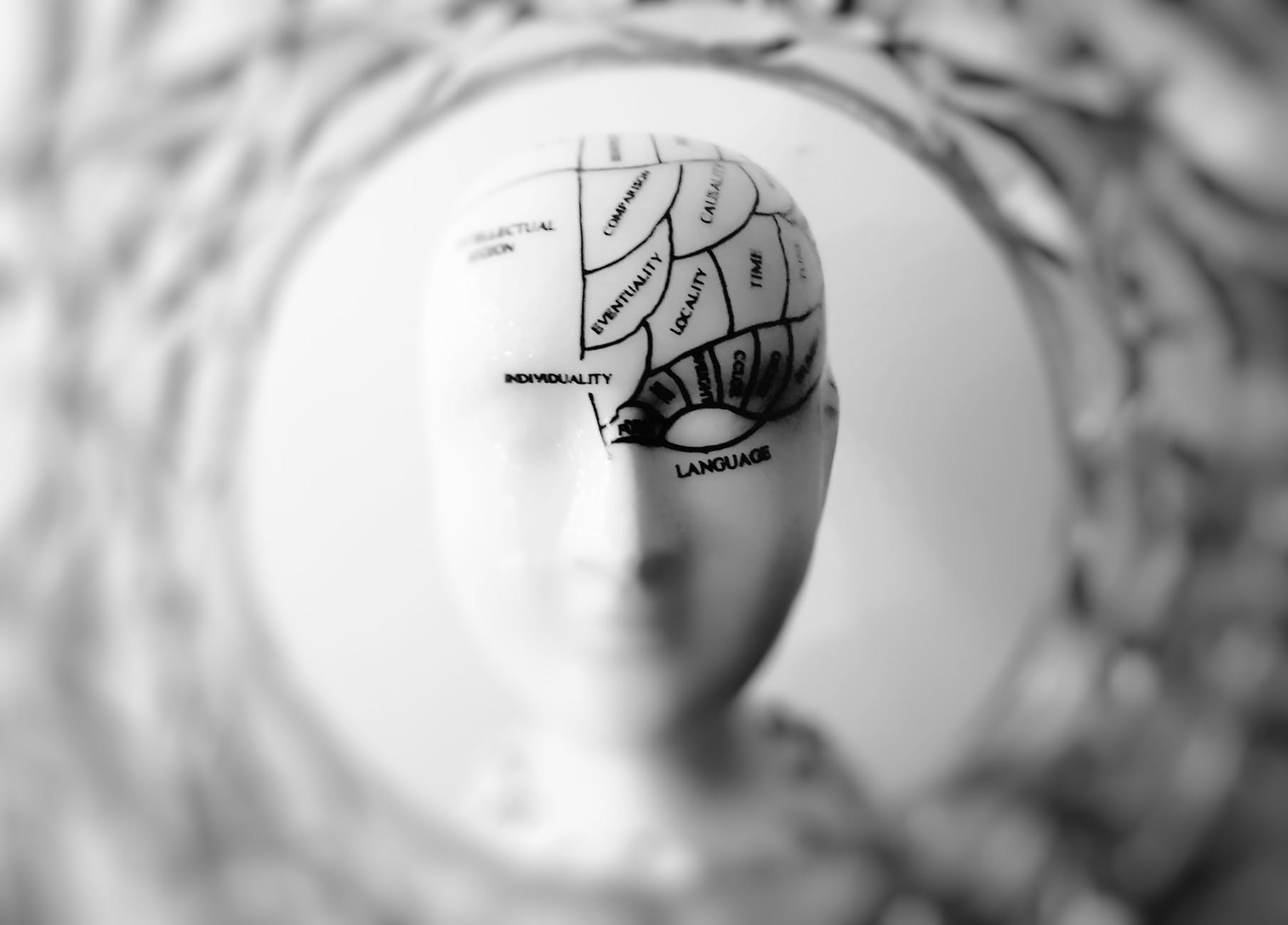
Applied Psychology

Photo by meo on Pexels.com

Applied psychology is the application of psychological principles and methods to resolve problems of human experience which may be related to human experience, health, family, workplace, etc. It is that field of psychology which validates psychological theories and focuses on putting practical research into action to achieve the desired result.

VARIOUS FIELDS OF PSYCHOLOGY:

  1. Educational psychology:
    1. Helps in developing strategies for better teaching approaches.
    2. Improves learning environment and gives advice on curriculum formation
  2. Occupational psychology:
    1. Helps in increasing the employee productivity, job satisfaction at work and overall effectiveness of an organization.
    2. Ids in organizational functions such as staff recruitment training, employee relations, performance appraisal, motivation, counselling and maintaining work environment.
  3. Health psychology:
    1. Helps diseases individuals to cope with illness, develop positive attitude, recover from illness and lead quality life.
    2. Educates and motivates people to make better health choices, contribute to improving the healthcare system and aid the government in designing healthcare policy.
  4. Cognitive psychology:
    1. Aids in treating learning disorders, structure. The educational curriculum to augment learning and improve desicion making ability.
    2. Provides help to cope with increased stress levels, memory disorders brain injury and additional difficulties.
  5. Clinical psychology:
    1. Helps in diagnosis,rention and treatment of emotional disturbances and behavioral problems.
    2. Helps the individual to promote well being and personal development.
  6. Sports psychology:
    1. Helps athletes and sports person to cope with the intense pressure generated out of competition.
    2. Enhances the performance of an athlete, motivates him and hastensthe recovery from injuries too.
    3. Teaches the common man to enjoy sport and promote well being by sticking to an exercise regimen.
  7. Developmental psychology:
    1. Aims to resolve individual’s issues mostly related to society, school, career, family and health.
  8. Criminal psychology:
    1. Assissts law enforcement agencies in apprehend in the criminals.
    2. Provides an understanding of will, intention, thoughts, feelings and reactions of criminals with the main goal of reducing crimes.
  9. Social psychology:
    1. Talks about social perceptions and interactions that are key to understanding social behavior.
    2. Looks at a wide range of other topics such as aggression, prejudice and non verbal behavior.

What is coding and how to learn it?

Friends, you must have a smartphone, and you must have searched a lot of things on it, you must have run many websites on your smartphone, so friends, do you know how these websites and software are made? These are made by coding, which a developer can understand and create.

Nowadays everyone is interested in computers and mobiles, and nowadays everyone wants to keep up with the times. If you are interested in learning and doing anything in computer programs, mobile apps, websites, games or software, then first you have to learn to program. Programs are created using a programming language.
Programming is used in all of our computers, mobiles, and all those smart devices that we use them for. A programmer makes any program by working hard. From website to software, nothing is possible without programming and coding.
All things are becoming smart earlier we had to withdraw money from the bank, then we started withdrawing money from ATMs, and now we can transfer money online to anyone whenever we want sitting at home, and our time in it. Saves a lot, and does not cause much trouble. So let us know what is coding and how you can learn from it.

What is Coding?

What is coding and how to learn it


Coding is also known as programming. Whatever we do on the computer, all the work is done through this. It is through coding that the computer is told what to do. That is, the language that the computer understands is called coding. If you know coding language then you can easily create websites or apps. Apart from this, many things can be done with coding languages, such as artificial intelligence and robotics.

In computers we do not see coding or programming, we just see the front end, coding and programming have a front end and back end so that we can use computers and smartphones.

There are many programming languages, some are used for web development and some are used for Android app development, which not everyone can do without knowledge. To do programming or coding, you should have a good knowledge of it.

Some coding languages ​​are more usable.

  • C-Language
  • C++
  • Java Script
  • HTML
  • CSS
  • PHP
  • MySQL
  • JAVA
  • .NET
  • RUBY
  • Python

How to learn to code?

Friends, you know what is coding, if your interest is in computers and if you want to learn coding or programming, then we will tell you how you can learn.

To learn to code, first, you have to start with the basic things, friends, it is not necessary, to do coding or programming, you must have a software engineer degree, if you do not have a degree, then it does not matter. You can learn programming by working hard.

You do not need to work very hard to learn programming or coding, you just have to do everything according to your mind, and you will become proficient in it.

By the way, you must know that if we want to learn anything well, then for that we should do that thing with a lot of attention, and something similar has to be done in coding too.

if your interest is in computers and if you want to learn coding or programming, then we will tell you how you can learn.
To learn to code, first, you have to start with the basic things, friends, it is not necessary, to do coding or programming, you must have a software engineer degree, if you do not have a degree, then it does not matter. You can learn programming by working hard.

You do not need to work very hard to learn programming or coding, you just have to do everything according to your mind, and you will become proficient in it.

By the way, you must know that if we want to learn anything well, then for that we should do that thing with a lot of attention, and something similar has to be done in coding too.

To learn to code, you need basic things like C++ for computer programming and HTML for web development. The app can learn coding offline and online

How to learn offline coding?

To learn to code offline, you can go to a coaching class where programming is taught, and learn coding from a programming book, if you do not know about coaching, then you can take help from a friend.

Or you can also search on google.

How to learn to code online?

There are many websites to learn coding online, from which you can learn coding, you will find many websites online, from which you can learn coding,

Many websites teach coding and programming for free, and there are many ACs, for which you have to pay. e.g. w3schools.com, codewithharry.com, http://www.tutorialspoint.com

Website for learning Coding

  • freecodecamp.org
  • theodinproject.com
  • learncs.org
  • codewars.com
  • geeksofgeek.org

Friends, now you will have the command to understand and you must have got some help in knowing what is Coding and how it can be learned.

If you have anything that you did not understand, or you want to ask something from us, then you can ask us in the comment box given below. And do share this article with your friends as well, and inform them about it too.

What is Elementor? How to make a website with Elementor

What is Elementor and how to use it?

What is Elementor


Hello friends, friends, are you also a blogger, do you also have a website, or do you want to create a website, but due to lack of technical knowledge, you are not able to create.

So you do not need to worry, today we are going to tell you something good, which will be useful for you, and after using it you can also create your website.
Friends, today we are going to talk about Elementor Page Builder, which is used in WordPress, to design your website.

So let’s know what Elementor is, how it works, and how it can be of use to you.

What is Elementor?

Elementor is a WordPress page builder plugin used to design websites or pages. With the Elementor plugin, you can create any design you want for your website.

If you do not have much knowledge of WordPress, and you do not know how to design a website, then you can create it using Elementor, you can learn Elementor very soon, after which you can design your choice.

Elementor is the most famous WordPress page builder. Elementor is a drag-and-drop page builder plugin that is used in WordPress. By downloading the Elementor Plugin, you can create a page of your choice.
Elementor page builder works well with any WordPress theme and can be used for any page type like homepage, blog post, etc. In addition, you can do many more things with the Elementor plugin with the help of many addons.

Why is Elementor the best page builder?

To know for yourself what Elementor is, let us tell you why Elementor is the best page builder?

  • Elementor is a drag-and-drop page builder plugin, which allows you to create a page of your choice.
  • Elementor has 500+ Pre Build Templates which you can import.
  • With Elementor, you can add or remove anything anywhere on the page.
  • By using Elementor, you will not have to buy expensive WordPress themes.
  • To design a page in Elementor, even if you do not know Coding, you can still design a page with a little knowledge.

By the way, you will find many such page builders from which you can design your page, but you will probably not get as many things and features as Elementor gives for free in any other page builder.


By the way, in the free version of Elementor, you will get a lot of options for free, but if you want more extra features, then you can use it by buying Pro Plugin, but as far as we have used the plugin, then we have a lot of items were available in the free version.

Or you can also install Elementor Plugin by going to your WordPress Dashboard and going to Plugins>Add New.

So, friends, this was a small blog, what are Elementor? If you have anything that you did not understand, then you can ask us in the comment box given below, we will try our best to help you.

Free YouTube Premium subscription, free for 12 months

If you enjoy watching videos on YouTube and spend most of your time on it, then there is good news for you. A lot of ads come while you are watching YouTube, in such a situation the company gives you an opportunity to get a free subscription. To get YouTube Premium subscription you need to spend Rs 169. However, you can enjoy the free YouTube subscription without paying a single rupee. To do this, you must be part of the company’s referral program. As we have already said, you can pay Rs 169 for the premium subscription every month. That means you may have to spend up to Rs 2,000 in a year. But there is a way that can help you save that money. How does the referral program work? To get a premium subscription to YouTube, you must participate in the referral program. This program requires you to sign up with these friends and family using your referral code. To get a 12-month free YouTube Premium subscription, 12 people need to use your referral code. When a new user signs up with your referral code, you get a monthly subscription. Please note that there is no YouTube referral code program for iPhone yet. This company’s referral program will be active until May 2023. How to get 12 month subscription. First you need to open YouTube Android app. Then click on your profile picture in the top right corner of the app. Then go to the “Your Premium Benefits” option. Here you have the opportunity to get up to 12 bonus months with one URL. You can share this link with your contacts. At the same time, this page also tracks your rewards activity.

Free YouTube Premium subscription, free for 12 months

If you enjoy watching videos on YouTube and spend most of your time on it, then there is good news for you. A lot of ads come while you are watching YouTube, in such a situation the company gives you an opportunity to get a free subscription. To get YouTube Premium subscription you need to spend Rs 169. However, you can enjoy the free YouTube subscription without paying a single rupee. To do this, you must be part of the company’s referral program. As we have already said, you can pay Rs 169 for the premium subscription every month. That means you may have to spend up to Rs 2,000 in a year. But there is a way that can help you save that money. How does the referral program work? To get a premium subscription to YouTube, you must participate in the referral program. This program requires you to sign up with these friends and family using your referral code. To get a 12-month free YouTube Premium subscription, 12 people need to use your referral code. When a new user signs up with your referral code, you get a monthly subscription. Please note that there is no YouTube referral code program for iPhone yet. This company’s referral program will be active until May 2023. How to get 12 month subscription. First you need to open YouTube Android app. Then click on your profile picture in the top right corner of the app. Then go to the “Your Premium Benefits” option. Here you have the opportunity to get up to 12 bonus months with one URL. You can share this link with your contacts. At the same time, this page also tracks your rewards activity.

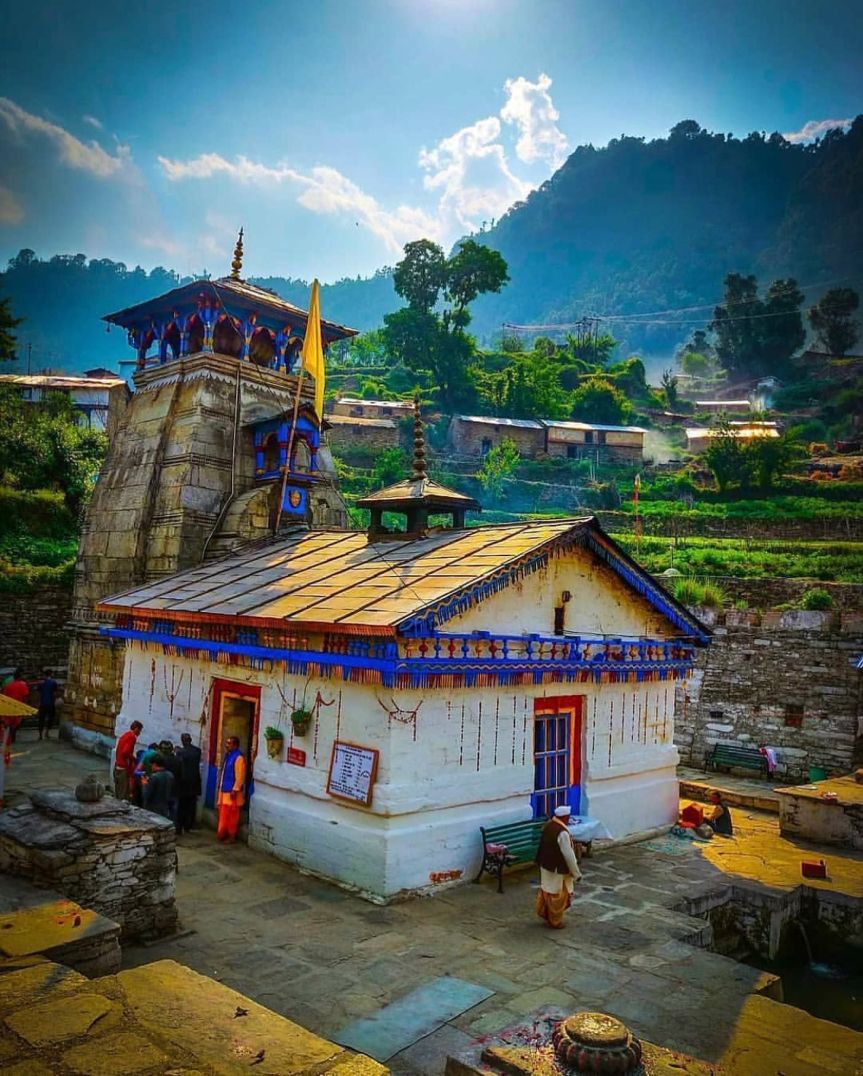
A temple believed to be a marriage place of Lord Shiva and Goddess Parvati.

Trijuginarayan Temple is a Hindu temple located in the village of Trijuginarayan in the Rudraprayag district, Uttarakhand, India. The ancient temple is dedicated to Lord Vishnu. Its a popular Hindu pilgrimage site because it is attributed to the legend that this is the place where the marriage of Lord Shiva and Goddess Parvati took place and which Lord Vishnu witnessed here. The hallmark of this temple is the eternal fire that burns in front of the temple. It is believed that the fire is burning from the time of Lord Shiva and Goddess Parvati marriage. Therefore, this temple is also known as Akhand Dhuni Temple. The temple courtyard is also the source of water that fills the three nearby sacred bathing ponds (Kund).

It is believed by many historian that Trijuginarayan Temple have been built by Adi Shankaracharya. Adi Shankaracharya is said to have built many temples in Uttarakhand. The shrine has a silver two-foot statue of Vishnu, accompanied by Consort (the goddess of wealth Lakshmi and the goddess of music and learning) Saraswati.The Trijuginarayan Temple is located at an altitude of 1,980 meters (6,500 feet), about 5 km from Sonprayag, the meeting junction of the Mandakini and Songanga rivers. During the three months of winter, the area is covered with snow. Apples and drupes are cultivated in this area for agricultural purposes.

According to Hindu Dharma, the goddess Parvati was the daughter of Himavat or Himavat-personification of the Himalayas. She was the reincarnation of Shiva’s first wife, Sati-who lost her life when her father offended Shiva. Parvati first tried to allure Shiva with her beauty, but failed. In the end, she suffered severe penance in Gaurikund, five kilometers from Trijuginarayan, and won Shiva. Pilgrim visitors to the Trijuginaryan Temple also visit the Gauri Kund Temple dedicated to Parvati, which is also the base camp for trekking to the Kedarnath Temple. According to mythology, Shiva proposed to Parvati in Guptakashi before getting married in the small village of Trijuginarayan .
Triwajinarayan is believed to be the capital of Himavat. It was the place where Shiva and Pearlvati married in heaven during Satya Yuga, and was witnessed in front of the eternally burning sacred fire in front of the temple of Havana Kund or Agni Kund. It is said Vishnu appeared at the wedding ceremony of Lord Shiva and Goddess Parvati as a brother of Parvati. Meanwhile, the Lord Brahma served as the priest of marriage which was witnessed by all the wise men of the time. The exact location of the wedding is indicated by a stone called Brahma Sila in front of the temple. The splendor of this place is also recorded in Stala Purana, a scripture unique to the Pilgrimage Center. According to the scripture , pilgrims visiting this temple consider the burning ashes of fire to be holy and carry it with them. The ashes from this fire are also believed to promote the bliss of the couple. There were no witnesses to the incident before the wedding, but it is believed that the gods taken bath from the four kunds: Rudra Kund, Vishnu Kund, and Brahma Kund. The stream of the three Kunds, according to legend, comes from Saraswati Kund, which is derived from the navel of Vishnu. Therefore, these Kund waters are considered a remedy for infertility.

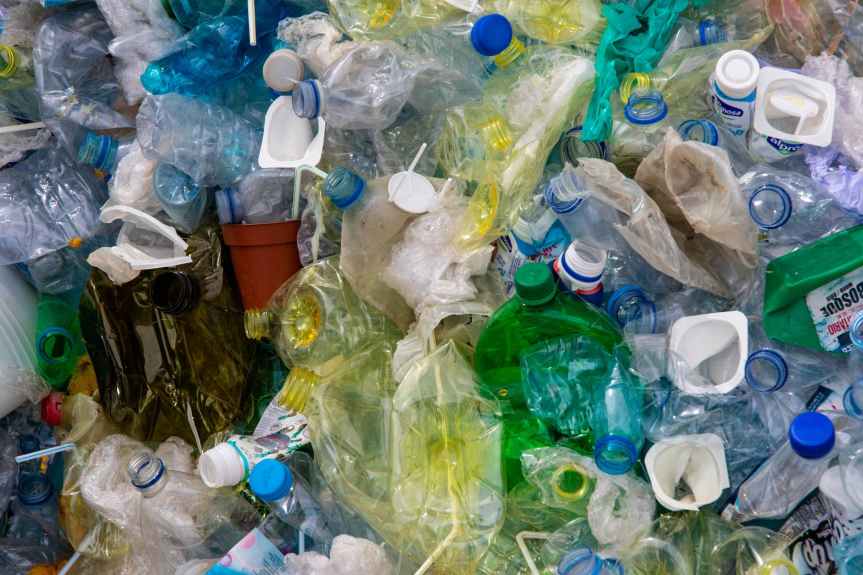
Single Use Plastics

Photo by Marie Martin on Pexels.com

Single Use plastics are goods that are made primarily from fossil fuel based chemicals (petrochemicals) and are meant to be disposed off right after use, often in mere minutes. Single use plastics are most commonly used for packaging and service ware such as bottles, wrappers, straws and bags.

Plastic is among the most popular and important material used in the modern world. But due to the fact that it is non biodegradable, it is essential that it is prevented, recycled and recovered.

We produce 300million tons of plastic each year worldwide, half of which is for single use items. That is nearly equivalent to the weight of the entire human population. Reducing plastic use is the most effective means of avoiding this waste. Although single use plastic pollution accumulates most visibly on our streets, it is the water bodies which suffer even more. Litter can be the first stage in a waste stream thatenters waterways as plastics tossed on the street are washed away byrain or travel via storm drains into rivers and streams. Ten of the rivers carry 93% of the world’s totalampunt of plastic that enters the oceans via rivers each year. Marine animals bear the burden of this influx of garbage into their habitats.

Not only does banning single use plastic reduce pollution, but it also reducesdemand for plastic production that contributes to global climate change. These bans on single use plastic have many cultural effects too. Companies are forced to innovate, rethinking their designs and sourcing sustainable materials. The prevention action can include strategy for plastics in a circular economy, mandatory fee on single use place bags, phase out of single use bags.

The Central Government of India issued guidelines to states, asking them to ban the use of single use plastics effective from July1, 2022.

Some goals to keep in mind:

  • By 2030, only reusable or recyclable plastic packaging should be used,
  • 75% recycling of packaging waste should be achieved,
  • A binding agreement should be issued to reduce landfill to less that 10% of MSW,
  • Plans to coordinate beach cleanups.

These are a few goals that the states as well as the people should focus on while undergoing the ban of single use plastics. Such plastics give rise to numerous health as well as environmental hazards. Thus, it should be our prime responsibility for change our habits and go for the healthier options both for ourselves as well the environment.

What is PHP? Where and how to learn PHP. complete information

What is PHP?

What is PHP


Friends, as you already know, how fast everything is progressing in the world, and with this new technology is also coming, and programming or coding is used in all that technology. In the same way, today we are going to give you complete information about what is PHP today.

If you want to become a web developer or want to design any website by yourself, then first of all you should know PHP. Learning PHP is very easy, you can also learn it by watching online videos on YouTube.

Many people say that to become a web developer, you should have a computer-related degree, but there is nothing like this, if you know, then the degree is of no importance because all the companies do not give jobs after seeing the degree, saw your work there. It goes, and nowadays there are many good companies where you will get a job even without a degree.

By the way, if you have come here today to know what is PHP, then you will also know a little bit about programming or coding, and if not, then here you can know from the link given below what is coding.

We use coding or programming to make software, and for that, we should also have knowledge of many programming languages, only then we can make any software, app or website.

And if we talk about PHP, then it is used more in any website or app, and with the help of this, they are started, then today we are going to give you complete information about PHP, so this Read the article well so that you do not miss anything.

The most important thing to start blogging would be to create a website of your own. And what is needed to make a website? Must have a thorough knowledge of PHP. If you want success in the world of blogging, then a blogger needs to know PHP. So let us tell you further, complete information about PHP.

there are many languages ​​from which websites are made. One of them is Language, PHP from which a site like Facebook has been created. So let’s know the inside of these websites and Web Based Programming Language PHP in Hindi, what is PHP, let’s know.


What is PHP?

The full form of PHP is Hypertext Processor. This is a free scripting language that is used in web development. This language was created by Rasmus Lerdorf in 1994. He created this language for web development.

PHP language is a very easy language that anyone can learn easily. And its biggest advantage is that it can be easily integrated with any HTML language or with any popular database language.

PHP is free, so provide My SQL Database Host for free, although it also has copyright. PHP is a very simple scripting language, which can be learned very easily and at a fast pace. That is, the simplicity of PHP is also its biggest feature.

It also has another advantage that this language can encrypt and decrypt your data. And like HTML and javascript, your source code is not visible in any browser, due to which it also becomes a very secure language.

And another advantage of its language is that you do not have to pay much attention to its syntax. And if you have your C language and javascript, then it will be easier for you to learn PHP language.

The speciality of this language is that it is used to design a “Dynamic website”. When a user sends a request to a PHP web page from his browser, in which this code resides.

This PHP code is processed inside the PHP module installed on the web server. PHP pre-processor generates HTML output. Which you see in your web browser.

PHP is used?

  • Many databases are used with PHP like MySQL, SQL, Oracle, PostgreSQL etc.
  • PHP is used in web applications.
  • Cookies are set and accessed.
  • There are many frameworks for PHP.
  • PHP provides privacy to its pages.
  • The code of one PHP is included in the code of another PHP.
  • The code of one PHP is included in the code of another PHP.
  • The value of the variable of a webpage can be accessed on any webpage from the session.
  • Files are open, closed, read and written in PHP.
  • Files or emails are sent to anyone.

Friends PHP is being used to develop dynamic web pages. The full name of PHP is Hypertext Preprocessor. Earlier it was known as Personal Home Page. Nowadays, PHP is quite popular for building dynamic websites or web applications.

If you have good knowledge of HTML (Hypertext Markup Language) and CSS (Cascading Style Sheets), then you will not feel much difficulty in learning PHP.

If you want to work on PHP then you must also know about Database Management systems.

Basic Features Variety of PHP

To meet the needs of various types of core libraries included in it are more than 1000 useful functions, which are defined to easily meet different types of real-life needs.

The better the hold on these Core Library Functions, the better it is on PHP as well. That is, the better you learn to use these Core Functions of PHP, the better PHP Programmer you become.

PHP is a very simple and General Purpose Scripting Language which is like 70% “C” Language and the remaining 30% “C++” and “Java” Programming Language. So if you know one or more programming languages ​​”C”, “C++” and “Java”, then you can easily learn PHP and create a Dynamic Website or Web Application using it. can.

What can be made with PHP?

  • CMS
  • Dynamic website
  • Static Website
  • web-based software
  • Desktop applications
  • WordPress Plugin
  • WordPress Themes

In present times, PHP is the most popular scripting language used on the web. So if you want to understand these Frameworks also well, then you can understand these Frameworks better only if you have good knowledge of Core PHP.

The following popular websites are built on PHP.

  • FaceBook
  • Wikipedia
  • Tumblr
  • WordPress
  • Canva
  • Freelance

The most used web server after PHP is IIS Web Server, which is designed by Microsoft Company. Since this web server is designed by Microsoft Company, this web server better supports Microsoft Company’s Server Side Scripting Language ASP.Net, which internally uses VB.Net and C#.Net.

Where and how to learn PHP?

If you want to learn PHP and work with its help, then you can also study PHP online, you will find many such websites and YouTube channels online from which you will get a chance to learn PHP for free. Let us tell you a list of some such websites.

  • w3schools.com (FREE)
  • tutorialspoint.com (FREE)
  • learn-php.org (FREE)
  • codecademy.com (FREE/PAID)
  • Udemy.com (FREE/PAID)

Apart from all this, if you do a little research on YouTube, you will find a lot of good classes, where you will get to know everything about PHP for free, and you will also get to learn a lot about it.

So friends today we told you in this post what is PHP? And how can you learn it, we will tell you only that in today’s time you should also have knowledge about coding, and should also become.

Work culture

work culture is defined as the attitudes and behaviors of employees in an organization. Many things affect corporate culture, from work environment (ok, so ping-pong table doesn’t matter), policies, leadership, goals, values ​​and mission. A positive work culture doesn’t just happen. Careful thought and cultivation is required. If you haven’t thought about your organizational culture, chances are it’s not the place to be. This can mean big consequences. Employees who are physically and mentally stressed aren’t just less engaged. They are also more likely to call for unemployment and eventually leave the company, leading to sky-high turnover and turnover rates. This can be costly for organizations. Organizations with a positive work environment have more productive and loyal employees. Fortunately, there are plenty of ways to improve the employee experience. Promoting diversity, transparency and understanding can do wonders for a business. In addition, visible and accessible leaders will inspire employees and update management on day-to-day issues. This means more employee retention, reduced absenteeism, and most importantly, happier, healthier employees.

IMPORTANCE OF WORK CULTURE

Culture is a complex concept that is constantly evolving in the workplace based on many factors. While some people prefer a more traditional work culture and others want something more modern and fun, all healthy work cultures have a lot in common. Look for the following signs of a thriving work culture when reviewing potential employers: Equity, Expression, Communication, Recognition and accountability.

When everyone working in a company is held accountable for their behavior, it indicates a healthy work environment. A balanced workplace allows everyone to feel comfortable enough to acknowledge their ideas and mistakes. Open accountability allows every employee to learn from challenges instead of avoiding them.

Accountability fosters a work culture based on teamwork, open communication, reliability and accountability.

Equity Companies that treat all their employees equally often have a healthy work culture. Every position in the organization counts, and giving everyone a chance boosts employee morale. Workplace bias is a sign of a toxic work culture and can cause feelings of distrust and resentment among colleagues, making a fair work environment essential for employees. any positive work culture.

Expressions People are generally happier, more productive and more focused when they feel able to express themselves at work. If employees have some freedom in their personal style and how they decorate their workspace, it shows a comfortable level of work culture.

Communication Open communication is essential for a productive work environment. Everyone in the organization needs to understand how to give and receive feedback, share ideas, collaborate, and solve problems. All teams have occasional interpersonal conflicts, but a functional work culture will allow them to solve problems and work as a team despite any challenge. Avoid organizations with a work culture where people feel unable to voice conflicts or concerns as there won’t be much room for growth.

Recognition A developed work culture recognizes employee successes and rewards people when they succeed. In a healthy work environment, management will find the positive characteristics of all team members and encourage the use of their talents. Employee recognition, from frequent verbal praise to competitive salaries, can create an office culture of mutual appreciation and respect.

The importance of a positive work culture

People need healthy environments to thrive, and this is especially true in the workplace. The attitudes and behaviors you interact with on a daily basis affect how you feel both at work and at home. The evolving work culture affects every aspect of the company and its people. Here are reasons why a healthy workplace culture is important: Better hiring choices Employee happiness Employee retention Performance quality Reputation

Better recruiting options Managers in an organization with a successful work culture know how to attract and select new employees who share their vision. We will likely be attracted to companies that share our values ​​and the type of culture in which we feel comfortable. A healthy work culture has like-minded professionals who are compatible with each other and work together towards common goals.

Happy Employees Your satisfaction with your workplace culture has a direct impact on your happiness in the workplace. A thriving work culture helps people find meaning and pride in their work, while a toxic work culture can make even the most passionate employee unhappy at work. One of the most important parts of a strong work culture is a balance between career and personal lives, and companies can help keep their employees happy by respecting their lives in general. Employee retention A good work culture provides stability to talented employees and allows them to grow within the company, rather than limiting them to a specific role or level of achievement. Happy employees often want to stay in their jobs, which makes workplace culture key to reducing employee turnover and connecting qualified candidates to long-term careers. .

Quality Performance Employees who like to come to work because of a positive culture are generally more productive and create high-quality work. The work atmosphere is a great motivator that encourages people to invest in their work, especially since successful work environments recognize and celebrate hard work and success. Reputation Having a healthy work culture creates a positive reputation and credibility for a company and the people who work there.

A pleasant work environment is an important asset in attracting talent. Companies with a mission to raise morale, empower their employees, and build positive community relationships through them.

Right to Information

The Right to Information Act 2005 requires prompt responses to citizens’ requests for government information. This is an initiative of the Department of Personnel and Training of the Ministry of Personnel, Public Claims and Pensions to provide an RTI portal for citizens to quickly find information on the details of welfare agencies. magistrates, PIOs, etc. in addition to accessing RTI/disclosure related information posted on the web by various public authorities under Government of India as well as State Government.

It includes permissions –
I. check work, documents, records.

ii. notes, extracts or certified copies of documents
or recordings.

iii. certified material sampling.

iv. get information in the form of hard copies, discs,
disc, tape, video tape or anything else
electronic or print.

Purpose of the Right to Information Act:

The fundamental purpose of the Right to Information Act is to empower citizens, promote transparency and accountability in government operations, curb corruption, and make our democracy real. effective for the people. It goes without saying that a well-informed citizenry is better equipped to ensure the necessary vigilance over governance tools and to make government more accountable to those under control. . The law is a big step forward in providing information to the people about government activities.

The RTI Bill was passed by the Indian Parliament on June 15, 2005 and came into force on October 12, 2005. On average more than 4,800 RTI applications are filed each day. In the first ten years of the law’s entry into force, more than 17,500,000 applications were filed.
Although the right to information is not considered a fundamental right in the Constitution of India, it protects the fundamental rights of freedom of speech and expression under Article 19(1)(a) and the right to life and individual liberties under Article 21 are guaranteed by the Constitution. Authorities under the RTI Act 2005 are known as public authorities. The Public Information Officer (PIO) or first appellate body in public agencies performs the quasi-judicial function of adjudicating petitions and appeals, respectively. This law was enacted to strengthen the fundamental right in the Indian constitution of “freedom of speech”. Since RTI is implied in the right to freedom of speech and expression under Section 19 of the Constitution of India, it is an implied fundamental right.

When it comes to RTI, there are watchdogs at many levels to ensure that the law is followed in spirit and in writing. The law adopts a “do or cancel” approach, in addition to setting out a mechanism for disseminating information. Every government organization must appoint a staff member as a Public Information Officer (PIO). When a department receives an RTI request, the PIO is responsible for providing the information to the requester within 30 days. Failure to do so may mean that the PIO may be fined. The longer a PIO causes an applicant to wait, the greater the penalty imposed on them. There have been cases where PIOs were asked to deduct an amount of thousands of rupees as a penalty. Each state has an information committee, consisting of a chief information officer and several information commissioners. Former judges, IAS, IPS officials with unverifiable backgrounds are appointed to these positions. Above them hierarchically are the Central Information Commission and below them are the first and second appeals agencies to ensure that applicants get the RTI information they have requested.