
By – Supriya


Thankyou!

By – Supriya
Thankyou!
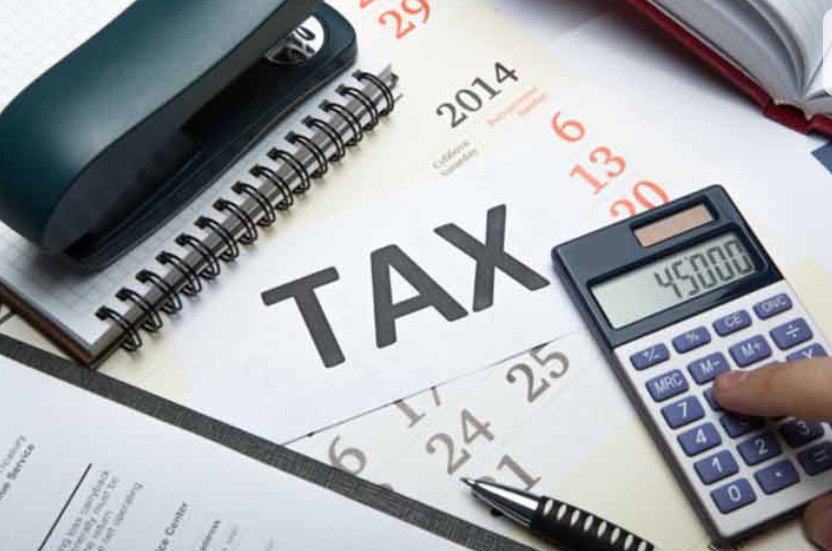
Attribution of compulsory taxes by government is main characteristic of financial system. Taxes are levies in every country to generate revenue. Rudimentarily to raise revenue for government expenditure, and for other purposes as well. Without taxes, government would be unable to meet demands of the societal needs. Taxes are crucial because government collect the revenue and use it to finance social projects.
Tax system based on equality module that rich in the society will pay more than the poor. According to Adam Smith’s four principle in his famous book ‘Wealth of Nations’. Adam Smith stated that taxes should be proportional to income, that is everybody should pay the same rate or percentage of his income as tax.
Another important principle of a accurate tax system as per Adam Smith laid a good deal of stress in his cannon theory of certainty. The tax which each individual is bound to pay ought to be certain and not arbitrary. The time of payment, method of payment, the quantity to be paid ought all to be clear and plain to the contributor and to every other person.
A successful function of an economy requires that the people, especially business class, must be certain about the sum of tax that they have to pay on their income from work or investment. The sum, the time payments of tax should not be certain but the time and manner of it’s payment should also be convenient to the contributor.
The Government has to spend money on collecting taxes levied by it’s collection costs of taxes and nothing to the national product, they should be minimised as far as possible. If the collection costs of a tax are more than the total revenue yielded by it, it is not worth while to levy tax.
Productivity of taxes when levied to generate sufficient revenue from the government. If few taxes imposed yield a sufficient funds for the state, they should be preferred over a large number of small taxes which are expensive in collection. Fair elasticity at any the government need of more funds, it should increase it’s financial resources without incurring any additional cost of collection.
Simplicity of tax system must be simple, plain and intelligible to tax payer. System of taxation should include a large number of taxes that is economical. The government should collect revenue from it’s subjects by levying direct and indirect taxes.
Reforms in Taxation Policy

Tax Policy in India has evolved as an important component of fiscal Policy which had to play core role in the planned development strategy. Taxation Policy cannot be same always it keep on changing with changes in economic scope of the country. To structure and strengthen in taxation Policy various reforms we’re implemented and many are in stream like recent change was good and services tax was country’s biggest reform.
The taxation enquiry commission 1953 was the first comprehensive attempt to review the tax system, it design to structure. Holist tax system for the country; covered central and state also local taxes. In 1985, Government of India introduced long term fiscal policy; this policy led to Modified System of Value Added Tax (MODVAT) in 1986.
Economic crisis of 1991, tax reforms we’re initiated as a part of structural reform process. Tax reform committee recommend major reforms to stabilize economic turbulence in the country. Changes are Reflection of custom duty, Rationalize the capital gain tax and wealth tax, Reduce excise duty, bring the service sector in the VAT tax system, Improving quality of tax Administration, reduction of corporate taxes and reduce the cost of imported inputs.
Reform of Direct Taxes
The government brought consolidated direct taxes. The income tax act was passed in 1961. Direct Taxes Enquiry Committee was constituted to look into affair of direct taxes, tax reform committee (1991) has recommended various point to consolidated direct taxes and task force on tax Policy and administration gave explained path to reform direct taxes in country. National Securities Depository Limited (NSDL) established tax information network to moderate the collection, and monitoring accounting.
Reform of Indirect Tax
The indirect tax Enquiry report in 1977 recommended valuable reform in indirect tax regime. Initiated modified value added tax (MODVAT) for commodities in 1986 to replay the central excise duty, extend to all commodities through Central Value Added Tax (CENVAT). State replace sale tax and have Value added tax.
Attribution of compulsory taxes by government is main characteristic of financial system. Taxes are levies in every country to generate revenue. Rudimentarily to raise revenue for government expenditure, and for other purposes as well. Without taxes, government would be unable to meet demands of the societal needs. Taxes are crucial because government collect the revenue and use it to finance social projects.
Tax system based on equality module that rich in the society will pay more than the poor. According to Adam Smith’s four principle in his famous book ‘Wealth of Nations’. Adam Smith stated that taxes should be proportional to income, that is everybody should pay the same rate or percentage of his income as tax.
Another important principle of a accurate tax system as per Adam Smith laid a good deal of stress in his cannon theory of certainty. The tax which each individual is bound to pay ought to be certain and not arbitrary. The time of payment, method of payment, the quantity to be paid ought all to be clear and plain to the contributor and to every other person.
A successful function of an economy requires that the people, especially business class, must be certain about the sum of tax that they have to pay on their income from work or investment. The sum, the time payments of tax should not be certain but the time and manner of it’s payment should also be convenient to the contributor.
The Government has to spend money on collecting taxes levied by it’s collection costs of taxes and nothing to the national product, they should be minimised as far as possible. If the collection costs of a tax are more than the total revenue yielded by it, it is not worth while to levy tax.
Productivity of taxes when levied to generate sufficient revenue from the government. If few taxes imposed yield a sufficient funds for the state, they should be preferred over a large number of small taxes which are expensive in collection. Fair elasticity at any the government need of more funds, it should increase it’s financial resources without incurring any additional cost of collection.
Simplicity of tax system must be simple, plain and intelligible to tax payer. System of taxation should include a large number of taxes that is economical. The government should collect revenue from it’s subjects by levying direct and indirect taxes.
Reforms in Taxation Policy
Tax Policy in India has evolved as an important component of fiscal Policy which had to play core role in the planned development strategy. Taxation Policy cannot be same always it keep on changing with changes in economic scope of the country. To structure and strengthen in taxation Policy various reforms we’re implemented and many are in stream like recent change was good and services tax was country’s biggest reform.
The taxation enquiry commission 1953 was the first comprehensive attempt to review the tax system, it design to structure. Holist tax system for the country; covered central and state also local taxes. In 1985, Government of India introduced long term fiscal policy; this policy led to Modified System of Value Added Tax (MODVAT) in 1986.
Economic crisis of 1991, tax reforms we’re initiated as a part of structural reform process. Tax reform committee recommend major reforms to stabilize economic turbulence in the country. Changes are Reflection of custom duty, Rationalize the capital gain tax and wealth tax, Reduce excise duty, bring the service sector in the VAT tax system, Improving quality of tax Administration, reduction of corporate taxes and reduce the cost of imported inputs.
Reform of Direct Taxes
The government brought consolidated direct taxes. The income tax act was passed in 1961. Direct Taxes Enquiry Committee was constituted to look into affair of direct taxes, tax reform committee (1991) has recommended various point to consolidated direct taxes and task force on tax Policy and administration gave explained path to reform direct taxes in country. National Securities Depository Limited (NSDL) established tax information network to moderate the collection, and monitoring accounting.
Reform of Indirect Tax
The indirect tax Enquiry report in 1977 recommended valuable reform in indirect tax regime. Initiated modified value added tax (MODVAT) for commodities in 1986 to replay the central excise duty, extend to all commodities through Central Value Added Tax (CENVAT). State replace sale tax and have Value added tax.

Life insurance corporation of India has initiated its initial public offer for five percent of its shares. It is one of the largest profit-making enterprises owned by the government of India. In this instance, it is important to know more about this enterprise.
LIC or Life Insurance corporation of India was started in the year 1956 in accordance with the Life insurance corporation of India act of 1956. As India was following a socialistic approach of economic development, LIC was introduced as an enterprise owned and operated by the government of India.
Story of formation
The Oriental Life Insurance Company, the first company in India offering life insurance coverage, was established in Kolkata in 1818. Its primary target market was the Europeans based in India, and it charged Indians heftier premiums. After that several companies emerged. The first 150 years were marked mostly by turbulent economic conditions. It witnessed India’s First War of Independence, adverse effects of the World War I and World War II on the economy of India, and in between them the period of worldwide economic crises triggered by the Great depression. The first half of the 20th century saw a heightened struggle for India’s independence. The aggregate effect of these events led to a high rate of and liquidation of life insurance companies in India. This had adversely affected the faith of the general in the utility of obtaining life cover. In 1955, parliamentarian Feroze Gandhi raised the matter of insurance fraud by owners of private insurance agencies. The Parliament of India passed the Life Insurance of India Act on 19 June 1956 creating the Life Insurance Corporation of India, which started operating in September of that year.
Structure
The LIC’s executive board consists of Chairman, currently M R Kumar, and Managing Directors, Vipin Anand, T. C. Suseel Kumar, Mukesh Kumar Gupta and Raj Kumar. The Central Office of LIC is based out of Mumbai which sits The Chairman, all four Managing Directors, and all Executive Directors (Department Heads). LIC has a total of 8 Zonal Offices namely Delhi, Chennai, Mumbai, Hyderabad, Kanpur, Kolkata, Bhopal & Patna.
Policies
Some important policies are:
LIC tech term plan
LIC Jeevan Umang
LIC Jeevan Amar
LIC Money back years
LIC New Jeevan Anand
Role of LIC
It has been a significant driver in creating the culture of investment in insurance. It has made insurance accessible to the economically weaker sections. The long-term schemes with affordable premiums made it highly attractive. The role of Life insurance corporation as an employer is also applaudable. It provides employment to many. More than all, many other insurance firms in India has benefitted out of the trust built by LIC.
Initial public offering
Finance Minister Nirmala Sitharaman announced a proposal to conduct an initial public offering for LIC in the 2021 Union Budget. The IPO opens on 4th May 2022 and closes on 9th May 2022. The Government of India will remain the majority shareholder after the public listing. Due to the scale of the offering and LIC’s ownership structure, the deal has been referred to as “India’s Aramco moment” in reference comparable importance and scale of 2019 IPO of Saudi Aramco. The latest development in the LIC IPO is the slashing of issue size from 5% to 3.5% of total equity of the company. LIC will open its IPO to the public on May 4 and the process concludes on May 9. Through this IPO, the Government of India, the sole owner of LIC, is now aiming to raise ₹21,000 crore, as opposed to raising between ₹65,000 crore to ₹70,000 crore by diluting 5% equity earlier, indicating more than 50% compromise on valuation as well. As per the IPO price band for 3.5% stakes for Rs. 21,000 crores, the valuation comes to around Rs 6 lakh crore.
Life insurance corporation of India has initiated its initial public offer for five percent of its shares. It is one of the largest profit-making enterprises owned by the government of India. In this instance, it is important to know more about this enterprise.
LIC or Life Insurance corporation of India was started in the year 1956 in accordance with the Life insurance corporation of India act of 1956. As India was following a socialistic approach of economic development, LIC was introduced as an enterprise owned and operated by the government of India.
Story of formation
The Oriental Life Insurance Company, the first company in India offering life insurance coverage, was established in Kolkata in 1818. Its primary target market was the Europeans based in India, and it charged Indians heftier premiums. After that several companies emerged. The first 150 years were marked mostly by turbulent economic conditions. It witnessed India’s First War of Independence, adverse effects of the World War I and World War II on the economy of India, and in between them the period of worldwide economic crises triggered by the Great depression. The first half of the 20th century saw a heightened struggle for India’s independence. The aggregate effect of these events led to a high rate of and liquidation of life insurance companies in India. This had adversely affected the faith of the general in the utility of obtaining life cover. In 1955, parliamentarian Feroze Gandhi raised the matter of insurance fraud by owners of private insurance agencies. The Parliament of India passed the Life Insurance of India Act on 19 June 1956 creating the Life Insurance Corporation of India, which started operating in September of that year.
Structure
The LIC’s executive board consists of Chairman, currently M R Kumar, and Managing Directors, Vipin Anand, T. C. Suseel Kumar, Mukesh Kumar Gupta and Raj Kumar. The Central Office of LIC is based out of Mumbai which sits The Chairman, all four Managing Directors, and all Executive Directors (Department Heads). LIC has a total of 8 Zonal Offices namely Delhi, Chennai, Mumbai, Hyderabad, Kanpur, Kolkata, Bhopal & Patna.
Policies
Some important policies are:
LIC tech term plan
LIC Jeevan Umang
LIC Jeevan Amar
LIC Money back years
LIC New Jeevan Anand
Role of LIC
It has been a significant driver in creating the culture of investment in insurance. It has made insurance accessible to the economically weaker sections. The long-term schemes with affordable premiums made it highly attractive. The role of Life insurance corporation as an employer is also applaudable. It provides employment to many. More than all, many other insurance firms in India has benefitted out of the trust built by LIC.
Initial public offering
Finance Minister Nirmala Sitharaman announced a proposal to conduct an initial public offering for LIC in the 2021 Union Budget. The IPO opens on 4th May 2022 and closes on 9th May 2022. The Government of India will remain the majority shareholder after the public listing. Due to the scale of the offering and LIC’s ownership structure, the deal has been referred to as “India’s Aramco moment” in reference comparable importance and scale of 2019 IPO of Saudi Aramco. The latest development in the LIC IPO is the slashing of issue size from 5% to 3.5% of total equity of the company. LIC will open its IPO to the public on May 4 and the process concludes on May 9. Through this IPO, the Government of India, the sole owner of LIC, is now aiming to raise ₹21,000 crore, as opposed to raising between ₹65,000 crore to ₹70,000 crore by diluting 5% equity earlier, indicating more than 50% compromise on valuation as well. As per the IPO price band for 3.5% stakes for Rs. 21,000 crores, the valuation comes to around Rs 6 lakh crore.

Breakfast is a great way to start your day. However, since it is the first meal of the day, one must keep in mind to have a whole and hearty meal that will not only provide nutrients to the body but also keep us full for hours. People should avoid consuming foods that are rich in carbs, sugars and additives. Below are some of the healthy breakfast choices –
1) Eggs
Eggs are rich sources of protein and are nutritious. Since protein takes time to digest, therefore it makes us feel full and lowers our calorie intake later in the day. However, it is imporant to note that eggs must not be paired with processed food items such as sausages. Instead, they can be eaten with whole grain toast, sauteed veggies or fruits.
2) Greek Yoghurt
Greek yoghurt has probiotics that helps to improve gut health. Greek yoghurt can be consumed with fruits and berries for added vitamins and minerals.
3) Oatmeal
Oatmeal keeps one’s cholestrol levels in check and are also rich in vitamins and minerals. Oatmeals also contain protein and one can boost the protein levels by adding milk to oatmeal instead of water.
4) Berries
Berries are rich source of antioxidants that reduces the risk of diseases. They can be consumed with greek yoghurt or oatmeal or a fruit smoothie.
5) Whole wheat toast
Whole wheat toast is a good source of fiber. To add to it’s nutritional value, you can top it with varieties of nutritious toppings such as cottage cheese, fried eggs, peanut butter and banana or egg salad.
Breakfast is a great way to start your day. However, since it is the first meal of the day, one must keep in mind to have a whole and hearty meal that will not only provide nutrients to the body but also keep us full for hours. People should avoid consuming foods that are rich in carbs, sugars and additives. Below are some of the healthy breakfast choices –
1) Eggs
Eggs are rich sources of protein and are nutritious. Since protein takes time to digest, therefore it makes us feel full and lowers our calorie intake later in the day. However, it is imporant to note that eggs must not be paired with processed food items such as sausages. Instead, they can be eaten with whole grain toast, sauteed veggies or fruits.
2) Greek Yoghurt
Greek yoghurt has probiotics that helps to improve gut health. Greek yoghurt can be consumed with fruits and berries for added vitamins and minerals.
3) Oatmeal
Oatmeal keeps one’s cholestrol levels in check and are also rich in vitamins and minerals. Oatmeals also contain protein and one can boost the protein levels by adding milk to oatmeal instead of water.
4) Berries
Berries are rich source of antioxidants that reduces the risk of diseases. They can be consumed with greek yoghurt or oatmeal or a fruit smoothie.
5) Whole wheat toast
Whole wheat toast is a good source of fiber. To add to it’s nutritional value, you can top it with varieties of nutritious toppings such as cottage cheese, fried eggs, peanut butter and banana or egg salad.
Have you ever got disturbed while watching movie? Have you ever thought about the absurdity of some scenes in movies? Have you ever wondered about the need of a so called “item dance” in movies? If yes, then this article will help you in your way ahead.
Films are always considered as a medium of entertainment and stating this argument many of the film makers have taken the liberty to do whatever they like, ignoring the great impact it could have on the society. By putting forth the shallow argument that people are looking for commercial movies, they have shut the doors of political correctness.
All of you would have found some scene or the other incorrect in most of the so-called “mass movies”. Objectification of women as well as men, denial of choice, body shaming, sexist jokes, establishment of caste supremacy and several other disturbing trends are being normalised in movies these days.
The filmmakers should realise the impact these could have on the society, particularly the younger population, as the heroes themselves are endorsing these practices.
Most of the commercial movies these days will have the central character from a high caste family, with his friends always being inferior to him. The hero could love any woman based on her looks and she is obliged to love him back without any freedom to choose or else the hero could adopt any means from stalking to making suicide threats. Also, the hero is always glorified by pointing out the inefficiencies of his friends. Most of the songs would also be means for objectification.
This do not signify that all movies are wrong. There are several movies which uphold political correctness. Let us look into some such movies:
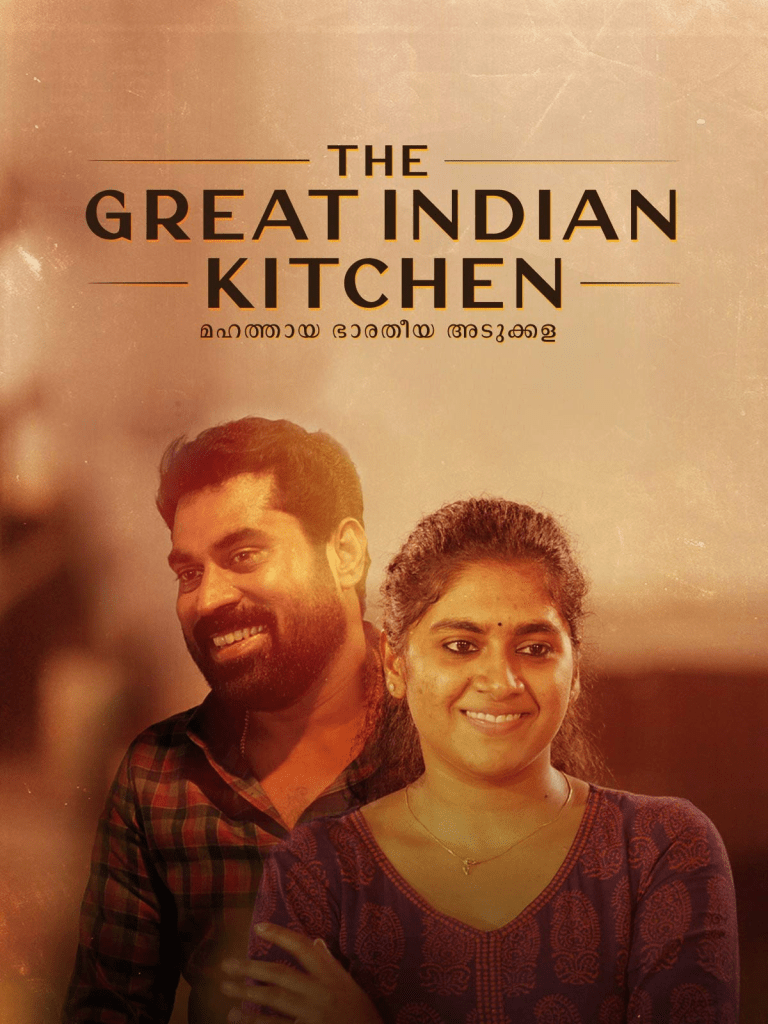
The great Indian Kitchen
The Great Indian Kitchen is a 2021 Indian Malayalam-language drama film written and directed by Jeo Baby. The film tells the story of a newlywed woman who struggles to be the submissive wife that her husband and his family expect her to be. The central characters are not given names, which is the biggest political idea. Just like the name signifies, it mainly happens inside the kitchen and clearly shows the monotonous lives of Indian wives and finally ends with the wife breaking the chains of marriage.

Thappad
Thappad is a 2020 Indian Hindi-language drama film directed by Anubhav Sinha, which he also co-produced with Bhushan Kumar of T-Series. The film, starring Taapsee Pannu, was released in theatres on 28 February 2020.Amrita Sandhu and Vikram Sabharwal are happily married. Amrita is a sparkling woman and a homemaker, who is shown to spend her days looking after Vikram and the house. As the story progresses, she comes to some realizations and gradually breaks the marriage which had cost her self-respect and passion.
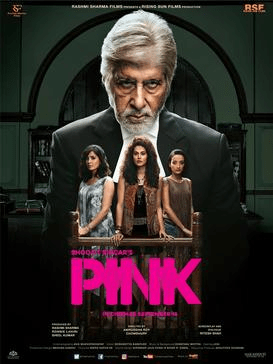
Pink
Pink is a 2016 Indian Hindi-language legal thriller film directed by Aniruddha Roy Chowdhury and written by Shoojit Sircar, Ritesh Shah and Aniruddha Roy Chowdhury. Pink features an ensemble cast, which includes Taapsee Pannu, Kirti Kulhari, Andrea Tariang, Amitabh Bachchan, Angad Bedi, Tushar Pandey, Piyush Mishra, and Dhritiman Chatterjee. It clearly put forwards the statement, “no means no, whoever says it”.
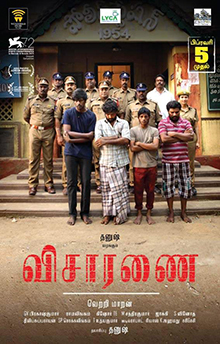
Visaranai
Visaranai is a 2015 Indian Tamil-language crime drama film written and directed by Vetrimaaran. The film deals with lives of two men before and after thrown into a Kafkaesque scenario in which they get tortured for confession. The film strongly stands against the encounter. The story is an eye opener for all those who blindly supports encounter.
Ishq

Ishq is a 2019 Indian Malayalam language thriller film written by Ratheesh Ravi and directed by Anuraj Manohar. The film revolves around the life of a man from Kochi, named Sachi and his girlfriend, Vasudha. The story mainly revolves around the moral policing that they had to face. But the more than that it ends with the message that virginity is not the ultimate measure of a woman’s worth.
The great success of these movies clearly explains the acceptance for these movies. It shows that audience are ready to accept movies which deals with serious topics.
The advent of OTT platforms and the receptive audience have encouraged filmmakers to experiment with their creations. The extent of criticism in the era of social media has also instilled fear in many. Even though it is the case, the film industry needs a revamp. It should be updated
Have you ever got disturbed while watching movie? Have you ever thought about the absurdity of some scenes in movies? Have you ever wondered about the need of a so called “item dance” in movies? If yes, then this article will help you in your way ahead.
Films are always considered as a medium of entertainment and stating this argument many of the film makers have taken the liberty to do whatever they like, ignoring the great impact it could have on the society. By putting forth the shallow argument that people are looking for commercial movies, they have shut the doors of political correctness.
All of you would have found some scene or the other incorrect in most of the so-called “mass movies”. Objectification of women as well as men, denial of choice, body shaming, sexist jokes, establishment of caste supremacy and several other disturbing trends are being normalised in movies these days.
The filmmakers should realise the impact these could have on the society, particularly the younger population, as the heroes themselves are endorsing these practices.
Most of the commercial movies these days will have the central character from a high caste family, with his friends always being inferior to him. The hero could love any woman based on her looks and she is obliged to love him back without any freedom to choose or else the hero could adopt any means from stalking to making suicide threats. Also, the hero is always glorified by pointing out the inefficiencies of his friends. Most of the songs would also be means for objectification.
This do not signify that all movies are wrong. There are several movies which uphold political correctness. Let us look into some such movies:
The great Indian Kitchen
The Great Indian Kitchen is a 2021 Indian Malayalam-language drama film written and directed by Jeo Baby. The film tells the story of a newlywed woman who struggles to be the submissive wife that her husband and his family expect her to be. The central characters are not given names, which is the biggest political idea. Just like the name signifies, it mainly happens inside the kitchen and clearly shows the monotonous lives of Indian wives and finally ends with the wife breaking the chains of marriage.
Thappad
Thappad is a 2020 Indian Hindi-language drama film directed by Anubhav Sinha, which he also co-produced with Bhushan Kumar of T-Series. The film, starring Taapsee Pannu, was released in theatres on 28 February 2020.Amrita Sandhu and Vikram Sabharwal are happily married. Amrita is a sparkling woman and a homemaker, who is shown to spend her days looking after Vikram and the house. As the story progresses, she comes to some realizations and gradually breaks the marriage which had cost her self-respect and passion.
Pink
Pink is a 2016 Indian Hindi-language legal thriller film directed by Aniruddha Roy Chowdhury and written by Shoojit Sircar, Ritesh Shah and Aniruddha Roy Chowdhury. Pink features an ensemble cast, which includes Taapsee Pannu, Kirti Kulhari, Andrea Tariang, Amitabh Bachchan, Angad Bedi, Tushar Pandey, Piyush Mishra, and Dhritiman Chatterjee. It clearly put forwards the statement, “no means no, whoever says it”.
Visaranai
Visaranai is a 2015 Indian Tamil-language crime drama film written and directed by Vetrimaaran. The film deals with lives of two men before and after thrown into a Kafkaesque scenario in which they get tortured for confession. The film strongly stands against the encounter. The story is an eye opener for all those who blindly supports encounter.
Ishq
Ishq is a 2019 Indian Malayalam language thriller film written by Ratheesh Ravi and directed by Anuraj Manohar. The film revolves around the life of a man from Kochi, named Sachi and his girlfriend, Vasudha. The story mainly revolves around the moral policing that they had to face. But the more than that it ends with the message that virginity is not the ultimate measure of a woman’s worth.
The great success of these movies clearly explains the acceptance for these movies. It shows that audience are ready to accept movies which deals with serious topics.
The advent of OTT platforms and the receptive audience have encouraged filmmakers to experiment with their creations. The extent of criticism in the era of social media has also instilled fear in many. Even though it is the case, the film industry needs a revamp. It should be updated

Nuts are very popular. They are tasty and can can be consumed even when you are on diet. They are eaten as a snack food and sometimes used in cooking as well. Listed below are some health advantages of consuming nuts :
1) Nuts are rich in fats and low in carbs. They are great sources of magnesium and Vitamin E. One can consume nuts when on a low carb diet.
2) Nuts can aid in weight loss despite being a high calorie food. Our body doesn’t absorb all the calories in nuts. Reasearch has further shown that consuming almonds can be beneficial while aiming for weight loss.
3) Nuts can help to lower cholestrol and triglyceride levels. Pistachios help to lower triglyceride levels while almonds and hazelnuts helps in lowering bad LDL Cholestrol and raises good HDL Cholestrol.
4) Nuts are rich sources of fiber which makes us full thus lowering our calorie consumption and improving our gut health.
5) Daily consumption of walnuts can improve our cognitive function and reduce the risk of cardiovascular disease. Walnuts are rich sources of antioxidants and omega – 3 fatty acids that fights with inflammation.
Nuts are very popular. They are tasty and can can be consumed even when you are on diet. They are eaten as a snack food and sometimes used in cooking as well. Listed below are some health advantages of consuming nuts :
1) Nuts are rich in fats and low in carbs. They are great sources of magnesium and Vitamin E. One can consume nuts when on a low carb diet.
2) Nuts can aid in weight loss despite being a high calorie food. Our body doesn’t absorb all the calories in nuts. Reasearch has further shown that consuming almonds can be beneficial while aiming for weight loss.
3) Nuts can help to lower cholestrol and triglyceride levels. Pistachios help to lower triglyceride levels while almonds and hazelnuts helps in lowering bad LDL Cholestrol and raises good HDL Cholestrol.
4) Nuts are rich sources of fiber which makes us full thus lowering our calorie consumption and improving our gut health.
5) Daily consumption of walnuts can improve our cognitive function and reduce the risk of cardiovascular disease. Walnuts are rich sources of antioxidants and omega – 3 fatty acids that fights with inflammation.
Mother tongue is the language that a child gets to hear after birth and grows up listening to it and adapting it. Mother tongue is also called as the native language and it helps to give shape to our thoughts and beliefs. In today’s world where a child is expected to be proficient in not just one but rather two to three languages, knowing one’s mother language by heart becomes secondary. However, learning one’s mother tongue is not only important but is beneficial for the child as well. If a child wants to be well versed in any foreign language, he must be well versed in his mother tongue the first thing. Below are some of the reasons as to why one’s mother tongue is so important and hence should not be taken lightly.
1) Our Mother tongue helps us to stay grounded to our traditional culture and values. It is a means of keeping our culture alive. No matter what part of the world, one must always take pride in one’s culture and help to bring it forth to the outer world but that can only be done if one is well known with one’s mother tongue
2) If one is well versed in one’s own mother tongue, he can learn a secondary language faster. He will also be a better communicator and will have better writing and reading skills in other languages.
3) If one is aspiring to become an entrepreneur, then knowing his mother tongue will benefit him while interacting with local customers. The possibilities of making money with one’s mother tongue has also increased globally.
4) Knowing one’s mother tongue is a matter of pride and honor. It boosts our self esteem and confidence while making us connected with our cultural identity.
Mother tongue is the language that a child gets to hear after birth and grows up listening to it and adapting it. Mother tongue is also called as the native language and it helps to give shape to our thoughts and beliefs. In today’s world where a child is expected to be proficient in not just one but rather two to three languages, knowing one’s mother language by heart becomes secondary. However, learning one’s mother tongue is not only important but is beneficial for the child as well. If a child wants to be well versed in any foreign language, he must be well versed in his mother tongue the first thing. Below are some of the reasons as to why one’s mother tongue is so important and hence should not be taken lightly.
1) Our Mother tongue helps us to stay grounded to our traditional culture and values. It is a means of keeping our culture alive. No matter what part of the world, one must always take pride in one’s culture and help to bring it forth to the outer world but that can only be done if one is well known with one’s mother tongue
2) If one is well versed in one’s own mother tongue, he can learn a secondary language faster. He will also be a better communicator and will have better writing and reading skills in other languages.
3) If one is aspiring to become an entrepreneur, then knowing his mother tongue will benefit him while interacting with local customers. The possibilities of making money with one’s mother tongue has also increased globally.
4) Knowing one’s mother tongue is a matter of pride and honor. It boosts our self esteem and confidence while making us connected with our cultural identity.
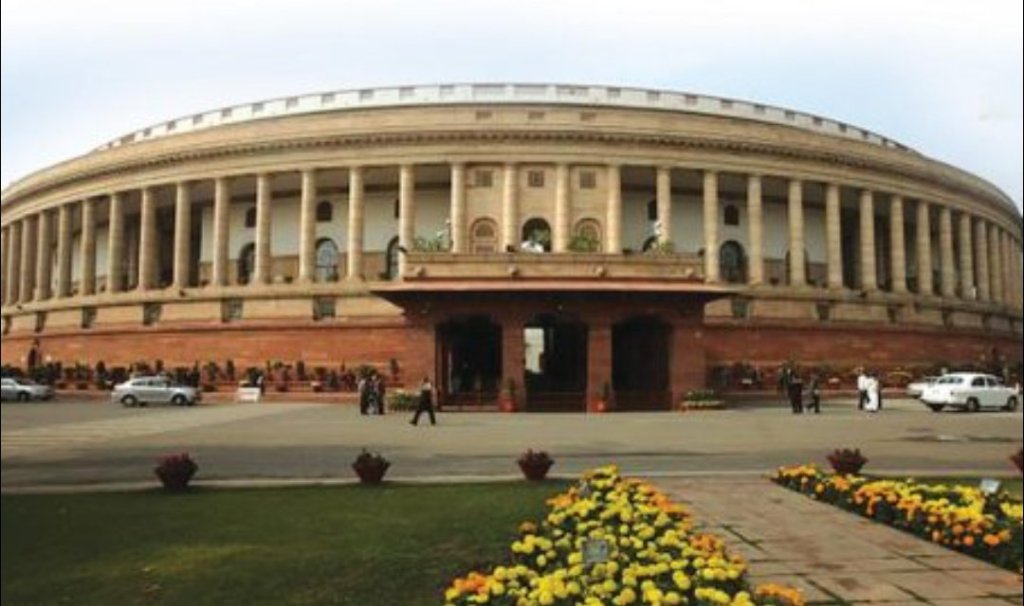
Parliamentary Committees are established to effectively control the governmental regular and constant activities. Parliamentary Committee is appointed by the house or nominated by the speaker or Chairman, shows its report to the house, work has been completed under the direction of speaker or Chairman. The Parliamentary system grants various ministries that are allotted without the elected Representatives of ministries.
The Constitution of India has mentioned these committees at different places but without making any specific provision regarding structure, tenure and functions.
Types of Parliamentary Committee
Parliamentary Committees are of two types :
Standing Committee
The Standing Committee considers annual reports of ministries/departments. Examine bills pertaining to the concerned ministries. Overlook national basic long term policy documents presented to the houses. It considers the demands for grants of the concerned ministries departments before they are discussed and voted in the Lok Sabha. Report should not suggest anything of the nature of cut motions. It ensure economy and efficiency in Public expenditure for ministries and would be more careful in formulating their demands.
These committees are permanent and work on a continuous basis. These committees are classified into the six categories:
1) Financial committees
• Public accounts committee
• Estimates committee
• Committee on public undertaking
2) Departmental standing committees
3) Committees to inquire
4) Committees to scrutinize and control
5) Committees relating to the day to day business of the house
6) Housekeeping Committees or service committees
Financial Committees
Public Account Committee
This Committee was set up first in 1921 under the provisions of the government of India Act 1919, which consists of 22 members (15 from Lok Sabha and 7 from Rajya Sabha). The members are elected by the parliament every year. The chairman of PAC is appointed by the speaker from its members.
The Committee examines Public expenditure not only from a legal and formal perspective of economy, prudence, wisdom and brings out the cases of corruption, inefficiency and expenses.
Some important functions of PAC are as under:
• To examine the appropriation accounts and the finance account of the Union Government and any other account laid before the Lok Sabha.
• To examine the accounts of stale corporation, trading concerns and manufacturing projects and audit report of CAG.
• To identify the money spent on any service during a financial year in excess of the amount granted by the Lok Sabha.
• To formulate the account of autonomous and semi autonomous bodies, the audit which was conducted by the CAG.
Estimate Committee
To suggest alternative policies in order to bring alternative policies in order to bring about efficiency and economy in administration. To report what economies need to improve in organization, efficiency and administrative reforms consistent with the Policy underlying the estimates can be affected. To look how much money is spending out limits of the policy implied in the estimates.
The committee does not exercise its functions in relation to Public undertakings as are allotted to the committee on Public undertakings. It shall not be incumbent on the committee to examine the entire estimates for the year.
Committee on Public undertakings
This Committee report of the CAG on Public undertakings. To exercise such other functions vested in the public accounts Committee and the estimates Committee in relation to the public undertaking . To examine the reports and accounts of PU and identify the affairs of the PU that are being managed in sound manner.
Departmental Standing Committee
The standing Committee is to secure more accountability of the executive to the parliament in the sphere of financial accountability. The term of office of each standing Committee, 8 work under the Rajya Sabha and 16 under the Lok Sabha.
Committees to Inquire
The main objective of this Committee is to identify petitions on bills and on general public importance. Matters associated with Union subjects. It is a semi-judicial system; examine the cases of breach of privileges of the house and its members and recommend action. The committee imposes the code of conduct of members of parliament. Also, look over the cases of misconduct and recommend action.
Committee to scrutinize and Control
It is a committee that assures, promises and undertakings given by ministers from time to time on the time of house. It was established in 1953. It has the powers to make regulations or conferred by the Constitution. Its functions are to consider the reports of the National Commission for the STs to examine all the matters relating to welfare of SCs and STs like Implementation of constitutional and statutory safeguard.
Committee Related to the day to day Business of the house
Committee regulates the programme and time table of the house. It allocated transactions of legislative and other business that came into the house or were introduced by the Government. The committee considers the matters of procedure and management in house and recommends necessary amendments. Classifies bills and allocates time for the discussion on bills and resolutions introduced by private members.
Housekeeping Committees
The committee considers and advises on matters of the house that do not fall within the jurisdiction of any other parliamentary Committee. It deals with residential accommodation of members and other amenities like food, medical aid etc,. Conduct meetings related to the library of parliament and assist members in utilizing the library services. Committee also structure the salary, allowances and pension of members of Parliament Act 1954.
Parliamentary Committees are established to effectively control the governmental regular and constant activities. Parliamentary Committee is appointed by the house or nominated by the speaker or Chairman, shows its report to the house, work has been completed under the direction of speaker or Chairman. The Parliamentary system grants various ministries that are allotted without the elected Representatives of ministries.
The Constitution of India has mentioned these committees at different places but without making any specific provision regarding structure, tenure and functions.
Types of Parliamentary Committee
Parliamentary Committees are of two types :
Standing Committee
The Standing Committee considers annual reports of ministries/departments. Examine bills pertaining to the concerned ministries. Overlook national basic long term policy documents presented to the houses. It considers the demands for grants of the concerned ministries departments before they are discussed and voted in the Lok Sabha. Report should not suggest anything of the nature of cut motions. It ensure economy and efficiency in Public expenditure for ministries and would be more careful in formulating their demands.
These committees are permanent and work on a continuous basis. These committees are classified into the six categories:
1) Financial committees
• Public accounts committee
• Estimates committee
• Committee on public undertaking
2) Departmental standing committees
3) Committees to inquire
4) Committees to scrutinize and control
5) Committees relating to the day to day business of the house
6) Housekeeping Committees or service committees
Financial Committees
Public Account Committee
This Committee was set up first in 1921 under the provisions of the government of India Act 1919, which consists of 22 members (15 from Lok Sabha and 7 from Rajya Sabha). The members are elected by the parliament every year. The chairman of PAC is appointed by the speaker from its members.
The Committee examines Public expenditure not only from a legal and formal perspective of economy, prudence, wisdom and brings out the cases of corruption, inefficiency and expenses.
Some important functions of PAC are as under:
• To examine the appropriation accounts and the finance account of the Union Government and any other account laid before the Lok Sabha.
• To examine the accounts of stale corporation, trading concerns and manufacturing projects and audit report of CAG.
• To identify the money spent on any service during a financial year in excess of the amount granted by the Lok Sabha.
• To formulate the account of autonomous and semi autonomous bodies, the audit which was conducted by the CAG.
Estimate Committee
To suggest alternative policies in order to bring alternative policies in order to bring about efficiency and economy in administration. To report what economies need to improve in organization, efficiency and administrative reforms consistent with the Policy underlying the estimates can be affected. To look how much money is spending out limits of the policy implied in the estimates.
The committee does not exercise its functions in relation to Public undertakings as are allotted to the committee on Public undertakings. It shall not be incumbent on the committee to examine the entire estimates for the year.
Committee on Public undertakings
This Committee report of the CAG on Public undertakings. To exercise such other functions vested in the public accounts Committee and the estimates Committee in relation to the public undertaking . To examine the reports and accounts of PU and identify the affairs of the PU that are being managed in sound manner.
Departmental Standing Committee
The standing Committee is to secure more accountability of the executive to the parliament in the sphere of financial accountability. The term of office of each standing Committee, 8 work under the Rajya Sabha and 16 under the Lok Sabha.
Committees to Inquire
The main objective of this Committee is to identify petitions on bills and on general public importance. Matters associated with Union subjects. It is a semi-judicial system; examine the cases of breach of privileges of the house and its members and recommend action. The committee imposes the code of conduct of members of parliament. Also, look over the cases of misconduct and recommend action.
Committee to scrutinize and Control
It is a committee that assures, promises and undertakings given by ministers from time to time on the time of house. It was established in 1953. It has the powers to make regulations or conferred by the Constitution. Its functions are to consider the reports of the National Commission for the STs to examine all the matters relating to welfare of SCs and STs like Implementation of constitutional and statutory safeguard.
Committee Related to the day to day Business of the house
Committee regulates the programme and time table of the house. It allocated transactions of legislative and other business that came into the house or were introduced by the Government. The committee considers the matters of procedure and management in house and recommends necessary amendments. Classifies bills and allocates time for the discussion on bills and resolutions introduced by private members.
Housekeeping Committees
The committee considers and advises on matters of the house that do not fall within the jurisdiction of any other parliamentary Committee. It deals with residential accommodation of members and other amenities like food, medical aid etc,. Conduct meetings related to the library of parliament and assist members in utilizing the library services. Committee also structure the salary, allowances and pension of members of Parliament Act 1954.

 Eduindex
You must be logged in to post a comment.