Here are ten top institutes in the USA known for offering scholarships for international students, including merit-based, need-based, and special scholarships. These institutions are renowned for their academic excellence and financial aid programs:
1. Harvard University (Massachusetts)
Scholarships: Harvard offers generous need-based financial aid for international students. The aid is determined solely on financial need, and around 55% of students receive aid.
Programs: Wide range of undergraduate, graduate, and professional programs, including Law, Business, Medicine, and Engineering.
2. Stanford University (California)
Scholarships: Stanford provides need-based financial aid for international students. Graduate students can receive fellowships, teaching, or research assistantships.
Programs: Famous for programs in Engineering, Business, and Computer Science, among others.
3. Massachusetts Institute of Technology (MIT)
Scholarships: MIT offers need-based scholarships for international undergraduate students. Graduate fellowships are also available.
Programs: MIT is a world leader in STEM fields, particularly in Engineering, Computer Science, and the Physical Sciences.
4. Princeton University (New Jersey)
Scholarships: Princeton offers 100% need-based financial aid for all students, including internationals. No loans are offered; aid is in the form of grants.
Programs: Renowned for programs in Economics, Public Policy, and STEM fields.
5. Yale University (Connecticut)
Scholarships: Yale provides need-based financial aid to international students. Around 50% of students receive some form of financial aid.
Programs: Famous for its Law, Humanities, and Social Science programs.
6. California Institute of Technology (Caltech)
Scholarships: Caltech offers need-based scholarships and assistantships for graduate students. There are also research grants available.
Programs: Primarily known for Engineering, Physics, and Space Science.
7. University of Chicago (Illinois)
Scholarships: UChicago offers merit-based scholarships to international students, as well as need-based aid for those demonstrating financial need.
Programs: Noted for Economics, Business, Political Science, and Law.
8. Columbia University (New York)
Scholarships: Columbia offers need-based financial aid to international students. Graduate fellowships and assistantships are available as well.
Programs: Strong in Journalism, Business, International Affairs, and Law.
9. Duke University (North Carolina)
Scholarships: Duke offers a mix of merit-based and need-based scholarships to international students. The Karsh International Scholarship is particularly prestigious.
Programs: Renowned for Medicine, Business, Public Policy, and Engineering.
10. University of Pennsylvania (Pennsylvania)
Scholarships: UPenn provides need-based aid for international students and is committed to meeting 100% of demonstrated need.
Programs: Highly respected for programs in Business (Wharton), Law, and Medical fields.
Types of Scholarships:
Need-Based Aid: Many top universities, such as Harvard, MIT, and Princeton, focus on providing financial aid based on a family’s financial situation.
Merit-Based Scholarships: Some schools, like Duke and UChicago, offer scholarships based on academic achievement, leadership, or extracurricular activities.
Special Scholarships: Institutions often have targeted scholarships, like athletic scholarships, or scholarships for students from specific regions.
These institutes also offer fellowships and assistantships for graduate students, which can cover tuition and provide a stipend for research or teaching roles.
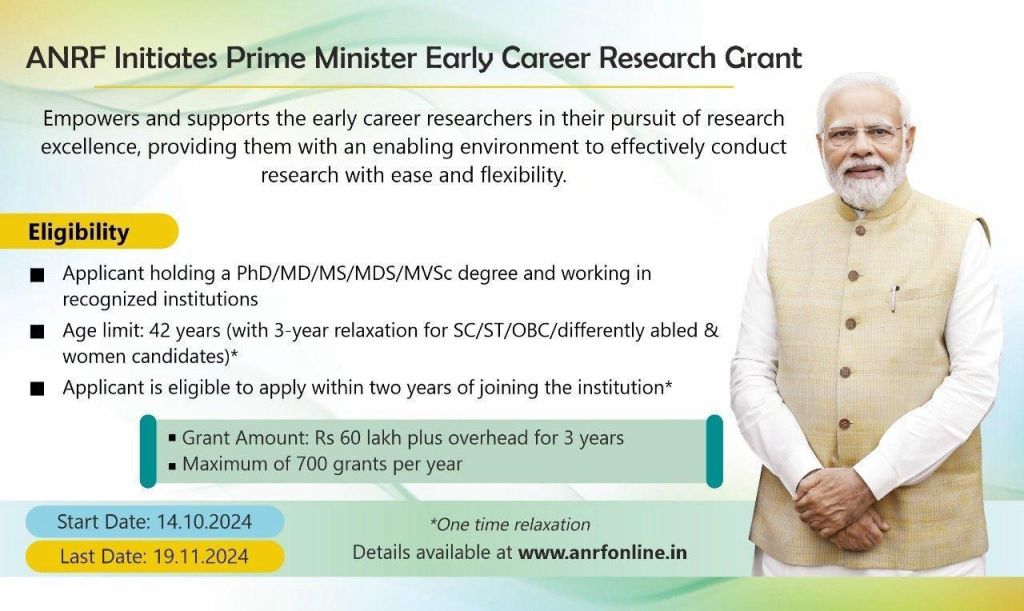
The Prime Minister’s Early Career Research Award (PMECRA) is a prestigious grant designed to support young researchers in India, encouraging them to pursue innovative and groundbreaking research in various fields of science, technology, and other disciplines. The program was introduced as part of the Indian government’s broader effort to promote research and innovation, especially among early-career scientists and academicians.
Objectives of the PMECRA:
1. Promote Young Talent: PMECRA aims to recognize and support young researchers with strong academic credentials and innovative ideas, providing them the necessary financial resources to carry out cutting-edge research.
2. Encourage Independent Research: The program enables early-career scientists to establish themselves as independent researchers, free from the constraints of traditional academic hierarchies, and fosters self-driven innovation.
3. Boost Research Capacity in India: The program is part of a larger national strategy to bolster research output in India, contributing to India’s standing as a global hub of scientific and technological advancement.
4. Support Interdisciplinary Research: PMECRA encourages interdisciplinary research that has the potential for high societal impact, covering a broad range of fields such as biotechnology, environmental sciences, information technology, and more.
Eligibility Criteria:
1. Age Limit: The applicant must generally be below the age of 40 years.
2. Academic Qualifications: Applicants should have a Ph.D. or equivalent degree in their respective fields of research.
3. Employment: The researcher must hold a regular academic or research position in a recognized university, institute, or laboratory in India.
4. Experience: Early career typically refers to researchers with 2–8 years of post-Ph.D. experience.
5. Research Focus: The applicant’s research proposal must align with the scientific priorities of the government, focusing on high-impact research areas with potential applications.
Funding and Benefits:
Research Grant: PMECRA offers substantial funding, typically ranging from ₹25 lakhs to ₹1 crore, depending on the scope of the research project. This grant can be used for various research-related activities such as purchasing equipment, hiring research assistants, covering travel expenses, and publishing research results.
Duration: The funding is usually provided for a period of three to five years, allowing researchers adequate time to develop their ideas and produce meaningful results.
Flexibility: The fund supports both basic and applied research, giving researchers flexibility in their approach while focusing on areas of national importance.
Selection Process:
1. Call for Proposals: The program typically invites research proposals annually. Interested candidates must submit detailed proposals outlining their research objectives, methodologies, expected outcomes, and budget estimates.
2. Evaluation: Proposals are evaluated by a panel of experts from various academic and scientific fields. The evaluation criteria include the novelty of the research, its feasibility, the researcher’s track record, and the potential impact of the project on society or industry.
3. Interview: Shortlisted candidates may be called for an interview, where they will present their research ideas to a panel of experts.
4. Final Selection: Based on the review process, a select number of candidates are awarded the grant, which is disbursed in installments depending on the research progress.
Importance of PMECRA:
Empowering Early Career Researchers: PMECRA provides a vital platform for early-career researchers to establish themselves in the competitive academic world, gain visibility, and build a solid foundation for future research opportunities.
Addressing National Challenges: By supporting research in areas of national importance, PMECRA helps address key challenges faced by India in sectors such as healthcare, agriculture, energy, and environmental sustainability.
Promoting Innovation and Creativity: The grant fosters a culture of innovation by encouraging researchers to explore new ideas, technologies, and methodologies that can lead to significant scientific breakthroughs or technological innovations.
Challenges:
Competition: Due to its prestigious nature, PMECRA is highly competitive, with only a small percentage of applicants receiving funding.
Grant Utilization: Managing large grants and ensuring that funds are used efficiently for research purposes can be a challenge, especially for those with limited administrative experience.
Conclusion:
The Prime Minister’s Early Career Research Award is a pivotal initiative aimed at fostering the next generation of researchers in India. By providing financial resources, mentorship, and independence, the PMECRA program serves as a cornerstone in shaping India’s future scientific and technological landscape. The award not only benefits individual researchers but also contributes to the broader goal of making India a leader in innovation and research on the global stage.
The Importance of Traveling with a Valid Train Ticket: Understanding the Legal, Ethical, and Practical Implications
Traveling by train is one of the most popular and convenient modes of transportation, especially in countries like India where the rail network spans the length and breadth of the country. Millions of people rely on trains for their daily commute, long-distance travel, and even leisurely trips. However, amidst the convenience, there is an important legal and ethical responsibility that every passenger must observe: traveling with a valid ticket.
While it may seem trivial to some, not having a valid train ticket has serious repercussions. Let’s explore the different dimensions of why traveling with a valid ticket is important.
1. Legal Implications
Traveling without a ticket is illegal in most countries, and India is no exception. Under the Indian Railways Act of 1989, traveling without a ticket can lead to serious legal consequences. A ticketless traveler is considered a violator of the law and can face the following:
Fines: Ticketless travelers are usually fined on the spot by a traveling ticket examiner (TTE). The fine often includes the fare of the journey along with an additional penalty, which can vary based on the class and distance of travel. In some cases, the fine can be substantial.
Legal Action: If the offender is unable to pay the fine, legal action may be taken. In extreme cases, such passengers may face imprisonment or be taken to court for further proceedings.
Blacklisting: Repeated offenses might lead to blacklisting, preventing travelers from using train services in the future.
The strict regulations are meant to deter fare evasion and ensure that everyone using the service contributes to its maintenance and functioning.
2. Ethical Considerations
Beyond the legal aspect, traveling without a ticket is ethically wrong. Here’s why:
Fair Contribution: Public transportation systems like railways are heavily subsidized and maintained through public funds and the revenue generated by ticket sales. When a passenger evades fare, they are, in essence, stealing from the system and putting an undue burden on others who pay their fair share.
Undermining the System: Evading fares can lead to losses for the railway system, impacting the quality of services. When everyone contributes by purchasing tickets, the system can invest in improving infrastructure, cleanliness, and safety measures.
Moral Responsibility: As a responsible citizen, one has a duty to follow the rules and regulations that ensure societal harmony. Bypassing the system by not buying a ticket sets a bad example, especially for young travelers and future generations.
3. Practical Risks of Traveling Without a Ticket
In addition to legal and ethical consequences, traveling without a ticket can lead to several practical inconveniences:
Embarrassment and Discomfort: Getting caught without a ticket can be highly embarrassing, especially if it happens in a crowded compartment or in front of fellow passengers. The subsequent confrontation with the TTE, followed by the payment of fines, can create an unpleasant experience that could have been easily avoided.
Uncertainty of Travel: Ticketless travel creates a constant fear of getting caught. It can also lead to anxiety and discomfort throughout the journey, detracting from the overall travel experience.
Risk of Missing Your Train: For those who try to board without a ticket at the last minute, there’s always a risk of being deboarded at the next station by the TTE or being asked to leave the train. This could result in significant delays and disruption to personal or professional commitments.
4. Social and Economic Impact
Revenue Loss for Railways: Railways operate on a thin margin, with much of their revenue dependent on ticket sales. When passengers travel without tickets, it leads to a revenue shortfall, making it harder for the railway authorities to maintain and improve services. This could lead to higher fares for legitimate travelers or a reduction in the quality of services offered.
Strain on Resources: The railway system already struggles with overcrowding and limited resources. Ticketless travelers add to the burden, often leading to overcrowding in compartments, which diminishes the comfort and safety of law-abiding passengers.
Increased Vigilance and Costs: The presence of ticketless travelers forces railway authorities to increase vigilance, hire more ticket checkers, and enforce stricter measures. This comes at an additional cost to the system, which could otherwise be used for improving passenger facilities and services.
5. How to Avoid the Temptation of Traveling Without a Ticket
Sometimes, people are tempted to travel without a ticket due to the urgency of their travel plans or the unavailability of tickets. However, there are legal and safer alternatives to consider:
Tatkal Booking: Indian Railways offers a Tatkal ticket booking system that allows passengers to book tickets at the last minute for an additional charge. This system is designed for those who need to travel urgently.
Waiting List and RAC Tickets: Even if confirmed tickets are unavailable, you can opt for a waiting list or RAC (Reservation Against Cancellation) ticket, which offers a legitimate chance of getting a seat before the journey starts.
General Class Travel: For short-distance travel, general-class compartments are available, where tickets are often available until the last minute. Purchasing a general-class ticket is a much better option than risking the consequences of traveling without one.
Online Ticket Booking: With the advent of digital ticketing, buying a ticket has never been easier. You can book tickets from the comfort of your home through the IRCTC website or mobile apps, ensuring you always have a valid ticket before traveling.
Conclusion
Traveling without a train ticket may seem like a minor infraction, but it has wide-reaching consequences that affect not just the individual but also the larger society. Legal penalties, ethical considerations, and practical inconveniences make it clear that buying a ticket is always the right choice. In addition to being law-abiding citizens, travelers who purchase tickets contribute to the development and sustainability of the railway system, ensuring that everyone can enjoy safe, comfortable, and reliable transportation.
Ultimately, responsible travel habits make for a better journey for everyone.
Participatory Rural Appraisal (PRA): A Comprehensive Approach to Rural Development
Introduction
Participatory Rural Appraisal (PRA) is a methodology used to enable rural people to share, enhance, and analyze their knowledge of life and conditions, allowing them to plan and act for their development. It is rooted in the principles of participation, flexibility, and empowerment, encouraging communities to take control of their development processes. PRA has gained prominence as an effective tool for rural development, particularly because it fosters collaboration between local communities, development practitioners, and other stakeholders.
Historical Background
PRA evolved from earlier methodologies such as Rapid Rural Appraisal (RRA), developed in the 1970s as an alternative to traditional survey methods. RRA aimed to provide quick, cost-effective, and relevant information on rural conditions. However, PRA goes beyond RRA by involving rural communities in the process of data collection, analysis, and decision-making. It recognizes that local people, due to their everyday experiences, possess valuable insights into their environment and are best positioned to identify their own needs and solutions.
PRA was developed in the 1980s and 1990s by development practitioners, including Robert Chambers, who emphasized the need for “putting the last first”—a shift in focus towards the most marginalized communities in rural areas. Since then, PRA has been widely adopted in development projects across Asia, Africa, and Latin America.
Key Principles of PRA
1. Participation: PRA involves the active participation of community members, ensuring that they play a central role in gathering information, identifying problems, and proposing solutions. It empowers local people to be agents of their own development rather than passive recipients of aid.
2. Flexibility: PRA is not a rigid, one-size-fits-all approach. It adapts to the specific cultural, social, and economic conditions of a community. PRA tools and methods are selected based on local context, ensuring relevance and appropriateness.
3. Empowerment: One of the core goals of PRA is to empower rural people by valuing their knowledge and perspectives. By involving them in decision-making, PRA enhances their confidence and capacity to manage their development efforts.
4. Learning and Sharing: PRA is based on a two-way learning process between community members and external facilitators. It encourages open dialogue, where both parties share knowledge and perspectives, fostering mutual respect and collaboration.
5. Holistic Approach: PRA takes a comprehensive view of rural development, considering economic, social, environmental, and cultural dimensions. It promotes integrated solutions that address multiple aspects of rural life.
PRA Techniques and Tools
PRA uses a range of visual, interactive, and participatory methods that enable communities to articulate their realities in ways that are easy to understand and act upon. Some common tools used in PRA include:
1. Mapping: Communities create maps of their village or locality, identifying resources, infrastructure, land use, and important landmarks. Mapping helps in understanding spatial relationships, identifying problems, and planning interventions.
2. Transect Walks: Facilitators walk with community members through their village or surrounding areas to observe and discuss various aspects of rural life, such as agriculture, water sources, and housing. This method helps in gaining a deeper understanding of the community’s environment.
3. Seasonal Calendars: Communities create calendars showing changes in key variables (e.g., rainfall, crop cycles, labor demand) throughout the year. Seasonal calendars help identify patterns and challenges related to food security, labor, and income.
4. Ranking and Scoring: Participants rank or score different issues, resources, or options based on their importance or preference. This method helps in prioritizing community needs or evaluating the effectiveness of interventions.
5. Venn Diagrams: Communities use Venn diagrams to represent relationships between individuals, groups, institutions, and resources. This helps in understanding power dynamics, social networks, and decision-making processes within the community.
6. Timelines: Timelines document significant events or changes in the community over time. This tool helps in understanding historical trends, identifying causes of problems, and recognizing shifts in community dynamics.
7. Focus Group Discussions: Small groups of community members discuss specific issues in a structured format, providing detailed insights and opinions. Focus groups allow for the exploration of topics such as health, education, or livelihood strategies.
Applications of PRA
PRA has been applied in various sectors of rural development, including agriculture, health, education, natural resource management, and disaster risk reduction. Some of its common applications include:
1. Agricultural Planning: PRA has been used to improve agricultural productivity by involving farmers in identifying constraints, such as soil degradation or water shortages, and developing sustainable farming techniques.
2. Community Health: PRA techniques help identify health challenges, such as access to clean water or prevalence of diseases, and develop locally appropriate solutions, like promoting sanitation practices or introducing community-based health workers.
3. Natural Resource Management: Communities use PRA tools to analyze the state of local ecosystems, such as forests or rivers, and develop conservation strategies. This participatory approach ensures that resource management plans align with the needs and knowledge of local people.
4. Disaster Risk Reduction: PRA helps communities assess their vulnerabilities to natural disasters, such as floods or droughts, and create disaster preparedness plans that build resilience to future risks.
Benefits of PRA
1. Community Ownership: Since PRA involves local people in every stage of the development process, it promotes a strong sense of ownership over the projects and interventions. This often leads to greater sustainability and long-term impact.
2. Empowerment and Capacity Building: PRA not only generates valuable data but also builds the capacity of local people to analyze and address their own challenges. It fosters leadership and self-reliance within communities.
3. Culturally Appropriate Solutions: PRA ensures that solutions are tailored to local conditions, customs, and needs. This reduces the risk of external interventions being inappropriate or ineffective.
4. Building Trust and Collaboration: PRA promotes trust and cooperation between external facilitators and local communities. By involving communities in decision-making, it strengthens relationships and ensures that development initiatives are more inclusive.
Challenges and Criticisms of PRA
While PRA has numerous benefits, it also faces certain challenges and criticisms:
1. Time-Intensive: PRA is often time-consuming compared to traditional data collection methods. The participatory nature of PRA requires facilitators to spend significant time building relationships with the community, facilitating discussions, and analyzing data together.
2. Risk of Elite Capture: In some cases, powerful individuals or groups within the community may dominate the PRA process, leading to biased outcomes. This can undermine the inclusive nature of PRA, especially when marginalized groups are not adequately represented.
3. Quality of Facilitation: The success of PRA depends heavily on the skills and attitudes of facilitators. Poor facilitation can lead to misrepresentation of community views, shallow analysis, or disengagement of participants.
4. Limited Generalizability: Since PRA is context-specific, its findings may not be easily generalizable to other communities or regions. This can limit its utility for large-scale development planning or policy-making.
Conclusion
Participatory Rural Appraisal represents a shift in development practice from top-down, expert-driven models to a more inclusive, bottom-up approach. It recognizes that rural communities are not merely beneficiaries of development but possess rich knowledge and resources that can drive sustainable change. Despite some challenges, PRA has proven to be an invaluable tool in fostering community participation, ownership, and empowerment in rural development initiatives. By promoting local solutions to local problems, PRA continues to shape the future of rural development in a more equitable and sustainable way.
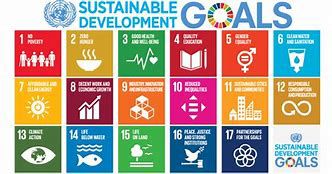
The Sustainable Development Goals (SDGs): A Blueprint for a Better Future
The Sustainable Development Goals (SDGs), adopted by the United Nations in 2015, provide a global framework to address the world’s most pressing challenges by 2030. These 17 goals, built on the foundation of the earlier Millennium Development Goals (MDGs), aim to eradicate poverty, protect the planet, and ensure prosperity for all. The SDGs emphasize interconnectedness, recognizing that economic growth, social inclusion, and environmental sustainability are interdependent.
1. No Poverty
Goal 1 seeks to end poverty in all its forms by 2030. Despite progress, more than 700 million people still live in extreme poverty. The SDGs advocate for inclusive economic growth and social protection systems, ensuring that the most vulnerable are not left behind.
2. Zero Hunger
Goal 2 focuses on achieving food security and promoting sustainable agriculture. With hunger and malnutrition affecting millions, the SDGs aim to ensure access to safe, nutritious, and sufficient food while promoting sustainable farming practices and supporting small-scale farmers.
3. Good Health and Well-being
Health is central to sustainable development. Goal 3 aims to ensure healthy lives and promote well-being for all at all ages. Key targets include reducing maternal and infant mortality, ending epidemics of diseases like HIV/AIDS, and promoting mental health.
4. Quality Education
Education is a powerful driver of change. Goal 4 seeks to ensure inclusive, equitable, and quality education for all. This includes ensuring free primary and secondary education, equal access to technical and vocational education, and lifelong learning opportunities.
5. Gender Equality
Achieving gender equality and empowering women and girls is essential for global development. Goal 5 aims to eliminate discrimination, violence, and harmful practices against women, and ensure equal participation in leadership and decision-making.
6. Clean Water and Sanitation
Access to clean water and sanitation is a basic human right. Goal 6 seeks to ensure availability and sustainable management of water and sanitation for all by improving water quality, reducing pollution, and investing in infrastructure.
7. Affordable and Clean Energy
Goal 7 focuses on ensuring access to affordable, reliable, sustainable, and modern energy. It aims to increase the share of renewable energy in the global energy mix and enhance energy efficiency, recognizing energy’s pivotal role in combating climate change.
8. Decent Work and Economic Growth
Promoting sustained, inclusive economic growth, full and productive employment, and decent work for all is at the core of Goal 8. The SDGs advocate for policies that stimulate entrepreneurship, job creation, and improved labor conditions, especially for young people and marginalized communities.
9. Industry, Innovation, and Infrastructure
Goal 9 underscores the importance of building resilient infrastructure, promoting inclusive and sustainable industrialization, and fostering innovation. This includes expanding access to financial services, technology, and the internet, particularly in developing countries.
10. Reduced Inequality
Goal 10 seeks to reduce inequality within and among countries by empowering and promoting the social, economic, and political inclusion of all, regardless of age, gender, disability, race, or income. It also calls for improved financial regulation to ensure fairer outcomes globally.
11. Sustainable Cities and Communities
With more than half of the world’s population living in urban areas, Goal 11 aims to make cities inclusive, safe, resilient, and sustainable. This includes improving housing, public transport, and urban planning, while reducing the environmental impact of cities.
12. Responsible Consumption and Production
Goal 12 encourages sustainable consumption and production patterns. It calls for reducing waste, improving resource efficiency, and promoting sustainable lifestyles, which are essential for decoupling economic growth from environmental degradation.
13. Climate Action
Climate change is one of the greatest challenges of our time. Goal 13 urges immediate action to combat climate change and its impacts, through both mitigation (reducing emissions) and adaptation (increasing resilience to climate impacts).
14. Life Below Water
Goal 14 focuses on conserving and sustainably using oceans, seas, and marine resources. It targets overfishing, marine pollution, and ocean acidification, while promoting the sustainable management of fisheries and marine ecosystems.
15. Life on Land
Goal 15 addresses the protection, restoration, and promotion of sustainable use of terrestrial ecosystems, forests, and biodiversity. It seeks to halt deforestation, combat desertification, and prevent the extinction of threatened species.
16. Peace, Justice, and Strong Institutions
Goal 16 promotes peaceful and inclusive societies, access to justice for all, and the building of effective, accountable institutions. It addresses issues like corruption, human trafficking, and violence, aiming to create more just and equitable societies.
17. Partnerships for the Goals
Recognizing that achieving the SDGs requires strong partnerships, Goal 17 focuses on enhancing global cooperation, financial support, and the exchange of knowledge, technology, and innovations. It emphasizes the need for collaboration across governments, civil society, and the private sector.
The Road Ahead
The SDGs represent an ambitious agenda that calls for transformative change. Governments, businesses, civil society, and individuals must work together to drive progress. While the goals are global, they require local action tailored to specific challenges. Meeting the 2030 deadline will require political will, investment, and an unwavering commitment to sustainable development for all.
The SDGs offer a shared vision for humanity’s future—one where no one is left behind, the environment is protected, and prosperity is within reach for everyone.
Some of the top management institutes in the United States are known for their world-class education, strong faculty, and extensive alumni networks. Here are a few of the most prestigious ones:
1. Harvard Business School (HBS) – Harvard University
Location: Cambridge, Massachusetts
Known for its case-study method and extensive research in business leadership.
2. Stanford Graduate School of Business (GSB) – Stanford University
Location: Stanford, California
Emphasizes innovation, entrepreneurship, and leadership.
3. Wharton School – University of Pennsylvania
Location: Philadelphia, Pennsylvania
One of the oldest business schools, known for finance and entrepreneurship.
4. MIT Sloan School of Management – Massachusetts Institute of Technology
Location: Cambridge, Massachusetts
Strong focus on innovation, quantitative analysis, and leadership.
5. Booth School of Business – University of Chicago
Location: Chicago, Illinois
Known for its rigorous analytical and empirical approach to business education.
6. Kellogg School of Management – Northwestern University
Location: Evanston, Illinois
Known for its focus on teamwork, leadership, and global management.
7. Columbia Business School – Columbia University
Location: New York City, New York
Strong ties to the finance industry and leadership development.
8. Haas School of Business – University of California, Berkeley
Location: Berkeley, California
Focuses on innovation, sustainability, and entrepreneurship.
9. Tuck School of Business – Dartmouth College
Location: Hanover, New Hampshire
Known for its tight-knit community and focus on leadership and global business.
10. Yale School of Management – Yale University
Location: New Haven, Connecticut
Strong emphasis on integrating business with society and leadership for social good.
These institutes consistently rank highly in global MBA rankings and are renowned for their cutting-edge research, diverse curricula, and influential alumni.
A DOI (Digital Object Identifier) is a unique alphanumeric string assigned to a digital object, such as a research article, dataset, book, or any other intellectual property. It serves as a persistent identifier that allows people to find, access, and cite these objects consistently, regardless of changes to their location on the internet. The DOI system was created by the International DOI Foundation (IDF) in 2000 to address issues related to content accessibility and citation, especially in academic and professional contexts.
Structure of a DOI
A DOI is typically structured as follows:
prefix/suffix
Prefix: This is a unique code assigned to the publisher, journal, or entity that registers the DOI. For example, “10.1000” is a prefix commonly associated with a particular publisher.
Suffix: The suffix is assigned by the publisher or entity to uniquely identify the specific object within their catalog. This part can be a combination of letters, numbers, or both.
An example of a DOI might look like this: 10.1038/s41586-019-1666-5
DOI in Academic Publishing
DOIs are crucial in the field of academic publishing for the following reasons:
1. Persistent Linking: One of the primary challenges in online publishing is the changing nature of URLs. A DOI ensures that even if a paper’s URL changes, the DOI link will always redirect users to the current location of the article.
2. Citation and Indexing: DOIs are essential for proper citation and indexing in academic papers. Many citation styles, such as APA, MLA, and Chicago, recommend including a DOI in the reference list to help readers directly access the cited material. A DOI link is generally shorter, more stable, and more reliable than a standard URL.
3. Interoperability: DOIs can be used across a variety of digital platforms, databases, and reference management software. Platforms like CrossRef and DataCite support the DOI system and provide additional services, such as article linking and metadata management, which are integral to academic research.
4. Credit and Usage: DOIs also help in tracking the usage and citations of academic papers. Services such as Altmetric and CrossRef provide statistics on how often an article with a DOI is referenced, shared, or downloaded, which can be helpful for measuring the impact of a particular work.
How DOIs Work
The DOI system operates through a network of Registration Agencies (RAs), which are responsible for assigning and managing DOIs. When an entity (such as a journal or data repository) wants to register a DOI for a specific object, they submit metadata about that object to the RA, which then creates and assigns the DOI. This metadata includes:
Title of the work
Authors
Publisher or journal information
Publication date
Keywords and abstract (optional)
Once registered, the DOI becomes resolvable through a DOI resolver service such as doi.org. When someone clicks on a DOI link (e.g., https://doi.org/10.1038/s41586-019-1666-5), they are directed to the webpage where the object (such as a research article) is hosted.
Example Use in Citations:
When citing an article in APA format, for instance, the DOI is used in the following way:
The Importance of DOIs for Open Access and Data Repositories
In addition to articles, DOIs are increasingly being used to identify datasets, images, software, and other forms of scholarly output. This trend aligns with the push for Open Access and FAIR (Findable, Accessible, Interoperable, and Reusable) data principles, making academic outputs more transparent and easier to reuse.
For example:
DataCite: This organization is a DOI Registration Agency specifically for datasets. When researchers share their data through repositories like Zenodo or Dryad, these datasets receive a DOI, ensuring that they can be cited similarly to traditional research papers.
Conclusion
The DOI system plays a crucial role in academic and professional fields by ensuring persistent access, accurate citation, and better data interoperability for a wide range of digital objects. With the proliferation of digital content and the shift toward Open Access publishing, DOIs are becoming an increasingly important tool for researchers, publishers, and data repositories worldwide.
Their unique ability to maintain a permanent, resolvable link to a digital object makes them invaluable for the long-term accessibility and reliability of academic work.
Creating and using a ResearchGate account offers numerous benefits, especially for researchers, academics, and professionals in various fields. Some of these benefits include:
1. Networking: ResearchGate helps you connect with other researchers and professionals in your area of expertise, enabling collaboration on projects, sharing insights, and discussing new developments.
2. Access to Research: You can access a vast database of research papers, articles, and publications. Many researchers share their full papers, which are otherwise behind paywalls, giving you free access to valuable research materials.
3. Research Visibility: By creating a profile and uploading your publications, you can increase the visibility of your work, which can lead to more citations and collaborations.
4. Metrics and Impact: ResearchGate provides statistics such as the number of reads, citations, and the ResearchGate Score, which help track the impact of your publications over time.
5. Collaboration Opportunities: You can find potential collaborators by browsing profiles and publications in your field, or by joining discussions in topics relevant to your research interests.
6. Questions and Answers: The platform allows you to ask and answer questions related to your research, helping solve problems and gain insights from the academic community.
7. Job Opportunities: ResearchGate often features job listings relevant to researchers, including academic positions, postdocs, and research fellowships.
8. Profile Building: It provides an easy way to maintain a professional profile, showcasing your expertise, affiliations, and publications to a global audience.
9. Feedback and Peer Review: You can receive feedback on your work from the community, which can help you refine your research or approach and improve the quality of future publications.
Overall, ResearchGate helps foster a collaborative and informed research community by connecting professionals, providing access to academic materials, and offering tools to enhance professional growth.
Ratan Naval Tata is one of India’s most influential industrialists, philanthropists, and visionaries, known for his leadership of Tata Group, India’s largest and most diverse conglomerate. Born on December 28, 1937, in Mumbai, Ratan Tata comes from the prominent Tata family, which has played a crucial role in India’s industrial development for more than a century.
Early Life and Education:
Ratan Tata was born to Naval Tata and Sonoo Tata. His parents separated when he was young, and he was raised by his grandmother, Lady Navajbai Tata. Despite his privileged background, Ratan Tata had a modest upbringing, instilled with a sense of responsibility and humility.
For his early education, Ratan Tata attended Campion School in Mumbai and then Cathedral and John Connon School, followed by studies at Bishop Cotton School in Shimla. After completing his schooling, he went to the United States, where he earned a degree in Architecture and Structural Engineering from Cornell University in 1962. Later, he attended the Advanced Management Program at Harvard Business School in 1975.
Early Career:
After completing his studies, Ratan Tata worked briefly at Jones and Emmons, a Los Angeles-based architectural firm, before returning to India in 1962 to join the Tata Group. His first assignment within the Tata Group was on the shop floor at Tata Steel in Jamshedpur, where he worked alongside blue-collar workers. This experience allowed him to understand the inner workings of the business from the ground up.
Rise to Leadership:
In 1991, Ratan Tata succeeded J.R.D. Tata as the chairman of Tata Sons, the holding company of the Tata Group. His appointment was met with some resistance from senior executives within the group, as many doubted his ability to manage such a vast and complex business empire. However, under Ratan Tata’s leadership, the Tata Group transformed into a global entity, expanding its footprint internationally.
Major Accomplishments and Leadership:
1. Global Expansion: One of Ratan Tata’s key achievements was transforming Tata Group from a primarily India-centric company to a global powerhouse. Under his leadership, Tata Motors acquired British automotive brands Jaguar and Land Rover (JLR) in 2008, which was one of the most high-profile acquisitions in Indian corporate history. Similarly, Tata Steel acquired Corus, an Anglo-Dutch steel company, in 2007, making Tata Steel one of the largest steel producers in the world.
2. Tata Consultancy Services (TCS): Ratan Tata played a crucial role in shaping Tata Consultancy Services (TCS) into a global leader in IT services. TCS became India’s first IT company to cross $100 billion in market capitalization, making it a flagship enterprise within the group and a significant player in the global IT industry.
3. Tata Nano: One of Ratan Tata’s most ambitious projects was the launch of the Tata Nano in 2009, an ultra-affordable car designed to provide an alternative to two-wheelers for the masses in India. Although the Nano didn’t succeed commercially as expected, it demonstrated Tata’s innovative thinking and commitment to improving the quality of life for the common Indian.
4. Diversification: Under Ratan Tata, the Tata Group diversified into numerous sectors, including telecommunications, luxury hotels, and aviation. Notable ventures include Tata Communications, Tata Sky, and Taj Hotels.
5. Philanthropy and Social Contributions: Ratan Tata’s commitment to philanthropy is as significant as his business achievements. The Tata family, through Tata Trusts, has long been involved in numerous philanthropic activities, and under Ratan Tata’s guidance, these efforts were expanded further. Approximately 66% of Tata Sons is owned by charitable trusts, making Tata Group unique in its approach to business with a purpose beyond profit.
The Tata Trusts have contributed to a wide range of causes, including education, healthcare, rural development, and scientific research.
Ratan Tata himself has personally invested in various social ventures, particularly focusing on innovations in healthcare and education for the underprivileged.
Personal Life and Values:
Ratan Tata is known for his humility, ethical leadership, and deep sense of integrity. Despite his enormous wealth and power, he is recognized for his simple lifestyle, rarely seen in public limelight, and is famously private. He is unmarried, and though he had several close relationships in his life, he never married, a decision that remains a part of his personal story.
Tata is passionate about animals, especially dogs, and has often been photographed with his pets. He is also a lover of cars and aviation, holding a pilot’s license and personally flying some of Tata’s corporate jets.
Retirement and Legacy:
In 2012, at the age of 75, Ratan Tata stepped down as chairman of Tata Sons, handing over the reins to Cyrus Mistry. However, following a controversial boardroom battle in 2016, Tata briefly returned as interim chairman until a new successor, Natarajan Chandrasekaran, was appointed in 2017.
Even after retirement, Ratan Tata remains actively involved in mentoring young entrepreneurs. Through Ratan Tata’s personal investments, he has supported numerous startups, especially in the tech and healthcare sectors, including companies like Ola, Paytm, and UrbanClap. His deep interest in innovation and supporting the next generation of entrepreneurs showcases his forward-thinking mindset.
Honors and Recognition:
Ratan Tata’s leadership and humanitarian contributions have earned him numerous accolades:
Padma Bhushan (2000) and Padma Vibhushan (2008), India’s third and second-highest civilian honors, respectively.
Honorary Knight Commander of the Order of the British Empire (KBE) in recognition of his contribution to Indo-British relations.
Lifetime Achievement Award from various prestigious organizations, including the Rockefeller Foundation.
Honorary degrees from several universities around the world, including Harvard, where he remains an influential figure in the academic community.
Conclusion:
Ratan Tata’s leadership has left a lasting impact on India and the world. He is celebrated not only for his visionary business acumen but also for his unwavering commitment to ethical values and philanthropy. Through his leadership of the Tata Group, he has fostered a culture of innovation, social responsibility, and sustainable development. His legacy continues to inspire future generations of entrepreneurs and business leaders both in India and globally.
The PhD Excellence Award by the University Grants Commission (UGC) is a recognition initiative designed to honor outstanding research work conducted by PhD scholars in Indian universities. While UGC provides various funding and fellowship schemes to support research, specific excellence awards target researchers whose work demonstrates significant contribution to their field of study.
Key Features:
1. Objective:
To promote high-quality research in universities.
To recognize and reward excellence in doctoral research.
To encourage scholars to publish impactful work in peer-reviewed journals, contribute to innovations, and elevate India’s academic standing globally.
2. Eligibility:
Open to Indian PhD scholars who have completed their research in UGC-recognized universities.
Candidates need to have produced significant, original, and impactful research work that benefits society or advances knowledge in their discipline.
The research should be recognized by the academic community through publications, citations, patents, or practical applications.
3. Selection Criteria:
Quality and originality of the thesis and research work.
Publications in high-impact, peer-reviewed journals or contributions to the field in the form of patents, innovations, or real-world solutions.
Impact of research on society, industry, or academia.
Peer and expert reviews, along with a candidate’s academic track record.
4. Benefits:
The award typically includes a monetary grant to support further research, publication, or dissemination of the PhD work.
Recognition through a certificate or award from UGC, which can enhance academic and professional prospects.
Scholars may receive opportunities for further funding, fellowships, or international research collaborations.
5. Application Process:
UGC may periodically invite applications for the PhD Excellence Award.
The process generally requires submission of the PhD thesis, relevant publications, and a detailed research summary.
The research is then reviewed by an expert panel of academics and professionals.
6. Significance:
This award helps highlight the role of research in solving pressing societal and scientific challenges.
It encourages a culture of excellence in Indian higher education institutions, raising the bar for doctoral research standards.
By honoring researchers, the UGC promotes a more research-driven academic culture that can benefit not only the academic community but also industry and policymakers.
In addition to such awards, the UGC also offers numerous fellowships and funding schemes for researchers at various stages, including the Junior Research Fellowship (JRF) and Senior Research Fellowship (SRF) programs.
World Habitat Day is observed annually on the first Monday of October to raise awareness about the state of human settlements and the importance of ensuring adequate shelter for all. It was established by the United Nations in 1985, with the first observance occurring in 1986. The day is an opportunity to reflect on the basic human right to adequate shelter, the challenges of urbanization, and sustainable urban development.
Objectives:
1. Promoting Sustainable Urbanization: As the global population becomes more urbanized, the day emphasizes the need for sustainable planning and management of towns and cities. Urban areas must provide good living conditions, infrastructure, and environmental health.
2. Advocating for Housing as a Human Right: Housing is central to people’s quality of life. World Habitat Day highlights that many people around the world live in inadequate housing, and it stresses the importance of policies that guarantee access to safe, affordable, and sustainable housing.
3. Environmental Awareness: The observance encourages reflection on how human settlements impact the environment and the need to adopt eco-friendly practices in construction and urban development.
4. Recognizing Global Issues: From homelessness and poverty to climate change and natural disasters, the day is a call to action for governments and communities to address challenges related to urban living.
Themes:
Each year, World Habitat Day is celebrated with a specific theme to focus on pressing global issues. Recent themes have included:
2023: “Resilient Urban Economies: Cities as Drivers of Growth and Recovery” – Focused on the role cities play in economic growth, especially after crises like the COVID-19 pandemic.
2022: “Mind the Gap. Leave No One and Place Behind” – Highlighted the growing inequalities in urban settings.
2021: “Accelerating Urban Action for a Carbon-Free World” – Focused on addressing climate change through sustainable urban practices.
Events and Activities:
1. Conferences and Webinars: Various organizations, NGOs, and governments host events that discuss urbanization, housing policies, and innovations in sustainable living.
2. Awards and Recognition: The UN often uses the day to announce winners of the “Scroll of Honour” award, which recognizes individuals or organizations that have made outstanding contributions to urban development, improving living conditions, and housing policies.
3. Community-Based Events: In many countries, local governments and civil society groups organize events such as exhibitions, tree-planting drives, community clean-up campaigns, and discussions on housing issues.
4. Global Observances: While many events are organized at local and national levels, a major global event is hosted in a specific city, focusing on global urban development challenges.
Importance in Today’s Context:
With more than half of the world’s population living in urban areas, the day has become more relevant than ever. Issues like rapid urbanization, climate change, inadequate housing, and slums continue to be significant challenges. World Habitat Day serves as a reminder of the collective responsibility to create more sustainable, resilient, and inclusive cities. It also brings into focus the need for international cooperation to address the housing crisis and ensure equitable access to resources and services in cities around the world.
In conclusion, World Habitat Day is not just about housing but encompasses broader issues related to sustainable development, environmental protection, and human well-being in urban areas. It encourages governments, organizations, and individuals to take action to create a better urban future for everyone.
The Fulbright Scholarship is one of the most prestigious academic programs globally, aimed at fostering international educational exchange and cultural diplomacy. Established in 1946, it is sponsored by the U.S. government and administered by the Bureau of Educational and Cultural Affairs. The Fulbright Program operates in over 160 countries and offers scholarships to students, scholars, teachers, professionals, and artists to study, research, or teach in the United States and, in some cases, other countries.
Here is a detailed overview of the Fulbright Scholarship:
1. Purpose of the Fulbright Program
The Fulbright Program was established to promote mutual understanding between the people of the United States and other countries. It aims to:
Foster cross-cultural understanding by bringing together students, researchers, and professionals from various countries to learn from each other.
Promote academic exchange by offering opportunities for study and research in diverse disciplines.
Support global education and cooperation by creating opportunities for U.S. citizens to travel abroad and for international students and scholars to visit the U.S.
2. Types of Fulbright Scholarships
The Fulbright Program offers a wide range of scholarship opportunities, divided into several categories:
a) For Students
Fulbright Foreign Student Program: This is the most well-known Fulbright scholarship, offering graduate students, young professionals, and artists the chance to study or conduct research in the U.S. for one to two years.
Fulbright U.S. Student Program: This program allows recent graduates and graduate students from the U.S. to travel abroad for study, research, or teaching English.
b) For Scholars and Researchers
Fulbright Visiting Scholar Program: This is designed for international scholars who wish to conduct postdoctoral research, teach, or undertake specialized programs in the U.S.
Fulbright U.S. Scholar Program: This program provides opportunities for U.S. academics and professionals to conduct research, teach, or undertake other scholarly projects abroad.
Fulbright Scholar-in-Residence Program: This allows U.S. institutions to host foreign scholars for a semester or a full academic year.
c) For Professionals
Fulbright Specialist Program: This short-term program allows U.S. professionals and academics to collaborate with institutions in other countries on a variety of projects.
d) For Teachers
Fulbright Teacher Exchange Programs: These programs provide opportunities for K-12 teachers and administrators from both the U.S. and abroad to participate in international exchanges.
3. Eligibility Criteria
Fulbright programs have specific eligibility criteria, which vary depending on the country and type of award. However, common criteria include:
Nationality: Applicants must be citizens of the country from which they are applying.
Academic Qualifications: Applicants must hold at least a bachelor’s degree for most Fulbright student programs. For scholar programs, a Ph.D. or equivalent professional experience may be required.
Language Proficiency: Depending on the program, applicants may need to demonstrate proficiency in English or another relevant language.
Work Experience: Some Fulbright programs, particularly those for professionals and scholars, may require relevant work experience or research achievements.
Additionally, each country has its own Fulbright Commission or U.S. Embassy that sets specific eligibility requirements based on its development priorities and needs.
4. Application Process
The application process for a Fulbright Scholarship is rigorous and highly competitive. Here’s an overview of the steps involved:
a) Research the Program:
Applicants should start by researching the specific Fulbright opportunities available for their country or academic field. This can be done by visiting the Fulbright website or consulting the Fulbright Commission in their country.
b) Online Application:
The Fulbright application is submitted online. It typically requires:
Personal Information: Biographical details, educational background, and professional experience.
Statement of Purpose: A detailed essay explaining why the applicant wants to study, research, or teach in the U.S. or abroad.
Letters of Recommendation: Usually two to three letters from academic or professional references.
Research Proposal or Study Plan: For research-based programs, applicants need to provide a well-developed research proposal.
Standardized Tests: Some applicants may need to submit scores from tests like the TOEFL, GRE, or GMAT, depending on the program.
c) Interviews:
In some countries, shortlisted candidates may be invited for an interview with a panel. This is usually conducted by the Fulbright Commission or U.S. Embassy in the applicant’s country.
d) Selection:
Selection is based on academic merit, the applicant’s leadership potential, their proposed project’s alignment with Fulbright’s objectives, and their ability to contribute to cross-cultural understanding.
5. Selection Criteria
Fulbright selects candidates based on a combination of the following factors:
Academic Excellence: The applicant’s academic record, research skills, and professional achievements.
Cultural Exchange Potential: The ability to promote understanding between their home country and the U.S.
Leadership Qualities: Evidence of leadership potential, community involvement, and the capacity to make an impact in their field of study.
Proposed Study/Research Plan: The quality and feasibility of the proposed research or study plan.
6. Benefits of the Fulbright Scholarship
The Fulbright Scholarship is a fully funded program, and its benefits include:
Tuition Fees: Coverage of full tuition costs for the selected academic program.
Living Stipend: A monthly allowance to cover living expenses such as accommodation, meals, and incidentals.
Travel Costs: Round-trip airfare from the scholar’s home country to the host country.
Health Insurance: Limited health and accident insurance coverage for the duration of the scholarship.
Research Allowance: Some scholars receive additional funds to cover research-related expenses such as books, materials, or fieldwork.
7. Post-Scholarship Requirements
Upon completion of the Fulbright program, scholars are typically required to return to their home countries for at least two years. This is to ensure that they contribute to their home country’s development with the skills and knowledge gained during the program. Fulbright alumni are also encouraged to engage with the wider Fulbright network and participate in alumni activities and initiatives.
8. Impact and Alumni Network
Fulbright alumni form a global network of influential leaders, scholars, and professionals. Many Fulbright alumni have gone on to achieve great success in their fields, including Nobel Prize winners, heads of state, renowned researchers, and artists. The program fosters long-term collaborations, partnerships, and friendships that transcend borders.
The Fulbright Program also hosts events and workshops for alumni, providing ongoing professional development opportunities and a platform for global networking.
9. How to Apply
Applicants must apply through the Fulbright Commission in their home country or the U.S. Embassy, depending on where they are applying from. The application deadlines and procedures vary by country, so it is important to consult the specific requirements for each country.
Conclusion
The Fulbright Scholarship is a prestigious and valuable opportunity for individuals seeking to further their education, research, or teaching while promoting international understanding. It not only provides financial support for academic pursuits but also opens doors to a global network of professionals and scholars. The program is ideal for those committed to making a positive impact in their fields and contributing to cross-cultural collaboration.
The Commonwealth Scholarship is a prestigious and competitive scholarship offered to students from Commonwealth countries, enabling them to pursue higher education in the UK or other Commonwealth nations. The scholarship aims to promote cultural and academic exchange, foster development, and provide educational opportunities for students with outstanding academic merit and potential. Here is a detailed overview of the Commonwealth Scholarship:
1. Types of Commonwealth Scholarships
The Commonwealth Scholarship Commission (CSC) offers several types of scholarships, each tailored to different academic levels and fields of study:
Commonwealth Master’s Scholarships: These are for students from low and middle-income Commonwealth countries who want to pursue a full-time Master’s degree at a UK university.
Commonwealth PhD Scholarships: These scholarships are for students from eligible Commonwealth countries who wish to pursue a PhD in the UK.
Commonwealth Split-site Scholarships: These scholarships support PhD candidates to spend time at a UK institution while pursuing their research.
Commonwealth Shared Scholarships: These are for students from developing Commonwealth countries who would not otherwise be able to afford to study in the UK, focusing on themes related to development.
Commonwealth Distance Learning Scholarships: These are for candidates from least developed and lower middle-income countries to study for a Master’s degree while living and working in their home country.
Commonwealth Professional Fellowships: These are for mid-career professionals from low- and middle-income countries to spend time at a UK organization for professional development.
2. Eligibility Criteria
Eligibility varies based on the specific scholarship type, but generally, applicants must meet the following criteria:
Nationality: Must be a citizen of a Commonwealth country (specific countries are eligible for different scholarships).
Academic Qualification: For Master’s scholarships, candidates typically need a first degree of at least upper second-class honors or equivalent. For PhD scholarships, candidates generally require a Master’s degree or equivalent.
Development Themes: Applicants need to demonstrate how their proposed studies will contribute to the development of their home country, in alignment with one of the CSC’s six themes:
1. Science and technology for development
2. Strengthening health systems and capacity
3. Promoting global prosperity
4. Strengthening global peace, security, and governance
5. Strengthening resilience and response to crises
6. Access, inclusion, and opportunity
3. Application Process
The application process for Commonwealth Scholarships typically follows these steps:
1. Check Eligibility: Ensure you meet the specific eligibility criteria for the scholarship you’re applying for.
2. Apply through National Agencies or Universities: Applications must be submitted through a national nominating agency (for certain countries) or directly through UK universities. Some scholarships, like the Commonwealth Shared Scholarship, involve direct application to the institution offering the course.
3. Prepare Supporting Documents: These may include academic transcripts, references, a personal statement, and a detailed study plan.
4. Deadline: The deadlines vary by type of scholarship, usually between October and December each year.
5. Shortlisting and Interview: Some applicants may be shortlisted for an interview as part of the selection process.
4. Selection Criteria
The selection process is highly competitive, and candidates are assessed based on:
Academic Merit: The academic qualifications and track record of the applicant.
Potential Impact: How the study or research proposal aligns with development needs of the applicant’s home country and the potential to contribute to its growth.
Study Plan: The feasibility and quality of the applicant’s study or research plan, including how it fits with CSC’s objectives.
5. Benefits
The Commonwealth Scholarship covers a variety of costs, ensuring that financial constraints do not inhibit the student’s ability to study. These include:
Tuition Fees: Full coverage of tuition fees.
Airfare: Round-trip airfare from the scholar’s home country to the UK.
Living Allowance: Monthly stipend to cover living expenses (usually between £1,000 to £1,500 depending on the location).
Thesis Grant: Assistance with costs related to thesis or dissertation production.
Warm Clothing Allowance (if applicable).
Additional Allowances: Some scholarships may offer an additional grant for travel related to study, fieldwork, or attending conferences.
6. Post-Scholarship Obligations
Upon completion of their studies, Commonwealth Scholars are often expected to return to their home countries to contribute to their development. They are encouraged to implement the skills and knowledge gained during their study to impact local communities and industries positively.
7. Impact and Opportunities
The Commonwealth Scholarship is highly regarded globally. It opens doors to academic and professional networks, enhances career prospects, and fosters international cooperation. Scholars also become part of the Commonwealth Alumni Network, which provides lifelong access to professional development opportunities and networking platforms.
8. How to Apply
The application process for Commonwealth Scholarships typically begins online. The steps usually involve:
Online Application: Through the CSC’s application system or partner organizations.
Supporting Documentation: Providing the necessary academic records, references, and study/research proposals.
Interview and Final Selection: In some cases, shortlisted candidates may be invited for an interview.
Conclusion
The Commonwealth Scholarship is an invaluable opportunity for students from eligible Commonwealth countries to pursue higher education in the UK or other member countries. It not only helps students advance their academic careers but also equips them with the skills to contribute to the development of their home countries.
Rate this:
Academic Bank of Credit ABC ID
The Academic Bank of Credit (ABC) is a concept introduced by the Government of India under the National Education Policy (NEP) 2020. It aims to enhance flexibility in higher education by enabling students to accumulate and transfer academic credits across different educational institutions. The ABC initiative allows students to design their own educational paths, pursue interdisciplinary learning, and even take breaks without losing their academic progress.
Here’s a detailed overview of the Academic Bank of Credit:
1. Concept and Purpose
The ABC functions like a digital repository where students can store the credits they earn from different higher education institutions (HEIs) during their academic journey.
It allows students to accumulate credits from recognized courses and programs offered by HEIs that are part of the ABC framework.
Students can redeem these credits to complete degrees, diplomas, or certifications.
It promotes multi-entry and exit options, enabling learners to exit a program midway with an appropriate certificate, diploma, or degree, depending on the accumulated credits.
2. Key Features
Credit Accumulation: Students can accumulate credits over time from various recognized HEIs.
Credit Transfer: Credits earned from one institution can be transferred and utilized at another institution.
Multiple Entry and Exit Points: Students can enter or exit a program as per their academic and personal needs, making it easier for them to re-enter the education system after a break.
Flexible Learning: ABC promotes interdisciplinary and flexible learning. Students can mix and match courses from different disciplines or even institutions to meet the requirements of their chosen degree or diploma.
Validity of Credits: The credits earned by students have a defined validity period. For example, credits might remain valid for 7-10 years, depending on the course and institution, to ensure that students are up-to-date with evolving knowledge.
3. How It Works
Student Registration: Students will need to register for an Academic Bank of Credit account through the official ABC platform, which is usually integrated with institutions.
Credit Earn and Deposit: After completing a course, credits are earned and deposited into the student’s ABC account by the participating institution.
Credit Redemption: Once a student has accumulated enough credits to fulfill the degree requirements, they can redeem these credits at the institution they are currently enrolled in to get a diploma, degree, or certificate.
4. Institutions Involved
Institutions must be approved by relevant authorities like the University Grants Commission (UGC) to be part of the ABC system.
The HEIs participating in ABC need to adopt the guidelines and standards to ensure uniformity in credit assignment and transferability.
Inter-Institution Collaboration: It encourages collaboration between institutions, both within and across disciplines, and fosters partnerships for providing a more comprehensive learning experience.
5. Advantages
Increased Flexibility: Students have the liberty to choose when and how they complete their education.
Personalized Learning Path: ABC offers students the ability to tailor their education, whether by studying subjects they’re passionate about or by taking breaks for work or personal reasons.
Lifelong Learning: ABC encourages lifelong learning by making it easier for professionals and older students to return to higher education and pick up where they left off.
Reduces Dropout Rates: Students who might otherwise drop out of college due to personal or financial reasons can use their accumulated credits to resume education later.
Supports Mobility: Credits can be transferred between universities, enabling students to study at different institutions without losing progress.
6. Challenges
Implementation: There is a need for seamless coordination between different institutions to ensure smooth credit transfers and recognition of courses.
Equivalence of Credits: Establishing uniform standards for credits across institutions and programs can be complex, especially with varying grading systems.
Quality Assurance: Ensuring that all institutions maintain the same level of rigor and quality in education will be crucial to avoid the devaluation of academic credentials.
7. Impact on Higher Education
Student-Centered Learning: ABC puts the student in the driver’s seat, giving them autonomy over their educational journey.
Promotes Inclusivity: It can potentially democratize access to education by giving more opportunities to students who cannot follow traditional, linear educational paths.
Encourages Interdisciplinary Studies: By allowing credit transfer between different fields of study, it encourages a more holistic approach to education.
8. Technological Support
The ABC system relies on a robust digital infrastructure to manage student credits, track academic records, and ensure secure, transparent transactions.
National Academic Depository (NAD): The ABC is integrated with the National Academic Depository to store and retrieve academic records electronically.
Digital Interfaces: Students and institutions will use an online interface to manage and view credits, register for courses, and handle credit transfers.
9. Future Prospects
As more institutions join the ABC system and the infrastructure becomes more robust, the initiative is expected to revolutionize higher education by making it more inclusive, flexible, and accessible.
The ABC can also pave the way for international credit transfers, allowing students to engage in global learning experiences.
The Academic Bank of Credit represents a transformative shift in how education is delivered and experienced in India. By creating a flexible, student-centric model, it seeks to align education with the diverse needs of modern learners.
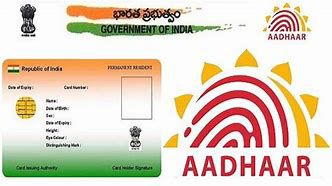
Aadhaar-Based Citizen (ABC) ID: A Unique Identity for Indians
The Aadhaar-Based Citizen (ABC) ID, also known as Aadhaar, is a 12-digit unique identification number issued by the Unique Identification Authority of India (UIDAI) to every resident of India. It is a biometric-enabled ID that stores demographic and biometric data of individuals.
History and Objectives
The Aadhaar program was launched in 2009 with the following objectives:
Provide a unique identity to every resident of India.
Eliminate duplicate identities and fake identities.
Improve delivery of public services and benefits.
Enhance national security.
Facilitate financial inclusion.
Key Features
Unique 12-digit number: Each Aadhaar number is unique and randomly generated.
Biometric data: Stores fingerprints, iris scans, and facial recognition data.
Demographic data: Includes name, date of birth, address, and mobile number.
Digital signature: Ensures authenticity and security.
QR code: Encodes demographic and biometric data.
Benefits
Simplified identification: Single ID for various services.
Improved governance: Efficient delivery of public services.
Financial inclusion: Access to banking and financial services.
Security: Prevents identity theft and fake identities.
Convenience: Easy authentication for various transactions.
Uses
Government services: Subsidy distribution, pension schemes, and healthcare services.
Banking: Account opening, transactions, and loan applications.
Taxation: Income tax filing and GST registration.
Education: Admissions, scholarships, and certifications.
Employment: Job applications and background verification.
Security Features
Encryption: Data stored in encrypted form.
Authentication: Multi-factor authentication for secure access.
Biometric locking: Prevents unauthorized access.
Data protection: Compliance with data protection laws.
Challenges and Controversies
Privacy concerns: Data security and surveillance.
Exclusion errors: Issues with enrollment and authentication.
Aadhaar-linked services: Mandatory linking with various services.
Supreme Court judgments: Constitutional validity and privacy concerns.
Future Developments
Aadhaar 2.0: Upgraded version with enhanced security features.
Face recognition: Introduction of face recognition technology.
Digital India: Integration with various digital initiatives.
Global interoperability: International recognition and acceptance.
Conclusion
The Aadhaar-Based Citizen ID has transformed the way India approaches identification, governance, and public services. While challenges and controversies surround the program, its benefits and impact on Indian society are undeniable. As the program continues to evolve, it is essential to address concerns and ensure the security and privacy of citizen data.
Important Links
Unique Identification Authority of India (UIDAI): (link unavailable)














You must be logged in to post a comment.