Interesting facts about Men’s

Boys can test your patience, run your ragged, and make you want to pull your hair out. But they also melt ur heart with just one sweet look, and make you wonder how you ever exited before them.

1.  If you shake your groove thing in front of a man,  you’re pretty much guaranteed to have anything you want.

2.    Men enjoy long romantic walks to the beer fridge.

3.     Men waste thousands of gallons of fuel every year, driving around while not asking for directions.

4.     Men can slip into a coma while sitting in a retail store chair waiting for you to come out of the fitting room.

5.     50% of men claim they would feel comfortable if their girlfriend had a lesbian lover.

 6.     Putting toilet paper on the roll is not common sense, it’s a super power.  Apparently only women have this magical power.

.     For the love of Pete, what is the big deal about golf ?!  It’s a big patch of grass with a little dimpled ball… MmmKay.

8.     Men roll their eyes at words like “commitment, and change the toilet paper roll “

9.     If you find dirty socks and underwear near-to or semi-near the hamper, there is a man nearby.

10.    A woman speaks about 7,000 words a day; a man speaks about 2,000.

11.     If it’s attention that you want, don’t get in a relationship with a man during playoff season.

12.    Men do things that make us go aaaackkkkkk and make us go ahhhhhhhhh all at once.

13.    The front lawn is the Holy Land.   It’s not to be messed with.

14.     Men like gadgets with lots of fancy shiny black buttons.  It makes them feel dang important.

15.     Dear men, your Mother is not a saint.  A saint would have taught you to put the lid down.

16.      When men talk with food in their mouth, it makes you want to reach right across the table and slap them with a hot dog while mumbling the word wanker under your breath.

.      If men make the bed and do the laundry, we will gasp.

18.     Enough already with the combover.  It has never once fooled anyone into thinking you have hair.  Never.  Not once.  Ever.  In the history of ever.

19.    Breathing like a normal person seems like no biggie to women.

20.     It’s easier for a man to buy a bathing suit :

Women have two types :   depressing and more depressing.

Men have two types :   sexy-cool and a horrific-speedo.

21.    Booby kryptonite :  Dear men, they are just boobs.  Breathe.  Do you want to know who else has boobs?  Your Mom.

22.    It’s funny how men are brave enough to go to war, but shudder at the thought of a bikini wax.

23.    Men would rather take a bullet than pick up tampons at the grocery store.

24.     After a bottle of champagne, they start licking faces.  It makes you want to punch them and kiss them all at once.

25.     Men like to barbecue.  They suddenly like to cook if danger and fire are involved.  Weird how that happens.

26.     Let’s face it, they go a little bit bonkers if you don’t change the oil in your car.  Whatevers.  Oil schmoil.

27.     Bad boys are like cupcakes.  They are delicious for two nibbles and then you start to hate yourself.

28.     Getting a man organized is like herding a cat or pushing a rope uphill.

29.     You can praise them, but go easy on the pedal or Mr. Stud muffin will puff up like a peacock.

30.     Honest to Pete… do you have an unfinished project in your household that can only be completed by a man !?!  Light it on fire.

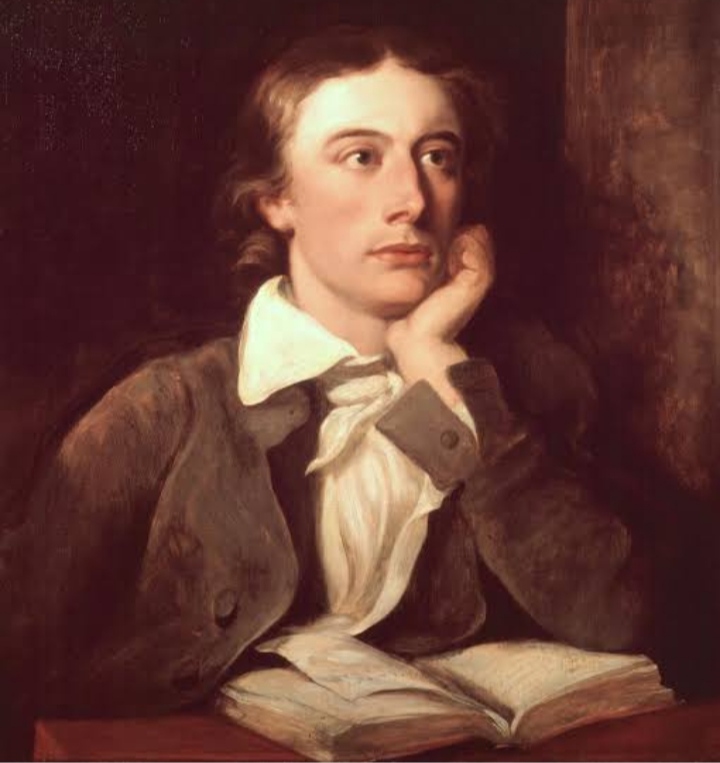
John Keats & Rabindranath Tagore

John Keats born on 1795 was a British Romantic poet. Although trained to be a surgeon, Keats decided to devote himself wholly to poetry. Keats’ secret, his power to sway and delight the readers, lies primarily on his gift for perceiving the world and living his moods and aspirations in terms of language.

“A Thing of Beauty ‘ is an excerpt from his poem ‘ Endymion: A Poetic Romance’. The poem is based on a Greek legend, in which Endymion, a beautiful young shepherd and poet who lived on Mount Latmos, had a vision of Cynthia, the Moon Goddess. The enchanted youth resolved to seek her outstand so wandered away through the forest and down under the sea.

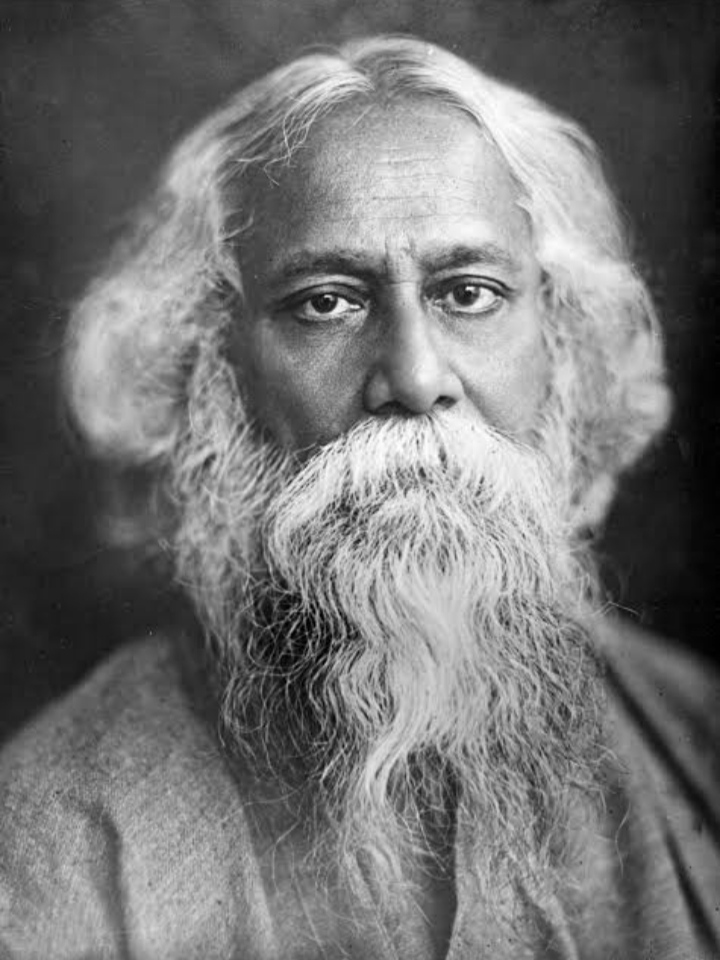
Rabindranath Tagore

Rabindranath Tagore was born on 1861, Nobel prize- winning Bengali poet, author, philosopher, artist, and educator wrote “Gitanjali”(1912).

“My Reminiscences’ was written and published in his fiftieth year, shortly before he started on a trip to Europe and America for his failing health in 1912. It was in the course of this trip that he wrote for the first time in the English language for publication.

Biography- Sri Ramakrishna Paramhansa

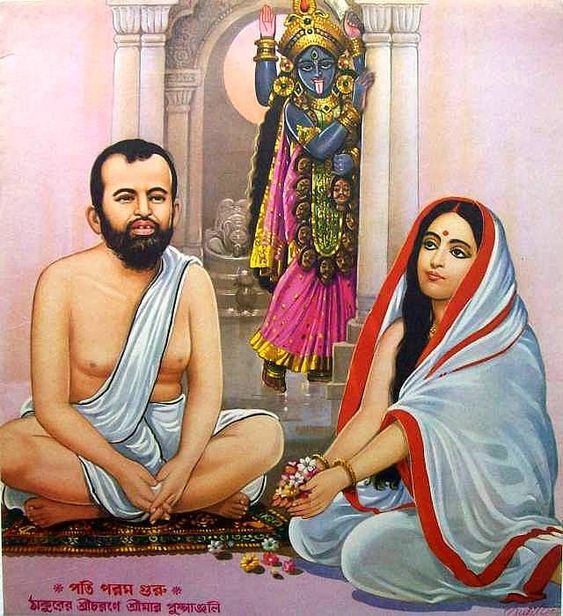
Sri Ramakrishna, the God-man of modern India, was born on 18 February 1836 at Kamarpukur in the Hooghly district in India. His parents Khudiram and Srimati Chandramoni were exceptionally devoted persons and earned the love and respect of the villagers for their charity, truthfulness and kindness. Sri Ramakrishna’s early name was Gadadhar Chattopadhyaya or Gadai and later known as Ramakrishna Paramhansa.  Paramhansa is a title of honor applied to Hindu spiritual teachers who have become enlightened. He learnt some lessons in the village pathshala but he was not very much interested in it. Sri Ramakrishna experienced spiritual ecstasies from a young age and was influenced by several religious traditions, including devotion toward the Goddess Kali, Tantra, Bhakti and Advaita Vedanta. Gadadhar was seven years old when his father died. At the age of sixteen, Gadadhar came to Calcutta (now Kolkata) with his elder brother Ramkumar, who wished his assistance in his priestly duties. At that time a rich widow named Rani Rasmani built a temple for the goddess Kali on the eastern bank of the Ganga at Dakshineswar. Being invited by Rasmani, Ramkumar with his brother Gadadhar came to the sacred temple garden and Gadadhar found greater opportunities to pursue his spiritual practices. In 1855 Ramakrishna was appointed as the priest of Dakshineswar Kali Temple, built by Rani Rashmoni. To Sri Ramakrishna, the image of Kali was not an inert stone, but the Mother herself. Rani Rashmani was greatly attracted to Sri Ramakrishna, for she felt that his strange behaviour was for the fullness of devotion to goddess Kali. Sri Ramakrishna had a catholic spirit from the very beginning and he made no distinction between one form of God in Hinduism to another in Islam or Christianity. Rumours spread to Kamarpukur that Ramakrishna had become unstable as a result of his spiritual practices at Dakshineswar. Ramakrishna’s mother and his elder brother Rameswar decided to get Ramakrishna married, thinking that marriage would be a good steadying influence upon him—by forcing him to accept responsibility and to keep his attention on normal affairs rather than his spiritual practices and visions. Ramakrishna himself mentioned that they could find the bride at the house of Ramchandra Mukherjee in Jayrambati, three miles to the northwest of Kamarpukur. The five-year-old bride, Saradamani Mukhopadhyay (later known as Sarada Devi; she is also considered as an avatar) was found, and the marriage was duly solemnised in 1859. Ramakrishna was twenty-three at this point, but this age difference for marriage was typical for nineteenth-century rural Bengal. They later spent three months together in Kamarpukur. Sarada Devi was fourteen, while Ramakrishna was thirty-two. Ramakrishna became a very influential figure in Sarada’s life, and she became a strong follower of his teachings. After the marriage, Sarada stayed at Jayrambati and joined Ramakrishna in Dakshineswar at the age of eighteen.

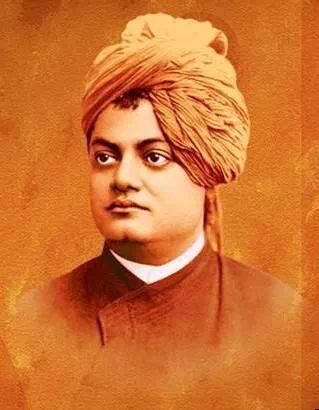
To spread his message to the world around Sri Ramakrishna needs a strong instrument. And such an instrument was found in Narendranath Dutta, his beloved Naren, later known to the world as Swami Vivekananda.

The last days of Sri Ramkrishna were with his devoted disciples. Ramakrishna’s condition gradually worsened, and he died in the early morning hours of 16 August 1886 at the Cossipore garden house. According to his disciples, this was mahasamadhi. After the death of their master, the monastic disciples led by Vivekananda formed a fellowship at a half-ruined house at Baranagar near the river Ganges, with the financial assistance of the householder disciples. This became the first Math or monastery of the disciples who constituted the first Ramakrishna Order.

Goals Don’t Replace Systems - And Vice Versa

People who claim that setting goals are a bad thing are out of their minds. They probably set some goals in the past, failed, and never set a goal again.

I know there’s a lot of confusion about goals and systems these days. I’ve contributed to the confusion as well.

A lot of us share the idea that you either have a system or set goals.

But thinking “this or that” is not helpful because it limits our beliefs. I know this because I used to think that way too. But then, I learned that many things in life could be this and that.

So in this article, I’ll explain why goals and systems complement each other, and why I have both.

But first, let’s start with the definitions.

  • goal tells you where you’re going tomorrow
  • system tells you what to do today

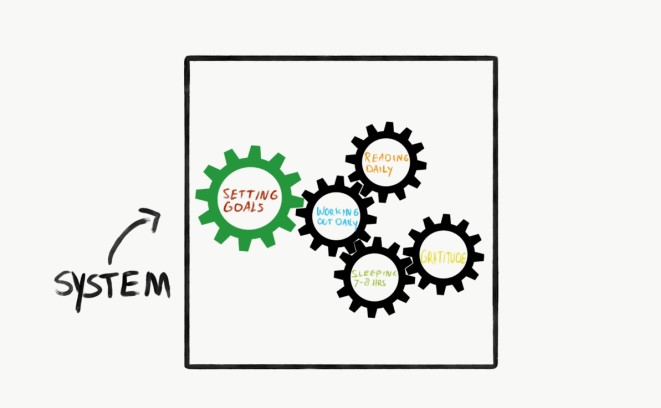
Makes sense? There is a clear difference. A system is a collection of tasks and strategies that help you to function. And setting goals can be part of that system.

1. Why you need goals

Every time I read about people who claim you shouldn’t set goals, I get upset. It’s possibly the worst advice one could receive.

When someone is telling you not to set goals, they are essentially saying you should stop moving forward.

Goals are inherent to human nature. We thrive on progress. We need something to strive for. If we don’t have a vision of what our future could look like, why would we do anything at all?

It’s the classic question that philosophers and scientists have examined since the start of modern civilization. Over and over again, we’ve learned that we need goals to grow.

Let’s stop and think about that for a second. Why are we alive? I say we’re here to live a useful life. That’s what makes us happy; as a result, it makes our life good.

However, setting goals is not an easy skill. In the past, I would set goals that I had zero control over.

“I want to make a million bucks,” you might think.

Alright, great. But here’s the thing, you don’t control the rewards you get. What do you control? Your effort. So, it’s better to set goals that are related to your effort.

  • How many books are you going to read?
  • What degrees will you get?
  • How many potential mentors will you reach out to?
  • How many articles/books/videos/songs will you create?
  • How much of your money are you going to invest?

You see, these types of questions are related to goals that you can influence. That’s the way to go.

2. Why you need systems

Systems have different meanings to people. For example, Scott Adams, the author of How to Fail at Almost Everything and Still Win Big, did a great job explaining how systems work for him. He doesn’t set goals and only has systems. That’s not how I look at it.

Once we set goals, we know that we have to put in the work to achieve them. That’s when systems come into play.

It comes down to this: What do I need to do EVERY DAY to achieve the goals I desire?

Let’s say you want to become financially independent by age 50. You might think:

  • I need to save at least 30% of my income
  • I need to increase my income yearly
  • I need to be mentally strong so that I can do my job
  • I need to be in good shape, so I don’t get ill and have high energy
  • I need to learn every day, so I get better at my job
  • I need to look at my goals every day to remind myself of where I’m going
  • I need to reflect on the past to learn and be grateful for where I am

Alright, congratulations. You have created a system. When you do the above things, you will make progress, no matter what.

One thing we must be aware of is that we keep an open mind: Goals and systems change all the time. Don’t fixate on one thing for a long time. Change your goals and systems as your priorities change.

3. Why you need higher goals

We’ve established that we need both goals and systems to live a good life. Here’s what I’ve learned over the past few years.

Set higher goals!

No, you don’t need to make 10 million bucks. That’s just your superficial brain speaking for you.

Set the bar higher for yourself.

  • Become the best at your job.
  • Become stronger, fitter, and smarter than ever
  • Have divine relationships

Go beyond where you currently are. I like how Jordan Peterson puts it in his immensely popular book, 12 Rules For Life:

“You should never give up the better that resides within for the security you already have.”

Yes, why would you deserve anything but the best? Because you’re afraid of losing what you have? That’s not a good reason to live a timid and mediocre life.

When we aim low, we deserve to receive low. When we aim high, we might fail, but we still have a better life than people who aim low. Because of the failure of someone who aims high is much more profound than the life of someone who aims low.

“Yeah, but I don’t need much.”

Well, that sounds like a pretty high aim for me. It’s funny to me that people pretend like “being content” is easy.

Being grateful and content is the highest aim in life.

You know what’s low? Complaining, being ungrateful, consumerism, anger, doing nothing, etc.

Aim high. Live a life of contribution. Dedicate yourself to knowledge and self-study. Help yourself, your family, and your community. That’s the highest goal one can set.

So, do yourself a favor, sit down for 10 minutes, and think about this:

  • What are your goals for this week?
  • What are your goals for this month?
  • What are your goals for this year?
  • What are your goals for next year?
  • What are your 3-year goals?
  • What are your 5-year goals?

I guarantee that you will feel ecstatic about life after you’ve done this little exercise. Go!

I’ve also published a podcast episode, where I talk about 2 books that I recommend reading about goals and systems. 

7 Productivity Apps That Shave 10 Hours Off Your Week

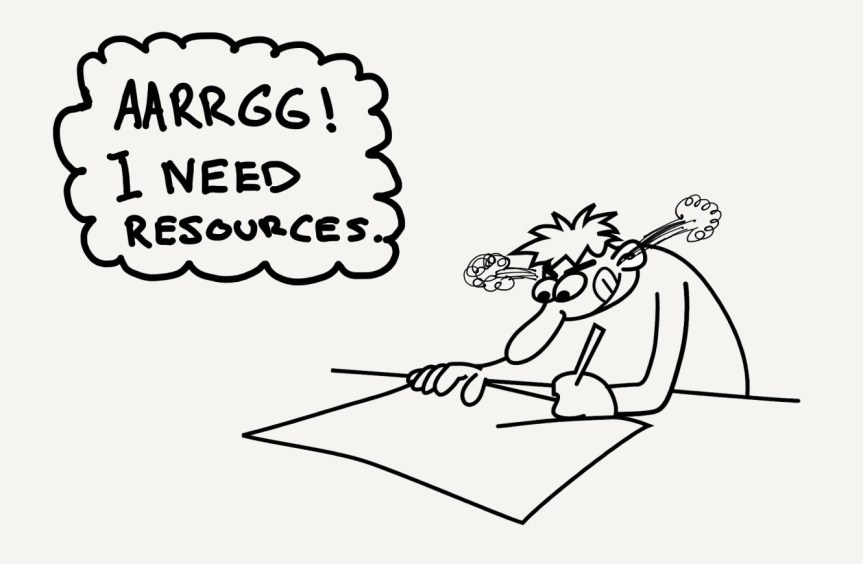
I need tools and resources

My general opinion about productivity apps, tools, and resources is this: It doesn’t matter. I say that because most people hide behind their apps. We’re always looking for the ONE app that will turn us into a productivity monster.

Or we believe that tools or other resources will help us do better work. YouTuber and filmmaker Casey Neistat makes this point very clear, he says:

“The gear never matters. Tell a great story really well, and people will forgive whatever gear you shoot it on.”

When it comes to writing, Stephen King has a similar approach. Whenever he’s asked about tools, he doesn’t even answer. If you want to become a better writer, he says:

“You learn best by reading a lot and writing a lot, and the most valuable lessons of all are the ones you teach yourself.”

I’m sure you know there’s only one way to get things done: Put your head down and work hard. But often, we still think these type of thoughts:

  • “A new laptop makes me more productive.”
  • “This app helps me to get more done.”
  • “The newest DSLR camera makes me a better photographer.”

These are all reasons we procrastinate. Now, of course, tools matter. But they are not the determining factor. You are.

It’s not about the resources you have; it’s about what you do with them. Life is about resourcefulness. And that’s the point people like Casey Neistat and Stephen King want to make.

What you’ll find next is a list of 7 of my favorite apps and how I use them. When you use the tools in the right way, you can easily save 10 hours per week.

1. Grammarly

If you’re reading this, you’re probably a knowledge worker. And a knowledge worker’s primary weapon is her words.

I strongly believe that if you want to become a better communicator, it all starts on paper. Learn how to think and write well, and you will ultimately become better at speaking, sales, copywriting, programming, doing interviews, leading, etc.

The very words you use are EVERYTHING in how you conduct yourself. Especially in an increasingly digital world where people shy away from face-to-face contact.

And Grammarly is the best productivity app to help you with communicating. Most people think a grammar checker is only for writers.

But I mainly use Grammar’s browser extension for daily use. I use it for writing emails in Gmail, responding to comments, or any other site I have to write something.

I also edit my articles with Grammarly (they also have an MS Office add-on). It checks for passive voice, grammatical, spelling, and punctuation mistakes.

All in all, this app saves me about 30 minutes a day in sheer brainpower. With Grammarly, I can just focus on writing and communicating my message; they do the rest.

2. Blinkist

Reading improves focus, productivity, creativity, and it reduces stress. The benefits are so great that it makes you think everybody should be reading books like crazy.

Nope.

23% of Americans have not read a single book in the past year. And the number of books people read per year are also not pretty. Only 28% reads more than 11 books per year.

And I get it. Reading takes time. Plus, one of my main challenges is to select which books I’m going to read.

In the past, I’ve often bought books, and quit them half-way through because they were not useful or interesting. That costs me time and money. That’s frustrating, especially because you can only read so many books every year.

If you’re like me, your reading list grows faster than you cross off books, and that’s a problem. Why? You want to read the RIGHT books. You want to read books that make you grow; personally, professionally, financially.

And I’ve finally found a solution to the question of: “What book should I read next?”

Blinkist creates quality summaries of non-fiction books. Every day I read one book summary, and if I want to learn more, I get the actual book. If not, I just eliminate the book from my reading list.

You have to be realistic; you just can’t read all the books in the world. And it’s important to figure out how you decide which books you’re going to read.

Also, I don’t rely on reviews to select books because a book that’s useless to you can be valuable to me.

3. Trello

  • “What should I do next?”
  • “I’m bored.”

You should eliminate those two thoughts from your head. Why? Because they plant the seeds of something that’s called: WASTING TIME.

I use this productivity app as a backlog of tasks that I have to do. If you don’t know Trello; it’s a versatile project management tool that can be used in many ways.

With Trello you can create ‘boards’ for every project you have. And on every board, you can list all the actions you have to complete for that project.

Every week I take some time to update my projects. That helps me to improve my focus, so I know what I have to do.

Whenever I don’t know what to do, I open Trello: There’s ALWAYS something to do.

4. Feedly / Medium

Browsing blogs remains one of the main sources of wasting time for most of us. I have a simple tip for you: Stop clicking on articles you see in your social feeds.

Most people open Facebook, Twitter, or even news sites, and they click on anything thing that looks slightly interesting.

DON’T.

Instead, make a list of 5–10 blogs/authors you love to read. Then, add them to Feedly or follow the bloggers/publications on Medium. Every day, only read your articles through Feedly and Medium.

This saves at least 1 hour of mindless browsing per week.

5. Office 365 / Google Docs

I still meet a lot of entrepreneurs and freelancers who don’t work in the cloud. If you’re one of them, you’re wasting a lot of time.

Just the few minutes it takes to open files from folders, save them on external drives, or share your documents with others, adds up quickly.

A few minutes here and there become a few hours a week, and hundreds of hours per year.

I use Office 365 because I like to work offline too (plus, I’m a little old school — I’m used to Office). But Google Docs also works well.

Let’s keep this short: If you’re not working in the cloud, it’s time to move there.

I save about 1 hour per week by having easy access to all my documents (on all my devices) in the cloud. I only focus on working and sharing documents, spreadsheets, and presentations.

I don’t want to think about anything else that’s involved with productivity. And that’s what these productivity apps are great at.

6. The Free Calendar App On Your Phone

Forget about to-do lists, fancy productivity apps, or anything else that promises you to get shit done.

There’s only one thing that helps you to get things done: Your calendar.

It’s so obvious that most of us ignore it. We prefer fancy looking to-do lists with all colors of the rainbow, and that make sounds when you check off an item.

The research is clear: To-do lists don’t work. And yet, most people stick to them.

Ditch the to-do list and use your calendar as your number one productivity tool. Take some time to plan your week. Ask: When will I do what? Then, schedule it in your calendar. I do this exercise every day.

I promise that it will save you at least 15 minutes a day of updating your to-do list.

7. Tomighty

I love working with the Pomodoro method. Research shows that it improves focus and the quality of your output.

Whenever I don’t use an app like Tomighty, I just waste hours every day. This app can easily save you one hour per DAY.

How? When you work in intervals, you get more done in less time because of the improved focus.

In total, these 7 productivity apps will shave at least 10 hours off your week. And with practice, you can even double your time savings.

As you might have noticed, productivity is all about eliminating time-wasting activities, and improving your focus.

In that way you get the RIGHT things done, and you ultimately save a lot of hours every week.

Start living more consciously of your time and productivity: Save your time for other, more important, things.

If you do that, you can use those precious hours with your family, friends, spouse. Or you can spend the time to improve your skills.

Because at the end of the ride, when you’re on your deathbed, you won’t think about all apps, tools, or resources you used. No, you’ll reflect on all the great things you did with them.

So what are you waiting for? You have the tools you need to be successful. Only thing left is this: Go out and DO things with the resources you have.


Manage Your Personal Energy To Improve The Quality Of Life

Many things in life always sound better in theory.

  • “I’m going to save my money, buy real estate, and live off the rent money.”
  • “I’m going to start a blog, sell courses, and live off the passive income.”
  • “I’m going to open a yoga school and only work a few hours a day.”

Alright, that’s great. I’ve talked about putting in the work many times before. I’m not going to do that again. We know that by know.

So let’s assume you are putting in the work. And to be honest, I’m pretty sure you’re taking your career seriously. Why else would you read these types of articles, right?

However, we also want to live a good life. I believe that life is meant to be enjoyed. Richard Koch, the author of the seminal book The 80/20 Principle, said it best:

“Do the things that you like doing. Make them your job. Make your job them.”

Let’s be honest here. If you’re currently not enjoying your life, and you’re not waking up every morning with a sense of excitement, you need to do something about it.

You deserve to live a good life. The people in your life deserve that as well. In fact, we all deserve that. No one wants to live or work with a pessimist.

And in this article, I want to share one idea with you that has made a tremendous impact on the quality of my life. In his book, Richard Koch talks about how 20% of activities result in 80% of our happiness.

It’s a term, originated from the economist Vilfredo Pareto, that was coined by Joseph Juran. Pareto found that 80% of the land in most countries was owned by 20% of the population.

But that idea goes beyond wealth distribution. Richard Koch applied it to everything, from business to happiness. And not everything has to be distributed 80/20. Some things are distributed 90/10 or even 99/1. The point is that cause and effect is not a 50/50 relationship.

For example, 100% of my happiness comes from only one measure: My personal energy.

Understanding the impact of mood on happiness

I’ve been thinking about this concept for a long time. I always want to know how and why things happen. So I ask myself things like:

  • Why am I in a good mood today?
  • Why am I in a shitty mood today?
  • Why am I happy in this moment?
  • Why am I stressed right now?

To answer those questions, I keep a journal. If you’re a regular reader of my blog, you know I’m a big advocate of journaling. I also wrote an article about my journaling system.

And recently, I finally discovered a pattern. How I feel is determined by my personal energy.

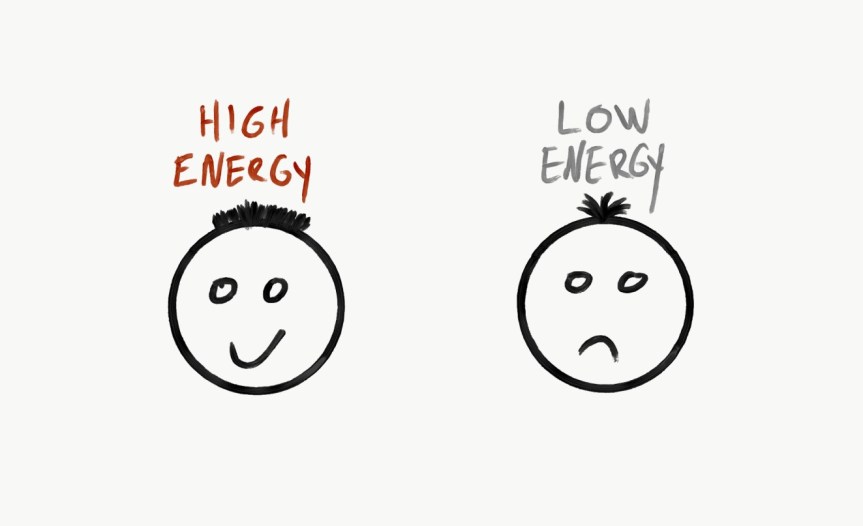
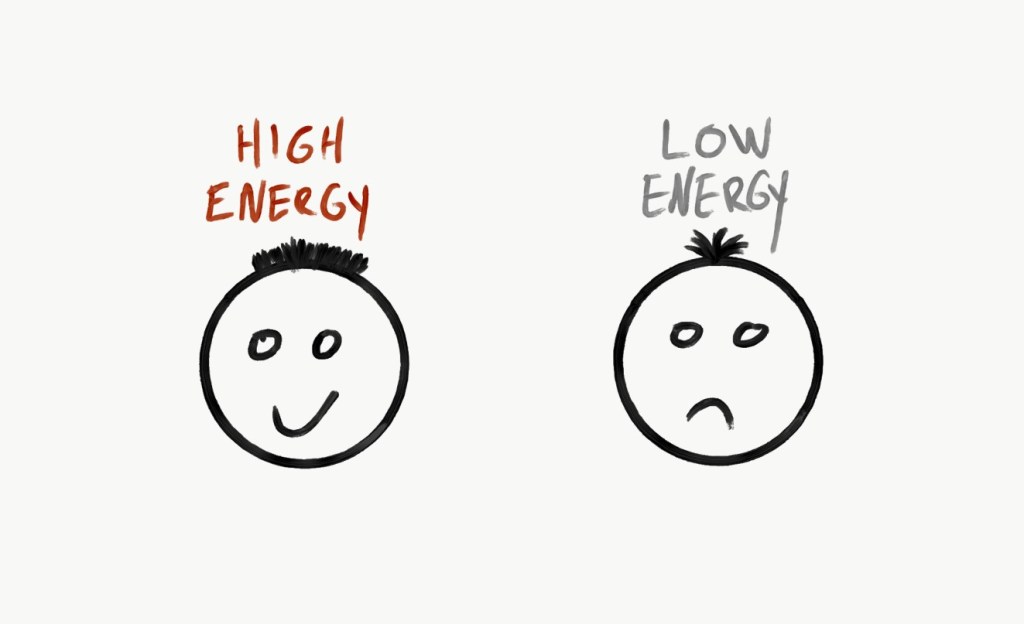
  • High energy? Good mood, feeling confident, looking forward to the future, chest up, smiling, enjoying myself, and doing whatever I like.
  • Low energy? Bad mood, sad, afraid of the future, timid, shying away from eye contact, worrying, etc, etc.

Now, you might think that’s pretty obvious. But no one ever taught me to manage my energy. Not in school, not at work, and not in business. But managing it has made a big impact on the quality of my life.

“So how do you manage your personal energy?”

In practice, it looks like this. Ask yourself:

  1. “What activities destroy my mood and drain my energy?”
  2. ”What activities make me feel good and give energy?”

Before the childish folks go out and say, “I love partying and spending all my money,” I want to say that if you want to be smartass—go and do that somewhere else.

Here’s an example of what I mean. I think writing is a hard and tedious activity. I don’t enjoy it at all, to be honest.

However, after I do it, I feel good about myself, and it gives me a lot of energy. So that makes it worth it to me. So it’s not about avoiding hard things. It’s about looking at the results activities have on your mood.

Here are two other things I’ve learned about managing your personal energy.

  • Identify 20% of the activities that bring you the most results for every aspect of your life.
    Look at your relationships, business, health, money. Then, focus on doing more of the activities that improve those aspects.
  • Continuously re-evaluate.
    Get feedback. Journal. And always ask yourself whether you’re on the right track. Life is not static. You must adjust your course manually. There’s no autopilot. So always take time every day to reflect and look forward.
  • You don’t have to be in a good mood all the time.
    That’s not realistic. I aim for being in a good mood 95% of the time. Also, you can be in a good mood and go through difficulty. Life is tough. So It’s better to be in a good mood to make it easier.

Look, life is long. And if you play it right, you can do most of the things you always wanted. You just need to have patience and manage your energy so you can ENJOY the things you do.

Start now by asking yourself: “What’s the one thing I can do today to improve my mood?”

Ask yourself the same question tomorrow.

And the day after that.

And so forth.

Goals Don’t Replace Systems – And Vice Versa

People who claim that setting goals are a bad thing are out of their minds. They probably set some goals in the past, failed, and never set a goal again.

I know there’s a lot of confusion about goals and systems these days. I’ve contributed to the confusion as well.

A lot of us share the idea that you either have a system or set goals.

But thinking “this or that” is not helpful because it limits our beliefs. I know this because I used to think that way too. But then, I learned that many things in life could be this and that.

So in this article, I’ll explain why goals and systems complement each other, and why I have both.

But first, let’s start with the definitions.

  • goal tells you where you’re going tomorrow
  • system tells you what to do today

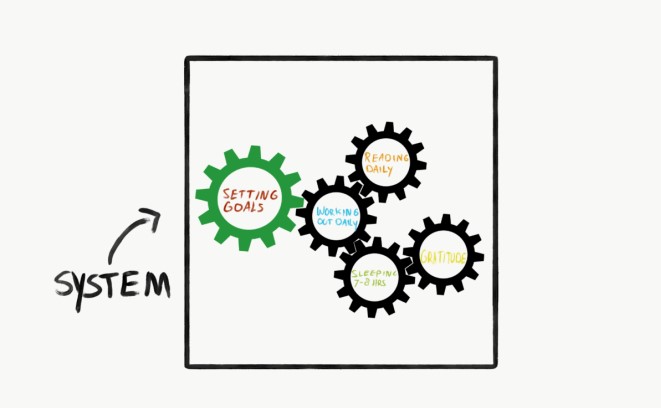
Makes sense? There is a clear difference. A system is a collection of tasks and strategies that help you to function. And setting goals can be part of that system.

1. Why you need goals

Every time I read about people who claim you shouldn’t set goals, I get upset. It’s possibly the worst advice one could receive.

When someone is telling you not to set goals, they are essentially saying you should stop moving forward.

Goals are inherent to human nature. We thrive on progress. We need something to strive for. If we don’t have a vision of what our future could look like, why would we do anything at all?

It’s the classic question that philosophers and scientists have examined since the start of modern civilization. Over and over again, we’ve learned that we need goals to grow.

Let’s stop and think about that for a second. Why are we alive? I say we’re here to live a useful life. That’s what makes us happy; as a result, it makes our life good.

However, setting goals is not an easy skill. In the past, I would set goals that I had zero control over.

“I want to make a million bucks,” you might think.

Alright, great. But here’s the thing, you don’t control the rewards you get. What do you control? Your effort. So, it’s better to set goals that are related to your effort.

  • How many books are you going to read?
  • What degrees will you get?
  • How many potential mentors will you reach out to?
  • How many articles/books/videos/songs will you create?
  • How much of your money are you going to invest?

You see, these types of questions are related to goals that you can influence. That’s the way to go.

2. Why you need systems

Systems have different meanings to people. For example, Scott Adams, the author of How to Fail at Almost Everything and Still Win Big, did a great job explaining how systems work for him. He doesn’t set goals and only has systems. That’s not how I look at it.

Once we set goals, we know that we have to put in the work to achieve them. That’s when systems come into play.

It comes down to this: What do I need to do EVERY DAY to achieve the goals I desire?

Let’s say you want to become financially independent by age 50. You might think:

  • I need to save at least 30% of my income
  • I need to increase my income yearly
  • I need to be mentally strong so that I can do my job
  • I need to be in good shape, so I don’t get ill and have high energy
  • I need to learn every day, so I get better at my job
  • I need to look at my goals every day to remind myself of where I’m going
  • I need to reflect on the past to learn and be grateful for where I am

Alright, congratulations. You have created a system. When you do the above things, you will make progress, no matter what.

One thing we must be aware of is that we keep an open mind: Goals and systems change all the time. Don’t fixate on one thing for a long time. Change your goals and systems as your priorities change.

3. Why you need higher goals

We’ve established that we need both goals and systems to live a good life. Here’s what I’ve learned over the past few years.

Set higher goals!

No, you don’t need to make 10 million bucks. That’s just your superficial brain speaking for you.

Set the bar higher for yourself.

  • Become the best at your job.
  • Become stronger, fitter, and smarter than ever
  • Have divine relationships

Go beyond where you currently are. I like how Jordan Peterson puts it in his immensely popular book, 12 Rules For Life:

“You should never give up the better that resides within for the security you already have.”

Yes, why would you deserve anything but the best? Because you’re afraid of losing what you have? That’s not a good reason to live a timid and mediocre life.

When we aim low, we deserve to receive low. When we aim high, we might fail, but we still have a better life than people who aim low. Because of the failure of someone who aims high is much more profound than the life of someone who aims low.

“Yeah, but I don’t need much.”

Well, that sounds like a pretty high aim for me. It’s funny to me that people pretend like “being content” is easy.

Being grateful and content is the highest aim in life.

You know what’s low? Complaining, being ungrateful, consumerism, anger, doing nothing, etc.

Aim high. Live a life of contribution. Dedicate yourself to knowledge and self-study. Help yourself, your family, and your community. That’s the highest goal one can set.

So, do yourself a favor, sit down for 10 minutes, and think about this:

  • What are your goals for this week?
  • What are your goals for this month?
  • What are your goals for this year?
  • What are your goals for next year?
  • What are your 3-year goals?
  • What are your 5-year goals?

I guarantee that you will feel ecstatic about life after you’ve done this little exercise. Go!

I’ve also published a podcast episode, where I talk about 2 books that I recommend reading about goals and systems. 

7 Productivity Apps That Shave 10 Hours Off Your Week

I need tools and resources

My general opinion about productivity apps, tools, and resources is this: It doesn’t matter. I say that because most people hide behind their apps. We’re always looking for the ONE app that will turn us into a productivity monster.

Or we believe that tools or other resources will help us do better work. YouTuber and filmmaker Casey Neistat makes this point very clear, he says:

“The gear never matters. Tell a great story really well, and people will forgive whatever gear you shoot it on.”

When it comes to writing, Stephen King has a similar approach. Whenever he’s asked about tools, he doesn’t even answer. If you want to become a better writer, he says:

“You learn best by reading a lot and writing a lot, and the most valuable lessons of all are the ones you teach yourself.”

I’m sure you know there’s only one way to get things done: Put your head down and work hard. But often, we still think these type of thoughts:

  • “A new laptop makes me more productive.”
  • “This app helps me to get more done.”
  • “The newest DSLR camera makes me a better photographer.”

These are all reasons we procrastinate. Now, of course, tools matter. But they are not the determining factor. You are.

It’s not about the resources you have; it’s about what you do with them. Life is about resourcefulness. And that’s the point people like Casey Neistat and Stephen King want to make.

What you’ll find next is a list of 7 of my favorite apps and how I use them. When you use the tools in the right way, you can easily save 10 hours per week.

1. Grammarly

If you’re reading this, you’re probably a knowledge worker. And a knowledge worker’s primary weapon is her words.

I strongly believe that if you want to become a better communicator, it all starts on paper. Learn how to think and write well, and you will ultimately become better at speaking, sales, copywriting, programming, doing interviews, leading, etc.

The very words you use are EVERYTHING in how you conduct yourself. Especially in an increasingly digital world where people shy away from face-to-face contact.

And Grammarly is the best productivity app to help you with communicating. Most people think a grammar checker is only for writers.

But I mainly use Grammar’s browser extension for daily use. I use it for writing emails in Gmail, responding to comments, or any other site I have to write something.

I also edit my articles with Grammarly (they also have an MS Office add-on). It checks for passive voice, grammatical, spelling, and punctuation mistakes.

All in all, this app saves me about 30 minutes a day in sheer brainpower. With Grammarly, I can just focus on writing and communicating my message; they do the rest.

2. Blinkist

Reading improves focus, productivity, creativity, and it reduces stress. The benefits are so great that it makes you think everybody should be reading books like crazy.

Nope.

23% of Americans have not read a single book in the past year. And the number of books people read per year are also not pretty. Only 28% reads more than 11 books per year.

And I get it. Reading takes time. Plus, one of my main challenges is to select which books I’m going to read.

In the past, I’ve often bought books, and quit them half-way through because they were not useful or interesting. That costs me time and money. That’s frustrating, especially because you can only read so many books every year.

If you’re like me, your reading list grows faster than you cross off books, and that’s a problem. Why? You want to read the RIGHT books. You want to read books that make you grow; personally, professionally, financially.

And I’ve finally found a solution to the question of: “What book should I read next?”

Blinkist creates quality summaries of non-fiction books. Every day I read one book summary, and if I want to learn more, I get the actual book. If not, I just eliminate the book from my reading list.

You have to be realistic; you just can’t read all the books in the world. And it’s important to figure out how you decide which books you’re going to read.

Also, I don’t rely on reviews to select books because a book that’s useless to you can be valuable to me.

3. Trello

  • “What should I do next?”
  • “I’m bored.”

You should eliminate those two thoughts from your head. Why? Because they plant the seeds of something that’s called: WASTING TIME.

I use this productivity app as a backlog of tasks that I have to do. If you don’t know Trello; it’s a versatile project management tool that can be used in many ways.

With Trello you can create ‘boards’ for every project you have. And on every board, you can list all the actions you have to complete for that project.

Every week I take some time to update my projects. That helps me to improve my focus, so I know what I have to do.

Whenever I don’t know what to do, I open Trello: There’s ALWAYS something to do.

4. Feedly / Medium

Browsing blogs remains one of the main sources of wasting time for most of us. I have a simple tip for you: Stop clicking on articles you see in your social feeds.

Most people open Facebook, Twitter, or even news sites, and they click on anything thing that looks slightly interesting.

DON’T.

Instead, make a list of 5–10 blogs/authors you love to read. Then, add them to Feedly or follow the bloggers/publications on Medium. Every day, only read your articles through Feedly and Medium.

This saves at least 1 hour of mindless browsing per week.

5. Office 365 / Google Docs

I still meet a lot of entrepreneurs and freelancers who don’t work in the cloud. If you’re one of them, you’re wasting a lot of time.

Just the few minutes it takes to open files from folders, save them on external drives, or share your documents with others, adds up quickly.

A few minutes here and there become a few hours a week, and hundreds of hours per year.

I use Office 365 because I like to work offline too (plus, I’m a little old school — I’m used to Office). But Google Docs also works well.

Let’s keep this short: If you’re not working in the cloud, it’s time to move there.

I save about 1 hour per week by having easy access to all my documents (on all my devices) in the cloud. I only focus on working and sharing documents, spreadsheets, and presentations.

I don’t want to think about anything else that’s involved with productivity. And that’s what these productivity apps are great at.

6. The Free Calendar App On Your Phone

Forget about to-do lists, fancy productivity apps, or anything else that promises you to get shit done.

There’s only one thing that helps you to get things done: Your calendar.

It’s so obvious that most of us ignore it. We prefer fancy looking to-do lists with all colors of the rainbow, and that make sounds when you check off an item.

The research is clear: To-do lists don’t work. And yet, most people stick to them.

Ditch the to-do list and use your calendar as your number one productivity tool. Take some time to plan your week. Ask: When will I do what? Then, schedule it in your calendar. I do this exercise every day.

I promise that it will save you at least 15 minutes a day of updating your to-do list.

7. Tomighty

I love working with the Pomodoro method. Research shows that it improves focus and the quality of your output.

Whenever I don’t use an app like Tomighty, I just waste hours every day. This app can easily save you one hour per DAY.

How? When you work in intervals, you get more done in less time because of the improved focus.

In total, these 7 productivity apps will shave at least 10 hours off your week. And with practice, you can even double your time savings.

As you might have noticed, productivity is all about eliminating time-wasting activities, and improving your focus.

In that way you get the RIGHT things done, and you ultimately save a lot of hours every week.

Start living more consciously of your time and productivity: Save your time for other, more important, things.

If you do that, you can use those precious hours with your family, friends, spouse. Or you can spend the time to improve your skills.

Because at the end of the ride, when you’re on your deathbed, you won’t think about all apps, tools, or resources you used. No, you’ll reflect on all the great things you did with them.

So what are you waiting for? You have the tools you need to be successful. Only thing left is this: Go out and DO things with the resources you have.

Manage Your Personal Energy To Improve The Quality Of Life

Many things in life always sound better in theory.

  • “I’m going to save my money, buy real estate, and live off the rent money.”
  • “I’m going to start a blog, sell courses, and live off the passive income.”
  • “I’m going to open a yoga school and only work a few hours a day.”

Alright, that’s great. I’ve talked about putting in the work many times before. I’m not going to do that again. We know that by know.

So let’s assume you are putting in the work. And to be honest, I’m pretty sure you’re taking your career seriously. Why else would you read these types of articles, right?

However, we also want to live a good life. I believe that life is meant to be enjoyed. Richard Koch, the author of the seminal book The 80/20 Principle, said it best:

“Do the things that you like doing. Make them your job. Make your job them.”

Let’s be honest here. If you’re currently not enjoying your life, and you’re not waking up every morning with a sense of excitement, you need to do something about it.

You deserve to live a good life. The people in your life deserve that as well. In fact, we all deserve that. No one wants to live or work with a pessimist.

And in this article, I want to share one idea with you that has made a tremendous impact on the quality of my life. In his book, Richard Koch talks about how 20% of activities result in 80% of our happiness.

It’s a term, originated from the economist Vilfredo Pareto, that was coined by Joseph Juran. Pareto found that 80% of the land in most countries was owned by 20% of the population.

But that idea goes beyond wealth distribution. Richard Koch applied it to everything, from business to happiness. And not everything has to be distributed 80/20. Some things are distributed 90/10 or even 99/1. The point is that cause and effect is not a 50/50 relationship.

For example, 100% of my happiness comes from only one measure: My personal energy.

Understanding the impact of mood on happiness

I’ve been thinking about this concept for a long time. I always want to know how and why things happen. So I ask myself things like:

  • Why am I in a good mood today?
  • Why am I in a shitty mood today?
  • Why am I happy in this moment?
  • Why am I stressed right now?

To answer those questions, I keep a journal. If you’re a regular reader of my blog, you know I’m a big advocate of journaling. I also wrote an article about my journaling system.

And recently, I finally discovered a pattern. How I feel is determined by my personal energy.

  • High energy? Good mood, feeling confident, looking forward to the future, chest up, smiling, enjoying myself, and doing whatever I like.
  • Low energy? Bad mood, sad, afraid of the future, timid, shying away from eye contact, worrying, etc, etc.

Now, you might think that’s pretty obvious. But no one ever taught me to manage my energy. Not in school, not at work, and not in business. But managing it has made a big impact on the quality of my life.

“So how do you manage your personal energy?”

In practice, it looks like this. Ask yourself:

  1. “What activities destroy my mood and drain my energy?”
  2. ”What activities make me feel good and give energy?”

Before the childish folks go out and say, “I love partying and spending all my money,” I want to say that if you want to be smartass—go and do that somewhere else.

Here’s an example of what I mean. I think writing is a hard and tedious activity. I don’t enjoy it at all, to be honest.

However, after I do it, I feel good about myself, and it gives me a lot of energy. So that makes it worth it to me. So it’s not about avoiding hard things. It’s about looking at the results activities have on your mood.

Here are two other things I’ve learned about managing your personal energy.

  • Identify 20% of the activities that bring you the most results for every aspect of your life.
    Look at your relationships, business, health, money. Then, focus on doing more of the activities that improve those aspects.
  • Continuously re-evaluate.
    Get feedback. Journal. And always ask yourself whether you’re on the right track. Life is not static. You must adjust your course manually. There’s no autopilot. So always take time every day to reflect and look forward.
  • You don’t have to be in a good mood all the time.
    That’s not realistic. I aim for being in a good mood 95% of the time. Also, you can be in a good mood and go through difficulty. Life is tough. So It’s better to be in a good mood to make it easier.

Look, life is long. And if you play it right, you can do most of the things you always wanted. You just need to have patience and manage your energy so you can ENJOY the things you do.

Start now by asking yourself: “What’s the one thing I can do today to improve my mood?”

Ask yourself the same question tomorrow.

And the day after that.

And so forth.

The Importance of English

The British had to leave bag and baggage as the long drawn struggle for freedom came to an end. Now, India is a free and sovereign country with Hindi as its national language. And the importance of English as a second official and a link language continues. No doubt the British imposed English on India but now it is not a foreign language. It continues to play an important role within the country and outside in dealings with foreign countries. For more than two centuries English has been in India and many Indian writers and authors have made generous contribution in the development of English language and literature. Among great political leaders Mahatma Gandhi, Pandit Jawaharlal Nehru etc have been prolific writers in the language.

Though the percentage of English speaking people in India is very low, yet it is most widely used among the educated urban people. It is also the medium of instruction in the institutions of higher learning and education. Hindi in devanagari script is the official language of the union and it was stipulated in the Indian constitution that English shall continue to be used For all official purpose of the union till January 25, 1965 but a complete switchover to Hindi was not found practicable within the stipulated date and English in addition to Hindi continues to be used for all official purposes. However, over 44 crore people speak Hindi and it is their mother tongue followed by Bengali and Tamil. The regional languages are the official languages of the states. There are 22 statutory recognized languages in India. Many people are over enthusiastic about removing English and replacing it completely with Hindi and regional languages. They argue that English is a symbol of slavery and colonialism. But they forget that English is an international language and Hindi or regional languages just provide translated material in higher learning and training. Without English it would not be possible to keep pace with the rapid advancements and researchers in science and technology. The mother tongues are Important and so is Hindi and it is desirable that the students are imparted instructions and education in their mother tongues will stop but it does not mean that English is no more important or can be completely replaced by Hindi or any other Indian languages. Total abolition of English would leave India far behind other countries in the fields of medicine, engineering, communication, business, space technology, agriculture etc. It would be suicidal to remove it completely from the scene. Moreover southern states in particular would never tolerate it and there would be a sort of chaos.

Discretion is the better part of valour and it is advisable that English retains its present position an status for some more time to come. English is a link language and a means of communication between different educated linguistic and regional groups will stop it is a language of learning, higher studies, business, science and technology and opportunities. Even those who advocate Its removal in public send the sons and daughters to English medium schools. English is very rich, powerful, varied and widely used and understood language. It is spoken by the majority of the educated people all over the world. It can be called a window Upon the world of business, science and culture. As such, more and more Indians are learning English and there is a flood of institutions teaching Indians how to speak English will stop English is still an important instrument which provides us access to a wealth of knowledge and information of the world.

It was English which helped Indian renaissance beginning from the time of Raja Ram Mohan Roy and Rabindranath Tagore. English helped leaders and people come together inspired by patriotism and national feelings. It is this vehicle which carried their ideas dreams and cries to the other peoples of the world. Removal of English Would cut off India from other countries and international affairs. If we want to grow and develop, we will have to keep close contacts with the other nations of the world. We cannot lose the expertise, efficiency and advantage of English gained after many decades of efforts an exercise because we have inherited it from the British.

Is social media good or bad ?

Social media has exponentially increased the resources for mental health information and support. Research shows that people who get support from peers (those struggling with the same problems) have better health outcomes, whether they have a physical condition like diabetes or a psychological one like depression.


is social media a bad thing? With the amount of access teens have to social media the, “harmful consequences include health problems emotional problems, including suicide, internet addiction, including video game addiction; risky Internet use; and social/functional impairment.

Advantages of social media

The business benefits of effective social media use include:

  • Brand awareness – Compelling and relevant content will grab the attention of potential customers and increase brand visibility.
  • Brand reputation – You can respond instantly to industry developments and be seen as ‘thought leader’ or expert in your field. This can improve how your business is seen by your audience. See public relations (PR). 
  • Cost effective – It can be much cheaper than traditional advertising and promotional activities. The costs of maintaining a social media presence are minimal. If you choose to invest in paid advertising, you can spend as much or as little as your budget allows.
  • Website traffic – Social content can boost traffic to your website. This can lead to increased online conversions such as sales and leads.
  • Evaluation – It is easy to measure how much website traffic you receive from social media. You can set up tracking to determine how many sales are generated by paid social advertising.
  • Customer interaction – You can deliver improved customer service and respond effectively to feedback. Positive feedback is public and can be persuasive to other potential customers. Negative feedback highlights areas where you can improve.
  • Target audience – Customers can find you through the social media platforms they use most. You can choose to maintain a presence on particular platforms that are in line with your target audience. For example, if you are targeting young people you could reach them through Snapchat. If you are seeking business customers, LinkedIn may be the best channel. See social media platforms.
  • Brand loyalty – You can build relationships with your customers through social media. This can help increase loyalty and advocacy.

Disadvantages of social media

Some of the downsides of using social media include:

  • Resources – You will need to commit resources to managing your social media presence, responding to feedback and producing new content. This can include hiring and training staff, investing in paid advertising and paying for the costs of creating video or image content.
  • Evaluation – While it is easy to quantify the return-on-investment in terms of online sales generated by social media advertising – there are some less tangible benefits. It can be hard to measure and place a monetary value on the brand awareness and reputation that social media can bring. It’s difficult to know how social media effects sales in-store.
  • Ineffective use – Social media can be used ineffectively. For example, using social media to push for sales without engaging with customers, or failing to respond to negative feedback – may damage your reputation.

A day without a phone.

We have become a society that is totally dependent on communication devices to make our world go round. The cell phone, has completely changed the way our world lives and is no longer a novelty. So, have we ever wondered “what would one day be like without our cell phone?”

The morning will start off pretty rough considering that we had to wake up to a traditional alarm clock blaring into our ears instead of melodious alarm. After that if we want to call someone we would not be able to call them.
Since I use my phone for music and playing games, I will have to stay one day without listening to songs and playing my favourite game. While I’ll be doing my important daily stuff I’ll not be able to focus on my work and will be kept on thinking what were the things I was missing on facebook & Instagram or important things my friends would send in text. I would also miss my favourite shows that I use to watch on Netflix, Amazon Prime, and other OTT Platform.

So at the end it opened my eyes to see how dependent our society truly is on cell phones because we can’t survive without mobile phones or our life without a cell phone would be like slow and hard, boring as it allows us to do numerous stuff, source of entertainment and even make our life easier. Living without a phone is similar to living without a hand or leg. Imagine the lives of people whose phones have stopped working, need immediate service or broke!

Feels so horrifying!!!!!!isn’t it.

1999 – THE KARGIL WAR

The 1999
KARGIL WAR

 – one of the greatest war in the Indian history –

“Our flag does not fly because the wind moves it. it flies with the last breath of every fallen soldiers who protected it”

It’s been 22 years since the Indian army recaptured back all the Indian army posts in Kargil that was once occupied by the Pakistan’s army. Finally on 26th July 1999,we won this war and since then every year on this day we pay tribute to our hero’s who sacrificed life saving protecting our motherland. 


Through this article let us understand in depth the story behind this 1999 war. 
  • WHEN, WHERE and HOW
This war continued from May to July 1999 for a period of 84 days in the Kashmiri’s Kargil district.
The Pakistani’s soldiers and terrorists occupied the Indian territories and positioned themselves strategically in key position such that it would be advantage for the opponents to start the war.


The shepherds from the nearby locality informed Indian army about suspicious activity and they were able to decode this activity and launched “OPERATION VIJAY”

  • THE WAR
Initially the Pakistani government refused any role in this conflict and termed that this conflict was with Kashmiri freedom fighters. But later awarded medals to its soldiers who were part of the conflict.

The Pakistani troops had positioned themselves at higher altitude which proved to be advantage as it could fire down the Indian army during fight.


Finally the Pakistani troops withdrew their armed forces at few places while the Indian army attacked the rest of outposts and finally managed to get back their territory by 26th July 1999.

  • AFTER WAR EFFECT

According to the report, a total of 527 official death toll was reported on Indian side. On other hand in Pakistan’s side it was between 357 to 453.

The mission was considered successful on 26th july,1999 by Indian military and thereafter every year it is celebrated annually as Kargil Vijay Diwas.

  • GALLANTRY AWARDS
  • PARAM VIR CHAKRA awarded to:
  1. Grenadier Yogendra Singh Yadav, 18 Grenadiers
  2. Lieutenant Manoj Singh Kumar Pandey, 1/11 Gorkha Rifles
  3. Captain Vikram Bhatra,13 JAK Rifles
  4. Rifleman Sanjay Kumar,13 JAK Rifles
  • MAHA VIR CHAKRA awarded to:
  1. Lieutenant Balwan Singh,18 Grenadiers 
  2. Major Rajesh Singh Adhikari,Posthumous,18 Grenadiers 
  3. Major Vivek Gupta, Posthumous,2 Rajputana Rifles 
  4. Captain N Kenguruse, Posthumous,ASC, 2 RAJ RIF
  5. Major Sonam Wangchuk, Ladakh Scounts
  6. Naik Digendra Kumar,2 RAJ RIF
  7. Captain Anuj Nayyar, 17 Jat Regiment, Posthumous
  8. Lieutenant Keishing C Nongrum, 12 JAK Light Infantry
  9. Major Padmapani Acharya, 2 Rajputana Rifles, Posthumous 

The inspiring stories of of the war heroes taught us selflessness and courage. On this Kargil Vijay Diwas lets take a moment to appreciate the sacrifices of our soldiers who guarded us while we were sleeping safe and sound. The Kargil heroes will always be remembered. 

JAI HIND.

Kerala Govt. takes steps againt Dowry

Societies have a long history of male domination, which can be witnessed from ancient rituals and customs.
Men are traditionally bread earners whereas their counterparts females are homemakers.
With time few things have changed but the major picture remains quite constant.
Dowry is an unethical practice in our society, hidden behind the name of gifts or blessings by elders. 

Many strategies and steps are taken by the government, but still, it’s prevalent. A new development took place in the string of events as now Kerala government directs employees to give affidavits that no dowry is taken by them. This circular was issued by the Department of Women & Child Development.
Under its new rules, all-male married employees are directed to submit a declaration stating that no dowry is taken from the bride’s family.
It comes after several cases of deaths due to dowry-related crimes reported in the state.
The declaration is to be submitted to the concerned department within 30 days of marriage, signed by the employee’s wife and inlaws. 
In case of a fake affidavit, legal action will be taken against the official. Moreover giving or taking of the dowry will be punished by the imprisonment of a term not less than 5 years and a fine of Rs 15,000.

Love or friendship

Love is an intense feeling towards someone but as a science student I call it just hormonal action.

Friendship is the purest love…

– osho

Friendship is the sweetest form of love. Try to find love and friendship both in same person.

It is an intense affection towards a person or thing. It maybe anything like if a person read the novel and their hobby is to read a novel. By doing this he or she is just forget everything what is happening in this whole world. They can do anything just to read the next part of the book. Their mood is depend on what is going on in that novel.

Like if a person attracted towards someone, then the person sacrifice their own happiness for them.

As parents sacrifice their happiness just for the sake of their child’s happiness. They do everything just to see a smile on our face. that

Mother’s and father’s love is very different as we see mother’s love everyday Like- how can she make good meals for us, she make us feel good when we at our worst.

If we need something we don’t directly go to the Dad, we just say that to the mom and as a postman mom deliver our messages to the Dad. And she convinces the dad for doing that.

Dad don’t show us that how much they love us, how much day care for us. But he do every single thing everyday just to give us some comfort.

I Remember one thing in when my mom was admitted to the hospital, my dad has a bicycle there was a little seat on its rod and where I used to sit and a seat is also on back of the bicycle where my brother was used to sit. Dad take us to the hospital by bicycle and we used to talk all over the way to the hospital and it is best my memory of life.

My Dad was dropping and picking me up after school is my best memories of school time.

Dad work all the day just for us. So that we spend time with mom. And that is another way of showing love.

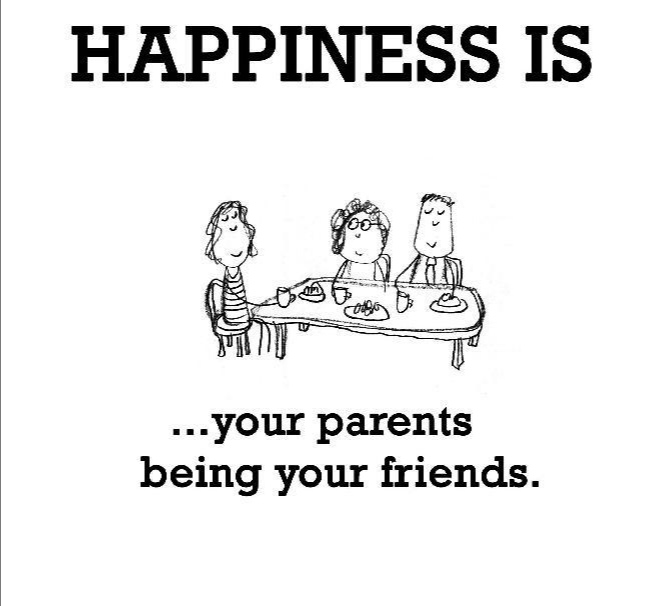
Dad was always doing things for me we talked like friends. And also my mom behave like a friend to me. We always share our feelings, everything. Mom never judge me what I say. She always understands my intentions. She always wants me to do right. She motivates me.

Whenever I think of that time, Nostalgia hit me like a truck.

In today’s world everyone thought love is just only between two couples.

Love has no limitations. It may be started from a little child’s affection towards their toy to a various sacrifices of our parents.

Pure love has sacrifices, trust, affection, care, mutual understanding. There is no space for selfishness.

Friendship is very important in every single relationship.

If there is no friendship in between parent – student, teacher – student, 2 couples or every single relationship then that relationship has to end at last.

Like we observe the relationship between 2 best friends are unbroken. No matter what happens between them their bond always remains same.

So only love is not necessary for a relationship, friendship is more important.

In every relationship, love and friendship both is very important.