History Of Olympics

Olympics has been one of the most renowned sporting competitions in the world. Olympics originated around 3,000 years ago in ancient Greece. Games were held in Olympia every four years in honor of Zues god. Modern Olympics arised in Athens in 1896 for the fist time. Olympics was a success with 280 participants from 12 countries. However, last year was an exception due to Covid-19 Pandemic, Olympics could not be conducted in 2020. Olympics are are now currently being held in Tokyo, Japan.

Olympics had been going on for a long time but there were no written records of it. According to the written records, Olympics held in 776 B.C. had its first Olympic champion , who was a cook named Coreobus. He had won the game of meter footrace also called ‘Stade’ during that time. Olympics is known to be founded by son of Zues, Hercales and Alcene. This competition has been a prestigious platform to showcase incredible talent from around the world. In honor of Zues, Olympics were held during 6th August and 19th September. Olympia was a scared location in southern Greece where games were held. Olympics had such an intense influence on people that time of 4 years was being calculated as people were desperately waiting for it. 25-mile marathon was introduced for the first time in Olympics. The route of the marathon was followed by soldiers, who would later inform the news of victory. Spyridon Louis won the first gold medal in this game.

After a few games in Olympics, new games were featured. 400 meter race called ‘Diaulos’ and ‘Dolicho’ that was a longer distance race of 1,500 meters or more races were featured. Long jump, disc throw, javelin throw games were introduced in 708 B.C.. These games were ‘called Pentathlon’ in ancient Greece. Boxing and wrestling with no specific rules was played. Chariot racing in 608 B.C. and in 688 B.C. Boxing had attracted participants to show-off their skills.

Olympics were originally confined to male participation. Unlike now, woman events were not included in the games. Women who were married were prohibited from attending the games.

Though, Olympics were consecutively held every 4 years but could not be held during World War I and World War II. Olympiads have still been numbered according to those years despite the wars.

Olympics were not really played on an international level, but it became a global competition after it was conducted in Paris in 1924. There was a participation from 44 nations including a closing ceremony. Winter Olympics had made its fist appearance in that very year. Games like ice hockey, ice skating were featured. Modern Olympics has an official symbol representing North and South America, Australia, Europe, Africa and Australia continents being a global sporting competition.

When Olympics returned after eight years to Greece in Athens, largest participation seen in the history of Olympics with participation of 11,000 athletes from more than 200 countries. Ancient and modern traditions had merged during Olympics. Shotput games were held in Olympia where initially Olympic games were held.


Skills of the Future

The new world order, brought on by the fourth Industrial Revolution, demands that today’s children acquire skills that will serve them well in the future.

Photo by Andrea Piacquadio on Pexels.com

The world we live in will change so fundamentally that students who come out of school by 2030 will make careers in fields that we have no idea about in the present.

As all of these trends happen, the winners will be those who are able to participate fully in innovation-driven ecosystems by providing new ideas, business models, products, and services, rather than those who can offer only low-skilled labor or ordinary capital, points out Klaus Schwab, founder and executive chairman of the World Economic Forum, in his seminal work, the Fourth Industrial Revolution.

This view is supported by other experts.

According to David Deming, associate professor of education and economics at Harvard University, Soft Skills like sharing and negotiating will be crucial. Modern workplace, where people move different roles and projects, closely resembles pre- school classrooms where we learn social skills such as empathy and cooperation. =

In effect, the skills and traits that must be inculcated in our children include : Social Intelligence

Photo by Polina Zimmerman on Pexels.com

This set of skill include empathy or the awareness of self and others perspective collaboration, negotiations and conflicts resolution, persuasive communication that can change minds and hearts.

A sense of service mindedness, trustworthiness and transparency.

Reference

http://www.timesofindia.com

http://www.wikipedia.com

Skills of the Future

The new world order, brought on by the fourth Industrial Revolution, demands that today’s children acquire skills that will serve them well in the future.

Photo by Andrea Piacquadio on Pexels.com

The world we live in will change so fundamentally that students who come out of school by 2030 will make careers in fields that we have no idea about in the present.

As all of these trends happen, the winners will be those who are able to participate fully in innovation-driven ecosystems by providing new ideas, business models, products, and services, rather than those who can offer only low-skilled labor or ordinary capital, points out Klaus Schwab, founder and executive chairman of the World Economic Forum, in his seminal work, the Fourth Industrial Revolution.

This view is supported by other experts.

According to David Deming, associate professor of education and economics at Harvard University, Soft Skills like sharing and negotiating will be crucial. Modern workplace, where people move different roles and projects, closely resembles pre- school classrooms where we learn social skills such as empathy and cooperation. =

In effect, the skills and traits that must be inculcated in our children include : Social Intelligence

Photo by Polina Zimmerman on Pexels.com

This set of skill include empathy or the awareness of self and others perspective collaboration, negotiations and conflicts resolution, persuasive communication that can change minds and hearts.

A sense of service mindedness, trustworthiness and transparency.

Reference

http://www.timesofindia.com

http://www.wikipedia.com

The Advantages of Implementing Body Neutrality In Your Life

Body neutrality is a relatively new idea for many people. It is the discipline of embracing your body in its current condition for what it can achieve rather than focused on how it appears. As a result, some individuals may be confused why they must try it, or even whether they should.

There are several advantages to practising bodily neutrality, which vary from physical to emotional. One of the positive aspects is that just shifting your attention away from exercise that feels like punishment or for weight reduction goals, and instead engaging in exercise activities you love, can reduce your chances of overworking or injuring your body.

Although body positivity was originally seen to be the best approach to build connections with our bodies, body neutrality, a newer concept, is now thought to be a better method of connecting with our physical selves.

Some of the advantages of implementing body neutrality in your life are:

  1. Become Less Judgmental

It is really tough to avoid criticizing our bodies. We are continually inundated with pictures of “perfect” bodies in the media, and most people—often including those whose own figures are on display and digitally altered—believe that their own bodies fall short of the ideal form. If you try to stop judging your own body against those of someone else or against an aesthetic in your head, it’s logical that you’ll stop judging other people’s looks as severely.

One of the most beneficial aspects of this is that as we become less judgmental about our bodies, it becomes much easier to be less judgmental towards yourself and others generally. Even though it comes to issues other than bodies, practising body neutrality may cause you to be less critical of yourself and others.

  1. Become More Empathetic

When we become less harsh and judgemental of someone else, we start to open ourselves up to their complex and diverse experiences. Instead of passing judgement on others, we may cultivate our sense of empathy.

This might be in pertinent aspects, like not thinking of an obese person as having an unsuitable physique, or in non-related ways, such as attentively listening  to a person’s experience or narrative before making judgements on them, or deciding what your impression of them is solely based on their looks.

Cultivating more empathy allows you to connect with others more effectively and profoundly. It helps us to be more open since we have a better understanding of how sensitive everyone else is. And it causes us to behave from a gentler interior place, rather than a competitive attitude.

  1. It  Lowers Stress Levels

There is little doubt that chronic stress may have a significant detrimental impact on our lives. Prolonged stress is defined as feeling anxious about your body on a regular basis. Since your body is constantly with you, an emotional issue centred on your body has no end point on its own. Individuals might battle for years, if not their whole lives, with how they appear.

Once you choose to embrace your body for what it is capable of doing and stop concentrating about how it should be changed, your levels of stress are likely to decrease. This makes it simpler to feel content and at ease. Furthermore, when you are under reduced stress, your body produces less cortisol (the body’s major stress hormone), which results in good consequences such as increased energy, good sleep, and improved digestion.

  1. It Enhances Your Intuition

One important aspect of body neutrality is eating what your body desires. To be able to do so, you must first connect with your body on a personal level. Many individuals are accustomed to selecting foods based on what they are taught by nutritional specialists, or even celebrities, as the “correct” items to eat, so eating intuitively might feel like a significant life shift.

Once you have learnt how to connect with your intuition in respect to your health and food, you unlock the way to hearing and listening to your instincts in general. It can be beneficial to your mental health since it can make you feel much more secure in your decision-making abilities.

  1. It Improves Your Mood

If you spend any of your time worrying about your physique, chances are you’re not in the greatest of moods. And then from there, it may well be difficult to immediately put oneself in a great mood, even when everything else in your environment is technically fine.

Less judgement, reduced stress, and improved intuition as a result of bodily neutrality are all excellent mood enhancers. Body neutrality practise may lead to all of these benefits, and as a result, you may find yourself in a positive mindset more frequently than you’ve ever anticipated.

Body neutrality is not a one-time event. It may be a long process, just like any other personal journey. However, the advantages might be enormous. From reduced stress to increased happiness, the mental wellbeing advantages of body neutrality are compelling enough to warrant a try.

The Advantages of Implementing Body Neutrality In Your Life

Body neutrality is a relatively new idea for many people. It is the discipline of embracing your body in its current condition for what it can achieve rather than focused on how it appears. As a result, some individuals may be confused why they must try it, or even whether they should.

There are several advantages to practising bodily neutrality, which vary from physical to emotional. One of the positive aspects is that just shifting your attention away from exercise that feels like punishment or for weight reduction goals, and instead engaging in exercise activities you love, can reduce your chances of overworking or injuring your body.

Although body positivity was originally seen to be the best approach to build connections with our bodies, body neutrality, a newer concept, is now thought to be a better method of connecting with our physical selves.

Some of the advantages of implementing body neutrality in your life are:

  1. Become Less Judgmental

It is really tough to avoid criticizing our bodies. We are continually inundated with pictures of “perfect” bodies in the media, and most people—often including those whose own figures are on display and digitally altered—believe that their own bodies fall short of the ideal form. If you try to stop judging your own body against those of someone else or against an aesthetic in your head, it’s logical that you’ll stop judging other people’s looks as severely.

One of the most beneficial aspects of this is that as we become less judgmental about our bodies, it becomes much easier to be less judgmental towards yourself and others generally. Even though it comes to issues other than bodies, practising body neutrality may cause you to be less critical of yourself and others.

  1. Become More Empathetic

When we become less harsh and judgemental of someone else, we start to open ourselves up to their complex and diverse experiences. Instead of passing judgement on others, we may cultivate our sense of empathy.

This might be in pertinent aspects, like not thinking of an obese person as having an unsuitable physique, or in non-related ways, such as attentively listening  to a person’s experience or narrative before making judgements on them, or deciding what your impression of them is solely based on their looks.

Cultivating more empathy allows you to connect with others more effectively and profoundly. It helps us to be more open since we have a better understanding of how sensitive everyone else is. And it causes us to behave from a gentler interior place, rather than a competitive attitude.

  1. It  Lowers Stress Levels

There is little doubt that chronic stress may have a significant detrimental impact on our lives. Prolonged stress is defined as feeling anxious about your body on a regular basis. Since your body is constantly with you, an emotional issue centred on your body has no end point on its own. Individuals might battle for years, if not their whole lives, with how they appear.

Once you choose to embrace your body for what it is capable of doing and stop concentrating about how it should be changed, your levels of stress are likely to decrease. This makes it simpler to feel content and at ease. Furthermore, when you are under reduced stress, your body produces less cortisol (the body’s major stress hormone), which results in good consequences such as increased energy, good sleep, and improved digestion.

  1. It Enhances Your Intuition

One important aspect of body neutrality is eating what your body desires. To be able to do so, you must first connect with your body on a personal level. Many individuals are accustomed to selecting foods based on what they are taught by nutritional specialists, or even celebrities, as the “correct” items to eat, so eating intuitively might feel like a significant life shift.

Once you have learnt how to connect with your intuition in respect to your health and food, you unlock the way to hearing and listening to your instincts in general. It can be beneficial to your mental health since it can make you feel much more secure in your decision-making abilities.

  1. It Improves Your Mood

If you spend any of your time worrying about your physique, chances are you’re not in the greatest of moods. And then from there, it may well be difficult to immediately put oneself in a great mood, even when everything else in your environment is technically fine.

Less judgement, reduced stress, and improved intuition as a result of bodily neutrality are all excellent mood enhancers. Body neutrality practise may lead to all of these benefits, and as a result, you may find yourself in a positive mindset more frequently than you’ve ever anticipated.

Body neutrality is not a one-time event. It may be a long process, just like any other personal journey. However, the advantages might be enormous. From reduced stress to increased happiness, the mental wellbeing advantages of body neutrality are compelling enough to warrant a try.

World Hepatitis Day 2021

Introduction

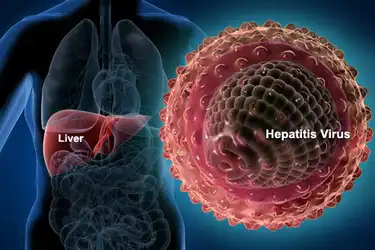
Every year on July 28th, World Hepatitis Day is observed. The goal is to raise awareness about viral hepatitis. Hepatitis is a medical condition in which the liver is in an inflammatory condition. The theme for this year is “Hepatitis Can’t Wait”, magnifying the urgency of putting efforts to eliminate hepatitis as a public health threat by 2030.

History

July 28th was chosen as the date for World Hepatitis Day because it is the birthday of Nobel-prize-winning scientist Dr. Baruch Blumberg, the scientist who discovered the Hepatitis B virus (HBV) and also developed a diagnostic test and vaccine for the same virus.

Dr. Baruch Samuel Blumberg was born on July 28, 1925, and died on April 5, 2011. He was an American physician, geneticist, and co-recipient of the 1976 Nobel Prize in Physiology or Medicine with Daniel Carleton Gajdusek. He was president of the American Philosophical Society from 2005 to his death. He served as a U.S. Navy deck officer during World War 2. He received his MD in 1951 from Columbia University and his D. Phil in 1957 from the University of Oxford. While studying yellow jaundice in 1964, he discovered a surface antigen for hepatitis B in the blood of an Australian aborigine, which is the reason it was initially called “Australian antigen”.

About Hepatitis

It is referred to as an inflammatory condition of the liver. It is usually caused by a viral infection but it can also be caused by other things. It can include autoimmune hepatitis and also hepatitis which can occur because of medication, drugs, toxins, and alcohol. There are five types of hepatitis based on different viruses. 

Hepatitis A is caused by an infection with hepatitis A virus (HAV), this is mostly transmitted by consuming food or water which is contaminated by feces from a person infected by HAV. 

Hepatitis B is transmitted through contact with infectious body fluids like blood, vaginal secretions, or semen. It can be transmitted by injection drug use, having sex with an infected partner, or sharing razors with an infected person. 

Hepatitis C is caused by the hepatitis C virus (HCV). It can also be transmitted through direct contact with infected body fluids, especially through used injections and sexual contact. 

Hepatitis D is also known as delta hepatitis, it causes a serious liver disease by hepatitis D virus (HDV). It is caused by coming in direct contact with infected blood, it is rare as it only occurs with hepatitis B because it cannot multiply without the presence of hepatitis B. 

Hepatitis E is waterborne and is caused by hepatitis E virus (HEV), it can usually be found in areas with poor sanitation and from ingesting fecal matter that has contaminated the water supply. 

Facts and Figures

  • 1,100,000 deaths per year are caused by Hepatitis B and C.
  • 9,400,000 people are receiving treatment for chronic HCV.
  • 10% of people with chronic HBV are diagnosed and 22% of those receive treatment.
  • 42% of children have access to the birth dose of HBV vaccine.
  • According to WHO, 325 million people around the world have HBV or HCV.
  • Hepatitis isn’t just an STD, there are other ways of getting it as well.

Conclusion

With the figures of infection and death around the world, it is clear that we can’t just sit and wait around for them to decrease. It is important to make people aware of it, teach them the way to avoid it, and reach a stage where the vaccine can be provided to everyone. As common citizens, we can’t help in the production and reach of the vaccine but we can help in raising awareness and taking steps towards sanitation.

References

World Hepatitis Day 2021

Introduction

Every year on July 28th, World Hepatitis Day is observed. The goal is to raise awareness about viral hepatitis. Hepatitis is a medical condition in which the liver is in an inflammatory condition. The theme for this year is “Hepatitis Can’t Wait”, magnifying the urgency of putting efforts to eliminate hepatitis as a public health threat by 2030.

History

July 28th was chosen as the date for World Hepatitis Day because it is the birthday of Nobel-prize-winning scientist Dr. Baruch Blumberg, the scientist who discovered the Hepatitis B virus (HBV) and also developed a diagnostic test and vaccine for the same virus.

Dr. Baruch Samuel Blumberg was born on July 28, 1925, and died on April 5, 2011. He was an American physician, geneticist, and co-recipient of the 1976 Nobel Prize in Physiology or Medicine with Daniel Carleton Gajdusek. He was president of the American Philosophical Society from 2005 to his death. He served as a U.S. Navy deck officer during World War 2. He received his MD in 1951 from Columbia University and his D. Phil in 1957 from the University of Oxford. While studying yellow jaundice in 1964, he discovered a surface antigen for hepatitis B in the blood of an Australian aborigine, which is the reason it was initially called “Australian antigen”.

About Hepatitis

It is referred to as an inflammatory condition of the liver. It is usually caused by a viral infection but it can also be caused by other things. It can include autoimmune hepatitis and also hepatitis which can occur because of medication, drugs, toxins, and alcohol. There are five types of hepatitis based on different viruses. 

Hepatitis A is caused by an infection with hepatitis A virus (HAV), this is mostly transmitted by consuming food or water which is contaminated by feces from a person infected by HAV. 

Hepatitis B is transmitted through contact with infectious body fluids like blood, vaginal secretions, or semen. It can be transmitted by injection drug use, having sex with an infected partner, or sharing razors with an infected person. 

Hepatitis C is caused by the hepatitis C virus (HCV). It can also be transmitted through direct contact with infected body fluids, especially through used injections and sexual contact. 

Hepatitis D is also known as delta hepatitis, it causes a serious liver disease by hepatitis D virus (HDV). It is caused by coming in direct contact with infected blood, it is rare as it only occurs with hepatitis B because it cannot multiply without the presence of hepatitis B. 

Hepatitis E is waterborne and is caused by hepatitis E virus (HEV), it can usually be found in areas with poor sanitation and from ingesting fecal matter that has contaminated the water supply. 

Facts and Figures

  • 1,100,000 deaths per year are caused by Hepatitis B and C.
  • 9,400,000 people are receiving treatment for chronic HCV.
  • 10% of people with chronic HBV are diagnosed and 22% of those receive treatment.
  • 42% of children have access to the birth dose of HBV vaccine.
  • According to WHO, 325 million people around the world have HBV or HCV.
  • Hepatitis isn’t just an STD, there are other ways of getting it as well.

Conclusion

With the figures of infection and death around the world, it is clear that we can’t just sit and wait around for them to decrease. It is important to make people aware of it, teach them the way to avoid it, and reach a stage where the vaccine can be provided to everyone. As common citizens, we can’t help in the production and reach of the vaccine but we can help in raising awareness and taking steps towards sanitation.

References

Promise For The Future: ‘RENEWABLE ENERGY’.

SOLAR POWER:

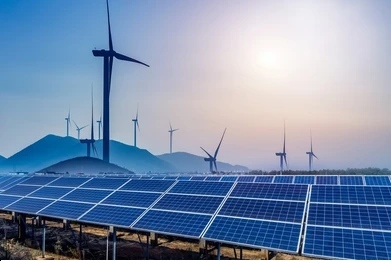
With energy consumption being the buzzword in developing economies around the world, fears of an energy crisis looming ahead are not totally unfounded. The non-renewable nature of fossil fuels makes complete dependence on these for future energy needs a very dicey affair. Renewable energy sources are the best bet in the scenario. And what can be a better renewable resource than the sun?

In a country like India, if the abundant amount of sunlight available is harnessed properly it could mean an end to the energy crisis. It is the most abundant source of energy. The average global solar radiation is around 5 kilowatt hours (KWH) per square meter per day with the sunshine hours ranging between 2300-4300 per year. India is in the sunny belt of the world. The country receives solar energy equivalent to more than 5000 trillion KWH per year, which is far more than its total annual energy consumption.

Besides, it is a renewable and clean energy source. Taking both environmental and economic cost, solar energy works cheaper than fossil fuel resources. Once we master techniques to harness solar energy, it can be a vital source of power on all planets. Solar energy could be a viable source of power generation for the next 1000 crore years. There are many technologies available for conversion of solar energy into solar power. For instance, solar photovoltaic (SPV) technology, photo galvanic cells, solar steam generators (solar concentrating power), solar tower or solar chimney, radio micrometers and thermopile are some of them.

ELECTRIC MOTORS:

Imagining a future where clean air is no longer a dream and our cities are not smog filled concrete jungles, could well become a reality in the coming years if the world begins to increasingly adopt the use of cleaner options like alternate-fuel vehicles . The rise in economic activity and the burgeoning population have led to a tremendous demand in the transport sector, especially in urban India. By 2025, India’s urban population is expected to grow five fold to a staggering 200 million while pollution is expected to grow seven times. With this tremendous growth has emerged a very critical issue of keeping air and noise pollution in urban areas under control.

If we can have three lakh electric vehicles (EVs) on the roads by 220 including three wheelers, cars and scooters, we would have reduced pollution by 16 lakh metric tones, saved ? 3700 crores in foreign exchange earnings and substantially reduced healthcare costs. Small electric buses, three wheelers and electric scooters are ideal for city mobility in India but it could take between 5-10 years before they become viable for commercial use.

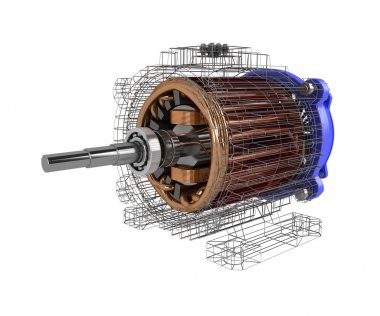
Image Source – google.

The electric vehicle uses electric energy which is stored in batteries that feed the electric motor. Driving an electric vehicle is easier and more relaxing than a traditional one because it has no speed-gear and functioning noise. It is enough to turn the key and press the acceleration pedal; you need only two driving pedals- accelerator and brake.

The need to reduce air pollution along with the availability of new advanced clean alternative to internal batteries have allowed EVs to reappear as a combustion vehicles. Electric drive systems are virtually non-polluting and extremely energy efficient. While internal combustion vehicles can convert about 20% of the chemical energy in gasoline into useful work, 75% or more of the energy from a battery has productive power in an electric vehicle.

Electric motors can also provide power at almost any engine speed. While internal combustion engines must be revved up to high rpm to achieve maximum power electric motors provide nearly peak power even at low speeds. this gives electric vehicles strong acceleration performance from a stop.

The emergence of newer batteries has driven the cost and performance EVs. There are several major types of automotive batteries available and under development, from advanced lead acid batteries like those that start our internal combustion engines to lithium polymer bateries. Although recharging could be a consideration, home recharging systems are available giving EVs an added advantage.

Apart from being environment-and -user friendly, there are several other reasons for alternate fuel cars to flourish in India. Firstly, electricity for EVs can be produced from various sources for which India has natural resources and does not need to depend on the import of oil. Although EVs will not replace LPG, CNG or petrol and diesel for intercity use, the infrastructure required for EVs in the form of electricity distribution infrastructure is already available in all our cities and minimum costs are required to install additional capacity.

EVs are zero polluting, easy to handle and have low maintenance costs. EVs will not degrade with time and they are always zero polluting unlike conventional vehicles where the pollution increases with engine degradation, poor maintenance and adulterated fuel.. India also has the maximum market potential for EVs owing to an established auto component infrastructure, low manufacturing and R&D cost, mechanical hardware availability, high urban congestion and the presence of domestic market. The industry could significantly gain from rising exports by 2010, and with appropriate government support, could transform the landscape of urban India by reducing pollution, improving public health, creating employment opportunities and impacting society.

In order to do that, a holistic approach involving the government, public and auto majors is needed to promote EVs in India. Appropriate government policies during the next five years and adequate support from business houses and institutions. for instance, purchasing a fixed percentage of vehicles for their fleets and offering subsidies and tax exemptions, will go a long in promoting the industry in India. Finally, people have to become more informed about these technologies. The media must play its role in educating the public about alternate fuel vehicles and their advantages.

Promise For The Future: 'RENEWABLE ENERGY'.

SOLAR POWER:

With energy consumption being the buzzword in developing economies around the world, fears of an energy crisis looming ahead are not totally unfounded. The non-renewable nature of fossil fuels makes complete dependence on these for future energy needs a very dicey affair. Renewable energy sources are the best bet in the scenario. And what can be a better renewable resource than the sun?

In a country like India, if the abundant amount of sunlight available is harnessed properly it could mean an end to the energy crisis. It is the most abundant source of energy. The average global solar radiation is around 5 kilowatt hours (KWH) per square meter per day with the sunshine hours ranging between 2300-4300 per year. India is in the sunny belt of the world. The country receives solar energy equivalent to more than 5000 trillion KWH per year, which is far more than its total annual energy consumption.

Besides, it is a renewable and clean energy source. Taking both environmental and economic cost, solar energy works cheaper than fossil fuel resources. Once we master techniques to harness solar energy, it can be a vital source of power on all planets. Solar energy could be a viable source of power generation for the next 1000 crore years. There are many technologies available for conversion of solar energy into solar power. For instance, solar photovoltaic (SPV) technology, photo galvanic cells, solar steam generators (solar concentrating power), solar tower or solar chimney, radio micrometers and thermopile are some of them.

ELECTRIC MOTORS:

Imagining a future where clean air is no longer a dream and our cities are not smog filled concrete jungles, could well become a reality in the coming years if the world begins to increasingly adopt the use of cleaner options like alternate-fuel vehicles . The rise in economic activity and the burgeoning population have led to a tremendous demand in the transport sector, especially in urban India. By 2025, India’s urban population is expected to grow five fold to a staggering 200 million while pollution is expected to grow seven times. With this tremendous growth has emerged a very critical issue of keeping air and noise pollution in urban areas under control.

If we can have three lakh electric vehicles (EVs) on the roads by 220 including three wheelers, cars and scooters, we would have reduced pollution by 16 lakh metric tones, saved ? 3700 crores in foreign exchange earnings and substantially reduced healthcare costs. Small electric buses, three wheelers and electric scooters are ideal for city mobility in India but it could take between 5-10 years before they become viable for commercial use.

Image Source – google.

The electric vehicle uses electric energy which is stored in batteries that feed the electric motor. Driving an electric vehicle is easier and more relaxing than a traditional one because it has no speed-gear and functioning noise. It is enough to turn the key and press the acceleration pedal; you need only two driving pedals- accelerator and brake.

The need to reduce air pollution along with the availability of new advanced clean alternative to internal batteries have allowed EVs to reappear as a combustion vehicles. Electric drive systems are virtually non-polluting and extremely energy efficient. While internal combustion vehicles can convert about 20% of the chemical energy in gasoline into useful work, 75% or more of the energy from a battery has productive power in an electric vehicle.

Electric motors can also provide power at almost any engine speed. While internal combustion engines must be revved up to high rpm to achieve maximum power electric motors provide nearly peak power even at low speeds. this gives electric vehicles strong acceleration performance from a stop.

The emergence of newer batteries has driven the cost and performance EVs. There are several major types of automotive batteries available and under development, from advanced lead acid batteries like those that start our internal combustion engines to lithium polymer bateries. Although recharging could be a consideration, home recharging systems are available giving EVs an added advantage.

Apart from being environment-and -user friendly, there are several other reasons for alternate fuel cars to flourish in India. Firstly, electricity for EVs can be produced from various sources for which India has natural resources and does not need to depend on the import of oil. Although EVs will not replace LPG, CNG or petrol and diesel for intercity use, the infrastructure required for EVs in the form of electricity distribution infrastructure is already available in all our cities and minimum costs are required to install additional capacity.

EVs are zero polluting, easy to handle and have low maintenance costs. EVs will not degrade with time and they are always zero polluting unlike conventional vehicles where the pollution increases with engine degradation, poor maintenance and adulterated fuel.. India also has the maximum market potential for EVs owing to an established auto component infrastructure, low manufacturing and R&D cost, mechanical hardware availability, high urban congestion and the presence of domestic market. The industry could significantly gain from rising exports by 2010, and with appropriate government support, could transform the landscape of urban India by reducing pollution, improving public health, creating employment opportunities and impacting society.

In order to do that, a holistic approach involving the government, public and auto majors is needed to promote EVs in India. Appropriate government policies during the next five years and adequate support from business houses and institutions. for instance, purchasing a fixed percentage of vehicles for their fleets and offering subsidies and tax exemptions, will go a long in promoting the industry in India. Finally, people have to become more informed about these technologies. The media must play its role in educating the public about alternate fuel vehicles and their advantages.

INDIA OVER CHINA IN 2024 , IN OVERPOPULATION

Whether you are in a metro station, airport, railway station, road, highway, bus stop, hospital, shopping mall, market, temple, or even in a social/ religious gathering, we see all these places are overcrowded at any time of the day. This is a clear indication of overpopulation in the country. This is the major issue of , India is facing right now. Food production is limited & population is unlimited , we can say wants are unlimited & resources are limited & population is unlimited hence can be concluded that the reason behind poverty in India is over population.

Some of the common effects of overpopulation are :

  1. Unemployment : Every body knows India’s state of employment , employment rate is decreasing & unemployment rate is increasing . Since their is no employment people are starving , their is no living , literacy rate is also decreasing . This one problem of over population is bringing so many more problems with it .
  2. Manpower utilization: The number of jobless people is on the rise in India due to economic depression and slow business development and expansion activities.
  3. Pressure on infrastructure: Development of infrastructural facilities is unfortunately not keeping pace with the growth of population. The result is lack of transportation, communication, housing, education, healthcare etc. There has been an increase in the number of slums, overcrowded houses, traffic congestion etc.
  4. Resource utilization: resource are already scare , & they are being exploited . Land areas , water , trees are being exploited due to overpopulation .
  5. Inequitable income distribution: In the face of an increasing population, there is an unequal distribution of income and inequalities within the country widen.

STEPS TO CONTROL OVER POPULATION

Indian government should take bold steps to control overpopulation because if they want to improve economic growth they should control overpopulation . Major steps which have been already implemented but still need to be emphasized more control population. Increasing the welfare and status of women and girls, spread of education, increasing awareness for the use of contraceptives and family planning methods, sex education, encouraging male sterilization and spacing births, free distribution of contraceptives and condoms among the poor, encouraging female empowerment, more health care centers for the poor, to name a few, can play a major role in controlling the population. India’s growth in the whole world cannot be ignored , whether it is in science & technology , medicine , health , communication , entertainment , literature or military . So experts believe that if people of India will follow the strict population control norms , it will be able to overcome this problem too .

INDIA OVER CHINA IN 2024 , IN OVERPOPULATION

Whether you are in a metro station, airport, railway station, road, highway, bus stop, hospital, shopping mall, market, temple, or even in a social/ religious gathering, we see all these places are overcrowded at any time of the day. This is a clear indication of overpopulation in the country. This is the major issue of , India is facing right now. Food production is limited & population is unlimited , we can say wants are unlimited & resources are limited & population is unlimited hence can be concluded that the reason behind poverty in India is over population.

Some of the common effects of overpopulation are :

  1. Unemployment : Every body knows India’s state of employment , employment rate is decreasing & unemployment rate is increasing . Since their is no employment people are starving , their is no living , literacy rate is also decreasing . This one problem of over population is bringing so many more problems with it .
  2. Manpower utilization: The number of jobless people is on the rise in India due to economic depression and slow business development and expansion activities.
  3. Pressure on infrastructure: Development of infrastructural facilities is unfortunately not keeping pace with the growth of population. The result is lack of transportation, communication, housing, education, healthcare etc. There has been an increase in the number of slums, overcrowded houses, traffic congestion etc.
  4. Resource utilization: resource are already scare , & they are being exploited . Land areas , water , trees are being exploited due to overpopulation .
  5. Inequitable income distribution: In the face of an increasing population, there is an unequal distribution of income and inequalities within the country widen.

STEPS TO CONTROL OVER POPULATION

Indian government should take bold steps to control overpopulation because if they want to improve economic growth they should control overpopulation . Major steps which have been already implemented but still need to be emphasized more control population. Increasing the welfare and status of women and girls, spread of education, increasing awareness for the use of contraceptives and family planning methods, sex education, encouraging male sterilization and spacing births, free distribution of contraceptives and condoms among the poor, encouraging female empowerment, more health care centers for the poor, to name a few, can play a major role in controlling the population. India’s growth in the whole world cannot be ignored , whether it is in science & technology , medicine , health , communication , entertainment , literature or military . So experts believe that if people of India will follow the strict population control norms , it will be able to overcome this problem too .

Diwali

First of all, understand that India is the land of festivals. However, none of the festivals comes close to Diwali. It is certainly one of the biggest  It is probably the brightest festival in the world. People of different religions celebrate Diwali. Most noteworthy, the festival signifies the victory of light over darkness. This also means the triumph of good over evil and knowledge over ignorance. It is known as the festival of lights. Consequently, there are bright lights all over the whole country during Diwali. In this essay on Diwali, we will see the religious and spiritual significance of Diwali.

The Religious Significance of Diwali

The religious significance of this festival has differences. It varies from one region to another in India. There is an association of many deities, cultures, and traditions with Diwali. The reason for these differences is probably local harvest festivals. Hence, there was a fusion of these harvest festivals into one pan-Hindu festival.

According to the Ramayana, Diwali is the day of the return of Rama. This day Lord Rama returned to Ayodhya along with his wife Sita. This return was made after Rama defeated demon King Ravana. Furthermore, Rama’s brother Lakshmana and Hanuman also came back to Ayodhya victorious.

There is another popular tradition for the reason of Diwali. Here Lord Vishnu as an incarnation of Krishna killed Narakasura. Narakasura was certainly a demon. Above all, this victory brought the release of 16000 captive girls.

Furthermore, this victory shows the triumph of good over evil. This is due to Lord Krishna being good and Narakasura being evil.

Association of Diwali to Goddess Lakshmi is the belief of many Hindus. Lakshmi is the wife of Lord Vishnu. She also happens to be the Goddess of wealth and prosperity.

According to a legend, Diwali is the night of Lakshmi wedding. This night she chose and wed Vishnu. Eastern India Hindus associate Diwali with Goddess Durga or kali. Some Hindus believe Diwali to be the start of a new year.

Diwali

First of all, understand that India is the land of festivals. However, none of the festivals comes close to Diwali. It is certainly one of the biggest  It is probably the brightest festival in the world. People of different religions celebrate Diwali. Most noteworthy, the festival signifies the victory of light over darkness. This also means the triumph of good over evil and knowledge over ignorance. It is known as the festival of lights. Consequently, there are bright lights all over the whole country during Diwali. In this essay on Diwali, we will see the religious and spiritual significance of Diwali.

The Religious Significance of Diwali

The religious significance of this festival has differences. It varies from one region to another in India. There is an association of many deities, cultures, and traditions with Diwali. The reason for these differences is probably local harvest festivals. Hence, there was a fusion of these harvest festivals into one pan-Hindu festival.

According to the Ramayana, Diwali is the day of the return of Rama. This day Lord Rama returned to Ayodhya along with his wife Sita. This return was made after Rama defeated demon King Ravana. Furthermore, Rama’s brother Lakshmana and Hanuman also came back to Ayodhya victorious.

There is another popular tradition for the reason of Diwali. Here Lord Vishnu as an incarnation of Krishna killed Narakasura. Narakasura was certainly a demon. Above all, this victory brought the release of 16000 captive girls.

Furthermore, this victory shows the triumph of good over evil. This is due to Lord Krishna being good and Narakasura being evil.

Association of Diwali to Goddess Lakshmi is the belief of many Hindus. Lakshmi is the wife of Lord Vishnu. She also happens to be the Goddess of wealth and prosperity.

According to a legend, Diwali is the night of Lakshmi wedding. This night she chose and wed Vishnu. Eastern India Hindus associate Diwali with Goddess Durga or kali. Some Hindus believe Diwali to be the start of a new year.

School vs Workspace

Our children must learn how to acquire knowledge that can be applied across domains and situations.

Photo by samer daboul on Pexels.com

Traditionally, schools and colleges have been cloistered enrollments where students only acquire knowledge. They then move to the next stage of their lives – into work places – where they may or may not apply the knowlege they have.

This separation has ensured that young people who join the work force have no idea about the exigencies of the work environment and are completely unprepared to deal with this situation.

However, future workplaces are likely to be far removes from conventional or current experiences.

In fact, it is estimated that most of tomorrow’s workforce may be contractual. In fact, already many large organizations are tapping into on-demand talent of the gig economy.

Increasingly, these new economy workers will be required to rely on their own knowledge and the skills to provide services and produce products that solve businesses’ and society’s pressing problems.

Photo by Burst on Pexels.com

Our children, therefore, must learn how to acquire relevant knowledge that can be applied in different domains and circumstances. They must discover the joy learning so that they can become learners for life as well as independent learners, capable of handling uncertainty with flexibility.

Schools must therefore re-engineer their systems, curricular and pedagogies to ensure that students have agency over their own learning and lives and learn to learn, unlearn and re-learn with agility.

Schools, therefore, must teach children to be entrepreneurs, expose them to real life work and social environments through projects and experiences so that they know how to tackle challenges that lie ahead and are capable of solving problems independently.

Reference

http://www.timesofindia.com

http://www.wilipedia.com

http://www.hindustantimes.com

School vs Workspace

Our children must learn how to acquire knowledge that can be applied across domains and situations.

Photo by samer daboul on Pexels.com

Traditionally, schools and colleges have been cloistered enrollments where students only acquire knowledge. They then move to the next stage of their lives – into work places – where they may or may not apply the knowlege they have.

This separation has ensured that young people who join the work force have no idea about the exigencies of the work environment and are completely unprepared to deal with this situation.

However, future workplaces are likely to be far removes from conventional or current experiences.

In fact, it is estimated that most of tomorrow’s workforce may be contractual. In fact, already many large organizations are tapping into on-demand talent of the gig economy.

Increasingly, these new economy workers will be required to rely on their own knowledge and the skills to provide services and produce products that solve businesses’ and society’s pressing problems.

Photo by Burst on Pexels.com

Our children, therefore, must learn how to acquire relevant knowledge that can be applied in different domains and circumstances. They must discover the joy learning so that they can become learners for life as well as independent learners, capable of handling uncertainty with flexibility.

Schools must therefore re-engineer their systems, curricular and pedagogies to ensure that students have agency over their own learning and lives and learn to learn, unlearn and re-learn with agility.

Schools, therefore, must teach children to be entrepreneurs, expose them to real life work and social environments through projects and experiences so that they know how to tackle challenges that lie ahead and are capable of solving problems independently.

Reference

http://www.timesofindia.com

http://www.wilipedia.com

http://www.hindustantimes.com