The Internet boom and its effects on our environment

On the fifteenth of August 1995, the internet was made available to the public in our country. Today we have billions of active users. The Internet has now become a mere necessity rather than the comfort of luxury. Back then in 1995, internet speeds were just in a couple of kilobytes, but today we are blazing past the net at speeds almost at gigabytes. The cost of the internet has also drastically changed for a speed of 9Kb/s for 250 hours it was charged at almost 2500 rupees!! Now we can suffice all our internet needs at amazing speeds for almost months at the same price. The irony is since then prices of land, water, fuels, precious stones have skyrocketed; but that of communication and the internet have decreased exponentially.

In the year 2015 India had over 300 million users, thanks to the severe competition between network providers and the ever-competitive network battle. Now India has over 9 billion users, not only the network rage has caused this; the pandemic also is a major reason for this. Everyone was forced into their house with no other option but to adapt to this new technology. According to Nasscom since the pandemic hit our nation the network traffic has increased by almost ten manifolds. Companies had to install several servers and network infrastructure to support this erratic change in the consumer market. Although the prices have reduced, connectivity is now at home, comfort at the tips of your hands. We are unaware of the harms of what this could cause.  

We are seriously obsessed with the speed provided by network companies, we frequently complain and crib about the services offered. Forcing companies to either increase their spectrum range or increase their frequency at existing cell towers or construct new towers. This causes serious damage to small birds and insects, sparrows, pigeons all small birds are adversely affected by these rays. We must ensure that these birds must not be affected due to our comforts. We must give them their place on our planet. I agree we need the internet to survive in our daily lives, but we also need to think of the harm we are doing to our environment.

Incredible India

INDIA is filled with culture, traditions, history, mysteries and facts. Many travellers have India in their bucket list for several reasons.

Here are some facts about India which will force you to visit atleast once in your life.

 • India is home to the wettest inhabited place on Earth, Meghalaya, a state in the northeast part of India receives around 12,000 mm of rain every year.

 • Famous board games such as snakes and ladders and chess trace their roots back to India. The inventor of the games is not known but, it was created to teach children lessons about karma.

 • The biggest cricket ground in the world, Narendra Modi Stadium, is situated in Ahmedabad, India. It has the largest sitting capacity in the world.

 • Chenab Bridge, the world’s highest railway bridge is situated in Jammu and Kashmir, India.It is 1178 feet above the water.

 • India was the only source of diamonds from the 4th century BC for around 1000 years. Therefore, India was the first country to mine diamonds. They were found in the Krishna River Delta.

 • The oldest religion in the world is practiced in India. Hinduism started around 1500 BC. Hinduism has no founder in fact it is a way of living life.

 • India has the highest population of vegetarians in the world. Around 30% of the population follows a vegetarian diet. Every restaurant in India will have a vegetarian menu too.

 • Kumbh Mela, the largest gathering in the world happens in India once every 12 years. The gathering is so huge that it is visible from space.

 • The holy city of Varanasi, also known as Banaras or Kashi is the oldest living city in the world. It is believed that it was once the home of Lord Shiva and Goddess Parvati.

 • India is the birthplace of Ayurveda and Yoga. It has healing powers and it is famous worldwide.

 • The word ‘shampoo’ comes from the Sanskrit word ‘champu’ which means to ‘massage’. Previously, various herbs were mixed with water to form a shampoo.

 •  The Statue of Unity is currently the tallest statue in the world. It is 600ft in height. It is situated in the state of Gujarat.

 • India is the first country to extract, refine and consume sugar. It was found and refined around 2500 years ago.

India is a place of 1.3 billion people more than 6 religions speaking more than rationalized mother tongues, 234 identifiable mother tongues, and 22 major languages, this is the only place in this world where parents and teacher shares a place similar to God. A place that gave the world Taj Mahal, Vedas, yoga, medical science, the number zero.

Incredible India

INDIA is filled with culture, traditions, history, mysteries and facts. Many travellers have India in their bucket list for several reasons.

Here are some facts about India which will force you to visit atleast once in your life.

 • India is home to the wettest inhabited place on Earth, Meghalaya, a state in the northeast part of India receives around 12,000 mm of rain every year.

 • Famous board games such as snakes and ladders and chess trace their roots back to India. The inventor of the games is not known but, it was created to teach children lessons about karma.

 • The biggest cricket ground in the world, Narendra Modi Stadium, is situated in Ahmedabad, India. It has the largest sitting capacity in the world.

 • Chenab Bridge, the world’s highest railway bridge is situated in Jammu and Kashmir, India.It is 1178 feet above the water.

 • India was the only source of diamonds from the 4th century BC for around 1000 years. Therefore, India was the first country to mine diamonds. They were found in the Krishna River Delta.

 • The oldest religion in the world is practiced in India. Hinduism started around 1500 BC. Hinduism has no founder in fact it is a way of living life.

 • India has the highest population of vegetarians in the world. Around 30% of the population follows a vegetarian diet. Every restaurant in India will have a vegetarian menu too.

 • Kumbh Mela, the largest gathering in the world happens in India once every 12 years. The gathering is so huge that it is visible from space.

 • The holy city of Varanasi, also known as Banaras or Kashi is the oldest living city in the world. It is believed that it was once the home of Lord Shiva and Goddess Parvati.

 • India is the birthplace of Ayurveda and Yoga. It has healing powers and it is famous worldwide.

 • The word ‘shampoo’ comes from the Sanskrit word ‘champu’ which means to ‘massage’. Previously, various herbs were mixed with water to form a shampoo.

 •  The Statue of Unity is currently the tallest statue in the world. It is 600ft in height. It is situated in the state of Gujarat.

 • India is the first country to extract, refine and consume sugar. It was found and refined around 2500 years ago.

India is a place of 1.3 billion people more than 6 religions speaking more than rationalized mother tongues, 234 identifiable mother tongues, and 22 major languages, this is the only place in this world where parents and teacher shares a place similar to God. A place that gave the world Taj Mahal, Vedas, yoga, medical science, the number zero.

CRISPER

One of the biggest and most important science stories of the past few years will probably also be one of the biggest science stories of the next few years. This is the powerful new gene editing technology known as CRISPR.

If you haven’t heard of CRISPER yet, the short explanation goes like this: In the past nine years, scientists have figured out how to exploit a quirk in the immune systems of bacteria to edit genes in other organisms — plants, mice, even humans. With CRISPR, they can now make these edits quickly and cheaply, in days rather than weeks or months. (The technology is often known as CRISPR/Cas9 also)

This is a powerful new tool to control which genes get expressed in plants, animals, and even humans; the ability to delete undesirable traits and, potentially, add desirable traits with more precision than ever before.

So far scientists have used it to reduce the severity of deafness in mice, suggesting it could one day be used to treat the same type of hearing loss in people. They’ve created mushrooms that don’t brown easily and edited bone marrow cells in mice to treat sickle- cell anemia. Down the road, CRISPR might help us develop drought-tolerant crops and create powerful new antibiotics. CRISPR could one day even allow us to wipe out entire population of malaria- spreading mosquitoes and ressurect once extinct species like the passenger pigeon.

CRISPER

One of the biggest and most important science stories of the past few years will probably also be one of the biggest science stories of the next few years. This is the powerful new gene editing technology known as CRISPR.

If you haven’t heard of CRISPER yet, the short explanation goes like this: In the past nine years, scientists have figured out how to exploit a quirk in the immune systems of bacteria to edit genes in other organisms — plants, mice, even humans. With CRISPR, they can now make these edits quickly and cheaply, in days rather than weeks or months. (The technology is often known as CRISPR/Cas9 also)

This is a powerful new tool to control which genes get expressed in plants, animals, and even humans; the ability to delete undesirable traits and, potentially, add desirable traits with more precision than ever before.

So far scientists have used it to reduce the severity of deafness in mice, suggesting it could one day be used to treat the same type of hearing loss in people. They’ve created mushrooms that don’t brown easily and edited bone marrow cells in mice to treat sickle- cell anemia. Down the road, CRISPR might help us develop drought-tolerant crops and create powerful new antibiotics. CRISPR could one day even allow us to wipe out entire population of malaria- spreading mosquitoes and ressurect once extinct species like the passenger pigeon.

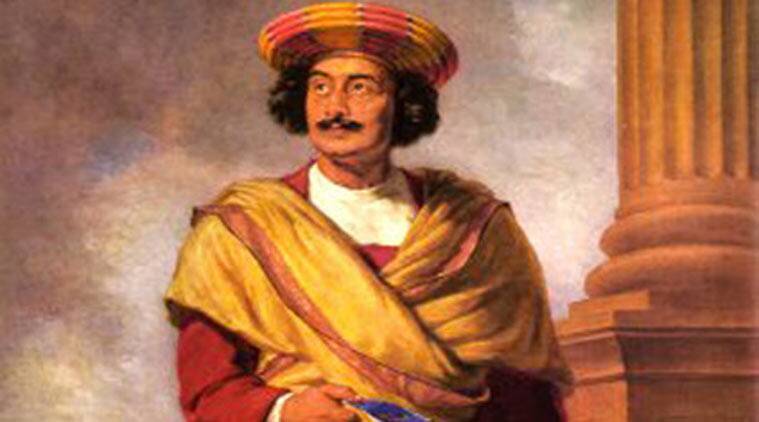
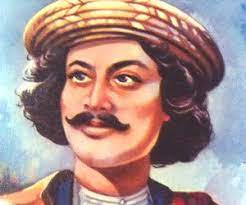
Father of Indian Renaissance

Who is the father of Indian Renaissance?

Who is considered the maker of modern India?

It is Raja Ram Mohan Roy

The founder of Bhramo samaj and the person behind the abolition if Sati Pratha

Raja Ram Mohan Roy was born on May 22, 1772, in Bengal. Raja Ram Mohan Roy influenced fields of politics, education, religion and public administration. Raja Ram Mohan Roy was also ranked number 10 in BBC’s poll of greatest Bengali of all time in 2004. He had learnt as many as ten languages – Persian, Arabic, Sanskrit, English, Urdu, Hindi, Hebrew, Greek, Latin and French.

A cosmopolitan thinker as well as a nationalist reformer who believed in rationalist thinking. Through his memoranda, books, public activities for religious, social, educational, economic and political reforms he inaugurated liberal reformist modernisation in India.

His Social Reforms

  • Raja Ram Mohan Roy conceived reformist religious associations as instruments of social and political transformation.
  • He founded the Atmiya Sabha in 1815, the Calcutta Unitarian Association in 1821, and the Brahmo Sabha in 1828 which later became the Brahmo Samaj.
  • He was well known for his pioneering thought and action on the emancipation of women and especially on the abolition of sati and widow remarriage.
  • He attacked child marriage, illiteracy of women and the degraded state of widows and demanded the right of inheritance and property for women.
  • He campaigned against the caste system, untouchability, superstitions and use of intoxicants.

His Educational Reforms

  • Raja Ram Mohan Roy did much to disseminate the benefits of modern education to his countrymen. He supported David Hare’s efforts to find the Hindu College in 1817, while Roy’s English school taught mechanics and Voltaire’s philosophy.
  • In 1825, he established Vedanta college where courses in both Indian learning and Western social and physical sciences were offered.
  • He advocated the study of English, Science, Western Medicine and Technology.
  • He established a number of schools to popularise a modern education system in India
  • He was instrumental in setting up several institutions including the Hindu College in Calcutta in 1817, in collaboration with David Hare; the Anglo-Hindu School in 1822; and the Vedanta College to spread his teachings of Hindu monotheism. 
  • He also helped establish the Scottish Church College in 1830.

His Political Reforms

  • Civil liberties: Roy was impressed and admired the British system of constitutional government for the civil liberties it gave to the people. He wanted to extend the benefits of that system of government to Indian people.
  • Press freedom: Through his writings and activities, he supported the movement for free press in India. When press censorship was relaxed by Lord Hastings in 1819, Ram Mohan found three journals- The Brahmanical Magazine (1821); The Bengali weekly, Samvad Kaumudi (1821); and the Persian weekly, Mirat-ul-Akbar.
  • Administrative reforms: He demanded the Indianisation of superior services and separation of the executive from judiciary. He demanded equality between Indians and Europeans.

His Economic Reforms

  • Taxation reforms: Roy condemned oppressive practices of Bengali zamindars and demanded fixation of minimum rents. He also demanded the abolition of taxes on tax-free lands.
  • He called for a reduction of export duties on Indian goods abroad and the abolition of the East India Company’s trading rights.

Conclusion:

Raja Ram Mohan Roy was one of the few people in his time to realise completely the significance of modern age. He knew that the ideal of human civilisation does not lie in isolation of independence, but in the brotherhood of inter-dependence of individuals as well as nations. His attempt was to establish Indian people in the full consciousness of their own cultural personality, to make them comprehend the reality that was unique in their civilisations in the spirit of sympathetic cooperation.

why to read book if you can watch a movie

“BOOKS AND MOVIES ARE LIKE APPLES AND
ORANGES. THEY BOTH ARE FRUIT BUT TASTE COMPLETELY DIFFERENT.”

QUOTE BY STEPHEN KING

Let’s talk about the books vs movies
argument.

If you love books, you’ll likely
emphatically agree that the book version of any story is superior to the film
version. So much of what makes a book or a story come alive on the page is the
use of figurative language and other word play.

Shakespeare’s Romeo and Juliet,
technically a play, is often lost to modern audiences because the language just
doesn’t translate on screen.
We can hear the cadence
of the dialogue, but we can’t fully appreciate the consistent pattern
throughout each line of the play, descriptions and all. But what I think is
sometimes books are better than movies. Books can let you imagine the events
happening in the story. They are also more detailed than movies because movies
sometimes leave out some important details. Being a bookworm, I have
experienced that sometimes the characters shown in a movie are way opposite
than they are described in a book.

Imagination plays a very important role
when we speak of books and movies. Reading allows us to imagine the situation,
environment, characters and their personality. Basically, movies are made from
our imagination.
Reading does improve a person’s creativity
due to imagination: because you are using your brain while reading, your
concentration and focus levels improve. On the other hand, movies leave viewers
with little imagination, but they focus on visual effects.

Now if I talk about movie lovers, A point
that is worth noting is time consumption. A lot of people argue about this
topic. Reading a book from cover to cover takes a lot of time; of course it
depends on the book, the writing style and the wording.
Furthermore,
Entertainment Value is a part of a programme whose goal is to entertain or
attract the audience’s attention. Books do that by enticing the reader by
specific details that engage you. Some people find books more entertaining due
to this reason. A Several people who both read books and watch movies claim
that they were disappointed after seeing the movie as they had a higher
expectations set up when they previously read the book.
When
you read a book, you might take a day, a month or several months to finish it.
You read at your own pace and in your own time.  People often complain that certain characters
or events from a book aren’t in the movie. This upsets them because that
missing part might have had a special resonance with them.

The primary culprit when it comes to
understanding why books are better than movies is your imagination. When you
read a book, mental images of the characters, how the characters sound, how the
landscapes look and what the world is like is created by you, the reader. At
last ,a movie will never be as good as the book, because the book is your
world, while the movie is someone else’s.

Father of Indian Renaissance

Who is the father of Indian Renaissance?

Who is considered the maker of modern India?

It is Raja Ram Mohan Roy

The founder of Bhramo samaj and the person behind the abolition if Sati Pratha

Raja Ram Mohan Roy was born on May 22, 1772, in Bengal. Raja Ram Mohan Roy influenced fields of politics, education, religion and public administration. Raja Ram Mohan Roy was also ranked number 10 in BBC’s poll of greatest Bengali of all time in 2004. He had learnt as many as ten languages – Persian, Arabic, Sanskrit, English, Urdu, Hindi, Hebrew, Greek, Latin and French.

A cosmopolitan thinker as well as a nationalist reformer who believed in rationalist thinking. Through his memoranda, books, public activities for religious, social, educational, economic and political reforms he inaugurated liberal reformist modernisation in India.

His Social Reforms

  • Raja Ram Mohan Roy conceived reformist religious associations as instruments of social and political transformation.
  • He founded the Atmiya Sabha in 1815, the Calcutta Unitarian Association in 1821, and the Brahmo Sabha in 1828 which later became the Brahmo Samaj.
  • He was well known for his pioneering thought and action on the emancipation of women and especially on the abolition of sati and widow remarriage.
  • He attacked child marriage, illiteracy of women and the degraded state of widows and demanded the right of inheritance and property for women.
  • He campaigned against the caste system, untouchability, superstitions and use of intoxicants.

His Educational Reforms

  • Raja Ram Mohan Roy did much to disseminate the benefits of modern education to his countrymen. He supported David Hare’s efforts to find the Hindu College in 1817, while Roy’s English school taught mechanics and Voltaire’s philosophy.
  • In 1825, he established Vedanta college where courses in both Indian learning and Western social and physical sciences were offered.
  • He advocated the study of English, Science, Western Medicine and Technology.
  • He established a number of schools to popularise a modern education system in India
  • He was instrumental in setting up several institutions including the Hindu College in Calcutta in 1817, in collaboration with David Hare; the Anglo-Hindu School in 1822; and the Vedanta College to spread his teachings of Hindu monotheism. 
  • He also helped establish the Scottish Church College in 1830.

His Political Reforms

  • Civil liberties: Roy was impressed and admired the British system of constitutional government for the civil liberties it gave to the people. He wanted to extend the benefits of that system of government to Indian people.
  • Press freedom: Through his writings and activities, he supported the movement for free press in India. When press censorship was relaxed by Lord Hastings in 1819, Ram Mohan found three journals- The Brahmanical Magazine (1821); The Bengali weekly, Samvad Kaumudi (1821); and the Persian weekly, Mirat-ul-Akbar.
  • Administrative reforms: He demanded the Indianisation of superior services and separation of the executive from judiciary. He demanded equality between Indians and Europeans.

His Economic Reforms

  • Taxation reforms: Roy condemned oppressive practices of Bengali zamindars and demanded fixation of minimum rents. He also demanded the abolition of taxes on tax-free lands.
  • He called for a reduction of export duties on Indian goods abroad and the abolition of the East India Company’s trading rights.

Conclusion:

Raja Ram Mohan Roy was one of the few people in his time to realise completely the significance of modern age. He knew that the ideal of human civilisation does not lie in isolation of independence, but in the brotherhood of inter-dependence of individuals as well as nations. His attempt was to establish Indian people in the full consciousness of their own cultural personality, to make them comprehend the reality that was unique in their civilisations in the spirit of sympathetic cooperation.

Education

Education is a very powerful medium to grow in life and perceive something important. In a human’s life, education benefits a lot in decreasing the difficulties of a hard life. The expertise obtained through the education era encourages everybody regarding their life.Education is a way to enter into several doors for possibilities to obtain more real prospects in life to improve career growth. Government is also arranging various programs to educate everyone about education and its benefits in our life especially in rural areas. Education delivers knowledge of equality among everyone in society and encourages the growth and improvement of the nation.

In this modern technology-based era, education performs a supreme role in our life. And in this era, there are so many methods to boost the level of education. The complete criteria of education have now been modernized. And education makes a big impact on anyone’s life.

To say Education is important is an understatement. Education is a weapon to improve one’s life. It is probably the most important tool to change one’s life. Education for a child begins at home. It is a lifelong process that ends with death. Education certainly determines the quality of an individual’s life. Education improves one’s knowledge, skills and develops the personality and attitude. Most noteworthy, Education affects the chances of employment for people. A highly educated individual is probably very likely to get a good job. In this essay on importance of education, we will tell you about the value of education in life and society.

Importance of Education in Life

First of all, Education teaches the ability to read and write. Reading and writing is the first step in Education. Most information is done by writing. Hence, the lack of writing skill means missing out on a lot of information. Consequently, Education makes people literate.

Above all, Education is extremely important for employment. It certainly is a great opportunity to make a decent living. This is due to the skills of a high paying job that Education provides. Uneducated people are probably at a huge disadvantage when it comes to jobs. It seems like many poor people improve their lives with the help of Education.

Better Communication is yet another role in Education. Education improves and refines the speech of a person. Furthermore, individuals also improve other means of communication with Education.

Education makes an individual a better user of technology. Education certainly provides the technical skills necessary for using technology. Hence, without Education, it would probably be difficult to handle modern machines.

People become more mature with the help of Education. Sophistication enters the life of educated people. Above all, Education teaches the value of discipline to individuals. Educated people also realize the value of time much more. To educated people, time is equal to money.

Finally, Educations enables individuals to express their views efficiently. Educated individuals can explain their opinions in a clear manner. Hence, educated people are quite likely to convince people to their point of view.

Importance of Education in Society

First of all, Education helps in spreading knowledge in society. This is perhaps the most noteworthy aspect of Education. There is a quick propagation of knowledge in an educated society. Furthermore, there is a transfer of knowledge from generation to another by Education.

Education helps in the development and innovation of technology. Most noteworthy, the more the education, the more technology will spread. Important developments in war equipment, medicine, computers, take place due to Education.

Conclusion

Education is a ray of light in the darkness. It certainly is a hope for a good life. Education is a basic right of every Human on this Planet. To deny this right is evil. Uneducated youth is the worst thing for Humanity. Above all, the governments of all countries must ensure to spread Education.

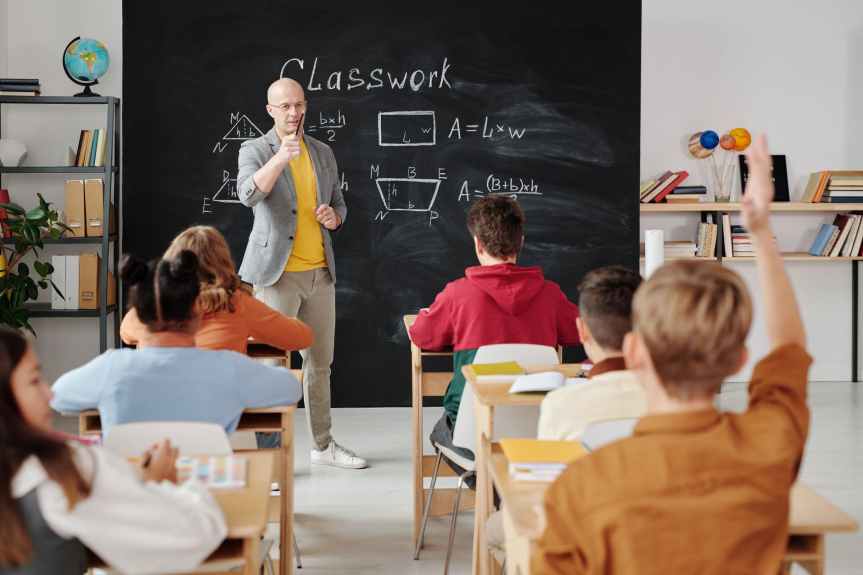
Photo by Max Fischer on Pexels.com

Education

Education is a very powerful medium to grow in life and perceive something important. In a human’s life, education benefits a lot in decreasing the difficulties of a hard life. The expertise obtained through the education era encourages everybody regarding their life.Education is a way to enter into several doors for possibilities to obtain more real prospects in life to improve career growth. Government is also arranging various programs to educate everyone about education and its benefits in our life especially in rural areas. Education delivers knowledge of equality among everyone in society and encourages the growth and improvement of the nation.

In this modern technology-based era, education performs a supreme role in our life. And in this era, there are so many methods to boost the level of education. The complete criteria of education have now been modernized. And education makes a big impact on anyone’s life.

To say Education is important is an understatement. Education is a weapon to improve one’s life. It is probably the most important tool to change one’s life. Education for a child begins at home. It is a lifelong process that ends with death. Education certainly determines the quality of an individual’s life. Education improves one’s knowledge, skills and develops the personality and attitude. Most noteworthy, Education affects the chances of employment for people. A highly educated individual is probably very likely to get a good job. In this essay on importance of education, we will tell you about the value of education in life and society.

Importance of Education in Life

First of all, Education teaches the ability to read and write. Reading and writing is the first step in Education. Most information is done by writing. Hence, the lack of writing skill means missing out on a lot of information. Consequently, Education makes people literate.

Above all, Education is extremely important for employment. It certainly is a great opportunity to make a decent living. This is due to the skills of a high paying job that Education provides. Uneducated people are probably at a huge disadvantage when it comes to jobs. It seems like many poor people improve their lives with the help of Education.

Better Communication is yet another role in Education. Education improves and refines the speech of a person. Furthermore, individuals also improve other means of communication with Education.

Education makes an individual a better user of technology. Education certainly provides the technical skills necessary for using technology. Hence, without Education, it would probably be difficult to handle modern machines.

People become more mature with the help of Education. Sophistication enters the life of educated people. Above all, Education teaches the value of discipline to individuals. Educated people also realize the value of time much more. To educated people, time is equal to money.

Finally, Educations enables individuals to express their views efficiently. Educated individuals can explain their opinions in a clear manner. Hence, educated people are quite likely to convince people to their point of view.

Importance of Education in Society

First of all, Education helps in spreading knowledge in society. This is perhaps the most noteworthy aspect of Education. There is a quick propagation of knowledge in an educated society. Furthermore, there is a transfer of knowledge from generation to another by Education.

Education helps in the development and innovation of technology. Most noteworthy, the more the education, the more technology will spread. Important developments in war equipment, medicine, computers, take place due to Education.

Conclusion

Education is a ray of light in the darkness. It certainly is a hope for a good life. Education is a basic right of every Human on this Planet. To deny this right is evil. Uneducated youth is the worst thing for Humanity. Above all, the governments of all countries must ensure to spread Education.

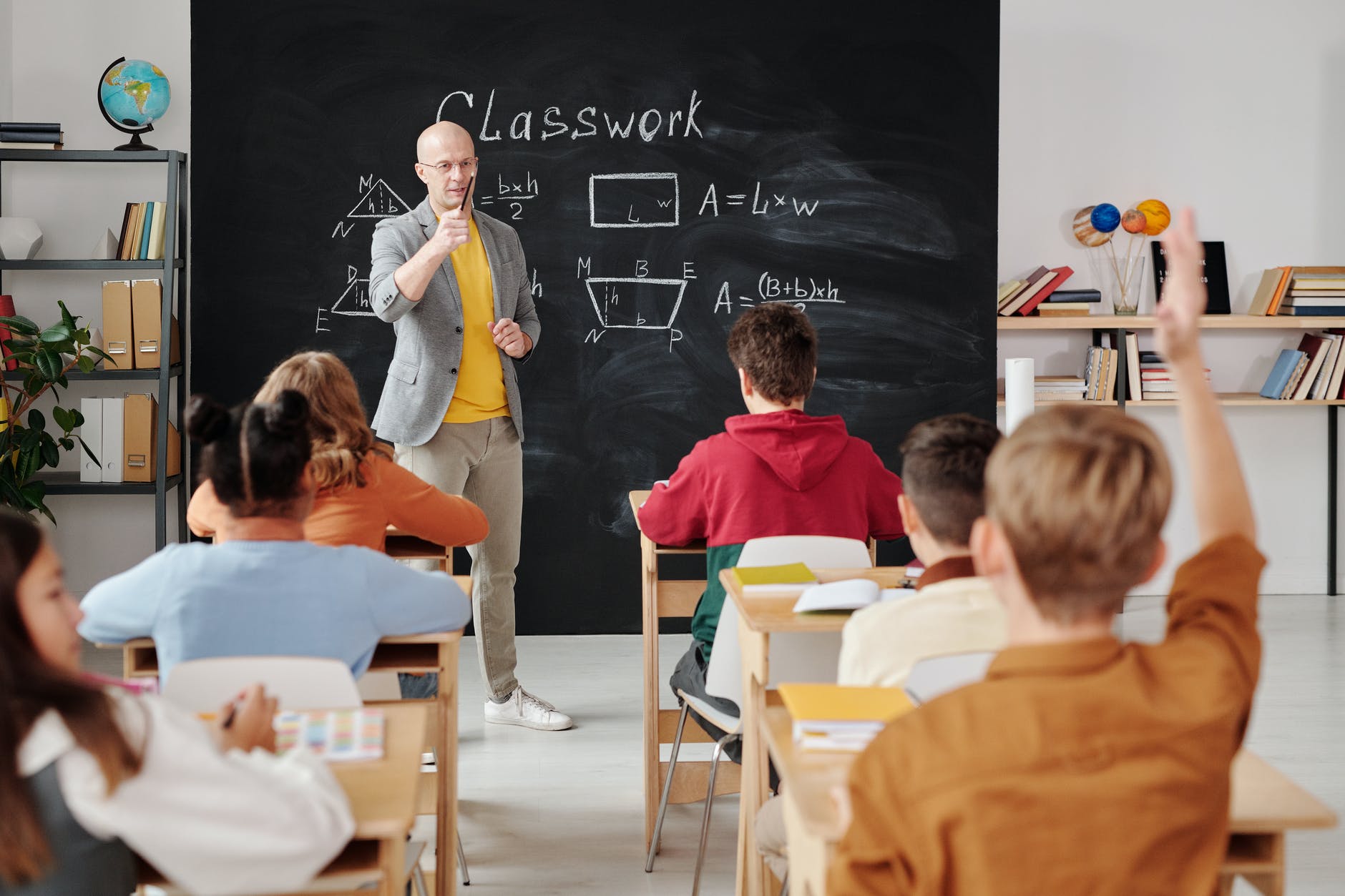
Photo by Max Fischer on Pexels.com

Importance of Tree plantation

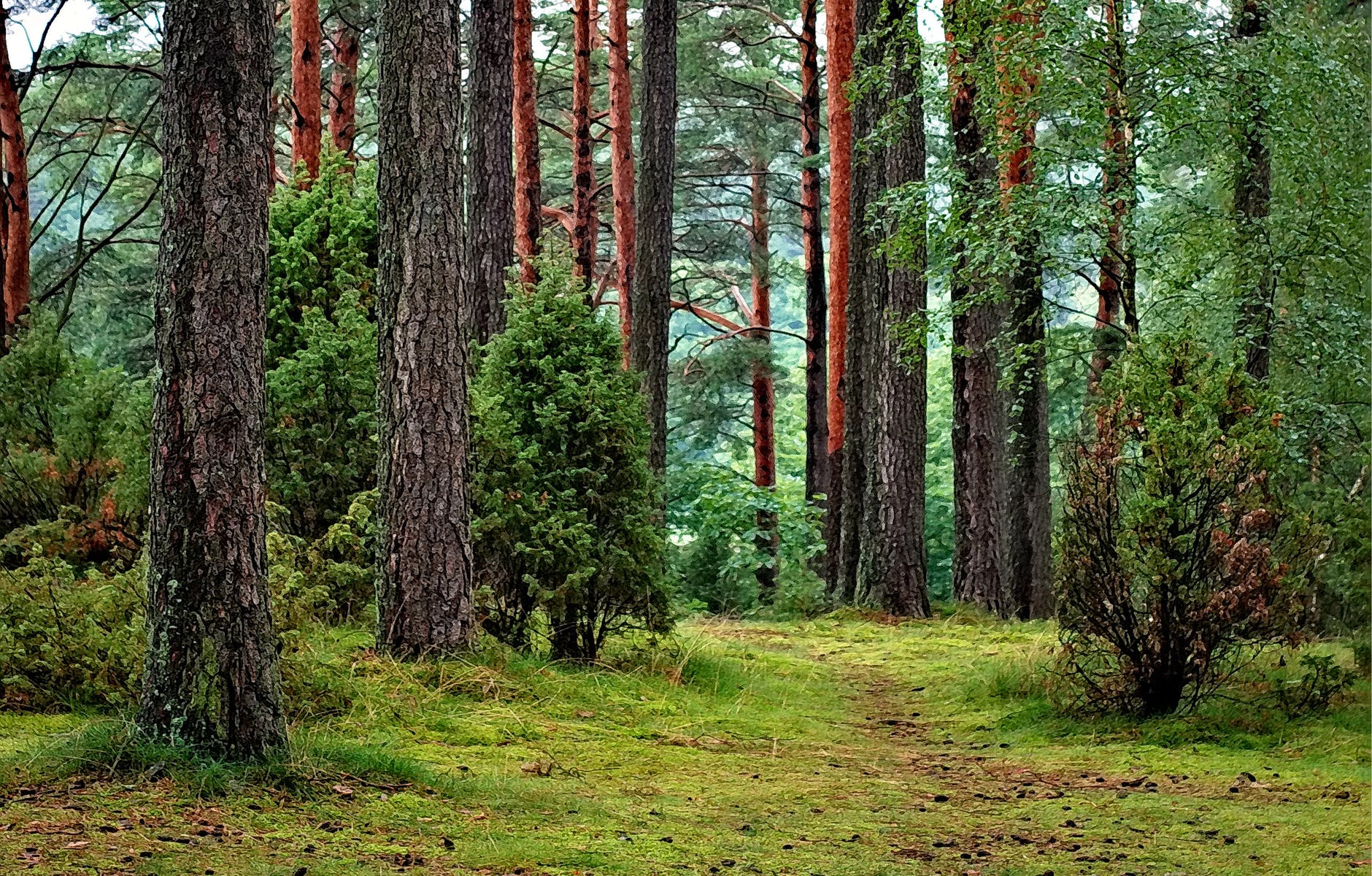
“A tree is the best friend of man on earth.” When we use trees respectfully and economically, we have one of the greatest resources on earth. Trees are rightfully called the ‘lungs of the earth.’ Life on earth would cease to exist in the absence of trees. Trees are responsible for sustaining the environment in several ways.Trees release life-supporting oxygen and absorb harmful gases like carbon dioxide during the process of photosynthesis. They act as sponges by taking in toxic emissions and other pollutants, released into the atmosphere by industries and vehicles. The roots of trees bind the soil together thereby preventing erosion. The blatant and increased rate of deforestation is the primary cause of landslides. In addition to being the bearers of delicious fruits, trees are the natural habitat of several species of animals, birds, and insects. Thus, the destruction of a tree implies the destruction of an entire ecosystem.We have inherited this planet with its many resources, from our ancestors. The onus rests on us to protect the earth’s fragile ecosystem, so that future generations have a place they can call home. It is indeed ironic that despite being at the top of the food chain Homo Sapiens are intent on destroying the very things that guarantee their survival. However, there is a silver lining. The situation can be remedied by restoring the earth’s green cover and taking concrete measures to reduce carbon emissions. Let’s all take a vow to go green and save the earth from destruction.

Trees are our best friends because they clean the air we breathe. Likewise, they also clean the water and soil and ultimately make the earth a better place. It is also a fact that people who live near trees are healthier, fit, and happier than people who do not.Moreover, it is our responsibility to look after our friends who serve us in many ways. Most importantly by saving plants, we are not doing any favor to plants but to ourselves only. Because trees and plants life does not depend on us but our lives depend on them.

Importance of Trees

Trees are important to us in a lot of ways and we cannot ignore their importance. They are important because they give us fresh air to breathe, food to eat and shelter/shade from sunlight and rainfall. Besides this, there are many medicines in the market that are made up of trees extracts. Apart from this, there are plants and trees that have medicinal value.

They bring peacefulness; create a pleasing and relaxing environment. Also, they help in reflecting the harmful rays of the sun and maintaining a balanced temperature. Besides, they also help in water conservation and preventing soil erosion. They also manage the ecosystem and from ancient times several varieties of plants are worshipped.

Benefits of TreesTrees provide us many benefits some of which we can’t see but they make a huge difference. They help in fighting back the climate changes by absorbing greenhouse gases which are the main cause of climate change.Moreover, they replenish groundwater and filter the air from harmful pollutants and odors. Besides, they are a great source of food and the king of fruits ‘Mango’ also grow on trees.

Value of Trees When a seed of a plant or tree grow it makes the area around it greener. Also, it supports many life forms. Birds make their nests, many reptiles and animals live on it or near it.Besides, all these many beautiful flowers, food growing on it. Moreover, many parts of trees such as roots, leaves, stem, flower, seeds, are also edible. Most importantly they never ask anything in return for their services and the gifts they give. Trees also keep the balance in the ecosystem and ecology.To conclude, we can say that trees are very important and beneficial for every life form on earth. Without them, the survival of life on earth will become difficult and after some time every species starts to die because of lack of oxygen on the planet. So, to save our lives and to survive we have to learn the importance of trees and also have to teach our children the importance of trees.

Photo by Pixabay on Pexels.com

Importance of Tree plantation

“A tree is the best friend of man on earth.” When we use trees respectfully and economically, we have one of the greatest resources on earth. Trees are rightfully called the ‘lungs of the earth.’ Life on earth would cease to exist in the absence of trees. Trees are responsible for sustaining the environment in several ways.Trees release life-supporting oxygen and absorb harmful gases like carbon dioxide during the process of photosynthesis. They act as sponges by taking in toxic emissions and other pollutants, released into the atmosphere by industries and vehicles. The roots of trees bind the soil together thereby preventing erosion. The blatant and increased rate of deforestation is the primary cause of landslides. In addition to being the bearers of delicious fruits, trees are the natural habitat of several species of animals, birds, and insects. Thus, the destruction of a tree implies the destruction of an entire ecosystem.We have inherited this planet with its many resources, from our ancestors. The onus rests on us to protect the earth’s fragile ecosystem, so that future generations have a place they can call home. It is indeed ironic that despite being at the top of the food chain Homo Sapiens are intent on destroying the very things that guarantee their survival. However, there is a silver lining. The situation can be remedied by restoring the earth’s green cover and taking concrete measures to reduce carbon emissions. Let’s all take a vow to go green and save the earth from destruction.

Trees are our best friends because they clean the air we breathe. Likewise, they also clean the water and soil and ultimately make the earth a better place. It is also a fact that people who live near trees are healthier, fit, and happier than people who do not.Moreover, it is our responsibility to look after our friends who serve us in many ways. Most importantly by saving plants, we are not doing any favor to plants but to ourselves only. Because trees and plants life does not depend on us but our lives depend on them.

Importance of Trees

Trees are important to us in a lot of ways and we cannot ignore their importance. They are important because they give us fresh air to breathe, food to eat and shelter/shade from sunlight and rainfall. Besides this, there are many medicines in the market that are made up of trees extracts. Apart from this, there are plants and trees that have medicinal value.

They bring peacefulness; create a pleasing and relaxing environment. Also, they help in reflecting the harmful rays of the sun and maintaining a balanced temperature. Besides, they also help in water conservation and preventing soil erosion. They also manage the ecosystem and from ancient times several varieties of plants are worshipped.

Benefits of TreesTrees provide us many benefits some of which we can’t see but they make a huge difference. They help in fighting back the climate changes by absorbing greenhouse gases which are the main cause of climate change.Moreover, they replenish groundwater and filter the air from harmful pollutants and odors. Besides, they are a great source of food and the king of fruits ‘Mango’ also grow on trees.

Value of Trees When a seed of a plant or tree grow it makes the area around it greener. Also, it supports many life forms. Birds make their nests, many reptiles and animals live on it or near it.Besides, all these many beautiful flowers, food growing on it. Moreover, many parts of trees such as roots, leaves, stem, flower, seeds, are also edible. Most importantly they never ask anything in return for their services and the gifts they give. Trees also keep the balance in the ecosystem and ecology.To conclude, we can say that trees are very important and beneficial for every life form on earth. Without them, the survival of life on earth will become difficult and after some time every species starts to die because of lack of oxygen on the planet. So, to save our lives and to survive we have to learn the importance of trees and also have to teach our children the importance of trees.

Photo by Pixabay on Pexels.com

SHORT STORIES WITHIN NOVELS:

A story within a story is referred to as an embedded narrative. The embedded narrative is a literary device in which a character within a story becomes the narrator of a second story within the first one. Multiple layers of stories within stories are sometimes called Nested Stories. These stories mostly exist in a book to enlighten people. Sometimes the author himself wrote some short stories which are really motivating and alluring, then he might include them in his novels. In the other case, the author pushes himself to write short stories which will be suitable within his/her novels.

We all love stories, especially short stories. So, we will look at some stories within stories or stories within novels or dramas one by one as parts of segments.

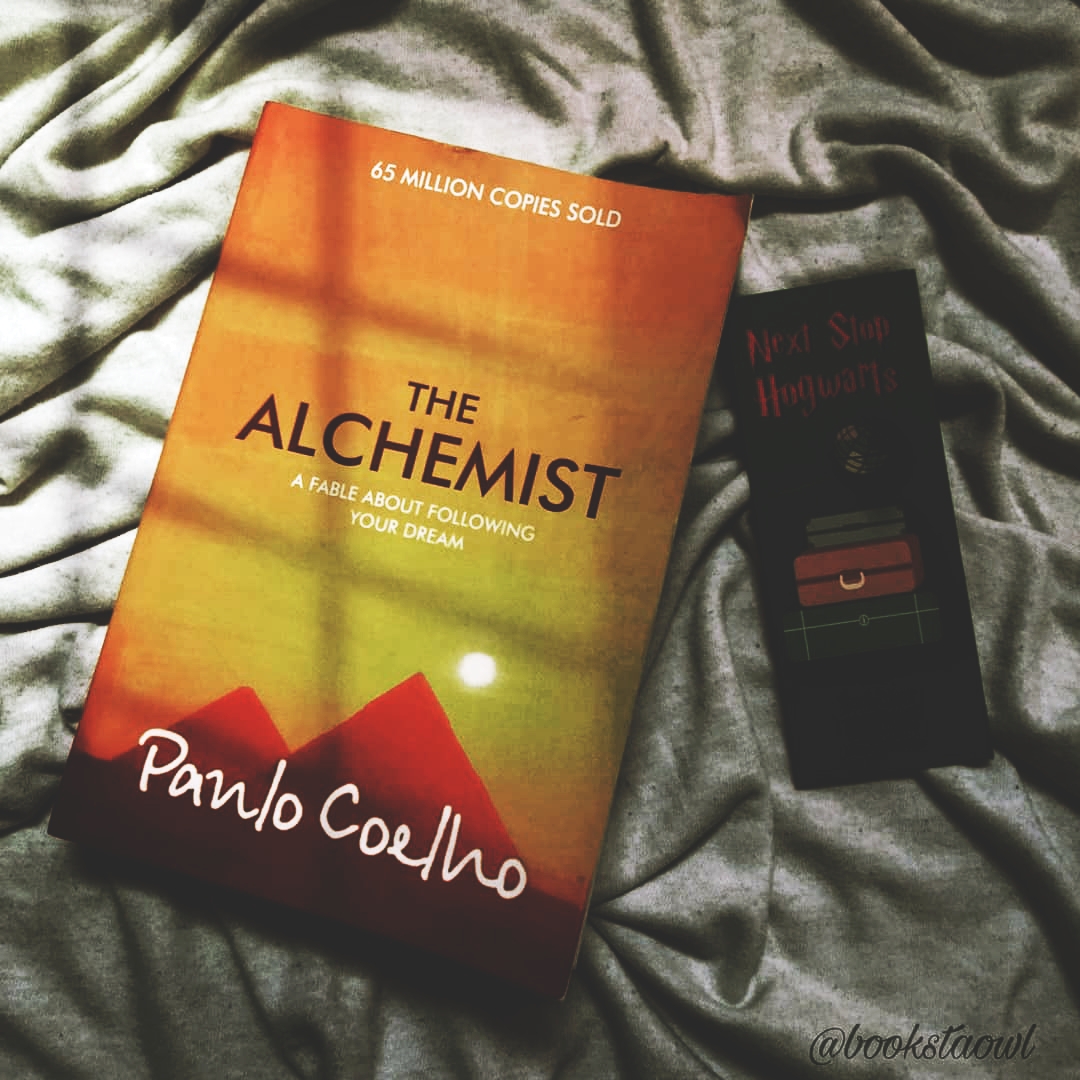
THE ALCHEMIST: BY PAULO COELHO

The shopkeeper sent his son to learn about the secret of happiness from the wisest man in the world. The lad wandered through the desert for forty days, and finally came upon a beautiful castle, high atop a mountain. It was there that the wise man lived.

“Rather than finding a saintly man, though, our hero, on entering the main room of the castle, saw a hive of activity: tradesmen came and went, people were conversing in the corners, a small orchestra was playing soft music, and there was a table covered with platters of the most delicious food in that part of the world. The wise man conversed with everyone, and the boy had to wait for two hours before it was his turn to be given the man’s attention.

“The wise man listened attentively to the boy’s explanation of why he had come, but told him that he didn’t have time just then to explain the secret of happiness. He suggested that the boy look around the palace and return in two hours.

“‘Meanwhile, I want to ask you to do something,’ said the wise man, handing the boy a teaspoon that held two drops of oil. ‘As you wander around, carry this spoon with you without allowing the oil to spill.’

“The boy began climbing and descending the many stairways of the palace, keeping his eyes fixed on the spoon. After two hours, he returned to the room where the wise man was.

“‘Well,’ asked the wise man, ‘did you see the Persian tapestries that are hanging in my dining hall? Did you see the garden that it took the master gardener ten years to create? Did you notice the beautiful parchments in my library?’

“The boy was embarrassed and confessed that he had observed nothing. His only concern had been not to spill the oil that the wise man had entrusted to him.

“‘Then go back and observe the marvels of my world,’ said the wise man. ‘You cannot trust a man if you don’t know his house.’

“Relieved, the boy picked up the spoon and returned to his exploration of the palace, this time observing all of the works of art on the ceilings and the walls. He saw the gardens, the mountains all around him, the beauty of the flowers, and the taste with which everything had been selected. Upon returning to the wise man, he related in detail everything he had seen.

“‘But where are the drops of oil I entrusted to you?’ asked the wise man.

“Looking down at the spoon he held, the boy saw that the oil was gone.

“‘Well, there is only one piece of advice I can give you,’ said the wisest of wise men. ‘The secret of happiness is to see all the marvels of the world, and never to forget the drops of oil on the spoon.’

Through this story author express, that one should follow his dreams and must take care of his responsibilities also. That’s the secret of happiness.

The Alchemist

WHERE TO GET FREE EBOOKS https://eduindex.org/2021/07/20/where-to-get-free-e-books/

THE DETECTIVE NOVELS https://eduindex.org/2021/07/21/the-detective-novels/

SHORT STORIES WITHIN NOVELS:

A story within a story is referred to as an embedded narrative. The embedded narrative is a literary device in which a character within a story becomes the narrator of a second story within the first one. Multiple layers of stories within stories are sometimes called Nested Stories. These stories mostly exist in a book to enlighten people. Sometimes the author himself wrote some short stories which are really motivating and alluring, then he might include them in his novels. In the other case, the author pushes himself to write short stories which will be suitable within his/her novels.

We all love stories, especially short stories. So, we will look at some stories within stories or stories within novels or dramas one by one as parts of segments.

THE ALCHEMIST: BY PAULO COELHO

The shopkeeper sent his son to learn about the secret of happiness from the wisest man in the world. The lad wandered through the desert for forty days, and finally came upon a beautiful castle, high atop a mountain. It was there that the wise man lived.

“Rather than finding a saintly man, though, our hero, on entering the main room of the castle, saw a hive of activity: tradesmen came and went, people were conversing in the corners, a small orchestra was playing soft music, and there was a table covered with platters of the most delicious food in that part of the world. The wise man conversed with everyone, and the boy had to wait for two hours before it was his turn to be given the man’s attention.

“The wise man listened attentively to the boy’s explanation of why he had come, but told him that he didn’t have time just then to explain the secret of happiness. He suggested that the boy look around the palace and return in two hours.

“‘Meanwhile, I want to ask you to do something,’ said the wise man, handing the boy a teaspoon that held two drops of oil. ‘As you wander around, carry this spoon with you without allowing the oil to spill.’

“The boy began climbing and descending the many stairways of the palace, keeping his eyes fixed on the spoon. After two hours, he returned to the room where the wise man was.

“‘Well,’ asked the wise man, ‘did you see the Persian tapestries that are hanging in my dining hall? Did you see the garden that it took the master gardener ten years to create? Did you notice the beautiful parchments in my library?’

“The boy was embarrassed and confessed that he had observed nothing. His only concern had been not to spill the oil that the wise man had entrusted to him.

“‘Then go back and observe the marvels of my world,’ said the wise man. ‘You cannot trust a man if you don’t know his house.’

“Relieved, the boy picked up the spoon and returned to his exploration of the palace, this time observing all of the works of art on the ceilings and the walls. He saw the gardens, the mountains all around him, the beauty of the flowers, and the taste with which everything had been selected. Upon returning to the wise man, he related in detail everything he had seen.

“‘But where are the drops of oil I entrusted to you?’ asked the wise man.

“Looking down at the spoon he held, the boy saw that the oil was gone.

“‘Well, there is only one piece of advice I can give you,’ said the wisest of wise men. ‘The secret of happiness is to see all the marvels of the world, and never to forget the drops of oil on the spoon.’

Through this story author express, that one should follow his dreams and must take care of his responsibilities also. That’s the secret of happiness.

The Alchemist

WHERE TO GET FREE EBOOKS https://eduindex.org/2021/07/20/where-to-get-free-e-books/

THE DETECTIVE NOVELS https://eduindex.org/2021/07/21/the-detective-novels/

Importance of Skill Development Training

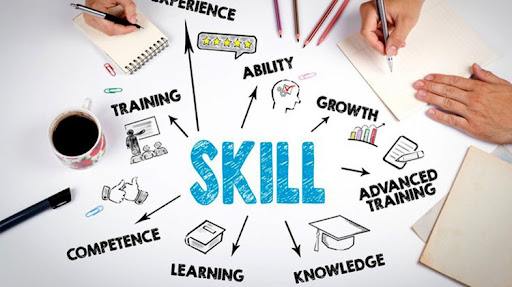
 In today’s competitive world, its very important for people to invest their time and resources to improve their skills, potential capabilities. One needs to do so in order to be future ready. One’s skills determines their ability to carry out any task effectively and efficiently. 

                                                              (Photo: doaram.com)

Skill development is a powerful tool to safeguard the future of youth and for their overall development. It is an important way to increase the employment rate of India. Skills are as essential as one’s academic qualifications. Education and skills should now go hand in hand to be successful. In today’s world, lack of education and skill development restricts people from realizing their potential capabilities and abilities. Eventually, this prevents them from contributing to the economic growth of a country. Thus, education and skill training is vital for the overall growth and personality development of an individual.
Illiteracy is one such reason for lack of skill training. The capability of the poorest sections of society to start business is restricted owing to because of their lack of business skills, illiteracy, their inability to take risks, capital, lack of investment, etc. It would be far better to upgrade their skills so that they can get employed. The strategy of the Ministry of Labor to specialize on skill upgradation has contributed significantly to this mission. 
According to the World Trade Organization, the GDP level can increase up to 3%-5% in 2035, if India focuses on skill development and training. India has taken many initiatives in this regard. The Ministry of Skill Development and Entrepreneurship (MSDE) is responsible for coordinating skill development activities in India. It has supported various organizations like National Skill Development Corporation (NSDC), which aims to promote skill development in the country by establishing institutes across the country and National Skill Development Agency (NSDA), which seeks to coordinate the efforts of the government and the private sector and aid in skill development.

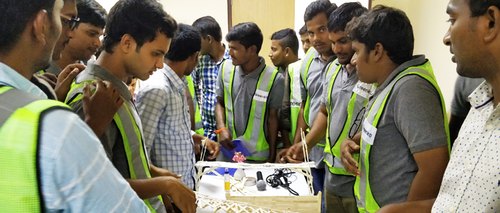
Hon’ble Prime Minister Shri Narendra Modi launched the Skill India Mission, under the Ministry of Skill Development and Entrepreneurship on 15 July 2015, which aims to train over 40 crore people in India in different skills by 2022. The mission seeks to vocational training and certification of Indian youth for a better livelihood and respect in the society. Various initiatives under this campaign are National Skill Development Mission, National Policy for Skill Development and Entrepreneurship, 2015, Pradhan Mantri Kaushal Vikas Yojana (PMKVY), Skill Loan scheme, Rural India Skill etc.

                                                     (Photo: Indiamart)

Schemes & Initiatives through NSDC

  • Pradhan Mantri Kaushal Vikas Yojana (PMKVY)
  • Rozgar Mela
  • Pradhan Mantri Kaushal Kendras (PMKK)
  • Capacity Building Scheme
  • Udaan
  • School Initiatives and Higher Education
  • India International Skill Centres (IISCs)
  • Pre Departure Orientation Training (PDOT)

Schemes related to Entrepreneurship

  • Pradhan Mantri ‘YUVA’ Yojana

Other Schemes and Initiatives

  • Skill Loan Scheme
  • Indian Institute of Skills (IISs)
  • SANKALP
  • Academic Equivalence to Vocational Qualifications
  • Aspirational Districts
  • Swachh Bharat Abhiyan
  • Technology Initiatives

To encourage enterprise and boost employment generation, skill training initiatives are coming up with specialized courses on entrepreneurship in different sectors. Skill development is a very important tool to boost self-confidence of an individual and to instill trust on themselves. With proper skill development training, one can surely become confident and successful. It not only nurtures the inner will but also boosts the personality of an individual.

<

p style=”background: rgb(255, 255, 255);border: 0px;font-family: Roboto, sans-serif;font-size: 16.1px;line-height: 23px;margin: 0px 0px 15px;padding: 0px;vertical-align: baseline”>