WATER BODIES AREN'T BINS.

Would you value something, you would die without?
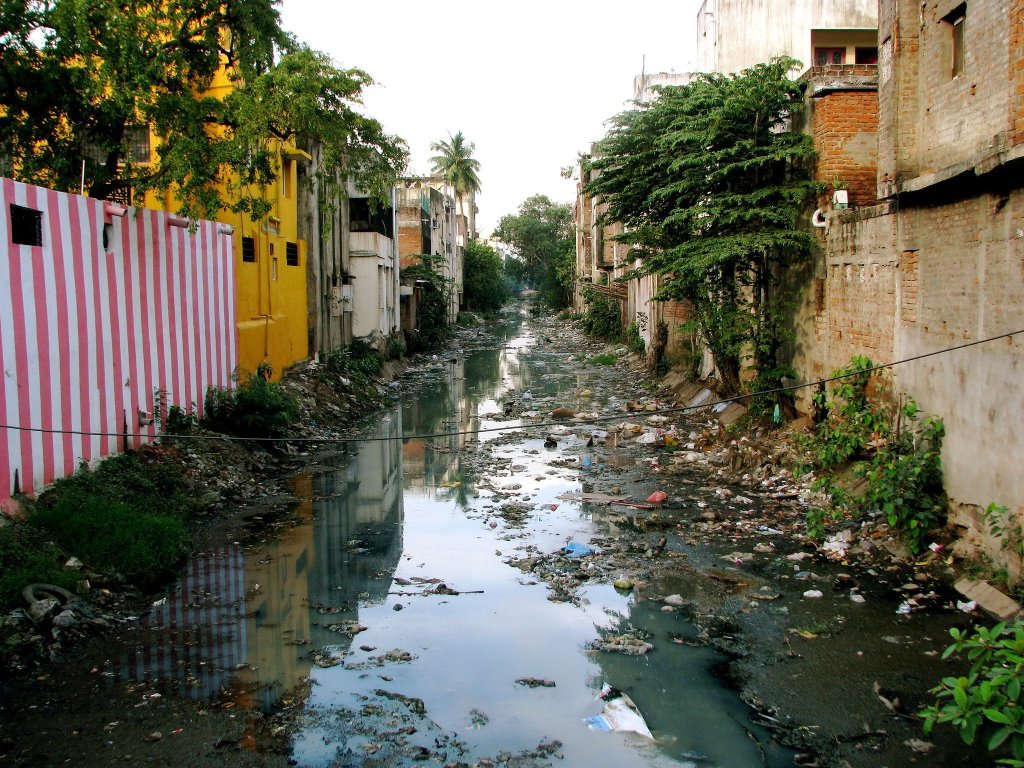
Image source

Well looking at the picture above I think, Indians doesn’t seem to be having this thinking. Such disregard of Water, the thing which makes our life possible definitely has to be one of the most irresponsible thing done by humans. Especially, Indians who worship these seas and rivers themselves are the one’s polluting it the most. The holy river of GANGES, which is generally called the most pure river in the whole country itself is the most polluted one. Severly polluted Ganges river which provides water to 40% of India’s population in total of 11 states serving an estimated population of 500 million people, is the fifth most polluted river in the WORLD. Sewage discharge from cities, towns and some villages is the most prevalent cause of water pollution in India. Major cities of India produce 38,354 million litres per day (MLD) of sewage, but the urban sewage treatment capacity is only 11,786 MLD. The scientific analysis of water samples from 1995 to 2008 indicates that the organic and bacterial contamination is severe in water bodies of India. This severity is increased at an even more rapid rate until 2020. According to A reliable source, Around 80% of India’s water is severely polluted because people dump raw sewage, silt and garbage into the country’s rivers and lakes. This has lead to high scarcity of drinkable water. Experts predict that 40% of people may not have a connection to a clean water source by 2030. Then how come are we yet not sincere about not just saving water but Ourselves? As urban areas households get more and more facilities of 24*7 running water taps and availability of drinking water, lesser is the value of the latter. Around 70% of wastewater from household, industries, etc. goes untreated and each day, more than 40 million liters of wastewater flows directly into India’s lakes, rivers and ocean. This waste while travelling from small to big waterbodies, go on contaminating all of it along with the organisms living within. Lakhs of fishes and other underwater living organisms die as they eat or get caught in this waste. This waste even covers the inner and outer surface area of the water at times and thus disbalancing the oxygen levels in the water, due to which the organisms die in huge quantities. This water also enters the groundwater and makes it polluted and undrinkable as well.

Further, this water when reaches to households it immensely affects the health of individuals especially, children. Each year, more than 1.5 million Indian children die from diarrhea. It affects the irrigation systems in fields as this water doesn’t allows the crops to grow properly due to it’s I’ll properties, infectious and diseased bacteria into it. Because of the poor infrastructure and absence of sewage control, 38 million Indians suffer from waterborne diseases like typhoid, cholera and hepatitis every year. Worldwide, waterborne diseases cause more deaths than AIDS, tuberculosis and measles combined in children under 5-years-old. This severity of pollution affects humans and other organisms, plus our food security and the GDP growth of nation. As the diseases spread, the more people get ill and cease work which decreases productivity of companies, crops damage reduces the agricultural revenue too. Hence proved, that this problem is not as small as we think of it. Be it socially or economically it has a bad effect on the country as a whole. It is necessary for all the people to get educated regarding the same as soon as possible and start contributing their part in preventing water pollution and wastage.

Steps taken..

India is taking several steps to rebalance the quality of its water source, from flocculation and reuse of industrial water to the contributions that local Indian startups are making. In Chennai, a city in Eastern India, industrial water reuse rose from 36,000 to 80,000 cubic meters in 3 years, from 2016 to 2019. VA Tech Wabag, a water company quartered in Chennai, also built numerous water reuse plants all across India. As of 2020, VA Tech Wabag contributed immensely to the production of more than 18 million cubic meters of clean water every day, which has positively impacted almost 100 million people globally. In Gujarat, a state of more than 70 million citizens, the government launched its Reuse of Treated Waste Water Policy, which aims to drastically decrease the use of the Narmada River. It will install 161 sewage treatment plants all across Gujarat in order for industrial and construction sectors to use the treated water. Evaluations offer that in 2015, the Indian government installed almost 16,000 reverse osmosis systems in Karnataka and 281 solar electrolytic defluoridation plants in Madhya Pradesh.

But the most important part is we all have to remember that only Government officials and workers alone couldn’t sort this situation for the whole country. Ech and every individual has to do their part to ‘save water and save future’.
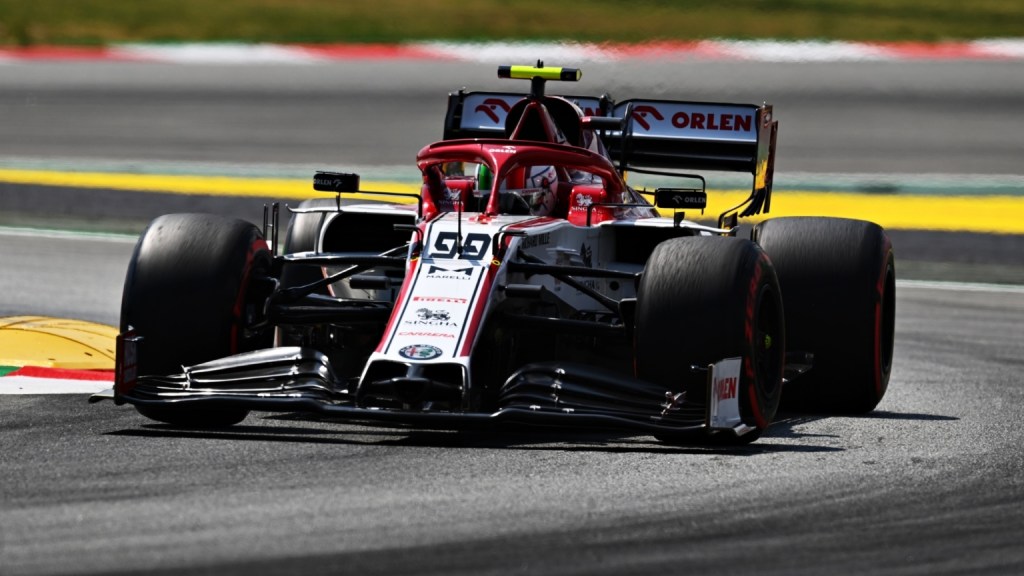

F1: Alfa Romeo Renews Deal With Sauber Till 2024

Alfa Romeo was the first constructor to win the Formula One world championship but currently lags behind in P7.

Alfa Romeo has renewed its association with Sauber which involved the Alfa Romeo brand retaining naming rights over the Sauber F1 team till 2024. The association began in 2018 when then FCA CEO, Sergio Marchionne engineered a deal where Alfa Romeo was the lead sponsor of the team but then in 2019 that deal evolved to the rebranding of the team. Now with the cost cap in place, new ground effects aerodynamics returning to the sport providing a more level playing field, Alfa Romeo has decided to continue the deal till the end of 2024, which is just before F1 deploys a new engine formula. 

“As a historic Italian automotive brand, Alfa Romeo was born on the race track today we are proud to continue honouring that racing DNA by placing it at the heart of the future of our brand. We are driven by passion and excellence. F1 represents a cutting-edge laboratory for the future electrification of our range, fully coherent with our vision for the coming years. Furthermore, motorsport brings the incomparable global exposure we wish to leverage for a successful future,” said Alfa CEO Jean-Philippe Imparato.

The deal was being negotiated for months and the changes in the regulations have been the key motivators behind the renewal of the deal. For Sauber, this was critical as Alfa Romeo provides much needed financial support. It also helps that Alfa Romeo is the sister brand of its close partner Ferrari. Ferrari used to be part of the FCA which both were controlled by the Agnelli family. Now with the formation of Stellantis, and Ferrari going public, the Angelli family still controls both brands through its majority stake in Stellantis and controlling stake in Ferrari via its holding company Exor which is run by Agnelli family scion John Elkann. 

Alfa Romeo has a great dependence on Ferrari for its engine and its drivers. Antonio Gionvinazzi is from the Ferrari Driver Academy. Its reserve driver Callum Illott is also from the Ferrari Driver Academy, while Kimi Raikkonen switched to Alfa Romeo from Ferrari while Charles Leclerc got his seat at the Prancing Horse.

F1: Alfa Romeo Renews Deal With Sauber Till 2024

Alfa Romeo was the first constructor to win the Formula One world championship but currently lags behind in P7.

Alfa Romeo has renewed its association with Sauber which involved the Alfa Romeo brand retaining naming rights over the Sauber F1 team till 2024. The association began in 2018 when then FCA CEO, Sergio Marchionne engineered a deal where Alfa Romeo was the lead sponsor of the team but then in 2019 that deal evolved to the rebranding of the team. Now with the cost cap in place, new ground effects aerodynamics returning to the sport providing a more level playing field, Alfa Romeo has decided to continue the deal till the end of 2024, which is just before F1 deploys a new engine formula. 

“As a historic Italian automotive brand, Alfa Romeo was born on the race track today we are proud to continue honouring that racing DNA by placing it at the heart of the future of our brand. We are driven by passion and excellence. F1 represents a cutting-edge laboratory for the future electrification of our range, fully coherent with our vision for the coming years. Furthermore, motorsport brings the incomparable global exposure we wish to leverage for a successful future,” said Alfa CEO Jean-Philippe Imparato.

The deal was being negotiated for months and the changes in the regulations have been the key motivators behind the renewal of the deal. For Sauber, this was critical as Alfa Romeo provides much needed financial support. It also helps that Alfa Romeo is the sister brand of its close partner Ferrari. Ferrari used to be part of the FCA which both were controlled by the Agnelli family. Now with the formation of Stellantis, and Ferrari going public, the Angelli family still controls both brands through its majority stake in Stellantis and controlling stake in Ferrari via its holding company Exor which is run by Agnelli family scion John Elkann. 

Alfa Romeo has a great dependence on Ferrari for its engine and its drivers. Antonio Gionvinazzi is from the Ferrari Driver Academy. Its reserve driver Callum Illott is also from the Ferrari Driver Academy, while Kimi Raikkonen switched to Alfa Romeo from Ferrari while Charles Leclerc got his seat at the Prancing Horse.

Why Indians are Shorter on Average

Indians are among the shortest people in the world on average. Despite impressive rates of economic growth in India over the past decade or two, India remains one of the worst performing countries worldwide in terms of height, among both children and adults. This is unusual because data and research has shown that over time people become progressively taller as living standards improve. There has, however, been an increase in average height in India itself as the standards of living have increased. Between 1914 and 2014, the average height of Indian men increased by about 3cm to become 165 cm, while women grew taller by about 5cm to become 153 cm. Also, it seems that children in India today are much taller than their parents were at their age, according to studies conducted into the matter. But why are Indians still shorter than the global average while Most countries have shown an increase in height over the past century or so?

Some Factors

Genes contribute to only a small portion of a person’s height, and so most scholars around the world have disregarded the hypothesis that genetic factors are of prime importance in explaining the small stature among Indians relative to international standards. Instead, it has been identified that environmental factors such as the mother’s health, infant and child nutrition, sanitation and environmental pollution are the major reasons for smaller heights in India. Nutrition here not only implies that there is malnutrition in the country, but also the fact that India has a very large vegetarian population. This means that many people are not gaining nutrition from a very good source: meat. Protein obtained through meat is great for growing height. Though vegetarians can get protein from dal or soybean, they are not nearly as good sources of protein, and the best quality of protein comes from animal sources. Apart from this, the low status of women in Indian society, high rates of gastro-intestinal infections spread by the widespread practice of open defecation (especially in rural areas), and certain eating habits are said to contribute to height.

Furthermore, research has shown that forward caste men are the tallest in India, and scheduled caste and scheduled tribe men are the shortest. This is proof of the fact that better living conditions and nutrition helps in height growth. Thus, there is decreased importance of genetic factors in explaining the disappointing growth performance of Indians, and it is more of the socioeconomic and environmental factors prevailing in India. This is evidenced by the fact that ethnic Indian adults in England are much taller than in India, because of their standard of living and environment.

Conclusion

Today in India, children are definitely much healthier and better-fed than they used to be, and adults are gradually getting taller than their previous generation. However, Indians are still much shorter than Americans or Europeans, and it is estimated that the height difference will take around 250 years to eliminate at the British growth rate. And the reason behind all this is not Indian genetics, but rather things like malnutrition and poverty in the country. Today, nearly 40 percent of Indian kids today are short enough to be classed as stunted by international standards. Furthermore, it is mostly Indian men that we see gradually growing in height to meet the international average, while women are growing taller at less than a third of the rate at which Indian men are growing taller. This matches the pattern of discrimination that we often see in India, which is a mostly patriarchal country. Hence, we will only be able to increase in average height if we are able to raise the standard of living for everyone in the country and aim for equitable treatment of all.

Why Indians are Shorter on Average

Indians are among the shortest people in the world on average. Despite impressive rates of economic growth in India over the past decade or two, India remains one of the worst performing countries worldwide in terms of height, among both children and adults. This is unusual because data and research has shown that over time people become progressively taller as living standards improve. There has, however, been an increase in average height in India itself as the standards of living have increased. Between 1914 and 2014, the average height of Indian men increased by about 3cm to become 165 cm, while women grew taller by about 5cm to become 153 cm. Also, it seems that children in India today are much taller than their parents were at their age, according to studies conducted into the matter. But why are Indians still shorter than the global average while Most countries have shown an increase in height over the past century or so?

Some Factors

Genes contribute to only a small portion of a person’s height, and so most scholars around the world have disregarded the hypothesis that genetic factors are of prime importance in explaining the small stature among Indians relative to international standards. Instead, it has been identified that environmental factors such as the mother’s health, infant and child nutrition, sanitation and environmental pollution are the major reasons for smaller heights in India. Nutrition here not only implies that there is malnutrition in the country, but also the fact that India has a very large vegetarian population. This means that many people are not gaining nutrition from a very good source: meat. Protein obtained through meat is great for growing height. Though vegetarians can get protein from dal or soybean, they are not nearly as good sources of protein, and the best quality of protein comes from animal sources. Apart from this, the low status of women in Indian society, high rates of gastro-intestinal infections spread by the widespread practice of open defecation (especially in rural areas), and certain eating habits are said to contribute to height.

Furthermore, research has shown that forward caste men are the tallest in India, and scheduled caste and scheduled tribe men are the shortest. This is proof of the fact that better living conditions and nutrition helps in height growth. Thus, there is decreased importance of genetic factors in explaining the disappointing growth performance of Indians, and it is more of the socioeconomic and environmental factors prevailing in India. This is evidenced by the fact that ethnic Indian adults in England are much taller than in India, because of their standard of living and environment.

Conclusion

Today in India, children are definitely much healthier and better-fed than they used to be, and adults are gradually getting taller than their previous generation. However, Indians are still much shorter than Americans or Europeans, and it is estimated that the height difference will take around 250 years to eliminate at the British growth rate. And the reason behind all this is not Indian genetics, but rather things like malnutrition and poverty in the country. Today, nearly 40 percent of Indian kids today are short enough to be classed as stunted by international standards. Furthermore, it is mostly Indian men that we see gradually growing in height to meet the international average, while women are growing taller at less than a third of the rate at which Indian men are growing taller. This matches the pattern of discrimination that we often see in India, which is a mostly patriarchal country. Hence, we will only be able to increase in average height if we are able to raise the standard of living for everyone in the country and aim for equitable treatment of all.

GENDER INEQUALITY

Gender is one of the major sources of inequality in the world today. Girls are usually deprived of their rights and are likely to suffer from abuse and violence.

Discrimination based on gender gives rise to food insecurity, health risks, and exclusion from several opportunities. The United Nations (UN) estimates that 70% of the 1.3 billion people in poverty globally are women. According to World Food Program USA, more than 60% of the world’s hungry are women and girls, in nearly 2/3rd of countries, women are more likely than men to report food insecurity and one in three women with anemia are left untreated.

In a lot of countries women are not allowed to pursue higher education and they are married off early. In addition, domestic violence is a major problem in many countries including India. The women get beaten up by their husbands as men think they are superior to their wife and many women stay in abusive relationships and don’t speak up because of the fear of society.

Sometimes women face discrimation even at work, women who do actually work get paid less than their male counterparts and are disproportionately impacted by poverty. It is just unfair to pay someone less for the same work because of their sex. Therefore, we see how women empowerment is the need of the hour. We need women empowerment so that these women can speak up for their rights and never be a victim of injustice.

Women have suffered a lot at the hands of men. In earlier times, women were treated as non-existent and as if all the rights belonged to men. With the passage of time, women realised their power and began the revolution for women empowerment. Women’s empowerment can be defined as empowering the women to make their own choices, to instil a sense of self-worth and to influence social change for themselves and others.

Promoting women’s empowerment has emerged as a major global movement and has been continuously gaining momentum. While the western countries are still making progress, third world countries still fall behind in empowering the women.  While there has been progress with the passage of time, even then women continue to face discrimination and exploitation in every part of the world.

Women can be empowered through government schemes as well as on an individual basis. The people of the society and government must both come together to make it happen.  At the societal level, we should start respecting women and encourage them to take up jobs, higher education,etc. Women should get equal opportunity in every field, irrespective of their gender. Various programs or schemes must be made available for women so they can be learn skills to fend for themselves in case they face financial crisis.

Today, more than ever, women enjoy their rights. However, there are many women who are still fighting to come out of the cluthes of patriarchy and there is a long way to go.

GENDER INEQUALITY

Gender is one of the major sources of inequality in the world today. Girls are usually deprived of their rights and are likely to suffer from abuse and violence.

Discrimination based on gender gives rise to food insecurity, health risks, and exclusion from several opportunities. The United Nations (UN) estimates that 70% of the 1.3 billion people in poverty globally are women. According to World Food Program USA, more than 60% of the world’s hungry are women and girls, in nearly 2/3rd of countries, women are more likely than men to report food insecurity and one in three women with anemia are left untreated.

In a lot of countries women are not allowed to pursue higher education and they are married off early. In addition, domestic violence is a major problem in many countries including India. The women get beaten up by their husbands as men think they are superior to their wife and many women stay in abusive relationships and don’t speak up because of the fear of society.

Sometimes women face discrimation even at work, women who do actually work get paid less than their male counterparts and are disproportionately impacted by poverty. It is just unfair to pay someone less for the same work because of their sex. Therefore, we see how women empowerment is the need of the hour. We need women empowerment so that these women can speak up for their rights and never be a victim of injustice.

Women have suffered a lot at the hands of men. In earlier times, women were treated as non-existent and as if all the rights belonged to men. With the passage of time, women realised their power and began the revolution for women empowerment. Women’s empowerment can be defined as empowering the women to make their own choices, to instil a sense of self-worth and to influence social change for themselves and others.

Promoting women’s empowerment has emerged as a major global movement and has been continuously gaining momentum. While the western countries are still making progress, third world countries still fall behind in empowering the women.  While there has been progress with the passage of time, even then women continue to face discrimination and exploitation in every part of the world.

Women can be empowered through government schemes as well as on an individual basis. The people of the society and government must both come together to make it happen.  At the societal level, we should start respecting women and encourage them to take up jobs, higher education,etc. Women should get equal opportunity in every field, irrespective of their gender. Various programs or schemes must be made available for women so they can be learn skills to fend for themselves in case they face financial crisis.

Today, more than ever, women enjoy their rights. However, there are many women who are still fighting to come out of the cluthes of patriarchy and there is a long way to go.

Female emancipation!

Feminism

Women’s empowerment can be defined to promoting women’s sense of self-worth, their ability to determine their own choices, and their right to influence social change for themselves and others.

‘There should be gender equality’ —a familiar line uttered repeatedly by many self-claimed modern era intellectuals .I think I will use the term that ‘men and women are complementary to each other’. Neither can survive without the other. Nature has created women and men in such a way that mankind will only survive if both genders coexist. Thus, the genders complement each other. I think this definition makes more sense .My argument is that gender equality means equal respect and equal remuneration in the same performance in their exclusive domain.

               Not all girls are made of sugar
               and spice and all things nice.
            There are girls made of dark lace
         and witchcraft and a little bit of vice.
          There are daughters made claw-first
        and story-mad, tiger roar and wolf-bad.
     There are women made of terrible tempests
    and savage storms and the untamed unwanted.

   These are damsels made of flawless fearlessness
 made of more bravery than knights have ever seen.
These are princesses made of valour and poison alike 
 and they are here to hold court as your queens.

                             -Nikita gill
  • Why should the men’s championship get more sponsorship than women’s, and why should the winner be paid more? Why is it that men cricketers get paid more, receive more appreciation and more respect than their women counterparts? Why is Sachin Tendulkar treated as the God of cricket but Mithali Raj simply a good Indian woman cricketer? Why do male hockey players get more money and respect than women players?
  • The bottom line is, and I repeat myself here, nature has made men and women differently. They compliment each other but can’t be equal physically and cannot compete with each other in every area. But gender equality can be achieved if we can extend the same respect, offer the same pay scale and the same status to champions of both genders in their domain. Personally, I respect Sachin Tendulkar and Mithali Raj equally. I do watch women cricket matches with the same enthusiasm as I watch men’s cricket. Are you ready to do that? If yes, then you are encouraging gender equality. Else, you are going down a darker path, with no respect and no equality.
  • Also, being called “beautiful” is nice, don’t get me wrong. But hearing the words, “You’re brilliant” means so much more. Because beauty won’t get me a college diploma. Curves won’t get me a secure job and a sufficient salary. Being pretty won’t get me respect.
  • Beauty doesn’t encompass the person you are. All women have natural beauty, but beauty can only take you so far. When I am most insecure, I don’t want confirmations of my physical appearance. I want confirmation that my work, mind and strength are recognized. We grow up thinking beauty and male validation was the ultimate goal. Now, as a young woman, my greatest goal is to be successful in my career. I strive for knowledge, not perfect hair. I want respect, not a skinny waist. Being educated and opinionated will get you so much farther than just a pretty face. “Screw beautiful. I’m brilliant. If you really want to appease me, compliment my brain.”

” I WOULD RATHER STRUGGLE EVERYDAY OF MY LIFE THAN TO EVER GIVE A MAN THE POWER TO SAY ‘ YOU WOULDN’T HAVE THAT IF IT WASN’T FOR ME’ “

Rating: 1 out of 5.

Female emancipation!

Feminism

Women’s empowerment can be defined to promoting women’s sense of self-worth, their ability to determine their own choices, and their right to influence social change for themselves and others.

‘There should be gender equality’ —a familiar line uttered repeatedly by many self-claimed modern era intellectuals .I think I will use the term that ‘men and women are complementary to each other’. Neither can survive without the other. Nature has created women and men in such a way that mankind will only survive if both genders coexist. Thus, the genders complement each other. I think this definition makes more sense .My argument is that gender equality means equal respect and equal remuneration in the same performance in their exclusive domain.

               Not all girls are made of sugar               and spice and all things nice.            There are girls made of dark lace         and witchcraft and a little bit of vice.          There are daughters made claw-first        and story-mad, tiger roar and wolf-bad.     There are women made of terrible tempests    and savage storms and the untamed unwanted.   These are damsels made of flawless fearlessness made of more bravery than knights have ever seen.These are princesses made of valour and poison alike and they are here to hold court as your queens.                             -Nikita gill
  • Why should the men’s championship get more sponsorship than women’s, and why should the winner be paid more? Why is it that men cricketers get paid more, receive more appreciation and more respect than their women counterparts? Why is Sachin Tendulkar treated as the God of cricket but Mithali Raj simply a good Indian woman cricketer? Why do male hockey players get more money and respect than women players?
  • The bottom line is, and I repeat myself here, nature has made men and women differently. They compliment each other but can’t be equal physically and cannot compete with each other in every area. But gender equality can be achieved if we can extend the same respect, offer the same pay scale and the same status to champions of both genders in their domain. Personally, I respect Sachin Tendulkar and Mithali Raj equally. I do watch women cricket matches with the same enthusiasm as I watch men’s cricket. Are you ready to do that? If yes, then you are encouraging gender equality. Else, you are going down a darker path, with no respect and no equality.
  • Also, being called “beautiful” is nice, don’t get me wrong. But hearing the words, “You’re brilliant” means so much more. Because beauty won’t get me a college diploma. Curves won’t get me a secure job and a sufficient salary. Being pretty won’t get me respect.
  • Beauty doesn’t encompass the person you are. All women have natural beauty, but beauty can only take you so far. When I am most insecure, I don’t want confirmations of my physical appearance. I want confirmation that my work, mind and strength are recognized. We grow up thinking beauty and male validation was the ultimate goal. Now, as a young woman, my greatest goal is to be successful in my career. I strive for knowledge, not perfect hair. I want respect, not a skinny waist. Being educated and opinionated will get you so much farther than just a pretty face. “Screw beautiful. I’m brilliant. If you really want to appease me, compliment my brain.”

” I WOULD RATHER STRUGGLE EVERYDAY OF MY LIFE THAN TO EVER GIVE A MAN THE POWER TO SAY ‘ YOU WOULDN’T HAVE THAT IF IT WASN’T FOR ME’ “

Search

Search

WHAT CAUSES DANDRUFF?

Dandruff is a common condition that causes the skin on the scalp to flake. It isn’t contagious or serious. But it can be embarrassing at times and difficult to treat and get rid of permanently. Mild dandruff can be treated with a gentle daily shampoo.

Dandruff is considered to be a mild form of Seborrheic dermatitis. It is a common skin condition that mainly affects the scalp and causes scaly patches, red skin and stubborn dandruff. It can also affect oily areas of the body such as face, sides of the nose, eyebrows, ears, eyelids and chest. In babies, Seborrheic dermatitis is called Cradle Cap. This condition is more common in infants within the first three months after they are born. In adults, between 1% and 10% people are affected. Males are more often affected than female. The cause of Seborrheic dermatitis has not been fully clarified. The condition is thought to be due to a local inflammatory response to over-colonization by Malassezia fungi species in sebum-producing skin areas including the scalp, face, chest, back, underarms and groin.

CAUSES OF DANDRUFF:-

Dandruff may have several causes including:-

  • irritated, oily skin.
  • not using shampoo frequently.
  • an yeast-like fungus Malassezia that feeds on oils on the scalps of most adults.
  • dry skin.
  • sensitivity to hair care products.
  • other skin conditions such as psoriasis and eczema.

WHAT IS MALASSEZIA?

In about half of the human population, it’s activity causes dandruff. Our skin hosts billions of microbes. Malassezia yeasts make themselves at home on our skin shortly after we are born. Follicles, the tiny cavities that grow hairs all over our body, make for especially popular living quarters for these. Malassezia are found in these follicles because they contain glands that secrete an oil called sebum, that’s thought to lubricate and strengthen our hair. Malassezia evolved to consume our skin’s proteins and oils and because of it’s many sebum-secreting follicles our scalp is one of the oiliest places on our body and consequently one of the yeastiest.

As these fungi feast on our scalp’s oils, dandruff may form. This is because sebum is composed of both saturated and unsaturated fatty acids. Saturated fats perfectly pack together whereas unsaturated fats contain double bonds that create an irregular twist or curl in their structure. Malassezia eat sebum by secreting an enzyme that releases all of the oil’s fatty acids but they only consume the saturated fats, leaving the unsaturated ones behind. These unsaturated fats(irregularly shaped) soak into the skin and pry it’s barrier open allowing water to escape. The body detects these breaches and responds defensively causing the inflammation that gives dandruff it’s itch. It also makes the skin cells proliferate to repair the damaged barrier.

TREATMENT:-

Usually our skin’s outer surface, or epidermis completely renews itself every two to three weeks. Epidermal cells divide, move outwards, die and form the skin’s tough outer layer which gradually sheds off in single cells far too small to see. But with dandruff cells churn out quickly to correct the broken barrier, meaning they don’t mature and differentiate properly. Instead they form large, greasy clumps around the hair follicle that are shed as visible flakes. Currently the most effective way to get rid of dandruff is by using Antifungal shampoos or as recommended by the Dermatologist.

WHAT CAUSES DANDRUFF?

Dandruff is a common condition that causes the skin on the scalp to flake. It isn’t contagious or serious. But it can be embarrassing at times and difficult to treat and get rid of permanently. Mild dandruff can be treated with a gentle daily shampoo.

Dandruff is considered to be a mild form of Seborrheic dermatitis. It is a common skin condition that mainly affects the scalp and causes scaly patches, red skin and stubborn dandruff. It can also affect oily areas of the body such as face, sides of the nose, eyebrows, ears, eyelids and chest. In babies, Seborrheic dermatitis is called Cradle Cap. This condition is more common in infants within the first three months after they are born. In adults, between 1% and 10% people are affected. Males are more often affected than female. The cause of Seborrheic dermatitis has not been fully clarified. The condition is thought to be due to a local inflammatory response to over-colonization by Malassezia fungi species in sebum-producing skin areas including the scalp, face, chest, back, underarms and groin.

CAUSES OF DANDRUFF:-

Dandruff may have several causes including:-

  • irritated, oily skin.
  • not using shampoo frequently.
  • an yeast-like fungus Malassezia that feeds on oils on the scalps of most adults.
  • dry skin.
  • sensitivity to hair care products.
  • other skin conditions such as psoriasis and eczema.

WHAT IS MALASSEZIA?

In about half of the human population, it’s activity causes dandruff. Our skin hosts billions of microbes. Malassezia yeasts make themselves at home on our skin shortly after we are born. Follicles, the tiny cavities that grow hairs all over our body, make for especially popular living quarters for these. Malassezia are found in these follicles because they contain glands that secrete an oil called sebum, that’s thought to lubricate and strengthen our hair. Malassezia evolved to consume our skin’s proteins and oils and because of it’s many sebum-secreting follicles our scalp is one of the oiliest places on our body and consequently one of the yeastiest.

As these fungi feast on our scalp’s oils, dandruff may form. This is because sebum is composed of both saturated and unsaturated fatty acids. Saturated fats perfectly pack together whereas unsaturated fats contain double bonds that create an irregular twist or curl in their structure. Malassezia eat sebum by secreting an enzyme that releases all of the oil’s fatty acids but they only consume the saturated fats, leaving the unsaturated ones behind. These unsaturated fats(irregularly shaped) soak into the skin and pry it’s barrier open allowing water to escape. The body detects these breaches and responds defensively causing the inflammation that gives dandruff it’s itch. It also makes the skin cells proliferate to repair the damaged barrier.

TREATMENT:-

Usually our skin’s outer surface, or epidermis completely renews itself every two to three weeks. Epidermal cells divide, move outwards, die and form the skin’s tough outer layer which gradually sheds off in single cells far too small to see. But with dandruff cells churn out quickly to correct the broken barrier, meaning they don’t mature and differentiate properly. Instead they form large, greasy clumps around the hair follicle that are shed as visible flakes. Currently the most effective way to get rid of dandruff is by using Antifungal shampoos or as recommended by the Dermatologist.

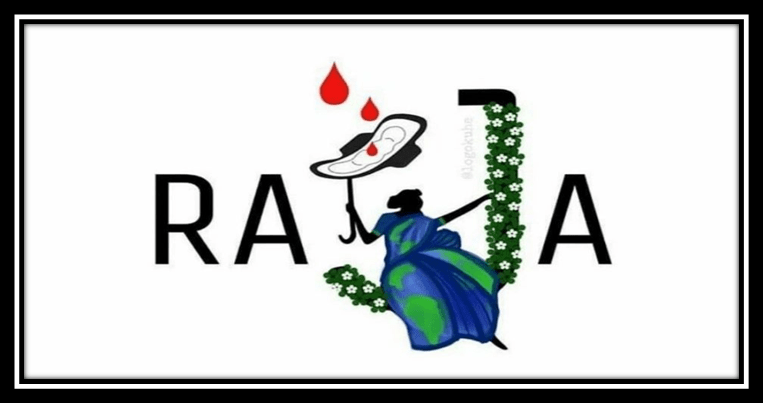
Raja: A Tribute to Mother Earth’s Menstrual Cycle

Odisha is a place where vibrant culture is followed with wonderful temples as well as amazing monuments. The coastal state is home to many prolific singers, artists and craftsmen and boasts of pristine beaches, wildlife sanctuaries, breath-taking landscape and enchanting natural beauty. Odisha is located on the eastern coast of India and lies between West Bengal and Andhra Pradesh. Tourists usually found this state as a place with offers diverse habitats- from lush green and hilly land to coastal plains and rolling river valleys of the Mahanadi, Baitarani, Brahmani and the Rushikulya rivers. Odisha is like an paradise which is till now not explored fully for tourists and travelers who come from all over the sphere to get a glimpse of Odisha’s rich culture and heritage. Being said so the heritage and rich culture of Odisha needs a little more limelight. Odisha has been breaking the taboo about menstruations and celebrating a festival dedicated to menstruations since ages. Its gives a tribute to Earth’s menstrual cycle.


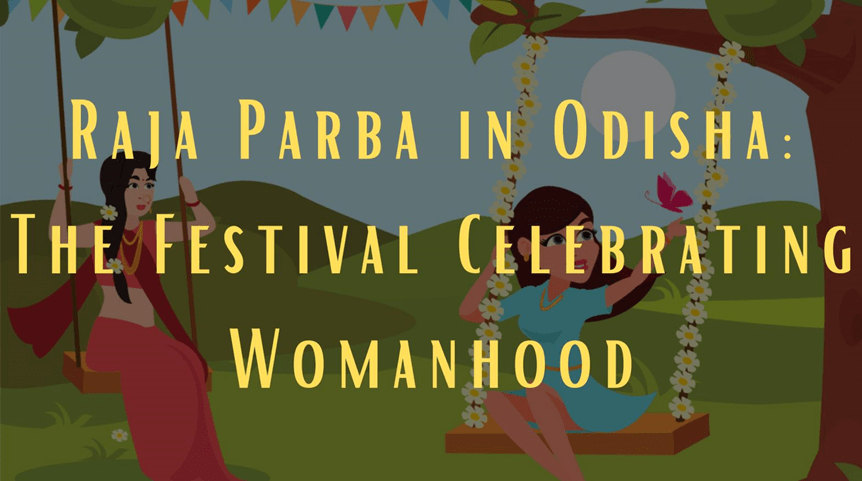
Odisha is a state where womanhood is celebrated in a very unique and special way. A festival that is associated with the fertility of harvest of a woman. The festival Raja is being talked here and the name of the festival itself means menstruation .The term ‘Raja’ came from the Sanskrit word ‘Rajaswala’ meaning a menstruating woman. Raja celebrates a girl’s onset of womanhood as well as arrival of maturity in the form of menstruation. Raja Sankranti or Mithuna Sankranti is a three day long festival celebrated in Odisha. The second day of the celebration indicates the start of the solar month of Mithuna which starts as the rain starts. A notion is followed that the mother Goddess Earth or the divine wife of Lord Vishnu is undergoing with menstruation which will go for three day rest. The fourth day is called the Vasumati snana or the ceremonial bath of the Bhudevi.  In the medieval times this festival became more popular as an agricultural holiday marking the worship of Bhudevi, who is the wife of Lord Jagannath. A silver idol of Bhudevi is still to be found in the Puri temple beside the idle of Lord Jagannath. It is believed that land goes through regeneration during this period, an act synonymous to menstrual cycle of an unmarried girl or woman, which should not be ‘disturbed’. In the festival all the women and unmarried girls of the place are encouraged to look at their best way by wear new cloths and decorate them with alatha. Almost every other household adorns a swing, for the recreation of women and girls to be enjoyed during the festival. 
A general belief is that if a woman menstruates it is a sign of fertility, and same goes in case of mother earth too i.e., menstruates. So all three days are considered to be menstruating period of mother earth. During the menstruating period all the agricultural activities remains suspended. As a mark of respect towards the mother earth on her menstruating days all the agricultural work comes to a standstill during these days. Significantly this is the festival of the unmarried girls, the potential mothers. They all observe the restrictions prescribed for menstruating women. As the very first day begins they make their hairs; they rub their bodies with turmeric paste and oil and then take the bath which is considered as the pure one in the river or tank. Peculiarly bathing for next two days is prohibited. They do not walk bare foot, do not scratch the earth, do not grind, do not tear anything apart, do not cut and do not cook. During all three days they are seen in their best dresses and decorations, eating cake and the rich food at the house of relatives and friends, spending long cherry periods, moving up as well as down and swinging, rending the village sky with their joyous spontaneous songs. With breaking all the taboo of menstruations Odisha pays a tribute to our mother earth’s menstrual cycle.

Raja: A Tribute to Mother Earth's Menstrual Cycle

Odisha is a place where vibrant culture is followed with wonderful temples as well as amazing monuments. The coastal state is home to many prolific singers, artists and craftsmen and boasts of pristine beaches, wildlife sanctuaries, breath-taking landscape and enchanting natural beauty. Odisha is located on the eastern coast of India and lies between West Bengal and Andhra Pradesh. Tourists usually found this state as a place with offers diverse habitats- from lush green and hilly land to coastal plains and rolling river valleys of the Mahanadi, Baitarani, Brahmani and the Rushikulya rivers. Odisha is like an paradise which is till now not explored fully for tourists and travelers who come from all over the sphere to get a glimpse of Odisha’s rich culture and heritage. Being said so the heritage and rich culture of Odisha needs a little more limelight. Odisha has been breaking the taboo about menstruations and celebrating a festival dedicated to menstruations since ages. Its gives a tribute to Earth’s menstrual cycle.

Odisha is a state where womanhood is celebrated in a very unique and special way. A festival that is associated with the fertility of harvest of a woman. The festival Raja is being talked here and the name of the festival itself means menstruation .The term ‘Raja’ came from the Sanskrit word ‘Rajaswala’ meaning a menstruating woman. Raja celebrates a girl’s onset of womanhood as well as arrival of maturity in the form of menstruation. Raja Sankranti or Mithuna Sankranti is a three day long festival celebrated in Odisha. The second day of the celebration indicates the start of the solar month of Mithuna which starts as the rain starts. A notion is followed that the mother Goddess Earth or the divine wife of Lord Vishnu is undergoing with menstruation which will go for three day rest. The fourth day is called the Vasumati snana or the ceremonial bath of the Bhudevi.  In the medieval times this festival became more popular as an agricultural holiday marking the worship of Bhudevi, who is the wife of Lord Jagannath. A silver idol of Bhudevi is still to be found in the Puri temple beside the idle of Lord Jagannath. It is believed that land goes through regeneration during this period, an act synonymous to menstrual cycle of an unmarried girl or woman, which should not be ‘disturbed’. In the festival all the women and unmarried girls of the place are encouraged to look at their best way by wear new cloths and decorate them with alatha. Almost every other household adorns a swing, for the recreation of women and girls to be enjoyed during the festival. 
A general belief is that if a woman menstruates it is a sign of fertility, and same goes in case of mother earth too i.e., menstruates. So all three days are considered to be menstruating period of mother earth. During the menstruating period all the agricultural activities remains suspended. As a mark of respect towards the mother earth on her menstruating days all the agricultural work comes to a standstill during these days. Significantly this is the festival of the unmarried girls, the potential mothers. They all observe the restrictions prescribed for menstruating women. As the very first day begins they make their hairs; they rub their bodies with turmeric paste and oil and then take the bath which is considered as the pure one in the river or tank. Peculiarly bathing for next two days is prohibited. They do not walk bare foot, do not scratch the earth, do not grind, do not tear anything apart, do not cut and do not cook. During all three days they are seen in their best dresses and decorations, eating cake and the rich food at the house of relatives and friends, spending long cherry periods, moving up as well as down and swinging, rending the village sky with their joyous spontaneous songs. With breaking all the taboo of menstruations Odisha pays a tribute to our mother earth’s menstrual cycle.

Personal development

Personal development

            Personal development is the life long process of developing on self to assess your goals and upskills to fulfill the potential. These skills are developed by the education and training.

            “Look deep into nature, and then you

             Will understand everything better”

The areas of personal development

            Personal development is improving the best version of you each time. There are several areas of personal development, let us discuss about the 5 important topics of the personal development.

  1. Mental
  2. Social
  3. Emotional
  4. Physical
  5. Spiritual

Mental

            The healthier your brain, there is a personal development. Increase in skills by watching informational you tube videos, T.V shows, reading books, taking class will make your career growth and increase the productivity and makes you healthier.

            Mental health plays an important role in the mental personal development. So, to keep your mental healthier keep your mind focused on the things which you like and which helps you to grow.

Social

            Make yourself active with your surrounding engage yourself with the peoples. Communicating with people make you relax, helps you to share thoughts and makes you social.

            Now a days being social is very easy there are many sites to share your opinions and thoughts that hit your brain and makes you intractive with peoples.

Emotional

            We all living being’s in the earth have a different feeling to all such things that happens in our life, expressing the emotion means not sick, it is a healthier one, we want to share things to the close one may be a friend or a family member it all relax you and brings peace in you.

            One should balance the things that makes his/her life peaceful. So, this plays an important role in personal development.

Physical

            Personal development is not only developing the mental side but also the physical one. Doing exercise, yoga, working out in gym will help you in maintaining your physical personal development.

            Its about doing it regularly will maintain a proper metabolism in you, practice a simple thing’s which you could do regularly will help you a lot in achieving it.

Spiritual

            Being spiritual also play a role to develop your personal health. Here being spiritual means doing prayers, reading the holy scripts, mediating and all the things which brings peace in you.

            Practice the things which makes you calm and connect yourself with the nature, because nature is the medicine to all the all problems.

Personal development

Personal development

            Personal development is the life long process of developing on self to assess your goals and upskills to fulfill the potential. These skills are developed by the education and training.

            “Look deep into nature, and then you

             Will understand everything better”

The areas of personal development

            Personal development is improving the best version of you each time. There are several areas of personal development, let us discuss about the 5 important topics of the personal development.

  1. Mental
  2. Social
  3. Emotional
  4. Physical
  5. Spiritual

Mental

            The healthier your brain, there is a personal development. Increase in skills by watching informational you tube videos, T.V shows, reading books, taking class will make your career growth and increase the productivity and makes you healthier.

            Mental health plays an important role in the mental personal development. So, to keep your mental healthier keep your mind focused on the things which you like and which helps you to grow.

Social

            Make yourself active with your surrounding engage yourself with the peoples. Communicating with people make you relax, helps you to share thoughts and makes you social.

            Now a days being social is very easy there are many sites to share your opinions and thoughts that hit your brain and makes you intractive with peoples.

Emotional

            We all living being’s in the earth have a different feeling to all such things that happens in our life, expressing the emotion means not sick, it is a healthier one, we want to share things to the close one may be a friend or a family member it all relax you and brings peace in you.

            One should balance the things that makes his/her life peaceful. So, this plays an important role in personal development.

Physical

            Personal development is not only developing the mental side but also the physical one. Doing exercise, yoga, working out in gym will help you in maintaining your physical personal development.

            Its about doing it regularly will maintain a proper metabolism in you, practice a simple thing’s which you could do regularly will help you a lot in achieving it.

Spiritual

            Being spiritual also play a role to develop your personal health. Here being spiritual means doing prayers, reading the holy scripts, mediating and all the things which brings peace in you.

            Practice the things which makes you calm and connect yourself with the nature, because nature is the medicine to all the all problems.