Health Estimates: A Crucial Tool for Informed Healthcare Decision-Making

 Health estimates play a pivotal role in shaping healthcare policy, resource allocation, and individual health decisions. These estimates, often based on rigorous research and data analysis, provide valuable insights into various aspects of health, including disease burden, healthcare utilization, mortality rates, and the efficacy of public health interventions. In this essay, we will delve into the significance of health estimates and their impact on healthcare systems and individual well-being.

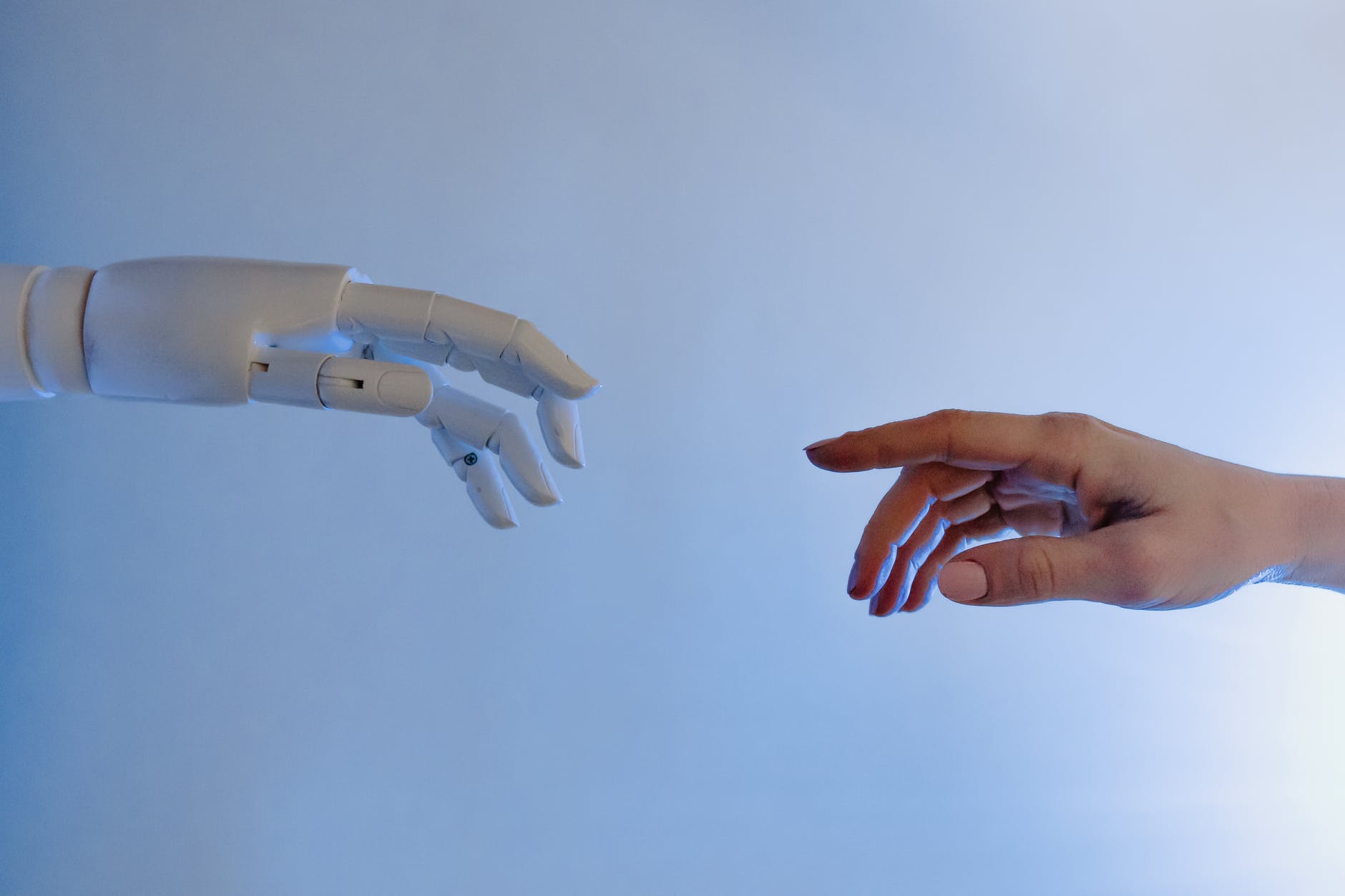
Photo by cottonbro studio on Pexels.com

Understanding Health Estimates

Health estimates encompass a wide range of quantitative assessments related to public and individual health. They can be broadly categorized into the following key areas:

  1. Disease Burden: Health estimates provide essential information about the prevalence and incidence of diseases within a population. These estimates help policymakers and healthcare professionals understand the scope of health challenges, allocate resources effectively, and prioritize interventions.
  2. Healthcare Utilization: Analyzing healthcare utilization patterns allows for the assessment of healthcare access, disparities, and the efficiency of healthcare delivery systems. It helps identify areas where healthcare services may be underused or overused.
  3. Mortality Rates: Estimations of mortality rates are fundamental for tracking the impact of diseases and interventions over time. These estimates guide public health initiatives, especially during epidemics and pandemics.
  4. Efficacy of Interventions: Health estimates are crucial for evaluating the effectiveness of healthcare interventions, such as vaccination programs, treatment modalities, and preventive measures. They aid in evidence-based decision-making and can inform policy adjustments.

Importance of Health Estimates

  1. Informed Decision-Making: Health estimates serve as the bedrock of informed decision-making for healthcare policymakers and practitioners. By providing accurate and up-to-date data, estimates enable the formulation of targeted strategies to address health challenges.
  2. Resource Allocation: Limited healthcare resources must be allocated judiciously. Health estimates guide resource allocation by identifying areas with the greatest need, thus optimizing the utilization of healthcare funds and infrastructure.
  3. Monitoring and Evaluation: Health estimates provide benchmarks for evaluating the impact of healthcare policies and interventions. Regular assessments help refine strategies and ensure that resources are directed toward the most effective initiatives.
  4. Public Health Preparedness: In the face of emerging threats, such as infectious disease outbreaks, health estimates are indispensable for gauging the potential impact and planning effective response measures. Timely and accurate estimates can save lives during public health emergencies.
  5. Personal Health Decisions: On an individual level, health estimates can empower people to make informed decisions about their own health. For instance, understanding the prevalence of risk factors for certain diseases can motivate individuals to adopt healthier lifestyles and seek timely medical care.

Challenges and Limitations

While health estimates are invaluable, they are not without challenges and limitations. Some of these include:

  1. Data Quality: The accuracy of health estimates relies heavily on the quality and availability of data. In some regions, data collection may be incomplete or unreliable, leading to less accurate estimates.
  2. Assumptions and Modeling: Many health estimates are based on mathematical models that involve assumptions. These assumptions can introduce uncertainty into the estimates, making it important to communicate the limitations associated with them.
  3. Resource Constraints: Conducting comprehensive health surveys and studies can be resource-intensive. Some countries, particularly low-income ones, may face challenges in obtaining sufficient data for accurate estimates.

Conclusion

Health estimates are a vital tool in modern healthcare. They guide policymakers, healthcare providers, and individuals in making informed decisions about public health, resource allocation, and personal well-being. As we continue to navigate the complex landscape of healthcare challenges, the importance of accurate and up-to-date health estimates cannot be overstated. Investing in data collection, research, and analysis is essential to improve our understanding of health trends and to develop effective strategies for promoting better health outcomes for all.

Global IndiaAI 2023

 Ministry of Electronics and Information Technology will be organizing the Global IndiaAI 2023, scheduled for October this year. There will be participation from leading AI players, researchers, startups, and investors in India and worldwide.

The conference is poised to cover a wide spectrum of topics, including Next Generation Learning and Foundational AI models, AI’s applications in healthcare, governance, and next-gen electric vehicles, future AI research trends, AI computing systems, investment opportunities, and nurturing AI talent.

Union Minister of State for Skill Development & Entrepreneurship and Electronics & IT, Shri Rajeev Chandrasekhar chairs the conference’s steering committee which is entrusted with the task of shaping the contours of the Global IndiaAI 2023. It draws members from MeitY’s Digital Economy Advisory group and other prominent leaders in the field of AI.

Speaking about the conference, MoS Shri Rajeev Chandrasekhar emphasized that the Government’s vision is to gather the world’s best and brightest minds under one roof to deliberate the future of AI and its impact in several sectors.

“The Global IndiaAI 2023 conference is tentatively planned for October 14/15 and it will bring together the best and brightest in AI from India and around the world. This summit is expected to evolve and become a must attend event on the annual calendar of the Global AI industry, startups, practitioners, researchers and students. The huge success of the past two editions of the SemiconIndia conference by Prime Minister Shri Narendra Modi ji firmly put India on the global semicon map. This enabled India to become a catalyst for investments and growth within the sector. The Global IndiaAI summit will also catalyze India’s AI landscape and innovation ecosystem,” the Minister said.

The conference will also serve as a showcase for the vibrant IndiaAI ecosystem that comprises key initiatives such as DI Bhashini, India Datasets Program, IndiaAI Futuredesign program for startups, and IndiaAI FutureSkills program dedicated to nurturing world-class AI talent.

Highlighting the comprehensive groundwork behind IndiaAI, MoS Shri Rajeev Chandrasekhar pointed out the pivotal role of the working groups that collaborated closely with industry, Startups & academia partners. These groups have presented a holistic framework for the IndiaAI initiative, which revolves around  pillars: AI in Governance, AI Computing & Systems, Data for AI, AI IP & Innovation and Skilling in AI. These pillars will form an integral part of the upcoming conference’s agenda.

“What makes India so attractive for AI is the diversity of it. Our diversity will be an addition to the quality of data sets for any large language model or any AI learning model. What we want is that AI should be responsible so that user harm is curbed and innovation is encouraged. Our primary aim is to ensure a collaborative and participatory approach, steering AI to enhance governance and transforming lives while building global partnerships and actively shaping the world’s technology landscape,” the Minister added.

***

DK/DK

The Top 5 Crypto Trading Courses for Algorithmic

 Cryptocurrency trading has been gaining popularity over the years, and more people are looking for ways to trade in a smarter and more efficient way. Algorithmic trading is one such method that has gained widespread popularity due to its ability to execute trades automatically based on predefined rules. However, mastering algorithmic trading requires proper education and training, and there are numerous online courses available to help you learn the skills needed to become a successful algorithmic trader. In this article, we’ll be discussing the top 5 crypto trading courses for algorithmic trading to help you make an informed decision when choosing a course. If you’re interested in trading Bitcoin, you can find More Information about this trading platform on their website.

Photo by RDNE Stock project on Pexels.com

Cryptocurrency Trading: Technical Analysis Masterclass 2021

This is an online course offered by Udemy that teaches you how to use technical analysis to identify potential trading opportunities in the cryptocurrency market. The course is designed for beginners and intermediate traders, and it covers topics such as chart patterns, indicators, and oscillators. The course is taught by Jyoti Bansal, who has over 5 years of experience in trading and has successfully traded cryptocurrencies using technical analysis. This course is perfect for those who want to learn how to analyze cryptocurrency charts and make better trading decisions.

Cryptocurrency Algorithmic Trading Course 2021 – Robots, Indicators & Alerts

Cryptocurrency trading has gained immense popularity in recent years, and it’s no surprise that many traders are looking to gain a competitive edge by leveraging the power of algorithmic trading. Fortunately, Udemy offers a comprehensive online course on cryptocurrency algorithmic trading that can help traders of all levels learn how to create their own trading robots using Python.

This course is specifically designed for beginners and intermediate traders who are interested in using algorithmic trading to automate their cryptocurrency trading strategies. The course covers a wide range of topics, including creating trading bots, backtesting strategies, and using indicators and alerts to make informed trading decisions.

One of the key advantages of this course is that it is taught by Mohsen Hassan, a software engineer and cryptocurrency trader with over five years of experience. Hassan brings a wealth of knowledge and expertise to the course, which ensures that students receive high-quality instruction and guidance throughout the learning process.

In the course, students will start by learning the basics of Python programming, including variables, data types, loops, and functions. From there, the course will dive into more advanced topics such as creating trading strategies, implementing trading bots, and backtesting these strategies to ensure they are effective.

Students will also learn how to use indicators and alerts to improve their trading decisions, such as technical indicators like Moving Averages, Bollinger Bands, and Relative Strength Index (RSI). The course will also cover how to implement stop-loss orders, which can help traders minimize their losses and protect their investments.

Throughout the course, students will have access to a variety of resources, including downloadable code files, quizzes, and assignments. These resources are designed to help students apply what they have learned and reinforce key concepts.

Algo Trading in Crypto: Profitable Strategies & Free Crypto Trading Bot

This is an online course offered by Skillshare that teaches you how to create profitable trading strategies using algorithmic trading. The course is designed for beginners and intermediate traders and covers topics such as market analysis, strategy creation, and backtesting. The course is taught by Nick Nyxson, who is a cryptocurrency trader and content creator with over 10 years of experience. This course is perfect for those who want to learn how to create profitable trading strategies using algorithmic trading.

Algorithmic Trading for Beginners 2021: A Step-by-Step Guide

This is an online course offered by Udemy that teaches you the basics of algorithmic trading. The course is designed for beginners and covers topics such as trading strategies, backtesting, and risk management. The course is taught by Luca Moschini, who is a trader and financial analyst with over 20 years of experience. This course is perfect for those who want to learn the basics of algorithmic trading and how to create their own trading strategies.

Crypto Trading 101: Buy Sell Trade Cryptocurrency for Profit

This is an online course offered by Skillshare that teaches you the basics of cryptocurrency trading. The course is designed for beginners and covers topics such as market analysis, trading strategies, and risk management. The course is taught by Sam Frost, who is a cryptocurrency trader and content creator with over 3 years of experience. This course is perfect for those who want to learn the basics of cryptocurrency trading and how to make profitable trades.

In conclusion, algorithmic trading is a powerful tool that can help you make smarter and more efficient trades in the cryptocurrency market. The courses mentioned above are some of the best available online and can help you gain the skills needed to become a successful algorithmic trader. It is important to note that these courses are just the beginning, and mastering algorithmic trading requires continuous learning and practice. 

Use of METAVERSE in various technologies

The concept of a “metaverse” has been around for some time, but it has recently gained significant attention due to advancements in technology. The metaverse refers to a virtual world where users can interact with each other and with digital objects in a three-dimensional environment.


Source –
https://www.weforum.org/

One of the primary technologies driving the development of the metaverse is virtual reality (VR). VR technology has come a long way in recent years, with companies like Oculus, HTC, and Sony offering high-quality VR headsets. These devices allow users to enter a fully immersive virtual world, where they can interact with digital objects and other users.

Another technology that is important to the development of the metaverse is blockchain. Blockchain technology allows for secure and decentralized transactions, which is important for the creation of virtual economies within the metaverse. Blockchain-based currencies, such as Bitcoin and Ethereum, are already being used in some virtual worlds, and this trend is expected to continue as the metaverse becomes more popular.

Artificial intelligence (AI) is another technology that will be essential to the development of the metaverse. AI can be used to create intelligent agents that can interact with users in a natural way, enhancing the user experience. AI can also be used to create realistic virtual environments and characters.

The development of the metaverse will also require advancements in networking and cloud computing. As the metaverse becomes more popular, it will require massive amounts of computing power and bandwidth to support the large number of users and the complex virtual environments.

One potential use of the metaverse is in education. Virtual classrooms could be created where students can interact with each other and with digital objects in a way that is not possible in traditional classrooms. This could lead to more engaging and effective learning experiences.

The metaverse could also have significant implications for entertainment. Virtual concerts and sporting events could be held in the metaverse, allowing users from all over the world to attend. Virtual reality films and television shows could also be created, offering a new form of immersive storytelling.

Another potential use of the metaverse is in healthcare. Virtual reality therapy is already being used to treat a variety of conditions, and the metaverse could expand the use of this technology. Virtual support groups could also be created, allowing people to connect with others who are going through similar experiences.

AI is here to improve our lives

Artificial Intelligence is one of the most exciting creations of the modern world. Recently, Satya Nadella said that AI will help to get people together. He said so while giving a session during the World Economic Forum in Switzerland.

The advancements which we see around us in various fields will get even more advanced with the new improvements. Some of those we can already see in the form of ChatGPT. 

In recent times, AI has been able to change our surrounding in various ways. Various websites now have a bot that can talk to us and resolve our queries. The number of automated systems around us has also increased to a large extent. Automated systems are being used in various fields and places. 

There is also automation even in our house. The various IoT devices that we are buying are also communicating with us with the help of AI. The various assistants are answering our questions with the help of an AI. 

AI as a whole is making various sectors completely independent and the dependence on people is decreasing. Also, tech-related jobs are increasing. So indirectly AI is creating jobs in various fields. 

 AI has been able to make changes to the medical field also. Now, several robots help in performing complex surgeries which are generally difficult for surgeons. The diagnosis of diseases is also getting easier due to AI.

https://unsplash.com/photos/LIlsk-UFVxk

Now we even have several robots that help us in keeping our homes clean. The various cars are also having AI assistance in terms of self-driving technology. In the future, we will also see self-driving vehicles that will take us from one place to another.

AI has also done justice to the security sector. As of now, we have face recognition that scans and notifies the concerned authorities of any findings. The use of AI is now also helpful in terms of various fields like content writing and even coding. Now, computers are capable of writing codes and even rectifying errors in a completed program.

The use of AI has also helped in highly sensitive manufacturing sectors. For example, robots are being used in the automotive painting industry. It helps in removing the smallest of errors and the results are excellent. 

So, the upcoming decade is going to be more interesting. If we consider the fact that the last decade was the one in which technology simply exploded. Now, we have devices in our respective homes that are remote-controlled and can be operated from any were in the world. The Internet has pushed the boundaries with the things that we can do now with our gadgets. Now, we can even take consultations with a doctor over a video call.

The improvements in the features that technology offers us are automated, but there are still improvements that we need. There also needs to be clear that AI is not destroying jobs. The number of fields that get affected by AI also needs to ensure that the people who are using should also depend less on machines.

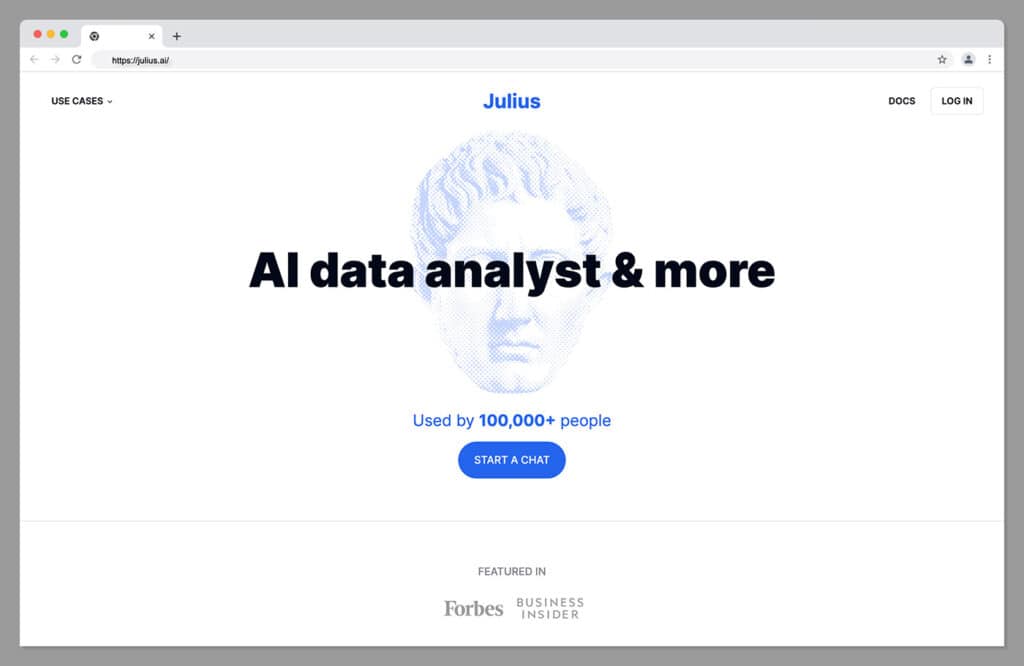
Empower Your Insights with Julius: AI-Driven Analysis and Visualization Support

Daily writing prompt
What snack would you eat right now?

In today’s data-driven world, making sense of vast amounts of information is both a necessity and a challenge. Whether you’re a researcher, educator, business strategist, or data enthusiast, effective analysis and visualization can unlock new perspectives and drive impactful decisions. Meet Julius, your AI-powered assistant, designed to transform complex data into clear insights and visually compelling narratives.

Why Choose Julius?

Julius bridges the gap between raw data and actionable insights with cutting-edge AI capabilities. Here’s how Julius stands out:

  1. Comprehensive Data Analysis:
    Julius processes structured and unstructured datasets to uncover patterns, trends, and anomalies. From statistical summaries to advanced modeling, it caters to diverse analytical needs.
  2. Dynamic Visualization:
    Presenting data effectively is as crucial as analyzing it. Julius generates visually appealing and interactive charts, graphs, and infographics that are customizable and tailored to your objectives.
  3. User-Friendly Interface:
    No technical expertise? No problem. Julius simplifies complex analysis with intuitive commands, making it accessible for beginners while robust enough for experts.
  4. Domain-Specific Insights:
    Whether you’re analyzing educational trends, financial performance, healthcare data, or market research, Julius offers tailored insights based on the context of your dataset.
  5. Real-Time Collaboration:
    Work collaboratively with your team by sharing live insights, visualizations, and reports. Julius integrates seamlessly with popular tools to ensure a smooth workflow.

How Julius Can Help

  • For Educators and Researchers: Analyze enrollment trends, publication data, or institutional performance. Julius can turn raw academic data into insights that influence policy and teaching practices.
  • For Businesses: Optimize marketing campaigns, sales strategies, and operational efficiency with data-backed recommendations.
  • For NGOs and Social Impact Projects: Use Julius to visualize the impact of initiatives, track progress, and make data-driven funding proposals.
  • For Individuals: Simplify personal finance tracking, investment planning, or academic projects with Julius’s user-friendly tools.

Example in Action:

Imagine you’re working with education data to measure the impact of a policy like the National Education Policy (NEP). Julius can:

  • Analyze enrollment growth before and after NEP implementation.
  • Visualize growth trends in universities, colleges, and GER over time.
  • Generate interactive dashboards that allow policymakers to explore data by region, gender, or discipline.

Get Started with Julius

Unleash the power of AI in your analysis and visualizations with Julius. Whether you’re dealing with complex datasets or just need a clear visual representation of your findings, Julius is here to assist.

What is artificial intelligence (AI)?

The first thing that comes to mind when we hear the term
Artificial intelligence is, what exactly is AI? We see computers workaround for
us all the time but we don’t truly understand what AI actually is and how it
works, so read along to find out.

The purpose of Artificial intelligence is to give
machines, especially computer systems the ability to simulate human
intelligence processes. What is often referred to as AI is nothing more than
machine learning when only one component among many others that AI has.

Python, java, etc. are some of the popular programming
languages which are used to write machine learning algorithms that serve as the
foundation to build specialized software and hardware required by AI to achieve
specific goals it has been programmed to do.

Ai works by gathering large amounts of data, analyzing
them to find patterns and correlations present, and subsequently using them to
make predictions about the future as accurately as possible. For example, an
image recognition tool can be fed millions of images to look for certain
objects present in it. the perfect example of AI is the mars curiosity rover, as it is on an entirely different planet collecting samples analyzing them and sending the results back to earth.


Categories of AI


AI can be categorized in two ways i.e. weak or
strong 

  • Weak/narrow
    AI
     is usually designed and trained to complete a
    particular task for e.g. Apple’s Siri is a really good example of a
    software program that uses weak AI.


  • Strong
    AI 
    also referred to as Artificial General Intelligence
    (AGI), is used to perform tasks that require cognitive abilities to do so.
    The tasks performed by them tend to be much more complex in nature. A really
    good example of software that utilizes a strong AI can be found in
    self-driving cars, hospital operating rooms, etc. 


The four types of AI


There are mainly four types of AI which can range from
intelligence systems that are task-specific and widely in use all around the
world to sentient systems which have not yet been developed.


1) Reactive machines- they are the
most basic type of artificial intelligence. It uses algorithms that enable it
to give optimized output, which will be the same if the inputs are identical.
For e.g. Chess-playing AIs are based on reactive AIs.


2) Limited memory AI- they are the
type of AIs that have the ability to utilize past experiences to improve their
future decisions but they can store limited amounts of data and have a
relatively short length of memory. For e.g. self-driving cars are the best
example of a machine that utilizes limited memory AI.


3) Theory of Mind AI- this type of
AIs has social intelligence enabling them to understand human emotions. They
will be able to understand human emotions and have the ability to predict
behavior which can be extremely helpful in making a Chabot that could
potentially have the ability to even fool humans into believing that the Ai was
an actual human being. The only thing they lack is that they are not
self-aware. 


4) Self-aware AI- this is the
future of artificial intelligence, these machines will have their own
consciousness, sentiments, and will be self-aware and will be a lot like us
humans in terms of emotions behavior patterns, etc. a lot of scientists believe
that AI will never become self-aware or as one might say ‘Alive’.


Applications of Artificial intelligence 


1) AI in healthcare

With the availability of large and complex data in
healthcare implies that Artificial intelligence will be used to process and
analyze it to help us in many ways. One of the most useful and common
applications of AI will be in diagnosis and treatment recommendations. IBM
Watson is one of the best-known healthcare AI software which can mine a
patient’s data and data from other sources to formulate a hypothesis and it
even gives it a confidence scoring scheme as well. 


2) AI in business 

AI is the best thing to happen for business owners
because AI can help you automate the routine tasks which would normally take
hours to do and it can do it with great accuracy too. Not only routine tasks
but AI can also be used to analyze and interpret data which can be very useful
for analyzing customer behavior to help you improve your marketing strategies
and it is extremely cost efficient as well. 


3) AI in finance 

AI can be used by individuals to help manage their
personal finances and can also be used by financial institutions to manage and
analyze large amounts of data. These types of software can help to conduct
fundamental and technical analyses on different companies and funds by
automatically taking information from their balance sheets. these types of AI software
are also capable of executing trades on the stock exchange on behalf of you and
with greater accuracy and results as they remove the emotional aspect which
would affect your trades if you execute them by yourself 


4) AI in law 

AI in law can help save hundreds of man hours which are
spent sifting through documents and analyzing them manually for discrepancies
by automating this process. This helps to make the entire process a lot more
efficient, time-saving and improves customer service. 


5) AI in manufacturing 

In its early stages of development, AI was only being
used to perform a single task and still required some form of human
intervention at all stages of the production process but, with the recent
advancement in technology, entire production lines can now be replaced by AI
machines and the whole process can now be automated as the AI is now capable of
multitasking. It can now produce and assemble the product all while performing
quality checks on each and every product which was simply not possible earlier
when the human workforce was used for everything. 
 

Understanding Artificial Intelligence(AI) and its Application.

Artificial intelligence (AI) refers to the simulation of human intelligence in machines that are programmed to think like humans and mimic their actions. The term may also be applied to any machine that exhibits traits associated with a human mind such as learning and problem-solving.

The ideal characteristic of artificial intelligence is its ability to rationalize and take actions that have the best chance of achieving a specific goal. When most people hear the term artificial intelligence, the first thing they usually think of is robots. That’s because big-budget films and novels weave stories about human-like machines that wreak havoc on Earth. But nothing could be further from the truth. Artificial intelligence is based on the principle that human intelligence can be defined in a way that a machine can easily mimic it and execute tasks, from the simplest to those that are even more complex. The goals of artificial intelligence include learning, reasoning, and perception.

Application of AI in different fields.

Personalized Online Shopping.

Personalizing users’ experience has become the latest pantheon for all the leading tech giants. Ecommerce stores aren’t behind either, and have been the biggest platforms to implement the personalization domain of AI. 

Marketing.

One of the greatest artificial intelligence examples applications, Marketing, has been a key area for improvement and the latest trends in AI. With the growing advancement in AI, in the near future, it may be possible for consumers on the web to buy products by snapping a photo of it.

Social Media.

The most common use of AI in social media is for face verification and to detect facial features. AI in social media can be associated with big data and machine learning where deep learning is used to extract every minute detail from an image by using a bunch of deep neural networks. On the other hand, machine learning algorithms are used to design your feed based on your interests.

Agriculture.

The latest artificial intelligence applications in the form of image recognition identify possible defects in the crops through images captured by the user’s smartphone camera. Users are then provided with soil restoration techniques, tips, and other possible solutions to deal with the identified defects.

Video Games.

The gaming world is the best example of intelligent applications of artificial intelligence as it is at this platform where there are a lot of alterations in the purpose. AI is used for designing the game, developing the characters, and also frame the story to a certain extent.

Healthcare.

The Healthcare sector has been amongst the top adopters of AI technology. It boils down to the power of AI to crunch numbers fast and learn from historical data, which is critical in the healthcare industry. AI has taken a critical step in helping people with looking after patients as well. The automated bots and healthcare applications ensure proper medication and treatment of patients in the facilities.

Smart Homes.

The most advanced form of applications of artificial intelligence in the real-world are being implemented in homes, and are becoming smarter every day. Various devices like smart locks, smart switches, ect., are increasingly becoming compatible with various devices, and the application of smart homes is becoming more accessible to the general population every day.

Banks.

A lot of banks have already adopted AI-based systems or software to provide customer support and detect anomalies and credit card fraud. By tracing card usage and endpoint access, security specialists are more effectively preventing fraud. Organizations rely on AI to trace those steps by analyzing the behaviors of transactions.

Leveraging Blockchain, AI , ML, Cloud Computing for digital transformation

 Union Education Minister Shri Ramesh Pokhriyal ‘Nishank’ chaired the 54th Meeting of the Council of Indian Institutes of Technology (IITs) today through online medium. Minister of State for Education Shri Sanjay Shamrao Dhotre; Secretary, Higher Education Shri Amit Khare was also present in the meeting.

Union Minister congratulated Heads of all IITs and Chairpersons (BoG) for successfully continuing the academics during the challenging times of COVID-19 and for their remarkable contribution in combating the COVID-19 by way of new scientific research. He exhorted the IITs to become a driving force behind realizing the vision of Atmanirbhar Bharat, as envisioned by Prime Minister Shri Narendra Modi.

Shri Pokhriyal asked IITs to develop Institute Development Plan as envisioned in NEP 2020 to improve the mobility of faculty between institution and Industry. The mobility of faculty members and industry experts between technical institutes and industry will promote collaborations between industry and academia, he added. Earlier, a committee was constituted under the chairmanship of Dr K. Radhakrishnan, Chairman, Standing Committee for IIT Council for suggesting recruitment of faculties in IITs (Industry interaction and mobility of faculty).

Union Minister also urged IITs to adopt One IIT – One Thrust Area approach based on local needs.

Digital Transformation using Blockchain, AI, ML, and Cloud Computing at IITs also came up for discussion during the meeting. It was recommended to constitute a taskforce to review use of technology at all IITs and also to accelerate deployment of digital tools. It was also recommended to undertake rationalization of staff from current standards to a lower number.

On the basis of the recommendation of the Chairman of Standing Committee for IIT Council, four Working Groups were constituted on the following issues related to NEP-2020:

Group-1: Graded Autonomy, Empowered and accountable BoG and Director

Group-2: Grooming distinguished academics for directorship of IITs

Group-3: Reform and restructuring of the Academic Senate

Group-4: Innovative funding mechanisms

The reports of the these groups and also of a new group which will work on faculty development will be presented in a meeting to be chaired Union Education Minister.

The Council also put up for consideration a suggestion to arrange Online IIT R&D fair to showcase the quality research work being done by IITs to showcase the R&D work of IITs to the industry. This may be followed by a physical fair in after normalization of present situation.

Highlighting several initiatives undertaken by the government, Shri Pokhriyal mentioned about approval of funds to improve the overall infrastructure of the 4 IITs at Madras, Delhi Kharagpur and Bombay. He spoke about making IITs as multi-disciplinary institutions for holistic growth in all disciplines of education, without losing its main focus on Scientific Research and Technology Development. He called upon IITs to make full use of the recently announced scheme National Research Foundation. He hoped IITs will strive to achieve the global rankings by 2022, the 75th Year of India’s Independence. He assured IITs of every possible help and support in terms of finance, administrative guidance, issues relating to various other Ministries and agencies of the Government.   

*****

Startups to leverage " Deep Tech " to build solutions for local & global markets

 The Minister of Commerce and Industry, Consumer Affairs, Food and Public Distribution, Shri Piyush Goyal today called upon the Indian industry to aim for raising 75 unicorns in the 75 weeks to the 75th anniversary of Independence next year.

“We have added 43 unicorns added in 45 weeks, since the start of ‘Azadi ka Amrit Mahotsav’ on 12th March, 2021. Let us aim for atleast 75 unicorns in this 75 week period to 75th Anniversary of Independence,” he said, while releasing the NASSCOM Tech Start-up Report 2022.

Shri Goyal said Startup India started a revolution six years ago and today ‘Startup’ has become a common household term. Indian Startups are fast becoming the champions of India Inc’s growth story, he added.

“India has now become the hallmark of a trailblazer & is leaving its mark on global startup landscape. Investments received by Indian startups overshadowed pre-pandemic highs. 2021 will be remembered as the year Indian start-ups delivered on their promise, – fearlessly chasing opportunities across verticals – Edtech, HealthTech & AgriTech amongst others,” he said.

Shri Goyal lauded the ITES (Information Technology Enabled Services) industry including the Business Process Outsourcing (BPO) sector for the record Services exports during the last year.

“Services Export for Apr-Dec 2021 reached more than $178 bn despite the Covid19 pandemic when the Travel, Hospitality & Tourism sectors were significantly down,” he said.

Shri Goyal said the Prime Minister Shri Narendra Modi has declared 16th January as the National Startup Day, showing his commitment to take the innovation culture to every nook and corner of the country.

“We all celebrated this innovation spirit through Startup India Innovation Week, during the last week as part of ‘Azadi ka Amrit Mahotsav’. PM’s interaction with Startups a week ago has supercharged the courage of our innovators,” he said.

Shri Goyal said the Government has taken several steps to boost startup ecosystem, –

  • Removing problems of ‘Angel tax’, simplification of tax procedure & allowing self-certification and self-regulation towards which we are moving
  • Reducing burden of over 26,500 compliances
  • Decriminalization of 770 compliances

Shri Goyal said the New India is today being led by new troika of Innovation, Technology & Entrepreneurship (ITE), which in a way has grown further from the original ICE (Information, Communication & Entertainment).

“I remember when ICE was introduced many years ago, we were excited about the new information age. Today, that same vibrancy & excitement is witnessed in the way our startups are growing in the ITE areas,” he said.

Shri Goyal said India’s unique digital infrastructure – Aadhaar, Digilocker, Fastag, Cowin, UPI etc. have enabled Access & Affordability.

“The Cowin portal showed the world that Indian could run world’s largest vaccination programme efficiently & effectively, with complete mapping & monitoring done digitally. UPI has helped new age technologies in reaching the common man at affordable prices,” said Shri Goyal.

“The next “UPI moment” will be the ONDC (Open Network for Digital Commerce). The first-of-its-kind globally, ONDC to enable interoperability between eCommerce companies, providing equal opportunity to small & large players, will help control digital monopolies & make industry more inclusive for buyers & sellers alike, empowering MSMEs to unlock innovation & value,” he added.

Shri Goyal unveiled a five-point plan as the way forward for the NASSCOM:

     1. Emphasize on basic & core needs of people, – providing better access to financial          services, education & healthcare; solutions to problems of farmers, etc.

     2. Focus on High growth & Job creating sectors, – Advertising & Marketing, Prof. services, Fitness & Wellness (Yoga becoming popular globally), Gaming, Sports, Audio-Visual services

     3. More & more startups should leverage Deep tech to build solutions for local & global markets, – AI, IoT, Big Data, Data Analytics, Blockchain, Virtual Reality, 3D Printing, Drones, etc.

     4. We have a lot of potential in Startups from Tier-2 & 3 cities. If we give them more support & proper mentoring, they could also play a much greater in the years to come.

     5. India will assume G20 presidency in 2023 – suggest ideas on themes resonating with our vision to solve global issues.

Shri Goyal hoped this momentum of the Indian Startup ecosystem will continue in the current year and the years to come.

“While 2021 was a year in which we defied all odds, 2022 will be the breakthrough year which will unlock country’s exponential value. ‘India at 100’ will be renowned as a Startup nation. But as PM Modi said yesterday in his speech- the “Amrit Kaal,” the coming 25 years – are the period of utmost hard work, sacrifice and tapasya,” he said.

*****

Artificial Intelligence: Can the AI take over?

Artificial Intelligence is a topic with a vast appeal to the en masse. People believe that it is the future of human techologies. But beyond that, people are of various school of thoughts. The first group assumes that AI shall help humanity achieve singularity – a point in technological development that shall mean an utopia. We shall spend all our time towards spiritual and emotional development while most of the crude tasks shall be taken care by machines. The second school of thought assumes that AI shall take over humanity as its overlords. Let us analyse both.

The history of animated, self-thinking, free willed machines is not new at all. It has been imagined for centuries by fiction writers. However, the modern conception of AI in scientific thinking started about 80 years ago. John McCarthy, an American mathematician proposed the idea of such machines back in the first half of the 20th century. Alan Turing, the inventor of the Turing Machine, a British mathematician also proposed his idea of intelligent machines, his proposal now famously called the Turing Test. However, for the next 40 years or so, no important research occurred in the field. It was only in the last decades of the 20th century, when the research started again and not before humanity entered into the 21st century that something formidable was created.

As of today, AI has invaded all spaces of human endeavor. Mechanics, mechatronics, smart devices, our smartphones – all of it is infiltrated with AI. But this AI is what most scientists call ‘weak AI’. It cannot really think. It has a predefined algorithm and then it uses that algorithm to capture inputs and ‘learn’ about new scenarios as per its algorithmic definitions. This AI cannot work without human input and can certainly not take over the world. It can however carry out some actions that are equivalent to evolution as the AI at the Facebook research Center developed their own language to communicate. However, this evolution still does not mean that the AI is “thinking”. It is just evolving its learning based on a preprogrammed code. It is nothing like human beings where discretion is a thing. Even the famous robot AI, Sophia is but a weak AI – a little better than SIRI and google assistant but that is all there is to it. It is not a self-thinking, free-willed machine.

Sophia the Robot – Keynote Speaker | London Speaker Bureau
Sophia, the robot

Researchers have tried hard to create strong AIs with a completely different set of ethical concerns – the main obviously being how would such machines live with humans if they are free to think – but have failed so far. And believe it or not, strong AIs might really not be a thing for at least another 50-100 years at the very least. Maybe even a couple of centuries after that.

So, if you’ve watched the movie Prometheus or Covenant and are scared of the possibility of David being a reality, grab a cup of coffee and relax. By the way, both the movies are really good!

Alien: Covenant, a review by guest columnist David 8 | by Charles Evans |  Medium
David-8 from the movie Prometheus.

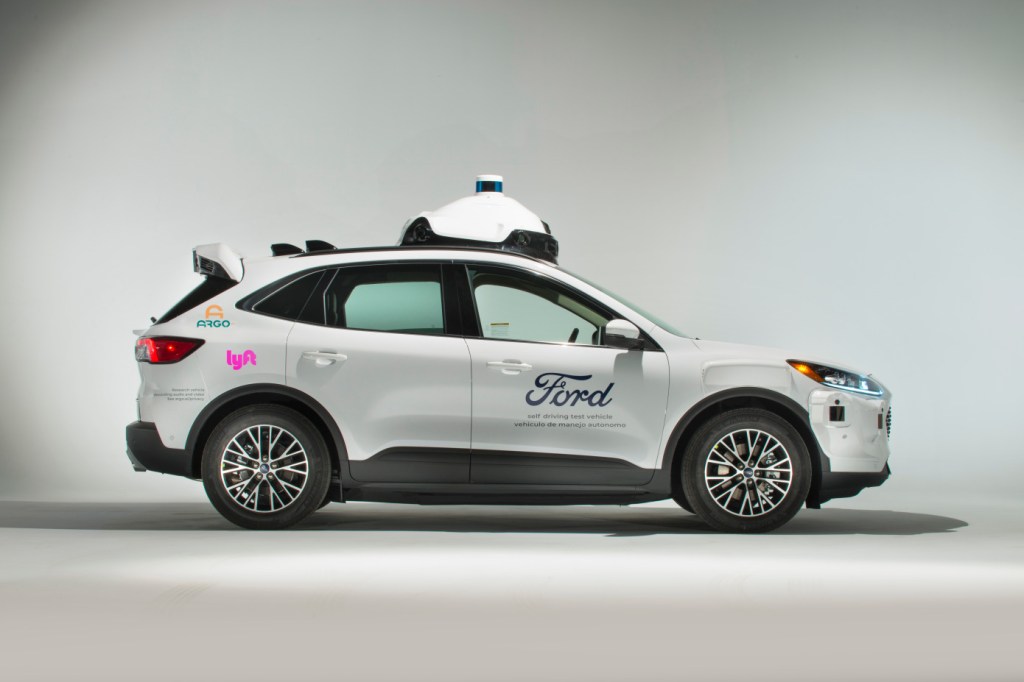
In California, Argo AI may now provide public rides in its self-driving vehicles.

Argo AI, the Ford and VW-backed autonomous vehicle technology firm, has received a permit in California that will allow it to provide free rides in its self-driving vehicles on public highways.

According to the accepted application, the California Public Utilities Commission gave the so-called Drivered AV pilot permit earlier this month. It was published on its website on Friday, a little over a week after Argo and Ford revealed plans to debut at least 1,000 self-driving cars on Lyft’s ride-hailing network in a variety of locations over the next five years, beginning with Miami and Austin.

The authorization, which is part of the state’s Autonomous Vehicle Passenger Service pilot, adds Argo to a small but increasing group of businesses looking to go beyond standard AV testing — a hint that the industry, or at least some companies, are getting ready to go commercial. Since 2019, Argo has been testing its self-driving technology in Ford cars in Palo Alto. In California, the company’s test fleet consists of around a dozen self-driving test vehicles. In addition to Miami, Austin, Washington, D.C., Pittsburgh, and Detroit, it has autonomous test cars.

Aurora, AutoX, Cruise, Deeproute, Pony.ai, Voyage, Zoox, and Waymo have all been granted licences to participate in the CPUC’s Drivered Autonomous Vehicle Passenger Service Pilot program, which necessitates the presence of a human safety operator behind the wheel. This permission does not allow companies to charge for rides.

Cruise is the only business that has obtained driverless authorization from the CPUC, allowing it to transport people in its test cars without the presence of a human safety operator.

Obtaining a Drivered authorization from the CPUC is only the first step on the road to commercialization in California. Before charging for rides in robotaxis without a human safety operator behind the wheel, the state needs firms to clear several regulatory barriers from the CPUC and the California Department of Motor Vehicles, each with its tiered system of licences.

The DMV is in charge of regulating and issuing licenses for autonomous vehicle testing on public roads. The DMW issues three types of permits, the first of which allows businesses to test autonomous vehicles on public roads with a safety driver. This basic testing authorization is held by more than 60 businesses.

The next permission allows for driverless testing, followed by a commercial deployment permit. Permits for driverless testing, in which no person is behind the wheel, have become the new benchmark and a need for firms looking to start a commercial robotaxi or delivery service in the state. The DMV has issued autonomous permits to AutoX, Baidu, Cruise, Nuro, Pony.ai, Waymo, WeRide, and Zoox.

Nuro is the only person who has gotten deployment permission from the DMV. Nuro may now deploy on a commercial basis thanks to this permission. Nuro’s trucks can only carry freight and not passengers, allowing the firm to avoid the CPUC approval procedure.

Meanwhile, in May 2018, the CPUC approved two pilot projects for autonomous vehicle passenger transportation. The Drivered Autonomous Vehicle Passenger Service Pilot program, which Argo just obtained, permits firms to run a ride-hailing service utilizing autonomous vehicles as long as they adhere to certain guidelines. Companies are not permitted to charge for rides, and a human safety driver must be present at all times. Additionally, specific data must be provided quarterly.

The second CPUC pilot will allow Cruise to launch an autonomous passenger service in June 2021.

It’s worth noting that getting to the holy grail of commercial robotaxis necessitates obtaining all of these permissions from the DMV and CPUC.

Malware hiding in AI neural networks

A trio of Cornell University academics discovered that malware code may be hidden inside AI neural networks. On the arXiv preprint server, Zhi Wang, Chaoge Liu, and Xiang Cui have published a paper outlining their experiences with inserting code into neural networks.

Criminals’ attempts to get into devices running new technology for their objectives, such as deleting or encrypting data and demanding payment from customers for its recovery, are becoming more complicated as computer technology becomes more complex. The researchers discovered a new technique to infect specific types of computer systems running artificial intelligence applications in their new study.

AI systems function by processing data in the same manner that the human brain does. However, the study team discovered that such networks are vulnerable to foreign code intrusion.

Foreign actors can infiltrate neural networks by their very nature. All such agents have to do is imitate the network’s structure, similar to how memories are added to the human brain. The researchers were able to accomplish so by embedding malware into the neural network powering an AI system dubbed AlexNet, despite the virus is very large, taking up 36.9 MiB of RAM on the AI system’s hardware. The researchers picked what they thought would be the optimum layer for injection to inject the code into the neural network. They also added it to a model that had previously been taught, although they cautioned that hackers may choose to target an untrained network since it would have less impact on the entire network.

Not only did ordinary antivirus software fail to detect the malware, but the AI system’s functionality remained nearly unchanged after infection, according to the researchers. As a result, if carried out surreptitiously, the infection may have gone unnoticed.

The researchers point out that merely inserting malware into the neural network would not be harmful—whoever snuck the code into the system would still need to figure out how to run it. They also point out that now that hackers can insert code into AI neural networks, antivirus software may be upgraded to detect it.

Depression

Depression and anxiety are very common problem these days starting from teenager to elderly adults anyone and everyone can face this at any point in life and they equally affect us as any physical disease does, many people don’t take mental health seriously but it is outmost necessary to do so. Here are a few simple daily habits which will help you to deal with depression:

  1. Stay away from negative thoughts, and always try to focus on the filled part of the glass and try not to worry about the empty.
  2. Practice meditation regularly it helps to calm one’s mind and helps in relaxing the brain.
  3. Try to stay out from field where you feel irritated and also do try ignoring unnecessary mess.
  4. Physical exercising is a must for a healthy mind as it keeps the body fit and also helps keeping negativity away.
  5. The physical environment where one spends time and the company of people with which one spend time also plays a key role in determining the and dealing with depression issues.
  6. One must also take care of the diet, consuming fresh fruits and vegetables are highly recommended and one must take care that proper diet is consumed.

Depression symptoms :

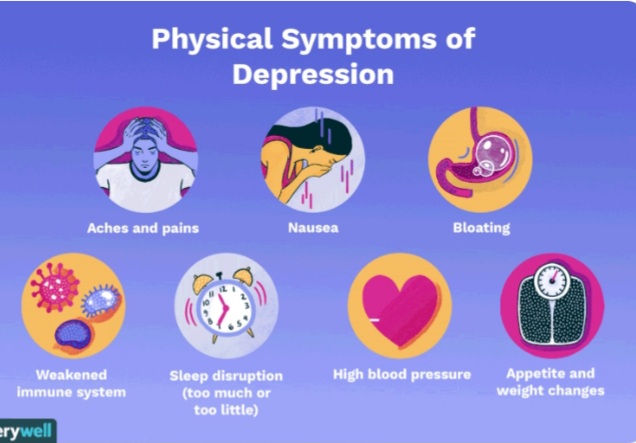
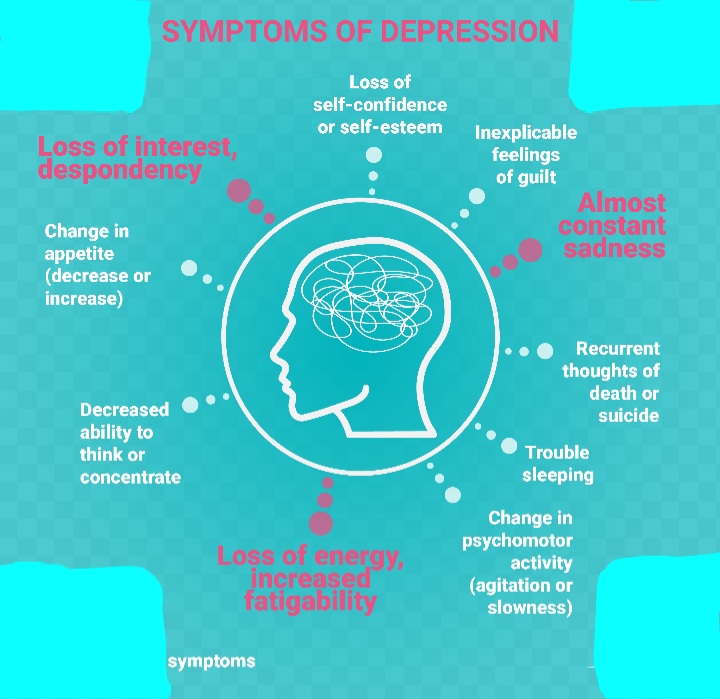
Depression can be more than a constant state of sadness or feeling ” blue”. Major depression cane cause a variety of symptoms. Some affect your mood, and others afect your body. Symptoms may also be onging or come and go. The symptoms of depression can be experienced differently among men, women and children differently.

Men may experience symptoms related to their:

* Mood, such as anger, aggressive, irritability, anxiousness, restlessness.

* Emotional well- being such as feeling empty, sad, hopeless.

* Behavior, such as loss of interest, no longer finding pleasure in favorite activites feeling tired easily , thiughts of suicide, drinking- execessively , using drugs, engaging in high- risk activities.

* sexual interest, such as reduced sexual desire, lack of sexual performance

* cognitive abilities , such as inability to concentrate, difficulty completeing tasks, delayed responses during- conversations.

* sleep patterns, such as insomina, restless slepp, excessive sleepiness, not sleeping through the night.

* physical well- being, such as fatigue, pains, headache, digestive problems.

Women may experience symptoms related to their:

* mood, such as irritability

* emotional well- being, such as feeling sad or empty, anxious or hopless.

* congnitive abilities,such asthinking or talking more slowly

* behavior, such as loss of interest in activities, withdrawing from social engagements, thoughts of suicide

* sleep patterns, such as difficultu sleeping through the night, waling early, sleeping too much.

* physical well- being, such as decreases energy, greater fatigue, changes in appetite, weight changes, aches,pain, headaches, increased cramps.

Children may dxperiences symptoms related to their :

* mood such as irritability, anger, mood swings, crying.

* emotional well- being, such as feelings of incompetence or despair, crying, intense sadness

* behavior, such as gettkng into trouble at school or refusing to go to school, avoiding friends or siblings thoughts of death or suicide.

* cognitive abilities, such as difficulty concentrating, decline in school performance, changes in grades.

* sleep patterns, such as difficulty sleeping or sleeping too much

*physical well- being, such as loss of energy digestive problems, changes in appetite, weight loss or gain.

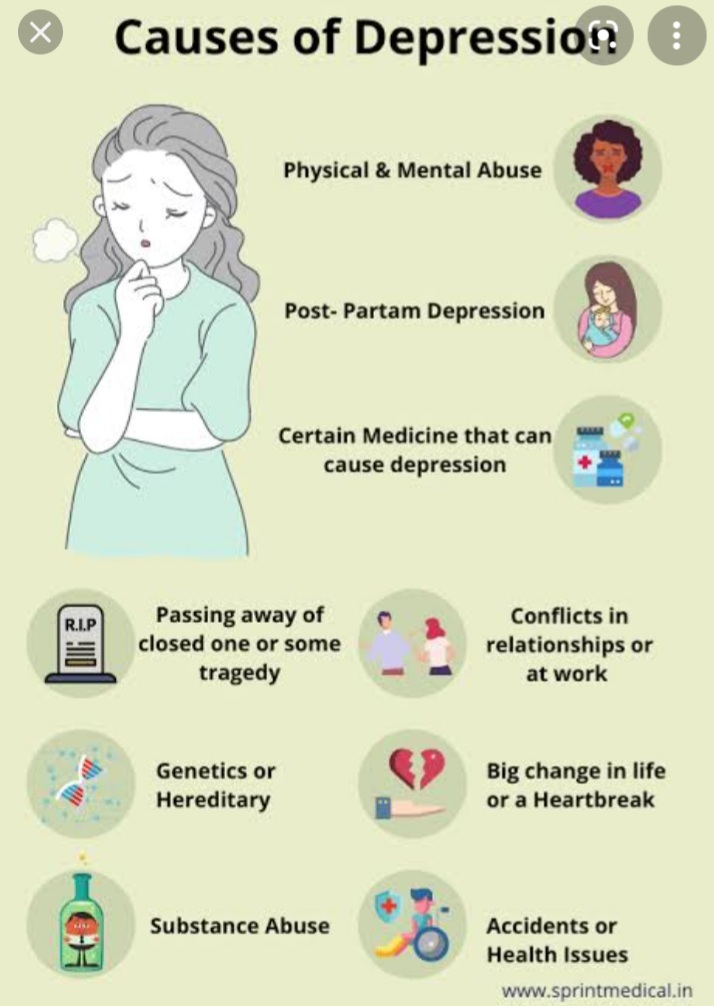
Depression causes :

There are several possible causes of depression. They can range from biological to circumstantial.

Common causes include ;

* Family history :

You’re at a higher risk for developing depression if you hace a family history of depression or another mood disorder.

* Early childhood trauma :

Some events affect the way your body reacts to fear and stressful situations

* Brain structure :

There’s a greater risk for depression if her frontal lobe of your brain is less active.

* Medical conditions :

Certain conditions may put you at higher risk, such as chronic illness, insomia, chroinc pain or attention- deficit hyperactivity disorder

* Drug use :

A history of drug or alcohol misuse can affect your risk.

Many factors can influence feelings of depression, as well as who develops the condition . The causes of depression are often tied to other elements of your health. Depression can be linked with to other health problems, your healthcare provider may also conduct a physical examination and order blood work.

Types of depression :

Depression can be broken into categories depending on the severity of symptoms. Some people experience mild and temporary episodes, whike other experience severs and ongoing depressive episodes.

There are two main types. Major depressive disorder and persistent depressive disorder .

Major depressive disorder :

Major depressive disorder is the more severe form of depression. It’s characterized by persistant feelings of sadness, hoplessness and worthlessness that dont’t go away on their own.

Persistent depressive disorder :

Persistent depressive disorder ( pDD) used to be called dysthymia. It is a milder, but chronic, form of depression.

It’s common for people with PDD to

* lose interest in normal daily activites.

* feel hopless

* lack productivity

* haveclow self- esteem

Depression can be treated successfully, but it’s important to stick your treatment plan.

Treatment for depression :

Living with depression can be difficult, but treatment can help improve your quality of life. Talk to your health care provider about possible options. You may successfully manage symptoms with one form of treatment ,or may find that a combinations of treatment works best.

How AI will shape our future

Artificial intelligence has had a huge impact on many industries in recent years and will continue to benefit them in the future. The pandemic-induced acceleration of technology adoption has led many sectors, both private and public to leverage AI for their advantage and growth. In the last few years, AI has enabled many innovations and driven the proliferation of technologies like IoT, robotics, analytics, and voice assistants. According to a report, AI topped the patent filings in 2020. This is not new, AI has been securing a large number of patents in the last few years.

Impact of AI

Artificial Intelligence has had huge impacts in the healthcare sector, especially since the pandemic last year. AI and other disruptive technologies powered a patient-centered healthcare system. This new care scenario is all digital and highlights the importance of data and analytics. Predictive analytics, machine learning, and AI played a pivotal role in drug discovery and vaccine development. In the coming years, the use of these advanced technologies will become the norm, and easily accessible electronic medical records will simplify diagnostics. AI will enable healthcare systems to track and monitor patients in real-time, gain genetic data, and each person’s lifestyle. Algorithms will take up the charge of diagnosing health conditions and prescribing suitable treatments.AI has a lot to offer to the transportation and manufacturing sectors. In the coming years, we might witness the perfect evolution and commercialization of smart and autonomous vehicles. Self-driving cars are already available today, but by the next two to three decades, the world will witness more people using them. The manufacturing sector will also gain benefits from AI. Increased use of robots in factories and predictive analytics in the sector will enhance the quality of products and streamline the logistics and supply chain. Other potential impacts of AI would be in elder care systems, education, finance and business,  customer services, media, space exploration, smart cities, and smart homes.

Will AI Dismantle the Human Workforce?

his fear has always been looming on artificial intelligence. Experts and tech giants like Elon Musk and Stephen Hawkings have warned humans against the adverse consequences and threats of the technology. One of the widely claimed consequences is AI taking over the human workforce and causing massive job losses. This claim is highly overblown and researchers agree that although AI might displace humans from some job roles, it will not replace the whole workforce. AI is likely to replace routine jobs and repetitive tasks like picking and packaging goods, separating and segregating materials, responding to repetitive customer queries, etc. Even today some of these functions are still done by humans and AI will take over these tasks in the future. Thus, the human workforce engaged in these simple and routine jobs should be upskilled and trained to perform new skills. As we are very far from reaching artificial general intelligence, the current technology cannot augment human intelligence fully. This is the reason people should be trained to do high-skilled tasks like programming, coding, and others that are essential for the future. The transition from the old to the new job should be smoothened to reduce the massive impacts.

Should we fear Apocalypse?

Recently, a paper published by researchers at AMOLF’s Soft Robotic Matter group, exhibited how self-learning robots can easily adapt to changing circumstances. These small robotic units were connected to each other for them to learn on their own to move. The future will harness the hidden capabilities of AI and encourage the creation of self-learning robots. Reinforcement learning and training algorithms based on Generative Adversarial Networks will be explored. AI will also prove a flagbearer for sustainable technologies and will be used against fighting climate change by reducing pollution levels and encouraging green AI research. Another threat posed by AI is the violation of human rights by impacting privacy. For example, voice assistants like Alexa and technologies like facial recognition have been blamed for invading the privacy of humans and probably eavesdropping into their lives. These technologies are feared to be used by the powerful state and federal authorities against specific minorities and will curtail the freedom of speech and expression. Thus, AI needs to evolve much to move ahead of these criticisms and enable an ethical and trustworthy system in the future.

Hence, AI as such might not become a threat to human existence. However, there are chances that humans might misuse the capabilities of the technology for causing harm. The scenario of war robots being used to feed harmful motives through their algorithms can be an example. Therefore, in the years ahead, it is necessary to develop an ethical AI ecosystem without human biases and this might alleviate the potential risks of AI in the future.