Indian Education System

Education plays an important role in the development of an individual and making him a knowledgeable citizen. It is the education that makes an individual self-reliant, helps to suppress the social evils and contribute towards the development of the society and nation as a whole. Education helps in unravelling the mystery of nature. It enables us to understand and improve the working of our society. It creates conditions for a better life. Education brings out the capabilities to fight injustice happening in society. Every individual has the right to education. 

Indian Education is one of the largest and complex education systems in the world along with China. India is committed to providing basic education to its citizens, the framework of which is defined in the National Policy of Education. Elementary education is now compulsory in India. At the time of Independence, only 14% of India’s population was literate. Now after so many decades since Independence, the number of literates has increased by fivefold.

History of Education System

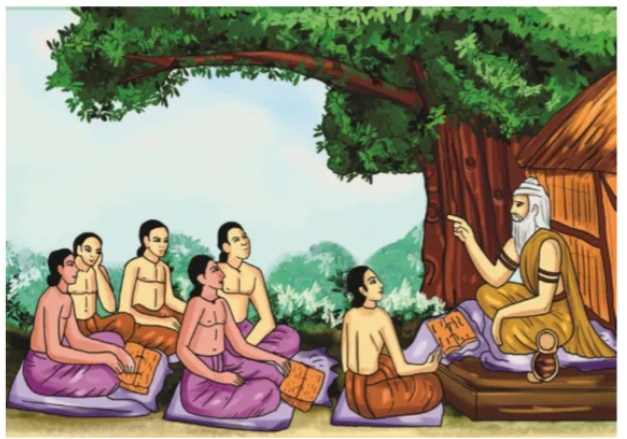
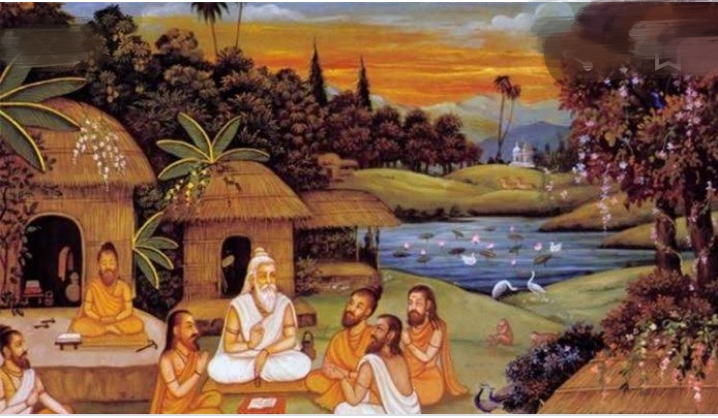
The history of Indian education system comes from the times of Ramayana and Mahabharata. The historic Indian education system is also called the Gurukula system. There were gurus then who are now known as teachers and shishyas who are called students now. The gurus and the shishyas lived together under one roof in Gurukula until the completion of their education. The shishyas were expected to help the guru in all the daily chores as part of their learning. The children belonging to higher strata of the society were taught all the subjects from Sanskrit to Holy Scriptures and mathematics to metaphysics by the gurus. The Gurukulas during those times focused on the practical aspects of life. The students were taught in the open classroom in the surrounding area of nature. This early system of education in India continued for many years until the modern education system came into the picture in the nineteenth century.

In the early 19th century, during the British period, the modern education system was brought into our country by Lord Thomas Babington Macaulay. The basic strength of this modernized education system was the examinations and a well-defined curriculum, which gave importance to subjects like science and mathematics and subjects like philosophy, metaphysics were given a back seat. The brick and mortar classrooms replaced the open classrooms in the Gurukulas. The essence of the guru shishya bond was taken over by a more formal relationship between the teacher and the student. To understand the progress of any student, examinations were conducted at frequent intervals. The focus of the education system shifted from learning to memorizing of the concepts to score good marks in the examinations.

Problems of Indian Education System

Over a period of time, it has been observed that there are many loopholes in the system of education in India. Instead of understanding the concepts, students started cramming and memorizing the lessons. Knowledge is given a backseat and scoring in high rankings takes importance. The modern parents have tuned their mindsets accordingly and their goal is to ensure that their children score good marks instead of acquiring knowledge right from the primary level. 

Private schools and colleges have been rapidly increasing in the country but the results produced by them are far beyond satisfactory. It has also been observed that the quality of teachers deteriorated with the passing of time. Our examination system is responsible for the wide skill gap. India is producing lakhs of engineers and professionals every year but only a fraction of this number is actually getting employed. This is because the Indian examination system focuses more on scoring good percentages rather than the actual continuous comprehensive evaluation. 

Research and development, which should be the cornerstone of our system, are given the least importance. The private schools and colleges focus on the admission of more students and are least interested in the quality of their education. This is the major reason why the faculties and the teachers lack skills and specialization. This is quite evident from the fact that a single professor is assigned to teach multiple subjects. 

How Can We Improve the Indian Education System?

First and most importantly we should improve the grading system. Rote learning should be discouraged completely. Teachers and faculties should focus more on the analytical skills of the students and grade them accordingly. There should be more focus on comprehensive evaluation instead of scoring only good marks. Workshops must be organized for teachers on a regular basis to keep them updated about the latest developments in the sector of education. At the same time, the curriculum should be reframed according to the present needs of education in India. 

The payroll structure of the teachers and the faculties especially in the government institutions should be improved. This step will help in motivating the teachers to develop their skills and they will take a keen interest in grooming or shaping up a student’s life and career. The government and other entities who are associated with the education sector, need to understand the importance of quality of education. Education should be a holistic process that must focus on the overall development of the physical, emotional, social and cognitive skills of a child. It needs to be a slow and cyclic process and must take place gradually to help the child develop into an autonomous, independent and knowledgeable individual.

Conclusion

An educated individual is an individual who should be able to contribute towards the betterment of the economic and social development of the society as well as the country. The true goal of education must exceed awarding the degrees and certificates to the students. Education is not a tool to earn livelihood but it is a way to liberate the mind and soul of an individual. 
Mental Health

We human beings often tend to pay less attention to our mental health than our physical one, but we all should understand its heavy importance and admit the fact that they can be equally or even more dangerous than the physical issues so one should take immediate help of doctor or councilor in case some abnormalities or issues arises.

Importance of mental health :

Mental and physical health are equally important components of overall health. Mental illness, especially depression, increases the risk for many types of physical health problems, particularly long lasting conditions like stroke, type 2 diabetes and heart disease. Similarly, the presence of chronic conditions can increase the risk for mental illness.

Some mental illnesses :

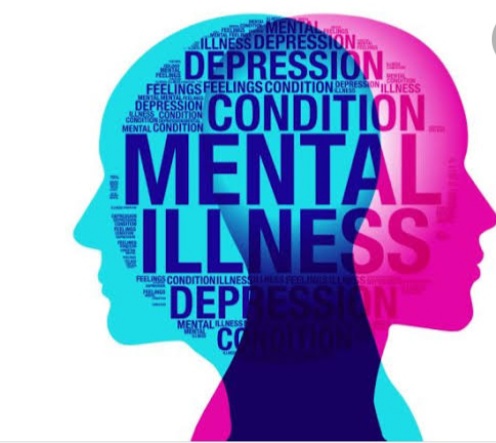
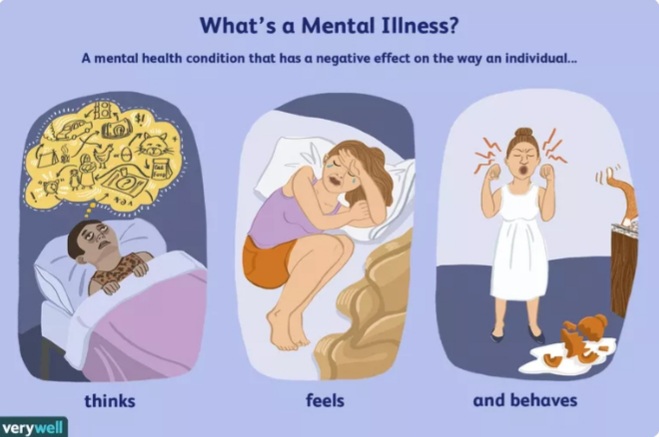
Mental illnesses are among the most common health conditions in the united states.

* More than 50% will be diagnosed with a mental illness or disorder at some point in their lifetime.

* 1 in 5 children,either currently or at some point during their life, have had a seriously debilitating mental illness.

Causes of mental illness :

There is no single cause for mental illness. A number of factors can contribute to risk for mental illness, such as

* Early adverse life experiences such as trauma or a history of abuse.

* Experiences related to other ongoing medical condition, such as cancer or diabetes

* Biological factors, such as genes or chemical imbalances in the brain.

* use of alcohol or recreational drugs.

Types of mental illness :

People can experience different types of mental illnesses or disorder and they can often occur at the same time.Mental illness can occur over a short period of time or be episodic. This means that the mental illness comes and goes with discrete beginnings and ends. Mental illness can also ongoing or long term.

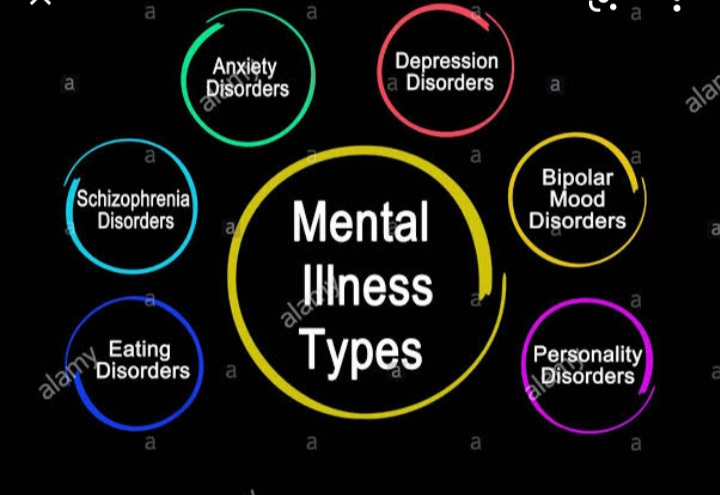
There are more than 200 classified types of mental illness. Some of the main types of mental illness and disorders are listed below; however; this list is not exhaustive.

Anxiety Disorders :

People with anxiety disorders respond to certain objects or situations with fear and dread or terror. Anxiety disorders include generalized anxiety disorder, social anxiety, panic disorders and phobias.

Hyperactivity Disorder :

It is one of the most common childhood mental disorders. It can continue through adolescence and adulthood. People diagnosed with ADHD may have trouble paying attention, controlling impulsive behaviors or be overly active.

Disruptive Behavioral Disorders :

It involves a pattern of disruptive behaviors in children that last for atleast 6 months can cause problems in school, at home and in social sitauations.Behavioral symptoms can also continue into adulthood.

Depression and other mood disorders :

While bad moods are common and usually pass in a short period, people suffering from mood disorders live with more constant and severe symptoms. People living with this mental illness find that their mood impacts both mental and psychological well- being, nearly evry day and often for much of the day.

Eating Disorders :

Eating disorders involve obsessive and sometimes distressing thoughts and behaviors including

* Reduction of food intake

* overeating

* Feelings of depression or distress

* concern about weight, body shape, poor self image

Personality Disorders :

People with personality disorders have extreme and inflexible personality traits that cause problems in work, school or social realtionships. Personality disorders include antisocial personality disorder and borederline personality disorder

Substance use Disorders :

Substance use disorders occur when frequent or repeated use of alochol and or drugs causes significant impairment, such as health problems, disability, and failure to meet major responsibilities at work, school, or home. Substance use problems can be fatal to the user or others. Exsmples include drunk driving fatalities and drug overdoses.

In this busy world our brain gets a lot stressed and its very important that we should take due care of it, some of the practices which will help us to do better with our mental health are:

  1. Yoga plays a great role in keeping our mind calm and also helps us to focus and concentrate on things. It also helps us deal with tough situations and gives us the strength to stay away from negativity.
  2. Exercising regularly is a key to healthy body and we all know that a healthy body and a healthy mind goes hand in hand, so we must ensure that we exercise daily to keep ourselves fit.
  3. The environment that we stay in also the company with which we spend time also plays a major role we should be extremely aware while selecting our company and in case we are not able to adjust we should walk away.
  4. Food is the fuel and is of immense importance we should ensure that we are not nutrient deficient also we should ensure that we intake enough amount of water daily.

General knowledge

General knowledge is very important in everyone’s life. The person without the knowledge is like the bird without the wings. It is very important to know what is happening across the world. So, it is very important to attain the general knowledge. To grab general knowlede, an individual must follow some of the techniques like reading books, articles, magazines, newspapers etc.

The newspaper consists of all the important things like the business purposes, sports, entertainment, some interesting puzzles, Hindi habits, food recipes, Current affairs etc.

Reading newspaper is an important thing because whenever an individual comes across a motivational thing, he or she will be motivated and focuses on the particular aspect. The individual will get to know the current affairs. The person will get a good grip on the general knowledge. solving puzzles improves the skills of the person. Reading about the healthy habits in the newspaper makes the individual to go for good and healthier meals.

Reading newspaper is very important because gives the chance to know what is happening around us. Early in the morning or evening whatever the time maybe, sparing at least 10 to 15 minutes of time on newspaper is a very good habit that an individual can develop.

The newspaper consists of all the important things like the business purposes, sports, entertainment, some interesting puzzles, Hindi habits, food recipes, Current affairs etc.

In one of the other way the individual develops good habits and focuses more on what they are trying to do.

Individual Differences :

Intelligence :

High scores on tests of general knowledge tend to also score highly on intelligence tests. IQ has been found to robustly predict general knowledge scores even after accounting for difference in age, and five factor model personality tarits. However, many general knowledge tests are designed to create a normal distribution of answers, creating a bell shaped curve.

General knowledge is also moderately associated with verbal ability, though only weakly or not at all with numerical and spatial ability. As with crystallized intelligence, general knowledge has been found to increase with age.

Long term semantic memory :

General knowledge is stored as semantic memory. Most semantic memory is preserved through old age, though there are deficts in retrieval of certain specific words correlated with aging. In addition, stress or various emotional levels can negatively affect semantic nemory retrieval.

Personality :

People high in general knowledge tend to highly open to new experiences and in typical intellectual engagement. The relationship between openness to experieñce and general knowledge remains robust even when IQ is taken into account. People high in openness may be more motivated to engage in intellectual pursuits that increase their knowledge. Relationships between general knowledge and other five factor model traits tend to be weak and inconsistent. Though one study found that extraversion and neutroticism were negatively correlated with general knowledge, others found that they were unrelated.

Predictor of achievement :

A number of studies have assesses whether performance on a general knowledge test can predict achievement in particular areas, namely in academics, proofreading and creativity.

Academic achievement :

General knowledge has been found to predict exam results in a study of Britush schoolchildren. The study examined congnitive ability and personality predictors of exam performance and found that general knowledge was positively correlated with GCSE english, mathematics, and overall exam results. General knowledge test scores presicted exam results, even after controlling for IQ, five factor model personality traits, and learning styles.

Proofreading :

General knowledge has been found to robustly predict proofreading skills in univeristy students. A study found that proofreading had a larger correlation with general knowledge than with general intelligence, verbal reasoning, or openness to experience. In a multiple regression analysis using general knowledge, general intelligence, verbal reasoning, five factor personality traits, amd learning styles as predictors, only general knowledge was a significant predictor.

Creativity

General knowledge has been found to have weak associations with measures of creativity. In a study examining contributions of personality and intelligence to creativity, general knowledge was positively correlated with tests of divergent thinking, but was unrelated to a bigraphical measure of creative achievemnet, self- rated creativity, or a composite measure of creativity. The realtionship between general knowledge and divergent thinking became non- significant when controlling for fluid intelleigence.

Game shows and Quizzes :

Many game shows use general knowledge questions for entertainment purpose. Game shows such as who wants to be a Millionarie? and fiteen to one centre their questions on general knowledge, while other shows focus questions more on specific subjects. Some show ask questions both on specific subjects and on general knowledge .

The Origin of Buddhism .

We are what we think. All that we are arises with our thoughts. With our thoughts, we make the world.
Peace comes from within. Do not seek it without.

Lord Buddha

Introduction.

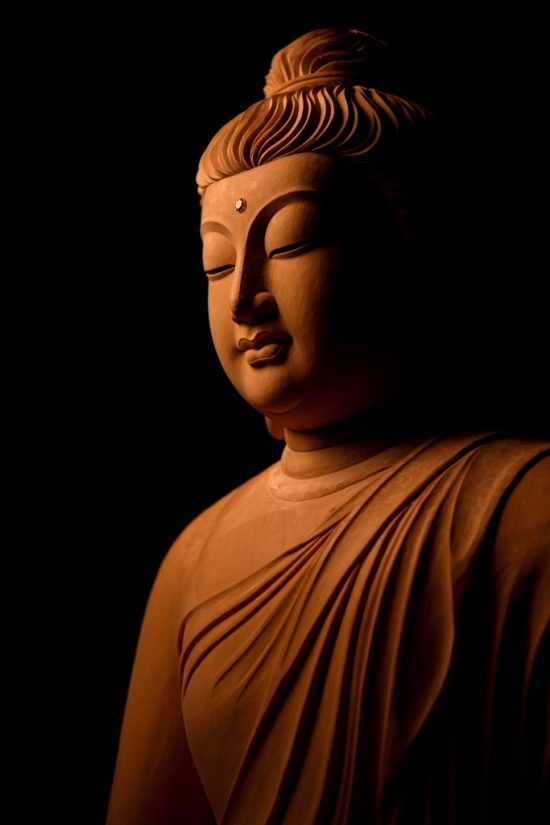
He was a spiritual personality . An ancient teacher and enlightened many . A founder of world religion Buddhism . He was popularly known as Gautama Buddha (also known as Siddhattha Gotama or Siddhārtha Gautama or Buddha Shakyamuni ) .

The Enlightened One who rediscovered an ancient path to release clinging and craving and escape the cycle of birth and rebirth. He taught for around 45 years and built a large following, both monastic and lay. His teaching is based on his insight into the arising of duḥkha (the unsatisfactoriness of clinging to impermanent states and things) and the ending of duhkha—the state called Nibbāna or Nirvana (extinguishing of the three fires).

Buddhism

Buddhism, one of the major religions and philosophical systems of southern and eastern Asia and of the world. Buddha is one of the many epithets of a teacher who lived in northern India sometime between the 6th and the 4th century before the Common Era.

The title buddha was used by a number of religious groups in ancient India and had a range of meanings, but it came to be associated most strongly with the tradition of Buddhism and to mean an enlightened being, one who has awakened from the sleep of ignorance and achieved freedom from suffering.

According to the various traditions of Buddhism, there have been buddhas in the past and there will be buddhas in the future. Some forms of Buddhism hold that there is only one buddha for each historical age; others hold that all beings will eventually become buddhas because they possess the buddha nature (tathagatagarbha).

According to Buddhist doctrine, the universe is the product of karma, the law of the cause and effect of actions, according to which virtuous actions create pleasure in the future and nonvirtuous actions create pain.

Your work is to discover your world and then with all your heart give yourself to it.

Lord Buddha

History

Gautama Buddha ( born c. 6th–4th century BCE, Lumbini, near Kapilavastu, Shakya republic, Kosala kingdom [now in Nepal]—died, Kusinara, Malla republic, Magadha kingdom [now Kasia, India]).

Buddha is one of the many epithets of a teacher who lived in northern India sometime between the 6th and the 4th century before the Common Era.

Learnings from Gautama Buddha.

1. “Three things cannot be hidden: the sun, the moon and the truth.”

2. “You will not be punished for your anger; you will be punished by your anger.”

3. “You can search throughout the entire universe for someone who is more deserving of your love and affection than you are yourself, and that person is not to be found anywhere. You, yourself, as much as anybody in the entire universe, deserve your love and affection.”

4. “We are shaped by our thoughts; we become what we think. When the mind is pure, joy follows like a shadow that never leaves.”

5. “Believe nothing, no matter where you read it, or who said it, no matter if I have said it, unless it agrees with your own reason and your own common sense.”

Link

Ancient Education System In India

During ancient education, students live away from their parents, their education comprises of subjects like physical education, mental education, politics, economics, etc. They were shaped in a way that they can live in any condition considering how difficult the situation will be? 

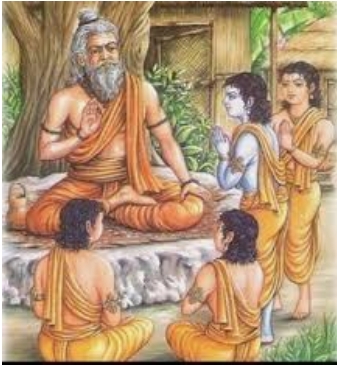
During the early period education was imparted by the teacher (Guru/Acharya) to the pupils who gathered around him and came to live in his house as members of his family. This was known as Gurukula system of eduation. The family of Guru functioned as a demostic school or an Ashram. During that period, the gurus and their shishyas (pupils) lived together helping each other in day-to-day life.

In ancient India, both formal and informal education existed. Indigenous education was imparted at home, in temples, patashalas, and gurukulas. Teaching was oral and students remembered and meditated upon what was taught in the Gurukulas. There were people in homes, villages and temples who guided young children in imbibing pious ways of life.

The medium of language during the Vedic system was Sanskrit. During those times the education was of Vedas, Brahmanas, Upnishads, and Dharmasutras. From the Rigveda onwards, our ancient education started with the objective of developing the students not only in the outer body but also on the inner body. The ancient education focused on imparting ethics like humility, truthfulness, discipline, self-reliance, and respecting all creations to the students. The education was mostly imparted in ashrams, gurukuls, temples, houses. Sometimes pujaris of the temples used to teach students. The education system of ancient India has some special features and uniqueness which was not found in any other ancient education system of the other countries. The education was mostly given in forests under the blue sky, which keeps the student’s mind fresh and alive.

The main objective of education was to equip the students with a good quality of education. The education mostly focused on the enrichment of culture, character, and personality, development, and cultivation of noble ideals. The objective was gaining the mental, physical, and intellectual personality of students, to make the students future-ready and survive in any situation.

In the Vedic system, a child started his education at the age of five. To mark this commencement, the Vidyarambhaceremony, which included worshiping Goddess Saraswati and learning alphabets for the first time, was conducted. Leaving home and starting to live with a teacher required the child to conduct another ceremony called Upanayana. Boys practiced this ceremony at different ages according to their castes (only children of the Brahmin, Kshatriya and Vaishya did so).

Education for women was quite important in ancient India. They were trained in housekeeping, as well as in dancing and music. Girls also had to conduct the Upanayana ceremony. Educated women were divided into two classes – Sadyodwahas, those who pursued their education just until they got married, and Brahmavadinis, those who never married and continued studying throughout their lives. Vedasand Vedangas were taught to women, too, but were limited to religious songs and poems necessary for rituals. Some notable Vedic and Upanishad women scholars were Apala, Indrani, Ghosha, Lopamudra, Gargi and Maitreyi.

Mastering one Veda took 12 years. Thus, depending on how many subjects the student wanted to learn, the study period varied accordingly. The education could go on for as long as 48 years.

In order to earn a livelihood, men needed to know an art form. As per the ancient Indian education system, there were about 64 art forms, including dance, music, jewel making, sculpture, agriculture, and medical sciences. To acquire vocational training in a particular art form, men were required to work as trainees under a master to gain expertise. They were taught without any cost, and food and boarding were also taken care of by the master.

Just as we have world renowned universities today, there were popular educational institutions here during the ancient times as well. Four of these institutions were quite prominent and known for different specializations. The University of Nalanda was famous for its Catholic and cosmopolitan character and its department of logic. Takshasila University, in an area what is now modern-day Pakistan, was well-known across the world for its medical school and was the chief learning centre in 6th century BC. What Nalanda University was to east India, Vallabhi was to west India. It was also a famous study center that specialized in subjects like law, medicine and economics, and had students attending from all parts of the country. Vikramshila was yet another esteemed institution, best known for Tantric Buddhism.