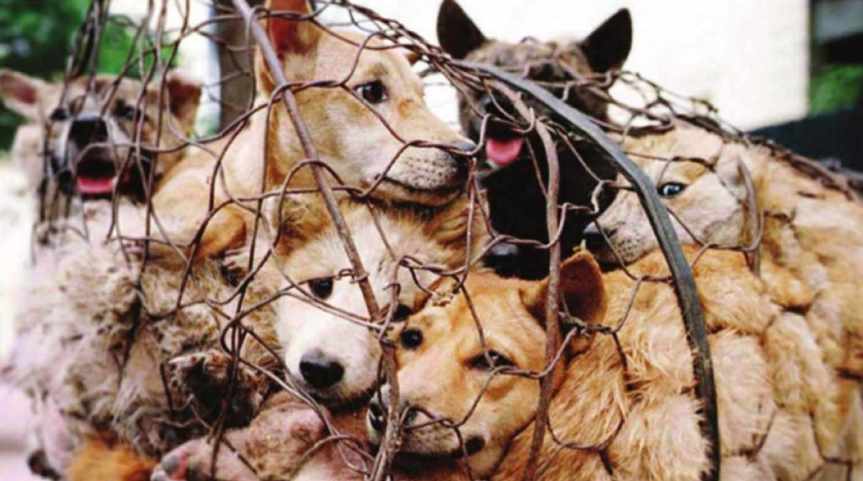
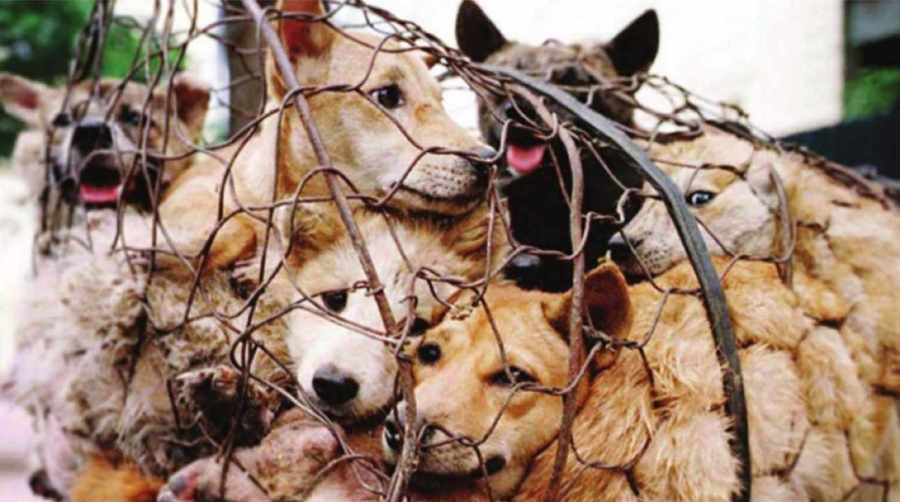
Animal Cruelty is a heinous crime which should be stop .

Animal Cruelty :
Simply put, animal cruelty harms animals, whether intentional or negligent. While certain activities  such as animal cruelty are generally perceived as cruel, the specific actions that make up animal cruelty vary from person to person and from places to places or different countries. Many  argue that docking a piglet’s tail without anesthesia is cruel, while others say it is common in meat production to prevent injuries later  in the pig’s life.  Animal cruelty defination is different in different areas due to countries laws.
Animal abuse is an pervasive problem which often  is difficult to detect. No species or community is spared from experiencing animal cruelty and neglect. Understanding what animal cruelty means and what it doesn’t mean is one of the first steps to  prevent it from happening again. Animals, whether it’s the food, cosmetics, entertainment, or  pet industry, don’t deserve to suffer.

Is Animal Cruelty Illegal:
The legality of  animal cruelty depends largely  on where the activity takes place . For example,  cruelty to farms and laboratory animals that is illegal in some countries may not be considered banned animal cruelty in some countries, due to differences in national law. In the United States, the best-known legislation to prevent animal cruelty excludes both livestock and laboratory animals from registration.

Animal cruelty in India:
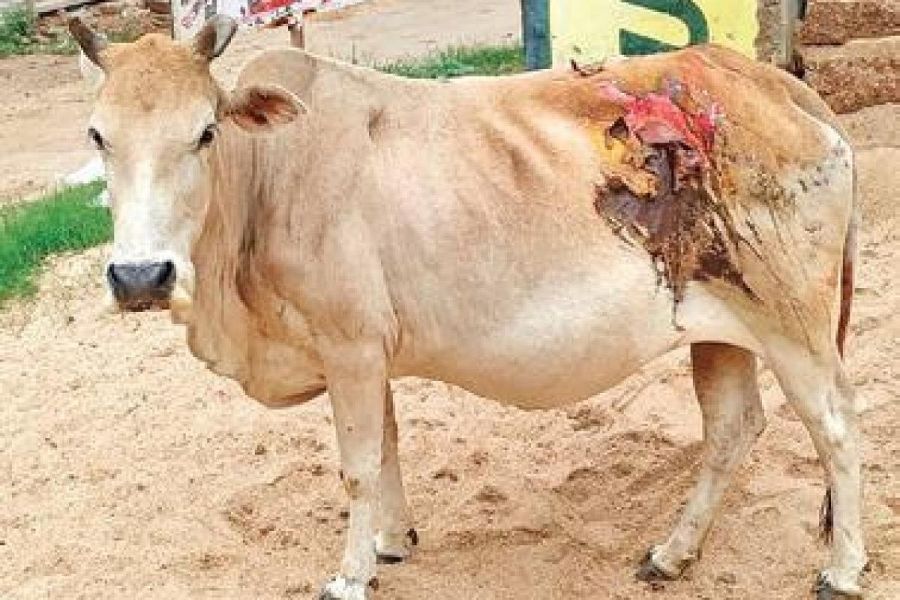
Recently, cases of animal cruelty are increasing in India. The same began to discuss animal rights and the extent of legal protection that  current law provides to animals. The problem is that most of these crimes are either unreported or face disappointing legal responses, as some of the 1960 Animal Cruelty Prevention  Act  and  the Indian Criminal Code are obsolete.
SS Rithika an social activist in context to animal writes about common scenarios of animal cruelty and current laws, procedures, and court decisions dealing with animal cruelty in India. Rithika is also pushing for amendments to these laws to curb the rise in atrocities against animals.
Law related to animal cruelty in India:
The Animal Cruelty Prevention Act of  1960 was amended in 1982. Under India’s newly amended 2011 Animal Welfare Act, animal abuse is a criminal offense  with a fine of at least 10,000 rupees, a fine of up to 25,000 rupees for the first violation, or upto two years of imprisonment. For the second and subsequent violations, a fine of 50,000 rupees or more  and imprisonment of 1 year or more upto 3 years or less. This amendment is currently awaiting approval by the Government of India.  The 1962 law is the law currently in force. The maximum fine under the 1962 Act is  50 rupees (less than $ 1). Many organizations, including  local SPCA, PF, A, Fosterdopt, etc., are actively involved in reporting cases of atrocities to police and assisting the general public in bringing perpetrators to justice. For this reason, there are many changes in the subcontinent.
Under IPC sections 428 and 429, causing mischief by killing or amputating an animal worth more than 10 rupees  is a recognizable crime punishable by two years’ imprisonment, a fine, or both.

Some of the campaign toward animal cruelty:#NoMore50 , #RespectForAnimals , #FarmedAnimals etc.

Greenberry Organics Detox activated Charcoal Face Wash

Greenberry Organics Detox activated Charcoal face wash for anti-pollution Oil control and anti-acne with the goodness of Tea tree, Mulberry and Grapefruit combo with Bio active Intense Night cream Unisex (100ml + 50ml) https://www.amazon.in/dp/B076PG55CF/ref=cm_sw_r_apan_glt_fabc_SFDCQPP9A8T30JCWP80Q

 Factors used in this face wash are Tea trees & fruits, charcoal and Vitamin c helps in keeping the skin healthy and soft. Makes the skin acne-prone and keeps it hydrated. Suitable for all types of skin.

Dreams and Deeds Foundation

D&D it is a type of organisation which works for every single social cause of society.

As we know in this covid-19 whole world is suffering from financial problems . Migrants don’t have a job to run their life. As time passes, their troubles are increasing.

The government is also doing its best, but can we defeat this epidemic only by trying the government? No !

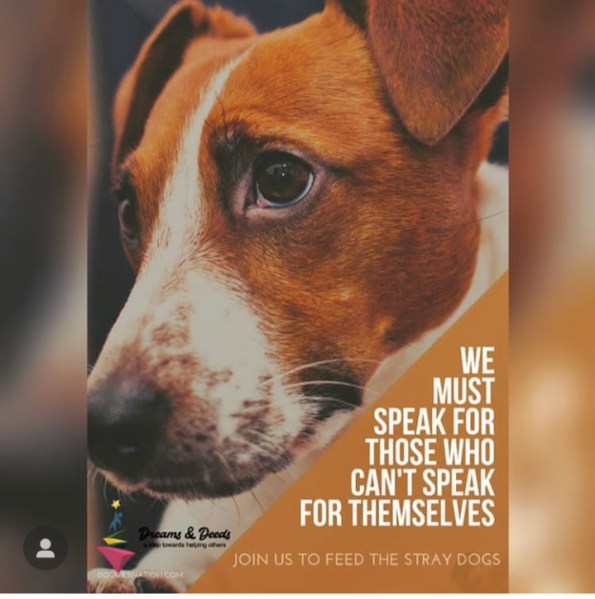
Many people need help. In the time of this epidemic, the Dreams and Deeds Foundation has emerged. And came forward to help those really need. the foundation take initiative to providing food sanitary pads and all the groceries to the migrants. As well as Foundation started feeding the animals this is one of the biggest and greatest step which is taken by dreams and deeds Foundation .

Providing groceries
Packets of the foundation for distribution
Initiate for feed animals
Plantation to protect the nature
Providing sanitary pads to women

So these are some main social cause on which Foundation is working like plantation to save the nature, feeding animals to protect them, providing sanitary pads to women for their safety in mensuration , providing groceries as well as concentrating on child education.

In this pandemic we really need a hand who can help us . A great work doing by the foundation and we all should appreciate it they celebrate every single day with lots of happiness and love. So let’s help them and do something new towards society.

For more query you can go on the Instagram page of the Dreams and deeds Foundation .

.

The cat families… part 2

this is the continuation article of part 1

26.Maine Coon cat:

undefined
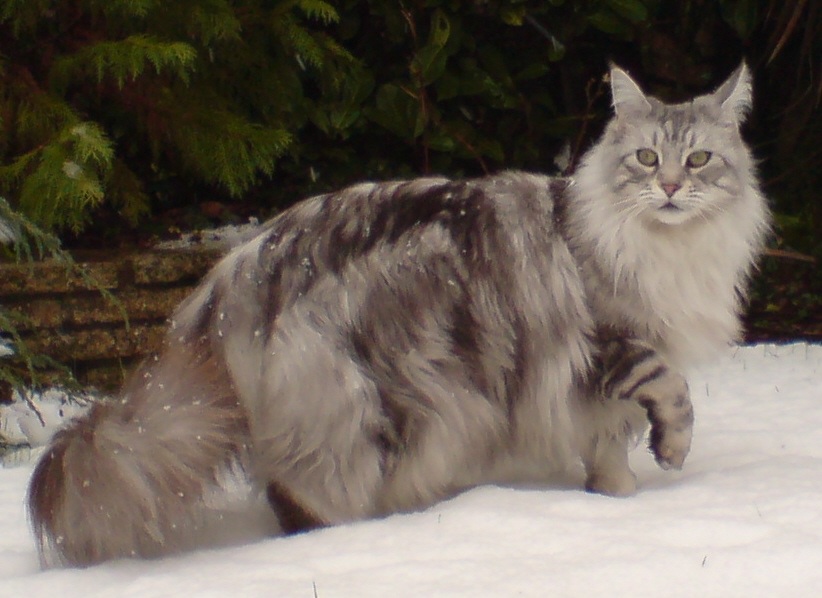
Maine coon cat, North America’s only native breed of the longhaired house cat . Though its origins are unknown, it had been first shown in Boston in 1878. Maines is large, muscular, and heavy-boned; they’ll are named for his or her raccoon-like tail. Excellent mousers, they’re known for his or her gentleness, intelligence, and type disposition, and are especially good with children and dogs. Most are brown tabbies.

27.Manx:

undefined
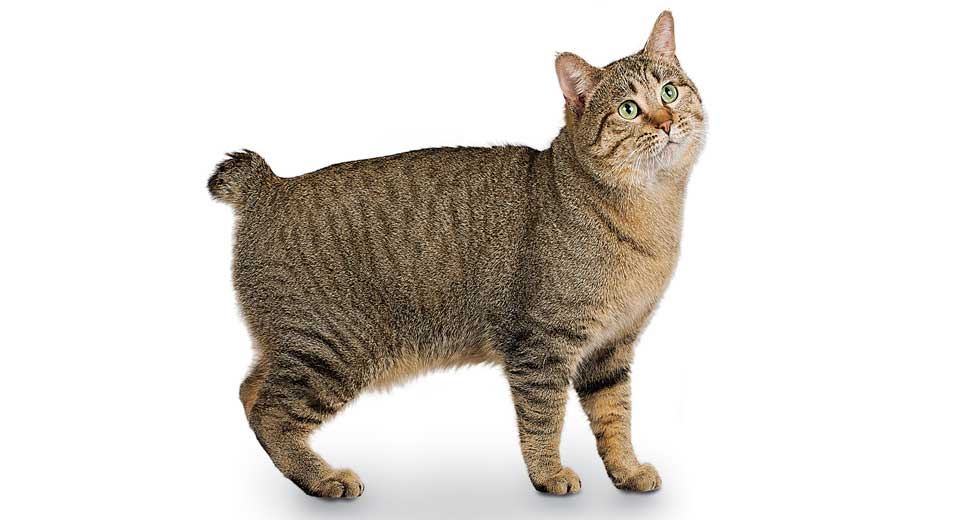
Manx, breed of the tailless house cat of unknown origin but presumed by tradition to possess come from the Isle of Man. Noted for being affectionate, loyal, and courageous, the Manx is distinguished both by its taillessness and by its characteristic hopping gait. it’s compactly built, with a rounded head; large, round eyes; and little , wide-set ears. The rump is additionally rounded and, because the hind legs are considerably longer than the forelegs, is distinctly above the shoulders. The Manx could also be born with a tail but ideally should be totally tailless with a hollow at the top of the backbone where the basis of the tail should be. The double coat could also be any solid, variegated, or tabby color.

28.marbled cat:

undefined
Marbled cat rare Southeast Asian cat, Felidae , often mentioned as a miniature version of the unrelated clouded leopard. The marbled cat is about the dimensions of a domestic cat; it measures roughly 45–60 cm long, excluding a tail of roughly an equivalent length. The coat is long, soft, and pale brown to brownish-gray, with large, dark-edged blotches on the body and smaller dark spots on the legs and tail. The marbled cat is nocturnal and lives in jungles, and should prey on small animals and birds.

29.margay:

undefined
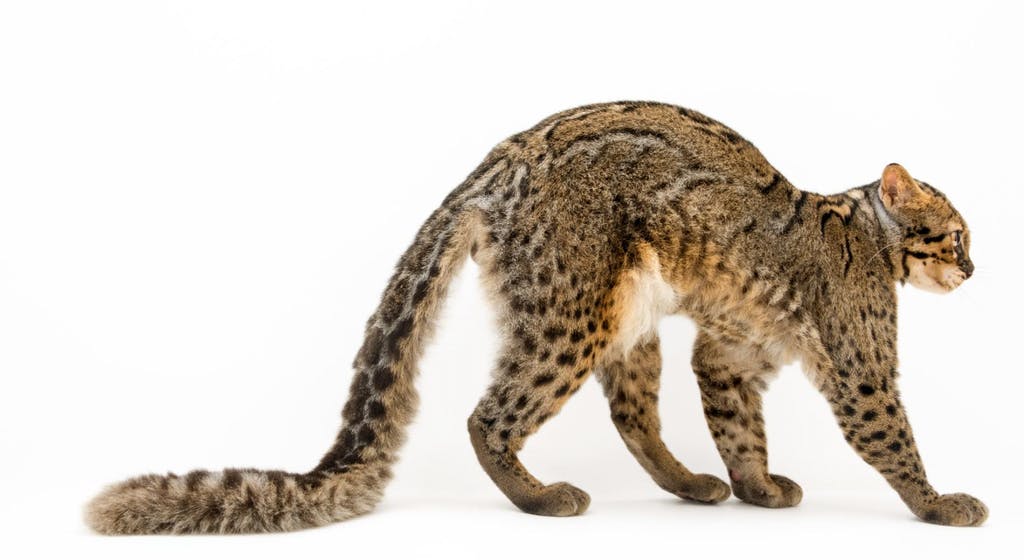
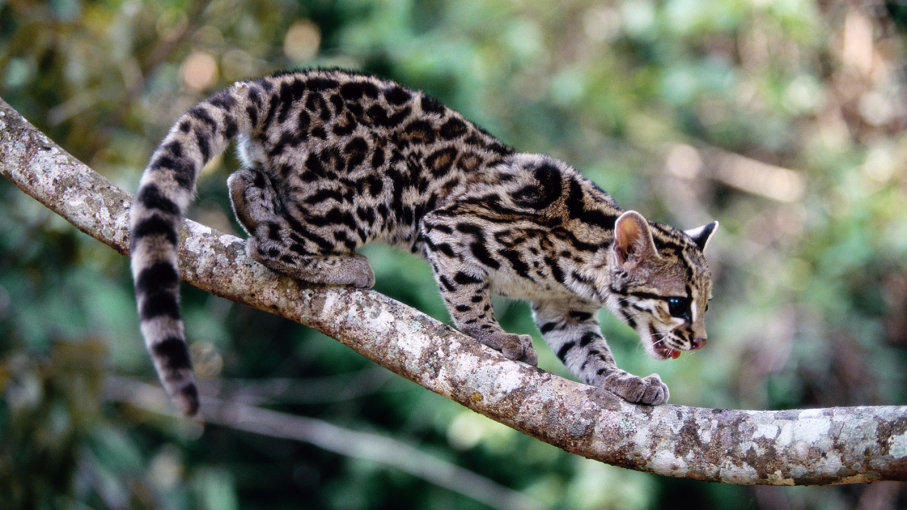
Margay also called tiger cat or tigrillo, alittle cat that ranges from South through Central America and, rarely, into the acute southern us . Little is understood about the habits of the margay. It lives in forests and presumably is nocturnal, feeding on small prey like birds, frogs, and insects. it’s largely arboreal and has specially adapted claws and feet that enable it to scamper up tree trunks and along branches with ease. The margay resembles the related ocelot but features a longer tail and fuller face, emphasized by large, dark eyes and rounded ears. The male attains a maximum length of about 1.1 meters, including a tail about 46 cm long, and weighs up to about 16 kg. the feminine is usually smaller and features a relatively long tail. Coloration varies from pale gray to chocolate with dark markings like spots, stripes, bands, and black-edged blotches. When hand-reared from a kitten, the margay reportedly is definitely tamed; as an adult, however, it’s going to become unpredictable.

30.ocelot:

undefined
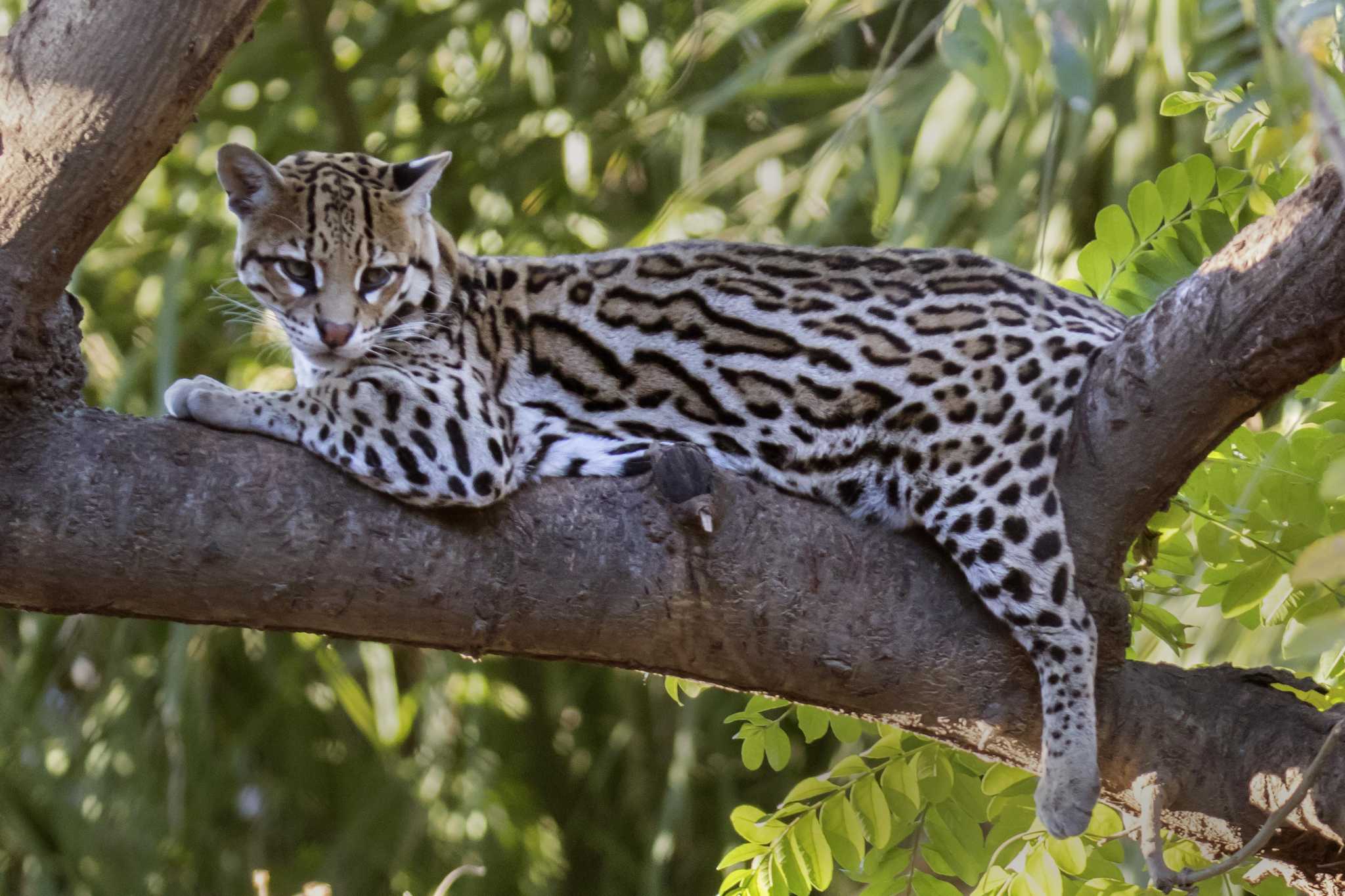
the spotted cat of the New World found in lowland areas from Texas southward to northern Argentina. The short, smooth fur is patterned with elongated, black-edged spots that are arranged in chainlike bands. The cat’s upper parts vary in color from light or tawny yellow to gray. There are small black spots on the top , two black stripes on each cheek, and 4 or five black stripes along the neck. The ocelot’s underparts are whitish, spotted with black, and therefore the tail is marked on the side with dark bars or blotches.

31.Pallas’s cat:

undefined
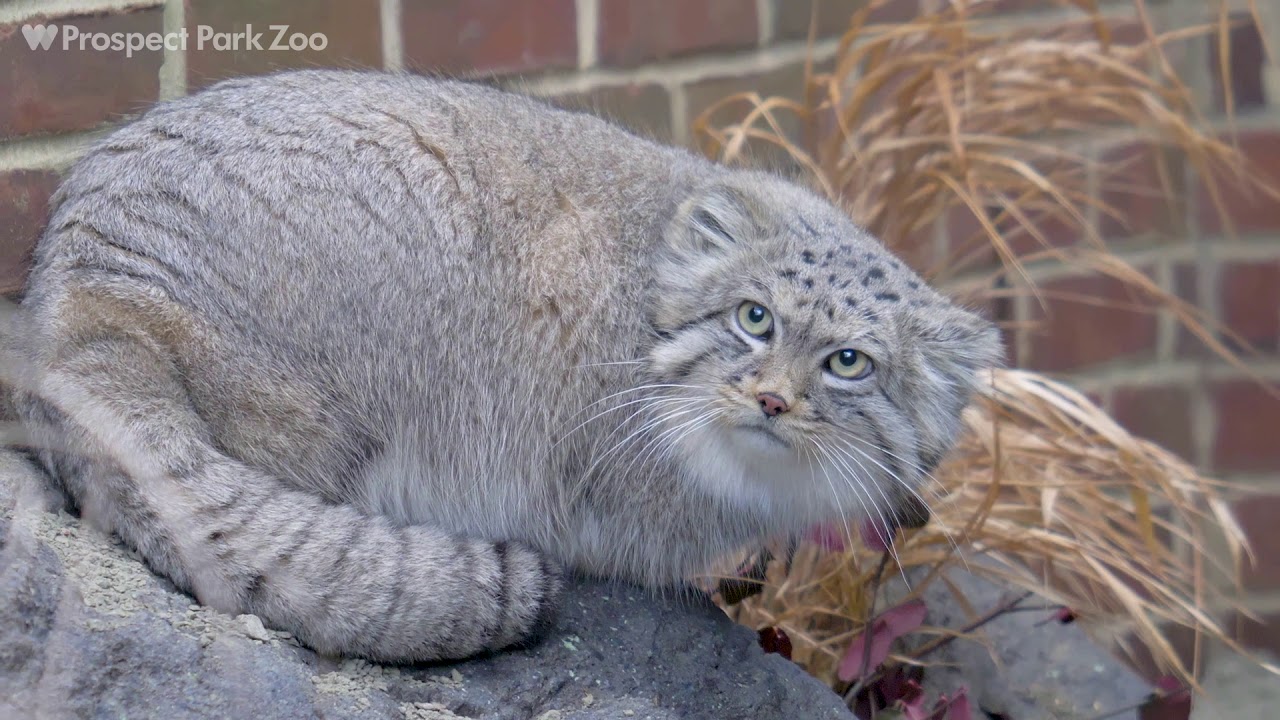
Pallas’s cat also called Steppe Cat, or Manul, small, long-haired cat native to deserts and rocky, mountainous regions from Tibet to Siberia. it had been named for the naturalist Peter Simon Pallas. The Pallas’s cat may be a soft-furred animal about the dimensions of a domestic cat and is pale silvery gray or brown in color. the top of its tail is ringed and tipped with black, and a few individuals have vague, dark markings on the body. The fur of the underparts is about twice as long as that of the upperparts and possibly represents an adaptation to the cat’s habitual lying and crouching on the cold ground.

32.pampas cat:

undefined
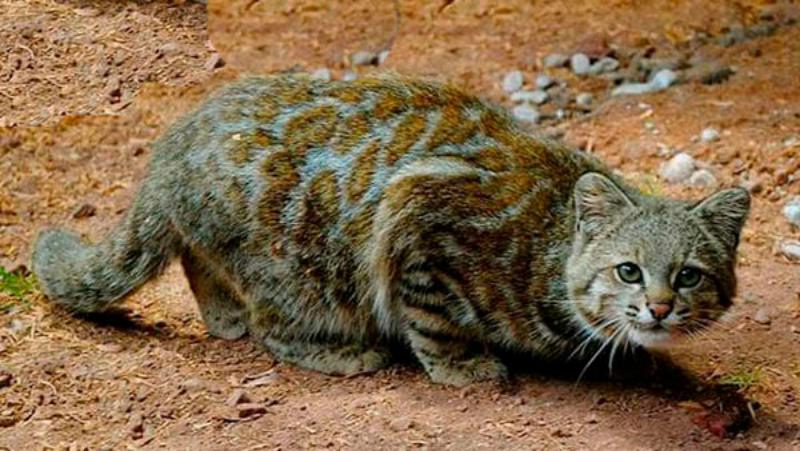
Pampas cat small cat, Felidae , native to South America. it’s about 60 cm long, including the 30-centimeter tail. The coat is long-haired and grayish with brown markings which in some individuals could also be indistinct. Little is understood about the habits of the pampas cat. it’s reported to measure in thick shrubbery and to hunt birds and little animals in the dark .

33.puma:

undefined
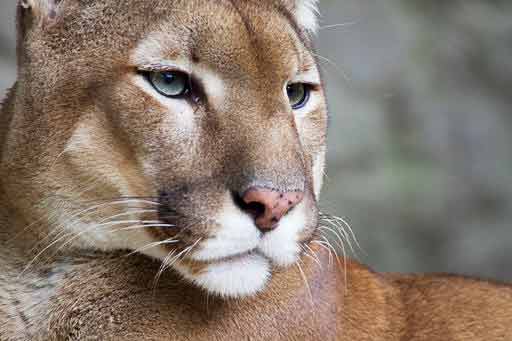
Puma also called cougar , cougar, panther, or catamount, large brownish New World cat comparable in size to the jaguar—the only other large cat of the occident . The puma, a member of the Felidae , has the widest distribution of any New World mammal, with a variety extending from southeastern Alaska to southern Argentina and Chile. Pumas sleep in a spread of habitats, including desert scrub, chaparral, swamps, and forests, but they avoid agricultural areas, flatlands, and other habitats lacking a canopy . Six subspecies of Puma concolor are recognized by most classifications.

34.Rex cat:

undefined
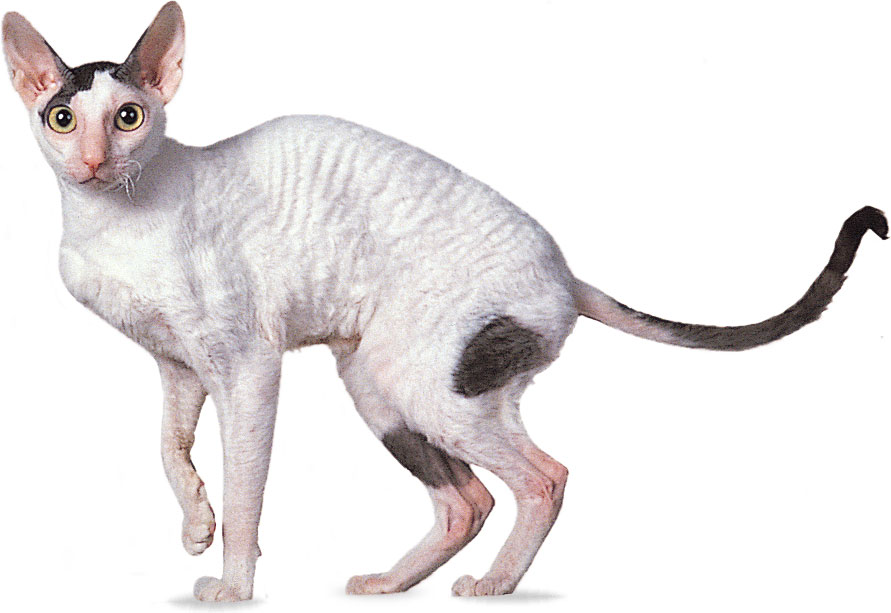
Rex cat, curly-coated breed of house cat that features a dense, soft coat lacking any projecting guard hairs, or outer coat. Except on the top , legs, and paws, the coat forms fairly deep waves, or crimps. The eyebrows and whiskers of the Rex cat are crinkled, the eyes are almond-shaped, and therefore the ears are large and high set. The adult Rex cat is slender and typically has long legs, an extended neck and head, and an extended , tapering tail. Show cats could also be any of the colours or patterns that are accepted for domestic cats.

35.tiger:

undefined
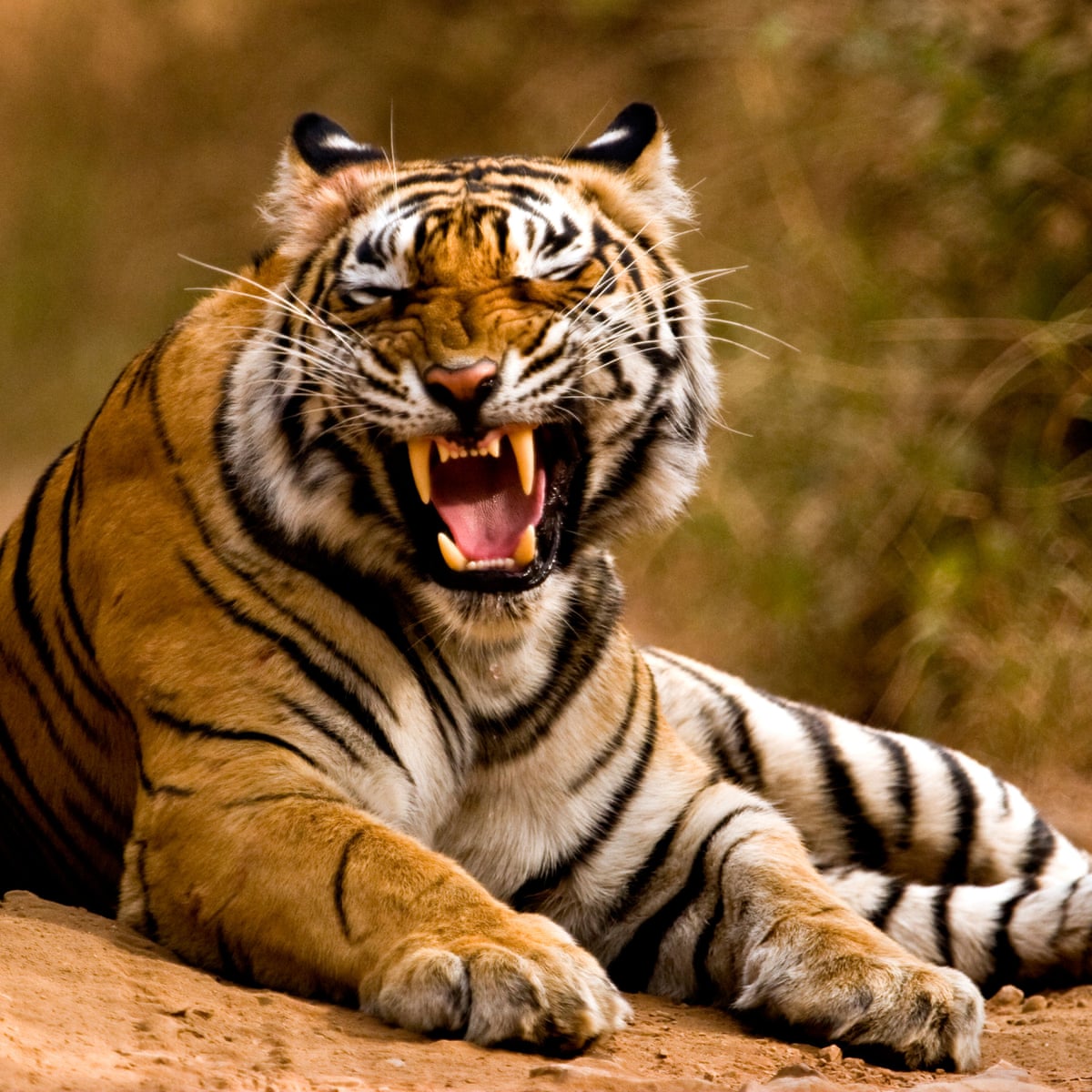
Tiger’s largest member of the cat family, rivaled only by the lion in strength and ferocity. The tiger is endangered throughout its range, which stretches from the Russian Far East through parts of North Korea , China, India, and Southeast Asia to the Indonesian island of Sumatra. The Siberian, or Amur, the tiger is that the largest, measuring up to 4 meters in total length and weighing up to 300 kg. The Indian, or Bengal, the tiger is that the most numerous and accounts for about half the entire tiger population. Males are larger than females and should attain a shoulder height of about 1 meter and a length of about 2.2 meters, excluding a tail of about 1 metre; weight is 160–230 kg, and tigers from the south are smaller than those of the north.

36.tigon:

undefined
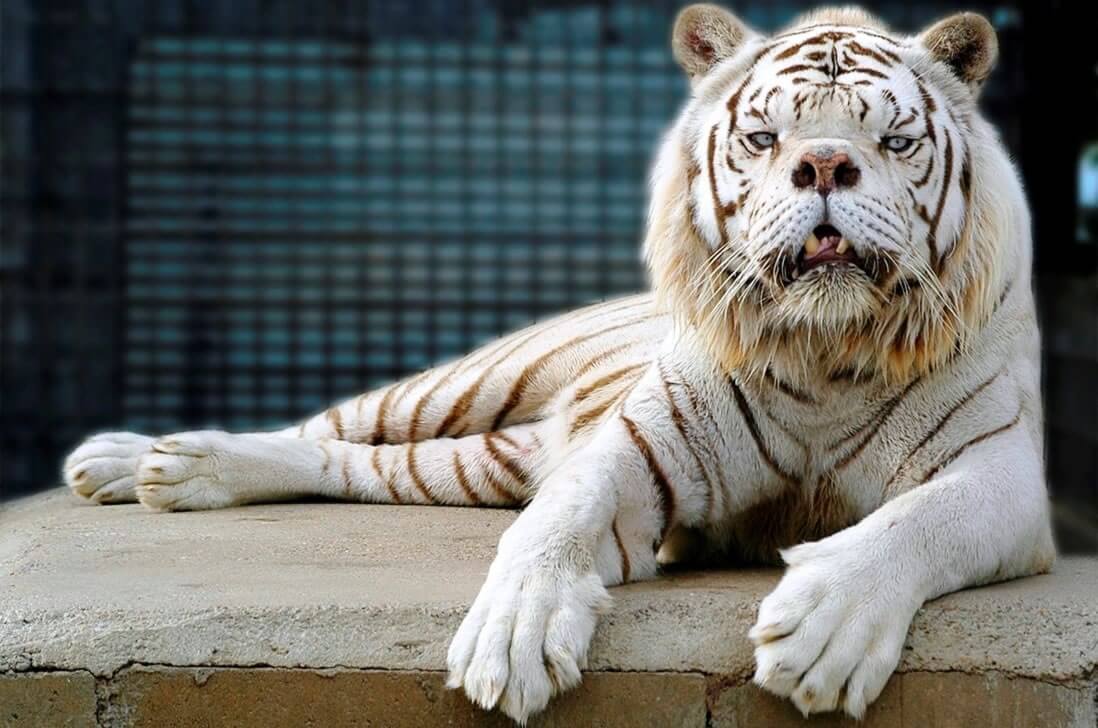
Tigon, offspring of a tiger and a lioness. The tigon, or tiglon, may be a zoo-bred hybrid, as is that the liger, the merchandise of the reverse mating of a lion with a tigress.