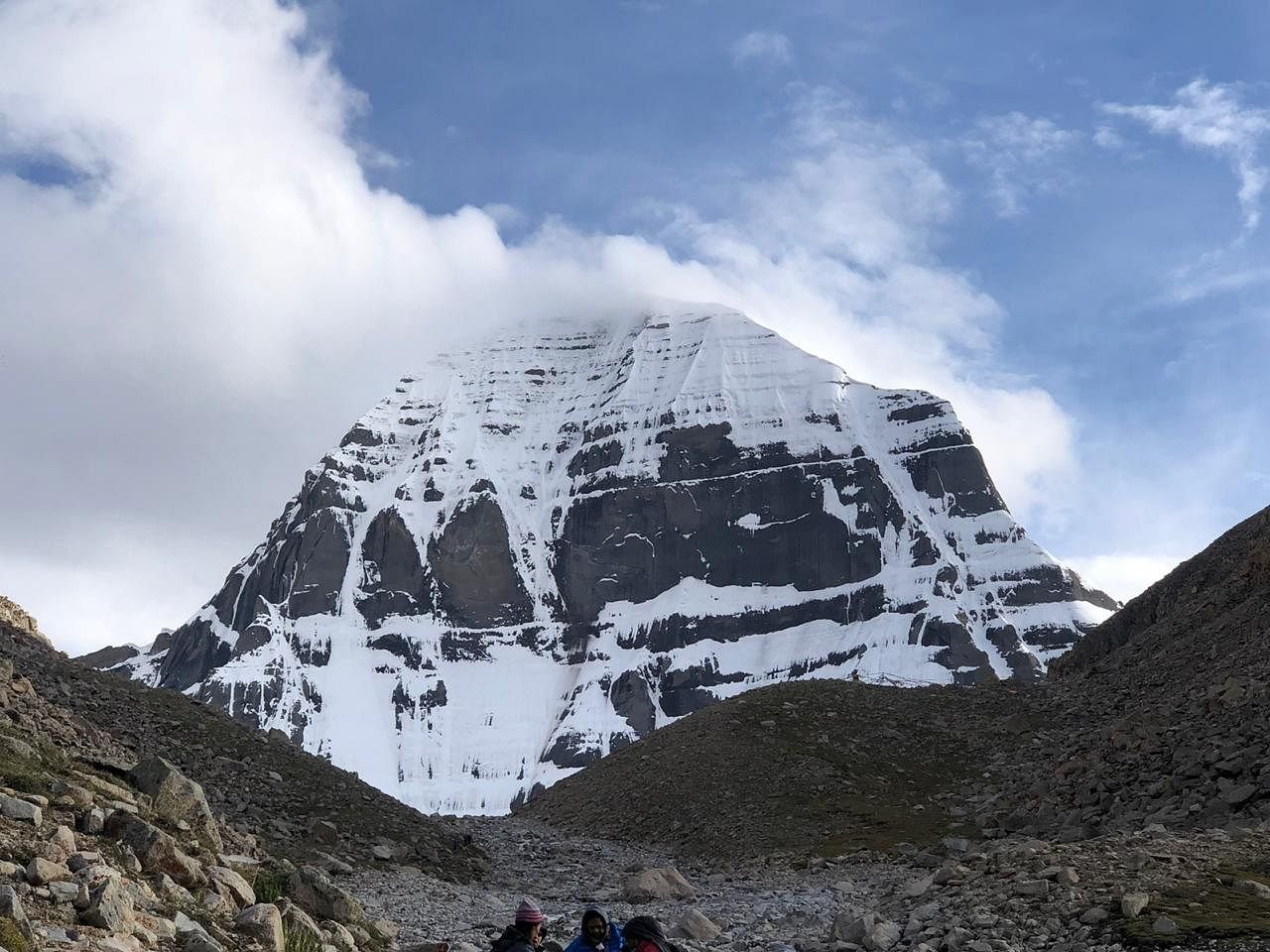
Mount Kailash is located near Lake Manasarover and Lake Rakshastal, near the Indus River, the headwaters of Asia’s longest river. Sutlej; Brahmaputra; Karnali also known as Ghaghara (a tributary of the Ganges) in India. Mount Kailash is considered to sacred in four religions. Receipts; Buddhism; and Jainism.
SOME INTRESTING FACTS ABOUT KAILASH MANASAROVAR
• Stairway to Heaven: Mount Kailash in Tibet is considered a “stairway to heaven”. According to Hindu mythology, it is the residence of Lord Shiva and Goddess Parvati. Climbing this sacred mountain peak is forbidden, as other religions also considered it sacred. •Sacred to different religions: Mount Kailash is sacred to four religions, including Hinduism, Jainism, Bonn, and Sikhism. Kailash Strange Structure:The strange pyramid shape of Kailash Manasarovar led to the theory that it was an artificial mountain. According to Russian researchers, Kailash is not a mountain because it is too perfect and symmetrical to be considered a natural event. According to scientists, it’s an artificial vacuum pyramid surrounded by hundreds of small pyramids. • Kailash cannot be conquered :Kailash, just 6,656 meters above sea level, is not the highest mountain in the world, but it is still unconquerable. There were several trekker trying to climb Mount Kaikash, but none reached the summit. It is believed that climbing this sacred summit will protect the gods. • Unexpected death of a climber: There are certain points in time when subsequent visits are prohibited. Siberian mountaineers visited once before this point and quickly aged decades earlier. Surprisingly, they died a year later at an old age. Divinity Dwelling: Mt. Kailash is a physical embodiment of Mt. Meru and is believed to have the technical expertise of the superhuman being of God. Earth’s Energy Center: This sacred mountain is considered the center of the universe. It is considered the axis of the universe, the center of the world, and the pillars of the world. It is the place where the earth and the sky meet. • Accelerating Aging Near Mt.Kailash: Scientists believed that the aging process would accelerate here. People who spend nearly 12 hours here have been shown to grow their hair and nails. This is equivalent to two weeks in normal life. • Kailash satellite view: The satellite view of Kailash shows that the shadow of Kailash represents the smile of Lord Shiva. • Kailash Mystery: You can see the Hindu symbol OM (ॐ) from the southern ridge of Kailash. The formation of a huge ice valley and horizontal rocks from the top of the mountain make up this symbol. Headwaters of the Great Rivers: There are four great rivers in Asia that spring from Kailash Manasarobar. Lake Mansarobar are the sources of the Indus, Sutlej, Brahmaputra and Karnali rivers, which form the main left tributaries of the Ganges. • Lakes of Good and Evil: The Kailas Himalayan region has two lakes, Lake Manasarovar and Lake Rakshastal. There are many myths surrounding these two lakes. They also show both the good and the bad of humanity. • Birthplace of Sir Ganesha: Gauri Kund is located near Lake Manasarovar, which is believed to be the birthplace of Lord Ganesha. This is the place where the goddess Parvati surrounded Sir Ganesha with bubbles while taking a bath. Mount Kailash is said to be non-flying area, you cannot fly over Mt. Kailash by helicopter or any other means.
” It’s pointless giving advice to people who will not listen. It only reduces the value of your words. “
Glaciers are persistent chunks of dense ice that are constantly moving under their own weight. Glaciers are formed where snow accumulation exceeds its erosion over the years, and often centuries.
Rising global temperatures have undoubtedly been the cause of glacier melting throughout history. Due to the rate at which climate change is occurring today, it can become extinct at record rates.
Some of the other reasons: Carbon dioxide gases Emissions: Atmospheric concentrations of carbon dioxide and other greenhouse gases (GHGs) produced by human activities such as industry, transportation, deforestation, and burning fossil fuels warm the earth and melt glaciers. Glacier savings can be achieved if CO2 emissions can be reduced by 45% over the next decade before reaching zero by 2050. Ocean warming: The ocean absorbs 90% of the earth’s heat. This fact mainly affects the melting of sea glaciers near the poles and on the coast of Alaska (USA) and other heavy snow covered areas.
The main consequences of melting glaciers are: Sea Level Rising- Sea level is rising and covers most of the continental region. This means that which means within years most of the areas can be a complete flooded regions. Less freshwater – No glaciers also mean less water for population consumption, less hydropower capacity, and less water available for irrigation. Climate change-The balance between cyclone and anticyclone structure and meteorological patterns is deteriorating. Food Chain Imbalances-The habitats of some marine and terrestrial species are changing and they may harms to them in maintaining their natural circulation and habitat.
Temperature imbalances, extensive processes of deforestation, and rainfall can be other reasons for global warming that lead to glacier melting. Glaciologists believe that despite the massive ice loss, there is still time to save the glacier from the predicted disappearance. It can done through to curb climate change and save glaciers from getting extinct. Scientists believe that controlling climate change can prevent glaciers from melting and disappearing.
“The earth has a skin and that skin has diseases; one of its diseases is called man.”
Cyber security is the protection of Internet-connected systems such as hardware, software, and data from cyber threats. This technique is used by individuals and businesses to protect against unauthorized access to data centers and other computerized systems.
Cyber security is important because it protects all categories of data from theft and damage. This includes sensitive data, intellectual property data, government and industry information data and systems information,personally identifiable information , protected health information and personal identified information . Without cybersecurity programs, organizations cannot protect themselves from data breaches campaigns and are attractive targets for cybercriminals. Global connectivity and the use of cloud services such as Amazon Web Services to store sensitive and personal information increase both inherent and residual risks. Along with increasingly sophisticated cybercriminals, widespread misconfiguration of cloud services means an increased risk for businesses suffering from successful cyberattacks and data breaches. Executives can no longer rely solely on off-the-shelf cybersecurity solutions such as antivirus software and firewalls, cybercriminals are smarter, and their tactics are more resilient to traditional cyber defense. It is important to cover all areas of cybersecurity to remain fully protected. Cyber threats can come from all levels of an organization. Organization should educate employees about common cyber threats such as social engineering fraud, phishing, ransomware attacks and other malware designed to steal intellectual property and personal information. Should include cybersecurity awareness training for.
Types of Cyber Threats : Malware-This is a type of malicious software that can use arbitrary files or programs to harm computer users. This includes worms, viruses, Trojan horses, and spyware. Ransomware-This is another type of malware. This involves an attacker locking the victim’s computer system files and requesting payment to unlock them. Social Engineering-This is an attack that relies on human interaction to trick users into breaking security procedures and gaining sensitive information that is normally protected. Phishing-This is a form of social engineering that involves sending deceptive emails or text messages similar to those from trusted or known sources. Often in random attacks, the purpose of these messages is to steal sensitive information such as credit cards and login information. Spear phishing – This is a type of phishing attack aimed at targeted users, organizations, or businesses.
Cyber security is very important today. Our society is more dependent on technology than ever before and in today’s digital time data breaches that could lead to the theft of personal information which are easily disclosed to social media accounts. Sensitive information such as social security numbers, credit card information, and bank account details are now stored in cloud storage services such as Dropbox and Google Drive. In fact, whether you are an individual, a small business, or a large multinational company, in today’s time everyone rely on computer systems every day .
NEW EDUCATION POLICY: ° Students are currently undergoing school exams conducted by responsible authorities in grades 3, 5, and 8. ° 10th and 12th grade board exams will continue, but will be redesigned for overall development. ° Mathematical reasoning and scientific temperament coding begins in 6th grade .Vocational training begins at school in sixth grade and includes internships. ° The 10 + 2 structure is replaced by 5 + 3 + 3 + 4. The new system consists of grades 12 and 3 years preschool / Anganwadi. ° Until 5th grade, this policy emphasizes the local / regional / native language as the teaching language. ° In schools and universities, Sanskrit is also included as a student option at all levels and consists of three language formulas. ° Under Graduate is now 3 or 4 years, with multiple degree options eligible for this period, such as a 1 year certificate, 2 years diploma, 3 years degree, 4 years bachelor’s degree in research, etc. ° An Academic Credit Bank (ABC) is created to store, transfer, and award bachelor’s degrees from digital learning achievements earned by students from various universities. ° The curriculum has been reduced to essentials for all subjects. They focus on critical thinking, discovery, inquiry, debate, and education based on analytical and holistic learning methods for education. ° Focus on e-learning so you can reduce your reliance on textbooks Under the new policy, education will receive 6% of GDP, up from 1.7%. This definitely boosts the education system. ° By the end of 2040, all universities should be interdisciplinary institutions with more than 3000 students each. University affiliation will be phased out over the next 15 years.
Credit- iShiksha
Foucus on Regional /Mother Tongue Language: As you know, young children learn new things as soon as they teach in their own language, not in another language they are unfamiliar with. This policy is aware of it, so children will be taught in their native language until the age of 5, but it can change to 8th grade .
Credit- Sarkari Yojana
NEW CURRICULUM STRUCTURE: •) Rebuild the school curriculum and teaching methods into new 5 = 3 + 3 + 4 patterns. •) The new curriculum structure is designed to attract the attention of learners at various developmental stages, such as 3-8 years old, 8-11 years old, 11-14 years old, 14-18 years old. •) Elementary level lasts 5 years: 3 years before school, 1st and 2nd grade. The preparatory stage lasts for 3 years: 3rd, 4th and 5th grade. Middle school or high school lasts 3 years: 6th, 7th and 8th grade. High school or junior high school lasts four years: 9th, 10th, 11th, 12th grade. All of the above levels include Indian and regional traditions, ethical thinking, socio-emotional learning, quantitative and logical thinking, digital literacy, computational thinking, scientific manipulation, language and communication skills.
“Learning starts with failure; the first failure is the beginning of education.”
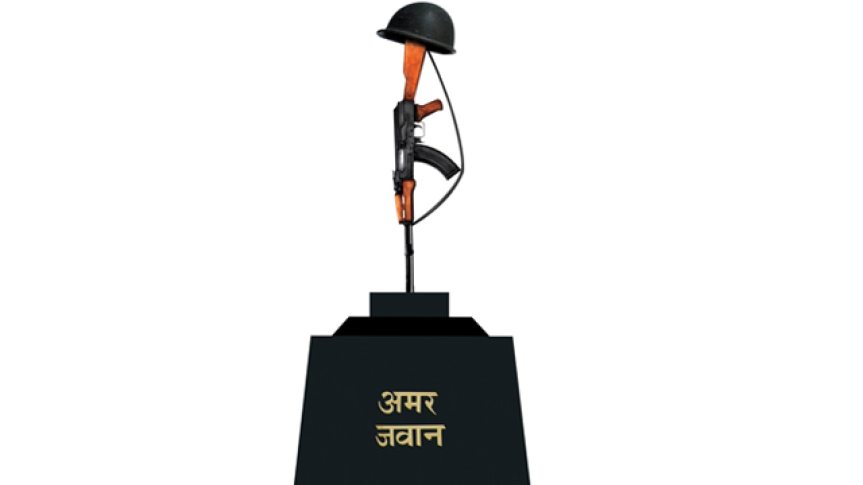
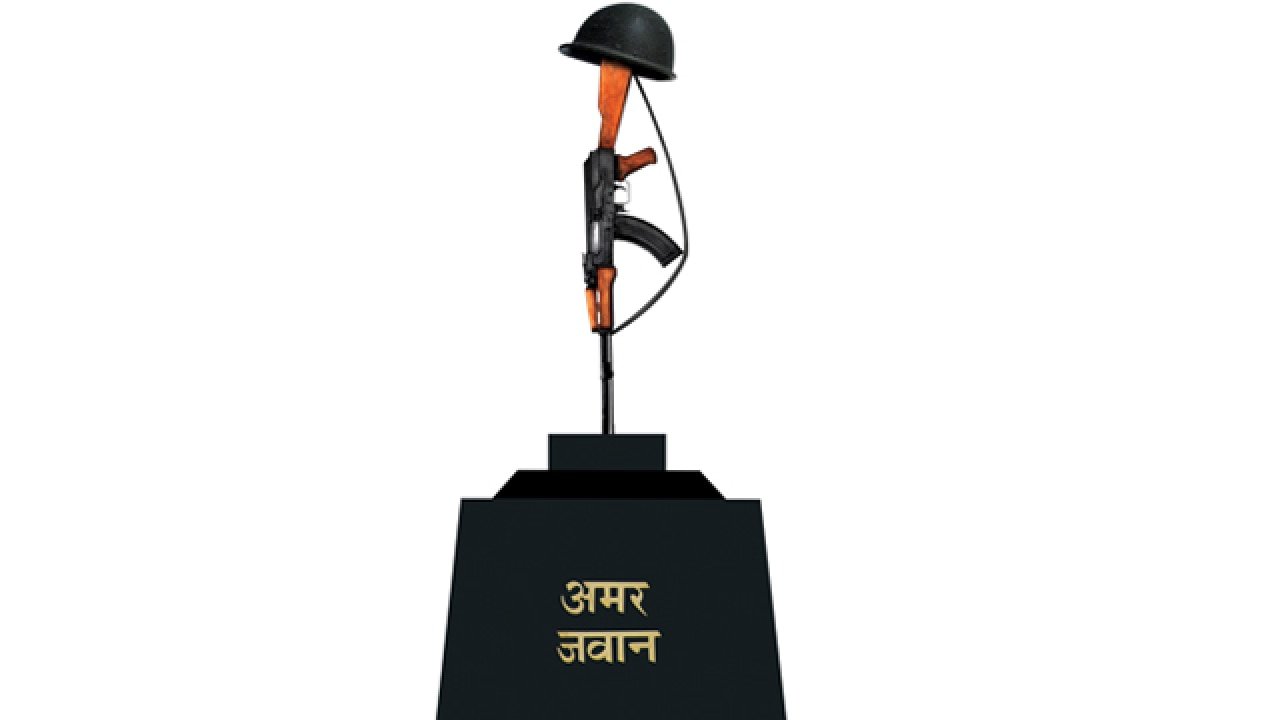
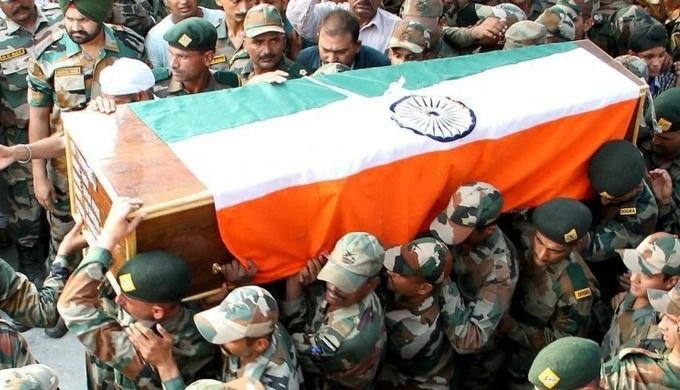
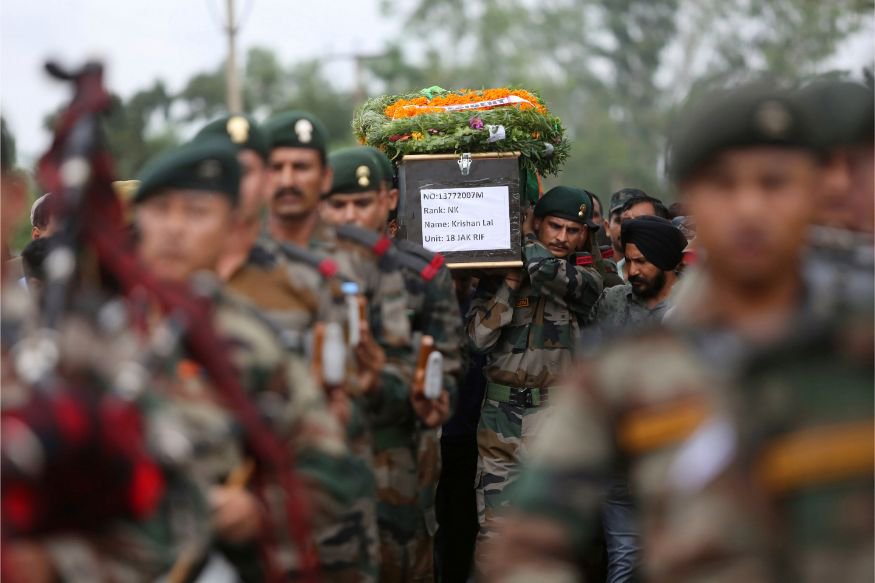
History of the use of the word martyr: The government has claimed for nearly a decade that the word “martyr” has not been officially recognized. In 2013 and 2014, in response to RTI’s request, the Ministry of Home Affairs revealed that the words “martyr” and “shahid” were not defined anywhere by the Government of India. In December 2015, then Home Affair Minister Kireen Rijiju said in Lok Sabah that it is advised that the word “martyr” is not refer to any of the victims of the Indian army. He added that such terms were not used by Central Armed Police Forces (CAPF) and Assam Rifles personnel either. In December 2021, Minister of State Home Nityanand Rai told Rajya Sabha again that there was no formal term like “martyr.”
Credit- Ketto
Objections to the use of martyrs’ words: The word “martyr” has religious implications and has historically been used to refer to people making sacrifices for their religious beliefs like in Christianity . The word “Shahid”, which is used as a Hindu alternative to the word “Martyr”, also has a religious meaning and is associated with the Islamic concept of Shahadat. The word “martyr” is said to be derived from the Greek word “martur”. In various dictionaries, “martyr” is defined as a person who is willing to die as a punishment for refusing to abandon religion. Since the Indian army is not affiliated with any religion and does not sacrifice their lives for religious principles, the use of such words for their sacrifice is found wrong,including the supreme leader of the army. Using words like martyr may not be correct in context to armed forces especially in India according to many legal experts and prominent officers of army and retired officers.
Credit- News18
Steps Taken By Government To Stop Use Of Martyr Word: Despite the repeated assertions of the government about the word martyr having no official recognition, it was mostly used in government statements issued by various PR Officers for the defence services and the CAPFs. Many senior serving and retired officers also used it frequently to describe the death of soldiers in action. Thus, the word remained in common use. The Army in 2022 issued a letter to all its commands asking them to abstain from using the word martyr as it may not be appropriate for soldiers who die in the line of duty. They have been, instead, asked to use phrases such as killed in action, supreme sacrifice for the nation, battle casualty, laid down their lives,veergati etc.
“Either I will come back after hoisting the tricolor, or I will come back wrapped in it, but I will be back for sure. “
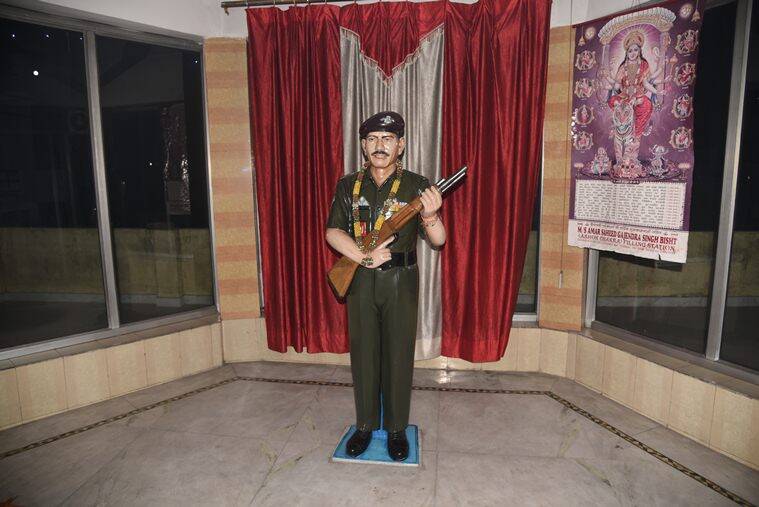
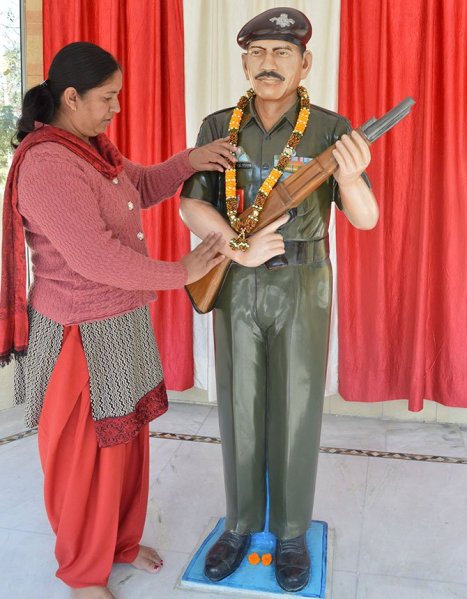
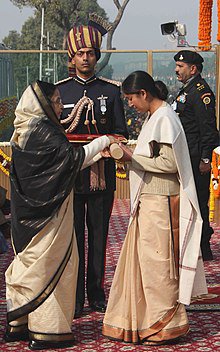
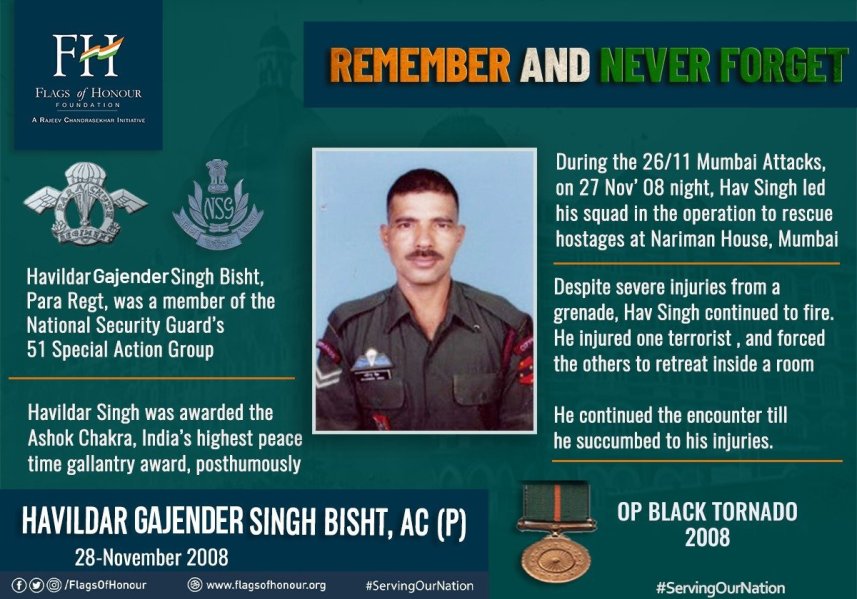
Havaldar Gajender Singh Bisht was an NSG commando who was martyred in the 2008 Mumbai attack. His bravery received the Ashoka Chakra Award from the President of India on January 26, 2009, on the Anniversary of the Republic of India. He was born on 1 July,1972 in Dehradun, Uttarakhand.
Credit- Facebook
He persued his education from the Janata Inter College in Naya Gaon.As a student he used to participate in every event organised in the school, sports or cultural activities. But he had a particular interest in boxing. Havaldar Gajendra Singh joined Garhwal Rifles in 1991 and later decided to become part of the 10 Para (Special Forces). Havaldar Gajendra also actively participated in Operation Kargil in 1999. Havaldar Gajendra was a trained commander of the Indian Army Special Forces, but he was commissioned to serve the National Security Guard’s Elite Special Action Group. Gajendra Singh Bisht was a member of the 51st Special Action Group of the National Guard. He was part of a team of NSG Command rushed to the roof of Nariman’s house to neutralize an terrorist inside the building who had at least six hostages.
Credit- Facebook
According to NSG Secretary Jyoti Krishna Dutt, Bisht led one of the teams entering the building. The team was hit by a violent terrorist attack and returned to fire while trying to contain the situation. Terrorists also threw some grenades at Commando. At this point,Bisht had the opportunity to retire with his team. But he realized they needed to seize this opportunity and went forward with thier mission.Instead of turning his back on the militants, he made the way to other troops instead, despite the grenades being thrown. He suffered multiple gunshot wounds in the process, but moved forward and was eventually injured. This allowed his team to secure a dominant position in the encounter. On the night of November 27, 2008, Havildar Gajender Singh Bisht led his army in an operation to rescue hostages from terrorists at the Nariman House in Mumbai. While securing the Nariman House during Operation Black Tornado, Bisht got fatally injured at Jewish center attack and died.
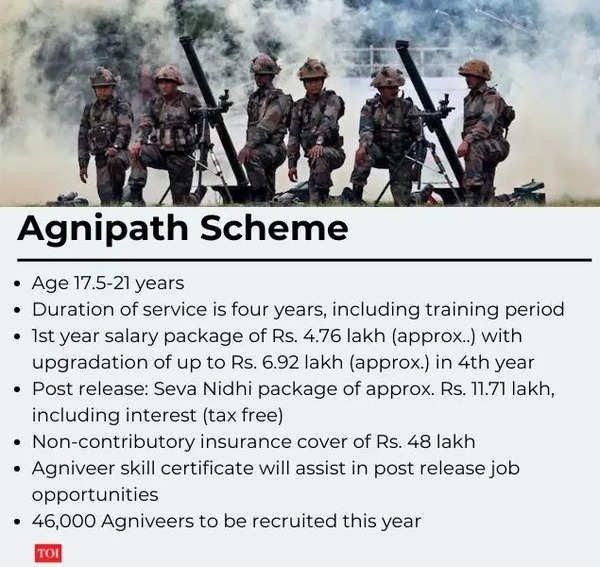
The Agnipath Program is a new program launched by the Government of India on June 14, 2022 to recruit soldiers under Corporal into three armies. The Agnipath program will be the only means of recruiting the military. All new employees will only be hired for 4 years. The personnel hired under this system are called Agniveers, a new military rank. The introduction of this system has been criticized for lack of consultation and open debate. The program is scheduled to start in September 2022. The Agnipath program was approved by the Government of India in June 2022 and will be implemented from September 2022. The announcement was made on June 14, 2022. This program is intended for both male and female applicants between the ages of 17.5 and 21. In widespread protests against the Agnipath program, the central government raised the cap from 21 to 23, but only in 2022. Recruitment under this program is held twice a year by the Indian Army, Indian Navy, and Indian Air Force. The available posts are below the executive list. The Agnipath program is the only way to serve in the army.
New employees, under the Agnipath scheme will be called “Agniveers,”who will have a four-year tenure, including six months of training followed by a 3.5-year deployment. After leaving the service, they have the opportunity to apply to continue in the army. Less than 25 percent of the retired group’s total strength is selected for the permanent roster. Employees who retire after four years of work are not eligible for a pension, but will receive a lump sum of approximately Rs 11,71,000 at the end of their tenure. The Government of India plans to hire 45,000-50,000 new employees each year through this program. In September 2022, 46,000 young people will be hired through this program. Prior to the start of the Agnipath program, soldiers were in the army for more than 15 years of service on a lifetime pension. As of 2019, there was no military recruitment for three years. The Government of India quoted the COVID-19 pandemic in India tye reason for no recruitment. Meanwhile, 50,000 to 60,000 soldiers continued to retire each year, leading to labor shortages and beginning to affect the military’s operational capabilities.
Credit- TOI
On June 16, 2022, fierce protests took place in several Indian states, where military candidates who were preparing for the armed forces were angry at the new system, demanding its rollback, and damaging public property. By June 17, 12 trains had been fired, affecting the movement of 300 trains. 214 trains were canceled, 11 trains were detoured, and 90 trains ended short of their destination. This scheme does not include long-term holdings, pensions and other benefits that existed in the old scheme. Individuals who wanted to join the army were disappointed with the rules of the new system. Of particular concern were short tenure, no early retirement pension, and an age limit of 17.5-21 years, making many of the current candidates unsuitable for serving in the Indian Army.
On June 20, a national strike called Bharat Bandh was summoned by a protesting organization calling for the withdrawal of the program. The call was made via social media without naming the organization. More than 600 trains were canceled due to a strike. Section 144 was imposed in parts of Rajasthan, Punjab, Uttar Pradesh and Haryana.
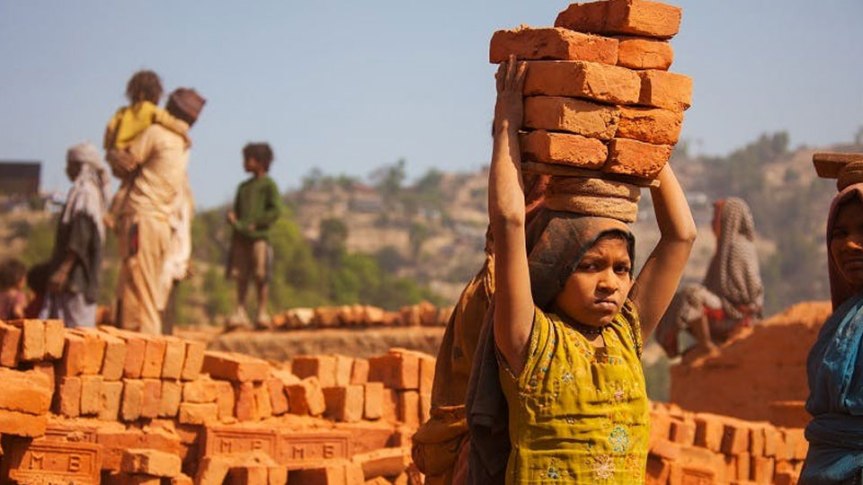
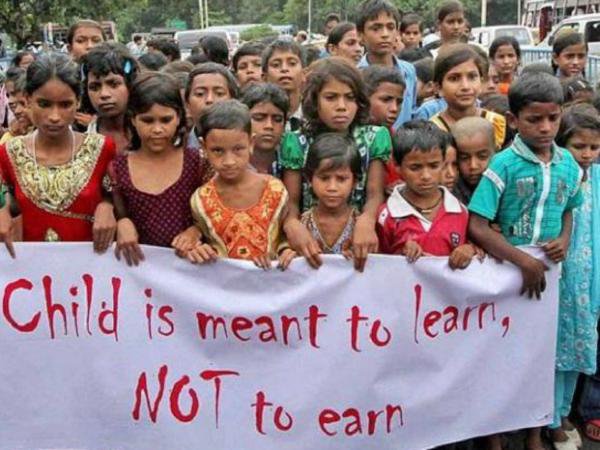
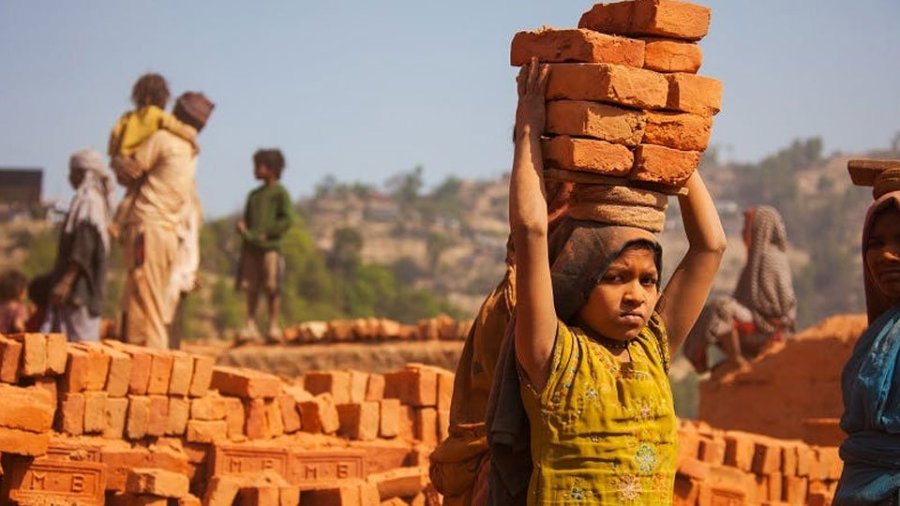
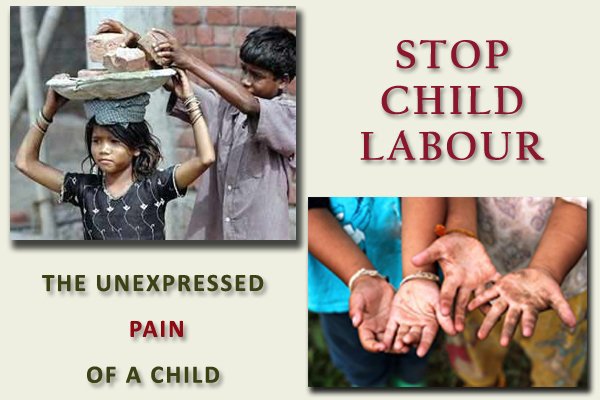
Child labor is the deprivation of children’s childhood, affecting their ability to attend regular school and exploiting them through all forms of work that are mentally, physically, socially and morally harmful.
After gaining independence from colonial rule, India enacted many constitutional protections and child labor laws. The Constitution of India in the principles of basic rights and public policy prohibits child labor under the age of 14 in factories, mines, castles or other dangerous occupations (Article 24). The Constitution also stipulated that by 1960 India would provide all children aged 6 to 14 with the infrastructure and resources for compulsory free of charge education . (Articles 21-A and 45). In 2011, the Indian Census found that of the 259.64 million children in this age group, the total number of child laborers [ages 5-14] was 10.1 million. The problem of child labor is not unique to India. Approximately 217 million children work worldwide, many of whom work full-time.
Credit-ipleaders
In India child labour is defined as the involvement of children under the age of 17 in economically productive activities, with or without compensation and wages . Such participation can be physical, mental, or both. This work includes part-time or unpaid work on farms, family businesses, or other economic activities such as cultivation or milk production for sale or personal consumption. The Government of India divides child labor into two groups. The main workers are those who work more than 6 months a year. And marginal child laborers are workers who work all year round, but less than six months a year. In 1979, the Government of India established the Gurupadswamy Commission to learn about child labor and how to fight it. The Child Labor Probation and Regulation Act was enacted in 1986 on the recommendation of the Commission. A national child labor policy was developed in 1987 focusing on the rehabilitation of children working in dangerous professions. Since 1988, the Ministry of Labor and Employment has established approximately 100 industry-specific national child labor projects to rehabilitate child laborers.
Credit- Track4Trainings
The Government of India has enacted numerous laws, organizations and institutions to combat the issue of child labor. Some initiatives include child labor bans and regulations, laws prohibiting the employment of children in certain occupation and regulating the working conditions of children. The National Child Labor Policy attempts to take a sequential approach with a primary focus on the rehabilitation of children working in dangerous professions and processes of works. The Ministry of Labor and Employment is responsible for providing and supervising a range of child labor policies in India. In addition, as Osment reported, NGOs such as Care India, Child Rights and You, and Global March Against Child Labor were implemented to tackle child labor through access to education and resources. However, these efforts were of little success.
Non-governmental organisations: Bachpan Bachao Andolan, Child Rights and You, ChildFund, CARE India, GoodWeave India,Talaash Association, Global March for Child Labor, and many other NGOs are campaigning to eliminate child labor in India. increase.
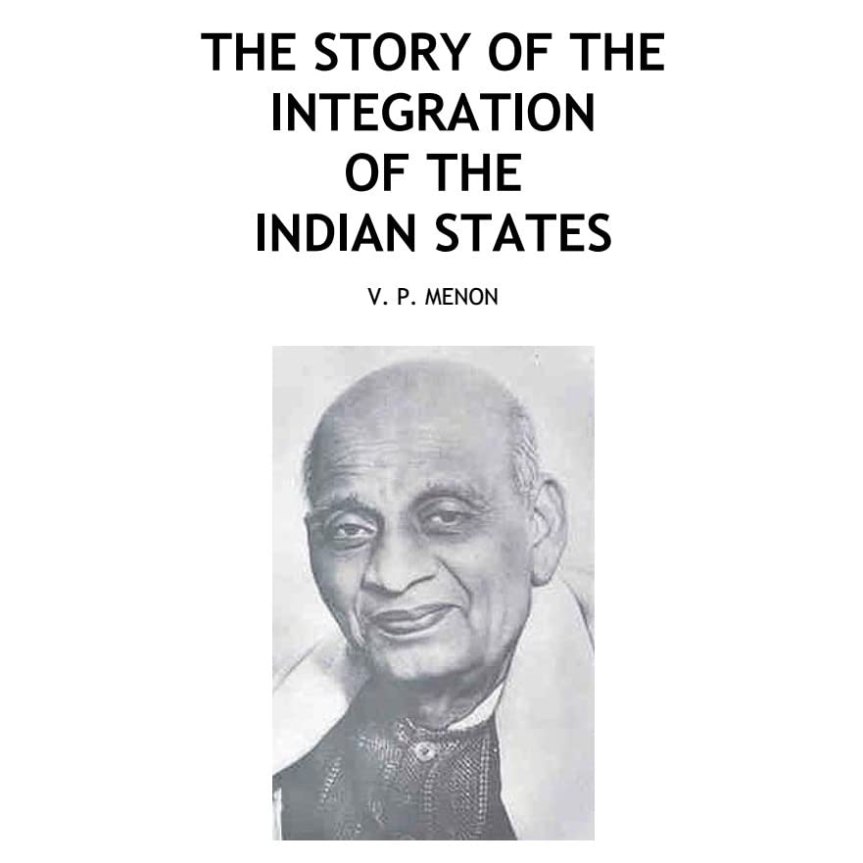
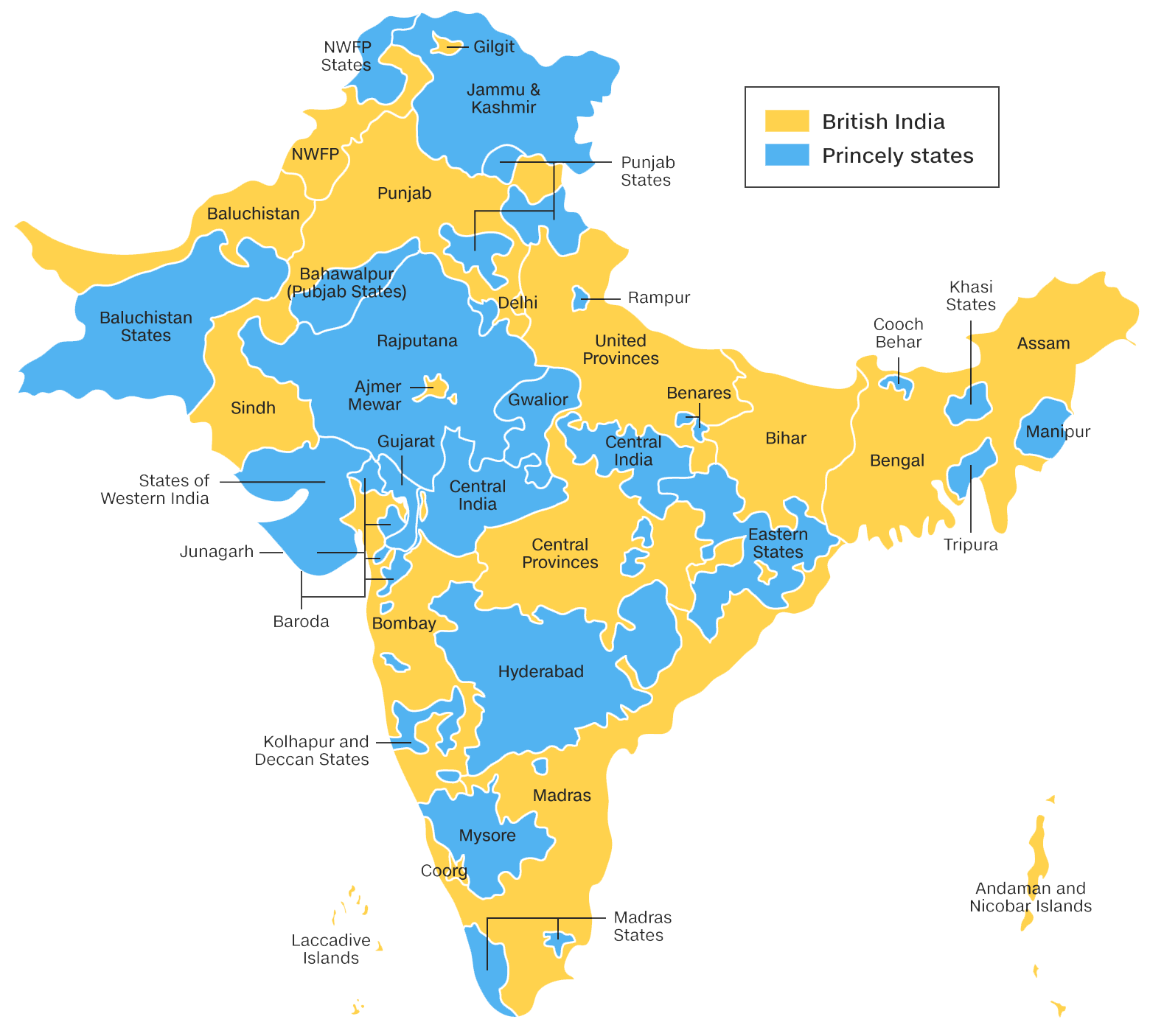
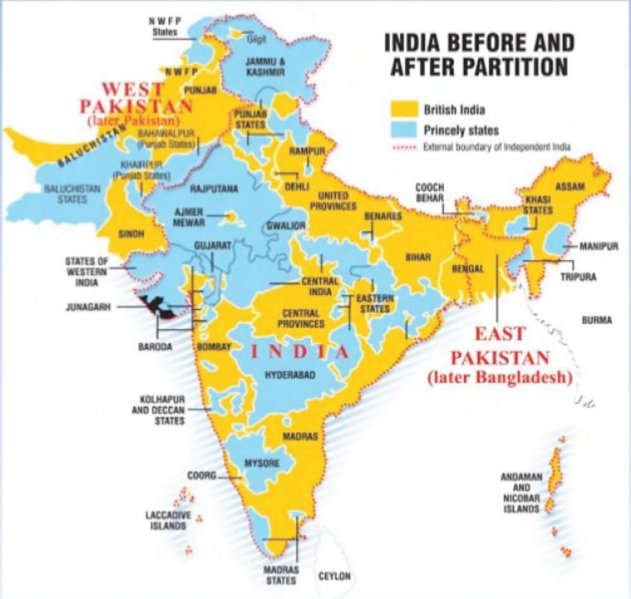
Sardar Vallabhbhai Patel played an important role in the integration of the princely state into the Dominion of India. This achievement laid the foundation for Patel’s popularity in the post-independence era. He is still remembered as the man who united India today. In this respect he is compared to Otto von Bismarck, who united many German states in 1871. The June 3 plan gave more than 565 princely states the option of joining India or Pakistan or choosing independence. Most Indian nationalists and the masses were afraid that most people and territories would be fragmented without the participation of these states. Parliament and British officials considered Patel to be the best man on a mission to secure the conquest of the princely state from Indian rule. According to Gandhi only Patel could solve this problem. Patel had practical insight and determination to accomplish monumental work. Patel asked V.P. Menon, a senior official involved in the division of India, to become his right-hand man as Principal Secretary of State. Patel used a social gathering and informal setting to involve most monarchs and invite them to their home in Delhi for lunch and tea. At these meetings, Patel stated that there was no essential conflict between Congress and the prince’s order. Patel aroused the patriotism of the Indian monarchs and urged them to embrace the independence of their country and act as responsible rulers who care for their people’s future. He persuaded the rulers of 565 states about the impossibility of independence from the Republic of India, especially in the face of rising opposition from their subject. He proposed favorable conditions for the merger, including the creation of a secret purse for the descendants of the ruler. Patel encouraged the rulers to act patrioticly, and to thought about his states people and their futur, but he did not rule out violence. He emphasized the need for the princes to join India in good faith and gave them to sign the membership certificate until August 15, 1947. All but three states were willing to join the Indian Union. Only Jammu and Kashmir, Junagad and Hyderabad were States which were tough to brought under Indian Dominion.
Credit-Youtube
Junagadh being situated in Gujrat it was very important for Patel to bring it under Indian’s dominion. This was also important because there was the super-rich Somnath Temple (a temple where different stones were their including emeralds, diamonds, and gold which were looted by Mohd. Ghazni) in the Kathiawar district. Bieng under the pressure from Sir Shah Nawas Bhutto, a Nawab who joined Pakistan. However, it was far from Pakistan, with 80% of its state population being Hindus.Patel combining diplomacy and power, Pakistan invalidated Pakistan’s accession and demanded that Nawab join India. Patel sent troops to occupy the three principalities of Junagadh to show his determination. After widespread protests and the formation of the civilian government, or Aarzi Hukumat, both Bhutto and Nawab fled to Karachi, and under Patel’s orders, Indian troops and police forces invaded the state. A later organized referendum resulted in 99.5% of the votes in favor of the merger with India. After taking over, Patel, who spoke at the University of Bahauddin in Junagad, emphasized his sense of urgency regarding Hyderabad. He believes this is more important to India than Kashmir.
Credit-Youtube
Hyderabad was the largest of the princely states and which included States parts of which are now Telangana, Arndra Pradesh, Karnataka and Maharashtra. Its ruler, Nizam Osman Ali Khan, was Muslim, but more than 80% of the population of state was Hindu. Nizam called for independence or accession to Pakistan. Under Kasim Razvi, an army of Nizam-faithful Islamic troops called Razakar urged Nizam to confront India and at the same time organize an attack on the people of India’s soil. The standstill agreement was signed by Lord Mountbatten’s in desperate efforts to avoid the war, but Nizam refused to trade and changed his position. At a cabinet meeting in September 1948, Patel emphasized that India should stop speaking and reconciled Nehru and Governor Chakravarti Rajgoparachari with military action. After preparation, Patel ordered the Indian troops to invade Hyderabad (in his position on behalf of the Prime Minister) when Nehru traveled to Europe. This action, called Operation Polo, in which thousands of Razakar troops were killed , but Hyderabad was secured and integrated into the Republic of India. Mountbatten and Nehru’s main goal was to avoid forced annexation to prevent the outbreak of Hindu and Muslim violence. Patel argued that if Hyderabad was allowed to survive as an independent state surrounded by India, the government’s fame would decline and neither Hindus nor Muslims would feel reassured in their empire. After defeating the Nizam, Patel held him as the head of state of the ritual and met with him. India had 562 princely states after addition of Junagarh, Heydrabad and Jammu& Kashmir.
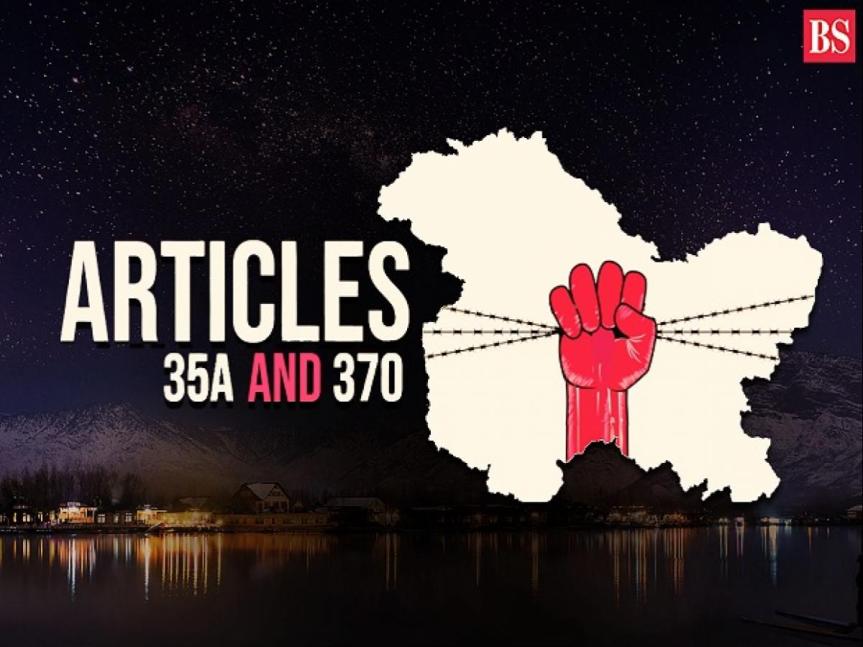
Article 370 The first accession of Jammu and Kashmir, like all other princely states, involved three issues: defense, diplomacy, and communications. All princely states were invited to send representatives to the Constitutional Parliament, which drafted the Constitution across India. They were also encouraged to establish a constituent parliament for their own state. Most states were unable to establish a parliament in time, but some states, especially Saurashtra Union, Travancore-Cochin, and Mysore. The State Department had drafted a model state constitution, but on May 19, 1949, the governors and Chief ministers of each state met in the presence of the State Department and agreed that no separate state constitution was needed. They accepted the Indian Constitution as their own constitution. The state in which the elected constituent council proposed some changes that were accepted. Therefore, the status of all states has been placed on par with the status of ordinary Indian states. In particular, this meant that the subjects available for legislation by central and state governments were consistent and same throughout India.
In the case of Jammu and Kashmir, state politicians have decided to establish a separate constitutional council for the state. Representatives of the Indian Constitutional Assembly applied only the provisions of the Indian Constitution corresponding to the original accession documents to the state, and demanded that the state Constitutional Assembly decide on other matters. The Government of India agreed to the request shortly before its meeting with the other states on 19 May. Therefore, Article 370 was included in the Constitution of India, which provided that other provisions of the Constitution empowering the central government would apply to Jammu and Kashmir only with the approval of the State Constitutional Assembly.This was a “provisional provision” because it was applicable until the State Constitution was enacted and adopted. However, the State Constitutional Assembly was dissolved on January 25, 1957, and did not recommend the abolition or amendment of Article 370. This article was considered an integral part of the Indian Constitution, as confirmed by various recent April 2018 rulings by the Supreme Court of India and the Supreme Court of Jammu & Kashmir.
Credit- Legal Service India
Article 35A Article 35A of the Constitution of India was a provision authorized by state to define the “permanent residents” of Jammu and Kashmir State and to give them special rights and privileges. It was added to the Constitution by an Executive Order, the 1954 Constitutional Order (application to Jammu and Kashmir). It was issued by the President of India under Article 370. Jammu & Kashmir has these privileges, the ability to acquire land and real estate, vote and participate in elections, pursue government employment, and receive the benefits of other governments such as higher education and medical expenses. Defined to include. Non-permanent residents of the state were not eligible for these “privileges”, even if they were Indian citizens.
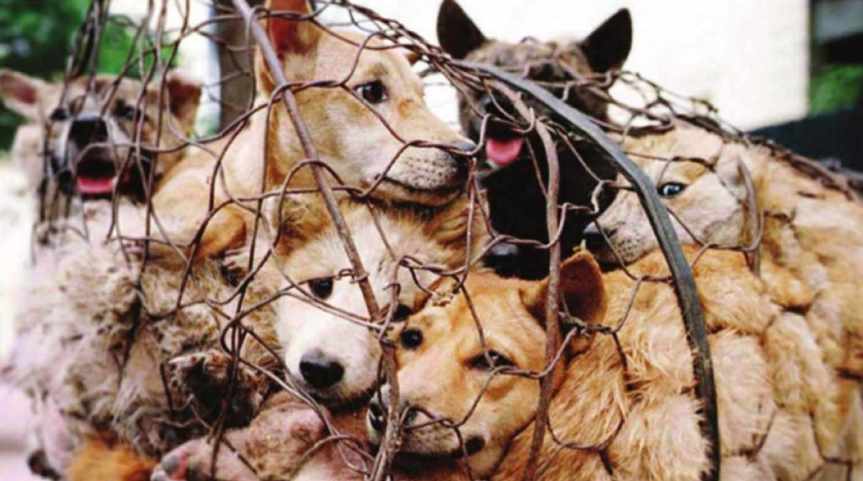
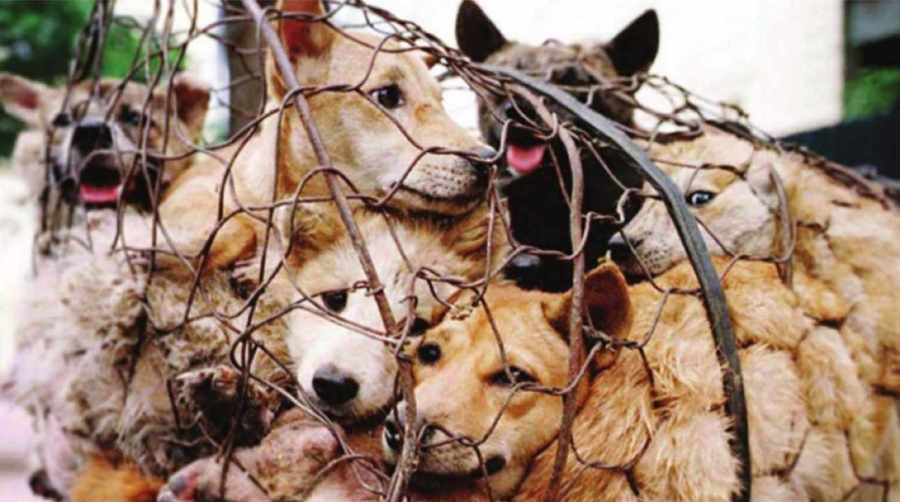
Animal Cruelty : Simply put, animal cruelty harms animals, whether intentional or negligent. While certain activities such as animal cruelty are generally perceived as cruel, the specific actions that make up animal cruelty vary from person to person and from places to places or different countries. Many argue that docking a piglet’s tail without anesthesia is cruel, while others say it is common in meat production to prevent injuries later in the pig’s life. Animal cruelty defination is different in different areas due to countries laws. Animal abuse is an pervasive problem which often is difficult to detect. No species or community is spared from experiencing animal cruelty and neglect. Understanding what animal cruelty means and what it doesn’t mean is one of the first steps to prevent it from happening again. Animals, whether it’s the food, cosmetics, entertainment, or pet industry, don’t deserve to suffer.
Is Animal Cruelty Illegal: The legality of animal cruelty depends largely on where the activity takes place . For example, cruelty to farms and laboratory animals that is illegal in some countries may not be considered banned animal cruelty in some countries, due to differences in national law. In the United States, the best-known legislation to prevent animal cruelty excludes both livestock and laboratory animals from registration.
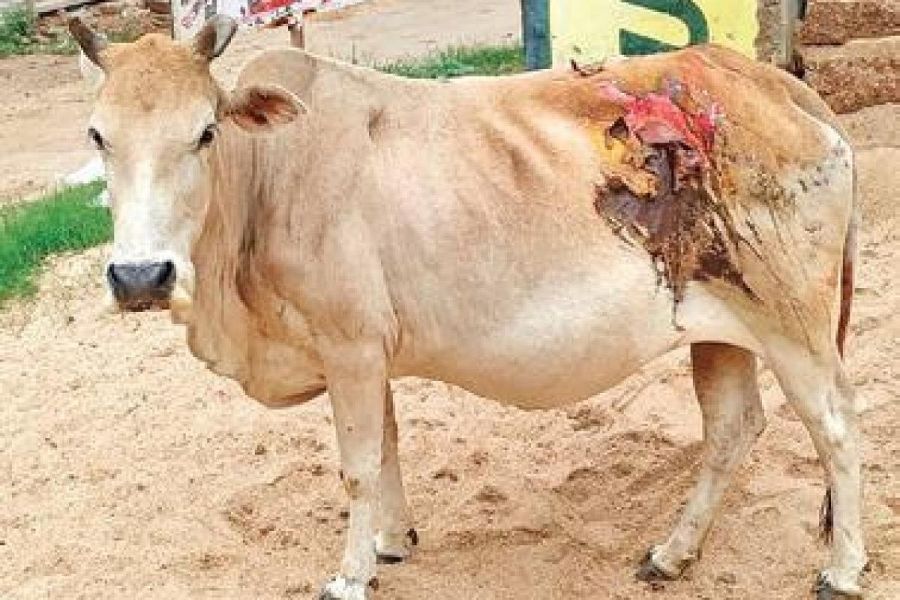
Animal cruelty in India: Recently, cases of animal cruelty are increasing in India. The same began to discuss animal rights and the extent of legal protection that current law provides to animals. The problem is that most of these crimes are either unreported or face disappointing legal responses, as some of the 1960 Animal Cruelty Prevention Act and the Indian Criminal Code are obsolete. SS Rithika an social activist in context to animal writes about common scenarios of animal cruelty and current laws, procedures, and court decisions dealing with animal cruelty in India. Rithika is also pushing for amendments to these laws to curb the rise in atrocities against animals.
Law related to animal cruelty in India: The Animal Cruelty Prevention Act of 1960 was amended in 1982. Under India’s newly amended 2011 Animal Welfare Act, animal abuse is a criminal offense with a fine of at least 10,000 rupees, a fine of up to 25,000 rupees for the first violation, or upto two years of imprisonment. For the second and subsequent violations, a fine of 50,000 rupees or more and imprisonment of 1 year or more upto 3 years or less. This amendment is currently awaiting approval by the Government of India. The 1962 law is the law currently in force. The maximum fine under the 1962 Act is 50 rupees (less than $ 1). Many organizations, including local SPCA, PF, A, Fosterdopt, etc., are actively involved in reporting cases of atrocities to police and assisting the general public in bringing perpetrators to justice. For this reason, there are many changes in the subcontinent. Under IPC sections 428 and 429, causing mischief by killing or amputating an animal worth more than 10 rupees is a recognizable crime punishable by two years’ imprisonment, a fine, or both.
Some of the campaign toward animal cruelty:#NoMore50 , #RespectForAnimals , #FarmedAnimals etc.
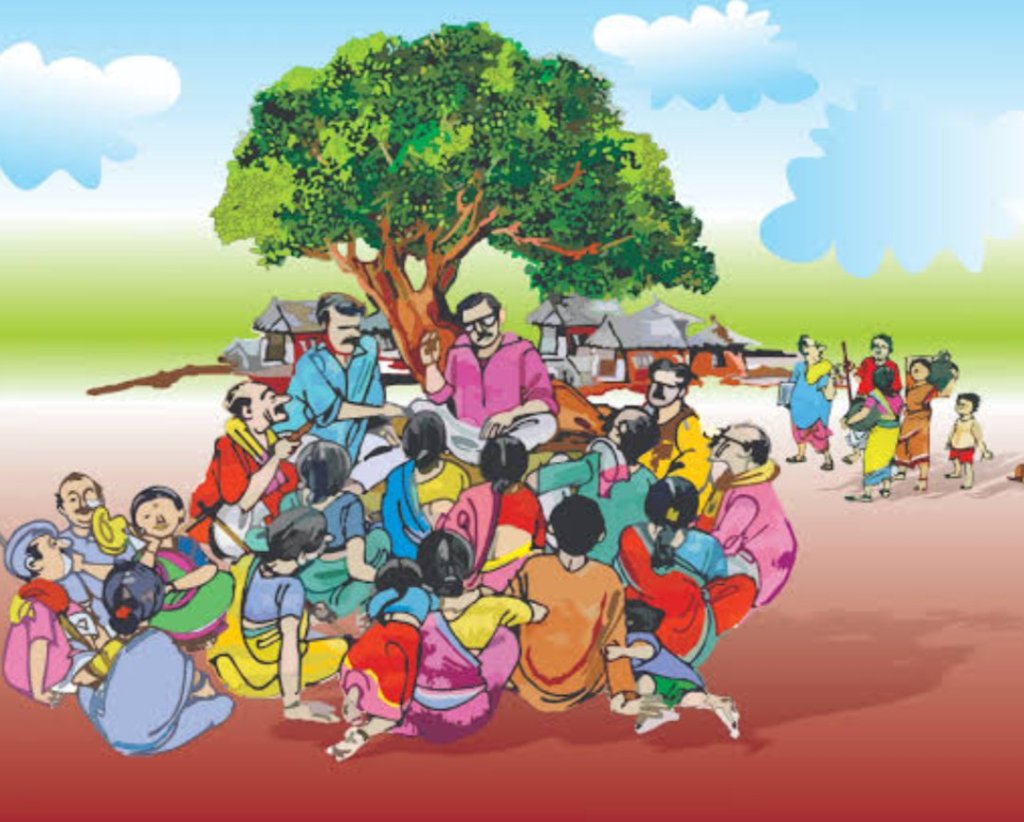
Evolution and development of the local self Government has long history. The notion of direct democracy in janapada and mahajanapadas, that said to be precursor of panchayati Raj Institutions in Post – independence India. The idea of local self – Government (LSG) was also extended to the urban areas, thereby making the notion of local self government two dimensional i.e. rural local self Government and urban local self Government.
Local Self Government based on basic human needs having direct bearing on the lives of the individual and the community as whole, better fulfilled by a government to which the individual and the local community have direct and easy access. Panchayati Raj in India signifies the system of rural local self Government.
Post independence times, democratisation of the Polity in the members of the constituent assembly, Gandhian plea for a village based system of political formation fostered by a stateless, classless society was initially rejected by the Congress Constitution committee. The idea of Panchayati Raj finding a place in the Constitutional framework of the country persuaded to provide a place of relative insignificance to the dream of Panchayati Raj by placing part IV of the Constitution.
It was created to establish democracy at the grassroot level. It was constitutionalised through 73rd Constitutional Amendment Act 1992. The Ministry of Rural Development looks after the matters relating to panchayati Raj bodies. The 5th entry of state list of the 7th schedule to the Constitution of India deals with local government. The government to operationalize the panchayati Raj with the inauguration of the Constitution on 26th January 1950.
Committees on Local Self Government
Balwant Raj Mehta Committee
In 1957, Government of India appointed a committee under Balwant Mehta to examine the working of the community development Programme and National Extension services. The committee recommended the establishment of democratic decentralization, which ultimately came to known as Panchayati Raj.
Recommendations of Balwant Mehta Committee are as follows;
Establishment of a 3 tier panchayat Raj system Gram panchayat at the village level, panchayat samiti at the block level, Zila Parishad at the district level.
The village Panchayat should be constituted with directions elected Representatives. The panchayat samiti and Zila Parishad should be constituted with indirectly elected members.
These bodies are entrusted with all developmental activities. The Panchayat samiti should be the executive body while the Zila Parishad be the advisory body.
The district collector should be the Chairman of Zila Parishad.
National Development Council accepted these recommendation, but left to states to evolve their own patterns.
Ashok Mehta Committee
In December 1977, the janta Government appointed a committee on panchayat. Raj Institutions under the chairmanship of ashok mehta. It submitted it’s report in August 1978 and made 132 recommendations to revive and strengthen the declining Panchayati Raj system in the country.
The 3 tier system of Panchayati Raj be replaced by the two tier system, Zila Parishad at the district level. A district should be the first point for decentralization under popular supervision below the state level. Zila Parishad should be the executive body and made responsible for planning at the district level.
There should be an official participation of political parties at all levels of panchayat elections. The panchayat Raj Institutions should have compulsory powers of taxation to mobilize their own financial resources.
A minister for panchayat Raj should be appointed in the state council of ministers to look after the affairs of the panchayati Raj Institutions. Seats for SC and ST should be reserved on the basis of their population.
GVK Rao Committee
The planning commission of India in 1985, appoint GVk Rao as the Chairman of the committee on administrative arrangement for rural development and poverty alleviation programmes. The commission found that bureaucracy side lined Panchayati Raj in developmental process. The phenomenon of bureaucratisation of development administration’ results into grass without roots.
The committee made following recommendations:
Zila Parishad should become the principal body for management of all development programme at the district level. Planning functions at the state level should be transferred to the district level planning units.
A post of District Development commissioner should be created. He should act as the chief Executive officer of Zila Parishad.
The Panchayati Raj Institutions at the district and lower levels should be assigned an important role with respect to planning implementation and monitoring of rural development programme. Election to Panchayati Raj Institutions should be held regularly.
LM Singhvi Committee
Rajiv Gandhi Government in 1986, appointed a committee on “Revitalization of Panchayati Raj Institutions for democracy and development” under the ‘Chairmanship of LM Singhvi’.
Constitutional recognition of the Panchayati Raj Institutions were recommended. It suggested Constitution provisions to ensure regular , free and fair elections to the panchayati Raj bodies.
Nyaya panchayat should be established for cluster of village. The village Panchayats need to be equipped with financial resources.
The judicial tribunals should be established in each state to adjudicate controversies about the election to the panchayati Raj Institutions their dissolution and other matter related to their functioning.
73rd Amendment Act 1992
The Constitutional Amendment Act of 1992 has added Part – IX to the Constitution of India. It is entitled as The Panchayats’ and consists of provision from Article 243 to 243. The act also add 11th schedule to the Constitution. It contains 29 functional items of the panchayat and deals with Article 243- G.
Panchayati Raj Institutions get a constitutional status and State Government are oblised to adopt the new Panchayati Raj Act. Constitution balance between the center and state is not disturbed by the act.
Gram Sabha
Gram Sabha as the foundation of the panchayati Raj system. The Gram Sabha is a body consisting of persons registered in the electoral rolls of a village comprised within the area of panchayat at the village level. The Gram Sabha exercise such powers and functions at the village level. The Balwant Rai Mehta committee report, which envisaged a three tier structure at local level, made no formal mention of the Gram Sabha.
Gram Sabha exists as a statutory body in almost all states except in Kerala and Tamil Nadu. In states like Bihar, Odisha and Rajasthan, all the audit residents of a village or a group of village are it’s member.
Functions of Gram Sabha
To help implementation of the development programme and schemes of the panchayat. To support the programme of mass education and family welfare.
To solicit support in cash or kind or both and voluntary labour from the Public for community welfare programme. To discuss and appropriate action with regard to reports of the vigilance committee.
Evolution and development of the local self Government has long history. The notion of direct democracy in janapada and mahajanapadas, that said to be precursor of panchayati Raj Institutions in Post – independence India. The idea of local self – Government (LSG) was also extended to the urban areas, thereby making the notion of local self government two dimensional i.e. rural local self Government and urban local self Government.
Local Self Government based on basic human needs having direct bearing on the lives of the individual and the community as whole, better fulfilled by a government to which the individual and the local community have direct and easy access. Panchayati Raj in India signifies the system of rural local self Government.
Post independence times, democratisation of the Polity in the members of the constituent assembly, Gandhian plea for a village based system of political formation fostered by a stateless, classless society was initially rejected by the Congress Constitution committee. The idea of Panchayati Raj finding a place in the Constitutional framework of the country persuaded to provide a place of relative insignificance to the dream of Panchayati Raj by placing part IV of the Constitution.
It was created to establish democracy at the grassroot level. It was constitutionalised through 73rd Constitutional Amendment Act 1992. The Ministry of Rural Development looks after the matters relating to panchayati Raj bodies. The 5th entry of state list of the 7th schedule to the Constitution of India deals with local government. The government to operationalize the panchayati Raj with the inauguration of the Constitution on 26th January 1950.
Committees on Local Self Government
Balwant Raj Mehta Committee
In 1957, Government of India appointed a committee under Balwant Mehta to examine the working of the community development Programme and National Extension services. The committee recommended the establishment of democratic decentralization, which ultimately came to known as Panchayati Raj.
Recommendations of Balwant Mehta Committee are as follows;
Establishment of a 3 tier panchayat Raj system Gram panchayat at the village level, panchayat samiti at the block level, Zila Parishad at the district level.
The village Panchayat should be constituted with directions elected Representatives. The panchayat samiti and Zila Parishad should be constituted with indirectly elected members.
These bodies are entrusted with all developmental activities. The Panchayat samiti should be the executive body while the Zila Parishad be the advisory body.
The district collector should be the Chairman of Zila Parishad.
National Development Council accepted these recommendation, but left to states to evolve their own patterns.
Ashok Mehta Committee
In December 1977, the janta Government appointed a committee on panchayat. Raj Institutions under the chairmanship of ashok mehta. It submitted it’s report in August 1978 and made 132 recommendations to revive and strengthen the declining Panchayati Raj system in the country.
The 3 tier system of Panchayati Raj be replaced by the two tier system, Zila Parishad at the district level. A district should be the first point for decentralization under popular supervision below the state level. Zila Parishad should be the executive body and made responsible for planning at the district level.
There should be an official participation of political parties at all levels of panchayat elections. The panchayat Raj Institutions should have compulsory powers of taxation to mobilize their own financial resources.
A minister for panchayat Raj should be appointed in the state council of ministers to look after the affairs of the panchayati Raj Institutions. Seats for SC and ST should be reserved on the basis of their population.
GVK Rao Committee
The planning commission of India in 1985, appoint GVk Rao as the Chairman of the committee on administrative arrangement for rural development and poverty alleviation programmes. The commission found that bureaucracy side lined Panchayati Raj in developmental process. The phenomenon of bureaucratisation of development administration’ results into grass without roots.
The committee made following recommendations:
Zila Parishad should become the principal body for management of all development programme at the district level. Planning functions at the state level should be transferred to the district level planning units.
A post of District Development commissioner should be created. He should act as the chief Executive officer of Zila Parishad.
The Panchayati Raj Institutions at the district and lower levels should be assigned an important role with respect to planning implementation and monitoring of rural development programme. Election to Panchayati Raj Institutions should be held regularly.
LM Singhvi Committee
Rajiv Gandhi Government in 1986, appointed a committee on “Revitalization of Panchayati Raj Institutions for democracy and development” under the ‘Chairmanship of LM Singhvi’.
Constitutional recognition of the Panchayati Raj Institutions were recommended. It suggested Constitution provisions to ensure regular , free and fair elections to the panchayati Raj bodies.
Nyaya panchayat should be established for cluster of village. The village Panchayats need to be equipped with financial resources.
The judicial tribunals should be established in each state to adjudicate controversies about the election to the panchayati Raj Institutions their dissolution and other matter related to their functioning.
73rd Amendment Act 1992
The Constitutional Amendment Act of 1992 has added Part – IX to the Constitution of India. It is entitled as The Panchayats’ and consists of provision from Article 243 to 243. The act also add 11th schedule to the Constitution. It contains 29 functional items of the panchayat and deals with Article 243- G.
Panchayati Raj Institutions get a constitutional status and State Government are oblised to adopt the new Panchayati Raj Act. Constitution balance between the center and state is not disturbed by the act.
Gram Sabha
Gram Sabha as the foundation of the panchayati Raj system. The Gram Sabha is a body consisting of persons registered in the electoral rolls of a village comprised within the area of panchayat at the village level. The Gram Sabha exercise such powers and functions at the village level. The Balwant Rai Mehta committee report, which envisaged a three tier structure at local level, made no formal mention of the Gram Sabha.
Gram Sabha exists as a statutory body in almost all states except in Kerala and Tamil Nadu. In states like Bihar, Odisha and Rajasthan, all the audit residents of a village or a group of village are it’s member.
Functions of Gram Sabha
To help implementation of the development programme and schemes of the panchayat. To support the programme of mass education and family welfare.
To solicit support in cash or kind or both and voluntary labour from the Public for community welfare programme. To discuss and appropriate action with regard to reports of the vigilance committee.
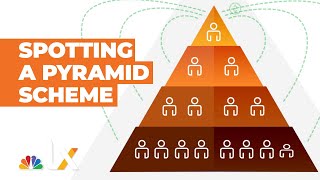
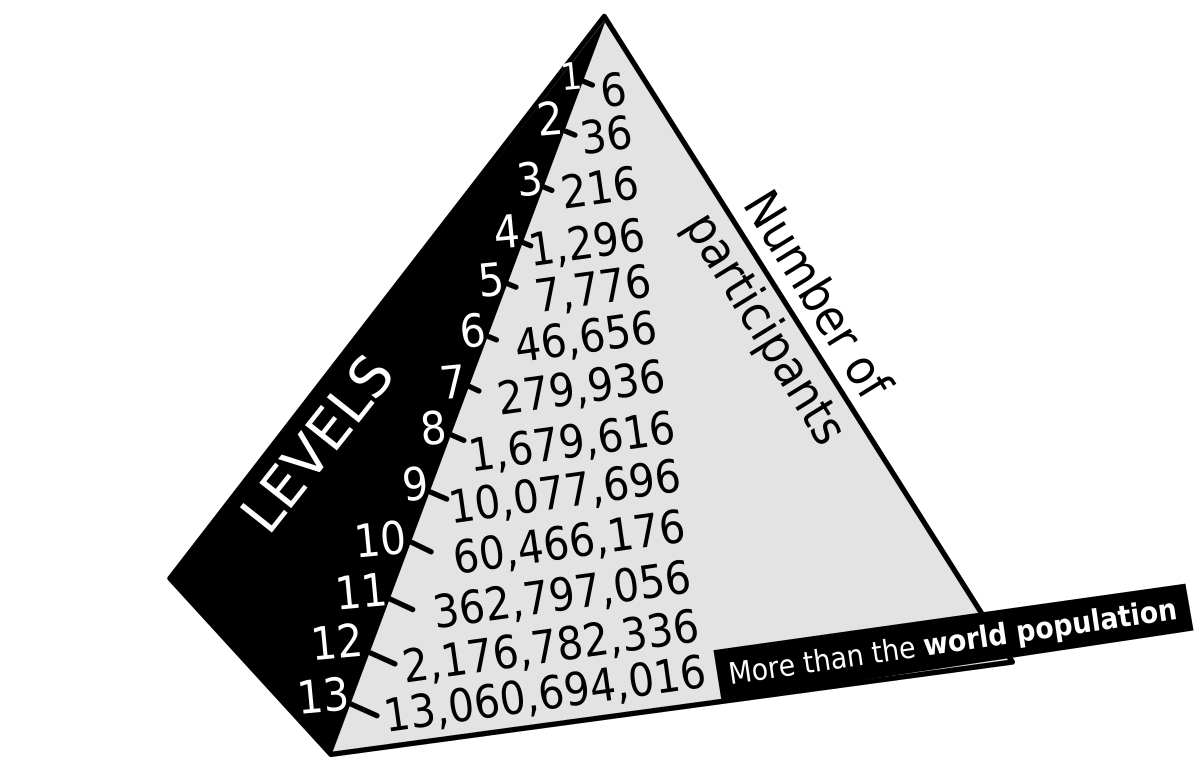
A pyramid scheme is a fraudulent system of making money based on recruiting an ever-increasing number of “investors.” The initial promoters recruit investors, who in turn recruit more investors, and so on. The scheme is called a “pyramid” because at each level, the number of investors increases. The small group of initial promoters at the top require a large base of later investors to support the scheme by providing profits to the earlier investors.
Let’s assume the following: Founder Mike sits alone at the top of the heap, represented by the number “one.” Assume Mike recruits 10 second-tier people to the level directly below him, where each newbie must issue him a cash payment for the privilege of joining. Not only do those buy-in fees funnel directly into Mike’s pocket, but each of the 10 new members must then recruit 10 tier-three members of their own (totaling 100), who must pay fees to the tier-two recruiters, who must send a percentage of their takes back up to Mike. According to the hard-sell pitches made at recruitment events, those bold enough to take the pyramid plunge will theoretically receive substantial cash from the recruits below them. But in practice, the prospective member pools tend to dry up over time. And by the time a pyramid scheme invariably shuts down, the top-level operatives walk away with loads of cash, while the majority of lower-level members leave empty-handed. It should be noted that because pyramid schemes heavily rely on fees from new recruits, the vast majority do not involve the sale of actual products or services with any intrinsic value.
Unfortunately, these types of scams sometimes prey on people who need income quickly. For example, if you lost your job and are having a hard time finding a new job, you might be more willing to look into an opportunity that offers a fast return. But avoid the temptation to overlook the feeling that something is too good to be true. Instead, take a moment to calm yourself so you can make a legitimate plan after losing your job. Go over your budget—or create one for the first time—so you can manage your money in the best way possible while you try to increase your income.
How to Spot a Pyramid Scheme
Pyramid schemes and MLM sound a bit alike, don’t they? Here are some signs of a pyramid scheme, provided by the US Securities and Exchange Commission, to help you understand whether you’re considering a scam or a legitimate MLM opportunity:
You’re not selling something real. Legitimate MLMs sell tangible goods—many times there’s a ready-made market for them.
Get-rich-quick promises. If you’re being offered overnight success, get-rich-quick guarantees, or passive income promises, it’s probably too good to be true. People who make money with legitimate MLMs put a lot of time and effort into their businesses.
The company can’t prove it generates retail income. If the business can’t show you financial statements that demonstrate income from the sale of product, it could be generating all its income from recruiting people into the pyramid.
Strange or unnecessarily complex commission processes. Legitimate MLMs have easy-to-understand, product-based commissions.
The Bottom Line
Pyramid schemes are illegal in many countries. The model of profiting by using the network effect often traps individuals into recruiting their acquaintances, which can feel slimy for everyone involved and can ultimately strain relationships. Some people may shoot their shot each time and invest in multiple schemes losing money each time. Victims of pyramid schemes are often embrassed into silence and keep blaming themselves for not being tenacious enough to earn the promised returns, when in truth it’s the system that is faulty. Get rich quick schmes never work and will allways have some strings attached to it that can put people into legal trouble. Vigilance and knowledge about where your money goes are important factors that people must know, preventing them from falling pray for traps like the pyramid scheme.
A pyramid scheme is a fraudulent system of making money based on recruiting an ever-increasing number of “investors.” The initial promoters recruit investors, who in turn recruit more investors, and so on. The scheme is called a “pyramid” because at each level, the number of investors increases. The small group of initial promoters at the top require a large base of later investors to support the scheme by providing profits to the earlier investors.
Let’s assume the following: Founder Mike sits alone at the top of the heap, represented by the number “one.” Assume Mike recruits 10 second-tier people to the level directly below him, where each newbie must issue him a cash payment for the privilege of joining. Not only do those buy-in fees funnel directly into Mike’s pocket, but each of the 10 new members must then recruit 10 tier-three members of their own (totaling 100), who must pay fees to the tier-two recruiters, who must send a percentage of their takes back up to Mike. According to the hard-sell pitches made at recruitment events, those bold enough to take the pyramid plunge will theoretically receive substantial cash from the recruits below them. But in practice, the prospective member pools tend to dry up over time. And by the time a pyramid scheme invariably shuts down, the top-level operatives walk away with loads of cash, while the majority of lower-level members leave empty-handed. It should be noted that because pyramid schemes heavily rely on fees from new recruits, the vast majority do not involve the sale of actual products or services with any intrinsic value.
Unfortunately, these types of scams sometimes prey on people who need income quickly. For example, if you lost your job and are having a hard time finding a new job, you might be more willing to look into an opportunity that offers a fast return. But avoid the temptation to overlook the feeling that something is too good to be true. Instead, take a moment to calm yourself so you can make a legitimate plan after losing your job. Go over your budget—or create one for the first time—so you can manage your money in the best way possible while you try to increase your income.
How to Spot a Pyramid Scheme
Pyramid schemes and MLM sound a bit alike, don’t they? Here are some signs of a pyramid scheme, provided by the US Securities and Exchange Commission, to help you understand whether you’re considering a scam or a legitimate MLM opportunity:
You’re not selling something real. Legitimate MLMs sell tangible goods—many times there’s a ready-made market for them.
Get-rich-quick promises. If you’re being offered overnight success, get-rich-quick guarantees, or passive income promises, it’s probably too good to be true. People who make money with legitimate MLMs put a lot of time and effort into their businesses.
The company can’t prove it generates retail income. If the business can’t show you financial statements that demonstrate income from the sale of product, it could be generating all its income from recruiting people into the pyramid.
Strange or unnecessarily complex commission processes. Legitimate MLMs have easy-to-understand, product-based commissions.
The Bottom Line
Pyramid schemes are illegal in many countries. The model of profiting by using the network effect often traps individuals into recruiting their acquaintances, which can feel slimy for everyone involved and can ultimately strain relationships. Some people may shoot their shot each time and invest in multiple schemes losing money each time. Victims of pyramid schemes are often embrassed into silence and keep blaming themselves for not being tenacious enough to earn the promised returns, when in truth it’s the system that is faulty. Get rich quick schmes never work and will allways have some strings attached to it that can put people into legal trouble. Vigilance and knowledge about where your money goes are important factors that people must know, preventing them from falling pray for traps like the pyramid scheme.















/is-it-multilevel-marketing-or-a-pyramid-scheme-2947159-FINAL-5f46e1d56e034223a43f045ed7b5ee23.jpg)

 Eduindex
You must be logged in to post a comment.