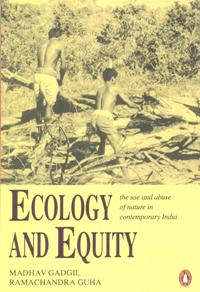
Ecology and Equity by Madhav Gadgil and Ramachandra Guha – Book Review

Madhav Gadgil is an Indian ecologist and the founder of the Centre for Ecological Sciences, Indian Institute of Science. He is know for heading the Western Ghats Ecology Experts Panel (WGEEP) of 2010, also known as Gadgil Commission. He was awarded with the Padma Shri in 1981 and the Padma Bhushan in 2006. Ramachandra Guha is an Indian Historian and a columnist. His notable works include India After Gandhi and Gandhi: The Years That Changed the World. He has been awarded with several accolades for his achievements in the field of history. 

Ecology and Equity is principally a book about the history of resource use in India after post-independent India. The second part of the book certain schematic solutions based on the findings of the authors. It is a book that caters to both people who are alien to environmental issues and people already informed on this subject. The writing is lucid and precise which makes the reader curious on this subject. 

In this book, too, the authors present a original analytic framework to classify the huge population of India. The theoretical framework is based on the idea of a ‘resource catchment’ – the place from which resources are collected for use by people. Using the example of the current Indian society, it divides population into three categories: omnivores, ecological refugees, and ecosystem people. The first category, omnivores(includes businessmen and entrepreneurs), uses most of the resources. They are the section that really benefits from economical development. Displaced peasants and tribal groups comprise ecological refugees. Development plans devoid of   ecological consideration have resulted in their displacement. They are victims of overexploitation of resources by omnivores. The last category, the ecosystem people, consists the most of the Indian population. This category relies on resources within their space for fulfilling their requirements. They are dependent on the natural resource base in their living area and have been dependent on these resources traditionally. They grow their own crops to meet their food requirements. Though the classification of more than a billion people into three categories seems too simple and insufficient, it serves the purpose of the authors. The book offers a new development agenda after considering the ecological factors, that could benefit the majority. The authors propose for a development mission on the basis of local communities under a decentralized political system.

The authors describe the disruptive use of natural resources in the current era and shortcomings of the ideologies followed in the current society. Theories that existed before 1970s tell very little of man’s interaction with nature. Growing ecological threats have necessitated the requirement for new framework. The authors have developed this framework for better understanding of ecological problems and history of resource use, and to make the readers conscious of environmental problems from its roots. The book stresses the need for development strategies to be ecologically prudent. It shows the relationship between social conflicts and ecological factors. They hope to build a country based on decentralization of power and increasing the participation of communities in the matters of resources. After reading this book, one begins to look at environmental problems from a different perspective. 
Why did Atlas Shrug ?

This is not a question answered by Ayn Rand’s novel ‘Atlas Shrugged’ however it does shed light on a dystopian world which is rushing towards a total economic collapse. Businesses suffer due to a corrupt and meddlesome governing authority putting up burdensome laws. The story follows railroad executive Dagny Taggart in her struggle against ‘looters’ that exploit their productivity. In this world more and more successful leaders and thinkers abandon their business and seemingly disappear as a strike against the looters. The novel pushes a capitalist world where everyone gets what they deserve. This novel takes the idea “what if all thinkers decided to go on a strike” and revolves around the consequences.

This world has a common saying “Who is John Galt ?” which means “why bother” this phrase not only confuses the protagonist but drives her. Dagny sets out to save her company from the economic collapse by setting out to make a new rail line with the help of Hank Rearden who creates a new alloy lighter and stronger than steel. A government research foundation “State Science Institute” wants to buy the alloy from Rearden but he’s unwilling to sell. The institute then publishes a report condemning the metal without proper analysis still succeeds in making many significant organizations boycott the train line. To counter the boycott Dagny declares the new line an independent line with the name John Galt line to protect Taggart transcontinental. Dagny and Hank find out that Ellis Wyatt a supporter of the rail line set his oil fields to fire and disappeared along with a few other leaders. Meanwhile an old friend of Dagny’s Francisco d’Anconia is found by Dagny and hank to be damaging his own business for unknown reasons.

After the completion of the John Galt line and eventual inauguration Dagny and Hank find out an incomplete motor that works on the atmospheric static electricity. To find more about this mysterious motor she hires a scientist by the name of Quinten Daniels. The authority then imposes a directive where employees are forbidden from leaving their jobs and all the patents are nationalized in protest of this Dagny resigns. Due to a major disaster in Taggart Transcontinental’s tunnels Dagny returns to work and is notified that Quentin Daniels is resigning too. She tries to stop him from doing so, on the way she finds the secret about the motor which was created by an engineer named John Galt. She chases after Daniels in a plane and crashes into a hidden valley called Galt’s culch while inadvertently discovering the reason behind all the disappearances.

She meets John Galt who is leading the organized strike of the “men of the mind” against a society composed of looters and exploiters. Dagny stays at the culch and begins to understand Galt’s motives and reasoning behind the strike. Galt wishes for the world to be devoid of the leeches and looters. Galt asks Dagny to join his strike which is supported by many prominent figures like d’Anconia but Dagny refuses to abandon the railroad.

Dagny leaves Galt’s culch and finds herself back in her world which has devolved into dictatorship. d’Anconia finishes the sabotage of his own industry and invites Rearden to support the strike after stopping a government sanctioned armed takeover of Rearden Steel. Meanwhile Galt follows Dagny to New York and delivers a long speech about his ideals but is captured by the authorities he is then rescued by his followers joined by Dagny. The novel ends as Galt announces the way is clear for the strikers to re-join the world and help rebuild it due to the downfall of the government.

In conclusion I’ll say that the novel is definitely not a small one which an avid reader could finish in a weekend but is definitely worth reading as the world seems to be going in the same direction the author feared.

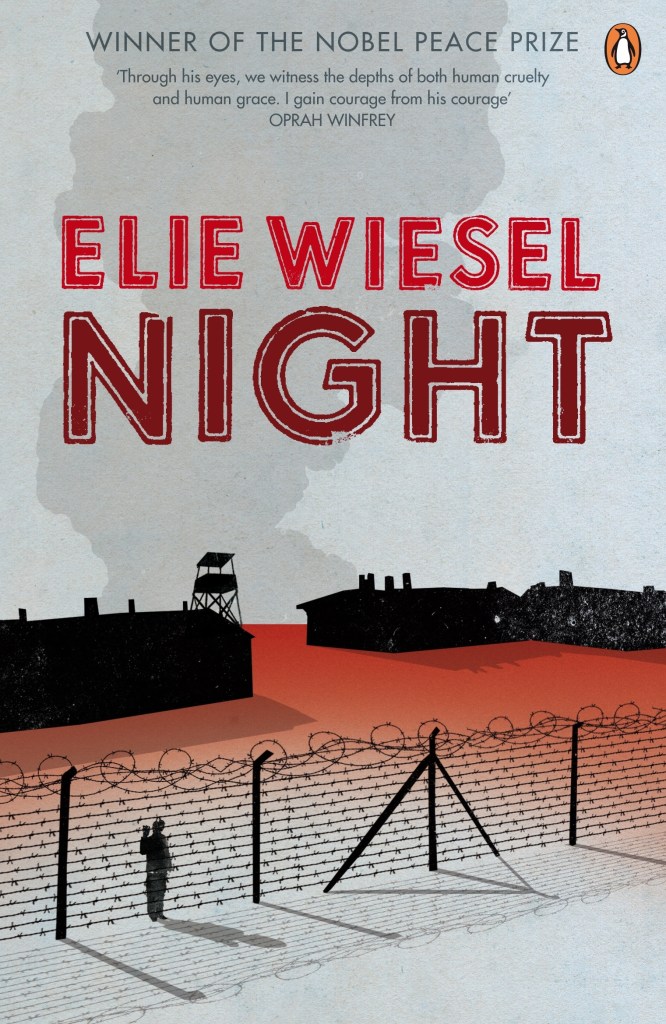
Night by Elie Wiesel – Book Review

Elie Wiesel’s Night is a personal account of the Holocaust. It narrates the experiences of a  schoolboy in the camps of Auschwitz and Buchenwald. It is a poignant account of the cruelties imposed on man by man.

Elie Wiesel was a schoolboy who was born in Sighet and spent his life with his family. In 1944, he was taken to Auschwitz and then to Buchenwald. Immediately separated from his mother and sister, he is left with his father to work in the camp. The rest of the book recalls his experiences in the camp until he was released a year later. The book voices out the grief and despair of the inmates of the camp. The author successfully manages to express himself and provide a disturbing account of the Holocaust.

Eliezer Wiesel was a Holocaust Survivor who later became a writer, professor and an activist. He was born on September 30 in the year of 1928. He authored several book that bear witness to the experiences of concentration camps. He was honoured with the Nobel Prize for Peace in the year 1986. He dedicated his whole life for Jewish causes and human rights causes. He died in the year 2016. 

“Then came the march past the victims. The two men were no longer alive. Their tongues were hanging out, swollen and bluish. But the third rope was still moving: the child, too light, was still breathing…
And so he remained for more than half an hour, lingering between life and death, writhing before our eyes.
And we were forced to look at him at close range. He was still alive when I passed him. His tongue was still red, his eyes not yet extinguished.

Behind me, I heard the same man asking:
“For God’s sake, where is God?”
And from within me, I heard a voice answer:
“Where He is? This is where–hanging here from this gallows…”

That night, the soup tasted of corpses.”

Forced out of silence by experiences such as these, the author manages to create an enduring account of what an inmate went through in the camp. Though the book is short and the writing sparse, it makes the reader relive the suffering experienced by the people in the camp. It makes the reader empathize with the author and feel his disgust at humanity after reading the book. 


Never shall I forget that smoke.
Never shall I forget the small faces of the children whose bodies I saw transformed into smoke under a silent sky.
Never shall I forget those flames that consumed my faith forever.
Never shall I forget the nocturnal silence that deprived me for all eternity of the desire to live.
Never shall I forget those moments that murdered my God and my soul and turned dreams to ashes.
Never shall I forget those things, even were I condemned to live as long as God Himself.
Never.

The pain that is contained in the words alone is sufficient to make one ponder about the absurdity and meaninglessness of inflicting pain upon fellow humans in the name of race, caste, or gender. 

“If only I could get rid of this dead weight … Immediately I felt ashamed of myself, ashamed forever.” 

 “Here there are no fathers, no brothers, no friends”, a Kapo tells him. “Everyone lives and dies for himself alone.”

The book captures, with precision, the emotions of the human mind in the face of extreme suffering. Events such as doctors pulling out gold crown tooth, people who enjoyed watching people fight for a loaf of bread, a father abandoned by his son make one question about Faith and God just like the author. 

“One day when I was able to get up, I decided to look at myself in the mirror on the opposite wall. I had not seen myself since the ghetto. From the depths of the mirror, a corpse was contemplating me. The look in his eyes as he gazed at me has never left me.”

After reading the last lines of this book, the reader’s mind is sure to be purged of trivialities and filled with a deep sense of empathy.

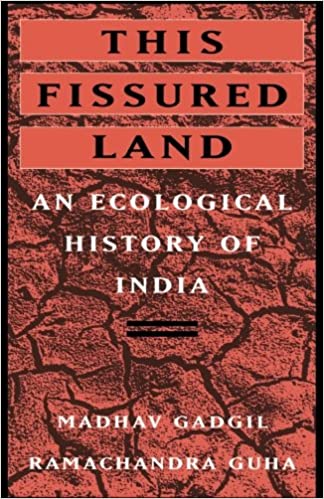
This Fissured Land by Madhav Gadgil and Ramachandra Guha – Book Review

This Fissured Land is a book that provides an ecological interpretation of Indian history and a fresh theory of resource use. It is a book about the interaction between human and nature. Written by eminent scholars like Madhav Gadgil, an Indian Ecologist, and Ramachandra Guha, an Indian Historian, the book offers fresh insights and a different perspective on the history of India and environmental issues. The book is a compilation of the lifetime works of Madhav Gadgil and Ramachandra Guha. 

Madhav Gadgil is an Indian ecologist and the founder of the Centre for Ecological Sciences, Indian Institute of Science. He is know for heading the Western Ghats Ecology Experts Panel (WGEEP) of 2010, also known as Gadgil Commission. He was awarded with the Padma Shri in 1981 and the Padma Bhushan in 2006. Ramachandra Guha is an Indian Historian and a columnist. His notable works include India After Gandhi and Gandhi: The Years That Changed the World. He has been awarded with several accolades for his achievements in the field of history. 

This book This Fissured Land looks at Indian history through an ecological lens and provides a proper account of environmental history. It studies the interaction between humans and nature and natural resources and the consequences of these interactions. It introduces us to an environmental dimension of history. 

The book studies the conditions under which humans excercised prudence or profligacy in their use of nature. It classifies human habits under the categories of prudence and profligacy. The book also offers a new sociological framework for the analysis of resource use. It presents the theory of ‘modes of resource use’. 

The theory of ‘modes of resource use’ classifies human societies based on their interaction with nature and natural resources. Understanding the shortcomings of Marx’s mode of production when trying to classify societies based on resource use and ecological context, the authors introduce the concept of modes of resource use. Their  major criticisms of Marx’s mode of production are that it ignores natural contexts within which field and factory exist, places less importance on political structures and struggles, its lack of applicability outside Europe, and its little value when interpreting religious, ideological and cultural values of various societies and differences in them. 

This concept of ‘modes of resource use’ includes natural resources in its domain of production. This concept is developed so that finding the characteristics of different modes, and estimates the environmental impact of different modes, and estimates the effects of these modes on the ecosystem and availability of natural resources become easier. When it comes to relation of productions, this concept inquires the types of property, control and management and forms of allocation and distribution. All these factors influence and guide the human societies and the periods of history in utilisation of natural resources. Regarding productive forces, it investigates the different technologies of resource exploitation, conversion and transportation that are typical of these human societies. This concept does not consider the socialist and capitalist societies as there are more similarities between them than differences in the ecological context. According to modes of resource use, human societies are classified into four historical modes. These are gathering(including shifting cultivation), nomadic pastoralism, settled cultivation or agriculture, and industrial mode of society. Each historical mode of society has a set of unique characteristics with respect to the aspects of technology, economy, social organization and ideology. 

After introducing this concept of ‘modes of resource use’, the next section of the book focusses on the ecological history of India. It studies historical events from an environmental perspectives and offers its opinion regard the practices followed in the past by Indians. The theory of ‘modes of resource use’ is applied to Indian history prior to British rule. It explains the origins and the practice of caste system and religions from an ecological context. The next part part of the book analyses the impact after the advent of the British. It focusses on the use and abuse of forests under colonial rule. It is a history of Indian forest using the perspectives of the authors. It points the flaws in our current mode of resource use and provides the basis for creating a sustainable mode of resource use. 

Frankenstein, Or, The Modern Prometheus by Mary Shelly

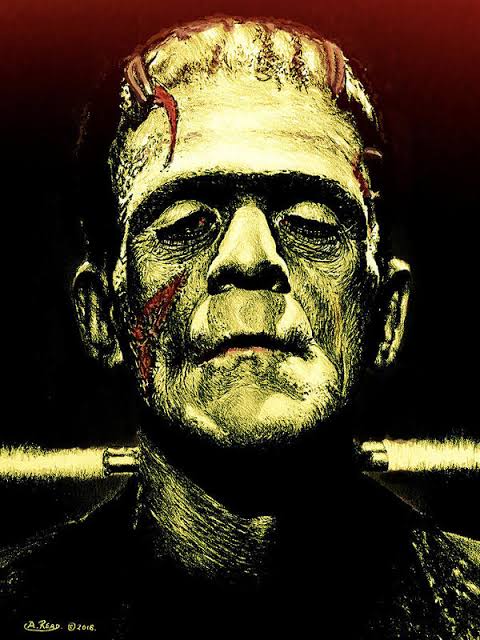
“Frankenstein Or, The Modern Prometheus” (1818) was written by an eighteen-year old Mary Shelley. The way it came into being is a tale as good as the novel itself. Once Lord Byron suggested his friends that each write a ghost story. Shelley’s attempt brought into the world of literature a true masterpiece indeed. It tells the story of a monster created by a scientist and explores the themes of death and man versus nature. Frankenstein’s monster is by instinct good, but the violent rejection by humans make him ruthless, carrying the message that it is through the upbringing and socialisation, humans become monstrous and full of prejudice towards others different to themselves. The theme of loneliness and struggle depicted in Shelly’s Frankenstein through the life of a monster may be on a personal level as her life was a tragedy. She lost her mother at a very young age and grew up under the constant pressure of making her father proud. Shelly was highly educated. She is best known for the widely acclaimed gothic novel “Frankenstein, Or The Modern Prometheus”(1818), which considered the first true science fiction story.

Shelley’s beautifully written novel begins at the bleak of North Pole on a ship, Captain Robert Walton writing to his sister Margaret Saville. He later meets Victor Frankenstein in an emaciated form. Then on Victor narrates the story of his life and his creation which forms the major crux of this novel. Victor Frankenstein was deep into science and philosophy and had created a monster out of the dead.

“I saw the dull yellow eye of the creature open; it breathed hard, and a convulsive motion agitated its limbs.”

Chapter 5, Frankenstein

There born the most important monster in all of literature. One with an amazing speed and strength and eight feet tall. As the story further takes pace, the monster takes over the narration and narrates his life to Victor. This novel is basically a story within a story. The monster was never even given a name. Victor called him from demon to ogre to wretch. He was shunned and despised by the society and was left alone. The loneliness in him built up anger for his creator, he was never to be blamed as he never wished to be born. Victor being the creator of the monster was a failure. He brought him into life but was incapable of taking care of him. He managed to somehow get literate through books. There’s a reference to the book ‘Paradise Lost’ through which he gains knowledge of what and who a creator is and realises how Victor Frankenstein had failed as a creator. He demands him of a female companion as a solution to his loneliness to which Victor initially agrees and later disagrees. The monster then starts to take revenge for all that he was suffering. Towards the end of the novel, the narration returns to where the novel had begun, to Walton writing to his sister. He mentions that Victor dis dead and for the one last time, the monster comes to see him.

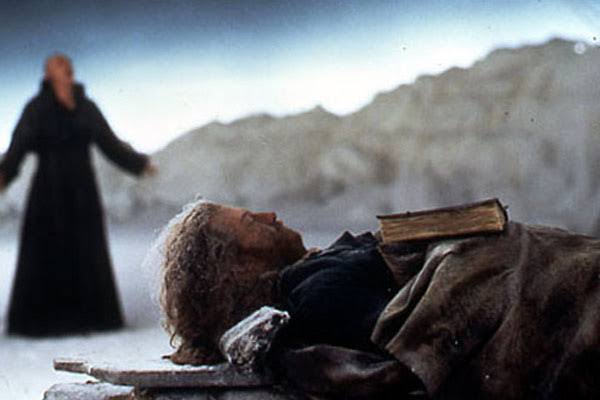
The monster’s last visit to his creator.

“He is dead who called me into being; and when I shall be no more, the very remembrance of us both will speedily vanish.”

He bids farewell and was never seen again. There ends the tale of both the creator and the creation.

“He was soon borne away by the waves and lost in darkness and distance.”

Chapter 24, Frankenstein

Victor Frankenstein’s obsession with science and knowledge cost him the lives of his dear ones. Too much knowledge not always brings up good. Not everybody can become God, He is called so for a reason.

I like the way Shelley carries away her readers to sympathize with the monster. We indeed get carried away by her choice of words and style. Something that she nowhere clears out is that how far should we go with knowledge? This novel gained almost 200 years long victory. The world has shivered and quaked under the nightmares of an imaginative 18 years old. Mary Shelley’s monster just may be immortal. It is one among the best classics to be read.

BOOK REVIEW

THE THREE MISTAKES OF MY LIFE : WRITTEN BY CHETAN BHAGAT

In late 2000, a young boy in Ahmedabad called Govind dreamt of having a business. To accommodate his friends Ish and Omi’s passion, they open a cricket shop. Govind wants to make money and thinks big. Ish is all about nurturing Ali, the batsman with a rare gift. Omi knows his limited capabilities and just wants to be with his friends. However, nothing comes easy in a turbulent city. The 3 Mistakes of My Life is a book from Chetan Bhagat, a well-known author, and writer. The story lines based on love, historical disasters, religion, friendship, cricket, excitement, business, and humor. In other words, the book shows the picture of the real life of a common Indian and elaborate Indian mentality. He has presented the facts, neutrally narrated a story. It’s the story about three friends Omi, Govind, and Ish. The story is presented through Govind’s eyes and it’s his three mistakes of life. Govind is a true Gujarati, interested in coming up on his own in life, through business. Ish is an avid cricket player whose passion lies in playing, teaching, and watching cricket. Omi is a priest’s son who doesn’t have any ambition and moves along with his two friends. These simple people’s journey in life, how their lives get affected by the worst disasters in Gujarat’s history is portrayed in a simple yet efficient way. This book also teaches you how your dreams crash into pieces by unexpected events but how with support from people around you, you get back on track, focus and rebuilt your dreams.

This novel especially comes when people only want to come up with excuses to show or feel how different they are rather than see the common aspects and bring oneness, which can keep us together and achieve our common goal of growth, peace and prosperity. The language is simple, it connects well with India’s youth, the narration has improved, all in all, Chetan has improved in all the departments of writing a book. He has again proved that to be the best novelist, you don’t need fabulous vocabulary, or you don’t need awesome critics review, all you need is a threat to connect to people’s minds. Truly his best book ever

4 MAJOR LEARNING LESSONS FROM THE BOOK ‘THE ALCHEMIST’

1. NEVER GIVE UP

While pursuing your dream, you will come along many obstacles in your path, and they may make your moral down and you will think that you are not capable of achieving that thing, but don’t give up because god is testing you so give your best shot every time.

2. OVERCOME THE FEAR OF FAILURE

Fear of failure is worse than the failure itself and this the only thing that will hold you back from attaining your dream. So, the best way is to embrace this failures as learning and move ahead in your quest of finding your destiny.

3.TAKE ACTION

You will never learn how to do things unless you implement them , by taking actions because actions are the only ways of learning how to correctly do the things, and if you don’t take actions you will never learn.

4. ENJOY THE JOURNEY

Enjoy this journey of reaching towards your destiny, because this is the moment where you will learn many things ,you will meet many people, there will be ups and downs but these things only makes your journey memorable. So, enjoy every bit of these journey.

The Alchemist by Paulo Coelho

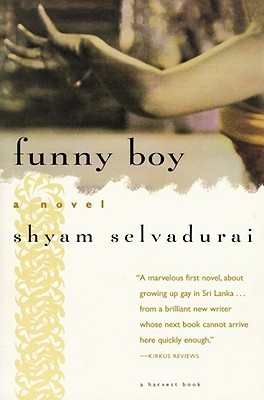
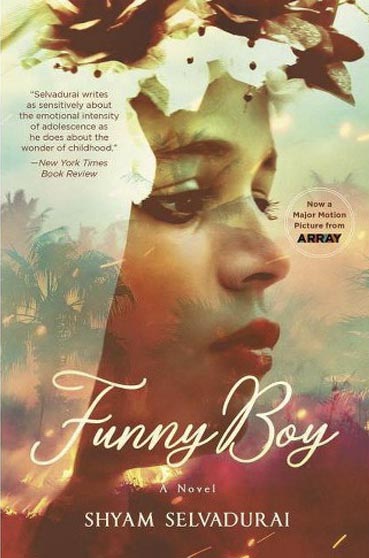
“The Funny boy” – A Homosexual Novel of searching identity

“For me, growing up, I felt like there was something fatally and tragically flawed in my nature and that it was my duty to try to avoid falling for that vice”.

– Shyam Selvadurai

Certainly, we all as a human, face some sort of battle within ourselves, might be towards our identity or maybe our existence. The worst crisis any human can face is the crisis within him/herself. It is one of the dangerous crises any person goes through, and this is what the author Shyam Selvadurai had gone in his own life which he portrayed in the novel “Funny Boy” through the main protagonist “Arjun” aka “Arjie”.

The Funny Boy – A Background :

The novel evidently sets in the early 1980’s at the consequent of Sri Lankan civil war, which showcase us the disputes and riots of Tamil – Sinhalese Historical enmity towards each other. The novel is divided into 6 chapters, in which every chapter has its own uniqueness which makes the novel more explicit.

The 1st chapter, “Pigs can’t fly”, begins with the Naïve life of the main character Arjie and his reminiscence of his childhood days, where he presents his own baffled thoughts of his own existence of, he being “Different” from other boys of his age. He was anxious and felt that his interests in playing with dolls and girls is a taboo for society whereas playing cricket will make him an ideal boy in the society.

“Life is full of stupid things and sometimes we just have to do them”, Arjie’s Amma says this to him when he refused to play with boys and instead, he likes to wear saree and play, “bride- bride” with his female cousins.

 This shows us how this chapter portray us that our society is prejudice towards the gender norms in which all of us are distributed. In one of the incidents when the relatives of Arjie saw him wearing a saree , made him a center of laughter and mocked him by saying him “ Funny”, through which the author tried to showcase us that the third Gender in our society is considered as unethical or as a clown which is irrelevant to the society, namely the title of the chapter “Pigs can’t fly’’, presents us how people in our society don’t accept the people who belongs to the third gender as according to them, pigs represents the people who are transgenders or gay like Arjie are breaking the norms of the culture.

Any war, riots or a sense of violence happens within the human minds, and politically, language and cultures drift us apart sometimes to establish a war”, this quote is well explained in the second chapter “Radha Aunty”, where this chapter explains us how casteism becomes a hurdle, when people fall in love.

They say that “If two people love each other, the rest is unimportant.”

“No, it isn’t. Ultimately, you must live in the real world.

And without your family you are nothing.”

The Funny Boy

By this quote, the author explains us the tragic love story of Radha Aunty and Anil Uncle who wanted to get marry, but the enmity and disbelief in both the communities of Tamil and Sinhalese made them apart! Indeed, this tragedy is obvious to show us the situation of the Sri Lankan civil war and the rules in which people were abused to be in. Incidents of Radha Aunty where she was brutally attacked by 2 Sinhalese people show us how threatening Humans were demons for each other.

“See no evil, hear no evil”, is the chapter 3 where show us one more Tragic incident happened with “Daryl Uncle”, we can say that the novel has a theme of failed love relationships, casteism, hatred, war, and disputes, as this chapter encloses about the incident of how Daryl uncle died or rather got murdered. It portrays us how violent was the time in columbo when the Journalist like Daryl uncle was abused and murdered.

In chapter 4, “Small Choices”, we get to know about Arjie’s feelings for the male character Jegan, who came to work in Appa’s hotel. This is the chapter where Arjie started to know about his identity but hide from the outer world as it was against the norms, which Arjie felt his feelings for men is Immorality. This chapter also counts about Anti- Tamilians and how these community was making a life miserable for the innocent people of Columbo.

Often, we know who we are, what is our identity, but because of the taboo inflicted in the society, we escape from our originality and behave as how the society wants to picture us. This is what Arjie was doing to be a normal ideal boy, but somewhere he was an abnormal boy (according to him) because of his gay feelings for the character Shehan in chapter 5, “The Best School of All “show us. When Arjie fell in love with Shehan, his perception for life and his ideology of his identity changed when he met shehan and shehan removed all the perplexed thoughts floating in the minds of Arjie. Shehan made Arjie realized that “We should ultimately know who we are! We should not hide identity from ourselves”. This is what made Arjie realize that he should respect himself and his identity. This was the chapter where he was not afraid of who he was and his sexual desires for Shehan was totally legit. In this chapter, Arjie was proud to be himself as a gay and his love for Shehan was compatible.

In “Riot Journal: An Epilogue’’ is the last chapter where Arjie wrote a journal on the effects and incidents of riots and its impact how ruined his life and lost his parents. The books end in a dismal and with a sense of alienation of Arjie and the tragic feelings inculcated and made him hollow.

Funny Boy – A Novel to explore one’s own identity !

Still unending war a human faces within himself/ Herself when it is about recognizing one’s own identity. We Humans have a psychology of hiding our real personality infront of other humans which is basically due to the age old cliché ideology of “Acceptance in the society”, due to which people hide there real self.

As Humans, we live in society and communities in which we have an urge of desire that we need love, cherishment, respect and acceptance in return, thus when we don’t get it we realize we are different from others, which ultimately makes us feel that we are an outcast from our society. so, as a part of community we behave as the world wants us to behave.

Whereas, “The Funny Boy” is the best novel of all which provides you that particular kind of Catharsis if you not aware of yourself!

So, a personal recommendation to the Bibliophile out there , Go check this Book which is not only a homosexual novel, but a novel which is Heartening and will open your insights to understand your real self.

book review :IKIGAI- The Japanese secret to a long happy life.

” Life is not a problem to be solved. Just remember to have something that keeps you busy doing what you love while being surrounded by the people who love you”- Ikigai by Hector Garcia and Francesca Miralles

IKIGAI is a Japanese concept referring to have direction or purpose in life, providing a sense of happiness and fulfillment and towards which the person may take action, giving them satisfaction and a sense of meaning.

This book touches on various elements of life that certainly we all are aware of, but always fail to implement in our daily life by giving ourselves unnecessary excuses. This book talks about how every person in this world has the ikigai ( a reason for being ), and by asking a few simple questions to yourselves, you can discover yours and live a prosperous and happy life. The authors of the book have beautifully put down all the ideas and facts which will persuade you to live your life to the fullest. The authors in the book bring the Japanese secret for the readers from the wise people of OKINAWA Island in Japan on how to live a happy and long life.

The best part of this book is, unlike many other self-help books, this does not go on and on. There are very few chapters. The idea or the message which the authors try to convey is straightforward. Read the book carefully, and it will surely teach you how you can bring meaning and joy to every day by following your IKIGAI .

Overall, a wonderful book to read if you feel stuck in your life or just want to make some changes in your life.

HAPPY READING ; )

To kill a mockingbird- Book review

A book relevant at all times through all ages.

You might have read the book at some point in your life. Either due to pressure from others (including google) or due to curiosity. And when you read it you have absolutely no regret you did so. You are left with nothing but inspiration, a new outlook on life, and love for everyone no matter how many times you read it.

The book is through the viewpoint of jean louise and is set in 1930s America. A time of trial and tribulation for the American people due to the great American economic depression. However, the beauty of the book is such that even in such times, in a time of no money, no support, when you feel that the entire worlds burden is on you, even at that time you can still be good, do the right thing and set an example. The book is not just relevant to the Americans, but to every race of the world. Every part of world has a society hierarchy, be it on the basics of colour, ancestors, job, caste, religion, sex or money. The book gives an example of America at a time when racism and woman oppression was quite prevalent in the country, and slavery was just starting to be condemned. The mindset of Atticus finch, his values and beliefs in a town where everyone, even his family were pro racisms and sexism, is quite inspirational. Because of his ethical and not his physical ability, he acts as an unconventional hero and role model. The entire novel shows the theme of morality, very difference from our modern-day movies where heroes are defined on their physical capabilities and looks.

The books highlights the fact that everyone has the capability to change and do the right thing, no matter how bad they are or what has happened in their past. Mrs Dubose for example, is a recovering morphine addict, who suffered and had the constant urge to use the drug, even when her health had given her away and made her despicable. Even a person like her had the will to do the right thing and she decided that during the last stages of her life, she is not going to hold on to the drug. She wanted to be liberated from a thing that had caused her so much of damage, and indeed she did. The book captures the essence of innocence and how just by following your gut instinct a person can come to know whether a thing is right or wrong. This innocence, however, prevails only in a child who is not subjected to the senseless rules and mannerisms of the society. Most of the people, while growing up, succumb to these mannerisms and idiosyncrasies of the society, in an effort to fit in. The few who resist this grow up to be like Atticus finch, not being xenophobic or homophobic but instead changing the mindset of the society and uplifting others. Everyone takes something different from the other, from this book, based on their life experience.

The book is a good teacher to our country India, which is one of the most diverse countries of the world in all aspects, be it colour, religion, caste, languages and beliefs. Our country is divided among itself in a variety of ways. Dowry, the need for a male child, oppression of woman, and superstition are still prevalent in rural areas of the country. However, one thing that is faced by most of India is interfaith marriages and casteism. A country this diverse is bound to have such problem. Understanding and overcoming the peculiar beliefs of people to not marry a person out of their religion or even in their religion but of a different caste is one thing that our country can learn from the lesson of equality the book teaches us. People can live together and follow different religion. Atticus finch is all the social workers who help the needy, all the teachers, and guardians who set good moral standards for their children, all the lawyers who fight for woman injustice and equality, Atticus finch can be the growing population of LGBTQ community and animal lovers.

Everyone is equal. You are a human being and so are the people around you. Hence, before you judge anyone, step into their shoes and see their perspective. And remember, kill all the bluejays you want, if you can, but it’s a sin to kill a mockingbird.
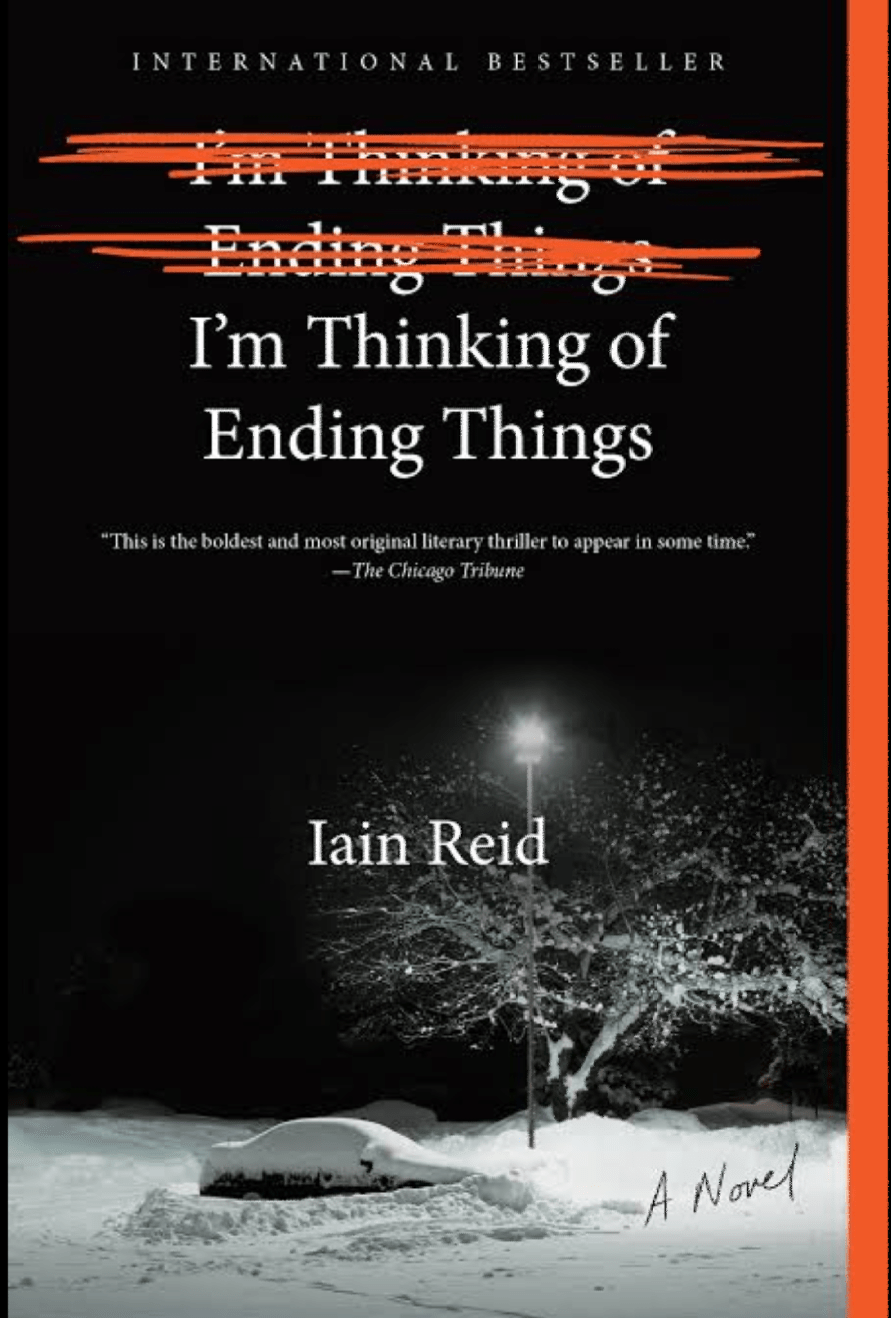
I’m thinking of ending things…

Author – Iain Reid

Page count – 224 (hardback) 130 (eBook)

Genre – Suspense, psychological thriller

The story is about a young woman and her boyfriend. A girl has no name (high five if you GoT (again) that reference). Jake is her boyfriend. We find them driving to his parents house in the country and then back home. Its just that. But you won’t believe how much happens in that time frame. The conversation between the couple makes you think. They have these deep talk about childhood and other stuff.

The name of the book is such because the girl keeps thinking of ending things with this boyfriend all this time and this is important.

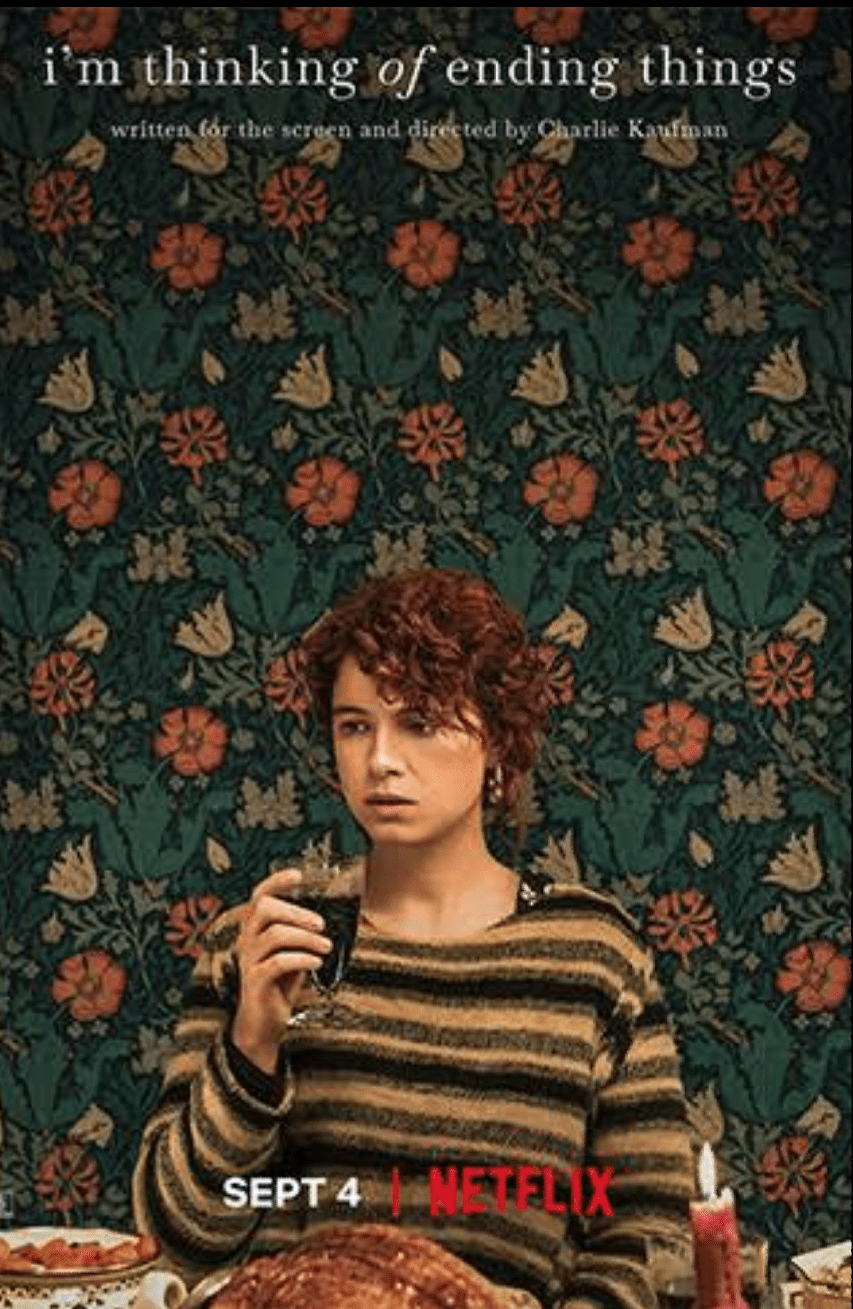
Recently made into a Netflix movie this book is what I wish I had heard about earlier. I strongly recommend thriller novel fans to give it a read. Moreover it’s short. You could finish it within a day or two. Haven’t seen the movie yet but I will check it out after I finish writing this. I really want to see the difference between how I pictured it and how the movie is portrayed. I do that with every book based movie.

It’s been a while since a read a good book. This one kept me hooked. One of those un-put-downable. The suspense it creates. You know there’s something wrong about it but you cannot pin point what it is. There’s this one crazy page and the next page is normal but you turn to the next page and it’s crazier than the first. You’ll make yourself comfortable with the surrounding, the character and the scene changes out of the blue. The last few pages are so confusing makes you feel anxious unless you read it all.

It has a 3.5/5 rating on Goodreads. I would rate it 4/5.

P.s. Suggest me some good thriller novels please.

Thank you for reading. Have a nice day!

Before you vanish off the face of earth read these books.

If you are a regular know-all-the-famous-books voracious reader you have already read most of these so you may skip I won’t mind. But for those of you who want to show off that you “read” here’s a bunch of books you could actually read and not get bored and maybe magically fall in love with books.

I am not mentioning Harry Potter or Twilight or The Hunger Games and so because these are some books that shape you as a teenager and the books call the readers themselves I need not do it.

Note: This is not a ranked I listed my favourites. Let’s first go through the fiction section…

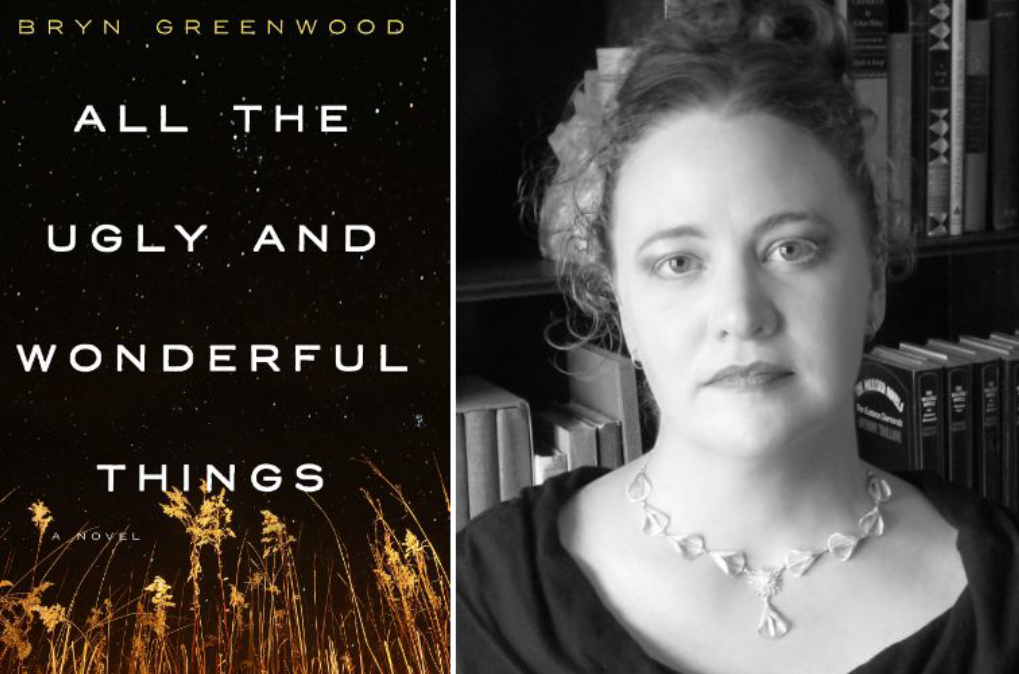
1. “All the ugly and wonderful things”

Author- Bryn Greenwood Page count-432

An unusual and disturbing love story but somehow you want this couple to be together. The story is messed up but trust me it will leave a mark on your mind.

2. “A walk to remember”

Author – Nicholas Sparks Page count – 240

http://eduindexnews.com/2020/09/06/a-walk-to-remember-book-review/

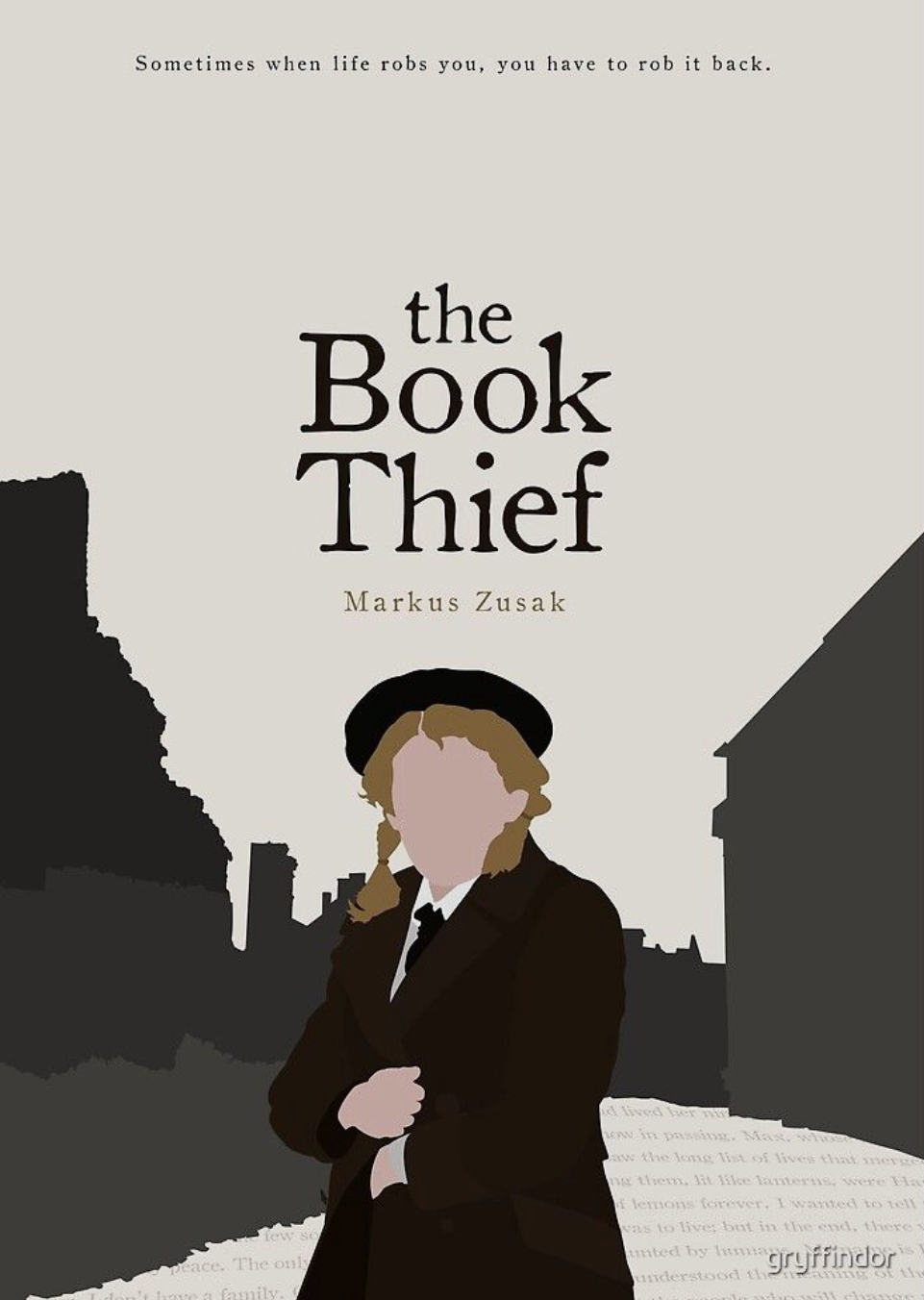
3. “The book thief”

Author- Markus Zusak Page count – 584

A historical novel narrated by Death. It’s about a little girl finding solace in books. The war makes things happen.

4. “Tell me your dreams”

Author- Sidney Sheldon Page count- 363

An absolute best thriller on Dissociative Identity Disorder or Split personality.

5. “The girl on the train”

Author- Paula Hawkins Page count – 317

Another great thriller. All about the title literally. Take my word for it you’ll love it.

6. “A thousand splendid suns”

Author- Khaled Hosseini Page count – 384

http://eduindexnews.com/2020/09/06/a-thousand-splendid-suns-book-review/

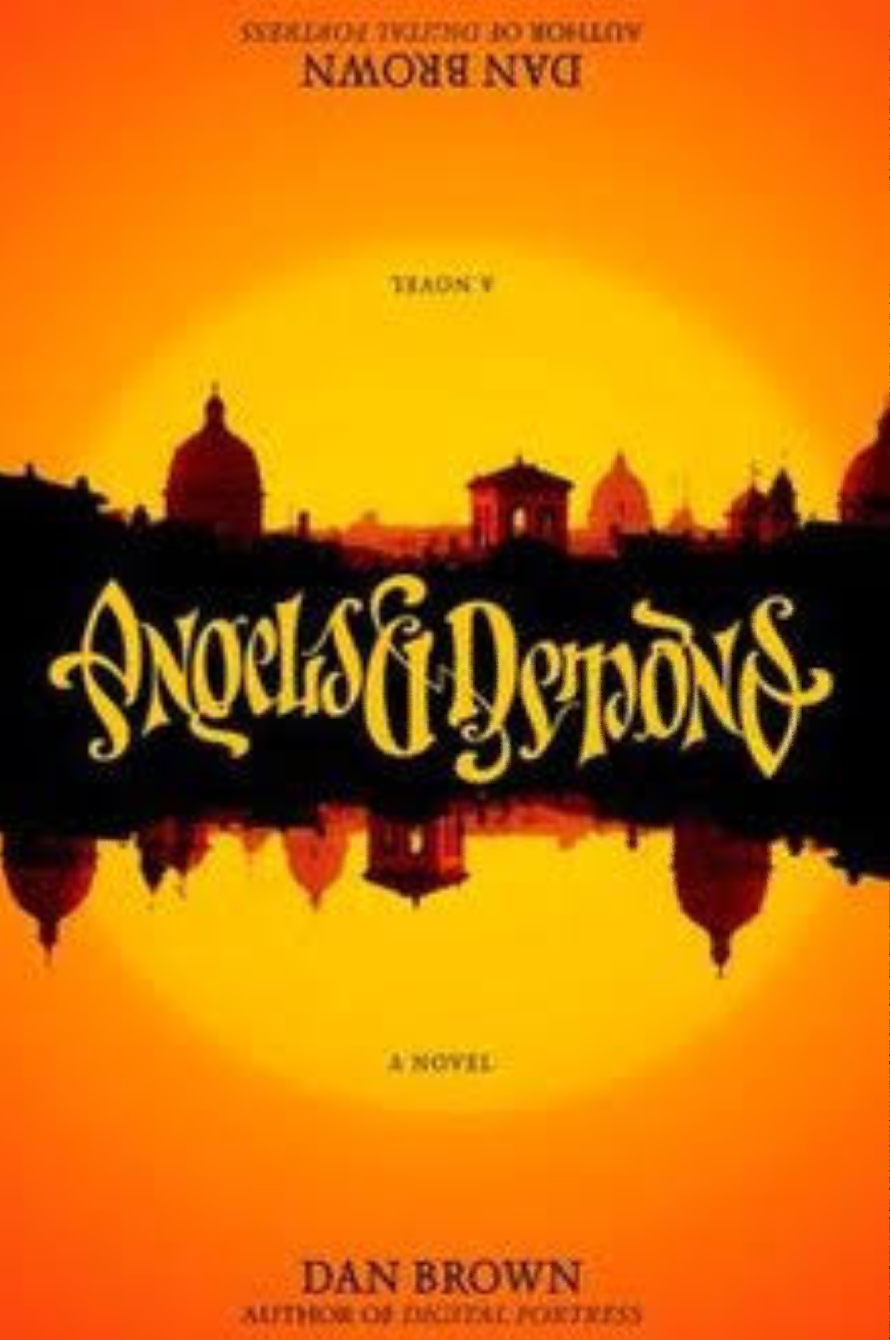
7. “Angels and demons”

Author- Dan Brown Page count -664

First of the Robert Langdon series. Though it’s a thick book you’ll want in read it all in one sitting.

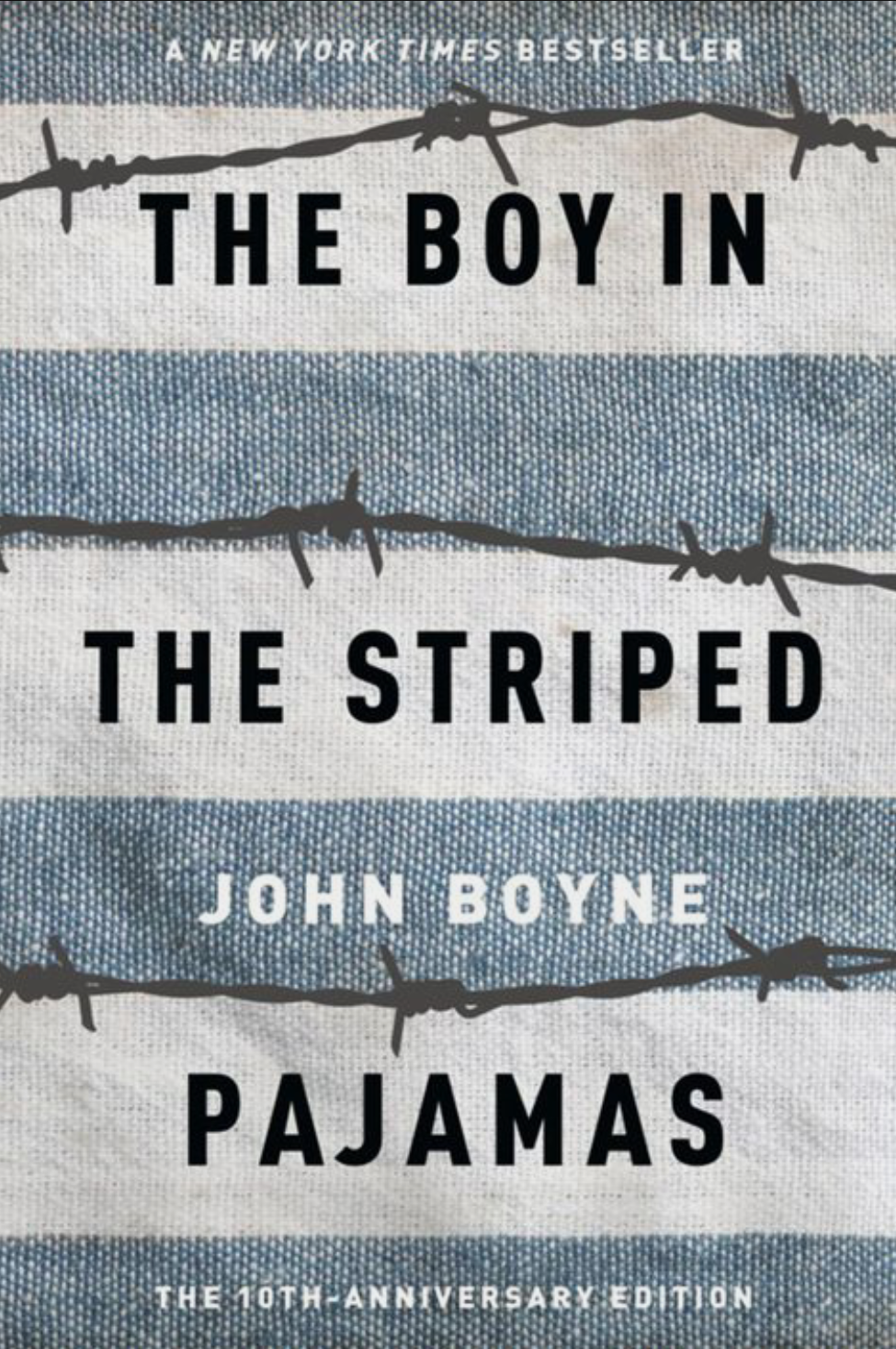
8. “The boy in striped pyjamas”

Author- John Boyne Page count -216

Written from the perspective of a nine-year old boy. You won’t believe how and when this innocent narrative turns into a powerful holocaust story.

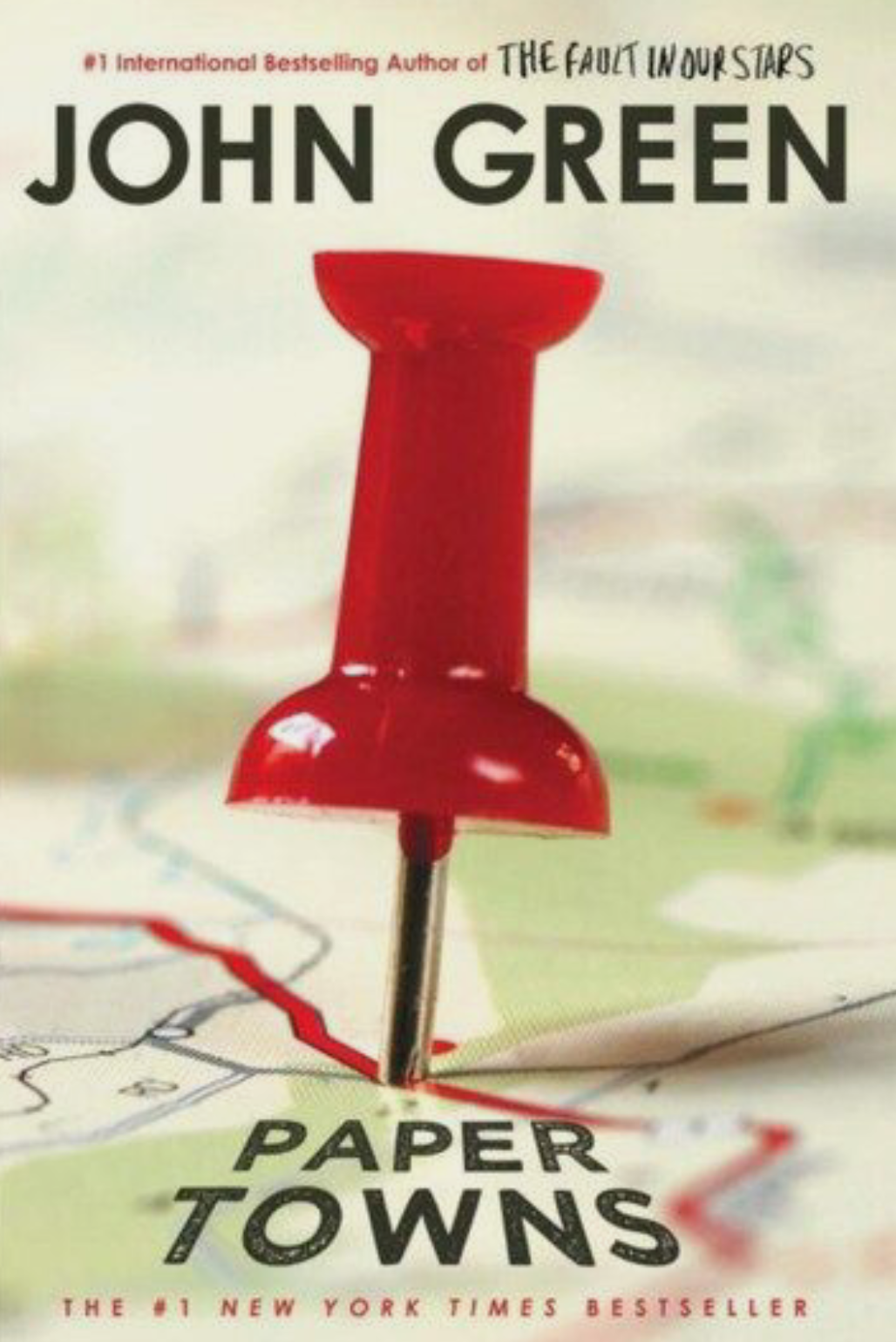
9. “Paper towns”

Author- John Green

Page count -305

A young adult about a group of friends finding out secrets about a mysterious girl. Dialogues and quotes are brilliant.

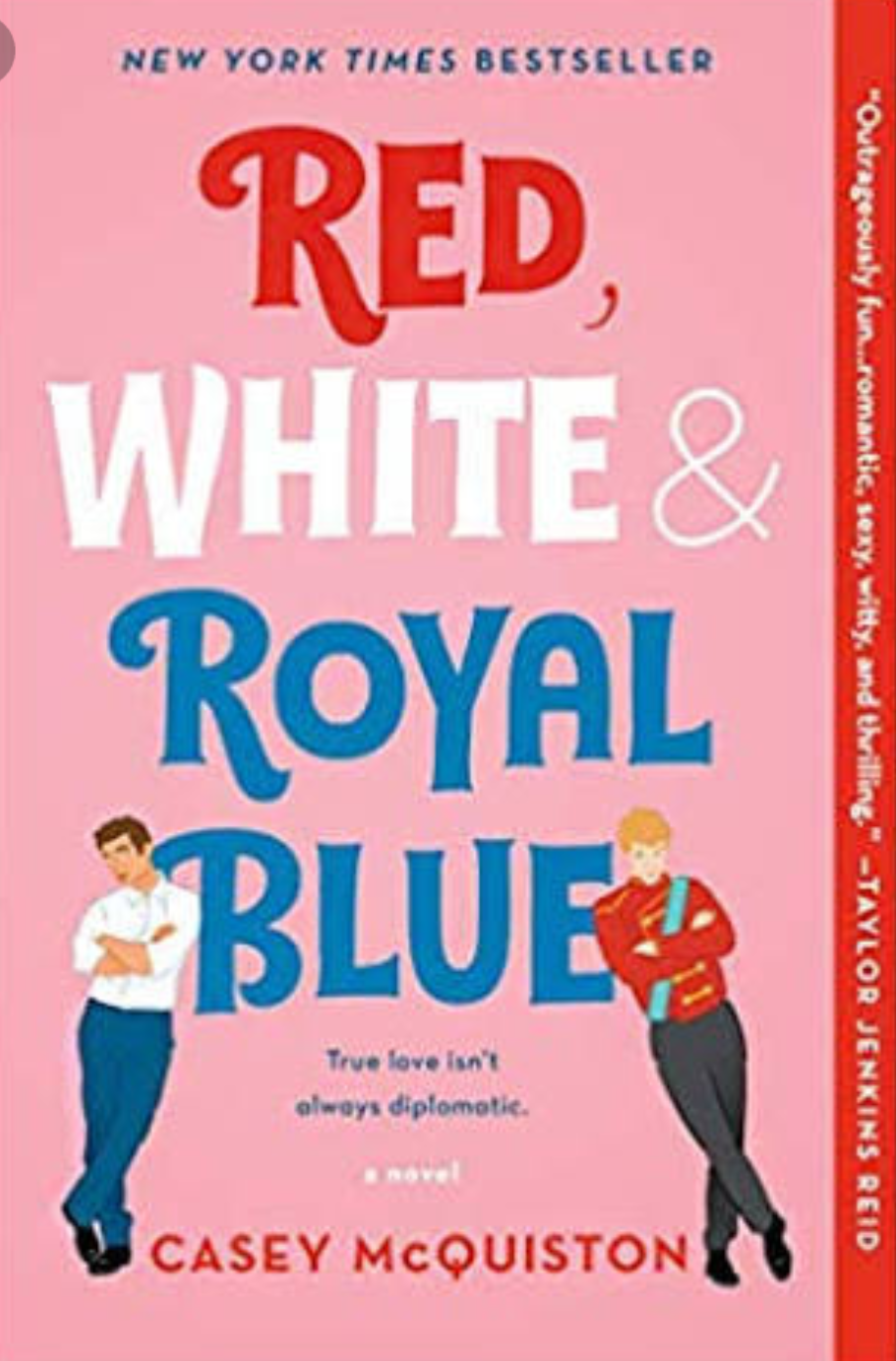
10. “Red, white and royal blue”

Author – Casey McQuiston Page count- 432 LGBT romance novel. It’s so so good needs no explanation.

Non-fiction…

11. “The diary of a young girl”

Author- Anne Frank Page count -352

12. A brief history of time”

Author- Stephen Hawking Page count – 256 13. “Into the wild”

Author- John Krakauer Page count -224

14. “Wild: from lost to found on the Pacific crest trail”

Author- Cheryl Strayed Page count-336

15. “Ikigai”

Author-Albert Liebermann and Hector Garcia Page count -208

Thank you for reading. Have a nice day!

A Walk to Remember book review

This was my first Nicholas Sparks and surely this one compelled me to read more of his works. Being a rapacious reader I can say he is one of the best romance novelist.
“A walk to remember” is a 1999 release by famous American author Nicholas Sparks. It has a page count of 240. It was later turned into a 2002 movie of the same name.

The story is narrated by the protagonist, Landon Carter. He is 57 years old and is reflecting on events from his past.
“Love is like the wind, you can’t see it but you can feel it.”
Nicholas Sparks

The book is all about the unexpected love story that happens between the two teenagers Jamie Sullivan and Landon Carter. So there is this guy all egoistic and the type that goes around bullying around his fellow schoolmates and then there is this sweet cheerful girl, daughter of the church minister. Love seems unlikely but you know opposites attract and henceforth the story begins.
Landon was supposed to act in a play so he asked Jamie to help. They spent a lot of time together and ended up falling for each other when they did not want to. Everything is fine but one fine day Jamie tells Landon a bitter secret about herself. This very plot twist tests their love for each other. They stick together till the end making this one of the sweetest love stories
According to me if one loves to read romance then this ones got to be on your list.
“First you will smile, and then you will cry — don’t say you haven’t been warned.”
Nicholas Sparks

Thank you for reading. Have a nice day!

A Thousand Splendid Suns book review.

“One could not count the moons that shimmer on her roofs, Or the thousand splendid suns that hide behind her walls.”
A thousand splendid suns is a fiction by Khaled Hosseini. The book has approximately 380 pages(hardcover) published in 2007.


Read this book if and only if you can tolerate extreme sadness.
It is a story about women of Afghanistan. It follows the life of two women Laila and Mariam. Mariam is the daughter of a wealthy business man, Jalil. She lives in a small cottage with her mother and is sent to her father when her mother commits suicide. She is soon married off to an old shoemaker Rasheed.
“Marriage can wait, education cannot.”
Khaled Hosseini.

On the other side Laila is a girl born on the night the Soviets take over Afghanistan. Life is normal. She attends school and dreams about marrying her best friend cum crush, Tariq. Tariq’s family decides to move to Pakistan since it’s all a chaos and cruelty in here. They go away. Laila’s family is supposed to go too but some stray rocket kills her parents. She is taken care by Rasheed and Mariam. Laila comes to know that Tariq is dead. Rasheed being obsessed with Laila asks her to marry him. Guess what… she agrees(because she is pregnant with Tariq’s child). She plans to escape the hell hole anyways. At first Mariam looks at her as a rival but then both befriend each other through Laila’s daughter Aziza and joins them in their escape mission. Sadly they fail.


Laila later has a son with Rasheed named Zalmai. Due to financial crisis Laila had to send Aziza to an orphanage. One day when she came back after visiting her she finds Tariq waiting for her. She is surprised to see him alive. They talk about all that has happened ever since he left.

Rasheed finds out and beats up Laila.(well that was his pass time!) Women supporting women, Mariam kills Rasheed and saves Laila.
Laila along with Tariq and the kids move to Murree and Mariam stays in Kabul to take the blame of Rasheed’s death and be hanged by the Taliban. At the end of the book we find out Laila is pregnant with another child and plans to name the baby Mariam if it is a girl.

“One could not count the moons that shimmer on her roofs,
Or the thousand splendid suns that hide behind her walls.”
Khaled Hosseini.

Thank you for reading. Have a nice day!

The Kite Runner – Book Review

Author – Khaled Hosseini

Language – English

Publisher – Riverhead Books

Publication Date – May 29, 2003

Country – United States

ISBN – 1-57322-245-3

The Kite Runner by Khaled Hosseini is a historical fiction which is set in Afghanistan and America at the times of the Soviet Afghan War. It is one of the most loved books by readers across the world. The Times describe the book as “Heart breaking”. It was a number one New York Times bestseller for over two years, with over seven million copies sold in the United States. It has also been made into a motion picture after being a bestselling novel.

The book is a beautiful and endearing tale of two friends, Amir and Hassan who grew up together in ”a peaceful but prejudiced Kabul”. They share a beautiful bond of friendship but the surrounding social prejudice intervenes in it. During their childhood years, they spend their days flying kites along the streets of Wazir Akbar Khan district. Amir occupies a special place in Hassan’s heart and he expresses his love for Amir in a few words, ”for you, a thousand times over”. These words happen to be the book’s most iconic lines. Hassan who was the servant’s son was a Hazara and suffered tremendous social and cultural discrimination for that. During a kite flying event, an incident changes their relationship forever. Eventually Hassan and his father move out of their house.

Their lives change dramatically when the Taliban arrives in Kabul and the Soviet Afghan War changes the entire atmosphere of the country. After 5 years, Amir and his father escape the country and move to America to start a new life. Amir continues to suffer with guilt for the past. It is after he grows up to be a successful writer that he receives a call from a familiar voice of the past and goes back to Kabul. The story takes a different turn at the end when Amir discovers the truth that his relationship with Hassan was deeper than he realised.

Born in Kabul, the author draws inspiration from his own life as well but the plot and characters of the book however are fictional. The characters of the book are beautifully woven and the story is unforgettable. Several conflicts within the plot makes the readers fall in love with the characters. The book created some controversy within Afghan readers as it portrayed Pashtuns as prejudiced towards Hazara people. The racial and religious extremism is deeply saddening and the violence is frightening. The kite has been portrayed as an important symbol which represents Amir’s guilt for his betrayal towards Hassan and thus he does not fly a kite after that incident until the very end.

The book encourages its readers to look at the world in a new way and provides a different perspective for a country which has long been stigmatized. The message conveyed by the book towards the ending offers some hope for its characters and also for war torn Afghanistan as well. The book is highly recommended and it is sure to make a lasting impression on readers.