Book review of The Hobbit

The Hobbit, written by J.R.R. Tolkien, is a classic novel that has captivated readers of all ages for decades. The book tells the tale of a hobbit named Bilbo Baggins, who embarks on an adventure with a group of dwarves to reclaim their treasure from a dragon named Smaug. The story is set in a fantasy world called Middle Earth, which is inhabited by a host of fascinating creatures, including elves, wizards, and trolls.
One of the most remarkable aspects of The Hobbit is Tolkien’s masterful use of language. His descriptions of Middle Earth are so vivid that readers can almost feel themselves transported to this magical world. The characters are also well-developed and memorable, with Bilbo being the star of the show. He is initially hesitant to leave the comfort of his home and embark on an adventure, but as the story progresses, he grows in courage and resourcefulness.
The plot of The Hobbit is exciting and engaging, with plenty of twists and turns to keep readers hooked. From the moment Bilbo sets out on his adventure, the story takes on a fast-paced and thrilling tone, filled with danger and excitement. Tolkien’s use of humor also adds a lightness to the story, making it enjoyable for readers of all ages.
Overall, The Hobbit is a timeless classic that is sure to delight readers of all ages. With its engaging plot, vivid descriptions, and well-developed characters, it is no wonder that it has remained popular for so many years. Anyone who loves fantasy and adventure should definitely add this book to their reading list.
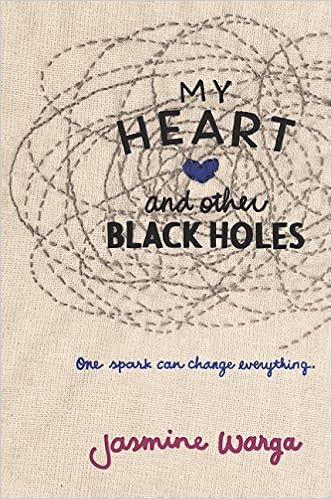

My Heart and Other Black Holes- Book Review

DISCLAIMER: This review contains spoilers.

One emerging trend in media is the glorification and romanticization of mental health disorders. As a result of the same, a lot of Young Adult (YA) novels have integrated various mental health issues into their plots while still bearing inaccurate representations as young adults look at these serious issues through rose-tinted glasses. Ofter, it ends on a high note thus masking the dark reality of these problems and wrongly depicting the healing process.

My Heart and Other Black Holes by Jasmine Warga is a transitional piece of literature to me. I find that it balances the scale- it depicts certain aspects of mental health issues that are appealing to young adults through the form of romance while also portraying very dark aspects of depression in a fairly blunt manner.

This book follows the bittersweet tale of two teenagers with traumatic childhoods. Aysel is a sixteen-year-old girl who was raised by her father- however, her father murdered a local boy and she carries that stigma everywhere. She pushes her friends and family away to the point where they barely interact with her anymore. Roman, a sixteen-year-old boy blames himself for his sister’s death and bears the weight of that guilt on his shoulders. Both of them want to end their lives and they become Suicide Buddies through a website. Roman wishes to die by drowning on the anniversary of his sister’s death. They both decide to die together.

Naturally, they begin to fall for each other. Warga artfully depicts the contrast between the thought processes of the two teenagers. For Aysel, all she really needed was to be close to someone again, so meeting Roman helped her heal. Roman, on the other hand, was plagued by guilt and was in his own head which meant that the chances of love changing his thoughts and feelings were far less likely. She showcases this beautifully as we can see Aysel’s determination to take her own life reduce and Roman’s determination to do the same be unwavering. Roman’s final suicide attempt without Aysel shows that he loved her enough to want a good life for her but not enough to live his life. The book ends on an ambiguous note and the readers are left wondering about the uncertain future of Aysel and Roman.

Jasmine Warga displays a clean and slightly poetic writing style throughout the book. The language and narration remain consistent throughout the book. There is clear character development for the main characters and adequate character development for others.

All in all, My Heart and Other Black Holes is a very well written piece of YA fiction. I would highly recommend this book to those looking for a quick yet meaningful read.

Rating:

Six books about Black lives in American fiction

359 Racism Protest Illustrations & Clip Art - iStock

Racial discrimination is one of the social evils which had took the lives of a whole lot of innocent people. This evil has not only killed people, it has also made life miserable for many. Even the so called “most civilized society” in the world could not free itself from this social evil and in fact it has been stage for the most alarming cases we had ever heard. There were a whole lot of legislations implemented aiming to prevent this, and it has helped at least for developing a public opinion against racial discrimination.

People around the world have raised their voice against this evil in whatever ways possible and one such strong means was through literature. Several authors have shared either their experiences or some strong stories which had acted as an eye opener for many people. The realistic stories have created an empathetic attitude among general public. Some books are:

The help

The Help is a historical fiction novel by American author Kathryn Stockett. The story is about African Americans working in white households in Jackson, Mississippi, during the early 1960s. The thrust of the book is the collaborative project between the white Skeeter and the struggling, exploited “colored” help, who together are writing a book of true stories about their experiences as the ‘help’ to the white women of Jackson. Not all the stories are negative, and some describe beautiful and generous, loving and kind events; while others are cruel and even brutal. The book, entitled “Help” is finally published, and the final chapters of “The Help” describes the aftermath of the book’s success.

To kill a mocking bird

o Kill a Mockingbird is a novel by the American author Harper Lee. The plot and characters are loosely based on Lee’s observations of her family, her neighbors and an event that occurred near her hometown of Monroeville, Alabama, in 1936, when she was ten. The historian Joseph Crespino explains, “In the twentieth century, To Kill a Mockingbird is probably the most widely read book dealing with race in America, and its main character, Atticus Finch, the most enduring fictional image of racial heroism.” However, reaction to the novel varied widely upon publication.

Uncle tom’s cabin

Uncle Tom’s Cabin; or, Life Among the Lowly is an anti-slavery novel by American author Harriet Beecher Stowe. Published in two volumes in 1852, the novel had a profound effect on attitudes toward African Americans and slavery in the U.S., and is said to have “helped lay the groundwork for the American Civil War”. This is one great book which could not be ignored while we discuss racism.

Roots: The Saga of an American

Roots: The Saga of an American Family is a 1976 novel written by Alex Haley. It tells the story of Kunta Kinte, an 18th-century African, captured as an adolescent, sold into slavery in Africa, and transported to North America; it follows his life and the lives of his descendants in the United States down to Haley. It stimulated interest in African American genealogy and an appreciation for African-American history.

The color purple

The Color Purple is a 1982 epistolary novel by American author Alice Walker which won the 1983 Pulitzer Prize for Fiction and the National Book Award for Fiction. The story revolves around Celie a young poor, uneducated 14-year-old African-American teenager girl living in the Southern United States in the early 1900s. The novel has been the frequent target of censors and appears on the American Library Association list of the 100 Most Frequently Challenged Books of 2000–2009 at number seventeenth because of the sometimes-explicit content, particularly in terms of violence.

Beloved

Beloved is a 1987 novel by the American writer Toni Morrison. Set after the American Civil War, it tells the story of a family of formerly enslaved people whose Cincinnati home is haunted by a malevolent spirit. Beloved is inspired by an event that actually happened: Margaret Garner, an enslaved person in Kentucky, who escaped and fled to the free state of Ohio in 1856. She was subject to capture in accordance with the Fugitive Slave Act of 1850; when U.S. marshals burst into the cabin where Garner and her husband had barricaded themselves, she was attempting to kill her children, and had already killed her two-year-old daughter, to spare them from being returned to slavery.

It is of severe concern that even in today’s world where borders merely exist, people are discriminated and even killed on grounds of their color, caste, creed or race. These books could be an eye opener for all those who believe themselves to be superior than others merely on ground of their genetic roots.

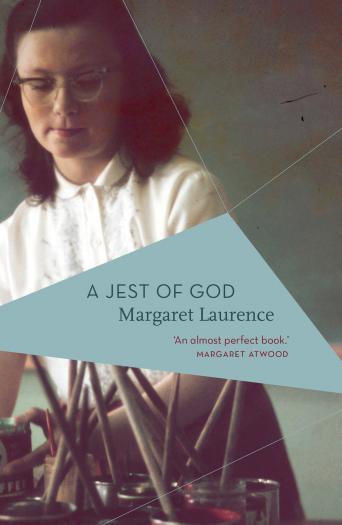
A Jest of God: The Book Review

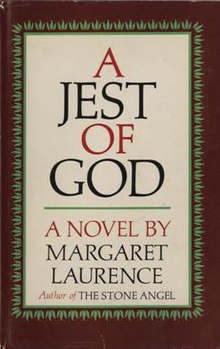
The first cover of A Jest of God (1966)

Introduction

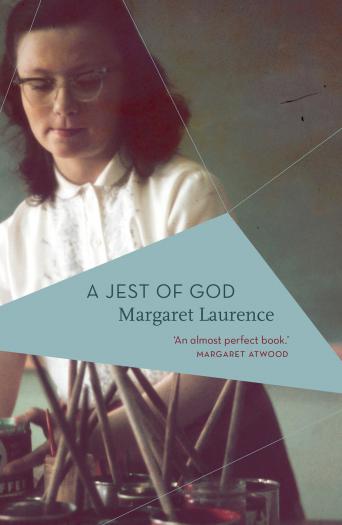
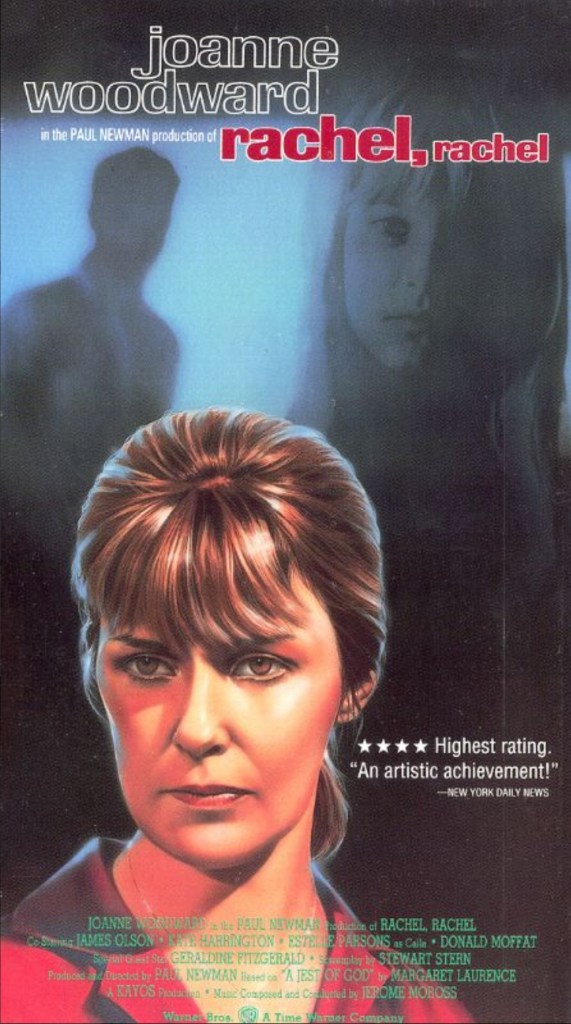
A Jest of God is a novel by Canadian author Margaret Laurence. It was first published in 1966. It won the Governor General’s Award  for 1966 . In 1968, director Paul Newman and screenwriter Stewart Stern  adapted A Jest of God  into the motion picture Rachel, Rachel. It starred Joanne Woodward in the lead role and Estelle Parsons as Calla, both of whom received Academy Award nominations for their performances. It was also nominated for Best Picture.

Revised Cover of A Jest of God (1966)

About The Author

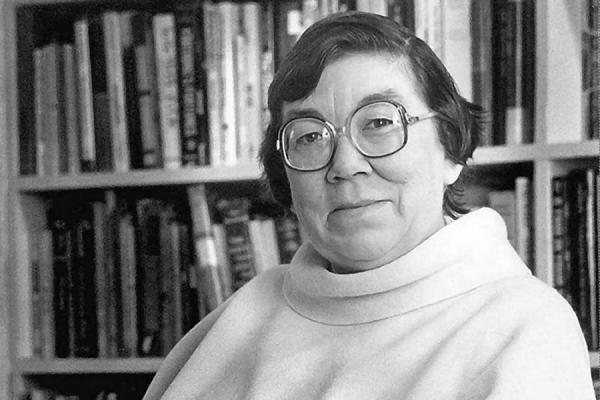
Margaret Laurence (née Jean Margaret Wemyss), was a Canadian novelist (born 18 July 1926 in Neepawa, MB; died 5 January 1987 in Lakefield, ON). Margaret Laurence was one of the pivotal and foundational figures in women’s literature in Canada. Two of her novels — A Jest of God (1966) and The Diviners (1974) — won the Governor General’s Literary Award  for fiction. She also wrote acclaimed poetry, short stories and children’s literature, helped found the Writers’ Union of Canada and the Writers’ Trust of Canada, and served as chancellor of Trent University. She was made a Companion of the Order of Canada  in 1972 and was named a Person of National Historic Significance by the Government of Canada  in 2018.

Margaret Laurence

Storyline of The Novel

The tale of the dutiful daughter who returned home to care for her ailing widowed mother records with appalling accuracy the life of a thirty-four year old spinster schoolteacher in a small town outside of Winnipeg. The relentless confinement of Rachel Cameron‘s life is disrupted the summer the milkman’s son, now a teacher in a Winnipeg high school, returns to visit his parents. Rachel is an easy mark; her affair with Nick brings out passion after awkwardness, and the yearning for a family of her own. The understanding that Nick is married destroys the affair but not her longing, and when she thinks she is bearing his child she determines to go through with her pregnancy. The prospective infant turns out to be a tumour, benign; Nick turns out to be unmarried and the more inaccessible; but Rachel emerges from her experience with a new conception of herself and her environment. She will no longer be a victim, though she may be a reluctant jester, and she makes the needed move to a place where her old responsibilities and limitations will remain but where there will be a greater freedom. Saved from soap opera by an utter sureness and honesty of vision, from dreariness by the aptitude of its portrayals, this carries a compassionate conviction that will reach a limited but sensitive feminine readership.

Poster of movie Rachel, Rachel (1968) based on novel A Jest of God (1966)

Analysis of The Storyline

The novel gets told with difficulty because Rachel’s voice is halting, obsessive. She begins her story as an observer, watching the children in the schoolyard, watching herself both in her immediate present as a teacher and remembering back to her childhood. She thinks of the “secret language” children share. In contrast, her own language is halting, and she finds difficulty establishing a voice. She frequently interrupts to judge her voice critically. She wonders: “Am I beginning to talk in that simper tone?” . Then, as a corrective, she speaks “more sharply than necessary,” and cautions herself to “strike a balance” . But, if we read this story in Jungian terms. (as many critics do),we perceive that Rachel cannot achieve this desired balance until she accepts her shadow side. Locked in a pattern of avoidance, no wonder she finds “my own voice sounds false to my ears”.

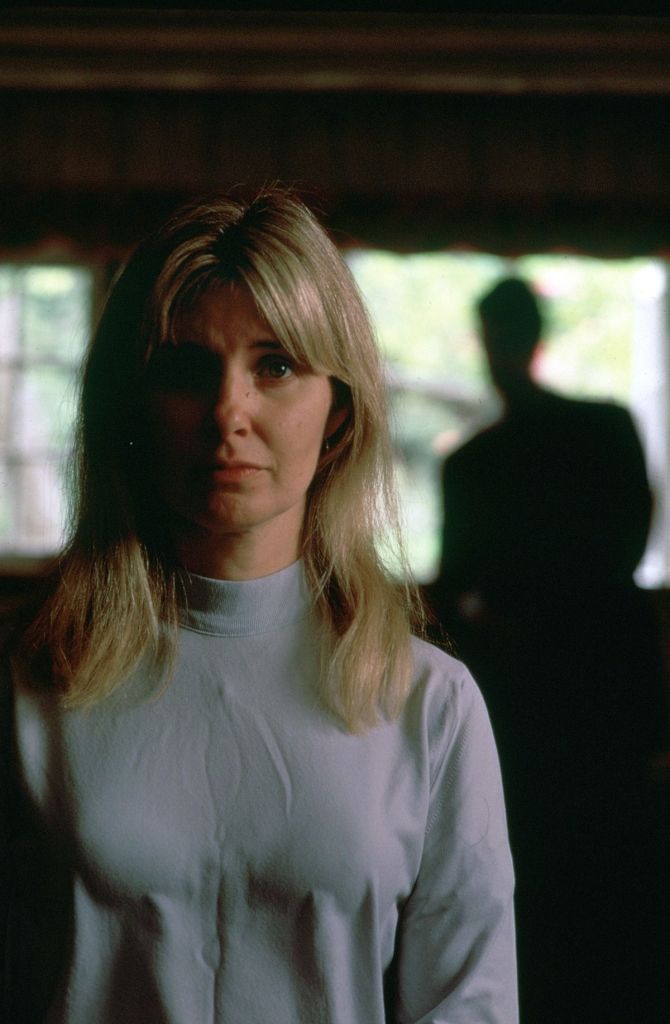
Joanne Woodward as Rachel in Rachael, Rachael (1968)

Because she resists acknowledging her desires, she remains blocked. When she approaches a recognition of her “darker,” “shadow” selves, she retreats, and stops the story. If she fears she is entertaining “morbid” thoughts or eccentric fantasies, she admonishes herself: “This must stop. It isn’t good for me. Whenever I find myself thinking in a brooding way, I must simply turn it off and think of something else”. She retreats from her sexual fantasies : “I didn’t. I didn’t…. Rachel, stop it. You’re only getting yourself worked up for nothing. It’s bad for you”. Yet these private fantasies are colourful and engaging, in vibrant contrast to her stilted public language and constrained behaviour. Fortunately, almost in spite of herself, she comes to acknowledge her desires and to face the implications of sexual passion. Through a symbolic descent into the underworld, the womblike, tomblike mortuary presided over by Hector Jonas (/Jonah), she realizes that she has the power to affirm her passions, to choose life.

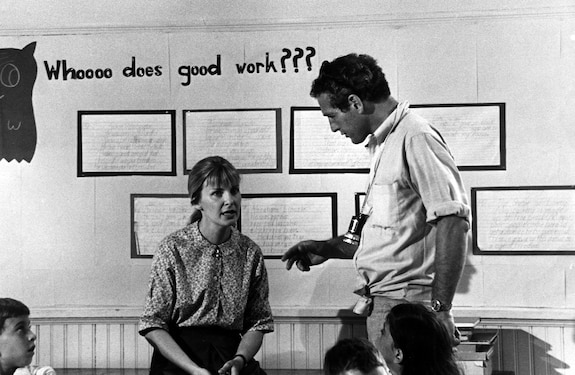
scene from Rachel, Rachel (1968)

Conclusion

A Jest of God is beautifully written, a sympathetic, tender novel which sees Rachel come to a new understanding about herself, and her standing with her difficult mother. A thoroughly beautiful novel, that still possesses its relevance to today’s readers.

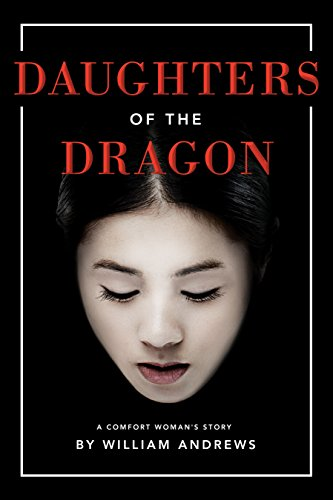
Daughters of the dragon by William Andrews – Book review


Daughters of the dragon by William Andrews –   Book review


This book is not one that you will come across easily cause it is not a popular book or even a classic but, I promise you that you feel find it to be an extremely rare gem. It will help you in terms of understanding history, war and humanity in a raw and real way. But, most important of all it does it while giving utmost importance and dignity to the individuals that are involved in these circumstances much bigger than them. 
Twenty year old Anna Carlson is one such individual in this story. She is a Korean American adoptee who decides to go back to South Korea from America to trace her biological parents. There she meets a poor yet elegant woman Hong Jae-hee who gives her a two headed ivory dragon tortoiseshell comb and tells Anna a story about herself, her war, her life and her country. She tells Anna an epic tale which starts with Japanese occupation of Korea and China during the 2nd World War and the forced sexual slavery of Korean women by the Japanese Army to be used as ‘Comfort Women’. As the story goes on Anna comes to terms with her own roots, which are intertwined with rich and ancient tree of her birth country’s history and culture with her adopted country’s role.
This book though based on Korea is still extremely relevant for a country like India given our colonial past. This story does not desire to blame or bash Japan for its past war atrocities but aims to hold accountability. This is extremely important for any nation not only for the sake of a sense of justice and fairness but also for the sake of forgiveness and healing. Apologizing does not make one any less than and the one who accepts it and forgives becomes even greater. But, the one who forgives also receives something extremely powerful. The permission and almost the audacity to grieve. Only with truly grieving can one truly heal. It is almost like cleaning and opening up an old, dirty and rusty lock that has been deliberately ignored and forgotten. The key to this lock is a small but clean key of apology. Nothing grand or embellished, nothing made out of Platinum or Silver or Gold but just a clean and strong piece of metal that is the right fit and the right size.  
If a nation is to be considered a tree then, the people from a past that we were not born into are also a part of that tree just like we are. If a part of that tree gets hurt or rotten then it becomes important to fix it. It becomes even more important to remember and understand it to understand our own selves. The Daughters of the Dragon will certainly help you understand it. It will make you hurt, cry, angry, happy, grateful and question everything but most of all it will help you understand more. Understand your country, your history but importantly your individuality. 

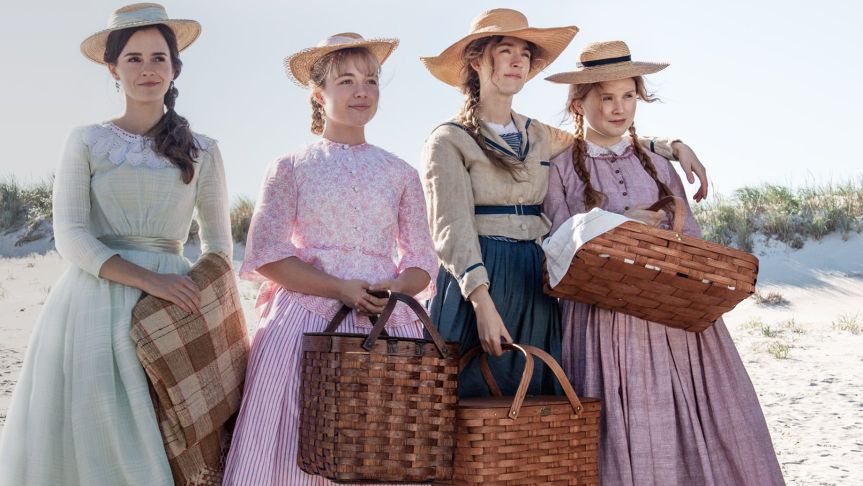
Little Women : A classic for the ages

by Louisa May Alcott

Although it hadn’t won any awards at the time of its release, multiple film adaptions, television shows, plays and retellings are a testament to the cult that surrounds the book “Little Women” by author Louisa May Alcott (1832-1888). Published in two volumes in 1868 and 1869, Alcott wrote the book in response to a request from her friends and family to write a book for young girls. The first novel was a huge success and struck a chord with readers and Alcott was flooded with letters requesting the second volume immediately. She quickly wrote the next volume to accommodate them. Eventually, the two volumes were released as one novel in 1880.

The novel continues to be very widely read and the ambitious female characters in it contributed to the rise of feminism in 20th century America. It revolves around the story of the four March sisters: Margaret “Meg”, Josephine “Jo”, Elizabeth “Beth” and Amy as they live their lives and grow into adults. The girls must contend with learning to become good women and learning about who they are as people with the help of their mother and father.

While on the surface it may come across as a simple story about the four March girls’ journeys from childhood to adulthood, Little Women centres on the conflict between two emphases in a young woman’s life—that which she places on herself, and one which she places on her family. In the novel, an emphasis on domestic duties and family detracts from various women’s abilities to attend to their own growth. For Jo and, in some cases, Amy, the problem of being both: an individual skilled at what they do and to be a dutiful woman creates conflict and pushes the boundaries set by nineteenth-century American society.

At the time when the novel was composed, women’s status in society was slowly increasing. As with any change in social norms, however, progress toward gender equality was made slowly. Through the four different sisters, Alcott explores four possible ways to deal with being a woman bound by the constraints of societal expectations: marry young and create a new family, be subservient and dutiful to one’s parents and immediate family, focus on one’s art, pleasure, and person, or struggle to live both a dutiful family life and a meaningful professional life . While some of the March sisters conform to society’s expectations of the role that women should play, the others initially attempt to break free from these constraints and nurture their individuality. Eventually, however, settling into a more customary life. While Alcott does not suggest that one model of womanhood is more desirable than the other, she does recognize that one is more realistic than the other.

The novel contains five intrinsic aspects: character, theme, setting, plot, and writing style. It is an unusual example of young adult literature of the time because Alcott gives her character with both faults and virtues, avoids teaching to reader, writes in a simple but accurate style, employs simple and often humorous dialogue. Heart-warming and emotional, Little Women by Louisa May Alcott has stood the test of time, and indeed deserves the title of being the cult classic we all know.

Book Reviews

The Books are of  knowledge oceans, from every book we learn some thing new and to improve our knowledge and build our personality

BOOK Defination  

we all know that a lot of English words come from ancient Latin – that’s because the Romans occupied England for almost five hundred years from 54BC to 410 AD. … The word book comes from Old English “boc” which in its turn comes from a Germanic root “*bok-“, which means “beech” – as in the beech tree

Types of Book Reviews

Endorsements: Hand-picking Relevant Reviewers Before Your Book is Published. …

Trade Reviews: Publishing Professionals May Advocate Your Book To The Industry. …

Reader Reviews: Individuals Recommending Your Book To Each Other. …

Editorial Reviews: Third Parties Publishing Reviews About Your Book.

Why write book reviews

Book reviews give books greater visibility and a greater chance of getting found by more readers. On some websites, books that have more book reviews are more likely to be shown to prospective readers and buyers as compared to books with few or no book reviews.

How to write a book review

  • Start with a couple of sentences describing what the book is about. …
  • Discuss what you particularly liked about the book. …
  • Mention anything you disliked about the book. …
  • Round up your review. …
  • You can give the book a rating, for example a mark out of five or ten, if you like!

In this days most of people like to read blogs because they have simple and clear to understand content

Some of people read books by help of Book review, its give simple summary to understand that book

BOOK REVIEW-An emboldening genre

A Good Takeaway is something essential for all human beings.

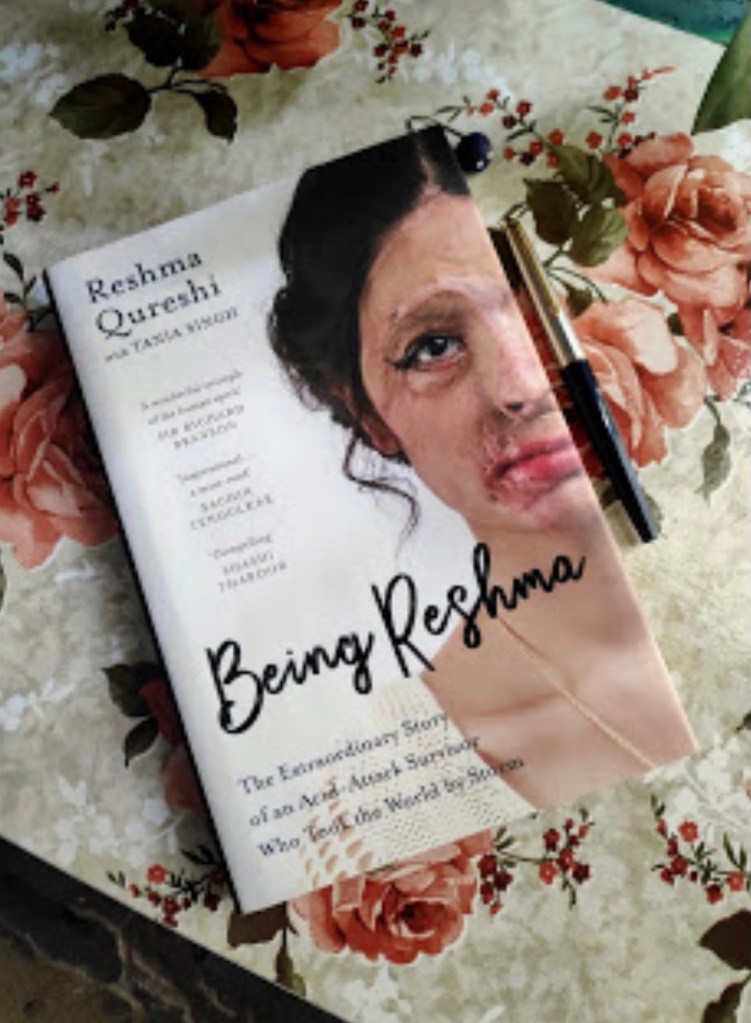
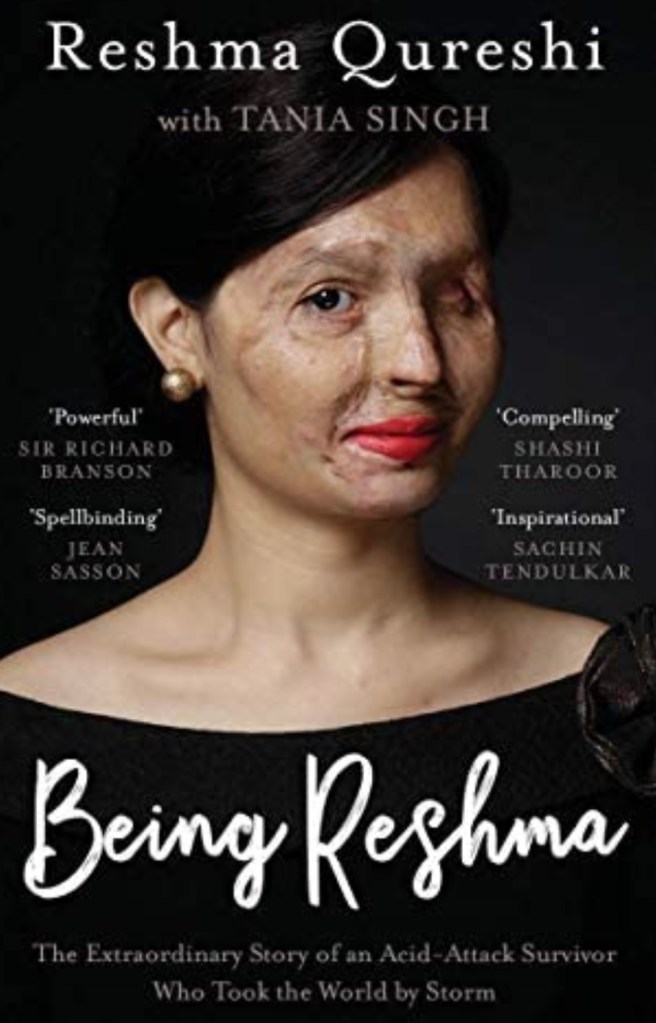
 There are only a few genres that create an inevitable impact in the hearts of readers and Autobiographies are considered to be one of the genres that stand out as an influencing factor in the lives of many people. Similarly, Most of us prefer less drama and Assertive pieces of work quite interesting, which makes nonfiction stories likeable. What could be more interesting when two most riveting genres combine! Yes, i will be writing about one of my favourite books, which is an ‘Autobiographical Nonfiction’- “Being Reshma” an impeccable life story of an acid attack survivor or to be more accurate, a warrior, who ought to overcome a traumatic experience of her life and has also succeeded, This book was written by Tania Singh and co-authored by Reshma Qureshi herself. 

This book, an inspiration, is about Reshma (the protagonist) , a girl who faced a tragic incident and was thrown acid by her own sister’s former husband as an act of revenge. Her entire face, skin and bones were damaged then she was taken to a hospital. Reshma was shunned by The hospital and the police authorities responses, which was very harsh. Despite facing many hurdles, Reshma didn’t shatter and succumb to her condition, but shone bright by becoming the first acid attack survivor to walk the runway at Newyork fashion week in 2016 which is just two years post such a terrific incident. She made global headlines by proving herself.

Besides, Reshma participated in many such events and campaigns. In one such campaign called #endacidsale which was held in 2015, Reshma asserted a strong statement which was also mentioned in her book, that is, “You will find red lipstick easily in the market, just like concentrated acid. This is how, every day, a girl becomes a victim of an acid attack.”(Qureshi 138) Which is a very bold statement that made many people think twice and is emotional, also one of my personal favourite lines said by her. Reshma never stopped campaigning against acid Attacks. Reshma also asserts that she wouldn’t stop raising awareness and narrate the ordeal of her life until the discriminatory and diverse mentality of people against acid Attack survivors come to an end. 

We all know acid attacks are not uncommon in India which is truly heartbreaking. Such inspiring autobiographies create powerful impressions and stimulate each of us to achieve big things in life regardless of insurmountable obstacles our life offers, which is nothing compared to life histories of many great personalities like Reshma Qureshi who proved herself and sets a great example for many more youngsters like me.              

In the midst of people who are very much concerned about physical Appearance, there are also people who embrace themselves with open heart and acceptance, which makes them succeed in life in unimaginable ways. 

Hence, if at all people lack confidence in overcoming insecurities I would highly suggest this must-read Autobiographical nonfiction story, “Being Reshma” A Phenomenon. 

DRAUPADI : BOOK REVIEW

MAHASHWETA DEVI

Set in the late 1960s and early 1970s, against the backdrop of the dense forests of Jharkhand and Bengal where a large tribal population is present, the story is an account of the harrowing experiences of Dopdi Mejhen, while she was in police custody for inciting a tribal uprising and murdering an upper class landowner. The undercurrent of the story is dark and chilling and harks back to the time of the Naxalite uprising in 1967.

In the story, the protagonist, Dopdi Mejhen is a young woman of 27 years. She is a political extremist and outlaw. A bounty of One Hundred Rupees is placed on her head. The story is set against the Naxalite movement in
Bengal during 1967. Dopdi Mejhen belongs to the Santhal tribe. She is Robin Hood like figure to
the landless peasants of Bhakuli. She, her husband Dulna Majhi, along with
their comrades are responsible for the killing of wealthy landlord Surja Sahu
and his son, which explains the bounty placed on her head. The tension
between the peasants and upper caste men exists because of the drought
in the area. The peasants attacked and killed the landlord one night, who
had occupied all the wells and tube wells which were the only source of
water for the village. This incident brought upon the fury of the government
which launched Operation Forest in order to capture the escaped couple,
Dopdi and Dhulna, who are believed to be hiding in the Jharkhani forests,
which explains the deployment of the antagonist of the story, Senanayak,
an elderly Bengali specialist in combat and extreme left politics as explained
by the author.

Senanayak is adamant to capture Dropdi, in which he succeeds in the end. Senanayak’s hunt for Draupadi and other tribal extremist revolutionaries has already instilled in the latter an experienced knowledge that if they are caught, they will be countered – which is not the official police encounter but rather the undocumented state sponsored killings. As she is apprehended, Senanayak feels both triumphant and despondent at the same time. This despondency is due to the fact that Dropdi chose to stake herself for her community, ululating with the force of her entire being right before she is taken into custody alerting her fellow comrades to escape, therefore outmanoeuvring the attempt of Senanayak to quell the Naxal
insurgency. Senanayak instructs the army officers to ‘do the needful’ by raping her in order to extract the information about rebel uprising. The men easily succeed in stripping Dopdi in the narrative, which is the culmination of her political punishment by the representatives of the law.

Ironically, the same officers who violated her body, insist that she covers up
once she is ‘done with’ before they can take her to Senanayak. She walks
out, naked, bruised and wounded, refusing to hide the evidence of brutality
and unwilling to be shamed. This disturbs the officers and Senanayak, who
are unsure of what to do with this woman, who forces them to confront their
own depravity. She remains publicly naked at her own insistence rather than
saving her modesty, insisting that this is the place where the male
dominance stops. She confronts Senanayak, laughing. Her laughter, bursting
forth from her bloodied lips, continues to be unintelligible to the officers,
especially Senanayak. Her laughter and her blood challenge the Senanayak
and show that she refuses to be shamed into submission. Senanayak finds
himself bereft of language, too scared to speak at the end – ‘and for the first
time Senanayak is afraid to stand before an unarmed target, terribly afraid’.
Senanayak is completely defeated as she rejects the system of male
dominance that was supposed to undermine her. Her sexually mutilated
body is a weapon of naked protest. The body raped and tortured is used as
a weapon in the end. Dropdi refuses to be emotionally wounded even
though she is physically wounded. She recognises that a woman’s body is
an asset through which they can resist the socio-political objectification of
their bodies and overcome oppression.

There is a clear resemblance between the Draupadi described in the
ancient Hindu epic, the Mahabharata and the Dopdi described in
Mahashweta Devi’s short story. They almost share the same destiny. The
Draupadi in the Mahabharata suffers terribly as she is a queen condemned
to a life of living incognito and is disrobed in the presence of the entire
court. Her dignity and prestige was compromised. Yet she was the one who
fought to win her respect back and prayed to Lord Krishna to protect her. As
mentioned in the scriptures, Lord Krishna blessed Draupadi with a saree that
was so long that its end could not be found. However, in the short story,
Dopdi is on her own and nobody comes to her rescue or to clothe her. She
fights her oppressors while being fully naked and her nudity becomes her
strength as it forces her rapists to come face-to-face with the heinous crime
they had committed. Just like the Draupadi of Mahabharata refused to tie
her hair till she bathed in the blood of Duryodhana, the Dopdi of Devi’s story
refuses to wear her clothes till her rapists realise the implications of their
actions. Devi presents a strong woman who, despite facing marginalisation
and exploitation, transgresses conventional sexual and societal standards.
Dopdi subverts the physicality of her body from powerlessness to powerful
resistance.

BOOK REVIEW- Heidi

Ah, Heidi, that brings light to the heart! What comfort you have brought me!

Peter’s Grandmother in ‘Heidi’ (Johanna Spyri)

Heidi is a child who warms the heart of each and everyone she meets, be it the beautiful characters she meets and interacts with or the readers who only meet her through the words of Johanna Spyri. A girl so pure and untainted that all you want is a happy ending for her.

Reading the book as a 12-year-old brought me immense joy and happiness. From the moment we first met her, a bundle of clothes being taken up the mountains to live with her gruff grandfather because her aunt couldn’t care for her, her aura shone through the pages and made you feel like you were actually accompanying her. I felt bad for her when her aunt was describing the rumors about ‘Uncle Alp’ her grandfather, felt happy for her when ‘Grandfather’ turned out to actually be the most caring and kind human being who loved Heidi with all her heart. I could almost see the beautiful sunset that lit up the mountain tops that she saw on her first trip up with the goats and her excitement dripped off the pages every time she did something new.

Reading the book again as an adult brought me the same happiness. The same sense of wonder and sympathy. I was hooked once again and dragged into the Swiss world of Heidi, the moment I opened the first page. I experienced anew the fear and confusion she felt at suddenly being sent away to Frankfurt, a city that was so much of a contrast from the mountains and nature she had gotten used to. At the same time, I laughed along with Sara, the invalid she was sent to accompany, at the ridiculous exploits she still got up to. I laughed at Miss Rottenmeier, the housekeeper’s, dismay at having to deal with a child who seemed to know nothing of the basic alphabet let alone etiquette.

As any children’s book, Heidi gets her happy ending when she is sent back to her Grandfather in the alps by Mr. Sesemann, Clara’s father, when he sees how homesick she is. She returns home a changed girl though. While still maintaining her innocence and carefree nature, she has grown into quite a capable young woman who brings a lot of change in her mountain friends, getting even Peter, who hated studying, to read a hymn a day for his poor old, blind grandmother.

‘Heidi’ is a book that I think I will enjoy reading even when I am much much older. A book that will bring back the feelings I felt as a child every time I read it. Well-written and a timeless classic, it is a book that captures the innocence of child, the confusion they face when put in an unfamiliar environment, the ease with which children adapt. It is also a book that poignantly captures the homesickness any human feels in a place they don’t belong and the beauty that is nature. It is a book filled with a lot of emotions while still remaining light-hearted. Many things made an even more profound impact on me when I read it as an adult. A lot of themes like the power of rumors and the misconceptions of people about ‘Uncle Alp’ hit me more as an adult. The helplessness Clara feels, stuck in a wheelchair all her life, and the immense happiness she experiences at being able to walk again. The resignation with which Peter’s grandmother accepted her fate and the peace she felt when her days were filled with the light that Heidi brought in with her every time she visited. While I did feel happy reading all the good things and sad at all the bad things, reading them again at a much more mature age put them in a different light.

This is a book, I feel that everyone must read at least once if not twice. A book that will bring you so much joy no matter your age. A book that reveals a lot more layers than you would expect from a children’s book. A book I am sure I will pick up once again to read the next time I come across it on my shelf. A book I will fall in love with all over again no matter how many times I have read it.

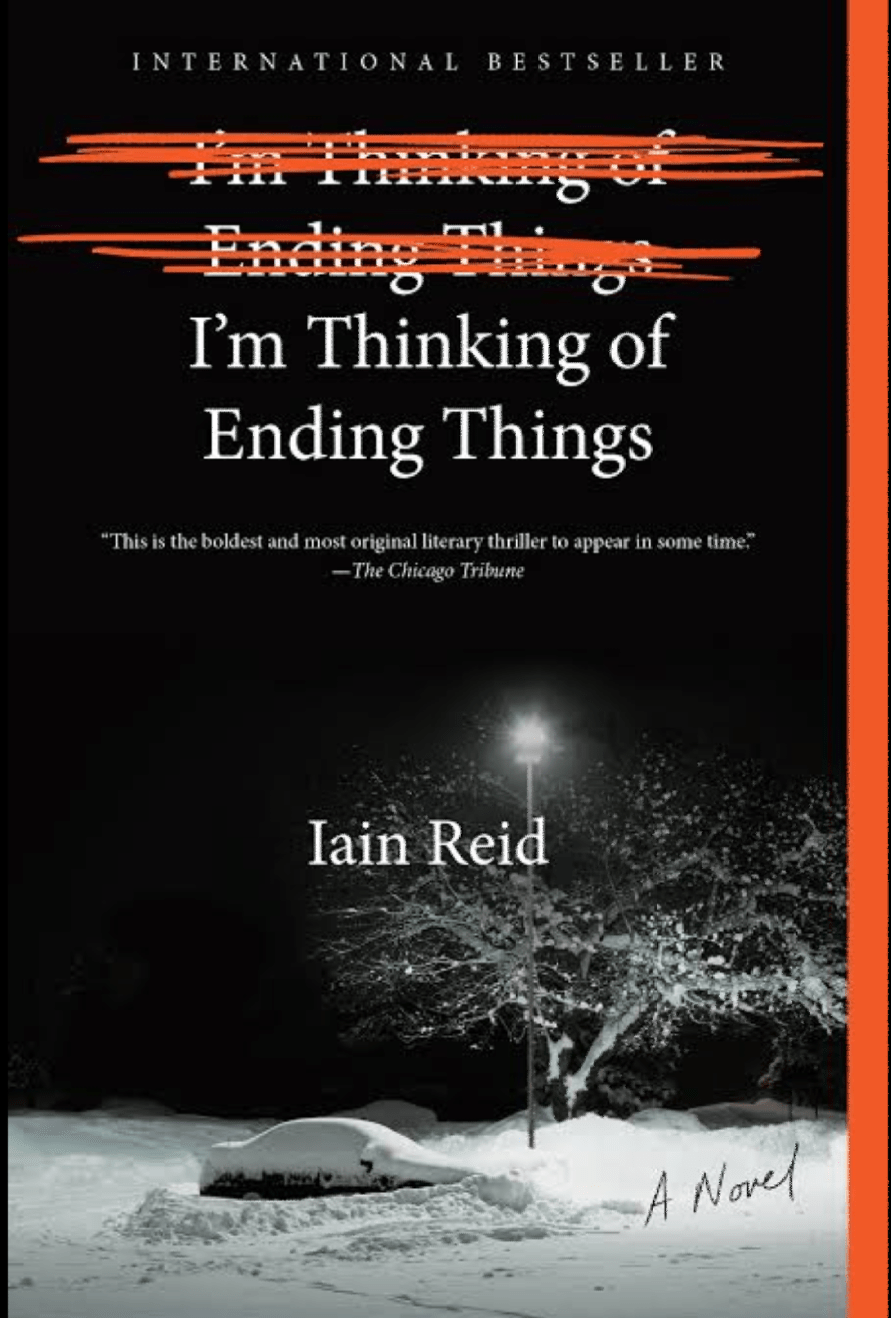
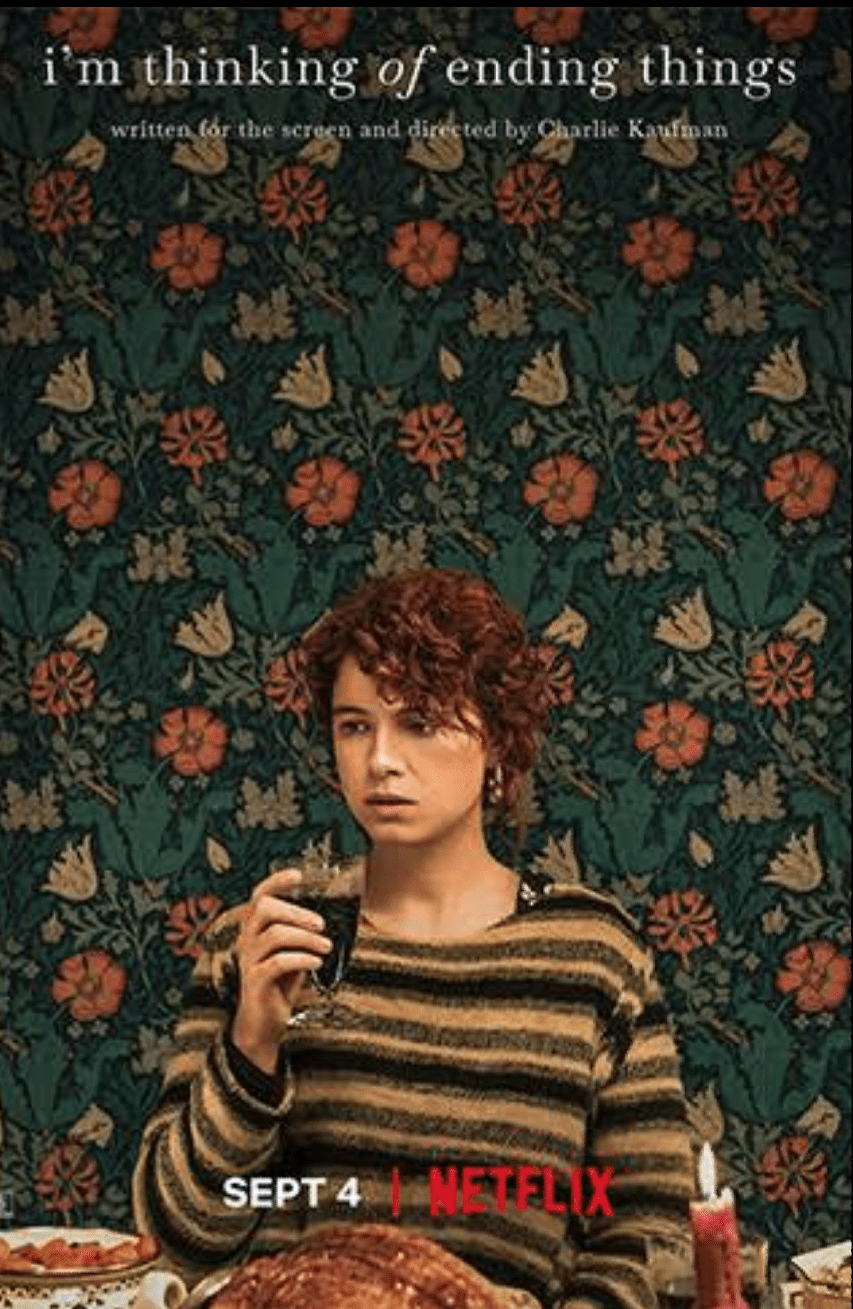
I’m thinking of ending things…

Author – Iain Reid

Page count – 224 (hardback) 130 (eBook)

Genre – Suspense, psychological thriller

The story is about a young woman and her boyfriend. A girl has no name (high five if you GoT (again) that reference). Jake is her boyfriend. We find them driving to his parents house in the country and then back home. Its just that. But you won’t believe how much happens in that time frame. The conversation between the couple makes you think. They have these deep talk about childhood and other stuff.

The name of the book is such because the girl keeps thinking of ending things with this boyfriend all this time and this is important.

Recently made into a Netflix movie this book is what I wish I had heard about earlier. I strongly recommend thriller novel fans to give it a read. Moreover it’s short. You could finish it within a day or two. Haven’t seen the movie yet but I will check it out after I finish writing this. I really want to see the difference between how I pictured it and how the movie is portrayed. I do that with every book based movie.

It’s been a while since a read a good book. This one kept me hooked. One of those un-put-downable. The suspense it creates. You know there’s something wrong about it but you cannot pin point what it is. There’s this one crazy page and the next page is normal but you turn to the next page and it’s crazier than the first. You’ll make yourself comfortable with the surrounding, the character and the scene changes out of the blue. The last few pages are so confusing makes you feel anxious unless you read it all.

It has a 3.5/5 rating on Goodreads. I would rate it 4/5.

P.s. Suggest me some good thriller novels please.

Thank you for reading. Have a nice day!

Before you vanish off the face of earth read these books.

If you are a regular know-all-the-famous-books voracious reader you have already read most of these so you may skip I won’t mind. But for those of you who want to show off that you “read” here’s a bunch of books you could actually read and not get bored and maybe magically fall in love with books.

I am not mentioning Harry Potter or Twilight or The Hunger Games and so because these are some books that shape you as a teenager and the books call the readers themselves I need not do it.

Note: This is not a ranked I listed my favourites. Let’s first go through the fiction section…

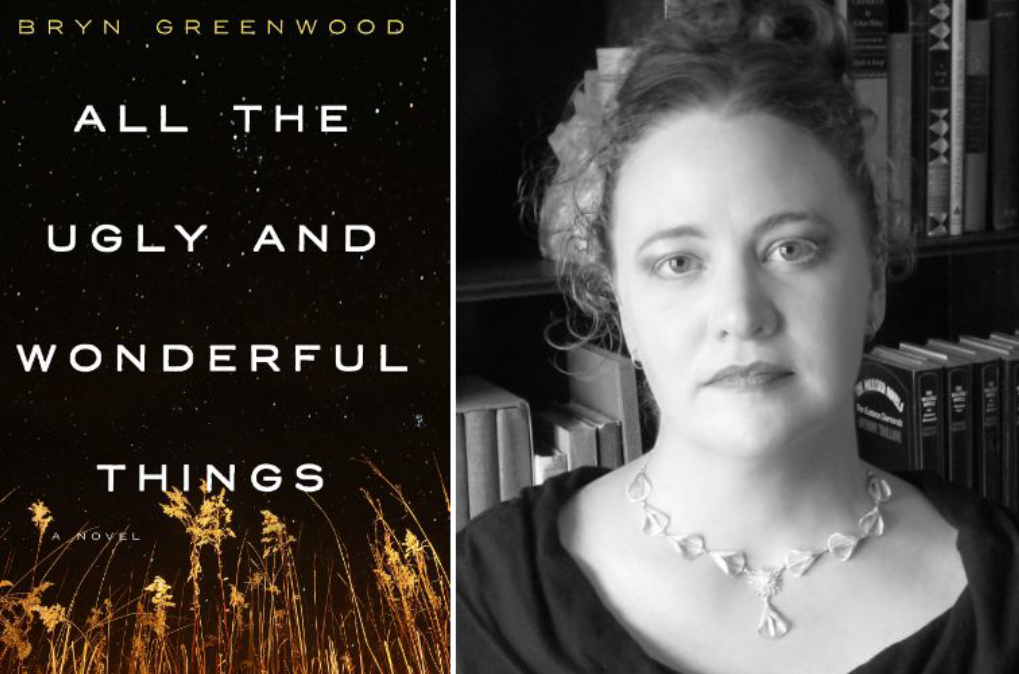
1. “All the ugly and wonderful things”

Author- Bryn Greenwood Page count-432

An unusual and disturbing love story but somehow you want this couple to be together. The story is messed up but trust me it will leave a mark on your mind.

2. “A walk to remember”

Author – Nicholas Sparks Page count – 240

http://eduindexnews.com/2020/09/06/a-walk-to-remember-book-review/

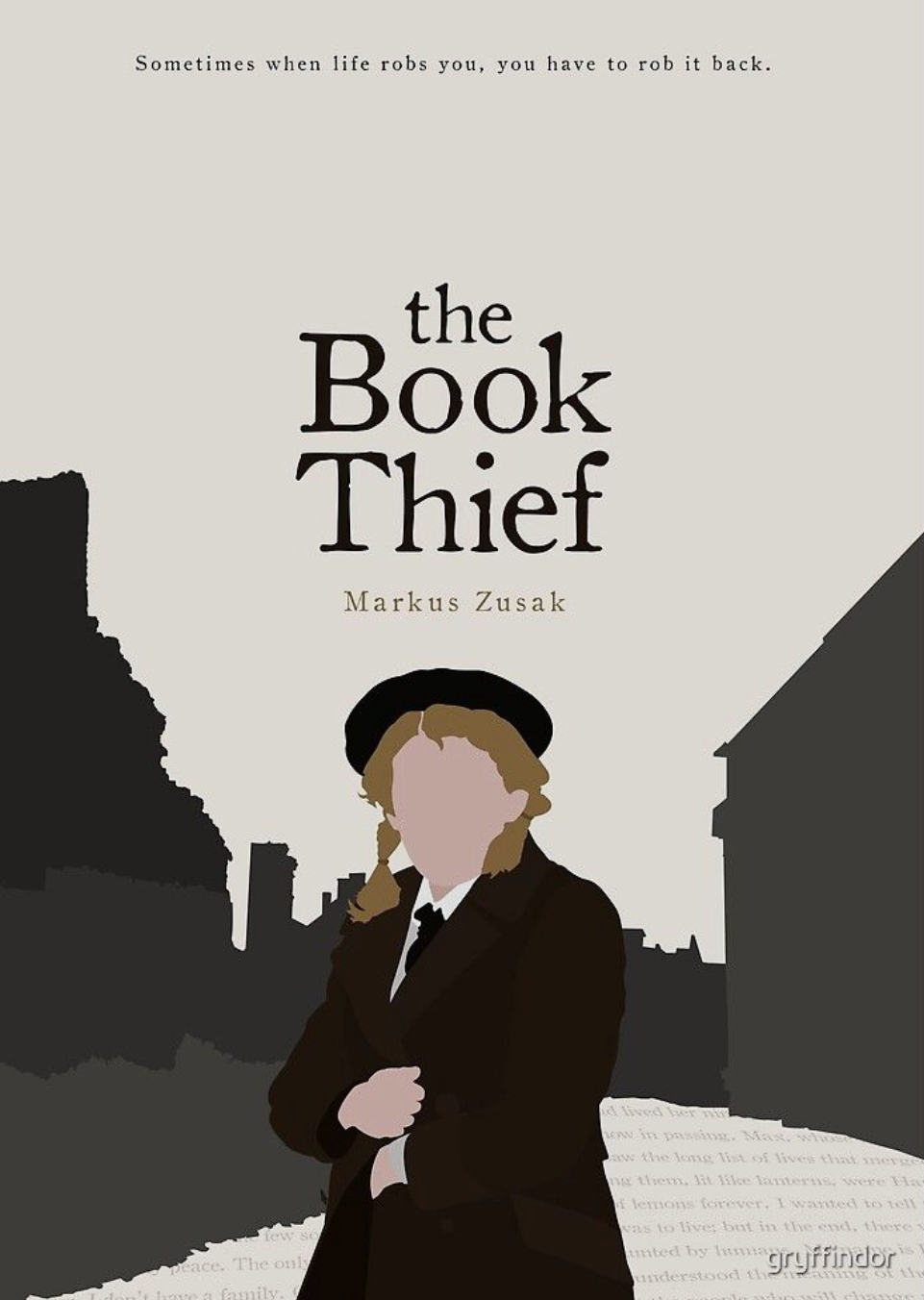
3. “The book thief”

Author- Markus Zusak Page count – 584

A historical novel narrated by Death. It’s about a little girl finding solace in books. The war makes things happen.

4. “Tell me your dreams”

Author- Sidney Sheldon Page count- 363

An absolute best thriller on Dissociative Identity Disorder or Split personality.

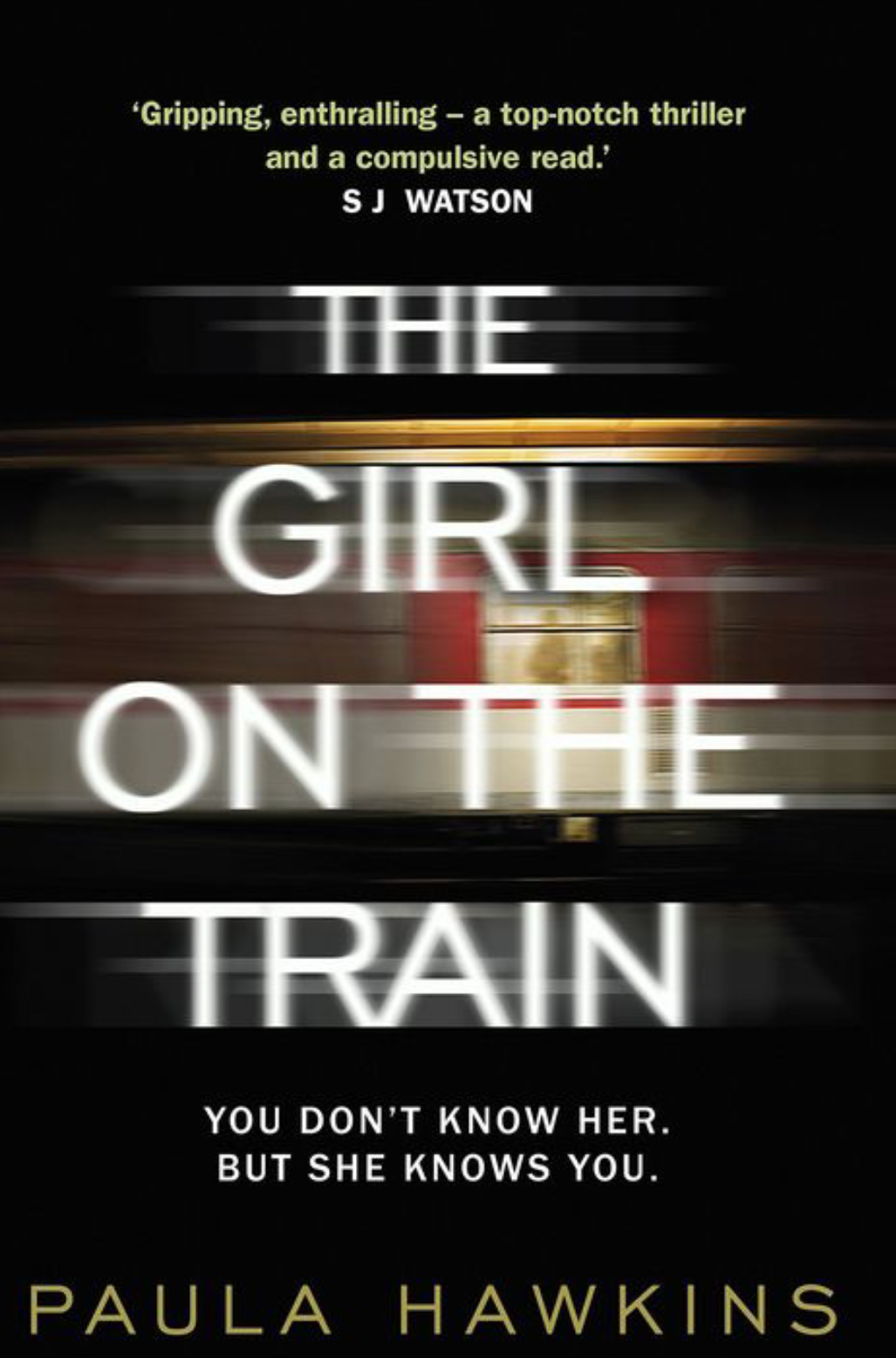
5. “The girl on the train”

Author- Paula Hawkins Page count – 317

Another great thriller. All about the title literally. Take my word for it you’ll love it.

6. “A thousand splendid suns”

Author- Khaled Hosseini Page count – 384

http://eduindexnews.com/2020/09/06/a-thousand-splendid-suns-book-review/

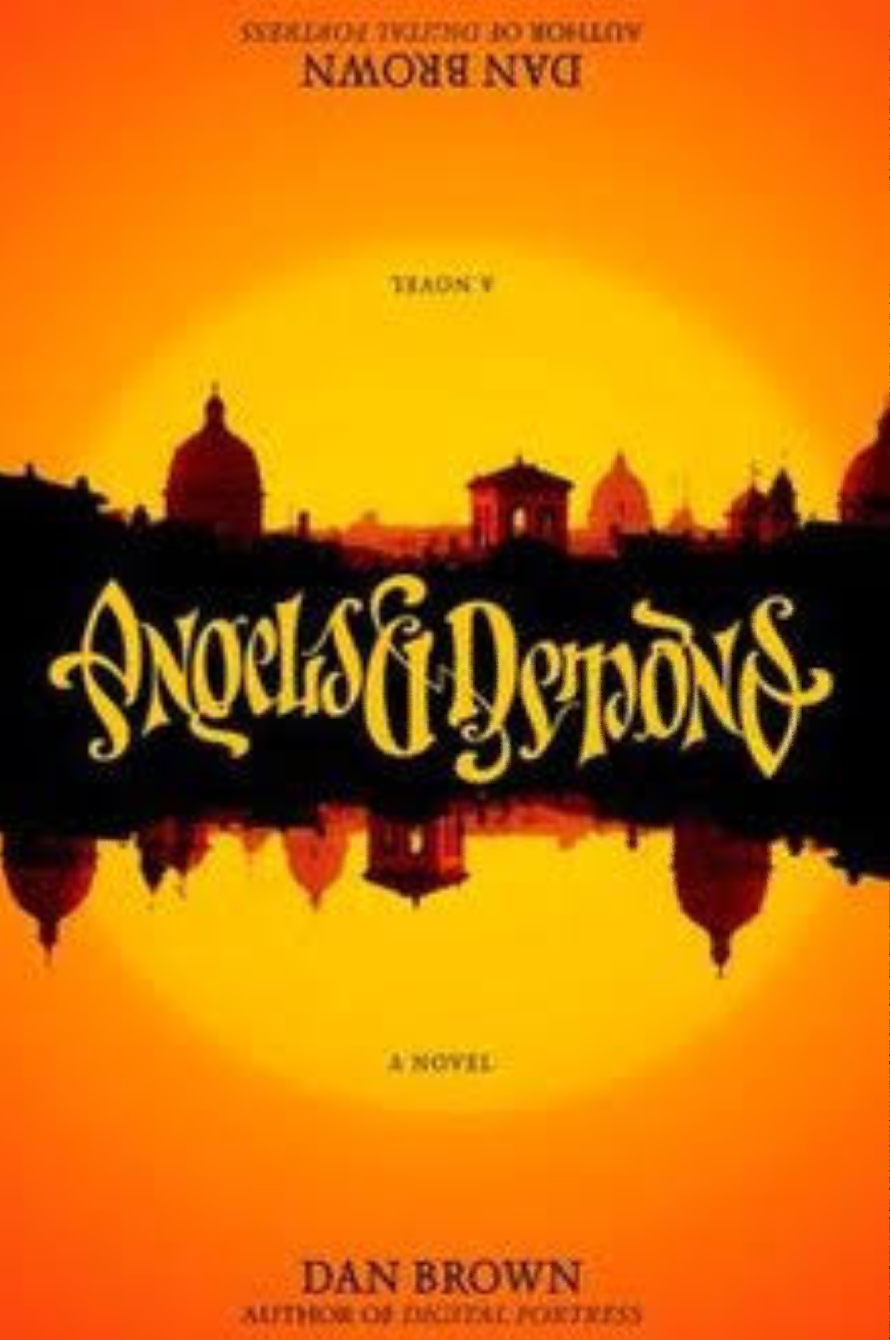
7. “Angels and demons”

Author- Dan Brown Page count -664

First of the Robert Langdon series. Though it’s a thick book you’ll want in read it all in one sitting.

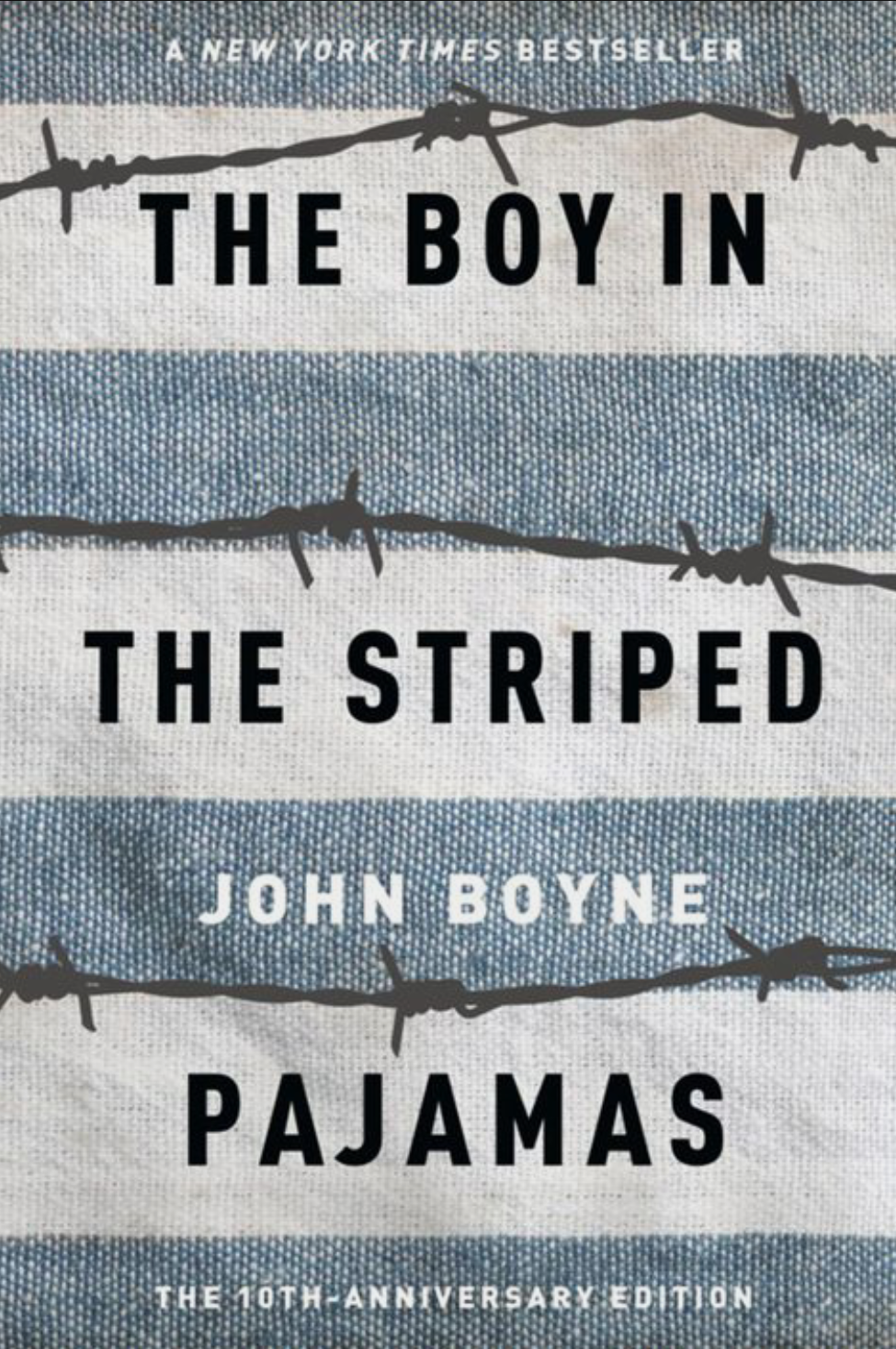
8. “The boy in striped pyjamas”

Author- John Boyne Page count -216

Written from the perspective of a nine-year old boy. You won’t believe how and when this innocent narrative turns into a powerful holocaust story.

9. “Paper towns”

Author- John Green

Page count -305

A young adult about a group of friends finding out secrets about a mysterious girl. Dialogues and quotes are brilliant.

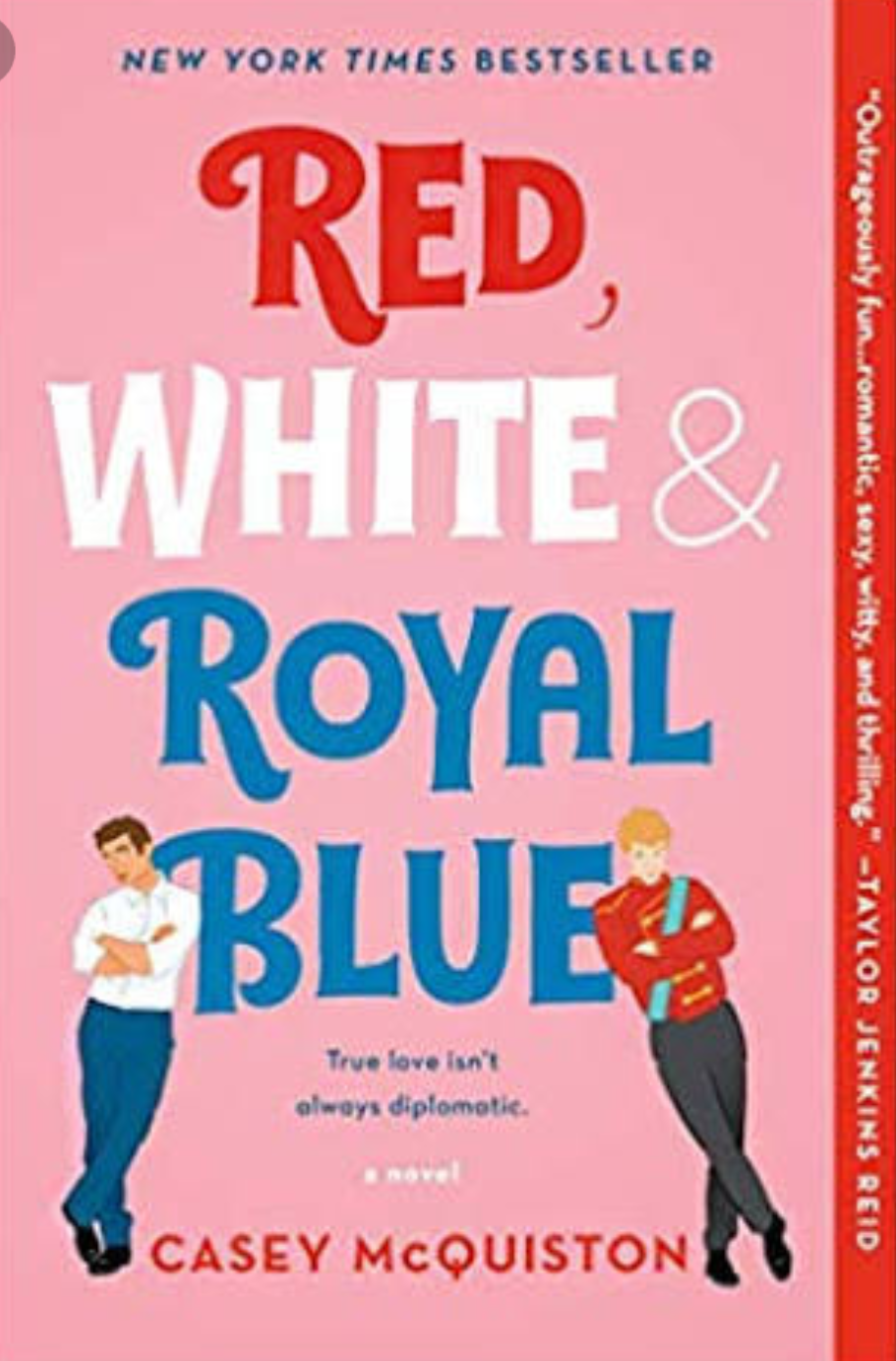
10. “Red, white and royal blue”

Author – Casey McQuiston Page count- 432 LGBT romance novel. It’s so so good needs no explanation.

Non-fiction…

11. “The diary of a young girl”

Author- Anne Frank Page count -352

12. A brief history of time”

Author- Stephen Hawking Page count – 256 13. “Into the wild”

Author- John Krakauer Page count -224

14. “Wild: from lost to found on the Pacific crest trail”

Author- Cheryl Strayed Page count-336

15. “Ikigai”

Author-Albert Liebermann and Hector Garcia Page count -208

Thank you for reading. Have a nice day!

A Walk to Remember book review

This was my first Nicholas Sparks and surely this one compelled me to read more of his works. Being a rapacious reader I can say he is one of the best romance novelist.
“A walk to remember” is a 1999 release by famous American author Nicholas Sparks. It has a page count of 240. It was later turned into a 2002 movie of the same name.

The story is narrated by the protagonist, Landon Carter. He is 57 years old and is reflecting on events from his past.
“Love is like the wind, you can’t see it but you can feel it.”
Nicholas Sparks

The book is all about the unexpected love story that happens between the two teenagers Jamie Sullivan and Landon Carter. So there is this guy all egoistic and the type that goes around bullying around his fellow schoolmates and then there is this sweet cheerful girl, daughter of the church minister. Love seems unlikely but you know opposites attract and henceforth the story begins.
Landon was supposed to act in a play so he asked Jamie to help. They spent a lot of time together and ended up falling for each other when they did not want to. Everything is fine but one fine day Jamie tells Landon a bitter secret about herself. This very plot twist tests their love for each other. They stick together till the end making this one of the sweetest love stories
According to me if one loves to read romance then this ones got to be on your list.
“First you will smile, and then you will cry — don’t say you haven’t been warned.”
Nicholas Sparks

Thank you for reading. Have a nice day!

A Thousand Splendid Suns book review.

“One could not count the moons that shimmer on her roofs, Or the thousand splendid suns that hide behind her walls.”
A thousand splendid suns is a fiction by Khaled Hosseini. The book has approximately 380 pages(hardcover) published in 2007.


Read this book if and only if you can tolerate extreme sadness.
It is a story about women of Afghanistan. It follows the life of two women Laila and Mariam. Mariam is the daughter of a wealthy business man, Jalil. She lives in a small cottage with her mother and is sent to her father when her mother commits suicide. She is soon married off to an old shoemaker Rasheed.
“Marriage can wait, education cannot.”
Khaled Hosseini.

On the other side Laila is a girl born on the night the Soviets take over Afghanistan. Life is normal. She attends school and dreams about marrying her best friend cum crush, Tariq. Tariq’s family decides to move to Pakistan since it’s all a chaos and cruelty in here. They go away. Laila’s family is supposed to go too but some stray rocket kills her parents. She is taken care by Rasheed and Mariam. Laila comes to know that Tariq is dead. Rasheed being obsessed with Laila asks her to marry him. Guess what… she agrees(because she is pregnant with Tariq’s child). She plans to escape the hell hole anyways. At first Mariam looks at her as a rival but then both befriend each other through Laila’s daughter Aziza and joins them in their escape mission. Sadly they fail.


Laila later has a son with Rasheed named Zalmai. Due to financial crisis Laila had to send Aziza to an orphanage. One day when she came back after visiting her she finds Tariq waiting for her. She is surprised to see him alive. They talk about all that has happened ever since he left.

Rasheed finds out and beats up Laila.(well that was his pass time!) Women supporting women, Mariam kills Rasheed and saves Laila.
Laila along with Tariq and the kids move to Murree and Mariam stays in Kabul to take the blame of Rasheed’s death and be hanged by the Taliban. At the end of the book we find out Laila is pregnant with another child and plans to name the baby Mariam if it is a girl.

“One could not count the moons that shimmer on her roofs,
Or the thousand splendid suns that hide behind her walls.”
Khaled Hosseini.

Thank you for reading. Have a nice day!