CANCER: DEFINTION, CAUSES AND TREATMENT

What Is Cancer?
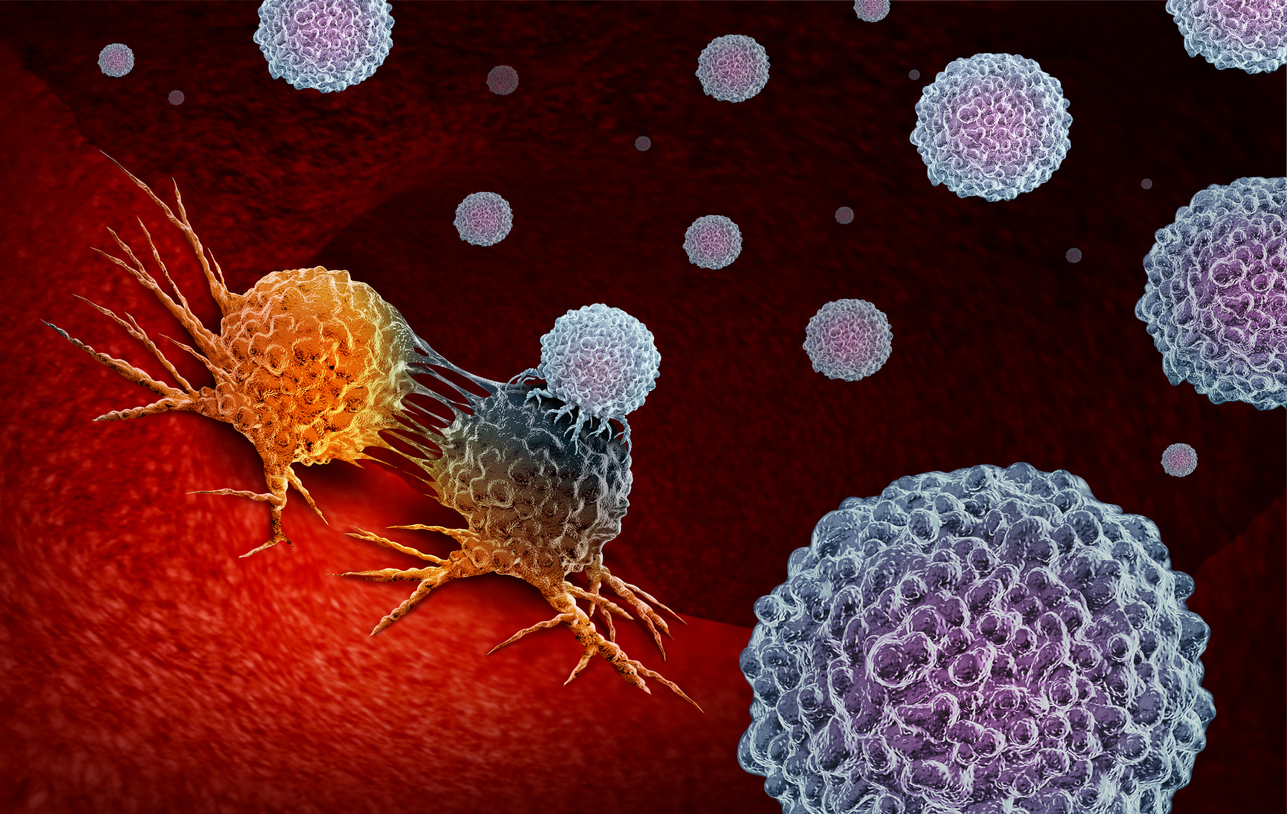
Cancer is a group of diseases involving abnormal cell growth with the potential to invade or spread to other parts of the body. It describes the disease that results when cellular changes cause the uncontrolled growth and division of cells. Some types of cancer cause rapid cell growth, while others cause cells to grow and divide at a slower rate.
Certain forms of cancer result in visible growths called tumors, while others, such as leukemia, do not.
Most of the body’s cells have specific functions and fixed lifespans. While it may sound like a bad thing, cell death is part of a natural and beneficial phenomenon called apoptosis.
A cell receives instructions to die so that the body can replace it with a newer cell that functions better. Cancerous cells lack the components that instruct them to stop dividing and to die.
As a result, they build up in the body, using oxygen and nutrients that would usually nourish other cells. Cancerous cells can form tumors, impair the immune system and cause other changes that prevent the body from functioning regularly.
Cancerous cells may appear in one area, then spread via the lymph nodes. These are clusters of immune cells located throughout the body.

How Does Cancer Develop?
ENLARGE
Cancer is a genetic disease—that is, it is caused by changes to genes that control the way our cells function, especially how they grow and divide.
Genetic changes that cause cancer can happen because:
• of errors that occur as cells divide.
• of damage to DNA caused by harmful substances in the environment, such as the chemicals in tobacco smoke and ultraviolet rays from the sun. (Our Cancer Causes and Prevention section has more information.)
• they were inherited from our parents.
The body normally eliminates cells with damaged DNA before they turn cancerous. But the body’s ability to do so goes down as we age. This is part of the reason why there is a higher risk of cancer later in life.
Each person’s cancer has a unique combination of genetic changes. As the cancer continues to grow, additional changes will occur. Even within the same tumor, different cells may have different genetic changes.
A cancer that has spread from the place where it first formed to another place in the body is called metastatic cancer. The process by which cancer cells spread to other parts of the body is called metastasis.
Metastatic cancer has the same name and the same type of cancer cells as the original, or primary, cancer. For example, breast cancer that forms a metastatic tumor in the lung is metastatic breast cancer, not lung cancer.
Under a microscope, metastatic cancer cells generally look the same as cells of the original cancer. Moreover, metastatic cancer cells and cells of the original cancer usually have some molecular features in common, such as the presence of specific chromosome changes.
In some cases, treatment may help prolong the lives of people with metastatic cancer. In other cases, the primary goal of treatment for metastatic cancer is to control the growth of the cancer or to relieve symptoms it is causing. Metastatic tumors can cause severe damage to how the body functions, and most people who die of cancer die of metastatic disease.

Treatments
nnovative research has fueled the development of new medications and treatment technologies.
Doctors usually prescribe treatments based on the type of cancer, its stage at diagnosis, and the person’s overall health.
Below are examples of approaches to cancer treatment:
• Chemotherapy aims to kill cancerous cells with medications that target rapidly dividing cells. The drugs can also help shrink tumors, but the side effects can be severe.
• Hormone therapy involves taking medications that change how certain hormones work or interfere with the body’s ability to produce them. When hormones play a significant role, as with prostate and breast cancers, this is a common approach.
• Immunotherapy uses medications and other treatments to boost the immune system and encourage it to fight cancerous cells. Two examples of these treatments are checkpoint inhibitors and adoptive cell transfer.
• Precision medicine, or personalized medicine, is a newer, developing approach. It involves using genetic testing to determine the best treatments for a person’s particular presentation of cancer. Researchers have yet to show that it can effectively treat all types of cancer, however.
• Radiation therapy uses high-dose radiation to kill cancerous cells. Also, a doctor may recommend using radiation to shrink a tumor before surgery or reduce tumor-related symptoms.
• Stem cell transplant can be especially beneficial for people with blood-related cancers, such as leukemia or lymphoma. It involves removing cells, such as red or white blood cells, that chemotherapy or radiation has destroyed. Lab technicians then strengthen the cells and put them back into the body.
• Surgery is often a part of a treatment plan when a person has a cancerous tumor. Also, a surgeon may remove lymph nodes to reduce or prevent the disease’s spread.
• Targeted therapies perform functions within cancerous cells to prevent them from multiplying. They can also boost the immune system. Two examples of these therapies are small-molecule drugs and monoclonal antibodies.
Doctors will often employ more than one type of treatment to maximize effectiveness.

Everything about cancer

Photo by Miguel u00c1. Padriu00f1u00e1n on Pexels.com

Cancer is a group of diseases involving abnormal cell growth with a potential to invade or spread to other parts of the body. There are over a hundred types of cancer that affect humans. In2015, bout 90.5 million people had cancer. About 14.1million new cases occur every year causing 8.8 million deaths. The not common types of cancer in males are lung cancer, prostrate cancer and stomach cancer whereas in females, the most common types are breast cancer, lungs cancer and cervical cancer. In children, acute lymphoblastic leukemia and brain tumors are most common.

Possible symptoms of cancer include a lump ( a compact mass of a substance without a definite shape), abnormal bleeding, prolonged cough, unexplained weight loss, etc. These symptoms may differ according to the type of cancer.

Causes of cancer:

  1. Environmental Factors:
    1. Tobacco: Tobacco in various forms of its usage (smoking, chewing) is the major environmental cause of cancer of lungs, pancreas and kidney.
    2. Alcohol: Excessive intake of alcohol is associated with oesophagal and liver cancer. It is estimated that 3% of all cancer deaths are caused by alcohol.
  2. Dietary factors: These factors are depended on our food consumption. For example, smoked fish is related to stomach cancer, dietary fiber is related to intestinal cancer and high fat is related to breast cancer.
  3. Occupational exposure to chemicals: Exposure to a wide variety of chemicals such as asbestos, arsenic, benzene, chromium, cadmium, etc, through work environment also causes cancer.
  4. Other factors such as unlught, radiation, water pollution and exposure to pesticides are also some causes of cancer.

Prevention of cancer:

  1. Primary prevention:
    1. Control of tobacco and alcohol consumption.
    2. Improving personal hygiene.
    3. Reducing the exposure to radiation.
    4. Protection from occupational exposure to chemicals.
    5. Immunization
    6. Consumption of healthy food
    7. Medical treatment
    8. Education and awareness
  2. Secondary Prevention:
    1. Camcer registration
    2. Early detection of cases
    3. Proper healthcare facility and treatment.

“Freedon from cancer” is now considered as the right of cancer patients.

3 HARMLESS HABITS THAT MAY CAUSE CANCER

women who keeps their phone close to their chest are prone to skin cancer .

Everybody knows that smoking can cause cancer , you protect yourself from excessive exposure to sun as it may cause skin cancer , but do you know we all have harmless habits that may cause cancer & other health issues . These habits are our regular habits which we not considered , but they can cause Sevier problem to us

3 harmless habits that may cause cancer

  1. Wearing your cell phone in your bra. Devra Davis Ph.D. MPH, President and Founder, Environmental Health Trust, has documented seven cases of young women who have developed cancerous tumors in the center of the breast where they carried their cell phones for 10 years. “These cases all formed with multiple primary tumors in the outlines of where the cell phones lodged. the harmful radiations from your phone can cause breast cancer .

protect yourself :

  • Carry your phone in a phone holster or in your purse.
  • Read cell phone manufacturers’ warnings on the safest way to use and carry the phones.
  • When buying a phone, ask about the Specific Absorption Rate (SAR), which measures the rate of radiofrequency (RF) energy absorption by the body from your cell phone. The FCC has adopted limits for safe exposure to RF energy from cell phones: a SAR level of 1.6 watts per kilogram (1.6 W/kg). 
  • Turn off your cell phone. Even if you are not using it, it is emitting radiation if it’s on.
  • Beware of areas with weak signals. Cell phones are programmed to work harder—emitting more radiation—when signal strength is blocked.
  • If you see reddened skin on your breast that does not go away, get it checked out by your physician.

2. Using talcum powder : Several studies have reported a positive association between use of talcum powder on women’s perineal area (from the anus to the vulva) and ovarian cancer risk. A 2010 study published in Cancer Epidemiology, Biomarkers & Prevention found that talcum powder also increases the risk of endometrial cancer, particularly among postmenopausal women. All should avoid talcum powder for parts which it is not meant .

2 . Drinking sugary beverages:

Sodas, sweetened tea, and lemonade—among other foods that have a high glycemic index—increase the risk of endometrial cancer. “When you eat those foods, it causes a spike in blood sugar and insulin. Having continually high amounts of insulin can help create an environment that is conducive to endometrial cancer cells proliferating,” says Bender. In addition, sugary drinks promote obesity, which increases the risk for colorectal, postmenopausal breast, esophageal, endometrial, kidney, pancreatic, gallbladder, and ovarian cancers. These are one time kind of drinks , regular drinking of these artificial sugary drinks causes health issues .

3. Drinking alcohol : Bender reports that alcohol increases the risk for colorectal, breast, esophageal, mouth, pharynx, larynx, and liver cancers. “The idea is that when alcohol metabolizes, it produces a carcinogen in the body,” she says, referring to the byproduct acetaldehyde, which then further metabolizes into acetate, and finally into water and carbon dioxide, which your body eliminates. Alcohol results in increase of body weight , which leads to link between cancer .

Breast Cancer

Breast cancer is the most frequent invasive cancer in women, and after lung cancer, it is the second largest cause of cancer death in women.

Breast cancer can start in a variety of places in the breast. Lobules, ducts, and connective tissue are the three primary components of a breast. The glands that generate milk are known as lobules.

The ducts are tubes that transport milk from the breast to the nipple. Everything is held together by connective tissue, which is made up of fibrous and fatty tissue. Breast cancer usually starts in the ducts or lobules.

Breast cancer can spread to other parts of the body via blood and lymph vessels. Breast cancer is said to have metastasized when it spreads to other regions of the body.

Photo by Xenia Shtreter on Pexels.com

Since 1989, advances in breast cancer detection and treatment have drastically improved survival rates. There are more than 3.1 million breast cancer survivors in the United States, according to the American Cancer Society (ACS). A woman’s likelihood of dying from breast cancer is about 1 in 38. (2.6 percent ).

According to the American Cancer Society, 268,600 women will be diagnosed with invasive breast disease in 2019 and 62,930 persons will be diagnosed with noninvasive cancer.

Breast cancer will kill 41,760 women in the United States this year, according to the American Cancer Society. Breast cancer fatality rates have been declining since 1989, thanks to breakthroughs in treatment.

The need of screening and being aware of the symptoms are both significant methods to reduce the risk. Breast cancer can afflict men in rare cases, but this article will focus on breast cancer in women. Here’s where you can learn more about breast cancer in men.

SYMTOMS OF BREAST CANCER

The initial signs of breast cancer are usually a thicker tissue area in the breast, a lump in the breast, or a lump in the armpit.

1)Other signs and symptoms include:

2)Armpit or breast soreness that doesn’t go away with the monthly cycle

3)Pitting or redness of the breast skin, resembling the surface of an orange

4)A rash on one of the nipples or around it

5)A nipple discharge, potentially including blood

6)A nipple that is sunken or inverted

7)A change in the breast’s size or shape

8)The skin on your face is peeling, flaking, or scaling.

The size of the tumour and whether it has spread to lymph nodes or other regions of the body are used to classify cancer.

Breast cancer can be staged in a variety of ways. From stage 0 through 4, with subdivided categories at each numbered level, is one way.

The four basic stages are described here, while the precise substage of a cancer may be determined by other tumor characteristics, such as the presence of the HER2 receptor.

CAUSES OF BREAST CANCER

Fat, connective tissue, and thousands of lobules make up a woman’s breast after puberty. Breastfeeding milk is produced by these small glands. Milk travels to the nipple through tiny tubes called ducts.

Cancer produces uncontrollable cell proliferation. They do not die at the expected time in their lives.

Because the tumour consumes nutrition and energy, it deprives the cells around it, resulting in cancer.

Breast cancer is most commonly found in the inner lining of milk ducts or the lobules that provide milk to them. It can then spread to other areas of the body.

Photo by SHVETS production on Pexels.com

THERE ARE TWO TYPES OF BREAST CANCER

Ductal carcinoma is the most prevalent type of cancer that starts in the milk duct.
Lobular carcinoma is a type of cancer that begins in the lobules.


When cancer cells burst out from inside the lobules or ducts and invade adjacent tissue, it is called invasive breast cancer. This makes it more likely for cancer to spread to other places of the body.

Noninvasive breast cancer occurs when the cancer has not migrated beyond its original location. However, these cells can proceed to aggressive breast cancer in some cases.

It is impossible to avoid breast cancer. Certain lifestyle choices, on the other hand, can greatly reduce the risk of breast cancer and other cancers.

These are some of them:

limiting your alcohol consumption

following a nutritious diet rich in fresh fruits and vegetables

obtaining enough physical activity

keeping a healthy BMI (body mass index) (BMI)

Breastfeeding and the use of hormone replacement therapy (HRT) after menopause should both be considered because they can increase the risk.

For women who are at a high risk of breast cancer, preventive surgery is also an option.

The Breast Cancer Healthline app connects users to an online breast cancer community where they may interact with others and receive advice and support through group discussions.

Trials of a more precise and comfortable MRI to identify early breast cancer begins in the United Kingdom.

A new, more convenient method of detecting breast cancer has begun testing in the United Kingdom, with the potential to identify tumors at an earlier stage.

At some time in their life, one in every eight British women will be diagnosed with breast cancer. Because malignancies and fibrous tissue both show up as solid white regions on X-ray, mammograms are less effective in younger women whose breasts contain denser, fibrous tissue and less fat because cancers and fibrous tissue both appear as solid white areas on X-ray.

Mammograms may miss malignancies in postmenopausal women with thick breast tissue, who are also more likely to acquire breast cancer in the first place.

Women with a dubious lump may be given an ultrasound scan or a biopsy, and if the diagnosis is still unclear, they may be directed for DCE-MRI, which detects the development of new blood vessels supporting tumors. However, in women with early-stage malignancies, they may not be visible, leading to false comfort.

Multiparametric MRI was first created to evaluate liver disorders without the need for a painful biopsy, and it is now widely utilized in Europe and the United States.

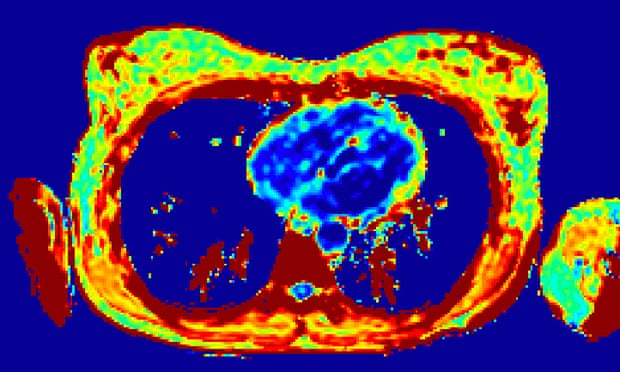
It works similarly to traditional MRI in that it utilizes high magnetic fields and radio waves to excite protons in the tissue, then exploits variations in the time it takes for them to settle to generate a “map” of the various tissues in the breast. Multiparametric MRI, on the other hand, allows an even more comprehensive map to be generated by merging pictures created by multiple MR pulses and sequences.

A scan of healthy breasts with multiparametric MRI. Photograph courtesy of Perspectum Diagnostics

“We believe that if we differentiate the tissue rather than looking at the blood vessels around the tumor, we should be able to spot not only tumors in dense breasts but potentially tumors that aren’t seen on mammograms,” said Prof Sally Collins, a consultant obstetrician and medical lead for women’s health at Oxford-based Perspectum Diagnostics, who herself recently received treatment for breast cancer.

“We’re also working to improve the scanning experience for patients. “Mammograms are awful because they squish your breast on this plate, which is undignified and unpleasant, and MRIs are much worse because you have to lie face down with your boobs dangling in this coil and your arms raised over your head for ages,” Collins added.

“We’re attempting to make it such that women may be fully dressed, respectable, and comfortable while being scanned, which is critical for the patient journey to cancer diagnosis.”

The prospectus has received ethical clearance to enroll 1,030 women in the study, including 10 women who have been diagnosed with breast cancer and 30 to 40 healthy women who are presently being scanned, to see if the technology can properly map their breast tissue while laying on their backs. It is estimated that the study would take two years to complete.

“It will never replace regular mammography screening for postmenopausal women, but we think it will enhance the diagnosis route for women with thick breasts or premenopausal women who are at extremely high risk of breast cancer, eliminating the need for repeated tests,” Collins said.

LUNG CANCER

See the source image

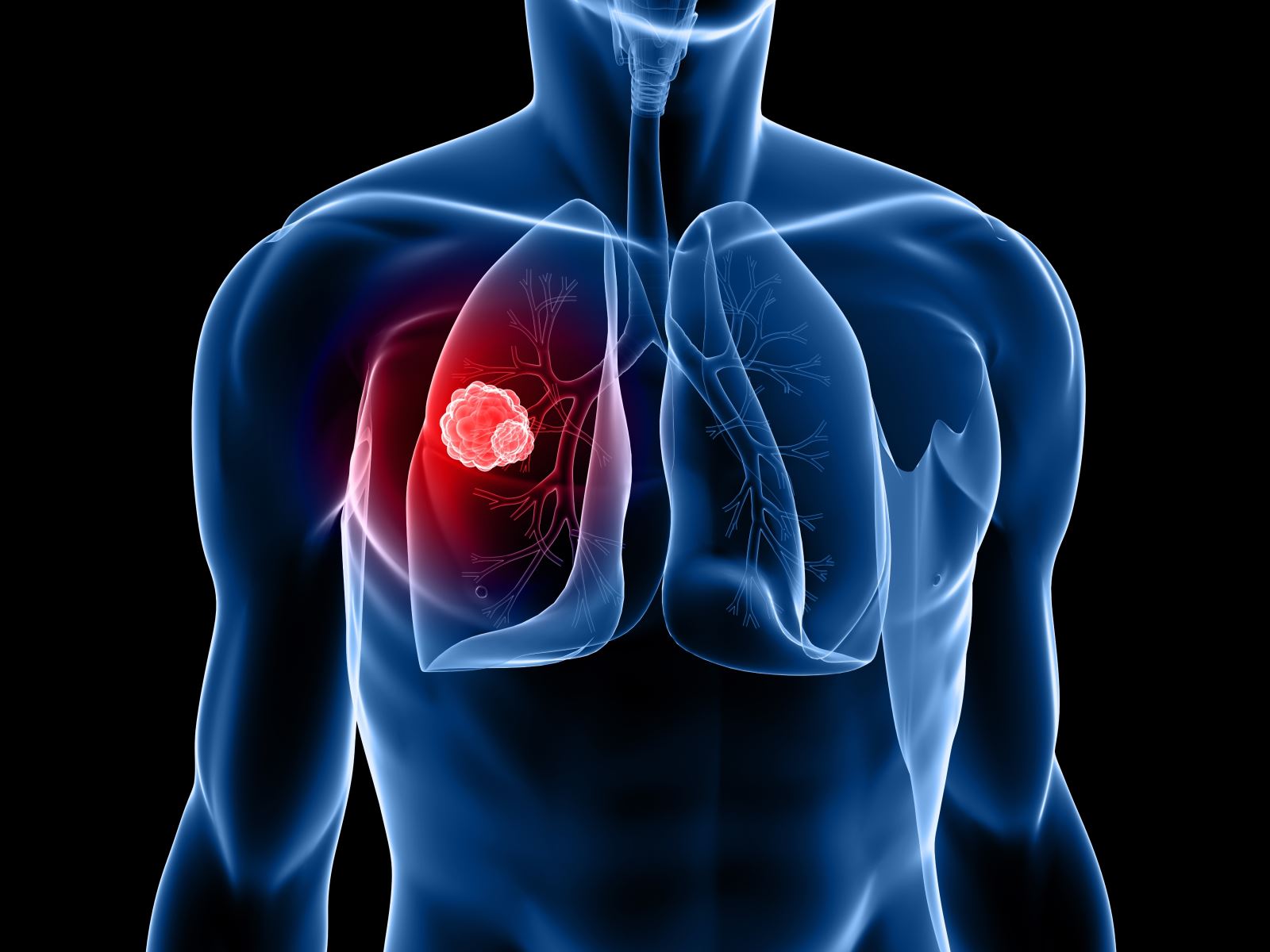
Lung cancer is a disease in which uncontrolled abnormal cell growth begins in the lungs. Lung cancer is a type of cancer that begins in the lungs. Your lungs are two spongy organs in your chest that take in oxygen when you inhale and release carbon dioxide when you exhale. Lung cancer begins in the lungs and may spread to lymph nodes or other organs in the body, such as the brain. Cancer from other organs also may spread to the lungs.  Lung cancer is the leading cause of cancer deaths worldwide. People who smoke have the greatest risk of lung cancer, though lung cancer can also occur in people who have never smoked. The risk of lung cancer increases with the length of time and number of cigarettes you’ve smoked. If you quit smoking, even after smoking for many years, you can significantly reduce your chances of developing lung cancer.

Causes of Lung Cancer:

  • Radon, a radioactive gas found naturally in soil and rocks
  • Smoking
  • Asbestos
  • Mineral and metal dust
  • Air pollution
  • Radiation treatment to your chest or breast
  • HIV/AIDS

Symptoms of Lung Cancer

Lung cancer typically doesn’t cause signs and symptoms in its earliest stages. Signs and symptoms of lung cancer typically occur when the disease is advanced. The symptoms are as follows

  • Chest pain that worsens when you breathe deeply, laugh, or a cough.
  • Hoarseness
  • A lingering or worsening cough
  • Shortness of breath
  • Wheezing
  • Weakness and fatigue
  • Loss of appetite and weight Loss
  • Coughing up phlegm or blood
  • Muscle Weakness
  • Nausea
  • Vomiting
  • High blood pressure and High blood sugar
  • Confusion
  • Coma

Prevention

  • Stop smoking. Stop smoking now. Quitting reduces your risk of lung cancer, even if you’ve smoked for years. Talk to your doctor about strategies and stop-smoking aids that can help you quit. Options include nicotine replacement products, medications and support groups.
  • Avoid secondhand smoke. If you live or work with a smoker, urge him or her to quit. At the very least, ask him or her to smoke outside. Avoid areas where people smoke, such as bars and restaurants, and seek out smoke-free options.
  • Avoid carcinogens at work. Take precautions to protect yourself from exposure to toxic chemicals at work. Follow your employer’s precautions. For instance, if you’re given a face mask for protection, always wear it. Ask your doctor what more you can do to protect yourself at work. Your risk of lung damage from workplace carcinogens increases if you smoke.
  • Eat a diet full of fruits and vegetables. Choose a healthy diet with a variety of fruits and vegetables. Food sources of vitamins and nutrients are best. Avoid taking large doses of vitamins in pill form, as they may be harmful. For instance, researchers hoping to reduce the risk of lung cancer in heavy smokers gave them beta carotene supplements. Results showed the supplements actually increased the risk of cancer in smokers.
  • Exercise most days of the week. If you don’t exercise regularly, start out slowly. Try to exercise most days of the week.

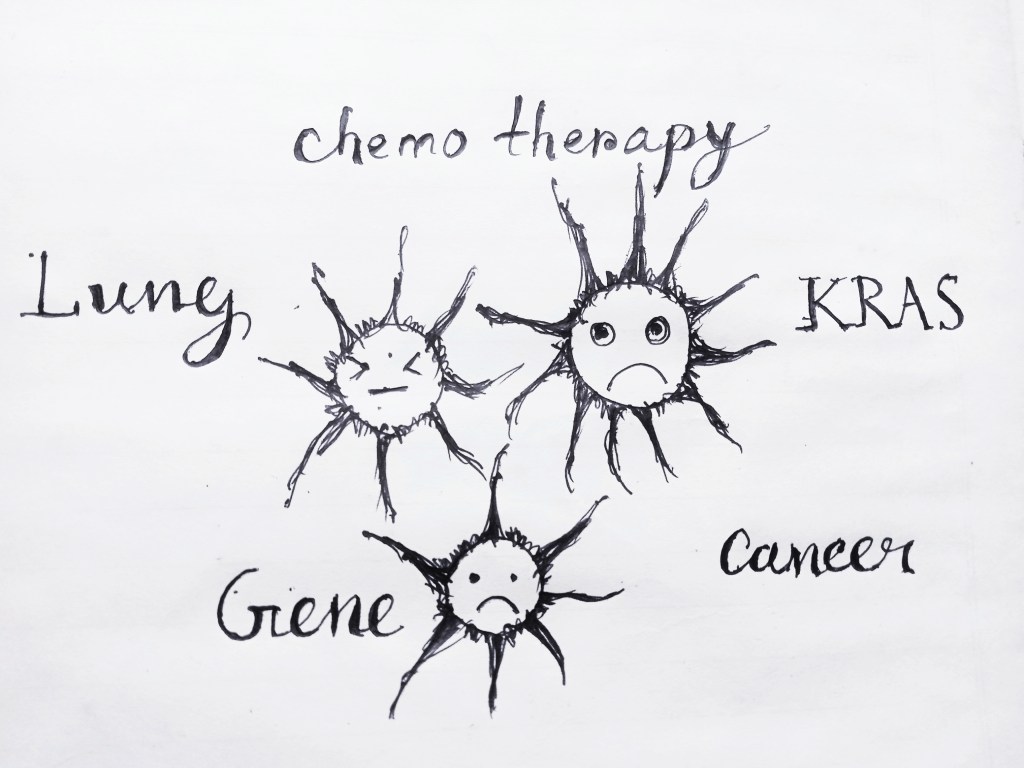
Sotorasib, the new fighter for lung cancer:

Lung cancer, which is considered as the deadliest cancer, takes lakhs of lives every year.

Sotorasib, the new Amgen drug has bring a new ray of hope in this field.

U.S. food and administration has approved this drug for small cell lung cancer, which will be sold under the brand name Lumakras. Patients having small cell lung cancers with the KRAS mutation, non-small lung cancer with KRASG12C mutation, and some colorectal and other type of cancers will be benefitted via this; because chemotherapy and other medicines didn’t show expected results in treating these.

 The company officials assured that the drug can have U.S. list price of $17,900 per month

.

Apoptosis- A potential target for cancer therapy

Introduction

The avoidance of apoptosis by cancer cells is a prominent characteristic of cancer. Since apoptosis inhibition is at the heart of tumour growth, the clearing of malignant cells and retaining a definite number of healthy cells involves tumour-cell death. Cellular death pathway targeting provides some possible therapeutic targets for all cancers. The most obvious strategy for cancer treatment is to concentrate on lesions, particularly apoptosis in tumour cells, which eliminate cell death.

Apoptosis is an essential component of normal development. For keeping normal physiological processes between cell proliferation and cell deaths, homeostatic balance is essential. Aberrant control of apoptotic mechanisms is one of the main characteristics of cancer growth and development. Apoptosis can be activated by triggering two different molecular pathways, a pathway of the extrinsic, a death receptor or a mitochondrial pathway, intrinsic pathway also called apoptotic cascade. Extrinsic pathways from outside the cells are activated by pro-apoptotic receptors, such as CD95 and TNF-related ligands inducing apoptosis (TRAIL) interacting with specialised cell surface death receptors. Mitochondrial (intrinsic) pathways induce the transcription of or the post-translational activation of BH3 proapoptotic B-cell leukaemia / lymphoma 2 (Bcl-2) family proteins from the inside of the cell, as a result of extreme cell pressure such as DNA or cytoskeleton damaging apoptotic protease-activating factor-1 (Apaf-1) and assemblies of Cytochrome c  activate caspase 9. This caspase activates the effector 3, 6 and 7 caspases, which perform apoptosis. Latest development of different therapeutic methods that interfere with apoptosis and are commonly used or studied for cancer treatment are becoming popular. It induces cancer cell death or enhances the response to certain cytotoxic medicines of cancer cells and CCs. Some of them are still in preclinical and clinical trials such as caspase activators, apoptosis modulators or agents targeting apoptosis-related proteins. Future methods for targeting apoptotic pathways in cancer patients with promising application are also seen.

Therapeutically inducing apoptosis strategies

The progressive pre-clinical or early clinical development of many therapeutic approaches inducing apoptosis are seen. The research processes two styles from a mechanical perspective of separate approach: (a) specifically separating tactics induce apoptosis, which is here called pro-apoptotic; and (b) survival-signalling techniques that modulate this to promote apoptosis, which is called permissive approach.

Proapoptotic approach:

Apoptin. A promising tumour killing technique

Apoptin (VP3) is a cell used when sparing normal cells and killing only tumour cells. The chicken anaemia virus is a source of 14,000 proteins. Latest evidence shows that this molecule induces apoptosis in which Caspases are included. Apoptin is very much shown, in vitro findings, that it is active against cancer cells without induction of natural toxicity Cells. The basic effect of it being this tumour killing only could be clarified by nuclear tumour cell location of the protein, activity requirement, whereas the protein in normal cells are Cytoplasm localised. In addition, apoptin is also active and potentially chemo resistant in genetically disrupted cells such as p53, Bcl-2 or tumour cells that express BCR-ABL. Apoptin is under progress in tumour cells in vivo in gene therapy strategies. Multiple injections of adenovirus into healthy rats or nude mouse have not been found toxic in preclinical studies. Furthermore, antitumor effects in the nude s.c. mouse were observed, hepatoma in human beings. These findings, however, remain preliminary and more preclinical work is needed with human cells to ensure safety and evaluate apoptin ‘s potential as an anti-cancer compound better.

Apoptosis was examined for the development and treatment of cancer by attempting to determine its function in chemotherapy cytotoxicity caused by agents. Cytotoxic agents frequently lead to apoptotic by only a fraction of the cells. A significant portion of cells must be recruited into apoptosis to allow maximum use of apoptosis as a mechanism for anti-neoplastic agent response. The only regularly used cytotoxic agents that have been shown to induce apoptosis in breast cancer cells are paclitaxel (Taxol ®). Another of such cytotoxic agents is cyclophosphamide, and furthermore cytosine arabinoside is also used. Quantitative measurements of apoptotic cells were performed by controlling the binding of the phosphatidylserine-binding protein (FITC)-labelled annexin V into cellular cells.

Inhibitor of apoptosis protein (IAP)

The genome of baculoviruses was the original founder of IAPs because of their capacity in infected host cells to inhibit apoptosis. Re-based on the survival and XIAP of recent attempts to use IAPs to obtain anti-cancer treatment. In vitro experiments showed that the anti-apoptotic function of the proteins was inhibited by caspases-3, -7, and -9. As these cases have shown to be important in vitro for chemical apoptosis aimed at its natural inhibitors, the IAPs have been identified as a possible means of increasing chemosensitivity. In fact, NSCLC cells inhibited up to 70 per cent of surviving mRNA expression with the use of the oligonucleotide 4003, resulting in etoposide sensitization of cancer cells. Additionally, the downregulation of XIAP in ovarian cancer cells with wild type p53 by adenoviral antisense expression has caused apoptosis. These promising findings have led to clinical trials using anti-sense IAPs being mapped. The IAPs’ function may be more complex than the in vitro data initially suggested. Indeed, in NSCLC patients c-IAP1, c-IAP2, and XIAP had no precedented response to chemotherapy responses, unlike most of the expected multiple in vitro trials. Moreover, in patients with non-Hodgkin’s lymphoma and AML, there were no variations in reaction to chemical therapy between survivin-positive and negative instances. Furthermore, XIAP expression was not associated and did not have any relation with the apoptotic index of NSCLC patients but was inversely related to tumour growth. In this group of patients, higher XIAP expression has been predictively converted into a considerably longer overall survival. In addition, the nuclear localisation of survivor has shown positive effects on prognosis in a recent study of gastric cancer patients. These findings verified that it may mean that limitless ODN survival inhibition may not be desirable both within the cytoplasm and the nucleus. It is possible that the IAPs are engaged in apoptosis inhibition by the blocking of caspase but also other essential functions including proliferating. These conflicting results can be clarified. In addition, the net effect of IAPs can depend on their interaction with the control molecules Smac / DIABLO, HtrA2 and Factor1 associated with XIAP, an antagonist of the XIAP apoptotic operation. Therefore, while it is potentially promising, additional functional research and IAP interactions are required to better utilise them as goals for anti-cancer therapy.

BH3 Mimetics

There is a common consensus that BH3-only proteins are essential for apoptosis, promulgating inherent and extrinsic pathways of cell death. Based on the blocks of the sequence homology called BH domains, proapoptotic members from the BCL-2 family may be further identified. Only one domain, in general called the α-helical BH3 region is available for all BH3 protein. This preserved BH3 domain played a key role in the treatment of cancer. Three BCL-2 protein subgroups: BH3 (BCL-2 homology 3), BCL-2, BCL-2-associated X-protein (BAX), and the BCL-2 antagonist-killer (BAK), interacting on one another on the mitochondrial membrane, activate the pathway. This is the basis of three distinct groups. BH3-only proteins have been shown to achieve two mechanisms by transmitting signals to induce apoptosis, and only BH3-proteins inducted by transcriptional or post-translational cytotoxic stress. The neutralisation of antiapoptotic BCL-2 proteins or direct activation of BAK and BAX 47 is a clear way to understand the previous mode of action, both structurally and functionally, and hence the goal for production of pharmaceuticals. By attaching its hydrophobic groove by adding four hydrophobe residues it antagonises the BCL-2 antiapoptotic protein family members. Members such as cell-death antagonist BCL-2 and NOxa bind to their anti-apoptotic brothers, while other proteins such as BIM, tBID and PUMA only neutralise other anti-apoptotic agents.

miRNA

The miRNAs (MiRNAs) is a small endogenous class of 18 to 25 nucleotide length non-encoding RNAs which modify gene expression by mRNA degradation or mRNA deletion. The mature-miRNA products are produced by sequential processing by the ribonucleases Drosha and Dicer1 from a longer primary miRNA (pri-miRNA) transcript. miRNAs are known to inhibit thousands of target genes, since the objective mRNA needs only partial complementarity. Thus, one miRNA can target at the same time to a complexity of mRNAs, and several miRNAs can control the expression of one particular mRNA. The alteration of miRNAs includes a varying variety of human diseases, including cancer, by natural mechanisms miRNA are involved in number of process, including cell growth, differentiating, proliferating, apoptosis, and stem cells self-renovation. The de-regulation of miRNA also induces apoptosis avoidance, involving tumorigenesis and pharmaceutical resistance. The functioning of aberrated miRNAs, which are closely linked to the apoptosis mechanism, will act as oncogenes (OncomiRs) or tumour suppressors (TSmiRs) during tumour induction and progression. Manipulation of the levels of miRNA expression affecting apoptosis genes and pathways may also be a clinical approach to develop successful cancer treatment. Furthermore, because cancer cells frequently display a distinct trend for miRNA expression, novel profiles of altered miRNA expression may be useful for tumour-diagnosed molecular biomarkers, disease-specific outcome predictions and tumour-aggression evaluations. Therefore, numerous anti-cancer therapies are being designed to recover miRNA behaviours and rebuild gene regulation networks or drug sensitivity. A number of miRNAs were associated with drug resistance, some of them linked to apoptosis. Deregulation of miR-214 is a frequent phenomenon in ovarian cancer in human beings and it has been shown that miR-214 mainly targets PTEN / Akt pathways and promotes cell survival and cisplatin tolerance. It’s also recognised that the let-7 miR family plays an essential part in a number of cellular functions including opioid sensitivity modulation. The miRNA let-7a, aimed at caspase-3 in human cancers, was over-expressed and demonstrated resistance to a range of drugs, including doxorubicin, paclitaxel and interferon-gamma, which are caspase-3-dependent. Let-7e was up-regulated with improved tolerance to doxorubicin in some ovary cancer cell lines. Conversely, let-7i has been documented as uncontrolled in ovarian cancer resistant to chemotherapy, and the reintroduction of let-7i could sensitise ovarian resistant cell line to platinum-based chemotherapy. The cause of apoptosis induced by the chemo preventive agent curcumin has been shown to be the downregulation of miR-185 in a non-small cell-lung cancer cell line which increased its direct target expression, Caspase-10. The effect on miRNA expression profiles was thus studied by anti-cancer drugs that modulate apoptosis cell proliferation and could help predict the resistance to apoptosis. This will help prevent needless morbidity and represent a new class of biomarks to allow customised care through the awareness of possible miRNAs involved in apoptosis resistance.

Blebbishield Formation

The development of blebbishields is one method used by cancer stem cells to resist apoptosis. The emergency system is enabled to rescue the stem cells in apoptotic cancer. The apoptotic blebs merge together into a formed sphere called blebbishields. Cells undergoing blebbishield development display visual symptoms of apoptosis, but the reaction is prevented and ends in cells living. Serpentine filopodia formation due to endocytosis are involved in blebbishield formation to avoid complete apoptotic reaction. Apoptosis normally results in secondary necrosis from a lack of ATP, blebbishields by activating glycolysis are able to prevent secondary necrosis. In order to ensure clinical effectiveness, cancer stem cells must be blocked to survive in parallel to treatments by apoptosis. A variety of possible candidates were identified including inhibitors of caspase, Smac mimetics and inhibitors of the translation at an internal ribosome entrance site (IRES). IRES translation is regulated by antiapoptotic proteins, such as cIAP-2, and XIAP. IRES translation facilitates survival by converting the cIAP-2, which enflames the mechanism and moves the antiapoptotic to the proapoptotic equilibrium towards antiapoptotic survival. Hemming IRES translation will prevent blebbishield formation from being started. N-Myc is an IRES translation goal intended to avoid the development of blebbishield.

Conclusion

Apoptotic approach to seeking alternative anti-cancer drugs is intriguing, since it is not unique to the form of cancer. In both the extrinsic and intrinsic pathways of cancer there are various mutations that cause cells to evade apoptosis, which is a distinctive characteristic of cancer. A more general cancer cure will also include the opportunity to target and activate apoptotic tract. Many compounds extracted from plants that are not toxic to healthy cells are particularly promising compounds to cause apoptosis.


COVID-19 Pandemic Led to Delays in Care for Nearly Half of Breast Cancer Survivors

Breast Cancer is nowadays rapidly increasing in the urban Indian women.The early weeks of the COVID-19 pandemic caused 44% of breast cancer survivors to have a delay in care, according to an online survey.Because COVID-19 is so contagious, and to save healthcare resources for people diagnosed with COVID-19, many hospitals and other healthcare facilities delayed or cancelled elective procedures beginning in March 2020. Elective procedures included anything that didn’t need to be done to save someone’s life. Breast cancer screening was considered an elective procedure, so many mammograms were delayed or cancelled. Some breast cancer surgeries and other treatments also were delayed, changed, or cancelled.

The researchers from the University of Illinois Chicago who did this study wanted to see how changes in healthcare due to the pandemic affected people who had been treated for breast cancer.The researchers wrote a 50-question online survey to figure out how the COVID-19 pandemic had affected breast cancer care. The researchers invited adults who had been diagnosed with breast cancer to complete the survey by sending invitations via email, posting on social media, and sending invitations to breast cancer support networks. The coronavirus disease (COVID-19) pandemic has had a profound impact on cancer care across the globe. Early data indicate increased risk of COVID-19 morbidity and mortality for cancer survivors.

Delays in a routine or follow-up doctor appointment were the most common, followed by delays in breast reconstruction surgery and diagnostic imaging or testing.About 30% of the respondents said they had a delay in treatment, including radiation, infusions, and surgery to remove the cancer.

As time has passed, doctors have seen how protective procedures, such as wearing a face mask, washing your hands, maintaining physical distancing, and avoiding gathering with people in a group, have helped slow the spread of the virus. So most facilities are once again offering all aspects of breast cancer care, including screening.

During the pandemic, the weekly average number of people diagnosed with these six cancers dropped by 46.4%. Specifically, breast cancer diagnoses dropped by 51.8% — from 2,208 to 1,064.

“Our results indicate a significant decline in newly identified patients with 6 common types of cancer, mirroring findings from other countries,” the researchers wrote. “The Netherlands Cancer Registry has seen as much as a 40% decline in weekly cancer incidence, and the United Kingdom has experienced a 75% decline in referrals for suspected cancer since COVID-19 restrictions were implemented.

“While residents have taken to social distancing, cancer does not pause,” they continued. “The delay in diagnosis will likely lead to presentation at more advanced stages and poorer clinical outcomes. One study suggests a potential increase of 33,890 excessive cancer deaths in the United States.”

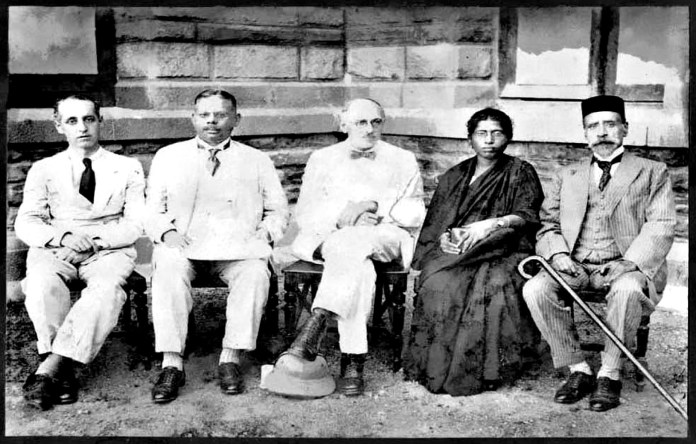
Death anniversary of Dr Muthulakshmi Reddy

Here's The Inspiring Story of India's First Woman Legislator ...

Today 22nd july, the death anniversary of Dr Muthulakshmi reddy. A surgeon, an educator, a social reformer and much more, Dr Muthulakshmi Reddy was a multitalented human and a campaigner of women’s rights. Google Doodle honoured Dr Muthulakshmi, India’s first woman legislator and one of the first women doctors in India on her 133rd birth anniversary.

EARLY LIFE

Dr Muthulakshmi was born on July 30, 1886. She was the daughter of a Devadasi Chandrammal who was married to Narayanaswamy, the principal of Maharaja’s College in Pudukkottai. She was born in an age where the phrase ‘women must be seen and not heard’, was often bandied about and used as an excuse to subvert the true potential of women. Muthulakshmi was intimate with Devadasi culture and norms. Right from a young age, her keen mind and quick ability to grasp things made her a roaring success at school. Upon reaching maturity, she continued her education through home-schooling.

STRUGGLE TOWARDS HER DETERMINATION

Later, she defied her parent’s decision to get her married, choosing education instead. But being a woman, her dream to pursue education invited the silent outrage of the conservative society. Because of the strong social pressures, the Maharaja college refused to admit her despite the excellent academic record. It was only when Martanda Bhairava Thondaman, the forward-thinking Raja of Pudukkottai stepped in and ordered them to take-in Muthulakshmi, that the college grudgingly accepted her application. Thus, breaking all the stereotypes of that time, Muthulakshmi became the first woman ever to get admission to Maharajah College which was a men’s college in Pudukottai. But it was just a beginning. After completing her under-graduation, she sought admission to the Madras Medical College. She was also the first and only woman candidate in the Medical College in 1907. It was during her college years that Muthulakshmi formed a deep friendship with Sarojini Naidu and Annie Besant, two individuals whose personal philosophies would go on to influence many of her future endeavours. She became the first woman House Surgeon in the Government Maternity and Ophthalmic Hospital, Madras.

Later, she went to London to pursue Higher Education. Muthulakshmi came back to India upon a request from the Women’s Indian Association – an organisation she helped establish in 1918, to enter the Madras Legislative Council in 1927. She was elected to the post of Vice-President, making her the first Indian woman member of a Legislative Council. This event also marked her entry into politics and legislation after which, she made efforts to improve the lives of all women everywhere. In her capacity as a legislator, Muthulakshmi helped raise the minimum age for marriage for girls. Concerned about human trafficking, she pushed the Council to pass the crucial Immoral Traffic Control Act.

She was aware that even after the devadasi system was abolished, the deeply-ingrained prejudices against women still existed. In 1930, three devadasi girls knocked at her door seeking shelter and that’s when she realized that she needed to create a haven for countless young girls like them so she built Avvai Home. Today, Avvai Home has grown to include an educational complex that houses a primary school, a secondary school, a higher secondary school as well as a teacher’s training Institution. The home was primarily started for devadasis but now, its doors are open to all women who need assistance.
Having witnessed her sister’s untimely death due to cancer, she decided to open up a specialized cancer hospital. She dreamed of a place where anyone suffering from cancer would receive treatment, irrespective of social and economic status. In 1954, after overcoming several hurdles, Muthulakshmi’s dream came to life with the Cancer Institute. It was the second specialised cancer centre in India and the first in South India at the time. Today, Adyar Cancer Institute has 450 hospital beds, a full-fledged research division, a preventive Oncology department, and the Dr Muthulakshmi College of Oncologic Sciences. A countless number of cancer patients have been treated here and the numbers continue to grow.

Cancer Institute(WIA) Foundation, Inc. 100% Affliated with Cancer ...


For her countless contributions to society, she was awarded the Padma Bhushan in 1956. Muthulakshmi passed away in 1968 at the age of 81.

“Constantly breaking barriers throughout her life, Reddy was a trailblazer, who devoted herself to public health and the battle against gender inequality, transforming the lives of countless people, especially young girls”, Google said in its description on the occasion of her birth anniversary.

The Tamil Nadu government announced ‘Hospital Day’ celebrations to be held every year on July 30, the birth anniversary of one of the country’s prominent successful woman doctors in the early 20th century and the State’s first woman.


Though she is no longer with us, her legacy still lives on in every strong woman who fights for education and equality. Let us salute the woman whose vision and values have inspired and changed many lives for good!

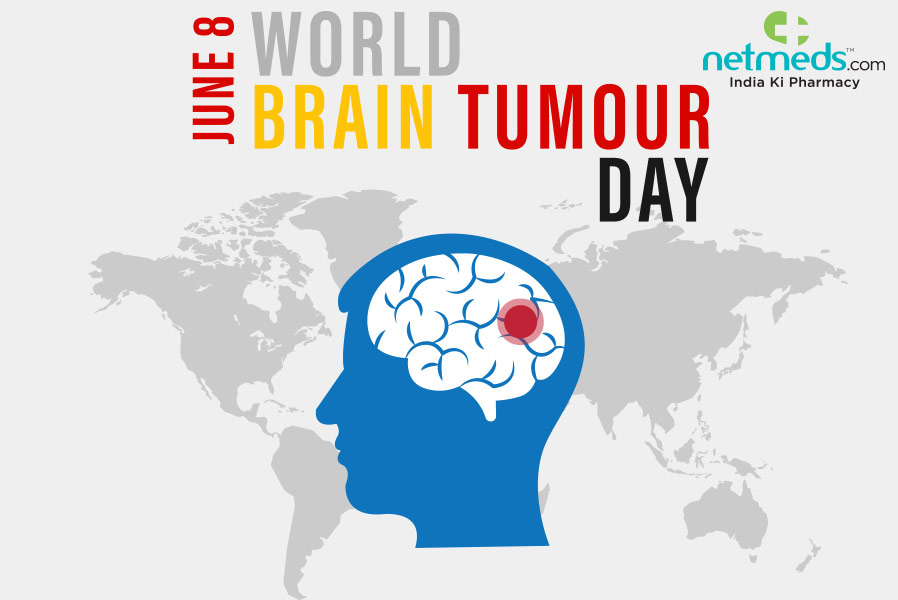
History behind World brain Tumor day:June 8

June 8 2020 is also observed as World Brain Tumor Day apart from World Ocean Day which was intiated by a non profit organization in Germany called Deutsche Hirntumorhilfe in German.

They are providing facilities for scientists and health professionals to develop efficient treatment of Brain tumor. They also provide support to the Brain tumor patients and their families.

Apart from the tribute given, This day is also observed as international day to provide awareness about the disorder and spread information on it.

A Tumor is basically the abnormal growth of cells. This can be broadly decided into two Benign (non-cancerous) and Malignant (cancerous). Malignant tumor can be again divided into primary originating from Brain Or spine where as secondary are those cancer that spread from elsewhere in the body to the Brain. This secondary is more common than primary.

Causes and major risk factors:

The exact cause of brain cancer is unknown. However, factors that can increase your risk of brain cancer include exposure to high doses of ionizing radiation and a family history of brain cancer.

Cancer in other part of the body is also a risk factor. Major cancers that spread to Brain are:

  • Lung cancer
  • Breast cancer
  • Kidney cancer
  • Bladder cancer
  • Melanoma

Other factors are:

  • increased age
  • long-term smoking
  • exposure to pesticides, herbicides, and fertilizer
  • working with elements that can cause cancer, such as lead, plastic, rubber, petroleum, and some textiles
  • having an Epstein-Barr virus infection, or mononucleosis

Symptoms

Symptoms that arises due to increased pressure inside the skull. They are:

Severe head ache associated with nausea and vomiting, blurring or dimmed vision, excessive sleepiness, loss of memory, seizures.

Symptoms that are arise due to location of tumor. They are:

Weakiness of one side of body, hearing loss, visual blindness, facial deviation, slurring of speech.

Diagnosis method

CT scan or MRI scanning of the brain. Further diagnosis can be done by PET scan or angiography.

Treatment

Surgery is the main treatment. Modern micro surgical methods and aids such as neuro navigation and intra op imaging have made surgery safe and effective.

Other modalities such as Gamma knife/stereotaxis radiosurgery, radiation therapy and chemotherapy may be used alone or in combination

Prognosis

Brain tumor is considered as incurable disease but if given proper treatment it gives good outcome and patients are able to go to their normal lives.

Conclusion

Brain tumor can give good outcome when diagnosed and treated early. It may lead to severe mental, physical and financial burden to the patient and family. One should consult the best doctor and get adequate treatment. More public awareness need to be given to reduce panic.