First Responder Readiness: Essential Maintenance Tips for Emergency Vehicles

Emergency vehicles play a critical role in public safety, serving as lifelines during emergencies and disasters. From ambulances to fire trucks and police cars, these vehicles must be reliable and ready to respond at a moment’s notice. Regular maintenance is essential to ensure that these vehicles perform optimally when lives are on the line. In this blog post, we’ll explore essential maintenance tips for emergency vehicles to help first responders stay prepared and effective in their critical missions.
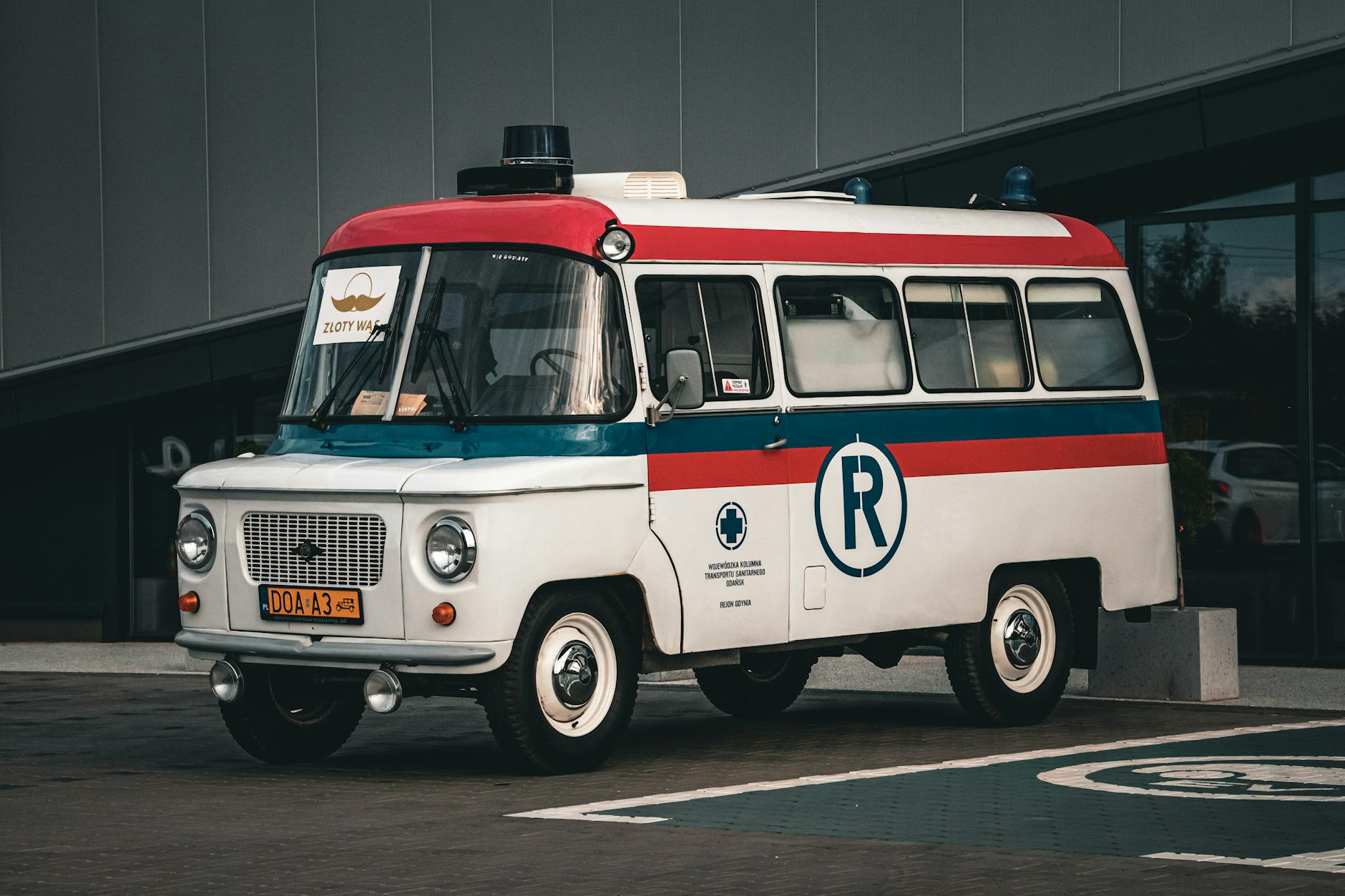
Photo by Piotr Baranowski on Pexels.com

1. Establish a Maintenance Schedule

Creating a structured maintenance schedule is the foundation of effective vehicle upkeep. It helps ensure that all necessary checks and services are performed consistently. Emergency vehicles should follow the manufacturer’s recommended service intervals, which typically include:

  • Oil Changes: Change the engine oil and filter at regular intervals to ensure smooth engine operation.
  • Fluid Checks: Regularly check and top off all essential fluids, including coolant, brake fluid, transmission fluid, and windshield washer fluid.
  • Tire Inspections: Check tire pressure, tread depth, and overall condition monthly. Rotate tires as needed and replace them when worn out.

By establishing a maintenance schedule, emergency responders can prevent minor issues from escalating into major problems that could hinder vehicle performance during emergencies.

2. Perform Daily Inspections

In addition to routine maintenance, daily inspections are crucial for emergency vehicles. Before every shift, first responders should conduct a thorough walk-around inspection to ensure the vehicle is in good working order. Key areas to focus on during these inspections include:

  • Exterior Checks: Look for any visible damage, fluid leaks, or signs of wear and tear on the body and tires.
  • Lights and Sirens: Test all emergency vehicle lights (headlights, taillights, and emergency lights) and sirens to ensure they are functioning correctly. Malfunctioning lights can compromise visibility and safety.
  • Brakes and Steering: Check the responsiveness of the brakes and steering. Any unusual sounds or sensations should be investigated immediately.
  • Equipment and Supplies: Ensure all necessary equipment, such as medical supplies, firefighting gear, and communication devices, are onboard and in good condition.

Daily inspections are essential to catch potential issues before they become serious problems. Taking a few minutes each day can save lives in critical situations.

3. Keep the Interior Organized

An organized interior is vital for emergency vehicles, as it allows first responders to quickly access necessary equipment and supplies during emergencies. Here are some tips for maintaining an organized vehicle interior:

  • Storage Solutions: Utilize storage compartments and organizers to keep equipment, medical supplies, and personal gear in designated locations.
  • Regular Cleaning: Keep the interior clean and free of clutter. Regularly remove unnecessary items and sanitize surfaces to prevent the spread of germs.
  • Inventory Management: Maintain an inventory of supplies, ensuring that items like medical kits, fire extinguishers, and tools are fully stocked and up to date. Replace expired items immediately.

An organized interior not only improves efficiency but also contributes to the overall safety of first responders.

4. Invest in Quality Parts and Equipment

Using high-quality parts and equipment is essential for maintaining the reliability of emergency vehicles. When repairs or replacements are necessary, opt for OEM (original equipment manufacturer) parts whenever possible. These parts are specifically designed for the vehicle and ensure proper fit and function.

Additionally, invest in durable and reliable equipment, such as medical devices, firefighting tools, and communication systems. Regularly inspect and maintain these tools to ensure they perform optimally when needed.

5. Monitor Performance and Address Issues Promptly

Monitoring the performance of emergency vehicles is crucial for identifying potential problems early. First responders should be attentive to any changes in vehicle behavior, such as:

  • Unusual Sounds: Listen for any strange noises when driving, as they may indicate mechanical issues.
  • Warning Lights: Pay attention to dashboard warning lights and address any alerts promptly.
  • Performance Changes: Notice any changes in acceleration, braking, or handling. These could be signs of underlying problems that need immediate attention.

Addressing issues promptly can prevent minor problems from escalating and ensures that vehicles are always ready for action.

6. Train and Educate Personnel

Regular training and education are vital for maintaining first responder readiness. Ensure that all personnel are trained in vehicle operation, maintenance checks, and emergency protocols. Conduct workshops and drills that simulate emergencies to enhance skills and familiarize responders with vehicle capabilities.

Education should also extend to new technologies and equipment that may enhance emergency response efforts. Keeping up with advancements in emergency vehicle technology can improve efficiency and safety in the field.

In Conclusion

Effective maintenance of emergency vehicles is essential for ensuring first responder readiness. By establishing a comprehensive maintenance schedule, performing daily inspections, keeping interiors organized, using quality parts, monitoring performance, and training personnel, emergency services can enhance their operational efficiency and reliability. In the high-stakes world of emergency response, preparation is key—because every second counts when lives are on the line.


Passenger cars to witness a price hike in the new year.

Kia, Maruti Suzuki, Tata, Mercedes-Benz and Audi have announced a price hike across their model range from January 2023. All carmakers have cited an increase in commodity prices as the major reason behind the hike.

Maruti Suzuki has confirmed that it will be increasing the prices of its entire model line-up, although the hike will vary depending on the model. 

Kia will hike the price of its entire model line-up by up to Rs 50,000 from January 2023. The South Korean manufacturer has also stated increasing commodity and transportation costs as the reason for the hike.

Along with the rise in commodity prices, Tata also states that updating its vehicles to meet the upcoming RDE norms will also lead to a hike in prices. 

Most reliable cars in the worldwide market.


This is an image of most reliable cars in the worldwide market.

Purchasing an automobile necessitates consideration of a number of issues, including costs, payment options, combustion alternatives, and the frequency of maintenance necessary. However, if you have one, you will no longer need to plan your trips around bus or train schedules or rely on a friend for a ride to work. For your spontaneous weekend getaways, your car becomes your personal “travel buddy,” allowing you to avoid uncomfortable adjustments with your clumsy co-passenger. While some reputable automobile brands deliver on their promises and assist you in making a memorable journey. Some may abandon you in the middle of the road, requiring roadside help.

Apart from routine maintenance such as oil changes, tyre rotations, and other repairs. An automobile that lasts up to ten years and has fewer unpleasant problems fits our criteria for a reliable vehicle. It also relies on the owner’s driving habits and weather conditions.

To aid you in your search for a dependable vehicle. We’ve compiled a list of dependable vehicles from various brands and categories.

Porsche 911

Porsche 911 has often reigned on people’s hearts and garages, and has remained strong through generations. Despite the fact that it has a high price tag, reports and reviews attest to its long-term viability and endurance. The most recent model features a 3 litre 6 cylinder petrol engine with 444 brake horsepower and 500 Newton metres of torque, as well as 11 kilometres per litre mileage. It has an automatic transmission and can reach a top speed of 306 kilometres per hour.

Manufacturer information:

Porsche AG is a sports car manufacturer based in Germany that boasts a diverse lineup of vehicles under its umbrella, including the Macan, Panamera, Cayenne, Boxster, Cayman, and their flagship model, the 911. This German company is known to have built some of the most reliable cars in the automobile industry. 

Lexus RX

The Lexus RX is a hybrid car with a 3.5-liter V6 engine and a front-mounted electric motor to lower conventional emissions and improve acceleration. It can be driven in pure electric, petrol, or dual-mode depending on the circumstances. Despite being a relatively new entry into the automotive business, it has quickly earned exposure and customer approval as it carves out a place in the reliability area. Its hybrid engine produces 335 Newton metres of torque and 308 braking horsepower. It gets 18.8 kilometres per litre of fuel.

Manufacturer information:

Lexus is a division of Toyota, a well-known Japanese vehicle manufacturer. It is one of Japan’s most popular premium vehicles. They also make and sell sedans, hatchbacks, SUVs, and a variety of hybrid and gasoline vehicles, in addition to the RX crossover.

It is one of the most reliable car brands in the world. 

Mercedes Benz E class

The Mercedes-Benz E class is one of the most popular mid-size luxury sedans on the market. It is most recognised for its smooth ride and excellent handling. The vehicle is available in a variety of fuel types, including diesel, gasoline, and hybrid, with engines ranging from a 2.0-liter four-cylinder engine to a 4.0-liter twin-turbo v8 engine, with outputs ranging from 194 to 603 brake horsepower.

Manufacturer information:

Mercedes-Benz is a German automobile company that produces luxury vehicles, commercial vehicles, and sports cars under its AMG sports division. It is a subsidiary of Daimler AG. In 1886, Mercedes-Benz is credited for ushering in a new era in the automotive industry by incorporating a combustion engine into a car. The well-known automobile manufacturer is committed to producing fuel-efficient automobiles and to introducing new technologies.

Mazda 2

The Mazda 2 is a sporty hatchback that allows drivers to swirl their automobiles through corners and gain speed without burning a hole in their wallet. All versions are powered by a 1.5-liter four-cylinder engine that produces 87, 98, and 113 break horsepower, respectively. Mazda provides a fulfilling ownership experience to its customers by combining driving characteristics, affordability, practicality, and durability.

Manufacturer information:

Mazda is a Japanese automaker that produces and sells vehicles all over the world, with 1.5 million vehicles sold in 2015. It is best known for the Mx5, a compact roadster that is also noted for its dependability. Among other things, the automobile brand is the 15th most popular in the world. The Mazda Cx5 is one of the few reliable two-seat roadsters on the market.

Toyota Prius

Toyota is one of the most dependable car brands in the world, and the Prius model adds to the company’s pride. It has consistently ranked first among the most dependable vehicles with low maintenance costs. Despite being chastised for its exorbitant cost, it is regarded as a sound long-term investment. A 4-cylinder petrol engine with 96.55 brake horsepower and 142 Newton metres of torque powers the vehicle. It has a kilometer-per-liter mileage of 26 km.

The maker’s information:

Toyota is a multinational automaker based in Japan, with headquarters in Tokyo. It ranks as the world’s second-largest automaker. Sedans, compact cars, vans, SUVs, and hybrid vehicles are among the company’s specialties. Lexus is one of the company’s subsidiaries, and it’s known for making dependable automobiles.

FAQs:

Which vehicle manufacturer is the most dependable?

Answer: When it comes to the most dependable car brands, Toyota is at the top of the list.

Which car has the longest lifespan?

Toyota vehicles such as the Innova, Prius, and Fortuner have the ability to last longer.

ExternalLinks:

http://wikipedia.org

http://cardekho.com

http://carwale.com

THE VOLKSWAGEN NOBODY KNOWS!

You must have heard of the fact that companies are contributing to environmental degradation , though they don’t want to do that but no one can deny to the fact that they are indirectly into it. But their are many greedy companies who , without even taking concern of the environment are contributing to degradation of it . Volkswagen is one among such companies , let’s see what they have done .

VOLKSWAGEN AG , known internationally as the Volkswagen group is a German multinational automotive manufacturing company headquartered in Wolfsburg , Germany . In the early 1930s, cars were a luxury – most Germans could afford nothing more elaborate than a motorcycle and only one German out of 50 owned a car. Seeking a potential new market, some car makers began independent “people’s car” projects – the Mercedes 170H, BMW 3/15, Adler AutoBahn, Steyr 55, and Hanomag 1.3L, among others. The Volkswagen emission scandal began in September 2015 when the US Environment Protection Agency issued a notice of violation of clean air act to Volkswagen group . According to the agency Volkswagen intentionally developed a software named TURBOCHARGED DIRECT INJECTION (TDS ) diesel engines , to active their emission control only at the time of testing in the labs which causes vehicles Nitrogen output to met US standards , BUT in reality emits 40 times more nitrogen in air in the real world .

They developed this software in 11 million cars of which 500,000 were in US only . Research were done & a group of scientists detected that there is additional emission in road test . Within the first day of investigation the stock price of VOLKSWAGEN fell in value by one by one third . Its CEO Martin Winterkorn resigned from his post & many officials were suspended .

In April 2016 , Volkswagen announced to spend $18.32 billion to rectify the emission issue & in January 2017 , Volkswagen pleaded guilty to criminal charges & after investigation process , in April 2017 , US government ordered the company to pay $2.8 billion as criminal fine for breaking rules of nitrogen emission . The total cost of the scandal costed $33.3 billion in fines , penalties , & financial settlements & buyback cost of VOLKSWAGEN .

This proves that the greediness of one company can bring harm to whole ecosystem . As business is a part of society , business should perform function to bring peace in the environment by not polluting it . It should serve the mankind & society as well. Volkswagen by realizing their mistake pleaded themselves guilty shows that one the mistake is done you should work to rectify it instead of hiding it .

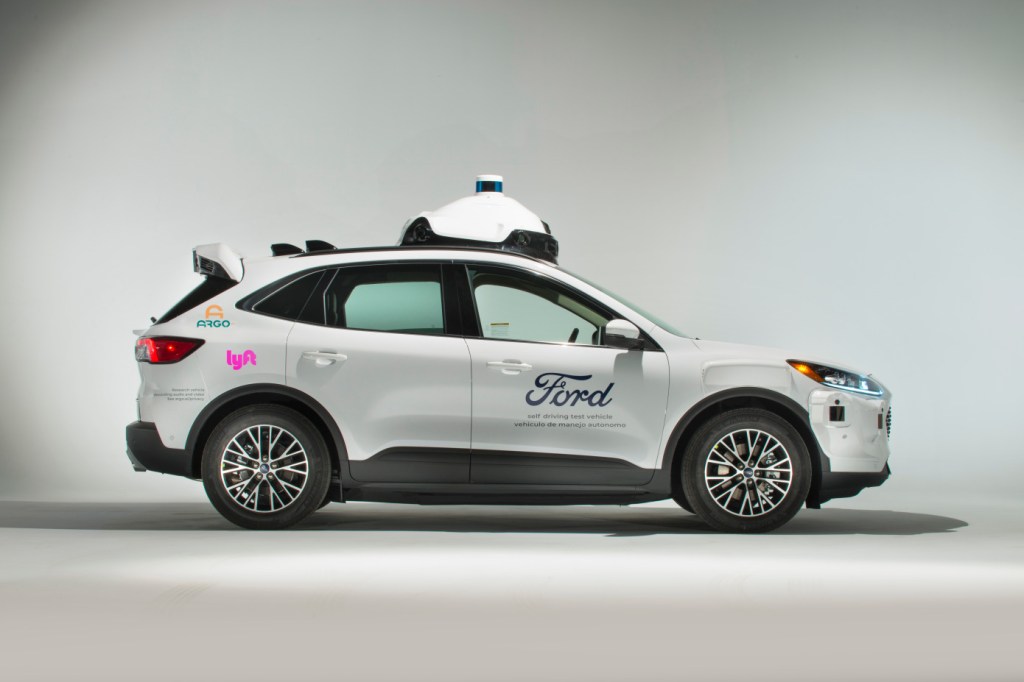
In California, Argo AI may now provide public rides in its self-driving vehicles.

Argo AI, the Ford and VW-backed autonomous vehicle technology firm, has received a permit in California that will allow it to provide free rides in its self-driving vehicles on public highways.

According to the accepted application, the California Public Utilities Commission gave the so-called Drivered AV pilot permit earlier this month. It was published on its website on Friday, a little over a week after Argo and Ford revealed plans to debut at least 1,000 self-driving cars on Lyft’s ride-hailing network in a variety of locations over the next five years, beginning with Miami and Austin.

The authorization, which is part of the state’s Autonomous Vehicle Passenger Service pilot, adds Argo to a small but increasing group of businesses looking to go beyond standard AV testing — a hint that the industry, or at least some companies, are getting ready to go commercial. Since 2019, Argo has been testing its self-driving technology in Ford cars in Palo Alto. In California, the company’s test fleet consists of around a dozen self-driving test vehicles. In addition to Miami, Austin, Washington, D.C., Pittsburgh, and Detroit, it has autonomous test cars.

Aurora, AutoX, Cruise, Deeproute, Pony.ai, Voyage, Zoox, and Waymo have all been granted licences to participate in the CPUC’s Drivered Autonomous Vehicle Passenger Service Pilot program, which necessitates the presence of a human safety operator behind the wheel. This permission does not allow companies to charge for rides.

Cruise is the only business that has obtained driverless authorization from the CPUC, allowing it to transport people in its test cars without the presence of a human safety operator.

Obtaining a Drivered authorization from the CPUC is only the first step on the road to commercialization in California. Before charging for rides in robotaxis without a human safety operator behind the wheel, the state needs firms to clear several regulatory barriers from the CPUC and the California Department of Motor Vehicles, each with its tiered system of licences.

The DMV is in charge of regulating and issuing licenses for autonomous vehicle testing on public roads. The DMW issues three types of permits, the first of which allows businesses to test autonomous vehicles on public roads with a safety driver. This basic testing authorization is held by more than 60 businesses.

The next permission allows for driverless testing, followed by a commercial deployment permit. Permits for driverless testing, in which no person is behind the wheel, have become the new benchmark and a need for firms looking to start a commercial robotaxi or delivery service in the state. The DMV has issued autonomous permits to AutoX, Baidu, Cruise, Nuro, Pony.ai, Waymo, WeRide, and Zoox.

Nuro is the only person who has gotten deployment permission from the DMV. Nuro may now deploy on a commercial basis thanks to this permission. Nuro’s trucks can only carry freight and not passengers, allowing the firm to avoid the CPUC approval procedure.

Meanwhile, in May 2018, the CPUC approved two pilot projects for autonomous vehicle passenger transportation. The Drivered Autonomous Vehicle Passenger Service Pilot program, which Argo just obtained, permits firms to run a ride-hailing service utilizing autonomous vehicles as long as they adhere to certain guidelines. Companies are not permitted to charge for rides, and a human safety driver must be present at all times. Additionally, specific data must be provided quarterly.

The second CPUC pilot will allow Cruise to launch an autonomous passenger service in June 2021.

It’s worth noting that getting to the holy grail of commercial robotaxis necessitates obtaining all of these permissions from the DMV and CPUC.

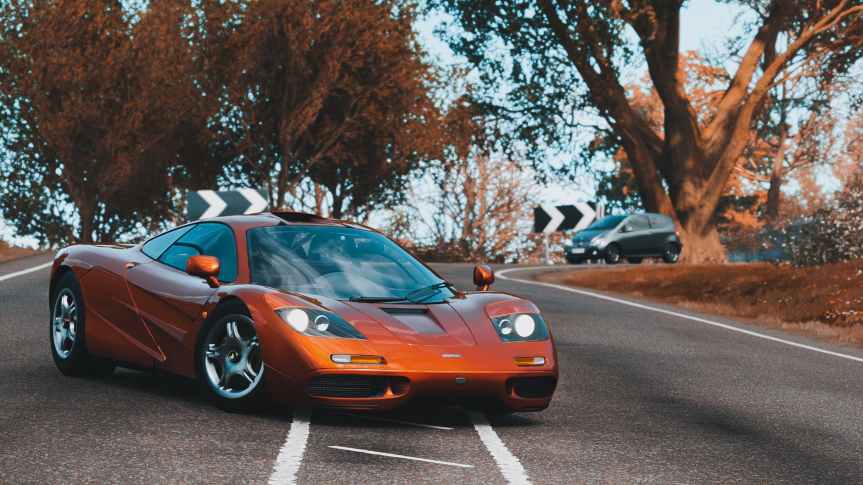
McLaren F1: The Ultimate Road Car Ever

McLaren F1 was the fastest production car for 12 straight years from 1993 to 2005. At the time of its unveiling, McLaren F1 was an engineering marvel with numerous pioneering technological innovations. It was designed by the legendary designer and engineer Gordon Murray.

McLaren F1 Rear

It was the first road production car to be fully built carbon fiber. The entire Carbon fiber monocoque weighs just fewer than 220 pounds and 5000 pieces of carbon fiber pieces were used to mold the final frame.  This gives it double the strength of steel but it makes it five times lighter than traditional frames.

The car has a central seating position which is unique to this car. While developing McLaren F1, Gordon Murray drove and tested all the contemporary supercars of that time and he realized that their three-pedal boxes were somewhat offset. So He wanted to eliminate that. To solve this problem he placed the seat in the central driving position similar to a traditional F1 racing car. The central position also helps in increasing the visibility of the driver.

It has a naturally aspirated 6.1-liter V12 engine, but initially, McLaren has asked Honda to supply an engine for them as they were also the supplier for their F1 racing team at that time. But Honda didn’t follow the specification stated by Gordon Murray. Later they asked BMW to supply them with the engine of their car. BMW had to make a new engine as per the specification and the final results were incredible. The Engine is called BMW Motorsport S70/2

 The engine possesses extremely efficient heads. It also has continuous variable inlet valve timing and an emission-control system and four catalytic converters with ‘Lambda’ exhaust gas analysis control. Even with a 6064 CC displacement and a power output excess of 550bhp, the engine is quite efficient. The engine created so much heat that it had to be covered with a good heat deflecting material and to solve that problem the engine bay was covered with 16 grams of gold foil.

On 31 March 1998, Andy Wallace drove the McLaren F1 XP5 prototype at Volkswagen’s test track in Ehra-Lessen, Germany, and broke the record created by McLaren F1 itself in 1993. The car reached the top speed of 391 kilometers per hour or 243 Miles per hour. As of today, the F1 remains the fastest naturally aspirated production car in the world.

https://www.autozine.org/Archive/McLaren/old/F1.html

The car had a limited production of 106. Of those only 64 of them were road-going cars and 28 of them were racecars and the remaining of them were prototypes and special editions like the LM and longtail version. Rowan Atkinson (Mr. Bean) was for one period the owner of McLaren F1 as well.

Back in 1993, a brand-new McLaren F1 cost £540,000. In today’s money it would be approximately 1.1 million pounds but due to the rarity and the special status and engineering feat of the car. McLaren F1 has steadily climbed in value since then. As of today a McLaren F1 costs around £16 million and special versions can fetch even more. This car has also stood the test of time in its design, engineering, and craftsmanship.

References:

What makes JDM cars rare in India?

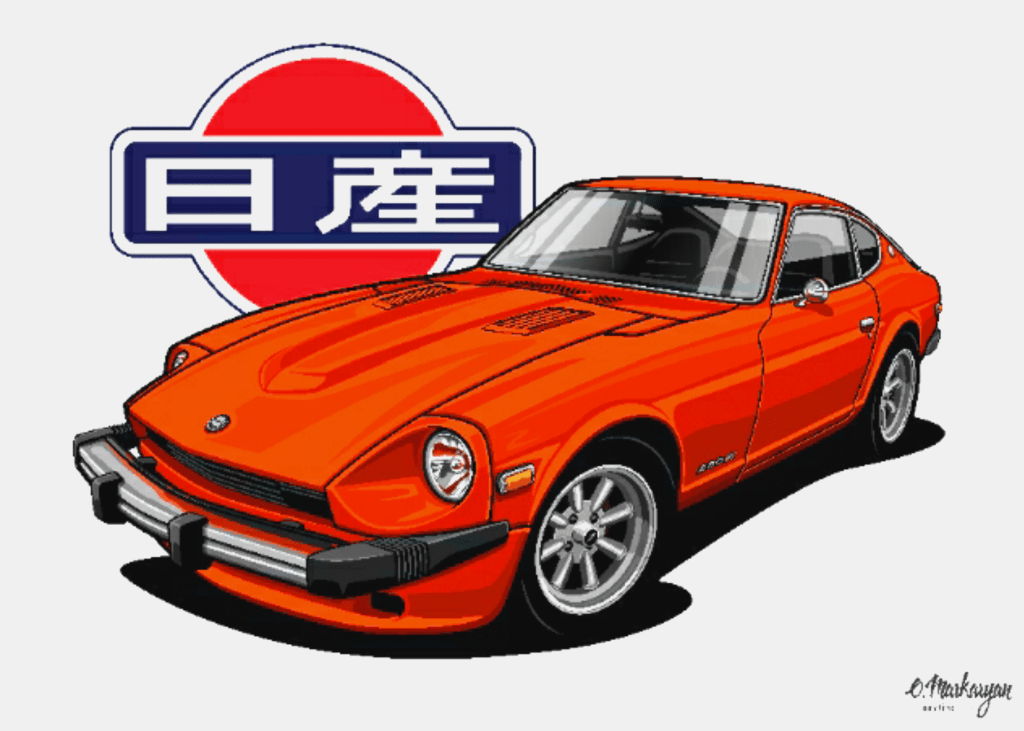
Japanese domestic market[JDM} refers to Japan’s home market for vehicles. For the importer, these terms refer to vehicles and parts designed to conform to Japanese regulations and to suit Japanese buyers. The term is abbreviated JDM. Japanese domestic market vehicles may differ greatly from the cars that Japanese manufacturers build for export and vehicles derived from the same platforms built in other countries. The Japanese car owner looks more toward innovation than long-term ownership which forces Japanese carmakers to refine new technologies and designs first in domestic vehicles. For instance, the 2003 Honda Inspire featured the first application of Honda’s Variable Cylinder Management.

In 1988, JDM cars were limited by voluntary self-restraints among manufacturers to 280 horsepower (PS) (276 hp) and a top speed of 180 km/h (111.8 mph), limits imposed by the Japan Automobile Manufacturers Association (JAMA) for safety. The horsepower limit was lifted in 2004 but the speed limit of 180 km/h (111.8 mph) remains in effect. Many JDM cars have speedometers that register up to 180 km/h (111.8 mph) (certain Nissans go up to 190 km/h, and the GT-R has a mechanism that removes the speed limiter on a track) but all have speed limiters.

 Popular brands include Honda, Subaru, Toyota, Mazda, Suzuki, Lexus, Mitsubishi Motors and Nissan.

IMPORT TAX

There are 3 main ports in India where you can receive your car via ship, 1.Mumbai port, 2.Banglore port, 3.Chennai port. You cannot get to choose where the car is shipped or coming, you will be notified where car is being shipped or coming. After the car come to the port, you have to go to the port pay the “180%” of the import duty. My guesstimate, looking at other Toyota imports, will be somewhere around Rs 85 lakh to 95 lakh, depending on the kit and varient. That is the price of the vehicle, now added to that is the import duty of 180 percent. If taken that the selling price of the car is 90 lakh, import duty on it would be 1.62 crore. The total amount you need to spend is around 2.5 crore. Which discourages the buyer from going for a JDM car because, with the same 2.5 crore he/she can afford to buy luxurious cars without paying any import duty. After al,l this wont matter to a JDM car enthusiast.

After all this process, you must have to go to your respective city RTO with car and register your car to your name. When the registration is done, now you can legally drive your car on Indian roads.

Bad Roads

As we all know, the condition of roads in most places of India is pathetic. On these pathetic roads, a sweet devil such as a Toyota Supra cant be enjoyed. Roads are not often noticed in india, but what are noticed is pot holes, shoulder drop off’s , construction work zones, slick roads cause a major threat to these super costly and beautiful machines.

Loud Exhausts

Aftermarket exhausts in India are illegal unless approved by the RTO. This means that only those aftermarket exhausts that are sold by automakers as an authorized accessory are legal in the country as they are in compliance with the rules mentioned in the Motor Vehicles Act. According to automotive norms, vehicles should adhere to the noise norm of a maximum 80 decibel, but modifications takes the noise level to 100 decibel and above, which is illegal in india

While the stock exhaust emits up to 97.8 decibels, the FI Exhaust with the valves closed goes up to 119 dB. That’s loud enough on its own, but you can also open the valves and the peak noise level rises to about 131 decibels. Which will most certainly be considered illegal.

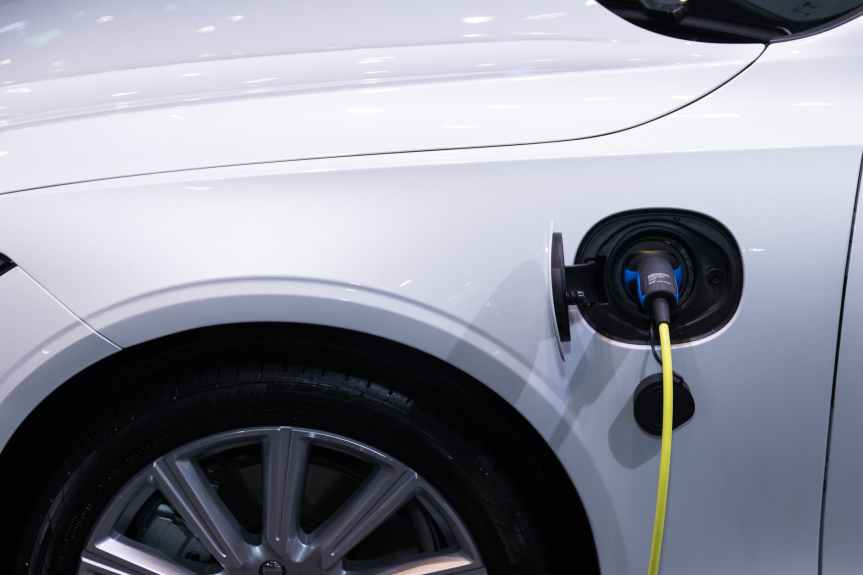
Rachid Yazami, a Moroccan innovator, breaks the world record for charging EV batteries in under 10 minutes.

Electric vehicles are sweeping our cities, and an overwhelming number of individuals are choosing to commute in electric vehicles. Electric mobility is unquestionably the way of the future, given the environmental advantages offered by these vehicles and the commitment of both manufacturers and drivers.

Rachid Yazami, a Moroccan innovator, revealed a few weeks ago:

We broke a new world record a few weeks ago by charging an electric car battery in just 10 minutes. I hope that morocco will succeed in developing and marketing ultra-rapid chargers.

Statement by Rachid El Yazami

Dr. Rachid Yazami, the inventor of one of the most important components of lithium-ion batteries, is working on a method to charge an electric vehicle in less than 10 minutes.

Given the recent technological advancements, electric vehicles still face obstacles in becoming the preferred mode of transportation and replacing combustion engine vehicles. One of the most significant concerns is slow battery charging, however, it appears that this impediment is coming to an end.

Dr. Rachid Yazami, the inventor of the graphite anode, a critical lithium-ion battery component, is working on a method that will allow the electric car to be charged in as little as 10 minutes. A breakthrough in these aspects will be a watershed moment in electric transportation, virtually equating the time spent charging the vehicle’s battery to just the time spent replenishing traditional fuel.

According to The Register, Dr. Rachid Yazami is working on a new quick charging system for electric automobiles that beats any other technology now available. Your technology, according to current testing, can charge a high-density battery in under 10 minutes, which itself is seven times faster than Tesla.

To attain this goal, Dr. Rachid Yazami uses a different loading method than the usual one. Instead of utilizing constant current, they utilize non-linear voltammetry, which adjusts voltage instead of current.

Voltage, according to the expert, should be seen as a sequence of steps on a ladder. Every one of those rungs’ voltage must remain constant until the conditions are met and that the next rung can be advanced. During the charging process, this charging mechanism gives the batteries a break, helping them to last longer.

“Fast-charging technology improves battery life by decreasing stress”, according to Dr. Rachid Yazami. “We can preserve the battery for 10 years instead of five because we charge it in such a way that it is not subjected to high temperatures or current stress. The optimal charging situation for the battery would be 10 minutes of charging time for an 800 km range.

The issue of Electric Vehicles and their sustainability

Tesla launched the Model-S in 2012, the luxury car was one of the more mainstream vehicles that accelerated the growth of electric vehicles. Some traditional cars manufacturers also followed the suit to compete with Tesla. Fast forward to a decade later, electric cars have become even more relevant and every major internal combustion engine manufacturer has an electric car model in their portfolio.

The rise of electric cars has been commendable with 75% growth rate and current sales north of 3 million units. But we have to look at the sustainability of electric vehicles realistically. Internal Combustion Engines cars have come a long way from 20 years back. Conventional cars are significantly more fuel-efficient and release less harmful gases to the environment. But still, they are incomparable to electric vehicle zero fuel emissions.

When we talk about electric vehicles, we also have to consider the whole infrastructure that is required to sustain that. The elephant in the room is the batteries. Battery technology has progressed a lot in the past decade but still, there are lots of limitations that have hindered the adaptability of EVs. One of the biggest issues that EVs face is the limited lifespan of batteries. The average lifespan of a typical EV battery is approximately 10 years depending upon the usage. In many EVs, the replacement of batteries is very difficult or almost impossible. Another problem is the case of recycling batteries. It’s not easy to recycle batteries and currently, electric vehicles have a very small percentage of market share. But as more and more people adopt EVs, there will be more EVs that will have to be scrapped and the proper disposal of batteries will be required. This can be a cause of environmental concerns as batteries will accumulate with no proper arrangement for its recycling.

Issues that will have to be addressed

The problem is much more than just battery technology. The power delivery and infrastructure also need to be developed to support the EVs. It’s going to be easier in urbanized areas with a small population, for instance Norway has been moderately successful in adopting EVs as a standard with plans to totally cease the sales of internal combustion engine vehicles by 2025. This target is going to be much more difficult in large countries with large populations and rural populations where distances between cities are larger. It also requires a considerable amount of capital resources to make the transition possible. Currently, traditional gas vehicles are still more viable, practical, and cheaper than EVs. This tells us that EV manufacturers and the government will require much more than subsidies to convince people to convert. EV manufacturers will also need to control the amount of energy that is required to produce a single EV, which is much more than a gas vehicle.

The extraction of lithium is also a contested issue and just as fossil fuels, the elements that are required to make batteries are non-renewable. Lithium can be extracted in a limited capacity and with more demand, it will become even more challenging to supply the raw materials required to build a battery. Building new battery production factories will also require a considerable amount of time and money. Until battery production facilities are not increased, supplying batteries will be a challenge and mass adoption will not be as fast as we would like it to be.

In conclusion, EVs are certainly the future, they are cheaper to operate and have zero emissions. But there are many other issues like infrastructure, battery supply, and proper disposal that would have to be addressed.

References: