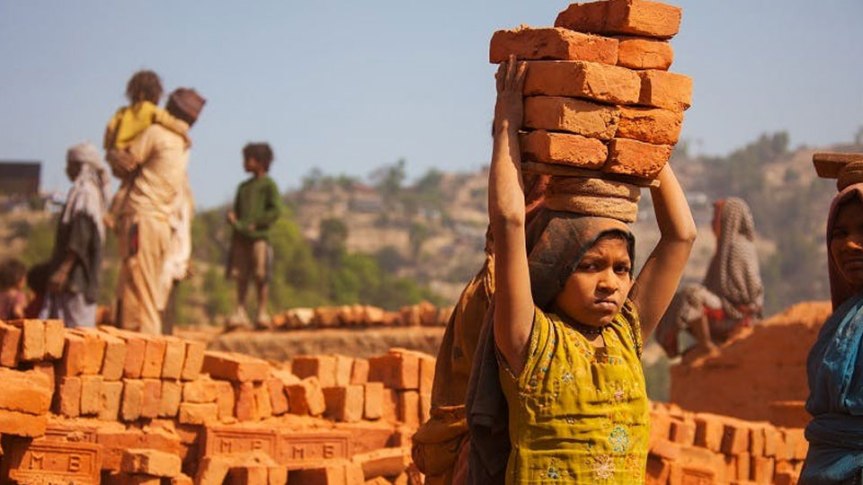
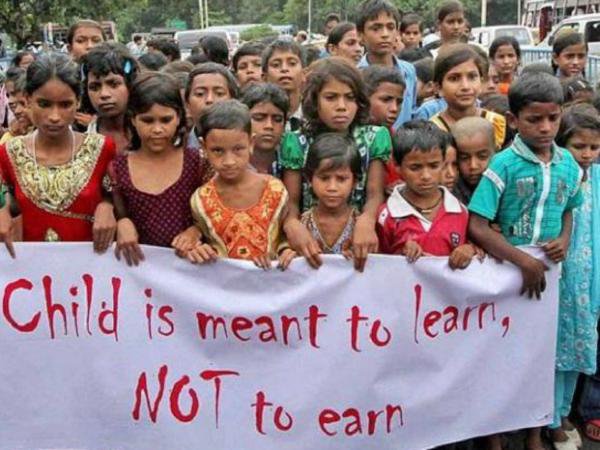
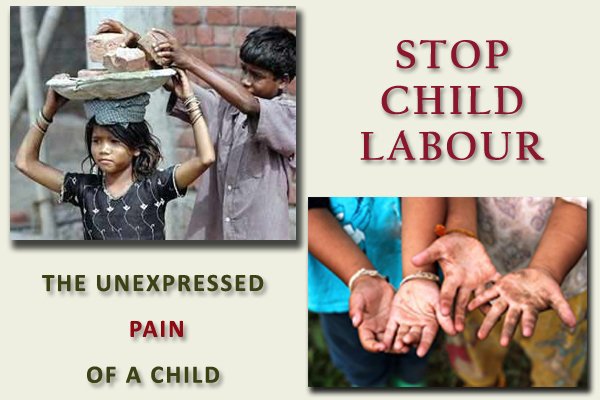
Child labor is the deprivation of children’s childhood, affecting their ability to attend regular school and exploiting them through all forms of work that are mentally, physically, socially and morally harmful.
After gaining independence from colonial rule, India enacted many constitutional protections and child labor laws. The Constitution of India in the principles of basic rights and public policy prohibits child labor under the age of 14 in factories, mines, castles or other dangerous occupations (Article 24). The Constitution also stipulated that by 1960 India would provide all children aged 6 to 14 with the infrastructure and resources for compulsory free of charge education . (Articles 21-A and 45). In 2011, the Indian Census found that of the 259.64 million children in this age group, the total number of child laborers [ages 5-14] was 10.1 million. The problem of child labor is not unique to India. Approximately 217 million children work worldwide, many of whom work full-time.
Credit-ipleaders
In India child labour is defined as the involvement of children under the age of 17 in economically productive activities, with or without compensation and wages . Such participation can be physical, mental, or both. This work includes part-time or unpaid work on farms, family businesses, or other economic activities such as cultivation or milk production for sale or personal consumption. The Government of India divides child labor into two groups. The main workers are those who work more than 6 months a year. And marginal child laborers are workers who work all year round, but less than six months a year. In 1979, the Government of India established the Gurupadswamy Commission to learn about child labor and how to fight it. The Child Labor Probation and Regulation Act was enacted in 1986 on the recommendation of the Commission. A national child labor policy was developed in 1987 focusing on the rehabilitation of children working in dangerous professions. Since 1988, the Ministry of Labor and Employment has established approximately 100 industry-specific national child labor projects to rehabilitate child laborers.
Credit- Track4Trainings
The Government of India has enacted numerous laws, organizations and institutions to combat the issue of child labor. Some initiatives include child labor bans and regulations, laws prohibiting the employment of children in certain occupation and regulating the working conditions of children. The National Child Labor Policy attempts to take a sequential approach with a primary focus on the rehabilitation of children working in dangerous professions and processes of works. The Ministry of Labor and Employment is responsible for providing and supervising a range of child labor policies in India. In addition, as Osment reported, NGOs such as Care India, Child Rights and You, and Global March Against Child Labor were implemented to tackle child labor through access to education and resources. However, these efforts were of little success.
Non-governmental organisations: Bachpan Bachao Andolan, Child Rights and You, ChildFund, CARE India, GoodWeave India,Talaash Association, Global March for Child Labor, and many other NGOs are campaigning to eliminate child labor in India. increase.
Discrimination is the state when all individuals are not treated equally and not given equal rights. Every individual in the community yearns for equal status, opportunities, and equal rights. People generally say these days that everyone is treated equally but they are not. Discrimination usually exists because of cultural differences, geographical differences, and gender. Inequality on the basis of gender is something that is not appreciated, but it is seen many times in many companies. There are many areas where equal opportunities are not provided to women.
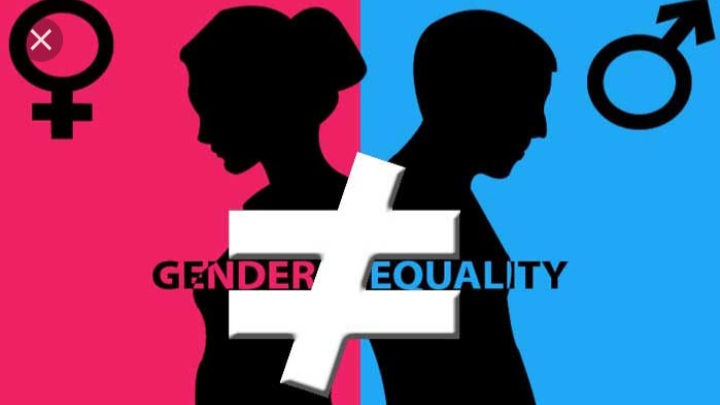
We are in the 21st century, and even now, women are not treated equally as men. It is generally believed that women are more talented than men, and it has been proved many times, but society is not yet ready to accept this fact. Gender equality is the term used when equal opportunities in the fields of politics, economics, education, and health are provided to both men and women.
As per the World Economic Forum’s gender gap ranking, India holds the rank 108 out of 149 countries. The rank should be a major concern in the country as it signifies the immense gap between the opportunities given to women when compared to men. The structure in India is such that women are neglected in many fields like education, health, finance, etc. They are just limited to household chores which should not be the scene here. There are many places in India where women are considered as a burden and they are not allowed to go to school and study as well. Also, a preference for sons prevails in many areas in India.
The seven important forms of gender inequality :
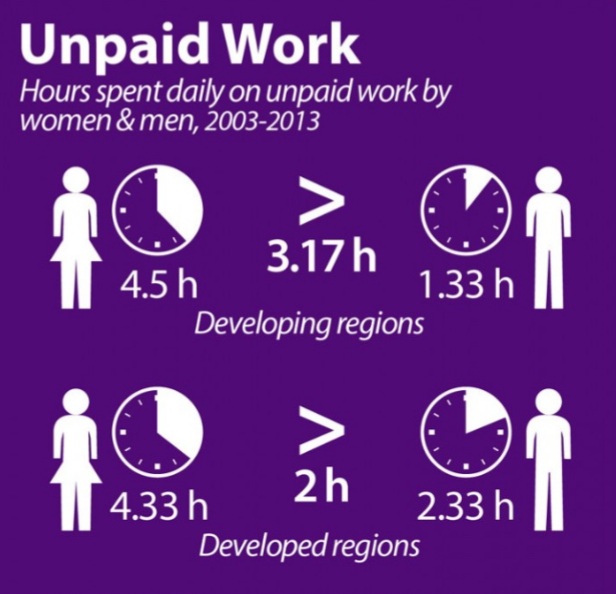
1 . Women works Longer than Men :
In most of the societies the male – stream is the main stream who argues that women have comparative advantage in household non- market production, like cooking and cleaning for the family that cant be called emotional and personal caring work. Based on this thinking, household jobs are then asymmetrically distributed. Women are more valued in home. Men are specialised in market- baesd production. Thus, being the bread- earners, males enjoy both power and status.
2. Inequality in Employment and Earnings :
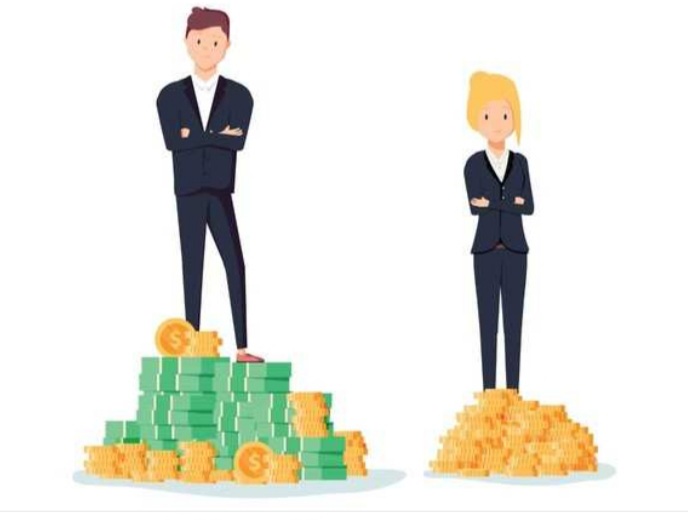
Historically, men have greater participation in work outside home than women. But women ( particularly of poor households) share unequally household duties in addition to economic production. Thus they work longer than males. This kind of ‘ division of labour’ may be seen as the ‘ accumulation of labour’ on women, as described by Amartya sen. Household activites are often viewed as ‘ sedentary activites’ which require less ‘ calore’ to gain energy.
3. Ownership Inequality :
A case of social inequality. Let us turn to another kind of inequality, called ownership inequality a classic case of social inequality. In most of the societies, ownership over property and means of production rests mainly on male members . The law of inheritance provides such ownership rights on male child. Such denial coming out of hierarchical dualism within the family not only reduces the voice of women but also prevents them from participating in commerial, economic and social activites.
This kind of social deprivation means absence or lack of capability or because of ‘capability deprivation’, women are subject to various kinds of exploitation and unfreedoms. Social inequality distorts the process of development. Unfortunately, ownership inequality in any country is not of recent origin. In her earlier life, a woman comes under the influence of her father, then husband as she enters a married life and finally, under sons ownership right over property is skilfully avoided. A telugu proverbs corraborates this understanding: ” Bringing up a daughter is like watering a plant in anothers courtyard.”
4. Survival Inequality :
Another crudest from of gender disparity is the unusally high mortality rates of women , though biologically, women live longer than men! Thus more boys than girls are born evrywhere leading to a ‘ deficit’ of women and a ‘ surplus’ of men. In developed countries beacuse of absence of gender bias in health care and nutrition, women outnumber men. In Europe and in north America, 105 or more girls are born per 100 boys. Such high female- male genderd survival rate in different age groups.
5. Gender Bias in the Distribution of Education and Health :
Health and education are the major forms of human capital are realted to economic development . Human capital gets accumulated as a society advances in education . The contribution of human capital towards Japan’s remarkable economic progress attracts our attention . Improvement in health capital also improves the return to investments in education .
However, one finds a huge education and health gaps between developed and developing countries. In recent times, despite a large increase in econoc advancement on times, despite a large increase in economic advancement in asia and africa, these countries lag far behind the developed countries in terms of educational attainment particularly in respect of women’s education. Gender disparity not only hindrrs economic progress but also exacerbates social inequality.
6. Gender Inequality in Freedom Expression :
Let us talk about gender inequality beyond economic issues or factors. Women are not only subject to income or asset inequality but also in terms of freedom and power deprivation of women goes beyond one’s imagination. They lack not only economic freedom at home because of absence of autonomy in house hold decisions, limited or poor wages earned but also lack any freedom in airing opinions over education of children.
In some backward poor societies the right of women giving options is completely denied. Such un – freedoms, however, are not uncommon even among the educated elites who enjoy enormous power and authority in the male domined society. Historically , this sort of law socioeconomic status of women has been continuing nowasdays.
7. Gender Inequality in Respect of viloence and victimisation :
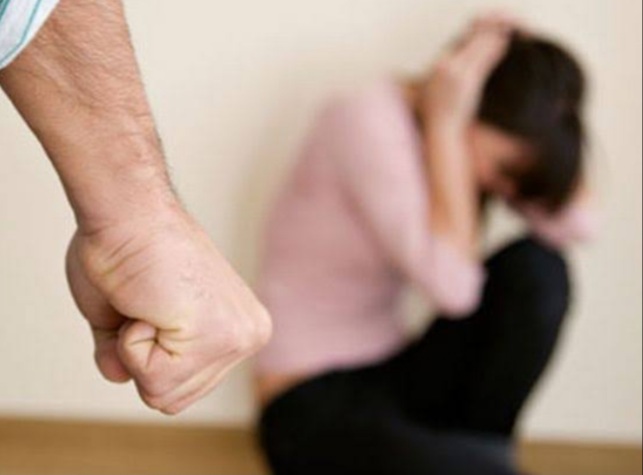
Finally, anti – female bias starts before the girl child is born and this attitide of the society a female member carries throughout her life. It is because of the unequal sharing of income, property, household benefits . Women are subject to both physical and sexual violence – the oppsite of freedom, and an extreme form of coercion. This is common for both poor and not too much uncommon in rich countries as well as among rich people. One in three women in the word is beaten or raped during her life times.
Dowry harassement is considered as an ‘ instrumental use’ of violence. Dowry death is the most serious form of domestic violenece. Wife beating is not uncommon. Sexual violence is an obnoxious form of human rights violation.
Specifically, public health can contribute to reducing health inequities by integrating health equity considerations into policy and programs, collebrating with other sectors to address inequities engaging with communities to support their efforts to adress inequities, identifying the reduction of health inequities.
Reducing inequality requires transformative change. Greater efforts are needed to eradicate ectreme poverty and hunger and invest more in health, education, social protection and decent jobs especially for young people, migrants and other vulnerable communities.
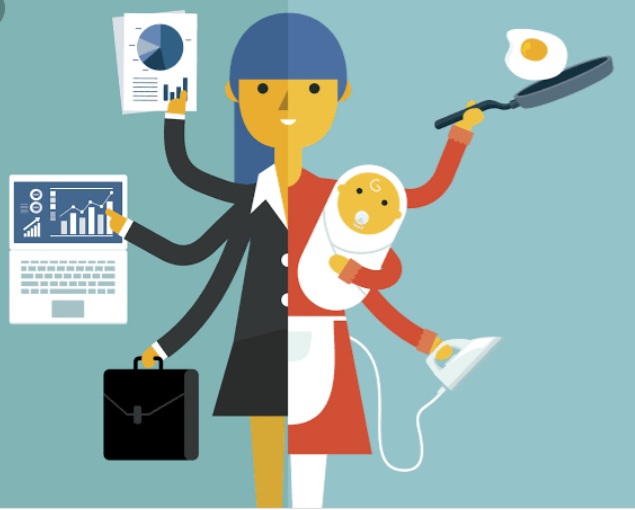
We should understand that women are the part and parcel of any family. When it comes to flexibility, they can manage their home and offices at the same time. If equal opportunities are not given to them, they will be led down and won’t be able to achieve big milestones which they are obviously capable of.
Good communication is very important to convey what is there in the mind. Whatever language, communicating in a understandable way is very important. communication today is very important both in the business world and in private life.
Even though the person is good at skills and is capable of doing things better, lack of communication degrades the skills and brings a negative mark on the person which is a bad thing for the individual.
Top 5 communication skills and How to improve them
Developing strong communication skills is essential when it comes to building a successful careee. Communication skills play a key role in your private life too. These 5 skills are absolutely necessary for sucessful commuincation in the workplace or private life.
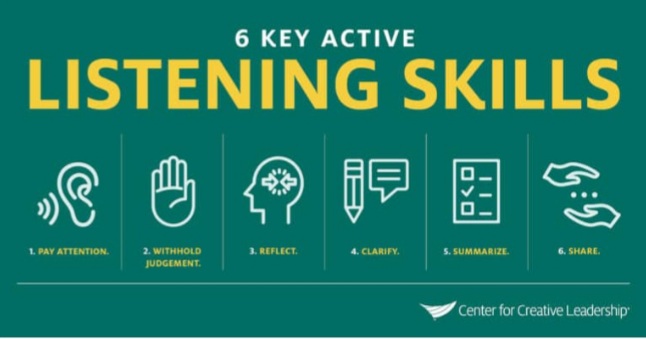
1. Listening :
Listening is one of the most important aspects of communication. Successful listening is not just and understanding of spoken or written information, but also an understanding of how the speaker feels during communication. If a speaker can see and feel that someone is listening and understanding that can help build a stronger, deeper realtionship between interlocutors.
Careful listening can also create an environment in which everyone feels safe to express ideas, opinions and feelings, or plan and solve problems in a creative way.
2. Straight talking :
Conversation is the basis of communication, and one must not neglect its importanc. Even a simple, friendly conversation with colleafues can build mutual trust and even detect problems before they become serious. A healthy does of chatting with and unknown person can lead to a business opportunity . Be accessible and friendly because then you will be able to talk to almost anymore.
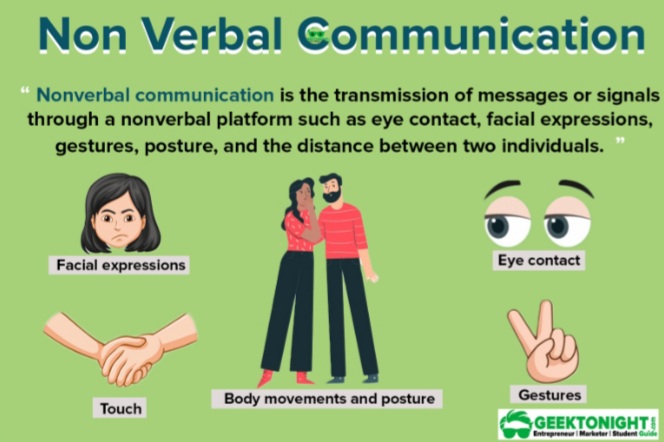
3. Non- verbal communication :
When we talk about things that matter to us then we send a lot of nonverbal messages. Non verbal signals are wordless communication, body position, facial experssion, hand movements, gestures, eye contact, attitude and tone of your voice, muscle tension and the way you breathe. The way you look, listen create, react, gesture , speaks far more about feelings than words will ever be able to.
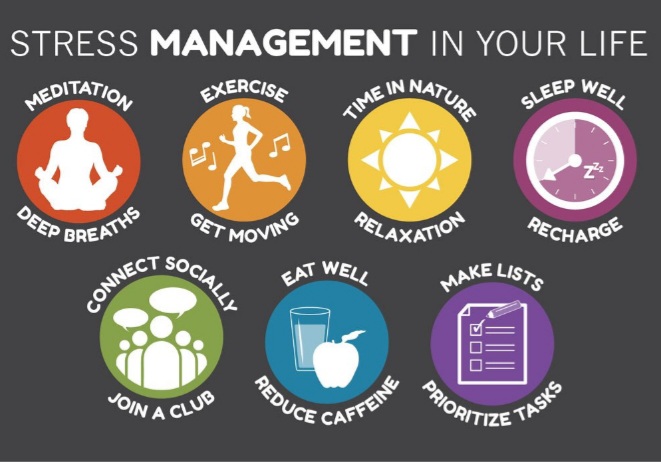
4. Stress Management :
In small quantities, stress can be very useful and encouraging for work . However, when the stress becomes constant and completely begins to take effect, it can affect communication, clarity of opinion and appropriate behavior and action. When you are under stress you may misunderstand other people, send confusing nonverbal signals, and use funny patterns of behavior.
5. Emotion control :
In communication, feelings play an important role. Making decisions more often affects the way you feel than the way you think. Gudided by emotions, your nonverbal behavior affects the understanding of other people and how others understand and perceive you. Control of emotions provides you with tools to understand others, yourself and the messages you send. Though recognizing feelings makes it simple, many people have strong feeling like anger, sorrow, or fear being pushed under the carpet.
Importance of communication :
Communication thus helps understand people better removing misunderstanding and creating clarity of thoughts and expression. The communication brings people together, closer to each other. The communication is an important management function closely associated with all other managerial functions.
Everybody has their own way of communicating. It is influenced by cultural background, the way someone was raised, their gender, their temperament, and much more. At that point true communication may become utterly impossible. Sometimes we may have a difficult time understanding anothers feelings , needs and habits.
* communication serves four major functions with a group of organization :
* control
* Motivational
* Emotional expression
* Information
* communication serves five major purposes :
* to inform
* to express feelings
* to imagine
* to influence and
* to meet social expectations
For example:
For instance, if an individual is going to an interview with great confidence. An individual who is good at different kinds of skills, and also good at executing them and he is lack of communication skills. As the person is not a good communicator, the person faces difficulty in explaining the things to the other person which is known to him. Instantly, this brings a bad impression on the person and a negative mark will be marked on him. The negative mark has a lot to do with. The negative mark can also lead to the rejection of the person in the interview.
Being knowledgeable is very important to achieve certain goals in life, attaining good communication skills and being a good communicator is also equally important to achieve high in the life. Being a good communicator is not A big deal. It is so easy as the lifestyle. Any individual can be good communicator if he communicates all the time with other people in the possible way.
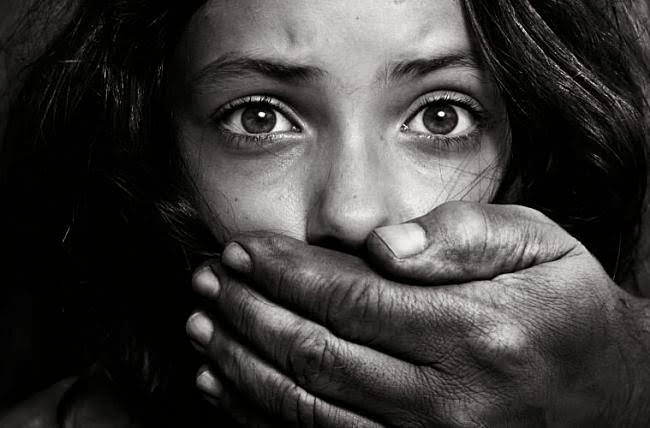
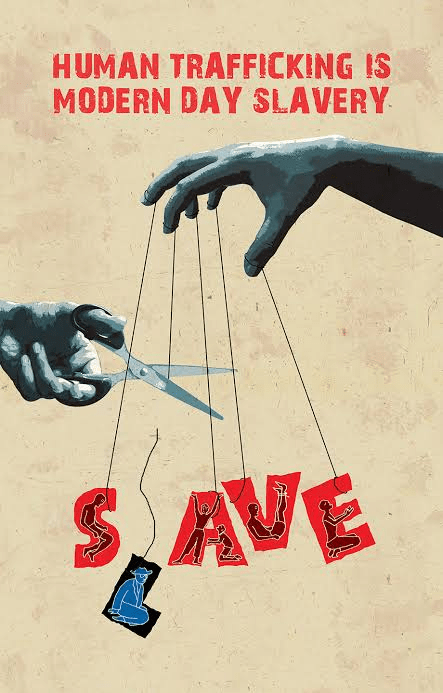
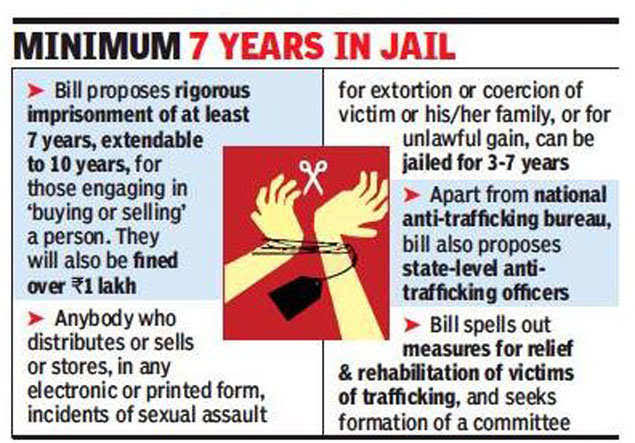
Human Trafficking is a major issue in India and Worldwide. Though, it has been there for ages, the reason for the need of immediate attention is the COVID – 19 Pandemic. The pandemic bought about various social and economicalchanges in India giving rise to human trafficking cases. The lockdown raised higher level of unemployment amongst daily wage earners. This further lead to effecting the economic background of such families, especially in the rural areas. Having no other source of income lead to desperation in people which made them promote human trafficking by sellingtheir children, making them beg for money and sending their children for child labour. Moreover, the closureofschools increased human trafficking cases as there was no source of education for children. This gave the families and opportunity to use the children economically for labour and wed their girl child at an early age to save the future expenses. Absence of schools further increased the burden on families as many rural schools provided mid-day meal to their students. Absence of which made the children a further burden on the families and an additional stomach to feed. This made them give their children away in a hope for a better future for them and food for their children.
Along with such cases, many organ removal cases in the name of covid cases were found. Many physically fit people with weak financial backgrounds were falsely shown positive for corona virus and later declared dead because of the same. It was found that many traffickers removed organs from such bodies and declared them dead. Hence, this issue is important in the current times and require more attention than ever.
Yes, it’s difficult to step outside and help in this uncertain times but we individuals can start from our homes. The family domestic help, house help, workers, etc belong to rural and economically weak family backgrounds. Hence, talking to them and knowing about their lives can help us get a clear picture of their situation. We can educate them andspread awareness about the wrongs that they might be exposed to. This knowledge might help them be aware and spread the words to different people in their families and neighbourhood, that in turn might create a huge impact on the society as a whole.
Many a times people give into such situations where they willingly promote human trafficking, out of desperation and helplessness. As in case of a daily wage worker who has no other means to support his family economically might sell his child to survive. Hence, it is important to make them aware about various other way where they might get financial help without getting trapped into such rackets. There are government supports yojanas and schemes where they help such people, but in order to get help it is important to know about the availability of that help and that can only be done through awareness. It may not change the entire world scenario but one step by every citizen might make a huge impact altogether.
Injuries to areas of the body that is usually protected /covered.
Delay in seeking medical attention for a child
Is violent to animals or other children
Tries to hide bruises or other injuries
May be extremely withdrawn or extremely aggressive
Is wary of adults or of a particular individual
Cannot recall how the injuries occurred or gives inconsistent explanations
Emotional Abuse
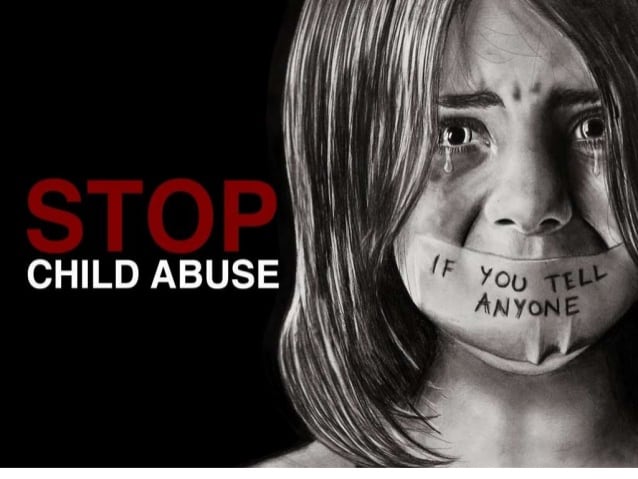
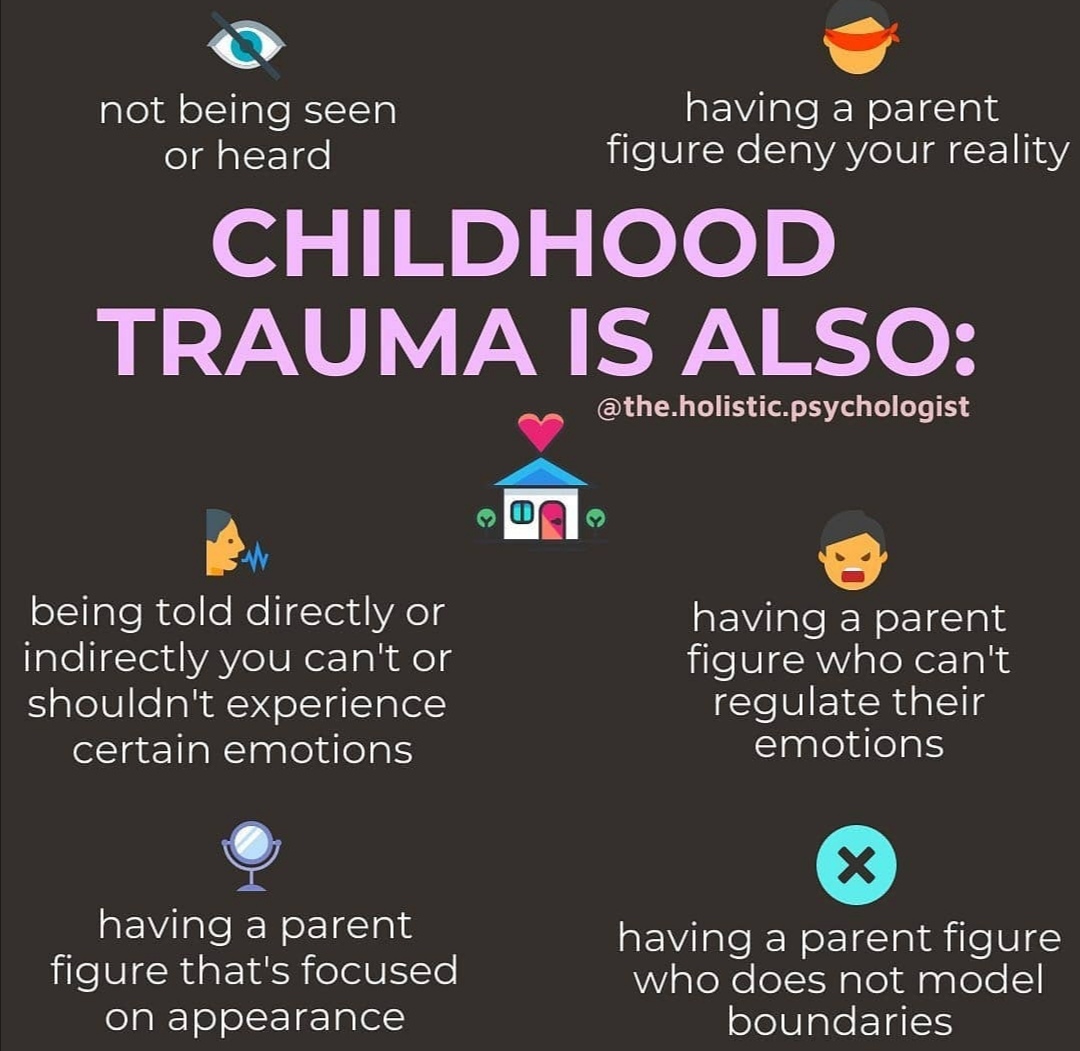
It occurs when a child’s emotional, psychological or social well-being and sense of worth is continually battered. It can include a pattern of criticizing, rejecting, discriminating, degrading, ignoring, isolating, corrupting, exploiting and terrorizing a child.
Indicator in child
Bed-wetting or bed soiling that has no medical cause
Frequent Headaches, nausea, abdominal pains
Has not attained significant developmental milestones
Displays attention seeking behaviours or displays extreme inhibition in play
When at play, behaviour may model or copy negative behaviour and language used at home
Suffers from severe developmental gaps
Indicator in adults
Constantly labels the child or publicly humiliates the child
Continually threatens the child with physical harm or forces the child to witness physical harm inflicted on a loved one
Has unrealistic expectations of the child
Sexual Abuse
Sexual abuse includes acts where an adult uses a child for a sexual purpose. While it may involve a stranger.
Indicator in child
Torn, stained or bloody underclothing
Bruises, lacerations, redness, swelling or bleeding in genital, vaginal or anal area
Blood in urine or faeces
Unusual or excessive itching or pain in the genital or anal area
Difficulty in sitting and/or walking
Signs of sexually transmitted disease Indicators in a child’s behaviour
Outburst of anger
Self-harm (cutting, burning or other harmful activities)
Age-inappropriate sexual play with toys, self, others
Sophisticated or unusual sexual knowledge
Nightmares, sleeping problems
Becoming withdrawn or very clingy
Becoming unusually secretive
Sudden unexplained personality changes, mood swings and seeming insecure
Regressing to younger behaviours, e.g. bedwetting
Fear of certain places or persons e.g. bedroom or bathroom, friend-uncle
Indicators in adult behaviour
Insist on physical affection such as kissing, hugging or wrestling even when the child clearly does not want it.
Insist on time alone with a child with no interruptions.
Spend most of their spare time with children and have little interest in spending time with people their own age.
Frequently walk in on children/ teenagers in the bathroom.
Treat a particular child as a favourite, making them feel ‘special’ compared with others in the family.
Regularly offer to baby-sit children for free or take children on overnight outings alone.
Buy children expensive gifts or give them money for no apparent reason.
What to do??
Learn to recognize the signs
Provide a listening ear
Offer help
Give helpful information
Explain that violence is not OK
Look for community systemic support for the family
Can contact Childline (1098) to talk over your concerns confidentially with a trained social worker.
Take following steps on Emergency
Step-1: Immediately contact parents if child is not abused by parents and if child can give information of his/her parents.
Step-2: Contact any one of the following agencies to provide required support to parents and child: DCPU, SJPU, Childline, CPCs, Police or CWC. You can also take help from credible NGOs working on Child Rights in your area.
Step-3: Provide emergency support such as medical aid, clothing, food and transportation to safe places. Make sure that you handover this child to responsible adults from above mentioned list only.
Step-4: Help authorities with whatever information and evidence you have as regards abuse of the child to make sure that the abuser is punished. If possible give written information.
Step-5: Maintain privacy to ensure that the name of the child is not disclosed to media or public in any ways.
Prevention
Create Safe places for children in community, neighbourhood and society.
Create Structures and Systems where children can express their feelings and emotions freely without any inhibitions.
Create Structures and Systems to ensure safety and to ensure that children are supervised.
Educate children about safety measures. Provide information about the emergency contact numbers.
Create awareness: About child protection systems and networks. Keep this information handy.
Build network of concern individuals and groups to help children. Develop support systems for children.
Article describing how to analyze subreddit discussions to validate startup concepts, referencing RedScraper and linking naturally to Reddit data scraping and Reddit market research tools.






 Eduindex
You must be logged in to post a comment.