“Science has learned recently that contempt and indignation are addictive mental states. I mean physically and chemically addictive. Literally! People who are self-righteous a lot are apparently doping themselves rhythmically with auto-secreted surges of dopamine, endorphins and enkephalins. Didn’t you ever ask yourself why indignation feels so good?”
~ David Brin
Introduction
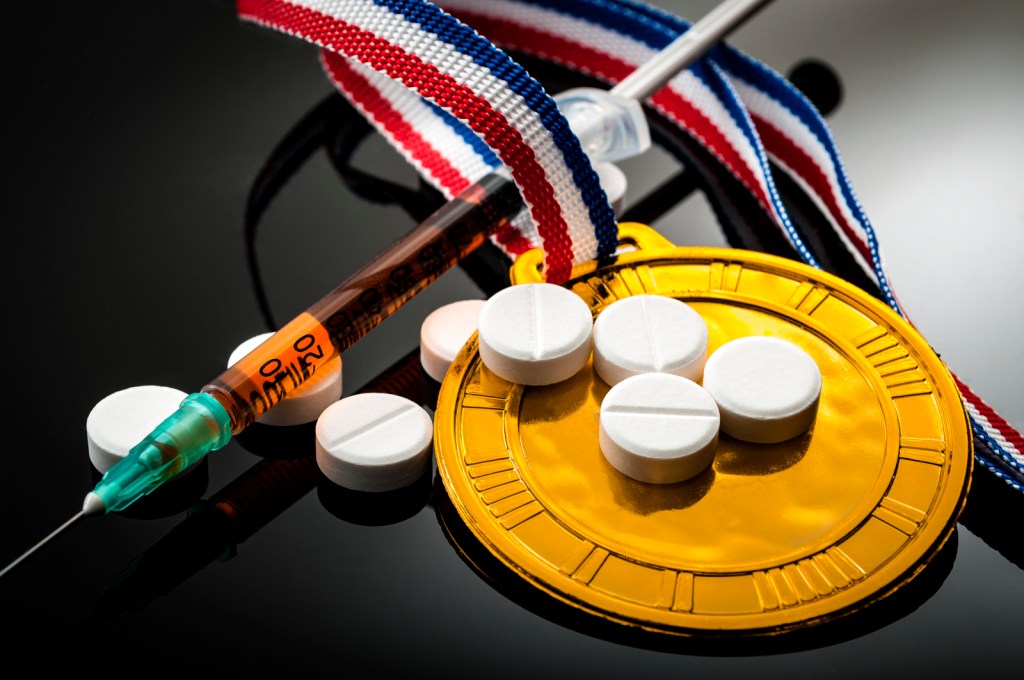
Doping in sport is a widespread problem not just among elite athletes, but even more so in recreational sports. In scientific literature, major emphasis is placed on doping detection, whereas detrimental effects of doping agents on athletes’ health are seldom discussed. Human growth hormone also increases muscle mass, although the majority of that is an increase in extracellular fluid and not the functional muscle mass.
The term doping is widely used by organizations that regulate sporting competitions. The use of drugs to enhance performance is considered unethical, and therefore prohibited, by most international sports organizations, including the International Olympic Committee.
History
According to the World Anti-Doping Agency (WADA), the term “doping” probably comes from the Dutch word “dop,” an alcoholic beverage made of grape skins that was used by Zulu warriors to make them stronger in battle.
Ancient Greek athletes used special diets and stimulating potions to improve performance, and 19th century endurance athletes indulged in strychnine, caffeine, cocaine and alcohol.
The American specialist in doping, Max M. Novich, wrote: “Trainers of the old school who supplied treatments which had cocaine as their base declared with assurance that a rider tired by a six-day race would get his second breath after absorbing these mixtures.”[8] John Hoberman, a professor at the University of Texas in Austin, Texas, said six-day races were “de facto experiments investigating the physiology of stress as well as the substances that might alleviate exhaustion.”
Effects of doping in sports
It builds muscle but causes abnormal growth, heart disease, diabetes, thyroid problems, hypertension, blood cancers and arthritis. Other adverse effects include joint pain, muscle weakness, visual disturbances, enlarged heart and diabetes.
Other side effects include:
Heart palpitations.Heart rhythm abnormalities.
Weight loss.
Tremors.
Mild high blood pressure (hypertension)
Hallucinations.
Stroke.
Heart attack and other circulatory problems.
Constipation.Skin rash or dermatitis.
Diarrhea.
Dizziness.
Drowsiness.
Dry mouth.
Headache.
Insomnia.
UFC ( Ultimate Fighting Championship ).
In December 2013, the UFC began a campaign to drug test their entire roster randomly all year-round. Random testing, however, became problematic for the promotion as it began to affect revenue, as fighters who had tested positive would need to be taken out of fights, which adversely affected fight cards, and therefore pay-per-view sales.
According to Steven Marrocco of MMAjunkie.com, about 31% of UFC fighters subjected to random testing since the program first started have failed due to using performance-enhancing drugs. That is approximately five failed tests for every sixteen random screenings.
From July 2015, the UFC has advocated to all commissions that every fighter be tested in competition for every card. Lorenzo Feritta, who at the time was one of the presidents of the UFC, said, “We want 100 percent of the fighters tested the night they compete”. Also, in addition to the drug testing protocols in place for competitors on fight night, the UFC conducts additional testing for main event fighters or any fighters that are due to compete in championship matches.
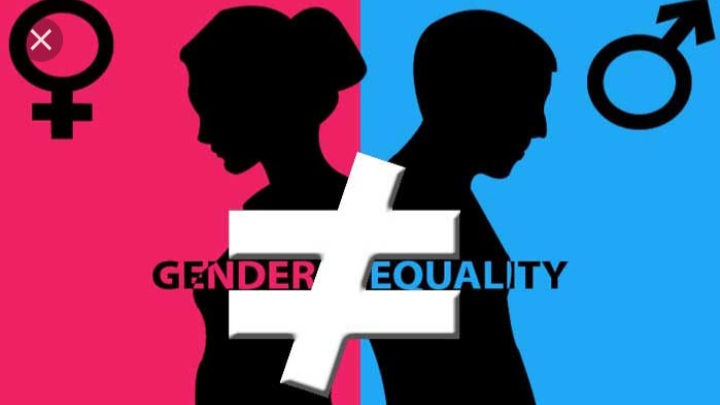
Discrimination is the state when all individuals are not treated equally and not given equal rights. Every individual in the community yearns for equal status, opportunities, and equal rights. People generally say these days that everyone is treated equally but they are not. Discrimination usually exists because of cultural differences, geographical differences, and gender. Inequality on the basis of gender is something that is not appreciated, but it is seen many times in many companies. There are many areas where equal opportunities are not provided to women.
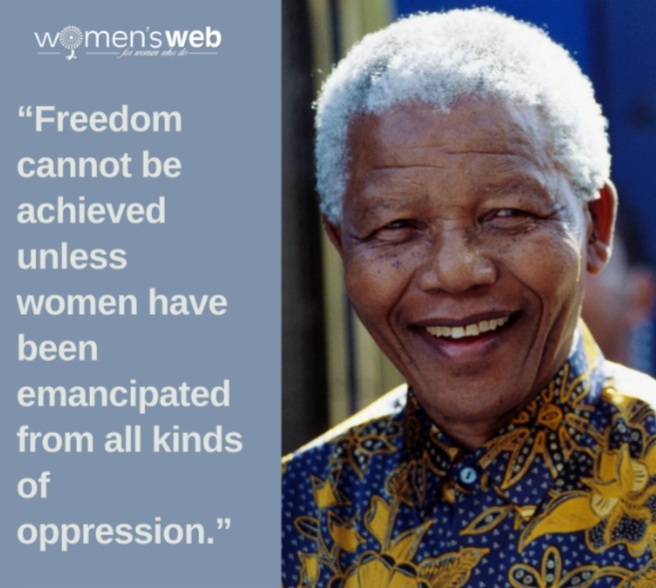
We are in the 21st century, and even now, women are not treated equally as men. It is generally believed that women are more talented than men, and it has been proved many times, but society is not yet ready to accept this fact. Gender equality is the term used when equal opportunities in the fields of politics, economics, education, and health are provided to both men and women.
As per the World Economic Forum’s gender gap ranking, India holds the rank 108 out of 149 countries. The rank should be a major concern in the country as it signifies the immense gap between the opportunities given to women when compared to men. The structure in India is such that women are neglected in many fields like education, health, finance, etc. They are just limited to household chores which should not be the scene here. There are many places in India where women are considered as a burden and they are not allowed to go to school and study as well. Also, a preference for sons prevails in many areas in India.
The seven important forms of gender inequality :
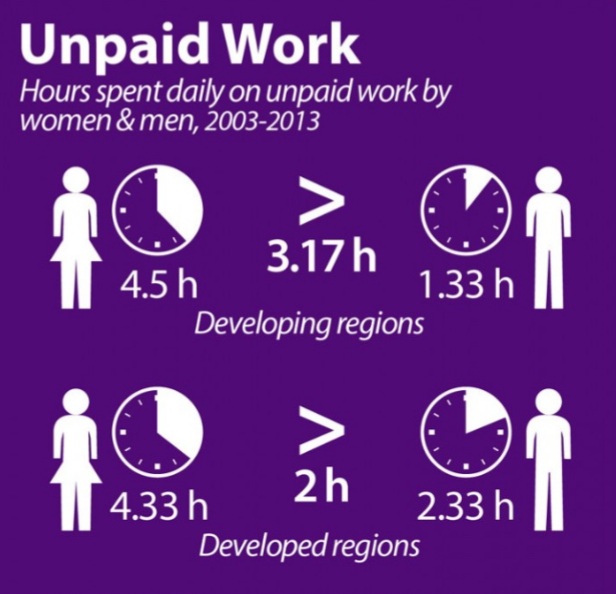
1 . Women works Longer than Men :
In most of the societies the male – stream is the main stream who argues that women have comparative advantage in household non- market production, like cooking and cleaning for the family that cant be called emotional and personal caring work. Based on this thinking, household jobs are then asymmetrically distributed. Women are more valued in home. Men are specialised in market- baesd production. Thus, being the bread- earners, males enjoy both power and status.
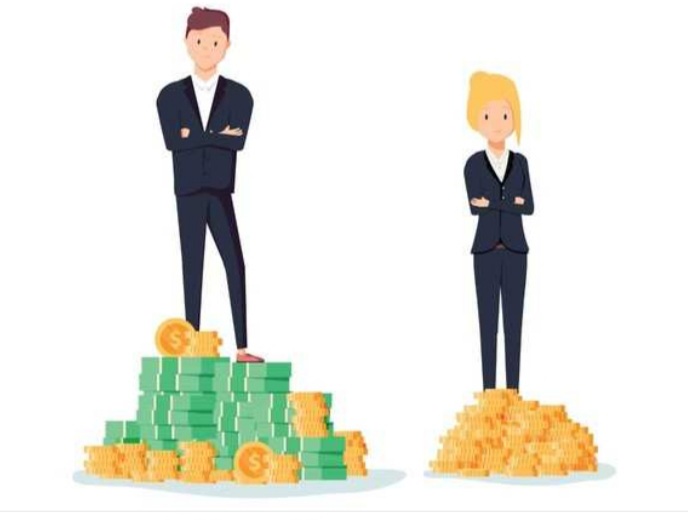
2. Inequality in Employment and Earnings :
Historically, men have greater participation in work outside home than women. But women ( particularly of poor households) share unequally household duties in addition to economic production. Thus they work longer than males. This kind of ‘ division of labour’ may be seen as the ‘ accumulation of labour’ on women, as described by Amartya sen. Household activites are often viewed as ‘ sedentary activites’ which require less ‘ calore’ to gain energy.
3. Ownership Inequality :
A case of social inequality. Let us turn to another kind of inequality, called ownership inequality a classic case of social inequality. In most of the societies, ownership over property and means of production rests mainly on male members . The law of inheritance provides such ownership rights on male child. Such denial coming out of hierarchical dualism within the family not only reduces the voice of women but also prevents them from participating in commerial, economic and social activites.
This kind of social deprivation means absence or lack of capability or because of ‘capability deprivation’, women are subject to various kinds of exploitation and unfreedoms. Social inequality distorts the process of development. Unfortunately, ownership inequality in any country is not of recent origin. In her earlier life, a woman comes under the influence of her father, then husband as she enters a married life and finally, under sons ownership right over property is skilfully avoided. A telugu proverbs corraborates this understanding: ” Bringing up a daughter is like watering a plant in anothers courtyard.”
4. Survival Inequality :
Another crudest from of gender disparity is the unusally high mortality rates of women , though biologically, women live longer than men! Thus more boys than girls are born evrywhere leading to a ‘ deficit’ of women and a ‘ surplus’ of men. In developed countries beacuse of absence of gender bias in health care and nutrition, women outnumber men. In Europe and in north America, 105 or more girls are born per 100 boys. Such high female- male genderd survival rate in different age groups.
5. Gender Bias in the Distribution of Education and Health :
Health and education are the major forms of human capital are realted to economic development . Human capital gets accumulated as a society advances in education . The contribution of human capital towards Japan’s remarkable economic progress attracts our attention . Improvement in health capital also improves the return to investments in education .
However, one finds a huge education and health gaps between developed and developing countries. In recent times, despite a large increase in econoc advancement on times, despite a large increase in economic advancement in asia and africa, these countries lag far behind the developed countries in terms of educational attainment particularly in respect of women’s education. Gender disparity not only hindrrs economic progress but also exacerbates social inequality.
6. Gender Inequality in Freedom Expression :
Let us talk about gender inequality beyond economic issues or factors. Women are not only subject to income or asset inequality but also in terms of freedom and power deprivation of women goes beyond one’s imagination. They lack not only economic freedom at home because of absence of autonomy in house hold decisions, limited or poor wages earned but also lack any freedom in airing opinions over education of children.
In some backward poor societies the right of women giving options is completely denied. Such un – freedoms, however, are not uncommon even among the educated elites who enjoy enormous power and authority in the male domined society. Historically , this sort of law socioeconomic status of women has been continuing nowasdays.
7. Gender Inequality in Respect of viloence and victimisation :
Finally, anti – female bias starts before the girl child is born and this attitide of the society a female member carries throughout her life. It is because of the unequal sharing of income, property, household benefits . Women are subject to both physical and sexual violence – the oppsite of freedom, and an extreme form of coercion. This is common for both poor and not too much uncommon in rich countries as well as among rich people. One in three women in the word is beaten or raped during her life times.
Dowry harassement is considered as an ‘ instrumental use’ of violence. Dowry death is the most serious form of domestic violenece. Wife beating is not uncommon. Sexual violence is an obnoxious form of human rights violation.
Specifically, public health can contribute to reducing health inequities by integrating health equity considerations into policy and programs, collebrating with other sectors to address inequities engaging with communities to support their efforts to adress inequities, identifying the reduction of health inequities.
Reducing inequality requires transformative change. Greater efforts are needed to eradicate ectreme poverty and hunger and invest more in health, education, social protection and decent jobs especially for young people, migrants and other vulnerable communities.
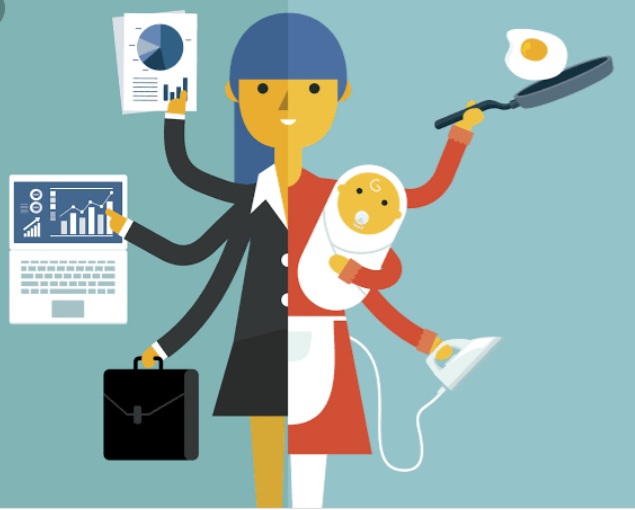
We should understand that women are the part and parcel of any family. When it comes to flexibility, they can manage their home and offices at the same time. If equal opportunities are not given to them, they will be led down and won’t be able to achieve big milestones which they are obviously capable of.
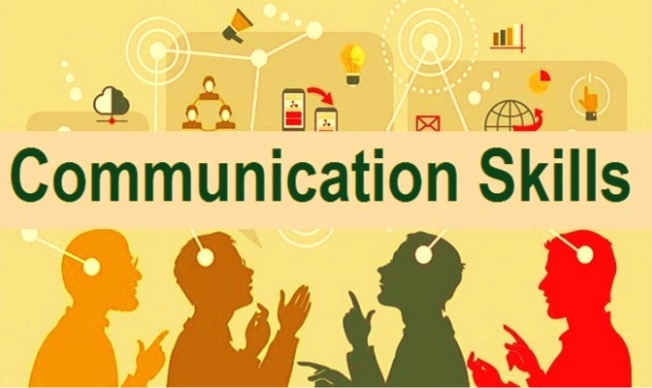
Good communication is very important to convey what is there in the mind. Whatever language, communicating in a understandable way is very important. communication today is very important both in the business world and in private life.
Even though the person is good at skills and is capable of doing things better, lack of communication degrades the skills and brings a negative mark on the person which is a bad thing for the individual.
Top 5 communication skills and How to improve them
Developing strong communication skills is essential when it comes to building a successful careee. Communication skills play a key role in your private life too. These 5 skills are absolutely necessary for sucessful commuincation in the workplace or private life.
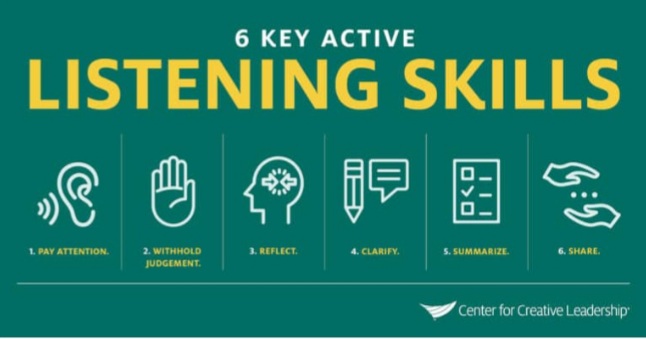
1. Listening :
Listening is one of the most important aspects of communication. Successful listening is not just and understanding of spoken or written information, but also an understanding of how the speaker feels during communication. If a speaker can see and feel that someone is listening and understanding that can help build a stronger, deeper realtionship between interlocutors.
Careful listening can also create an environment in which everyone feels safe to express ideas, opinions and feelings, or plan and solve problems in a creative way.
2. Straight talking :
Conversation is the basis of communication, and one must not neglect its importanc. Even a simple, friendly conversation with colleafues can build mutual trust and even detect problems before they become serious. A healthy does of chatting with and unknown person can lead to a business opportunity . Be accessible and friendly because then you will be able to talk to almost anymore.
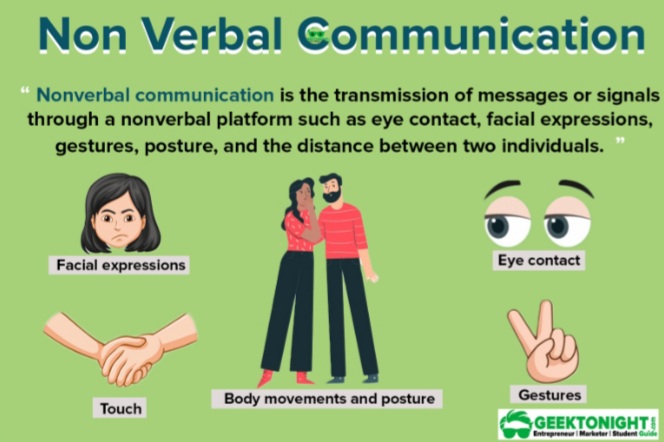
3. Non- verbal communication :
When we talk about things that matter to us then we send a lot of nonverbal messages. Non verbal signals are wordless communication, body position, facial experssion, hand movements, gestures, eye contact, attitude and tone of your voice, muscle tension and the way you breathe. The way you look, listen create, react, gesture , speaks far more about feelings than words will ever be able to.
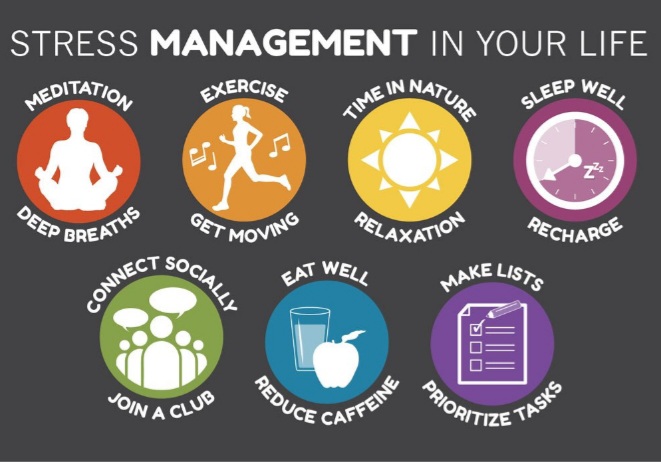
4. Stress Management :
In small quantities, stress can be very useful and encouraging for work . However, when the stress becomes constant and completely begins to take effect, it can affect communication, clarity of opinion and appropriate behavior and action. When you are under stress you may misunderstand other people, send confusing nonverbal signals, and use funny patterns of behavior.
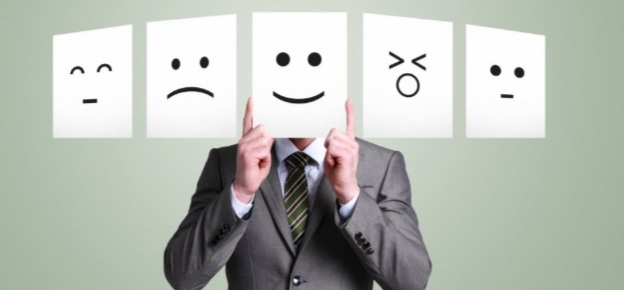
5. Emotion control :
In communication, feelings play an important role. Making decisions more often affects the way you feel than the way you think. Gudided by emotions, your nonverbal behavior affects the understanding of other people and how others understand and perceive you. Control of emotions provides you with tools to understand others, yourself and the messages you send. Though recognizing feelings makes it simple, many people have strong feeling like anger, sorrow, or fear being pushed under the carpet.
Importance of communication :
Communication thus helps understand people better removing misunderstanding and creating clarity of thoughts and expression. The communication brings people together, closer to each other. The communication is an important management function closely associated with all other managerial functions.
Everybody has their own way of communicating. It is influenced by cultural background, the way someone was raised, their gender, their temperament, and much more. At that point true communication may become utterly impossible. Sometimes we may have a difficult time understanding anothers feelings , needs and habits.
* communication serves four major functions with a group of organization :
* control
* Motivational
* Emotional expression
* Information
* communication serves five major purposes :
* to inform
* to express feelings
* to imagine
* to influence and
* to meet social expectations
For example:
For instance, if an individual is going to an interview with great confidence. An individual who is good at different kinds of skills, and also good at executing them and he is lack of communication skills. As the person is not a good communicator, the person faces difficulty in explaining the things to the other person which is known to him. Instantly, this brings a bad impression on the person and a negative mark will be marked on him. The negative mark has a lot to do with. The negative mark can also lead to the rejection of the person in the interview.
Being knowledgeable is very important to achieve certain goals in life, attaining good communication skills and being a good communicator is also equally important to achieve high in the life. Being a good communicator is not A big deal. It is so easy as the lifestyle. Any individual can be good communicator if he communicates all the time with other people in the possible way.
Education is very important in every individual’s life as it is very important for the living. The person who is educated will be well treated by the society and will you have good potential wherever he or she goes. Education as the extra energy to the individual’s life and a moles the individuals character into a good one. It is very important to be educated as the competition in the world is comparatively very high.
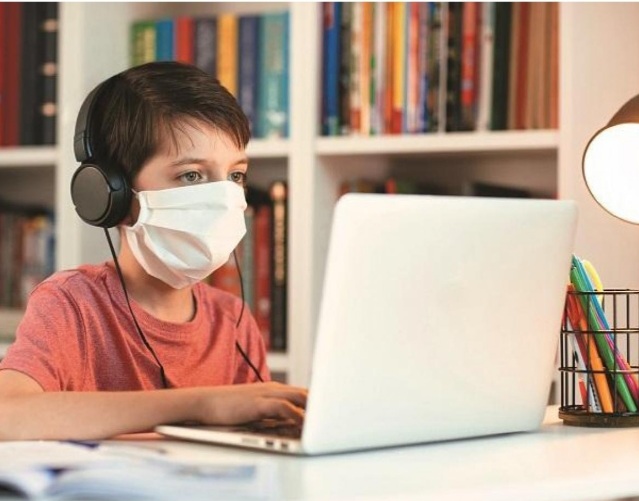
Online classes are the greatest and the biggest task to all the students. It is so difficult for all the students to understand the topics in a detailed manner. Even though the students try their level best to understand the topics during the online class, it is only the 50% of learning but the topics are not understood properly but the students and face lots of difficulties.
It is also equal difficult to conduct exams to all mine because it’s exams are connected through online then there is a chance formal practices. Basically, students commit malpractices during exams in a view to get good marks but not about the knowledge. So,many of the students commit malpractices.
Ways to improve the education system
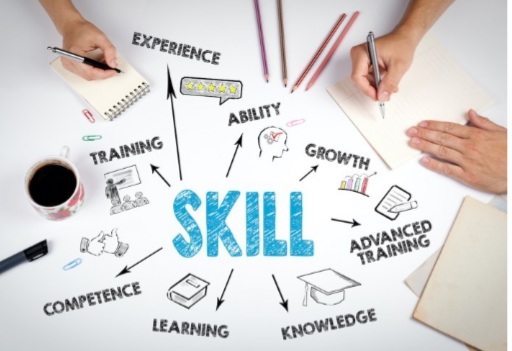
* skill – based learning :
As of now , the education system is such that everyone is forced to study science and math. If this system can be revamped to identify the strengths of a student, then they can be given appropriate training in the chosen field. This will ensure that the child shines in that particular field.
* Rural Education :
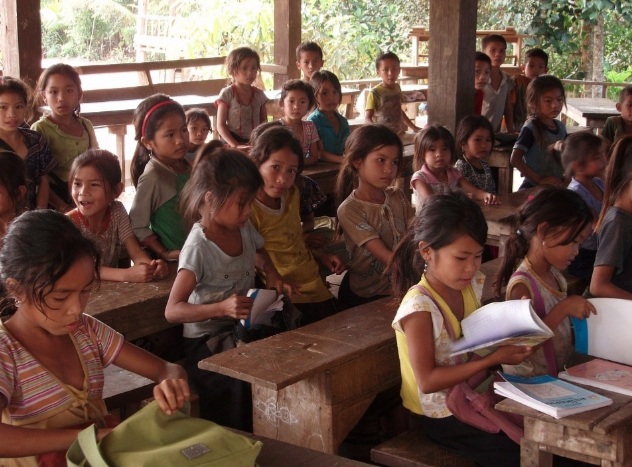
As the sad thing about the Indian education system is the fact that its focus is only on urban clusters. There are hardly any decent centres of learning in the rural areas. This is especially true in terms of higher education. If a country has to actually develop, urban and rural development have to go hand in hand.
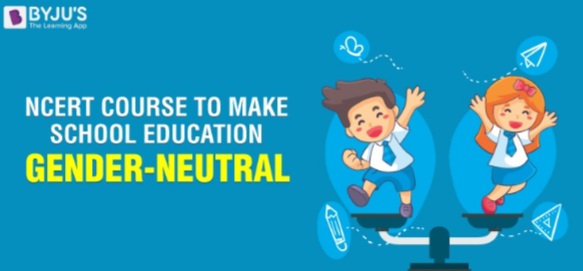
* Gender Neutral Education :
The education system has always favoured men over the fairer sex. The major change that must be brought about is to involve women in the same. Particularly subjects that are now considered to be the strength of men alone ( like carpentry, engineering, etc). Should be made more accessible to women. Pioneer women in these fileds should be given due encouragement and appreciation.
* Teacher Training :
India has a very good quality of dedicated teachers. However, the sad fact here is the fact that after they join this service, they receive little or no training. In such a situation, giving them periodic training will not just ensure that they are updated with the changing times, but will also improve the entire education scene of the country by leaps and bounds.
* Infrastructure :
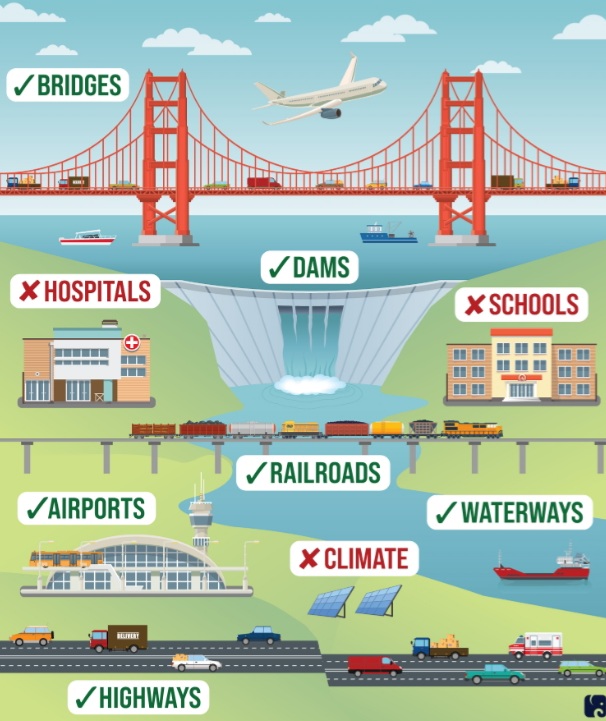
As in every other sector, the indian education sector is one that suffers from the acute death of infrastructure. Most of the government schools do not even have proper chairs, tables, restrooms, let alone a playground, libraries and laboratories. Thus ,the first step in revamping the education scene in the country should begin with improving the infrastructure so that the students are given an evironment where they can learn to the best of their abilities.
* subsidising professional courses :
It is a sad reality that many meritorious students are not able to afford professional corses because of the sheer expense involved in the same. This is all the way truer in case of students from the general category who do not have access to many scholarships. In such a situation subsidising the cost professional education will ensure that the same is within the reach of deserving students from the lower and lower middle class strata of the Indian society.
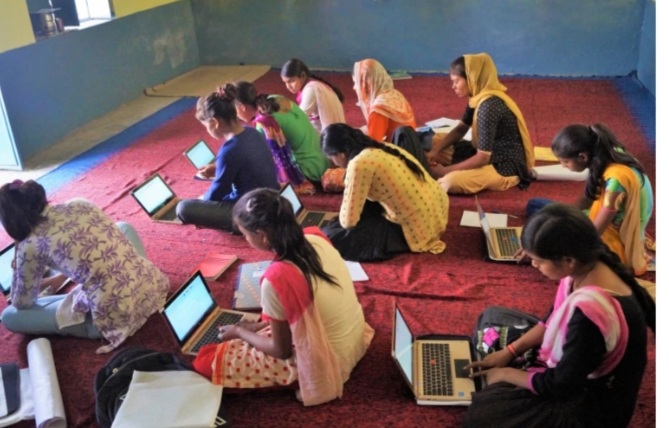
* Basic computing In Rural Areas :
On one hand , India is a land of IT giants; on the other, rural India is completely digitally ill- equipped, in a sitiation like this, the first change that the education system must bring forward is to start free computing classes for skill development in rural areas. Only then will rural Indian move in the same pace as that of the urban Digital India and the country embark on the journey of development.
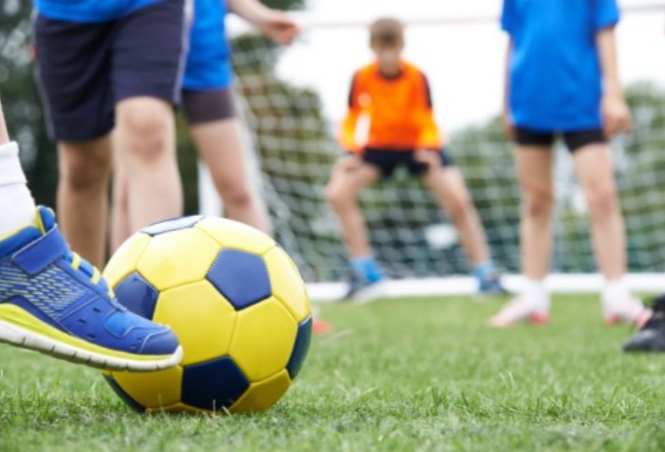
* Make sports compulsory :
One of the main reasons for the alarming rise in suicide amongst students in the country is the fact that they cannot handle stress. That in turn is because they are subjected to too much mental pressure. By making sports compusory it can be ensured that all the students indulge in some sort of some physical activity. This will lead to their mind performance better and enable them to grasp their theory lessons well.
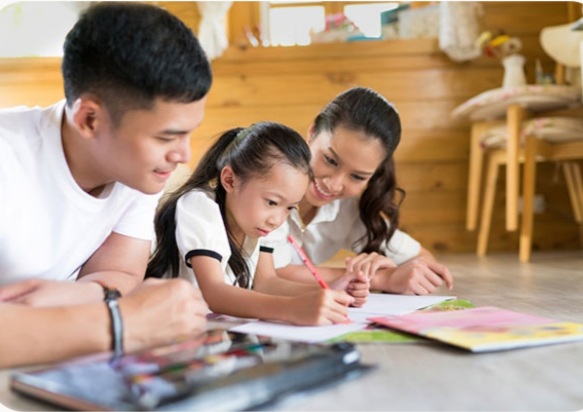
* Educate parents :
Most of the times it is seen that the children’s woes centre atound that of their parents. In the Indian scenerio, parents are the ones who force their wards into a career they do not like. As a result students do not excel and upon failing to meet their parents expectations, they suffer from a number of mental health issues. To prevent such a thing from happening, the first step that must be taken is to educate the parents about the different carrer options that are available to the students and the possible scope of future in them.
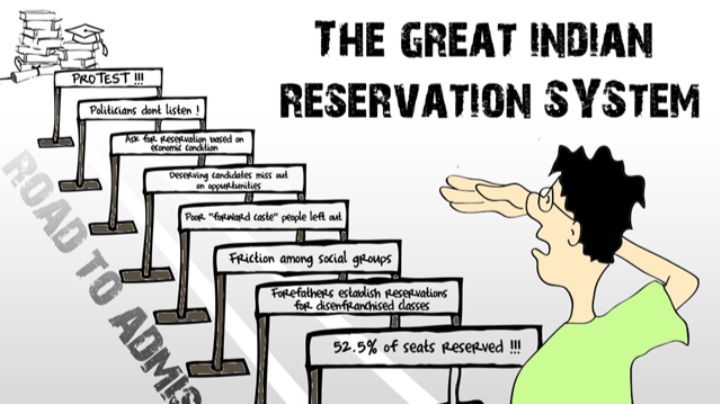
* Remove The Reservation system :
The reservation system in India has been so obsessed with providing the best of opportunities to the reserved that it misses out on many opportunities for the ones who actually deserve the same. This results in not just personal loss for certain people but also brain drain for the entire country and fosters a massive loss to the nation’s economy.
Today’s education system may be good to score marks, but fails to retain the knowledge once students have completed their examinations. This leads to young minds being stifled at an age when they should be asking questions, learning and gaining knowledge, and developing a thirst for more knowledge.
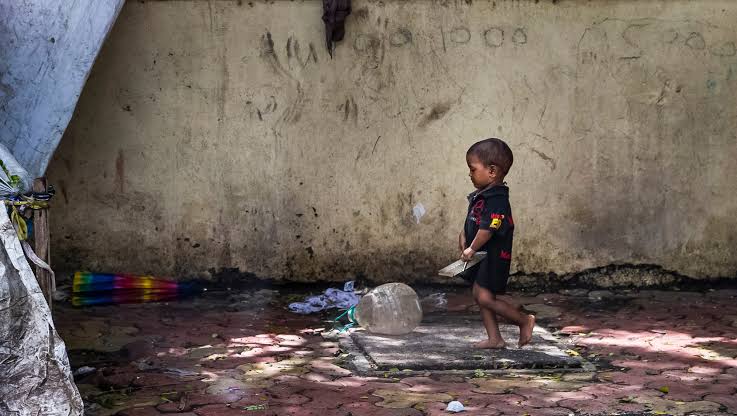
In India child trafficking is a very serious issue. This is happening because there are a number of people who fall under the poverty level category and it is usually this demographic that is subject to child trafficking. The majority of the country’s trafficking problem is internal. This means that usually the most unprivileged families and disadvantaged people of the countries like the Dalits, religious minorities, tribal community members, and girls from different minority groups etc have to face this. Due to poor socio-economic situations, people take advantage of the poor parents and thereby leaving their children into such trafficking rings. The parents from these poor backgrounds assume that the children are going to live in better conditions but in reality, the children are kidnapped and taken advantage of.
What is child trafficking
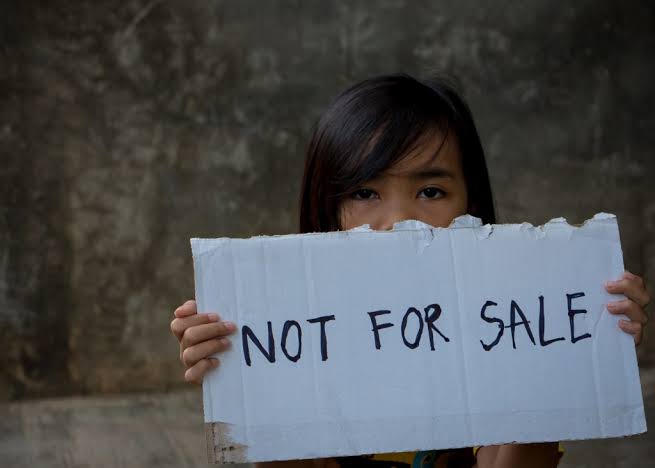
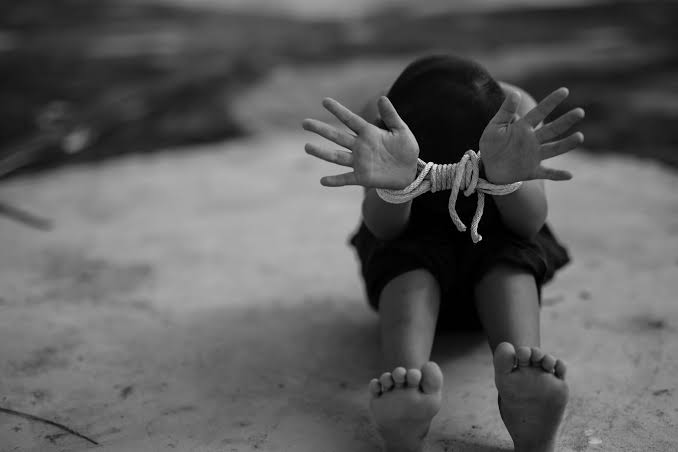
Child trafficking is a practice where children are taken away from their family and later they are forced to beg on streets, do some form of work, used for sex or simply sold.
Child trafficking is linked to demand for cheap labour, especially where the working conditions are poor. Children are forced to do many dangerous stunts and also in illegal situations. Such works include slavery, domestic labour, sexual exploitation or prostitution, drug couriering and being turned into child soldiers. Those children are exposed to many dangerous situations like working in hazardous environments. Many are also denied the chance to reach their full potential because they don’t get an education or have the freedom to make their own choices. Children become separated from their families. They are left without protection and are easy prey for traffickers to exploit either by force or with false promises.
How many children are affected by child trafficking?
It is estimated that almost 21 million people are trapped in forced labour or slavery among which one in every four people are under the age of 18.
Almost 5.5 million children are victims of child trafficking around the world. They suffer violence, exploitation and abuse – ending up in work, forced marriage, prostitution, begging and armed recruitment.
Causes of child trafficking
Poverty Poverty is one of the main causes of child trafficking. Poor parents were sometimes forced to abandon their children in the hands of traffickers assuming that they would lead a happy life.
Humanitarian Crises Child trafficking is particularly prominent in areas struck by natural disasters.The countries where human rights are violated have a higher rate of child trafficking.
Lack of Education Illiteracy and the lack of education make families more vulnerable to traffickers.
Absence of Birth Registration The children whose births were never registered are the most threatened.
Lucrative Activity Child trafficking is extremely lucrative.
International Adoption International adoption is very common among infertile couples. Traffickers and dishonest adoption agencies take these advantages and they don’t get much trouble finding potential clients.
Use of Children Children are sold for the purposes of sexual exploitation, begging, soliciting, or for forced marriages. Their life comes to risk while doing construction work, working in factories, or are employed as domestic servants. Children are given a substantial sum of money to parents waiting to adopt.The sale of child organs is also a very infamous practice done by the traffickers. To earn a good living, many children agree to sell one of their kidneys for money.
Prevention of child trafficking
1. Foster the spread of education. 2. Spread awareness among parents and communities. … 3. Strict laws in place to prevent child trafficking. … 4. Encouraging business to not use child labour. … 5. We must support NGOs like Save the Children in the fight against trafficking.
“The Best Security blanket a child can have is parents who respect each other”
Marriage is a legally and socially sanctioned relationship, usually between a man and a woman, governed by laws, norms, conventions, beliefs, and attitudes that define the spouses’ rights and responsibilities as well as the status of their children. When a marriage falls apart or ends in divorce, the children born out of the union are the ones who suffer the most, despite the fact that the parents have the legal right to custody of their children. The Guardian and Wards Act of 1890 in Indian law gives the court complete authority to choose a child’s guardian. In layman’s terms, it’s known as “LegalCustody.” The custody of a child after a divorce and the end of a marriage in India is classified as follows: 1.Sole Custody: When a child is cared for by only one parent.
2. Joint Custody :-When both parents are liable and responsible for the child, this is known as joint custody.
3.Third-Party Custody :- It occurs when neither the father nor the mother agrees to hand over custody of their kid to the court. Then there’s the problem of deciding what to do. Who will assume responsibility for the child’s upbringing? The child’s custody may be given to Grandparents or someone other than the parents (child).The Standard State of Affairs in Indian Society, when throughout divorce cases, they battle over the money for maintenance, i.e. money to be paid by the stable and earning partner to the other. The method of gaining custody of a kid in order to avoid having to pay child support to the other partner. They are caring for the youngster as a result of this. If the child is of legal age (over 18), they have the right to choose their guardian, and even if the child is a juvenile, the court may request that the youngster express their opinions.
What factors does the court consider when deciding who should be the child’s custodian?
1.The Custodial Parents’ Financial Stability.
2.Custodial parents’ physical and mental well-being.
3.Comfort of the child with his or her custodial parents.
4.Custodial parents’ intention (Wrong or false intention that may harm the child).
5.The judge has complete authority and authority to choose what is best for the child’s future. Additionally, the child has the option of selecting.
“ Custody of child shall be handed over to such a person who fosters him with care, love and affection” – Honorable Justice Vinod Prasad.









 Eduindex
You must be logged in to post a comment.