Child Labour in India.

Child labor is the deprivation of children’s childhood, affecting their ability to attend regular school and exploiting them through all forms of work that are mentally, physically, socially and morally harmful.

After gaining independence from colonial rule, India enacted many constitutional protections and child labor laws. The Constitution of India in the principles of basic rights and public policy prohibits child labor under the age of 14 in factories, mines, castles or other dangerous occupations (Article 24). The Constitution also stipulated that by 1960 India would provide all children aged 6 to 14 with the infrastructure and resources for compulsory free of charge education . (Articles 21-A and 45).
In 2011, the Indian Census found that of the 259.64 million children in this age group, the total number of child laborers [ages 5-14] was 10.1 million. The problem of child labor is not unique to India. Approximately 217 million children work worldwide, many of whom work full-time.
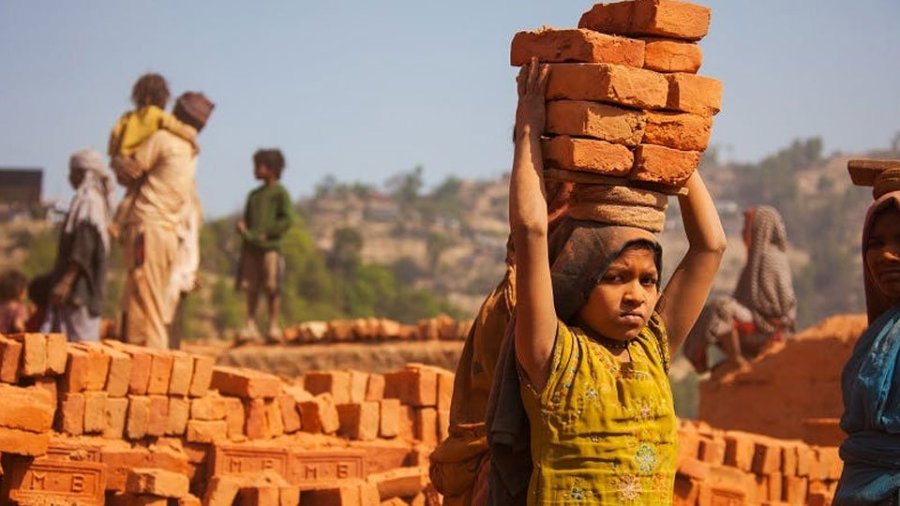
In India child labour is defined as the involvement of children under the age of 17 in economically productive activities, with or without compensation and wages . Such participation can be physical, mental, or both. This work includes part-time or unpaid work on farms, family businesses, or other economic activities such as cultivation or milk production for sale or personal consumption. The Government of India divides child labor into two groups. The main workers are those who work more than 6 months a year. And marginal child laborers are workers who work all year round, but less than six months a year. In 1979, the Government of India established the Gurupadswamy Commission to learn about child labor and how to fight it. The Child Labor Probation and Regulation Act was enacted in 1986 on the recommendation of the Commission. A national child labor policy was developed in 1987 focusing on the rehabilitation of children working in dangerous professions. Since 1988, the Ministry of Labor and Employment has established approximately 100 industry-specific national child labor projects to rehabilitate child laborers.
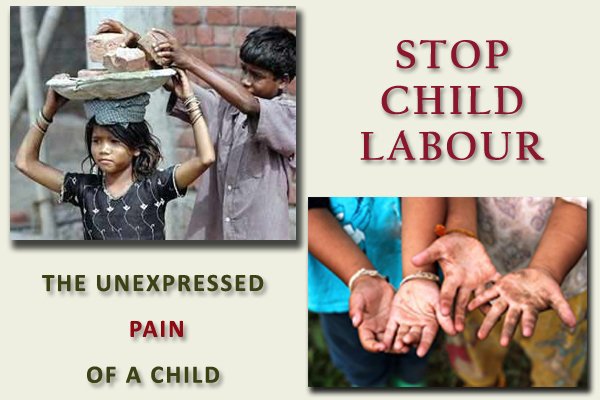
The Government of India has enacted numerous laws, organizations and institutions to combat the issue of child labor. Some initiatives include child labor bans and regulations, laws prohibiting the employment of children in certain occupation and regulating the working conditions of children. The National Child Labor Policy attempts to take a sequential approach with a primary focus on the rehabilitation of children working in dangerous professions and processes of works. The Ministry of Labor and Employment is responsible for providing and supervising a range of child labor policies in India. In addition, as Osment reported, NGOs such as Care India, Child Rights and You, and Global March Against Child Labor were implemented to tackle child labor through access to education and resources. However, these efforts were of little success.

Non-governmental organisations:
Bachpan Bachao Andolan, Child Rights and You, ChildFund, CARE India, GoodWeave India,Talaash Association, Global March for Child Labor, and many other NGOs are campaigning to eliminate child labor in India. increase.

SOME ANIME INFLUENCED MAKING MY CHILDHOOD FUN

The variety of cartoon from my childhood time for which almost all kids from my generation have spend their all time watching is nothing compared to what the kids from these days generation are watching. And the biggest difference I make is that this generation shows have from mine were that most of the shows of my generation was anime and Japanese cartoon but now a days all the cartoon were shown to kids are mostly Indian based story cartoon and some rerun of my time anime.

I still remember how after doing my homework I run towards the tv punctually on 7 pm as the shows were to be start with good contented stories, continuity, good moral and each episodes make me curious at the end about all kind of the things like what gonna happen the next day. But the cartoon happens to kids favorite are all comical with no sense and no continuity , just for fun purpose only.

Some loved and epic shows still to be remembered and watched are –

  • NARUTO

Naruto was something else to talk about it was so popular around my time , bullshit it still is. As it being the anime of Japan dubbed in Hindi there was some changes in the line of story as the Naruto was parted into two- Naruto and Naruto Shippuden. In India, only Naruto was broadcasted Hindi dubbed and become much more popular than Indian cartoon were ever were among children around 9 and above. Popularity of cartoons are shown very different as their taglines becomes popular as in this case were the jutsu names, mainly the famous ” RASENGAN” were used in many imaginative fight between kids for fun.

  • DRAGON BALL AND DRAGON BALL Z

Dragon ball in one of the most famous anime broadcasted in India and were the most popular one among the kids. The story based on the baby found by an old man who named him Goku and his journey to learn martial arts and to fight the most powerful fighter around the world. As he moved forward with his journey he meet and make many friends and foes who he with and against fights for the world peace and sometimes for the dragon balls which makes some of the wishes of the callers true. With friends like Bulma, kuririn, Master Roshi , Piccolo etc being part of the gang and after being married to chichi and having a kid named Gohan and getting informed of him being a alien warrier species called “Saiyyan” bring more of the troubles in the name of “Vegeta” and with him the bigg boss ” frieza”. The most famous line of this show becomes the “KAMEHAMEHA” the powerful energy ball of attack and the real term call “CHI” the internal energy used in martial arts.

  • POKEMON

Pokemon was the only anime amongst the other animes whose mostly all season were broadcasted hindi dubbed in India. Story revolves around the main character Ash and his first pokemon Pikachu and his group of friends Misty and Broke, which he make during his journey to become a pokemon master was divided into many season based on regions while catching more pokemon to become more powerful. Most of the pokemon got popularity among kids, who chooses their own favourite pokemon and most popular was the one called pikachu, Bulbasaur, Charizard etc. This anime was the only one which was popular among all age group and gender kids because it involves both cute pokemon and the one who can fight.

  • TAKESHI’S CASTLE

Takeshi’s castle even being not an anime but still make it to this list as the fun and entertaining show is being among the kids was overwhelming in India and viewership wasn’t limited to just the kids but to adults also well with the show being what is was its expected to be like that. The fun format of the show was to have contestant over 80 to 150 people whom General Tani forced to participate in some series of physical challenges to eliminate half of the contestants and put them against his own henchmen and Count Takeshi in the FINAL SHOWDOWN. The best and fun part of the show find by the Indian viewer is the funny and witty commentary and comments by comedian Javed Jaffrey on the beaten and eliminated contestants. The funny henchmen and twisted and sadistic challenges were the attraction for the kids who find it funny and entertaining.

Child Labour

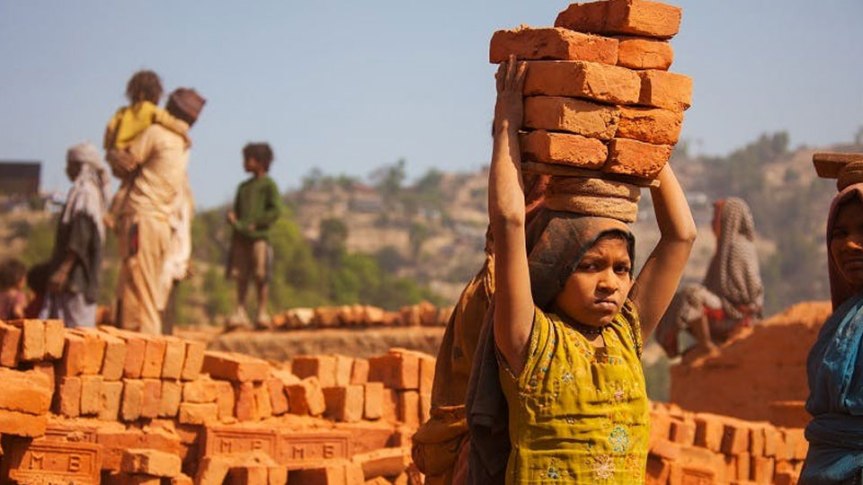
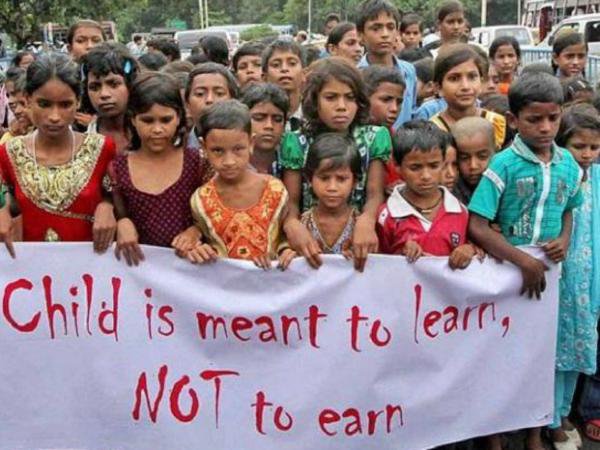
Child labour is the worst form of child exploitation. There are more than 25 million child labourers in India. There is nothing more henious than this line. When it is time for children to play in the garden, they are forced to do banded labour. They have dreams to fulfill so it is need of the hour to stop this exploitation. They need play, education and nutrition. These must be provided to them but unfortunately they have to work in inhuman conditions. Childhood which is the most carefree period of a person’s life becomes a nightmare for them. they are mercilessly exploited at the hands of certain sections of the society.

Penury, in fact, is the root cause of all the troubles. It forces the poor parents to engage their children to work for them and earn something. The main culprits of the society are greedy contractors, the poor and uncaring parents and also the perceptors who do not teach. This gigantic wrong must stop and must be eliminated.

Law against child labour must be made strict and be enforced. Severe punishment should be given to those who indulged in or even encourage child labour. Though various steps have been taken by the government and many voluntree organisation are working to prevent the exploitation. Yet this social evil has not been eradicated completely. It is our foremost duty to look into this grave problem and take stringent actions in order to safeguard the rights of children.

The need of the hour for the government and NGOs is to come forward to establish institutes which provide free education and free meds. Primary education should be made mandatory. Until and unless we all get together to fight against the inhuman exploitation of children. We will not be able to eliminate this social stigma completely.

Generation Gap

Maya Angelou quoted, “I’ve learned that regardless of your relationship with your parents, you’ll miss them when they’re gone from your life. ” It is indeed the truth. Lately I have been thinking a lot about relationship between parents and child nowadays.

Though we love our parents more than anything in this world and so they do. It is of no question that our parents took care of us and will always do, no matter how old we become. But, don’t you think that these days parents-child conflict are increasing way too much? What could be the reason behind that?

The first thing that comes in our mind is obviously generation gap and it’s true. Why generation gap? It is basically age gap between parents and children. However, the major issue arrives due to the mental gap in terms of thinking and current trends. These days, children, mostly teenagers believe that they are grown-ups and it’s high time for them to be independent. This helps them to gain more self-esteem. On the whole, both parents and children do not see things from the standpoint of each other and thus leads to conflict.

Some teenagers feel that their parents should trust them and give them freedom but they also know that parents are more concerned about their safety, which sometimes make children irritated.

Technology also affects the relationship between them. Technological ability is also important. Parents might not learn technology as quick as teenagers and when they try to learn from them, they get impatient. Our world keeps changing and developing, things rarely stay the same, causing generation gaps between the parents and their children.

Below are some of the significant points which need to be understood.

• Parents often do not tolerate mistakes and tend to tell their children off. They need to understand that this is their learning phase and making mistakes will make them grow in life, but if they only get punished for it, it widens the gap and creates a lack of proper communication.

• Children are expected to be replicas of parents often have dreams for their kids. They should not impose their wish on them without knowing what they want.

• Comparing children to each other or telling them how you were as a child also widens the gap. Due to this, they lose confidence and enthusiasm they may previously had.

• Lack of understanding is also the major cause. Listening and understanding what a children is trying to convey could be a good step. But, it is lacking these days. Parents often feel like because they have already been the age their child is currently, that they understand how their child thinks. They should understand things have changed from then to now.

Now, how to solve these problems? Here are some ways :

  1. Keep an open mind – The way that kid think is different from how parents do. Keeping an open mind and not assuming that they are same as you were at their age is very important. You must also understand that there are some things that are acceptable in society and therefore acceptable to your child that may not have been acceptable when you were the same age.
  2. Communicate – Taking out time to communicate with your kids will be very helpful. Your child must feel comfortable to talk to you about anything. The children must be assured that they can approach their parents with anything and can speak freely without any fear. And this way parents need not to worry about their children hiding thing from them.
  3. Listen – Parents need to allow their kids time to talk without interruption and listen to what they have to say. Learning your child’s thoughts and opinions makes them feel like what they want or feel matters to you, which in turn makes them feel much closer to you than before. Having a parent who listens as well instead of only talks and lectures will give your child more encouragement to listen to you in return.
  4. Understand – With listening comes understanding and this means that you have to learn to put yourself in your child’s shoes and trying to understand how they feel and what they want from what they tell you. If you are able to understand where your child is coming from, you will be able to close that generation gap to some extent.
  5. Unconditional Love – Love has a way of crossing boundaries and bringing people together if acted upon. So show your children how much you love them. This unconditional love and support that they get from you is very encouraging and makes children more inclined to show that same love and understanding back.

In the end, I would like to mention that children should also treat parents with love and affection because they did and are doing a lot for you everyday that is unnoticed. Your one word of affection can make their day. No matter how miserable you feel while they’re scolding you, never stop respecting them.

Feminism and politics of childhood

Book review

Name of the book-Feminism and the politics of childhood Friends or foes?

Author of the book-Rachel Roshen and Katherine Twamley

DOI: //https://doi.org/10.14324/111.9781787350632

Publisher 

UCLPRESS (university college London)

www.ucl.ac.uk/ucl-press

Published in

2018

Feminism and the politics of childhood friends or foes? is written and edited by Rachel roshen and Katherine Twamley. The book consists of eighteen chapters in itself. The book is a contribution of many scholars, psychologists, professors and lecturers of education, catholic priest, activist and anthropologists. 

Rachel Rosen is a senior lecturer in childhood in the department of social science at the UCL institute of Education and Katherine Twamley is a Leverhulme Trust Early Career Fellow in the department of social science at the UCL institute of Education.

The book discussed various kinds of feminism and children’s politics. It has an exploration of perceived commonalities and conflicts between the women and children. The whole book is in a dialogic method from a range of geographical contexts, social science discipline, activist organisations, and theoretical perspectives. The wide varieties of subjects include refugee camps, care labour, domestic violence and childcare and education. The author focuses on the local & global level and tries to drive the interconnection about the theoretical traditions.

Erica Burman found that the formulation of relation between women and children are representative. The responsibility of child caring is totally up to the mother as the bundling of women has been comprehensively critiqued. She also focused on the early care education of childhood. The book consists of childhood studies and women’s studies. Women and children are vulnerable victims or valorized as angelic innocents of home and hearth and the subject through which hope for national development flows. She said we should try to provide social and economical justice to the women and children. 

The book discussed gender & society. Barrie Throne wanted to ask about feminism and the politics of childhood. Thrawn worked with various frameworks and theories such as intersectionality theory, psychosocial studies, and critical disability studies. Grassroots Women (GW) was an anti- imperialist, feminist organization in East Vancouver, Canada in early 1990s. The organization welcomed her members with their children. They said the presence of children makes their members also focused on their work. They consider universal childcare a woman’s right. In the end they said (GW) children and women are became great power if they united. 

The book had a glance about the children and caretaker rights. Every child has the right of proper care and love. Radical feminism considers the children as the burden over the women and ground of oppression of women. They also discussed the challenges of/to feminist solidarity in the Sahrawi refugee camps (South Africa). 

Marxist feminism focused over the renewed frame attention to social reproduction. They consider the women as the second and less paid workers. Taking care of the children should be the first job of women. 

The concept of surrogacy is also shared here. The data is collected by the international commercial surrogacy. Here the practice of surrogacy is considered as the reproductive and productive laboring. Some feminist are in favor as some are in against. It directly impacts the child and women’s mental, emotional and physical condition. Decolonising childbearing and challenging the patriarchal nuclear family through indigenous knowledge is also shared here. In this chapter we discuss the role of men in child care and how the traditional value system of child bearing will guide the people to develop more effective programming for parent education and support family reunification. Child marriage practice is also criticized by the feminist. They share the world wide data of the early child marriage and its impact on the children and women. 

The feminist is mean to be a fighter of social justice, they fight and struggle to get the social justice foe women and children. Domestic violence is a cycle of violence, a person tries to fill a woman or a child with a lot of guilt and shame so she could not try to stop the violence over her. Feminist also work in this sector too for give a save environment for them. 

I chose this book for many reasons and one of them is this it discusses various feminism waves and theories. It gives a clear understanding of why we need feminism and the different context of women and children’s condition. Children and women are inseparable in order to provide strength to each other. 

Reflection 

The book is really Informative and interesting. It consists different view of feminism and feminist which going to help in my assessment too. The book had a broad number of examples, interviews and experiences about the challenges faced by the women and children at local and global level. Why we need feminist and how they struggle to achieve the goal of social justice for all. Here I also find the difference between radical feminism is different feminism. They consider child bearing as the ending of life or burden over the women or women does not want children or should not have children if they want to do something. The book gives a holistic perspective to think about geographical, social and economical impact on the condition of women and children. Everyone should go through the book once. They provide you with alternate theoretical constructs and practical examples of research on how best make sense of the importance of relation and thinking with complexity. 

Childhood Redefined: 90’s Cartoon

 Memories are an integral part of the upbringing of a child. This leads to shaping up one’s personality based upon knowledge & past experiences. Memories are of different kinds. They vary by nature, like saying positive or negative or they can differ in periods depending upon very old or recent times. 

  These memories lend one experiences that lead one to learn one life lesson. This experience causes one to get off through tough days with ease & make good days better. Now discussing childhood memories, they leave each one of us with a different imprint. The reason for our smiles or tears occasionally. 

   To each one of us, our childhood holds a jar of memories. Savouring over our favourite delicacies, playing for hours under the sun with friends, sharing tiffins at school & are some of the common memories that each one of us holds. But something common to all of us is the animated series of the late ’90s or early ’20s. I bet they are still a part of you, embedded deep in your heart, probably forgotten. 

 From being a couch potato watching cartoons all day long to binging Netflix on weekends we all grew up. So let’s turn the clock back as we go down the lane to revisit childhood, with these top 12 cartoons hand-picked just for you :

1] Tom & Jerry: This American animated series was created in 1940. It is named after its two main characters; a blue-grey cat named Tom who gets into comedic fights or chases the brown homed mouse called Jerry. Each episode shows the two characters which they often get hurt ridiculously. 

 2] Flinstones: This show is set in the pre-historic times in the town of Bedrock. Living beings of the past, dinosaurs, and other long-extinct animals co-exist with cavemen, saber-toothed cats, and woolly mammoths. Also, these characters use Stone Age technologies, & their lives resemble the lives of 20th century urban America.

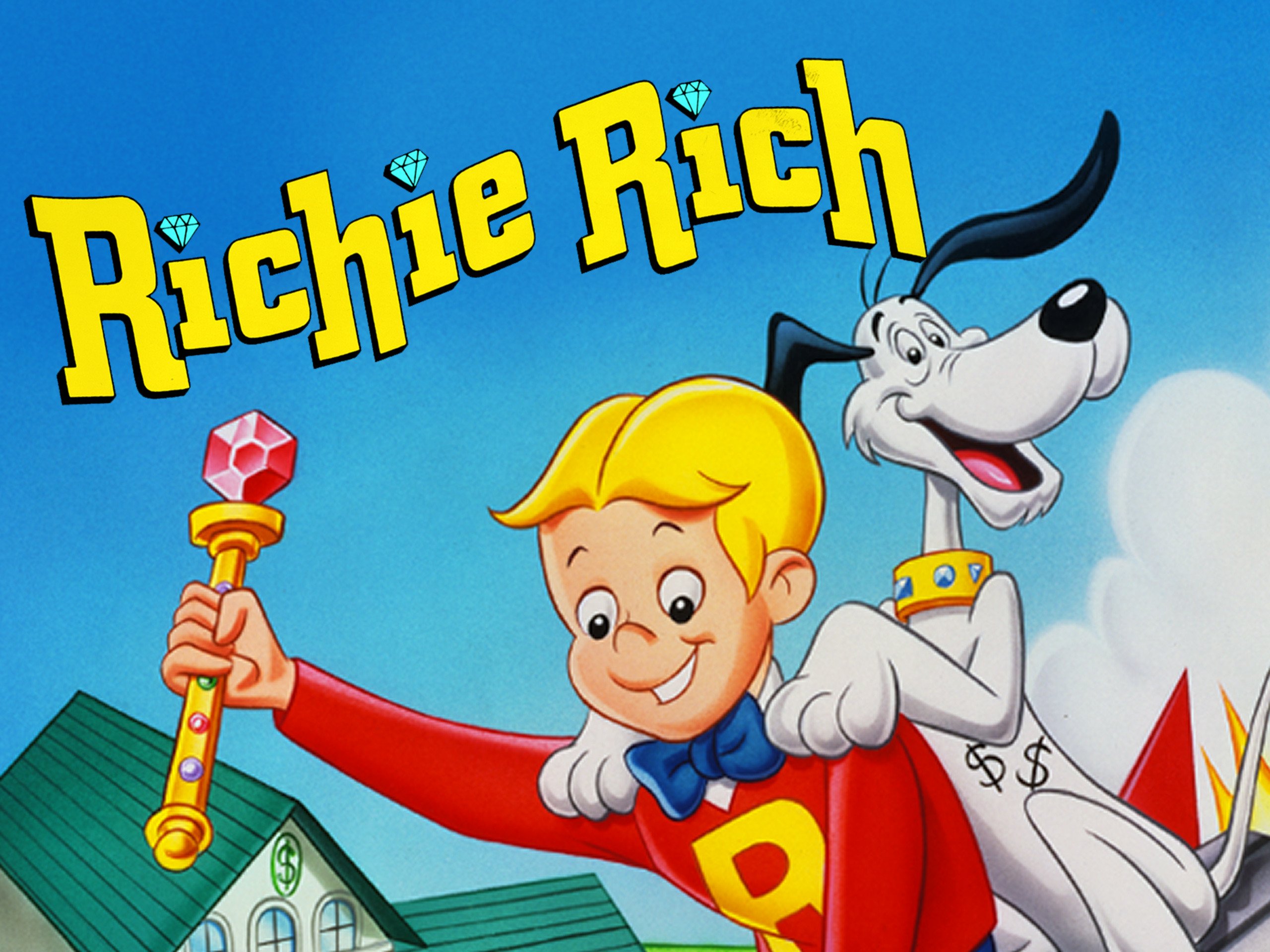
3] Richie Rich: A rich kid named Richie who used to deal with threats to the Rich family, more specifically Richie. Some segments for humor with Dollar and Cadbury. Also, his friends fighting master criminals, aliens, and other threats to the world.

https://images-na.ssl-images-amazon.com/images/I/91wO9DHpp5L._RI_.jpg

 4] Baby Looney Toons: Baby versions of Looney tunes characters Bugs, Daffy, Lola, Taz, Sylvester, Tweety, Petunia & Melissa living with granny.

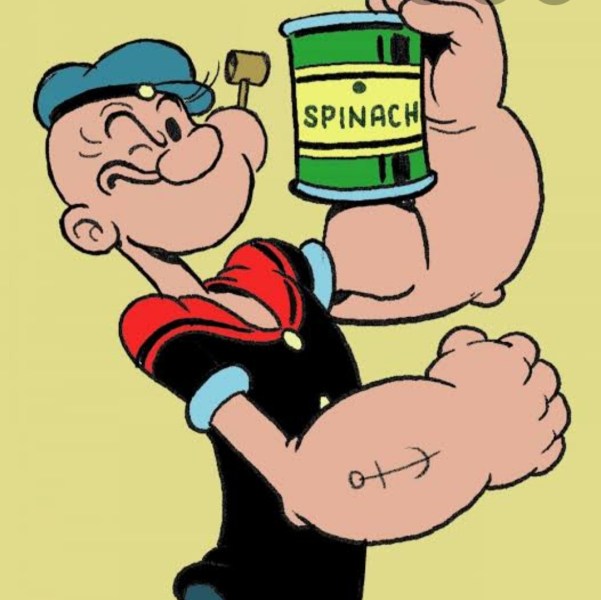
5] Popeye The Sailorman: Guess the intro song’s still embedded in our head. As everyone has heard of Popeye, the sailor who eats spinach and gets stronger. There exists a love triangle among Popeye, Olive, and Bluto. And Bluto’s endless schemes to claim Olive at Popeye’s expense. Popeye holds his near-saintly perseverance in overcoming any obstacle to please Olive, who often renounces Popeye for Bluto.

6] Scooby Doo: Scooby and gang use their intelligence other detective instincts to uncover mysteries that appear to be supernatural initially but later reveal having a person behind all these things thus lending a logic to the situations.

7] The Powerpuff Girls: Probably the first and one of the only TV shows of the time that begun teaching us about feminism. Bubbles, Buttercup, and Blossom were cute little girls who were fierce warriors.

8] The Jungle Book: Movies like ‘The Jungle Book’ & ‘Lion King’ are an extension of this series. Based on the Rudyard Kipling book, here you see how a boy called Mogli grows up in a jungle fighting through the hardships. Despite not being an animal, he grows up with a pack of wolves while doing ridiculous things with Baloo and training with Bagheera.

9] Dragon tales: It is impossible to forget this sentence, those bunch of dragons called always managed to make us smile. Emmy & Max find a magical place called Dragonland where they are transported using magical crystals where they face challenges with dragon Ord, Cassie, Zak, Wheezie & Quetzal.

10] Pokemon: As Ash Ketchum turns 10, he desires to start his journey as a Pokemon trainer with the dream of being a Pokemon master in the long run. But having overslept, he rushes to Professor Oak to realize that the only Pokemon left for him to have is a Pikachu, an electric pokemon. Finally, Ash & Pikachu, embark on their journey together while befriending two travel mates Misty & Brock. Along the journey, they make a lot many both human and pokemon friends. 

https://in.pinterest.com/

What Should Parents Know About COVID-19-Related Anxiety in Kids?

The coronavirus pandemic has disrupted the lives of everyone, including children. Vermont’s mental health professionals have seen higher-than-normal numbers of kids experiencing anxiety brought on by the “Stay Home, Stay Safe” order, school closures, canceled extracurricular activities, and curtailed visits with family and friends.

Thankfully, parents can play an active role in reducing their kids’ anxiety, beginning by reassuring them that they live in a very safe place. According to the Vermont Department of Health, the number of youth under the age of 20 who have contracted COVID-19 remains low, and no Vermont children or teens have died from the virus.

Still, if children seem unusually anxious for a prolonged period, there are things parents can do to help. Dr. Lewis First, chief of pediatrics at the University of Vermont Children’s Hospital, shares his expert advice for managing anxiety in kids.

KIDS VT: What is anxiety?

DR. LEWIS FIRST: Anxiety is a normal emotion we all experience at one point or another as part of our natural fight-or-flight response. Having a little stress or anxiety about something new, different or challenging is normal and prepares us to be sharper and more alert to respond. For a child, it may be a big test or athletic competition. But anxiety can become a problem when a child faces a sudden, prolonged crisis — which makes COVID-19 the perfect scenario for causing stress and anxiety. While their stress may not indicate a classic anxiety disorder, it can reach the upper limits of what a child is emotionally able to handle.

KVT: What signs should parents watch for?

LF: Anxiety becomes a concern when a child experiences a persistence of symptoms associated with this condition. Kids may have physiological complaints such as headaches, stomachaches or loss of appetite. Some kids become irritable or agitated. They may become restless, easily fatigued, have trouble concentrating or difficulty sleeping. Some become disruptive or even withdraw from their parents as a way to cope.

KVT: Does anxiety look different depending upon the child’s age?

LF: Kids of all ages, even babies, can show signs of stress or anxiety, which they can sense from their parents’ unease or experience when they’re around people they don’t know. Babies, toddlers and preschoolers may seem clingier, cry more, get upset easily and not want to do things that they previously enjoyed. Older schoolchildren and early adolescents may exhibit more negativity. They may complain of shortness of breath, shakiness, clamminess, a racing heart and feelings of doom, which are all classic signs of a panic attack.

KVT: When should parents be concerned about a child’s anxiety?

LF: First, parents should realize that the vast majority of children who are showing signs of stress right now are not having classic anxiety disorders. To make such a diagnosis, we need to see at least one sign of excessive anxiety occurring more days than not for at least six months, and we haven’t been dealing with COVID-19 for that long yet.

KVT: What can parents do to help?

LF: Kids tend to stress when they sense that their parents are worried. I know it’s hard right now, but parents need to remain calm and manage their own stress as best they can. This is a great opportunity for families to recognize that, even while isolated or as we slowly get out in public more often, this is a special time together. Parents should build in time to be with their child where it’s not about talking at them but really listening to them. With an older child or teenager, sometimes a parent expressing their own concerns will open the door to them feeling it’s OK to vent their own feelings. Parents can ask a child if there’s something they saw or heard about the coronavirus that worries them, then educate them about what is fact versus fiction. Parents can also reassure their children that scientists and medical professionals around the world are working every day to find new medicines and vaccines that will make this virus go away.

KVT: What can kids do themselves?

LF: Children can be made to feel like they’re part of the solution by practicing physical distancing, good handwashing hygiene and staying home when necessary. Parents should focus on all the positive things their kids are doing. Limit children’s exposure to the news or, with an older child, watch it together as a family so that you can discuss what’s going on. One of the most important things you can do to reduce anxiety is create predictability. Uncertainty breeds anxiety and fear, so parents should create a schedule that is predictable yet flexible and includes plenty of group playtime. Communicate with family, friends, teachers and coaches by phone or videoconference. And parents should not loosen the rules too much on healthy behaviors such as consistent bedtimes, good diet and daily exercise.

KVT: What if kids are still struggling with daily anxiety?

LF: If children just aren’t sleeping well most or all nights, are anxious most of the time, or continue to show the signs and symptoms we’ve discussed, then it’s time to talk to a health care professional. They can recommend treatments such as cognitive-behavioral therapy and even medication. A counselor or therapist can be very helpful in teaching a child coping mechanisms such as taking slow, deep breaths; counting backward from 100; and having a safe space to go to in their minds and/or in their homes. Increased anxiety in adults can lead to physical or emotional abuse, so parents need to manage their own stress levels, too.

© 2020 Kids VT

Impact of technology on children

In modern day, children are surrounded by technology since childhood. Now children don’t play with toys but they play games in mobile phone. Parents also leave their children with mobile so that children don’t trouble them and parents can live their life peacefully.

This increasing trend of technology lead to a greater impact on children’s life. Technology also has some positive effects but negative effects are also not less.

Today, children are so busy in playing with phone and computer due to which they don’t spend anytime in playing outdoors with peers. Due to this they don’t exercise also which leads to their poor health. The cases of obesity in children increases a lot in this decade. As they always remain inside on their home and do not go outside so it leads to the lack of vitamin D because they don’t spend time in sunlight which leads to weakening of their bones. As they are busy with mobiles, children don’t able to exposed to activities like cycling and playing other games with their peers which leads to lowering of frequency of children to interact with their peers.

Using mobiles or laptops for the long time causes headache and eye irritation. According to research sleep is also disturb by blue light when children is exposed to screen time in the evening due to the suppression of hormone melatonin which regulates the sleepwake cycle.

If the child see a lot of TV or play game, it leads to a decrease of attention span time if children as they want something new everytime, due to which children are not able to pay attention in classroom, textbooks and any other work. Overuse of technology by children also lead to frustation and self doubt.

We know use of technology has many negative effects but it doesn’t mean that we totally exclude this from the life of thr children. Apart from many negative effects there are some positive effects too but there is a need to make some rules while using technology so that your child can take full benefit of it.

It is necessary to set limit of screen time for children and avoid using mobile and laptop before sleeping. Encourage your child to go outside and play with their friends. If they want to watch TV or play video games, encourage them to play games through which they can learn something meaningful. Always keep a check on what the child is watching. Never let the child to watch program which is more agressive, this leads to frustation and anger in child. Encourage them to watch TV shows related to dance or any other physical activity and ask thr children to perform by seeing the artist. This lead to the good physical activity and child also learn something new. Keep a watch that the distance between the screen and the child’s eye is not too less, it may cause weakening of the child’s eye.

Everything has some positive and some negative aspects, so technology has. So instead of isolating the child from all these in the fear of negative effects,it is necessary to keep a check on what the child is doing, together make rules so that your child get benefit with these technology and not have to bear negative effects.

Wake up, your child is going to do suicide

“If my parents understood my dreams than today I won’t be stealthy sitting on roof and writing this blog.”

So, you are a parent, if not than at one stage of life you’ll be ( but for now just read and share it with a parent). Every parent has great GREAT expectations from their offspring and sometimes that desire becomes so pressurizing that it takes the toll of the life of that little angel.

How many of you asked your child what he or she wants to become well many of you haven’t and in a rare case if you have, I am sorry to say that you didn’t took that seriously.

A child of 21st century is none less than the most busiest person on Earth, schooling, coaching, homework and much more trouble some tasks are a part of their life and after all that when they get the night time to rest, they wander in the land of dreams; the world that’s their own, they make ambitions and set goals for their life.

But do you even know the amount of grief and misery that your child feels when you say a crisp clear NO to them when they beg you to let them achieve what they want ?

Let me talk in statistics. Globally Around 65000 kids committed suicide in 2019 just because their parents didn’t allowed them to study in the field of their choice.

Just imagine the condition of a student who passed school working hard so that he could take admission in his dream college. But guess what, his CARING parents deny him that because the college is in another city . WTF, like seriously, we kids work our ass whole childhood to satisfy your marks hungry taste buds and what we get in return, a big rejection on our dreams.


As a parent your worries and thinking of well being of ur kid is justified. But you have to understand that the dreams and choice of your child also matters, afterall it’s them who would be studying and if they want to pursue a field of their choice then why deny it to them and become the reason of them going into depression or at worse, commuting suicide.


Parents, you have to understand this, your child knows his interests more than you or anyone else. Please, you just can’t put an end on their life by making them give up on their dreams.

Just go and talk to them, understand what ur child wants. Otherwise the day is not far when your child will cry silently in night and will fear to meet eye with people and will curse his very existence like I do. Please parents, wake up .


Alarming disappearance of play from Children’s life

Play is the important part of child’s life. Play enhances the child’s physical, social and cognitive skills. Through play children learn many skills like cooperation, language etc. It also helps to clear the egocentric stage in early ages. In childhood the major learning happens through play only.

But in present time, play is somewhere disappearing from the children’s life. There are many reasons for that. Some parents don’t send their children to play due to security reasons as today parents don’t have time to sit in the park where the child is playing so that they can take care of the child. In some places there are not proper spaces where the child can play. Some parents think that by playing they are wasting their time. And they should utilise their time by studying apart from going outside and play. Due to advent of technology too, children nowadays prefer to play video games and use mobile rather that going outside and play.

All these things have a greater impact on children’s mental and physical health. Playing outside keeps them healthy and also help in their mental growth. While playing children use many concepts which they learn in theories like counting, conservation, usage of language and so on. While playing children learn how to cooperate with peers, how to understand others perspective, they learn to solve problems of their own. They acquire confidence to talk to so many people. It is the platform where they can, not only make mistakes but can also learn from their mistakes. But our parents and teachers didn’t understand this. According to them bookish knowledge is the knowledge child should have and this only help them to become a successful human being. According to Leo F. Buscaglia “It is paradoxical that many educators and parents still differentiate between a time for learning and a time for play without seeing the vital connect between them.”

Parents and teachers should understand that play is equally important for child as the study. If they don’t play they lack many abilities or develop it later. So it is necessary that we encourage children to play with their peer group. Parents and teachers should include play time in the child’s schedule like all other activities through which they can enjoy as well as learn and properly live their childhood.