A Holistic Approach for Cleanliness of River Ganga

Daily writing prompt
Which animal would you compare yourself to and why?

Namami Gange Programme’, is an Integrated Conservation Mission, approved as ‘Flagship Programme’ by the Union Government in June 2014 with budget outlay of Rs.20,000 Crore to accomplish the twin objectives of effective abatement of pollution, conservation and rejuvenation of National River Ganga.
The Government of India (GoI) launched the Namami Gange Programme (NGP) in 2014-15 for the rejuvenation of river Ganga and its tributaries with a budgetary outlay of ₹ 20,000 crore, for five years, up to March 2021 and has been further extended to March 2026 with a budgetary outlay of ₹ 22,500 crore.

The National Ganga Plan (CS) has been allocated a financial outlay of ₹3,400 crore[1] for the year 2025-26. This investment aims to enhance sewage treatment capacity, improve water quality, and regulate industrial waste discharge to rejuvenate the Ganga River and achieve prescribed bathing standards by 2025.

Ganga: Lifeline of India

The Ganga River, one of the most sacred rivers in the world, faces significant threats from excessive water abstraction and pollution. As a vital part of India’s cultural heritage and a key resource for sustenance, the river’s health is of paramount importance. To address these challenges, the Namami Ganga program was launched with the twin objectives of effectively reducing pollution and conserving and rejuvenating River Ganga.
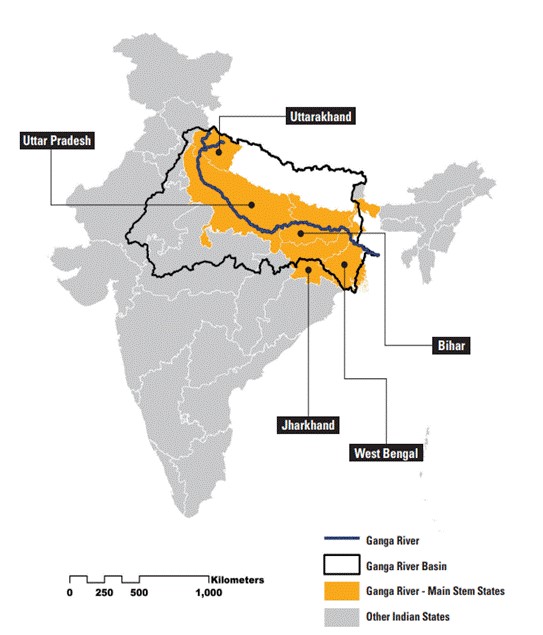
The Ganga River Basin

The Ganga River basin is the largest in India, encompassing 27% of the country’s land mass and supporting about 47% of its population. Spanning over 11 states, the basin covers nearly 27% of India’s total geographical area. The majority of the basin, around 65.57%, is used for agriculture, while water bodies cover 3.47% of the area. Despite receiving 35.5% of the total water input in terms of precipitation, the Ganga River Basin is the second most water-stressed basin in India, following the Sabarmati Basin, with only 39% of the average per capita annual rainwater input among major Indian river basins. [2]

Vision

The vision for Ganga rejuvenation revolves around restoring the river’s wholesomeness, defined by ensuring “Aviral Dhara” (Continuous Flow), “Nirmal Dhara” (Unpolluted Flow), and maintaining its geological and ecological integrity. A comprehensive Ganga River Basin Management Plan (GRBMP) was developed by a consortium of seven IITs, emphasizing an Integrated River Basin Management (IRBM) approach with multi-sectoral and multi-agency interventions.

Key Interventions

  • Pollution Abatement (Nirmal Ganga): Addressing and reducing the sources of pollution in the river.
  • Improving Ecology and Flow (Aviral Ganga): Enhancing the ecological health and continuous flow of the river.
  • Strengthening People-River Connect (Jan Ganga): Fostering a deeper connection between the people and the river through community engagement and awareness.
  • Facilitating Research and Policy (Gyan Ganga): Promoting diversified research, scientific mapping, studies, and evidence-based policy formulation

Over the years, concerted efforts made by NMCG are beginning to find success in restoring the pristine glory of the river.

Progress Overview( As of 31 January 2025) [3]

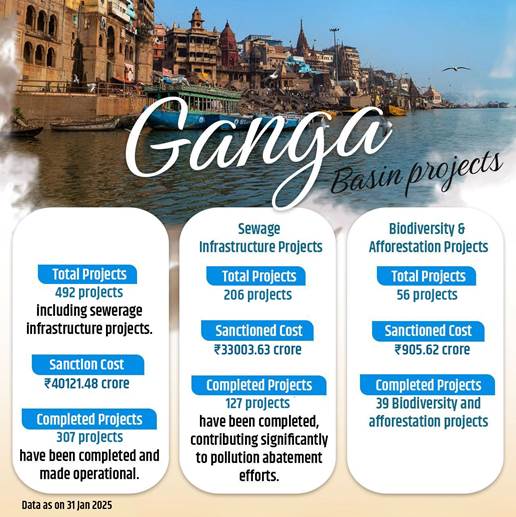
  • A comprehensive total of 492 projects, valued at 40121.48 Crore, have been launched.
  • Among these, 307 projects have reached completion and are now operational.
  • An impressive 206 projects addressing Sewage Infrastructure have been set in motion.
  • A substantial fund of 33003.63Crore has been sanctioned for these sewage infrastructure projects.
  • Of these, 127 sewerage projects have been successfully completed, playing a pivotal role in mitigating pollution.
  • Additionally, 56 projects dedicated to Biodiversity & Afforestation have been undertaken.
  • These projects have received a funding commitment of over ₹ 905.62 Crore.
  • Notably, 39 projects focused on biodiversity and afforestation have been successfully concluded, augmenting the ecological equilibrium of the Ganga basin.

Government’s Recent Initiatives for a Pollution Free Ganga[4]

  1. In a major step towards tackling pollution, the 60th Executive Committee Meeting of the National Mission for Clean Ganga (NMCG) approved the interception and diversion of the Durga Drain and the construction of a 60 MLD capacity sewage treatment plant (STP) in Varanasi, Uttar Pradesh, at a cost of ₹274.31 crore. This project, based on the hybrid annuity model, includes a 75 MLD capacity main pumping station and other essential structures, ensuring long-term wastewater management and pollution control.
  1. Additionally, a significant project was approved to prevent the flow of untreated sewage into Varuna, a major tributary of the Ganga, in Bhadohi. With an investment of ₹127.26 crore, this initiative will establish three STPs with capacities of 17 MLD, 5 MLD, and 3 MLD, along with an extensive sewer network to tap four major drains and prevent pollution. This project follows the Design-Build-Operate-Transfer (DBOT) model, ensuring sustainable operation and maintenance over the next 15 years.
  1. A National Framework for Safe Reuse of Treated Water has been developed by NMCG to guide States in formulating their reuse policies and to establish economic models for the reuse of treated wastewater. NMCG has also issued a guidance handbook for urban policymakers and city officials on safely reusing treated water, which aims to conserve freshwater resources and promote sustainable water management practices. [5]
  1. Seven Biodiversity Parks in seven districts (Mirzapur, Bulandshahar, Hapur, Budaun, Ayodhya, Bijnore and Pratapgarh) of Uttar Pradesh and 5 priority wetlands in Uttar Pradesh (3), Bihar (1) and Jharkhand (1) have been sanctioned.
  1. NMCG, through the State Forest Department, has implemented a forestry intervention project along the main stem of river Ganga. 33,024 hectares area have been afforested with an expenditure of about ₹ 398 crore.
  1. A total of 143.8 lakhs of Indian Major Carp (IMC) fingerlings have been ranched in the Ganga since 2017 to conserve fish biodiversity and prey base for river Dolphins, and ensure the livelihood of fishers in the Ganga basin under the special project implemented by Central Inland Fisheries Research Institute (CIFRI).
  1. A total of 203 number of sewerage infrastructure projects costing ₹ 32,613 crore have been taken up for remediation of polluted river areas with treatment capacity of 6,255 Million Litres per Day (MLD). 127 STP projects with a capacity of 3,446 MLD have been completed and made operational.
  1. For industrial pollution abatement, 3 nos. of Common Effluent Treatment Plants (CETPs) have been sanctioned, i.e., Jajmau CETP (20 MLD), Banther CETP (4.5 MLD), and Mathura CETP (6.25 MLD). Two projects, Mathura CETP (6.25 MLD) and Jajmau CETP (20 MLD) have been completed.

Conclusion

The National Mission for Clean Ganga (NMCG) strives to deploy the best available knowledge and resources globally for Ganga rejuvenation. With significant progress achieved in various interventions, the programme continues to strive towards its goal of ensuring a clean and thriving Ganga for future generations.

Integrating Social Work into Environmental and Social Issues

Daily writing prompt
List five things you do for fun.

By Eduindex News

Integrating social work into environmental and social issues is a growing necessity as the interconnectedness of human well-being and environmental health becomes increasingly evident. Social workers are uniquely positioned to address the social dimensions of environmental challenges, such as climate change, natural disasters, and pollution, which disproportionately affect vulnerable populations. By incorporating ecological perspectives into their practice, social workers can advocate for sustainable policies, educate communities about environmental risks, and help individuals and groups adapt to changing conditions. This integration fosters a holistic approach to problem-solving, emphasizing both human rights and environmental justice to create resilient communities.

Moreover, social workers can play a pivotal role in bridging the gap between grassroots movements and policy-making to address systemic inequities exacerbated by environmental degradation. For instance, they can work with marginalized communities to amplify their voices in decision-making processes, ensuring equitable access to resources like clean water, safe housing, and renewable energy. By collaborating with environmental scientists, policymakers, and community leaders, social workers contribute to sustainable development initiatives that prioritize social equity. This interdisciplinary approach not only addresses immediate social and environmental crises but also promotes long-term solutions that align with the principles of social justice and environmental stewardship.Social work is crucial in addressing multifaceted issues such as environmental sustainability, health, and gender inequality. Recent studies by scholars like MM Ogbanga have shown how social work can contribute to solving complex challenges faced by communities, particularly in regions affected by environmental and socio-economic crises.

  1. Flooding and Housing Health Impacts in Rivers State, Nigeria
    Ogbanga’s research on the impacts of flooding in Ahoada East and West Local Government areas highlights how natural disasters exacerbate health and housing issues. Social workers play a pivotal role in disaster response, from aiding in community recovery to providing counseling and support to affected individuals.
  2. Gender and Unemployment in the Niger Delta
    Another critical study addresses how oil exploration has worsened gender disparities and unemployment. Social work can be instrumental in advocating for policies that ensure gender equality and offer employment opportunities for marginalized groups.
  3. Energy Poverty and Sustainability Challenges
    Energy poverty is another significant issue in Nigeria, especially in rural communities. Social work interventions that address this challenge include advocacy for better energy access and environmental sustainability.
  4. The Role of Communication Skills in Social Work
    Effective communication is vital in social work practice, and Ogbanga’s work emphasizes how enhancing communication skills can better support communities facing social challenges.
  5. Climate Change and Feminist Environmentalism
    The intersection of climate change and feminist environmentalism in the Niger Delta demonstrates how social workers can use gender-sensitive approaches to address climate change’s disproportionate impacts on women.

Through these and other studies, social work integrates into a broader framework of social justice, community resilience, and sustainable development, proving its relevance in addressing today’s global challenges. Whether addressing the aftermath of flooding, gender inequalities, or the challenges posed by environmental degradation, social workers are central to fostering adaptive responses and building sustainable futures for vulnerable populations.

For further exploration of these issues, check out the works by Ogbanga and others in journals like Nigerian Journal of Agriculture, Food and Environment, International Journal of Social Science and Humanities Research, and African Journal of Political Science and International Relations.

Referenecs

Amadi, L., Igwe, P., & Ogbanga, M. (2016). Talking Right, Walking Wrong: Global Environmental Negotiations and Unsustainable Environmental Consumption. International Journal of Research in Environmental Science2(2), 24-38.

Amadi, L. A., Ogbanga, M. M., & Agena, J. E. (2015). Climate change and feminist environmentalism in the Niger Delta, Nigeria. African Journal of Political Science and International Relations9(9), 361-371.

Briggs, N. D., Okowa, W. J., & Ndimele, O. M. (Eds.). (2013). The Economic Development of Rivers State: In Commemoration of Port Harcourt Centenary Celebration: 2013. Rivers State Economic Advisory Council/Onyoma Research Publications.

Bukie, B. F., & Ogbanga, M. M. (2024). Correctional Institutions (Prison) Congestion and the Health Implication of Inmates in Nigeria.

de Lima, G. N., Zuñiga, R. A. A., & Ogbanga, M. M. (2023). Impacts of Climate Change on Agriculture and Food Security in Africa and Latin America and the Caribbean. In Climate Change and Health Hazards: Addressing Hazards to Human and Environmental Health from a Changing Climate (pp. 251-275). Cham: Springer Nature Switzerland.

Nwakanma, E., & Ogbanga, M. M. Assessing disaster preparedness and Indigenous disaster management systems of at-risk communities in Isoko-South LGA of Delta State, Nigeria.

Ogbanga, M. M. (2024). Communication skills in social work. EduPedia Publications Pvt Ltd.

Ogbanga, M. M., & Bukie, B. F. (2024). Traditional Institutions and Conflict Resolution in Nigeria: A Social Work Analysis.

Ogbanga, M. M., & Sharma, S. N. (2024). Climate Change and Mental Heat. Eduindex

Uzobo, E., & Ogbanga, M. M. (2017). The Role of Civil Registration and Vital Statistics in the Attainment of Selected Sustainable Development Goals in Nigeria. Indian Journal of Sustainable Development3(2), 1-10.

Uzobo, E., Ogbanga, M. M., & Jackson, J. T. C. B. (2014). Socio-cultural factors and attitudes affecting the health status of rural communities: a study of Danmusa, Katsina State, Nigeria. Int J Sci Res3(3), 837-844.

Flash Drought: An Overview

Daily writing prompt
What is something others do that sparks your admiration?

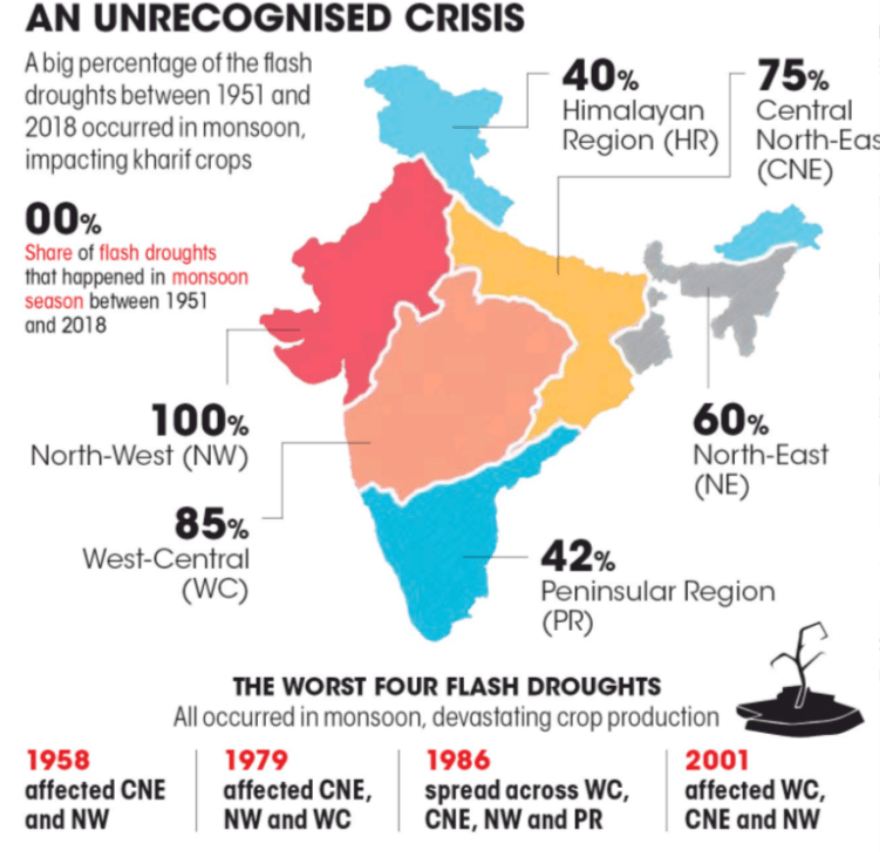
Flash drought is a rapidly developing drought phenomenon characterized by a sudden onset and rapid intensification of dry conditions over a short period, typically weeks to months. Unlike traditional droughts that develop slowly over years, flash droughts emerge quickly due to a combination of factors, including weather anomalies and land-atmosphere interactions. These events can cause significant agricultural, hydrological, and ecological damage due to their abrupt nature.


Key Characteristics of Flash Drought

  1. Rapid Onset: Flash droughts can develop within a few weeks, often catching farmers, water managers, and policymakers off guard.
  2. Meteorological Drivers:
    • High Temperatures: Heatwaves and above-average temperatures increase evapotranspiration rates.
    • Low Precipitation: Sudden declines in rainfall or prolonged dry spells exacerbate moisture deficits.
  3. Land-Atmosphere Interaction:
    • Soil Moisture Loss: Rapid depletion of soil moisture due to high temperatures and lack of precipitation.
    • Vegetation Stress: Plants face water stress, affecting growth and crop yields.
  4. Short Duration: Typically lasts a few weeks to several months but can have lasting impacts, particularly in agriculture.

Causes of Flash Drought

  1. Climate Variability: Changes in atmospheric circulation patterns can disrupt normal weather, leading to reduced rainfall.
  2. Human Activities: Land use changes, deforestation, and over-extraction of water resources exacerbate the risk of flash drought.
  3. Natural Cycles: Phenomena like El Niño-Southern Oscillation (ENSO) influence rainfall patterns and temperature anomalies.

Impacts of Flash Drought

  1. Agricultural:
    • Damage to crops due to sudden water stress.
    • Reduced yields, particularly in rain-fed agriculture.
    • Economic losses for farmers.
  2. Ecological:
    • Stress on aquatic and terrestrial ecosystems.
    • Increased vulnerability of wildlife to habitat degradation.
  3. Hydrological:
    • Rapid depletion of reservoirs and groundwater.
    • Reduced streamflow and water availability for human and industrial use.
  4. Socioeconomic:
    • Food insecurity due to crop failures.
    • Increased costs for irrigation and water management.

Monitoring and Prediction

  1. Satellite Technology: Remote sensing helps monitor soil moisture, vegetation health, and precipitation patterns.
  2. Climate Models: Advanced modeling techniques are employed to predict flash drought risks based on temperature and precipitation forecasts.
  3. Indices:
    • Standardized Precipitation Index (SPI)
    • Evaporative Stress Index (ESI)
    • Soil Moisture Deficit Index (SMDI)

Mitigation Strategies

  1. Improved Forecasting: Investing in meteorological services to provide early warnings.
  2. Water Management:
    • Promoting efficient irrigation techniques.
    • Storing water during wet periods for use during drought.
  3. Agricultural Practices:
    • Using drought-resistant crop varieties.
    • Adopting conservation agriculture practices to retain soil moisture.
  4. Policy Interventions:
    • Developing drought preparedness plans.
    • Subsidizing crop insurance for farmers.

Examples of Flash Drought Events

  1. 2012 United States: A flash drought severely impacted corn and soybean crops, causing billions in economic losses.
  2. 2019 Southeast Asia: A rapid drought affected rice production, leading to food shortages.
  3. 2022 Europe: Unseasonably high temperatures and low rainfall caused sudden agricultural stress in parts of Western Europe.

Conclusion

Flash droughts represent an increasing challenge in the context of climate change. Their rapid onset and severe impacts demand robust monitoring systems, adaptive strategies, and sustainable resource management. By understanding their drivers and effects, societies can better prepare for and mitigate the risks associated with these sudden drought phenomena.

Building Resilient Cities: Strategies for Addressing Disasters and Climate Change

Daily writing prompt
What is something others do that sparks your admiration?

By Shashikant Nishant Sharma

As urbanization accelerates worldwide, cities are increasingly vulnerable to disasters and the adverse effects of climate change. Rising sea levels, extreme weather events, and resource shortages threaten urban infrastructure, economies, and populations. Building resilience—the ability of a city to anticipate, prepare for, respond to, and recover from adverse events—is crucial for ensuring sustainable urban development. This article explores strategies to make cities resilient against disasters and climate change.


Understanding Urban Resilience

Urban resilience encompasses a city’s capacity to:

  • Minimize risks and vulnerabilities.
  • Absorb, recover, and adapt to adverse conditions.
  • Maintain functionality despite disruptions.

The concept of resilience is holistic, addressing physical infrastructure, social systems, governance, and environmental sustainability.


Strategies to Enhance Urban Resilience

1. Adopting Climate-Smart Urban Planning

Cities should incorporate climate change scenarios into their urban planning processes. This includes:

  • Zoning regulations to prevent development in high-risk areas such as floodplains and coastal zones.
  • Promoting mixed-use development to reduce travel demand and associated emissions.
  • Implementing green infrastructure like parks, wetlands, and green roofs to manage stormwater and reduce the urban heat island effect.

2. Investing in Resilient Infrastructure

Robust infrastructure systems can withstand disasters and adapt to changing climatic conditions. Key measures include:

  • Designing flood-resistant buildings and elevated roadways.
  • Strengthening existing infrastructure against earthquakes and other hazards.
  • Developing energy-efficient systems powered by renewable energy sources.

3. Strengthening Early Warning Systems

Timely information about impending disasters can save lives and reduce damage. Cities should:

  • Deploy advanced monitoring technologies for weather and environmental changes.
  • Develop community-based alert systems that ensure everyone, including marginalized groups, receives warnings.
  • Conduct regular emergency drills to improve preparedness.

4. Enhancing Community Participation

A resilient city relies on the active participation of its citizens. Strategies to empower communities include:

  • Community-based disaster risk management (CBDRM) programs.
  • Encouraging local stewardship of natural resources.
  • Conducting public awareness campaigns on disaster preparedness and climate adaptation.

5. Fostering Sustainable Mobility

Transportation systems should be designed to endure disruptions while minimizing emissions. Solutions include:

  • Investing in public transportation and non-motorized transport infrastructure.
  • Promoting electric vehicles and carpooling systems.
  • Developing adaptive transport networks with redundancies to ensure connectivity during crises.

6. Building Financial Resilience

Economic stability underpins urban resilience. Cities should:

  • Establish disaster insurance schemes for public infrastructure and private assets.
  • Create emergency funds to finance recovery efforts.
  • Support livelihood diversification for urban populations to reduce dependency on climate-sensitive sectors.

7. Promoting Nature-Based Solutions

Nature-based solutions harness the power of ecosystems to mitigate climate risks. These include:

  • Restoring mangroves and wetlands to act as natural buffers against storm surges.
  • Implementing urban forests to reduce air pollution and regulate temperatures.
  • Encouraging permeable pavements to enhance groundwater recharge and reduce urban flooding.

8. Strengthening Governance and Policy Frameworks

Resilient cities require strong institutional frameworks. Effective governance includes:

  • Creating integrated disaster management plans.
  • Establishing climate adaptation policies aligned with global frameworks like the Paris Agreement.
  • Encouraging multi-stakeholder collaborations between governments, businesses, and civil society.

Case Studies of Resilient Cities

1. Rotterdam, Netherlands

Rotterdam is a global leader in urban resilience. Its innovative water management system, including flood barriers, floating buildings, and water plazas, demonstrates the city’s commitment to combating sea-level rise.

2. Sendai, Japan

Sendai’s reconstruction after the 2011 earthquake and tsunami showcases a model for disaster resilience. The city emphasized community engagement, robust infrastructure, and sustainable energy systems.

3. Medellín, Colombia

Once plagued by violence and poor infrastructure, Medellín transformed into a resilient city through inclusive urban planning, such as its famous cable cars and green corridors.


Conclusion

Making cities resilient to disasters and climate change is no longer optional; it is a necessity. The integration of innovative planning, robust infrastructure, community involvement, and sustainable practices can enable cities to thrive in the face of adversity. Governments, urban planners, and citizens must collaborate to build cities that are not only safe and sustainable but also adaptable to an uncertain future.

Investing in urban resilience today will pay dividends in securing the wellbeing of future generations.

References

Acuti, D., & Bellucci, M. (2020). Resilient cities and regions: planning, initiatives, and perspectives. Climate Action, 763-774.

Greenwalt, J., Raasakka, N., & Alverson, K. (2018). Building urban resilience to address urbanization and climate change. In Resilience (pp. 151-164). Elsevier.

Jabareen, Y. (2013). Planning the resilient city: Concepts and strategies for coping with climate change and environmental risk. Cities31, 220-229.

Khan, A., Carlosena, L., Khorat, S., Khatun, R., Das, D., Doan, Q. V., … & Niyogi, D. (2023). Urban cooling potential and cost comparison of heat mitigation techniques for their impact on the lower atmosphere. Computational Urban Science3(1), 26.

Orsetti, E., Tollin, N., Lehmann, M., Valderrama, V. A., & Morató, J. (2022). Building resilient cities: climate change and health interlinkages in the planning of public spaces. International journal of environmental research and public health19(3), 1355.

Sharma, S. N. (2018). Review of National Urban Policy Framework 2018. Think India Journal21(3), 74-81.

India’s National Statement at the High-level Segment of the CoP29 of UN Climate Change Conference at Baku, Azerbaijan

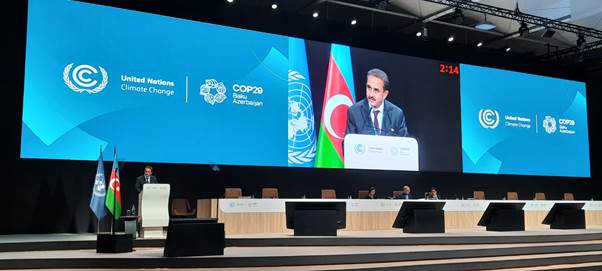
Delivering India’s National statement at the High-level Segment of the CoP29 of UN Climate Change Conference at Baku, Azerbaijan today, Union Minister of State for Environment, Forest and Climate Change, Shri Kirti Vardhan Singh called the CoP as historic and called all Nations to put up a collective fight against Climate Change, under UNFCCC and its Paris Agreement. He said, “What we decide here, will enable all of us, particularly those in the Global South, to not only take ambitious mitigation action but also adapt to Climate Change. This CoP is historic in this context”.

The Minister reiterated that the decisions on this forum should be guided by the core principles of Equity, Climate Justice and Common but Differentiated Responsibilities and Respective Capabilities provided in the UNFCCC and its Paris Agreement. The context of different national circumstances, sustainable development goals and poverty eradication, particularly in respect of the Global South should not be lost sight of, he added.

India’s statement noted that the high Carbon Emission Development Pathways of the Global North in past have left very little carbon space for the Global South. However, it read, the growth trajectories for fulfilling the primary needs of sustainable development and poverty eradication cannot be compromised. The Minister asserted, “Despite not contributing to the problem, we in the Global South are bearing huge financial burden on account of climate actions for mitigation on the one hand, and losses and damages caused by climate change on the other, thus severely limiting our capacity to meet our developmental needs. But these have not dampened India’s resolve and commitment to take ambitious climate actions.”

Informing the gathering about India’s initiatives towards combating Climate Change, Shri Singh said that the country has achieved the 2015 NDC targets on emission intensity reduction and non fossil based installed electricity generation capacity much earlier than 2030 and have further enhanced its ambition. The Minister talked about how India’s Renewable Energy Capacity has nearly tripled from its 2014 levels and the country is on the course to achieve the 500 GW target by 2030. Further, he said, “India has launched the Mission LiFE- Lifestyle for Environment to encourage the sustainable lifestyle practices at the global level. Mission LiFE inspires individuals, communities and societies to exercise choices and behaviours that focus on mindful utilisation of resources.”

Talking about how India is at the forefront of pro-planet actions, Shri Singh stated, “The campaign – ‘Ek Ped Maa ke Naam’ – was launched by Prime Minister Shri Narendra Modi, on World Environment Day 2024, wherein one billion saplings have been planted already. ‘Plant4Mother’, which exhorts everyone to plant a tree as a mark of love, respect and honour of our mother and Mother Earth has resonated across the spectrum because of its powerful, inspirational and emotional connect, the Minister added.

Furthermore, the Indian statement informed about its initiatives like the International Solar Alliance, Coalition for Disaster Resilience Infrastructure (CDRI), Global Biofuel Alliance, Leadership Group on Industry Transition and Resource Efficiency and Circular Economy Industry Coalition that have been launched with different partner countries, in pursuance of global climate actions. 

India called out some of the developed countries that have resorted to unilateral measures making climate actions more difficult for the Global South. Raising of climate ambitions to align with Paris Temperature Goals has to be preceded by free availability of green technologies, producing them on scale and availability of finance for their deployment, particularly in the Global South. The statement read, “The emergent situation we are in, there is no option but to break all barriers to flow of technology, finances and capacity to the Global South. The theme of this CoP – ‘enabling actions and enhanced ambition’ is very relevant in this context. CoP29 is the CoP for Climate Finance – the New Collective Quantified Goals (NCQG) on Climate Finance for mobilizing climate finance for meeting the needs and priorities of Developing countries.”

In the statement, Shri Singh called for the need to appreciate that huge costs are being imposed on a Developing country like India, for undertaking the climate actions. He said, “What we decide here on NCQG must be founded on the principle of Climate Justice. The decisions must be ambitious and unambiguous, taking into consideration the evolving needs and priorities of the Developing countries, and their commitment to sustainable development and eradication of poverty.”

Reminding the gathering that the Nationally Determined Contributions (NDCs) are due for submission the next year, India stated that the breach of carbon space seems imminent towards the end of this critical decade. The statement said, “It is imperative, therefore, that the Developed countries show leadership in mitigation actions, as required under Paris Agreement, by not just advancing their net zero targets but providing enough carbon space for Developing countries like ours to develop. What we decide here will determine the course of history. I urge that all of us should work with determination towards making the CoP 29, meaningful and impactful in its outcomes. Please be assured of India’s full cooperation for a successful COP-29.”

*****

How the climate adversities hit India in 2022.

The year 2022 saw several extreme weather events all over the world due to climate emergency. These events are expected to increase if the effects of climate change are not mitigated.

Vulnerable countries also geared up this year for a renewed battle over compensation for the growing hazards of global warming from richer countries, also known as loss and damage, at the 27th Conference of Parties (COP27) to the United Nations Framework Convention on Climate Change (UNFCC).

There is more evidence of the worsening impact of global warming on the Indo-Gangetic Plain (IGP) that straddles eastern Pakistan, northern India, southern Nepal and the whole of Bangladesh. 

A loss and damage fund was created at the COP27, focusing on particularly vulnerable countries. But questions remain about who is eligible to receive money and who has to pay it.

Every state and Union territory (UT) reported dengue cases till November 2022. The increasing burden of dengue has often been linked with climate change, among other factors. India recorded 63,280 dengue cases as of September 30, 2022. 

The average global surface temperature January-December 2021 was the sixth highest since global records began in 1880.

India lost 159 billion dollars in 2021 due to heat waves.

Photo by Fabio

India suffered an income loss of USD 159 billion, 5.4 per cent of its gross domestic product, in the service, manufacturing, agriculture, and construction sectors due to extreme heat in 2021, according to a new report.

Heat exposure in the country led to the loss of 167 billion potential labour hours, a 39 per cent increase, said the Climate Transparency Report 2022 compiled by an international partnership of organisations.

Labour productivity in India is projected to decline by five per cent from the 1986–2006 reference period if global temperatures increase by 1.5 degrees Celsius, it said. The decline in labour productivity will be 2.1 times more if the global temperatures increase by 2.5 degrees Celsius, and 2.7 times at a three degree Celsius scenario.

Losses to earnings from heat-related labour capacity reduction were the highest in India among G20 nations in 2021. Other countries include Indonesia (1.6% of GDP), and Saudi Arabia (1% of GDP).

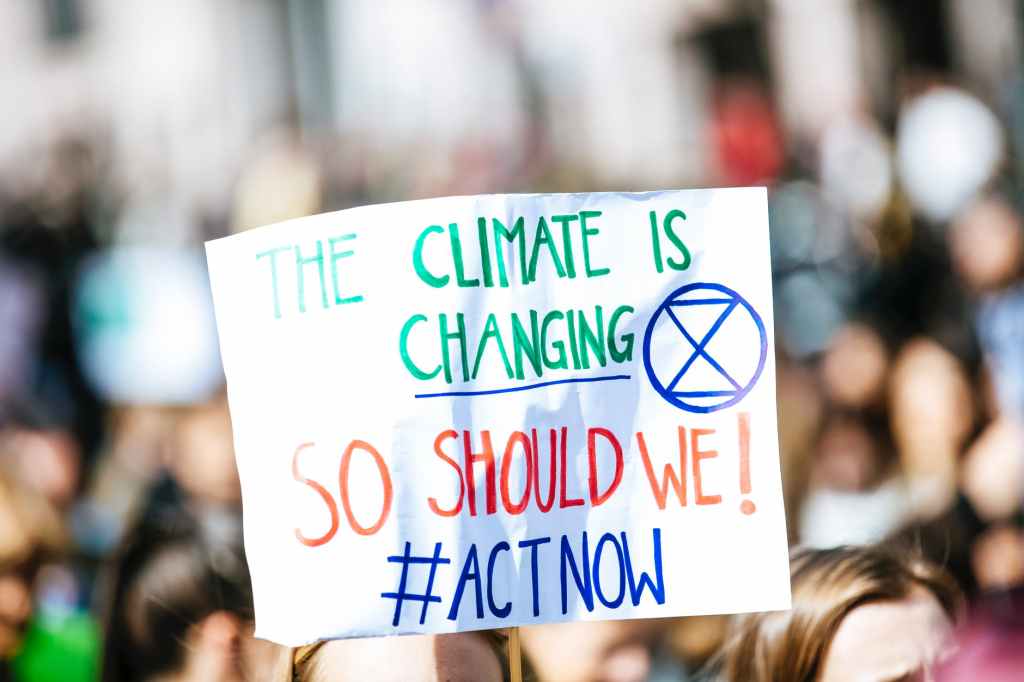
Climate change

Climate change is influencing each country on each mainland. It is upsetting public economies and influencing lives. Climate designs are changing, ocean levels are rising, and climate occasions are turning out to be more limit.

Albeit ozone depleting substance outflows are projected to drop around 6% in 2020 because of movement forbids and monetary log jams coming about because of the COVID-19 pandemic, this improvement is just brief. Climate change isn’t on stop. When the global economy starts to recuperate from the pandemic, emanations are required to get back to more elevated levels. Saving lives and livelihoods requires pressing activity to address both the pandemic and the climate crisis.

The Paris Agreement, embraced in 2015, expects to reinforce the global reaction to the danger of climate change by keeping a global temperature rise this century well under 2 degrees Celsius above pre-modern levels. The understanding likewise intends to reinforce the capacity of nations to manage the effects of climate change, through proper monetary streams, another innovation system and an upgraded limit building structure.

Climate change incorporates both global warming driven by human-prompted outflows of ozone harming substances and the subsequent enormous scope shifts in climate designs. However there have been past times of climatic change, since the mid-twentieth century people remarkably affect Earth’s climate framework and caused change on a global scale. Prior to the 1980s, when it was muddled whether warming by ozone harming substances would overwhelm airborne instigated cooling, researchers frequently utilized the term coincidental climate adjustment to allude to humanity’s effect on the climate. During the 1980s, the terms global warming and climate change were advocated, the previous alluding just to expanded surface warming, the last portraying the full impact of ozone depleting substances on the climate.[21] Global warming turned into the most famous term after NASA climate researcher James Hansen utilized it in his 1988 declaration in the U.S. Senate. During the 2000s, the term climate change expanded in prominence. Global warming ordinarily alludes to human-instigated warming of the Earth framework, though climate change can allude to normal just as anthropogenic change,The two terms are regularly utilized conversely.

Climate Change

Climate change is basically known as a change in the structure of the climate, which has been running for many decades and centuries. Various natural factors that change the nature of the Earth’s atmosphere are also known as ecosystems which are pressurized on the environment.These special external systems, which put pressure on the environment, may be natural, such as variation in Earth’s orbit, inequality in solar radiation, volcanic eruptions, plate tectonics, etc. and various human activities such as greenhouse gas, carbon emissions etc.

Various activities of human beings, such as deforestation, excessive use of land have also been included in this particular external system to bring about change in the environment, the formation of different conditions has been made naturally as it involves ocean activity. It includes-environmental variability and the presence of life on Earth.

Photo by Markus Spiske on Pexels.com

Climate change refers to the change in the environmental conditions of the earth. This happens due to many internal and external factors. The climatic change has become a global concern over the last few decades. Besides, these climatic changes affect life on the earth in various ways. These climatic changes are having various impacts on the ecosystem and ecology. Due to these changes, a number of species of plants and animals have gone extinct.

When Did it Start?

The climate started changing a long time ago due to human activities but we came to know about it in the last century. During the last century, we started noticing the climatic change and its effect on human life. We started researching on climate change and came to know that the earth temperature is rising due to a phenomenon called the greenhouse effect. The warming up of earth surface causes many ozone depletion, affect our agriculture, water supply, transportation, and several other problems.

Reason Of Climate Change

Although there are hundreds of reason for the climatic change we are only going to discuss the natural and manmade (human) reasons.

Natural Reasons These include volcanic eruption, solar radiation, tectonic plate movement, orbital variations. Due to these activities, the geographical condition of an area become quite harmful for life to survive. Also, these activities raise the temperature of the earth to a great extent causing an imbalance in nature.Human ReasonsMan due to his need and greed has done many activities that not only harm the environment but himself too. Many plant and animal species go extinct due to human activity. Human activities that harm the climate include deforestation, using fossil fuel, industrial waste, a different type of pollution and many more. All these things damage the climate and ecosystem very badly. And many species of animals and birds got extinct or on a verge of extinction due to hunting.Effects Of Climatic ChangeThese climatic changes have a negative impact on the environment. The ocean level is rising, glaciers are melting, CO2 in the air is increasing, forest and wildlife are declining, and water life is also getting disturbed due to climatic changes. Apart from that, it is calculated that if this change keeps on going then many species of plants and animals will get extinct. And there will be a heavy loss to the environment.What will be Future?If we do not do anything and things continue to go on like right now then a day in future will come when humans will become extinct from the surface of the earth. But instead of neglecting these problems we start acting on then we can save the earth and our future.

Although humans mistake has caused great damage to the climate and ecosystem. But, it is not late to start again and try to undo what we have done until now to damage the environment. And if every human start contributing to the environment then we can be sure of our existence in the future.

CONSTITUTIONAL PROVISIONS RELATED TO ENVIRONMENT

Environmental legislation are often defined as, a set of laws and regulations which are aimed toward protecting the environment from harmful actions. In both the international commitments and constitutional framework of India, the need for protection and conservation of environment is reflected.

Constitutional Provisions

By the Constitution (Forty-Second Amendment) Act, 1976 , Article 48A was added as a part of Directive Principles of State Policy and Article 51A as a fundamental duty of every citizen of India.

Article 51A under Part IV A of the Indian constituition talks about the 11 fundamental duties that are expected to be performed by the citizens of India. One of these is to protect and improve the natural environment including forests, lakes, rivers and wildlife, and to have compassion for living creatures. Furthermore, Article 48 A, of the Directive Principles of State Policy (DPSP) enumerated in Part IV of the Indian Constitution says that the State shall aspire to protect and improve the environment and to conserve the forests and wildlife of the country.

Some of International Conventions for Environment Protection to which India is a Signatory :

Stockholm Convention

The objective of the convention is to target additional POPs for action, supporting safer alternatives, and make a POPs-free future. It calls to ban nine of the dirty dozen chemicals (key POPs), limit the use of DDT to malaria control. As per Article 25(4), India ratified the Convention in 2006.

Montreal Protocol 1987

The Montreal Protocol was negotiated and signed by 197 parties in 1987 with the aim to control the consumption and production of chlorofluorocarbons (CFCs) which is responsible for Ozone Layer depletion.

The adoption of the 2016 Kigali Amendment to the Montreal Protocol is projected to reduce future global average warming in 2100 due to hydrofluorocarbons (HFCs) from a baseline of 0.3–0.5°C to less than 0.1°C.

United Nations Framework Convention on climate change (UNFCCC)

It was signed in 1992 at the United Nations Conference on Environment and Development ( Earth Summit, the Rio Summit or the Rio Conference). The parties to the convention meet annually at the Conference of the Parties (COP) to review the progress under the convention. It aims to achieve stabilization concentration of greenhouse gases in the atmosphere at a certain level that would prevent the climate.

United Nations Convention to Combat Desertification (UNCCD)

It was established in 1994 with the aim to take care of and restore land and soil productivity, and to minimise impact of drought.

Places in India that turn beautifully green during Monsoons.

Monsoons not only give new life to nature, but also drape the surroundings in lively greens. While those used to city life might be unaware of such a thing, India boasts of places that turn lush green during the rainy season. If you are also interested to visit such places, here’s a list of places that turn beautifully green during the monsoons.

Top stunning places for your monsoon wishlist.


Cherrapunji, Meghalaya

Cherrapunji, being the second wettest place on Earth, boasts of pleasant weather throughout the year. When here, you might witness rains coming in with such velocity that you will be drenched in no time. And although it receives a huge amount of rainfall, the beauty of this place is that it does not get flooded. In fact, the place turns livelier during the rainy season, with sounds of chirping and humming of birds and insects, along with the thundering sound of rivers flowing at the bottom of the valley.


Chikmagalur, Karnataka

Chikmagalur is blessed with many attractions that turn magical during the monsoons. Sitting in the lap of Western Ghats, it is one of the places that you will make you crave for more. During this time, you can enjoy a drive to Charmadi Ghat near Chikmagalur; the drive will take you through the Western Ghats, home to many gorgeous waterfalls. Further, the spot is also dotted with tall mountains, vast tropical rain forests, and green valleys, all of which turn alive during the monsoons. You need to visit this spot during this time to believe it.

Bhandardara, Maharashtra

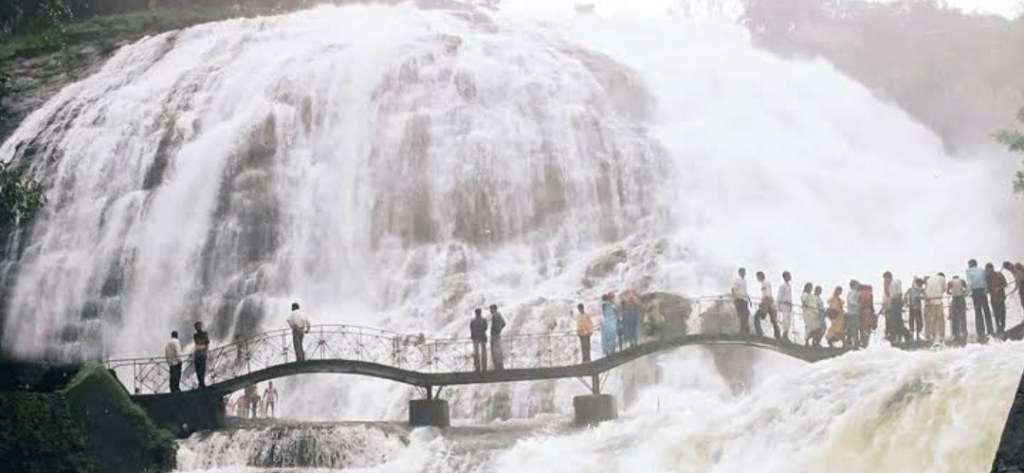
Monsoon is a very pleasant time in Bhandardara, as the Randha Falls and streams and lakes get drenched in monsoon rains. The landscape turns fresh, dewy, and green, making it a lovely spot to visit during this time. Further, Bhandardara being situated in the Sahyadri Mountains of the Western Ghats, it also turns into a haven for hikers and trekkers in and around Maharashtra. However, be sure to avoid the trails that turn slippery during the rains.

Mussoorie, Uttarakhand

During monsoons, Mussoorie turns greener than ever, and makes rains the best time to visit. The crowd too gets thinner at this time as compared to summers and winters. If you visit the Queen of Hills during the rainy season, you get the opportunity to witness the dreamlike setting of monsoon that brings out the best of Mussoorie. The beautiful landscapes, serene ambience, make this spot a must ‘green getaway’ during the rainy season.


Banswara, Rajasthan

Also known as the City of Hundred Islands, it’s a paradise of a place to visit during the monsoons. It got its name from the bans or bamboo trees that once grew in abundance here. Lush green hillocks, scenic surroundings, the presence of youthful lakes and rivers, make this spot so gorgeous that you will forget that you are in Rajasthan. When here, visit the lake banks and Mahi river dam that turn stunning during the rains, thereby making it a dreamy monsoon destination.

Heavy Rainfall next five days

Delhi, UP, Uttarakhand and Himachal to Receive Heavy Rainfall Next Five Days.

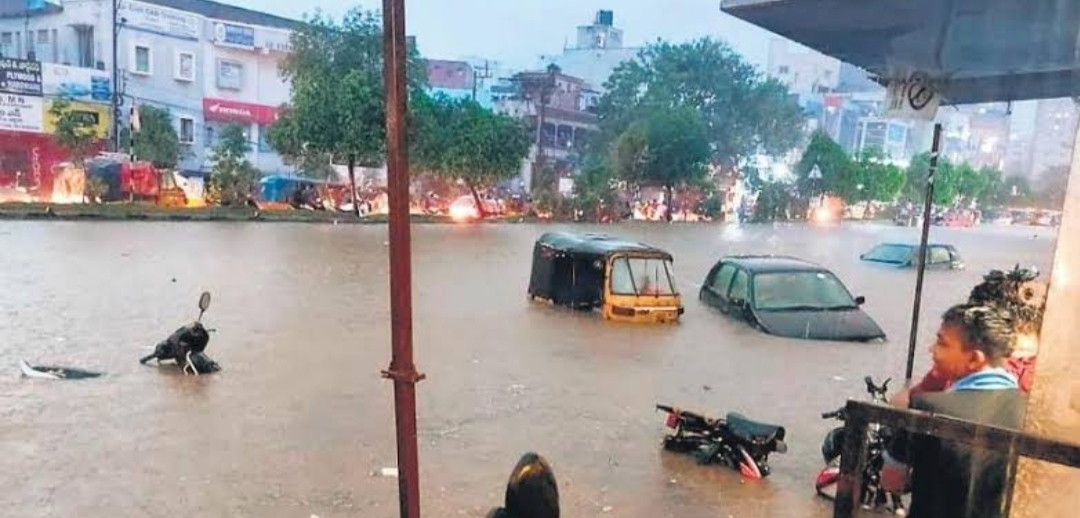
The India Meteorological Department (IMD) has predicted heavy to very heavy rainfall at some places of North India, including Delhi, Uttar Pradesh, Himachal Pradesh, Uttarakhand, during the next 5 days. 

The department has also issued an orange alert in Rajasthan and Jammu and Kashmir. It also issued a yellow alert in Himachal Pradesh and Uttarakhand, which are facing heavy losses due to cloudburst. The Metrological department issued a red alert for Madhya Maharashtra and Goa.

The prediction are taken at a time when monsoon has entered in most of the states of the country.

Following are the meaning of the color of the alert issued by authorities::

Green Alert: It means there is no danger as there is no chance of rain.

Yellow Alert: This alert means that there will be rainfall and weather will remain unclear

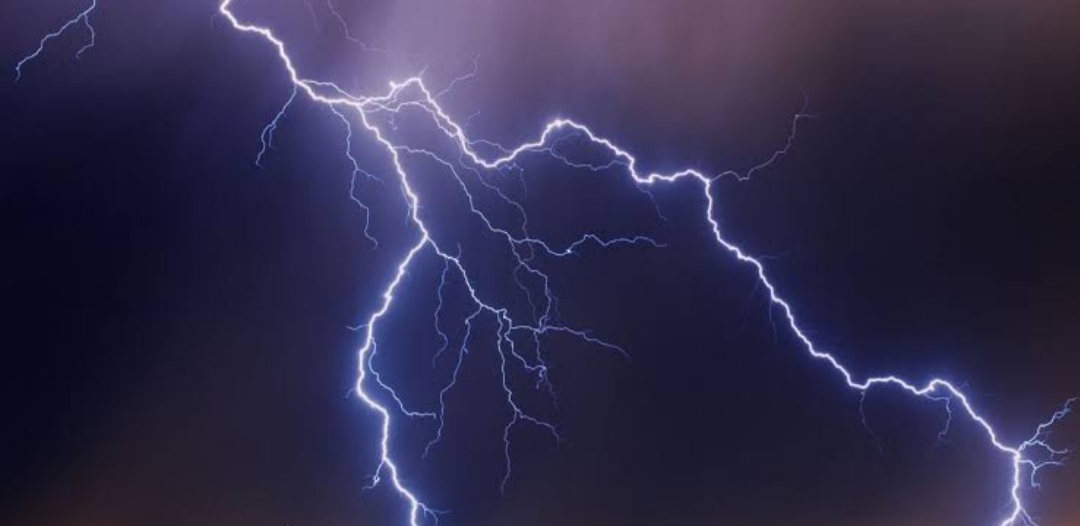
Orange Alert: This means that there is a full possibility of rainfall and thunderstorms. So one should not go out unless it is absolutely necessary.

Red Alert: Red Alert means warning of dangerous weather. Through this alert, people are warned against going out of their homes.

The moisture-laden winds are advancing from the Bay of Bengal towards all parts of the country due to changes in conditions that promote the advancement of these winds.

Acid Rain

“The unthinkable is that we’re distorting this atmospheric balance. We’re shifting the chemical balance so that we have more poisons in the atmosphere – ozones and acid rain on ground level – while we’re also changing the thermal climate of the earth through the greenhouse effect and – get this – simultaneously causing destruction of our primary filter of ultraviolet light. It’s incredible. Talk about the national-debt crisis – we’re piling up debts in the atmosphere, and the piper will want to be paid.”

~ Michael Oppenheimer

Introduction

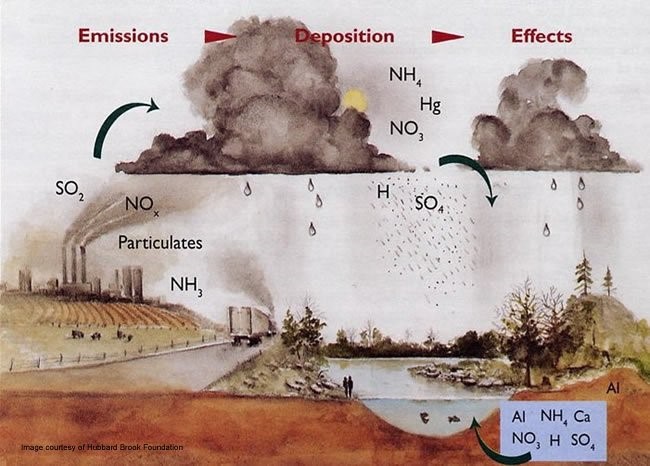
Acid rain, or acid deposition, is a broad term that includes any form of precipitation with acidic components, such as sulfuric or nitric acid that fall to the ground from the atmosphere in wet or dry forms. This can include rain, snow, fog, hail or even dust that is acidic.

Acid rain is caused by a chemical reaction that begins when compounds like sulfur dioxide and nitrogen oxides are released into the air. These substances can rise very high into the atmosphere, where they mix and react with water, oxygen, and other chemicals to form more acidic pollutants, known as acid rain.

It can have harmful effects on plants, aquatic animals, and infrastructure.

Effects of Acid Rain

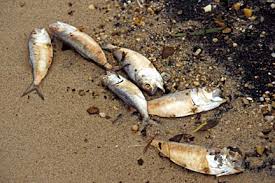
The ecological effects of acid rain are most clearly seen in aquatic environments, such as streams, lakes, and marshes where it can be harmful to fish and other wildlife. As it flows through the soil, acidic rain water can leach aluminum from soil clay particles and then flow into streams and lakes.

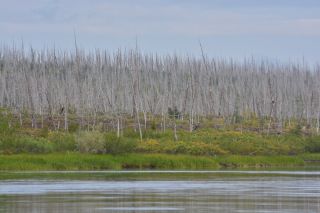
Acid rain has been shown to have adverse impacts on forests, freshwaters, and soils, killing insect and aquatic life-forms, causing paint to peel, corrosion of steel structures such as bridges, and weathering of stone buildings and statues as well as having impacts on human health.

Acid rain also causes the corrosion of water pipes. Which further results in leaching of heavy metals such as iron, lead and copper into drinking water.

Prevention

1. The only precaution that we can take against acid rain is having a check at the emission of oxides of nitrogen and sulphur.
2. We have so far seen the details of acid rain and its harmful effect on animals, plants and the monuments.
3. Being responsible citizens, one should be aware of the harmful effects they cause and of the industries which give out nitrogen and sulphur compound wastes unethically. 4.A great way to reduce acid rain is to produce energy without using fossil fuels. Instead, people can use renewable energy sources, such as solar and wind power. Renewable energy sources help reduce acid rain because they produce much less pollution.

Acid Rain in India

Analysis of rainwater samples from Nagpur, Mohanbari (in Assam), Allahabad, Visakhapatnam and Kodaikanal in the decade 2001-2012 showed a pH level varying from 4.77 to 5.32, indicating that these places have actually been receiving ‘acid rain’. Rainwater with pH below 5.65 is considered acidic.

As energy requirements in India will grow rapidly in tune with the economy, coal dependence is expected to increase threefold over the current level of consumption, making the clouds of acid rain heavier over many highly sensitive areas in the country – the northeast, parts of Bihar, Orissa, West Bengal ,etc ,.

The rains in the Indian Ocean and the Arabian Sea and the Bay of Bengal have become acidic. Studies show the importance to regularly monitor more places for acid rains. But the mechanism to study acid rains is at present inadequate in India. imd stations are not located in the most polluted areas in the country.

Link