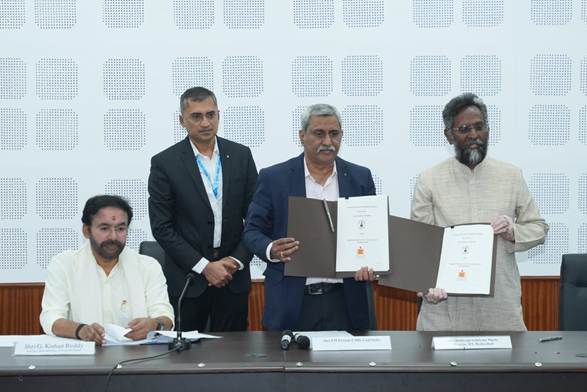
Coal India Limited (CIL) has inked a memorandum of understanding (MoU) with Indian Institute of Technology, Hyderabad (IIT-H), on 7 March, for establishing a Centre of Clean Coal Energy and Net Zero (CLEANZ) at Hyderabad.
The joint initiative between CIL and IITH aims to develop clean coal technologies and diversification in coal utilization. Both the entities will synergize their efforts in developing cutting edge technology readiness level (TRL) for sustainable utilization of Indian coal. This is in line with the country’s Net Zero commitments. The Coal Ministry is also keen in developing research capabilities in coal sector and advised to take up research projects relevant to India’s coal and energy sectors.
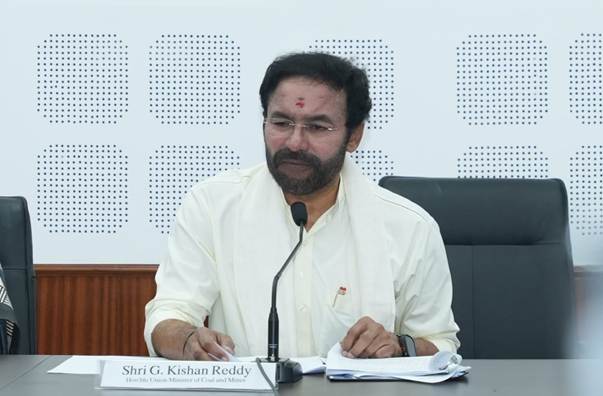
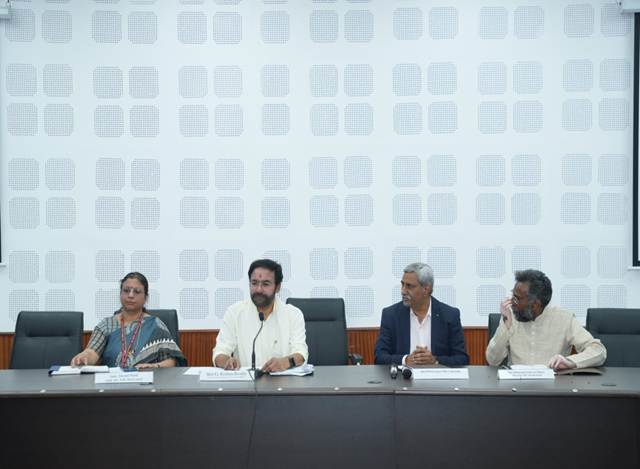
Shri G Kishan Reddy, Union Minister of Coal & Mines was the Chief Guest, and the pact was formally signed in his presence by P M Prasad, Chairman, CIL and Prof. B S Murty, Director, IITH in Hyderabad.
CIL’s management has green flagged a grant of Rs.98 Crores to IITH for a duration of five years for setting up this Centre of Excellence. It is anticipated that the project will be financially self-sustainable beyond the initial five year funding received from CIL.
CIL’s Board earlier in July 2024 has given its nod to focus on providing grants to reputed government institutions and research organizations under R&D expenditure. The objective is to enhance research capabilities and establishment of Centres of Excellence.
The current collaborative model is an R&D endeavour under the umbrella of National Centre for Coal and Energy Research (NaCCER). This is an independent R&D unit of CMPDI, the mine development and consultancy arm of CIL.
CLEANZ envisions net zero utilization with special emphasis on low grade and rejected coal. The thematic areas under CLEANZ are enhanced coal bed methane and coal mine methane recovery, carbon capture technologies, coal gasification and syngas utilization, energy efficiency and conservation, artificial intelligence and machine learning among others.
Other salient features are training and assisting CIL officials in tech adoption, skill and capability enhancement, extraction and beneficiation technologies for critical minerals.
Namami Gange Programme’, is an Integrated Conservation Mission, approved as ‘Flagship Programme’ by the Union Government in June 2014 with budget outlay of Rs.20,000 Crore to accomplish the twin objectives of effective abatement of pollution, conservation and rejuvenation of National River Ganga.
The Government of India (GoI) launched the Namami Gange Programme (NGP) in 2014-15 for the rejuvenation of river Ganga and its tributaries with a budgetary outlay of ₹ 20,000 crore, for five years, up to March 2021 and has been further extended to March 2026 with a budgetary outlay of ₹ 22,500 crore.
The National Ganga Plan (CS) has been allocated a financial outlay of ₹3,400 crore[1] for the year 2025-26. This investment aims to enhance sewage treatment capacity, improve water quality, and regulate industrial waste discharge to rejuvenate the Ganga River and achieve prescribed bathing standards by 2025.
Ganga: Lifeline of India
The Ganga River, one of the most sacred rivers in the world, faces significant threats from excessive water abstraction and pollution. As a vital part of India’s cultural heritage and a key resource for sustenance, the river’s health is of paramount importance. To address these challenges, the Namami Ganga program was launched with the twin objectives of effectively reducing pollution and conserving and rejuvenating River Ganga.
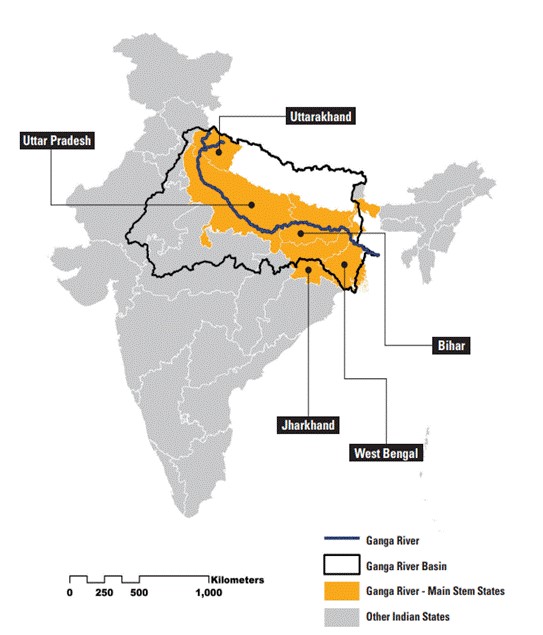
The Ganga River Basin
The Ganga River basin is the largest in India, encompassing 27% of the country’s land mass and supporting about 47% of its population. Spanning over 11 states, the basin covers nearly 27% of India’s total geographical area. The majority of the basin, around 65.57%, is used for agriculture, while water bodies cover 3.47% of the area. Despite receiving 35.5% of the total water input in terms of precipitation, the Ganga River Basin is the second most water-stressed basin in India, following the Sabarmati Basin, with only 39% of the average per capita annual rainwater input among major Indian river basins. [2]
Vision
The vision for Ganga rejuvenation revolves around restoring the river’s wholesomeness, defined by ensuring “Aviral Dhara” (Continuous Flow), “Nirmal Dhara” (Unpolluted Flow), and maintaining its geological and ecological integrity. A comprehensive Ganga River Basin Management Plan (GRBMP) was developed by a consortium of seven IITs, emphasizing an Integrated River Basin Management (IRBM) approach with multi-sectoral and multi-agency interventions.
Key Interventions
Pollution Abatement (Nirmal Ganga): Addressing and reducing the sources of pollution in the river.
Improving Ecology and Flow (Aviral Ganga): Enhancing the ecological health and continuous flow of the river.
Strengthening People-River Connect (Jan Ganga): Fostering a deeper connection between the people and the river through community engagement and awareness.
Facilitating Research and Policy (Gyan Ganga): Promoting diversified research, scientific mapping, studies, and evidence-based policy formulation
Over the years, concerted efforts made by NMCG are beginning to find success in restoring the pristine glory of the river.
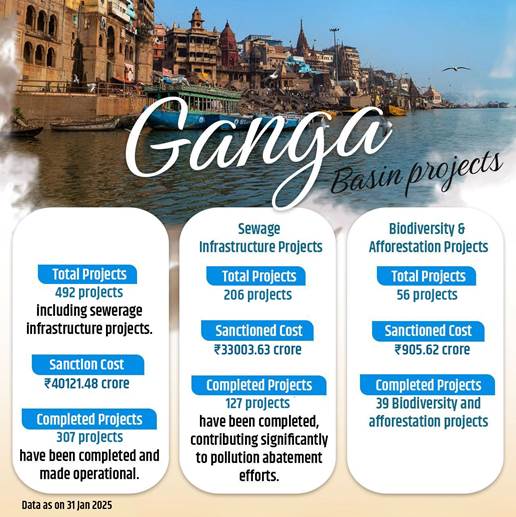
A comprehensive total of 492 projects, valued at 40121.48 Crore, have been launched.
Among these, 307 projects have reached completion and are now operational.
An impressive 206 projects addressing Sewage Infrastructure have been set in motion.
A substantial fund of 33003.63Crore has been sanctioned for these sewage infrastructure projects.
Of these, 127 sewerage projects have been successfully completed, playing a pivotal role in mitigating pollution.
Additionally, 56 projects dedicated to Biodiversity & Afforestation have been undertaken.
These projects have received a funding commitment of over ₹ 905.62 Crore.
Notably, 39 projects focused on biodiversity and afforestation have been successfully concluded, augmenting the ecological equilibrium of the Ganga basin.
Government’s Recent Initiatives for a Pollution Free Ganga[4]
In a major step towards tackling pollution, the 60th Executive Committee Meeting of the National Mission for Clean Ganga (NMCG) approved the interception and diversion of the Durga Drain and the construction of a 60 MLD capacity sewage treatment plant (STP) in Varanasi, Uttar Pradesh, at a cost of ₹274.31 crore. This project, based on the hybrid annuity model, includes a 75 MLD capacity main pumping station and other essential structures, ensuring long-term wastewater management and pollution control.
Additionally, a significant project was approved to prevent the flow of untreated sewage into Varuna, a major tributary of the Ganga, in Bhadohi. With an investment of ₹127.26 crore, this initiative will establish three STPs with capacities of 17 MLD, 5 MLD, and 3 MLD, along with an extensive sewer network to tap four major drains and prevent pollution. This project follows the Design-Build-Operate-Transfer (DBOT) model, ensuring sustainable operation and maintenance over the next 15 years.
A National Framework for Safe Reuse of Treated Water has been developed by NMCG to guide States in formulating their reuse policies and to establish economic models for the reuse of treated wastewater. NMCG has also issued a guidance handbook for urban policymakers and city officials on safely reusing treated water, which aims to conserve freshwater resources and promote sustainable water management practices. [5]
Seven Biodiversity Parks in seven districts(Mirzapur, Bulandshahar, Hapur, Budaun, Ayodhya, Bijnore and Pratapgarh) of Uttar Pradesh and 5 priority wetlands in Uttar Pradesh (3), Bihar (1) and Jharkhand (1) have been sanctioned.
NMCG, through the State Forest Department, has implemented a forestry intervention project along the main stem of river Ganga. 33,024 hectares area have been afforested with an expenditure of about ₹ 398 crore.
A total of 143.8 lakhs of Indian Major Carp (IMC) fingerlings have been ranched in the Ganga since 2017 to conserve fish biodiversity and prey base for river Dolphins, and ensure the livelihood of fishers in the Ganga basin under the special project implemented by Central Inland Fisheries Research Institute (CIFRI).
A total of 203 number of sewerage infrastructure projects costing ₹ 32,613 crore have been taken up for remediation of polluted river areas with treatment capacity of 6,255 Million Litres per Day (MLD).127 STP projects with a capacity of 3,446 MLD have been completed and made operational.
For industrial pollution abatement, 3 nos. of Common Effluent Treatment Plants (CETPs) have been sanctioned, i.e., Jajmau CETP (20 MLD), Banther CETP (4.5 MLD), and Mathura CETP (6.25 MLD). Two projects, Mathura CETP (6.25 MLD) and Jajmau CETP (20 MLD) have been completed.
Conclusion
The National Mission for Clean Ganga (NMCG) strives to deploy the best available knowledge and resources globally for Ganga rejuvenation. With significant progress achieved in various interventions, the programme continues to strive towards its goal of ensuring a clean and thriving Ganga for future generations.
Researchers have found an efficient, less energy-intensive, and environmentally friendly way of synthesizing hydrogen peroxide, a chemical that is crucial to the industry for disinfection, paper bleaching, and so on.
Hydrogen peroxide (H2O2) is a versatile oxidizing agent that is widely used in environmental disinfection, chemical synthesis, paper bleaching, and fuel cells. In addition, the growth of this market is driven by the increasing awareness of disinfection, the rise in the number of surgeries, the prevalence of hospital-acquired infections, and so on. Currently, over 95% of H2O2 is produced industrially using the anthraquinone oxidation process, which is very energy intensive, expensive and produces many hazardous chemicals as by-products.
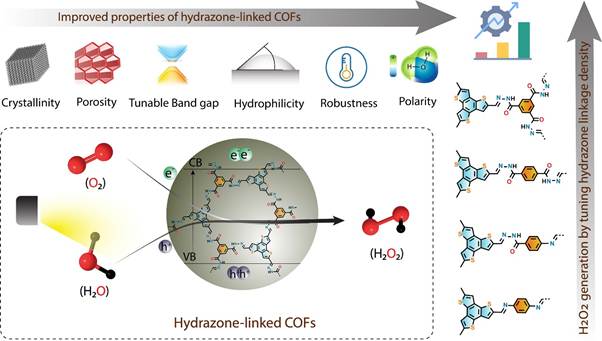
Scientists are therefore looking for an environmentally friendly and economical strategy to produce H2O2 from renewable resources with minimal environmental impact. In this context, a new class of porous and ordered polymers with modifiable catalytic sites and light-harvesting properties in visible range, called covalent organic frameworks (COFs), have emerged as promising photocatalysts.
Figure 1. Sustainable synthesis and versatile applications of hydrogen peroxide.
Researchers at S. N. Bose National Centre for Basic Sciences, Kolkata, an autonomous institute under the Department of Science and Technology (DST), have designed and prepared a series of COFs having good water affinity through careful control of the hydrazone linkage density and studied their effect on the photocatalytic performance for H2O2 generation. It was observed that the hydrazone-linked COFs provide abundant docking sites for water and oxygen, thereby promoting water oxidation reaction (WOR) and oxygen reduction reaction (ORR) – two main pathways for photocatalytic H2O2 generation.
As a result, the hydrazone-linked COF exhibited exceptional photocatalytic H2O2 production without external sacrificial electron donors when irradiated with a 40 W blue LED (λ = 467 nm). Interestingly, a significant amount of H2O2 (550 μmol g-1 h-1) was also produced under sunlight irradiation, which outperforms most organic photocatalysts under similar conditions, thus demonstrating a clean and sustainable pathway.
Furthermore, as-synthesized hydrazone-linked COFs can generate H2O2 up to 21641 μmol g-1 h-1 using an aqueous benzyl alcohol solution (water: benzyl alcohol = 90:10) by preventing the degradation of H2O2. This strategy of using a mixture of water-benzyl alcohol solution will be helpful in developing a continuous flow reactor for the sustainable production of H2O2 and will reveal a laboratory-to-industry technology transfer for the benefit of mankind.
Integrating social work into environmental and social issues is a growing necessity as the interconnectedness of human well-being and environmental health becomes increasingly evident. Social workers are uniquely positioned to address the social dimensions of environmental challenges, such as climate change, natural disasters, and pollution, which disproportionately affect vulnerable populations. By incorporating ecological perspectives into their practice, social workers can advocate for sustainable policies, educate communities about environmental risks, and help individuals and groups adapt to changing conditions. This integration fosters a holistic approach to problem-solving, emphasizing both human rights and environmental justice to create resilient communities.
Moreover, social workers can play a pivotal role in bridging the gap between grassroots movements and policy-making to address systemic inequities exacerbated by environmental degradation. For instance, they can work with marginalized communities to amplify their voices in decision-making processes, ensuring equitable access to resources like clean water, safe housing, and renewable energy. By collaborating with environmental scientists, policymakers, and community leaders, social workers contribute to sustainable development initiatives that prioritize social equity. This interdisciplinary approach not only addresses immediate social and environmental crises but also promotes long-term solutions that align with the principles of social justice and environmental stewardship.Social work is crucial in addressing multifaceted issues such as environmental sustainability, health, and gender inequality. Recent studies by scholars like MM Ogbanga have shown how social work can contribute to solving complex challenges faced by communities, particularly in regions affected by environmental and socio-economic crises.
Flooding and Housing Health Impacts in Rivers State, Nigeria Ogbanga’s research on the impacts of flooding in Ahoada East and West Local Government areas highlights how natural disasters exacerbate health and housing issues. Social workers play a pivotal role in disaster response, from aiding in community recovery to providing counseling and support to affected individuals.
Gender and Unemployment in the Niger Delta Another critical study addresses how oil exploration has worsened gender disparities and unemployment. Social work can be instrumental in advocating for policies that ensure gender equality and offer employment opportunities for marginalized groups.
Energy Poverty and Sustainability Challenges Energy poverty is another significant issue in Nigeria, especially in rural communities. Social work interventions that address this challenge include advocacy for better energy access and environmental sustainability.
The Role of Communication Skills in Social Work Effective communication is vital in social work practice, and Ogbanga’s work emphasizes how enhancing communication skills can better support communities facing social challenges.
Climate Change and Feminist Environmentalism The intersection of climate change and feminist environmentalism in the Niger Delta demonstrates how social workers can use gender-sensitive approaches to address climate change’s disproportionate impacts on women.
Through these and other studies, social work integrates into a broader framework of social justice, community resilience, and sustainable development, proving its relevance in addressing today’s global challenges. Whether addressing the aftermath of flooding, gender inequalities, or the challenges posed by environmental degradation, social workers are central to fostering adaptive responses and building sustainable futures for vulnerable populations.
For further exploration of these issues, check out the works by Ogbanga and others in journals like Nigerian Journal of Agriculture, Food and Environment, International Journal of Social Science and Humanities Research, and African Journal of Political Science and International Relations.
Referenecs
Amadi, L., Igwe, P., & Ogbanga, M. (2016). Talking Right, Walking Wrong: Global Environmental Negotiations and Unsustainable Environmental Consumption. International Journal of Research in Environmental Science, 2(2), 24-38.
Amadi, L. A., Ogbanga, M. M., & Agena, J. E. (2015). Climate change and feminist environmentalism in the Niger Delta, Nigeria. African Journal of Political Science and International Relations, 9(9), 361-371.
Briggs, N. D., Okowa, W. J., & Ndimele, O. M. (Eds.). (2013). The Economic Development of Rivers State: In Commemoration of Port Harcourt Centenary Celebration: 2013. Rivers State Economic Advisory Council/Onyoma Research Publications.
Bukie, B. F., & Ogbanga, M. M. (2024). Correctional Institutions (Prison) Congestion and the Health Implication of Inmates in Nigeria.
de Lima, G. N., Zuñiga, R. A. A., & Ogbanga, M. M. (2023). Impacts of Climate Change on Agriculture and Food Security in Africa and Latin America and the Caribbean. In Climate Change and Health Hazards: Addressing Hazards to Human and Environmental Health from a Changing Climate (pp. 251-275). Cham: Springer Nature Switzerland.
Nwakanma, E., & Ogbanga, M. M. Assessing disaster preparedness and Indigenous disaster management systems of at-risk communities in Isoko-South LGA of Delta State, Nigeria.
Ogbanga, M. M. (2024). Communication skills in social work. EduPedia Publications Pvt Ltd.
Ogbanga, M. M., & Bukie, B. F. (2024). Traditional Institutions and Conflict Resolution in Nigeria: A Social Work Analysis.
Ogbanga, M. M., & Sharma, S. N. (2024). Climate Change and Mental Heat. Eduindex
Uzobo, E., & Ogbanga, M. M. (2017). The Role of Civil Registration and Vital Statistics in the Attainment of Selected Sustainable Development Goals in Nigeria. Indian Journal of Sustainable Development, 3(2), 1-10.
Uzobo, E., Ogbanga, M. M., & Jackson, J. T. C. B. (2014). Socio-cultural factors and attitudes affecting the health status of rural communities: a study of Danmusa, Katsina State, Nigeria. Int J Sci Res, 3(3), 837-844.
Discover Cities is a fully open access, peer-reviewed journal that supports multidisciplinary research and policy developments across the field of urban science. The journal aims to be a resource for researchers, policy makers and the general public for recent advances in urban research, and the range of interdisciplinary studies that focus on cities and urban life. As a fully open access journal, we ensure that our research is highly discoverable and instantly available globally to everyone. The journal particularly welcomes work that aims to address the United Nations Sustainable Development Goals, especially Sustainable Cities and Communities; Industry, Innovation and Infrastructure; and Responsible Consumption and Production.
Topics
Topics welcomed at Discover Cities include but are not limited to the following:
Smart Cities:
Big data processing and analytics
Machine learning, and artificial intelligence applications
Mobile and wireless sensor networks; location-based services
Internet of Things (IoT); 5G and satellite-based communications
Cloud and edge computing; smart city governance
Digital twin of urban areas and systems
Urban Energy and Sustainability:
Renewable energy sources; energy consumption and carbon emissions
Smart grids and energy management; urban heat island mitigation
Energy transition and decentralization
Energy storage; water-energy nexus; energy communities; zero-energy building (nZEB)
Urban Planning, Design and Transport:
Urban design, development, regeneration and revitalization
Public transportation; pedestrian infrastructure; cycling infrastructure; shared mobility services
Urban public transportation and traffic management
Urban Constructions:
Assessment and retrofitting of existing constructions
Sustainable constructions
Innovative construction materials and techniques
Lifecycle assessment of buildings and building stocks
Urban Climate and Impacts:
Impact of climate on safety and life quality in cities
Extreme climatic events and effects
Effects of climate changes on the urban environment; adaption and mitigation
Built Environment:
Green architecture and building design; urban infrastructure;
Indoor environment
Building information modeling (BIM)
Urban Water:
Urban water infrastructure and management
Urban drainage; urban catchment hydrology and modeling
Urban water storage and contamination
Urban wastewater collection, treatment and recycling
Urban Agriculture and Forestry:
Urban farming; community gardens; rooftop farms
Vertical farming
Planting, maintaining, protecting of urban trees
Urban Economics & Policy:
Urban infrastructure investment and financing; Incentives for renewable energy adoption; energy-efficient building codes; urban housing markets and affordability
Urban poverty, inequality, and social welfare policy
Urban tourism
Urban Health and Well-being:
Healthcare services and facilities in urban areas
Urban health disparities and inequities
Urban environment and its effects on public health
Content types Discover Cities welcomes a variety of article types – please see our submission guidelines for details. The journal also publishes guest-edited Topical Collections of relevance to all aspects of urban science. For more information, please follow up with our journal publishing contact.
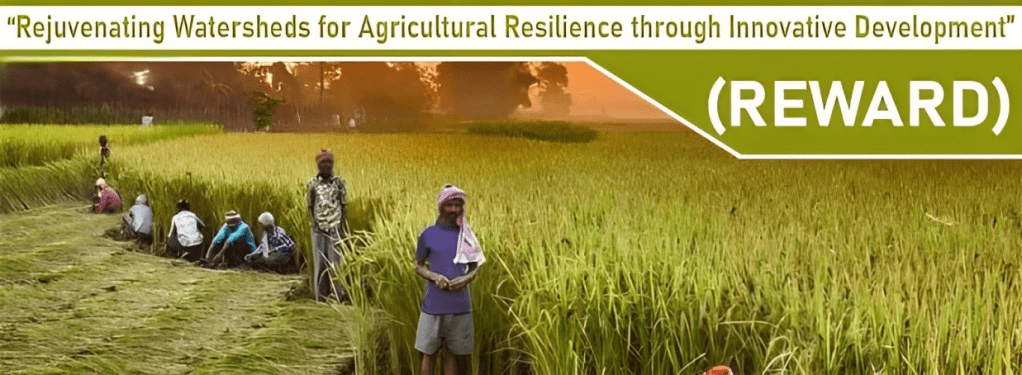
REWARD (Rejuvenating Watersheds for Agricultural Resilience through Innovative Development Programme) is a collaborative effort between the Government of India, the State Governments of Karnataka and Odisha, and the World Bank. This program, funded with a $115 million (INR 869 crore) loan, aims to enhance farmers’ resilience to climate change and promote higher agricultural productivity and incomes. By adopting improved watershed management practices, the program seeks to support the restoration of degraded land, double farmers’ income, and build a more resilient food system. It will leverage science-based approaches, spatial data, technologies, and knowledge exchanges to achieve its objectives.
Through this short article I would like to introduce you to an exciting initiative called REWARD (Rejuvenating Watersheds for Agricultural Resilience through Innovative Development Programme). This scheme has been launched by the World Bank. The REWARD is a comprehensive program designed to address the challenges faced by agricultural communities in ensuring water availability and promoting sustainable farming practices. Water scarcity and its impact on agriculture have become increasingly significant concerns in recent years. The REWARD program aims to rejuvenate watersheds by implementing innovative solutions that enhance water conservation, management, and agricultural resilience. By adopting a holistic approach, the program seeks to create a positive and sustainable impact on local communities, agriculture, and the environment. Here are some key components of the REWARD program:
Watershed Restoration: REWARD focuses on restoring and rehabilitating degraded watersheds through various techniques such as reforestation, soil erosion control measures, and the construction of check dams and percolation tanks. These efforts aim to improve water retention capacity and recharge groundwater levels (Larson et al., 2001).
Water Conservation and Management: The program emphasizes the adoption of water conservation practices within agricultural systems. It promotes efficient irrigation methods like drip irrigation and micro-sprinklers, encourages rainwater harvesting, and implements water storage infrastructure. These measures help optimize water use and reduce wastage (Jha et al., 2019).
Capacity Building and Training: REWARD provides training and capacity-building programs to farmers, local communities, and other stakeholders. These initiatives enhance their knowledge and skills in water management, sustainable agricultural practices, and the implementation of innovative technologies. By empowering individuals and communities, the program seeks to create long-term resilience (Hanchinal et al., 2014).
Research and Innovation: REWARD encourages research and development activities to identify cutting-edge technologies and practices for water conservation and watershed management. This includes promoting the use of precision agriculture, remote sensing, and data analytics to optimize water usage, crop selection, and resource allocation (Fielke et al, 2022).
Collaboration and Partnerships: The success of REWARD relies on collaboration among various stakeholders, including government agencies, non-profit organizations, research institutions, and local communities. The program encourages partnerships to leverage expertise, resources, and knowledge-sharing, fostering a collective effort towards achieving sustainable water and agricultural practices (Daves et al., 2002).
In a collaborative effort, the Government of India, along with the State Governments of Karnataka and Odisha, and the World Bank, have entered into a significant agreement. This agreement involves a financial commitment of $115 million (INR 869 crore) for the implementation of a program called Rejuvenating Watersheds for Agricultural Resilience through Innovative Development Programme (Press Bureau of India, Feb 18, 2022). The primary objective of this program is to enable national and state institutions to adopt improved practices in managing watersheds. By doing so, the program aims to enhance the resilience of farmers to climate change, promote higher agricultural productivity, and ultimately improve their incomes. India’s government has set ambitious goals of restoring 26 million hectares of degraded land by 2030 and doubling farmers’ income by 2023. Effective watershed management plays a crucial role in achieving these targets, especially in rainfed areas, by fostering livelihood improvements and creating a more resilient food system (Mirzabaev & Wuepper, 2023). The new program will assist the participating state governments in their endeavors to revamp watershed planning and execution processes, emphasizing science-based approaches that can be replicated nationwide. It will also encourage other states to adopt innovative strategies for watershed development.
The COVID-19 pandemic has highlighted the urgent need for sustainable and risk-averse agricultural practices in India. Such practices can safeguard farmers from climate uncertainties and bolster their livelihoods (Sonkar et al., 2022). Although India already has a robust institutional framework for watershed development, this project places renewed emphasis on science-based and data-driven approaches, opening up new opportunities for farmers in the face of climate change (Lele et al., 2020).
India currently boasts one of the world’s largest watershed management programs. This new initiative will further advance the progress made by leveraging comprehensive spatial data and technologies, decision support tools, and knowledge sharing platforms. The International Bank for Reconstruction and Development (IBRD) will provide financial support through a loan. Out of the total loan amount, $60 million (INR 453.5 crore) will be allocated to Karnataka, $49 million (INR 370 crore) to Odisha, and the remaining $6 million (INR 45.5 crore) will be allocated to the central government’s Department of Land Resources. The loan has a maturity period of 15 years, which includes a grace period of 4.5 years (Press Bureau of India, Feb 18, 2022).
Through the REWARD program, the government aims to improve the overall water availability and quality, enhance agricultural productivity, and build resilient communities. By integrating innovative solutions with traditional knowledge, we envision a future where agriculture thrives while preserving our precious water resources.
References
Dawes, S. S., & Pardo, T. A. (2002). Building collaborative digital government systems: Systemic constraints and effective practices. Advances in digital government: Technology, human factors, and policy, 259-273.
Fielke, S., Taylor, B. M., Coggan, A., Jakku, E., Davis, A. M., Thorburn, P. J., … & Smart, J. C. (2022). Understanding power, social capital and trust alongside near real-time water quality monitoring and technological development collaboration. Journal of Rural Studies, 92, 120-131.
Hanchinal, R. R., Agrawal, R. C., Prakash, R., Stephen, T., & Jaiswal, J. (2014). Impact of awareness programmes and capacity building in Farmers’ Plant Variety Registration under the PPV&FR Act.
Jha, S., Kaechele, H., & Sieber, S. (2019). Factors influencing the adoption of water conservation technologies by smallholder farmer households in Tanzania. Water, 11(12), 2640.
Larson, M. G., Booth, D. B., & Morley, S. A. (2001). Effectiveness of large woody debris in stream rehabilitation projects in urban basins. Ecological Engineering, 18(2), 211-226.
Mirzabaev, A., & Wuepper, D. (2023). Economics of Ecosystem Restoration. Annual Review of Resource Economics, 15.
Press Bureau of India. (2022, February 18). Govt. of India, World Bank sign loan agreement of $115 million for implementation of “Rejuvenating Watersheds for Agricultural Resilience through Innovative Development” (REWARD) Project. Press Bureau of India. https://pib.gov.in/PressReleaseIframePage.aspx?PRID=1799348
Sonkar, V. K., Bathla, S., & Kumar, A. (2022). Impact of National Lockdown on Rural Household’s Income. Economic & Political Weekly, 57(1), 59.
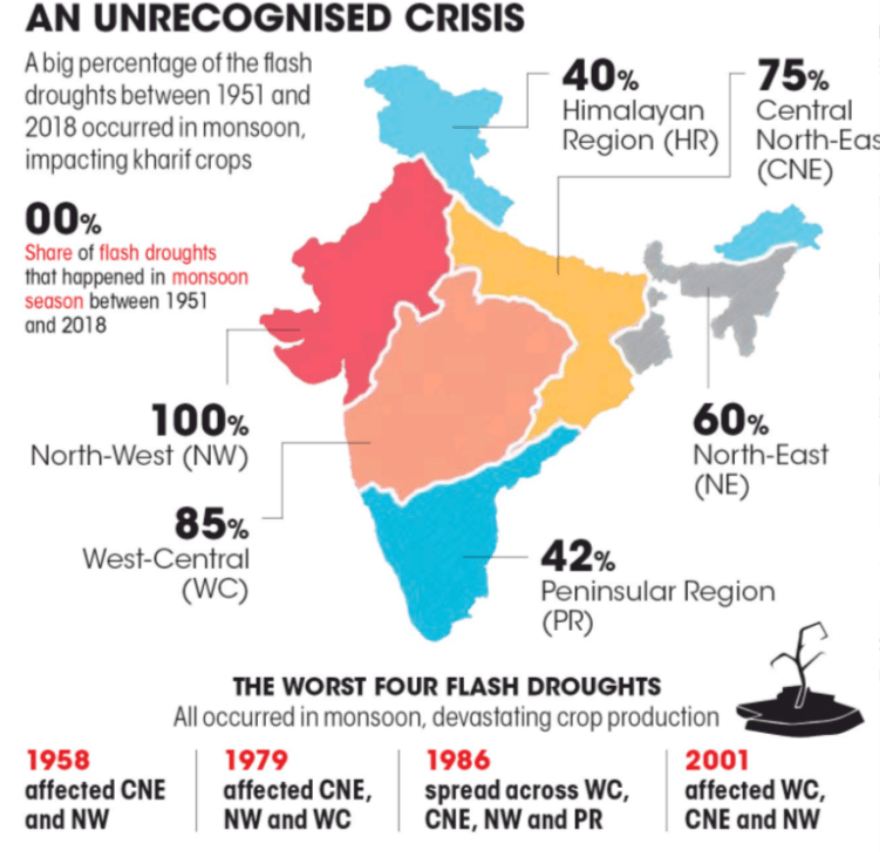
Flash drought is a rapidly developing drought phenomenon characterized by a sudden onset and rapid intensification of dry conditions over a short period, typically weeks to months. Unlike traditional droughts that develop slowly over years, flash droughts emerge quickly due to a combination of factors, including weather anomalies and land-atmosphere interactions. These events can cause significant agricultural, hydrological, and ecological damage due to their abrupt nature.
Key Characteristics of Flash Drought
Rapid Onset: Flash droughts can develop within a few weeks, often catching farmers, water managers, and policymakers off guard.
Meteorological Drivers:
High Temperatures: Heatwaves and above-average temperatures increase evapotranspiration rates.
Low Precipitation: Sudden declines in rainfall or prolonged dry spells exacerbate moisture deficits.
Land-Atmosphere Interaction:
Soil Moisture Loss: Rapid depletion of soil moisture due to high temperatures and lack of precipitation.
Vegetation Stress: Plants face water stress, affecting growth and crop yields.
Short Duration: Typically lasts a few weeks to several months but can have lasting impacts, particularly in agriculture.
Causes of Flash Drought
Climate Variability: Changes in atmospheric circulation patterns can disrupt normal weather, leading to reduced rainfall.
Human Activities: Land use changes, deforestation, and over-extraction of water resources exacerbate the risk of flash drought.
Natural Cycles: Phenomena like El Niño-Southern Oscillation (ENSO) influence rainfall patterns and temperature anomalies.
Impacts of Flash Drought
Agricultural:
Damage to crops due to sudden water stress.
Reduced yields, particularly in rain-fed agriculture.
Economic losses for farmers.
Ecological:
Stress on aquatic and terrestrial ecosystems.
Increased vulnerability of wildlife to habitat degradation.
Hydrological:
Rapid depletion of reservoirs and groundwater.
Reduced streamflow and water availability for human and industrial use.
Socioeconomic:
Food insecurity due to crop failures.
Increased costs for irrigation and water management.
Climate Models: Advanced modeling techniques are employed to predict flash drought risks based on temperature and precipitation forecasts.
Indices:
Standardized Precipitation Index (SPI)
Evaporative Stress Index (ESI)
Soil Moisture Deficit Index (SMDI)
Mitigation Strategies
Improved Forecasting: Investing in meteorological services to provide early warnings.
Water Management:
Promoting efficient irrigation techniques.
Storing water during wet periods for use during drought.
Agricultural Practices:
Using drought-resistant crop varieties.
Adopting conservation agriculture practices to retain soil moisture.
Policy Interventions:
Developing drought preparedness plans.
Subsidizing crop insurance for farmers.
Examples of Flash Drought Events
2012 United States: A flash drought severely impacted corn and soybean crops, causing billions in economic losses.
2019 Southeast Asia: A rapid drought affected rice production, leading to food shortages.
2022 Europe: Unseasonably high temperatures and low rainfall caused sudden agricultural stress in parts of Western Europe.
Conclusion
Flash droughts represent an increasing challenge in the context of climate change. Their rapid onset and severe impacts demand robust monitoring systems, adaptive strategies, and sustainable resource management. By understanding their drivers and effects, societies can better prepare for and mitigate the risks associated with these sudden drought phenomena.
As urbanization accelerates worldwide, cities are increasingly vulnerable to disasters and the adverse effects of climate change. Rising sea levels, extreme weather events, and resource shortages threaten urban infrastructure, economies, and populations. Building resilience—the ability of a city to anticipate, prepare for, respond to, and recover from adverse events—is crucial for ensuring sustainable urban development. This article explores strategies to make cities resilient against disasters and climate change.
Understanding Urban Resilience
Urban resilience encompasses a city’s capacity to:
Minimize risks and vulnerabilities.
Absorb, recover, and adapt to adverse conditions.
Maintain functionality despite disruptions.
The concept of resilience is holistic, addressing physical infrastructure, social systems, governance, and environmental sustainability.
Strategies to Enhance Urban Resilience
1. Adopting Climate-Smart Urban Planning
Cities should incorporate climate change scenarios into their urban planning processes. This includes:
Zoning regulations to prevent development in high-risk areas such as floodplains and coastal zones.
Promoting mixed-use development to reduce travel demand and associated emissions.
Implementing green infrastructure like parks, wetlands, and green roofs to manage stormwater and reduce the urban heat island effect.
2. Investing in Resilient Infrastructure
Robust infrastructure systems can withstand disasters and adapt to changing climatic conditions. Key measures include:
Designing flood-resistant buildings and elevated roadways.
Strengthening existing infrastructure against earthquakes and other hazards.
Developing energy-efficient systems powered by renewable energy sources.
3. Strengthening Early Warning Systems
Timely information about impending disasters can save lives and reduce damage. Cities should:
Deploy advanced monitoring technologies for weather and environmental changes.
Develop community-based alert systems that ensure everyone, including marginalized groups, receives warnings.
Conduct regular emergency drills to improve preparedness.
4. Enhancing Community Participation
A resilient city relies on the active participation of its citizens. Strategies to empower communities include:
Establishing climate adaptation policies aligned with global frameworks like the Paris Agreement.
Encouraging multi-stakeholder collaborations between governments, businesses, and civil society.
Case Studies of Resilient Cities
1. Rotterdam, Netherlands
Rotterdam is a global leader in urban resilience. Its innovative water management system, including flood barriers, floating buildings, and water plazas, demonstrates the city’s commitment to combating sea-level rise.
2. Sendai, Japan
Sendai’s reconstruction after the 2011 earthquake and tsunami showcases a model for disaster resilience. The city emphasized community engagement, robust infrastructure, and sustainable energy systems.
3. Medellín, Colombia
Once plagued by violence and poor infrastructure, Medellín transformed into a resilient city through inclusive urban planning, such as its famous cable cars and green corridors.
Conclusion
Making cities resilient to disasters and climate change is no longer optional; it is a necessity. The integration of innovative planning, robust infrastructure, community involvement, and sustainable practices can enable cities to thrive in the face of adversity. Governments, urban planners, and citizens must collaborate to build cities that are not only safe and sustainable but also adaptable to an uncertain future.
Investing in urban resilience today will pay dividends in securing the wellbeing of future generations.
References
Acuti, D., & Bellucci, M. (2020). Resilient cities and regions: planning, initiatives, and perspectives. Climate Action, 763-774.
Greenwalt, J., Raasakka, N., & Alverson, K. (2018). Building urban resilience to address urbanization and climate change. In Resilience (pp. 151-164). Elsevier.
Jabareen, Y. (2013). Planning the resilient city: Concepts and strategies for coping with climate change and environmental risk. Cities, 31, 220-229.
Khan, A., Carlosena, L., Khorat, S., Khatun, R., Das, D., Doan, Q. V., … & Niyogi, D. (2023). Urban cooling potential and cost comparison of heat mitigation techniques for their impact on the lower atmosphere. Computational Urban Science, 3(1), 26.
Orsetti, E., Tollin, N., Lehmann, M., Valderrama, V. A., & Morató, J. (2022). Building resilient cities: climate change and health interlinkages in the planning of public spaces. International journal of environmental research and public health, 19(3), 1355.
Sharma, S. N. (2018). Review of National Urban Policy Framework 2018. Think India Journal, 21(3), 74-81.
The Global Nature Conservation Index (NCI) 2024 is brought out recently, for the first time, by Goldman Sonnenfeldt School of Sustainability and Climate Change, Ben-Gurion University of the Negev, Israel and BioDB.com. India has been ranked 176 out of total 180 countries undermining the well-recognized efforts of India in Land Management, Threats to Biodiversity, Capacity & Governance and Climate Change Mitigation. NCI has not taken into account the country reported data in respect of many indicators and relied on many other sources leading to unrealistic NCI index. Further, NCI has completely ignored India’s leadership role in international environmental forums such as International Big Cat Alliance (IBCA), Mission LiFE, International Solar Alliance (ISA) and Coalition for Disaster Resilience Infrastructure (CDRI) advocating for global cooperation on biodiversity conservation as well as its leadership role on global climate change agenda.
In recent years, India has taken several measures in areas of land management and threats to its biodiversity which have not been taken into account while deriving NCI. For example, the Government of India enacted Biological Diversity Act, 2002, as amended by the Biological Diversity (Amendment) Act, 2023 (BD Act) together with new set of Rules to conserve, sustainably use and regulate the access of biological resources and knowledge associated thereto. The Act covers various measures under the provisions of the BD Act to conserve biodiversity including the constitution of Biodiversity Management Committees (BMCs), notification for Biodiversity Heritage Sites and notification for threatened species. The notification confers power to the State Biodiversity Boards (SBBs) for regulating access to the notified species and to take measures to rehabilitate and preserve those species.
Some of India’s key achievements in land management and biodiversity conservation are as follows:
India has 1022 Protected Areas in the country, covering an area of 178,640 sq. km, which is about 5.43 % of the geographical area of the country.
Total Forest Cover has increased from 21.23% in 2013 to 21.71% in 2021 .
India has 72.16 lakh Ha of forest cover as per the FAO’s Global Forest Resource Assessment 2020, securing its place among the top ten countries worldwide.
Eco-Sensitive Zones of 487 Protected Areas have been established across India.
Number of Ramsar sites have increased from 26 in 2014 to 85 in 2024.
There are 55 Tiger Reserves in India and tiger population has increased from 2226 in 2014 to 3682 in 2022.
India’s Project Lion has fostered a growing lion population in the Gir Landscape—from 284 in 1990 to 674 in 2020.
India has reintroduced Cheetah in the Indian habitat through the world’s first inter-continental large wild carnivore translocation project.
With 33 Elephant Reserves, India holds by far the largest number of wild Asian elephants, estimated at about 30,000 or nearly 60% of the population of the species.
India’s leopard population is estimated at 13,874 individuals, representing stable population in comparison to the similar area being sampled in 2018 with 12,852 individuals.
The Namami Gange Programe to rejuvenate River Ganga and its tributaries has been recognised as World Restoration flagship project by UN which reflects the commitments of Government towards conservation, rejuvenation and development of natural ecosystems and its services.
India has already submitted its National Targets under the National Biodiversity Strategy and Action Plans on 10th September, 2024 and also submitted its National Biodiversity Strategy and Action Plan (NBSAP) on 31st October, 2024 on the Convention on Biodiversity Portal during the recently concluded CBD COP at Cali, Colombia. Both the National Biodiversity Targets and the Action Plans are fully aligned with the goals and targets set under the Kunming Montreal Global Diversity Framework (KMGBF). KMGBF is to be implemented in accordance with the national circumstances, priorities and capabilities.
India’s National Biodiversity Strategy and Action Plan (NBSAP) envisages protecting terrestrial and marine areas, restoring degraded ecosystems and reducing biodiversity threats through pollution control as also invasive species management. India emphasizes species conservation, sustainable resource use, wildlife corridors to reduce fragmentation, and community engagement in biodiversity governance.
India has submitted its Long Term Low Emission Development Strategy (LT-LEDS) for reducing GHG emissions to UNFCCC in November 2022 highlighting strategic low-emissions development transitions for the country. The LT-LEDS was prepared in the light of India’s right to an equitable and fair share of the Global Carbon Budget, which is the practical implementation of Climate Justice. The key elements of the strategy include- Low carbon development of electricity systems consistent with development; development of an integrated, efficient, inclusive low-carbon transport system; promoting adaptation in urban design, energy and material-efficiency in buildings and sustainable urbanisation; promoting economy-wide decoupling of growth from emissions and development of an efficient, innovative low-emission industrial system; CO2 removal and related engineering solutions; enhancing forest and vegetation cover consistent with socio-economic and ecological considerations; and developing strategy on economic and financial aspects of low-carbon development. Some of the initiatives include the Smart Cities Mission (SCM), National Action Plan of Climate Change (NAPCC) promoting climate-resilient and sustainable urban development.
The Adaptation Communication submitted to UNFCCC in 2023 outlines the actions taken for adaptation to climate risks and challenges, and future strategy for the same. India has developed an integrated approach, ranging from food security, energy use efficiency, and water management aiming to address these issues simultaneously through appropriate policies and initiatives.
The decision on the proposal involving development of Great Nicobar Island project has been taken after due consideration of potential environmental impacts on island ecology and also taking into account the significant strategic, defence and national importance of the developmental projects. As per EIA notification, 2006, as amended from time to time, prior environmental clearance is required for all new projects and/or activities or modernization of existing projects or activities as listed in the schedule to the Notification, 2006. The process of prior Environmental Clearance involves an examination of the project for assessment of impacts and preparation of an Environmental Management Plan through different stages such as screening, scoping, public consultation, and appraisal.
Several studies were conducted to carryout the environmental impact assessment and studies regarding their consequent mitigation measures were undertaken by the top statutory and non-statutory bodies like Zoological Survey of India (ZSI), Salim Ali Centre for Ornithology and Natural History(SACON), the Wildlife Institute of India (WII), Indian Institute for Science(IISc) as a part of the preparation of EIA/EMP report. Independent organization with specialized skill such as Indian Institutes of Technology (IIT), National Institute of Ocean Technology(NIOT), National Centre for Coastal Research(NCCR), National Institute of Oceanography(NIO), etc. were also involved during the appraisal process.
A detailed scrutiny of the EIA/EMP report took place during the appraisal of the project by an independent Expert Appraisal Committee (EAC) having experts from the field of science and engineering. The Environmental Clearance accorded contains as many as 42 specific conditions dealing with each component of the project for the safeguard of marine and terrestrial biodiversity.
Further, three independent Monitoring Committees to oversee the implementation of Environmental Management Plan is also prescribed in the Environmental Clearance letter namely (i) Committee to oversee pollution related matters (ii) Committee to oversee biodiversity related matters (iii) Committee to oversee welfare and issues related to Shompen and Nicobarese.
Further, also a High Power Committee (HPC) was constituted by the Ministry of Environment Forest and Climate Change pursuant to the order of the NGT dated 03/04/2023.
Air pollution in Delhi and NCR is a collective result of multiple factors including high level of anthropogenic activities in the high-density populated areas in NCR, arising from various sectors viz. Vehicular Pollution, Industrial Pollution, Dust from Construction and Demolition activities, Road and Open Areas Dust, Biomass Burning, Municipal Solid Waste burning, Fires in Landfills and air pollution from dispersed sources, etc. During post-monsoon and winter months, lower temperature, lower mixing heights, inversion conditions and stagnant winds lead to trapping of the pollutants resulting in high pollution in the region. This is further aggravated due to the emissions from episodic events like stubble burning, firecrackers, etc.
Incidences of paddy stubble burning in the northern states of Punjab, Haryana, NCR districts of UP and other areas in NCR are a matter of concern and impact the air quality in the NCR, particularly in the period between October and November.
Indian Space Research Organization (ISRO) developed a standard protocols, in consultation with major stake holders including Indian Council of Agricultural Research (ICAR), for recording and monitoring of crop residue burning events and paddy burnt area estimation, to avoid a diverse assessment of fire events/counts. As recorded through the standard ISRO protocol, the number of such incidents of paddy stubble burning, have witnessed a significant decline on year-to-year basis as evident from the following:
The Commission for Air Quality Management in National Capital Region and Adjoining Areas (CAQM) from time to time has appropriately communicated and issued directives & advisories to various stakeholders including the 11 Thermal Power Plants (TPPs) located within 300 km of Delhi, State Governments of Punjab, Haryana and Uttar Pradesh on “Ex-Situ Stubble Management” and to establish an ecosystem and robust supply chain mechanism to boost ex-situ utilisation of straw for tackling the problem of stubble burning. CAQM has also directed coal based TPPs including co-generating Captive TPPs situated in NCR to (i) initiate immediate steps to co-fire biomass-based pellets (with focus on paddy straw utilization) with coal through a continuous and uninterrupted supply chain targeting at least 5% co-firing of biomass pellets. (ii) TPPs to strictly comply with the standards of emissions, at all times and with immediate effect, as stipulated vide MoEFCC’s Notification S.O. 3305(E), dated 07.12.2015 and its amendments from, time to time.
Further, as per revised model contract for use of biomass in TPPs, issued by Ministry of Power, these power plants shall use minimum 50% of raw material as stubble/ straw/crop residue of rice paddy sourced from Punjab, Haryana or NCR. Further, emission standards for power plants have been notified and these are to be enforced by State Pollution Control Boards (SPCBs). As per last co-firing status obtained from MoP till October, 2024, out of targeted 22.64 LMT for FY 2024-25, 11 TPPS within 300 Km of Delhi co-fired 6.04 LMT till October, 2024 (~28%), compared to 2.58 LMT (~14 %) against targeted 18.03 LMT in FY 2023-24.
Ministry of Petroleum and Natural Gas (MoPNG) has launched a scheme to provide financial assistance to Compressed Bio-gas producers for procurement of biomass aggregation equipment for ex-situ management of paddy straw.
Further, Ministry of Agriculture & Farmers Welfare (MoA&FW) in 2018 launched scheme for providing subsidy for purchase of crop residue management machinery and establishment of custom hiring centres (CHCs) in NCT of Delhi and the States of Punjab, Haryana and Uttar Pradesh for in-situ management of paddy straw. During the period from 2018 to 2024-25 (till 15.11.2024), a total of Rs. 3623.45 crores have been released (Punjab – Rs. 1681.45 crores, Haryana – Rs. 1081.71 crores, Uttar Pradesh – Rs. 763.67 crores, NCT of Delhi – Rs. 6.05 Crores and ICAR-Rs. 83.35 crores). The states have distributed more than 3.00 lakh machines to the individual farmers and to more than 40000 CHCs in these 4 States, which also include more than 4500 Balers & Rakes which are used for collection of straw in the form of bales for further ex-situ utilization. MoA&FW in 2023 revised guidelines under the scheme to support establishment of crop residue/paddy straw supply chain, by providing financial assistance on the capital cost of machinery and equipment.
Based on the deliberations and discussions held in series of meetings with the State Governments of Punjab, Haryana, UP, Rajasthan, Government of NCT of Delhi, State Pollution Control Boards of NCR States and Delhi Pollution Control Committee (DPCC) and various other stakeholders viz. ISRO, ICAR, Indian Agricultural Research Institute (IARI), CAQM has provided a Framework to the states concerned for control / elimination of crop residue burning and directed these to draw up detailed state-specific action plans based on the major contours of the framework.
Based on the framework advised by CAQM through Direction dated 10.06.2021 to the concerned State Governments of Punjab, Haryana, Uttar Pradesh, Rajasthan and Government of NCT of Delhi to prepare state specific detailed, monitorable action plans based on learnings from the years 2021, 2022 and 2023. Action plans were reviewed, updated and finalised by the all-concerned State Governments for the year 2024. Accordingly, a statutory direction for strict implementation of the framework and revised action plan for prevention and control of paddy stubble burning during the year 2024, to eliminate the practice through strict enforcement was issued to the respective States on 12.04.2024. The Action Plans, inter-alia, comprises of following components: –
In-situ Crop Residue Management:
Availability and allocation of CRM machinery
High yield and short duration paddy varieties, as substitute of PUSA- 44.
Harvesting schedule staggered to improve machine utilization
Super SMS mandated with Combine harvester
Extensive use of Bio-decomposer developed by IARI
Ex-situ Crop Residue Management
CAQM, vide Direction dated 12.04.2024, has also asked the States concerned for effective implementation of revised action plan for control / elimination of crop residue burning. Further, to ensure effective enforcement mechanism for implementation of the plans of action for prevention and control of Paddy Stubble Burning, CAQM, in exercise of the powers conferred under Section 14(2), vide Direction dated 10.10.2024 has authorised the Deputy Commissioners / District Collectors / District Magistrates in the States of Punjab, Haryana, NCR areas of Rajasthan and Uttar Pradesh and in the NCT of Delhi to file a complaint/ prosecution before jurisdictional judicial magistrate, in case of inaction in respect of officials, including nodal officers and supervisory officers at various levels and Station House Officers, responsible for effective enforcement towards ensuring elimination of paddy stubble burning in their respective jurisdiction.
Various other corrective measures have been taken by the Government to tackle air pollution from stubble burning, which include:
Central Pollution Control Board (CPCB) has framed Guidelines for grant of one-time financial support under Environment Protection Charge funds for establishment of pelletization and Torrefaction plants to promote utilisation of paddy straw. In case of setting up of palletisation plant, Rs. 28 lakhs per tonne per hour (TPH), or 40% of the capital cost considered for plant and machinery of a 01 TPH plant, whichever is lower, is provided as one-time financial assistance with a maximum total financial support of Rs. 1.4 crore per proposal. In case of setting up of torrefaction plants, Rs. 56 lakhs per TPH, or 40% of the capital cost considered for plant and machinery of a 01 TPH plant, whichever is lower, is provided as one-time financial assistance with a maximum total financial support of Rs. 2.8 crore per proposal.
A total of 17 applications for establishment of pelletization and Torrefaction plants under the above mentioned CPCB Guidelines have been sanctioned so far, out of which 02 plants are not coming up. Pellet production capacity of 15 sanctioned plants is 2.07 lakh tonne/annum. These plants are expected to utilize 2.70 lakh tonne of paddy straw per annum.
CPCB has deployed 26 teams (in 16 districts of Punjab and 10 districts of Haryana) for the period 01st October – 30th November, 2024 to intensify monitoring and enforcement actions regarding stubble burning. These teams are coordinating with concerned authorities/ officers deployed at the district level by the State Govt. and reporting to CAQM.
MoH&FW had deputed 31 Central Teams, which have conducted Quality Survey work w.e.f. 1-15th September, 2024 in the States of Punjab, Haryana and Uttar Pradesh and the Teams had visited 275 manufacturers and conducted quality audit of 910 agricultural machines. Further, 10 Central Teams have conducted survey on utilization of machines in States of Punjab and Haryana during 15th October-31st October 2024. A Team comprising members from DA&FW, CAQM and ICAR and other stakeholders had visited to the State of Punjab to witness the activities of paddy straw management on 14th November, 2024.
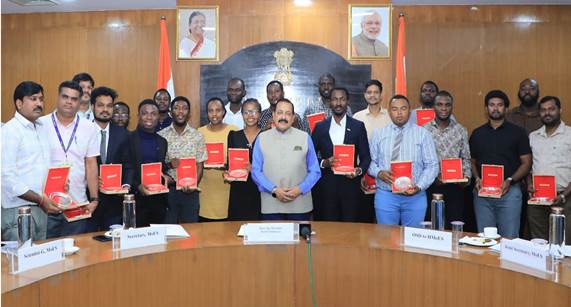
In a move highlighting India’s commitment to sustainable ocean development, Union Minister of State (Independent Charge) for Science and Technology, Minister of State (Independent Charge) for Earth Sciences, MoS PMO, Department of Atomic Energy, Department of Space, Personnel, Public Grievances and Pensions, Dr Jitendra Singh felicitated international trainees from six countries including Nigeria, Kenya, Sri Lanka, Tanzania, Ghana and Jamaica, who had completed a specialised trading programme in Ocean Exploration.
The event, organized with the International Seabed Authority (ISA), celebrated the completion of advanced seabed exploration training and underscored India’s dedication to environmental stewardship, international collaboration, and resource-sharing.
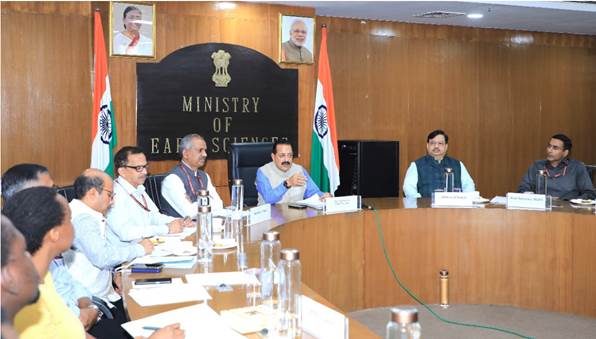
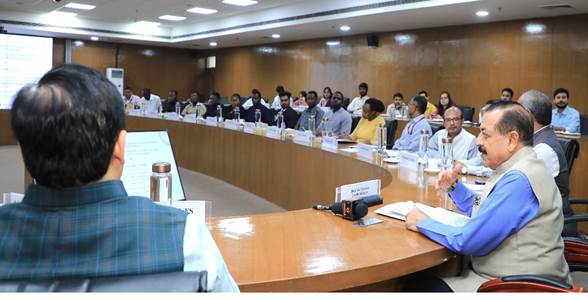
In a significant address at New Delhi’s Ministry of Earth Sciences, Union Minister Dr. Jitendra Singh recognized a group of international trainees who had completed a specialized training program focused on polymetallic nodules (PMN) and polymetallic sulphides (PMS) exploration. This training, facilitated by the ISA, attracted participants from nations including Ghana, Kenya, Nigeria, Jamaica, Sri Lanka, and Tanzania, underscoring India’s role as a hub for sustainable marine exploration and capacity building.
Dr. Jitendra Singh began by welcoming the trainees on behalf of the Government of India, congratulating them on successfully completing the rigorous program. He emphasized India’s leadership in responsible seabed exploration, framing the training as an opportunity to build a network of skilled professionals dedicated to environmental sustainability. “You are not only trainees; you are ambassadors of a sustainable future,” he said, encouraging participants to use their expertise to champion marine conservation in their home countries.
During his address, Dr. Jitendra Singh outlined India’s approach to seabed mining, defined by four guiding principles: sustainable utilization of seabed minerals for the common good, strict adherence to marine environmental protection, the development of seabed mineral regulations, and alignment with the United Nations Convention on the Law of the Sea (UNCLOS). India, he reiterated, is “fully dedicated to safeguarding marine ecosystems while pursuing responsible exploration to benefit humanity.”
As a signatory of the UNCLOS since 1982, India has maintained a strong voice in the ISA, which was established in 1994 to oversee mineral-related activities in the international seabed area. India holds two of the 31 ISA exploration contracts, covering PMN and PMS mining, and is committed to following strict protocols for environmental impact assessment, from preliminary exploration to the post-extraction phases. These actions position India as a global leader in the environmentally responsible development of ocean resources.
The Minister observed that the training program aligns closely with Prime Minister Narendra Modi’s “Blue Economy” policy, which prioritizes the sustainable use of ocean resources for economic growth, job creation, and improved livelihoods. The Blue Economy initiative aims to harness ocean wealth responsibly; ensuring benefits reach local communities without compromising the health of marine ecosystems.
Dr. Jitendra Singh reiterated India’s stance that true economic progress comes from a balance between development and environmental conservation.
The training modules covered diverse aspects of sustainable seabed exploration, including advanced exploration technologies, remote-operated vehicles, deep-sea mapping, mineral sample analysis, and environmental impact assessment methods.
Dr. Jitendra Singh encouraged the trainees to foster networks with their Indian peers and return home with India’s commitment to both technological innovation and environmental responsibility. India’s ongoing role as a mentor in ISA programs reflects its dedication to supporting other nations in developing a skilled workforce capable of managing marine resources sustainably, he said.
Addressing the trainees, Dr. Jitendra Singh added, “You have become a part of India’s extended scientific community. This partnership in knowledge-sharing represents our commitment to a collaborative, sustainable future in marine science.”
Attendees included senior officials, scientists, and other dignitaries from the Ministry of Earth Sciences, all of whom shared Dr. Jitendra Singh’s optimism for the program’s impact. The Minister invited the trainees to continue providing feedback on their experiences, noting that their insights could further refine and enhance India’s role in international training programs. He also emphasized the importance of these collaborations, calling the trainees “global messengers of ocean conservation” with the potential to shape their countries’ approaches to seabed mining.
Dr. Jitendra Singh concluded the event by reaffirming India’s intent to deepen its partnerships with ISA and other international entities to ensure a sustainable marine environment for future generations. He expressed hope that India’s efforts would inspire other nations to adopt similar frameworks for responsible ocean exploration, setting the stage for greater international cooperation in marine science and environmental protection.
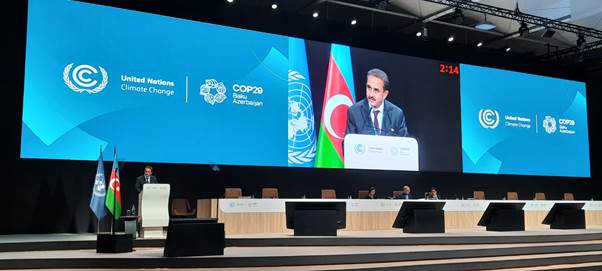
Delivering India’s National statement at the High-level Segment of the CoP29 of UN Climate Change Conference at Baku, Azerbaijan today, Union Minister of State for Environment, Forest and Climate Change, Shri Kirti Vardhan Singh called the CoP as historic and called all Nations to put up a collective fight against Climate Change, under UNFCCC and its Paris Agreement. He said, “What we decide here, will enable all of us, particularly those in the Global South, to not only take ambitious mitigation action but also adapt to Climate Change. This CoP is historic in this context”.
The Minister reiterated that the decisions on this forum should be guided by the core principles of Equity, Climate Justice and Common but Differentiated Responsibilities and Respective Capabilities provided in the UNFCCC and its Paris Agreement. The context of different national circumstances, sustainable development goals and poverty eradication, particularly in respect of the Global South should not be lost sight of, he added.
India’s statement noted that the high Carbon Emission Development Pathways of the Global North in past have left very little carbon space for the Global South. However, it read, the growth trajectories for fulfilling the primary needs of sustainable development and poverty eradication cannot be compromised. The Minister asserted, “Despite not contributing to the problem, we in the Global South are bearing huge financial burden on account of climate actions for mitigation on the one hand, and losses and damages caused by climate change on the other, thus severely limiting our capacity to meet our developmental needs. But these have not dampened India’s resolve and commitment to take ambitious climate actions.”
Informing the gathering about India’s initiatives towards combating Climate Change, Shri Singh said that the country has achieved the 2015 NDC targets on emission intensity reduction and non fossil based installed electricity generation capacity much earlier than 2030 and have further enhanced its ambition. The Minister talked about how India’s Renewable Energy Capacity has nearly tripled from its 2014 levels and the country is on the course to achieve the 500 GW target by 2030. Further, he said, “India has launched the Mission LiFE- Lifestyle for Environment to encourage the sustainable lifestyle practices at the global level. Mission LiFE inspires individuals, communities and societies to exercise choices and behaviours that focus on mindful utilisation of resources.”
Talking about how India is at the forefront of pro-planet actions, Shri Singh stated, “The campaign – ‘Ek Ped Maa ke Naam’ – was launched by Prime Minister Shri Narendra Modi, on World Environment Day 2024, wherein one billion saplings have been planted already. ‘Plant4Mother’, which exhorts everyone to plant a tree as a mark of love, respect and honour of our mother and Mother Earth has resonated across the spectrum because of its powerful, inspirational and emotional connect, the Minister added.
Furthermore, the Indian statement informed about its initiatives like the International Solar Alliance, Coalition for Disaster Resilience Infrastructure (CDRI), Global Biofuel Alliance, Leadership Group on Industry Transition and Resource Efficiency and Circular Economy Industry Coalition that have been launched with different partner countries, in pursuance of global climate actions.
India called out some of the developed countries that have resorted to unilateral measures making climate actions more difficult for the Global South. Raising of climate ambitions to align with Paris Temperature Goals has to be preceded by free availability of green technologies, producing them on scale and availability of finance for their deployment, particularly in the Global South. The statement read, “The emergent situation we are in, there is no option but to break all barriers to flow of technology, finances and capacity to the Global South. The theme of this CoP – ‘enabling actions and enhanced ambition’ is very relevant in this context. CoP29 is the CoP for Climate Finance – the New Collective Quantified Goals (NCQG) on Climate Finance for mobilizing climate finance for meeting the needs and priorities of Developing countries.”
In the statement, Shri Singh called for the need to appreciate that huge costs are being imposed on a Developing country like India, for undertaking the climate actions. He said, “What we decide here on NCQG must be founded on the principle of Climate Justice. The decisions must be ambitious and unambiguous, taking into consideration the evolving needs and priorities of the Developing countries, and their commitment to sustainable development and eradication of poverty.”
Reminding the gathering that the Nationally Determined Contributions (NDCs) are due for submission the next year, India stated that the breach of carbon space seems imminent towards the end of this critical decade. The statement said, “It is imperative, therefore, that the Developed countries show leadership in mitigation actions, as required under Paris Agreement, by not just advancing their net zero targets but providing enough carbon space for Developing countries like ours to develop. What we decide here will determine the course of history. I urge that all of us should work with determination towards making the CoP 29, meaningful and impactful in its outcomes. Please be assured of India’s full cooperation for a successful COP-29.”
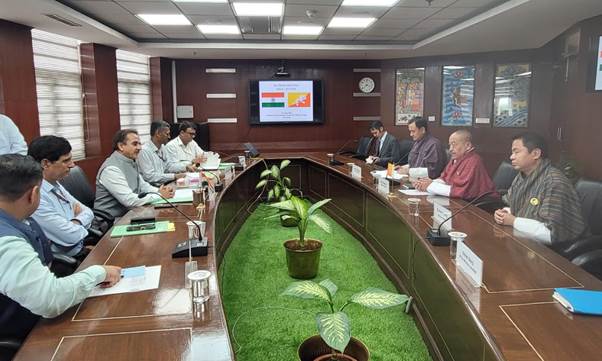
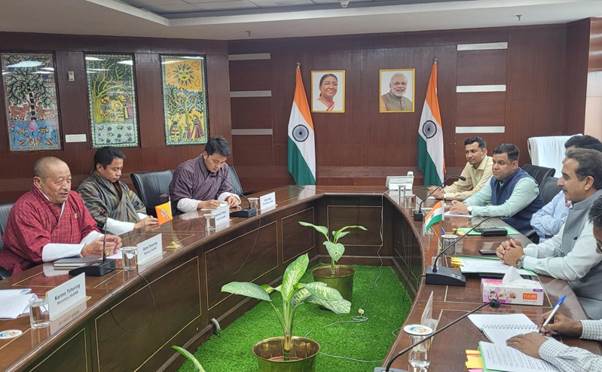
A delegation from the Royal Government of Bhutan, headed by Mr Gem Tshering, Minister of Energy and Natural Resources, Government of Bhutan met Shri Kirti Vardhan Singh, Union Minister of State for Environment, Forest and Climate Change and discussed issues related to air quality, climate change, forests, natural resources, wildlife and renewable energy.
Shri Kirti Vardhan Singh thanked the Bhutanese Minister on joining the International Big Cat Alliance, a global initiative of India. He stated that both countries share same geography, ecosystem, as well as common values of democracy. He further stated that climate change is a common concern for both the countries.
Mr. Tshering informed about successfully hosting the Sustainable Finance for Tiger Landscape Conference in April 2024 in Paro. He stated that Bhutan is already a carbon negative country and obtains its major share of energy from hydropower.
Both sides agreed to work together in the areas of climate change, air quality, forest, wildlife management, and capacity building in the field of environment and climate change. India suggested to hold the Joint Working Group Meeting.
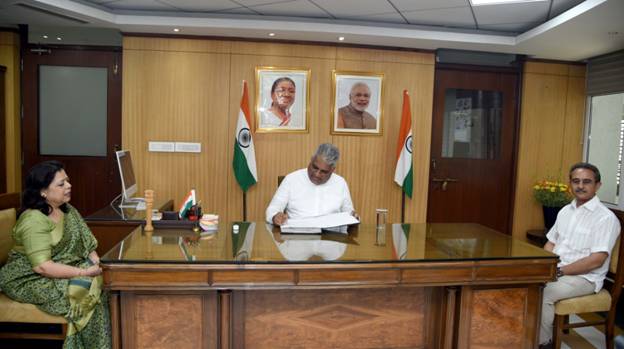
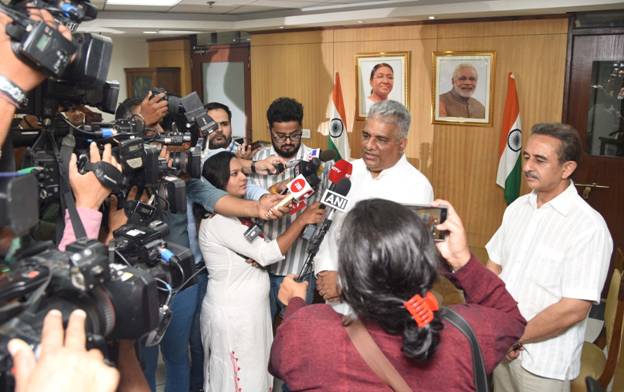
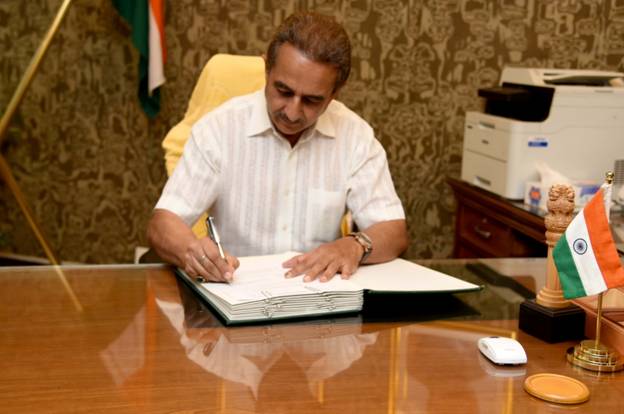
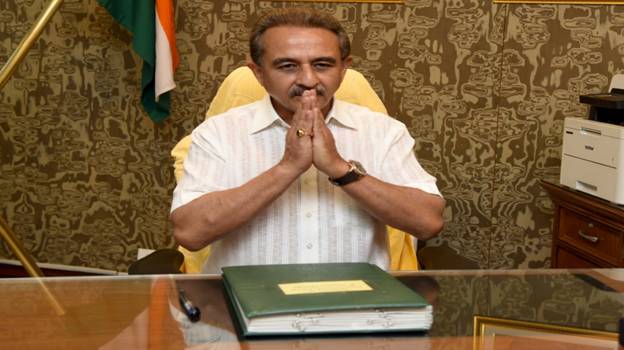
Shri Bhupender Yadav today assumed charge as the Union Minister of Environment, Forest and Climate Change (MoEF&CC) on 11thJune 2024. He was greeted at the office at Paryavaran Bhawan by Secretary Ms. Leena Nandan, Secretary(EF&CC) and other senior officials of the ministry. Shri Kirtivardhan Singh also assumed charge as Minister of State.
Briefing the media after assuming the charge, the Union Minister thanked Hon’ble Prime Minister for giving him this opportunity and said he is ready to discharge his duties and responsibilities in the Ministry. He also welcomed his colleague Shri Kirtivardhan Singh, Minister of State. He said many steps have been taken by this Ministry in the last 10 years under the leadership of PM Modi and that the Government was moving ahead taking environment and development together. He also said that the focus will remain on initiatives such as Mission LiFE- Lifestyle for Environment. He said that globally there is an environment crisis and Hon’ble PM announced Mission LiFE- Lifestyle for Environment at the Glasgow, Climate Conference 2021. He also said that Mission LiFE seeks to mobilize individuals for climate-positive behavior and to create an ecosystem to reinforce and enable environmental-friendly self-sustainable behaviours. It upholds mindful consumption rather than mindless consumption.
Hon’ble Minister for MoEF&CC also said that the government believes environmental conservation and development can go hand in hand. He said that Hon’ble PM has also started a plantation initiative “एकपेड़माँकेनाम” to counter escalating global warming and urged all citizens to take part in this initiative, launched by Hon’ble PM on World Environment Day, 2024 to promote mass plantation. This will help combat rising temperature, desertification and challenges facing biological diversity.
After assuming the charge, the Minister also held a meeting with the senior officers of the Ministry where he was briefed on the key initiatives and policy issues of the Ministry.


















 Eduindex
You must be logged in to post a comment.