Climate Change

Climate change is basically known as a change in the structure of the climate, which has been running for many decades and centuries. Various natural factors that change the nature of the Earth’s atmosphere are also known as ecosystems which are pressurized on the environment.These special external systems, which put pressure on the environment, may be natural, such as variation in Earth’s orbit, inequality in solar radiation, volcanic eruptions, plate tectonics, etc. and various human activities such as greenhouse gas, carbon emissions etc.

Various activities of human beings, such as deforestation, excessive use of land have also been included in this particular external system to bring about change in the environment, the formation of different conditions has been made naturally as it involves ocean activity. It includes-environmental variability and the presence of life on Earth.

Photo by Markus Spiske on Pexels.com

Climate change refers to the change in the environmental conditions of the earth. This happens due to many internal and external factors. The climatic change has become a global concern over the last few decades. Besides, these climatic changes affect life on the earth in various ways. These climatic changes are having various impacts on the ecosystem and ecology. Due to these changes, a number of species of plants and animals have gone extinct.

When Did it Start?

The climate started changing a long time ago due to human activities but we came to know about it in the last century. During the last century, we started noticing the climatic change and its effect on human life. We started researching on climate change and came to know that the earth temperature is rising due to a phenomenon called the greenhouse effect. The warming up of earth surface causes many ozone depletion, affect our agriculture, water supply, transportation, and several other problems.

Reason Of Climate Change

Although there are hundreds of reason for the climatic change we are only going to discuss the natural and manmade (human) reasons.

Natural Reasons These include volcanic eruption, solar radiation, tectonic plate movement, orbital variations. Due to these activities, the geographical condition of an area become quite harmful for life to survive. Also, these activities raise the temperature of the earth to a great extent causing an imbalance in nature.Human ReasonsMan due to his need and greed has done many activities that not only harm the environment but himself too. Many plant and animal species go extinct due to human activity. Human activities that harm the climate include deforestation, using fossil fuel, industrial waste, a different type of pollution and many more. All these things damage the climate and ecosystem very badly. And many species of animals and birds got extinct or on a verge of extinction due to hunting.Effects Of Climatic ChangeThese climatic changes have a negative impact on the environment. The ocean level is rising, glaciers are melting, CO2 in the air is increasing, forest and wildlife are declining, and water life is also getting disturbed due to climatic changes. Apart from that, it is calculated that if this change keeps on going then many species of plants and animals will get extinct. And there will be a heavy loss to the environment.What will be Future?If we do not do anything and things continue to go on like right now then a day in future will come when humans will become extinct from the surface of the earth. But instead of neglecting these problems we start acting on then we can save the earth and our future.

Although humans mistake has caused great damage to the climate and ecosystem. But, it is not late to start again and try to undo what we have done until now to damage the environment. And if every human start contributing to the environment then we can be sure of our existence in the future.

Heavy Rainfall next five days

Delhi, UP, Uttarakhand and Himachal to Receive Heavy Rainfall Next Five Days.

The India Meteorological Department (IMD) has predicted heavy to very heavy rainfall at some places of North India, including Delhi, Uttar Pradesh, Himachal Pradesh, Uttarakhand, during the next 5 days. 

The department has also issued an orange alert in Rajasthan and Jammu and Kashmir. It also issued a yellow alert in Himachal Pradesh and Uttarakhand, which are facing heavy losses due to cloudburst. The Metrological department issued a red alert for Madhya Maharashtra and Goa.

The prediction are taken at a time when monsoon has entered in most of the states of the country.

Following are the meaning of the color of the alert issued by authorities::

Green Alert: It means there is no danger as there is no chance of rain.

Yellow Alert: This alert means that there will be rainfall and weather will remain unclear

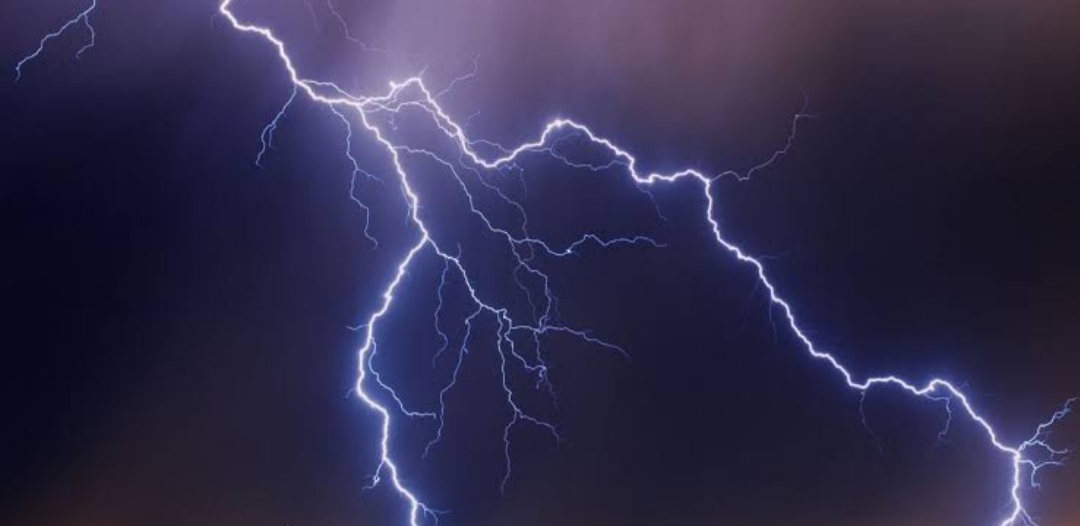
Orange Alert: This means that there is a full possibility of rainfall and thunderstorms. So one should not go out unless it is absolutely necessary.

Red Alert: Red Alert means warning of dangerous weather. Through this alert, people are warned against going out of their homes.

The moisture-laden winds are advancing from the Bay of Bengal towards all parts of the country due to changes in conditions that promote the advancement of these winds.

Acid Rain

“The unthinkable is that we’re distorting this atmospheric balance. We’re shifting the chemical balance so that we have more poisons in the atmosphere – ozones and acid rain on ground level – while we’re also changing the thermal climate of the earth through the greenhouse effect and – get this – simultaneously causing destruction of our primary filter of ultraviolet light. It’s incredible. Talk about the national-debt crisis – we’re piling up debts in the atmosphere, and the piper will want to be paid.”

~ Michael Oppenheimer

Introduction

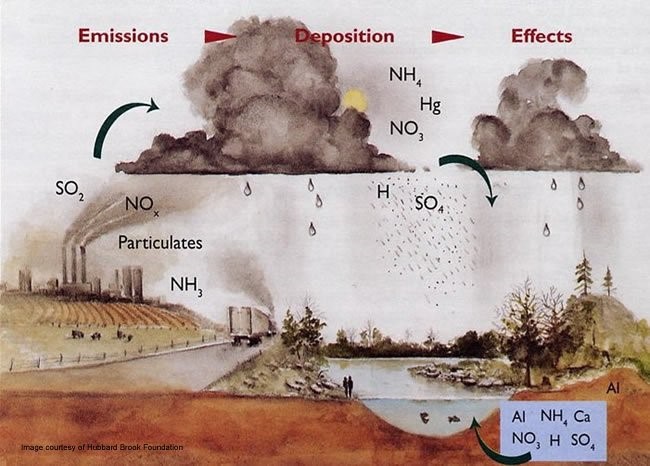
Acid rain, or acid deposition, is a broad term that includes any form of precipitation with acidic components, such as sulfuric or nitric acid that fall to the ground from the atmosphere in wet or dry forms. This can include rain, snow, fog, hail or even dust that is acidic.

Acid rain is caused by a chemical reaction that begins when compounds like sulfur dioxide and nitrogen oxides are released into the air. These substances can rise very high into the atmosphere, where they mix and react with water, oxygen, and other chemicals to form more acidic pollutants, known as acid rain.

It can have harmful effects on plants, aquatic animals, and infrastructure.

Effects of Acid Rain

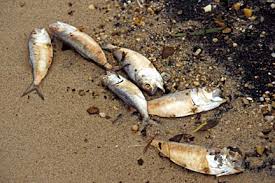
The ecological effects of acid rain are most clearly seen in aquatic environments, such as streams, lakes, and marshes where it can be harmful to fish and other wildlife. As it flows through the soil, acidic rain water can leach aluminum from soil clay particles and then flow into streams and lakes.

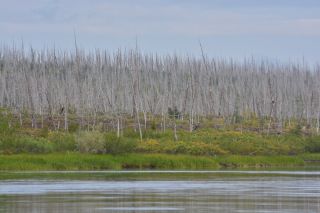
Acid rain has been shown to have adverse impacts on forests, freshwaters, and soils, killing insect and aquatic life-forms, causing paint to peel, corrosion of steel structures such as bridges, and weathering of stone buildings and statues as well as having impacts on human health.

Acid rain also causes the corrosion of water pipes. Which further results in leaching of heavy metals such as iron, lead and copper into drinking water.

Prevention

1. The only precaution that we can take against acid rain is having a check at the emission of oxides of nitrogen and sulphur.
2. We have so far seen the details of acid rain and its harmful effect on animals, plants and the monuments.
3. Being responsible citizens, one should be aware of the harmful effects they cause and of the industries which give out nitrogen and sulphur compound wastes unethically. 4.A great way to reduce acid rain is to produce energy without using fossil fuels. Instead, people can use renewable energy sources, such as solar and wind power. Renewable energy sources help reduce acid rain because they produce much less pollution.

Acid Rain in India

Analysis of rainwater samples from Nagpur, Mohanbari (in Assam), Allahabad, Visakhapatnam and Kodaikanal in the decade 2001-2012 showed a pH level varying from 4.77 to 5.32, indicating that these places have actually been receiving ‘acid rain’. Rainwater with pH below 5.65 is considered acidic.

As energy requirements in India will grow rapidly in tune with the economy, coal dependence is expected to increase threefold over the current level of consumption, making the clouds of acid rain heavier over many highly sensitive areas in the country – the northeast, parts of Bihar, Orissa, West Bengal ,etc ,.

The rains in the Indian Ocean and the Arabian Sea and the Bay of Bengal have become acidic. Studies show the importance to regularly monitor more places for acid rains. But the mechanism to study acid rains is at present inadequate in India. imd stations are not located in the most polluted areas in the country.

Link

GLOBAL WARMING

“Global warming is a term that refers to a steady rise in the average temperature of the Earth’s atmosphere and oceans, a phenomenon that is thought to be irreversibly altering the Earth’s climate.”
The increase in the average global temperature of the Earth is used to measure global warming. Some sections of the Earth may become colder as our average global temperature rises, while others may become warmer—hence the concept of average global temperature. Atmospheric heating and agitation induced by greenhouse gases increase the unpredictability of weather and climate, as well as the severity, scale, and frequency of storms, droughts, wildfires, and severe temperatures. The gases in the atmosphere that absorb and release heat radiation include water vapour, carbon dioxide, methane, nitrous oxide, and ozone. Increasing or lowering the amount of greenhouse gases in the atmosphere causes the sun’s heat to be trapped or released more.

Causes of global warming:

Fossil fuel combustion: CO2 pollution is released into the atmosphere when fossil fuels such as coal and gas are burned to generate energy or power our cars. Burning coal, oil, and gas produces carbon dioxide, the most major greenhouse gas in the atmosphere, as well as nitrous oxide, which is certainly the initial source of global warming.

Deforestation: Forest exploitation is a significant contributor to global warming. By absorbing CO2 from the atmosphere, trees aid in climate regulation. When trees are cut down, the carbon contained in them is released into the atmosphere, negating the positive effect. Forests and wilderness serve as carbon sinks, helping to keep global warming below 1.5 degrees Celsius. Humans, on the other hand, clear enormous swaths of land for farming, urban and infrastructural development, and the sale of tree products like lumber and palm oil all over the world. When vegetation is cut down or burned, the stored carbon is released as CO2, contributing to global warming.

Farming & Agriculture: Methane is a greenhouse gas produced by livestock, such as sheep and cattle. The amount of methane created by livestock grazing on a vast scale, such as in Australia, contributes significantly to global warming. Intensive farming, which includes not just ever-increasing livestock but also plant protection products and fertilizers, is another contributor to global warming. When cattle and sheep digest their food, they produce enormous volumes of methane, whereas fertilizers emit nitrous oxide.

Mining: The mining and metallurgical industries are vital to modern living. Metals and minerals are the raw materials that are used to create, transport, and manufacture items. This market accounts for 5% of all greenhouse gas emissions from extraction to distribution. Decarbonization initiatives across industries may result in significant shifts in commodity demand for the mining industry. Governments, investors, and society will put pressure on the mining sector, which is responsible for 4 to 7% of global greenhouse gas (GHG) emissions, to reduce emissions.

Eruption of a Volcano: When volcanoes erupt, they release large amounts of carbon dioxide. Volcanoes have a minor impact on global warming, and eruptions result in short-term global cooling because ash in the air reflects more solar energy. Volcanic eruptions release gases and dust particles into the atmosphere, which have an impact on the climate. The majority of the particles ejected by volcanoes cool the earth by shielding it from the sun’s rays. Depending on the features of the eruption, the cooling impact can continue anywhere from months to years.