Karnataka State Education & Examination Board, KSEEB would be releasing the SSLC Result 2020 today – August 10, 2020. The Karnataka SSLC Result 2020 would be available online on karresults.nic.in and kseeb.kar.nic.in from 3 pm onwards. Check out the steps and direct links to check the results here.
This year the results have been delayed as a few papers were postponed due to coronavirus pandemic. As many as 8.48 lakh students then appeared for the examination in the month of June. The evaluation was recently completed and the results would be released today.
About examination
KSEEB conducts the SSLC Examinations in Karnataka for students of Class 10. More than 8 lakh students appear for the board examinations. In 2019, the number of students who appeared for Karnataka SSLC was 8.25. This year, the number of students has increased to 8.48 lakh candidates.
Karnataka SSLC results are usually released by the board usually in the month of April or May. In 2019, the results were announced on April 30. They were delayed this year due to the pandemic.
Coronavirus Cases in India LIVE: Coroavirus cases in India have continued to see a spike in the past few days, breaching a new mark every other day. On Sunday, India registered its single-day and record spike of 64,399 coronavirus cases, taking the country’s Covid tally past 21 lakh-mark. India had crossed the 20 lakh-mark on Friday. In just two days, India recorded a spike of over 1 lakh cases. Experts have believed that India’s coronavirus peak is yet to come. As per World Health Organization data, India has been recorded more coronavirus cingle-day cases than the United States or Brazil for past four days. As India readies to prepare to fight coronavirus, stay with us to catch LIVE updates.
One hundred and nine days after the first person tested positive for Covid-19 in India, the country’s case count crossed the 1-lakh mark on Monday, with the number of infections having doubled in just a little over 12 days.
Both the spread of the virus and the spurt in cases in recent days will be a cause for concern for the authorities. On Monday, 4,713 fresh infections were reported from across the country, the third highest in a single day so far, led again by Maharashtra, which reported more than 2,000 cases (2,033 to be exact) for the second day running. As many as 24 states/UTs reported new cases during the day.
On the positive side, the number of people recovering from the infection is steadily rising. It was 38,908 on Monday, with the recovery rate at 38.8%. With 3,103 fatalities from the virus so far, India’s death rate too is relatively low at 3.1%.
However, as the country entered phase 4 of lockdown, the number of daily cases was still rising, indicating that the infection was yet to peak. On Monday, apart from Maharashtra, the number of new cases remained high in Tamil Nadu (536), Gujarat (366), Delhi (299, a slight drop from previous days), Madhya Pradesh (254), Uttar Pradesh (177) and Bihar (103).
Rajasthan and Karnataka registered their highest single-day rise in infections, with 305 and 99 cases, respectively. West Bengal (148), and J&K (106) were also close to their highest numbers.
At 131 deaths from the virus on Monday, the toll remained above 100 for the fourth straight day. Maharashtra recorded the highest 51 deaths, including 23 from Mumbai, while Gujarat reported 35 fatalities, a majority (31) from Ahmedabad alone. The toll was 12 in Delhi, where the death rate is now slowly rising after staying low for a long time.
Among Indian cities, Mumbai has recorded the highest number of Covid-related deaths at 757 while Ahmedabad district comes second with 524. When it comes to death rates, Gujarat’s financial capital has double the rate than the Maximum City. Compared to Mumbai’s rate of 3.64%, Ahmedabad recorded 6.22%. In the month of May, the rate reduced in Mumbai but increased to 6.95% in Ahmedabad.
NEW DELHI: One hundred and nine days after the first person tested positive for Covid- 19.
in India, the country’s case count crossed the 1-lakh mark on Monday, with the number of infections having doubled in just a little over 12 days.
Both the spread of the virus and the spurt in cases in recent days will be a cause for concern for the authorities. On Monday, 4,713 fresh infections were reported from across the country, the third highest in a single day so far, led again by Maharashtra, which reported more than 2,000 cases (2,033 to be exact) for the second day running. As many as 24 states/UTs reported new cases during the day.
On the positive side, the number of people recovering from the infection is steadily rising. It was 38,908 on Monday, with the recovery rate at 38.8%. With 3,103 fatalities from the virus so far, India’s death rate too is relatively low at 3.1%.
However, as the country entered phase 4 of lockdown, the number of daily cases was still rising, indicating that the infection was yet to peak. On Monday, apart from Maharashtra, the number of new cases remained high in Tamil Nadu (536), Gujarat (366), Delhi (299, a slight drop from previous days), Madhya Pradesh (254), Uttar Pradesh (177) and Bihar (103).
Rajasthan and Karnataka registered their highest single-day rise in infections, with 305 and 99 cases, respectively. West Bengal (148), and J&K (106) were also close to their highest numbers.
At 131 deaths from the virus on Monday, the toll remained above 100 for the fourth straight day. Maharashtra recorded the highest 51 deaths, including 23 from Mumbai, while Gujarat reported 35 fatalities, a majority (31) from Ahmedabad alone. The toll was 12 in Delhi, where the death rate is now slowly rising after staying low for a long time.
Among Indian cities, Mumbai has recorded the highest number of Covid-related deaths at 757 while Ahmedabad district comes second with 524. When it comes to death rates, Gujarat’s financial capital has double the rate than the Maximum City. Compared to Mumbai’s rate of 3.64%, Ahmedabad recorded 6.22%. In the month of May, the rate reduced in Mumbai but increased to 6.95% in Ahmedabad.
In terms of cases, Maharashtra reported 2,033, the second-highest count in a day. The state’s tally reached 35,086, with Mumbai reporting over 1,000 cases for the second day in a row (1,185) to breach the 21,000 mark. The city now has 21,335 cases.
Meanwhile, five doctors and 55 police personnel where among the 106 who tested positive for the virus in J&K. Four of these doctors had treated a Covid positive woman who died of co-morbidities on Sunday.
Tamil Nadu reported three deaths and 536 fresh Covid-19 cases on Monday, with people returning from Maharashtra being the only ones testing positive in many districts. The testing strategy continued to be a subject of debate with the ICMR releasing new guidelines and the state set to finalise its own by Tuesday. The state has been criticised for reducing the number of tests over the last one week by epidemiologists, doctors and political leaders.
In Uttar Pradesh, as many as 177 new cases, including 31 in Gautam Budh Nagar, took the state’s Covid tally to 4,649. The state also recorded six deaths, including two migrant workers. UP’s corona toll is now 118.
The defence ministry will stop the import of 101 items “beyond given timeline” to boost indigenous production according to Prime Minister Narendra Modi’s mission of Atma Nirbhar Bharat (Self-Reliant India), Union minister Rajnath Singh said today. This would mean that the domestic industry will receive contracts worth almost Rs 4 lakh crore within the next six to seven years. The embargo will be implemented in phases between 2020 and 2024, the minister said.
The list includes high technology weapon systems like “artillery guns, assault rifles, corvettes, sonar systems, transport aircrafts, light combat helicopters, radars and many other items”, the Centre said in a statement
The list also includes wheeled Armoured fighting vehicles (AFVs), with an embargo date of December 2021, “of which the Army is expected to contract almost 200 at an approximate cost of over Rs 5,000 crore,” the ministry said.
The Navy is likely to place demands for submarines with indicative import embargo date of December 2021, of which it expects to contract about six at an approximate cost of almost Rs 42,000 crore.
For the Air Force, it is decided to enlist the LCA MK 1A with an indicative embargo date of December 2020. Of these, 123 are anticipated at an approximate cost of over Rs 85,000 crore, the government said. The ministry will identify more such equipment for import embargo.
The list has been prepared by the defence ministry after consultations with all stakeholders, including the Armed Forces, public and private industry, Mr SIngh said.
“This decision will offer a great opportunity to the Indian defence industry to manufacture the items in the negative list by using their own design and development capabilities or adopting the technologies designed and developed by the DRDO (Defence Research and Development Organisation) to meet the requirements of the Armed Forces,” the minister said.
All steps will be taken to ensure that timelines for production are met. This would involve a coordinated mechanism for “hand-holding of the industry by the Defence Services”, the minister said. The ministry will identify more such equipment for import embargo.
Since the beginning of the phase-wise upliftment of the coronavirus-induced lockdown, a question that has been frequently asked by people, especially students, across the country is when will schools and colleges reopen in India. All education institutions were closed across the country after the Centre imposed a nationwide lockdown to control the spread of the dreadful coronavirus, which is caused by SARS‑CoV‑2. However, a media report has now revealed that the Centre might soon unveil a phase-wise plan to reopen schools and educational institutes across the country between September 1 and November 14 later this month as part of final Unlock guidelines.
The schools and educational institutes across the country are closed since March 23, when the first lockdown to contain the spread of coronavirus pandemic was put in-place. Ever since, the teaching and learning activities are relying on online modes, whose success has been limited because of the uneven availability of smart-devices, specifically in the country’s hinterland.
According to a report in Economic Times, the specifics of the plan have been formulated by the group of secretaries associated with the Group of Ministers (GoM) on COVID-19 management, which is being headed by Health Minister and Member of Parliament from Delhi’s Chandni Chowk, Dr Harsh Vardhan.
The report quoting its sources said that central government will simply issue Broad Standard Operation Procedures (SOPs) as for the opening of schools and educational institutions, with the final decision left to the respective state governments so as to decide when and how to restart the classroom teaching.
What does the Centre’s formulation of opening schools and educational institutes say?
It suggests that for the first fifteen days of the opening of schools, Class 10 and Class 12 students will be asked and guided to attend the school. Afterwards, the students of Class 6 to 9 will be brought back to the classrooms with restricted hours.
However, all sections of one class will not attend the school on the same day. Different sections of a class will have specific days assigned as for attending the schools.
The emphasis on the sanitisation of the classrooms remains the biggest highlight of the Centre’s formulation. Schools will be told to work in shifts – 8 to 11 AM and 12 to 3 PM – with an hour left for the sanitisation. So far there is no plan to bring the primary and pre-primary students back to the classrooms, and they will continue to be taught via online modes, The Economic Times reported.
The government officials have studied the countries such as Switzerland have brought back the students to classrooms, and the formulation has been designed on similar lines as for the classroom teaching of Indian students.
The Code was enacted in 2016 following decades of recommendations suggesting improvements to the previous insolvency regime, which was fragmented, fraught with delays and resulted in poor recoveries for creditors. [1]
The insolvency resolution process in India has in the past involved the simultaneous operation of several statutory instruments.
These include the Sick Industrial Companies Act, 1985, the Securitisation and Reconstruction of Financial Assets and Enforcement of Security Interest Act, 2002, the Recovery of Debt Due to Banks and Financial Institutions Act, 1993, and the Companies Act, 2013.[2]
Broadly, these statutes provided for a disparate process of debt restructuring, and asset seizure and realization in order to facilitate the satisfaction of outstanding debts. [3]
As is evident, a plethora of legislation dealing with insolvency and liquidation led to immense confusion in the legal system, and there was a grave necessity to overhaul the insolvency regime.
All of these multiple legal avenues, and a hamstrung court system led to India witnessing a huge piling up of non-performing assets, and creditors waiting for years at end to recover their money. [5]
The Bankruptcy Code is an effort at a comprehensive reform of the fragmented regime of corporate insolvency framework, in order to allow credit to flow more freely in India and instill faith in investors for speedy disposal of their claims. [4]
The Code consolidates existing laws relating to insolvency of corporate entities and individuals into a single legislation.
The Code has unified the law relating to enforcement of statutory rights of creditors and streamlined the manner in which a debtor company can be revived to sustain its debt without extinguishing the rights of creditors[5]:-
1) The scheme of the Code marked a sea change from the previous regime. In respect of corporate entities, the Code introduced a creditor-in-control regime (with a focus on empowering financial creditors), a time-bound resolution process and reduced scope for judicial intervention, and established institutions such as the Insolvency and Bankruptcy Board of India, insolvency professionals and information utilities.[6]
Since the implementation of this new regime, the constitutional validity of various provisions of the Code has been challenged before various High Courts, and the Supreme Court.
Applicability
The Code provides creditors with a mechanism to initiate an insolvency resolution process in the event a debtor is unable to pay its debts. The Code makes a distinction between Operational Creditors and Financial Creditors. [7]
A Financial Creditor is one whose relationship with the debtor is a pure financial contract, where an amount has been provided to the debtor against the consideration of time value of money (“Financial Creditor”).
Recent reforms have sought to address the concerns of homebuyers by treating them as ‘financial creditors’ for the purposes of the Code. [7]
By a recently promulgated ordinance, the Insolvency and Bankruptcy Code (Amendment) Ordinance, 2018 (“the Ordinance”), the amount raised from allottees under a real estate project (a buyer of an under-construction residential or commercial property) is to be treated as a ‘financial debt’ as such amount has the commercial effect of a borrowing.[7]
The Ordinance does not clarify whether allottees are secured or unsecured financial creditors. Such classification will be subject to the agreement entered into between the homebuyers and the corporate debtor.
In the absence of allottees having a clear status, there may be uncertainty about their priority when receiving dues from the insolvency proceedings. [7]
An Operational Creditor is a creditor who has provided goods or services to the debtor, including employees, central or state governments (“Operational Creditor”). A debtor company may also, by itself, take recourse to the Code if it wants to avail of the mechanism of revival or liquidation. [7]
In the event of inability to pay creditors, a company may choose to go for voluntary insolvency resolution process – a measure by which the company can itself approach the NCLT for the purpose of revival or liquidation. [7]
What was the judicial approach to the Insolvency and Bankruptcy Code?
SERIES OF JUDICIAL PRONOUNCEMENT
With almost more than two years since the introduction of the Code, there have been various challenges in the effective implementation of the Code. However, constructive interpretation by the judiciary coupled with effective amendments to the Code has helped in eradicating most of these teething issues. [8]
Some of the key judicial pronouncements are discussed below:
The Insolvency and Bankruptcy Board of India which is the regulatory and supervisory body in charge of the IBC, has done a commendable job in proactively spreading awareness and regulating the space. [9]
Many important judgments were pronounced throughout the year, including certain landmark cases, where in the Supreme Court has tried to ensure that the spirit of the Code is given primacy over procedural requirements. [9]
Suspended Board of Directors of Corporate Debtor Entity are entitled to access the resolution plan and other related documents:-
In a significant judgments delivered on January 31, 2019, the Hon’ble Supreme Court of India decided on an important aspect with respect to the rights of the suspended board of directors of the Corporate Debtor Entity to receive and access the resolution plan and other related documents, whose case has been admitted by the Adjudicating Authority under the relevant provisions of the Code. [10]
Facts of the Case:
In respect of Mr. Vijay Kumar Jain, Director of Corporate Debtor (‘Appellant’) vs. Standard Chartered Bank and Ors. (As ‘Financial Creditors’), the NCLT had approved the appointment of Resolution Professional (‘RP’) to conduct Corporate Insolvency Resolution Process of Corporate Debtor Company i.e. Ruchi Soya Industries Limited (‘RSIL’). [10]
The appellant, being a member of the suspended board of RSIL, was given notice and agenda for the first meeting of Committee of Creditors (‘CoC’) and was permitted to attend the meeting of CoC. The appellant alleged that he was not granted permission to participate in subsequent meetings of CoC. [10]
As a result, the appellant filed a miscellaneous application before the NCLT to allow his participation in the subsequent meetings of CoC. The appellant also executed a Non-Disclosure Agreement (‘NDA’) to keep information received through participation in the CoC meeting strictly confidential and even undertook to indemnify RP. [10]
However, NCLT vide its order dated August 1, 2018 dismissed the said application of appellant with liberty to the appellant to attend the COC meetings, but not to insist upon the CoC or RP to provide information which is considered as confidential by the CoC or RP. [11]
Against the said order of NCLT, the appellant filed an appeal before the Appellate Tribunal, which recognized the right of appellant to attend and participate on the CoC meetings but Appellate Tribunal vide its order dated August 9, 2018 [12] denied the prayer of the appellant to have access to certain documents including sensitive resolution plan.
The appellant aggrieved by the order of the NCLAT, filed an appeal before the Hon’ble Supreme Court of India. [13]
Apex Court Observations and Findings:
On advertising relevant provisions of the Code and arguments of parties to the dispute, the Supreme Court opined that notice of each meeting of the CoC will have to be given to the suspended board of directors of the corporate debtor entity. [14]
The Supreme Court further noted that the statutory scheme of IBC makes it clear that though the suspended board are not members of the CoC, yet, they have a right to participate in each and every meeting held by the CoC and also have a right to discuss along with members of the CoC, resolution plan that are presented at such meeting. [14]
The Supreme Court further observed that Section 31(1) of the Code make it clear once the resolution plan is passed by the Adjudicating Authority, it shall be binding on the corporate debtor together with guarantors and other stakeholders. [14]
This being the case, it is clear that the erstwhile board of directors, which consists of persons who may have given personal guarantees for the debts owed by the corporate debtor, will be bound by the resolution plan, and therefore, have a vital stake in what ultimately gets passed by the CoC’s.[14]
The Supreme Court also made it clear that so far as confidential information is concerned, RP can take an undertaking in the form of NDA from suspended board of directors of the corporate debtor entity with an objective to maintain strict confidentiality in regard to resolution plan and other related documents. [14]
Further, according to Regulation 39(5) of IBBI (Insolvency Resolution Process for Corporate Persons) Regulations, 2016, the RP shall forthwith send a copy of the order of the Adjudicating Authority approving or rejecting a resolution plan to the participants and resolution applicant. The term ‘Participants’ includes members of the erstwhile Board of Directors of Corporate Debtor. [14]
Thus in view of the above, the Supreme Court allowed the appeal and set aside the impugned order of the Appellate Tribunal. [14]
What was the result of Insolvency and Bankruptcy Code in the present scenario? Also cite relevant case laws.
IBC came into being repealing SICA (Sick Industrial Companies Act), SICA was repealed with effect from 1 December 2016. [15]
To know the background of IBC, it is important to know more about SICA and why it failed to prevail as a law. [15]
This is the exact rationale for the existence of The Insolvency and Bankruptcy Code in India which has been into effect since 2016. [15]
To know the background of IBC, it is important to know more about SICA and why it failed to prevail as a law. [15]
The journey from SICA to IBC
The SICA, 1985:-
The name SICA, itself connotes the reason for its actuality. India witnessed an atmosphere of rampant industrial sickness in the 1980s in furtherance of which the Government of India came up with key legislation i.e. the Sick Industrial Companies Act to combat the issue. [15]
Widespread industrial sickness affects the economy in a number of ways, thus The Act came into being to spot the sick or potentially sick companies owning industrial undertakings and take speedy remedial measures for their revival or in a scenario where there is no such measure, close such units. [15]
This was an action to get the locked up investment in such industrial units released and use them in a more productive manner. SICA was repealed and replaced by the Sick Industrial Companies (Special Provisions) Act of 2003, which diluted certain provisions of SICA and filled certain gaps. [15]
One of the main changes to the new law was that, in addition to combating occupational diseases, it also aimed to reduce the growing incidence by ensuring that companies do not use a medical certificate simply to evade legal obligations and access concessions granted to financial institutions to receive. [15]
The comprehensive performance of the Act did not live up to the expected results and thus, IBC was notified as on 28th May 2016 and the repeal of SICA came into full effect from December 1, 2016. [15]
IBC Kicks In
Mistakes of the past were taken in view and The Insolvency and Bankruptcy code came into being with a wider scope and aiming to resolve the issues via more effective provisions and implementation. It is an act to consolidate and amend the laws having reorganization and insolvency resolution issues as the subject-matter. [15]
The provisions of the Act shall apply to the following in case of insolvency, liquidation, voluntary liquidation or bankruptcy; [15]
“An Act to consolidate and amend the laws relating to reorganisation and insolvency resolution of corporate persons, partnership firms and individuals in a time bound manner for maximisation of value of assets of such persons, to promote entrepreneurship, availability of credit and balance the interests of all the stakeholders including alteration in the order of priority of payment of Government dues and to establish an Insolvency and Bankruptcy Board of India, and for matters connected therewith or incidental thereto.
Whether the expression “and” occurring in section 8(2)(a) may be read as “or”?
The Court held that the expression “and” occurring in section 8(2)(a) may be read as “or” in order to further the object of the statute and/ or to avoid an anomalous situation – once the operational creditor has filed an application, which is otherwise complete, the adjudicating authority must reject the application under Section 9(5)(2)(d) if notice of dispute has been received by the operational creditor or there is a record of dispute in the information utility – So long as a dispute truly exists in fact and is not spurious, hypothetical or illusory, the adjudicating authority has to reject the application – A “dispute” is said to exist, so long as there is a real dispute as to payment between the parties that would fall within the inclusive definition contained in Section 5(6). [16]
2) Surendra Trading Company Vs. Juggilal Kamlapat Jute Mills Company Ltd. & Others- Supreme Court:
The time limit prescribed in IBC, 2016 for admitting or rejecting a petition or initiation of CIRP under proviso to sub-sec. (5) of Sec. 9, is directory. [17]
The question before the NCLAT was to whether time of fourteen days under section 9(5) given to the adjudicating authority for ascertaining the existence of default and admitting or rejecting the application is mandatory or directory. [17]
NCLAT hold that the mandate of sub-section (5) of section 7 or sub-section (5) of section 9 or sub-section (4) of section 10 is procedural in nature, a tool of aid in expeditious dispensation of justice and is directory. [17]
Further question (with which supreme Court is concerned) was as to whether the period of seven days for rectifying the defects under proviso to sub-section (5) of Section 9 is mandatory or directory. The aforesaid provision of removing the defects within seven days is directory and not mandatory in nature. [17]
3) Essar Steel India Ltd. Vs. Reserve Bank of India-
RBI is authorized to direct any banking company to initiate insolvency resolution process- Gujarat High Court. [18]
A long-drawn legal battle for Essar Steel ends with this Supreme Court judgment. In one of the most discussed cases under IBC i.e. the case of Essar Steel Limited, the Supreme Court delivered its judgment which would probably be the final judgment of the case. Key highlights of the Essar Steel Supreme Court judgment are as follows: [19]
The requirement of completing the corporate insolvency resolution process within 330 days from the insolvency commencement date as introduced by the 2019 Amendment Act was held as non-mandatory. [19]
CoC can delegate its administrative powers or power of negotiation with the resolution applicants to a smaller committee (sub-committee) since such acts would be ultimately required to be approved and ratified by the CoC. [19]
Prospective resolution applicant has a right to receive complete information as to the CD, debts owed by it, and its activities as a going concern and as such it cannot suddenly be faced with “undecided” claims after the resolution plan submitted by it has been accepted. [19]
To put an end to uncertainty, parameters were laid down for limiting the scope of interference of Adjudicating Authority and Appellate Authority with the commercial decision taken by the requisite majority of CoC. [19]
The Supreme Court has re-emphasized the primacy of the commercial wisdom of the CoC in relation to resolution of the corporate debtor as well as difference in treatment of unequally placed creditors based on its earlier decisions in Swiss Ribbons and K. Sashidhar cases. [19]
Why are the judgments of the Insolvency and Bankruptcy cases pending with court?
The judgments of the cases are pending with the Court due to the Causes for the delays which range from frivolous challenges by operational creditors and promoters to basic issues like shortage of judges. [20]
There is no stipulated time-line for operational creditors to challenge the rejection of their claim, shortage of members at the bench, allowing intervention by promoters at the admission stage and long gaps between conclusion of hearing and passing of written orders are all causing delays,” said Sapan Gupta, national head banking and finance practice at Shardul Amarchand and Mangaldas. [20]
To be fair, delays are not a peculiarly Indian phenomenon. Many advanced countries struggle to provide quick, high-quality justice to citizens. But in India the scale of the problem is unprecedented. Focusing on capacity alone won’t reduce delays. [21]
A pervasive reason for the delays is adjournments. Many advanced countries struggle to provide quick, high-quality justice to citizens. But in India the scale of the problem is unprecedented.[21]
Conclusion
In conclusion, the Insolvency and Bankruptcy Code, 2016, is a progressive legislation that is intended to improve the efficiency of insolvency and bankruptcy proceedings in India. The new legislation provides for the early detection of financial distress and a time bound process for resolution. [22]
However, many details on the IBC’s implementation need to be worked out in the regulations, and its success will depend to a large extent on how quickly a high quality cadre of insolvency resolution professionals will emerge and on whether the time bound process for insolvency resolution will be adhered to in practice. [22]
The IBC has taken its first steps to regularize the insolvency process in India. It has amended over 11 legislations in India, bringing about one of the most significant changes to commercial laws in India in recent times. However, the 22 months of this nascent legislation have been ridden with controversies and speedy resolutions. [23]
It has also become a very important tool for banks to regularize multitudes of non-performing assets plaguing the country’s economy. Within 7 months of the enactment of the IBC, the Reserve Bank of India released a list of 12 companies which held about 25% of the gross non-performing assets of the country.[23]
With more than 11% of all loans in India being terms as bad loans, the IBC has become the need of the hour. The IBC has brought a plethora of changes to insolvency laws in India and aims to reduce the amount of bad loans that has saddled the economy over the last few years. [23]
We are beginning to see this through various companies successfully concluding their insolvency process. The first successful case of a CIRP was that of Bhushan Steel wherein TATA Steel agreed to purchase Bhushan Steel for Rupees Thirty-Two Thousand Five Hundred Crores. [23]
With many more insolvency resolution processes in the pipeline, only time will tell if the IBC will prove to be a successful tool with its objective of streamlining the insolvency process in India. [23]
1) Bankruptcy Law Reforms Committee, The Interim Report of the Bankruptcy Law Reforms Committee (2015).
2) Rule 2.1.1. of RBI Master Circular – Prudential Norms on Income Recognition, Asset Classification and Provisioning – Pertaining to Advances defines an NPA as ‘An asset, including a leased asset, becomes non-performing when it ceases to generate income for the bank. A ‘non-performing asset’ (NPA) was defined as a credit facility in respect of which the interest and/ or installment of principal has remained ‘past due’ for a specified period of time.
3) It must be noted that creditors having outstanding debts continue to have the right to approach an appropriate forum like civil courts or arbitral tribunals for recovery of debts which would be a contractual right of recovery.
4) As cited in the “Abstract” of “Emerging Jurisprudence on Corporate Insolvency” by Shipra Sayal Institute of Law, Nirma University, Ahmedabad, Gujarat, India.
5) As cited in the “Introduction” Para of “A Primer on the Insolvency and Bankruptcy Code, 2016” by Nishith Desai Associates:- The Legal and Tax Counseling Worldwide.
6) As cited in the “Introduction” para of “Understanding the Insolvency and Bankruptcy Code, 2016:- Analysing the developments in jurisprudence” by “Vidhi Bankruptcy Research Programme” at the Vidhi Centre for Legal Policy and the Legal Division of the Insolvency and Bankruptcy Board of India.
7) As cited in the “Applicability” Para of “A Primer on the Insolvency and Bankruptcy Code, 2016” by Nishith Desai Associates:- The Legal and Tax Counseling Worldwide.
8) As cited in the “4th Para ,viz, Series of Judicial Pronouncement” of “Series of Judicial Pronouncement – Insolvency and Bankruptcy Code, 2016” written by Rushabh Ajmera on TaxGuru.
9) As cited in the “Introduction” Para of “Insolvency and Bankruptcy Hotline:- ANALYSING 2018 THROUGH THE LENS OF THE INSOLVENCY CODE” written on January 17, 2019 by Nishith Desai Associates.
10) As cited in the “4th Para” viz, Series of Judicial Pronouncement” of “Series of Judicial Pronouncement – Insolvency and Bankruptcy Code, 2016” written by Rushabh Ajmera on TaxGuru Website India 11 months ago.
11) As cited in “NCLT pronounced order on August1, 2018”.
13) As cited in “Facts of the Case Para” of “Series of Judicial Pronouncement – Insolvency and Bankruptcy Code, 2016” by Rushabh Ajmera 11 Months ago on TaxGuru India Website.
14) As cited in ” Apex Court Observations and Findings Para” in “Series of Judicial Pronouncement – Insolvency and Bankruptcy Code, 2016” by Rushabh Ajmera 11 Months ago on TaxGuru India Website.
15) As cited in “IBC (Insolvency and Bankruptcy Code, 2016) – The Bankruptcy Law of India” written by Vidushi Trehan, LL.M from Symbiosis Law School, Pune , Intern at Khurana & Khurana, Advocates and IP Attorneys.
16) As cited in “Brief about decision para” in ” “and” occurring in section 8(2)(a) may be read as “or”- Mobilox Innovations (P) Ltd. Vs. Kirusa Software (P) Ltd.- Supreme Court” written by IBC LAWSon September 21, 2017.
17) As cited in “Case Name: M/S. Surendra Trading Company Vs. M/S. Juggilal Kamlapat Jute Mills Company Limited and Others” written by IBC LAWS on September 18, 2017
18) As cited in “RBI is authorised to direct any banking company to initiate insolvency resolution process- Essar Steel India Ltd. Vs. RBI- Gujarat High Court” written on July 17, 2017 by IBC LAWS.
19) As cited in “The Insolvency And Bankruptcy Code In 2019 : Recent Amendments And Key Judgments” written by Mayur Shetty and Chintan Gandhi of Rajani Associates on 12th March 2020.
20) As cited in “Delay becomes the norm in insolvency & bankruptcy cases” by Joel Rebello & Saikat Das, ET Bureau on Aug 15, 2019 at 11:25pm.
21) As cited in “Hidden factors that slow our courts and delay justice” written by Arghya Sengupta.
22) As cited in “Insolvency And Bankruptcy Code” written on 12 September 2017 by Samvad Partners.
23) As cited in “2016: Overview Of The Insolvency And Bankruptcy Code, 2016” written by Namrata Bhagwatula , Senior Associate on 20 September, 2018.
The Consumers can now cheer as the Consumer Protection Act, 2019 has recently replaced the three decade old Consumer Protection Act, 1986. The Consumer Protection Act, 2019 which came into effect on Monday (July 20) has replaced the earlier Consumer Protection Act, 1986.
The new Act as per the Experts say that “it gives more power to the consumers”. It seeks to revamp the process of administration and settlement of consumer disputes, with strict penalties, including jail term for adulteration and misleading ads by firms.
On July 20, 2020 certain provisions of the Consumer Protection Act, 2019 came into force as notified by the Central Government. Following the the key features of the relevant provisions:-
Key features of the Consumer Protection Act, 2019 which came into effect on July 20, 2020:-
1) Consumers can now institute a complaint from where they reside or work for gain.
2) The original pecuniary jurisdiction of the District Commissions has increased upto ₹1 crore from ₹20 lakh earlier.
3) The Pecuniary jurisdiction of State Commissions has been increased from ₹1 crore to Rs. 10 crore.
4) The National Commission can hear cases above ₹10 crore when compared to above ₹1 crore earlier.
5) While the provisions relating to e-commerce are not yet notified, a section relating to electronic service provider (covering software services, electronic payments) is notified.
6) The opposite party needs to deposit 50% of the amount ordered by the District Commission before filing an appeal before the State Commission. Earlier, the ceiling was a maximum of ₹25,000, which has been removed.
7) The limitation period for filing of appeals to the State Commission has been increased from 30 days to 45 days.
8) The Parties can be allowed to settle the disputes through mediation.
Following are the Sections which came into force:
Above mentioned provisions pertain to the Consumer Protection Councils, Consumer Disputes Redressal Forum, Mediation, Product Liability, punishment for manufacturing, selling, distributing etc spurious good or products which contain adulterant.
As per the rules, the e-commerce players will have to display the total ‘price’ of goods and services offered for sale along with break-up of other charges. Only a few certain miscellaneous provisions with regards and respect to the powers of the Central and State Government to make the rules and regulations have also been enforced.
On misleading advertisements there is provision for jail term and fine for manufacturers. There is no provision for jail for celebrities but they could be banned for endorsing products if it is found to be misleading.
For the first time there will be an exclusive law dealing with Product Liability. A manufacturer or product service provider or product seller will now be responsible to compensate for an injury or damage caused by the defective product or deficiency in services.
The Act has also defined an “e-commerce” as the buying or selling of goods or services including the digital products over digital or electronic networks. The existing definition of e-commerce has been adopted from India’s FDI Guidelines on e-commerce.
The definition of ‘e-commerce Entity’ as provided under the FDI Guidelines includes inventory and market place models.
There is also a provision for class action law suit for ensuring that rights of consumers are not infringed upon. The authority will have power to impose a penalty on a manufacturer or an endorser of up to 10 lakh rupees and imprisonment for up to two years for a false or misleading advertisement.
‘Intellect’ refers to the creations of the mind. Intellectual Property is a type of intangible property and includes inventions, literary and artistic works, symbols, names and paintings.
Intellectual Property Rights (IPRs) are the Rights granted to the creators of Intellectual Property (IP) by the Government. The nature of IPR is territorial. In any country an IP has to seek protection separately under the relevant laws.
Mechanisms which are Special in nature have been kept in place for various territories in order to provide protection to different types of IPRs. It confers an exclusive right to the inventor/ creator or assignee to fully utilize the invention/ creation for a given period of time.
It’s been established that the intellectual labor associated with the innovation should be given due importance so that public good emanates from it.
This is a strong tool, to protect investments, time, money, effort invested by the inventor/creator of an IP, since it grants the inventor/creator an exclusive right for a certain period of time for use of his invention/creation.
Hence it aids in the economic development of a country by promoting healthy competition and encouraging industrial development which shall also aid in the growth of the economy.
WHAT IS AN INTELLECTUAL PROPERTY?
Intellectual Property(IP) refers to creations of the mind; inventions; literary and artistic works; and symbols, names and images used in commerce.
IP is divided into two categories: 1) Industrial Property:- includes patents for inventions,trademarks, industrial designs and geographical indications. 2) Copyright:- covers literary works (such as novels,poems and plays), films, music, artistic works (e.g., drawings, paintings, photographs and sculptures) and architectural design.
In Intellectual property(IP), there are Rights which relates to the rights of performing artists in their performances, producers of phonograms in their recordings, and broadcasters in their radio and television programs are included.
WHAT ARE INTELLECTUAL PROPERTY RIGHTS?
So what do you mean by intellectual property rights? IP rights like any other property right allow creators, or owners, of patents, trademarks or copyrighted works to benefit from their own work or investment in a creation.
These rights are outlined in Article 27 of the UDHR which provides for the right to benefit from the protection of moral and material interests resulting from authorship of scientific, literary or artistic productions.
The importance of intellectual property was first recognized in the Paris Convention for the Protection of Industrial Property (1883) and the Berne Convention for the Protection of Literary and Artistic Works (1886). Both treaties are administered by the World Intellectual Property Organization (WIPO).
There are various pros which are more compelling than the cons.
1) The progress and well-being of humanity rest on its capacity to create and invent new works in the areas of technology and culture.
2) The legal protection of new creations and this encourages the commitment of additional resources for further innovation.
And Lastly the third pros is that the 3) Promotion and protection of intellectual property spurs economic growth, creates new jobs and industries, and enhances the quality and enjoyment of life.
An efficient and equitable intellectual property system can help all countries to realize intellectual property’s potential as a catalyst for economic development and social and cultural well-being. The intellectual property system helps strike a balance between the interests of innovators and the public interest, providing an environment in which creativity and invention can flourish.
INTELLECTUAL PROPERTY HOLDERS IN A QUANDARY DUE TO COVID-19 PANDEMIC
While experts are in a combat mode and the race is on to discover the cure for COVID-19, the claim of intellectual property rights for exclusive use of the cure poses a dilemma as it is not considered the most rational thing to do at the moment.
Carlos Correa addressed to organizations like WHO, WTO and WIPO via an open letter to seek support for WTO countries that invoke the ‘security exception’ contained in Article 73 of the Agreement on Trade Related Intellectual Property Rights (TRIPS) Agreement, to take ‘actions it considers necessary for the protection of its essential ‘security interests’ in the wake of COVID-19 threat.
It has been suggested that invocation of exception under Article 73 will be warranted to procure medical products and devices or to use the technologies to manufacture them as necessary to take cue of the present public health emergency.
By suspending the enforcement of any Intellectual Property right as given under Article 73(b) of TRIPS Agreement, an obstacle for the procurement or local manufacturing of the medical equipments shall be necessary in order to protect the population of the world will be outlasted.
The question which is raised due to the above is regarding IP rights which are aimed to aid the public by promoting technological advancement in return of providing the inventor an exclusive right over the invention, though for a limited time. Though the IP rights are at a standstill due to the outbreak the IP Registry offices all over have limited their functioning.
TYPES OF INTELLECTUAL PROPERTY
Trade Mark: –
A trademark is used in order to identify a business entity and it also differentiates the goods made or services offered by a company or an individual. Names, Words, Logos, Colors, Packaging, Sounds (audible), Signs (visual) or any combination thereof are considered and can be filed as trademarks.
A trademark must be Unique and Distinctive in nature and must also avoid adjectives for eg efficient and Names of person or places (E.g. India). Even Obscene words, Religious or Government words or symbols (E.g. OM) and Common Shapes (Square) should be avoided.
The Trade mark means a mark used in relation to goods for the purpose of indicating a connection in the course of trade between the goods and some person having the right as proprietor to use that mark.
The function of a trade mark is to give an indication to the purchaser or a possible purchaser as to the manufacture or quality of the goods, to give an indication to the trade source from which the goods come or the trade hands through which they pass on their way to the market.
The Trade Marks Act, 1999 is an act which provides for the registration and better protection of trademarks for goods and services and for the prevention of the use of fraudulent marks. A trade mark is valid for a period of 10 years.
Case Name: The Coca-Cola Company v. Bisleri International Pvt. Ltd Case Citation: Manu/DE/2698/2009
Copyright: –
Copyright is an exclusive legal right granted to the creators of an intellectual work. The owner of a Copyright has rights to reproduce, translate, adapt, perform, distribute and must be publicly allowed to display the work, etc.
Registration is not mandatory since copyright comes into existence as soon as the intellectual work is created but it is recommended to register a copyright for better enforceability, since registered copyrights have more evidentiary value in court.
(a) Types of Works covered under Copyright:-
(1) Literary including Software – Books, Essay, Compilations, Computer Programs.
(2) Artistic – Drawing, Painting, Logo, Map, Chart, Plan, Photographs, Work of Architecture.
(3) Dramatic – Screenplay, Drama.
(4) Musical – Musical Notations.
(5) Sound Recording – Compact Disc.
(6) Cinematograph Films – Visual Recording which includes sound recording.
(b) Duration of Copyright:-
(1) Literary, Dramatic, Musical or Artistic Works – Lifetime of the author + 60 years from the death of the author.
(2) Anonymous & Pseudonymous Works – 60 years from the year the work was first published.
(3) Works of Public Undertakings & Government Works – 60 years from the year the work was first published.
(4) Works of International Organizations – 60 years from the year the work was first published.
(5) Sound Recording – 60 years from the year in which the recording was published.
(6) Cinematograph Films – 60 years from the year in which the film was published.
Case Name:- Indian Performing Rights Society Ltd. v. Eastern India Motion Picture Association Case Citation: – 1977 SCR (3) 206
Designs: – The Design Act, 2000 states that it protects the aesthetic and ornamental features of an object. As per the Act a 2D or 3D pattern of a handicraft, a product, or even an industrial commodity.
The Unique Selling Point (USP), protects the looks and feels of the product and it prevents the duplication of the product. An industrial design helps in drawing a customer’s attention and helps in increasing the commercial value of an article.
Case Name:-Cello Household Products v. M/S Modware India and anr Case Citation:- Notice of Motion (L) No. 209/2017 in Suit (L) No. 48/2017
Patents On the 4th December, 2018, The Ministry of Commerce and Industry released the draft (rules amendment) for Patents Act 1970. These rules are mainly amended with respect to international applications, patent opposition and a few form related extensions. The Central Government proposes to make these amendments in exercise of the powers conferred by section 159 of the Patents Act, 1970.In order to align with TRIPS, inventions which are not patentable have been included even, wider rights of patentee is incorporated. Uniform period of protection is 20years. Case Name: Bajaj Auto Limited v.TVS Motor Company Limited. Case Citation: JT 2009 (12) SC 103
5. Integrated Circuits
Semiconductor Integrated Circuits Layout Design (SICLD) Act 2000 states the meaning of Semi conductor Integrated Circuit as, a product having transistors and other circuitry elements designed to perform an electronic circuitry function. There are 2 types of designs as per the act:-
(i) Layout Design – A layout of transistors and other circuitry elements including lead wires which connects semiconductor integrated circuits.
(ii) Layout-Design Registry (SICLDR) is the office where the applications on Layout-Designs of integrated circuits are filed for registration. The jurisdiction of this Registry is whole of India. The Registry, as per the guidelines laid down in the Semiconductor Integrated Circuits Layout Design (SICLD) Act 2000 and the Semiconductor Integrated Circuits Layout-Design (SICLD) Rules 2001, examines the layout-designs of the Integrated Circuits and issues the Registration Certificate to the original layout-designs of the Semiconductor Integrated Circuits.
Case Name: Sunil Alag v. Union of India and Others Case Citation: W.P. (C) 8152/2013
6. Biological Diversity
The Biological Diversity Act 2002 was enacted to realize the objectives enshrined in the United Nations Convention on Biological Diversity (CBD) 1992 which was passed by the Lok Sabha on 2nd December 2002 and by the Rajya Sabha on 11th December 2002.
It recognizes the sovereign rights of states to use their own Biological Resources due to the scarcity and also to conserve it. The Act provides for a mechanism for equal sharing of benefits arising out of the use of traditional biological resources and knowledge. It is a federal legislation enacted by the Parliament of India for preservation of biological diversity in India.
Case Name: Environment Support Group vs National Biodiversity Authority Case Citation: W.P. No.41532 / 2012
7. Plant Varieties and Farmers
Protection of Plant Varieties and Farmer’s Rights Act of 2001(PPV & FR Act, 2001) confers right to breeders, researchers and farmers over their plant varieties. Reaching legislation with regards to establishing rights for farmers to save, use, exchange and sell farm saved seed.
The Act establishes nine rights for farmers of which the most important in this regard are the right to “seed” and the right to “compensation” for crop failure (Art. 39). Not only does the 2001 Act protect the rights of framers to save, use, exchange and sell farm- saved seed, it also seeks to ensure that these seeds are of good quality, or at least that farmers are adequately informed about the quality of seed they buy.
In addition, safeguards are provided against innocent infringement by farmers. Farmers who unknowingly violate the rights of a breeder are not to be punished if they can prove that they were not aware of the existence of such a breeder’s right (Art 42).
Case Name:- Monsanto Technology LLC & Ors Vs. Nuziveedu Seeds Ltd & OrsHigh Court of Delhi Case Citation: CS (Comm) 132/2016
The Geographical Indication of Goods:- The Geographical Indications of Goods (Registration and Protection) Act, 1999 states Geographical Indication as it is primarily an agricultural or food product, natural or a manufactured product (handicrafts, Handloom textiles or industrial goods) originating from a definite geographical territory. A product is considered to be manufactured in a territory if any one of the activities of either the production or of processing or preparation of the goods takes place there. It promotes the producers prosperity of goods which have been produced in the geographical territory.
It helps the producer community to differentiate its products from other competing products that are present in the market and generate goodwill around its products. Hence, it acts as a signaling device by helping consumers to identify genuine quality products.
Case Name:- Tea Board Vs ITC Limited on 20 April, 2011 Case Citation:- GA No. 3137 of 2010 CS No. 250 of 2010
It has been suggested that invocation of exception under Article 73 will be warranted to procure medical products and devices or to use the technologies to manufacture them as necessary to take cue of the present public health emergency.
CONCUSION
The above overview clearly depicts that India has adopted and adhered to the latest IPR Regime and it has forayed into the global trade competition with a double edged sword.
Since the outbreak of Coronavirus, which has now reached the pandemic status, almost effected all first world, second world countries, the world is in the state of crisis, quite evidently. Millions of lives have been altered, on different levels. Concern, stress, fear all very natural and normal reactions to the uncertain situation unfolding so rapidly with different dimensions that we happen to find ourselves in.
Now, in the situation of the widespread disease with no cure people are fearing death and the government trying to intensify their efforts to manage the pandemic through collective public health intervention measures and common folks coming together to help, showing remarkable cooperation, one aspect is largely ignored, that of Mental Health.
Experts have advised us to ‘stay in’, making quarantine the most preventive measure, but staying in comes with a bonus, that of potentially long term detrimental impact on mental health.
Being a collectivistic culture highly dependent on socialization (social support and social connectedness) has been critical towards self-isolation and social-distancing and are reluctantly dealing with emotional, psychological, behavioral impacts. Confusion, frustration, stress, anxiety, PTSD all triggered by uncontrolled events of the ongoing crisis, moving from mainstream to largely ignored conditions like depression, self harm, unintentional or intentional harm to family members, helplessness, substance abuse, sleeping problems you name it!
We humans are social animals and we cannot stay in a confined area and communicate with just few people everyday we had a habit of meeting new people daily and engaging in new stuff every now and then and staying in homes has made a huge impact on all individuals. They are hoping for all of this to end soon so that they can move out of their houses and return to their normal lives. Some are scared that what if they will not be able to live the normal life again and this makes the minds uncertain of the near future. Apart from the lockdown for pandemic one must also believe that mental health is very important just to make sure one is happy not only from the outside but from the inside too and maintain peace.
People can manage mental peace and harmony through meditation, proper diet, healthy fruits and vegetables, learning new skills and exercising and most importantly following a proper routine. And also to check on one another if the other is doing fine or not. This will ensure that everyone is not just safe physically but are also having peaceful minds and if not communication can heal the gaps and make a person feel less burdened.
Individual defensive gear (PPE) — face veils and shields, gloves, head and shoe spreads, and hazardous materials suits — is apparently left flung at the incineration grounds. This is a general wellbeing and ecological danger, particularly with regards to Covid-19. Point by point standards for the correct removal of the PPE were set up by the Central Pollution Control Board (CPCB) as ahead of schedule as late March. The zenith contamination control body must guarantee that these standards are followed and those spurning them face substantial fines.
PPE has been named biomedical waste. Given the infectious idea of the ailment and the fluctuating life expectancy of the infection, the CPCB concluded that, notwithstanding the Biomedical Waste Management Rules, the removal of PPEs required a lot of explicit standards, including the way of assortment, bundling for transport (twofold layer of pressing to dodge spillage) and removal. These standards are authoritative on medicinal services offices, isolate and segregation focuses, living arrangements in instances of home consideration, test assortment focuses and research centers, urban bodies and their substances, for example, incineration and cemetery, and the basic biomedical waste treatment offices. The guidelines are point by point, and whenever followed ought to take into account sheltered and appropriate removal of PPEs.
Usage has reliably been the Achilles heel . Before the Covid-19 pandemic, India produced approximately 550 tons of biomedical waste each day yet rebelliousness was uncontrolled. Human services offices neglected to isolate the waste and didn’t pay expenses for normal biomedical waste treatment offices. Covid-19 has intensified consistence The CPCB and its state units, in association with state governments, must advance up implementation and punish the individuals who bomb the standards. Ill-advised waste removal will just exasperate the circumstance.
What is worrisome today is the whimsical curtailment of liberty and brazen partisanship.
In the early days of the lockdown, when COVID-19 cases began to rise, we witnessed a second virus spreading equally rapidly in the country — the virus of communalism. But there is a third virus around which is less spoken about; a virus eating into and severely corroding our democratic structure — the virus of arbitrary power. There is no better evidence of this than the denial of bail to a pregnant student-activist, arrested for creating disorder on an ‘unprecedented scale’ when all she appeared to have done was actively participate, like many others, in a protest against the Citizenship (Amendment) Act, 2019, proposed by the government.
Tyranny and slavery
This arbitrary use of power, implied by the absence or selective use of law, is deeply troublesome. More so, when exercised by a democratically elected government. Frequent arbitrariness in the political domain leads to tyranny, quite like when persistently present in the social sphere, it leads to slavery. Either way, it tramples upon basic freedoms. But what, one might ask, is the connection between arbitrariness and the loss of freedoms?
Individuals, communities or citizens cannot function freely without a stable set of expectations. By stabilising expectations, laws enable significant freedoms, even as they restrict some others. To take just one example, once it is widely known that I am legally restricted to driving only on the left, I drive with greater freedom, knowing that headlong collision is unlikely. I regulate the speed of travel and calculate the time to get from home to office. This helps me schedule my work for the day and coordinate with others who likewise make their own schedules. By jointly accomplishing our goals, we enhance our freedom. Laws enable our actions and interactions to become broadly predictable. Many of our freedoms require that the arbitrary, by which is meant ‘unpredictable, random or unexpected’ does not throw us off balance. The arbitrary blocks freedom.
However, an even more basic feature of arbitrariness, one that produces much greater harm, is to be at the mercy of the whim or fancy of someone else, especially the powerful. Return to the traffic example. Suppose that two vehicles stop at the traffic light but just beyond the zebra crossing. The policeman, embodying the entire might of the state, issues a ticket or a challan to one but not the other. Worse, instead of fining the violators, he seizes the driving licence of a careful driver, who has stopped a good metre behind the crossing, merely because he dislikes the make of his car. Surely, this arbitrary implementation of the law is grossly unjust. This shows that the minutest aspect of daily life — travelling to work — can be dependent upon the arbitrary opinion of someone else. When power is exercised arbitrarily by the state, a person is made to act not in accordance with a legitimate, general rule but at the pleasure of state officials. The most extreme example of this is political enslavement, when an entire people are colonised, subjected to the will of the colonisers, where laws, good or bad, flow from the like and dislike of colonial masters.
The Emergency and now
These examples strengthen my point about an inverse relation between arbitrary political power and freedom. In dictatorships, entire populations are subject to the whim of the supreme leader or a tiny elite. Who did not fear the midnight knock in the regimes of Hitler and Stalin? While the devastation they caused is well chronicled, smaller tyrannies abound in our world too. Even democracies contain authoritarian spaces within them where the law can be used to continuously harass opponents. Anyone who has lived through the Emergency knows that Opposition leaders were thrown in jail on the false charge of conspiring against the state and thereafter a small crack unit began to arbitrarily control the activity of anyone politically significant. Surely that experience should have sufficed to make all of us realise the supreme value of freedom from arbitrary rule. However, with the number of first information reports (FIRs) being filed at the behest of random persons, on unsubstantiated complaints and little explanation, largely uncontested by a tired, silent political Opposition, one begins to wonder if we are headed in that awful direction once again.
Upending rights
Consider the arrest of activists. Article 21 of the Constitution gives every citizen the right of basic liberty and security. No one can be deprived of liberty, held without properly following procedures prescribed by law. Article 22 requires that anyone arrested and detained must be informed of the ground for such an arrest and must be brought before a competent legal authority within a prescribed time frame. Legal scholars have rightly pointed out that the best interpretation of this Article requires that the grounds of arrest and detention must be reasonable. The grounds of preventive detention, to be used in very rare cases, must likewise assume that the suspicion of offence is well-grounded, based on available evidence, on relevant information that satisfies any objective observer, and not on mischievous allegations. But reality seems to confirm what every other Indian movie has shown about police acting on the caprice of a ruling leader, and the law being used to harass citizens. Is suspicion always supported by available facts? Is the ‘offender’ really a threat to internal security, or merely present at the scene of the ‘crime’? Whatever the facts of the case, was the offence committed by a pregnant student-activist so grave that bail could not be granted until yesterday, on her 4th attempt? If ordinary persons could smell arbitrariness here, why could not the sessions judge? Anyhow, why fill our coronavirus-infested jails with what are largely political prisoners, when other countries are releasing even non-political inmates? Minimum lock-up during lockdown should be the political slogan in our catastrophic times.
The Emergency, whose anniversary falls tomorrow, was meant to be a watershed in the life of Indian democracy, a brief, critical phase when the Indian political system could have gone either the way of authoritarian rule or mature as a democracy. By restoring faith in democracy, India appeared to have passed one of its crucial tests and firmly taken the second route. But are we on the verge of giving up the gains from that chastening experience? Has the struggle against the suspension of democracy been in vain? Have a small section of its victims now become perpetrators? What is worrisome today is the whimsical curtailment of liberty and brazen partisanship.
In the early days of the lockdown, when COVID-19 cases began to rise, we witnessed a second virus spreading equally rapidly in the country — the virus of communalism. But there is a third virus around which is less spoken about; a virus eating into and severely corroding our democratic structure — the virus of arbitrary power. There is no better evidence of this than the denial of bail to a pregnant student-activist, arrested for creating disorder on an ‘unprecedented scale’ when all she appeared to have done was actively participate, like many others, in a protest against the Citizenship (Amendment) Act, 2019, proposed by the government.
Tyranny and slavery
This arbitrary use of power, implied by the absence or selective use of law, is deeply troublesome. More so, when exercised by a democratically elected government. Frequent arbitrariness in the political domain leads to tyranny, quite like when persistently present in the social sphere, it leads to slavery. Either way, it tramples upon basic freedoms. But what, one might ask, is the connection between arbitrariness and the loss of freedoms?
Individuals, communities or citizens cannot function freely without a stable set of expectations. By stabilising expectations, laws enable significant freedoms, even as they restrict some others. To take just one example, once it is widely known that I am legally restricted to driving only on the left, I drive with greater freedom, knowing that headlong collision is unlikely. I regulate the speed of travel and calculate the time to get from home to office. This helps me schedule my work for the day and coordinate with others who likewise make their own schedules. By jointly accomplishing our goals, we enhance our freedom. Laws enable our actions and interactions to become broadly predictable. Many of our freedoms require that the arbitrary, by which is meant ‘unpredictable, random or unexpected’ does not throw us off balance. The arbitrary blocks freedom.
However, an even more basic feature of arbitrariness, one that produces much greater harm, is to be at the mercy of the whim or fancy of someone else, especially the powerful. Return to the traffic example. Suppose that two vehicles stop at the traffic light but just beyond the zebra crossing. The policeman, embodying the entire might of the state, issues a ticket or a challan to one but not the other. Worse, instead of fining the violators, he seizes the driving licence of a careful driver, who has stopped a good metre behind the crossing, merely because he dislikes the make of his car. Surely, this arbitrary implementation of the law is grossly unjust. This shows that the minutest aspect of daily life — travelling to work — can be dependent upon the arbitrary opinion of someone else. When power is exercised arbitrarily by the state, a person is made to act not in accordance with a legitimate, general rule but at the pleasure of state officials. The most extreme example of this is political enslavement, when an entire people are colonised, subjected to the will of the colonisers, where laws, good or bad, flow from the like and dislike of colonial masters.
The Emergency and now
These examples strengthen my point about an inverse relation between arbitrary political power and freedom. In dictatorships, entire populations are subject to the whim of the supreme leader or a tiny elite. Who did not fear the midnight knock in the regimes of Hitler and Stalin? While the devastation they caused is well chronicled, smaller tyrannies abound in our world too. Even democracies contain authoritarian spaces within them where the law can be used to continuously harass opponents. Anyone who has lived through the Emergency knows that Opposition leaders were thrown in jail on the false charge of conspiring against the state and thereafter a small crack unit began to arbitrarily control the activity of anyone politically significant. Surely that experience should have sufficed to make all of us realise the supreme value of freedom from arbitrary rule. However, with the number of first information reports (FIRs) being filed at the behest of random persons, on unsubstantiated complaints and little explanation, largely uncontested by a tired, silent political Opposition, one begins to wonder if we are headed in that awful direction once again.
Upending rights
Consider the arrest of activists. Article 21 of the Constitution gives every citizen the right of basic liberty and security. No one can be deprived of liberty, held without properly following procedures prescribed by law. Article 22 requires that anyone arrested and detained must be informed of the ground for such an arrest and must be brought before a competent legal authority within a prescribed time frame. Legal scholars have rightly pointed out that the best interpretation of this Article requires that the grounds of arrest and detention must be reasonable. The grounds of preventive detention, to be used in very rare cases, must likewise assume that the suspicion of offence is well-grounded, based on available evidence, on relevant information that satisfies any objective observer, and not on mischievous allegations. But reality seems to confirm what every other Indian movie has shown about police acting on the caprice of a ruling leader, and the law being used to harass citizens. Is suspicion always supported by available facts? Is the ‘offender’ really a threat to internal security, or merely present at the scene of the ‘crime’? Whatever the facts of the case, was the offence committed by a pregnant student-activist so grave that bail could not be granted until yesterday, on her 4th attempt? If ordinary persons could smell arbitrariness here, why could not the sessions judge? Anyhow, why fill our coronavirus-infested jails with what are largely political prisoners, when other countries are releasing even non-political inmates? Minimum lock-up during lockdown should be the political slogan in our catastrophic times.
The Emergency, whose anniversary falls tomorrow, was meant to be a watershed in the life of Indian democracy, a brief, critical phase when the Indian political system could have gone either the way of authoritarian rule or mature as a democracy. By restoring faith in democracy, India appeared to have passed one of its crucial tests and firmly taken the second route. But are we on the verge of giving up the gains from that chastening experience? Has the struggle against the suspension of democracy been in vain? Have a small section of its victims now become perpetrators?
Day to Day Signs and Symptoms of Coronavirus DAY TO DAY SYMPTOMS OF COVID-19 Before proceeding, please note that this general overview is compiled for initial self-assessment only and should vary for each individual. If you are not feeling well, you ought to immediately consult a medical man to possess an accurate diagnosis and proper treatment of COVID-19. The typical daily symptoms are concluded from the study of 138 patients at Zhongnan Hospital of Wuhan University and another study involving 135 patients from Jinyintan Hospital and 56 patients from Wuhan Pulmonary Hospital.
These symptoms are broken down into:
DAY 1 to DAY 2 the start symptoms are almost like the cold with a light pharyngitis and neither having a fever nor feeling tired. Patients can still consume food and drink as was common .
DAY 3 The patient’s throats start to feel a touch painful. Body temperature reads at around 36.5° celsius. Although it’s uncommon, other symptoms like mild nausea, vomiting or mild diarrhea are possible to set in.
DAY 4 Throat pain becomes more serious. Other symptoms like feeling weak and joint pain start to manifest. The patient may show a temperature reading between 36.5° to 37° celsius.
DAY 5 to DAY 6 Mild fever starts. The patients show a temperature reading above 37.2° celsius. The second most common symptom, dry cough, also appears. Dyspnea or breathing difficulty may occur occasionally. Most patients during this stage are easily feeling tired. Other symptoms remain about the same. These four symptoms are among the top five key indications of COVID-19 according to the final report of the initial outbreak conducted by the joint mission of China and WHO.
DAY 7 get more serious coughs and breathing difficulty. Fever can get higher up to 38° celsius. Patients may develop further headache and body pain or worsening diarrhea if there’s any. Many patients are admitted to the hospital at this stage.
DAY 8 to DAY 9 On the 8th day, the symptoms are likely to be worsened for the patient who has coexisting medical conditions. Severe shortness of breath becomes more frequent. Temperature reading goes well above 38°.
DAY 9 is that the average time when Sepsis starts to affect 40% of the patients.
DAY 10 to DAY 11 Doctors are ordering imaging tests like chest x-ray to capture the severity of respiratory distress in patients. Patients are having loss of appetite and should be facing abdominal pain. The condition also needs immediate treatment in ICU.
DAY 12 to DAY 14 For the survivors, the symptoms can be well-managed at this point. Fever tends to urge better and breathing difficulties may start to cease on day 13. But Some patients should be suffering from mild cough even after hospital discharge.
DAY 15 to DAY 16 Day 15 is the opposite condition for the rest of the minority patients. The fragile group must prepare for the possibility of acute cardiac injury or kidney injury.
DAY 17 to DAY 19 COVID-19 fatality cases happen at around day 18. Before the time, vulnerable patients may develop a secondary infection caused by a new pathogen in the lower respiratory tract. The severe condition may then lead to blood coagulation and ischemia. DAY 20 to DAY 22 The surviving patients are recovered completely from the disease and are discharged from the hospital.
Due to Corona pandamic I received a mail, that University will be closed for a month and asked us to pack our things from hostel. Our wardens told us to book tickets so that we can reach our homes as soon as possible. Whole hostel is celebrating this unexpected pandamic vacation while I was thinking when will be my final year farewell party. As I went into my room I saw my friends packing their stuffs. I took my keys to open my cupboard to pack my stuffs along with them.
The last supper of my university life with my friends. Tomorrow we all will be leaving to the our native places. We hugged tightly one last time and walked around our campus. This is my Online Diary.
28th April,
All the classes which we left half way are completed as online classes. Final year project reviews are also conducted on online. Basically all my classes and exams are over.
5th May
Those who are placed on campus placements are suddenly started getting mails like work as an intern or will call you after this pandamic over. Only few managed to stay placed. I planned to do higher studies in abroad and now I am left with no job in my hand.
1st June
My goals are changed. I am leading my life in a new path which I can’t even dream before this pandamic. I started preparing for civil services examination. I am a volunteering teacher in a village school. I am teaching online class to the underprivileged children. Never in my all 21 years of life I taught I will have a goal to become a civil services officer, because my past goal is used to be. To study masters in a Ivy league college and to do further researches in my dream field. But there is a saying,
“Once you replace negative thoughts with positive ones, you’ll start having positive results.”
— Willie Nelson
15th June
This pandamic made me realise that I am a person who is filled with lots of emotion and craving for satisfaction in all the things that I am doing. My frozen heart which always runs towards money is now running towards humanity.
22nd June
Everything changed from what it used to before corona. There is still a chance to follow my past dreams or I can pursuit my new goals. Eventhough thousands of questions arises in my mind and everything is not hundred percent perfect I am confident in myself that I can overcome this.
30th June
I am finally graduated! No farewell… No graduation ceremony… No job fair… All these things are telling me situation is not normal yet. But I am proud of myself that I faced everything which I couldn’t even dare to imagine a year before.
“I always like to look on the optimistic side of life, but I am realistic enough to know that life is a complex matter.”
Covid-19 : Due to the spike in corona cases, students and parents all across the country are demanding for the exams to cancel. A large group of parents filed a petition against conducting CBSE exams in July in pandemic situation in Supreme Court.
HRD Minister Ramesh Pokhriyal conducted review meetings with CBSE, NTA, and the School Education and Literacy department of MHRD. CBSE, NEET and JEE all were supposed to be conducted in July, but corona cases rising rapidly becoming a risky time for students. Amid all these, #NoExamsInCovid are trending over Twitter. Memes are being shared for cancellation of exams.
The student body, National Students’ Union of India (NSUI), has demanded the cancellation of ICAI CA and ICSI CS exams 2020 which are scheduled from July-end to mid-August.
CBSE had informed the Supreme Court that a decision would be made on the CBSE exams in July within June 23.HRD Minister Ramesh Pokhriyal Nishank has been holding regular consultations on the issue, as well as demands for postponement or cancellation of the National Eligibility cum Entrance Test (NEET) and JEE (Joint Entrance Exam), entrance examinations for admission to medical and engineering courses.
Any further postponement in the CBSE’s school Board examinations will also lead to further delays in college admissions and the higher education schedule for the next academic year, said an official. If the examinations are cancelled internal assessment scores may be considered instead, along with the student’s performance in the examinations already completed.
However, students are sharing memes on social idea for expressing their views on exams. We can only wait for further announcements.
Finally some good news today dexamethasone is now being called a major breakthrough based on a recent randomized controlled trial in the UK. Dexamethasone also known as Decadron is an example of a glucocorticoid are sometimes referred to as corticosteroids other examples of glucocorticoids include hydrocortisone methyl prednisolone prednisolone, prednisone beta methazone and triamcinolone so glucocorticoids are a class of steroid hormones that bind to the glucocorticoid receptor in the body cortisol aka hydrocortisone is the glucocorticoid.
We naturally make in our body it’s essential for life it regulates or supports various cardiovascular metabolic and homeostatic functions it also plays a big role in our immune system especially when it comes to reducing certain aspects of inflammation this is why we use them all the time in medicine we sometimes give these steroids for asthma copd rheumatologic type diseases and countless more diseases. Sometimes it is also given for steroids for meningitis and also for some forms of cancer we also give them in the early course of severe ards acute respiratory distress syndrome whether that ards is due to infection such as pneumonia or vaping lung injury or whatever the cause for severe ards we typically give methylprednisolone or solumedral at a dose of one milligram per kilogram per day. So, for most people that ends up being around 80 milligrams per day so this is the equivalent of 15 milligrams of dexamethasone the idea here is to suppress the cytokine storm that has taken place meaning that the massive amount of inflammation that causes lung damage and can indirectly cause damage to other organs as well our body naturally makes cortisol in our adrenal glands specifically in the zona fasciculata of the adrenal cortex the adrenal gland then secretes cortisol into the bloodstream and the cortisol travels to different tissues of the body and then binds to the glucocorticoid receptor inside cells it then stimulates the cell to make more anti-inflammatory proteins and causes the cell to make less pro-inflammatory proteins but giving someone glucocorticoids meaning steroids to someone who has an infection is somewhat of a tricky thing because the fear is that if you suppress the body’s immune system it has the potential to make the infection worse. Sometimes the body’s immune system does more damage than the actual infection for example in cases of meningitis that is due to either streptococcus or tuberculosis we give steroids because the medical evidence shows that they have better outcomes when we do so and giving someone steroids for viral pneumonias like influenza is more controversial because doing so generally leads to worse infection with that said if the viral pneumonia is so bad to the point of causing severe ards most doctors will give steroids in that situation. So this is why, the general medical guidelines so far recommend against giving steroids for covert pneumonia unless the patient has severe ards and we’ve been waiting for randomized controlled trials to come out for steroids in covid and here we are now with this study so in march of 2020 the recovery trial which stands for randomized evaluation of covid-19 therapy was one of the randomized control trials that actually looked at several different potential treatments for covid which included low-dose dexamethasone this trial was done in the UK.
Image source: Sky News
Over 11 500 patients in it so this trial has not been peer reviewed as of has not been published in the journal yet so everything I know so far is based on what’s been released to the general public in this trial over 2100 patients were randomized to receive dexamethasone specifically six milligrams once per day for 10 days and this group was compared with over 4 300 patients that were randomized to the standard care alone so 6 milligrams of dexamethasone is the equivalent of 32 milligrams of methylprednisolone so this is about half the dose we would typically use for someone with severe ards so among the patients who received standard care alone 20-day mortality was highest in those who required mechanical ventilation this was 41 and then intermediate in those patients who required supplemental oxygen only this was mortality rate of 25 percent and the mortality rate was lowest among those who did not require supplemental oxygen in which that mortality rate was 13 for patients who were on mechanical ventilators dexamethasone reduced mortality from 41 percent to 28 percent for patients who needed supplemental oxygen it reduced mortality from 25 percent to 20 percent and there was no benefit among those patients who do not require supplement oxygen in other words if someone only had mild disease there was no point in giving dexamethasone so based on these results one death would be prevented by the treatment of around eight ventilated patients. So that’s the number needed to treat for ventilated patients and then the number needed to treat for the ones who required supplemental oxygen that number needed to treat would be 25 so these preliminary results are significant but it doesn’t mean that dexamethasone is a miracle drug it’s certainly not a cure but it does seem to help based on these numbers index and methazone could be of huge benefit and not just rich countries but poorer countries as well because this drug is very cheap and is widely available so this is great news and very exciting but there are still a lot of questions that need to be answered like what is the ideal dose should we use higher doses in patients who are mechanically ventilated with ards and when will it be approved for use in the united states and we’ll get these answers pretty soon now another.
Interesting question is should we give decadron dexamethasone to people who have mild disease now even though this study didn’t show any benefit the reason why i bring this up is because some people start out with mild disease and then go on to have moderate or severe disease and we have no way of predicting who goes on to do that and also it happens very quickly lots of times someone could be doing just fine and then all of a sudden within hours they all of a sudden are deteriorating and they have severe disease so should we give those patients decadron regardless is there any harm doing so that’s another question that remains to be seen.
In amidst this global pandemic,life has become very harsh for many poor and middle class people. This lockdown has also locked the earnings making them struggle everyday to meet their daily needs. The biggest question of the hour has turned out to be”when will this pandemic meet an end?”.But it is necessary that we must focus on life after corona.
This corona virus has taught us many things ,it has helped in integration of people not only in the country but also worldwide. This virus has taught us that discrimination of people on basis of caste,religion,region has no sense. It has also became agent of mother earth wherein it brought the pollution levels significantly down all over the world.
It is clear indication that we must start using non-conventional energy sources after this crisis. It is clear that we must understand that humanity is the only religion and serving needy is next to serving god.
We should maintain social distancing at least for following year and help needy. If we all stand United and act wisely we will surely be victorious in this situation and once again we can live that golden days enjoying railway rides, shouting for our favourite team in stadiums and the birds chirping in the forest without our intervention, but for now we must stay home stay safe.


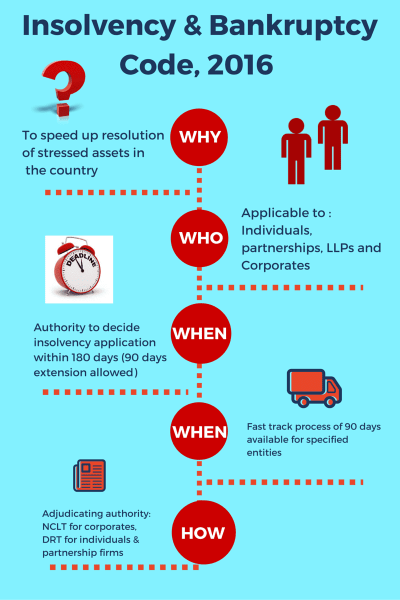

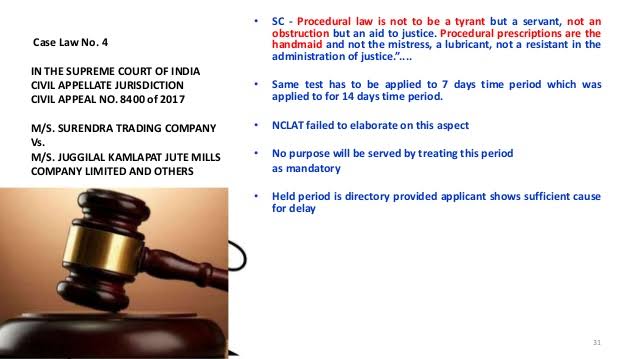
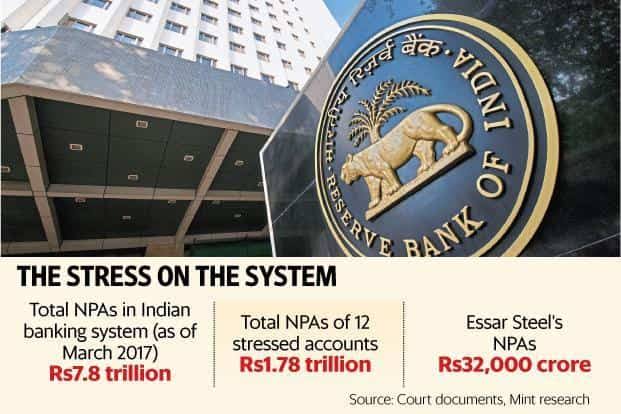



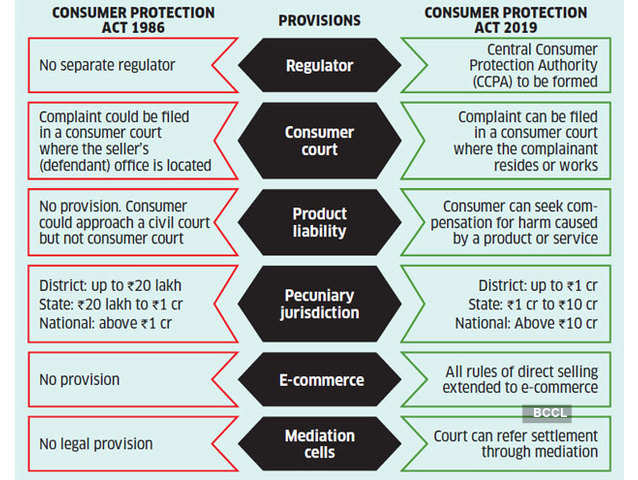
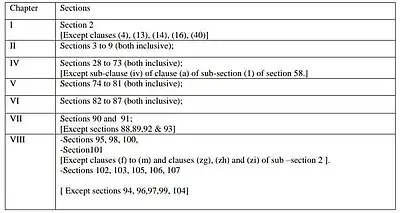


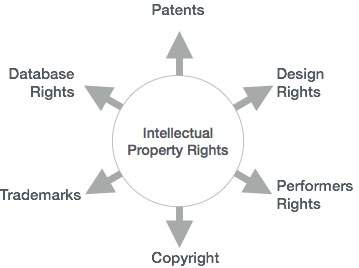







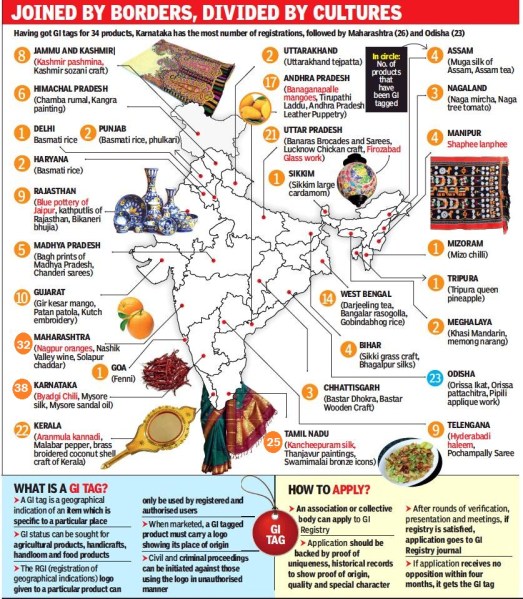


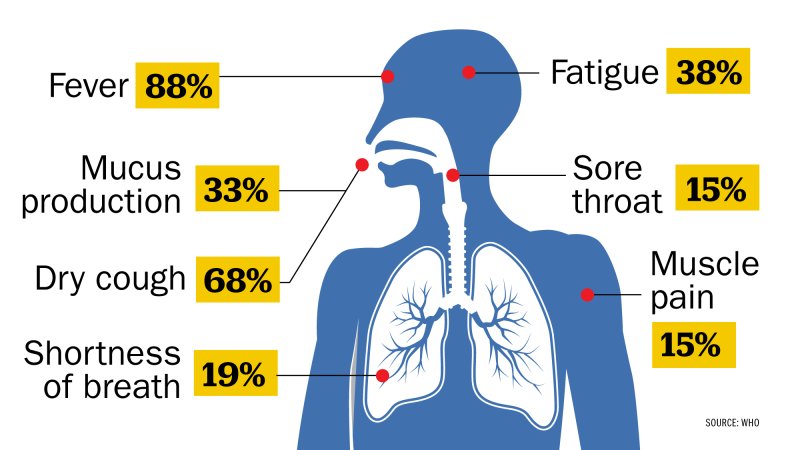







 Eduindex
You must be logged in to post a comment.