The Covid-19 weekly case positivity rate has finally dropped to below 5% in all districts of the state for the first time in months during the ongoing second wave. Even last week, when Andhra Pradesh’s average weekly positivity rate stood at 3.2%, East Godavari and West Godavari had crossed the 5% positivity rate threshold.
As per the latest weekly case positivity rate statistics between July 12 and 18, Kurnool has the lowest case positivity rate among all districts at 0.74%.
In all, Anantapur, Kurnool, Srikakulam and Vizianagaram have a less than 2% weekly case positivity rate. While the weekly positivity rate ranges between 3% and 5% in five districts, eight districts have a positivity rate less than 3%.
The case positivity rate is a key indicator to gauge the spread of the disease in the community at a certain point in time. The World Health Organisation (WHO), in an advisory released in May last year, stated that less than 5% samples testing positive for Covid-19, at least for two weeks, is an indicator that the disease is under control.
Corresponding with the lowering case positivity rate, the daily new infection numbers have now dropped to about the 2,000 to 3,000 range from the peak of 24,171 cases on May 16. But districts such as East Godavari, West Godavari, Visakhapatnam and Chittoor still continue to contribute a major chunk of the daily infection numbers. This can be gauged from the fact that while the state’s cumulative case positivity rate stood at 8.22% as of July 18, it is as much as 12.43% in East Godavari, 9.88% in Chittoor and 8.59% in West Godavari.
Despite the fall in case positivity rate, the state health department is augmenting infrastructure at all hospitals in its preparation for the anticipated third wave. A special focus has been laid on improving infrastructure to treat paediatric Covid-19 cases based on the assumptions of several experts and reports that the third wave may hit children.
First time a female doctor is found infected with both Alpha and Delta Variant of Covid-19. The doctor was simultaneously infected with both the virus and doctors have said that the condition of patient is fine and she will recover later.
The officilas have said that there is nothing to worry and the women will soon recover.
The women have previously been vaccinated and receiving the treatment as any other patient of Covid-19.
Earlier this month a Belgium Women was found infected with both the variants. The women died after five days when her conditions worsened following a collapse of her respiratory system, That happen due to being infected with both the variants of Corona Virus.
The Covid-19 pandemic has had an impact on almost every industry in the world. The IMF’s World Pandemic Uncertainty Index for Q1 2020, which stands at 13.46, is comfortably higher than any prior pandemics in the last two decades. During the SARS pandemic in Q2, 2003, the previous high was 4.40. The Uncertainty Index has always been linked to economic consequences, and the pandemic is no exception.
While small firms are projected to be the hardest hit, many of them are seeking to reinvent themselves by embracing technology and focusing on customers. However, not everyone will be able to use the online mode. During the shutdown, many companies were unable to duplicate their previous working model; it is critical to find a new approach.
These organizations are now developing new channels that do not require physical engagement to keep their clients motivated, having previously depended heavily on social interaction and group involvement to keep motivation levels high. For instance, forming WhatsApp groups, presenting role models, hosting online introductory sessions for new members, and holding contests such as plank challenges, surya-namaskar challenges, and skipping challenges, and publicizing victors on social media are all examples.
The ongoing battle to suppress the world’s second-largest coronavirus outbreak in India has stifled demand, disrupted supply networks, and changed consumer behaviors. Many small firms are developing or changing their business models to cope with the new terrain and uncertainties brought on by virus protocols.
After a boom in WhatsApp orders for carrom boards (an Indian game akin to pool with little discs that are flicked into corner pockets) and home exercise equipment, the company, which regularly employs ten people but is suddenly down to four, decided to offer free delivery.
In this moment of crisis, you might also look for goods that are readily available and can be used as needed. Even the tiniest of details can make a significant difference in the global economy’s recovery during these difficult times. To combat this pandemic, stay cheerful, don’t lose hope, be vigilant, and have a lot of patience.
COVID19 is being fought by everyone, and the entire globe is fighting together to remove it. Treat lockdown as an era of creativity, learning, and wisdom that will help humanity grow into a brighter future.
Because to the enormous economic recession induced by COVID 19, businesses have incurred significant losses and many have lost their jobs. We cannot continue to wait without doing action. As a result, we must become more aware, decisive, and proactive, as well as consider enterprises that can be started from home during lockdown for students, working class, or post-retirement.
Following are some of the best small business ideas that can be started after lockdown:
Healthcare Product Sales With the implementation of lockdown, the manufacturing of homemade or small-scale masks and hand sanitizers has risen dramatically to fulfil the rising demand for a variety of face masks and hand sanitizers. Several entrepreneurs, small company owners, self-employed professionals, and MSMEs have decided to start making face masks and hand sanitizers instead of closing their present enterprises during the lockdown. Business owners or manufacturers can contact local shops, merchants, and wholesalers directly to sell their products to local customers.
Door-to-door delivery service In the coming years, the internet delivery sector will flourish, and customers will prefer to buy things online rather than visiting grocery stores, malls, and shopping complexes, where there is a higher risk of infection. Doorstep delivery is the best alternative business during the lockdown period, in which various types of delivery services can be initiated, such as essential items delivery, grocery delivery, pharmaceuticals delivery and alcohol delivery. Respective licenses shall be required to be obtained from concerned authority to start a specific delivery business.
Food Delivery or Tiffin Service The Indian Central Government recently gave restaurants and food outlets access to sell meals via online platforms and have it delivered by delivery companies. You can also start a new business by opening a kitchen that serves a popular or desired cuisine in your neighborhood. The initial expenditure is minimal, as it only necessitates the acquisition of raw materials from a trained and professional source.
Paintings or Art work Artists have plenty of time to show off their skills through paintings or other forms of art. Artists have all of the necessary materials and only need to create a virtual display online to sell their work and deliver it to the customer’s address. Artists can host an event and showcase their talent if they have enough space to display their paintings.
While nearly all consumers surveyed (95 percent) are ready to wait out the continued limitations, only 61 percent agree with the continued lockdown measures, indicating a desire to return to normalcy, according to the survey.
COVID-19’s catastrophic second wave left India crippled. Shortage of oxygen, hospitals on the brink, unbridled Covid deaths, rampant Covid cases, people in agony pretty much sums up the second wave.
The virus evolves as it spreads. India is coping with the UK version, South African variant, Double mutant, Kappa variant, and Delta variant- to name a few.
When will COVID-19 come to an end?
Some of the viruses responsible for previous pandemics, such as the H1N1 swine flu virus, continue to spread today, so does H3N2.
And, the bitter truth is, this may also be the case with COVID-19. COVID-19 is far more difficult to eradicate since it may spread from animals to humans and from humans to humans.
“The virus sticks around, but once people develop some immunity to it — either through natural infection or vaccination — they won’t come down with severe symptoms. The virus would become a foe first encountered in early childhood, when it typically causes mild infection or none at all,” quoted Jennie Lavine, an infectious-disease researcher at Emory University in Atlanta, Georgia.
Eradication, on the other hand, isn’t the sole option. We’ve previously controlled and confined Ebola, hepatitis B, measles, and SARS, all of which were similar to the current COVID-19.
“The end of the pandemic is not the end of this virus — it’s the end of an unsustainable impact on health systems,” ANDREW J POLLARD, FRCPCH PhD FMedSci, is Professor of Pediatric Infection and Immunity at the University of Oxford said. “If we can convert it into something more innocuous, then we’ll have the end of the pandemic in sight.”
COVID-19 can also be contained and controlled with vaccination.Covishield has a 90% efficacy rate,while Covaxin has an 81 percent efficacy rate. Russia’s Sputnik V has a 91.6 percent efficacy rate. It’s time to get vaccinated for your own and your family’s protection, as vaccination is the only way out of this pandemic.
Post-vaccination symptoms &why they are good?
After taking the vaccination, one may experience some side effects like pain at the injection site, joint pain, redness, headache, chills, swelling at the injection site, fever, nausea, or fatigue.
But it’s perfectly normal and, in fact, beneficial. Side effects are the immune system’s response to the vaccine & a sign that the vaccine is working.
“The good news on our part isthat a brisk response equals an effective response,” Dr. Mark Loafman, chair of family and community medicine for Cook County Health in Illinois, told NBC 5. “It tells us that the vaccine is working. Our body’s forming a robust immune response and we feel that that’s a positive thing. So, we tend to see the vaccines that have a higher efficacy rate also have more of the so-called side effects or the symptoms because they work so well.”
The health tech revolution continues at its pace, by innovating various health gadgets which are helping to improve and manage our health. From electronic thermometers to medical devices that monitor vital signals to the health gadgets in our hands or in our mobile, we have witnessed a tech revolution in the health sector. Health gadgets have been playing an important role in our life for ages but in the year 2021, it plays a crucial role. Or we can say in this whole pandemic like situation, it turned out as a boon to medical facilities.
As of 2021, 2nd wave of Coronavirus disease strikes in different parts of world-leading once again to face a serious health problem. The health sectors’ priority now is only to save more and people suffering from this pandemic. And all the doctors, nurses, pharmacists, other healthcare workers have been hands-on fighting this pandemic. Apart from people, one thing that has become very important, that is needed to save human lives is health gadgets. In this pandemic situation, it is almost impossible for people to run to the hospitals, diagnostic centers for regular check-ups. People themselves are avoiding going to hospitals for check-ups. This may lead to some serious health issues so, health monitoring devices or health gadgets help people to keep an appropriate record of their health without going to hospitals or other related places. To ease everyone’s life technology industry is teaming up more with potential investors in the health sector and launching new products.
In this period of lockdown, people have been more stressed than ever before. More stress lead to serious health issues that should be seriously checked. One of the issues that occur due to stress is Hypertension. Now as people do not want to go to the hospitals for check-ups and it is not safe too to go to hospitals regularly. So people are using a digital health gadget that rightly tells about blood pressure with the help of a digital blood pressure monitor.
Diseases like diabetes in which regular monitoring or check-ups are very important. And the number of patients is gradually increasing. In this case, a blood glucose tracker is very useful than anything. It tells about the glucose level in a person and with the help of this seriousness of the disease can be assayed.
In 2021, health monitoring devices like oximeters, oxygen concentrators, pedometers have been crucially important, so these are the top-selling equipment. Patients are suffering from insufficient oxygen and breathlessness, with the rise of a number of Covid-19 cases in the world. Oximeter has become an aid to patients as it can tell instantly about the concentration of oxygen in a patient’s body. Now they can easily check it themselves in their own home and they do not have to go to hospitals and wait in the long queue to get their oxygen levels checked. Oxygen concentrators help one to get oxygen in sufficient amounts without the need for an oxygen cylinder instantly. So oxygen concentrators have been of great help.
There are some more health gadgets that are super smart and can track heart rate, how much movement is anyone making, how many hours anyone sleeping soundly, and how much stress anyone is experiencing in a particular movement. Nowadays it has been so easy to keep our health records. And one of the most important advantages of these health gadgets is that they are portable. There are uncountable benefits of health gadgets and people are realizing their importance now more than ever. Now we are also realizing the statement “Health is Wealth”. And it is not wrong if we say that these portable health gadgets are boon to people.
As the UP Election are on the way all the political parties are on their way to lure the public towards them to getthe votes and to win the elections. Therefore a lot interviews and rallies have started taken place. India has just came out of the second wave of Covid-19 and somehow there were many political rallies lead to the boost in cases at some places.
Sadly the same thing is happening again and the rallies and political gatherings have started again. No one knows what can be the result of all this but as there are a chances of having a third wave of Covid-19 around October it is not something that leaders should be focusing on.
Among all this the role of media has became limited to promoting the government and several products only. The major news channels are not talking about the problems that may arise as the result of the actions taken by Government. Upon having a chance to interview they only end up asking silly questions like a 5 year old fro, prime minister and from chief minister as well.
The role of media is to ask questions on behalf of the public but it seems to do everything except that only.
what do you think about current media and what do you think about the government. please share your thoughts in the comments below.
A strong economy is the source of national strength .
In an economy , the production & consumption of goods & services are used to fulfill the needs of those living & operating within. In short an economy is an area of the production , distribution & trade , as well as consumption of goods & services by agents & these agents are not someone other but are we only. These agents are individuals , businesses , organizations, or government.
Till here we can conclude that people makes up an economy.
Now lets jump on the topic which is saving lives or saving economy . In this situation of pandemic i.e., COVID 19 , lakhs of people have lost their lives , their livelihood , their families . For controlling this situation , which can be controlled only by not coming in contact with an affected person & by maintaining social distancing & self consciousness , government has laid many rules & one such rule is ” lockdown” . Never before we have heard of this word of this word but in past 2 years each one pf us has experienced it . It is a situation where every one is restricted to move out of their houses , factories were shut , many people last their jobs , because of which employment rate decreased , those who have lost their jobs migrated to their villages, All & all we can say that lockdown had the most drastic effect on the economy . lockdown is one among the reason for falling of the economy.
But lockdown was not applied to do so , rather it was meant to protect people , so that we could break the chain of Corona virus . Because of this rule of lockdown , people avoided gathering & because of this lockdown only we are able to defeat & break the chain of COVID 19 . Government took this step though knowing that this will have negative impact on the economy but we all know that it is ‘we’ who makes up an economy , & if we are safe the economy will improve for sure . Because for production you need people , for consumption you need people, for trade you need people , & for distribution you need people. So if people are safe economy is safe .
So this pandemic taught us the importance of lives , we all should thank the all mighty & our health workers for saving many lives & according to me saving lives is more important than saving economy but this doesn’t mean ignoring economy & economic development . Saving lives with holding economy & adopting every measure to save it , will leads to development of both , because both the factors are directly proportional to each other & fall in one will leads to fall in other. Hence saving lives will improve economy because at the end we all know people makes up an economy.
As of 2018, about 38 million people in the world are infected with HIV and out of these about 21 million people were living in Africa alone. South Africa, Nigeria and India are the worst affected countries with over 7 million, 3 million and 2 million people with HIV infection respectively. Interestingly, India is on third position with over 2 million of its population infected with HIV; however it has the lowest HIV rate in the world due to its vast population.
Source: UNAIDS.
UNAIDS acts as a global cogent body that protects HIV infected people from discrimination and aims to provide them a safer environment by creating awareness among the masses. It also provides deliberate and strategic advocacy and cooperates with different governments and private bodies to achieve its goals.
Achievements of UNAIDS.
1) Because of UNAIDS’s effective advocacy, different Government responses towards every aspect of HIV and AIDS was positive with good leadership and management.
2) UNAIDS’s advocacy also inspired many countries to change and abolish discriminatory laws that used to keep HIV patients on the fringes. It also convinced many countries to make laws in favour of women’s rights so that stigma faced by women decreases.
3) In 2019, 67% of all people living with HIV were accessing treatment. 68% of adults aged 15 years old and above had access to treatment, 53% of children had access to treatment and 73% of the female adults also had the access to treatment.
4) About 85% of pregnant women living with HIV had access to antiretroviral medicines to prevent transmission to their child in 2019.
5) UNAIDS also worked a lot in raising awareness about HIV and related stigma all over the world. It focused on myths related to HIV which ultimately led to a positive attitude of public towards HIV patients.
CHALLENGES FACED BY UNAIDS
There are a lot many challenges attached to HIV infection and thus it also becomes difficult for UNAIDS to deal with the issue at times. It is a social difficulty too and HIV patients suffer in silence because misconceptions about HIV.
1) HIV and Violence on women:
Every week, about 5500 young women aged 15-24 years become infected with HIV.
In Sub-Saharan Africa, five in six new infections among adolescents aged 15-19 years are among girls. Young women aged 15-24 years are twice more likely to be living with HIV than their male counterparts. More than one third (35%) of women around the world have experienced physical and/or sexual violence by an intimate partner or sexual violence by a non-partner at some point of time in their lives.
2) HIV and Tuberculosis:
Tuberculosis remains the leading cause of death among people living with HIV, accounting for around one in three AIDS related deaths. In 2018, an estimated 10 million people developed Tuberculosis and 9% of them had HIV.
3)HIV and COVID-19, newest of all:
A new analysis by UNAIDS has revealed that COVID-19 is going to have a detrimental effect on low and medium income families and countries around the world on supplies of the generic antiretroviral medicines used for HIV treatment. The lockdowns and border closures imposed by Governments to stop Covid-19 have impacted both production of the medicines and their distribution.
It’s important for us as a society to support the HIV-AIDS patients and their families morally, socially and make a stigma-free environment for them.
The world is undergoing profound changes unseen in a century because of the global pandemic. Ever since the outbreak of coronavirus, situations have changed drastically. The world has switched from outdoor normalcy to indoors, just as the tortoise draws its limbs within the shell in case of a potential threat. Everything is now being done online, be it meetings, conferences, classes, seminars, events, and whatnot! Virtual is a new reality.
With increased engagement in social media platforms, there has been an increase in the number of misinformation and false rumors being spread, particularly about the coronavirus. The only way to curb this is to know the facts about the virus. Moreover, Knowing the facts is also important because this will ensure that you do not fall prey to any such misinformation and also avoid being a potential spreader of the same. So, In this article, we will be dissecting some of the most common myths related to Covid-19 that are currently being circulated on social media and beyond.
Let us begin with a piece of brief information about Covid-19 and its origin.
The WHO states that COVID-19 is a disease that is caused by a new virus called coronavirus or SARS-CoV-2. The first reported instance of this new virus was on 31 December 2019, following a cluster of cases of ‘viral pneumonia in Wuhan, People’s Republic of China. The World Health Organization (WHO) changed its classification of the situation from a public health emergency of international concern to a pandemic on March 11, 2020. Till date, the virus has cost more than four million of life globally and is increasing every minute.
Some of the most common myths related to Covid-19 are as follows :
The Virus Cannot Sustain In The Cold Weather
There is no such evidence or scientific reason for us to believe that coronavirus cannot survive in cold weather. Moreover, the normal human body maintains its temperature around 36.5°C to 37°C, regardless of external factors such as temperature or weather. The most effective way to protect yourself against the new coronavirus is by frequently cleaning your hands with an alcohol-based sanitizer or washing them with soap and water.
The Hot Climate Will Kill The Virus
This claim is baseless as several countries which are known for their hot and humid climate have reported COVID-19 cases and that too in bunches. COVID-19 can spread in any climate. It can be transmitted in all types of areas irrespective of the surrounding or tropical conditions. Be it a region of extremely hot weather or even humid conditions, the virus still has the potential to spread. The only way of prevention is by adopting protective measures such as frequently washing your hands. This will eliminate the possibility of the virus spreading in your locality.
Spraying Alcohol All Over Your Body Can Kill Coronavirus
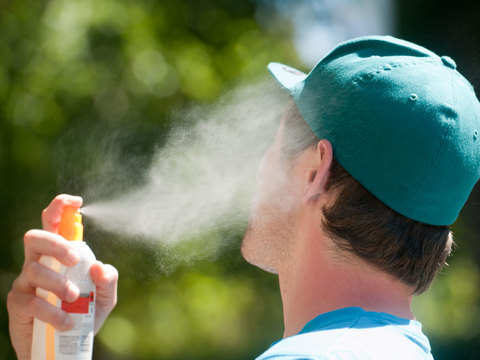
This is yet another common misinterpretation of information. The novel coronavirus primarily infects any person by entering through the nose or mouth. Spraying, alcohol, or disinfectant such as hand sanitizers will neither kill the viruses that have already entered your body nor cure the disease. It is only that frequent washing of hands with these alcohol-based sanitizers, hand rubs, or soaps can prevent the germs from entering your nose, eyes, or mouth through infected hands. In fact, spraying such substances can be even harmful to one’s health.
Alcohol Consumption Cures COVID-19 Infection
The WHO clearly mentioned that although alcohol can disinfect the skin but it does not show any such effect inside the body. There isn’t any such established evidence which can claim that drinking alcohol can cure COVID-19.
Moreover excessive or regular consumption of alcohol has the potential to increase the risk of health problems. Drinking alcohol is dangerous and can weaken your immune system thus reducing the ability to cope with infectious diseases. Ingestion of alcohol and because alcohol is associated with several other diseases, it may make people more vulnerable to COVID-19.
5G Helps In Spreading Coronavirus
Among all the myths this seems to be the most stupid one to believe at. With the technological advancements, some regions are rolling out 5G mobile technology which has raised a dispute among a few communities. Some people tend to believe that the 5G technology helps viruses to spread and communicate. However, experts completely condemn this theory as it is entirely baseless.
The World Health Organisation (WHO) states that the claim that viruses such as the novel coronavirus can travel on mobile networks or radio waves is entirely false. Moreover, It has been found that the virus is spreading across countries that do not have the 5G technology or have very little 5G coverage such as Iran.
Being Able To Hold Your Breath For 20 Seconds Means You Don’t Have Coronavirus
There’s no way for you to tell whether or not you have the virus, at least without going through official medical testing. A post circulating around social media suggests that anyone who can hold a deep breath for more than 20 seconds without chest pain or tightness likely did not have coronavirus.
But the truth is that it’s possible to be infected and not show any symptoms at all. A person who looks and feels healthy, and can hold their breath without a problem could have the virus. The most common symptoms of COVID-19 are dry cough, tiredness, and fever. The best and only way to confirm if you have the virus-producing COVID-19 disease is with a laboratory test. You cannot confirm it with this kind of breathing exercise, which can even be dangerous and may lead you into trouble.
Everyone With COVID-19 Dies
Again this is another false claim. COVID-19 is fatal for a small percentage of people who develop the illness. The WHO has reported that around 80% of people with COVID-19 experience a relative form of the illness and do not need special treatment in a hospital. Some of the commonly reported mild symptoms include a sore throat, cough, tiredness, fever, and sometimes shortness of breath. Most treated persons have recovered and have eliminated COVID-19 from their bodies.
Also, many people with the underlying infection experience very little or no symptoms at all. Hence, It will be completely inappropriate to conclude that everyone with this disease dies or is seriously affected.
However, you must seek medical attention as soon as you realize you have COVID-19 symptoms. Immediately call your local health facility and seek medical care at your earliest, if necessary.
In a major policy shift, the Health Ministry on 2th July 2021 announced that pregnant women can now get vaccinated against Covid-19. Covid-19 vaccinations can save both pregnant woman and the child, said Dr N K Arora, Chairman, National Technical Advisory Group on Immunization. The Covid-19 vaccination has been expanded to include all citizens above 18 years of age, making more than 69 per cent of the population eligible, of which nearly half 48 per cent are women. Recent studies have shown that pregnant women who get infected with Covid-19 are more likely to require intensive care. Coronavirus infection during pregnancy can result in rapid deterioration of health and affect the fetus also. The health ministry released a fact sheet and detailed information for Medical Officers for counselling pregnant women. All pregnant women need to register themselves on the Co-WIN portal or may get themselves registered on-site at the Covid-19 vaccination center. The process of registration for pregnant women remains the same as of the general population and as per the latest guidance provided by Health Ministry from time to time.
Why should pregnant women take vaccine
Pregnancy does not increase the risk of Covid-19 infection. Most pregnant women will be asymptomatic or have a mild disease, but their health may deteriorate rapidly, affecting the fetus. It is also important for pregnant women to take all precautions to protect themselves from acquiring Covid-19, including taking vaccination against Covid-19. It is therefore advised that a pregnant woman should take Covid-19 vaccines. Multiple studies and experts have recommended that vaccines available in the market are safe for pregnant women to take.
How does covid-19 affect the health of pregnant women
Over 90 percent pregnant women recover without any need for hospitalization. A recent study by the Indian Council of Medical Research (ICMR) revealed that the case fatality rate in pregnant and postpartum women was 5.7 percent in the second wave as compared to just 0.75 percent in the first wave. Moreover, 28.7 percent of pregnant and postpartum mothers had severe symptoms in the second wave, as compared to 14.2 percent who showed any symptoms in the first wave. Those who are symptomatic appear to be at a higher risk of severe infection and death. In case of severe disease, they will need to be hospitalized. Pregnant women who are older than 35 years of age, and those who have underlying health conditions such as high blood pressure, obesity, are at higher risk of getting severe illness.
Precautions which need to be taken
Taking precautions against COVID-19 is extremely important for pregnant women, and so, it is advised that they take the COVID-19 vaccine. Multiple studies and experts have maintained that vaccines available are safe for pregnant women to take. The Covid-19 vaccination schedule can be started anytime during pregnancy. If a woman has been infected with Corona virus during the current pregnancy, she should be vaccinated soon after the delivery. Practice Covid appropriate behavior : wearing a double mask, frequent handwashing, maintaining physical distance and avoiding crowded areas to protect themselves and those around from spreading the COVID-19 infection.
When COVID-19 cases are increasing rapidly, Kerala has been put on high alert after the Zika virus outbreak
Grappling with a heavy caseload of Covid-19, Kerala has been put on high alert after the Zika virus outbreak. The Union government has rushed a team of experts to the state. At least 14 cases have been confirmed, said the state health ministry. A 24-year-old pregnant woman from Parasala in Thiruvananthapuram district was the first to test positive for Zika on Thursday, apart from her later 13 others were added to the list. Of the 19 samples sent to the National Institute of Virology (NIV) in Pune, 14 were found to be positive. Health minister Veena George later called an emergency meeting and an action plan was formulated. “We have started a vigorous vector control programme and the whole state was alerted. We are monitoring the situation closely and more testing labs will be opened,” said the minister, adding that there is no need for panic. The woman has no travel history and it is suspected that she was infected locally. Health officials said samples were sent to the NIV last week and the mother gave birth normally on July 7, both mother and child are stable. At least 60 other samples were sent to Pune and health authorities are busy making arrangements to test samples at the NIV regional center in Alappuzha. A surveillance team, vector control experts and entomology units visited the area where the woman lived and took precautions to prevent further spread. The health authorities hoped that further spread could be contained with an utmost vigil as all the patients lived not far from the house of the initial patient. Some of the affected are health workers. “They were all working at a private hospital. We will check their travel history and take immediate action,” the minister said. In Delhi, health joint secretary Lav Agarwal said a 6-member expert team has been rushed to help the state. “The six-member team includes vector-borne disease experts and doctors from the All India Institute of Medical Sciences,” he said. The virus is mostly spread by mosquitoes, though it can also be sexually transmitted, said experts. However, few people die from Zika and only one in five develops symptoms. The symptoms of the disease, first identified in monkeys in Uganda in 1947 and the first human reported from Nigeria in 1954, include joint pain, fever and headache. In May 2015, it was reported in Brazil and spread rapidly. It leads to shrunken brain in children and a rare auto-immune disease called Guillain-Barre syndrome, experts said, adding it was first reported in the country in Gujarat in 2017. Meanwhile, the state’s Covid-19 cases remain quite high. On Friday, Kerala reported 13,563 new cases of Covid-19 with a high test positivity rate of 10.4 per cent. For almost a month the state has been reporting the highest number of cases in the country. It also reported 130 deaths taking the toll to 14,380.
We’ve been through this pandemic since 2019. It’s only in January 2020 we came to know about it, too late to take any precautions as such. The nation started to witness a huge number deaths and got to understand the severity of this virus. The only option left for the government was a nationwide lock down. On the evening of March 24, 2020, the government of India under Prime Minister Narendra Modi, announced a nationwide lockdown for 21 days, i.e till 14th April 2020, but was extended further for months.
This affected the nation in a drastic manner with the downfall in the economy of the country, rise in unemployment, poverty, theft and robbery. Everything brought into the nation a complete chaos. It not only affected the country economically but also the mental health of the people. The suicide rate during the pandemic has increased drastically. We humans need companions. Maintaining social distance and not to talk and meet anyone in person is really difficult for a normal human. It’s just that we are not use to, though it has become a new normal now.
The education system collapsed completely during this pandemic. Online mode of education can never replace the offline mode, no matter how much technically capable we become. Never in the history had matriculation and intermediate examination be cancelled. Now as it has, students have taken things so lightly that examination don’t fear them anymore. Children now, are the future of our country. What will these students grow up and do? How will our country develop further? Will our country be safe in their hands? We don’t have an answer to these. This pandemic no matter how soon we wish to end, is going to have a long term effect on everybody’s life.
‘COVID third wave to hit India in August’
A research report has predicted that India may witness the third wave of COVID-19 in mid-August 2021, raising the alarm bells for policymakers and citizens. The research claims that the COVID third wave peak will arrive in the month of September 2021. According to the SBI report, the global data shows that on average, peak COVID-19 cases reached during the third wave are nearly twice or 1.7 times those from the second wave of the pandemic.
Are we ready for the next wave to hit? Everything that’s happeningto happen once again?
No, right? The people of our country are not at all, though the government is arranging for beds, oxygen and all other necessities. The people on the other hand are planning trips and vacations. Just a month ago, people were struggling to get oxygen and a bed at the hospital. Now the same people are struggling to get rooms at a resort in Manali.
India registered 43,393 new COVID-19 cases today from peak of 4 lakhs in the 3rd week of May. 44,459 recoveries, and 911 deaths in the last 24 hours, as per the latest update by the Health Ministry this morning. As per the data shared by the Ministry of Health and Family Welfare (MoHFW), there has been been a slowdown in the downward trend of daily COVID infections and a slight increase in the positivity rate. Yet, third wave is knocking the door. Beware!
Vaccination
The only way you can be a little safe during the third wave is through vaccination. Though it’s very difficult to get your slots booked, try and vaccinate yourself as soon as possible. Vaccination too cannot protect you from the virus completely. Go out only if necessary and wear masks properly. It’s better to stay away from crowded places to avoid being caught by the virus.
The outbreak of COVID-19 affected all sections of society since the first case recorded in China in late 2019. People were asked to quarantine themselves in their homes to prevent the spread of this virus. Despite its negative effect on other sectors, the pandemic was a boon for a few viz online shopping sites and also a rapid increase was seen in e-learning as compared to the traditional classroom method of education.
Even before COVID-19, there was already a high growth and adoption in education technology, with investments in e-learning apps reaching a value of $18.66 billion in 2019 and the overall market for online education is projected to reach $350 billion by 2025. The pandemic however challenged the education system across the world and forced educators to shift to an online mode of teaching overnight. Many academic institutions that were earlier reluctant to change their traditional approach were left with no alternative option but to shift entirely to e–learning. Whether it was language learning apps, virtual tutors, tools for video conferencing or online learning software, all had a significant surge in its usage since the pandemic hit.
While some believe that the unplanned move to online learning – with no training and little preparation – will result in a poor user experience, others believe that a new hybrid model of education will emerge, with significant benefits. There have already been successful transitions amongst many universities. The Imperial College, London started offering a course on the science of coronavirus, which is now the most enrolled class launched in 2020 on the site coursera. The e-learning method offers teachers an efficient way to deliver lessons to students. Videos, PDFs, podcasts, can be used as a part of lesson plan. By extending the lesson beyond traditional textbooks to include online resources, teachers are becoming more efficient educators. The online learning system, with its range of options, can be personalized in many ways. Some students are visual learners, while some prefer to learn through audio. Similarly, some students thrive in the classroom, and others are solo learners. It is the best way to create a perfect learning environment suited to the needs of each student.
There are, however, challenges to overcome. Some students without reliable internet access and/or technology struggle to participate in digital learning; this gap is seen across countries and between income brackets within countries. While internet penetration has grown in leaps and bounds over the past few years, still in smaller cities, a consistent connection with decent speed is a problem. Without a consistent internet connection for students or teachers, there can be a lack of continuity in learning. This is detrimental to the education process. Online learning also requires teachers to have a good understanding of digital forms of learning. However, this is not the case. Very often, teachers have a very basic understanding of technology. To combat this, it is important for schools to invest in training teachers with the latest technology updates so that they can conduct their classes seamlessly.
Parents and students are also concerned about the health hazards of spending hours staring at a screen. This increase in screen time is one of the biggest disadvantages of online learning taking a toll on students ‘eyesight. Sometimes students also develop bad posture and other physical problems due to staying hunched in front of a screen.
Major world events are often an inflection point for rapid innovation – a clear example is the rise of e-commerce post the SARS pandemic (2002-2004). While we have yet to see whether this will apply to e-learning post-COVID-19, it is one of the few sectors where investment hasn’t dried up. What has been made clear through by this pandemic is the importance of disseminating knowledge across borders, companies, and all sections of society. If online learning technology can play a role here, it is incumbent upon all of us to explore its full potential. From chalks and blackboards to smart boards to laptops -the education sector has jumped the boundaries of a school wall…the journey has just begun.
Since the pandemic unleashed each country from every nook and corner of the world started the research on the virus to make a vaccines. Till date a lot of countries have produced innumerous vaccines. Following are some of the most widely used vaccines.
1.Covaxin
Released by Bharat Biotech, it has an efficacy of 78% against symptomatic cases. The phase 4 trials were started in June 2021. It constitutes an inactive form of the covid virus. This invokes the immune system which kills any such virus that enters the future. It is given in the form of 2 doses each 4 to 6 weeks apart. There may be side effects like pain, swelling, stiffness in the upper arm, etc. It has not been tested on infants, pregnant, and breastfeeding women.
2.Covishield
Developed by the Oxford-AstraZeneca, it is being manufactured by the Serum Institute of India (SII). It is also given in 2 doses but both are 12 to 16 weeks apart. When both doses are given 30 days apart it is 70% effective but when the doses are 2 to 3 months apart, the efficacy rises to 90%. It has the same side effects as covaxin and is also not tested on infants, pregnant, and breastfeeding mothers.
3.Pfizer
Developed by the German company BioNTech it is an mRNA bases vaccine that encodes the mutated form of the spike protein. Its efficacy is around 91% after the second dose. A gap of 3-4 weeks is recommended between the 2 doses. Side effects remain the same. It can be administered to children above 16 years of age.
4.Sputnik V
Produced by the Gamaleya Research Institute of Epidemiology and Microbiology in Russia, it is an adenovirus viral vector vaccine. Its efficacy is 91%. The second dose is different from the first and is given after 21 days gap. The export from one country to another is easy as it requires a storage temperature of +2-8 degrees Celsius. With the same side effects, it is not recommended to pregnant women.
5.Moderna
Produced by ModernaTX, Inc., an American pharmaceutical and biotechnology company in Cambridge, it is an mRNA-based vaccine. It is given in the form of 2 doses 28 days apart. It is recommended for people above 18 years of age with the same side effects. After 2 weeks of the second dose, the efficacy rises from 91% to 94%.
The side effects that these vaccines have are normal and only means that our body’s defense mechanism is working. Therefore each individual should get a vaccine as soon as possible.
The ongoing trial, conducted into the Pfizer-BioNTech Covid-19 vaccine, has shown that a third dose can push antibody levels five to 10 times higher against the said variants of the coronavirus compared to the first two doses alone
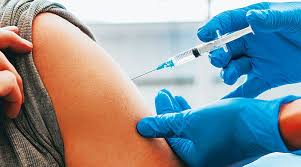
The Pfizer-BioNTech Covid-19 vaccine, sold under the brand name ‘Comirnaty’, may require a third dose to work more effectively against the original strain of the coronavirus disease (Covid-19), news agencies reported on Friday morning, citing a statement from the companies from a day ago. The third Covid-19 shot is also expected to provide better protection against the Beta variant, first identified in South Africa, and the Delta variant, found in India, as per interim data from an ongoing trial into the vaccine. Pfizer and BioNTech announced on Thursday that they would seek regulatory approval for the third dose of their Covid-19 vaccine, in view of the interim trial data which showed that a third dose can push antibody levels five to 10 times higher against the said variants of the coronavirus compared to the first two doses alone. This will, in effect, provide better protection than the current practice of administering two shots, the statement read. The development comes after the vaccine was found to less effective against the Delta variant of the SARS-CoV-2 virus. A study, published in the journal ‘Nature’, showed that a single shot of the Pfizer-BioNTech vaccine, or even the AstraZeneca shot for that matter, “barely” induces any neutralising antibodies against the Delta Covid-19 strain. The Pfizer-BioNTech Covid-19 vaccine was reportedly dropping in efficacy after six months, the Israeli government said earlier this week. According to Bloomberg, data from Israel’s health ministry showed the Pfizer Covid-19 vaccine protected 64% of the country’s people against the virus between June 6 and early July, down from the earlier 94%. This decline has been observed amid the emergence and rise in cases of Delta variant in the country, the data revealed. Commenting on the matter, Pfizer-BioNTech said that the third dose may be needed within six to 12 months after full vaccination for complete protection. In light of these findings, Pfizer-BioNTech announced that the companies are working on a Delta-specific vaccine, the first batch of which has already been manufactured at BioNTech’s facility in Mainz, Germany. However, more studies are needed in this area and the companies anticipate the clinical trials to begin in August, subject to regulatory approvals. “The companies expect to publish more definitive data soon as well as in a peer-reviewed journal and plan to submit the data to the FDA (Food and Drug Administration), EMA (European Medicines Agency) and other regulatory authorities in the coming weeks,” the statement said.

















 Eduindex
You must be logged in to post a comment.