The Consumers can now cheer as the Consumer Protection Act, 2019 has recently replaced the three decade old Consumer Protection Act, 1986. The Consumer Protection Act, 2019 which came into effect on Monday (July 20) has replaced the earlier Consumer Protection Act, 1986.
The new Act as per the Experts say that “it gives more power to the consumers”. It seeks to revamp the process of administration and settlement of consumer disputes, with strict penalties, including jail term for adulteration and misleading ads by firms.
On July 20, 2020 certain provisions of the Consumer Protection Act, 2019 came into force as notified by the Central Government. Following the the key features of the relevant provisions:-
Key features of the Consumer Protection Act, 2019 which came into effect on July 20, 2020:-
1) Consumers can now institute a complaint from where they reside or work for gain.
2) The original pecuniary jurisdiction of the District Commissions has increased upto ₹1 crore from ₹20 lakh earlier.
3) The Pecuniary jurisdiction of State Commissions has been increased from ₹1 crore to Rs. 10 crore.
4) The National Commission can hear cases above ₹10 crore when compared to above ₹1 crore earlier.
5) While the provisions relating to e-commerce are not yet notified, a section relating to electronic service provider (covering software services, electronic payments) is notified.
6) The opposite party needs to deposit 50% of the amount ordered by the District Commission before filing an appeal before the State Commission. Earlier, the ceiling was a maximum of ₹25,000, which has been removed.
7) The limitation period for filing of appeals to the State Commission has been increased from 30 days to 45 days.
8) The Parties can be allowed to settle the disputes through mediation.
Following are the Sections which came into force:
Above mentioned provisions pertain to the Consumer Protection Councils, Consumer Disputes Redressal Forum, Mediation, Product Liability, punishment for manufacturing, selling, distributing etc spurious good or products which contain adulterant.
As per the rules, the e-commerce players will have to display the total ‘price’ of goods and services offered for sale along with break-up of other charges. Only a few certain miscellaneous provisions with regards and respect to the powers of the Central and State Government to make the rules and regulations have also been enforced.
On misleading advertisements there is provision for jail term and fine for manufacturers. There is no provision for jail for celebrities but they could be banned for endorsing products if it is found to be misleading.
For the first time there will be an exclusive law dealing with Product Liability. A manufacturer or product service provider or product seller will now be responsible to compensate for an injury or damage caused by the defective product or deficiency in services.
The Act has also defined an “e-commerce” as the buying or selling of goods or services including the digital products over digital or electronic networks. The existing definition of e-commerce has been adopted from India’s FDI Guidelines on e-commerce.
The definition of ‘e-commerce Entity’ as provided under the FDI Guidelines includes inventory and market place models.
There is also a provision for class action law suit for ensuring that rights of consumers are not infringed upon. The authority will have power to impose a penalty on a manufacturer or an endorser of up to 10 lakh rupees and imprisonment for up to two years for a false or misleading advertisement.
In the year 2020, the whole world is fighting with a virus, which changed the way we live and work at least temporarily. COVID-19 took many lives and made many people jobless. The impact this pandemic created will be there at least for the next few years. No one knows when this pandemic will end, but it is evident that the year 2021 will be different because of the year 2020.
“Sometimes even to live is an act of courage.” Those words are as true today as when they were written two millennia ago by the Roman Stoic philosopher, Seneca. The coronavirus pandemic is affecting millions and it is imperative to understand the unprecedented shockwave it has created – shattering social structures and disrupting economies and markets, with the ripples felt by almost every individual, business and nation.
The Covid-19 outbreak in India has severely impacted the economy in myriad ways, with the lockdown halting the entire nation. It came at a time when the Indian economy was already slowing due to weaknesses in the financial sector and falling consumer demand for goods. Sectors already suffering, including logistics, aviation, transport, and tourism, are struggling to absorb the impact on the economy of the coronavirus pandemic.
There are parallels between the emerging economic crisis and the financial crash of 2008. Like then, investment institutions and banks, including the IMF and Goldman Sachs, as well as the global rating’s agencies, such as Moody’s and S&P, have slashed growth projections, with India and other countries forecast to enter a ‘deep recession’. But the scale of the 2020 downturn is likely to be far greater than what followed 2008.
Efforts by the Indian government to flatten the virus curve through stringent lockdown measures will result in a steep economic contraction. In its April 2020 policy review, the Reserve Bank of India, warned: “The macroeconomic and financial landscape has deteriorated, precipitously in some areas.”
Like other countries around the world, India too is grappling with the conundrum of reopening the economy – protecting and restoring activity this year to help shape a return to growth in 2021 – while containing the spread of the virus, and potentially further lockdowns.
The effect of 2020 on 2021:
During COVID-19 pandemic, imports and exports were affected adversely. And it affected many countries. For example, the Automobile industry in India imports components from China. When China was fighting with coronavirus, factories were shut down and as a result, India’s automobile industry had to halt the production. Not just India, but many countries are depending on the imports for many products such as electronics, pharmaceutical ingredients etc. So, in the year 2021, companies will work on diversifying supply chains and countries will work on achieving self-sufficiency. This may lead to protectionist tendencies.
COVID-19 came when the world is least expecting it. No country is fully ready to face it. Many developing countries have a shortage of healthcare professionals and medical equipment. Even developed countries have a shortage of medicines. So, in 2021, countries may work to fill this gap.
As coronavirus forced people to sit at homes, the demand for telemedicine facilities increased drastically. In 2021, hospitals and governments may work to make telemedicine facilities more accessible.
2021 may bring more work from home jobs, as more and more companies are thinking of it as a win-win situation for them and for the employees.
Virtual meetings will become more common. In 2021, people may not travel on flights just to attend official meetings. This will result in less carbon emissions.
We have been fighting with climate change for a long time. United Nations member countries started working on the common goal of making affordable and clean energy accessible to all. But coronavirus pandemic affected the world economy badly, and every country is working a lot to uplift the economy. So, the transition to clean energy may take a backseat in 2021.
As many people are now scared to eat out and are preferring healthy food to boost immunity, restaurants and food delivery apps may continue to struggle in 2021 as well. There will be more investments in the companies the manufactures hygiene-related products and raw foods.
There will be more e-learning opportunities.
People may save more money by avoiding unnecessary expenses because COVID-19 pandemic taught people that anything can happen at any time and so savings are important to protect ourselves in tough times.
We have witnessed people stuck in other countries or in other states within the country due to lockdown throughout the world. After going through difficult times in 2020, people may want to stay close to their families. If it happens, it will alter the demography of many regions.
As people may not be ready to go to theatres at least for the next few months, OTT (Over-the-top media services ) platforms such as Netflix & Amazon Prime may take over the traditional film industry in 2021.
With an increase in work from home jobs, 2021 may see an increase in cybersecurity threats.
How will 2020 impact 2021?
The pandemic is undoubtedly redrawing the landscape, but it is difficult to develop an economic blueprint for the post Covid-19 future because we have never before experienced the measures put in place to stem the spread, such as suspended transport, inoperative plants and stalled projects. Effects will differ to some extent across the Indian states as they follow specific economic strategies. Tourism has been severely hit, and will continue to suffer, no more so than in Goa where tourism is the mainstay of the state’s economic development strategy. The consequences for small firms, labour and for investment in tourist and transport infrastructure will be harsh.
Even the high-performing districts in India have been badly impacted by the lockdown – 130 districts classified as red zones account for 41% of national economic activity, 38% of industrial output and are the most industrialised regions. Lower economic activity in these areas has spread to suppliers and revenues have slumped. The collective consequence of disruptions to supply chains, operations and travel are reverberating across almost all sectors of the economy, leading to:
Higher unemployment – further reducing demand and impacting production and capacity utilisation, and damaging corporate results
Shortage of labour – migrant labourers have suffered greatly during the lockdown. The Government of India has increased the money going into the Mahatma Gandhi National Rural Employment Guarantee Scheme, which provides livelihood security in rural areas through 100 days of paid employment for adults who volunteer to do unskilled manual work. Under Covid-19 migrant labour obviously feels safer working closer to home rather than moving across states, but this will reduce the availability of workers for other sectors and regions.
Severe liquidity crunch – working capital issues/solvency risk for sustained periods could lead to defaults on loans and may increase stranded assets in the banking sector.
Potential losses will vary by sector, but some industries that are suffering, such as airlines, hotels, automotive, construction and real estate, are likely to continue to bear the brunt into 2021.
Covid-19 is unprecedented, so it is difficult to accurately make projections for economic growth, but it is possible to highlight some of the issues that will have an impact on Indian economy going forward.
It will take months, possibly years for migrant labours to return to work in other states, so the financial stress on rural households will increase, and will be exacerbated by a weak job market.
Demand has fallen significantly since the introduction of the lockdown. AIIMS Director Randeep Guleria has said cases of Covid-19 in India will peak in June and July, though others say this may not happen until September. This will impact tourism, aviation, retail and many other economic activities, leading to job losses that will further reduce demand. Given the uncertainties, it is unlikely we will see a return to full-scale operations in many sectors this year. This will impact the financial health of many enterprises and many will reduce Capital investment in 2021.
Remittances to India are projected to fall due to travel restrictions. The World Bank estimates these could decline by as much as 23%.
Rising unemployment, falling corporate revenue and profit is bound to impact tax revenues. Already the government has announced a series of support measures. Falling tax income and rising expenditure to support many social and employment schemes will increase the government’s fiscal deficit in 2021.
There are glimmers of hope, however. The Indian economy may benefit from falling fuel oil prices, potentially halving the import bill if current crude oil prices hold, and many foreign firms are looking at India as alternate manufacturing destinations in many sectors, such as pharmaceuticals, chemicals and electronic component manufacturing. India needs to capitalise on this potential opportunity and provide all necessary policy assistance to attract foreign investment in 2021.
Covid-19 has adversely impacted the entire global economy and India is not spared. Looking at the current trend India is expected to enter recession. Recovery should focus on creating a more sustainable and resilience economy, pursuing opportunities to build back better and improve the life chances of all Indians.
Conclusion:
Coronavirus pandemic affected everyone and changed our daily lives. The world will create 2021 based on these changes and also with the lessons we learned while fighting with the pandemic.
A fifty-year-old patient was tested positive at the beginning of July with mild symptoms of cough and sore throat. Three months after the previous infection he experienced many harsh symptoms including high fever, shortness of breath, and hypoxia. Two patients in New Jersey, for instance, appear to have contracted Covid-19 a second time almost two months after fully recovering from their first infection. Daniel Griffin, a physician and researcher at Columbia University in New York, recently described a case of presumed reinfection on the This Week in Virology podcast. It’s possible to get reinfected by the virus, the period of lasting may differ. An estimated 40 to 45 percent of people with Covid-19 may be asymptomatic, and others will have a mild illness with no lasting symptoms. But Nichols is one of many Covid-19 patients who are finding their recovery takes far longer than the two weeks the World Health Organization says people with mild cases can expect.
(The WHO says those with severe or critical cases can expect three to six weeks of recovery.)
A vaccine may not be enough to end the pandemic?
“This is an extraordinary time we’re living in right now,” said Anna Durbin, a vaccine researcher and a professor of international health at the Johns Hopkins School of Public Health. “The pandemic is motivating a lot of [vaccine] efforts around the world.”One variable shaping effectiveness is how quickly the virus mutates. A faster rate of mutation would increase the chance that the vaccine would not generate a helpful immune response to the virus. SARS-CoV-2, the virus behind Covid-19, is a single-stranded RNA virus. Such viruses are notorious for high mutation rates, but those mutations don’t necessarily occur in a way that would weaken protections from a vaccine. In fact, evidence seems to show that SARS-CoV-2 may have a relatively slow mutation rate for an RNA virus, increasing the chances that a vaccine would offer long-term protection. “On the other hand, the vaccines will likely induce immunity that is short-lived and incomplete, ” said Paul Offit, director of the Vaccine Education Center at the Children’s Hospital of Philadelphia.
People’s Vaccine.
A pandemic needs international coordination. While researchers are sharing data about Covid-19 across boundaries, it’s not clear that nations agree on how to collaborate on making and distributing the vaccine. The US, for instance, has tried to lure vaccine developers to the country to make vaccines for limited US use. But the World Health Organization has called for sharing vaccine intellectual property free among companies and countries. Otherworld leaders have called for a people’s vaccine to Covid-19 to be made available to all countries free of charge.
Biomedical Waste Management & Handling Rules, 1998 (“1998 Rules”) in India govern the handling, disposal and management of bio-medical waste (“BM Waste”)in India have been notified by the Central Government in the exercise of the powers conferred by Section 6,8 & 25 of the Environmental Protection Act, 1986. These rules provide for the framework of the management and Handling of disposal and scientific management of BM Waste
In wake of the COVID-19 pandemic, the Centre Pollution Control Board (“CPCB”) recently issued guidelines dated March 27, 2020 for handling, treatment and safe disposal of BM Waste generated during treatment, diagnosis and quarantine of patients confirmed or suspected to have COVID-19 (“Guidelines”).
The Guidelines have been necessitated due to the super infectious nature of the Novel corona virus and provide for a mechanism for the segregation, packaging, transportation, storage and disposal of BM Waste in order to avoid further spread of the virus through BM Waste.
So what do you mean by the BM Waste and what are the categories of BM Waste that the hospitals generate?
The Bio-Medical Waste Management Rules 2016[1] (“2016 Rules”) define the BM Waste as any waste, which is generated during the diagnosis, treatment or immunisation of human beings or animals or research activities pertaining thereto or in the production or testing of biological or in health camps, including the categories mentioned in Schedule I the 2016 Rules.
The 2016 Rules apply to all persons who generate, collect, receive, store, transport, treat, dispose, or handle bio medical waste in any form. The next imminent question that comes to our minds is what are the categories of BM Waste that the hospitals generate?
BM Waste generated from a hospital could be human anatomical waste, animal waste- microbiology & biotechnology, waste sharps, discarded medicines and cytotoxic drugs, solid & liquid waste.
Now that we know what’s the meaning and various categories of BM Waste, the most pertinent question arises that how is it supposed to be treated and disposed of by the hospitals in India during the ongoing COVID-19 pandemic?
While the hospitals in their usual course deal with the segregation, management and storage of BM Waste, the situation in times of COVID-19 is extraordinary the reason being the highly contagious nature of the virus and also it’s transmission cycle and multiplicity rate.
As the hospitals are being flooded with the suspected and confirmed cases, the Ministry of Health and family welfare (“MoHFW”) and the CPCB have issued various guidelines for the handling and management of waste generated from the COVID-19 facilities.
Under the 2016 Rules, while the hospitals are required to ensure that there is a secured location within its premises for a spill/pilferage free storage of segregated BM Waste in labelled/coloured bags or containers, the duty to transport the stored BM Waste from the hospital premises onwards to the common BM Waste treatment and disposal facility is of an ‘operator’ as defined in the Rules.
Specifically, in wake of COVID-19, the CPCB has issued Revision 1 to the Guidelines dated March 25, 2020 for Handling, Treatment and Disposal of Waste Generated during Treatment/Diagnosis/ Quarantine of COVID-19 Patients (“CPCB Guidelines”).
[2] The said CPCB Guidelines inter-alia, state that hospitals are required to depute separate BM Waste sanitation workers to COVID-19 isolation wards and maintain records of all waste generated in such isolation wards and ensure that the BWM generated is collected and separately stored in separate leakproof color-coded double layered bags or bins /containers labelled as “COVID-19 waste” as per the 1998 Rules and the Guidelines.
In fact the Bombay High Court in a recent pending public interest litigation has, while issuing notices to local municipal corporations and the State Pollution Control Board, also directed the Maharashtra government to clarify whether it was ensuring that all COVID-19 related biomedical waste generated in the state was being disposed of in a safe manner[3].
Now that we have a thorough understanding of how the BM Waste is supposed to be treated and disposed of the most important and the widely discussed about topic is that what are the measures that a hospital is required to take for the safety of its employees doctors, nurses and other support staff who are known as the (“healthcare personnel”) from the dangerous diseases like COVID-19?
In order to answer this pertinent question which is often there in the limelight, one must keep in mind that the Healthcare personnel who are the Frontline workers have a high risk of contracting the COVID-19.
While the hospitals are taking precautions and measures to control any spread of infection within the premises, it is particularly difficult given the highly super-infectious nature and hyper-speed feature of the virus. Due to this feature it spreads widely and it becomes a bit difficult to contain it in an over-crowded environment but it’s not impossible to achieve that as we all have been deterrent enough to contain it’s spread but still there is always scope for improvement.
The first steps towards controlling the spread of a virus is personal protective equipment also known as PPE which should preferably be a two-layered fluid-resistant apron and basic items like N-95 masks, face shield, full cover gowns and sanitisers but the same are rendered ineffective against the COVID-19 if the quality of these equipments is not up to the standard as required.
Greater emphasis is also to be laid upon the proper training and awareness of healthcare personnel towards proper use and disposal of the equipment. The spread of the COVID-19 virus is also particularly fast due to the heavy load of asymptomatic patients coming into the hospital and hence a greater need for the formulation of national COVID-19 protocol.
The MoHFW has vide its revised guidelines for clinical management of COVID-19 dated March 31, 2020[4] (“Clinical Management Guidelines”) impressed upon strict compliance of Infection prevention control (IPC) protocol for Hospitals and a consequent effect of the same is prevention and management of COVID-19 in the hospital staff.
This protocol inter-alia, standard precautions such as hand hygiene, use of PPE to avoid direct contact with patients’ blood, body fluids, secretions (including respiratory secretions) and non-intact skin, prevention of needle-stick or sharps injury, safe waste management, cleaning and disinfection of equipment and cleaning of the environment around a COVID-19 patient.
The 2016 Rules also provide as follows that in order to and for ensuring the safety of the healthcare workers and others involved in the segregation and pre-treatment of BM Waste, the hospital is required to train to all its healthcare workers, immunise them for protection against diseases which likely to be transmitted by handling of BM Waste, in the manner as prescribed in the National Immunisation Policy[5].
Also, hospitals are required to ensure occupational safety of all its health care workers and others involved in handling of BM Waste by providing appropriate and adequate PPE and also they must conduct health check ups at the time of induction and at least once in a year maintain the records for the same.
Now due to the pandemic if one is an employee ie the Healthcare personnel of the hospital one must understand the Legal aspect and angle also and the most important aspect of all is that what is the Legal obligations of the hospital, if and when an employee of the hospital tests positive for COVID-19.
Let’s answer this as it’s the most crucial and critical aspect. The present COVID-19 pandemic is an unprecedented event and is unlike any other infectious disease known to mankind and the medical world which is yet to fully decipher its modus operandi of infecting humans.
In a hypothetical situation wherein a hospital employee contracts COVID-19, it will be imperative for the employee in such a situation to establish that his possible exposure to COVID-19 was in the Hospital itself not in the community after considering that the employee is spending time outside as well apart from the hospital premises.
While in an ideal case, if it is proved that a hospital staff has contracted it ,i.e., it shall amount to ‘a hospital acquired infection’, then the hospital would be ordinarily liable. However, in the case of COVID-19 since it is seemingly impossible to trace down the exact source of the infection, in absence of such evidence and in light of utmost safety measures and precautions taken by the hospitals as per the guidelines, fastening of any liability on the hospital would be peculiarly difficult.
The defence available to the hospital may be culpability and negligence of the employee and proving that the hospital itself took all possible measures to avoid any mass spread of the infection.
The next relevant point to be analysed and answered is that when a Non COVID-19 patient contracts the virus during his term of being admitted in the hospital what are the Legal obligations of the hospital when this happens?
The National Consumer Dispute Redressal Commission in the matter of Apollo Emergency Hospital vs Dr. Bommakanti Sai Krishna & Anr.[6] observed that “As already observed, the infection occurred during the stay of the Complainant at the hospital. On the other hand, there is nothing to show that the source of infection lay outside the hospital. Thus, there is preponderance of possibilities of the infection having been acquired in the hospital itself. We therefore, do not accept the contention that it was necessary for the Complainant to produce expert evidence to prove negligence on the part of the concerned doctors in the hospital.”
The afore-stated judgement implies a presumption of liability on the hospital that in cases where the probability of acquiring the infection is much higher inside the hospital than from other sources. However, the same may not apply in COVID cases in light of the peculiar difficulty of tracing the source of acquiring the COVID-19 infection. Therefore, the presumption rendered by the aforesaid judgement will not be ipso facto applicable to cases of COVID patients.
As we have discussed the various pertinent relevant questions another one is that what are the legal obligations of the hospital, if and when a patient is misdiagnosed positive or negative for COVID-19 by the hospital due to a fault in the COVID-19 rapid testing kit (“testing kits”)?
The liability of a hospital in cases of misdiagnosis depends on the methodology of procuring of testing kits. A hospital may procure testing kit either from third party manufacturer or may manufacture them internally i.e. by itself or its subsidiary.
In cases where the misdiagnosis is on account of faulty testing kit procured externally, the hospital cannot be held directly liable as the liability may be shifted upon the manufacturer.
In cases where the misdiagnosis is on account of faulty testing kit is due to testing kits produced internally the hospital may be liable subject to it being proved that the misdiagnosed patient was indeed positive. However, factors such as the success rate of any testing kit not being 100% may have an interplay in determining the liability.
We have to be aware of what are the Legal liability of a hospital in a situation where the hospital discharges a mild/very mild/pre-symptomatic COVID patient to ramp up the capacity for serious COVID-19 patients.
A hospital will not be held liable for a systematic discharge of a mild/very mild/pre-symptomatic/moderate COVID-19 patient as the same is directed by the Central Government. On May 8, 2020, the MoHFW released its revised policy for the discharge of COVID-19 patients.[7] This revised policy provides that hospitals can discharge mild/very mild/pre-symptomatic in accordance with the protocols given therein.
In the earlier advisory[8], COVID-19 patients could be discharged only after chest radiograph clearance, viral clearance in respiratory samples, and if two of the patient’s specimens were negative within a period of 24 hours. The discharged patient would then have to home quarantine themselves in accordance with the revised policy.
So what is the protocol to be followed by a Hospital while disposing of the dead bodies of the COVID-19 patients?
The corpses are a source of infection for healthcare personnel/ other patients and cannot be disposed of by usual methods of disposal and therefore, the MHFW issued guidelines dated March 15, 2020 on dead body management in COVID-19.[9] The guidelines provide inter-alia, the protocol to be followed at the time of removal from the isolation room or area, put in bio-hazard bag and disinfection. Further, all surfaces of the isolation area (floors, bed, railings, side tables, IV stand etc.) should be wiped with 1% Sodium Hypochlorite solution and then it should allow a contact time of 30 minutes, and allow it to air dry as well.
While treating patients infected with the COVID-19 virus, what is the protocol for the treatment?
The All India Institute of Medical Sciences (AIIMS) has issued clinical protocol dated April 21, 2020 for treatment of Covid-19 patients and states such as Madhya Pradesh and Delhi have directed Hospitals and health centres dedicated to treating COVID-19 patients to follow the said clinical protocol.[10]
Treatment must be affordable for all. One must know whether or not there is a standardisation of costs of treatment of a COVID-19 for private hospitals?
Government hospitals are reaching their intake capacities and for that reason COVID-19 patients have been resorting to treatment in private hospitals. While some private hospitals are charging exorbitant amounts as costs of treatment, the same is worrying not just for the patients but also to the insurers.[11]
In a first, the State government of Maharashtra has capped treatment costs in private hospitals for people without medical insurance and for other patients, the capped prices will come into effect once they exhaust their medical insurance cover.[12]
The Hon’ble Gujarat High Court has vide its order dated May 22, 2020 directed the state government to issue a notification making it mandatory for all multi-speciality hospitals private/ corporate hospitals in Ahmedabad and on its outskirts to reserve 50% of their beds (or such other capacity as maybe specified by the state government) for COVID-19 patients.
In view of the same, the Government of Gujarat may come up with similar caps on costs as Maharashtra.[13] The Hon’ble Gujarat High Court also observed that the certain private hospitals authorised by the government to treat COVID-19 patients in Ahmedabad are charging exorbitant fees which is unaffordable for a massive section of the society and directed the state government to ensure that private hospitals do not charge exorbitant fees. [14]
Also in light of the same The Hon’ble Bombay High Court recently directed a charitable hospital to make court deposit of monies in a case pertaining to levy of exorbitant charges for treatment of COVID-19 patients belonging to poor strata of the society despite reserving 20% of its beds for poor and the needy.[15]
India has been under lockdown phase 4 until May 31st with some relaxations. Prime Minister Mr. Modi announced a relief package of 20 lakh Crores INR for various sectors to propel economic growth on May 17. Some relaxations which were provided to Red, Orange and Green zone areas during the Lockdown 3.0 like opening of some of the individual shops of non-essential items were extended to Medium and small scale industrial sector, farm and trading sector. Malls, Cinemas, restaurants and places with probable high foot fall remained closed. India now is ranked third in the world in terms of coronavirus cases, after the US and Brazil.
The COVID-19 pandemic pushed economies into a Great pushback, which helped contain the virus and save lives, but also triggered the worst recession since the Great Depression. Over 75 per cent of countries are now reopening at the same time as the pandemic is intensifying in many emerging market and developing economies. Few countries have started to recover. However, in the absence of a medical assistance, the strength of the recovery is highly uncertain and the impact on sectors and countries are uneven.
The entire country remained under lockdown till May 31, 2020 followed by Unlock phase-1 from June 1 and June 14. Up to May 31, was the Lockdown 4. Earlier the Lockdown 3 was up to May 17, Lockdown 2 was upto May 3 and before that the Lockdown 1 was from March 22 to April 16, 2020. Prime Minister Mr. Modi announced measures with some relaxations. According to experts, this is being done to ensure that the Food Safety of India is protected as Rabi harvesting season is on anvil. PM Modi said detailed guidelines have kept in mind the needs of the informal sector and farmers. India now joins countries such as France, USA which are moving with the idea of unlock phases after extended lockdowns.
The Harsh Effects on World Economies
A high degree of uncertainty surrounds this forecast, with both upside and downside risks to the outlook. On the upside, better news on vaccines and treatments, and additional policy support can lead to a quicker resumption of economic activity. On the downside, further waves of infections can reverse increased mobility and spending, and rapidly tighten financial conditions, triggering debt distress. Geopolitical and trade tensions could damage fragile global relationships at a time when trade is projected to collapse by around 12 per cent.
This pandemic like no other will have a recovery like no other. First, the unprecedented global sweep of this crisis hampers recovery prospects for export-dependent economies and jeopardises the prospects for income convergence between developing and advanced economies. We are projecting a synchronised deep downturn in 2020 for both advanced economies (-8 per cent) and emerging market and developing economies (-3 per cent; -5 per cent if excluding China), and over 95 percent of countries are projected to have negative per ca-pita income growth in 2020. The cumulative hit to GDP growth over 2020–21 for emerging market and developing economies, excluding China, is expected to exceed that in advanced economies. Sooner or later this crisis will vanish and it has to because change is the undisputed law of nature. The only thing waiting for us after this epidemic is a shattering or rather say, a collapsing economy for many nations. We are fighting this pandemic together hence same should be our spirit in handling the ruptured economy. With confirmed case count for India crossing a million and more than 26000 deaths, all we can do is to get more strongly committed to all guidelines and suggested precautions by governments and health agencies worldwide.
Human rights are key in shaping this pandemic for both public health and people’s livelihood. WHO declared novel coronavirus disease as a pandemic and the call for countries to take immediate actions.
Human rights are centre- stage,by ensuring healthcare for everyone and preserving human dignity. The world is facing an unmatched crises. In this time priority is to save lives. To save lives, extensive lockdowns were adopted to slow the transmission of virus that has restricted the freedom of movement from people. These had affected people’s livelihoods,growth. Above all this crises, human rights focus on how it is affecting people and what can be done for future.
Human rights guide states on how to exercise the power so that it is used for the benefit of the people,not to harm them. In this current situation, human rights help the states to recalibrate their measures to maximize their effectiveness. The scale of COVID-19 now reaches a level where restrictions are necessary. This is the only time when human rights are needed the most rather than neglecting that will also focus on achieving sustainable development and peace. There are 3 rights that are in the frontline of the current pandemic:-
Right to life and duty to protect life: We are fighting to protect human lives fromCOVID19 that reminds us that state have a duty to protect human life of every individual. States are making extraordinary efforts in doing so and their primary focus is up to that.
The right to health and access to health care: The right to health is inherent to right to life. Every human being is entitled to the enjoyment of best healthcare facilities,regardless their social or economic status. Everyone must be entitled for the basic healthcare facilities like testing, intensive care by providing vaccination, regardless of ability to pay.
The central challenge is freedom of movement: To control this virus and breaking the chain of virus people must stop moving. The most important measure taken by state is restricting the freedom of movement which is to safe lives.The world is discovering, freedom of movement as a crucial right that also facilitates the enjoyment of many other rights.
Moreover, these crises has revealed the weakness of country that human rights can help to fix it.Human rights help us to develop strategy for future generations to deal with such intense situations in future. The WHO emphasized on COVID19 pandemic that all countries must have a fine balance between protecting health and respecting human rights. Human rights are the framework that strengthen the global efforts.
No matter where you live in world, one thing that you always count on is that you will be paying taxes to local government. Every person in country has to pay taxes in any form. It is said by one of the scholar that death and tax are very important for every individual.If a man is alive then he has to pay tax in any condition. Covid 19 has brought new challenges for India’s economic growth that has been slowdown since Lockdown. It is estimated that central government earns Rs 2.48 lakh crore annually from exercise duty on liquor. Due to lockdown the whole nation was shut down due to which there was an acute liquidity shortage. As Country walks to exit strategy from lockdown to unlock l , the highest taxes were imposed on liquors and fuels. Liquor is an important source of earning for both centre and state government. Taxes on liquor and petroleum girls have raised very high as government were running out of cash in this lockdown. They faced difficulties to pay salaries to public servants. Moreover, 40% part of salaries are cut down this month. Delhi increases the prices of liquor by 70% within this month after seeing liquor shops being overcrowded. Other states have also followed the same route. Some states like Haryana, Nagaland have increased the rates of petroleum fuels. All the states are pondering each other’s option to increase their revenue in this harsh time of COVID 19. Business are finding difficulty to run and they are not able to pay their income tax returns which is to by every individual. The rate of unemployment rises to 27.11 percent . Indian railways , metros , airlines,buses are most affected during this coronavirus lockdown. Indian Railways have stopped all train passengers services, metro which have more than 500 routes in Delhi only are closed since Lockdown that is most important source of revenue for state government. It is estimated that Indian Railways had great loss around Rs 12,500 core – Rs 6500 crore due to closure of Indian Railways since 2 months. Public Transport has zero revenue since coronavirus lockdown. The demand for transport has reduce as people take the practice of work from home, opt online shopping, online streaming movies and order food online through delivery apps. But to recover these losses government decided to jerk all trains and flight services in which they double the price of tickets of flights. But government realised that businesses also need some support in this worst affected time because many companies risk bankruptcy or their permanent closure . The COVID 19 crises had significant impact on business, market stock , government coffers. The government also being very supportive during this time, finance minister Ms Nirmala Sitharaman has announced various relief related to taxation, insolvency and bankruptcy code and many more. The deadline of taxpayers has increased to 30 June,2020 and late fee penalty have also been waived off. Now, there is no charges on cash withdrawal from other ATM banks .
Tax is a kind of vital ingredient which contributes huge amount to our economy . In this crucial time of disease like COVID-19 various steps were taken by Indian government to safeguard its people , lockdown was one of them . Due to lockdown country’s economy was at a break and as the time passed , it dropped at a very rapid rate . Revenue from various sectors of the society was unable to be generated but with passage of time the heads of the country are slowly unlocking it as it is really necessary to take care of the economical status for a country like India , which is yet in a developing stage
The economic impact of the Covid-19 pandemic in India has been largely disruptive. India’s growth in the fourth quarter of the fiscal year 2020 went down to 3.1% according to the Ministry of Statistics. The Chief Economic Adviser to the Government of India said that this drop is mainly due to the coronavirus pandemic effect on the Indian economy. Notably India had also been witnessing a pre-pandemic slowdown, and according to the World Bank, the current pandemic has “magnified pre-existing risks to India’s economic outlook”.
Economists slashed GDP rates for the predictable future due to the obvious impact of the lockdown. However, it was also estimated that the country might bounce back quickly because its industry composition, with unorganized markets being largely dominant. Losses from organized sectors amounted to an estimated nine trillion rupees in late March, projected to increase with the prolonging of the lockdown. As expected, the most affected industries included services and manufacturing, specifically travel & tourism, financial services, mining and construction, with declining rates of up to 23 percent between April and June 2020.
Recently an industry survey that is jointly conducted by industry body Ficci and tax consultancy Dhruva advisors and took responses from about 380 companies across the sectors. It is said that businesses are grappling with “tremendous uncertainty” about their future.
According to the survey, COVID-19 is having a ‘deep impact’ on Indian businesses, over the coming month’s jobs are at high risk because firms are looking for some reduction in manpower. Further, it is added that already COVID-19 crisis has caused an unprecedented collapse in economic activities over the last few weeks.
The present situation is having a “high to very high” level impact on their business according to almost 72 per cent respondents. Further, 70 per cent of the surveyed firms are expecting a negative growth sales in the fiscal year 2020-21.
Ficci said in a statement, “The survey clearly highlights that unless a substantive economic package is announced by the government immediately, we could see a permanent impairment of a large section of the industry, which may lose the opportunity to come back to life again.”
The survey found:
–In respect to the approved expansion plans, around 61 per cent of the respondents expect to postpone such expansions for a period of up to 6 or 12 months, while 33 per cent expect it to for more than 12 months.
–Surveyed firms of around 60 per cent have postponed their fund-raising plans for the next 6-12 months. Also, nearly 25 per cent of the firms have decided the same.
–Surveyed firms around 43 per cent have reported that they do not predict an impact on exports. Further, 34 per cent said that exports would take a hit by more than 10 per cent.
According to Du & Bradstreet, COVID-19 no doubt disrupted human lives and global supply chain but the pandemic is a severe demand shock which has offset the green shoots of recovery of the Indian economy that was visible towards the end of 2019 and early 2020.
Almost four months has passed, 1.3 Billion Indians have gradually adjusted to the new normal and its completely alright because there isn’t any option left for us. Health workers, security services are working tirelessly to ensure our safety. Centre and State government machinery along with supply chains for essential goods & services are doing best to ensure that food & financial security is available for those who need it the most. Let us all do a favour to our Incredible Nation by helping to constrain the virus, make wise use of unlock period to avoid another lock-down period.
The Supreme Court in june said it will investigate the practicality of physical appearances of lawyers in the court while sticking to physical distancing standards in the midst of the COVID-19 pandemic. The court has been hearing pressing cases through videoconference all through the time of the lockdown. The Benches hearing these cases sit in the courts while legal advisors, who are provided with video joins, make their entries from their homes or workplaces. The court had named this component as the ‘virtual court’ system. However, the Supreme Court Advocates-on Record Association (SCAORA) has been making portrayals to the top court that a greater part of the legal counselors find that they can’t adequately introduce their contentions during virtual court hearings. SCAORA had as of late kept in touch with the court to start physical court hearings from July to serve the legal advisors.
The Bar Council of India (BCI) had recently asked the Chief Justice of India Sharad A. Bobde to continue physical court hearings from June 1. BCI chairperson and senior advocate Manan Kumar Mishra had written in a portrayal to the CJI that solitary a “handful of privileged class of advocates are beneficiaries of the virtual court system”. In its short roundabout, the court showed that it was available to the chance of physical court hearings, gave supporters and gatherings who come face to face to introduce their cases give a joint agree with respect to their “eagerness for genuinely showing up and contending in court”. The court said it would think about how conceivable it is dependent upon the accessibility of Benches, requests of the skilled position and physical removing standards.
Since March, 2020 an enormous number of people and associations have moved toward the Supreme Court concerning the effect of Covid-19. A large number of the Petitions, for example, the supplication to pronounce monetary crisis, are trivial. Some others have petitions requiring significant levels of clinical or other mastery, which the Supreme Court doesn’t have, can’t be gone into. Then again, various issues have been brought up in the Supreme Court which it could have and ought to have engaged however neglected to do as such. The essential methodology of the Supreme Court has been to either say that the Government is accomplishing awesome work and in this way the Court ought not meddle or to say that these are matters concerning strategy which can’t be meddled with. Basically the Supreme Court has been profoundly respectful towards whatever the Central Government says, particularly through the Solicitor General; and when pushed, the court will at the most solicitation the Central Government to consider the issue brought up in a Petition. No course of events is given nor any direction with regards to what are the elements to be taken into account while thinking about the issue. No inquiries are posed and no worries communicated; the Petition passes on a characteristic demise. Let us presently take a gander at a portion of the significant issues managed by the Supreme Court concerning Covid-19.
undoubtedly, this was uncommon in which the Government must be permitted a specific opportunity to go about as it saw fit. In any case, to totally abandon its duties towards the poor was something shocking. Possibly, be that as it may, Covid-19 is the darkest stage throughout the entire existence of the Supreme Court when it renounced its obligation at one go towards a huge number of penniless and underestimated individuals and this record will take some beating in the decades to come.
‘Intellect’ refers to the creations of the mind. Intellectual Property is a type of intangible property and includes inventions, literary and artistic works, symbols, names and paintings.
Intellectual Property Rights (IPRs) are the Rights granted to the creators of Intellectual Property (IP) by the Government. The nature of IPR is territorial. In any country an IP has to seek protection separately under the relevant laws.
Mechanisms which are Special in nature have been kept in place for various territories in order to provide protection to different types of IPRs. It confers an exclusive right to the inventor/ creator or assignee to fully utilize the invention/ creation for a given period of time.
It’s been established that the intellectual labor associated with the innovation should be given due importance so that public good emanates from it.
This is a strong tool, to protect investments, time, money, effort invested by the inventor/creator of an IP, since it grants the inventor/creator an exclusive right for a certain period of time for use of his invention/creation.
Hence it aids in the economic development of a country by promoting healthy competition and encouraging industrial development which shall also aid in the growth of the economy.
WHAT IS AN INTELLECTUAL PROPERTY?
Intellectual Property(IP) refers to creations of the mind; inventions; literary and artistic works; and symbols, names and images used in commerce.
IP is divided into two categories: 1) Industrial Property:- includes patents for inventions,trademarks, industrial designs and geographical indications. 2) Copyright:- covers literary works (such as novels,poems and plays), films, music, artistic works (e.g., drawings, paintings, photographs and sculptures) and architectural design.
In Intellectual property(IP), there are Rights which relates to the rights of performing artists in their performances, producers of phonograms in their recordings, and broadcasters in their radio and television programs are included.
WHAT ARE INTELLECTUAL PROPERTY RIGHTS?
So what do you mean by intellectual property rights? IP rights like any other property right allow creators, or owners, of patents, trademarks or copyrighted works to benefit from their own work or investment in a creation.
These rights are outlined in Article 27 of the UDHR which provides for the right to benefit from the protection of moral and material interests resulting from authorship of scientific, literary or artistic productions.
The importance of intellectual property was first recognized in the Paris Convention for the Protection of Industrial Property (1883) and the Berne Convention for the Protection of Literary and Artistic Works (1886). Both treaties are administered by the World Intellectual Property Organization (WIPO).
There are various pros which are more compelling than the cons.
1) The progress and well-being of humanity rest on its capacity to create and invent new works in the areas of technology and culture.
2) The legal protection of new creations and this encourages the commitment of additional resources for further innovation.
And Lastly the third pros is that the 3) Promotion and protection of intellectual property spurs economic growth, creates new jobs and industries, and enhances the quality and enjoyment of life.
An efficient and equitable intellectual property system can help all countries to realize intellectual property’s potential as a catalyst for economic development and social and cultural well-being. The intellectual property system helps strike a balance between the interests of innovators and the public interest, providing an environment in which creativity and invention can flourish.
INTELLECTUAL PROPERTY HOLDERS IN A QUANDARY DUE TO COVID-19 PANDEMIC
While experts are in a combat mode and the race is on to discover the cure for COVID-19, the claim of intellectual property rights for exclusive use of the cure poses a dilemma as it is not considered the most rational thing to do at the moment.
Carlos Correa addressed to organizations like WHO, WTO and WIPO via an open letter to seek support for WTO countries that invoke the ‘security exception’ contained in Article 73 of the Agreement on Trade Related Intellectual Property Rights (TRIPS) Agreement, to take ‘actions it considers necessary for the protection of its essential ‘security interests’ in the wake of COVID-19 threat.
It has been suggested that invocation of exception under Article 73 will be warranted to procure medical products and devices or to use the technologies to manufacture them as necessary to take cue of the present public health emergency.
By suspending the enforcement of any Intellectual Property right as given under Article 73(b) of TRIPS Agreement, an obstacle for the procurement or local manufacturing of the medical equipments shall be necessary in order to protect the population of the world will be outlasted.
The question which is raised due to the above is regarding IP rights which are aimed to aid the public by promoting technological advancement in return of providing the inventor an exclusive right over the invention, though for a limited time. Though the IP rights are at a standstill due to the outbreak the IP Registry offices all over have limited their functioning.
TYPES OF INTELLECTUAL PROPERTY
Trade Mark: –
A trademark is used in order to identify a business entity and it also differentiates the goods made or services offered by a company or an individual. Names, Words, Logos, Colors, Packaging, Sounds (audible), Signs (visual) or any combination thereof are considered and can be filed as trademarks.
A trademark must be Unique and Distinctive in nature and must also avoid adjectives for eg efficient and Names of person or places (E.g. India). Even Obscene words, Religious or Government words or symbols (E.g. OM) and Common Shapes (Square) should be avoided.
The Trade mark means a mark used in relation to goods for the purpose of indicating a connection in the course of trade between the goods and some person having the right as proprietor to use that mark.
The function of a trade mark is to give an indication to the purchaser or a possible purchaser as to the manufacture or quality of the goods, to give an indication to the trade source from which the goods come or the trade hands through which they pass on their way to the market.
The Trade Marks Act, 1999 is an act which provides for the registration and better protection of trademarks for goods and services and for the prevention of the use of fraudulent marks. A trade mark is valid for a period of 10 years.
Case Name: The Coca-Cola Company v. Bisleri International Pvt. Ltd Case Citation: Manu/DE/2698/2009
Copyright: –
Copyright is an exclusive legal right granted to the creators of an intellectual work. The owner of a Copyright has rights to reproduce, translate, adapt, perform, distribute and must be publicly allowed to display the work, etc.
Registration is not mandatory since copyright comes into existence as soon as the intellectual work is created but it is recommended to register a copyright for better enforceability, since registered copyrights have more evidentiary value in court.
(a) Types of Works covered under Copyright:-
(1) Literary including Software – Books, Essay, Compilations, Computer Programs.
(2) Artistic – Drawing, Painting, Logo, Map, Chart, Plan, Photographs, Work of Architecture.
(3) Dramatic – Screenplay, Drama.
(4) Musical – Musical Notations.
(5) Sound Recording – Compact Disc.
(6) Cinematograph Films – Visual Recording which includes sound recording.
(b) Duration of Copyright:-
(1) Literary, Dramatic, Musical or Artistic Works – Lifetime of the author + 60 years from the death of the author.
(2) Anonymous & Pseudonymous Works – 60 years from the year the work was first published.
(3) Works of Public Undertakings & Government Works – 60 years from the year the work was first published.
(4) Works of International Organizations – 60 years from the year the work was first published.
(5) Sound Recording – 60 years from the year in which the recording was published.
(6) Cinematograph Films – 60 years from the year in which the film was published.
Case Name:- Indian Performing Rights Society Ltd. v. Eastern India Motion Picture Association Case Citation: – 1977 SCR (3) 206
Designs: – The Design Act, 2000 states that it protects the aesthetic and ornamental features of an object. As per the Act a 2D or 3D pattern of a handicraft, a product, or even an industrial commodity.
The Unique Selling Point (USP), protects the looks and feels of the product and it prevents the duplication of the product. An industrial design helps in drawing a customer’s attention and helps in increasing the commercial value of an article.
Case Name:-Cello Household Products v. M/S Modware India and anr Case Citation:- Notice of Motion (L) No. 209/2017 in Suit (L) No. 48/2017
Patents On the 4th December, 2018, The Ministry of Commerce and Industry released the draft (rules amendment) for Patents Act 1970. These rules are mainly amended with respect to international applications, patent opposition and a few form related extensions. The Central Government proposes to make these amendments in exercise of the powers conferred by section 159 of the Patents Act, 1970.In order to align with TRIPS, inventions which are not patentable have been included even, wider rights of patentee is incorporated. Uniform period of protection is 20years. Case Name: Bajaj Auto Limited v.TVS Motor Company Limited. Case Citation: JT 2009 (12) SC 103
5. Integrated Circuits
Semiconductor Integrated Circuits Layout Design (SICLD) Act 2000 states the meaning of Semi conductor Integrated Circuit as, a product having transistors and other circuitry elements designed to perform an electronic circuitry function. There are 2 types of designs as per the act:-
(i) Layout Design – A layout of transistors and other circuitry elements including lead wires which connects semiconductor integrated circuits.
(ii) Layout-Design Registry (SICLDR) is the office where the applications on Layout-Designs of integrated circuits are filed for registration. The jurisdiction of this Registry is whole of India. The Registry, as per the guidelines laid down in the Semiconductor Integrated Circuits Layout Design (SICLD) Act 2000 and the Semiconductor Integrated Circuits Layout-Design (SICLD) Rules 2001, examines the layout-designs of the Integrated Circuits and issues the Registration Certificate to the original layout-designs of the Semiconductor Integrated Circuits.
Case Name: Sunil Alag v. Union of India and Others Case Citation: W.P. (C) 8152/2013
6. Biological Diversity
The Biological Diversity Act 2002 was enacted to realize the objectives enshrined in the United Nations Convention on Biological Diversity (CBD) 1992 which was passed by the Lok Sabha on 2nd December 2002 and by the Rajya Sabha on 11th December 2002.
It recognizes the sovereign rights of states to use their own Biological Resources due to the scarcity and also to conserve it. The Act provides for a mechanism for equal sharing of benefits arising out of the use of traditional biological resources and knowledge. It is a federal legislation enacted by the Parliament of India for preservation of biological diversity in India.
Case Name: Environment Support Group vs National Biodiversity Authority Case Citation: W.P. No.41532 / 2012
7. Plant Varieties and Farmers
Protection of Plant Varieties and Farmer’s Rights Act of 2001(PPV & FR Act, 2001) confers right to breeders, researchers and farmers over their plant varieties. Reaching legislation with regards to establishing rights for farmers to save, use, exchange and sell farm saved seed.
The Act establishes nine rights for farmers of which the most important in this regard are the right to “seed” and the right to “compensation” for crop failure (Art. 39). Not only does the 2001 Act protect the rights of framers to save, use, exchange and sell farm- saved seed, it also seeks to ensure that these seeds are of good quality, or at least that farmers are adequately informed about the quality of seed they buy.
In addition, safeguards are provided against innocent infringement by farmers. Farmers who unknowingly violate the rights of a breeder are not to be punished if they can prove that they were not aware of the existence of such a breeder’s right (Art 42).
Case Name:- Monsanto Technology LLC & Ors Vs. Nuziveedu Seeds Ltd & OrsHigh Court of Delhi Case Citation: CS (Comm) 132/2016
The Geographical Indication of Goods:- The Geographical Indications of Goods (Registration and Protection) Act, 1999 states Geographical Indication as it is primarily an agricultural or food product, natural or a manufactured product (handicrafts, Handloom textiles or industrial goods) originating from a definite geographical territory. A product is considered to be manufactured in a territory if any one of the activities of either the production or of processing or preparation of the goods takes place there. It promotes the producers prosperity of goods which have been produced in the geographical territory.
It helps the producer community to differentiate its products from other competing products that are present in the market and generate goodwill around its products. Hence, it acts as a signaling device by helping consumers to identify genuine quality products.
Case Name:- Tea Board Vs ITC Limited on 20 April, 2011 Case Citation:- GA No. 3137 of 2010 CS No. 250 of 2010
It has been suggested that invocation of exception under Article 73 will be warranted to procure medical products and devices or to use the technologies to manufacture them as necessary to take cue of the present public health emergency.
CONCUSION
The above overview clearly depicts that India has adopted and adhered to the latest IPR Regime and it has forayed into the global trade competition with a double edged sword.
The ongoing COVID-19 pandemic has given us something that the majority of us haven’t found in the course of our lives: Large quantities of individuals are not able to have two meals every day.
The disaster is that the administration has enough and more food grains to take care of individuals during this time; the main problem is of dissemination—both as far as broken gracefully chains, just as the request of the legislature to restrain circulation to recipients under the National Food Security Act (NFSA), ie, need proportion card holders. This methodology is defective on the grounds that the NFSA has numerous avoidance, with probably the most unfortunate of poor people, itinerant or Adivasi people group, and the urban poor being forgotten about. Additionally, proportion cards are of no utilization to vagrant specialists stuck outside their home state. There are comparative issues of rejection in different administrations too, for example, vocations and human services. This is the place common society must advance in—to squeeze the legislature to universalize these administrations.
Network of civil society
Civil society should construct a system that cuts the nation over. We should plan the various associations and gatherings giving help in each area, square, and down to each town. We can do this since we have volunteers and laborers—from field staff of not-for-profits to government teachers—everywhere throughout the nation, and we know whom we can contact for any data or help at wherever.
The quality of Civil society lies in knowing and being the little, decentralized units that have assumed liability for their whole region—recognizing the quantity of individuals in the zone, the help required, the holes in government alleviation, the difficulties on the ground, etc. By uniting them and shaping a system, we can empower these units to call upon one another for help, for example, securing material or revamping flexibly chains. Above all, the system can have a voice at the national-level that says everybody is qualified for benefits, regardless of whether they are not apportion card holders or dynamic specialists under NREGA.
Work with the government
The job of civil society doesn’t stop at squeezing the legislature. There are numerous zones that the legislature can’t reach; we need to reach there. We need to utilize our straightforwardness and responsibility systems to screen the administration’s work and ensure state assets are all around utilized. We additionally need to proactively discover the holes, and help fill those holes.
The administration structure is functioning admirably in certain zones and not working in others. In a portion of those spots, the legislature is itself requesting our assistance. Given the hugeness of the intercession required, the administration can’t do it all alone, and common society can’t supplant the huge job of the legislature in confronting this emergency. While civil society associations can assume liability for one zone and completely guarantee the prosperity of the individuals there, we should likewise work with nearby governments, assist individuals with getting to help quantifies down to each country and urban ward, and fill the holes in the administration’s reaction. Panchayats and nearby self-governments additionally have an extremely enormous task to carry out in this exertion.
What’s more, ultimately, let us not overlook democratic system as of now—right to speak, the right to challenge, the right to argue—in light of the fact that today, the main thing a large number of needy individuals have is a voice. We have to enhance that voice to guarantee that the most defenceless get the most help, and the individuals who are well-off possibly get something on the off chance that it helps the most powerless. How much consideration we pay to the millions who have been most exceedingly terrible influenced by COVID-19 and the lockdown will decide if we come out of this emergency.
Outbreak of novel corona virus toward the year’s end 2019 have halted the entire world on the wheels, the infection is in discriminatory to such an extent that it did not separate any nation whether created like China, Europeans, Canada and creating like India. It Would never look whether you are rich, a clergyman, a spouse of a president , a poor a matured or a kid. its pace is spreading to such an extent that inside two or multi month it became pandemic started from a city in china.
A virus, which is catastrophic too, has arrive at all over the world however something important called to be HUMANITY is absent and escaped the reach of masses. a contamination of a virus could enter , go starting with one individual then onto the next however Humanity which can be spread , learn develop , rehearsed is elusive and battling for worldwide effort. like the notorious COVID-19. we have seen mayhem everywhere throughout the world , the major on are talked about however list are perpetual in the decade.
To settle on reset humankind, we should comprehend the significance of the term pandemic uninvolved of different terms episode, plague. A flare-up is spreading a malady in a specific region, plague is spreading for huge scope in a nation and pandemic is a worldwide scale occasion of spreading the sickness. for example Covid 19 began as flare-up in Wuhan area, China and turned as pestilence when complete China is affected, at last WHO declared it as Pandemic when rest of the world like Spain, USA, India, Korea are affected and nonstop spreading.
Out of enduring have risen the most grounded souls; the most monstrous characters are burned with scars As statement expressed, pandemic like covid 19 brought sufferings financially( workforce deficiencies, low gracefully) socially( self separation) assemble quality towards greater condition cordial. With pandemics diminishing carbon dioxide outflows into air because of low transportation and gracefully, expanded force slices because of increment request on the way towards sustainable power source, expanded disengagement towards developing of greens at homes is only resetting needs of people.
These difference in needs are not constrained to condition just, yet in addition monetarily, low interest prompts builds quality and diminishing costs, political objective of social prosperity with most noteworthy need, Individually, expanded communication with family, diminished relocation and upgraded asset usage, broadly, expanded social reconnaissance for containing the pandemics, low loan fees for money related help, universally, common exchange on social circle than financial circle.
Does pandemics reset humanity and priorities in the end always
With serious outcomes, danger of national security, loss of jobs, day pay misfortune for normal .laborers, increment clinical expenses on isolation, increase everyday costs by social removing are on one hand, where worldwide reaction of protectionism by restricting air travel from specific nations, lock down of vacationer puts because of pandemic impacts the nations severely. After the Spanish influenza in 1918, with huge loss of populace, the recharged intrigue has given to wellbeing segment with expanded innovative work for immunizations, observing for tainted. Be that as it may, it doesn’t halted the expanded industrialization with helpless sanitation urban bunches. Be that as it may, in contemporary world, the nations like India, endemic with pandemic like intestinal sickness which is significant reason for high number of passing’s, government has started different plans like Mission Indradhanush for immunization, swachh bharat for sanitation has demonstrated outcome by decreasing the quantity of cases and force of spread. Despite the fact that the changed needs like intestinal sickness free India ought to go with increment wellbeing spending plans, framework, specialist persistent proportion where India must core interest.
As Hegel said in his persuasive strategy, each proposal have absolute opposite and join produce blend, Pandemics like Covid 19 resets the needs, resetting mankind required long haul endeavors from political and individual on equivalent balance. Worldwide settlements, for example, International Treaty on Climate, Refugees, Epidemics ought to be followed in letter and soul, innovative work ought to keep the worldwide norms, customary qualities, for example, Korean welcome of welcome, Indian Namaste ought to be advanced.
Cardboard boxes that have been used for generations and thrived in the age of e-commerce continue to flourish or could the cardboard box be facing a new challenger? Cardboard boxes are a very big deal within the U.S. The United States is the Saudi Arabia of trees. Someone’s going to make the first box and that’s almost inevitably a mill generally in the Southeast United States. China certainly doesn’t have trees and India the extent they do have trees they’re not necessarily the right types of trees and shouldn’t be dedicated towards making boxes for us. The box business grew rapidly up through 1999 when the U.S. coordinated box market had its peak shipment. Starting in the early 2000s the U.S. corrugated box market faced multiple economic obstacles.
The great recession dragged on box demand and even after the recession demand continued to slow for commodity like soda and for the boxes that transport them. The move to digital devices also coincided with a drop in demand for copy paper and newsprint. But box makers found a grace in e-commerce sales and Amazon sale specifically which were growing at mostly integer rates within the recession and post-recession years. Those e-commerce sales have become a significant market for the containerboard industry. In 2018 told a U.S. e-commerce sales were estimated to be $512 billion almost 50 percent higher than in 2015. Amazon captured 48 percent of those sales. Most estimates are that e-commerce accounts for about 10 percent of the U.S. box market. Amazon accounts for close to 5 percent of U.S. box demand. By our estimates they are clearly the single largest box user in the US. International Paper with a third of the market I think does closer to 50 percent of all the amazon boxes evidently they got a bit more share than perhaps some of the smaller players.
Amazon said they deal with most of the big box makers across the U.S. according to analysts. Those manufacturers include International Paper, WestRock, Packaging Corporation of America and Georgia-Pacific. Some investors were turning to these companies as a way to invest in the e-commerce giant without having to purchase Amazon’s pricey stock. People didn’t really start talking about buying International Paper or WestRock as a secondary investment in Amazon till about the last five years. Despite the boost from e-commerce sales the box business still isn’t growing all that much. And since 2018 their stocks have mostly underperformed the S&P 500. In 2018, 69 percent of International Papers total revenue came from the box business and that sales volume has been mostly flat for the past five years. Although the big producers sold less boxes in 2018 than in 2000, industry consolidation has dramatically narrowed the fields.
The handful of big players remaining are based in Memphis, Tennessee, Atlanta, Georgia and Lake Forest, Illinois. Analysts have told CNBC that substantial industry mergers have made it easier to collectively hike prices and those price increases have helped drive revenue. There are portions of the business that are in indisputable secular decline but if you’re in the brown part of the business, making these boxes, that’s been some very welcome growth. But those extra boxes piling up on people’s doorsteps have led to a backlash from disgruntled customers who are sick of receiving golf ball sized products in supersized boxes. It used to be that you’d order a toothbrush and it would come in three giant boxes and you’d say to yourself, what is this? Well, Amazon is trying to rectify that by using fewer boxes and using other types of packaging where appropriate. With e-commerce packaging underfire Amazon decided to change the way they do shipping. In 2008, Amazon introduced the Frustration Free Packaging program. It aims to reduce the extra packaging created when retail packaged products are placed inside Amazon boxes to be shipped. Instead, products certified in the program that are roughly the size of a blender or larger need to be packaged in their own ready to ship boxes. And those boxes also need to be made of 100 percent recyclable materials. For customers that means that the packaging is easy to recycle and the box is easy to open without all the excess packaging materials.
Amazon offered vendors an incentive of a dollar per shipment to modify their packaging. And starting August 1st 2019 Amazon is charging a $1.99 penalty for each product shipped that needs to be reboxed. And basically the point of this deadline is for Amazon to get out of the business of packaging. They want their vendors to send them boxes that Amazon doesn’t have to touch or rebox. Over the last two years we have invented two different kinds of flexible mailers. One is the blue and white all plastic mailer. We’ve recently launched in the last six, eight months a paper padded mailer that’s actually fully recyclable with the paper stream. Amazon said they made about 10 million shipments using the paper padded mailer and depending on the month the plastic mailer is used about 20 to 30 percent of the time. So really when we come down to deciding if the product is of the size it can go on a mailer, it’s not likely to be damaged by going in the mailer, the mailer is always the better fitting option and frankly is easier for the customer to choose to recycle than breaking down a corrugate box. We’re driving in that direction for many different reasons. But those plastic mailers generally are not accepted in municipal recycling programs and you’ll need to bring them to a store that accepts plastic bags. The latest stats from the EPA show that corrugated boxes were recycled at a rate of 92 percent in 2015 while plastic bags, sacks and wraps were recycled at a rate of 13 percent in 2015.
When you think about what is the greatest pain point for the consumer after having it get there safely arrive on time people are concerned about receiving something that is plastic or made a poly because of the environmental concerns. Some waste management companies say plastic packaging also causes problems for the recycling systems. Plastic mailers get caught in the recycling machinery slowing down the process and raising the costs for recyclers and sometimes contaminating entire bundles. Until Scotty on the Enterprise can beam the products from the warehouse to your living room I think Amazon’s going to be good for the corrugated business. I think there’s going to be noise I think you’re going to have challenges from time to time where people say, “Should we try and the plastic pouch?”, in the long run plastic is going to be on the wrong side of history. Because Amazon is a market leader in the U.S. e-commerce sector any move away from cardboard to plastic mailers could signal a shift for the entire industry. The corrugated box could be about to undergo a major facelift. We’re seeing some major trends among consumers and what they’re expecting from e-commerce and the first one is actually this desire for increased engagement with the package. In 2015, Amazon partnered with Universal Pictures and Illumination Entertainment to ship orders in bright yellow delivery boxes featuring cartoon characters from the movie Minions. The boxes promoting the movie and a special Amazon U.R.L. dedicated to shopping for merchandise from the film.
Day to Day Signs and Symptoms of Coronavirus DAY TO DAY SYMPTOMS OF COVID-19 Before proceeding, please note that this general overview is compiled for initial self-assessment only and should vary for each individual. If you are not feeling well, you ought to immediately consult a medical man to possess an accurate diagnosis and proper treatment of COVID-19. The typical daily symptoms are concluded from the study of 138 patients at Zhongnan Hospital of Wuhan University and another study involving 135 patients from Jinyintan Hospital and 56 patients from Wuhan Pulmonary Hospital.
These symptoms are broken down into:
DAY 1 to DAY 2 the start symptoms are almost like the cold with a light pharyngitis and neither having a fever nor feeling tired. Patients can still consume food and drink as was common .
DAY 3 The patient’s throats start to feel a touch painful. Body temperature reads at around 36.5° celsius. Although it’s uncommon, other symptoms like mild nausea, vomiting or mild diarrhea are possible to set in.
DAY 4 Throat pain becomes more serious. Other symptoms like feeling weak and joint pain start to manifest. The patient may show a temperature reading between 36.5° to 37° celsius.
DAY 5 to DAY 6 Mild fever starts. The patients show a temperature reading above 37.2° celsius. The second most common symptom, dry cough, also appears. Dyspnea or breathing difficulty may occur occasionally. Most patients during this stage are easily feeling tired. Other symptoms remain about the same. These four symptoms are among the top five key indications of COVID-19 according to the final report of the initial outbreak conducted by the joint mission of China and WHO.
DAY 7 get more serious coughs and breathing difficulty. Fever can get higher up to 38° celsius. Patients may develop further headache and body pain or worsening diarrhea if there’s any. Many patients are admitted to the hospital at this stage.
DAY 8 to DAY 9 On the 8th day, the symptoms are likely to be worsened for the patient who has coexisting medical conditions. Severe shortness of breath becomes more frequent. Temperature reading goes well above 38°.
DAY 9 is that the average time when Sepsis starts to affect 40% of the patients.
DAY 10 to DAY 11 Doctors are ordering imaging tests like chest x-ray to capture the severity of respiratory distress in patients. Patients are having loss of appetite and should be facing abdominal pain. The condition also needs immediate treatment in ICU.
DAY 12 to DAY 14 For the survivors, the symptoms can be well-managed at this point. Fever tends to urge better and breathing difficulties may start to cease on day 13. But Some patients should be suffering from mild cough even after hospital discharge.
DAY 15 to DAY 16 Day 15 is the opposite condition for the rest of the minority patients. The fragile group must prepare for the possibility of acute cardiac injury or kidney injury.
DAY 17 to DAY 19 COVID-19 fatality cases happen at around day 18. Before the time, vulnerable patients may develop a secondary infection caused by a new pathogen in the lower respiratory tract. The severe condition may then lead to blood coagulation and ischemia. DAY 20 to DAY 22 The surviving patients are recovered completely from the disease and are discharged from the hospital.
2020 has been a year of chaos, uncertainty and grief. A global pandemic, record unemployment and nationwide protests have left people reeling. Through it all though, there’s been TikTok, providing moments of levity and new dance crazes, interspersed with more serious commentary on the issues that we face.
TikTok, it’s like the party you want to be at, a t the moment. You’ll see hair tutorials, cooking tutorials. People can create challenges, they can create duets, they can interact, they can engage. TikTok is the most downloaded app of 2020. Since its global release less than two years ago, TikTok and its Chinese counterpart, Douyin, have amassed 800 million monthly active users, more than Reddit, Snapchat or Twitter. Its parent company, ByteDance, is the most valuable startup in the world. Its reach might surprise you unless you’re a member of Gen Z or the parent of one. But as millions scramble for connection amidst quarantines, more and more users of all ages are hopping aboard.
The Chinese-owned app faces a slew of regulatory hurdles, privacy concerns and allegations of censorship. Amidst these struggles, it’s brought in a new CEO. This guy is Kevin Mayer. Formerly the Head of Streaming at Disney. That’s basically what Kevin Mayer’s first priority needs to be, is to make sure that Americans trust TikTok. In the end of the day , t hat may prove complicated. But in the short term, it hasn’t prevented tens of thousands of new users from signing up. The predecessor to TikTok was an app called Musical.ly. Founded in 2014, it provided a platform for users to create short, 15 second videos set to a song of their choice. The content mostly involved lip-syncing and dancing, and it took off quickly among preteens and teenagers within the U.S. This is an app that was built around the fact that there was music that was licensed to be used on this app. This was something that Musical.ly decided really to invest in, because they knew that music and sharing music was inherently social.
In July 2015, a year after its launch, Musical.ly reached number one in the iTunes app store. It continued to grow and was bought by the Beijing-based startup ByteDance for one billion dollars in 2017. ByteDance already owned Tik Tok, a similar video sharing platform, and merged the two apps less than a year later. Now TikTok’s main office is in Los Angeles, California. They’re essentially an American startup that is subsidized by a successful Chinese tech company. As the app has grown, it’s given rise to a whole new pack of social media celebrities. Content is public by default TikTok, and therefore the algorithm that determines what appears on a user’s home page gives every creator the prospect to place their video in front of millions. Really what we saw was a different style of humor. It wasn’t the sketches that you saw on Vine, and it wasn’t longer-form YouTube videos. It was meme culture or like the general public’s take on a meme. What I enjoyed about it is there was some deeper humor in there if you were paying attention to the trends that were happening.
On TikTok, King uses creative video editing to make it look like he’s performing magic tricks, a skill which has earned him over 44 million followers, the second most on the app as of June 2020. But at 30, King represents the rare millennial that’s broken into TikTok’s top ranks. Many of the most followed users are in their teens, and lip syncing and dancing remain wildly popular. So I originally started when I was 14 years old, and so I started using my facial expressions and hand motions to make these like larger than life lip sync videos. And as I grew up, I think the app also grew up. Now there’s so much more that you can do. While Martin has found her niche with dancing and lifestyle content, she says there’s something out there for everyone. There’s like creators who are huge when it comes to comedy, some still do lip syncing, some cooking videos, tutorials. You can do whatever you want as long as it’s fun, it’s quick and it catches people’s eye. Stay at home orders have propelled the app’s rapid growth in the United States. The U.S. is third in terms of downloads and second in terms of revenue, and its influence continues to grow.
Viral dances and memes have propelled a number of songs to the top of the U.S. charts, most famously, Old Town Road in 2019 . And now the moms, dads and siblings of the TikTok o bsessed have began to get in on the trends also , learning dances and performing challenges together. You’re still laughing at them, but actually the fact that parents are getting on it, I mean they needed that demo so badly to even make it to this level that they’re at now. In order to build out a sustainable revenue model, e xperts say that TikTok eventually needs to attract older users. Advertisers are going after broader demographics and especially those with purchasing power. TikTok claims that all American user’s data is stored within the U.S. and is not subject to Chinese law, many security experts remain skeptical. Similar concerns exists in India, where data protection laws are weaker and thus citizens are more vulnerable. Regulators are going to be very weary of that separation. Most recently, the app received criticism for what it said was a technical glitch, in which post tagged with #BlackLivesMatter and #GeorgeFloyd appeared to have zero views when they actually have over two billion. And in the past, both India and Indonesia have instituted brief bans on the app due to concerns over inappropriate content like violence and pornography. Lastly, there are ongoing issues regarding children’s privacy.
Experts say that TikTok’s long-term prospects depend upon its ability to keep users engaged while building out a sustainable monetization strategy. YouTube could be seen as a model in the way that YouTube shares advertising revenue with its content creators. Mayer’s background in streaming services also has both analysts and creators excited about what new forms of content may lie on the horizon. I have been begging TikTok to get into the streaming game. People have speculated that TikTok might get involved in original programming. To make TikTok sustainable, you’re going to have to do long-form content. I don’t see a version where you make 60 second videos forever and it stays cool for another two to three years. King also says TikTok’s live-streaming feature has room to grow. It’s super popular in China, but hasn’t yet taken off in the U.S. I think what’s next for TikTok is how they figure out how to make money, how they figure out how to create a home for advertisers, and how they make sure that content creators themselves want to stick around and don’t want to go jump off to whatever the next cool app is going to be.


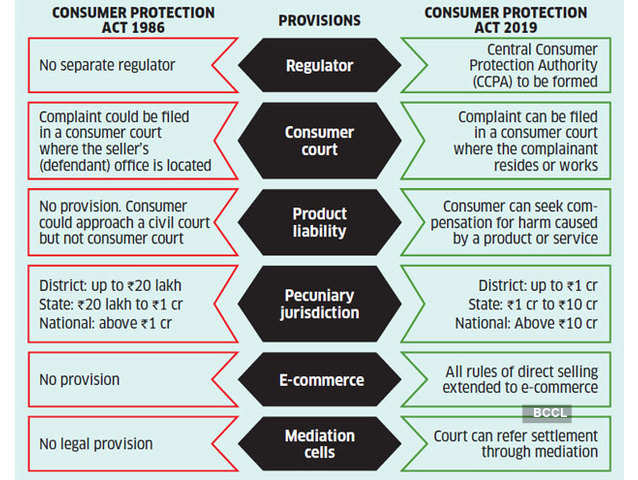
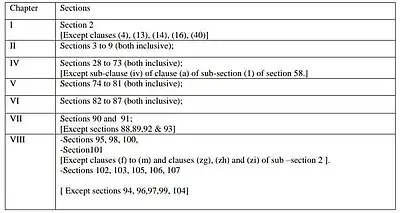
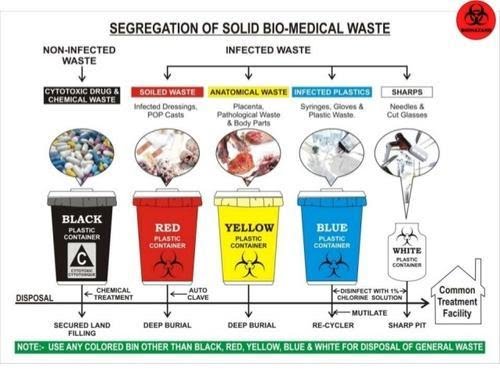
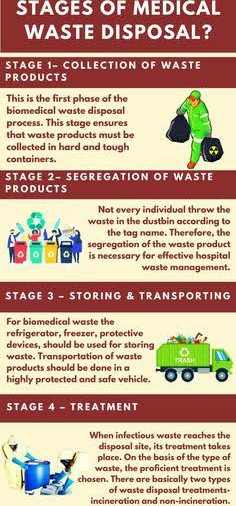
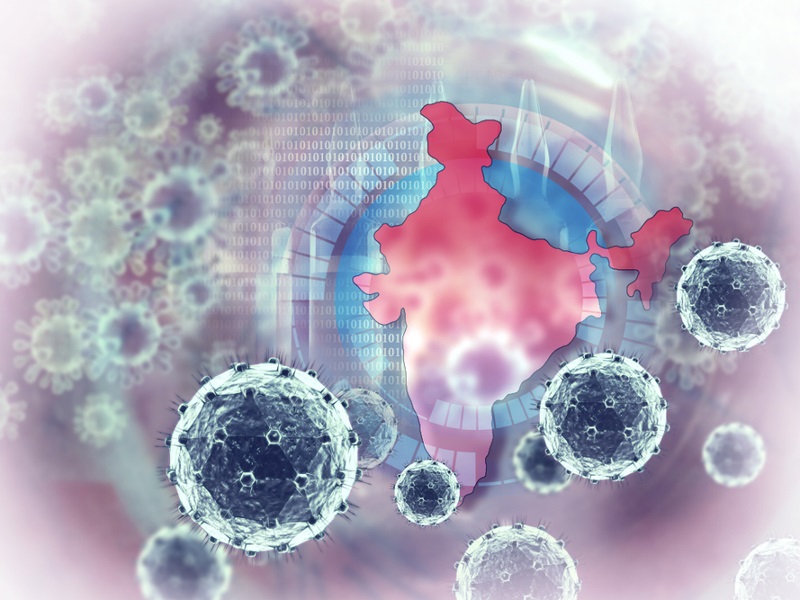
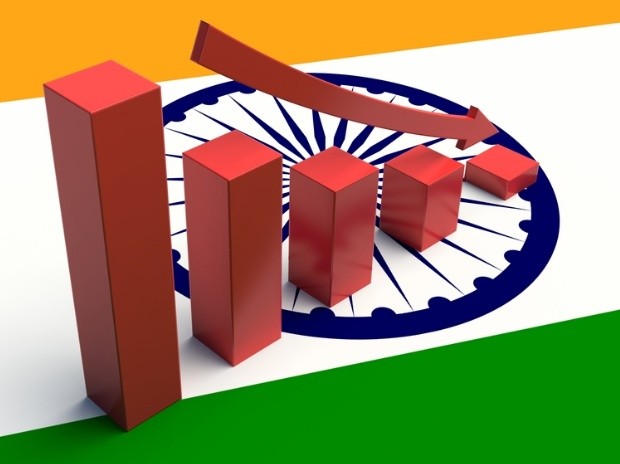

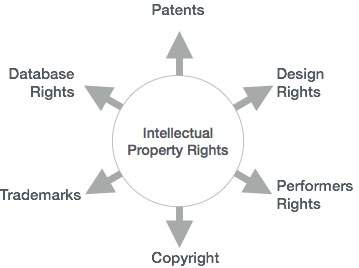


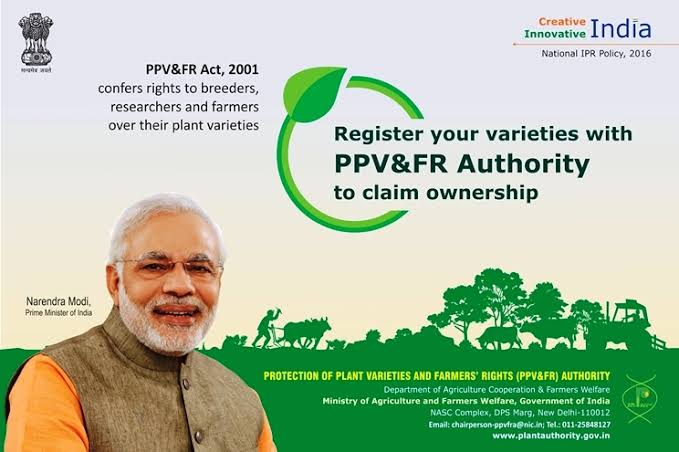
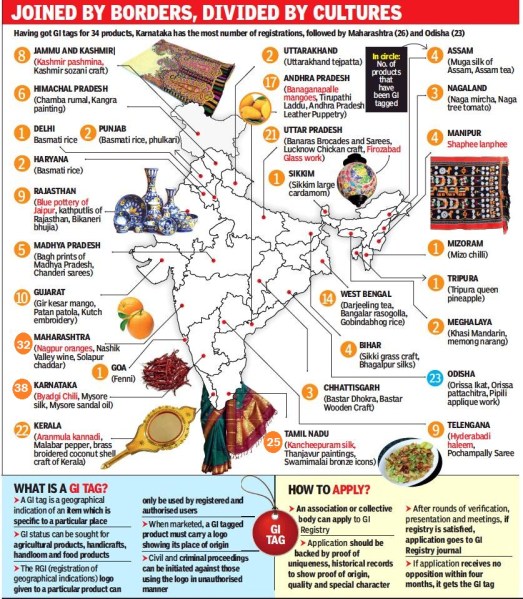


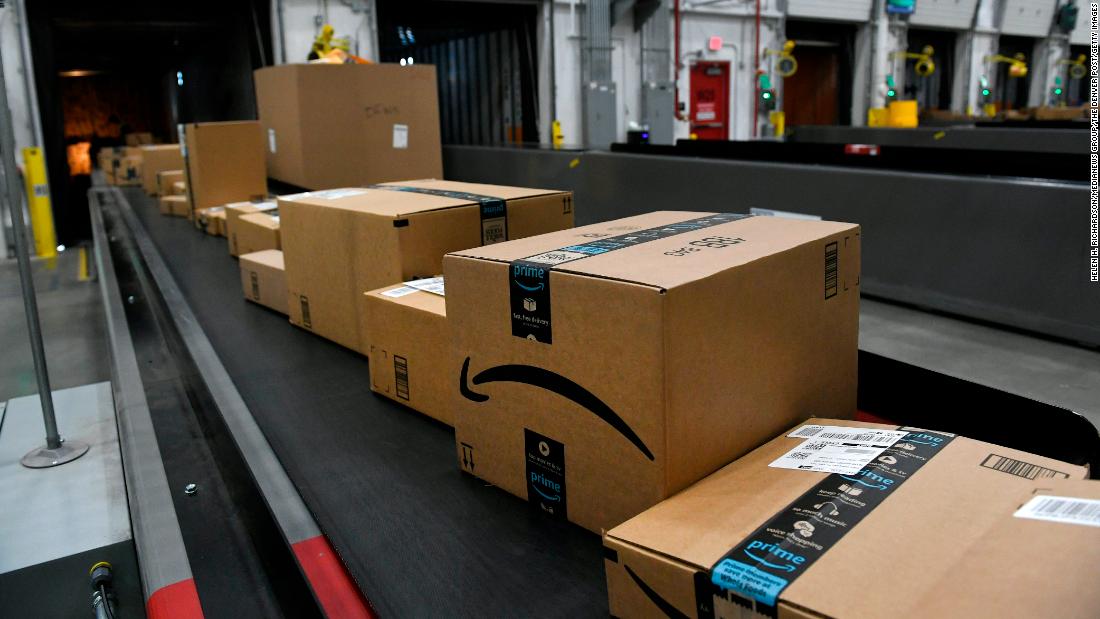


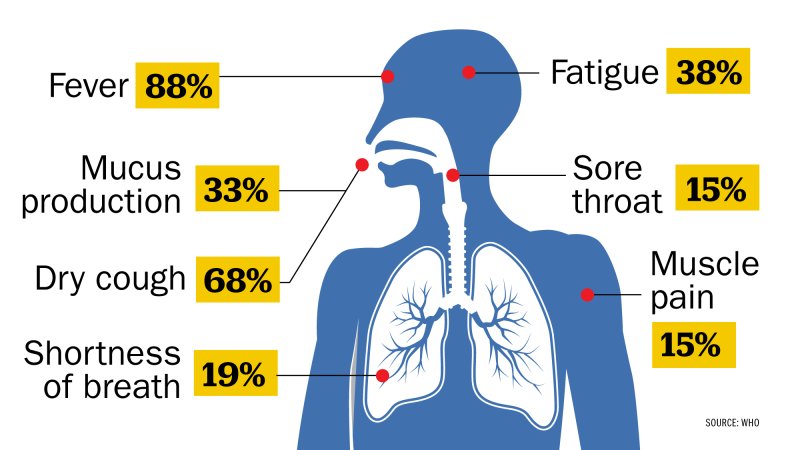


 Eduindex
You must be logged in to post a comment.