Pandit Jasraj Cultural Foundation

 Present in this special event are Durga Jasraj ji, Shaarangdev Pandit ji, Neeraj Jaitly ji, co-founder of Pandit Jasraj Cultural Foundation, all the musicians and artists of the country and the world, ladies and gentlemen!

Music, ‘sura’ and ‘svara’ are considered immortal in our country. It is said that the energy of ‘svara’, as well as its effect, is also immortal. Therefore, the eminent soul, who has lived music throughout his life and that has been echoing in every particle of his existence, remains immortal in the energy and consciousness of the Universe even after leaving the body.

The performances by musicians and artists in this program and the way Pandit Jasraj ji’s ‘sura’ is echoing here gives an impression that Pandit Jasraj ji is present with us in this consciousness of music.

I am glad that all of you are carrying forward his classical legacy and preserving it for generations and centuries to come. Today is also the auspicious occasion of the birth anniversary of Pandit Jasraj ji. Today, I congratulate all of you on this innovative initiative of establishing Pandit Jasraj Cultural Foundation. I especially extend my best wishes to Durga Jasraj ji and Pandit Shaarangdev ji for taking upon the responsibility to dedicate your father’s inspiration, his penance, to the entire world. I too have had the privilege of meeting and listening to Pandit Jasraj ji many times.

Friends,

Music is a very complex subject. I am not very well-versed with it, but the comprehensive knowledge that our sages have given about ‘svara’ and ‘naada” is amazing in itself. It is written in our Sanskrit texts –

नाद रूपः स्मृतो ब्रह्मा, नाद रूपो जनार्दनः।

नाद रूपः पारा शक्तिः, नाद रूपो महेश्वरः॥

That is, the forces that give birth to the Universe and maintain and govern it are the forms of sound. This ability to feel the cosmic energy and ability to see music in the flow of the universe is what makes Indian classical music tradition so exceptional. Music is a medium that also makes us aware of our worldly duties and it also helps us transcend worldly attachments. What is so special about music is that it resonates till infinity even though you can’t touch it.

I am told that the primary objective of the Pandit Jasraj Cultural Foundation will be to protect, develop and promote India’s national heritage, art and culture. I am glad to know that this foundation will support the budding artists and will also try to make them financially capable. You are also considering promoting education and research in the field of music through this foundation. I believe that this initiative and the roadmap that you have formulated for a great personality like Pandit Jasraj ji is a big tribute in itself. And I would also say that now is the time for his disciples to give ‘Gurudakshina’.

Friends,

Today we are meeting at a time when technology has penetrated a lot in the world of music. I urge this cultural foundation to focus on two things. We hear about globalization quite often, but it is largely centered around the economy. It is our responsibility that Indian music should also make its global identity and create its impact globally in today’s era of globalization.

Indian music has the power to stir the depths of the human mind. Simultaneously, it also emphasizes the experience of the oneness of nature and the divine. Similarly with International Yoga Day! Yoga has emerged as a kind of spontaneous existence all over the world. It has been observed that the entire human race, the entire world has benefited from this heritage of India. Every human being in the world deserves to know, understand, learn and benefit from Indian music. It is our duty to fulfill this sacred exercise.

My second suggestion is that when the impact of technology is in every sphere of life then there should be a revolution of technology and IT in the field of music too. There should be start-ups in India that are completely dedicated to music, musical instruments and musical traditions. A lot needs to be done on how to equip the sacred streams of Indian music, such as the Ganges, with modern technology. While the ‘Guru-shishya’ tradition should remain intact, there should be attempts to become a global power and there should be value addition through technology.

Friends,

At the core of the knowledge and philosophy of India, our thoughts, ethics, culture and music is the spirit of service to humanity which fuels consciousness in all of us for centuries. The desire for the welfare of the entire world is clearly manifested in it. Therefore, the more we promote India and its traditions and identity, the more opportunities we will create to serve humanity. This is the intention and mantra of India today.

Today we are reviving our art and culture centers like Kashi. Our faith in environmental protection and love for nature is showing the world the way to a secure future. ‘Sabka Prayas’ (effort of all) should be involved in this journey which India has embarked on the mantra of heritage along with development.

I am sure the Pandit Jasraj Cultural Foundation will attain new heights of success with the active contribution of all of you. This foundation will become an important medium for service towards music and ‘sadhana’ and for the fulfillment of our resolutions towards the country.

With this belief, thank you very much and many best wishes for this new endeavour!

Thanks!

DISCLAIMER: This is the approximate translation of PM’s speech. Original speech was delivered in Hindi.

***

Philosophy in different parts of the world

The word philosophy means ‘ love of wisdom ’ in Greek. It is the pursuit of wisdom , truth and knowledge. It is the study of life’s fundamental questions involving truth, morality, ethics, reasons, logic and existence. A human being , at some point in his life , has wondered upon questions such as ‘ why am I here’ , ‘what is truth’, ‘what is reality’ , ‘is there a free will’ , ‘ what is right and wrong’ etc. These questions come in the realm of philosophy. It is closely related to natural sciences.

History of philosophy

Western philosophy

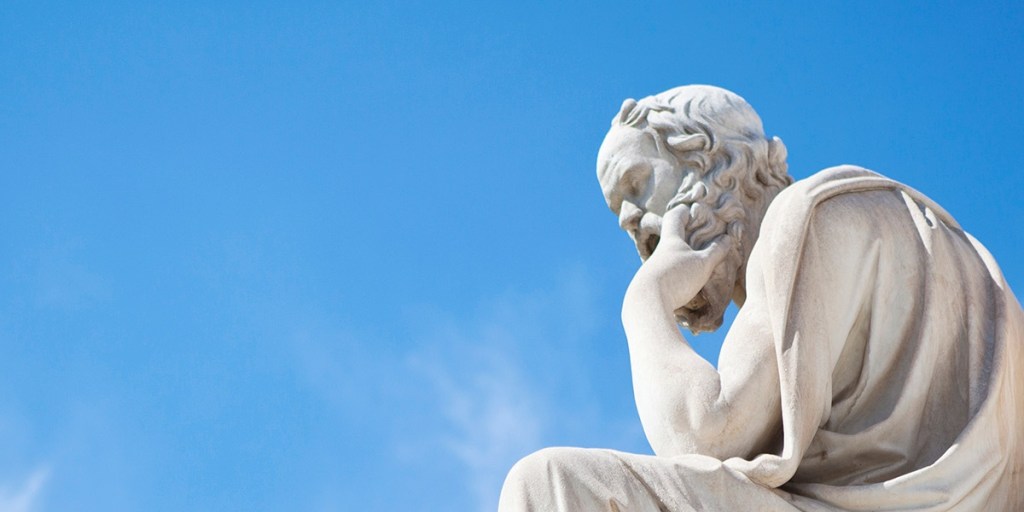
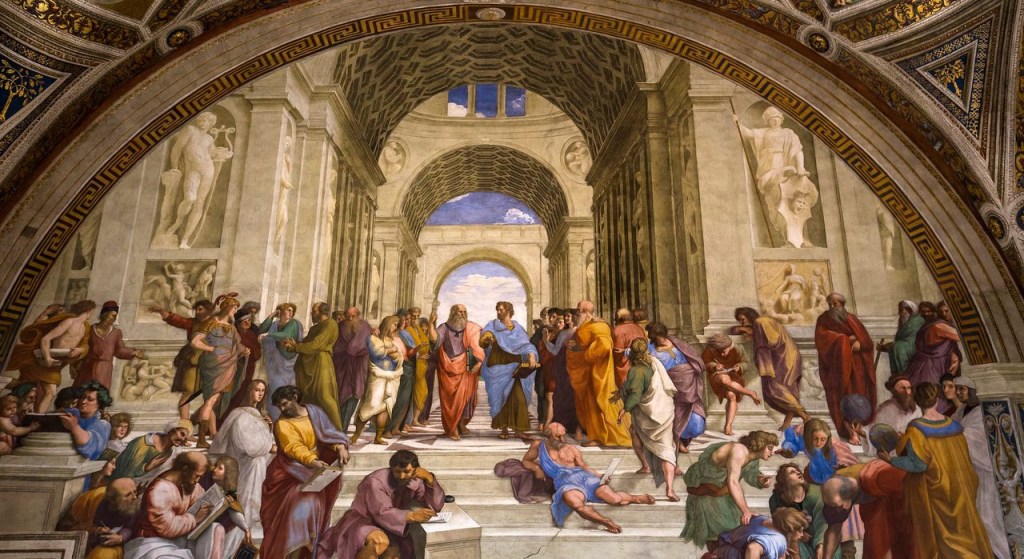
The ancient western era was dominated by Greek philosophical school of thoughts. This era was largely influenced by Socrates and Aristotle. The common topics discussed included metaphysics, cosmology, atomism and monism . In the medieval period , with the rise of the Roman Empire and Christianity , questions such as mature of God , evil & good were pondered upon. Modern philosophy concerned with developing a secular foundation and discarded the authority of religion.

Islamic Philosophy

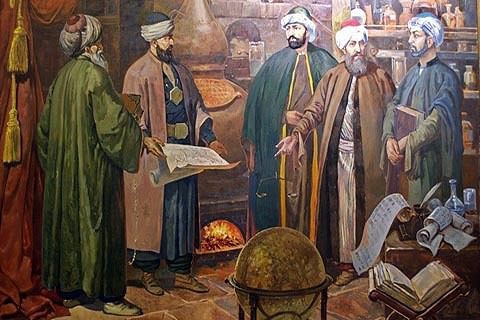
Islamic philosophy is mostly done in Arabic . Two main schools of thought were Kalam ( which focused on Islamic theology) and Falsafa. Philosophers such as Al Kindi , Avicenna and Averroes were greatly influenced by the work of Aristotle whereas Al Ghazali was highly critical of him. The 19th and 20th century Arab world witnessed Nahda movement ( The Awakening or The Arab Renaissance). This shaped the modern Islamic philosophy.

Indian Philosophy

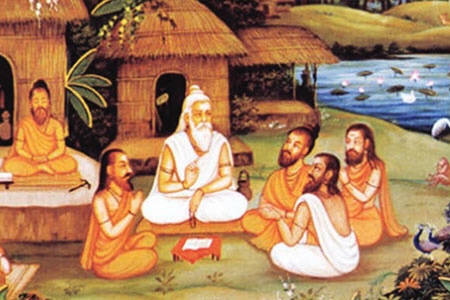
Indian philosophy included concepts like dharma , karma, pramana , dukha-sukha and moksh. It is grouped based on teachings of Vedas and Upanishads . The Himdu philosophers of various orthodox ( astika) schools investigated topics such as metaphysics, ethics , psychology. These schools presented different interpretation within the framework of Vedic knowledge. On the other side , the unorthodox (nastika) traditions rejected the ideas of Atman , Brahman and Ishwara . Jainism accepted atman bit discarded ishwara, vedas and brahman. Buddhism only accepted concept of rebirth and karma.

East Asian Philosophy

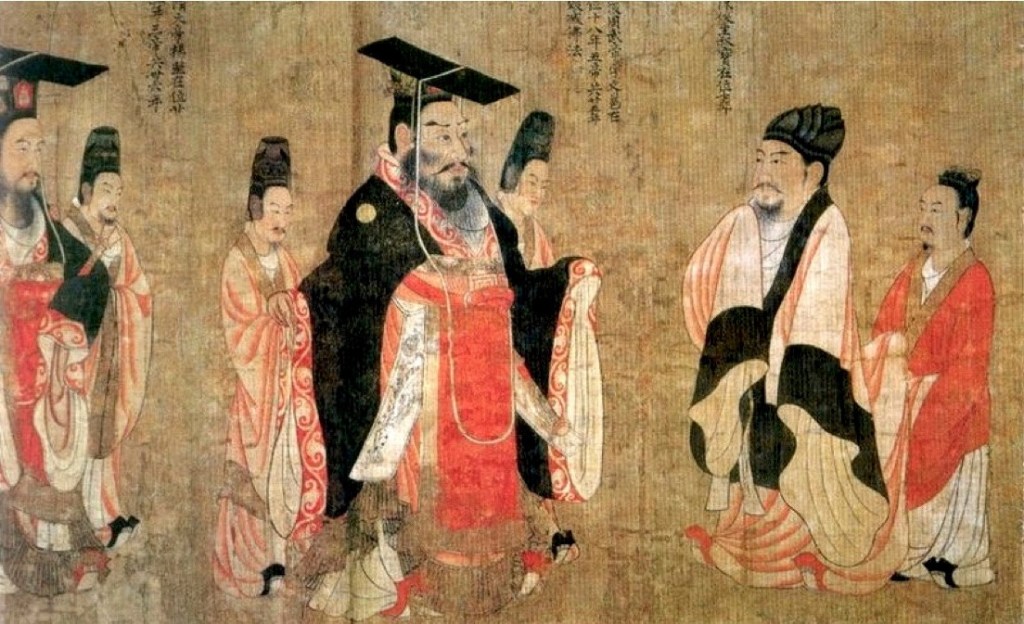
The Chinese philosophy saw the rise of schools such as Confucianism , Legalism and Taoism. These traditions developed metaphysical , political and ethical theories such as Tao, Yin & Yang , Ren & Li. Buddhism arrived in China through Silk route and transformed into Chinese form Zen. Many different philosophies such as that of Korea, Japan and Vietnam were influenced by the Chinese philosophy. In modern era, China and Japan philosophers have incorporated ideas of western philosophy. Kokugaku thinker from Japan returned to pure traditions called Shinto that is untainted by foreign influence.

Indigenous American Philosophy

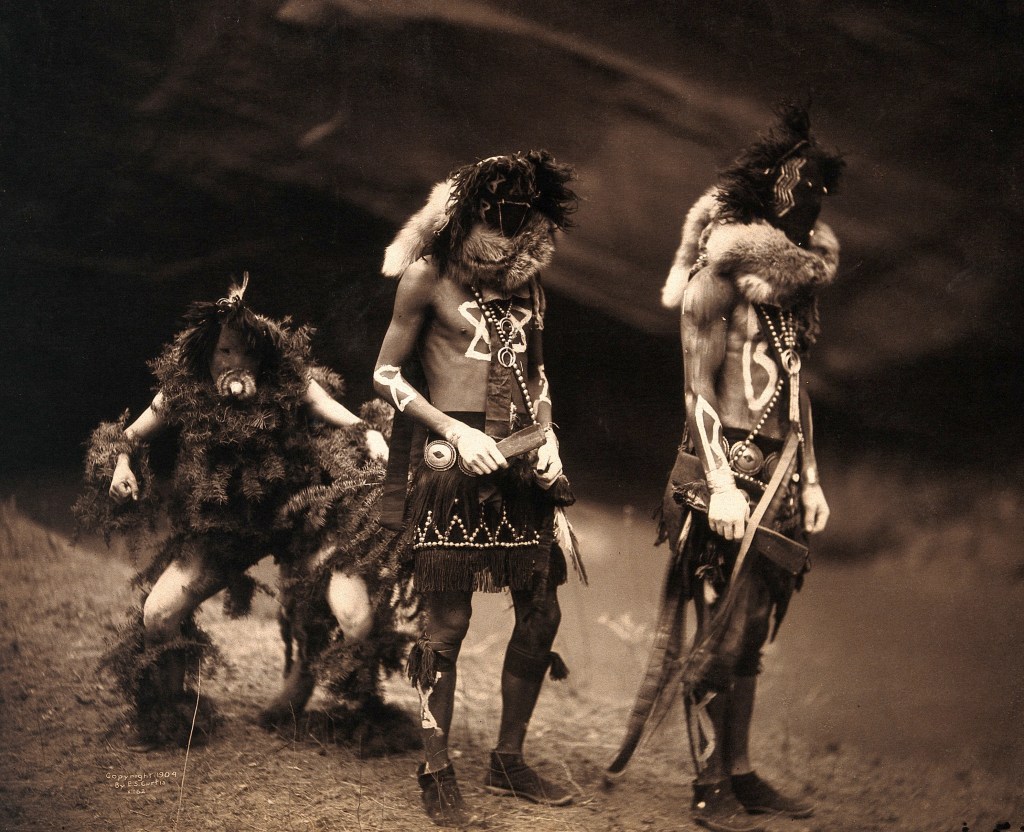
This consists of variety of beliefs including principle of presence of ‘ The Great Spirit’ and concept of Orenda or spiritual power. The practices to access the transcendental experiences of mind came to known as Shamanism. The Nahua metaphysics proposed the concept of an ultimate universal energy which it says is single, vital , self generating sacred force.

Netaji lived, lives and will continue to live in the Hearts of Indian People

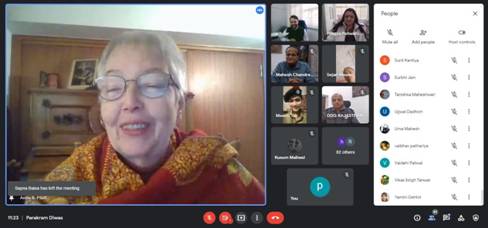
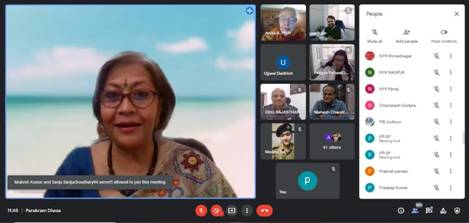
 As part of   125th birth anniversary celebrations of Netaji Subhas Chandra Bose, Press Information Bureau and Regional Outreach Bureau, Government of India, Jaipur organized a webinar in connection with “Parakram Diwas”. As part of Azadi ka Amrit Mahotsav, Government of India has declared the birth anniversary day of Netaji Subhas  Chandra Bose on 23rd January to be celebrated as Prakram  Diwas every year. Dr. Anita B. Pfaff (Daughter of Netaji Subhas Chandra Bose) and Ms. Renuka Malakar (Grandniece of Netaji Subhas Chandra Bose) participated in today’s webinar as key note speakers. Sh. Mahesh Chandra Sharma (Senior Journalist) also addressed the webinar as a guest speaker.

(Dr. Anita Bose Pfaff addressing the webinar)

Dr. Anita Bose Pfaff, daughter of Netaji Subhas Chandra Bose who joined the webinar from Germany, said that Netaji lived, lives and will continue to live in the hearts of Indian people. Though her father Netaji was a devout Hindu but he  had respect for all the religions. Dr. Anita said that her father dreamt of an India where all religions coexist peacefully. She said that Netaji was a champion of gender equality. His vision was to build a nation where men and women not only have the same rights but can also deliver same duties. It is on the women themselves to emancipate, women should win and they can win. Dr. Anita Bose also gave a detailed description on the life and contribution of Netaji Subhas Chandra Bose in the freedom struggle and nation building. She said that Netaji had a vision for financial and economic strength of India and had set up a planning commission even before India got independence.

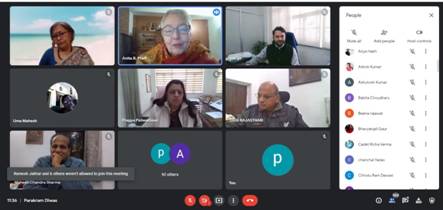
Ms. Renuka Malakar, the grandniece of Netaji Subhas Chandra Bose, former Secretary General and currently Trustee of Netaji Subhash Bose INA Trust Delhi-India, said in her address that Netaji had extreme love for his countrymen. Youth of India are its future. She urged that the youth should keep the nation uppermost in their minds and if it happens no one can stop India from progressing.

(Ms. Renu Malakar addressing the webinar)

While elaborating on the life of Netaji Subhas Chandra Bose, Senior journalist and writer Sh. Mahesh Chandra Sharma said that as Netaji gave top most priority to the nation, youth should also strive for the nation which is united, powerful and free from religious and cast based discrimination. He said that the dedication of Netaji Chandra Bose towards the nation remain the inspiration for the youth in India.


Earlier in the webinar, Dr. Pragya Paliwal Gaur, Additional Director General (Region) PIB delivered the inaugural and welcome speech. Dr Paliwal first welcomed and thanked Dr. Anita Bose Pfaff, daughter of  Netaji, for giving her precious time and it was an honor to have her and Ms. Renuka Malakar in the webinar of Press Information Bureau.  She said that in order to honor and remember Netaji’s indomitable spirit and selfless service to the nation, Govt of India has decided to celebrate his birthday on the 23rd day of January every year as “ParakramDiwas” to inspire people of the country especially the youth.

The webinar was attended by more than 200 participants which included soldiers of BSF, cadets of NCC, young volunteers of  Nehru Yuva Kendra Sangathan and other officials from various part of the country. In the end, a video made by the Ministry of Information &Broadcasting on role of Netaji Subhas Chandra Bose in the freedom struggle of India was also played during the webinar. Sh. Pawan Singh Faujdar, Deputy Director PIB Jaipur, conducted the webinar.

*****

Universities should promote learning in Indian languages & popularise the cultural heritage of India

 Union Education and Skill Development Minister Shri Dharmendra Pradhan today held a meeting with Vice Chancellors of Central Universities through video conferencing. Minister of State for Education Shri Subhash Sarkar, Secretary, Higher Education, ShriAmitKhare, Chairman UGC, Prof D P Singh and senior officials of the Ministry and UGC attended the meeting.

Addressing the participants, Shri Pradhan said that our universities are cradles of creativity, innovation and opportunities. The New Education Policy- 2020 will play a crucial role in placing India at the top of the emerging new world order and, as custodians of India’s destiny, our universities should fulfil their responsibilities outlined in the NEP.He stressed on making education a lot more vibrant & holistic and establishing India as a knowledge superpower through NEP.

The Minister said that our higher education institutions are key catalysts for promoting socio-economic development and for realising aspirations and national goals. The Minister appealed that universities should popularise and promote learning in Indian languages & cultural heritage of India.

Shri Pradhan encouraged Central Universities to work on mission-mode to fill-up the 6,000 vacant posts by October, 2021. He urged them to create a framework for alumni endowment.

Shri Pradhan expressed his happiness to learn about the best practices of Central Universities and on several matters of importance, including filling up of general and reserved vacancies, education during Covid19, online learning and status of NEP implementation.

The Minister exhorted the Universities to come with the strategies for making India fully literate, as well as to contribute helping the country to meet its Nutrition Challenge during ‘Poshan Month’ as a mark of AzadiKaAmrutMahotsav.

The VCs were also requested to encourage Sports in their Universities, thereby promoting a sporting culture in the country. The VCs were encouraged to make their students Job Creators by promoting innovation and research in their campuses.

The Minister thanked the VCs for their insights and valuable suggestions. He urged that as thought leaders, our central universities should assume pioneering roles in building capacities, initiating frameworks for implementation of Academic Bank of Credit, Multiple Entry & Exit, virtual universities and several other facets of the NEP from this academic year itself.

*****

highlights of the Union Ministry of Culture

 The major highlights of the Union Ministry of Culture during the year 2021 are as follows:

Azadi ka Amrit Mahotsav launched from Sabarmati Ashram: 

The Prime Minister, Shri Narendra Modi launched Azadi ka Amrit Mahotsav, a mega celebration of 75 years of country’s Independence. The Amrit Mahotsav was launched on 12th March from Sabarmati Ashram, Ahmedabad, Gujarat. He also flagged off the Dandi ‘Padyatra’ on the occasion. 

The Prime Minister launched the website of India@75 on the occasion. He also launched the ‘Atmanirbhar Incubator’ programme of Ministry of Culture in partnership with Sabarmati Ashram Preservation and Memorial Trust to preserve the skills and arts of artisans/crafts persons on the verge of extinction. A unique Charkha Campaign was also started by the Prime Minister to promote ‘Vocal for Local’. 
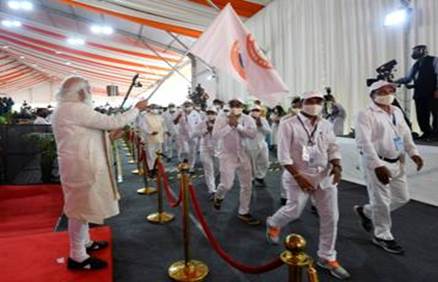
 

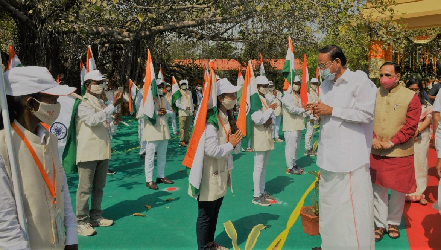
The Vice President, Sh M. Venkaiah Naidu graced the colourful closing ceremony of the 25-day long commemorative Dandi Padyatra as part of Azadi Ka Amrit Mahotsav near National Salt Satyagraha Memorial, Dandi, Gujarat on April 6, 2021. 
Commemoration of 125th Birth Anniversary Year of Netaji Subhas Chandra Bose launched on Parakram Diwas on January 23, 2021 from Kolkata

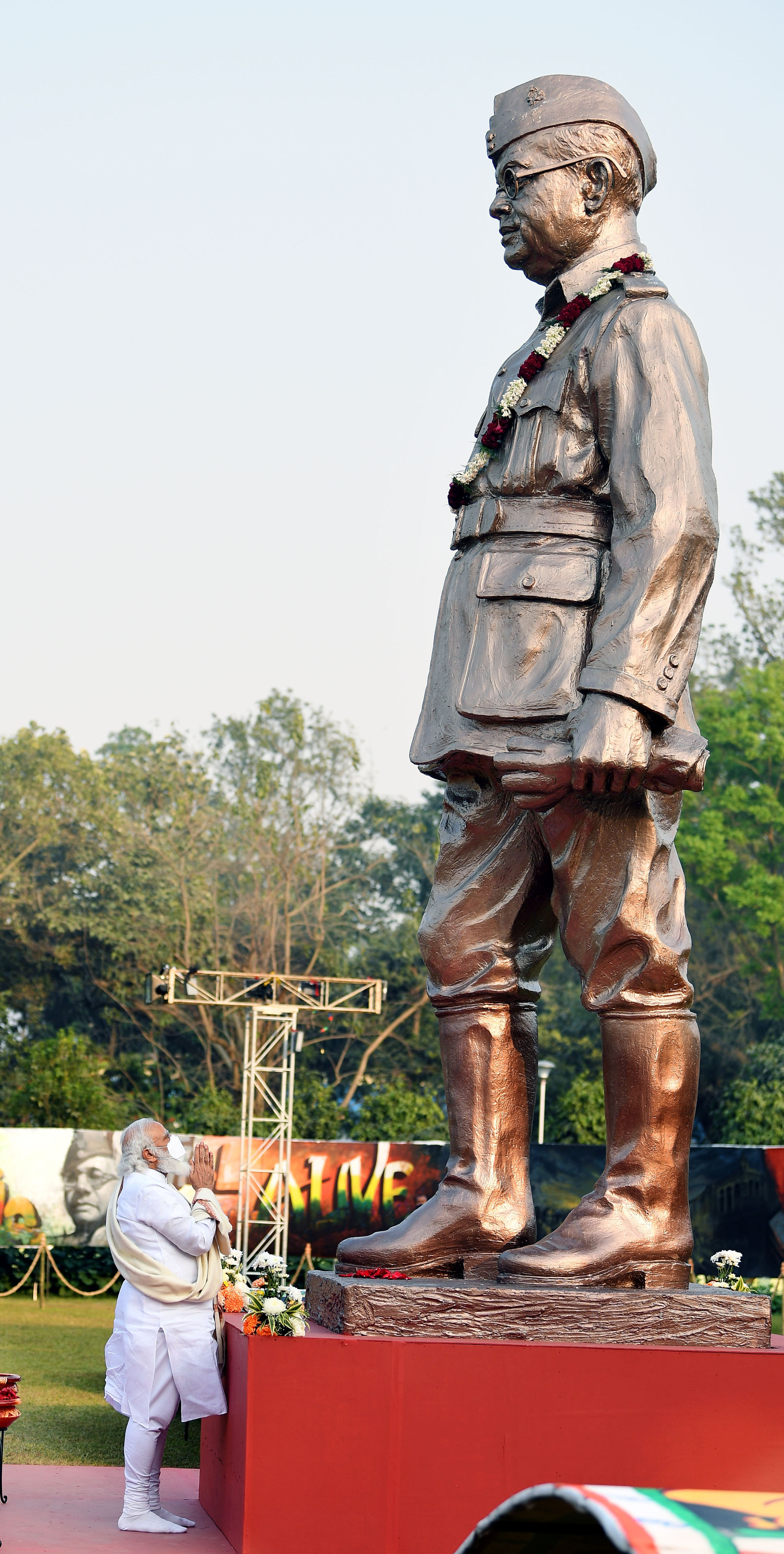
In one of the first major events of the year 2021, the Prime Minister, Shri Narendra Modi launched the commemoration of 125th Birth Anniversary Year of Netaji Subhas Chandra Bose in Kolkata on 23rd January, 2021. He presided over the inaugural function of the ‘Parakram Diwas’ celebrations at Victoria Memorial in Kolkata. 

 ‘Nirbhik Subhas’ (‘Irrepressible Subhas’)- ‘A multimedia exhibition’ celebrating the 125th Birth Anniversary of Netaji Subhas Chandra Bose- A Permanent Exhibition, a 3D Projection Mapping Show on Netaji, unveiling of book ‘Letters of Netaji” and Release of Commemorative Coin and release of Stamp in the memory of Netaji Subhash Chandra Bose, by the Prime Minister of India were some of the other highlights of the commemoration programme.
 

https://static.pib.gov.in/WriteReadData/Gallery/PhotoGallery/2021/Jan/H2021012495055.JPG

Several other programmes were also organised to mark the day including a special programme organised at Haripura at Surat in Gujarat. An exhibition by NGMA of Ministry of Culture  was organised comprising of the famous Haripura panels made by Nand Lal Bose for the Congress session at Haripura where Netaji was made the President. 

The South-Central Zone Cultural Centre, Nagpur under the Ministry of Culture organised a special cultural programme under Ek Bharat Shresth Bharat (EBSB) to commemorate the 125th Birth Anniversary Year of Netaji Subhas Chandra Bose. As part of the celebration, a play named “Bose” and different patriotic songs and dance programmes were performed by Nagpur-based social organisation, Prayas. Similarly, Odia artists have also performed folk songs and dances during the celebration. Odisha is paired state of Maharashtra under EBSB.

Rashtriya Sanskriti Mahotsav: Rashtriya Sanskriti Mahotsav, the flagship festival of Ministry of Culture organized since 2015 with the active participation of Seven Zonal Culture Centres has been playing a pivotal role to take the vibrant culture of India out to the masses instead of confining to auditoria and galleries. It has been instrumental in showcasing, folk and tribal art, dance, music, cuisines & culture of one state in other states reinforcing the cherished goal of “Ek Bharat Shreshtha Bharat” and at the same time providing an effective platform to the artists and artisans to support their livelihood. The eleventh edition of Rashtriya Sanskriti Mahotsav was being held between 14th to 28th February, 2021 in West Bengal at Cooch Behar (14th to 16th February, 2021), Darjeeling (22nd to 24th February, 2021) and Murshidabad (27th to 28thFebruary, 2021). 

Udaipur Science Centre inaugurated at Udaipur, Tripura.
It is the 22nd Science Centre developed by NCSM of M/o Culture under Scheme for Promotion of Culture of Science. 

e-Auction of gifts and mementos received by the Prime Minister, from 17th September to 7th October 2021: 
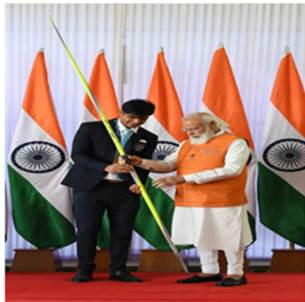
  

It was the third edition of auction of gifts and mementos received by Prime Minister. The memorabilia included sports gear and equipment of the medal winning Olympians and Paralympians, replica of the Ayodhya Ram Mandir, Chardham, Rudraksh Convention Centre, models, sculptures, paintings, angavastras among others. Proceeds from the e-Auction  go to the Namami Gange Mission aimed at conserving and rejuvenating the Ganga. 1348 mementos were put up for e-auction , Tokyo Olympics gold medallist Neeraj Chopra’s javelin received the highest bid of Rs 1.5 Cr.

Special programme for trainee officers at the two-day Geographical Indication (GI) Mahotsav organized at Lal Bahadur Shastri National Academy of Administration, MussoorieThis special programme for the trainee officers of LBSNAA was meant to be an overview into the world of artisans, design and GI products. The sessions covered topics ranging from legal implications of GI, artistic & design collaborations with GI crafts and more, and witnessed  participation from legal, academic and design luminaries.

Vesak Global Celebrations on Buddha Poornima organised which was addressed virtually by the Prime Minister on 26th May 2021. The Virtual Prayer Event saw the participation of heads of Buddhist Sanghas from around the world. Buddha Poornima celebrations were held through a virtual congregation owing to the impact of the COVID-19 Pandemic across the globe. This year the Buddha Poornima is dedicated to Global Peace and Relief from the Pandemic- Covid 19.

Ministry of Culture in partnership with International Buddhist Confederation also celebrated Asadha Poornima Dhamma Chakra Day through day long events on July 24, 2021. 

Abhidhamma Day at the Mahaparinirvana Temple in Kushinagar: A solemn ceremony was organised in the premises of the Mahaparinirvana Temple, Kushinagar, where a three-day Buddhist congregation was inaugurated by the Prime Minister along with exposition of Holy Buddha Relic from Shri Lanka. An exhibition of Buddhist glory excavated by ASI was also organised on the side-lines where Buddhist antiquities from excavation sites including Vadanagar was displayed. Besides this 110-member high level Sri Lankan delegation, the event was attended by a large number of prominent National and International Buddhist Sanghha, Ambassadors, Central and State officials etc.

Gandhi Peace Prize for 2019 and 2020: The Gandhi Peace Prize for 2019 has been conferred on Late Sultan Qaboos Bin Said Al Said of Oman; and Gandhi Peace Prize 2020 on Bangabandhu Late Shiekh Mujibur Rahman.  Gandhi Peace Prize for 2020 was awarded by Prime Minister of India to Late Bangabandhu Shiekh Mujibur Rahman (posthumously) in Dhaka on 26th March 2021.

Two Meetings of National Committee on Azadi ka Amrit Mahotsav chaired by Prime Minister held : The first meeting of National Committee was held on 8th March, 2021 in the run-up to the launch of the flagship programme and the second meeting was held on 22nd December 2021. In the first meeting, the Prime Minister highlighted the 5 pillars that have been decided for the celebration of the 75 years. These are Freedom Struggle, Ideas at 75, Achievements at 75, Actions at 75 and Resolve at 75. All these should include the ideas and feelings of the 130 crore Indians and the programme should be organised with Jan Bhagidari.

 At the second meeting, the Prime Minister presented  his vision for the commemoration and how India should lead in the Post Covid World Order. He also emphasised that as  we observe Azadi Ka Amrit Mahotsav, we should surge ahead with a focused approach setting new targets for ourselves for 2047. Azadi ka Amrit Mahotsav should sow the seed of a sense of duty among the youth, the Prime Minister urged.

Celebration of International Day of Yoga: The Union Culture Ministry celebrated ‘International Yoga Day’ on June 21, 2021 under the ‘Yoga is an Indian Heritage’ campaign. Demonstration of Common Yoga Protocol (CYP) at 75 heritage monuments across the country along with cultural performances was organsied. To celebrate the event, National Council of Science Museum (NCSM) also organised various online programme /activities at its various units.

Culture Ministry launches a unique programme to celebrate Azadi ka Amrit Mahotsav on Independence Day 2021: A unique initiative , connected with the National Anthem, was taken up by the Ministry of Culture for celebrating Independence Day this year to instill pride and unity among Indians all over the world. In this, the people were invited to sing the National anthem and upload the video on website www.RASHTRAGAAN.IN. More than 1.5 crore Indians from India and across the world  recorded and uploaded their videos.The compilation of National Anthem was shown  live on 15th August, 2021 during celebrations at Red Fort.

Renovated complex of Jallianwala Bagh Smarak at Amritsar dedicated to the nation: Prime Minister Shri Narendra Modi dedicated the renovated complex of Jallianwala Bagh Smarak at Amritsar to the nation through video conference. During the event, he also inaugurated the Museum Galleries at the Smarak. The event showcased the multiple development initiatives taken by the government to upgrade the complex. 

Nation pays homage to Shaheed Bhagat Singh, Rajguru and Sukhdev on Shahidi Diwas on March 23, 2021: Ministry of Culture organised various programmes at several places on ‘Shaheedi Diwas’ as a grateful nation proudly remembered the exceptional courage & martyrdom of Shaheed Bhagat Singh, Rajguru and Sukhdev. A joint Shraddhanjali Sabha was held in honor of Shaheed Bhagat Singh, Sukhdev and Rajguru at Shaheed E Azam Sardar Bhagat Singh Museum Khatkar Kalan, (Village of Shaheed Bhagat Singh), in Punjab, by Sangeet Natak Akademi. Homage was also paid to Shaheed Sukhdev at his ancestral house at Mohalla Naughra while a similar ceremony was held at the ancestral house of Shaheed Rajguru at Rajguru Wada, Rajguru Nagar, Pune.

Anniversary of the formation of Azad Hind Government by Netaji Subhas Chandra Bose celebrated, events held across India and South -east Asia: As part of Amrit Mahotsav celebrations, events were organized in the run up to and on 21st October in India and South East Asia to commemorate the Anniversary of the formation of Azad Hind Government by Netaji Subhas Chandra Bose. Bringing to life the whole of government approach, Ministry of Culture spearheaded the organization of an integrated program calendar across regions and geographies with participation from various Ministries, States and Union Territories of India and and in SSingapore.. The commemorative programs saw participation from INA veterans, school students, local communities and others making a true embodiment of the idea of Jan Bhagidari. 

In a unique initiative to celebrate Azadi ka Amrit Mahotsav, Union Culture Minister Sh. G.K Reddy launched the Amrit Mahotsav Podcast. The first series, Zara Yaad Karo Qurbani, went live with an episode based on the Indian National Army. 

Culture Ministry has launched three unique competitions to celebrate Azadi ka Amrit Mahotsav: Ministry of culture is holding a nationwide competition as #UnityInCreativity for Deshbhakti Geet writing, Lori Writing and Rangoli Making rightfrom Tehshil/Taluka level to National level. This initiative aims to encourage participation so as to ensure substantive ‘Jan bhagidaari’. 

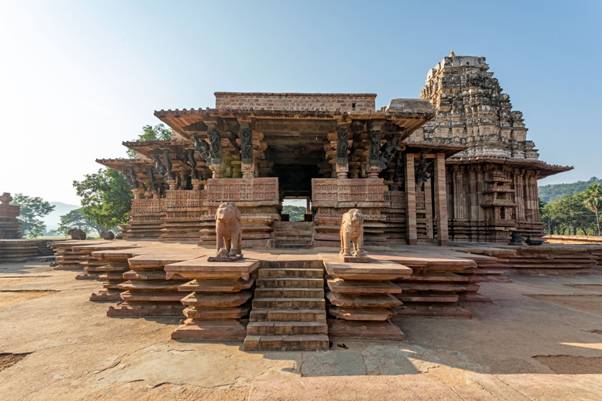
UNESCO World Heritage Tag :  (i) Kakatiya Rudreshwara (Ramappa) Temple, Telangana (2021) and (ii) Dholavira: A Harappan City (2021) under protection of Archaeological Survey of India (ASI) have been inscribed on World Heritage List in the 44th Extended World Heritage Meeting virtually held in Fuzhou, China taking the number of World Heritage properties in India from 38 to 40.
Image

Ramappa Temple 

Celebration of “Destination Northeast India” by the National Museum, New Delhi from 1st November, 2021 to 7th November 2021: As part of the celebrations of #AzadiKaAmritMahotsav to commemorate 75 years of progressive India and the glory of its people’s culture and achievements, the National Museum, New Delhi celebrated the rich heritage of North East India, under the Ministry of DoNER & NEC’s initiative titled #DestinatioNorthEastIndia. NM organised a week-long series of cultural performers, online lectures and tours of the Northeast Lifestyle Gallery to highlight the diverse artistic traditions and communities of the North-eastern states. 

PM lays foundation stones and dedicates to the Nation various development projects in Kedarnath on November 5, 2021. On the occasion, programmes were organized at Jyotirlingas & Jyotishpeeth including Char Dham across the country.
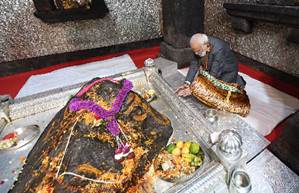
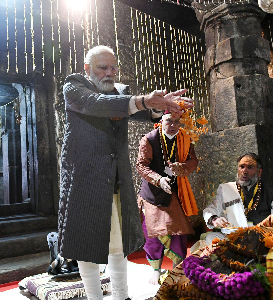
  

The Prime Minister, Shri Narendra Modi laid foundation stones and dedicated to the Nation various development projects in Kedarnath. He inaugurated Adi Shankaracharya Samadhi and unveiled the statue of Adi Shankaracharya. The Prime Minister also offered prayers at the Kedarnath Temple. Prayers were offered and celebrations held at 12 Jyotirlingas and 4 dhams. Programs were organized simultaneously at 11 Jyotirlingas , 4 Jyotishpeeth and Char Dhams(Badrinath, Dwarka, Puri and Rameshwaram) also. The programmes included the customary morning Aarti followed by Vedic chanting. Ministry of Culture organized cultural events at either premise of Jyotirlingas /Jyotishpeeth or nearby venue. Culture Minister Sh G. Kishan Reddy led the programme at Kalady, Kerala which is the birthplace of Adi Shankaracharya.

M/o Culture Shri G. Kishan Reddy formally hands over Idol of Goddess Annapurna to Uttar Pradesh Government in presence of several Union and State ministers.
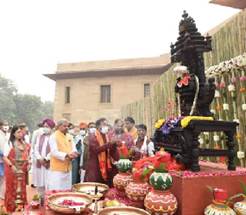
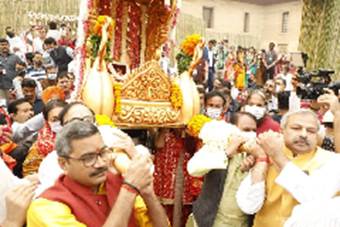


18th Century Idol of Goddess Annapurna retrieved from Canada, was handed over to UP Government on 11th November, 2021 and was placed at its rightful place at the Kashi Vishwanath Temple Varanasi, Uttar Pradesh on 15th November, 2021.

Retrieval of Antiquities by ASI : Antiquities Section of ASI has been constantly engaged in effective retrieval of antiquities from abroad. In the month of September, 2021, a team of experts from ASI went to the USA to examine a lot of 258 art objects, as per the communication received from CGI, New York. Out of this entire lot, 94 objects had been identified as “Antiquity” as per the Antiquities and Art Treasures Act, 1972. In 2019, a team of ASI had verified 63 objects as antiquities and now total 157 antiquities are ready for retrieval, presently in CGI, New York.


The Ministry of Culture holds ‘Vande Bharatam- Nritya Utsav’, an All-India dance competition as part of Azadi Ka Amrit Mahotsav.
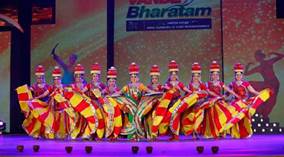
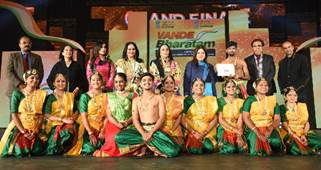


The objective of this competition was to select dancers who will perform during the cultural programme at the Republic Day Parade of 2022 at Rajpath, India Gate. Vande Bharatam final Competition was held in New Delhi on 19th December 2021. A total 36 teams won in the final round which will participate in the Republic Day Parade 2022

Ministry of Culture launches Azadi Ka Amrit Mahotsav mobile app: Minister of State for Culture and External Affairs, Smt. Meenakashi Lekhi launched the Azadi Ka Amrit Mahotsav mobile App to enable all single point access to all information related to the 75th anniversary celebrations of India’s independence. The app available in android and iOS has details of all the activities and events happening under the AKAM banner. It is a free for download app with no age restrictions

A three-day festival ‘Kashi Utsav’ organised in Varanasi from 16th -18th November as part of Azadi Ka Amrit Mahotsav to celebrate the classic heritage and culture of Kashi especially the centuries-old luminaries who are Goswami Tulsidas, Sant Kabir, Sant Raidas, Bhartendu Harishchandra, Munshi Premchand and Shri Jaishankar Prasad. The festival was based on the themes ‘Kashi ke Hastakshar’; ‘Kabir, Raidas ki Bani aur Nirgun Kashi’ and ‘Kavita aur Kahani – Kashi ki Zubani’.

Kala Kumbh Artist Workshops: The National Gallery of Modern Art, New Delhi has organised Kala Kumbh– artist workshops for painting scrolls representing the heroic lives and struggles of unsung heroes of India’s freedom movement, as an integral part of the Republic Day celebrations 2022 in collaboration with Ministry of Defence. The first workshop was organised from 10th – 17th December, 2021 at Bhubaneswar to creatively showcase the legacy of India’s freedom struggle and our national pride on five scrolls of seventy five meters. Similar workshops are being held in other parts of the country. 

India’s biggest drone show organised in Lucknow as part of Amrit Mahotsav series of events on First War of Independence of 1857. 
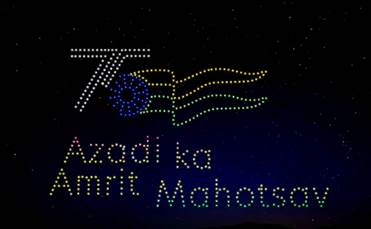
India’s biggest drone show was organised in Lucknow on December 20, 2021 as part of Amrit Mahotsav series of events on 1857.More than 500 drones took part in this show.

Prime Minister chairs the first meeting of High-Level Committee to commemorate 150th Birth Anniversary of Sri Aurobindo: The Committee comprises 53 members from various walks of life. The Prime Minister suggested that 150 universities across the country should be involved in writing papers on different aspects of Sri Aurobindo’s life and philosophy and the 150 papers to be published on the occasion.

National Archives of India (NAl) has appraised the 2,076 Records of Rehabilitation Division, Ministry of Home Affairs, New Delhi and 1498 files entries made in AIMS Package of Rehabilitation Division, M/o Home Affairs.

Exhibitions Under AKAM

Some of the important exhibitions organized as part of Amrit Mahotsav as are as follows:

Exhibition to mark the 79th anniversary of ‘Quit India Movement’ 

Culture Minister Shri G. Kishan Reddy inaugurated an exhibition to mark the 79th anniversary of the ‘Quit India Movement’ at National Archives of India in New Delhi on August 8, 2021.
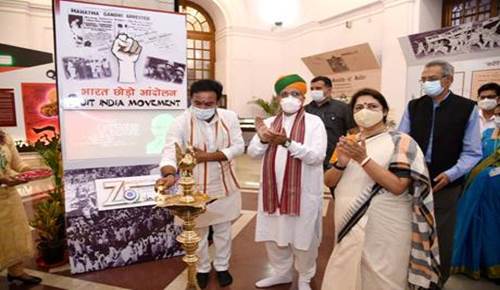
Culture Minister, Shri G. Kishan Reddy inaugurated an Exhibition Katha Kranthiveeron Ki, an exhibition of revolutionaries with a dedicated painting exhibition on Alluri Seetharamaraju and exhibits of paintings of Shaheedi Diwas, Champaran Satyagraha and Jallianwala Bagh at Lalit Kala Galleries, Rabindra Bhawan in New Delhi as part of ‘Azadi Ka Amrit Mahotsav’ being celebrated to commemorate 75 years of Independence.

Weeklong Exhibition ‘Bharatmata Ewam Bharat Ke Nayak’by Lalit Kala Akademi Inaugurated by MoS Culture, Smt Meenakashi Lekhi. The exhibition depicts portraits by eminent artist Sh. Pawan Verma “Shaheen”. The exhibition showcases portraits of stalwarts like Rabindranath Tagore, Sardar Vallabhbhai Patel, APJ Abdul Kalam and Prime Minister Shri Narendra Modi.

On the occasion of International Women’s Day on 8th March 2021, Salarjung Museum organized a Painting exhibition and also a special photo exhibition on 75th years of Independence on AZADI KA AMRUT MOHOTSAV.

MoS Culture, Shri Arjun Ram Meghwal inaugurated the exhibition “Azad Ki Shaurya Gatha” focused on the life of immortal martyr ‘Chandrasekhar Azad’ as part of “Azadi Ka Amrit Mahotsav” at Indira Gandhi National Center for the Arts (IGNCA), New Delhi.

Culture & International Cooperation

The Ministry participated in Culture Working Group virtual meeting of G20 countries hosted by Italy on 22nd – 23rd Feb,2021. 

Smt. Meenakashi Lekhi, Minister of State for Culture participated in the G20 Culture Ministers’ Meeting on 30 July, 2021 hosted by Italy during their ongoing Presidency of G20 in 2021.Discussion was held on Protection of Cultural Heritage; Addressing the Climate Crisis through Culture; Building Capacity through Training and Education; Digital Transition and New Technologies for Culture; and Culture and Creative Sectors as drivers for growth.

A meeting through Video Conferencing was held on 13th May, 2021 between Culture Minister of India and Culture Minister of Mongolia to discuss on promoting bilateral cultural and spiritual ties, and ways to implement Cultural Exchange Programme signed between the two countries.

MoS, Culture, Shri Arjun Ram Meghwal, participated in 18th SCO Culture Ministers’ Meeting through virtual mode on 18th August, 2021 hosted by the Tajikistan. In the meeting, the regulations of Gala Concert of the Arts Festival of SCO Member States and the Protocol of 18th Meeting of SCO Cultures Meeting was agreed upon and signed by all heads of delegations of SCO Members. In the meeting, the Draft Agreements on Cultural Cooperation in the field of Protection of Cultural Heritage and the Vocational Education in Culture and Arts were also finalized and are proposed to be signed at the meeting of the Council of Heads of States (CHS) of the SCO Countries, to be attended by Hon’ble Prime Minister. 

A Cultural Exchange programme between the Government of the Republic of India and the Government of the Republic of Serbia on Cooperation in the field of Culture and Arts was signed on 11th October, 2021.

******

Ministry of Culture help generate indirect employment for people associated with Indian Art, Literature and Culture

 The mandate of the Ministry of Culture is preservation & conservation of cultural heritage, protection, development & promotion of literature, music, dance, visual arts and drama. However, the activities carried out through various organizations under the Ministry generate indirect employment for a large number of people associated with Indian Art, Literature and Culture. There are several academic, fellowships, scholarships and training programmes organized by the autonomous bodies of the Ministry of Culture which help the artists to find an employment in their field of expertise. 

Centre for Cultural Resources and Training (CCRT), another autonomous organization under Ministry of Culture, is running a scholarship scheme called “Award of Scholarships to Young Artistes (SYA) in different cultural fields (18-25 Years)”.

Kalakshetra Foundation (autonomous body under the Ministry of Culture) has a unit named Rukmini Devi College of Fine Arts where training is imparted in the different classical art forms of South India like Bharatanatyam, Carnatic music and fine arts. This helps students to establish themselves in the respective fields. 

Lalit Kala Akademi provides scholarships to 40 young artists every year. All these academic programs help the youth to find employment in their area of interest. Government of India organizes several programs to promote women in the field of art, culture and literature. Women are engaged as writers, translators and resource persons in various events. 

The preservation of ancient and medieval literature of the country in Indian languages attracts the youth of the country. This is evident in the academic programs on ancient and medieval literature of Kalakshetra Foundation, wherein the youth are enrolled. 

Sahitya Akademi carries a number of programs for youth and confers several awards to promote literature, local dialects among the young generation. Some of the awards are: Sahitya Akademi Award, Yuva Puruskar, Bal Sahitya Puruskar, Translation Prize, and Bhasha Samman. Sahitya Akademi also runs programs titled, Yuva Sahiti & Avishkar, to encourage young writers writing in different Indian languages. The Akademi offers travel grants to young writers for traveling to other states to get acquainted with literary ambience of another language. These programs attract youth in large numbers.

Allahabad: A city of literary doyen

Allahabad is a venue for Urdu-Hindi literary feat.

A feast for the lovers of art and literature, Allahabad is a venue for Urdu-Hindi literary feat. Allahabad is a cradle of the Hindi and Urdu literary world which attracts writers, poets and scholars from all over the world. 

Allahabad has been a political hub since the very beginning and has also contributed to the making of at least six prime ministers, namely Jawaharlal Nehru, Indira and Rajiv Gandhi, Lal Bahadur Shastri, VP Singh and Chandrashekhar and it is very well known that politics leads to creation and invention of different forms art, poetry, stories.  

Art and writing, poems and stories, basically any form of art is revolutionary and hence, there was also a literary movement taking place during the time when politics was at its peak in Allahabad. One of the contributing factors was the Allahabad University, which was for a long while referred to by the proud alumni as the “Oxford of the East”. 

The city is also associated with some of the literary giants of the Hindi-Urdu world in the last century. Some of the legends are mentioned below: 

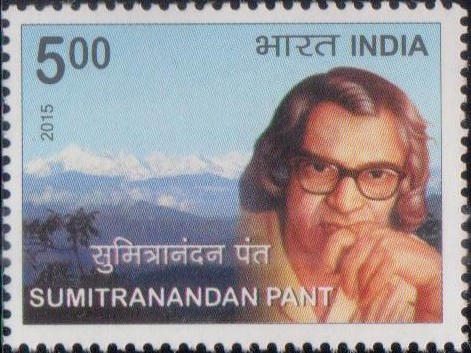
1.Sumitranandan Pant: Sumitranandan Pant was an Indian poet. He was one of the most celebrated 20th century poets of the Hindi language and was known for romanticism in his poems which were inspired by nature, people and beauty within. 

He is considered one of the major poets of the Chhayavaadi school of Hindi literature. Pant mostly wrote in Sanskritized Hindi. Pant authored twenty-eight published works including poetry, verse plays and essays. Apart from Chhayavaadi poems, Pant also wrote progressive, socialist, humanist poems and philosophical (influenced by Sri Aurobindo) poems. Pant eventually moved beyond this style. As the late scholar and translator of Pant, David Rubin, writes, “In the early forties the new psychological and experimental “schools” were emerging. It was typical of both Nirala and Pant that they themselves anticipated these trends and, by the time the new approaches were in vogue, they had already moved on to newer areas of experimentation.” 

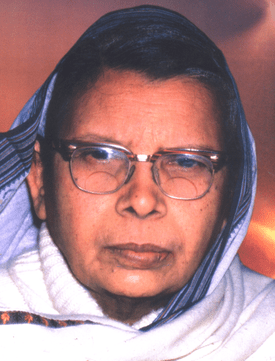
2.Mahadevi Varma: Mahadevi Varma was an Indian Hindi-language poet and a novelist. She is considered one of the four major pillars of the Chhayawadi era in Hindi literature. She has been also addressed as the Modern Meera.  Poet Nirala had once called her “Saraswati in the vast temple of Hindi Literature”. Varma had witnessed India both before and after independence. She was one of those poets who worked for the wider society of India. Not only her poetry but also her social upliftment work and welfare development among women were also depicted deeply in her writings. These largely influenced not only the readers but also the critics especially through her novel Deepshikha. Varma was a feminist par-excellence even before the term became trendy in public discourse. She was turned down by her husband only a few years after marriage. Her looks were not the kind that the fashion industry portrays as desirable, but the physicality of being has little to do with the beauty of her soul and intellect. 

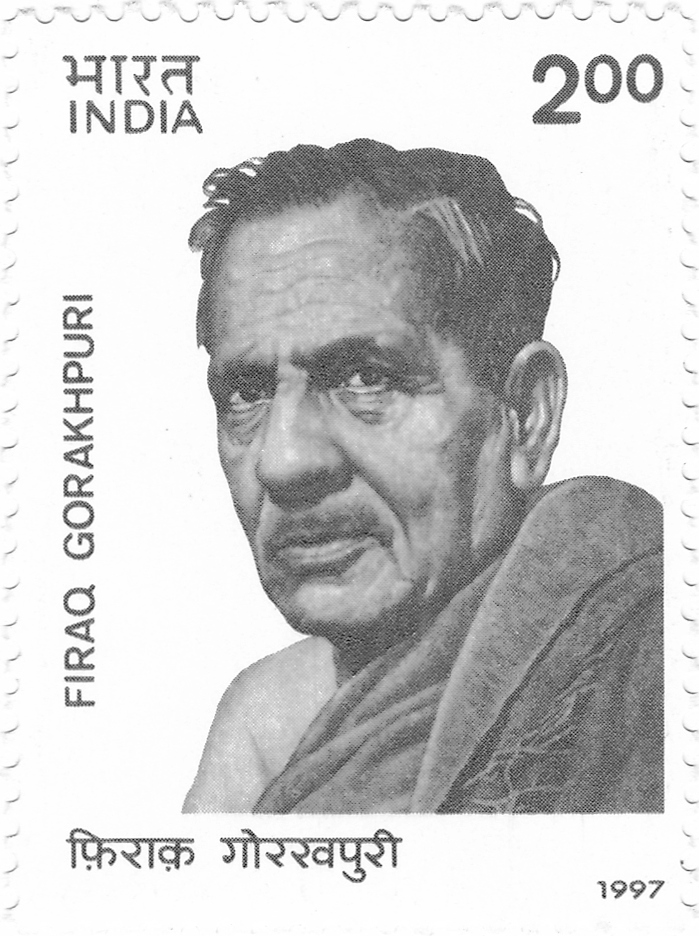
3.Firaq Gorakhpuri: Raghupati Sahay, better known under his pen name Firaq Gorakhpuri, was a writer, critic, and, according to one commentator, one of the most noted contemporary Urdu poets from India. He established himself among peers including Muhammad Iqbal, Yagana Changezi, Jigar Moradabadi and Josh Malihabadi. Some of his works are as followed, 

  • Gul-e-Naghma 
  • Gul-e-Ra’naa 
  • Mash’aal 
  • Rooh-e-Kaayenaat 
  • Roop   

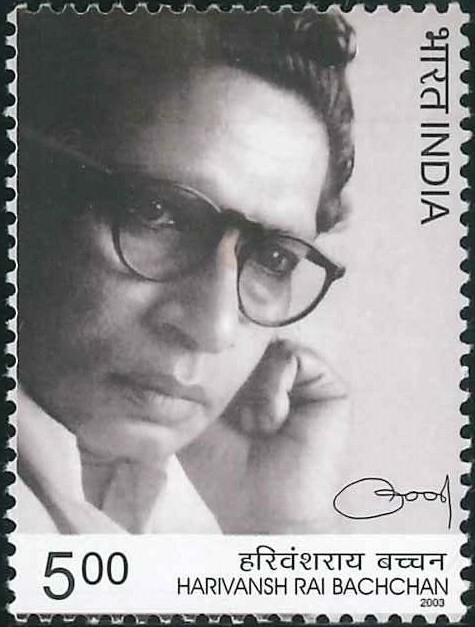
4. Harivansh Rai Bachchan: Harivansh Rai Bachchan was an Indian poet and writer of the Nayi Kavita literary movement (romantic upsurge) of early 20th century Hindi literature. He was also a poet of the Hindi Kavi Sammelan. He is best known for his early work Madhushala. He is also the husband of social activist, Teji Bachchan, father of Amitabh Bachchan and Ajitabh Bachchan, and grandfather of Abhishek Bachchan. In 1976, he received the Padma Bhushan for his service to Hindi literature. 

As the river Saraswati flows in the city and is regarded as the goddess of education according to the Hindu scriptures, hence, Allahabad is gifted with literature. The city is buffet of art and literature and is a feast for explorers. 

Neutrogena Deep Clean face wash

Neutrogena Deep Clean Facial Cleanser For Normal To Oily Skin, 200ml https://www.amazon.in/dp/B006LXDQRY/ref=cm_sw_r_apan_glt_fabc_dl_0F1YKXWWE1NGE0KQYS20

 Neutrogena is notable for making face fens for fulsome, acne-prone skin. This is your most solid option in the event that you have fulsome, and acne-prone skin. Delicate on your skin yet extreme on skin inflammation, the specific canvas-free equation tenderly purifies your skin from deep out. This face fen for fulsome skin contains Salicylic acid which is known to dispose of skin break out and reduces coming bunks.

KodiSoftware Download For Free | Top sites


Let’s start with knowing that what is Kodi software and why one should have it.

What is Kodi software?

Initially released in 2002 [as Xbox media play], in 2003 [as Xbox media centre]. Kodi software application is developed by the XBMC Foundation, Kodi is a free and open-source media player software application, it’s a non-profit technology consortium. It’s a 10-foot user interface with television and remote controls.

With a view of most streaming media such as podcasts, music, videos and views from the internet, one can access all Common digital media. These are some of its platform PowerPC, IA-36, ARM and x64(x84-64). Available in 12[75 including incomplete translations] language. HTPC it’s is a multi-platform home-theater PC application. Kodi is highly customizable so allow it’s users to stream media content via online services such as Crackle, Amazon Prime Internet Videos, Pandora Internet Radio, Spotify and Youtube.

The later version of kodi has a (PVR) graphic front and end. All these available advantages make Kodi a great software to be utilized.

 Let’s now dive into how to download Kodi for free.

Already millions of people are enjoying this great software for free. Kodi is running on the most common processer architectures, iOS, Android, MOS X and Windows operating systems.

How to download : select your platform

As Kodi supports a large range of devices and operating systems, it is multi flavour. Simply select your platform in which you want to install Kodi on and enjoy Kodi.


Preserving Tribal Culture

 There are about 300 million tribal people globally, and 150 of them are in Asia alone. The tribal and folk art forms have been an integral part of our culture. Tribal artforms have a unique sense of beauty and a different perspective of aesthetics. These are the traditions that are transmitted from generation to generation among the tribes. 

Institutions to preserve tribal culture

In India, the Ministry of Tribal Affairs looks after the preservation of tribal culture. Under the ministry, there are Research Institutes and Tribal Welfare Departments to find out ways and techniques to preserve the tribal heritage in the different parts of the country. 

There are a number of tribal groups in India, such as Mundas, Oraons, Santals, Gonds, Khonds, Mizos, Nagas, etc. There are also some schemes in India, such as Institutional support for development and marketing of Tribal products, Special Central Assistance to Tribal Sub-Scheme, and Marketing of minor forest produce.   

 The UN Human Rights council in 2006, recognized the rights of the indegenous people and emphasized that “indegenous knowledge, culture and traditional practices contributes to sustainable and equitable development and proper management of the environment.”

Need to preserve Tribal Heritage

The tribal culture has an extremely rich heritage, traditions, folk songs, folk dances and other artforms. For example, Warli painting is one of the famous tribal artforms, its origin can be traced back as early as the 10th century A.D. They have a unique set of cultural traditions and social customs.

 But with the rapid growth of industries, and hydroelectric projects, the forests are being cleared. These forests are the home to many tribal people. They get displaced from their original habitat due to clearing of forest areas, which threatens their identity and culture. 

As many of the tribal groups reside in or near forest areas, they play a key role in conserving the forest ecosystem. Forests play a crucial role in their daily lifestyle, therefore they efficiently conserve and manage the ecosystem. Many of the tribes believe in nature worship and revere the sacred groves and trees. They have immense knowledge about the edible plants and medicinal properties of them. 

The world is gradually turning towards organic farming, and other eco-friendly ways of farming. The tribal culture has great knowledge about surviving by solely depending on nature, without the use of any harmful chemicals or technology. Often the tribal culture is suppressed by the dominant culture of a country. The cultures with such deep knowledge should not be suppressed in the wake of development and modernity. 

It is important to strike a middle path, where development can take place without displacing and destroying the tribals and their cultural heritage.


Karnataka Trails: Part 1

Karnataka is a paradise with lush green forest that want you to delve, cool blue seas that calm you down, heritage sites that take you to a fore time era, hills that challenge you to conquer, wildlife that invites you to explore, beaches that make you feel exotic, and a culture that helps you celebrate.
Capital of Karnataka is Bangalore. It has 30 districts and English is widely spoken here. Other languages spoken here are Kannada, Tula, Konkani, Kodava and Hindi. Bangalore, Mangalore, Hubli, Belgaum, Mysore and Bellary are the airports in Karnataka. Rainy season in Karnataka is from June to September.

Luxury Trails 

The Golden Chariot 

Rated by vanity as one of the top seven luxury train journeys in the world, The Golden Chariot defines luxury on wheels. It has premium facilities such as a spa, a gym, restaurants, good  ambiance rooms and a bar.
Journeys given by Golden Chariot :-
1.Pride of Karnataka                                                                                                            
 Itinerary-                                                                                              
Bengaluru — Bandipur — Mysore — Halebidu — Chikamgaluru — Hampi — Pattadakal and Aihole   –Goa — Bengaluru

2.Jewels of South                                                                                                                     
Itinerary-                                                                                                                              
 Bengaluru — Mysore –Hampi — Mahabalipuram –Thanjavur– Chettinad — Cochin –Kumarakom — Bengaluru
3.Glimpses of Karnataka                                                                                                            
Itinerary-                                                                                                                                       
 Bengaluru — Bandipur –Mysore — Hampi– Bengaluru

Health and Wellness

 Karnataka holds its own as a leading wellness destinations. Right from allopathy to alternate healing such as Ayurveda, siddha, unani and naturopathy, a variety of unconventional forms of therapy are offered around the state. 

Shopping                                                                                                                             

With its shimmering silks, sandalwood and rosewood carvings, and exquisite handicrafts, Karnataka is a shopper’s paradise. The world’s best and most popular brands line  the Bangalore’s streets.

URBAN TRAILS 

BANGALORE                                                                                                         

Bangalore  presents a cityscape that layers diverse culture with historic monuments, pubs and shopping malls with arts and craft markets, and technology parks with sprawling entertainer centers. The multi-faceted city is also one of the Asia’s most preferred cities for health care services, the array of choices ranging from specialty hospitals to traditional methods of treatments preserved intact through the centuries 

MYSORE                                                                                                                           
Once the capital of the eminent Wadiyar kings, the city of Mysore still evokes memories of grandeur and glory. Mysore continues to be hub of great activity in industry, education and the arts.The Dasara celebrations in the ‘City Royale’ are matchless- each evening during 10 day celebrations, the Mysore Palace is adorned with approximately 98000 light diyas. It is known for its magnificent palaces, majestic buildings sprawling gardens and tree lined Avenue, shimmering silks and sandalwood.

HERITAGE TRAILS 

HAMPI 

Hampi was the magnificent capital of the mighty Vijayanagara Empire. It was described as a city with extremely rich palaces, marvelous temples, aquaducts, pavilions and elegantly carved pillars. A city where merchants traded diamonds, pearls, brocades and horses. Though it lies in ruins today, one can experience rich architecture at this UNESCO World Heritage Site.
     

PATTADAKAL


Pattadakal lies on the banks of the Malaprabha River and bears testimony to the richness of Chalukyan architecture. Temples of Jambulinga, Kadasiddeshvara and Galaganatha with their curvilinear shikaras or spires are worth watching. The embellished Papanatha Temple is yet another impressive piece of architecture, with delicately chiselled ceilings and a 16- pillared main hall.


AIHOLE   

 A peaceful village on the banks of Malaprabha River, Aihole is acclaimed as the cradle of Hindu temple architecture. The most impressive one is Durga Temple with its semicircular apse, elevated plinth and the gallery encircling the sanctum.

BADAMI

It is situated at the mouth of ravine between two Rocky hills, the beautiful sculptures and rust red sandstone cliff of Badami tell many a tale of bygone era. Climb  a flight of steps to reach the four ancient rock- cut caves replete with carved pillars and bracket figures. Welcoming you will be the 18- armed Nataraja striking 81 dance poses in the first cave. The largest of these caves in the third cave, dedicated to Lord Vishnu. Below the caves in the Agastya Theertha Tank, its banks dotted with a cluster of Boothanatha temples.


BIDAR

Bidar Fort is surrounded by a triple- moated wall carved out of red rock, with complex battlements and an imposing gateway. Take a look at the ruins of royal bath, kitchen and pleasure pavilions. Experience the Rang Mahal with its elaborately carved wooden pillar, Persian couplets engraved in tiles and beautiful mother-of-pearl inlay work.

 BELUR, HALEBEEDU

Ancient capital of the Hoysalas, Belur and Halebeedu are adorn with the beauty of magnificent temples built by the dynasty. Temples here are great examples of sculptors art. There is a star- shaped Chennakesava Temple, with its 3.7m image of Lord Vijaya Narayana.

CHITRADURGA FORT

Chitradurga is known for its massive kallina kote (stone fort). It has 19 gateways, 38 posterior entrance, a palace, a mosque, granaries, four secret entrance and water tanks. The Ekanatha Temple and Chandravati Caves are worth seeing.

KITTUR CHENNAMMA FORT 

The tiny town of Kittur with its tumbledown palace, monuments, statues and horse tongas tell us about the bygone era. The fort is a  evidence  to the great freedom struggle led by Rani Chennamma.
ALSO VISIT: Bijapur, Basava kalyana, Srirangapatna & Bellary Fort. 

PILGRIMAGE TRAILS 

DHARMASTHALA

It is a  beautiful historic temple that is 8 centuries old. The temple is mainly dedicated to Lord Shiva. Besides the primary diety there are other idols like Dharma Daivas and Shakti or Ammanavaru as well as the four guardian of spirits of Lord Dharma such as Kalarkayi, Kanyakumari, Kalarahu and Kumaraswamy.
SHRAVANABELAGOLA 
That the Mastakabhisheka, the sacred head anointing ceremony of Lord Gomateshwara, is held only once in 12 years, speaks of the importance tied to the event. One of the major Jain pilgrimages of the nation, the city of sharvanabelagola sees thousands of devotees making their visit to the 57ft. tall statue of Lord every year.

ST. PHILOMENA’S CATHEDRAL, MYSORE

Krishnaraj Wadiyar IV laid the foundation for this imposing Roman Catholic Church in 1933. The stained glass windows of this imposing Roman Catholic Church in 1933. The stained glass window of this Gothic structure depict biblical scenes. It is believed that a piece of bone and drapery of St. Philomena from Rome is preserved here. 


KOLLUR MOOKAMBIKA TEMPLE 

The village of kollur lies 130km from Mangalore, amid the green canopy of the Western Ghats. Here the, Mookambika Temple, one of the seven most sacred spots of the costal region, is dedicated to the Goddess of emotional power and strength. Adi Shankaracharya, the great philosopher, is said to have visited this temple to perform penance.

GURUDWARA NANAK JHIRA SAHIB, BIDAR

It is said that Guru Nanak halted in Bidar, at a time when the area was suffering a severe drought. The Muslims saints requested him to invoke the blessings of the divine in order to obtain water. The crystal clear stream that flows out of the rock near the Gurudwara is believed to be the God’s answer to the Guru’s prayers.
ALSO VISIT: Udupi, Iskon Temple, Kudala Sangama and Madani Dargah.
                                    To be continued……….

Benefits of Travelling

The benefits of traveling are not just a one-time thing: traveling changes you physically and psychologically. Having little time or money isn’t a valid excuse.

Here are some of the main benefits of traveling, in case you need convincing. And I’m sure that once you get started, you’ll find some more yourself!

1. Traveling Improves Your Health!

From cutting down on stress, to lowering your chances of developing a heart disease, the health benefits of traveling are huge.

2.Traveling Makes You Smarter!

Even more than just languages, traveling helps you learn about yourself. You might run into challenging situations where you need to be resourceful and think differently.

3.Traveling Improves Your Understanding Of Other Cultures!

Travelling always develop empathy and a deeper understanding of other cultures.
Being more understanding and tolerant about a culture different than ours is part of being smarter.

4.Traveling Makes You More Interesting!

Mentioning something that most people aren’t familiar with or bring a new perspective is always a good way to shine in a social situation.

5.Travel Makes You Happier!

Sure, a travel experience easily makes you happier by getting you away from your daily grind.

6.Travel Lets You Disconnect & Recharge!

One of the best things you can do for your mental health every now and again

7.Travel Makes You Physically Healthier!

If you’re an active individual and asking why is travel important, there are some great benefits of traveling in store for you!

8.Traveling Can Boost Your Creativity!

Traveling can help! If you’re looking to reignite your creativity,

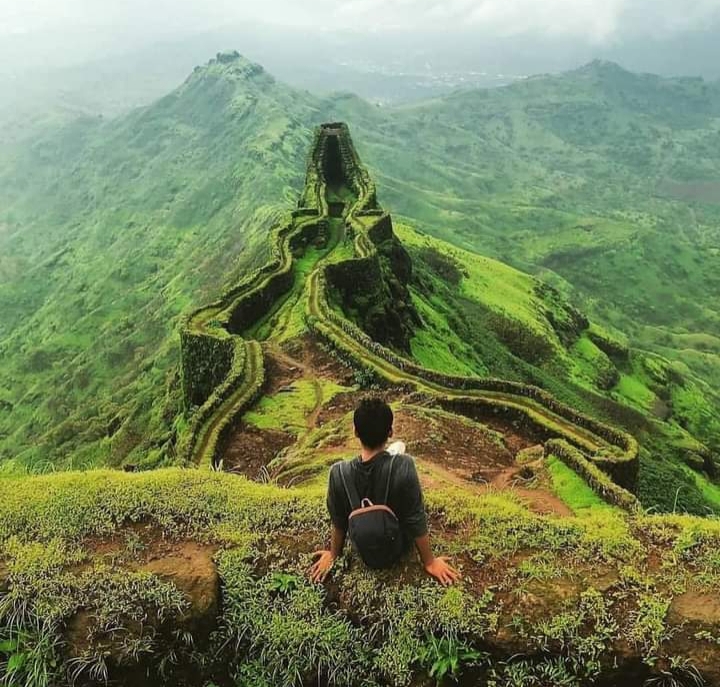
5 Forts You Must Visit Near Pune

“Forts are the very basis of a kingdom. They are the real treasure, the real wealth of a kingdom. They are our best form of defense against the enemies. Forts themselves are the kingdom.”

Rulers of almost every dynasty in Maharashtra gave tremendous importance to the construction and maintenance of forts. That’s one of the reasons you will find a fort in every nook and cranny of Maharashtra. Pune is a city that has a large number of forts around it. Many of these forts were built by Chhatrapati Shivaji Maharaj, the great Maratha warrior king. These Forts are like real treasure of Maharashtra.

So here are top 5 forts near Pune you must visit.

1. Sinhagad Fort

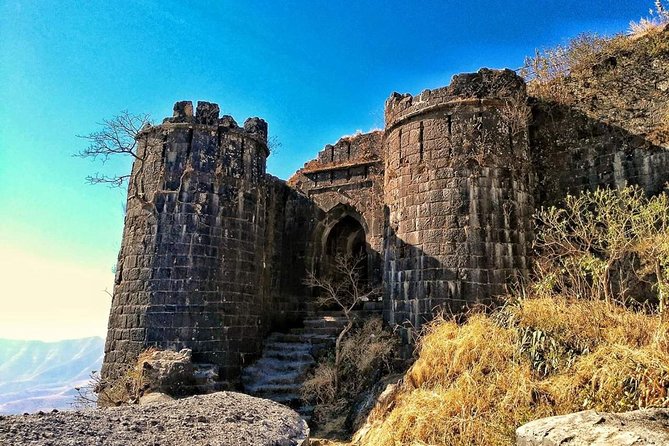
Sinhagad Fort Formerly known as Kondhana is one of the most beautiful fort to visit near Pune.

The forts has been the site of many battles, with the Battle of Sinhagad (1670) being the most notable of all. The fort was named ‘Lion Fort’ (Sinhagad) to honor the sacrifice of Subhedar Tanaji Malusare by Chhatrapati Shivaji Maharaj, who lost his life while fighting the Mughals in the battle.

The fort, built on the top of a hill, offers an amazing view of the lush greenery surrounding it. Pune Darwaza and Kalyan Darwaza are the two entrances to the fort, with the former being the main entry point for visitors. There are a few temples and a memorial built for Tanaji Malusare inside the fort.

Although there is a motorable road till the entrance, trekking to it is preferred by many youngsters. The 13-km trek has a medium difficulty level which makes it one of the best forts near Pune for trekking.

Distance from Pune : Around 30 km via Sinhagad Ghat Road and Sinhagad Road

2. Torna Fort

The historical significance of Torna Fort is that it was the first fort captured by Chhatrapati Shivaji Maharaj; thereby, making it the foundation of the Maratha empire. With an elevation of over 4600 feet above sea level, it is also the highest fort near Pune. Over the years, it has become one of the favourite destinations for anyone who wishes to experience history amidst the opulence of natural beauty.

Torna Fort is also a popular trekking hotspot, and the best time to visit it, is in between September and December. The trek begins from Velhe village as its base. One will first get the exalted view of the fort in the distance after a walk of 200 m. The entire trail is dotted with rocky patches hemmed by dense vegetation. The 4-hour trek goes through various structures like Bini Darwaza, Menghai Goddess Temple, Budhla Machi and the majestic Zunjar Machi. If you are trekking to the fort during the monsoon, be a little careful as the trail becomes slippery in patches. The view from top of the fort is very beautiful and mesmerising.

Distance from Pune : Around 71 km

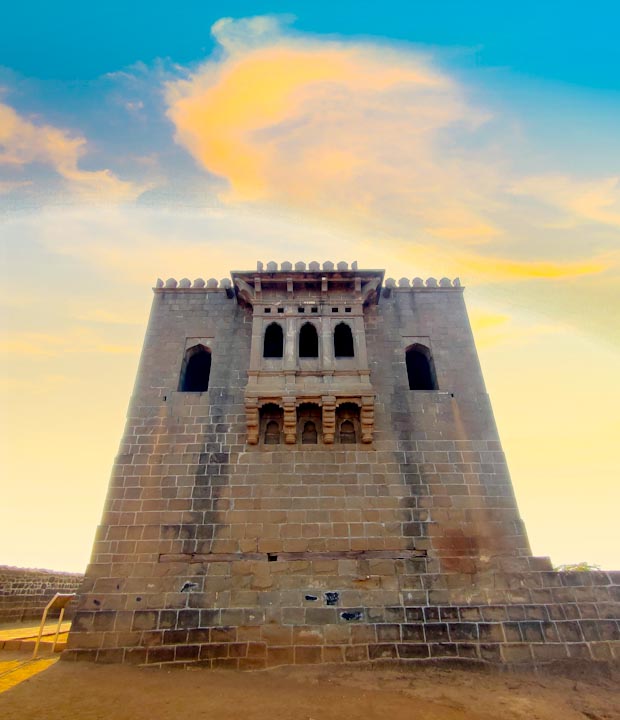
3. Shivneri Fort

Shivneri Fort : the birthplace of Chhatrapati Shivaji Maharaj, the founder of the Maratha empire. Located near Junnar town, the military fortification has a memorial of Chhatrapati Shivaji Maharaj, known as Shiv Kunj right in the center.

The fort offers a panoramic view of the picturesque mountainous and beautiful lakes in the backdrop.

The fort has been rightly rated as one of the most favorite places for sightseeing as it has some interesting spots, such as the temple of Goddess Shivai.

Distance from Pune: 93 km

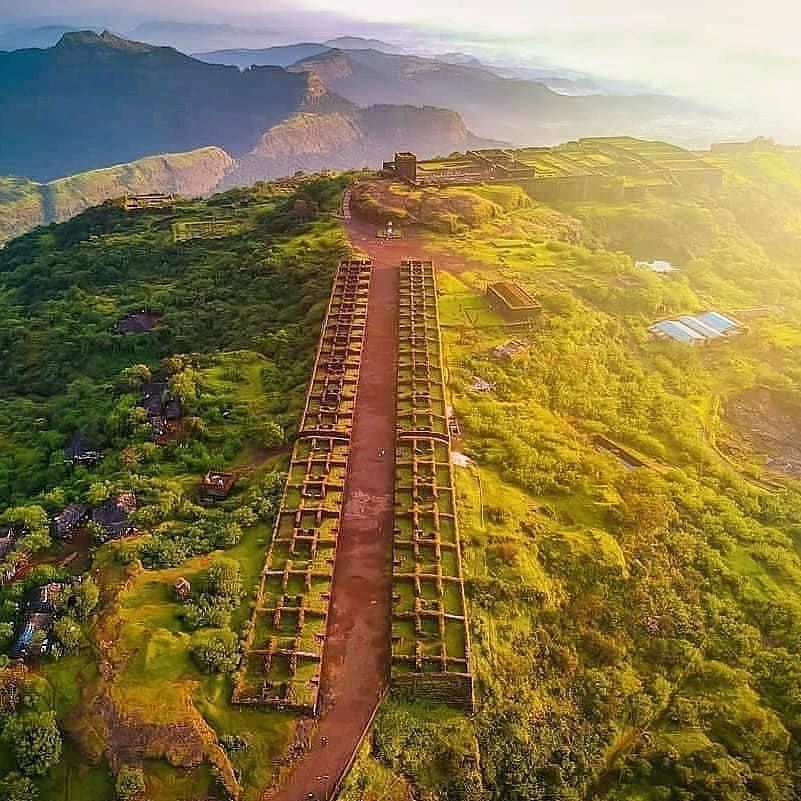
4. Raigad Fort

Raigad Fort is another witness to the glorious past of the Maratha empire, be it the coronation of Chhatrapati Shivaji or the various battles that were fought here. The hill fortress was the capital of the Maratha empire during the reign of Chhatrapati Shivaji Maharaj. Though many portions of the fort are in ruins, the remaining structures stand tall, testifying why Raigad Fort was called the ‘King of Forts’ as well as ‘Gibraltar of the East’. There are towers, grand entrances, artificial lakes, a Shiva temple and many other structures inside the fort.

Raigad Fort is a favourite among adventure enthusiasts because you have to either use the ropeway or trek to the fort, which is 2700 feet above sea level. Those who want to trek to the fort need to climb around 1700 steps from the foothills to reach the fort.

Distance from Pune : 131.4 km via Tamhini Ghat Road and Mulshi Road

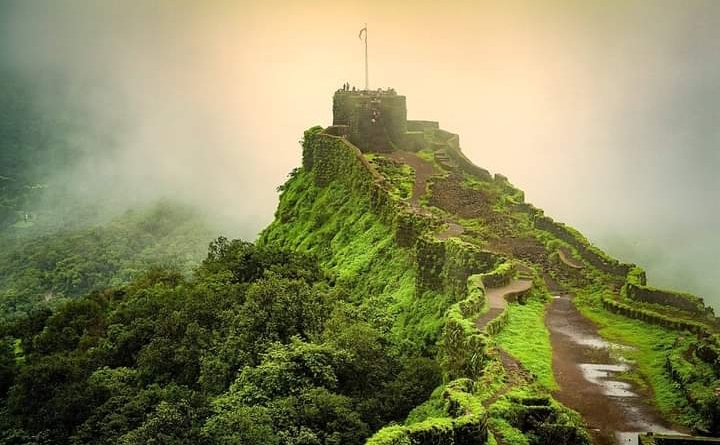
5. Pratapgad Fort

If you want to indulge in a day full of adventure, history and scenic beauty, Pratapgad Fort is the place to be. It is one of the most well  historical marvels in Maharashtra. Pratapgad Fort is also known as the Valour Fort as the heroic battle between Chhatrapati Shivaji Maharaj and Afzhal Khan took place here. The fort is divided into parts – the upper fort and the lower fort. The lower fort is largely occupied by Bhawani temple, whereas the upper fort includes several eye-catching structures.

As Pratapgad Fort is located near Mahabaleshwar, it is frequented by several tourists. Around two to three hours of strolling around are enough to check out every nook and corner of this architectural beauty and its majestic surroundings. The best time to visit is around March and September as the weather remains pleasant during these periods.

Distance from Pune: Around 140 km

AS INDIA IS THE COUNTRY OF DIVERSITIES THINKING ABOUT ‘ONENESS’ IS LIKE A NIGHTMARE

In ancient times India was ruled by hindu kings, earlier the entire society was divided into four categories starting from higher to lower. 
Brhaman were superior and were considered as gurus and mentors of the entire society. Second class was of Shatriya people; they were mainly sepoys and kings who ruled the kingdom, and their main work was fighting wars. Third class was of Vaishya people, they were Business men and were engaged in trade. The last class was considered the most inferior class, they were considered left out people and were not involved in any activity of the state, they were discriminated  in many ways. 
Later Mughals ruled over India and established their hegemony, rights of Indians were infringed by them, Mughals dominated over Indians, they established their political power and have influenced the Indian political history such that till today we study their rulers in the academics. They burnt all the evidences of Indian rulers, so that people could only come to know about them in future. 
As the time of Mughal rulers ended. Britishers started coming to India; they ruled almost one century over the Indian subcontinent and had robbed the golden sparrow so brutally. They broke down the unity of the nation, used it as a weapon to establish their hegemony in India. 
After the 1800s Indian people started realizing the need for freedom from the Britishers, and in 1857 a revolt took place which is known as the first struggle by the Indians for freedom. Later after the arrival of Gandhiji and various other social reformers. Finally after hard struggle on 15th August 1947 India got Independence from Britishers. 
Though after getting independence from the Britishers it was not easy to make India as a whole, as independence resulted as a partition of Indian subcontinent into two- India and Pakistan as Muslim community demanded for the separate nation. 
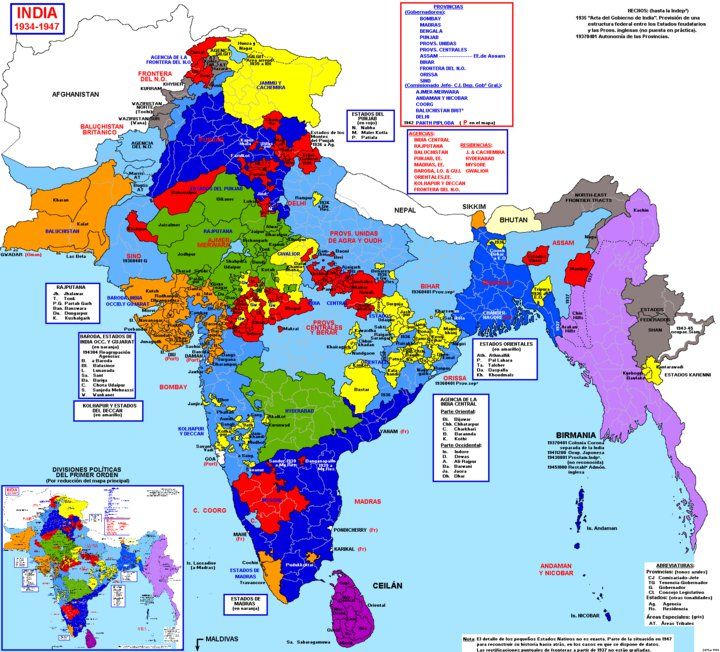
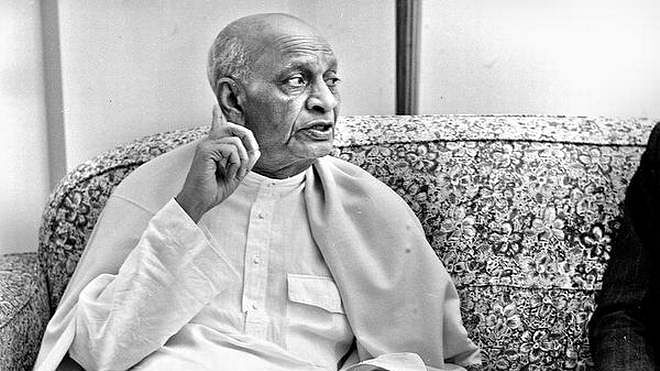
India consisted of 565 princely states before independence which worked separately. The task was to unite all these princely states of different culture, religion and tradition. Sardar Vallabh Bhai Patel emerged as a savior for India. He convinced all the Maharajas of princely state, still Maharaja of Kashmir and Nizam of Hyderabad want to make separate nation, they neither want to join India nor Pakistan. 
Finally Sardar Patel convinced both the princely state's Maharaja and Nizam and New India was formed. Sardar Patel is known as Iron Man of India, if he would have not interfered, the structure of India we can see today would be different. 
Today, India is the largest democracy of the world, with diverse culture and traditions. From North to South and East to West India is full of different colors of tradition, culture, living style, food, dance, dressing, festivals and many more. 
Each corner of the country is unique within itself. In the whole world one will not find anywhere this much diversity at one place. India is famous for its diversity and culture. 
In India people of almost all religions are found, four major religions of the world were founded in India i.e Hinduism, Sikhism, Jainism and Buddhism. 
In India since ancient times the majority of people were of the Hindu religion, others either migrated or converted themselves. Christianity was brought along with Britishers in India. 
After Independence India adopted its own written Constitution on 26 January 1950 which today we celebrate as our Republic Day. 
Under the Constitution India provides all rights to all religions equally without discriminating over any particular religion, culture and caste. All people of India follow one citizenship and identity of being Indian. 
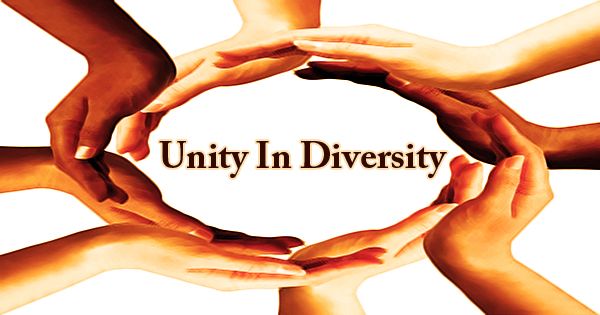
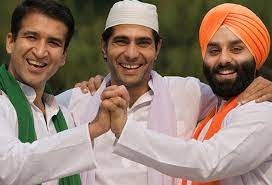
Therefore, India is well known globally for its title of 'unity in diversity'. All people of diverse cultures live under the shed of one Constitution and with one citizenship. 
As earlier mentioned that Indian society was divided among four divisions and were discriminated on the basis of work of each caste, in order to uplift the economically and socially backward classes Indian Constitution provides some special privileges and rights to them. They are given reservation in all aspects, special laws were made for protection of their  rights. 
Earlier women in society were considered as inferior and were stopped from enjoying their basic rights and hence to improve the condition of women Indian Constitution provides special rights and reservation to them. 
Among Indian population the majority of people follow Hinduism, hence one religion could not dominate over the entire society, special privileges are given to minor religion followers and are given equal rights in all the aspects. 
Imagine what would have happened if we hadn't got independence? Even if we would get it, what if the framing members of Indian Constitution would have not given such privileges which are mentioned above to the socially backward classes, poor and to minorities, what if any of the religion would have dominated over the entire society? What if after independence the nation builders would have chosen any other form of government rather than democratic one?
India would have missed the title of 'unity of diversity' and such a respected identity in the world. As India is known for unity in diversity, thinking about oneness is like a nightmare. 
If we see from bird's eye view India is still a democratic country, united where every section of society is enjoying all the constitutional, social and democratic rights, but deep inside at the ground reality people are not ready to accept these forms of administration. 
The reality is people are still fighting and rioting on the name of religion, and the main tussle is among Muslims and Hindus, from partition this conflict began and still after 75 years it is continuing, not only the India and Pakistan, the Hindu and the Muslims of within country are fighting for establishing their power and hegemony. 
Hindus want to make India as a nation of Hindus, they don't want any other religion to live here, Muslims want to make India as a Islamic nation, and same is with other religion followers. At the ground level both the religion followers have hatred in their hearts and minds towards each other. 
Discrimination has not been ended yet, still people discriminate against each other on the basis of caste. 
Politics is always like a mirage, what we see is something that never exists and so is with India, it may seem everything is going constitutionally and equally, but reality and truth can be experienced by observing the situation at ground level. 
Let's hope that this nightmare of oneness in United and diversed India never becomes real. Even if it's seeming to be. 

5 best places to visit while you are travelling to Aurangabad

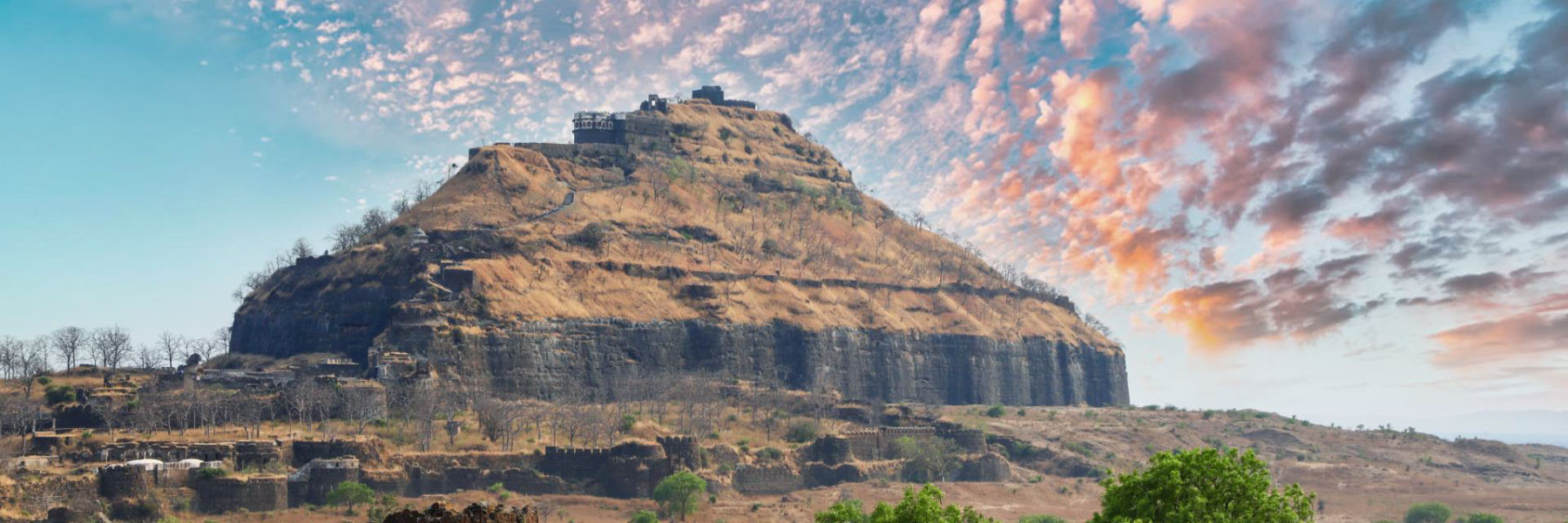
1. Daulatabad Fort

Daulatabad “The City of Fortune” also called as Devgiri. Daulatabad was built in 1187 by Yadava Dynasty. Later Muhammad Tughlak renamed it as “Daulatabad : the city of fortune”.
Just 15 km away from main city of Aurangabad, Daulatabad Fort is located. Often known as one of the “Seven Wonders of Maharashtra”, Daulatabad fort is the best example of powerful architecture. It’s built on a 200m high conical hill, surrounded by the greenery with architecture beauty and protection from enemies. The view after hiking about 700 odd steps up to the top is mesmerising, fascinating and irreplaceable. If you like trekking then you must visit Daulatabad Fort, reaching the top is the most challenging part for every trekker.
The one more reason to visit Daulatabad Fort is “Chand Minar” also called as Tower of the Moon located near the Fort.

Timing = 8am to 6pm

2. Bibi ka Maqbara

Bibi ka Maqbara (Tomb of Rabia) has similar architecture like “Taj Mahal”. A symbol of love and remembrance Bibi ka Maqbara is a beautiful place to visit in Aurangabad. Maqbara has a Charbagh styled garden and it sits pretty right in centre with the surrounding structure, having a water pool and 61 fountains. Located just 3km away from main city.

Timing = 8am to 8pm.

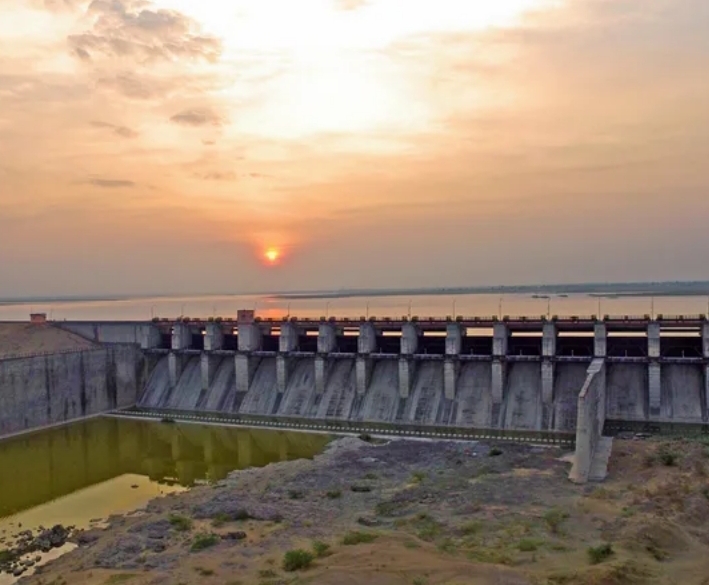
3. Jayakwadi Dam

The largest irrigation dam in Maharashtra and one of the largest earthen dams in Asia, the fascinating Jayakwadi dam is located on Godavari river at site of Jayakwadi village in Paithan taluka of Aurangabad. Watching the dam will make you feel like you are watching a real ocean with no end. Also visit the bird sanctuary near it and don’t forgot to buy famous “Paithani” for your lovely ladies from Paithan.

Timing = 10am to 6pm

4. Ajanta Caves

Located from just 107km away from Aurangabad, Ajanta caves is the most attractive place for foreign tourist’s. A group of around 32 Buddhist caves that are carved out of rocks, these caves date back to the 2nd century and is considered as the most brilliant form of ancient Indian art.
Since 1983, Ajanta caves has been declared a UNESCO World Heritage Site. On the walls of caves there are paintings which recounts the life of Lord Buddha. From the architecture, shape, and form of the caves, it is pretty sure that the ancient Buddhist monks used these caves for studying, living and worship purposes. The murals, paintings, and carvings on the wall reveal many unknown facts about the way of living, the cultures and tradition.

Timings: 8 AM to 5 PM

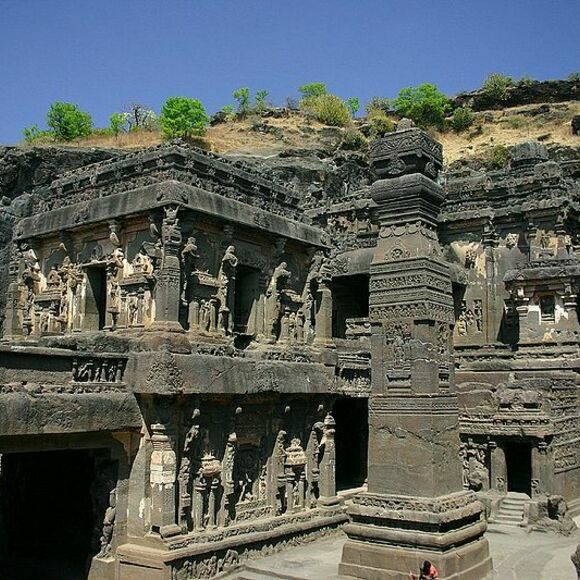
5. Ellora Caves

Another famous tourist place to visit near Aurangabad is Ellora caves, the another powerful example of Indian architecture. Located around 29 km from the city. This chain of caves were built by the Rashtrakuta dynasty of the Buddhist clan and Yadav group of the Jains.
A must visit UNESCO World Heritage site in Maharashtra, this series of caves also showcases the perfection and epitome of the pre historic times of the Indian culture.
There are all 34 caves of which, 12 are Buddhist, 17 Hindu and 5 Jain.

Timings: 6 AM to 6 PM