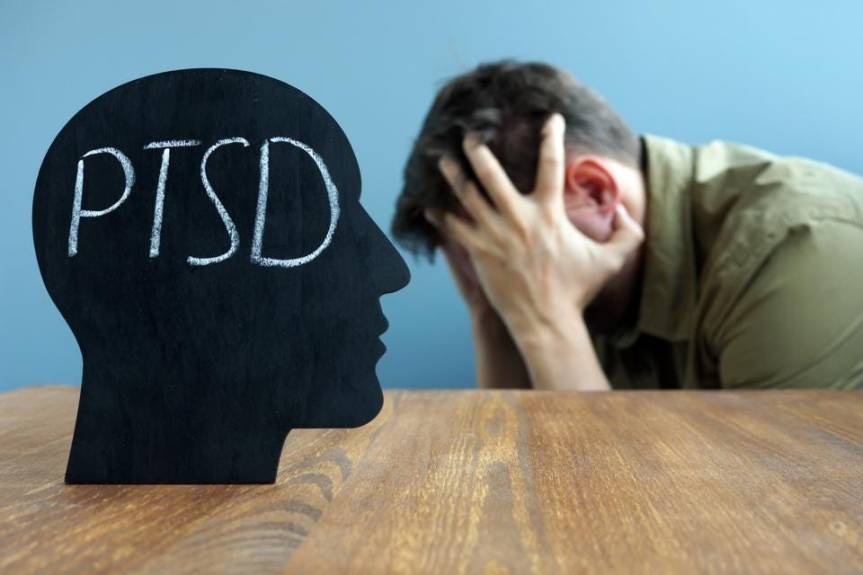
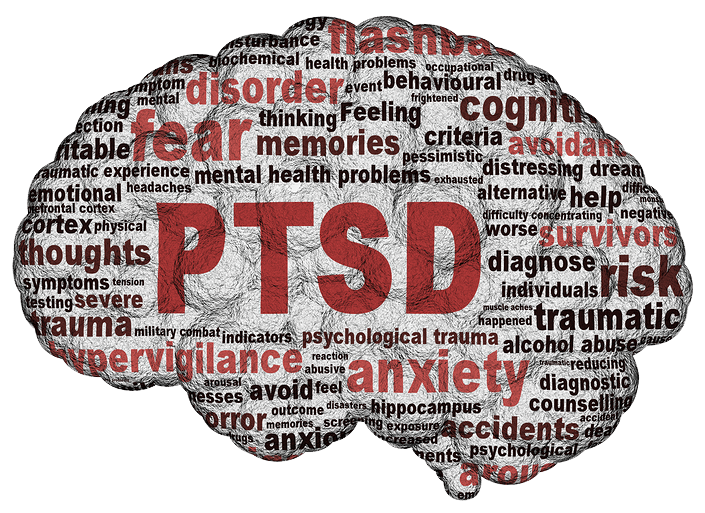
Post-traumatic stress disorder (PTSD) is an phychological disorder that a person can face who has experienced or witnessed a traumatic event such as a natural disaster, terrorist attack, war/combat, rape, or death, sexual violence or serious injury.
People with PTSD have intense and annoying thoughts and feelings associated with their experience that last long after the traumatic event is over. One may relive the event through flashbacks and nightmares. They may feel sad, afraid, or angry. And they may feel separated or alienated from others. People with PTSD can avoid situations and people that are reminiscent of traumatic events and have a strong negative reaction to mundane things such as loud noises and accidental contact.
According to reports in context to United States, about 3.6% of people about 5.2 million adults develop PTSD in time of last year , and an estimated 7.8 million Americans will develop Women are more likely to develop PTSD than men. This may be because their are high chances that women are more likely to be victims of domestic violence, abuse and rape.
Symptoms: • Intrusive thought: Intrusive thoughts such as repeated involuntary reminders. A miserable dream; or a flashback of a traumatic event. Flashbacks are so vivid that people feel like they are remembering or seeing the traumatic experience in front of them. • Avoidance: Avoiding the memory of traumatic events may include avoiding people, places, activities, objects, and situations that can cause disastrous memory. People may try not to remember or think about traumatic events. They may resist talking about what happened and how it makes them feel. • Mood changes and Behaviour : Negative thoughts and feelings that lead to persistent and distorted beliefs about oneself and others, such as not being able to remember important aspects of traumatic events. Distorted thoughts about the cause or effect of an event can lead to false accusations of yourself or others. Persistent fear, fear, anger, guilt, or shame. There is much less interest in the activities that I enjoyed before. Feeling alienated or alienated from others; or unable to experience positive emotions (lack of happiness or satisfaction).
Treatment: It is important to note that not everyone who experiences trauma develops PTSD, and not everyone who develops PTSD requires psychiatric treatment. For some people, the symptoms of PTSD disappear over time. Others are better with the help of their support system (family, friends,etc) . However, many people with PTSD need specialized medical treatment to help recover from psychological stress. It is important to remember that trauma which causes the PTSD can lead to serious distress. The sooner a person is treated, the more likely one can recover fast from PTSD. Psychiatrists and other mental health professionals use several effective ( authorized and proven) methods to help people recover from PTSD. Both talk therapy and medical dosage provide effective evidence-based treatment for PTSD.
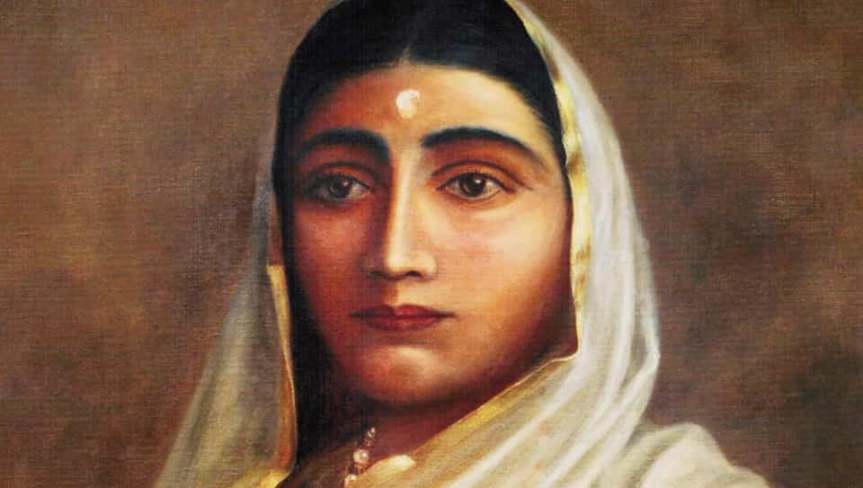
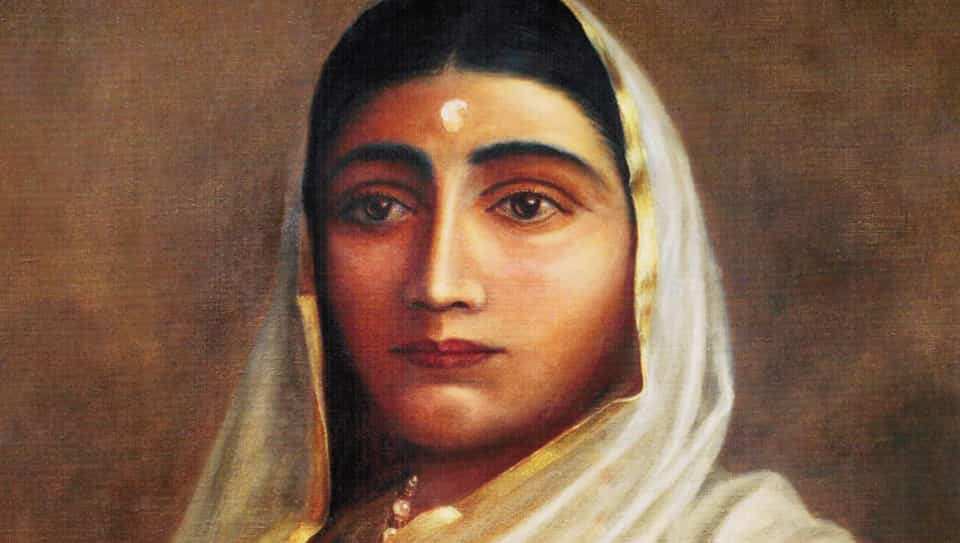
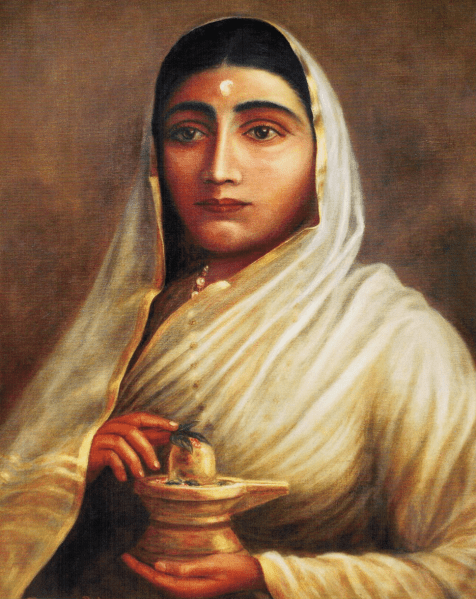
Ahilya Bai was born write to Mankoji Shinde and Sushila Shinde in the village of Chaundi (now Ahmednagar district) in Maharashtra, and was born in the Marathi Hindu family. His father, Mankoji Shinde, a descendant of the magnificent Dhangar family, served as a patil. At that time, the woman were not allowed to attend school , but her father taught her how to read and write.
According to one legend, Ahiliya once stopped by Chaundi on her way to Pune, where Bajirao I, commander of the Maratha army, and Marhar Rao Holker, the ruler of Malwa, saw eight-year-old Ahilya in a temple worship service. Impressed by her devotion and her personality, Marhar, on the advice of Peshwa, married Ahilya and his son Khande Rao. She married Khande Rao in 1733. Ahilya accompanied Khande Rao on many campaigns. Throughout her marriage, she was raised by her mother-in-law, Gautama Bai. Gautama Bai is believed to have played an important role in bringing out the values that she had planted in Ahiliya. She trained them in administration, accounting, politics, etc. and finally delivered their Khasgi Jagir in 1759.
In 1754, Candelao, along with his father Marharla O’Holker, besieged Fort Kumar in Jatrajas Rajimar in Bharatpur at the request of Imadulmark and General Mirbakshi of Mugar Emperor Ahmadsha Bahadur. Suraj Mal supported Emperor Mugar’s rebellious Wajir Safdar Jang. Khande Rao was inspecting his army with an open litter when a shell fired by the Jat army during the battle hit him and died. After the death of her husband, Ahilya Bye was prevented from playing sati by her father-in-law. After the death of her husband, she received military training by Malhar Rao Holker. After the death of Khande Rao.Ahilya Bai gave up all the desires of life and decided to perform a sati to accompany her husband’s funeral cremation. Her people urged her not to commit sati, but she said her husband promised to accompany her for the rest of her life, and now he walked in the middle of her. Finally, when she decided to play Sati and did not forgive her, it was her father-in-law, Malhar Rao, who made a fervent emotional plea to stop her from doing suicide. .
Credit- Wiki
Marhar Rao Holker died in 1766, twelve years after his son Khande Rao died. Male Rao,the grandson of Marhar Rao and the only son of Khande Rao became the ruler of Indole under the rule of Ahilya Bai in 1766, but he also died within a few months in April 1767.
Ahiliya Bai died on August 13, 1795, at the age of 70. The reign of the modern woman Ahiliya Bai is remembered as a golden age in the history of the Maratha Empire. Ahiliya Bai was taken over by her nephew Tucozy Rao Holker, her commander-in-chief. He immediately abandoned the throne in 1797 in support of his son Kashi Rao Holker.
Ahiliya Bai was a great pioneer and builder of Hindu temples and built hundreds of temples and Dharmashala throughout India. Especially well known for the refurbishment and re-dedication of some of the most sacred sites of Hindu pilgrimages that were desecrated and destroyed by Emperor Aurangzeb in the last century.
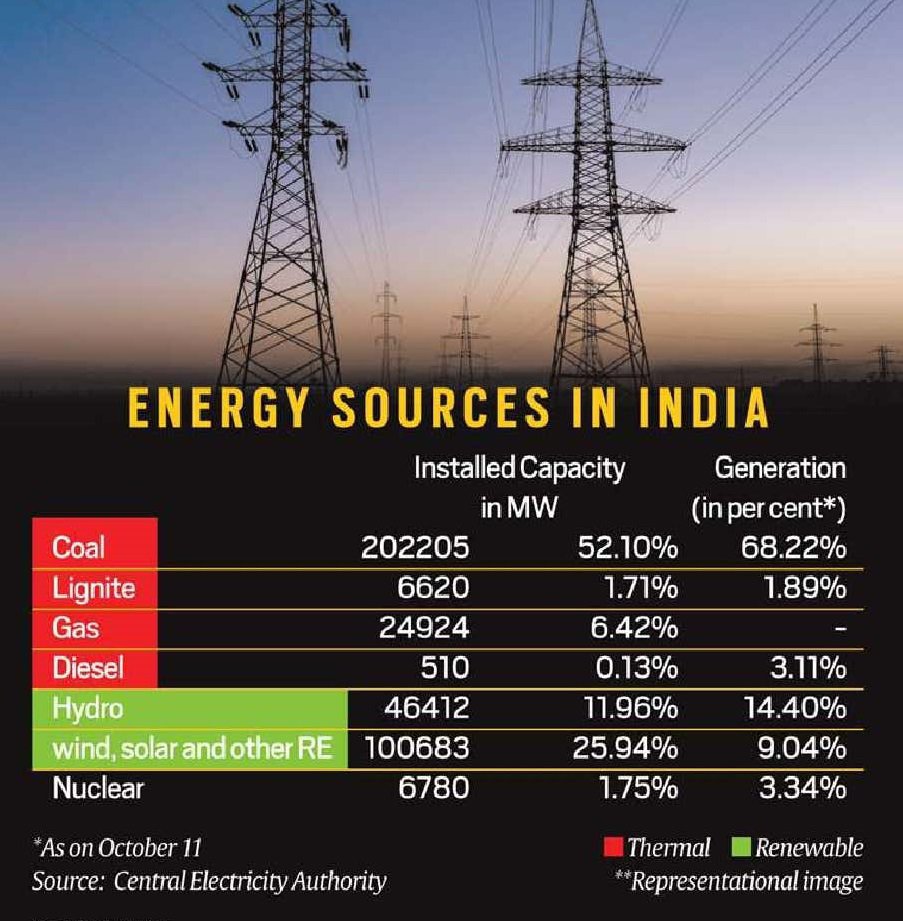
India has the fourth largest coal deposit in the world. It is the second largest fossil fuel producer after China and is home to Coal India, the world’s largest coal mining mine, which accounts for 80% of domestic production. Already allocated coal block mining capacity exceeds expected demand in 2030 by approximately 15% to 20%.
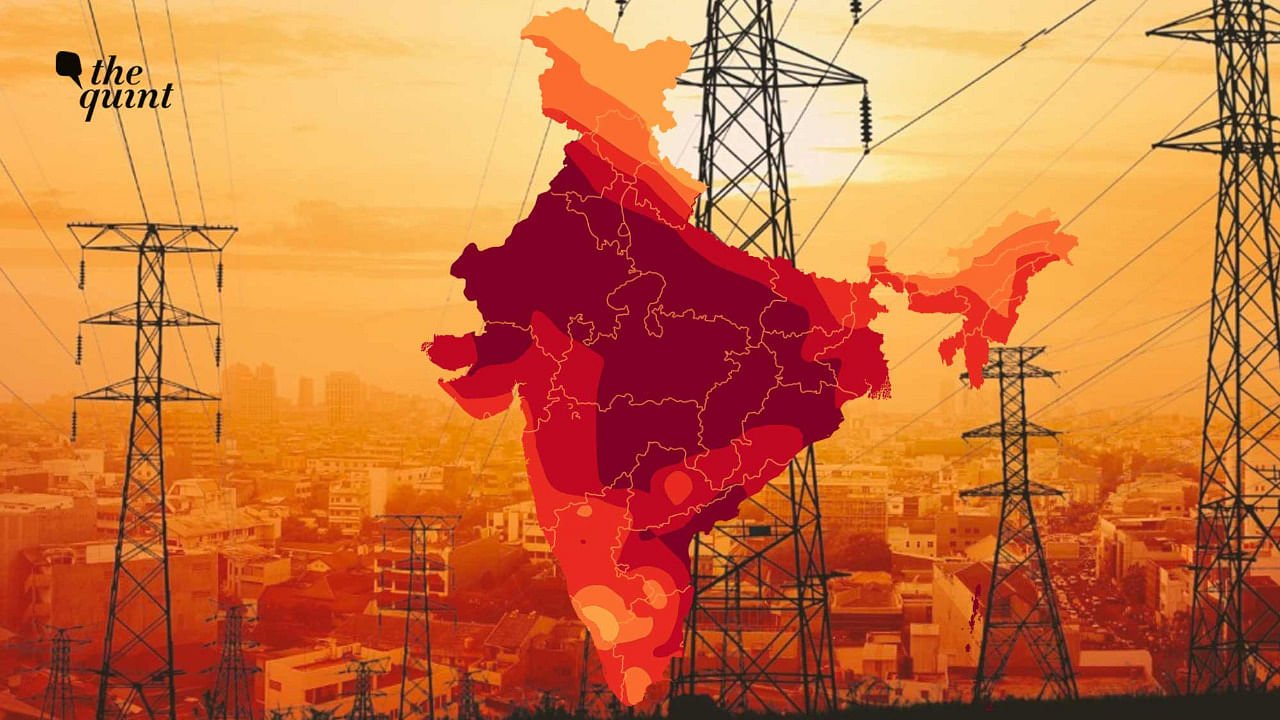
So why are India’s power plants facing coal shortages each year, leading to widespread power outages, exposing parts of the country to darkness and endangering industry? There are several factors. India has a long time policy of minimizing coal imports. In February 2020, Coal Minister Pralhad Joshi announced that the country would stop importing steam coal from 2023 to 2024. Mr Joshi said the Ministry of Coal will work with the Ministry of Railways and the Ministry of Shipping to allow Coal India, prisoners and commercial miners to discharge more coal from their supply by 2030. And the coal supply at power plants is running out at an alarming rate. The Department of Energy is currently blaming the decline in coal imports due to the current crisis. In 2018-19, 21.4 million tonnes of coal were imported for mixing, down to 23.8 million tonnes in 2019-20 and 8.3 million tonnes in 2021-22.
Credit- Civildaily
Power plant coal inventories have fallen by about 13% since April, reaching pre-summer lows. And for the first time since 2015, Coal India will import fuels used by state-owned and private power companies. The Ministry of Energy said almost all states showed that multiple state bids for coal imports would cause confusion and that the decision was made after calling for centralized procurement by Coal India. Imported coal costs five times as much as domestic mining, so the center is being pushed back by the state. Recently, the government has also pressured utilities to increase imports to mix with local coal. Last year, after a two-year break, three tranches of coal auctions were held and nine blocks were successfully awarded.
In September 2021, the Ministry of Coal issued a strict warning to owners of confined coal blocks, stating that their mines should increase production or face restrictions on coal supply by the CIL. The ministry has discovered that these mines are producing below target.
Of the 43 coal mines outsourced to private companies in the energy, steel and metals sectors, none have met their annual production targets. On May 6, Coal India announced that it would provide the private sector with 20 closed and abandoned underground coal mines and reopen and operate its revenue sharing model.
According to journalist Shreya Jai the current power supply chain does not seem ready to handle periods of high growth and state discos cannot pay gencos, but the power supply chain starts with state discos and needs repairs. Railroads, on the other hand, are struggling to align the thermal power industry’s demands for faster coal supply with those from other industries. Rakes must be prepared to meet the growing demand for almost all other bulk commodities, from cement and steel to sand and edible grains. By strengthening the value chain of the electric power sector, it is possible to resolve the coal supply-demand mismatch in the long run.
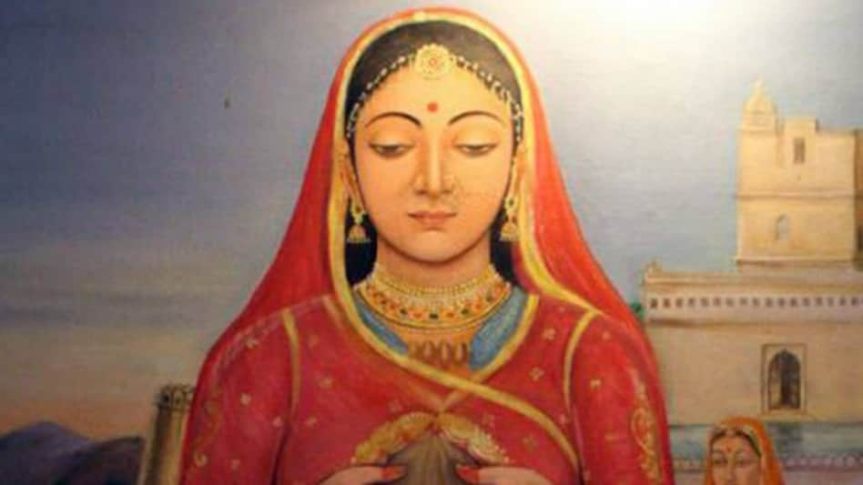
Rani Karnavati was a princess and temporary ruler from Bundi, India. She married Rana Sanga of Mewar in Chittorgarh, the capital of the Kingdom of Mewar. She was the mother of Rana Vikramaditya and Rana Uday Singh, and the grandmother of the legendary Maharana Pratap. During 1527 to 1533 the minority years of her sons she served as a regent for Mewar. She died on 8th March 1535.
After Babur seized the throne of Delhi in 1526, Rana Sanga of Mewar led a coalition of Rajput Kings against Babur to seize the throne of Delhi. In the starting Rana Sanga was able to defeat Babul in the Battle of Bayana, but in the Battle of Kanua, he was defeated because of Babur’s excellent tactics, guns, and artillery.Rani Karnavati took over as regent on behalf of his eldest son Vikramaditya who was a minor at that time. Meanwhile, Mewar was attacked a second time by Gujarat’s ruler Bahadur Shah against whom Vikramaditya had previously been defeated. It was very important issue for Rani Karnavati.
The nobles of Mewar Kingdom did not want to fight for Vikramaditya, and as the upcoming battle will certainly be another stain in the history of Sisodias. Rani Karnavati was able to persuade nobles to fight for Mewar and honor of Sisodias . Their only condition was that Vikramaditya and Uday Singh should go to Boondi for their personal security during the war. In some legends some also said, that Rani Karnavati also sent Rakhi to Emperor Humayun of Mugals calling him his brother and asking for help. Therefore, her name was irreparably linked to the Raksha Bandhan Festival. However, this is not supported by modern writers, and modern historians such as Satish Kumar consider it a fable rather than a historical fact.
Rani Karnavati agreed to send her sons to Bundi ,while knowing the situation being very critical and which can be dangerous for her two sons and send her trusted maid Panna Dai to accompany them and take care of them. Panna hesitated, but she left for Bundi with Vikramaditya and Uday Singh and accept the Queen’s wishes.
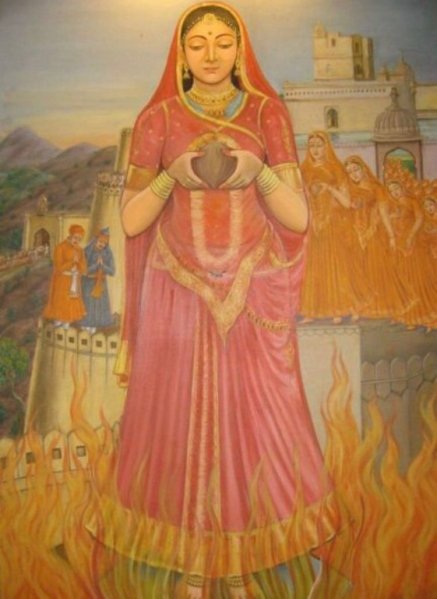
The Sisodias dynasty fought bravely, but the army of Mewar was outnumbered by Bahadur Shah army and they were defeated. Bahadur Shah entered Chittorgarh and it was his second attack on Chittor. The male nobles donned with saffron cloths fought with the enemy till thier death and commited Saka.Karnavati and other noble court women realized that defeat was imminent and to save their honour they committed suicide on March 8, 1534, in a fire called Jauhar. This was the second of the three Jauhar to take place in Chittor.
Television was founded by John Baird. The first television service was started in 1936 by British Broadcasting Corporation (BBC) of Britain . In 1939, television broadcasts began in the United States. In 1953 the first successful programme in colour was transmitted by Columbia Broadcasting System (CBS) in USA. In today՚s world, television has become one of the most powerful means of mass communication . It can impart education, information and entertainment . Television has end up becoming an necessary a part of our lives.
Credit-Youtube
HISTORY India’s first television station was established on October 24, 1951, in the Department of Electronics and telecommunications at Government Engineering College in Jabalpur. Television began in India as an experiment on September 15, 1959. It was first started as two hours programmes a week under the authority of AIR. Early programs of these experimental broadcasts were generally educational programs for children and farmers. By 1975, only seven Indian cities were using television services. The Satellite Instructional Television Experiment (SITE) was an important step by India for the use of television for the development of people and the country. Initially, the show was mainly produced by Doordarshan (DD), who was part of AIR at the time. Transmissions were made twice a day, morning and evening. In addition to information on agriculture, health and family planning, other important topics covered in these programs were audience education and awareness raising. Entertainment was also included in the form of dance, music and cinema. In 1976 Television services were separated from radio . Color television was introduced to the Indian market in 1982.
In the late 1980s, more and more people began to own televisions. There was only one channel, but the TV show was saturated. Therefore, the government opened another channel, partly broadcasting nationally and locally. This channel was called DD2 and was later renamed to DD Metro. Both channels were broadcast on the ground. In 1997, Prasar Bharati, was established.Doordarshan, along with AIR, was incorporated into a state-owned enterprise under Prasar Bharati. Transponders of the American satellites PAS-1 and PAS-4 assisted in the transmission and broadcasting of shows on DD. An international channel called DD International was launched in 1995 and broadcasts programs abroad 19 hours a day to Europe, Asia and Africa via PAS-4 and to North America via PAS-1.The 1980s were the prime time for DD, with shows like comedies such as Hum Log (1984-1985), Wagle Ki Duniya (1988), Buniyaad (1986-1987). Epics like Ramayan (1987–1988) and Mahabharat (1989–1990) brought millions to Doordarshan and later on Chandrakanta (1994–1996). Song-based programs for Hindi movies such as Chitrahaar and Rangoli, and crime thrillers such as Karamchand and Byomkesh Bakshi. Children’s shows such as Tenali Rama ,Vikram Betal and Malgudi Days .
Private Channels influence: The introduction of communication channels was a revolutionary move to reach so many people. It became an opening for Private and Commercial broadcasters in our country. The emergence of private channels began in India in the 1990s after CNN aired the Gulf War. Hong Kong-based STAR (Satellite Telivision Asia Region ) enterned in a contract between an Indian company and Zee TV. It became the first Private Indian Hindi satellite channel. During this time, several local stations have emerged. Apart from local ones various international channels such as Channel, CNN, BBC, Discovery, etc were also available for Indian TV viewers. Their were various categories of channels available for viewers,such as the 24-hour news channel, Religious channels, cartoon channels, movie channels, something for everyone .
Credit-Filmaker Fans
Changes and Evolution: A significant change that has occurred is the use of different methods of delivering television programming. Just a while ago their were satellite-based antennas, but now the mode has converted to dishes. Other shipping methods are are delivery via cable network and direct satellite transmission. Now you can watch TV shows on your mobile phone , the technology behind it is called Internet Protocol Television. The emergence and spread of televisions and computers and the access to content anytime, anywhere, everyone has brought revolutionary change and access to the world of entertainment.
“I always say film is art, theater is life and television is furniture .”
Champions League: Lionel Messi’s toughest task as Barcelona face up to Bayern Munich –
Lionel Messi might never have been faced with a more daunting task at Barcelona than engineering a victory against Bayern Munich here on Friday.
The only surviving former winners of European club football’s greatest prize — with five titles each — meet in a heavyweight Champions League quarterfinal behind closed doors at the Estadio da Luz.
It is not often that Messi’s Barcelona comes into such a big European tie as the underdog, but it has this time, with Quique Setien’s team having lost to Real Madrid in the Spanish title race while Bayern appeared flawless on the way to winning a German league and cup double.
Messi is now 33, yet Barcelona appears more reliant on him than ever.
CRICKET
Australia’s tour of England to end on September 16, IPL-bound players can only play from September 26 –
England and Australia’s IPL-bound players are likely to miss the first week of the Indian Premier League after it was announced that the two teams will play six white-ball games from September 4-16 at Southampton and Manchester respectively.
England and Australia will be playing three T20 Internationals at the Ageas Bowl on September 4, 6 and 8 while the ODIs will be held on September 11, 13 and 16 at Old Trafford.
The latest that the players can touch base in UAE is September 17 or 18 and as per the IPL SOP, will be quarantined for six days with RT-PCR tests on days 1, 3 and 6. On the seventh day, they will be entering the bio-bubble provided they test negative on all three occasions.
TENNIS
Novak Djokovic to play the U.S. Open- Novak Djokovic confirmed on Thursday he will play at the US Open, ending speculation about his presence at the first Grand Slam tournament since the coronavirus restart.
It is preceded by the Western and Southern Open, which is normally played in Cincinnati but has been moved to New York this year.
Djokovic’s decision to take part in the US Open is a major boost for the tournament after a host of headline names pulled out.
The list of absentees includes four-time champion Rafael Nadal and woman’s world number one Ashleigh Barty.
COMPANY COMPLIANCES DURING THE COVID-19 ERA: AN INTRODUCTION
The global outbreak of the novel coronavirus has taken the world by storm. While the issue pertaining to the public health is the talk of the town, the impact of COVID-19 on businesses and corporates seems to be least talked about.
Day to day business of the corporates is being affected due to decreased inflow of the human resource and a decrease in the workflow. While technologies have provided a relief to the human resource for physical attendances and conferences, there seemed to be unsettled trouble regarding legal compliances that required various filings and physical meetings.
Pursuant to the ongoing global COVID-19 pandemic and the Finance Minister, Ms. Nirmala Sitharaman’s announcements on March 24, 2020, the Ministry of Corporate Affairs (“MCA”) has issued various circulars to provide relief to companies from certain compliances under the Companies Act, 2013 (“Act”) and associated rules. This has been done as a measure to reduce the compliance burden on entities during the unprecedented health and economic situation caused by COVID-19. Following are the measures:-
1. Company Affirmation of Readiness towards COVID-19
Social distancing has gained its importance as a way to contain the spread, morbidity, and mortality of COVID-19. Government of India (“GOI”), responsible for the public welfare at large, has realised that social distancing can be achieved in its true sense only if the employers of the Indian public make the same application in their respective premises.
Considering that major employers of the nation belong to the companies or limited liability partnership (“LLP”) type entity, GOI as part of disaster management have advised all companies/LLPs to put in place an immediate plan to implement the “work from home” policy as a temporary measure up till March 31, 2020.
Further, in case of a requirement of physical visits of the essential staff to such offices by the employers, staggered timings may be followed in order to minimize physical interactions of all kinds.
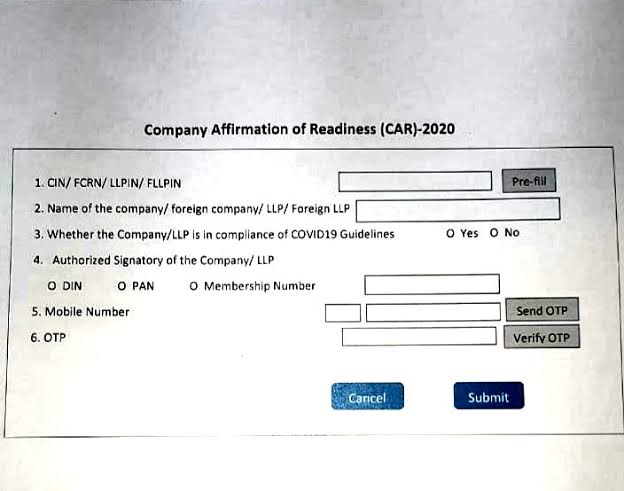
A simple webform for companies/LLP shall be deployed by MCA on March 23, 2020, in order to confirm the readiness of the employers to deal with COVID-19 threat. The webform shall be called CAR (Company Affirmation of Readiness towards COVID-19) and would be required to be signed and submitted by the authorised signatory of the company/LLP.
Therefore, it shall be expected by each company/LLP to ensure reporting of the compliance through CAR instantly from the date of its deployment.
2. Companies Fresh Start Scheme 2020
The MCA issued a circular on March 30, 2020, introducing the Companies Fresh Start Scheme, 2020 which, inter alia, grants a one-time opportunity to defaulting companies to complete all belated filings, including, without limitation, annual filings and filings required under IEPFA (Accounting, Audit, Transfer and Refund) Rules, 2016 in relation to transfer of money remaining unpaid or unclaimed for a period of seven years under Section 124(5) of the Act and transfer of relevant shares in the name of the ‘Investor Education and Protection Fund’ under Section 124(6) of the Act, with the MCA21 registry, without incurring additional fees on account of any delay.
This scheme came into force on April 1, 2020, and is valid till September 30, 2020. The application for seeking immunity for belated filings under this scheme should be made within a period of six months from September 30, 2020, through Form CFSS-2020. Thereafter, an immunity certificate will be provided by the designated authority on the basis of the declarations made in such form.
However, no immunity shall be provided under the scheme in a matter where (i) an appeal or management dispute is pending before any court or tribunal, or (ii) a court has ordered a conviction, or the adjudicating authority under the Act has imposed a penalty, and in respect of such orders, no appeal has been filed prior to the scheme coming into force.
Further, the scheme shall not apply: (i) where an application has been filed or an action for final notice for striking off the name of the company has already been initiated; (ii) where the company has been amalgamated; (iii) when application of obtaining dormant status has been filed; (iv) to vanishing companies; and/or (v) where charge related documents or an increase in authorised capital is involved.
3. CSR Spending
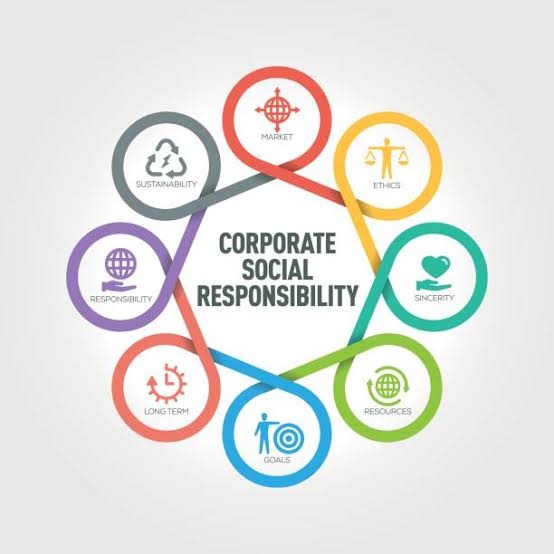
The MCA has by way of circular dated March 23, 2020 and the office memorandum dated March 28, 2020, clarified that the spending of CSR funds by companies in relation to COVID-19, including by way of contribution to the PM CARES Fund, is an eligible CSR expenditure under the Act.
The MCA has further clarified by way of FAQs dated April 10, 2020 that contributions made to the State Disaster Management Authority will also be eligible CSR activity, but contributions towards (a) ‘Chief Minister’s Relief Fund’ or ‘State Relief Fund for COVID-19’; and (b) payment of salary/ wages to employees and workers (including contract labour/ temporary/ casual/ daily wage workers) during the lockdown period will not be considered as eligible CSR expenditure.
However, ex-gratia payment over and above the disbursement of wages to temporary/ casual workers/ daily wage workers, specifically for the purpose of fighting COVID-19, will be admissible towards CSR expenditure, provided there is an explicit declaration to that effect by the board of the company, which is duly certified by the statutory auditor.
4. Meetings of Board and the Shareholders
The Companies (Meetings of Board and its Powers) Rules, 2014 were amended by a notification dated March 19, 2020, to enable companies to hold board meetings on the following matters (which earlier had to be necessarily held at a physical meeting) through video-conferencing or other audio-visual means (collectively “VCC”) till June 30, 2020: (i) approval of annual financial statements and board’s report; (ii) approval of prospectus; (iii) audit committee meetings for consideration of financial statements; and (iv) approval of amalgamation, merger, demerger, acquisition and takeover.
MCA has, by way of a general circular dated April 8, 2020, requested companies to pass all decisions of an urgent nature requiring shareholder approval, other than those of ordinary business or business where any person has right to be heard, through postal ballot/ e-voting in accordance with the relevant statutory provisions without holding a physical general meeting. However, in cases where holding an extraordinary general meeting (“EEGM”) is unavoidable, these have now been permitted to be held through VC until June 30, 2020. The circular further lays down certain conditions to be met for conducting an EGM through VC and the key conditions, inter alia, include: (i) attendance of at least one independent director (where a company is required to appoint one) and auditor (or his authorised representative who is qualified to be the auditor); (ii) maintenance of recorded transcripts of the EGM and, in case of a public company, such transcripts to be uploaded on the company website (if any); and (iii) e-voting facility being available. All other provisions relating to general meetings under the Act (and relevant rules) will continue to apply.
Due to difficulties faced by various stakeholders in serving and receiving notices/responses by post on account of COVID-19, the MCA, on April 13, 2020, provided that notice of EGMs to be held through VC (and for passing shareholder resolutions through postal ballot/ e-voting) may now be given to shareholders only through email addresses of the shareholders registered with the company or with the depository participant/ depository. This circular also specifies various conditions which companies must comply with while sending email notices to shareholders.
CONCLUSION
Business entities in India are requested and expected to keep an eye on the major government websites to ensure timely compliance with all such immediate requirements and mandates issued by GOI as need of the hour from time to time.
WEBSITES REFERRED:-
1) MCA General Circular No. 10/20 dated March 23, 2020 on Clarification on spending of CSR for COVID-19.
2) MCA General Circular No. 12/20 dated March 30, 2020 on Companies Fresh Start Scheme, 2020
3) MCA Notification dated March 19, 2020 on Companies (Meetings of Board and its Powers) Amendment Rules, 2020
4) MCA General Circular No. 14/2020 dated April 8, 2020 on Clarification on passing of ordinary or special resolutions by companies under the Companies Act, 2013 and rules made thereunder on account of threat posed by Covid-19.
5) MCA General Circular No. 17/20 dated April 13, 2020 on clarification on passing ordinary and special resolutions by companies under the Companies Act, 2013 and rules made thereunder on account of threat posed by COVID-19.
‘Intellect’ refers to the creations of the mind. Intellectual Property is a type of intangible property and includes inventions, literary and artistic works, symbols, names and paintings.
Intellectual Property Rights (IPRs) are the Rights granted to the creators of Intellectual Property (IP) by the Government. The nature of IPR is territorial. In any country an IP has to seek protection separately under the relevant laws.
Mechanisms which are Special in nature have been kept in place for various territories in order to provide protection to different types of IPRs. It confers an exclusive right to the inventor/ creator or assignee to fully utilize the invention/ creation for a given period of time.
It’s been established that the intellectual labor associated with the innovation should be given due importance so that public good emanates from it.
This is a strong tool, to protect investments, time, money, effort invested by the inventor/creator of an IP, since it grants the inventor/creator an exclusive right for a certain period of time for use of his invention/creation.
Hence it aids in the economic development of a country by promoting healthy competition and encouraging industrial development which shall also aid in the growth of the economy.
WHAT IS AN INTELLECTUAL PROPERTY?
Intellectual Property(IP) refers to creations of the mind; inventions; literary and artistic works; and symbols, names and images used in commerce.
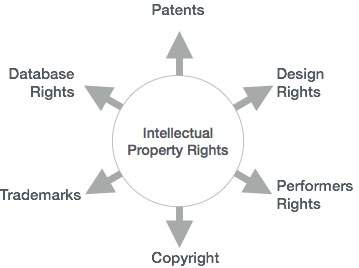
IP is divided into two categories: 1) Industrial Property:- includes patents for inventions,trademarks, industrial designs and geographical indications. 2) Copyright:- covers literary works (such as novels,poems and plays), films, music, artistic works (e.g., drawings, paintings, photographs and sculptures) and architectural design.
In Intellectual property(IP), there are Rights which relates to the rights of performing artists in their performances, producers of phonograms in their recordings, and broadcasters in their radio and television programs are included.
WHAT ARE INTELLECTUAL PROPERTY RIGHTS?
So what do you mean by intellectual property rights? IP rights like any other property right allow creators, or owners, of patents, trademarks or copyrighted works to benefit from their own work or investment in a creation.
These rights are outlined in Article 27 of the UDHR which provides for the right to benefit from the protection of moral and material interests resulting from authorship of scientific, literary or artistic productions.
The importance of intellectual property was first recognized in the Paris Convention for the Protection of Industrial Property (1883) and the Berne Convention for the Protection of Literary and Artistic Works (1886). Both treaties are administered by the World Intellectual Property Organization (WIPO).
There are various pros which are more compelling than the cons.
1) The progress and well-being of humanity rest on its capacity to create and invent new works in the areas of technology and culture.
2) The legal protection of new creations and this encourages the commitment of additional resources for further innovation.
And Lastly the third pros is that the 3) Promotion and protection of intellectual property spurs economic growth, creates new jobs and industries, and enhances the quality and enjoyment of life.
An efficient and equitable intellectual property system can help all countries to realize intellectual property’s potential as a catalyst for economic development and social and cultural well-being. The intellectual property system helps strike a balance between the interests of innovators and the public interest, providing an environment in which creativity and invention can flourish.
INTELLECTUAL PROPERTY HOLDERS IN A QUANDARY DUE TO COVID-19 PANDEMIC
While experts are in a combat mode and the race is on to discover the cure for COVID-19, the claim of intellectual property rights for exclusive use of the cure poses a dilemma as it is not considered the most rational thing to do at the moment.
Carlos Correa addressed to organizations like WHO, WTO and WIPO via an open letter to seek support for WTO countries that invoke the ‘security exception’ contained in Article 73 of the Agreement on Trade Related Intellectual Property Rights (TRIPS) Agreement, to take ‘actions it considers necessary for the protection of its essential ‘security interests’ in the wake of COVID-19 threat.
It has been suggested that invocation of exception under Article 73 will be warranted to procure medical products and devices or to use the technologies to manufacture them as necessary to take cue of the present public health emergency.
By suspending the enforcement of any Intellectual Property right as given under Article 73(b) of TRIPS Agreement, an obstacle for the procurement or local manufacturing of the medical equipments shall be necessary in order to protect the population of the world will be outlasted.
The question which is raised due to the above is regarding IP rights which are aimed to aid the public by promoting technological advancement in return of providing the inventor an exclusive right over the invention, though for a limited time. Though the IP rights are at a standstill due to the outbreak the IP Registry offices all over have limited their functioning.
TYPES OF INTELLECTUAL PROPERTY
Trade Mark: –
A trademark is used in order to identify a business entity and it also differentiates the goods made or services offered by a company or an individual. Names, Words, Logos, Colors, Packaging, Sounds (audible), Signs (visual) or any combination thereof are considered and can be filed as trademarks.
A trademark must be Unique and Distinctive in nature and must also avoid adjectives for eg efficient and Names of person or places (E.g. India). Even Obscene words, Religious or Government words or symbols (E.g. OM) and Common Shapes (Square) should be avoided.
The Trade mark means a mark used in relation to goods for the purpose of indicating a connection in the course of trade between the goods and some person having the right as proprietor to use that mark.
The function of a trade mark is to give an indication to the purchaser or a possible purchaser as to the manufacture or quality of the goods, to give an indication to the trade source from which the goods come or the trade hands through which they pass on their way to the market.
The Trade Marks Act, 1999 is an act which provides for the registration and better protection of trademarks for goods and services and for the prevention of the use of fraudulent marks. A trade mark is valid for a period of 10 years.
Case Name: The Coca-Cola Company v. Bisleri International Pvt. Ltd Case Citation: Manu/DE/2698/2009
Copyright: –
Copyright is an exclusive legal right granted to the creators of an intellectual work. The owner of a Copyright has rights to reproduce, translate, adapt, perform, distribute and must be publicly allowed to display the work, etc.
Registration is not mandatory since copyright comes into existence as soon as the intellectual work is created but it is recommended to register a copyright for better enforceability, since registered copyrights have more evidentiary value in court.
(a) Types of Works covered under Copyright:-
(1) Literary including Software – Books, Essay, Compilations, Computer Programs.
(2) Artistic – Drawing, Painting, Logo, Map, Chart, Plan, Photographs, Work of Architecture.
(3) Dramatic – Screenplay, Drama.
(4) Musical – Musical Notations.
(5) Sound Recording – Compact Disc.
(6) Cinematograph Films – Visual Recording which includes sound recording.
(b) Duration of Copyright:-
(1) Literary, Dramatic, Musical or Artistic Works – Lifetime of the author + 60 years from the death of the author.
(2) Anonymous & Pseudonymous Works – 60 years from the year the work was first published.
(3) Works of Public Undertakings & Government Works – 60 years from the year the work was first published.
(4) Works of International Organizations – 60 years from the year the work was first published.
(5) Sound Recording – 60 years from the year in which the recording was published.
(6) Cinematograph Films – 60 years from the year in which the film was published.
Case Name:- Indian Performing Rights Society Ltd. v. Eastern India Motion Picture Association Case Citation: – 1977 SCR (3) 206
Designs: – The Design Act, 2000 states that it protects the aesthetic and ornamental features of an object. As per the Act a 2D or 3D pattern of a handicraft, a product, or even an industrial commodity.
The Unique Selling Point (USP), protects the looks and feels of the product and it prevents the duplication of the product. An industrial design helps in drawing a customer’s attention and helps in increasing the commercial value of an article.
Case Name:-Cello Household Products v. M/S Modware India and anr Case Citation:- Notice of Motion (L) No. 209/2017 in Suit (L) No. 48/2017
Patents On the 4th December, 2018, The Ministry of Commerce and Industry released the draft (rules amendment) for Patents Act 1970. These rules are mainly amended with respect to international applications, patent opposition and a few form related extensions. The Central Government proposes to make these amendments in exercise of the powers conferred by section 159 of the Patents Act, 1970.In order to align with TRIPS, inventions which are not patentable have been included even, wider rights of patentee is incorporated. Uniform period of protection is 20years. Case Name: Bajaj Auto Limited v.TVS Motor Company Limited. Case Citation: JT 2009 (12) SC 103
5. Integrated Circuits
Semiconductor Integrated Circuits Layout Design (SICLD) Act 2000 states the meaning of Semi conductor Integrated Circuit as, a product having transistors and other circuitry elements designed to perform an electronic circuitry function. There are 2 types of designs as per the act:-
(i) Layout Design – A layout of transistors and other circuitry elements including lead wires which connects semiconductor integrated circuits.
(ii) Layout-Design Registry (SICLDR) is the office where the applications on Layout-Designs of integrated circuits are filed for registration. The jurisdiction of this Registry is whole of India. The Registry, as per the guidelines laid down in the Semiconductor Integrated Circuits Layout Design (SICLD) Act 2000 and the Semiconductor Integrated Circuits Layout-Design (SICLD) Rules 2001, examines the layout-designs of the Integrated Circuits and issues the Registration Certificate to the original layout-designs of the Semiconductor Integrated Circuits.
Case Name: Sunil Alag v. Union of India and Others Case Citation: W.P. (C) 8152/2013
6. Biological Diversity
The Biological Diversity Act 2002 was enacted to realize the objectives enshrined in the United Nations Convention on Biological Diversity (CBD) 1992 which was passed by the Lok Sabha on 2nd December 2002 and by the Rajya Sabha on 11th December 2002.
It recognizes the sovereign rights of states to use their own Biological Resources due to the scarcity and also to conserve it. The Act provides for a mechanism for equal sharing of benefits arising out of the use of traditional biological resources and knowledge. It is a federal legislation enacted by the Parliament of India for preservation of biological diversity in India.
Case Name: Environment Support Group vs National Biodiversity Authority Case Citation: W.P. No.41532 / 2012
7. Plant Varieties and Farmers
Protection of Plant Varieties and Farmer’s Rights Act of 2001(PPV & FR Act, 2001) confers right to breeders, researchers and farmers over their plant varieties. Reaching legislation with regards to establishing rights for farmers to save, use, exchange and sell farm saved seed.
The Act establishes nine rights for farmers of which the most important in this regard are the right to “seed” and the right to “compensation” for crop failure (Art. 39). Not only does the 2001 Act protect the rights of framers to save, use, exchange and sell farm- saved seed, it also seeks to ensure that these seeds are of good quality, or at least that farmers are adequately informed about the quality of seed they buy.
In addition, safeguards are provided against innocent infringement by farmers. Farmers who unknowingly violate the rights of a breeder are not to be punished if they can prove that they were not aware of the existence of such a breeder’s right (Art 42).
Case Name:- Monsanto Technology LLC & Ors Vs. Nuziveedu Seeds Ltd & OrsHigh Court of Delhi Case Citation: CS (Comm) 132/2016
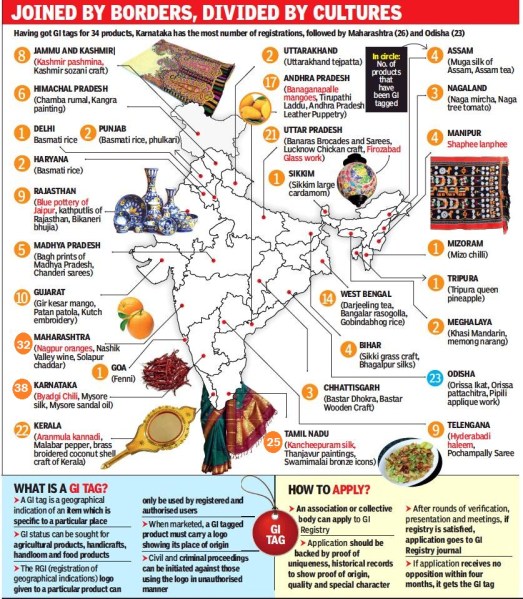
The Geographical Indication of Goods:- The Geographical Indications of Goods (Registration and Protection) Act, 1999 states Geographical Indication as it is primarily an agricultural or food product, natural or a manufactured product (handicrafts, Handloom textiles or industrial goods) originating from a definite geographical territory. A product is considered to be manufactured in a territory if any one of the activities of either the production or of processing or preparation of the goods takes place there. It promotes the producers prosperity of goods which have been produced in the geographical territory.
It helps the producer community to differentiate its products from other competing products that are present in the market and generate goodwill around its products. Hence, it acts as a signaling device by helping consumers to identify genuine quality products.
Case Name:- Tea Board Vs ITC Limited on 20 April, 2011 Case Citation:- GA No. 3137 of 2010 CS No. 250 of 2010
It has been suggested that invocation of exception under Article 73 will be warranted to procure medical products and devices or to use the technologies to manufacture them as necessary to take cue of the present public health emergency.
CONCUSION
The above overview clearly depicts that India has adopted and adhered to the latest IPR Regime and it has forayed into the global trade competition with a double edged sword.
In this hard times of corona virus pandemic , chine has reported another deadly bubonic plague case in the northern China’s inner Mongolia. The detection of the suspected case of bubonic plague has come to light in statement issued by a local health commission on its website.
As per a media report, a third-level warning alert was issued on Sunday. The warning period has been extended to the end of the year. On July 1, state-run Xinhua news agency said that two suspected cases of bubonic plague reported in Khovd province in western Mongolia have been confirmed by lab test results. The confirmed cases are a 27-year-old resident and his 17-year-old brother. The brothers ate marmot meat, the health official said.
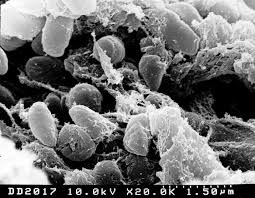
The Yersinia pestis bacteria can be transmitted to humans from infected rats via fleas. Though the highly-contagious plague is rare in China and can be treated, at least five people have died from it since 2014, according to China’s National Health Commission.
Bubonic plague symptoms and precautions:
The health commission urged the people in city to take precautions to avoid infection. It is a bacterial disease spread by fleas living on wild rodents such as marmots.
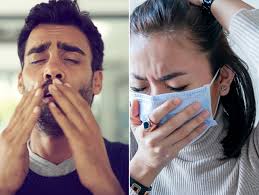
According to World Health Organisation(WHO), the plague can kill an adult in less than 24 hours if not treated in time. Bubonic plague symptoms include headaches, fever and vomiting. Swollen and painful lymph nodes occur in the area close to where bacteria entered skin.




















 Eduindex
You must be logged in to post a comment.