

Urban mobility is changing rapidly as cities grow, travel patterns become more complex, and passengers expect transportation to be available when and where they need it. Taxi services remain an important part of this changing mobility landscape because they provide flexible, point-to-point transportation without requiring passengers to own a vehicle or follow fixed public transport schedules. Whether someone needs an airport transfer, a ride to a business meeting, or transportation while exploring a new destination, reliable taxi services can make everyday travel considerably easier.
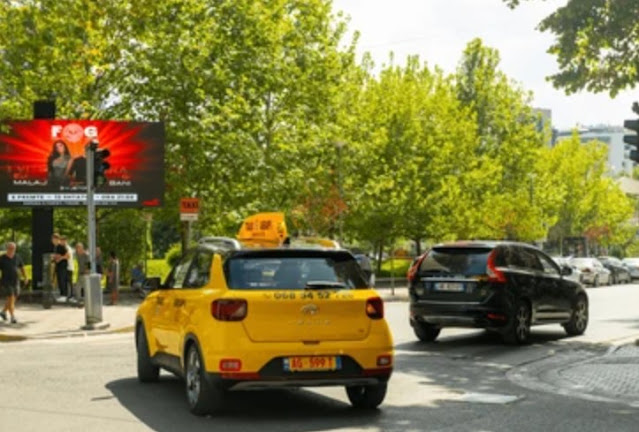
Digital platforms have also made it simpler for travelers to explore transportation options before starting a journey. Services such as theqtaxi.com reflect the broader shift toward convenient access to taxi-related travel solutions through online channels. By integrating digital tools with traditional point-to-point transportation, the taxi industry is becoming better aligned with the expectations of modern passengers who value accessibility, convenience, and efficient journey planning.
The Continuing Importance of Taxis in Cities
Public transportation forms the backbone of mobility in many urban areas, but buses, trains, and metro systems cannot serve every origin and destination directly. Travelers often need another mode of transport to complete the first or last part of their journey. This is one of the areas where taxis continue to play an important role.
A passenger arriving at a railway station, for example, may still be several kilometers from a hotel, office, or residential destination. Similarly, public transport services may operate less frequently during early mornings, late evenings, weekends, or holidays. Taxi services help fill these mobility gaps by providing flexible transportation based on individual travel requirements.
This flexibility is particularly valuable for passengers carrying luggage, families traveling with children, business travelers working with tight schedules, and visitors unfamiliar with local transportation networks.
Connecting Different Modes of Transportation
One of the most important trends in urban mobility is multimodal travel. Rather than depending on a single form of transportation, passengers increasingly combine walking, taxis, buses, railways, metro systems, and other mobility services during the same journey.
Taxi services can complement mass transit rather than simply compete with it. A traveler may take a taxi from home to a railway station, continue the main part of the journey by train, and use another taxi to reach the final destination. In this situation, taxi transportation functions as a practical connection between locations that are not conveniently served by fixed-route transit.
Such connections are especially important in large metropolitan regions, where distances between residential areas, transit hubs, airports, commercial districts, and tourist attractions can be substantial.
Making Airport Travel More Convenient
Airport transportation is another area where taxis remain highly relevant. Air travelers frequently have strict departure schedules and may be carrying several pieces of luggage. Navigating multiple public transportation connections under these circumstances can be inconvenient, particularly for visitors who do not know the city well.
A taxi provides a direct connection between the passenger’s starting point and the airport terminal. The same convenience applies after arrival. Instead of studying unfamiliar transit maps immediately after a long flight, travelers can use point-to-point transportation to continue directly to their hotel, residence, or business destination.
For international and domestic tourists alike, straightforward ground transportation can contribute significantly to the overall quality of the travel experience.
Technology Is Changing the Taxi Experience
The taxi industry has evolved considerably with the growth of smartphones, online platforms, digital payments, navigation systems, and location-based technologies. Passengers increasingly expect transportation information to be accessible online, while drivers can benefit from navigation technology that helps them identify efficient routes.
Digital tools can also make journey planning more transparent. Travelers can research transportation options in advance instead of waiting until they arrive at an unfamiliar location. This is particularly useful when organizing airport transfers, business travel, sightseeing schedules, or transportation between cities.
At the same time, GPS-based navigation has improved route planning. Real-time traffic information can help drivers respond to congestion, road closures, construction activity, and other conditions that may affect journey times.
Supporting Tourism and Business Travel
Reliable local transportation contributes directly to a destination’s accessibility. Tourists want to move conveniently between hotels, restaurants, cultural attractions, shopping areas, transport terminals, and entertainment districts. When these destinations are dispersed across a city, flexible transportation becomes particularly valuable.
Business travelers have similar requirements but often face even greater time constraints. A delayed connection can affect meetings, conferences, flights, or other professional commitments. Taxi services provide an adaptable mobility option that can accommodate changing schedules more easily than many fixed-route alternatives.
This makes taxi transportation part of the wider visitor economy, supporting not only passengers but also hotels, airports, restaurants, event venues, commercial districts, and tourism destinations.
Taxis and the Future of Urban Mobility
The future of transportation is unlikely to depend on one mode alone. Successful urban mobility systems will increasingly combine mass transit, walking, cycling, shared transportation, taxis, and emerging mobility technologies. Each mode serves different passenger needs, and their effectiveness increases when connections between them are convenient.
Taxi services are therefore likely to remain relevant even as transportation technologies continue to evolve. Their greatest strength is flexibility: they can connect locations that fixed transportation networks cannot always serve efficiently and provide mobility at times when other services may be limited.
Environmental considerations are also influencing the sector. As electric and lower-emission vehicles become more common, taxi fleets have an opportunity to contribute to cleaner urban transportation. Because commercial vehicles can accumulate substantial mileage, transitioning frequently used taxi vehicles toward cleaner technologies could support broader efforts to reduce transportation-related emissions.
Conclusion
Modern urban travel requires a combination of accessibility, flexibility, connectivity, and convenience. Taxi services address these requirements by providing direct transportation while also supporting connections with airports, railway stations, metro networks, bus services, hotels, workplaces, and tourist destinations.
As digital technology becomes increasingly integrated into transportation, passengers can expect journey planning and access to mobility services to become more convenient. Taxi services that adapt to these expectations can continue to occupy an important position within the wider urban transportation ecosystem. Rather than viewing taxis as an isolated form of travel, they can be understood as one component of an increasingly connected mobility network—helping people bridge transportation gaps and move through cities with greater flexibility.


You must be logged in to post a comment.