Understanding the Dynamics of Caste and Creed: A Societal Examination

Daily writing prompt
What is one question you hate to be asked? Explain.

Caste and creed are two intricately intertwined concepts that have deeply influenced societies across the globe for centuries. Both terms carry significant weight in shaping social structures, cultural identities, and individual experiences. While often discussed separately, understanding their interplay is crucial for comprehending the complexities of societal dynamics.

Photo by Life Matters on Pexels.com

Caste: An Ancient Social Hierarchy

Caste refers to a hereditary social class system prevalent in many societies, notably in South Asia. Originating from ancient Hindu scriptures, caste delineates societal stratification based on birth, occupation, and social status. Traditionally, society was divided into four main castes, namely Brahmins (priests and scholars), Kshatriyas (warriors and rulers), Vaishyas (merchants and traders), and Shudras (laborers and artisans), with Dalits (formerly known as “untouchables”) marginalized outside this system.

Caste dictates various aspects of life, including occupation, marriage, and social interactions, often determining an individual’s opportunities and privileges. Despite legal abolishment and efforts towards social reform, caste-based discrimination and prejudice persist, perpetuating inequalities and hindering social mobility.

Creed: The Essence of Belief

Creed encompasses a set of beliefs or principles that guide an individual’s religious, spiritual, or philosophical convictions. It transcends mere religious affiliation, encompassing ideologies, values, and worldviews that shape one’s identity and interactions with the world. Creed influences moral conduct, societal norms, and cultural practices, providing a framework for individual and collective behavior.

Religious creed, in particular, holds immense significance in shaping communities and societies worldwide. It fosters solidarity among adherents, serving as a source of comfort, guidance, and communal identity. However, creed can also be a source of division, leading to sectarianism, intolerance, and conflict when differences are perceived as threats to established norms or power structures.

Interplay of Caste and Creed

The intersection of caste and creed profoundly influences social dynamics, particularly in regions where both concepts are deeply ingrained in the fabric of society. Religious communities often align with specific caste groups, intertwining religious identity with social status and cultural practices. This intersectionality manifests in various ways:

  1. Caste-Based Exclusivity within Religious Communities: In some societies, caste serves as a determinant of access and participation within religious institutions and rituals. Certain castes may be marginalized or excluded from full participation in religious activities, reinforcing social hierarchies within religious frameworks.
  2. Inter-Caste Marriage and Social Stigma: Inter-caste marriages challenge traditional social norms and face resistance from families and communities adhering to strict caste boundaries. Religious creed may exacerbate these tensions, as marriage is not only a union of individuals but also a merging of social identities and cultural practices.
  3. Political Mobilization and Identity Politics: Caste and religious identities often intersect in the political arena, with leaders mobilizing support based on shared caste or religious affiliations. This exploitation of identity politics can deepen divisions and perpetuate social inequalities, hindering efforts towards inclusive governance and social cohesion.
  4. Resistance and Reform Movements: Despite the entrenched nature of caste-based discrimination, religious creed has also been a catalyst for social reform movements advocating for equality and justice. Leaders from marginalized caste groups have drawn inspiration from religious teachings to challenge oppressive systems and promote social change.

Challenges and Pathways Forward

Addressing the complexities of caste and creed requires a multifaceted approach that acknowledges historical injustices, respects cultural diversity, and promotes inclusive social policies. Key considerations include:

  1. Legal Protections and Enforcement: Robust legal frameworks are essential for combating caste-based discrimination and ensuring the rights of marginalized communities. Efforts to enforce anti-discrimination laws must be accompanied by awareness campaigns and capacity-building initiatives to foster social inclusion.
  2. Education and Awareness: Education plays a vital role in challenging entrenched beliefs and fostering empathy and understanding across caste and religious divides. Incorporating diverse perspectives into curricula and promoting interfaith dialogue can contribute to building more tolerant and cohesive societies.
  3. Community Empowerment and Dialogue: Grassroots initiatives that empower marginalized communities and facilitate dialogue between different caste and religious groups are crucial for fostering social cohesion. By promoting mutual understanding and cooperation, communities can work towards dismantling barriers and building inclusive societies.
  4. Promotion of Intersectional Approaches: Recognizing the intersectionality of caste, creed, gender, and other forms of identity is essential for developing holistic solutions to social inequalities. Policies and programs should address multiple dimensions of discrimination to ensure that no individual or community is left behind.

In conclusion, the interplay of caste and creed shapes the social, cultural, and political landscapes of many societies, presenting both challenges and opportunities for social cohesion and justice. By addressing entrenched prejudices, promoting inclusive policies, and fostering dialogue and solidarity, societies can strive towards a more equitable and harmonious future.

Top 10 Scholars of the World

Daily writing prompt
If you could be someone else for a day, who would you be, and why?

here’s a list of ten influential scholars from various fields, although “top” is subjective and may vary depending on criteria like impact, citations, awards, and contributions to their respective fields:

Photo by Davis Su00e1nchez on Pexels.com
  1. Noam Chomsky (Linguistics, Philosophy, Cognitive Science): Known for his groundbreaking work in linguistics, Chomsky is also a prominent figure in political activism and philosophy. His theories on generative grammar have revolutionized the study of language.
  2. Stephen Hawking (Theoretical Physics, Cosmology): Renowned for his work on black holes, Hawking made significant contributions to our understanding of the universe despite battling amyotrophic lateral sclerosis (ALS). His book “A Brief History of Time” brought complex scientific concepts to a wider audience.
  3. Angela Davis (Social Activism, Critical Theory): A scholar-activist, Davis is known for her work in feminism, Marxism, and prison abolitionism. Her writings on race, class, and gender have had a profound impact on social justice movements globally.
  4. Michio Kaku (Theoretical Physics, Futurism): Kaku is a leading theoretical physicist known for his work on string theory and his popular science books exploring the future of technology and humanity. He’s a frequent commentator on science and technology in the media.
  5. Judith Butler (Gender Studies, Philosophy): Butler’s contributions to gender theory and queer studies have reshaped how we understand identity and performativity. Her book “Gender Trouble” is considered a seminal work in feminist philosophy.
  6. Edward Said (Literary Theory, Postcolonialism): Said’s work on Orientalism and colonial discourse has had a profound impact on literary studies, cultural studies, and postcolonial theory. His critiques of Western representations of the Middle East continue to influence academic discourse.
  7. Cornel West (Philosophy, African American Studies): A public intellectual and political activist, West is known for his work on race, class, and democracy. His blend of philosophy, theology, and social criticism has made him a prominent figure in contemporary American thought.
  8. Mary Beard (Classics, Ancient History): A distinguished classicist, Beard’s work on ancient Rome and Greece has brought new insights into the study of antiquity. Her engaging writing style and public engagement have made her a leading figure in popularizing the classics.
  9. Amartya Sen (Economics, Social Choice Theory): Sen’s contributions to welfare economics and social choice theory have earned him the Nobel Prize in Economics. His work on poverty, development, and capabilities has had a significant impact on global policy.
  10. bell hooks (Feminist Theory, Cultural Criticism): An influential feminist theorist and cultural critic, hooks’ work on intersectionality, love, and the politics of representation has been pivotal in feminist thought. Her accessible writing style has made her ideas accessible to a wide audience.

This list represents just a fraction of the many scholars making significant contributions to their respective fields.

Exploring Red Rocks Shuttle: Seamless Transportation from Denver

Daily writing prompt
What bores you?

Located near Denver, Colorado, Red Rocks Amphitheatre stands as one of the most iconic concert venues globally, nestled amidst stunning rock formations. For visitors eager to experience its allure, transportation logistics often pose a challenge. Enter Red Rocks Shuttle, a company specializing in convenient transit solutions from Denver to Red Rocks Amphitheatre.

Photo by Carlos Pernalete Tua on Pexels.com

Red Rocks Shuttle prioritizes passenger convenience and comfort above all else. With a fleet of modern, well-maintained vehicles, the company ensures a smooth and enjoyable journey for concert-goers and tourists alike. From spacious seating to climate control, every aspect of the shuttle experience is tailored to enhance customer satisfaction.

Professionalism and Reliability

What sets shuttle bus to Red Rocks apart is its unwavering commitment to professionalism and reliability. The company employs experienced drivers who navigate the route with precision and efficiency. Whether it’s a bustling concert night or a leisurely afternoon visit, passengers can rely on Red Rocks Shuttle to deliver prompt and dependable service.

Recognizing the diverse needs of its clientele, Red Rocks Shuttle offers flexible scheduling options. Passengers can choose from a range of departure times, allowing for seamless integration with their itinerary. Additionally, the company provides convenient pickup and drop-off locations in Denver, ensuring accessibility for customers from various points within the city.

Safety Measures

In an ever-evolving landscape, safety remains paramount. Red Rocks Shuttle adheres to stringent safety protocols to safeguard the well-being of its passengers. From regular vehicle inspections to driver training programs, every measure is taken to uphold the highest standards of safety and security.

As stewards of the environment, Red Rocks Shuttle embraces sustainability practices to minimize its ecological footprint. The company invests in fuel-efficient vehicles and explores innovative technologies to reduce emissions. By promoting eco-friendly transportation solutions, Red Rocks Shuttle contributes to the preservation of Colorado’s natural beauty for future generations to enjoy.

Exceptional Customer Service

At the heart of Red Rocks Shuttle is a dedication to exceptional customer service. From the moment passengers book their journey to the final drop-off, they are met with professionalism, courtesy, and attentiveness. Whether it’s assisting with inquiries or accommodating special requests, the team at Red Rocks Shuttle goes above and beyond to exceed customer expectations.

In summary, Red Rocks Shuttle stands as a beacon of excellence in the transportation industry, offering unparalleled service from Denver to Red Rocks Amphitheatre. With a commitment to convenience, professionalism, safety, and environmental responsibility, the company continues to redefine the standards of transit excellence. For those seeking a seamless and unforgettable journey to one of Colorado’s most cherished destinations, Red Rocks Shuttle remains the premier choice. For additional information you can visit our site: https://redrocksshuttle.com/.

How do children learn playfully on courses from CodaKid?

Daily writing prompt
What is your favorite drink?

In today’s rapidly evolving world, acquiring essential skills and knowledge is crucial for children to thrive in the future. However, traditional teaching methods often fail to engage and inspire young learners. That’s where CodaKid steps in, offering a unique and playful learning experience that captivates children’s imaginations while nurturing their technical skills. In this article, we will explore how children can learn playfully on courses from CodaKid.

Photo by Julia M Cameron on Pexels.com

Playful Learning at Its Best

CodaKid understands that learning should be enjoyable and engaging, especially for children. They have designed their courses to harness the power of play, making learning a fun and interactive experience. Here’s how they achieve this:

  1. Gamified Learning: CodaKid transforms learning into an exciting adventure by gamifying the curriculum. Children complete coding challenges, build projects, and earn badges as they progress. This game-like environment motivates them to keep learning and leveling up their skills.
  2. Real-world Projects: CodaKid’s courses focus on hands-on, project-based learning. Rather than passively absorbing information, children actively apply what they learn to create their apps, games, and websites. This practical approach not only reinforces their understanding but also empowers them to build real-world solutions.
  3. Interactive Lessons: CodaKid’s instructors break down complex concepts into easy-to-understand lessons. They use interactive tools, videos, and quizzes to keep children engaged and ensure they grasp each topic thoroughly. This dynamic learning environment promotes active participation and enhances retention.
  4. Personalized Learning: Every child is unique, and CodaKid recognizes this. They offer personalized learning pathways, allowing children to choose the courses and projects that align with their interests and abilities. This flexibility fosters a sense of ownership over their learning journey.

Empowering Future Innovators

CodaKid’s playful approach to education goes beyond just teaching coding. It instills essential skills that prepare children for the future, such as problem-solving, critical thinking, and creativity. Here’s how CodaKid empowers young innovators:

  • Coding for All Ages: CodaKid offers courses suitable for children aged 7 and up. Whether your child is a beginner or already has some coding experience, there is a course tailored to their skill level and age group.
  • Tech Trends: In a world driven by technology, CodaKid ensures children are well-versed in relevant programming languages and technologies. They stay updated with the latest industry trends, equipping children with the skills needed for future careers.
  • Parental Involvement: CodaKid understands the importance of parents’ involvement in their child’s education. They provide parents with progress reports and support, allowing them to track their child’s growth and actively participate in their learning journey.

Conclusion

CodaKid has redefined the way children learn by infusing playfulness into education. Their gamified, interactive, and personalized approach to learning not only equips children with valuable technical skills but also cultivates essential life skills. By offering courses that cater to various age groups and skill levels, CodaKid ensures that every child can embark on a playful learning journey tailored to their needs. With CodaKid, the future looks brighter for young innovators, as they learn, create, and thrive in a world driven by technology and creativity. Embrace the power of playful learning with CodaKid and unlock your child’s full potential.

📚 Calling all aspiring authors and knowledge enthusiasts! 🌟

Daily writing prompt
Something on your “to-do list” that never gets done.

Ever dreamt of seeing your thoughts and ideas immortalized on the pages of a book? Well, dream no more! Edupedia Publications Pvt Ltd is your gateway to turning that dream into reality.

Photo by Anna Shvets on Pexels.com

Picture this: Your book, professionally published, with a touch of excellence that only Edupedia Publications can provide. They offer the incredible opportunity to publish your book for free, with only minimal costs associated with additional services. Your words, your story, your expertise—all within reach!

But it’s not just about publishing; it’s about leaving your mark on history. Edupedia Publications believes in the power of sharing knowledge through books, making education accessible and impactful. Your book can be the beacon that lights the way for generations to come.

What’s more, Edupedia Publications values the wisdom of retired professors and experts. They’re offering a unique service—free ISBN for books authored by these seasoned professionals. It’s their way of honoring and celebrating a lifetime of knowledge and experience.

So, seize this opportunity to be part of something extraordinary. Send your manuscript to editor@pen2print.org and let the journey of your book begin. Edupedia Publications is not just a publisher; it’s a platform that champions the voices of those who believe in the power of written words.

Don’t let your ideas stay confined within your mind. Let Edupedia Publications bring them to life on the pages of a book. Your knowledge deserves to be shared, and there’s no better way to do it than through the unique and bankable services provided by Edupedia Publications Pvt Ltd. Embrace your authorial journey now! 🚀📖

Correlation of Dynamics of Pedagogical Skill and the Psychological Support

Daily writing prompt
What’s your favorite thing to cook?

By Sushila & Dr. Yogendra Nath Chaubey

Photo by Kampus Production on Pexels.com

“Quality Education” the fourth goal among the seventeen Sustainable Development Goals (SDG) outlined by the United Nations, is “to ensure inclusive and equitable quality education and promote lifelong learning opportunities for all”.  These descriptions are remarkably similar to the focus identified through this research and, with this in mind, the three dimensions of this research are further explained as being; (1) the ‘Importance of Interaction’ – referring to the various levels of interaction between individuals within the school environment, accounting for behaviour, atmosphere, and types of communication, (2) the ‘Dynamics of Individuation’ – referring to the way in which the differing needs of individuals are personalised and catered for, accounting for classroom pedagogical approaches and student diversification, and (3) the ‘Need for Psychological Support’ – referring to the way in which individuals within the school and the school as a whole is supported by its community, from both an educational and psychological perspective. By suggesting that these research directions are intertwined concepts, they propose a holistic observation of contributing factors that influence the educational process.

This assessment could be used to identify teacher strengths from a personal, interpersonal, psychological, and pedagogical perspective. The Questionnaire of Teacher Interaction (QTI), Technological Pedagogical and Content Knowledge (TPaCK), and Mental Health Inventory (MHI) were used in the pilot study and were considered to be suitable for the needs of this research stage.

The ‘Educational Bubble’ 

In a recent talk, Seema Bansal (2016) mentioned being asked by the then head of the Department of Education in the state of Haryana (India), for help in addressing issues in their public schools. These ‘issues’ ranged in detail and complexity, including that up to 50% of students fall so far behind their peers before the age of eleven that they will be unable to recover. Despite public schools offering free meals or books to students, it was also found that 40% of parents would pull their children out of these public schools and register them into private schools. Bansal (2016), representing BCG (Boston Consulting Group), was asked to assist in the education renovation of an Indian state of Haryana, which consists of 15,000 public schools with over 2 million students. Bansal mentions needing to uncover the factors that have caused the educational issues in the first place and, in identifying the goals necessary to develop strategies for reaching this particular goal, decided to go directly into classrooms and observe the way educators were teaching. Reporting that the problem within Indian schools was the quality of education, not access to education, mentions that Bansals’ BCG team devised a three-year plan that was based around student learning outcomes and explicit focusing of accountability, data systems, and organizational capacity. 

Bansal (2016) reports that Haryana teachers were very capable of teaching a class but, the majority of their time was spent outside of the classroom; this was interesting as, before physically entering a classroom, non-educators had apparently viewed teachers being ‘lazy’ or ‘incapable’. Although Bansal (2016) reported teachers not necessarily teaching, she mentions that it was because they were supervising the construction of new classroom buildings, supervising the cooking of student lunches, or visiting a bank to deposit scholarship money for students. This particular insight was (and is) incredible; Bansal asked teachers why they were not teaching and the teachers answered by saying that “when a supervisor comes to visit us, these are exactly the things that he checks” (5:29). This particular finding shows that in the provision of government programmes in Haryana, designed to motivate students to stay in school and give greater access, had become an additional point of accountability for teachers and had started to impede classroom instruction. Seeing this as an issue, Bansal and her team began to look at the literature at various educational programmes and pilot programmes that have been shown to improve instructional practice. However, what a large proportion of individuals fail to recognise is how the implementation of these programmes will always come at a cost. For example, schools that take part in a pilot that explores the use of innovative technologies on student learning might show that this programme does indeed result in higher levels of academic outcomes. 

In Bansal’s (2016) talk she mentions that, with regards to studies and interventions, researchers will typically bring in resources such as money, experience, research assistants, or products. Unless researchers intend to roll out this innovation across every classroom in the country, the findings are most likely going to be un-scalable, ungeneralisable, unusable, and does not reflect a real-world classroom setting. It has been previously mentioned that “teaching requires being responsive to real-world conditions and constraints that shape the activities of the classroom and students” (Motoca et al., 2014, pg. 120). This view is similar to schools being ‘learning organisations’ where the “emphasis of research might be more upon the selection and differentiation of pupils and on their subculture rather than on the authority structure or the decision-making processes within the school” (Bell, 1980, pg.183). Hamzah, Yakop, Nordin and Rahman (2011) explain that, like all organisations, there is a strong emphasis on schools to adapt to their surroundings, encourage flexibility, and to be responsive to the various societal and cultural changes across an educational landscape.

While there is a large body of evidence favouring schools as learning organisations (Mulford, 1997; Stoll and Fink, 1996), research concerning how a school should go about this change is not as prevailing (Silins, Zarins, & Mulford, 2002). While it is clear that there are similarities between a school and an ‘organisation’, both have structure, both have management, there is leadership, interaction, and varying levels of accountability, it is also clear that many factors influence the way in which both operate. Johnston (1998) sought to investigate the key characteristics that involved a school identifying itself as being a ‘learning organisation’. Although focusing exclusively on post-primary schools based in Austrailia, it was found that inclusive, collaborative structures, effective communication channels, integrated professional development, and learning-focused leadership were the four main characteristics of schools being one of these ‘learning organisations’. 

Under the three guiding topics of this research, explicitly outlined through questions and hypotheses, this current research sought to discover what the Irish educational environment needs and how a piece of research could be used practically to support school systems and the individuals within them. This research is looking towards the perception of a school being a learning organisation; considering the way which Silins, Zarins and Mulford’s (2002) express the four factors of ‘learning organisations’ above. These descriptions are remarkably similar to the focus identified through this research and, with this in mind, the three dimensions of this research are further explained as being; (1) the ‘Importance of Interaction’ – referring to the various levels of interaction between individuals within the school environment, accounting for behaviour, atmosphere, and types of communication, (2) the ‘Dynamics of Individuation’ – referring to the way in which the differing needs of individuals are personalised and catered for, accounting for classroom pedagogical approaches and student diversification, and (3) the ‘Need for Psychological Support’ – referring to the way in which individuals within the school and the school as a whole is supported by its community, from both an educational and psychological perspective. By suggesting that these research directions are intertwined concepts, they propose a holistic observation of contributing factors that influence the educational process.

While research in an Irish context has found that only 33.1% of schools regularly engage with SSE (Brown, 2010), this dispute between the DES and teaching unions will cause frustration, anxiety, and confusion throughout the educational community. The SSE is a thorough research process that requires considerable resources, the problem is one of ‘lack of support’, almost mirroring the issues faced by Bansal’s (2016) team in Haryana. Additionally, this lack of support echoes in other ways. For example, on 30th of March 2016, the INTO released a press release that argued against the cut in government funding for education and highlighted that schools are being forced to fundraise themselves, that they are “kept running on cake sales, raffles and sponsored walks” (2016b), despite having no empirical evidence to support. 

3.6. Conclusion – The Individualised Teacher Report 

This claim within the press release itself, it does clearly articulate the many problems experienced in Irish Education. 

Despite focusing on the individual educator, rather than the collective school environment, this Ph.D. project somewhat resembles the development of a self-evaluation process; it requires educators to compete measures that evaluate their subjective instructional and psychological resources. Although the issues surrounding self-evaluation may be a possible limitation, this research would argue the opposite. This study could provide a process that allows schools to self-evaluate in a way that takes the workload away from schools, provides tailored feedback to individual educators, has a standardised methodological approach, and is evidence based and research driven. A new model of self-evaluation may be considered a momentous task; however, it is not beyond the scope of this project. 

According to Collins and Pratt (2011), “there is a move to adopt a single, dominant view of effective teaching … [where] teachers are asked to reflect on who they are and how they teach but with an implied message that reflection should conform to some preconceived notion of a ‘good’ teacher” (pg. 359). It is naïve to assume that there is a ‘single view’ of what it means to be an effective educator, as the requirements and needs of one classroom group will differ that than of another. What is arguably more appropriate for education, rather than training educators to teach in the same way and conform to a preconceived notion of what a ‘good teacher’ is, is to encourage and train teachers to be self-reflective and adapt their teaching to suit the needs of their students. Boud, Keogh, and Walker (1985) mentioned that reflective practice is an important human activity where provision is given for individuals to recapture their experiences and evaluate them to improve on one’s abilities. One consistency throughout the literature of educator training and interaction is the importance of self-reflection; Paterson and Chapman (2013), for example, argue that self-reflection that motivates an individual to learn from their experiences and is the key towards the maintenance and development of competency throughout their work practices. Others, such as or Hendrickx et al. (2016), mentions that reflective teachers who are aware of their influence on student behaviour can tailor their interactions to benefit their instructional practices. 

According to Patil (2013), reflective practices are self-regulated processes that aim to enhance an individuals’ ability to communicate and make balanced decisions. Educational researchers, such as Valli (1997), describe reflective teachers as being individuals that can “look back on events, make judgments about them, and alter their teaching behaviors in light of craft, research, and ethical knowledge” (pg. 70). Other researchers argue that reflective action “involves intuition, emotion, and passion and is not something that can be neatly packaged as a set of techniques for teachers to use” (Zeichner & Liston 1996, pg. 9). These quotes would suggest that reflective practice in education is an ideal that pedagogics and educational researchers would encourage teachers to become accustomed to, but that the practical implementation of may be somewhat difficult to achieve. 

Kay and Johnson (2002), speaking about the University of Washington’s teacher education programme, mention that the reflective seminars and completion of reflective portfolios are a useful method to provide support to student teachers in developing the skills necessary to reflect on their practices. Kay and Johnson (2002) do mention that the limitation of these methods is the way they categorise dimensions of reflection into a teachable concept, or that the use of typologies naturally constrain teachers towards ‘thinking like a teacher’. But, similar to Pratt and Collins (2010) view of the TPI, the concept of using this approach as a tool is quite useful. Without the opportunity and a way for teachers to systematically reflect on their instructional practices, they may be unable to view the importance of their instructional decisions, interactions, and relationships with students.

REFERENCES:

  1. Bansal, S. (2016, May). TED Paris: How to fix a broken education system without any more money. Retrieved 1/7/2016 from TED.com at https://www.ted.com/talks/ seema_bansal_how_to_fix_a_broken_education_system_without_any_more_money?language=en.
  2. Motoca, L. M., Farmer, T. W., Hamm, J. V., Byun, S. Y., Lee, D. L., Brooks, D. S., … & Moohr, M. M. (2014). Directed consultation, the SEALS model, and teachers’ classroom management. Journal of Emotional and Behavioural Disorders22(2): 119-129.
  3. Bell, L. A. (1980). The School as an Organisation: a re‐appraisal. British Journal of Sociology of Education1(2), 183-192.
  4. Hamzah, M., Yakop, F. M., Nordin, N. M., & Rahman, S. (2011). School as learning organisation: The role of principal’s transformational leadership in promoting teacher engagement. World Applied Sciences14, 58-63.
  5. Mulford, B. (1998). Organisational learning and educational change. In A. Hargreaves, A. Lieberman, M. Fullan and D. Hopkins (Eds). International Handbook of Educational Change. Norwell, MA: Kluwer Academic Publishers.
  6. Silins, H., Zarins, S., & Mulford, W. R. (2002). What characteristics and processes define a school as a learning organisation? Is this a useful concept to apply to schools? International Education Journal, 3(1): 24-32.
  7. Johnston, C. (1998). Leadership and the learning organisation in self-managing schools. Unpublished doctoral dissertation, University of Melbourne, Victoria.
  8. Brown, (2010). A mixed methods analysis of a mixed methods system: attitudes of Post Primary school Principals to internal/external evaluation: The Case of Ireland. Cited In McNamara, G., & O’Hara, J. (2012). From looking at our schools (LAOS) to whole school evaluation-management, leadership and learning (WSE-MLL): the evolution of inspection in Irish schools over the past decade. Educational Assessment, Evaluation and Accountability24(2), 79-97.
  9. Collins, J. B., & Pratt, D. D. (2011). The teaching perspectives inventory at 10 years and 100,000 respondents: Reliability and validity of a teacher self-report inventory. Adult Education Quarterly61(4); 358-375.
  10. Boud, D., Keogh, R., & Walker, D. (1985). Reflection, Turning Experience into Learning. Routledge.
  11. Paterson, C., & Chapman, J. (2013). Enhancing skills of critical reflection to evidence learning in professional practice. Physical Therapy in Sport14(3): 133-138.
  12. Hendrickx, M. M., Mainhard, M. T., Boor-Klip, H. J., Cillessen, A. H., & Brekelmans, M. (2016). Social dynamics in the classroom: Teacher support and conflict and the peer ecology. Teaching and Teacher Education53, 30-40.
  13. Patil, S.S.J. (2013). Reflective practice in education. Global Online Electron Int Interdi Res J2(1): 356-358.
  14. Valli, L. (1997). Listening to other voices: A description of teacher reflection in the United States. Peabody Journal of Education, 72(1): 67–88.
  15. Zeichner, K. M., & &Liston, D. P. (1996). Reflective teaching: An introduction. Mahwah, New Jersey: Lawrence Erlbaum Associates.
  16. Johnson, B.R., & Kay, A.J. (2002). Mixed Methods Research: A Research Paradigm whose Time Has Come. Educational Researcher, 33(7): 14-26.

Link to DOWNLOAD Full PDF

Most Commonly Used Terms in Cricket

Bloganuary writing prompt
What do you complain about the most?

Cricket, a popular sport played in many countries, has its own set of terms and terminology. Here are some key terms used in cricket:

Photo by Patrick Case on Pexels.com
  1. Batsman (or Batter): The player from the batting team who is currently in play and facing the bowler.
  2. Bowler: The player from the bowling team who delivers the ball to the batsman.
  3. Wicket: The set of three stumps and two bails at either end of the pitch. A wicket can refer to the dismissal of a batsman as well.
  4. Run: The unit of scoring in cricket. Batsmen score runs by running between the wickets after hitting the ball.
  5. Over: A set of six consecutive legal deliveries bowled by a bowler.
  6. Innings: One side’s or one player’s turn to bat or bowl. In limited-overs cricket, each team typically gets one or two innings, while in Test cricket, each team has two innings.
  7. No Ball: An illegal delivery by the bowler that results in the batting side being awarded an extra run. The batsman cannot be dismissed on a no-ball unless they are run out.
  8. Wide: A delivery that is too wide for the batsman to play a shot, resulting in the batting side being awarded an extra run. The ball is not counted as one of the six in the over.
  9. Extras: Runs scored by the batting team that are not attributed to any batsman’s individual score, such as wides, no-balls, and byes.
  10. Dismissal: The act of getting a batsman out. Common forms of dismissal include bowled, caught, lbw (leg before wicket), run out, and stumped.
  11. Fielding: The defensive aspect of the game, where players try to prevent the batting side from scoring runs by stopping the ball and attempting to dismiss batsmen.
  12. Captain: The leader of a cricket team responsible for on-field decision-making.
  13. Umpire: The officials responsible for ensuring that the game is played in accordance with the rules. There are usually two on-field umpires and a third umpire for TV referrals.
  14. Duck: When a batsman gets out without scoring any runs.
  15. Century: When a batsman scores 100 runs in an innings.
  16. Duckworth-Lewis Method: A mathematical formula used to adjust target scores in limited-overs matches affected by weather interruptions.
  17. Powerplay: A set number of overs at the beginning of an innings in limited-overs cricket during which fielding restrictions are in place.

These are just a few examples, and there are many more cricket terms specific to the rules and nuances of the game.

Is NSHSS a Legitimate Academic Organization?

Bloganuary writing prompt
If you could un-invent something, what would it be?

The National Society of High School Scholars (NSHSS) frequently comes into conversation among students, parents, and educators across the nation. Promising a vast array of benefits from scholarship opportunities to academic prestige, it naturally sparks curiosity — as well as skepticism — regarding its legitimacy. With invitations arriving in the mailboxes of high-achieving students, the central question arises — is the honor of being an NSHSS member as distinguished as it appears? In this article, we’ll delve into the NSHSS’s background, operations, and the perceptions that it holds among various academic stakeholders.

Understanding the National Society of High School Scholars

The National Society of High School Scholars was founded in 2002 by Claes Nobel, a member of the family known for the Nobel Prizes, and James Lewis, an educator. It markets itself as an organization that connects high-performing students with unique educational and career opportunities. The NSHSS champions itself as being a springboard to future success and a network where young scholars can thrive.

Membership to NSHSS includes a one-time fee. Following payment, members are provided with various resources such as access to scholarship platforms, academic competitions, and university admissions resources. It’s the outlay of this fee that has people questioning, “Is NSHSS a scam?” and wondering about the true value of its benefits.

Examining the Criteria for NSHSS Membership and Offerings

One of the most debated aspects of NSHSS is the criteria for membership. To join, students need to meet certain academic standards, such as maintaining a specific GPA or achieving a particular score on standardized tests. These thresholds are set by the society and used as benchmarks for prospective members.

Once a part of NSHSS, members have access to a suite of benefits. These include exclusive scholarships, events for leadership development, and college fairs specifically geared toward members. The organization also provides various tools and resources to aid in the college application process.

Additionally, the NSHSS sells branded merchandise and offers members the chance to buy honor cords and other recognition paraphernalia for graduation ceremonies. For some, these tangible items add to the perceived value of membership, while for others, they represent a commercial aspect of the society that undermines its academic foundation.

Scholarships awarded via NSHSS are diverse, ranging from merit-based to those targeted toward specific fields of study or extracurricular interests. The society also provides avenues to internships and mentorship programs, furthering its mission to prepare members for their educational and professional futures.

Debating the Value and Recognition of NSHSS in Academic Circles

Discussion often arises regarding how well-regarded NSHSS membership is within academic and professional spheres. Some educators and college admissions officers recognize the society for its efforts in rewarding academic achievement. However, this recognition isn’t universally held across all educational institutions.

Critics argue that while NSHSS provides benefits, the value may not align with the cost of membership. From an admissions standpoint, simply being part of an organization like NSHSS isn’t always a distinguishing factor. Admissions committees increasingly look for depth in activities and personal achievements beyond membership in honor societies.

Furthermore, the marketing tactics used by NSHSS have been a point of contention. With aggressive advertising and bold claims about society’s impact on a student’s future success, some question the substance behind the style. It’s important for students and parents to thoroughly research and weigh these factors before committing to membership.

Overall, the NSHSS presents a mix of opportunities and challenges for high-achieving students seeking to enhance their academic and professional journeys. While some find value in the networking and resources provided, others question the cost and the actual impact on college admissions and future success. As with any such decision, it is imperative for students and parents to conduct thorough research, consider testimonials from both students and educators, and reflect on personal objectives before committing to membership in NSHSS or similar organizations.

Paws for Life: 5 Ways to Perform CPR on a Cat

Bloganuary writing prompt
Where can you reduce clutter in your life?

As a cat owner, your furry friend’s safety should always be a top priority.

Although we hope that our cats never encounter an emergency, it’s important to know how to perform CPR on a cat in case of an unexpected event. Whether your cat has a heart attack or experiences difficulty breathing, performing CPR can save their life.

In this post, we will teach you five ways to perform CPR on a cat and hope that you will never have to use this knowledge.

1. Check for Signs of Life

Before you begin CPR for cats, check if they are breathing with a quick check. A healthy breathing pattern is slow and steady, with the rise and fall of the chest. If your cat is not breathing on their own, or their breathing is labored and shallow, it’s time to start CPR.

2. Perform Chest Compressions

Place your cat on their side, on a flat surface, and position their head carefully to open the airways. Perform compressions by pressing down on your cat’s chest with your palms, just behind their elbow joint.

The compressions should be smooth, but firm, with one compression for each second. Make sure you match the pressure and depth according to the size of your cat’s chest.

3. Give Mouth-To-Mouth Resuscitation

This procedure involves blowing into the pet’s nostrils to provide air to their lungs. To do this, hold the cat’s jaw closed with one hand and inhale deeply. With your other hand, hold the cat’s nose closed, and blow into the cat’s nostrils until you see the chest rise.

After your first breath, wait for the cat’s chest to fall before giving a second breath. Continue the cycle of breathing in and out every five seconds until the cat starts to breathe.

4. Use a Pet-Specific CPR Mask

These are designed masks that fit over the pet’s mouth, nose, and face. They come with a one-way valve to help ensure that air flows in only one direction. Using this mask, the ratio of compressions to breaths is the same as in human CPR: 30 compressions for every two breaths.

When using a pet-specific CPR mask, you must first see if there is any obstruction in the pet’s throat. If there’s no unmovable blockage, you can proceed with the compression sequence. If the compression cycle is successful, but the pet is still unconscious, try breathing into the pet’s mouth.

5. Monitor Your Cat Carefully

Once you’ve started CPR, it’s important to watch your cat’s vital signs. Check for breathing, pulse rates, and color changes in the gums to determine if feline resuscitation is working or not. Also, if possible, while performing CPR, call your Veterinarian or an emergency vet for helpful guidance. 

For those looking to learn how to perform CPR on a cat, it is important to get certified. You can check it out here on how to get certified now and become prepared to handle any emergency with your beloved furry companion.

Learn How to Perform CPR on a Cat to Save Your Feline Friend’s Life

While performing CPR can be stressful, it’s important to know how to perform CPR on a cat in an emergency. Remember to stay calm, and to perform the steps to prevent further injury to your cat.

Practice with a dummy or manikin to become more confident in performing CPR. You never know when you might need to use your life-saving training and the knowledge could save your cat’s life.

To dive into some of our topics, check out our other great articles.

Post Matric Scholarship Scheme for Scheduled Castes, Scheduled Tribes, and Other Backward Classes

Daily writing prompt
In what ways do you communicate online?

By Shashikant Nishant Sharma

The Post Matric Scholarship Scheme for Scheduled Castes, Scheduled Tribes, and Other Backward Classes is a significant initiative of the Government of India designed to provide financial assistance to students from economically weaker sections of society for pursuing post-matriculation education. Below are detailed aspects of this scheme:

1. Objective

The primary objective of the scheme is to remove financial barriers for students belonging to marginalized sections so that they can continue higher education after matriculation (Class 10). It aims to increase the literacy rate and reduce drop-out rates among these categories.


2. Target Beneficiaries

The scheme targets students belonging to:

  • Scheduled Castes (SC)
  • Scheduled Tribes (ST)
  • Other Backward Classes (OBC)
  • In some cases, students from Economically Backward Classes (EBC) may also be covered under certain states’ schemes.

3. Eligibility Criteria

  • Nationality: The applicant must be an Indian citizen.
  • Education Level: The student must have passed Class 10 and be pursuing studies in post-matriculation (Class 11 and above) up to postgraduate or professional courses.
  • Annual Family Income:
    • For SC/ST students: Family income should generally not exceed ₹2.5 lakhs per annum.
    • For OBC students: Family income limit is typically around ₹1 lakh to ₹1.5 lakhs per annum, depending on the state.

4. Scope of Assistance

The assistance covers:

  1. Maintenance Allowance: Monthly financial aid for lodging and boarding.
  2. Tuition Fees: Full reimbursement or payment of tuition and other compulsory fees charged by the educational institution.
  3. Book and Equipment Allowance: For students enrolled in professional courses.
  4. Special Allowance: For students with disabilities to support their educational needs.
  5. Study Tours and Thesis Preparation Allowance: Provided under certain conditions.

5. Key Features

  • Direct Benefit Transfer (DBT): The scholarship amount is transferred directly to the bank account of the eligible students.
  • Renewal of Scholarships: Students need to apply for renewal each year provided they fulfill the academic requirements.
  • Categorization of Courses: The amount disbursed depends on the level and category of the course. Courses are divided into groups such as Group I (engineering, medical), Group II (nursing, pharmacy), etc.

6. Application Process

  1. Online Registration: Most states and institutions require students to register online through national or state-level portals like the National Scholarship Portal (NSP).
  2. Submission of Documents:
    • Caste certificate
    • Income certificate
    • Academic certificates
    • Bank passbook details
    • Aadhaar card
  3. Verification Process: Applications are verified by the educational institution and state authorities before approval.

7. State and Central Responsibility

  • The Central Government bears 100% of the expenditure for SC and ST scholarships in Union Territories and a significant portion in other states.
  • State Governments share the expenditure for OBC scholarships.

8. Challenges and Reforms

Some challenges with the scheme include delays in fund disbursement, non-compliance by institutions, and lack of awareness. Efforts are being made to simplify the process and ensure timely payments through technology-enabled platforms like the NSP and integrating Aadhaar for verification.


The Post Matric Scholarship Scheme plays a crucial role in enabling students from disadvantaged backgrounds to access higher education, thereby promoting social equity and empowerment. It has a significant impact on reducing drop-out rates and improving the socio-economic conditions of marginalized communities.

References

Lama, M. (2019). An Evaluation of the Post Matric Scholarship Scheme provided to the tribal students of Darjeeling Municipality. International Journal of Advanced Scientific Research and Management4(4), 155-161.

Sikligar, P. C., & Madurai, N. V. (2006). Provision of Post Matric Scholarship for Development of Weaker Sections: A Study in Andhra Pradesh and Pondicherry. Indian Journal of Public Administration52(2), 190-201.

Sharma, S. N. Unveiling the Benefits of Turnitin Software in Academic Writing.

Sharma, S. N. (2018). Transformation of Aspirational Districts Programme: A Bold Endeavor Towards Progress. Think India Journal21(4), 197-206.

Umapathi, A., & Venkatramana, C. Higher Education Opportunities in Enhancing Capabilities–The Case of Reimbursement of Tuition Fee Scheme under Post-Matric Scholarships in Andhra Pradesh, India (2008–2012).

Recalibrating Digital Jurisprudence: Legislative and Judicial Trajectories of Information Technology Law in India in 2022

Patel, S. A. (2023). Recalibrating Digital Jurisprudence: Legislative and Judicial Trajectories of Information Technology Law in India in 2022. https://doi.org/10.26643/jsmap/2023/12/1

Sajid A. Patel

Assistant Professor in Mercantile Law,

D.A.V. Velankar College of Commerce, Solapur

sajid123490@gmail.com

Abstract

The intersection of information technology and law in India has become increasingly significant in the wake of rapid digitalization. The year 2022 marked a critical juncture, with legislative amendments, judicial innovations, and policy debates shaping the contours of India’s digital governance framework. This paper examines the evolution of law relating to Information and Technology in India during in the form of an amendment in 2022, focusing on statutory amendments, judicial responses, and emerging challenges in cyber regulation.

Keywords: Digital Jurisprudence, Information Technology Law, Information Technology Act, 2000, Intermediary Liability, Data Protection, Digital Privacy, Cyber Governance.

Introduction

India’s legal framework has long struggled to strike an equilibrium between fostering technological progress and ensuring adequate regulatory safeguards. The Information Technology Act, 2000 (IT Act) emerged as the foundational statute for governing cyberspace, yet the rapid proliferation of digital platforms, the exponential expansion of data exchanges, and the surge in online commercial activity soon revealed its limitations. These developments created an urgent need for reform to address new forms of cyber threats and digital complexities. In response, 2022 witnessed significant parliamentary initiatives aimed at fortifying provisions against cybercrime, while the judiciary simultaneously embraced digital tools and platforms to streamline processes, enhance accessibility, and improve overall efficiency in the administration of justice.

Background

India’s legal system has historically grappled with the delicate task of balancing technological innovation with regulatory safeguards, a tension that has only intensified in the digital age. The enactment of the Information Technology Act, 2000 (IT Act) was a landmark moment, establishing the first comprehensive framework for addressing cybercrimes, electronic commerce, and digital authentication. Yet, the exponential growth of digital platforms, the proliferation of cross border data flows, and increased online transactions have exposed gaps in the original statute. The IT Act, conceived at the dawn of India’s internet revolution, was not designed to anticipate the complexities of artificial intelligence, algorithmic governance, or the challenges of protecting personal data in a globalized digital economy. By 2022, these pressures had reached a critical point. The Indian Parliament introduced amendments aimed at strengthening cybercrime provisions, expanding definitions to encompass emerging technologies, and enhancing penalties for offenses such as identity theft, online fraud, and child exploitation in cyberspace. These legislative efforts reflected a recognition that cyber threats were no longer confined to isolated incidents but had evolved into systemic risks capable of undermining national security, financial stability, and individual rights. At the same time, the judiciary began to rely more extensively on digital tools to enhance efficiency and accessibility. The Supreme Court and several High Courts institutionalized hybrid hearings, integrating virtual platforms into routine judicial practice. This digital transformation of the courts was not merely a response to pandemic exigencies but a structural innovation aimed at reducing backlog, democratizing access to justice, and aligning India’s judicial system with global trends in e-governance.

However, these developments also raised profound constitutional and policy questions. How should India reconcile the imperatives of cyber security with the fundamental right to privacy recognized in Justice K.A. Puttaswamy v. Union of India (AIR 2017 SC 4161); to what extent should regulatory frameworks impose obligations on intermediaries and digital platforms without stifling innovation?; and how can judicial reliance on technology avoid exacerbating the digital divide, particularly for marginalized communities with limited access to digital infrastructure? The year 2022 thus marked a pivotal juncture in India’s cyber law trajectory one in which legislative ambition and judicial innovation converged, but also revealed the enduring challenges of crafting a digital legal order that is both effective and equitable.

Legislative Developments in 2022

Information Technology Act, 2000 was amended in the year 2022 by Information Technology (Amendment) Bill, 2022 which came to be applied form 28th October 2022 so as to include new provisions in following manner

  1. Definition of Intermediary expanded (Section 2): – The scope of definition of “Intermediary” has been increased to include online gaming platforms and certain digital media services. By expanding the scope of definition, the law encompasses new categories of digital actors, ensuring they fall under the regulatory net.
  2. Exemption from Liability of Intermediary (Section 79):- By new Amendment Act, 2022 intermediaries retain conditional immunity from liability, but only if they comply with due diligence obligations under the amended rules. Platforms must act on user complaints within strict timelines which is prescribed 24 hours for acknowledgement and 15 days to resolve the complaint. This amendment shifts the balance toward conditional responsibility, reinforcing accountability from broad immunity.
  3. Grievance Redressal Mechanism (Section 79 (2) and Amendment Rules 2022):- For redressal of grievance relating to Intermediary under the Information Technology Act Grievance Officer is to be appointed by intermediary. Establishment of Grievance Appellate Committees under government oversight has also been prescribed. By virtue of this provision a quasi-judicial oversight structure under state authority upon private platform governance has been established.
  4. Due Diligence Required (Section 79 (3)):- Now Platforms will have to proactively monitor unlawful content, publish compliance reports, and provide clear user complaint mechanisms. This provision is in tune with European Union’s Digital Services Act.
  5. Cheating by Personation Using Computer Resources (Section 66 D):- By the Amendment Rules 2022 intermediary obligations has been extended to prevent impersonation and fraud in gaming environments.
  6. Compensation for Failure to Protect Data (Section 43-A):- Intermediaries have been made responsible to compensate for their failure to protect the data.
  7.  Monitoring and Collection of Traffic Data (Section 69 B):-The Central Government may, by notification in the Official Gazette, authorize any agency to monitor and collect traffic data or information generated, transmitted, received, or stored in any computer resource. Any intermediary or person in charge of a computer resource must provide technical assistance and facilities to the authorized agency for online access or securing such data. The object of this provision is to enhance cyber security, identifying and preventing intrusions, and stopping the spread of computer contaminants.
  8. Cyber Terrorism (Section 66 F):- This provision was proposed to criminalize acts of cyber terrorism, including unauthorized access to computer resources with intent to threaten national security or disrupt essential services. It broadened the scope beyond hacking to cover coordinated cyber-attacks on infrastructure.
  9. Identity Theft and Fraudulent Digital Practices (Section 66 G):- The Amendment Act, 2022 prohibits identity theft in digital transactions, including misuse of biometric data, Aadhaar-linked services, and online banking credentials. It recognized the growing problem of impersonation in e-commerce and fintech platforms.
  10. Protection of Children (Section 67 B):- The Amendment Act, 2022 prohibits publishing or transmitting sexually explicit material involving children. The amendment emphasized stricter penalties and expanded definitions to include grooming and online solicitation.
  11. Emerging Digital Harm (Section 67 BA):- The Amendment Act, 2022 encompasses new categories of newly invented harmful online content, such as deep fakes, synthetic media, and digitally manipulated obscene material.

Reforms in Judicial and Institutional Developments

            By virtue of Amendments made in the year 2022 judicial and institutional developments have been reformed.

  1. Digitalization of Courts:- In 2022 the judiciary accelerated through e-filing, online cause lists, and virtual hearings. The Supreme Court institutionalized hybrid hearings, balancing physical and digital participation.
  2. Online Dispute Resolution:- Particular types of disputes like Consumer disputes, small claims, and fintech-related grievances are increasingly moved to Online Dispute Resolution platforms, reducing backlog and improving efficiency.
  3. Use of Artificial Intelligence in legal research:- A.I. tools and techniques have been started to be used to help courts and law man in solving the cases.

Challenges Ahead

  1. The amendments allow government officials to order the removal of online content within very short periods, sometimes as little as two to three hours in urgent cases. This has raised worries that such broad powers, without proper judicial checks, could weaken fair legal procedures and constitutional protections.
  2. Social media sites, messaging apps, and other online platforms are under heavy pressure to meet strict deadlines prescribed under the law. Smaller platforms especially struggle because they don’t have the technical systems needed to act so quickly, which makes compliance difficult and increases the chance of content being removed unfairly.
  3. To avoid being penalized, online platforms often play it safe by removing content even when it’s unclear whether it is actually illegal. This can end up silencing genuine speech, discouraging people from freely expressing themselves, and weakening healthy democratic discussion.
  4. When government officers issue a “reasoned intimation” to flag content, the process is not fully open or clear. People and platforms often don’t understand why certain content is targeted, and since there is no strong system for appeal or review, accountability becomes weak.
  5. Words like “harmful,” “unlawful,” or “misinformation” are not clearly defined. Because of this vagueness, authorities have wide freedom in how they enforce the rules, which can be misused for political or ideological reasons.
  6. The amendments raise important constitutional concerns under Article 19(1) (a), which protects freedom of speech and expression. Courts have earlier stressed that any restrictions must be necessary and proportionate, but these new rules may not fully meet those standards.
  7. Online platforms must appoint grievance officers and quickly handle user complaints. But because there are so many complaints and no clear system to decide which ones should be addressed first, this becomes difficult, leading to inefficiency and chances of misuse.
  8. Global online platforms working in India face conflicting rules between Indian law and international standards, such as Europe’s GDPR. This makes compliance complicated and could discourage investment and innovation in India’s digital sector.
  9. Even after much discussion, a full Data Protection Act was not passed in 2022, which left personal data exposed and unprotected.
  10. Concerns grew about the use of opaque algorithms in areas like fintech, hiring, and law enforcement, as they raised doubts about fairness and accountability.

Conclusion

The year 2022 marked a turning point in India’s information technology law and digital governance framework. On one hand, legislative amendments to the IT Act reflected the government’s intent to modernize outdated provisions and respond to the rapid growth of digital platforms. On the other, judicial institutions began embracing digitalization, signalling a broader transformation in how justice and governance interact with technology. These developments highlight India’s recognition of the digital sphere as central to its socio-economic future. Yet, despite these important steps, several challenges remain unresolved. The absence of a comprehensive Data Protection Act left personal data exposed, raising serious concerns about privacy and individual rights. Cyber security threats continued to evolve in complexity, testing the resilience of India’s digital infrastructure. At the same time, issues of equitable access persisted, with rural and marginalized communities often excluded from the benefits of digital transformation. The reliance on opaque algorithms in areas such as fintech, recruitment, and law enforcement further raised questions of fairness, accountability, and transparency. These gaps underscore the urgent need for a holistic, rights-based approach to digital governance. Future reforms must not only encourage innovation and technological growth but also embed constitutional safeguards to protect freedom of speech, privacy, and equality. A balanced framework is essential one that promotes efficiency and modernization while ensuring that democratic values are not compromised.
India’s digital journey is at a crossroads. The choices made in the coming years will determine whether technological progress serves only a privileged few or becomes a tool for inclusive and just development. By aligning innovation with constitutional principles, India can build a digital ecosystem that is secure, transparent, and accessible to all, thereby ensuring that its digital transformation strengthens democracy rather than undermines it.

References

Aishwarya Agrawal, How Technology is Changing Law in India, Law Bhoomi (2022).

Bar & Bench, Judicial Innovations in Virtual Hearings (2022).

Derek RSN, Information Technology (Amendment) Bill, 2023 – Definitions Expansion (2023).

Internet Freedom Foundation, Analysis of IT Rules and Amendments (2022).

Juned, Brief Summary of Information Technology (Amendment) Bill, 2022 (2022).

Ministry of Electronics & Information Technology (MeitY), Cybersecurity Breach Reports (2022).

NITI Aayog, Responsible AI for All: Strategy Paper (2022).

Press Information Bureau, Cybercrime Against Women – IT Act Provisions (2022).

Supreme Court of India, Annual Report on E-Courts Project (2022).

Yadul Krishna, New Technology Laws Raise Old Concerns, Times of India (2022).

https://analyticsindiamag.com/ai-features/indias-new-it-act-amendments-reopen-an-unsettled-debate

https://analyticsindiamag.com/ai-features/indias-new-it-act-amendments-reopen-an-unsettled-debate

https://broadbandindiaforum.in/wp-content/uploads/2023/03/IT-Act Amendment_Online-28-MAR-23.pdf

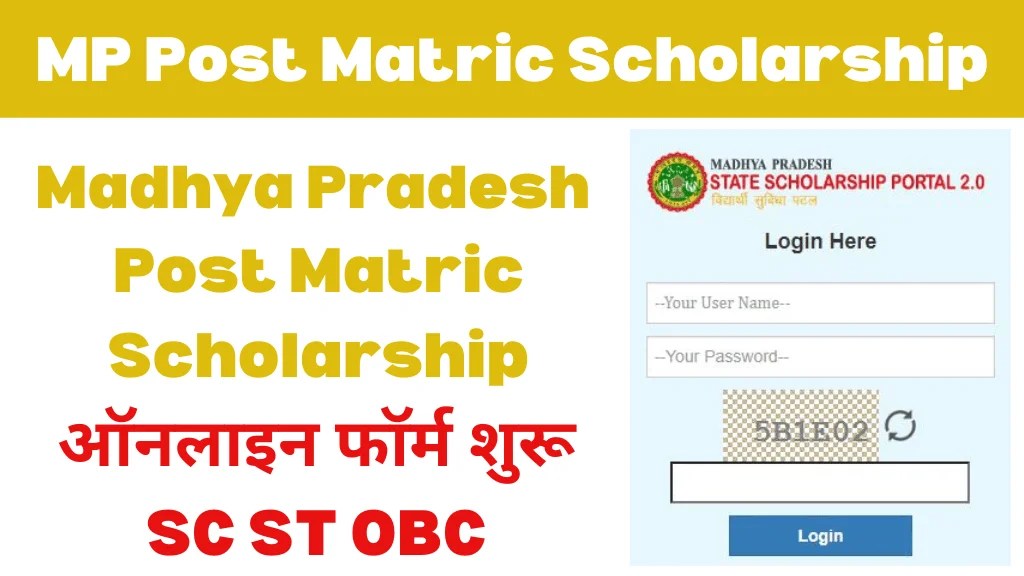
Post Matric Scholarship for Scheduled Castes (SC) and Scheduled Tribes (ST) in Madhya Pradesh

Daily writing prompt
In what ways do you communicate online?

By Kavita Dehalwar

The scheme “Post-Matric Scholarship” started in 1945 by the Tribal Welfare and Scheduled Caste (SC) Department, Madhya Pradesh, provides scholarships to Scheduled Tribe students studying in classes 11th, 12th, Colleges, PhD, and Professional Courses.

The Post Matric Scholarship for Scheduled Castes (SC) and Scheduled Tribes (ST) in Madhya Pradesh is a government initiative aimed at promoting higher education among students belonging to SC and ST communities. The scheme provides financial assistance to help students meet the expenses of their education after matriculation (Class 10). Here’s a detailed overview of the scholarship:


Objective

The primary goal of the Post Matric Scholarship is to reduce the financial burden on students from economically weaker SC and ST communities and to encourage them to pursue education beyond the matriculation level.


Eligibility Criteria

To be eligible for the Post Matric Scholarship, students must meet the following criteria:

  1. Caste Requirements:
    • The applicant must belong to the Scheduled Caste (SC) or Scheduled Tribe (ST) category as recognized by the Government of Madhya Pradesh.
  2. Educational Qualification:
    • Students must have passed Class 10 (matriculation) from a recognized board or institution.
    • The scholarship is applicable for studies at the post-matric level, including higher secondary, undergraduate, postgraduate, diploma, professional, and technical courses.
  3. Income Criteria:
    • For SC students: The family income should not exceed ₹3,00,000 per annum.
    • For ST students: The family income should not exceed ₹6,00,000 per annum.
  4. Domicile:
    • The applicant must be a resident of Madhya Pradesh.
  5. Other Requirements:
    • The student should be enrolled in a government or recognized private educational institution.
    • Students receiving similar scholarships or financial aid from other sources are not eligible.

Benefits of the Scholarship

The benefits of the Post Matric Scholarship include:

  1. Tuition Fee Coverage:
    • The tuition fees for the course are reimbursed directly to the institution.
  2. Maintenance Allowance:
    • A monthly allowance is provided to cover living expenses, books, and other necessities. The amount varies based on the level of study and the type of institution (government or private).
  3. Other Expenses:
    • Examination fees, library fees, and laboratory charges are also covered under the scheme.

Application Process

The application process for the scholarship is entirely online through the Madhya Pradesh Scholarship Portal. Here’s a step-by-step guide:

  1. Registration:
  2. Fill the Application Form:
    • Log in and complete the scholarship application form.
    • Provide details about your academic history, institution, caste certificate, and income certificate.
  3. Upload Documents:
    • Upload scanned copies of the required documents (see the list below).
  4. Verification:
    • Submit the application. The institute will verify the details provided.
  5. Approval:
    • After verification by the institution and authorities, the scholarship amount will be credited to the student’s or institution’s bank account.

Required Documents

Applicants need to upload the following documents during the application process:

  1. Recent passport-sized photograph.
  2. Caste certificate issued by a competent authority.
  3. Income certificate of the family (issued within the past year).
  4. Domicile certificate of Madhya Pradesh.
  5. Previous year’s mark sheet.
  6. Admission proof (fee receipt or admission letter).
  7. Bank account details of the student (linked with Aadhaar).

Important Dates

  • Application Start Date: Generally announced in July or August each year.
  • Application Deadline: Typically by November, with extensions announced as needed.
  • Renewal Applications: Renewal students must reapply before the deadline, providing updated documents.

Key Points to Note

  1. Renewal Process:
    • Students who continue their studies in subsequent years need to apply for scholarship renewal annually.
  2. Monitoring and Transparency:
    • The scheme is monitored through the online portal, ensuring transparency in fund disbursement.
  3. Grievance Redressal:
    • Any issues related to the scholarship can be resolved through the helpline available on the MP Scholarship Portal.

Contact Information

For further assistance, students can contact:

  • Helpline Number: Provided on the official portal.
  • District Education Office: For offline inquiries and document submission.

This scholarship program plays a crucial role in ensuring that financial barriers do not hinder the education of SC and ST students in Madhya Pradesh. By covering tuition fees and providing maintenance support, it encourages higher education and helps bridge the gap in educational opportunities.

Empower Your Insights with Julius: AI-Driven Analysis and Visualization Support

Daily writing prompt
What snack would you eat right now?

In today’s data-driven world, making sense of vast amounts of information is both a necessity and a challenge. Whether you’re a researcher, educator, business strategist, or data enthusiast, effective analysis and visualization can unlock new perspectives and drive impactful decisions. Meet Julius, your AI-powered assistant, designed to transform complex data into clear insights and visually compelling narratives.

Why Choose Julius?

Julius bridges the gap between raw data and actionable insights with cutting-edge AI capabilities. Here’s how Julius stands out:

  1. Comprehensive Data Analysis:
    Julius processes structured and unstructured datasets to uncover patterns, trends, and anomalies. From statistical summaries to advanced modeling, it caters to diverse analytical needs.
  2. Dynamic Visualization:
    Presenting data effectively is as crucial as analyzing it. Julius generates visually appealing and interactive charts, graphs, and infographics that are customizable and tailored to your objectives.
  3. User-Friendly Interface:
    No technical expertise? No problem. Julius simplifies complex analysis with intuitive commands, making it accessible for beginners while robust enough for experts.
  4. Domain-Specific Insights:
    Whether you’re analyzing educational trends, financial performance, healthcare data, or market research, Julius offers tailored insights based on the context of your dataset.
  5. Real-Time Collaboration:
    Work collaboratively with your team by sharing live insights, visualizations, and reports. Julius integrates seamlessly with popular tools to ensure a smooth workflow.

How Julius Can Help

  • For Educators and Researchers: Analyze enrollment trends, publication data, or institutional performance. Julius can turn raw academic data into insights that influence policy and teaching practices.
  • For Businesses: Optimize marketing campaigns, sales strategies, and operational efficiency with data-backed recommendations.
  • For NGOs and Social Impact Projects: Use Julius to visualize the impact of initiatives, track progress, and make data-driven funding proposals.
  • For Individuals: Simplify personal finance tracking, investment planning, or academic projects with Julius’s user-friendly tools.

Example in Action:

Imagine you’re working with education data to measure the impact of a policy like the National Education Policy (NEP). Julius can:

  • Analyze enrollment growth before and after NEP implementation.
  • Visualize growth trends in universities, colleges, and GER over time.
  • Generate interactive dashboards that allow policymakers to explore data by region, gender, or discipline.

Get Started with Julius

Unleash the power of AI in your analysis and visualizations with Julius. Whether you’re dealing with complex datasets or just need a clear visual representation of your findings, Julius is here to assist.

Performing the Unspeakable: Gender, Identity, and Transgression in the Plays of Mahesh Dattani

Citation

Deshmukh, B. R. (2022). Performing the Unspeakable: Gender, Identity, and Transgression in the Plays of Mahesh Dattani. International Journal for Social Studies, 8(9), 17–21. https://doi.org/10.26643/rb.v118i2.7625

Dr. Bharat Ranjeet Deshmukh

Assistant Professor, Department of English

Narayanrao Waghmare Mahavidyalaya, Akhada Balapur, Hingoli, (MS)

Abstract:

Indian drama has long served as a mirror to society’s evolving anxieties, yet few playwrights have challenged the patriarchal foundations of Indian culture as incisively as Mahesh Dattani. As the first Indian English playwright to receive the Sahitya Akademi Award (1998), Dattani occupies a unique position in the landscape of modern Indian theatre. Unlike his predecessors who focused on anti-colonial nationalism or economic injustice, Dattani turns his gaze inward to the family, the closet, and the female body. Through a careful examination of three of his major this article argues that Dattani deconstructs gender not as a biological given but as a performative construct enforced through language, space, and ritual. His plays expose how Indian patriarchy disciplines both women and men, while simultaneously offering moments of transgressive possibility.

Keywords:  Culture, Gender, Identity, Patriarchy, Space.

Theoretical Framework: Gender as Performance

Dattani’s dramatic technique aligns closely with Judith Butler’s theory of gender performativitythe idea that gender is not an innate identity but a “repeated stylization of the body, a set of repeated acts within a highly rigid regulatory frame” (Butler 179). However, Dattani indigenizes this framework by situating it within specifically Indian institutions: the joint family, caste-based honor, and the postcolonial middle-class home. Critic Nandi Bhatia observes that Dattani’s “domestic spaces are never neutral; they are ideological battlegrounds where gender norms are scripted, rehearsed, and violently enforced” (Bhatia 67). The stage itself becomes a laboratory where the taken-for-granted naturalness of gender is systematically dismantled.

The Female Body as Sacrificial Ground: Tara

Perhaps Dattani’s most devastating critique of gender emerges in Tara, a two-act play based on the true story of conjoined twins. The play revolves around a brother and sister, Chandan and Tara, who were born with a shared third leg. Their surgeon father and conniving mother, Bharati, decide to “separate” them by privileging the male child. The leg is given to Chandan, while Tara receives a prosthetic. Dattani uses this medical metaphor to expose how Indian families systematically allocate resourcesnutrition, education, medical care, and emotional attentionto sons over daughters.

The play’s brilliance lies in its temporal structure. The adult Chandan (now calling himself Dan) narrates the past from self-imposed exile in London, tormented by guilt. Dattani stages the inequality not through polemic but through devastatingly casual dialogue. When Tara confronts her mother, Bharati defends her choice: “What was I supposed to do? Your brother needed that leg to stand onliterally! You have your spirit. He needed the strength” (Dattani, Collected Plays 212). Bharati’s justification reveals how patriarchy operates not through overt cruelty but through a logic of “sacrifice” that naturalizes female deprivation as virtue. Tara’s eventual death—from complications related to the prostheticbecomes a scathing indictment of a culture that valorizes the girl child only in death.

Scholar Anu Aneja reads Tara as an allegory of the nation-state’s partitioning of female bodies. She writes, “The shared leg represents the prelapsarian wholeness of the female principle, which patriarchy must sever to establish binary gender. Dattani shows that the ‘natural’ male-female difference is actually a surgical wound” (Aneja 134). The play refuses catharsis; the surviving brother cannot redeem himself, and the mother remains unrepentant. Dattani leaves the audience with the uncomfortable realization that gender violence is often enacted by women themselves as agents of patriarchal reproduction.

Masculinity in Crisis: Dance Like a Man

While Tara focuses on the female victim, Dance Like a Man examines how patriarchy also mutilates men who fail to conform to hegemonic masculinity. Set in a traditional Tamil Brahmin family, the play follows Jairaj, a man who wanted to become a Bharatanatyam dancer in the 1950s, when the art form was considered effeminate and associated with devadasis (temple courtesans). His father, Amritlal, a freedom fighter and rationalist, forbids him from dancing publicly, declaring, “My son will not prance around like a woman. We have broken the shackles of caste superstition, but we will not break the shackles of decency” (Dattani, Collected Plays 89).

Dattani complicates the gender analysis by introducing Jairaj’s wife, Ratna, who comes from a more progressive family and becomes a successful dancer herself. The play unfolds in flashbacks and present-time confrontations, revealing that Jairaj has sacrificed his art for his father’s approval, only to end up a bitter, impotent man living in his daughter’s shadow. Here, Dattani critiques not just patriarchy but its intersection with class and postcolonial nationalism. Amritlal’s rationalism, meant to oppose British colonial stereotypes of Indian “effeminacy,” becomes a new form of masculine discipline.

Performance theorist Rustom Bharucha argues that Dance Like a Man exposes “the homosocial anxiety underlying Indian middle-class respectability” (Bharucha 156). Jairaj is never explicitly homosexual, but his desire to dance is coded as feminine and thus threatening. Ratna, by contrast, succeeds precisely because she performs her femininity “correctly”she is a wife and mother first, dancer second. Dattani thus demonstrates that gender norms trap both sexes, albeit asymmetrically. The play’s tragic irony is that Jairaj internalizes his father’s contempt so completely that he becomes the enforcer of his own emasculation.

Communalism and Gendered Space: Final Solutions

In Final Solutions, Dattani shifts focus to the intersection of gender and religious communalism. The play confronts the 1992-93 Bombay riots, but rather than depicting street violence, it stages the aftermath inside a middle-class Gujarati Hindu home. The patriarch, Ramnik Gandhi, shelters two young Muslim men, Babban and Javed, during riots. The conflict unfolds through the women of the house: Ramnik’s wife Aruna, his mother Smita, and his daughter Sonal.

Sonal, the young educated woman, becomes the play’s moral fulcrum. Initially, she parrots her grandmother’s communal prejudices: “They are not like us. They breed like rats” (Dattani, Collected Plays 312). But as she interacts with Javed, she begins to question her own socialization. Dattani deliberately reverses gendered expectations: the men (Ramnik and his father-in-law Hardika) are paralyzed by their past secrets, while the women drive both violence and reconciliation. Smita, the grandmother, harbors a memory of a Muslim lover from Partition who abandoned hera trauma she converts into hatred. Dattani thus shows that communal violence is not just political but intimately gendered; women’s bodies become the repositories of collective memory and revenge.

Feminist critic Jasbir Jain observes that Final Solutions “refuses the easy binary of women as peaceful and men as violent. Instead, Dattani shows women as both victims and agents of communal ideology” (Jain 201). Aruna, the liberal mother, tries to maintain “civilized” behavior while the Muslim men are locked in her garage, revealing how domesticity is itself a structure of exclusion. The play ends without resolutionthe Muslims leave, the family remains intact, but Sonal’s final silence suggests a fragile, uncomfortable awakening.

Staging Gender: Dattani’s Theatrical Innovations

Dattani’s thematic concerns are inseparable from his formal choices. He consistently employs non-linear narratives, flashbacks, and simultaneous staging (two or more scenes happening on stage at once) to show how the past haunts the present. In Tara, the adult Chandan watches his childhood self like a ghost; in Dance Like a Man, older and younger Jairaj appear together. This Brechtian estrangement prevents audiences from identifying comfortably with characters. Moreover, Dattani uses “plays within plays” to highlight gender as performance. In Final Solutions, the grandmother Smitareen acts her youthful romance with a Muslim man, blurring the line between memory and drama. Critic Erin Mee argues that Dattani’s “metatheatrical techniques compel audiences to recognize that gender and communal identities are not natural but stagedand therefore capable of being restaged” (Mee 44).

Conclusion:

Mahesh Dattani’s contribution to Indian drama extends beyond his awards and publications. He founded the alternative theatre group “Playpen” in Bangalore in 1984, creating a space for taboo subjects that commercial theatre avoided. More importantly, he gave Indian English drama a new vocabulary for discussing gender—not as a women’s issue but as a structure that deforms all human relationships. His plays have been criticized for their urban, upper-caste, English-speaking milieu, and indeed, he rarely represents Dalit or Adivasi experiences. Yet within his chosen terrain—the Indian middle-class homehe has exposed patriarchal violence with unmatched precision.

In the final scene of Tara, the dead Tara speaks directly to her brother: “You could have refused the leg. But you didn’t. So don’t pretend you’re innocent” (Dattani, Collected Plays 256). This accusation haunts not just Chandan but every audience member who has benefited from unearned privilege. Dattani’s theatre does not offer salvation; it offers recognition. And in a culture that prefers to keep gender violence unspeakable, that recognition is a revolutionary act.

Works Cited

Aneja, Anu. “The Body as Allegory: Mahesh Dattani’s Tara and the Politics of Difference.” Modern Indian Drama: A Reader, edited by Nandi Bhatia, Pencraft International, 2010, pp. 128-42.

Bharucha, Rustom. Theatre and the World: Performance and the Politics of Culture. Routledge, 1993.

Bhatia, Nandi. “Gender and the Politics of Space in Mahesh Dattani’s Plays.” Contemporary Indian Drama in English, edited by Chitra Panikar, Sahitya Akademi, 2005, pp. 65-82.

Butler, Judith. Gender Trouble: Feminism and the Subversion of Identity. Routledge, 1990.

Dattani, Mahesh. Collected Plays. Penguin Books India, 2000.

Jain, Jasbir. “Women and Communal Violence in Dattani’s Final Solutions.” The Plays of Mahesh Dattani: A Critical Response, edited by R. K. Dhawan, Prestige Books, 2008, pp. 195-210.

Mee, Erin B. “Theatrical Transgression and the Performance of Gender in Mahesh Dattani.” Asian Theatre Journal, vol. 27, no. 1, 2010, pp. 37-58. JSTORwww.jstor.org/stable/40985006.

Daily writing prompt
What’s the most fun way to exercise?

EDUindex: Correlation Coefficient for Curriculum Relevancy and Employability

Daily writing prompt
If you could meet a historical figure, who would it be and why?

The EDUindex is a quantitative measure designed to evaluate the relevancy of educational curricula to post-educational objectives, especially in the context of employability. It serves as a Correlation Coefficient that quantifies how well an academic curriculum aligns with the demands of the job market, skills required by employers, and overall preparedness for professional careers. The EDUindex is an insightful metric for educators, policymakers, and institutions to assess the effectiveness of their educational programs.

1. Understanding the EDUindex

  • Definition: The EDUindex is a value that ranges from -1 to +1, similar to traditional correlation coefficients. Here, a value close to +1 indicates a strong positive correlation between the curriculum and employability objectives, while a value close to -1 indicates a negative correlation. A value of 0 would indicate no correlation.
  • Purpose: It aims to bridge the gap between academic content and the skill sets required in the real world by providing a measurable framework for evaluating curriculum relevance. The primary focus is on ensuring that graduates possess the skills and knowledge necessary to meet the evolving demands of industries and employers.

2. Components of the EDUindex

The EDUindex is derived from various parameters that can be broadly categorized into the following components:

  • Curriculum Content Relevance: Measures how well the topics and subjects taught align with industry standards, technological advancements, and contemporary practices.
  • Skill-Based Learning: Assesses the extent to which the curriculum incorporates practical, hands-on experiences such as internships, projects, and case studies that enhance employability skills.
  • Soft Skills Integration: Evaluates the inclusion of communication, teamwork, problem-solving, and other essential soft skills in the curriculum.
  • Industry Collaboration: Looks at partnerships between educational institutions and industries, including guest lectures, workshops, and industry-based projects.
  • Graduate Employability Rates: Analyzes the percentage of graduates securing employment in their field of study within a certain period post-graduation.

3. EDUindex Gap Analysis

The EDUindex Gap Analysis is a diagnostic tool that identifies areas where the curriculum falls short in achieving alignment with post-educational goals, particularly employability. It helps institutions recognize missing elements or gaps that are crucial for enhancing the relevancy of their academic offerings.

How Gap Analysis Works
  • Step 1: Data Collection: Gather data on current curriculum structure, graduate employability outcomes, and industry feedback. This can include surveys from employers, feedback from alumni, and job market analysis.
  • Step 2: EDUindex Calculation: Using the collected data, calculate the current EDUindex score to understand the existing correlation between the curriculum and employability.
  • Step 3: Gap Identification: Identify gaps where the curriculum does not meet industry expectations. For instance:
    • Missing Skills: Lack of courses on emerging technologies like AI, Data Science, or Cybersecurity.
    • Outdated Content: Curriculum components that are no longer relevant in the current job market.
    • Insufficient Practical Exposure: Limited hands-on experience in labs, real-world projects, or internships.
  • Step 4: Recommendations: Based on the gap analysis, recommend curriculum changes such as the addition of industry-specific modules, skill development courses, or enhanced industry collaboration.

4. Benefits of Using the EDUindex

  • Improved Curriculum Design: Helps institutions refine their curriculum to better meet industry standards, thereby increasing the employability of graduates.
  • Data-Driven Decision Making: Provides a data-backed approach for curriculum reforms, ensuring that changes are aligned with market demands.
  • Institutional Benchmarking: Enables educational institutions to benchmark their programs against industry standards and other institutions.
  • Enhanced Student Outcomes: By aligning the curriculum with employability, students gain relevant skills that increase their job readiness.
  • Feedback Loop for Continuous Improvement: The EDUindex fosters a continuous feedback loop where institutions can regularly assess and update their curricula based on industry trends.

5. Case Study: Implementing EDUindex in Higher Education

Let’s consider an example of a university implementing the EDUindex for its Computer Science program:

  • Initial Assessment: The EDUindex score was calculated as 0.45, indicating a moderate alignment with employability goals. Key gaps included limited exposure to cloud computing and AI.
  • Gap Analysis Results:
    • Missing Courses: No dedicated courses on Cloud Technologies or AI.
    • Industry Collaboration: Lack of partnerships with tech companies for internships.
    • Outdated Curriculum: Focused more on theoretical knowledge rather than practical applications.
  • Action Plan:
    • Introduced new electives on AI, Machine Learning, and Cloud Computing.
    • Partnered with industry leaders like Google and AWS for certification programs.
    • Enhanced internship opportunities and real-world projects.
  • Outcome: After implementing these changes, the EDUindex score improved to 0.75, and the graduate employability rate increased by 20%.

6. Conclusion

The EDUindex serves as a vital metric for aligning educational curricula with post-educational objectives, particularly in enhancing employability. By leveraging the EDUindex and conducting regular gap analyses, educational institutions can ensure that their programs remain relevant, adaptive, and effective in preparing students for the dynamic job market.