Tag: #Disease
HISTOPLASMOSIS-SYMPTOMS,TREATMENT, DIAGNOSIS
BY DAKSHITA NAITHANI
INTRODUCTION
Histoplasmosis is a fungal infection caused by Histoplasma capsulatum, a fungus. Spores suspended in the air by birds and bats are frequently the source of this illness. If the infection is limited to the lungs, it is not dangerous. It might be deadly if it spreads across the entire body. This condition mostly affects immune-compromised people, most of who are suffering from AIDS.
Histoplasma capsulatum is a soil microorganism that is frequently linked with decomposing sediments. Infectious elements are frequently released by disrupted soil particles, which are breathed by humans and settle into their lungs.
Histoplasmosis is often known as the Darlings’ disease, after Samuel Darling, who first found the virus in Panama.
SYMPTOMS
Histoplasmosis is characterised by a high fever. The fungus Histoplasma causes no symptoms in the majority of persons who are exposed to it. Others may experience symptoms that subside on their own. Coughing: Fatigue (severe exhaustion): Chills: Headache: Body aches: Chest pain Histoplasmosis symptoms might emerge anywhere from 3-17 days after a person inhales the fungus spores. These symptoms usually fade away in a few weeks to a month for most people. However, some people’s symptoms might persist much longer, particularly if the condition is acute. Histoplasmosis can cause a long-term infection in certain individuals, especially those with compromised immune systems, or it can move from the lungs to other regions of the body, such as the central nervous system.
RISK AND PREVENTION
If you’ve been in a region where Histoplasma is present in the environment, you can acquire Histoplasmosis. It I s frequently linked to soil disturbance, specifically soil containing bird and bat droppings. Certain persons are more likely to acquire severe types than others:
People who have weakened immune systems, for example, people who:
- Are patients of HIV/AIDS
- Had an organ transplant
- Are taking medications such as corticosteroids or TNF-inhibitors
- Infants
- Adults aged 55 and older
Histoplasmosis cannot be transmitted from one person to another or between humans and animals through the lungs. The illness can, however, be transferred through a transplant with an affected organ in exceedingly rare circumstances.
In regions where it is prevalent, it might be difficult to avoid breathing it in. People with compromised immune systems should avoid undertaking behaviours that are known to be linked with Histoplasmosis in locations where it is present, such as:
- Disturbing material where there are bird and bat droppings
- Cleaning chicken coops
- Exploring caves
- Cleaning, remodelling, and tearing down old buildings
Professional firms that specialise in the cleaning of hazardous material should clear up large volumes of bird and bat droppings.
TREATMENT AND DIAGONOSIS
Although direct diagnosis of Histoplasmosis (HP), one of the most common endemic mycoses in the world, is achieved by micro as well as macroscopic observation of Histoplasma capsulatum, serologic indication of this infection is important because etiologic agent isolation is time-consuming and unresponsive. To identify specific antibodies to H. capsulatum, a number of immunoassays have been utilised. Immuno-diffusion is the most often used technique for antibody detection, with a sensitivity of 70 -100 percent depending on the clinical form.
The complement fixation test, which was formerly widely employed, is less specific (60 – 90 percent). Immunoassays for detecting fungal antigens are particularly useful in patients with low immunity, with positive predicted results of 96–98%. The majority of modern diagnostic tests still use unpurified antigenic complexes derived from entire fungal cells or their culture filtrates. Clinical immunoassays employing highly pure and well-characterized antigens, including recombinant antigens, are now the focus.
For diagnosis doctors use your medical and travel history, symptoms, physical examinations, and laboratory testing. Taking a blood sample or a urine sample and submitting it to a facility is the most frequent way that healthcare practitioners test for Histoplasmosis.
Imaging studies, such as chest X-Rays or CT scans of lungs may be performed by your healthcare professional. A sample of fluid from your lungs is used or a tissue biopsy is performed, which involves taking a tiny sample of damaged tissue from your body and examining it under a microscope. Research facilities may also examine if Histoplasma may develop in bodily fluids or tissues.
Symptoms may go away without therapy in some persons. To treat severe infection in the lungs, persistent Histoplasmosis, and infections that have moved from the lungs to other areas of the body, prescription antifungal medicine is required. Antifungal medications like Itraconazole are widely used to treat Histoplasmosis. If you have a minor case treatment is typically not required. However, if your symptoms are severe, or if you have the chronic or disseminated type of the condition, you’ll almost certainly need antifungal medication. You may need to take medicines for three months to a year if you have a severe version of the condition.
BACTERIAL MENINGITIS
BY- DAKSHITA NAITHANI
INTRODUCTION
The inflammation of the meninges is known as meningitis. The Dura mater, arachnoid mater, and pia mater are the three membranes (meninges) that border the vertebral canal and skull, encapsulating the brain and spinal cord. Symptoms such as headaches, fever, and stiff neck are common.
Prior to the discovery of antibiotics, this was a fatal illness. Despite tremendous advancements in healthcare, the disease still has a death rate of over 25%. Many different pathogens can cause the disease, but bacterial meningitis has the largest worldwide impact.
Despite advances in diagnosis, treatment, and immunisation, 8.7 million cases of meningitis were recorded globally in 2015, with fatalities as much as 379,000. In early 2020, the first incidence of meningitis linked to COVID 19 was discovered. Every year on April 24th, World Meningitis Day is commemorated. Meningitis is one of the leading causes of illness and death in children under the age of five worldwide. According to Indian studies, meningitis is one of the main causes of mortality among infants under the age of five.
TYPES OF MENINGITIS
Viral meningitis: It is the most frequent, but not the most dangerous, form of meningitis, accounting for 85 percent of cases. Enteroviruses are among the most prevalent causing viruses.
Bacterial meningitis: Bacterial meningitis is the second most prevalent kind of meningitis, affecting around 3 per million individuals each year. N. meningitidis, S. pneumoniae, H. influenzae, and S. aureus are the microorganisms that cause this kind of meningitis. Inflammation of the meninges can be caused by the same bacterium that causes TB.
In most countries, N.meningitidis is the primary cause of meningitis and a feared illness. The fatality rate from bacterial meningitis is frequently greater in underdeveloped nations than in industrialised countries.
Fungal meningitis: It’s a rare occurrence that generally leads to persistent meningitis. It is caused by a fungus that infects the body and travels from the blood to the nervous system, as the name implies.
Parasitic meningitis: It is less frequent than viral or bacterial meningitis and is caused mostly by parasites found in soil, excrement, cereals, or chickens. The infection is spread through ingesting the parasite’s eggs rather than normal routes. One of the most severe diseases is amoebic meningitis.
Non-infectious meningitis: It is a complication of an underlying health condition, rather than an infection. Inflammation in the tissues can be caused by a variety of factors, including drug use, head trauma, brain surgery, and cancer-related issues.
HOW DOES IT SPREAD FROM ONE INDIVIDUAL TO ANOTHER?
Meningitis caused by fungi, parasites, or non-infectious organisms is not contagious, while viral and bacterial are extremely contagious. Sneezing, coughing, and sharing utensils, cutlery, and toothbrushes are all ways to spread viral and bacterial meningitis. People who have these viruses or bacteria in their nose or throat but are not ill are generally carriers.
RISK FACTORS FOR MENINGITIS:
Risk factors for meningitis include:
•People who do not complete or skip their recommend childhood or adult immunization schedule
• Most of the viral cases occur in children younger than five years of age. Bacterial cases are common to those under the age of twenty years. Age also plays a big role in determining the risk factor.
• It is possible to live in a community. Meningococcal meningitis is more common in college students who live in dorms and children who attend boarding schools or child care centres. This is most likely due to the bacterium’s ability to spread fast among big populations through the respiratory pathway.
• Immune system dysfunction. Meningitis is also made more likely by AIDS, alcoholism, diabetes, immunosuppressive medications, and other immune system disorders. Anyone without a spleen should be immunised to reduce their risk.
SYMPTOMS
Meningitis affects more than two-thirds of children under the age of two, with the majority of cases occurring in the first two years of life. This might be related to low immunity and increased brain vascularity, which puts children at a higher risk. Furthermore, due to the immaturity of the central nervous system (CNS) in babies and children, the symptoms of infection are also hazy. Due to these reasons doctors depend more on the diagnostic tests rather than the symptoms.
-Fever for more than a week
-Neck stiffness
-Headaches
-Nausea and vomiting
-Altered or reduced level of consciousness
-Lethargy
-Rash
-Convulsions
Meningitis rash
A mild rash is one of the late indicators that one of the bacteria that causes meningitis, Neisseria meningitidis, is present in your circulation. The rash will become more visible as the illness progresses and spreads. The palms of the hands and the inside of the mouth, for example, may exhibit indications of a rash more easily than other parts of the body.
TREATMENT AND MANAGEMENT OF DISEASE
The therapy is determined on the underlying aetiology of meningitis. Antibiotics are used to treat bacterial meningitis, which may necessitate urgent hospitalisation. This might aid in the prevention of brain injury. The treatment of fungus meningitis may need the use of antifungal medicines. Viral meningitis may go away on its own, but you’ll need to see a doctor to figure out what’s causing it and how to treat it properly. On the basis of symptoms present parasitic meningitis is treated.
In all instances of bacterial meningitis, prompt treatment and supportive care and antibiotics are essential. Antibiotics are chosen depending on the organism that is thought to be causing the illness. In order to give the optimum antimicrobial coverage, the physician must consider the patient’s medical history.
Steroid Therapy: There isn’t enough data to back up the use of them in bacterial meningitis.
Chemoprophylaxis: Close contacts of a patient with N. meningitidis and H. influenzae type B meningitis should take this medication. People who have shared utensils, and health care providers in close proximity to secretions are all examples of close interactions.
Physical Therapy Management
In most cases, physical rehabilitation begins in the intensive care unit. It’s critical to remember a patient’s chart contraindications to therapy, such as intracranial pressure, cerebral pressure, and other lab results that dictate rehabilitation recommendations, while starting a plan of care. In the acute phase, proper posture and range of exercises should be started as soon as it is safe to do so. Proper pillow and towel placement will maintain the integrity of the skin and avoid contractures. Maintaining trunk and neck mobility is critical for functional mobility.
The earlier a patient begins therapy, the lower the risk of subsequent impairments, allowing for a better treatment.
If left untreated it can lead to significant brain problems and is sometimes deadly. In 10–20 percent of survivors, it can cause brain damage, hearing loss, or learning disabilities, as well as amputations in certain cases.
DIAGNOSTIC TESTS
It is detected by analysing the cerebrospinal fluid, which includes a white blood cell count, glucose, protein, and, in rare circumstances, a polymerase chain reaction (PCR). A lumbar puncture is used to collect CSF, and the opening pressure can be monitored.
Bacteria in the blood are identified using blood cultures. Bacteria have the ability to move from the bloodstream to the meninges. Both sepsis and meningitis can be caused by a variety of bacteria, including N. meningitidis and S. pneumonia.
A differential complete blood count is an indicator of health general. The amount of red and white blood cells in your blood is counted. Infection is fought by white blood cells. In meningitis, the count is generally high.
Pneumonia, TB, and fungal infections can all be detected using chest X-rays. Meningitis can develop as a result of pneumonia.
A head CT scan may reveal issues such as a brain abscess. From the sinuses to the meninges, bacteria can spread.
A glass test may also be performed by doctors. The doctor performs this test by rolling a glass over the rash formed. It’s most probable meningitis rash if the rash doesn’t disappear with pressure. The odd patches on the skin may be the consequence of another ailment if it fades away.
PREVENTION
Microbes that cause meningitis can easily be dispersed all around through aerosols when a carrier coughs, sneezes or shares utensils or other oral items. A few steps which are present to prevent it are:-
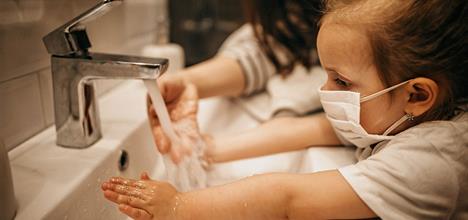
• Please wash your hands. Hand cleaning is important in preventing the transmission of germs. Hands should be washed before and after meals, touching objects or animals in public places. Show children how to wash and rinse their hands completely and properly.
•Practice good oral hygiene. Do not share edibles and utensils with anybody else.
•Maintain a good immune system by keeping a good diet and staying healthy.
•One should always cover their mouth while coughing or sneeze.
• If you’re expecting a child, be cautious about what you eat. Reduce your risk of listeriosis by cooking meat to 165 degrees Fahrenheit, which includes hot dogs. Choose pasteurised milk cheeses that are clearly stated on the package.
INTRODUCTION TO THE KNEE DISORDERS
When there are some imbalances within the knee then it can lead to disorders which can be indicated by deviation of the knee in terms of function. Most of these disorders occur due to some conditions imposed onto the structures present inside the knee.
BURSITIS: – inflammation (burning sensation) of the bursa causes pain.
(TIP- a word ending with itis refers to inflammation)
FAT PAD IMPINGEMENT: – the fat pad gets swollen heavily and can burst due to over-expansion.
TENDINITIS: – inflammation of a tendon
TORN MENISCUS: – a sudden twist of the knee can tear the rubbery cartilage leading to serious issues.
FRACTURE: – the bones surrounding the joint may get broken especially the patella is viable to damage in the case of accidents.
DISLOCATION: – the knee bone slips and comes out from its original location leading to excruciating pain.
ACL AND PCL INJURY: – the anterior and posterior cruciate ligament gets torn which may occur when there are a lot of instantaneous turns. However, this occurs rarely since these are very strong ligaments naturally.
OSGOOD-SCHLATTER DISEASE: – this is the swelling of the tendon between the tibia and patellar muscles.
STRAIN AND SPRAIN: – both are injuries but strain occurs in ligaments whereas sprain occurs in tendons.
These are some of the common disorders occurring to the knee. All of these disorders have something in common….PAIN but the intensity can vary based on time and severity of the disorder
ARTHRITIS
Arthritis is a commonly used word referring to the inflammation of joints. In fact, many people have an intuition that severe pain in the knee corresponds to arthritis mainly in old age groups. This is potentially a dreadful disease and can mainly affect the old aged. Most arthritis occurs over time but some can occur suddenly. Old-aged persons are more prone to this disease. This disease is likely to affect all age groups. This disease is more prevalent in women rather than men since their joints are weaker and more susceptible to motion when compared to men.

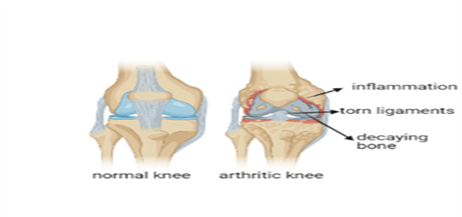
In the case of arthritis, the bones start to wear down, the ligaments can tear, inflammation and swelling can occur, and also lead to internal bleeding (hematoma). There are about 100+ types of arthritis with different causes and symptoms.

The different types of arthritis have symptoms different from each other. But arthritis, in general, shows some symptoms irrespective of the type.
Joint pain, stiffness in joints, red swollen mass, deranged and irregular motion is some of the common symptoms exhibited during arthritis. These symptoms are easy to identify by a common man and hence one can consult a medical practitioner known as a rheumatologist. The study of joints is known as arthrology and it is recommended to consult such a person.
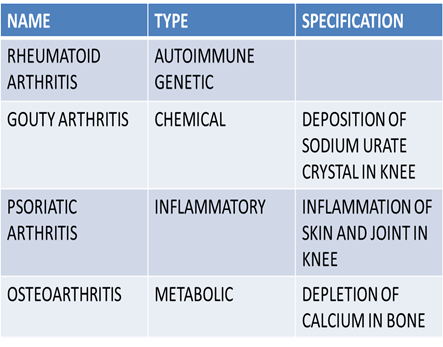
As mentioned earlier cartilage is the one that protects the bones and also acts as a shock absorber. In the case of Osteoarthritis, this cartilage starts to vanish slowly. In the case of rheumatoid arthritis, the synovial fluid gets attacked by its own antibodies!!! This phenomenon in medicine is known as autoimmune disease and occurs due to error in the programming of these cells leading to the attack on their own cells.
In the case of gouty arthritis, there is a deposition of sodium urate crystals in the joints. It can lead to redness, pain, and heat around the joint. Uric acid which is generated in our body gets converted to purines (an essential component in DNA). Increased uric acid levels can lead to its deposition in the form of crystals. The best way is to remove the synovial fluid.
So these are the different types of disorders that can be seen in the knee. Proper diet and exercise and a healthy lifestyle can prevent most of them. So it is essential to be healthy to prevent the occurrence of these diseases.
HAPPY READING!!
Reproductive Health
Total well being in all aspects of the reproduction such as physically mentally and emotionally is called Reproductive health.
All the reproductive organs should be healthy with normal function.
Major problems associated with reproductive health
Overpopulation
- Overpopulation causes a scarcity of every basic need.
- It affect the well-being of reproductive health also.
- To overcome the problem of overpopulation India started family planning program in 1951.
- Later it was changed to reproductive and Child Health Care program in 1997.
- A rapid decline in death rate, maternal mortality rate and infant mortality rate leads to overpopulation.
Small family, happy family
Steps to control population explosion
- People should be educated about the advantages of smaller family.
- Raising the marriageable age of male and female is an effective way to control the population.
- Couples should be motivated to family planning by adopting birth control measures.
Step under reproductive and Child Health Care program
- Increase in awareness about disease related to reproductive system example – sexual transmitted disease (STDs).
- Increase in awareness through the audio visual media.
- Increase in awareness about different contraceptive methods.
- Increase awareness about sex education.
Female foeticide
- Female foeticide can affect reproductive and sexual health of a Woman.
- Due to the use of amniocentesis cases of female foeticide increases.
- Amniocentesis is the technique in which amniotic fluid is studied for any type of enzyme disorder, chromosomal disorder or other bio-chemical disorder.
- Amniocentesis method is misused to know the sex of an Unborn baby.
Sex education
- Due to lack of education, people are not concerned about safe and hygienic sexual practice.
- Introduction of the education in school and colleges its another step to provide right information to the youth.
- Sex education can save the young youth people from myths and misconceptions about sex related issues.
- Should provide knowledge about birth control methods and care of mother and child.
Our health is in our own hand…
Sexually transmitted disease
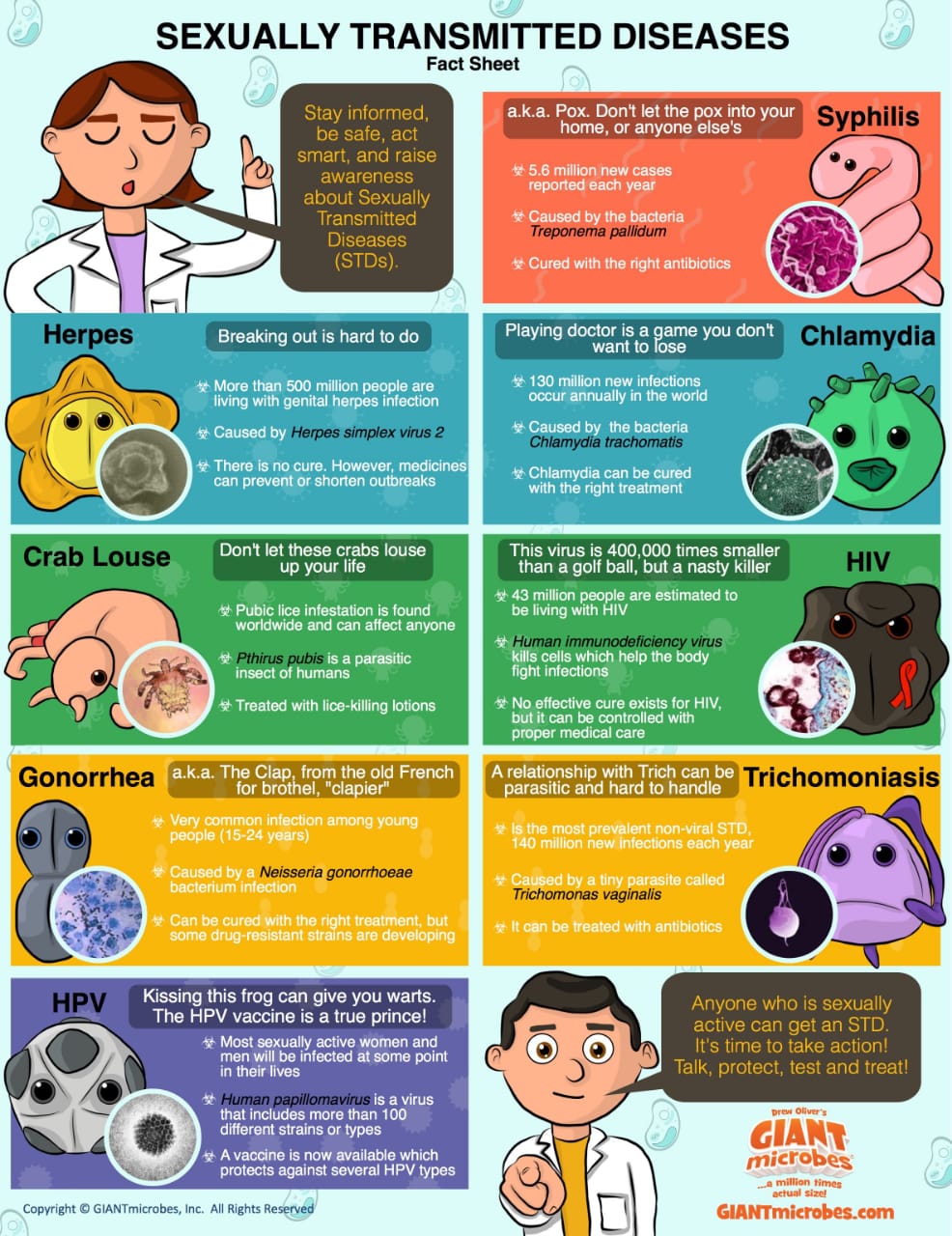
Chlamydiasis
- Caused by Gram Negative bacteria Chlamydia trachomatis.
- Causes urethritis which result in painful urination and pus discharge.
- In male, it causes infertility by causing oligospermia.
- It increases the chance of ectopic pregnancy.
- Treatment –
- Treated by antibiotics.
Gonorrhea
- Causes by negative bacteria Neisseria Gonorrhea.
- Causes inflammation of reproductive tract, urinary tract infection, and urethritis.
- Treatment
- Newly born child is given 1% AGNO3 dose to prevent eye. infection
Genital herpes
- Causes by herpes simplex virus
- Causes painful blisters
- In male – glans penis and foreskin
- In female – external genitalia
- There is no proper treatment
- Treatment is only to extend life.
Genital warts
- Caused by human papiloma virus.
- Causes Cancer of different organs such as-
- cervical cancer
- penile cancer
- vaginal cancer
- vulvar cancer
- anal cancer
- Treatment
- Alpha interferon
- cryotherapy
- electrocautery
It is very important to provide information to the couple or who are in marriageable age group about birth control methods, care of pregnant women, important of breastfeeding, equality to the gender and equal opportunity to the male and female child, reproductive tract infections etc.
The education of reproductive health should be provided to all
Weekly positive rate falls below 5% across districts in Andhra Pradesh.
The Covid-19 weekly case positivity rate has finally dropped to below 5% in all districts of the state for the first time in months during the ongoing second wave. Even last week, when Andhra Pradesh’s average weekly positivity rate stood at 3.2%, East Godavari and West Godavari had crossed the 5% positivity rate threshold.
As per the latest weekly case positivity rate statistics between July 12 and 18, Kurnool has the lowest case positivity rate among all districts at 0.74%.
In all, Anantapur, Kurnool, Srikakulam and Vizianagaram have a less than 2% weekly case positivity rate. While the weekly positivity rate ranges between 3% and 5% in five districts, eight districts have a positivity rate less than 3%.
The case positivity rate is a key indicator to gauge the spread of the disease in the community at a certain point in time. The World Health Organisation (WHO), in an advisory released in May last year, stated that less than 5% samples testing positive for Covid-19, at least for two weeks, is an indicator that the disease is under control.
Corresponding with the lowering case positivity rate, the daily new infection numbers have now dropped to about the 2,000 to 3,000 range from the peak of 24,171 cases on May 16. But districts such as East Godavari, West Godavari, Visakhapatnam and Chittoor still continue to contribute a major chunk of the daily infection numbers. This can be gauged from the fact that while the state’s cumulative case positivity rate stood at 8.22% as of July 18, it is as much as 12.43% in East Godavari, 9.88% in Chittoor and 8.59% in West Godavari.
Despite the fall in case positivity rate, the state health department is augmenting infrastructure at all hospitals in its preparation for the anticipated third wave. A special focus has been laid on improving infrastructure to treat paediatric Covid-19 cases based on the assumptions of several experts and reports that the third wave may hit children.
Monkey-pox
Recently, we may heard about monkeypox, which took place in Texas, USA. Now, let’s have a brief intro about monkeypox.
A rare case of monkeypox was detected in Texas, marking the first such cases recorded in the state, the Centers for Disease Control and Prevention (CDC) said. “While rare, this case is not a reason for alarm and we do not expect any threat to the general public.”
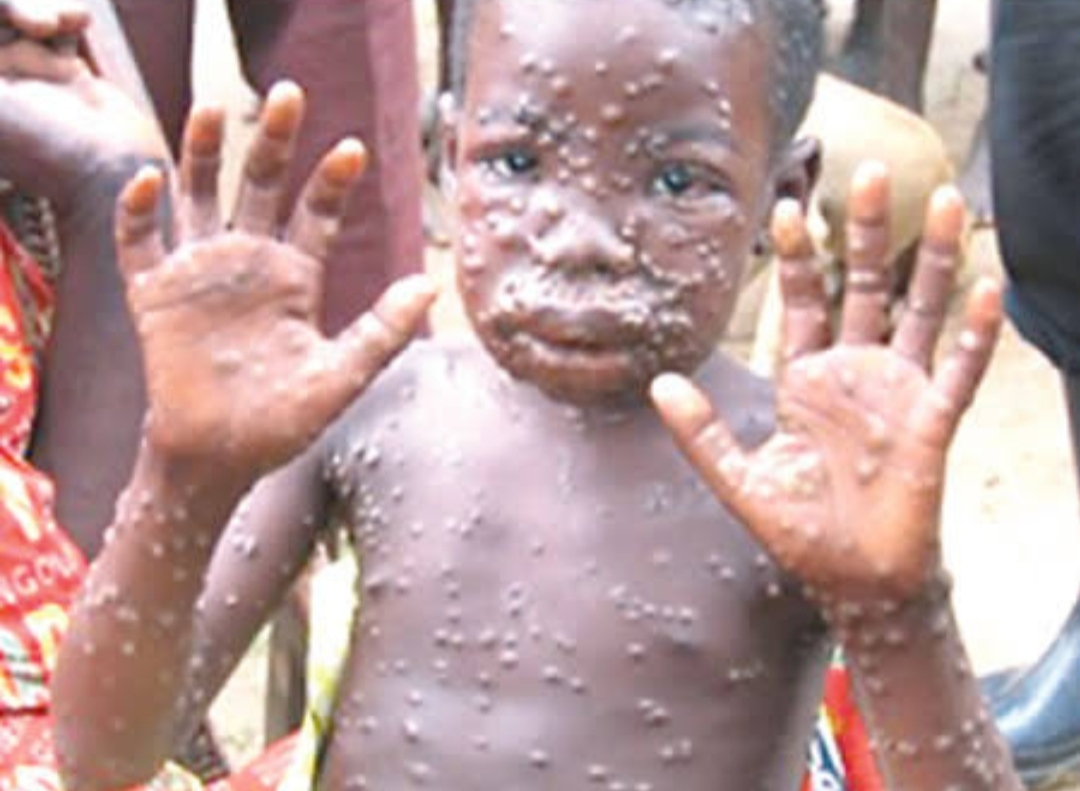
Monkeypox belongs to the same family of viruses as smallpox. It is a rare but serious viral illness that is characterised by flu-like symptoms and swelling of the lymph nodes, which gradually progresses to a widespread rash all over the face and body.It spreads from one person to another via respiratory droplets.
The first case of monkeypox in humans was recorded in 1970 in the Democratic Republic of Congo during a period of intensified effort to eliminate smallpox.
Scientists have so far discovered two distinct genetic groups of monkeypox virus—Central African and West African.The most recent case detected in the US has been infected by the type of virus found in parts of West Africa, including Nigeria, CDC said.
The United Kingdom, Israel and Singapore have recorded cases of monkeypox in six passengers, all of whom were returning from Nigeria.
DOWN SYNDROME
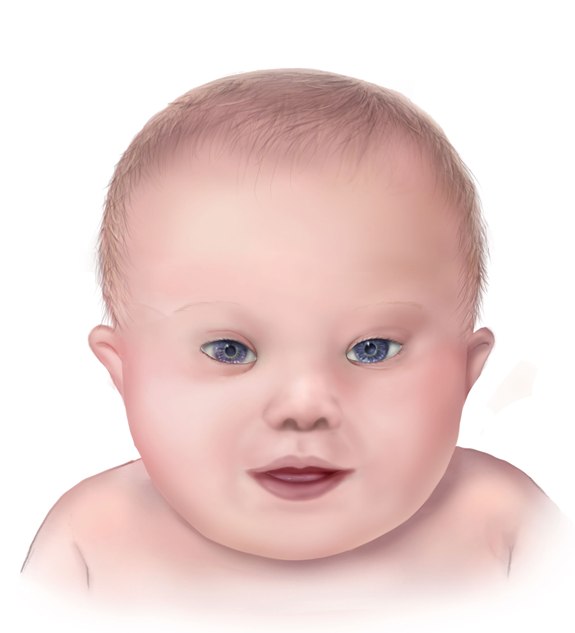
Down Syndrome or Down’s Syndrome also known as Trisomy 21 is a genetic disorder caused by the presence of all or part of a third copy of chromosome 21. The presence of this extra genetic material causes the developmental changes and physical features of Down Syndrome. The parents of the affected individual are usually genetically normal. The probability increases from less than 0.1% in 20 year old mothers to 3% in those of age 45. The extra chromosome occurs due to the non-disjunction of chromosomes that is the failure of one or more pairs of homologous chromosomes or sister chromatids to separate normally during nuclear division. Down syndrome can be identified during pregnancy by prenatal screening followed by diagnostic testing or after birth by direct observation and genetic testing.
Down Syndrome is one of the most common chromosome abnormalities in human. It occurs in about 1 in 1000 babies born each year. In 2015, Down syndrome was present in 5.4 million individuals globally and resulted in 27000 deaths, down from 43000 deaths in 1990. It is named after British Doctor John Langdon Down who fully described this syndrome. Down syndrome varies in severity among individuals, causing lifelong intellectual disability and developmental delays. It’s the most common genetic chromosomal disorder and cause of learning disabilities in children. It also commonly causes other medical abnormalities, including heart and gastrointestinal disorders.
SYMPTOMS:-
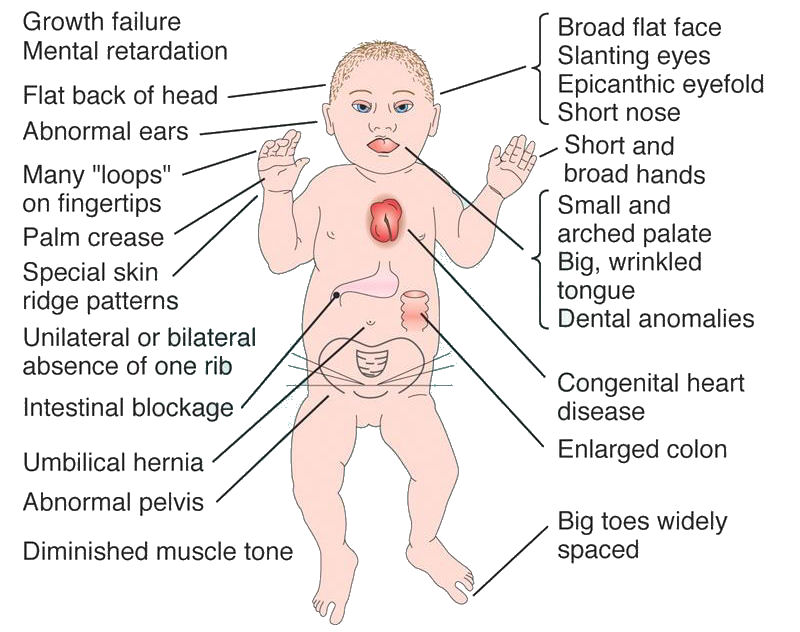
Each person with Down syndrome is an individual- intellectual and developmental problems may be mild, moderate or severe. Some people are healthy while others have significant health problems such as serious heart defects. Children and adults with Down syndrome have distinct facial features. Some of the common features include:-
- flattened face.
- small head.
- short neck.
- protruding tongue.
- upward slanting eye lids(palpebral fissures).
- unusually shaped or small ears.
- poor muscle tone.
- broad, short hands with a single crease in the palm.
- short height.
- relatively short fingers and small hands and feet.
CAUSES:-
Human cells normally contain 23 pairs of chromosomes. One chromosome in each pair comes from the father and the other from mother. Down syndrome results when abnormal cell division involving chromosome 21 occurs. Any one of the three genetic variations discussed below can cause Down syndrome:-
- Trisomy 21- about 95% of the time, Down syndrome is caused by trisomy 21. The person has three copies of chromosome 21, instead of the usual two copies, in all cells. This is caused by abnormal cell division during the development of the sperm cell or the egg cell.
- Mosaic Down syndrome- very rare. The person has only some cells with an extra copy of chromosome 21. This mosaic of normal and abnormal cells is caused by abnormal cell division after fertilization.
- Translocation Down syndrome- occurs when a portion of chromosome 21 becomes attached (translocated) onto another chromosome, before or at conception. These children have two copies of chromosome 21 as usual but they also have additional genetic material from chromosome 21 attached to another chromosome.
COMPLICATIONS FACED BY PEOPLE SUFFERING FROM DOWN SYNDROME:-
- Heart defects- about half of the children with down syndrome are born with some type of congenital heart defect.
- Gastrointestinal defects(GID)- includes abnormalities of the intestine, esophagus, trachea and anus.
- Immune disorders- people with Down syndrome are at increased risk of developing autoimmune disorders.
- Obesity
- Dementia
- Spinal disorders
THYROID
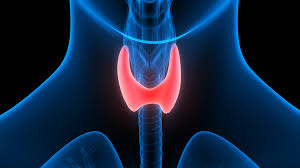
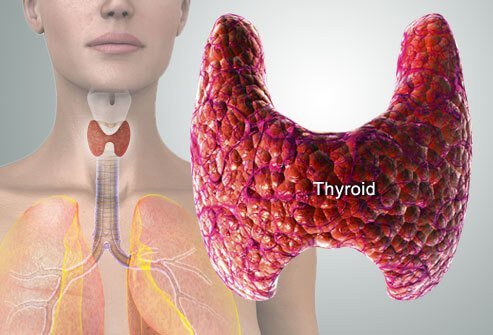
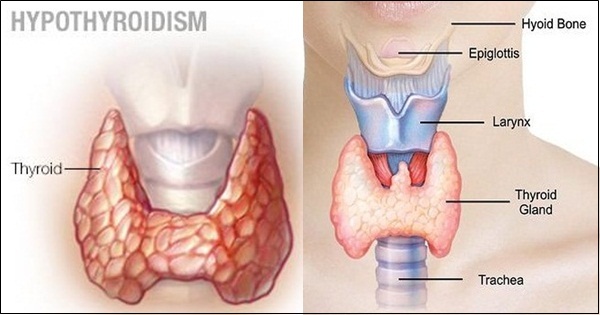
The Thyroid or Thyroid Gland is an endocrine gland in vertebrates. In humans it is in the neck and consists of two connected lobes. The lower two thirds of the lobes are connected by a thin band of tissue called the thyroid isthmus. The thyroid is located at the front of the neck, below the Adam’s apple. The functional unit of the thyroid gland is the spherical thyroid follicle, lined with follicular cells(thyrocytes), and occasional parafollicular cells that surrounds a lumen containing colloid. The thyroid gland secretes three hormones- triiodothyronine(T3) and thyroxine(T4), a peptide hormone- calcitonin.
The thyroid hormone influences the metabolic rate, protein synthesis and in children- growth and development. Calcitonin plays a role in calcium homeostasis. Secretion of the two thyroid hormones is regulated by thyroid-stimulating hormone(TSH) which is secreted from the anterior pituitary gland.
When the thyroid doesn’t work properly, it can impact our entire body. If our body makes too much thyroid hormone, this can develop a condition called Hyperthyroidism. If our body makes too little thyroid hormone, it is called Hypothyroidism. Both the conditions are serious and needs a proper treatment.
WHO CAN BE AFFECTED BY THYROID DISEASE?
This disease can affect anyone be it men, women, infants, teenagers and the elderly. It can be present at birth(typically hypothyroidism) and it can develop as the person age(often after menopause in women). Thyroid disease has become a very common disease. A woman is about five to eight times more likely to be diagnosed with a thyroid condition than a man.
A person may be at a higher risk of developing this disease if he/she:-
- has a family history of thyroid disease.
- has a medical condition, such as type 1 diabetes, Rheumatoid arthritis etc.
- taking a medicine higher in iodine content.
SYMPTOMS OF THYROID DISEASE
Symptoms of an overactive thyroid(hyperthyroidism) include:-
- experiencing anxiety, irritability and nervousness.
- having trouble sleeping.
- losing weight.
- having an enlarged thyroid gland or goiter.
- having muscle weakness and tremors.
- experiencing irregular menstrual periods.
- feelings sensitive to heat.
- having vision problems.
Symptoms of an underactive thyroid(hypothyroidism) include:-
- feeling tired.
- gaining weight.
- experiencing forgetfulness.
- having frequent and heavy menstrual periods.
- having dry and coarse hair.
- having hoarse voice.
- experiencing intolerance to cold temperatures.
Universal destruction
How could it be possible that when the time gets worse we often ignore the vulnerable?
Nikhil Meshram

We are living in the world , where no one can intrude . A life , where you can’t touch the one you want . A life, where one has to stay away from his own . A life , where no one can go in one’s home . Yes , it’s a life we are living ‘ A life of a LOG’ .
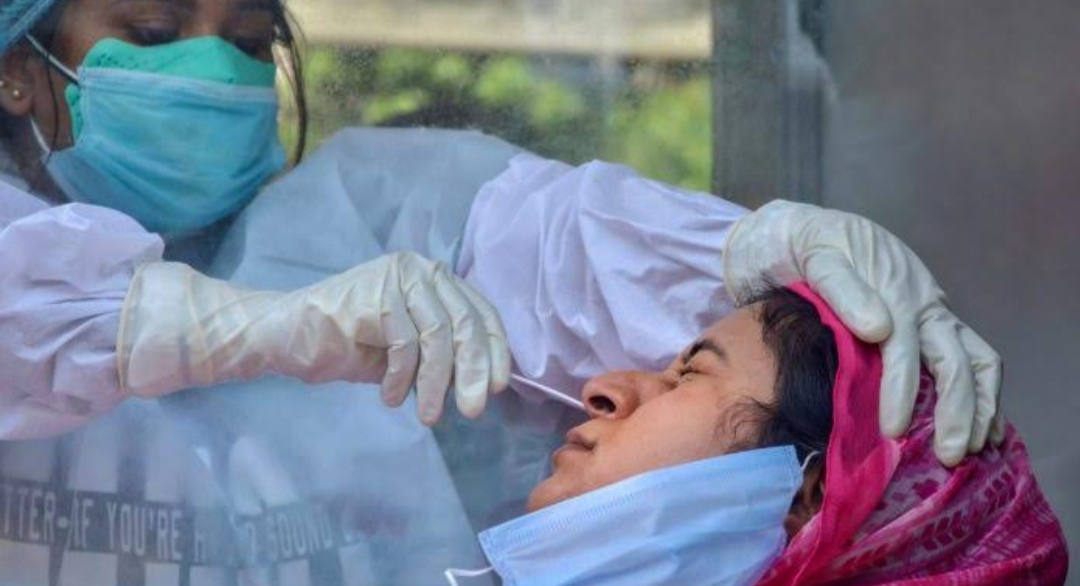
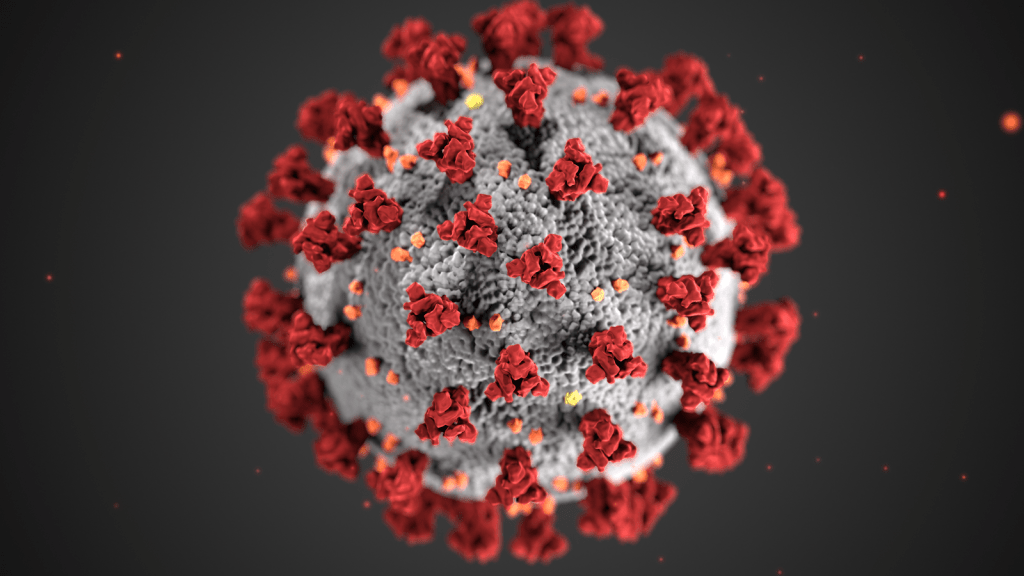
Coronavirus , I believe it’s not a new word in your dictionary . This eleven letter word creating a massive destruction all over the world . I know you are well aware but the real question is , are you following the protocols properly?
Firstly let’s get some knowledge about coronavirus.
The origin .

The recent outbreak began in Wuhan, a city in the Hubei province of China. Reports of the first COVID-19 cases started in December 2019.
Coronaviruses are common in certain species of animals, such as cattle and camels. Although the transmission of coronaviruses from animals to humans is rareTrusted Source, this new strain likely came from bats, though one study suggests pangolins may be the origin.
However, it remains unclear exactly how the virus first spread to humans.
Some reports trace the earliest cases back to a seafood and animal market in Wuhan. It may have been from here that SARS-CoV-2 started to spread to humans.
Coronaviruses are a group of viruses that can cause disease in both animals and humans. The severe acute respiratory syndrome (SARS) virus strain known as SARS-CoV is an example of a coronavirus. SARS spread rapidly in 2002–2003.
The new strain of coronavirus is called severe acute respiratory syndrome coronavirus 2 (SARS-CoV-2). The virus causes coronavirus disease 19 (COVID-19).
Around 80%Trusted Source of people with COVID-19 recover without specialist treatment. These people may experience mild, flu-like symptoms. However, 1 in 6 peopleTrusted Source may experience severe symptoms, such as trouble breathing.
The new coronavirus has spread rapidly in many parts of the world. On March 11, 2020, the World Health Organization (WHO)Trusted Source declared COVID-19 a pandemic. A pandemic occurs when a disease that people are not immune to spreads across large regions.

It’s okay take a deep breath . Yes, it’s a lot to take in but we all know how china played with the whole world .
The protocols.

- Wear masks ,
- Wash hands ,
- Use sanitizers ,
- Social distancing , etc,.
Is it important to follow protocols ?
You say NO , I say ‘if you want to die you can easily ignore the protocols ’ . Well I don’t want to die , I have my whole 20s , 30s and so on…… .
According to the survey, people have been moving around freely, meeting different social groups and attending gatherings, going to malls and markets. This indicates that a pandemic fatigue has set in after after a year of restrictions on movement, social distancing and strict mask wearing norms.
Well , if you are saying this is what following protocols is than I am happy to stay home rather than chilling around like a monkey . Like really , a monkey also has a common sense that when to do chilling and when to fight for himself . What we are doing is putting masks in our pocket to showcase the world that I have one . Haha it’s kinda funny .

We long to return to normal, but **normal led to this**. To avert the future pandemics we know are coming, we MUST grapple with all the ways normal failed us. We have to build something better. I hope this piece, in showing what went wrong, helps.
Link :
CANCER- EATING PRECIOUS LIVES
Cancer has a major impact on society across the world. Cancer statistics describe what happens in large groups of people and provide a picture in time of the burden of cancer on society. Cancer has become one of the leading causes of death worldwide. Each year so many people die of cancer either because they could not survive the chemotherapy treatments given to them or due to lack of money they could not afford the treatment. The most common Cancers(listed according to estimated new cases in 2020) are Breast cancer, Non- Hodgkin Lymphoma, Kidney and Renal Pelvis cancer, Endometrial cancer, Leukemia, Pancreatic cancer, Thyroid cancer, Liver cancer.
Prostate, lung and colorectal cancers account for an estimated 43% of all cancers diagnosed in men. For Women, the three most common cancers are Breast, lung, colorectal and they account for an estimated 50%.
WHAT IS CANCER?
Cancer is a group of diseases involving abnormal cell growth with the potential to invade or spread to other parts of the body. Benign tumors do not spread to all parts of the body whereas Malignant tumors spread to the different parts and grow where ever they get accumulated. Cancerous cells have the ability to infiltrate and destroy normal body tissues.
SYMPTOMS
Signs and symptoms caused by cancer vary depending upon the part of body getting infected. Some of the general signs and symptoms associated with the same are:-
- fatigue
- lump or area of thickening that can be felt under the skin.
- weight changes, including unintended loss or gain.
- skin changes, such as yellowing, darkening or redness of skin, sores that won’t heal or changes to existing moles.
- changes in bowel or bladder habits.
- persistent cough or trouble breathing.
- difficulty in swallowing.
- hoarseness
- persistent indigestion or discomfort after eating.
- persistent muscle or joint pain.
- persistent fever/night sweats/bleeding.
CAUSES OF CANCER
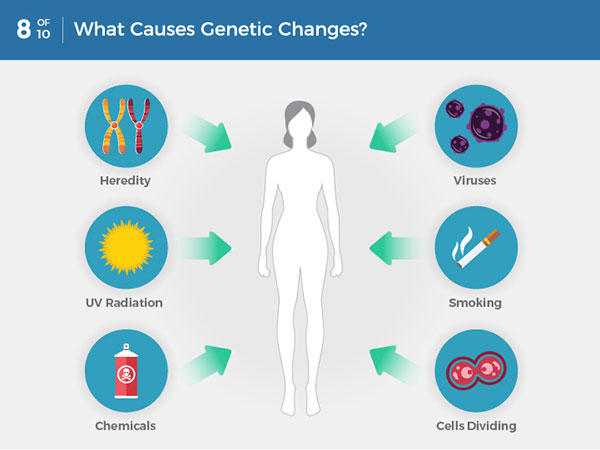
Factors causing cancer include certain infections, exposure to ionizing radiations, mutations in genes and environmental pollutants. Cancer is caused by changes(mutations) to the DNA within the cells(in majority of cases). The DNA inside a cell is packaged into a large number of individual genes, each of which contains a set of instructions telling the cell what functions to perform as well as how to grow and divide. A gene mutation can instruct a healthy cell to:-
- allow rapid growth– a gene mutation can tell a cell to grow and divide more rapidly. This creates many new cells that all have that same mutation.
- fail to stop uncontrolled cell growth– normal cells know when to stop growing but cancerous cells lose the control(tumor suppressor genes) that tell them when to stop growing. A mutation in tumor suppressor gene allows cancer cells to continue growing and accumulating.
- make mistakes when repairing DNA errors– DNA repair genes look for errors in a cell’s DNA and make corrections. A mutation in DNA repair gene means that other errors aren’t corrected.
PREVENTION
- Stop smoking.
- Avoid excessive sun exposure- harmful UV rays from the sun can increase the risk of skin cancer.
- Eat a healthy diet.
- Exercise most days of a week.
- Maintain a healthy weight- being overweight or obese may increase the risk of cancer.
ANXIETY-DOMINATING BRILLIANT MINDS
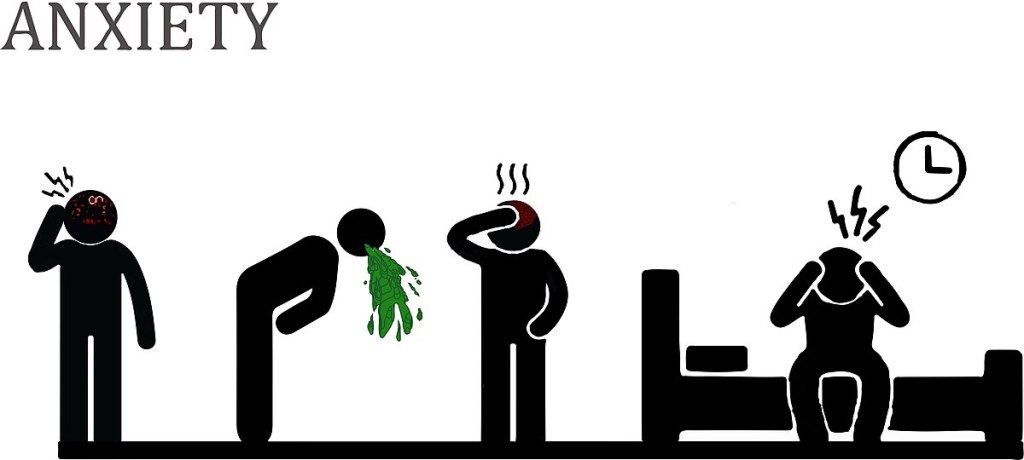
Anxiety is our body’s natural response to stress. It’s a feeling of fear or apprehension about what is going to come our way. Reason for the same can be many, such as first day of school, going for an interview, overthinking, personal life problems, career etc. Anxiety is an emotion characterized by an unpleasant state of inner turmoil, often accompanied by nervous behavior such as pacing back and forth, somatic complaints and rumination. It includes the feeling of uneasiness and worry, usually generalized and unfocused as an overreaction to a situation that is only subjectively seen as menacing. It is often accompanied by muscular tension, restlessness, fatigue, inability to catch one’s breath, tightness in abdominal region and problems in concentration. If longer than six months and are interfering with normal life, then this may be an Anxiety disorder.
WHAT ARE ANXIETY DISORDERS?
Ordinary Anxiety is a feeling that comes and goes but does not interfere with our everyday life. But incase of an anxiety disorder, the feeling of fear prevails all the time. It is intense and sometimes debilitating. This type of anxiety may cause the person to stop doing things he/she enjoys. They start losing interest in everything around them. In many cases, it may even prevent the person from entering the elevator, crossing the street and leaving home. If left untreated, it keeps getting worse. Anxiety disorders are the most common form of emotional disorder and can affect anyone at any age.
TYPES OF ANXIETY DISORDER
- Panic disorder– experiencing recurring panic attacks at unexpected times. A person with the same may live in fear.
- Phobia– excessive fear of specific object, situation or activity.
- Social Anxiety disorder– extreme fear of being judged by others in social situations.
- Obsessive- Compulsive disorder– recurring irrational thoughts that leads to perform specific, repeated behaviors.
- Separation Anxiety disorder– fear of being away from home or loved ones.
- Illness Anxiety disorder(formerly called Hypochondria)- anxiety about health.
- Post-Traumatic Stress disorder(PTSD)– anxiety following a traumatic event.
SYMPTOMS OF ANXIETY
Anxiety feels different depending upon the person experiencing the same. The person might feel out of control, like there’s a disconnection between mind and body. Other ways people experience anxiety includes nightmares, panic attacks, painful thoughts or memories that can’t be controlled. General anxiety symptoms include:-
- increased heart rate
- rapid breathing
- restlessness
- trouble concentrating
- difficulty falling asleep

TREATMENT
Once the person has been diagnosed with anxiety, it is not necessary that they would need medical treatment. Lifestyle changes may be enough to cope with the symptoms. In moderate or severe cases, treatment can help us to overcome the symptoms and lead a more manageable life. Seeing a Psychiatrist helps with proper medication required and physical assistance as well.
Diabetes insipidus
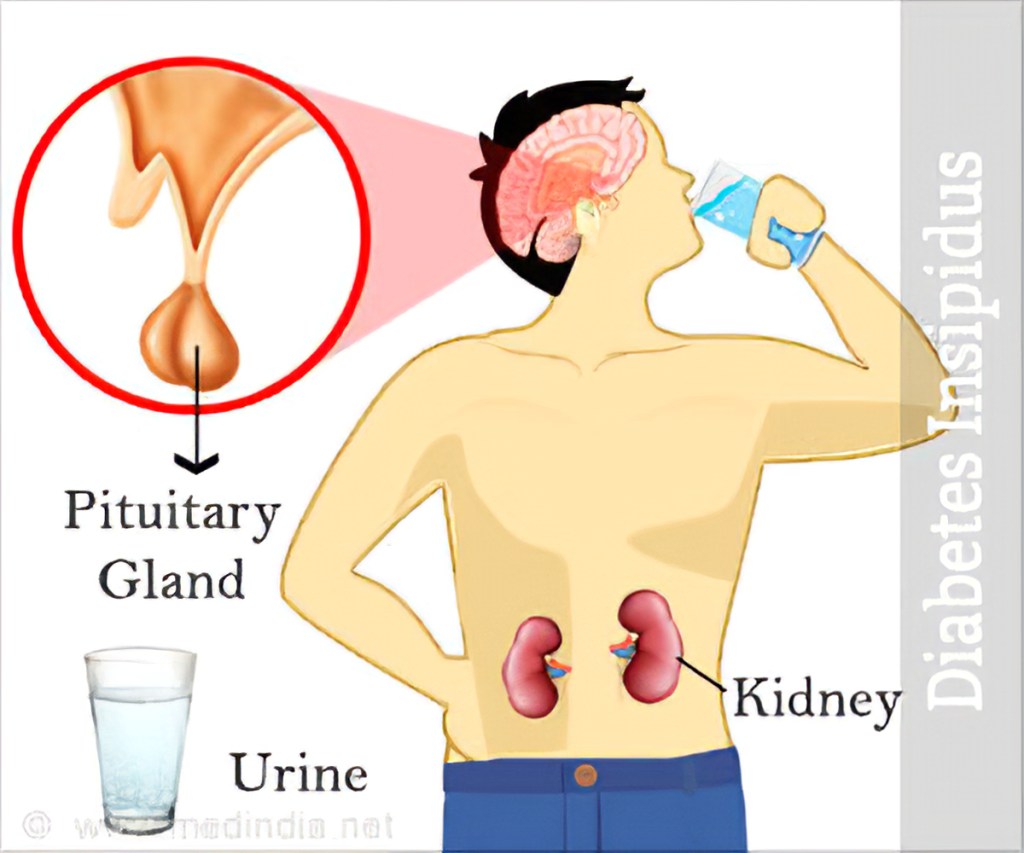
Diabetes insipidus is an uncommon disorder that causes an imbalance of fluids in the body. This imbalance leads to the production of large amount of urine. It also makes the person feel very thirsty even if they have something to drink. While the terms “Diabetes mellitus” and “Diabetes insipidus” sound similar but they are not. Diabetes mellitus- involves high blood sugar levels and can occur as type 1 or type 2 is very common whereas Diabetes insipidus involves excess of urination and is very rare.
WHAT ARE THE CAUSES OF DIABETES INSIPIDUS?
Diabetes insipidus occurs when the body can’t properly balance the body’s fluid levels. The kidneys filter the fluid portion of our blood to remove the waste products. The majority of the fluid is returned to the bloodstream while the waste and a smaller amount of fluid make up urine. Urine is excreted from the body after being temporarily stored in the bladder. A hormone called anti-diuretic hormone(ADH) or vasopressin, is needed for the fluid that’s filtered by the kidneys to go back into the bloodstream. ADH is made in a part of the brain called the hypothalamus and stored in the pituitary gland, a small gland found in the base of the brain. Conditions that cause a deficiency of ADH or block the effect of ADH result in production of excess urine.
TYPES OF DIABETES INSIPIDUS:-
- Central Diabetes insipidus– damage to the pituitary gland or hypothalamus from surgery, a tumor, head injury or illness can cause central diabetes insipidus by affecting the usual production, storage and release of ADH. An inherited genetic disease also can cause this condition.
- Nephrogenic Diabetes insipidus– occurs when there’s a defect in the structures of the kidneys that make them unable to properly respond to ADH. The defect may be due to an inherited(genetic) disorder or a chronic kidney disorder. Certain drugs such as lithium or antiviral medications such as foscarnet (Foscavir) also can cause nephrogenic diabetes insipidus.
- Gestational Diabetes insipidus– is a rare condition. It occurs only during pregnancy when an enzyme made by the placenta destroys ADH in the mother.
- Primary Polydipsia– also known as dipsogenic diabetes insipidus, this condition can cause production of large amounts of diluted urine from drinking excessive amounts of fluids.
SYMPTOMS:-
- Being extremely thirsty.
- producing large amounts of pale urine.
- frequently needing to get up to urinate during the night.
- trouble sleeping
- fever
- vomiting
- delayed growth and weight loss.
- electrolyte imbalance- can cause an imbalance in minerals in our body such as sodium, potassium that maintain the fluid balance in our body and can lead to weakness, nausea, loss of appetite, muscle cramps etc.
TREATMENT:-
- For mild diabetes insipidus, we only need to increase our water intake.
- if the condition is caused by an abnormality in the pituitary gland or hypothalamus(such as a tumor) then the doctor first treats the abnormality with a synthetic hormone called desmopressin that replaces the anti-diuretic hormone(ADH) and decreases urination.
- available as a nasal spray, a tablet or by injection.
5-month-old baby girl in UK ‘turning to stone’

The effects of fibrodysplasia ossificans progressiva, a disease which causes damaged soft tissue to regrow as bone.
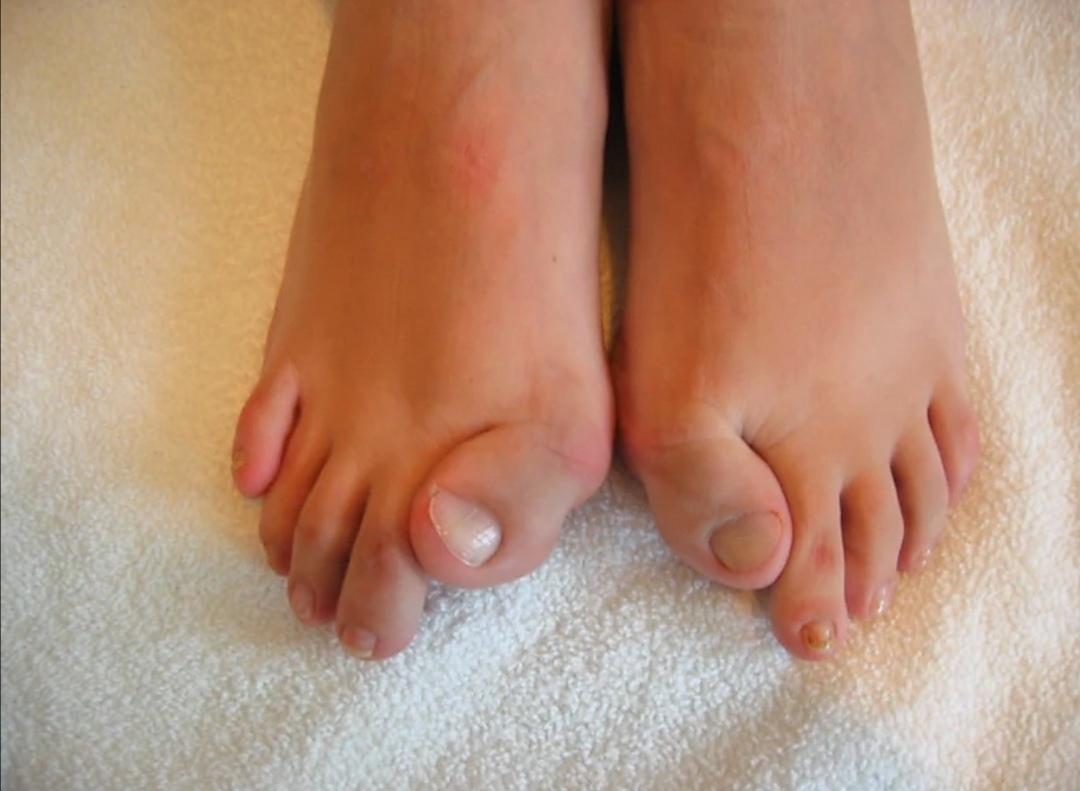
Lexi Robins, 5 month old from the UK is “turning to a stone”due to an extremely rare genetic condition Fibrodysplasia Ossificans Progressiva (FOP) that turns muscles into bones.
Lexi Robins was born on January 31 and seemed like any other normal baby, except she didn’t move her thumb and had bigger toes.
Lexi was diagnosed with a life-limiting disease called Fibrodysplasia Ossificans Progressiva (FOP), which affects just one in two million.
Due to the disorder, Lexi’s condition may worsen rapidly if she suffers any minor trauma, as simple as falling over. She cannot receive injections, vaccinations and dental care and cannot give birth.
Post by Alexandera robins https://www.instagram.com/tv/CQnwqnTIUlV/?utm_source=ig_embed&utm_campaign=loading.
FOP is a severe, disabling disorder with no current cure or treatment. It is the only known medical condition where one organ system changes into another. Fibrodysplasia ossificans progressiva is caused by a mutation of the gene ACVR1.
The FOP can lead to bone formation outside skeleton and restrict movement. It is believed to replace muscles and connective tissues, such as tendons and ligaments, with bone. Thus, it is generally perceived that the condition turns a body into stone.
People with this disease, which has no proven treatment, can be bedridden by the age of 20 and their life expectancy is around 40 years.
It has no current cure.
DISEASE X: DEADLIER THAN CORONA
Life has been unreal for everyone around the globe during the past one-year accounting to the outbreak of COVID 19 pandemic. The world is on its path to recovery from the pandemic which has utterly upturned our lives. Though new strains of the virus have emerged in the UK and other parts of the world, life was almost getting back to normal with the invention of COVID 19 vaccines. However, the end of coronavirus may not be an end to the pandemic outbreaks as WHO has revealed the discovery of a new deadly virus which might be as deadly as Ebola and as contagious as Corona. The World Health Organization (WHO) has named the new virus “Disease X”, where “X” stands for unexpected. The presence of the virus is hypothetical for now but an outbreak that scientists and public health experts fear could lead to serious disease around the world if and when it occurs.
Professor Jean-Jacques Muyembe Tamfum, the scientist who discovered the African Ebola virus admonished that ‘Disease X’ could be more fatal and rapidly spreading. Scientists have found out that this new virus has originated in the tropical rain forests of Africa. “If a pathogen emerged from Africa it would take time to spread all over the world. So, if this virus is detected early — like in my institution here — there will be an opportunity for Europe [and the rest of the world] to develop new strategies to fight these new pathogens,” said Muyembe.
Disease X was added earlier to the priority list by the World Health Organization to stimulate research and precautions regarding the possible outbreak. “Disease X represents the knowledge that a serious international epidemic could be caused by a pathogen currently unknown to cause human disease,” WHO said. With the outburst of COVID 19 pandemic, all countries are prudent upon their health care sector. In addition to this, WHO has raised an alert around the globe to strengthen the primary health care provisions in every country to prevent, detect and mitigate emergencies.


You must be logged in to post a comment.