All you need to know about an Economic Recession.

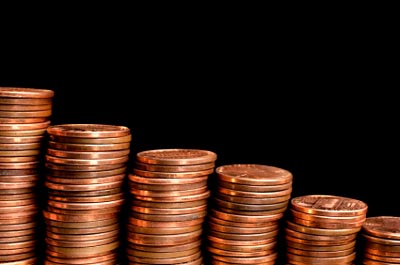
The National Bureau of Economic Research (NBER) defines a recession as “a significant decline in activity spread across the economy, lasting more than a few months, visible in industrial production, employment, real income, and wholesale-retail trade.” A recession is also believed to be signalled when businesses cease to expand, the GDP diminishes for two consecutive quarters, and the unemployment rate rises. The nature and causes of recessions are simultaneously evident and uncertain. Recessions are, in essence, a cluster of business failures being realized simultaneously. Firms are forced to reallocate resources, scale back production, limit losses, and, usually, lay off employees. Those are the clear and visible causes of recessions. There are several different ways to explain what causes a general cluster of business failures, why they are suddenly realized simultaneously, and how they can be avoided.
What Causes a Recession?

Some recessions can be traced to a clearly-defined cause. For instance, the recession of 1973-1975 began as a result of the 1973 oil crisis. However, most recessions are caused by a complex combination of factors, including high interest rates, low consumer confidence, and stagnant wages or reduced real income in the labour market. Other examples of recession causes include bank runs and asset bubbles.

Psychological Factors of a Recession

Psychological factors are frequently cited by economists for their contribution to recessions also. The excessive exuberance of investors during the boom years brings the economy to its peak. The reciprocal doom-and-gloom pessimism that sets in after a market crash at a minimum amplifies the effects of real economic and financial factors as the market swings. Moreover, because all economic actions and decisions are always to some degree forward-looking, the subjective expectations of investors, businesses, and consumers are often involved in the inception and spread of an economic downturn.

Economic Factors of a Recession

Real changes in economic fundamentals, beyond financial accounts and investor psychology, also make critical contributions to a recession. Some economists explain recessions solely due to fundamental economic shocks, such as disruptions in supply chains, and the damage they can cause to a wide range of businesses. Shocks that impact vital industries such as energy or transportation can have such widespread effects that they cause many companies across the economy to retrench and cancel investment and hiring plans simultaneously, with ripple effects on workers, consumers, and the stock market. There are economic factors that can also be tied back into financial markets. Market interest rates represent the cost of financial liquidity for businesses and the time preferences of consumers, savers, and investors for present versus future consumption. In addition, a central bank’s artificial suppression of interest rates during the boom years before a recession distorts financial markets and business and consumption decisions.
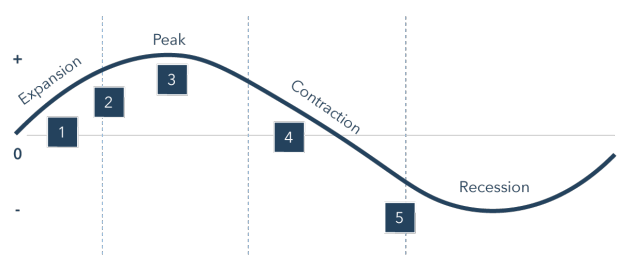
What Are the Indicators of a Recession?

Economists determine whether an economy is in recession by looking at a variety of statistics and trends. Factors that indicate a recession include:

  • Rising in unemployment
  • Rises in bankruptcies, defaults, or foreclosures
  • Falling interest rates
  • Lower consumer spending and consumer confidence
  • Falling asset prices, including the cost of homes and dips in the stock market

All of these factors can lead to an overall reduction in the Gross Domestic Product (GDP). The European Union and the United Kingdom define a recession as two or more consecutive quarters of negative real GDP growth.

Impact of Covid-19 Pandemic on the Economy

In February 2020, the National Bureau of Economic Research (NBER) announced that according to their data, the U.S. was in a recession due to the economic shock of the widespread disruption of global and domestic supply chains and direct damage to businesses across all industries. These events were caused by the COVID-19 epidemic and the public health response. Some of the underlying causes of the two-month recession (and economic hardship) in 2020 were the overextension of supply chains, razor-thin inventories, and fragile business models. The pandemic-related recession, according to NBER, ended in April 2020, but the financial hardship caused by the pandemic is still impacting Americans.

For simpler understanding-


Need for switch from physical to human capital

Human capital refers to stock of ‘skill and expertise’ embodied in humans. Human capital is as important as physical capital for economic development. Human capital formation is the process of adding to stock of human capital over time. Human capital can be developed through creation of skilled, trained and efficient labour force by providing better education, health care facilities, etc. Highly skilled people can create new ideas and methods of production. Thus, expenditure on education, on health and on on-job-training are key instruments of human capital formation. Expenditure on education is one of the most important way of enhancing and enlarging a productive workforce in the country. Expenditure on health can create more efficient and more productive human capital. Further, on-the-job-training helps workers to update skills. Training enhances the productivity and is expected to accelerate the process of human capital formation.

Human Capital and Economic Growth

When we talk about economic growth, human capital is the main reason for the accelerated growth and expansion for many countries that provide investment in human capital. This gives the best advantages to these countries for providing the best situations for work and lifestyles.A significant advantage in generating a stable environment for growth is that the nation has the expanded high-quality human capital in fields like health, science, management, education, and other fields. Here, the main components of human capital are definitely human beings, but presently, the principal component is a creative, educated, and enterprising person with a high level of professionalism.

Human capital in the economy manages the central portion of the national wealth. Hence, all researchers consider that human capital is the most important resource of the community, which is more powerful than nature or wealth. In most countries, human capital determines the rate of development, economic, technological, and scientific progress.

(i) Inventions, innovations, and technological improvement

 (ii) Higher productivity of physical capital

 (iii) Raises production

 (iv) High rate of participation and equality

 (v) Improves the quality of life

The difference between human capital and physical capital

Both forms of capital formation are outcomes of conscious investment decisions. Decision regarding investment in physical capital is taken on the basis of one’s knowledge in this regard. The entrepreneur possesses knowledge to calculate the expected rate of return to a range of investments and internationally decide which one of the investments should be made. Physical capital is the outcome of the conscious decision of the owner the physical capital formation is mainly and economic and technical process. A substantial part of human capital formation takes place in one life when she or he is unable to decide whether it will maximize her or his earnings. Children are given different types of school education health care facilities by parents and society. The peers, educators and society influence the decisions regarding human capital investment even at the tertiary level, at the college level. Human capital formation at this stage is dependent upon the already from human capital at the school level. Human capital formation is partly a social process and partly a conscious decision of the possessor of the human capital. The owner of a physical capital, does need not be present in the place where it is used; a bus driver who possesses the knowledge and ability to drive the bus should be present when the bus is used for transportation of people and other materials physical capital is tangible and can be easily sold in the market like any other commodity. Human Capital is intangible it is endogenously built in the body and mind of its owner. Human Capital is not sold in the market; service of human capital is sold and hence there arises the necessity of owner of the human capital to be present in the place of production. Physical capital is variable from its owner where does the human capital is in separable from its owner. The two forms of capital differ in terms of mobility across space. Capital is completely mobile between countries except for some artificial trade restrictions. Human capital is not a perfectly movable between countries as movement is restricted by nationality and culture. Physical Capital formation can be built it even do import, human capital formation is to be done through conscious policy formulations in consensus with nature of society and economy expenditure by the state and the individual.

Both forms of capital depreciate with the time but the nature of depreciation differs between the two continuous use of machine lead to depreciation and change of Technology makes a machine of solute. Human capital, eating but can reduce, for large through continuous investment in education and health on the job training. This investment also facilitates the human capital to cope with change in technology which is not the case with physical capital. Natures of benefits flowing from human capital are different from that of physical capital. Human Capital benefits not only the owner but also the society in general. This is called external benefit. Educated person can effectively take part in a democratic process and contribute to the socio economic progress of a nation. Healthy person, by maintaining personal hygiene and sanitation, stops the spread of contagious diseases and epidemics. Human Capital creates both private and social benefits where as physical capital creates only private benefits. That is, benefits from a capital good flow to those who pay the price for the product and services provided by it.

Importance of Human Capital Formation:

Although the accumulation of physical capital is quite important in the process of economic growth of a country but with the passage of time, it is being increasingly realised that the growth of tangible capital stock depends extensively on the human capital formation must get its due importance.In the absence of adequate investment in human capital, utilisation of physical capital will be at low pace, leading to retardation of development.Prof. Galbraith observed, “We now get the larger part of our industrial growth not from more capital investment but from investment in men and improvements brought about by improved men.” Unless these developed economies spread education, knowledge, know-how and raise the level of skills and physical efficiency of their people, the productivity of physical capital would have been reduced at this moment.

Most of the underdeveloped countries are suffering from low rate of economic growth which is again partially resulted from lack of investment in human capital. These underdeveloped countries are facing mainly two basic problems. They lack critical skills very much needed for the industrial sector and again have a surplus labour force.Thus human capital formation wants to solve these problems by creating necessary skills in man as a productive resource and also providing him gainful employment.In order to remove economic backwardness of the underdeveloped countries as well as to instill the capacities and motivations to progress, it is quite necessary to increase the level of knowledge and skills of the people.Thus in the absence of proper development of the quality of the human factor, the underdeveloped countries will not be able to attain the desired rate of progress.

Takeaway

Economic and social benefits of human capital formation and Human Development are well-known. The spread of education and Health Services across different sectors of the society should be ensured so as to simultaneously attain economic growth and equity. The need of the hour is to better it qualitatively and provide such conditions so that they are utilised in our own country.

Need for switch from physical to human capital

Human capital refers to stock of ‘skill and expertise’ embodied in humans. Human capital is as important as physical capital for economic development. Human capital formation is the process of adding to stock of human capital over time. Human capital can be developed through creation of skilled, trained and efficient labour force by providing better education, health care facilities, etc. Highly skilled people can create new ideas and methods of production. Thus, expenditure on education, on health and on on-job-training are key instruments of human capital formation. Expenditure on education is one of the most important way of enhancing and enlarging a productive workforce in the country. Expenditure on health can create more efficient and more productive human capital. Further, on-the-job-training helps workers to update skills. Training enhances the productivity and is expected to accelerate the process of human capital formation.

Human Capital and Economic Growth

When we talk about economic growth, human capital is the main reason for the accelerated growth and expansion for many countries that provide investment in human capital. This gives the best advantages to these countries for providing the best situations for work and lifestyles.A significant advantage in generating a stable environment for growth is that the nation has the expanded high-quality human capital in fields like health, science, management, education, and other fields. Here, the main components of human capital are definitely human beings, but presently, the principal component is a creative, educated, and enterprising person with a high level of professionalism.

Human capital in the economy manages the central portion of the national wealth. Hence, all researchers consider that human capital is the most important resource of the community, which is more powerful than nature or wealth. In most countries, human capital determines the rate of development, economic, technological, and scientific progress.

(i) Inventions, innovations, and technological improvement

 (ii) Higher productivity of physical capital

 (iii) Raises production

 (iv) High rate of participation and equality

 (v) Improves the quality of life

The difference between human capital and physical capital

Both forms of capital formation are outcomes of conscious investment decisions. Decision regarding investment in physical capital is taken on the basis of one’s knowledge in this regard. The entrepreneur possesses knowledge to calculate the expected rate of return to a range of investments and internationally decide which one of the investments should be made. Physical capital is the outcome of the conscious decision of the owner the physical capital formation is mainly and economic and technical process. A substantial part of human capital formation takes place in one life when she or he is unable to decide whether it will maximize her or his earnings. Children are given different types of school education health care facilities by parents and society. The peers, educators and society influence the decisions regarding human capital investment even at the tertiary level, at the college level. Human capital formation at this stage is dependent upon the already from human capital at the school level. Human capital formation is partly a social process and partly a conscious decision of the possessor of the human capital. The owner of a physical capital, does need not be present in the place where it is used; a bus driver who possesses the knowledge and ability to drive the bus should be present when the bus is used for transportation of people and other materials physical capital is tangible and can be easily sold in the market like any other commodity. Human Capital is intangible it is endogenously built in the body and mind of its owner. Human Capital is not sold in the market; service of human capital is sold and hence there arises the necessity of owner of the human capital to be present in the place of production. Physical capital is variable from its owner where does the human capital is in separable from its owner. The two forms of capital differ in terms of mobility across space. Capital is completely mobile between countries except for some artificial trade restrictions. Human capital is not a perfectly movable between countries as movement is restricted by nationality and culture. Physical Capital formation can be built it even do import, human capital formation is to be done through conscious policy formulations in consensus with nature of society and economy expenditure by the state and the individual.

Both forms of capital depreciate with the time but the nature of depreciation differs between the two continuous use of machine lead to depreciation and change of Technology makes a machine of solute. Human capital, eating but can reduce, for large through continuous investment in education and health on the job training. This investment also facilitates the human capital to cope with change in technology which is not the case with physical capital. Natures of benefits flowing from human capital are different from that of physical capital. Human Capital benefits not only the owner but also the society in general. This is called external benefit. Educated person can effectively take part in a democratic process and contribute to the socio economic progress of a nation. Healthy person, by maintaining personal hygiene and sanitation, stops the spread of contagious diseases and epidemics. Human Capital creates both private and social benefits where as physical capital creates only private benefits. That is, benefits from a capital good flow to those who pay the price for the product and services provided by it.

Importance of Human Capital Formation:

Although the accumulation of physical capital is quite important in the process of economic growth of a country but with the passage of time, it is being increasingly realised that the growth of tangible capital stock depends extensively on the human capital formation must get its due importance.In the absence of adequate investment in human capital, utilisation of physical capital will be at low pace, leading to retardation of development.Prof. Galbraith observed, “We now get the larger part of our industrial growth not from more capital investment but from investment in men and improvements brought about by improved men.” Unless these developed economies spread education, knowledge, know-how and raise the level of skills and physical efficiency of their people, the productivity of physical capital would have been reduced at this moment.

Most of the underdeveloped countries are suffering from low rate of economic growth which is again partially resulted from lack of investment in human capital. These underdeveloped countries are facing mainly two basic problems. They lack critical skills very much needed for the industrial sector and again have a surplus labour force.Thus human capital formation wants to solve these problems by creating necessary skills in man as a productive resource and also providing him gainful employment.In order to remove economic backwardness of the underdeveloped countries as well as to instill the capacities and motivations to progress, it is quite necessary to increase the level of knowledge and skills of the people.Thus in the absence of proper development of the quality of the human factor, the underdeveloped countries will not be able to attain the desired rate of progress.

Takeaway

Economic and social benefits of human capital formation and Human Development are well-known. The spread of education and Health Services across different sectors of the society should be ensured so as to simultaneously attain economic growth and equity. The need of the hour is to better it qualitatively and provide such conditions so that they are utilised in our own country.

The Imposter syndrome is more common than you think.

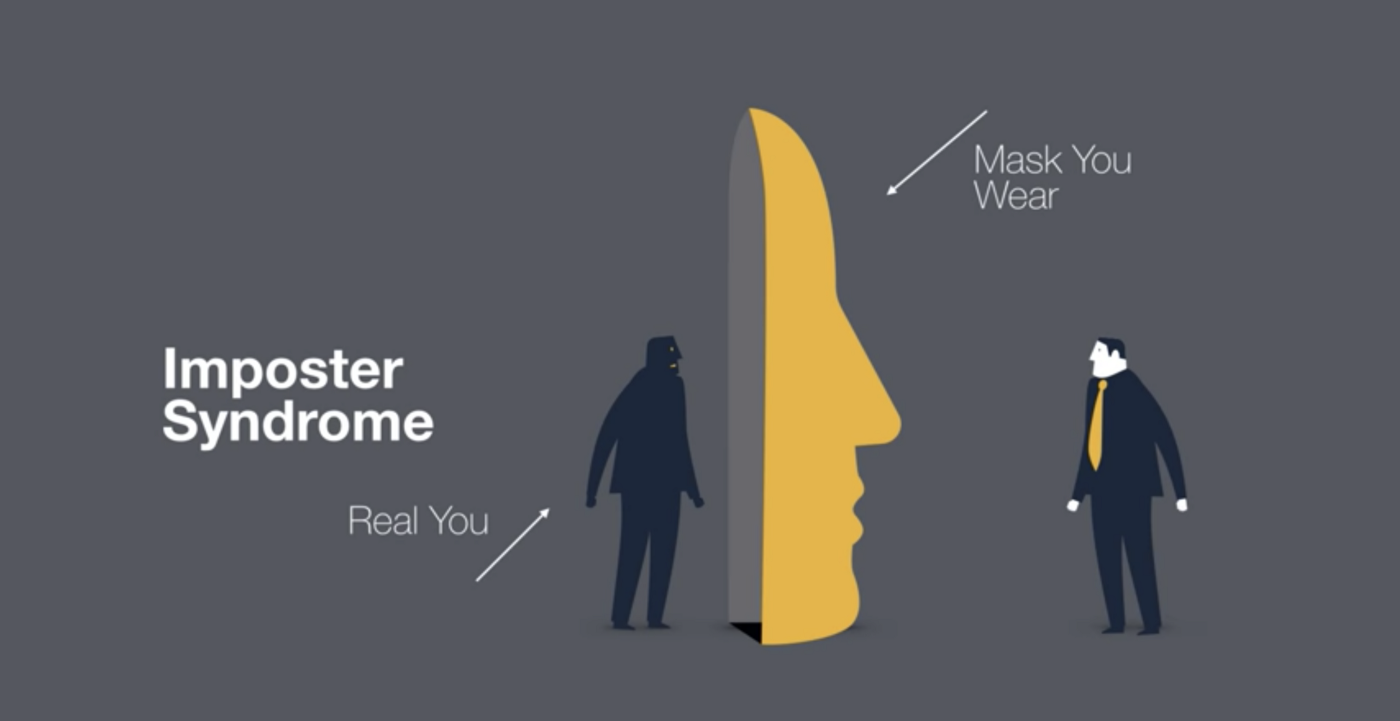
Great minds like Maya Angelo and Albert Einstein accomplished and excelled at their field which is rare to come across , yet the shared something with the common people , the feeling of fraudulence . Impostor syndrome refers to an internal experience of believing that you are not as competent as others perceive you to be. While this definition is usually narrowly applied to intelligence and achievement, it has links to perfectionism and the social context. To put it simply, imposter syndrome is the experience of feeling like a phony—you feel as though at any moment you are going to be found out as a fraud—like you don’t belong where you are, and you only got there through dumb luck. It can affect anyone no matter their social status, work background, skill level, or degree of expertise.

When Clance and Imes first described the impostor phenomenon (sometimes called impostor syndrome), they thought it was unique to women. Since then, a variety of research on the topic has revealed that men, too, can have the unenviable experience of feeling like frauds, according to a recent research review .Many people who feel like impostors grew up in families that placed a big emphasis on achievement, says Imes. In particular, parents who send mixed messages — alternating between over-praise and criticism — can increase the risk of future fraudulent feelings. Societal pressures only add to the problem.”In our society there’s a huge pressure to achieve,” Imes says. “There can be a lot of confusion between approval and love and worthiness. Self-worth becomes contingent on achieving.”

Characteristics of Imposter Syndrome

Some of the common signs of imposter syndrome include:

  • An inability to realistically assess your competence and skills
  • Attributing your success to external factors
  • Berating your performance
  • Fear that you won’t live up to expectations
  • Overachieving
  • Sabotaging your own success
  • Self-doubt
  • Setting very challenging goals and feeling disappointed when you fall short

While for some people, impostor syndrome can fuel feelings of motivation to achieve, this usually comes at a cost in the form of constant anxiety. You might over-prepare or work much harder than necessary to “make sure” that nobody finds out you are a fraud.This sets up a vicious cycle, in which you think that the only reason you survived that class presentation was that you stayed up all night rehearsing. Or, you think the only reason you got through that party or family gathering was that you memorized details about all the guests so that you would always have ideas for small talk

There are many factors that may play a part in imposter syndrome including new roles, family upbringing, personality traits, and social anxiety.

Types of Imposter Syndrome

Imposter syndrome can appear in a number of different ways. A few different types of imposter syndrome may include:The perfectionist: Perfectionists are never satisfied and always feel that their work could be better. Rather than focus on their strengths, they tend to fixate on any flaws or mistakes. This often leads to a great deal of self-pressure and high amounts of anxiety.

The superhero: Because these individuals feel inadequate, they feel compelled to push themselves to work as hard as possible.

The expert: These individuals are always trying to learn more and are never satisfied with their level of understanding. Even though they are often highly skilled, they underrate their own expertise.

The natural genius: These individuals set excessively lofty goals for themselves, and then feel crushed when they don’t succeed on their first try.

The soloist: These people tend to be very individualistic and prefer to work alone. Self-worth often stems from their productivity, so they often reject offers of assistance. They tend to see asking for help as a sign of weakness or incompetence.

Strategies to cope with imposter feelings include talking about what you are experiencing, questioning your negative thoughts, and avoiding comparing yourself to others.For many people with impostor feelings, individual therapy can be extremely helpful. A psychologist or other therapist can give you tools to help you break the cycle of impostor thinking, says Imes.

The impostor phenomenon is still an experience that tends to fly under the radar. Somerville learned the phenomenon existed only after he’d successfully dealt with the feelings on his own. Often the people affected by impostor feelings don’t realize they could be living some other way. “They don’t have any idea it’s possible not to feel so anxious and fearful all the time,” Imes says.

Luckily, it is possible.

You have talent. You are capable. You belong

Why should one get enough sleep?

We all need sleep, get most of us take it for granted by staying up for  long hours at night watching a screen or blocking the brain with caffeine and other harmful drugs . Many people do not get enough quality sleep, and this can affect their health, well-being, and ability to do everyday activities.

You may think nothing is happening when you sleep. But parts of your brain are quite active during sleep. And enough sleep (or lack of it) affects your physical and mental health. When you sleep, your body has a chance to rest and restore energy. A good night’s sleep can help you cope with stress, solve problems or recover from illness. Not getting enough sleep can lead to many health concerns, affecting how you think and feel.

How much sleep do I need?

Many factors affect how much sleep you need. Age is a big factor:

  • Infants need about 16 hours a day.
  • Toddlers and preschoolers need about 12 hours.
  • Teenagers need about nine hours.
  • Adults need seven to eight (though some are fine with five and others need closer to 10).
  • Pregnant people often need more sleep during the first trimester.

If you haven’t slept well or long enough for a few days, you might create a sleep debt. Once your debt builds up, you may feel physically and mentally exhausted. Try to make sure you get enough sleep every night to avoid creating this debt. You can’t necessarily make up your debt by sleeping a lot on the weekends. It’s best to get enough sleep all week long. A person who is getting too little quality sleep may experience a range of symptoms including: fatigue, irritability, mood changes, difficulty focusing and remembering, reduced sex drive

In1965 , an experiment was conducted where a high school boy stayed up for 264 hours or 11 days. He slowly lost focus of the eye, became moody and irritable, he stopped sensing stimuli and could not concentrate or retain memories. We grow sleep due to signals from our body hormones like melatonin and adenosine that send us into a deep doze.

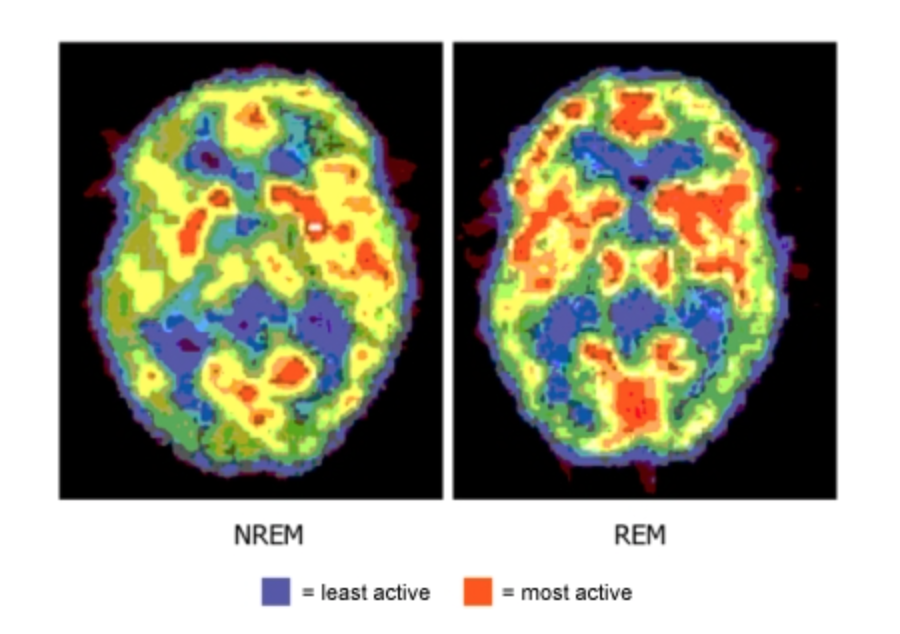
During the night, you cycle through two types of sleep: non-rapid eye movement (non-REM) sleep and rapid eye movement (REM) sleep. Your brain and body act differently during these different phases. During non-REM stages, your body-Builds bone and muscle, Repairs and regenerates tissues, Strengthens the immune system. When you enter REM sleep, brain activity increases again, meaning sleep is not as deep. The activity levels are like when you’re awake. That’s why REM sleep is the stage where you’ll have intense dreams. Usually, REM sleep arrives about an hour and a half after you go to sleep. The first REM period lasts about 10 minutes. Each REM stage that follows gets longer and longer.

Sleeplessness may result in inflammations, hallucinations, high blood pressure and is also related to obesity and diabetes and obesity along with impairment in memory mood, reaction time etc.

How does sleep deprivation cause such immense effects?

 Our brain collects a lot of unwanted information during the day that can be proceed as useful and waste while we sleep. Our brain uses a lot of energy source that leads to build up of adenosine, which increases the urge to sleep and caffeine blocks the pathway of this that causes us to be awake. Waste products if not cleared away overload the brain leading to the negative symptoms of sleep deprivation. A glymphatic system is present in all which acts as a clean-up machine that removes this build up and is active mostly when we are asleep. hence if the brain doesn’t get its sufficient recharge it could lead to dire consequences like insomnia and other fatal disorders that a person can develop. For now, we can be sure that slipping into slumber is a necessity to maintain our health and sanity.

Takeaway

Sleep deprivation can harm a person’s mental and physical health, their performance at school or work, and their overall quality of life. Also, a persistent lack of sleep can lead to complications or indicate an underlying health problem, such as sleep apnea or anxiety. Anyone who is concerned about a lack of sleep should contact a medical professional.

Why should one get enough sleep?

We all need sleep, get most of us take it for granted by staying up for  long hours at night watching a screen or blocking the brain with caffeine and other harmful drugs . Many people do not get enough quality sleep, and this can affect their health, well-being, and ability to do everyday activities.

You may think nothing is happening when you sleep. But parts of your brain are quite active during sleep. And enough sleep (or lack of it) affects your physical and mental health. When you sleep, your body has a chance to rest and restore energy. A good night’s sleep can help you cope with stress, solve problems or recover from illness. Not getting enough sleep can lead to many health concerns, affecting how you think and feel.

How much sleep do I need?

Many factors affect how much sleep you need. Age is a big factor:

  • Infants need about 16 hours a day.
  • Toddlers and preschoolers need about 12 hours.
  • Teenagers need about nine hours.
  • Adults need seven to eight (though some are fine with five and others need closer to 10).
  • Pregnant people often need more sleep during the first trimester.

If you haven’t slept well or long enough for a few days, you might create a sleep debt. Once your debt builds up, you may feel physically and mentally exhausted. Try to make sure you get enough sleep every night to avoid creating this debt. You can’t necessarily make up your debt by sleeping a lot on the weekends. It’s best to get enough sleep all week long. A person who is getting too little quality sleep may experience a range of symptoms including: fatigue, irritability, mood changes, difficulty focusing and remembering, reduced sex drive

In1965 , an experiment was conducted where a high school boy stayed up for 264 hours or 11 days. He slowly lost focus of the eye, became moody and irritable, he stopped sensing stimuli and could not concentrate or retain memories. We grow sleep due to signals from our body hormones like melatonin and adenosine that send us into a deep doze.

During the night, you cycle through two types of sleep: non-rapid eye movement (non-REM) sleep and rapid eye movement (REM) sleep. Your brain and body act differently during these different phases. During non-REM stages, your body-Builds bone and muscle, Repairs and regenerates tissues, Strengthens the immune system. When you enter REM sleep, brain activity increases again, meaning sleep is not as deep. The activity levels are like when you’re awake. That’s why REM sleep is the stage where you’ll have intense dreams. Usually, REM sleep arrives about an hour and a half after you go to sleep. The first REM period lasts about 10 minutes. Each REM stage that follows gets longer and longer.

Sleeplessness may result in inflammations, hallucinations, high blood pressure and is also related to obesity and diabetes and obesity along with impairment in memory mood, reaction time etc.

How does sleep deprivation cause such immense effects?

 Our brain collects a lot of unwanted information during the day that can be proceed as useful and waste while we sleep. Our brain uses a lot of energy source that leads to build up of adenosine, which increases the urge to sleep and caffeine blocks the pathway of this that causes us to be awake. Waste products if not cleared away overload the brain leading to the negative symptoms of sleep deprivation. A glymphatic system is present in all which acts as a clean-up machine that removes this build up and is active mostly when we are asleep. hence if the brain doesn’t get its sufficient recharge it could lead to dire consequences like insomnia and other fatal disorders that a person can develop. For now, we can be sure that slipping into slumber is a necessity to maintain our health and sanity.

Takeaway

Sleep deprivation can harm a person’s mental and physical health, their performance at school or work, and their overall quality of life. Also, a persistent lack of sleep can lead to complications or indicate an underlying health problem, such as sleep apnea or anxiety. Anyone who is concerned about a lack of sleep should contact a medical professional.

Earth Day 2022

HISTORY OF EARTH DAY:

The first Earth Day in 1970 launched a wave of action, including the passage of landmark environmental laws in the United States. The Clean Air, Clean Water, and Endangered Species Acts were created in response to the first Earth Day in 1970, as well as the creation of the Environmental Protection Agency (EPA). Many countries soon adopted similar laws. Earth Day continues to hold major international significance: In 2016, the United Nations chose Earth Day as the day when the historic Paris Agreement on climate change was signed into force.

Now, the fight for a clean environment continues with increasing urgency, as the ravages of climate change become more and more apparent every day. As the awareness of our climate crisis grows, so does civil society mobilization, which is reaching a fever pitch across the globe today. Earth Day was a unified response to an environment in crisis — oil spills, smog, rivers so polluted they literally caught fire. On April 22, 1970, 20 million Americans — 10% of the U.S. population at the time — took to the streets, college campuses, and hundreds of cities to protest environmental ignorance and demand a new way forward for our planet. The first Earth Day is credited with launching the modern environmental movement and is now recognized as the planet’s largest civic event.

Earth day continues to grow as a worldwide event focused on promoting clean living and a healthy, sustainable habitat for all living beings. The day also reminds us how fragile our planet is and how it is important to save it from the global climate crisis that is worsening with each passing day. The theme of Earth Day 2022 is to ‘Invest in our planet’, urging businesses to shift towards sustainable practices. According to the UN, “Despite on-going efforts, biodiversity are deteriorating worldwide at rates unprecedented in human history. It is estimated that around one million animal and plant species are now threatened with extinction”. As per Earth Day Organization, “We need to act (boldly), innovate (broadly), and implement (equitably). It’s going to take all of us all in. Businesses, governments, and citizens — everyone accounted for, and everyone accountable. A partnership for the planet.”

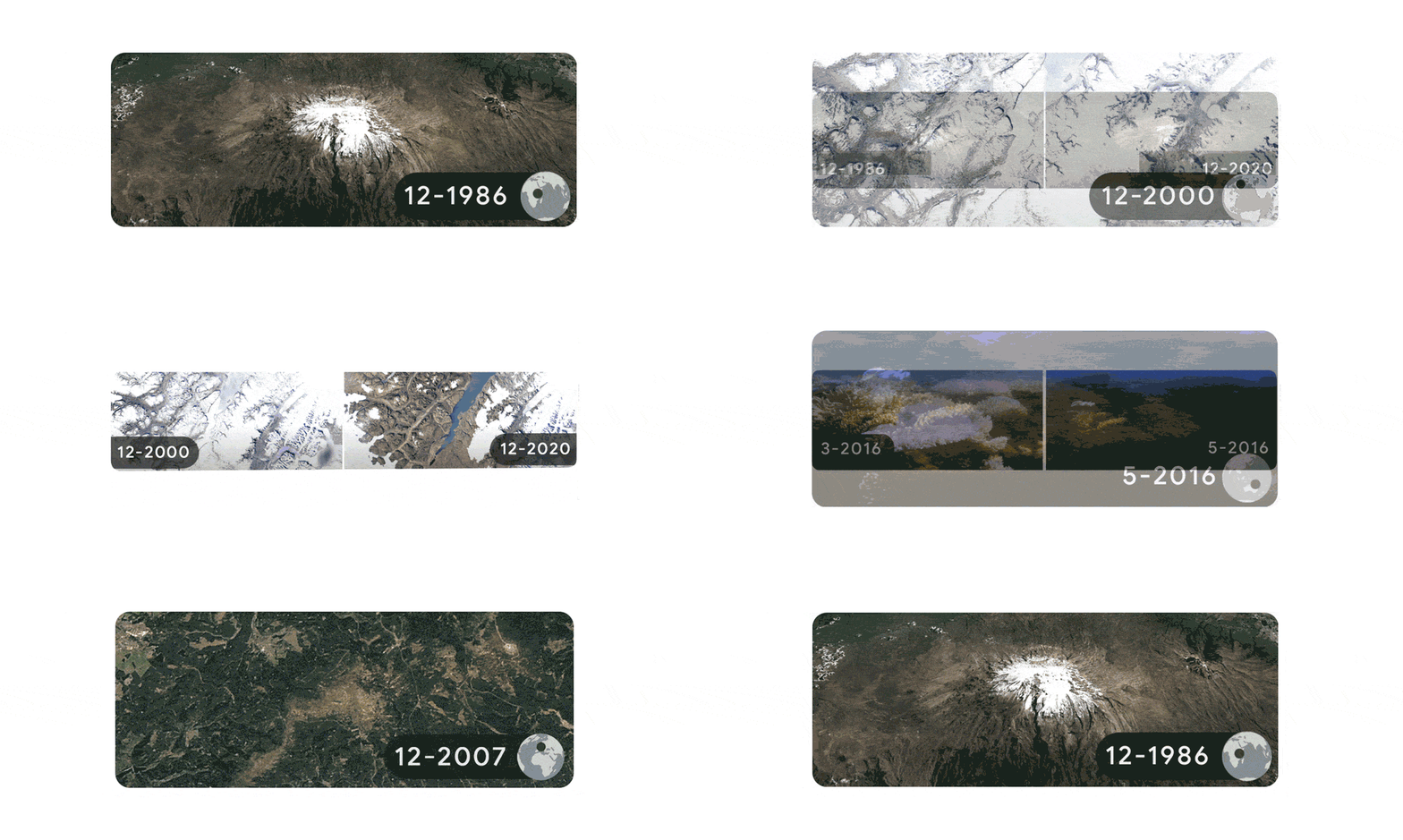
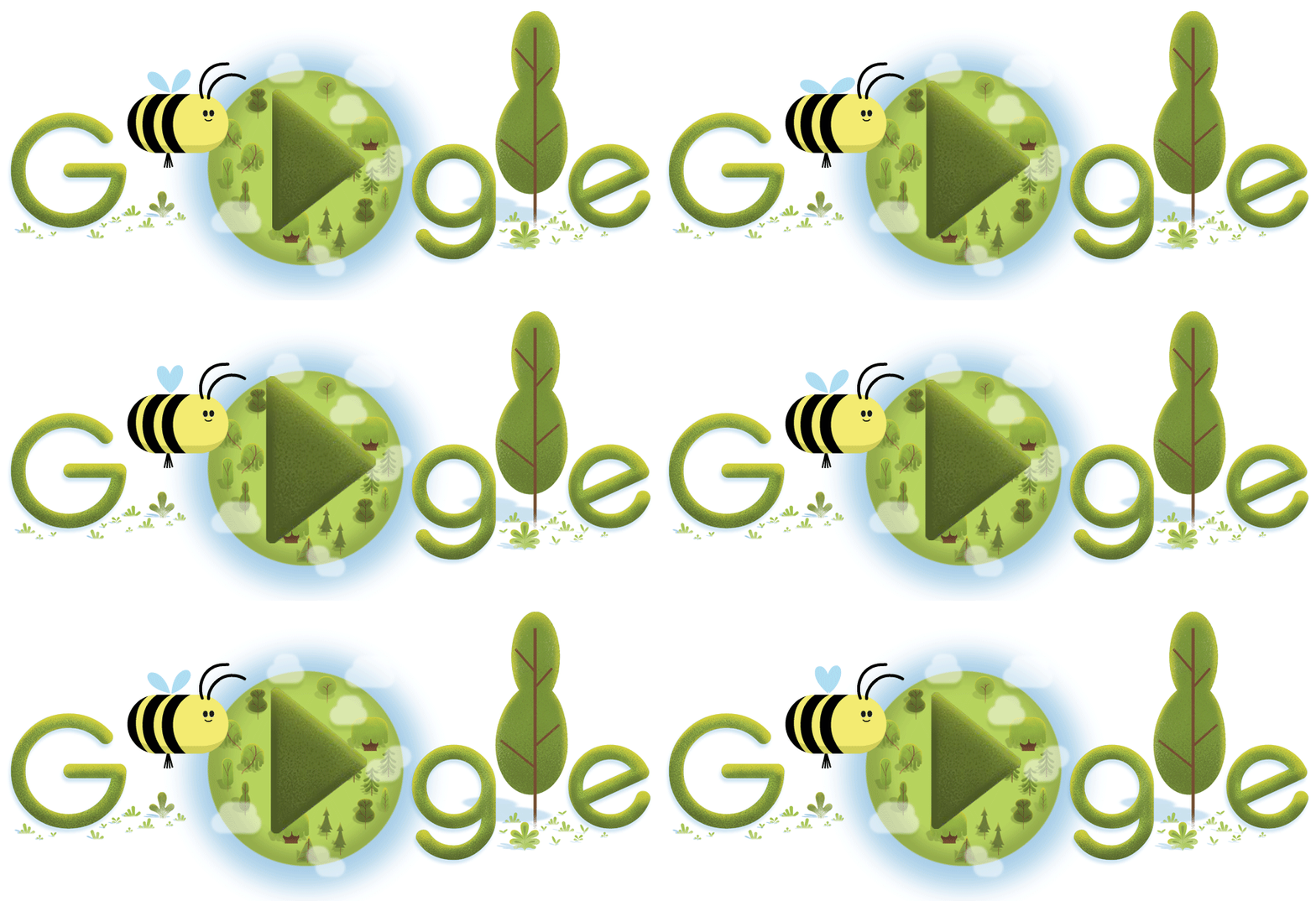
On the occasion of Earth Day 2022, American tech giant Google also dedicated the artwork through its Doodle to raise awareness about climate change. The artwork showcases real time-lapse imagery from Google Earth Time-lapse and other sources to showcase the impact of climate change across different regions.

reference-https://www.indiatoday.in/information/story/earth-day-2022-theme-history-significance-and-all-you-need-to-know-1940282-2022-04-22

Every year we celebrate earth day on 22nd of April as a reminder for the mankind to protect and safeguard the mother earth and its species, to make Earth a better place for the coming generations. It’s gained   a lot of popularity and significance in the world in the recent years as to global crisis relating to environment like global warming, deforestation, climate change etc.

We celebrate our mother earth with ‘World Earth Day, which marks the anniversary of the Modern Environmental Movement, which started in 1970. World Earth Day is a reminder for mankind to protect and safeguard the mother earth and its species, to make Earth a better place for the coming generations. April 22, 2022, will mark 52 years of Earth Day. Today, Earth Day is widely recognized as the largest secular observance in the world, marked by more than a billion people every year as a day of action to change human behaviour and provoke policy changes.

Earth Day 2022

HISTORY OF EARTH DAY:

The first Earth Day in 1970 launched a wave of action, including the passage of landmark environmental laws in the United States. The Clean Air, Clean Water, and Endangered Species Acts were created in response to the first Earth Day in 1970, as well as the creation of the Environmental Protection Agency (EPA). Many countries soon adopted similar laws. Earth Day continues to hold major international significance: In 2016, the United Nations chose Earth Day as the day when the historic Paris Agreement on climate change was signed into force.

Now, the fight for a clean environment continues with increasing urgency, as the ravages of climate change become more and more apparent every day. As the awareness of our climate crisis grows, so does civil society mobilization, which is reaching a fever pitch across the globe today. Earth Day was a unified response to an environment in crisis — oil spills, smog, rivers so polluted they literally caught fire. On April 22, 1970, 20 million Americans — 10% of the U.S. population at the time — took to the streets, college campuses, and hundreds of cities to protest environmental ignorance and demand a new way forward for our planet. The first Earth Day is credited with launching the modern environmental movement and is now recognized as the planet’s largest civic event.

Earth day continues to grow as a worldwide event focused on promoting clean living and a healthy, sustainable habitat for all living beings. The day also reminds us how fragile our planet is and how it is important to save it from the global climate crisis that is worsening with each passing day. The theme of Earth Day 2022 is to ‘Invest in our planet’, urging businesses to shift towards sustainable practices. According to the UN, “Despite on-going efforts, biodiversity are deteriorating worldwide at rates unprecedented in human history. It is estimated that around one million animal and plant species are now threatened with extinction”. As per Earth Day Organization, “We need to act (boldly), innovate (broadly), and implement (equitably). It’s going to take all of us all in. Businesses, governments, and citizens — everyone accounted for, and everyone accountable. A partnership for the planet.”

On the occasion of Earth Day 2022, American tech giant Google also dedicated the artwork through its Doodle to raise awareness about climate change. The artwork showcases real time-lapse imagery from Google Earth Time-lapse and other sources to showcase the impact of climate change across different regions.

reference-https://www.indiatoday.in/information/story/earth-day-2022-theme-history-significance-and-all-you-need-to-know-1940282-2022-04-22

Every year we celebrate earth day on 22nd of April as a reminder for the mankind to protect and safeguard the mother earth and its species, to make Earth a better place for the coming generations. It’s gained   a lot of popularity and significance in the world in the recent years as to global crisis relating to environment like global warming, deforestation, climate change etc.

We celebrate our mother earth with ‘World Earth Day, which marks the anniversary of the Modern Environmental Movement, which started in 1970. World Earth Day is a reminder for mankind to protect and safeguard the mother earth and its species, to make Earth a better place for the coming generations. April 22, 2022, will mark 52 years of Earth Day. Today, Earth Day is widely recognized as the largest secular observance in the world, marked by more than a billion people every year as a day of action to change human behaviour and provoke policy changes.

CAN COMMERCE GO GREEN?

https://www.google.com/url?sa=i&url=https%3A%2F%2Fwww.itweb.co.za%2Fcontent%2Fj5alr7QaXJO7pYQk&psig=AOvVaw2iREPnrEK5Dq-jaHMsCtiy&ust=1650781846280000&source=images&cd=vfe&ved=0CAwQjRxqFwoTCLDxoeXHqfcCFQAAAAAdAAAAABAI
Source: Google

The color green is often associated with sustainability and environment protection. Similarly, when we refer to commerce, we often associate it with exploitation of environment. But with change in time commerce has also realized the need for going green.

Recognizing the urge of the hour commerce has also developed a whole lot of initiatives. Recently, several branches of commerce have evolved with the idea of going green. These require the co operation of entire community as it involves an overall shift in the practices.

Let us look into some of these areas:

Green consumerism

Green consumerism deals with the process in which consumers demand products and services that have undergone an eco-friendly production process or one that involves recycling and safeguarding the planets’ resources. The green consumer is an opinion leader and a careful shopper who seeks information on products. Including information from advertising about the green aspects of products. If you want to be a green consumer start with small initiatives like avoid demanding plastic carry bags, start using paraben free products, etc. There Is a direct environmental impact of green behaviors. The growing environmental hazards, associated with the ever-growing consumption of such poisonous produces, have been creating several health-related problems, giving way to greater concerns over the consumption of these products among the people.

Green governance

The inculcation of green initiatives with corporate governance is termed as green governance. In India the provisions of Information technology act have led to the growth of green governance. The act promotes usage of digital documents and provides legal validity for digital signature. It has also laid down provisions for regulating hard copy of documents. Similarly, several initiatives are adopted around the world in the field of corporate governance to promote green initiatives.

Green marketing

Green marketing is the marketing of products that are presumed to be environmentally safe. It incorporates a broad range of activities, including product modification, changes to the production process, sustainable packaging, as well as modifying advertising. It not only refocuses, adjust or enhance existing marketing thinking and practices but also provides a substantially different perspective. In a broader sense, eco marketing belong to the group of approaches which seek to address the lack of fit between marketing as it is currently practiced and the ecological and social realities of the wider marketing environment. 

Green finance

Green financing is emerging as on equivalent to socially responsible investing Eco-investing or green investing, is a form of socially responsible investing where investments are made in companies that support or provide environmentally friendly products and practices. These companies encourage new technologies that support the transition from carbon dependence to more sustainable alternatives. Green finance is “any structured financial activity that has been created to ensure a better environmental outcome.” Green financing could be promoted through changes In  countries regulatory frameworks, harmonizing public financial incentives, increases in green financing from different sectors, alignment of public sector financing decision-making with the environmental dimension of the Sustainable Development Goals, increases in investment In clean and green technologies, financing for sustainable natural resource-based green economies and climate smart blue economy, increase use of green bonds, and soon.

Along with the shift in global thoughts, commerce and its allied activities have also moved towards green alternatives. Recognizing the need for climate resilient initiatives we all should assist the businesses in adopting the above initiatives.

Rather than putting the blame on a particular industry or sector, let us all join our hands in making our earth greener. Ultimately it’s the implementation of these initiatives that matter the most.

CAN COMMERCE GO GREEN?

https://www.google.com/url?sa=i&url=https%3A%2F%2Fwww.itweb.co.za%2Fcontent%2Fj5alr7QaXJO7pYQk&psig=AOvVaw2iREPnrEK5Dq-jaHMsCtiy&ust=1650781846280000&source=images&cd=vfe&ved=0CAwQjRxqFwoTCLDxoeXHqfcCFQAAAAAdAAAAABAI
Source: Google

The color green is often associated with sustainability and environment protection. Similarly, when we refer to commerce, we often associate it with exploitation of environment. But with change in time commerce has also realized the need for going green.

Recognizing the urge of the hour commerce has also developed a whole lot of initiatives. Recently, several branches of commerce have evolved with the idea of going green. These require the co operation of entire community as it involves an overall shift in the practices.

Let us look into some of these areas:

Green consumerism

Green consumerism deals with the process in which consumers demand products and services that have undergone an eco-friendly production process or one that involves recycling and safeguarding the planets’ resources. The green consumer is an opinion leader and a careful shopper who seeks information on products. Including information from advertising about the green aspects of products. If you want to be a green consumer start with small initiatives like avoid demanding plastic carry bags, start using paraben free products, etc. There Is a direct environmental impact of green behaviors. The growing environmental hazards, associated with the ever-growing consumption of such poisonous produces, have been creating several health-related problems, giving way to greater concerns over the consumption of these products among the people.

Green governance

The inculcation of green initiatives with corporate governance is termed as green governance. In India the provisions of Information technology act have led to the growth of green governance. The act promotes usage of digital documents and provides legal validity for digital signature. It has also laid down provisions for regulating hard copy of documents. Similarly, several initiatives are adopted around the world in the field of corporate governance to promote green initiatives.

Green marketing

Green marketing is the marketing of products that are presumed to be environmentally safe. It incorporates a broad range of activities, including product modification, changes to the production process, sustainable packaging, as well as modifying advertising. It not only refocuses, adjust or enhance existing marketing thinking and practices but also provides a substantially different perspective. In a broader sense, eco marketing belong to the group of approaches which seek to address the lack of fit between marketing as it is currently practiced and the ecological and social realities of the wider marketing environment. 

Green finance

Green financing is emerging as on equivalent to socially responsible investing Eco-investing or green investing, is a form of socially responsible investing where investments are made in companies that support or provide environmentally friendly products and practices. These companies encourage new technologies that support the transition from carbon dependence to more sustainable alternatives. Green finance is “any structured financial activity that has been created to ensure a better environmental outcome.” Green financing could be promoted through changes In  countries regulatory frameworks, harmonizing public financial incentives, increases in green financing from different sectors, alignment of public sector financing decision-making with the environmental dimension of the Sustainable Development Goals, increases in investment In clean and green technologies, financing for sustainable natural resource-based green economies and climate smart blue economy, increase use of green bonds, and soon.

Along with the shift in global thoughts, commerce and its allied activities have also moved towards green alternatives. Recognizing the need for climate resilient initiatives we all should assist the businesses in adopting the above initiatives.

Rather than putting the blame on a particular industry or sector, let us all join our hands in making our earth greener. Ultimately it’s the implementation of these initiatives that matter the most.

India’s friendship with Russia: Myth or reality

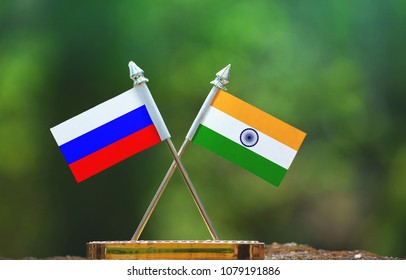
Russia and india Images, Stock Photos & Vectors | Shutterstock
Russia and India Images, Stock Photos & Vectors | Shutterstock

India and Russia is said to share cordial relations and let us check the reality of this friendship

International relations have gained immense significance since time immemorial. India also handles its external relations with due importance. This has made India a significant player in international relations by establishing close relations with biggest nations of the world. One of the most important relation among them are India’s close ties with Russia.

 Russia and its forefather USSR have always stood with India since independence. There were several instances when the socialist nation has offered support both ideologically as well as in person. Let us look into some such instances:

IRIGC

The Indo-Russian Inter-Governmental Commission (IRIGC) is a significant institution that manages the intergovernmental activities between both countries. It is considered as the steering committee of Indo-Russia relations. It has two wings, the first covering Trade, Economic, Scientific, Technological and Cultural Co-operation and is normally co-chaired by the deputy prime minister of Russia and the External affairs minister of India. The second wing of the commission deals with Military Technical Co-operation and is co-chaired by the respective Defense ministers of two countries. Both parts of IRIGC meet annually.

SPACE SECTOR

Historically, there has been a long history of cooperation between the Soviet Union and India in space. Examples include Aryabhata , India’s first satellite, was launched by the Soviet Union on 19 April 1975 from Kapustin Yar using a Kosmos 3M launch vehicle. Under Interkosmos space program, Rakesh Sharma was also launched by the Soviet Union. 

DEFENCE ASSISTANCE

The Soviet Union was an important supplier of defense equipment for several decades, and this role has been inherited by the Russian federation. Russia 68%, USA 14% and Israel 7.2% are the major arms suppliers to India (2012-2016), and India and Russia have deepened their make in India defense manufacturing cooperation by signing agreements for the construction of naval frigates, Twin engine utility helicopters, Brahmos Cruise missiles and such joint venture initiatives. The co-operation is not limited to a buyer-seller relationship but includes joint research and development, training, service to service contacts, including joint exercises.

TRADE PARTNERSHIP

Bilateral trade between both countries is concentrated in key value chain sectors. These sectors include highly diversified segments such as aerospace, machinery, electronics, fertilizers, precious stones, oil, etc. Both Governments have jointly developed an economic strategy that involves using a number of economic components to increase future bilateral trade. Also, a Joint study group has been appointed to study the prospects of free trade.

POLITICAL RELATIONS

Irrespective of the changing government policies both countries have supported each other in political matters. Non participation of India in UN meetings to condemn Russian invasion of Ukraine and USSR’s support during Bangladesh war of 1971 are few examples. The socialist idea of planning is also an example of India’s relation with Russia and USSR.

NUCLEAR DEALS AND ENERGY SECTOR

On 7 November 2009, India signed a new nuclear deal with Russia apart from the deals that were agreed upon by the two countries earlier. India and Russia are in discussion for construction of two more nuclear power units at Kudankulam. Two units of the Kudankulam nuclear power plant are already operational. Similarly, several initiatives have been taken up by these nations collectively to ensure energy efficiency.

RUPEE ROUBLE AGREEMENT

Recently Russia has signed an agreement by which imports from Russia could be paid in Rupees. This was in response to India’s support for Russia even during trade restrictions from nations around the world. For the rupee-rouble mechanism to be implemented, Indian importers would pay for goods to the accounts of Russian banks in India and they in turn would make the payment in roubles to the Russian exporters.

The countries have agreed to carry forward a special and privileged strategic relationship. Irrespective of the changing governments both nations have stood in support of each other during the hardest times.

Reference: Wikipedia

India’s friendship with Russia: Myth or reality

Russia and india Images, Stock Photos & Vectors | Shutterstock
Russia and India Images, Stock Photos & Vectors | Shutterstock

India and Russia is said to share cordial relations and let us check the reality of this friendship

International relations have gained immense significance since time immemorial. India also handles its external relations with due importance. This has made India a significant player in international relations by establishing close relations with biggest nations of the world. One of the most important relation among them are India’s close ties with Russia.

 Russia and its forefather USSR have always stood with India since independence. There were several instances when the socialist nation has offered support both ideologically as well as in person. Let us look into some such instances:

IRIGC

The Indo-Russian Inter-Governmental Commission (IRIGC) is a significant institution that manages the intergovernmental activities between both countries. It is considered as the steering committee of Indo-Russia relations. It has two wings, the first covering Trade, Economic, Scientific, Technological and Cultural Co-operation and is normally co-chaired by the deputy prime minister of Russia and the External affairs minister of India. The second wing of the commission deals with Military Technical Co-operation and is co-chaired by the respective Defense ministers of two countries. Both parts of IRIGC meet annually.

SPACE SECTOR

Historically, there has been a long history of cooperation between the Soviet Union and India in space. Examples include Aryabhata , India’s first satellite, was launched by the Soviet Union on 19 April 1975 from Kapustin Yar using a Kosmos 3M launch vehicle. Under Interkosmos space program, Rakesh Sharma was also launched by the Soviet Union. 

DEFENCE ASSISTANCE

The Soviet Union was an important supplier of defense equipment for several decades, and this role has been inherited by the Russian federation. Russia 68%, USA 14% and Israel 7.2% are the major arms suppliers to India (2012-2016), and India and Russia have deepened their make in India defense manufacturing cooperation by signing agreements for the construction of naval frigates, Twin engine utility helicopters, Brahmos Cruise missiles and such joint venture initiatives. The co-operation is not limited to a buyer-seller relationship but includes joint research and development, training, service to service contacts, including joint exercises.

TRADE PARTNERSHIP

Bilateral trade between both countries is concentrated in key value chain sectors. These sectors include highly diversified segments such as aerospace, machinery, electronics, fertilizers, precious stones, oil, etc. Both Governments have jointly developed an economic strategy that involves using a number of economic components to increase future bilateral trade. Also, a Joint study group has been appointed to study the prospects of free trade.

POLITICAL RELATIONS

Irrespective of the changing government policies both countries have supported each other in political matters. Non participation of India in UN meetings to condemn Russian invasion of Ukraine and USSR’s support during Bangladesh war of 1971 are few examples. The socialist idea of planning is also an example of India’s relation with Russia and USSR.

NUCLEAR DEALS AND ENERGY SECTOR

On 7 November 2009, India signed a new nuclear deal with Russia apart from the deals that were agreed upon by the two countries earlier. India and Russia are in discussion for construction of two more nuclear power units at Kudankulam. Two units of the Kudankulam nuclear power plant are already operational. Similarly, several initiatives have been taken up by these nations collectively to ensure energy efficiency.

RUPEE ROUBLE AGREEMENT

Recently Russia has signed an agreement by which imports from Russia could be paid in Rupees. This was in response to India’s support for Russia even during trade restrictions from nations around the world. For the rupee-rouble mechanism to be implemented, Indian importers would pay for goods to the accounts of Russian banks in India and they in turn would make the payment in roubles to the Russian exporters.

The countries have agreed to carry forward a special and privileged strategic relationship. Irrespective of the changing governments both nations have stood in support of each other during the hardest times.

Reference: Wikipedia

The science of Sleep

Sleep is one of the most important part of our lives . We spend about one third of our life sleeping. It is as necessary as food and water. Sleep affects almost every type of tissue and system in the body.

Anatomy of sleep

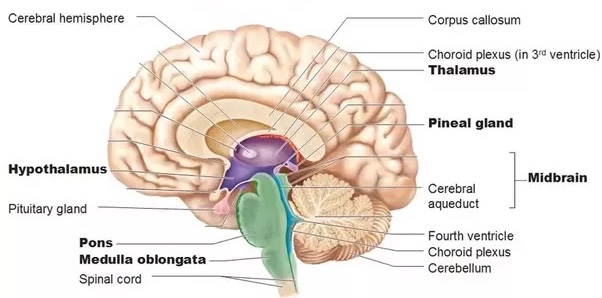
Hypothalamus

It is a peanut- sized structure above the Pituitary gland deep in the brain. It acts as the control centre responsible for shutting down the brain’s arousal signals that affect sleep. The nerve cells of neurons in the hypothalamus are strongly activated during sleep. Within the hypothalamus is the Suprachiasmatic nucleus (SCN)- groups of thousands of cells that receive data about light exposure directly from the eyes and controls the sleep rhythm.

Brain stem

The Pre-optic neurons and the brain stem produce a neurotransmitter called Gamma Amino Butyric Acid (GABA) which acts as an inhibitor as it blocks certain of signals and decreases activity in the nervous system.

Pons and Medulla

Pons, Medulla and mid brain send signals to relax or `paralyse’ muscles essential for body movement in the REM( rapid eye movement )sleep. This prevents The body to move the limbs in dreaming state and protects it from any damages by acting out.

Thalamus

It acts as a relay for information from the senses to the Cerebral Cortex. The cerebral cortex processes data from memory. In deep sleep stage, thalamus becomes quiet but during REM sleep or when we are dreaming, it becomes active sending out sounds,pictures or emotions that make our dreams.

Pineal gland

It is situated in the middle of the brain and is the major site for the production of hormone called Melatonin. This hormone helps put the body asleep when the lights go off. It helps with the timing of Circadian rhythm (internal biological clock) and with sleep.

Amygdala

An almond -shaped structure located deep within the temporal lobes of the brain. It is involved in the processing of emotions and memories. It becomes highly active during REM sleep.

Release of adenosine ,which is a chemical released by cells in the basal forebrain supports sleep drive. Taking caffeine blocks the action of this chemical.

Stages of sleep

Stage 1 Non REM sleep (NREM)

  • The brain slows down.
  • The heartbeat , eye movements and breathing slows.
  • Body relaxes and muscles may twitch.
  • Lasts 5-10 mins.

Stage 2 NREM sleep

  • The body becomes less aware of the surroundings.
  • Body temperature drops.
  • Eye movements stop.
  • Lasts about 20 minutes per cycle

The brain also produces rapid,rhythmic brain waves known as sleep spindles. This allows it to gather ,process and filter newly acquired memories.

Stage 3 NREM

  • Slow brain waves called Delta waves are produced.
  • It allows you to feel refreshed the next day.
  • This is the state of deepest sleep.
  • You are blood pressure drops and breathing slows.

REM sleep

  • Voluntary muscles become immobilised.
  • Rapid eye movement from side to side.
  • You are breathing becomes faster and irregular.
  • Heart rate and blood pressure increase.
  • You dream ( about 2 hours every night).
  • Begins about 90 minutes after falling asleep.
Brain wave activity

An average sleep cycle lasts about 90 minutes . Ideally, we need 5-6 cycles of sleep every 24 hours. Adults need 7 to 8 hours of sleep a night. Although scientists are still trying to learn exactly why we need sleep but studies show that sleep is necessary for survival. The amount of sleep affects our immune system ,nervous system, growth and memory. After all , it is a well know fact that:

Sleep is the best medicine.

How ‘ The Great Himalayas ’ were formed?

The Himalayan mountain range stretches from Brahmaputra to the Indus River. It ranges over 2500 km and about 250 km thick. So how were these Great Himalayas built?

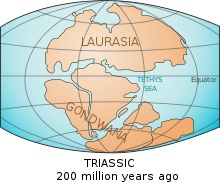
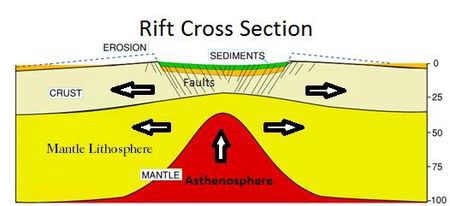
During the late Neoprotozoic era (1000mya-541mya) and early Palaeozoic (541-252mya) , the Indian tectonic plate was a part of the southern Gondwana land .This was separated by the Eurasian plate by the large Tethys ocean . In the early Carboniferous period , an early stage of rifting developed between the Indian subcontinent and the Gondwana land.

What is a Rift?

A rift is a zone where the lithosphere layer is stretched or pulled apart. In the early stage ,the upper part of the lithosphere starts to extend . As it evolves,some of the fault zones start to connect with each other and become even larger bounding faults .The crust becomes thin causing the rise of Asthenosphere. This way two new tectonic plates are formed from the older single one.

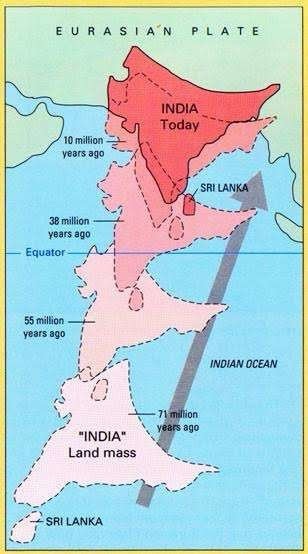
In the Norian period(210 mya), after a major drifting episode the Gondwana land split into two parts. The Indian subcontinent became a part of East Gondwana along with Australia and Antarctica. Later in the early Cretaceous(130 -125 mya), the Indian plate broke off from Australia and Antarctica with the ‘formation’ of Southern Indian Ocean.

At the end of Cretaceous period ,the Indian plate started drifting northward at speeds of about 18 to 20 cm per year which is the highest among all the continental drifts. It covered a distance of more than 6000 km in that time and rotated about 45° counterclockwise relative to the Eurasian plate. Interaction of the Eurasian plate with the coming Indian plate started at about 65 million years ago with the oceanic crust of the latter subducting under the Eurasian plate.

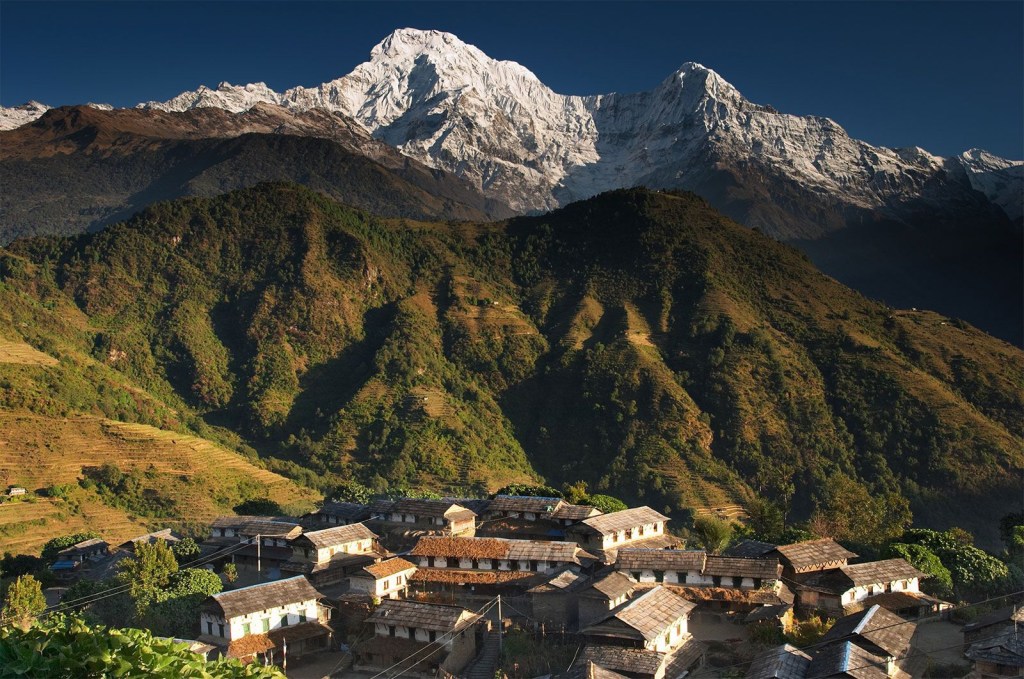
This started the formation of the youngest mountain ranges of the world , The Great Himalayas . This collision was so strong that till present also the Indian plate is colliding northward and the Himalayas continue to rise more than 5 mm a year but due to the stretching of Eurasian plate horizontally and effect of gravity this rising is affected.

Effect on Climate

According to a report of ‘Nature’ magazine, the Himalayan range ormation may have also started Asia’s monsoon about 8 million years ago and contributed to several ice ages that began 2.5 million years ago. The mountain’s and Tibetan Plateau’s uplift gave rise to a dry Central Asia that resulted in the formation of Gobi and Mongolian deserts.

This may have caused a dustier phase in the earth’s atmosphere . The Himalayan range obstructs the passage of cold continental air from north into India in winter and also forces the south westerly monsoon winds to give up most of their moisture before crossing the range northward.

The Himalayas are gigantic and lively and on the other hand they are calm and tranquil, perfect for the soul to grow spiritually.

The Geological time scale

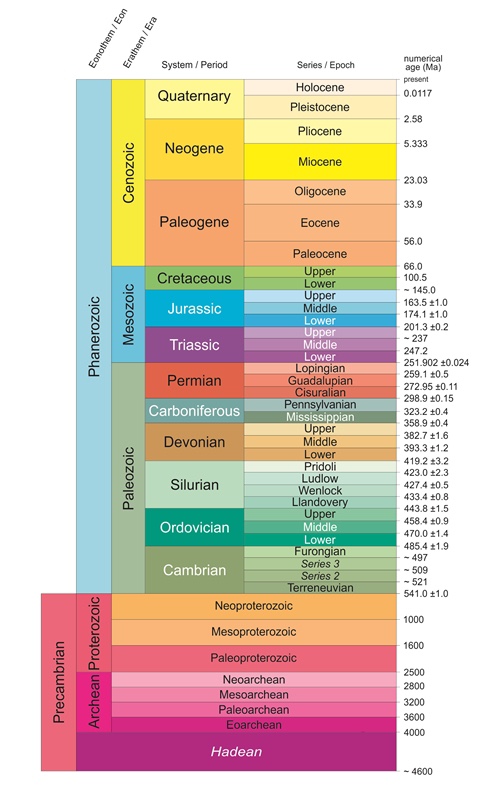
Geologists subdivide timescale by events that happened in geological history . These time intervals are unequal in length, geological timescale describes the timings and relationship of those events that changed Earth’s geology. This time scale is developed by carefully studying and analysing the rock layers ,evolution of species, rock dating, fossil samples and atmosphere.

Eons

Eons are the largest divisions in geological Time and span to millions of years . There are four eons catalogued till present day, these are — Hadean, Archean, Protozoic and Phenerozoic eon . The first three eons are collectively referred to as the Precambrian super eon.

Hadean Eon

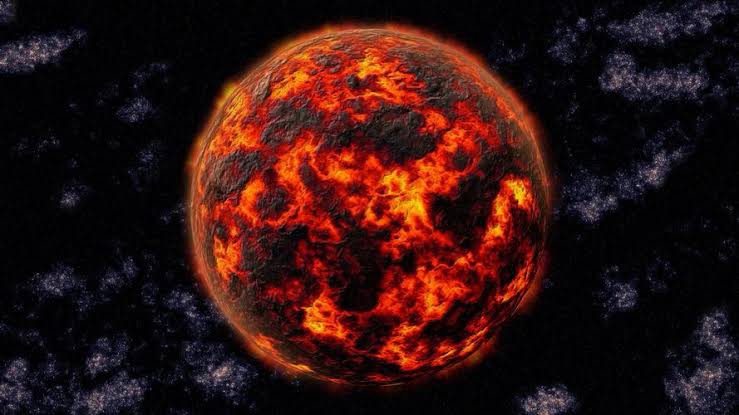
The Hadean eon began when the earth formed about 4.6 billion years ago and ended 4 billion years ago . The planet’s condition was very dynamic , earth was still very hot and frequently collided with other planetary bodies.

Archean Eon

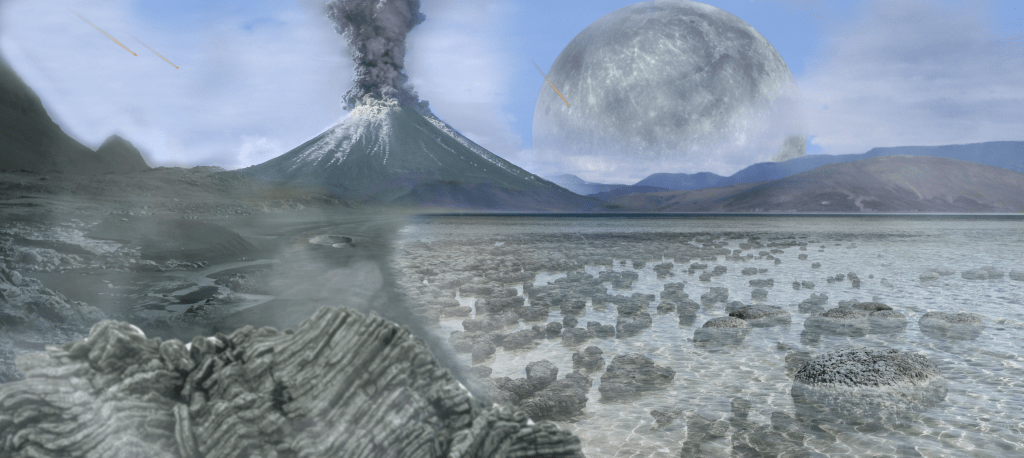
It began about 4 billion years ago till 2.5 billion years . The earth’s crust slowly started cooling and stabilising to form landmass .The earliest lifeform probably anaerobic microbes called stromatolites survived. example – Cyanobacteria, Proteo bacteria , microbial mats. Volcanic activity was very high and Archean rocks were often metamorphosised water segments like volcanic segments and mud rocks.

It is further divided into eras:

Eoarchean

( 4000 mya-3600 mya)

(mya- million years ago)

  • The first Supercontinent Vaalbara appeared.
  • Earth possessed a firm crust for the first time.
  • Prokaryotic microbes called Archaea appeared.

Paleoarchean

( 3600-3200mya)
  • Earliest confirmed evidence of life.
  • Stromatolites may have been created.
  • Microbial mats work present.

Mesoarchean

( 3200-2800mya)
  • Tectonic plates subduction.
  • Expansion of microbial life.
  • Ocean temperatures around 55-85°C
  • High levels of methane and carbon dioxide in the atmosphere.

Neoarchean

(2800-2500 mya)
  • Major development in complex life and continued formation.
  • Rise of oxygen in the atmosphere.

Proterozoic Eon

It spanned the interval from 2500-541 mya . For the first time oxygen appeared in the earth’s atmosphere . Mountain formation activity began because of the continuation of continental accretion .Glaciers began to form . Processes like subduction were active due to high tectonic plate movement. It is further divided into 3 eras-

Paleoproterozoic era

(2500-1600 mya)
  • Longest era
  • Continents stabilised
  • One day duration was 20 hours.
  • Enormous increase in oxygen.
  • Anaerobic life form largely died because oxygen was highly toxic for them.
  • First mass extinction happened.
  • Eukaryotes emerged.
  • Periods in which this era is divided- Siderian, Phyacean and Orosirian.

Mesoproterozoic era

( 1600-1000 mya)
  • Evolution of sexual reproduction.
  • Development of multi cellular organisms.
  • Break up of Columbia supercontinent.
  • Periods – Ectasian and Stenian .

Neoproterozoic era

( 1000-541 mya)
  • Most glaciation.
  • Ice sheets reached equator.
  • Snowball Earth formed.
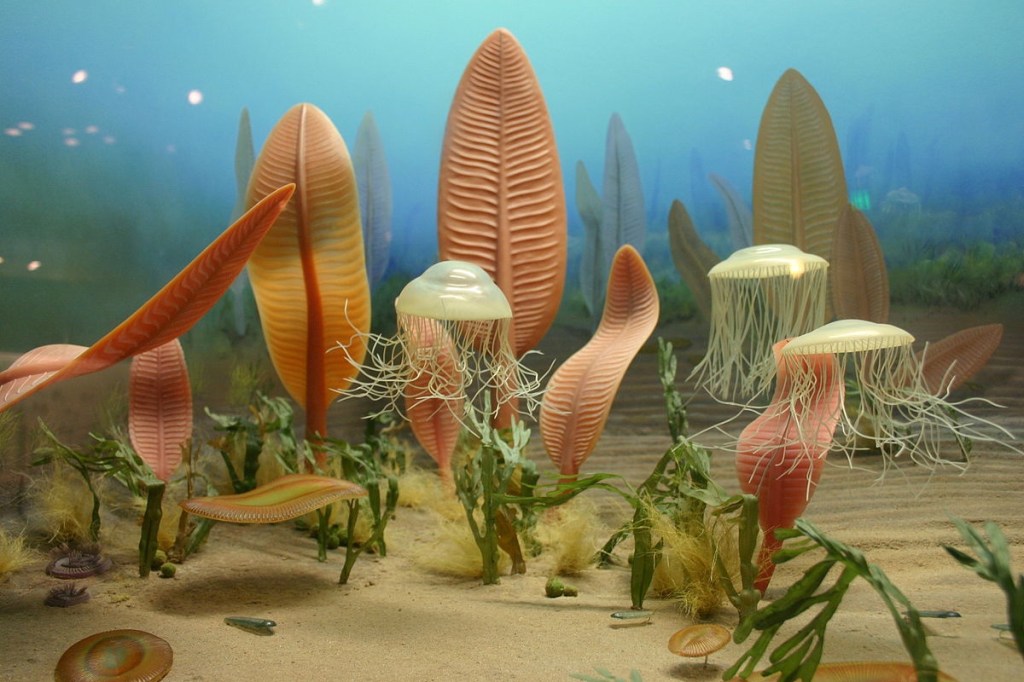
  • First appearance of Trilobites ans Sponges.
  • Periods- Tonian, Cryogenian and Ediacaran.

Phanerozoic Eon

It covers timeline from 541 million years ago to the present. At the start of this eon , complex plants and multi cellular organisms with hardshells appeared . There was a single landmass known as Pangaea. It is divided into 4 eras:

Paleozoic era

(541-252 mya)
  • Most rapid diversification of life called Cambrian explosion.
  • Evolution of arthropods ,fish and amphibians.
  • Life transition to the land.
  • Forests of primitive plants appeared.
  • Largest extinction event called Permian- Triassic extinction event happened.
  • Appearance of invertebrate animals phyla.
  • Reptiles prospered.
  • Periods- Cambrian, Ordovian, Silurian, Devonian, Carboniferrous and Permian.

Mesozoic era

(252-66 mya)
  • Dominance of reptiles like dinosaurs.
  • Abundance of Conifers and Ferns.
  • Breakup of Pangaea.
  • Dinosaurs appeared in mid Triassic period and remained till early Jurassic period (about 150-135 mya).
  • Archaic birds appeared in Jurassic period.
  • Flowering plants appeared in early Cretaceous period.
  • Periods- Triassic, Jurassic and Cretaceous.

Cenozoic era

( 66 mya – present)
  • Dominance of mammals , birds and flowering plants.
  • Cool and dry climate.
  • Complex life evolved.
  • This error started with mass extinction event called Cretaceous spell Eugene extension event in which many species including non-even dinosaurs became extinct possibly due to a large asteroid impact
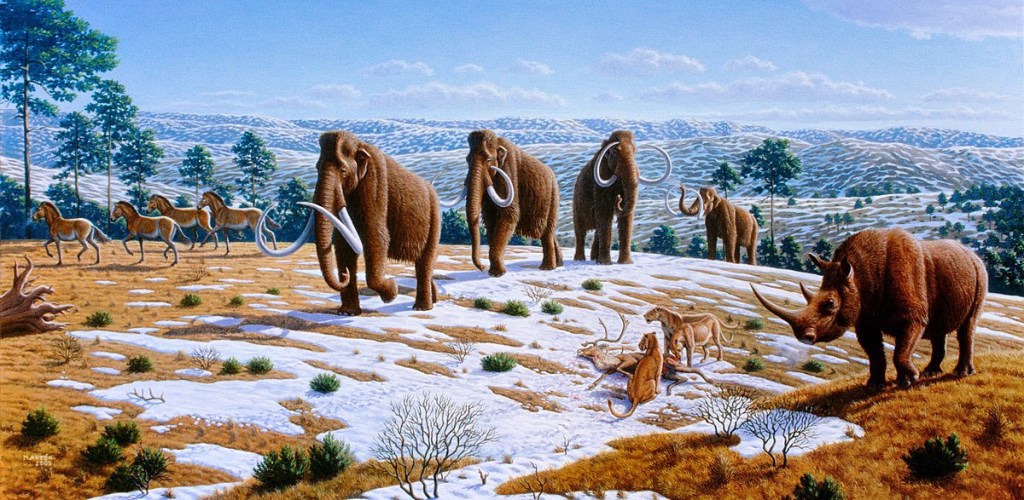
  • The Quarternary period saw Mammoths and wooly animals. It was marked by ice ages due to the cooling trend of earth.
  • Around 50 million years ago , Earth entered a cooling period mainly due to the collision of Indian tectonic plate with Eurasia. This caused the rise in the Himalayas.
  • Periods- Paleogene, Neogene and Quaternary.
The  Earth went through many violent and beautiful events before Homosapians arrived . We must make sure to protect and cherish our dear planet .