E-Waste

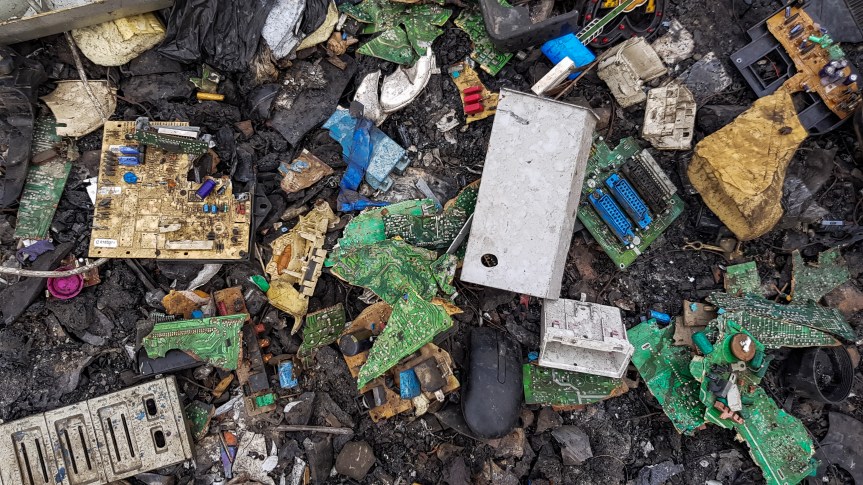
E-waste is an informal name used for electronic waste implying all those electronic products which have reached the end of their useful life, for example, mobile phones, dryer, fax machine and other electronic equipments.

A techno hungry world is emerging facilitated by digital empowerment policies by various governments and is all ready to get upgraded to a generation of 5G and thus due to the emergence of newer electronic products in the market and the improved standard of living, the usage of these electronic products have shot up and so the amount of electronic waste produced every day is growing enormously. According to UN report on environment,2019, the amount of e-waste generated at the world level is about 50 million tonnes but only 20 percent of it is properly recycled.

A joint report has been in 2019 published by World Economic Forum and the World Business Council for Sustainable Development which attracts attention for the need of crucial vision in this field. As per the data released in the new Global E-Waste Report, the market value of our spent devices amounts to $62.5 billion, three times more than the annual output of the world’s silver mines. It also informed that more than 120 countries have an annual GDP lower than the value of our growing pile of global e-waste.

India has become one of the largest dumping sites of e-waste by many countries and the domestic production itself accounts for about 2 million tonnes per annum but merely 5 percent of the wastes is recycled.

According to a report published in Times of India, 2019, over 95 percent of e-waste generated is managed by unorganized sector and the scrap dealers in the market, dismantle the disposed products instead of recycling it. The current rate of e-waste generated in India is 4.56 times greater than the annual e-waste processing capacity offered by the nation, which leads to illegal and improper dumping of hazardous waste.

The proper collection, disposal and recycling(management) of e-waste is necessary, for it possess a serious threat to our health. A long exposure to the chemicals, pollutants emitted after dumping the e-waste without following the proper procedures leads to damage of nervous system, skin diseases, heart and liver damage and many other health problems. It also contaminates our natural surroundings, damages the soil quality and also pollutes the water quality.

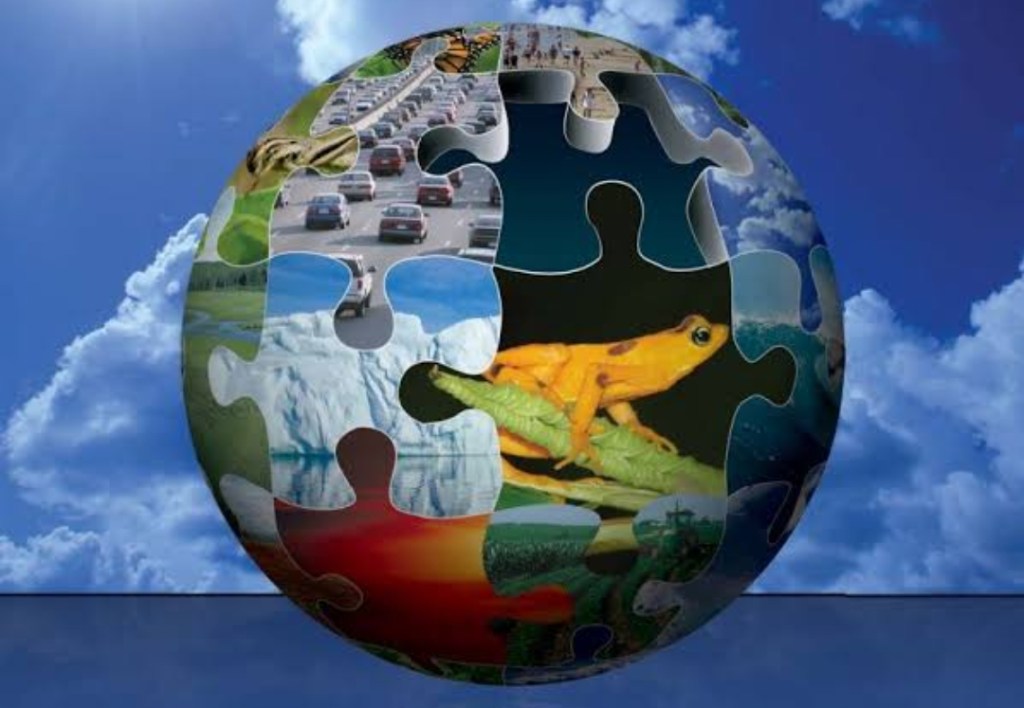
If plastic pollution in the life below water and life above water is one of the major environmental challenges, the ebb and flow of public opinion should also turn towards to the huge generation of electronic waste in the present era. The numbers are fearsome: 50 million tonnes of e-waste are produced each year, and left unchecked this could more than double to 120 million tonnes by 2050.

In our country, the amount of E-waste generated is increasingly rapidly and with increasing fascination as well as dependence on new technology, the amount of e-waste is expected to grow in the coming years. The main area where our country lacks is in the proper management of electronic wastes. There is no large-scale organised E-waste recycling sector in our country and the largest recycling hotspot are in the unorganised sector and some are illegal too as the largest recycling hotspot of the capital city is in Seemapuri. It is not a hidden truth anymore that working conditions in the unorganised sector is not bed of roses. The poor conditions of the worker as well as the hazardous nature of the wastes that they deal with will always pose a fatal threat to their life. Moreover, the large scale dumping of electronic wastes from developed countries to India owing to availability of abundance of cheap labour and flexible environmental laws further enhances the problem.

The lack of public awareness about the proper disposal of e-waste and lack of proper implementation of laws adds to the problem. There are very few IT companies that actually seriously implement the provision of Extended Producer Responsibility. In most cases electronic wastes remain unattended in the households. As already seen above that due to lack of awareness, people throw waste electronics and electrical equipment with their household wastes. There is a tendency among the people not to care about the things that they have discarded, ignoring the fact that its implication in the long run is going to affect them too.

The laws should be properly implemented; government should try to reach the nook and corner of the country and spread awareness through the provision of Digital world and many more: Let’s bring into use 5Rs: Refuse, Reduce, Reuse, Repurpose, Recycle. People in their locality as a community need to take steps for keeping their locality clean. As a community they should establish a committee that would oversee the management of all the wastes. There should be educational programme in different localities with the government aid about waste segregation, their harmful impact and how it can be mitigated. But all this would be possible when we as an individual come forward and work together. We need to start the reform from our home, then our locality, then our region, then our country and the world as a whole. The role of youth in this regard is very important. Being one of the most enthusiastic section of society, they carry within themselves a huge reservoir of untapped energy. With proper direction, they can be play major role in spreading awareness as well as in taking initiatives for proper management of electronic or any kind of wastes.

We need to understand that our earth as a whole is on the verge of collapsing, so we can’t let different kinds of waste piling up. Our attention should turn towards such grave issues instead of fighting over petty issues and work together towards adopting a sustainable lifestyle so as to save a future for ourselves and others too. Let’s not make the word ‘sustainable’ a cliché term and should try and have a sustainable approach towards everything.

REFERENCES:

  • Bishnoi, V. N., & Shah, T. (2014), E-Waste: A New Environmental Challenge. International Journal of Advanced Research in Computer Science and Software Engineering, 4(2), pp. 442-447.
  • Down to Earth (2019), Recycling of e-waste in India and its potential.
  • Jadhav, S. (2013), Electronic Waste: A Growing Concern in Today’s Environment Sustainability. International Journal of Social Science & Interdisciplinary Research, 2(2), pp. 139-147.
  • Sikdar, M., Dr., & Vaniya, S. (2014), The New Millennium and Emerging Concerns. International Journal of Scientific and research Publications, 4(2), pp. 1-12.
  • Sivaramanam, S. (2013), E-Waste Management, Disposal and its impacts on the environment. Universal Journal of Environmental Research and Technology, 3(5), pp. 531-537.
  • Uddin, M. J. (2012), Journal and Conference Paper On (Environment) E-Waste Management. IOSR Journal of Mechanical and Civil Engineering, 2(1), pp. 25-45.
  • UNEP (2010), A Report – recycling- from E-waste to resources. February 22, 2010.
  • World Economic Forum (2019), The world’s e-waste is a huge problem. It’s also a golden opportunity.

Image Credit: Google
Odisha and Agriculture – A Literature Review

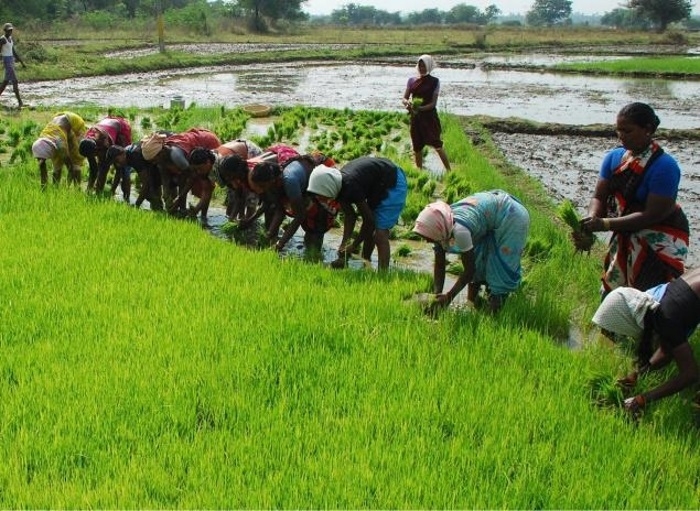
Odisha is primarily an Agrarian State. Agriculture is the mainstay of the majority of the population. Though agriculture sector contributes only about 26 per cent to the Gross State Domestic Product (GSDP), almost more than 70% of the population is dependent on it. In spite of such low contribution, the labour force has not yet move out of this sector which ultimately results in low per capita income in this sector.

Agriculture in Odisha is characterized by low productivity due to sporadic rainfall, disrupted irrigation facilities as well as due to the fact that the state is prone to various natural calamities (Pattanayak & Nayak, 2003). Various literatures have studied cropping pattern of the state and have indicated that the cropping pattern of the state is changing over the years. Various studies have also confirmed that Odisha have not only experienced low productivity but also declining productivity. Agriculture plays a major role in providing a source of livelihood to a large proportion of population. Its development becomes important as it still remains the sector where majority of the workers are concentrated. It provides raw materials to various agro-based industries and also ensures food security-the basic necessity of life.

A number of studies have examined and analysed the agrarian structure and conditions of the country in terms of cropping pattern, determinants of cropping pattern, conditions of the agricultural labourers among many others. Given below is the review of few studies that have discussed various aspect of agrarian conditions in their work. The relevance of these works increase keeping in mind the point that they have brought out successfully many key issues in agriculture and how cropping pattern of a region or the country reflects the infrastructure of a place. The study of these literature have been undertaken to get a clear picture of the subject concerned and an insight of different lenses through which agrarian conditions of the country have been looked upon, before embarking on the study.

Despite the changes made in the macroeconomic policy framework and trade liberalisation, Bhalla and Singh (2009: 34, 43, 44), argued that the agricultural sector in India neither experienced any significant growth subsequent to the initiation of economic reforms in 1991 nor did it derive the expected benefits from trade liberalisation. They further asserted that, when compared with the immediate pre-liberalisation period (1980-83 to 1990-93), agricultural in India recorded a visible deceleration in its growth rates of aggregate yield and output and the process of agricultural diversification during the post-liberalisation period (1990-93 to 2003-06). There are different reasons for its slowdown but decline in public investment in irrigation and water management and thus limited irrigation facilities can be said to affect it the most.

Mruthynajay and Praduman (2003: 159) argued that the cropping pattern strategy followed in post green revolution period has led to narrowing down the base of agricultural production. In terms of allocation of acreage, the cropping pattern in the agricultural scenario of India has been skewed towards food grain. Though area under non- food grain has increased, food grains are still dominant (Ghosh, 2011: 115). The cropping pattern changes revealed that area under different crops was strongly linked with decline in cost of production due to-government subsidies, improved irrigation facilities-hence increase in cropping intensity of certain crops such as that of rice and wheat (Mruthynajay and Praduman, 2003: 163). High yield of crops and subsequent expansion and substitution are also the major reasons for such a change post green revolution with rice, wheat, mustard and cotton emerging as main crops for the farmers with area under coarse cereals declining (Ghosh, 2011: 119). The expansion of area under such crops as well as substitution of coarse cereals resulted in narrowing of the base of production, and crops such as pulses and oilseeds were not given due attention. Thus, the success attained in food crop production post green revolution has also caused serious crop imbalances in the cropping pattern, widened regional disparities, increased instability in production and unplanned import of commodities. So, there is a need to re-examine green revolution strategy keeping in mind the crops and areas that were bypassed so far (Mruthynajay and Praduman, 2003: 165).

The cropping pattern in Orissa is such that most of the districts of Orissa are experiencing a lateral movement towards crop specialisation and crop diversification, but over the years, crop specialisation can be noticed, where about 50% of Gross Cropped area is under paddy due to high yield, improved irrigation facilities and changes in the food habits of people (Pattanayak and Nayak 2004: 6, 13). The adoption of modern varieties of rice (HYV) in Orissa, its degree of adoption is inversely related to the farm size while its intensity of adoption is proportional to its farm size and varies with access to modern inputs. These are positively associated with borrowing since lack of investible cash retard the process of diffusion of modern technologies while tenancy is negatively associated, for the moneylenders feel that the adoption of HYVP would reduce the dependency of tenants on them (Sarap and Vashisht,1994: 90, 92).

However, holding other factors constant, Pattanayak and Nayak (2004: 5, 10, 19) argued that the contribution of agriculture in primary sector and in Gross State Domestic Product has declined but the labour force has not move out of the primary sector in post- reform period in Orissa. The districts are diverging as far as agricultural productivity is concerned and asserted that this variation is due to variation in the use of inputs amongst the districts. The skewed distribution of land, small size of operational holding, high incidence of share tenancy and rural poverty are few of many factors which negatively affect the agricultural productivity. The long-term solution lies in improved agricultural productivity and conscious policy decisions to reduce inter district disparity.

Regarding change in labour demand, Lahiri (1970: A-111, A-114) confirms the general belief that demand for agricultural labour has increased due to High Yielding Varieties Programme (HYVP). There was a high variability amongst different states with respect to total labour required and hired labour as well as contribution to labour days was quite low in pre HYVP days; but on the basis of the data gathered, figures revealed that the introduction of HYVP led to the increase in demand for labours. He further makes a point that changes in the demand for agricultural labour are unable to completely explain the changes in the wage levels of agricultural workers. Since demand for agricultural labours are seasonal, season-wise analysis of wage level would to an extent give a picture of wage-demand relation. Post HYVP, demand for labour has increased; and regarding the changes in cropping pattern- it has been noticed that the tendency has been to shift towards only few crops such as that of paddy and wheat and ignoring other crops. Thus, the study of these literature brings forth the point that post green revolution, many new technologies came forth, but the strategy followed was concentrated to few crops and few developing regions causing regional imbalances. Another major debate that came forth is that the post reform period instead of witnessing growth in agricultural output as it was meant to, have faced declining productivity and growth. These phenomena were observed both at all India level as well as in Odisha.

Image credit: News Bharti

Retrieved from: Google

A DISCOURSE ON ECO-FEMINISM

Ecofeminism is a concept, a movement bringing out the relationship between women and nature. It claims that both the women and nature have been overexploited by patriarchy and the culture. However, it in no way flows in one single course, with the basic concept, it has many dimensions to it and many proponents and variations to it as well. The relationship between women and nature, as constructed by various scholars, is based on three claims – ‘Empirical’, ‘Conceptual’ and ‘Epistemological’ in nature (Sharnappa, 2016). The first claim which is empirical in nature relates socio-economic and political poverty of women with the destruction of nature. It has been observed that the women are the firsthand victim of consequence of destruction of environment – given the dependency of women on nature. The conceptual claim brings out the “hierarchy and dualism” on which society is structured. It throws light on ‘patriarchy’ as the root cause of domination of women and exploitation of nature. The third claim, epistemological in character, focuses on the knowledge of nature which women possess more when compared to any other. Being the humans residing in the rural areas more while men migrating for other works, they have been agrarian cultivators, thus, possessing more knowledge regarding the sustenance of nature.

The Eco-feminism has been documented well in the western world; however, it doesn’t mean that it didn’t exist in the other part. The theory of eco-feminism has evolved over the years and the socio-economic as well as the political concerns of the region has influenced its course. For instance, the differences in the ‘Western Eco-Feminist Discourse’ and ‘Indian Ecofeminist Discourse’ have been brought out by many. The basic departure in the conceptualization of ecofeminism is related to the emphasis on the kind of environmental crisis (Sharnappa, 2016). It has been pointed out that while ecofeminism in the West has emphasised on the direct impact of science and technology on the nature and the consequent impact on women, ecofeminist discourse in India has more or less revolved around the threat to traditional methods of production and subsistence since majority of population still depends on it. The threat that has been taken into account pertains to the building of dams, industrialization, impact of logging. So, the scholars have pointed out that the environment crisis in India revolves around the attempt to reduce the impact of such threats on the victims, generally the peasants.

The exploitation of women, especially the peasants has been stressed by many scholars. Vandana Shiva, one of the pioneers of eco-feminism movement in India focuses on this aspect – the way in which technological development has robbed many peasants, especially women of the ‘third world’ of their traditional practices. She believes that “only path to survival and liberation for women is an ecological one of harmony, sustainability, diversity, as opposed to domination, exploitation and surplus”. Bina Agarwal, an Indian Economist and also one of the critiques of ecofeminist’ arguments, too, provides three-fold explanation to why women are most affected – highlighting the class-gender dimensions to the effect of environmental degradation. She asserts that given the pre-existing gendered division of labour, women in the poor households are worse hit. The disparities in the distribution of ‘sustainable resources’ (for e.g., healthcare) which actually deprive women to access the basics, adds to the burden. Furthermore, the women also have limited rights to private properties, access to employment opportunities and others which only aggravates the plight. She asserts that due to the exploitation and destruction of the nature, women have to work longer in order to gather woods; have to walk longer distance to access to water and the caste factor only adds to the woes; becoming more prone to water-borne disease or the un-healthy environment are some of the effect. Given these conditions and their condition in the labour markets well as their position in accessing the resources and basics, women, especially those of lower caste bear and face the most severe outcome of the exploitation of nature.

The assumptions and principles of ecofeminism has its own share of constructive criticism and variations to it. Bina Agarwal, while critiquing ecofeminists’ argument puts forward a different argument, or say perspective than those of Shiva’s. She contests that ecofeminism does not cover the structure in its entirety. She argues that ecofeminism sees women as a single entity – ‘in unitary’, it does not see her in the context of differences in caste, class, race, etc. Furthermore, it also does not take into account the material reality of women and just interrelates the nature and women ideologically; neither it talks about how ideological shifts are caused by the dominant groups and ‘how such shifts get embedded’. Thus, at this juncture she brings in the concept of ‘feminist environmentalism’ wherein she presents the relationship between men and women rooted in material reality as well. She brings in the elements of how gender and class change the course of any discourse especially which involves women. Thus, women’s interaction with nature must be located within the material reality of caste, class and gender along with all other concerns and not just seeing her(s) as ‘unitary’.

Another point that has been raised is that ecofeminism assigns the responsibility of fighting against the environmental threat solely on women without even taking into account if the women are equipped enough for it. It thus, needs to call for sharing the responsibility between both the gender and not just on the women. The discourse, the impact of the movement should not just be confined to the saving of nature or as Bhasin said’ “clearing up the mess all the time”. It should extend to granting of rights, skill-upgradation and involvement of women in the decision-making process. Thus, in order to strengthen the force or the movement, the diversity as well the different concerns need to be taken into account.

Image Credit: Google

Preparation through education is less costly than learning through tragedy

In this era, where humanisation of nature is taking place at a tremendous rate, where the nature is altered at an alarming rate for the so – called benefits of “we” humans, disturbances are created in the normal functioning of nature and so nature rises in its fury and the fury of nature is not magnanimous but rather too destructive to ignore.

                 According to Max Mayfield, “Preparation through education is less costly than learning through tragedy”. The point that he is trying to bring into the notice of so- called enlightened society is that if our learning through education is put into action, we would avoid any tragedy, we would invite less destruction. If the foundation is strong, the building won’t be shaken easily.

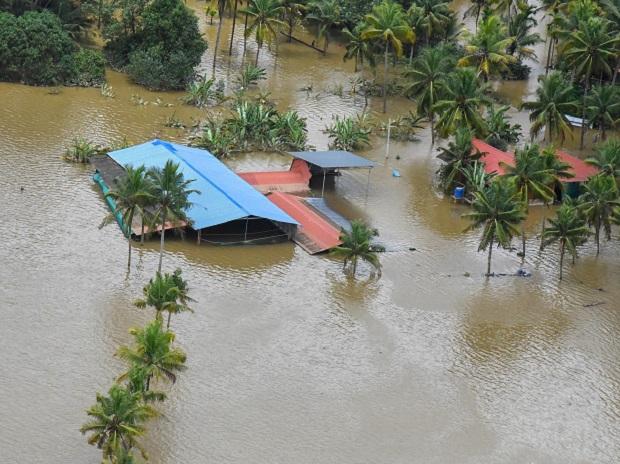
                If we look at the recent cases of natural calamities, we would get a better picture of what he is trying to bring into notice. In India itself, we could trace the tragedy that took away the life of many.  In the Kerala floods, death toll rose to around 417 people, which was the worst natural calamity to strike the southern states in decades. Kerala faced the flash flooding which occurred due to heavy downpour, but this four months of torrential rain in Kerala became destructive because the situation was aggravated due to the ignorance of local officials.

                “This could have been avoided if the dam operators had start releasing water in advance rather than waiting for the dam to be filled up, when they have no alternative but to release water”, water expert Himanshu Thakkar told the BBC.

                  The ignorance of the local officials along with the failure of India’s Central Water Commission to introduce a flood forecasting system to issue warning gave a major setback not only to the southern states but also to the entire nation.

                   More than one million people were displaced and kept in relief camp. The money that the Central Government directed towards the recovery of Kerala, could have been avoided if the system, if the infrastructure were in place. Millions of people would have not lost their home if there was some preparedness, if there was some warning, if at all the learning were in place. There are many other places in different parts of the world where such calamities are taking the life of many because we tend to over push the limits of nature.

                  This is what Max Mayfield tried to explain through his words. The cost not only in terms of money but also in terms of lives could have been less if there was proper crisis preparedness.

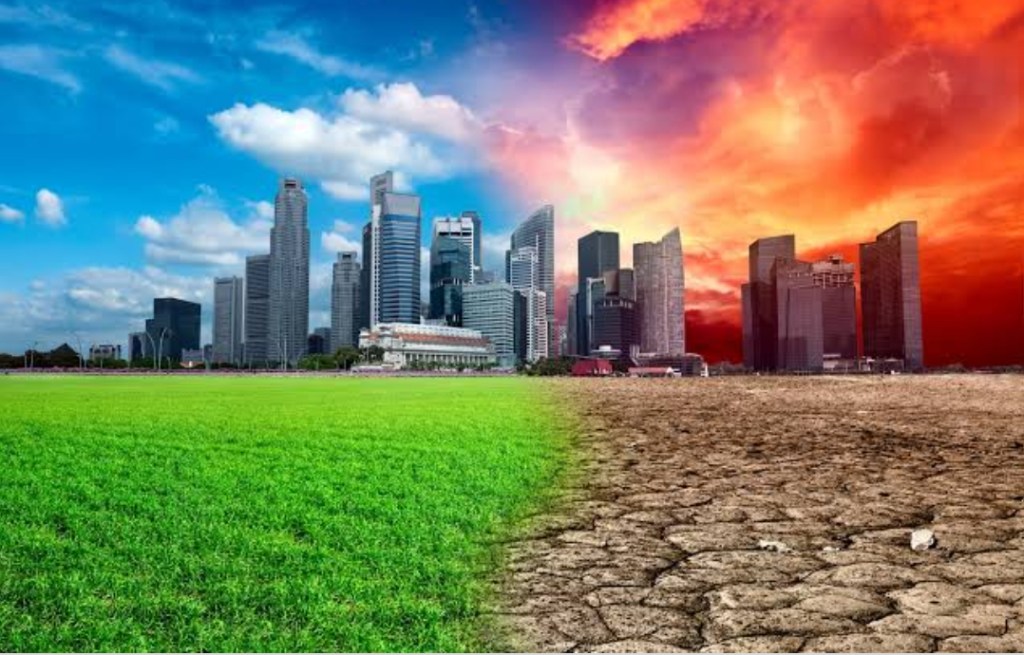
                Another case or why not say another calamity which is not respecting any so – called political boundaries and the effect of which is slowly taking a drastic grip on us is ‘Global Warming’. It’s high time to realise that, “Global Warming is Global Warning”. Global warming is the increase in the general level of earth’s temperature. Our earth has its own mechanism to combat the disturbances in its functioning but “we” humans tend to aggravate the situation to the extent that the mechanism is at the verge of breaking down.

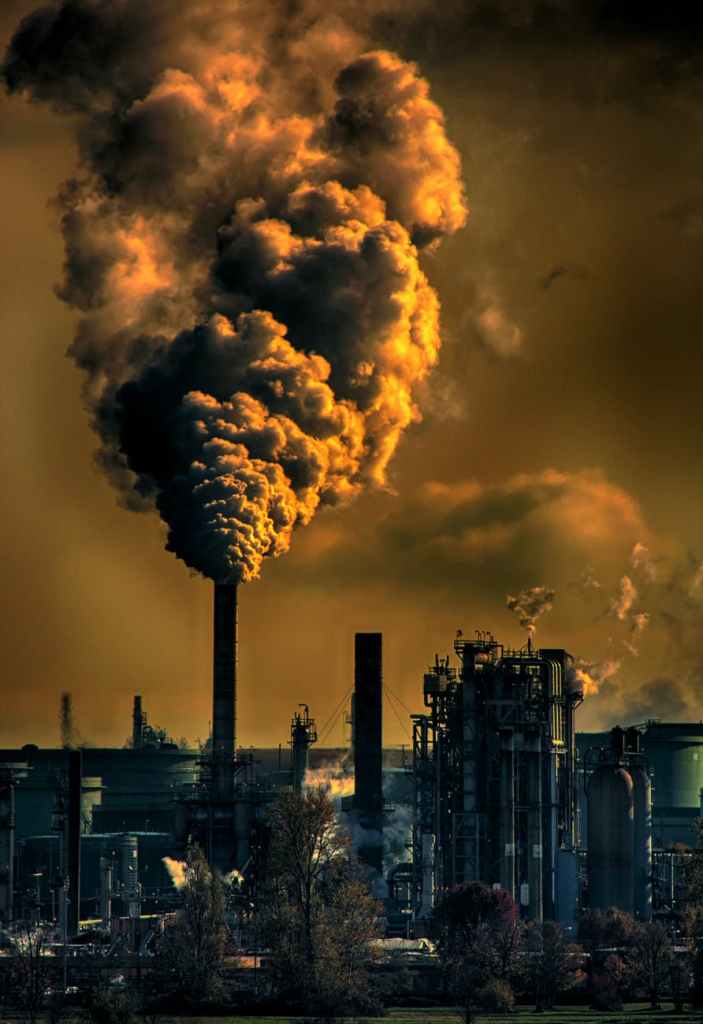
          Burning of fossil fuels like coal, gas to create electricity or to power the cars or for the industrial purpose, results in the emission of profound amount of carbon dioxide in the atmosphere which results in carbon pollution and contribute in making the quality of air severe. It is quite clear the way urban expansion is encroaching upon the wilderness. We clear large patch of forest for the purpose of settlement and other things. When vegetation is cleared or burnt, the stored carbon is released into the atmosphere as CO2, contributing in global warming. The list would be never ending if we look for the causes that involve humans.

           The effect of global warming can already be seen clearly – the melting of glaciers, consecutively rise in the sea level and simultaneously flooding of coastal areas, the quality of air from being worse to severe, droughts, expansion of deserts.

             The call of the time is “Sustainable Development” which is in par with nature. It was in 1980s that the bad health of environment and consecutively bad health of ours and the concept of sustainable way of living was realised. But why is it that in the last 50 years more species became extinct than ever!

              Education is not something which is limited to books, specific to getting qualifications. It would really be a bliss if we would start bringing the knowledge into action, if we would move towards sustainability that we have been learning, if we would start preventing the tragedies through preparedness rather than learning through its cure.

             When disaster takes place, timings is essential. Many lives can be saved; destruction can be minimized if actions are taken quickly. But the action can be taken quickly only if there is some preparedness, if there is some alertness. There should be efficient communication system in place for destruction to be minimized.

            The government is not always to be blamed for the crisis. We as educated citizens can do a lot, we can channel our learning, our talent through joining various humanitarian organisations that works towards better development, toward preventing and reducing the crisis.

            The Kerala case was a big setback to the nation. Though it was a lesson for everyone but it could have been better if we could have prevented it, the southern state could have focussed on other major social issues grouping the society. And the global warming, before it scales to a height, where we would be left helpless, with no idea of what to do next, it would be better if we try to work together to reduce the harmful industrialisation, if we would walk in the path of sustainable development.

          So, it’s high time to realise that in this era, we got to be more conscious of what we learn and how do we channel it. As the saying goes, “Learning is a treasure that will follow it’s owner everywhere”. So let it follow your action and put it into right use. It is the collective work in which each and every individual needs to come together to make this world a better place.

Image Credit: Business Standard News

Retrieved from: Google

Landslides in the Himachal Himalayas

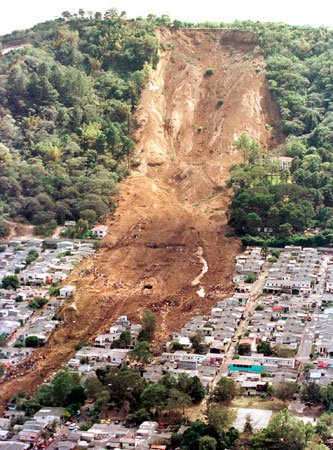
The subject of the article pertains to the landslides with reference to the Himachal Himalayas. Himachal Pradesh due to its location, foots of the Himalayas is extremely vulnerable to landslides – the reason for the same being both natural and anthropogenic. The article explores the frequency of landslides in the state, bringing out the vulnerable districts based on secondary sources, discusses about few life-threatening landslides and the prevention plans along with some recommendations.

Landslides is a type of mass movement which involves, in simple words, downslope movement of rock wastes including soil and ice under the influence of gravity. Some of the reasons for the same among many includes – slope saturation by water is a primary cause of landslides. Flooding can also cause landslides by undercutting banks of streams and rivers and by saturation of slopes by surface water. Human activities tend to disturb the slope by removing of vegetation or by excessive loading of the slope and as such.

Himachal Pradesh is situated in Western Himalayas between 30-degree 22 N to 33-degree 12 N latitude and 75-degree 45 East to 79-degree 4 East. Given its location in the Western Himalayas, it is one of the most multi – hazard prone states – spanning over the area 55673 sq. Km and population of 68,64,602 (Himachal Pradesh State Disaster Management plan, 2017). Vulnerable roadways, human settlements and hydroelectric power plants are most at risk of landslides. About 22% of built-up areas are in high-risk zone; 32% in medium risk zone and 3% in low-risk zone. Almost all the urban areas of the state are prone to the risks of landslides. The reason for the same might be the unscientific land use and unplanned expansion of urban areas leading to overloading and destabilising the slopes.

A large chunk of areas in all the districts fall in High-risk zone followed either by Moderate or Severe risk zone. There are areas which do fall in No Risk Zone but it does not cover large extent. The state has a large network of State Highways and village roads with total length of 2178.988 Kms, of which 1111.552 kms fall in Highly vulnerable zone. Most of the tourist spots in the state are well connected by roads – but many of these roads have recurring problems of landslides which often disrupt flow of tourist traffic.

If we analyse the trend of landslides between 1971-2010, it will be observed that since 1970s, the frequency has only been increasing. Nearly 525 people were killed during 1971-2010. In terms of human casualties, Kullu district is the most affected where 142 people were killed by landslides followed by Shimla (119 people). Bilaspur, Mandi, Chamba, Kinnaur and Kangra were other major landslides affected districts in terms of human casualty.

Post 2010, if we take up the landslide in Kullu district in 2015, it will come to view that the effects are still severe. The landslide in Kullu district was majorly due to excessive rainfall. After a building adjoining the historic Manikaran Sahib Gurdwara caved in due to a massive landslide – it led to the death of 8 persons and 10 injured, the source states (NDTV news). In 2020, in the landslides in Manali, five family members were buried, as per the news article released by Times of India. Yet another landslide case in 2021 in Kinnaur left many people stranded, damaging transport and communication lines severely.

various newspaper clippings point out that the locals are very detestable when it comes to development project. In one of the clippings (The Statesman, 2018), the locals are questioning why is there a need for highway which destabilize hills in the state – after all hills are meant to be climbed. The people are not very in favour of such projects because according to them these tend amplify the adverse effects if natural calamity. So, the government need to go for more inclusive planning with regard to development.

One of the ways through which involvement of local community can be ensured is by bringing them into decision making process – which in turn can be ensured by adopting suitable policies.  Transparency in the process of taking suitable steps is extremely necessary; co-operation between local communities, local government and NGOs and other such agencies can be very helpful in proper implementation of government’s plan. It will allow to bridge the gap in communication between various stakeholders. One of the most important suggestions forwarded by many is the implementation of education programme regarding hazard management, specially landsides among the residents.

Various article highlights the need to rethink the model of development being followed – particularly with regard to the exploitation of its hydroelectric potential. For instance, an article published by Down to Earth, 2021 highlights that Erratic rainfall due to climate change or de-glaciation are exacerbated by several anthropogenic factors. According to State Disaster Management Authority – most of Himachal Pradesh hydroelectric power projects in operation or under constitution fall in areas highly-vulnerable to various hazards like landslides. Another article by The Citizen, 2021 too highlights that if reserved forests or Eco sensitive zones are used for hydropower dams and multi-lane roads then this area of the state could be devastated like Uttarakhand. It has been suggested that government need to consider and seek the pinion and advice of geologists, meteorologists, environmentalist and people who live in the affected area before embarking on the projects.

Note: The article is based on secondary sources and has taken the perspectives and viewpoints of various articles and due credit has been ensured.

Image Credit: Google

Dubal Collaboration Plans To Build ‘Food Secure Future’ Centers Around India


Food secure future is a significant issue for the United Arab Emirates (UAE) yet in addition for India. Worldwide Food Policy Research Institute (IFPRI), truth be told, cautions that evolving environment, developing worldwide populace, rising food costs and natural stressors will uncertainly affect food security in the coming many years. Notwithstanding, industry specialists and strategy creators accept that the UAE and India can up their synergistic endeavors to handle food security issues towards accomplishing food independence.


This is because the United Arab Emirates is India’s third largest trading partner with the bilateral trade of US$ 59.1 billion in 2019-20. Furthermore, it is a well-known fact that India wants to work very closely with the UAE as a reliable partner in food security. India’s food corridor is slated to attract investments to the tune of US$ 7 billion. Dubai can be a gateway for Indian companies in agriculture and food processing sector to take their products and services globally. This is the opinion of Dr Aman Puri council general of India.

According to him the UA should not be looked at as just a market of 10 million consumers rather it is is beneficial to the entire middle East and North African region. It is considered food secure due to its ability to import food from international markets.


The food technology valley aims at promoting innovation in agriculture to achieve food security from sustainable sources. Dubai is already adopting the new age farming technologies, vertical farming, smart farming, aeroponics, hydroponics, LOT and other new technologies have resulted in a 53% increase in output in agriculture.

The capital intensive nature of the Emirates aptly suits India which needs funding infusions for infrastructure creation. All the sovereign wealth funds have an investor bill capacity of around US$ 1.2 trillion which is growing at a rate of 18 % per annum.


India is on the threshold of a landmark change in the nature of food processing it is now moving towards value-added process and ready to eat foods. Thus, there has never been a better time for the Indian companies to tap the opportunities that the UAE and Dubai throw up. With the peceeding opportunities, both UAE and India face a common challengeas well, in the creation of value chain perspective, that is, end-to-end, farm-to-fork. So, moving forward, the two countries can deepen their collaboration and help each other in achieving this goal.

-Ananya Kaushal

ENVIRONMENTAL ISSUES

Environmental issues harmful to human beings, animals and plants.They are environmental issues like pollution, deforestation, climate change, Ozone depletion, waste management.

MAJOR TYPES OF ENVIRONMENTAL ISSUES:-

* Climate change

* Deforestation

* Ozone depletion

* Biodiversity Loss

* Acid rain

* Human overpopulation

* Global warming

CLIMATE CHANGE:-

Climate change is the long-term alteration of temperature and typical weather patterns in a place. It is both natural or artificial.But most of the it is because of humans.By burning of fossil fuels and natural gases like oil,coal which causes the release of green house gases leads to the alternation of climate.

DEFORESTATION:-

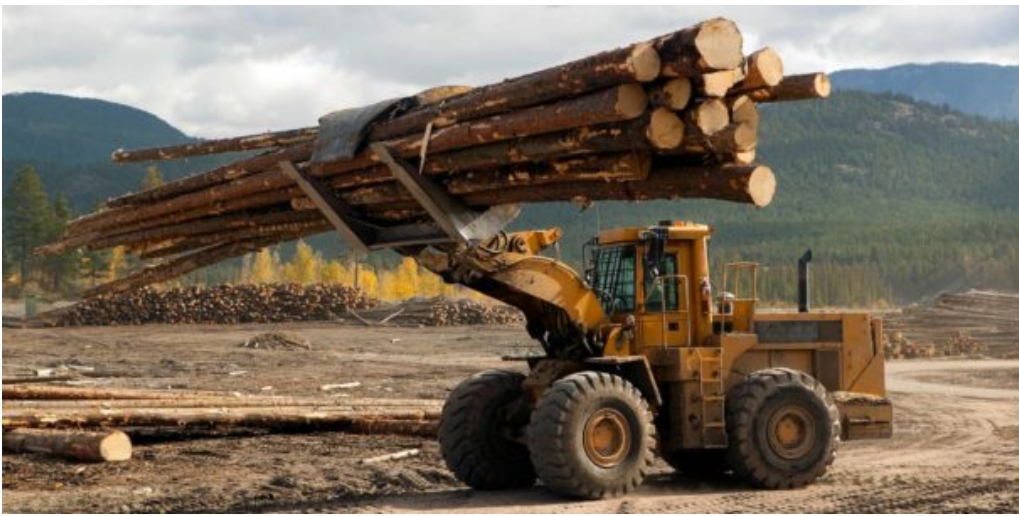
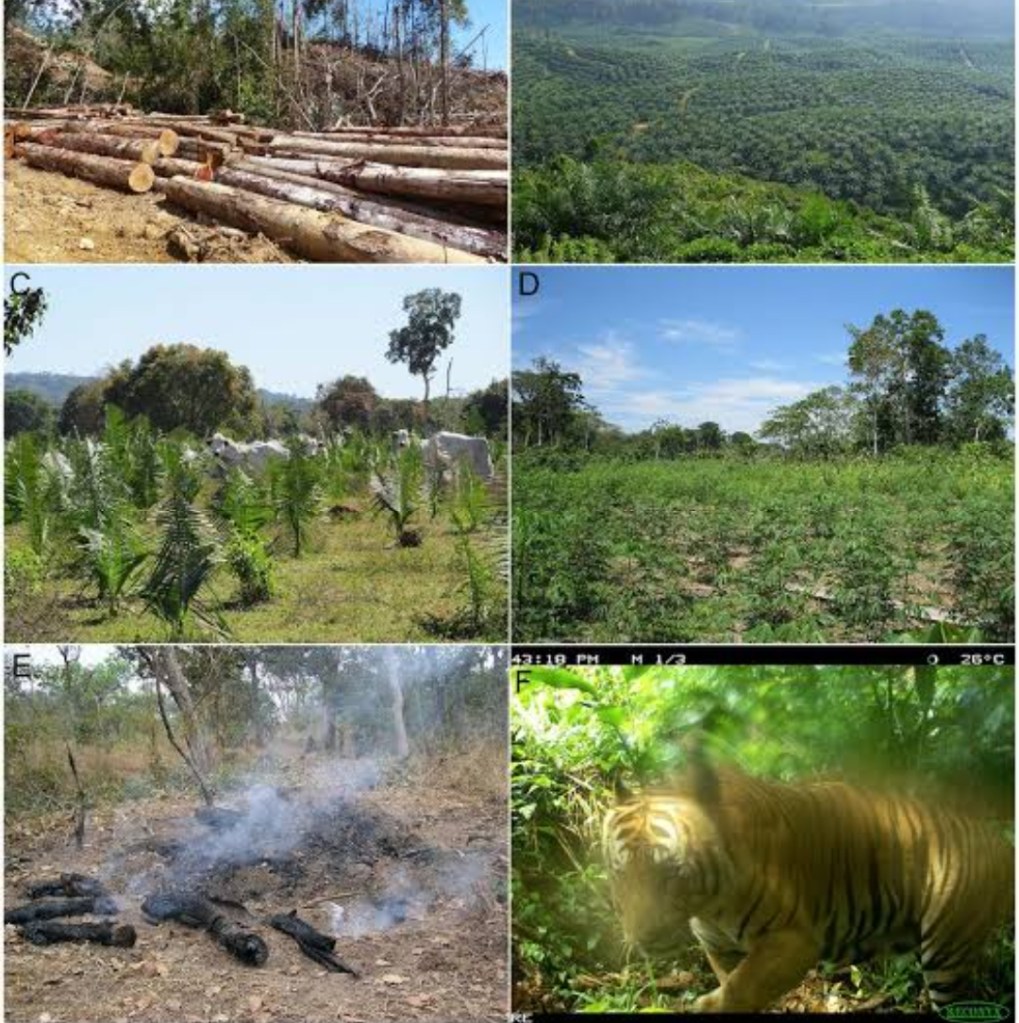
Deforestation is defined as removal of large amount of trees from forest and destroying agricultural lands for human deforestation is one of the major problem causes soil erosion,no rain, disturb water cycle and natural habitats.

OZONE DEPLETION:-

ozone depletion, gradual thinning of Earth’s ozone layer in the upper atmosphere caused by the release of chemical compounds containing gaseous chlorine or bromine from industry and other human activities.ozone depletion cause increase in uv radiation leads to skin cancer,eye cataracts,immune defeciency.It also affect plants growth and reduce agricultural productivity.In survey of 2020 17 percentage of ozone is destroyed.

BIODIVERSITY LOSS:-

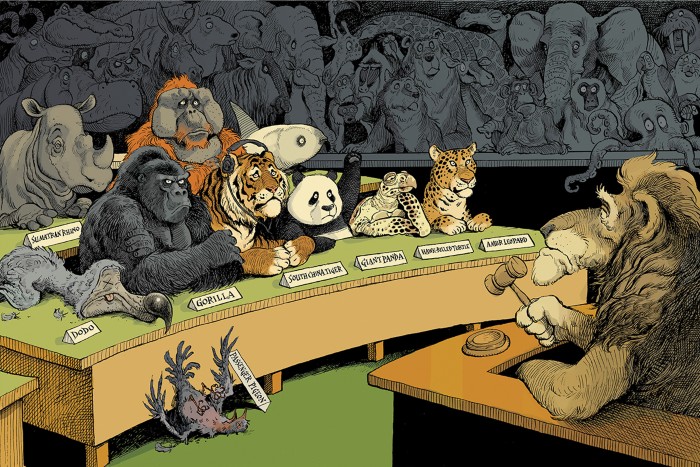
Biodiversity loss includes the extinction of species worldwide, as well as the local reduction of species in a certain habitat, resulting in a loss of biological biodiversity loss is caused by habitat loss, invasive species,ove exploitation, climate change and global warming.some example for biodiversity loss is extinction of plants and animals.Redicing rate of amphibians are some examples.

ACID RAIN:-

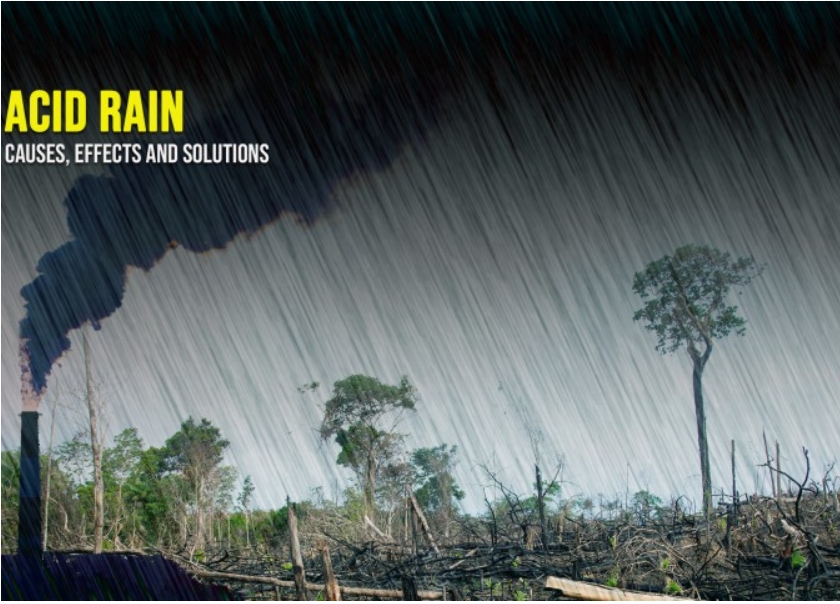
Acid rain, or acid deposition, is a broad term that includes any form of precipitation with acidic components, such as sulfuric or nitric acid that fall to the ground from the atmosphere in wet or dry forms.Acid rain is caused due to the chemical reaction with sulphur dioxide and nitrogen oxides introduced in air.It pollutes air and soil.It have impact on soil, freshwater cause killing aquatic life forms.It cause corrosion of steel structures.

HUMAN OVERPOPULATION:-

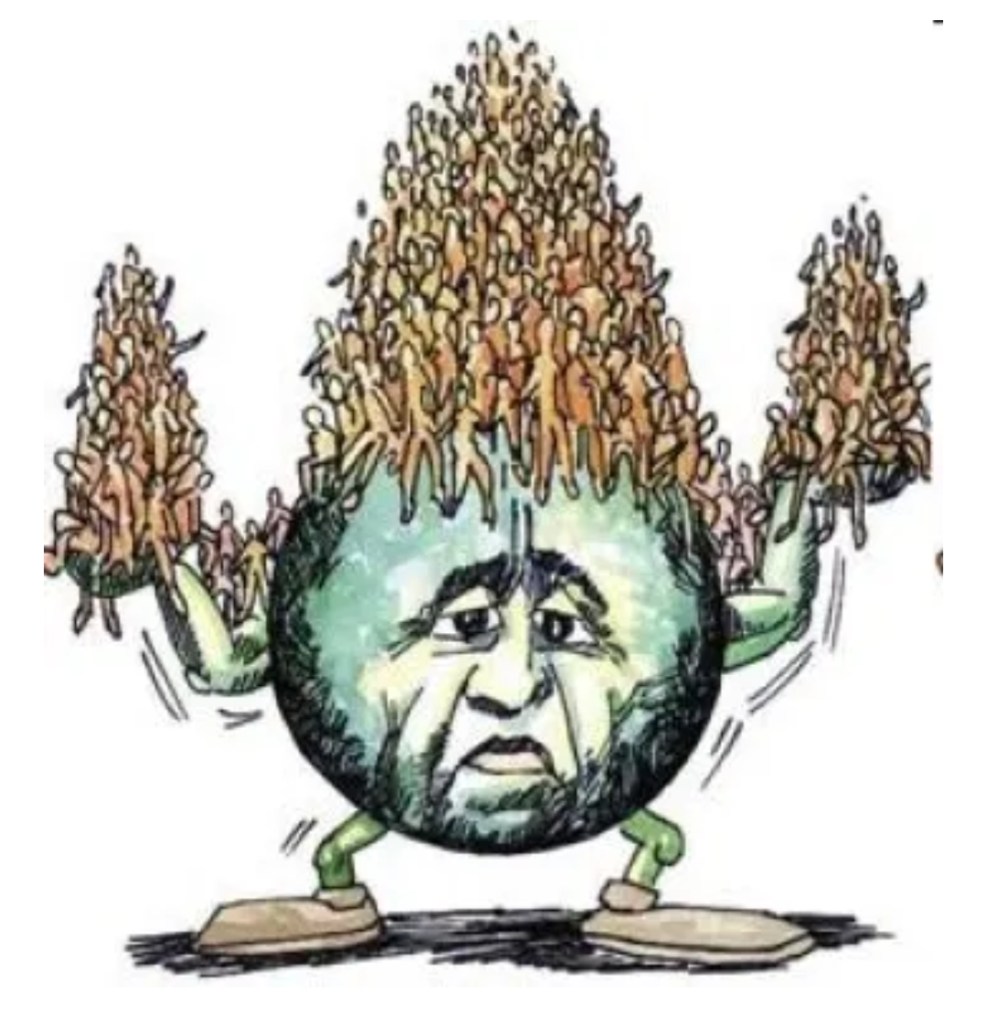
Human overpopulation means that human population becoming very large.It is mainly in developing countries like India,china . Human overpopulation is because of birth rate is higher than that of death rate.Human overpopulation leads toenvironmental issues, silently aggravating the forces behind global warming, environmental pollution, habitat loss, the sixth mass extinction, intensive farming practices and the consumption of finite natural resources.

GLOBAL WARMING:-

The excess heat in the atmosphere which causes the rise in temperature is called global warming.Global warming is mainly caused by climate change, industries and the green house gases.It is serious threat to life on earth in the forms of widespread flooding and extreme weather.Reduce water supply, Decrease agricultural yields , rise in temperature and drought.It is harmful to all living organisms in the earth.

“Earth is like a pressure cooker it controls itself only to limit If it exceeds everything is destroyed”.

What are Carbon Markets ?


Carbon Markets: Carbon markets facilitate the trading of emission reductions. Such a market allows countries, or industries, to earn carbon credits for the emission reductions they make in excess of their targets. These carbon credits can be traded to the highest bidder in exchange of money. The buyers of carbon credits can show the emission reductions as their own and use them to meet their reduction targets. Carbon markets are considered a very important and effective instrument to reduce overall emissions.


A carbon market existed under Kyoto Protocol but is no longer there because the Protocol itself expired last year. A new market under Paris Agreement is yet to become functional. Developing countries like India, China or Brazil have large amounts of carbon credits left over because of the lack of demand as many countries abandoned their emission reduction targets. The developing countries wanted their unused carbon credits to be transitioned to the new market, something that the developed nations had been opposing on the grounds that the quality of these credits — the question whether these credits represent actual emission reductions — was a suspect. A deadlock over this had been holding up the finalisation of the rules and procedures of the Paris Agreement.


The Glasgow Pact has offered some reprieve to the developing nations. It has allowed these carbon credits to be used in meeting countries’ first NDC targets. These cannot be used for meeting targets in subsequent NDCs. That means, if a developed country wants to buy these credits to meet its own emission reduction targets, it can do so till 2025. Most countries have presented climate targets for 2025 in their first NDCs.

The resolution of the deadlock over carbon markets represents one of the major successes of COP26.

Achievements of the Glasgow Summit 2021


What was achieved?

Mitigation: The Glasgow agreement has emphasised that stronger action in the current decade was most critical to achieving the 1.5-degree target. Accordingly, it has:

1. Asked countries to strengthen their 2030 climate action plans, or NDCs (nationally-determined contributions), by next year.

2. Established a work programme to urgently scale-up mitigation ambition and implementation.

3. Decided to convene an annual meeting of ministers to raise ambition of 2030 climate actions.

4. Called for an annual synthesis report on what countries were doing.

5. Requested the UN Secretary General to convene a meeting of world leaders in 2023 to scale-up ambition of climate action.

6. Asked countries to make efforts to reduce usage of coal as a source of fuel, and abolish “inefficient” subsidies on fossil fuels
Has called for a phase-down of coal, and phase-out of fossil fuels. This is the first time that coal has been explicitly mentioned in any COP decision. It also led to big fracas at the end, with a group of countries led by India and China forcing an amendment to the word “phase-out” in relation to coal changed to “phase-down”. The initial language on this provision was much more direct. It called on all parties to accelerate phase-out of coal and fossil fuel subsidies. It was watered down in subsequent drafts to read phase-out of “unabated” coal power and “inefficient” fossil fuel subsidies. But even this was not liking to the developing countries who then got it changed to “phase down unabated coal power and phase out inefficient fossil fuel subsidies while providing targeted support to the poorest and the most vulnerable in line with national circumstances…”. Despite the dilution, the inclusion of language on reduction of coal power is being seen as a significant movement forward.


Adaptation: Most of the countries, especially the smaller and poorer ones, and the small island states, consider adaptation to be the most important component of climate action. These countries, due to their lower capacities, are already facing the worst impacts of climate change, and require immediate money, technology and capacity building for their adaptation activities.

As such, the Glasgow Climate Pact has:

Asked the developed countries to at least double the money being provided for adaptation by 2025 from the 2019 levels. In 2019, about $15 billion was made available for adaptation that was less than 20 per cent of the total climate finance flows. Developing countries have been demanding that at least half of all climate finance should be directed towards adaptation efforts.


Created a two-year work programme to define a global goal on adaptation. The Paris Agreement has a global goal on mitigation — reduce greenhouse gas emissions deep enough to keep the temperature rise within 2 degree Celsius of pre-industrial times. A similar global goal on adaptation has been missing, primarily because of the difficulty in defining such a target. Unlike mitigation efforts that bring global benefits, the benefits from adaptation are local or regional. There are no uniform global criteria against which adaptation targets can be set and measured. However, this has been a long-pending demand of developing countries and the Paris Agreement also asks for defining such a goal.


Finance: Every climate action has financial implications. It is now estimated that trillions of dollars are required every year to fund all the actions necessary to achieve the climate targets. But, money has been in short supply. Developed countries are under an obligation, due to their historical responsibility in emitting greenhouse gases, to provide finance and technology to the developing nations to help them deal with climate change. In 2009, developed countries had promised to mobilise at least $100 billion every year from 2020. This promise was reaffirmed during the Paris Agreement, which also asked the developed countries to scale up this amount from 2025. The 2020 deadline has long passed but the $100 billion promise has not been fulfilled. The developed nations have now said that they will arrange this amount by 2023.

What does the Glasgow Agreement say?

Following are the major observations of the Glasgow Summit :

1. A deal aimed at staving off dangerous climate change has been struck at the COP26 summit in Glasgow.

2. Expressed “deep regrets” over the failure of the developed countries to deliver on their $100 billion promise. It has asked them to arrange this money urgently and in every year till 2025.

3. Initiated discussions on setting the new target for climate finance, beyond $100 billion for the post-2025 period.

4. Asked the developed countries to provide transparent information about the money they plan to provide.

5. Loss and Damage: The frequency of climate disasters has been rising rapidly, and many of these cause largescale devastation. The worst affected are the poor and small countries, and the island states. There is no institutional mechanism to compensate these nations for the losses, or provide them help in the form of relief and rehabilitation. The loss and damage provision in the Paris Agreement seeks to address that.


Introduced eight years ago in Warsaw, the provision hasn’t received much attention at the COPs, mainly because it was seen as an effort requiring huge sums of money. However, the affected countries have been demanding some meaningful action on this front. Thanks to a push from many nations, substantive discussions on loss and damage could take place in Glasgow. One of the earlier drafts included a provision for setting up of a facility to coordinate loss and damage activities. However, the final agreement, which has acknowledged the problem and dealt with the subject at substantial length, has only established a “dialogue” to discuss arrangements for funding of such activities. This is being seen as a major let-down.

What are Carbon Markets ?

Glasgow Summit 2021


Carbon Markets: Carbon markets facilitate the trading of emission reductions. Such a market allows countries, or industries, to earn carbon credits for the emission reductions they make in excess of their targets. These carbon credits can be traded to the highest bidder in exchange of money. The buyers of carbon credits can show the emission reductions as their own and use them to meet their reduction targets. Carbon markets are considered a very important and effective instrument to reduce overall emissions.


A carbon market existed under Kyoto Protocol but is no longer there because the Protocol itself expired last year. A new market under Paris Agreement is yet to become functional. Developing countries like India, China or Brazil have large amounts of carbon credits left over because of the lack of demand as many countries abandoned their emission reduction targets. The developing countries wanted their unused carbon credits to be transitioned to the new market, something that the developed nations had been opposing on the grounds that the quality of these credits — the question whether these credits represent actual emission reductions — was a suspect. A deadlock over this had been holding up the finalisation of the rules and procedures of the Paris Agreement.


The Glasgow Pact has offered some reprieve to the developing nations. It has allowed these carbon credits to be used in meeting countries’ first NDC targets. These cannot be used for meeting targets in subsequent NDCs. That means, if a developed country wants to buy these credits to meet its own emission reduction targets, it can do so till 2025. Most countries have presented climate targets for 2025 in their first NDCs.

The resolution of the deadlock over carbon markets represents one of the major successes of COP26.

Five terms that came up at the climate change conference in Glasgow 2021


The main task for COP26 was to finalise the rules and procedures for implementation of the Paris Agreement. Most of these rules had been finalised by 2018, but a few provisions, like the one relating to creation of new carbon markets, had remained unresolved.

After two weeks of negotiations with governments debating over provisions on phasing out coal, cutting greenhouse gas emissions and providing money to the poor world, the annual climate change summit came to an end on Saturday night with the adoption of a weaker-than-expected agreement called the Glasgow Climate Pact.


The Glasgow meeting was the 26th session of the Conference of Parties to the UN Framework Convention on Climate Change, or COP26. The main task for COP26 was to finalise the rules and procedures for implementation of the Paris Agreement. Most of these rules had been finalised by 2018, but a few provisions, like the one relating to creation of new carbon markets, had remained unresolved. However, due to clear evidence of worsening of the climate crisis in the six years since the Paris Agreement was finalised, host country United Kingdom was keen to ensure that Glasgow, instead of becoming merely a “procedural” COP, was a turning point in enhancing climate actions. The effort was to push for an agreement that could put the world on a 1.5 degree Celsius pathway, instead of the 2 degree Celsius trajectory which is the main objective of the Paris Agreement.

ECO FEMINISM IN INDIAN CONTEXT

According to Merriam-Webster, ecofeminism is a movement or a theory that applies feminist principles and ideas to ecological issues. This term was first coined by a French feminist, Francoise d’Eaubonne in her book “Le Feminisme ou la Mort” (Feminism or Death). She raised the point that patriarchy is the root cause of all ecological crisis – men’s control over women and nature have led to overpopulation and overexploitation of nature respectively. When we talk about the environmental disaster that’s taking place, the role of gender about how we can move forward comes into play.

As United Nations Environment Programme puts it, “Around the world, environmental conditions impact the lives of women and men in different ways as a result of existing inequalities. Gender roles often create differences in the ways men and women act in relation to the environment and in the ways men and women are enabled and prevented from acting as agents of environmental change”; and here comes the concept of ecofeminism.

In India, ecofeminist Vandana Shiva is the pioneer who prepared the ground for ecofeminism with a strong belief that women have always been the key to solve various societal problems and environmental problems are one of them. By highlighting their presence in the Indian literature, the nature and form of ecofeminism in India can be assessed. Literature in which the concept of ecofeminism has been taken into account ranges from early ecofeminism to the recent or the urbanized one such as ‘Nectar in a Sieve’ (1954) by Kamala Markandya, ‘Fire on the Mountain’ (1977) by Anita Desai, ‘A Riversutra’ (1993) by Gita Mehta, ‘The God of Small Things’ (1997) and ‘An Atlas of Impossible Longing’ (2008) by Arundhati Roy and ‘Monkey-Man’ (2010) by Usha K.R.

Many female Indian novelists not only explore the subjectivity that is embedded in the relationship of women and the patriarchal society but also make several social issues as the key subjects. Many of the works from twentieth century of such novelists have been regarded as effective mediums of ‘modernism and feminism’. With Arundhati Roy and Kiran Desai getting hold of Booker Prizes, works of Indian women novelists have been highlighted. Indian women’s fiction on the relationship between women and the environment has added to the theory and development of ecofeminism in India.

In the West, there are large bodies of literary accounts that have analyzed ecofeminism in different ideological terms but in India, the struggle to save environment went on for long even before it was accounted in the West. It was Vandana Shiva who brought ecofeminism movements to the forefront in India with her active involvement in the Chipko Movement- wherein women wrapped themselves around trees to prevent contractors from felling them off- as a young woman. The struggle to protect the environment is believed to be the same across all communities in India but we would be at a loss in our thinking if we ignore the fact that protests against environmental damage and questions of survival and subsistence are interlinked deeply with the axiom of caste, class and gender issues.  Vandana Shiva, the pioneer in this field, critiques that modern technology which has actually reinforced the patriarchal system and violence perpetuates it towards women and nature.  According to her, switching to such a lifestyle is deviating us from the traditional lifestyle which promotes human-environment balance ‘prakriti’. Under the influence and grab of these new developments, nature has been mercilessly exploited and feminine principles in terms of the environment are no longer considered for creativity and sanctity but merely to be passive resources. Thus, though women’s knowledge of dependence on nature for subsistence has been dissipated and marginalized under the grab of modern science, she strongly believes that third world women have the power within them for causing a change. In this regard, we can cite the example of ‘Narmada Bachao Andolan’ in which the active participation of Medha Patkar and Arundhati Roy helped the movement gain momentum.

The issue of sustainable development to protect the environment from degrading was raised in Conference on Environment and development at Stockholm in 1974 for the first time. If we turn the pages of history, we will find instances which prove that women are better connected with nature. Since time immemorial, they have been responsible to look after households and prepare basic needs for survival and thus, are better connected to nature.

Women’s interaction and relationship with nature must be located within the material reality of caste, class and gender. Women are the victims of environmental disaster but they can also be very effective agents of environmental regeneration – as is clearly evident by the success of the Chipko Movement. The need of the hour is to mobilise them into a proper channel and to give ecofeminism a proper voice and a way so that it does not turn into a superficial shout. There is also a need to abolish the class and caste basis for an effective collective movement in India. The adverse class-caste effects on women’s relationship with nature are reflected in the erosion of indigeneous knowledge and livelihood strategies on which poor, rural women are dependent. Thus, there is a need for ecofeminism in India to strengthen itself in the face of different barriers and be more than a superficial shout.

Image Credit: Google
CHIPKO MOVEMENT 2.0 ?

A historic environmental movement took place in the Chamoli district of Uttarakhand in India. It was started by Amrita Devi and lead by environmentalist Sunderlal Bahuguna. People involved in developmental projects ordered their workers to chop off the woods situated in Chamoli. The forest resources contributed greatly to the livelihood of the villagers. Their predominant occupation included, food gathering, forestry, farming, pastoral work, etc. Hence, these locals heavily relied upon the forest. The developmental officials intended to industrialize the area for improvement in transport and communication. But, the locals disagreed upon their plans. In the month of April 1973, contractors and workers visited the site to begin with felling of the woods. But, the locals gathered in masses and hugged the tress in protest. Women in large numbers too came forward to lead a non-violent struggle. Therefore, the movement came to be known as ‘The Chipko Movement’ (English Translation – ‘Hug The Tree Movement’) This unique movement gathered a lot of praise as the workers had to retreat due to the mass protest. The villagers thus gained success in eliminating deforestation.

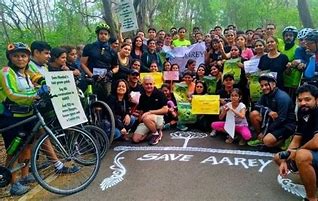
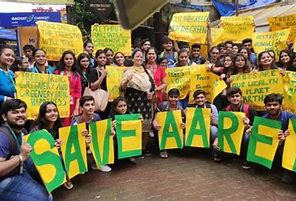
A very similar protest occurred in the Aarey Forest in Mumbai city of India, which is an urban green space spread across 800 acres of land. This green landscape is popularly known as the ‘Green Lungs of Mumbai’. It is one of the only areas with a natural forest cover in Mumbai. A multi-crore metro rail project was launched in the city to ferry 13.9 lac passengers daily. Bharatiya Janata Party ( an Indian political party) announced a controversial decision to construct a car shed for Mumbai Metro line-3 at Aarey Forest. For this project, 2141 trees were cut down. Shivsena (political party) opposed the move of the BMC Tree Authority to allow felling of the trees, while other parties such as NCB and BJP were in favour. Mumbaikars were highly agitated with the decision taken. Protests regarding the same, legally gained pace when environmental activist, Zoru Bathena signed a petition at the Bombay High Court against the Tree Authority for giving clearance to the proposal.

The MD OF MMRCL claimed that the plus points of the developmental project will outweigh the felling of trees. Upon receiving all such actions and statements, not just politicians and environmentalists but also the Bollywood actors came on ground to protest against the decision. The ‘SAVE AAREY’ campaign gained popularity with social media hashtags, posters, slogans and blogs. People from NGO’s, celebs, youtubers, influencers and the civil public gathered in the Aarey Milk Colony, Goregaon to lead agitations. As a part of duty, men and women in uniform had to detain, charge and arrest people for indulging in an unlawful assembly, under Section 144 which was imposed during that time period.

All of this gained favorable outcomes when, the Maharashtra Chief Minister, Mr. Uddhav Thackeray announced the declaration of 800 acres of land in the Aarey as forest premises, which will remain unharmed pertaining to any developmental work in the future as well. The cases filed against the protesters were also taken back by the court. CM Thakeray also announced that the Metro car shed for Phase III be shifted to a land in Kanjurmarg (suburbs of Mumbai), owned by the State Government. The land will be used free of cost as a property of the State. In this manner, the green patch of Aarey was treasured by a cohesive movement. Hence, we can conclude by stating that, this Save Aarey Movement 2020 was much similar to the Chipko Movement 1973.

“The Earth provides enough to satisfy every man’s need but not every man’s greed”

– Mahatma Gandhi

Sustainable use of natural resources and prevention of environmental degradation is essential. Mass consciousness in this regard is leading to environmental actions and movements. Thus, human evolution and environmental protection must go hand in hand.

Significance of Biodiversity

Biodiversity in simple words is the biological diversity or the variety of life forms that can be found on earth as well as to the communities that they form and the habitats in which they live. Biodiversity provides us with various benefits directly or indirectly, it plays numerous functions which can be classified as : ecological, economical and social benefits. It maintains balance in the ecosystem by :
✓ Recycling and storage of nutrients
✓ Fighting pollution
✓ Stabilising climate
✓ Maintenance of water resources
✓ Replenishment of Soil and control of soil erosion
Economically provides us with all raw materials for industries, helps in meeting our medical needs and more importantly provides us with food. The biodiversity looks after us in all the aspects in one hand and on the other hand it repairs all the destructions caused by us.

Biodiversity is the basis for our survival. But we human beings are the major reason for its destruction. We are not only pushing other species to danger but slowly demolishing the habitat that we live in, further paving way towards our extinction.

The saddest part is that though most of us are aware of these facts, we are not paying attention to it. But we need to realise the fact that each and every action of us has an impact on the world. We can’t pass out a day without making changes or influencing our surrounding. The process of conservation is incomplete without our participation.So we must realise the need or the urge for conservation of biodiversity. Everyone must be aware of its importance and work towards preserving our future.