Operation Cactus by Indian Armed Forces which saved Maldives freedom.

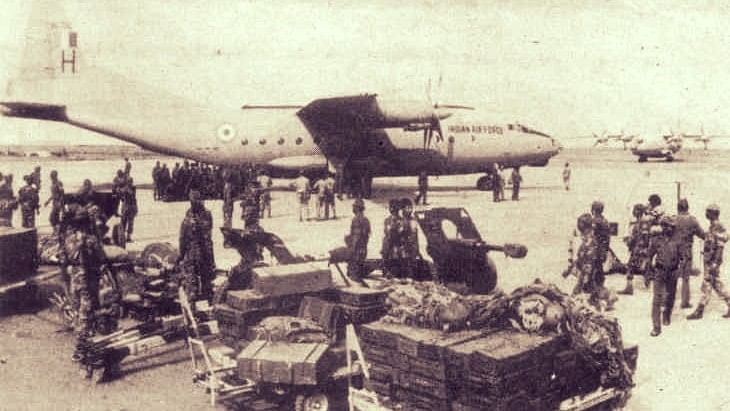
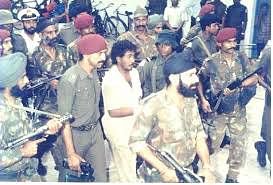
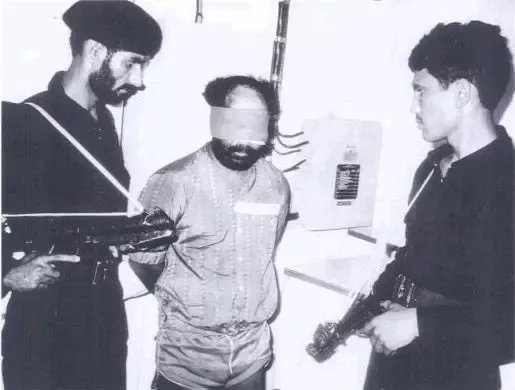
Operation Cactus, led by the Indian Armed Forces in 1988, to stop a group of Maldives mercenaries led by businessman Abdullah Rutufi, and armed mercenaries of the Tamil Elam People’s Liberation Organization (PLOTE), a separatist Tamil organization in Sri Lanka. It’s strategy was to overthrow the government in the Maldivian island republic.

Thier were two coup attempr done before 1988.The 1980 and 1983 coup attempts against President Maumoon Abdul Game were not considered serious, but the third coup attempt in November 1988 surprised the international community. About 80 armed PLOTE mercenaries boarded a speedboat from a Sri Lankan cargo ship hijacked in the capital Male before dawn. A similar number has previously invaded Male in the guise of a visitor. The mercenaries soon gained control of the capital. This includes major government buildings, airports, ports, television and radio stations. The mercenaries then marched to the presidential residence, where President Gayoom lived with his family. However, before they arrived at the presidential residence, President Gayoom was escorted to the Defense Minister’s house by a Maldivian national security forces. The Secretary of Defense then took the president to a safe home.

Meanwhile, the mercenaries occupied the presidential residence and managed to take the Maldivian Minister of Education hostage. President Gayoom called on Sri Lanka and Pakistan government to intervene in the military, but both refused to help because of lack of military power. The president then demanded Singapore’s intervention, but Singapore refused for the same reason. He then contacted the United States and was told that it would take a couple of days for the US military to reach the Maldives from the nearest military base in Diego Garcia, which was almost 1000 km away. The president then contacted Britain and who advised them to seek help from India. After that, President Gayoom sought help from the Indian government. India soon accepted their request and an emergency meeting was convened at the Secretariat Building in New Delhi. Within 16 hours of SOS, India was ready for thier missions.

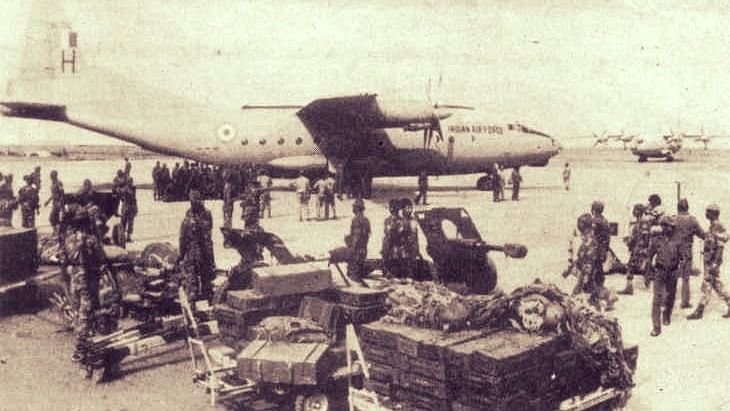
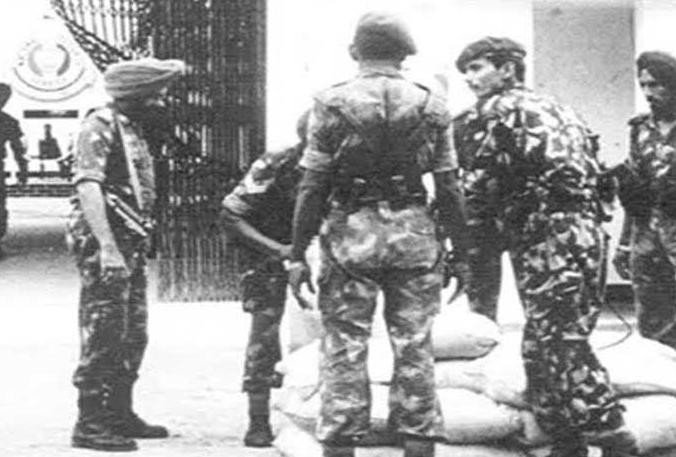
Rejaul Karim Laskar, a member of India’s then ruling party, the Indian National Congress, said that intervention of India in coup d’etat was necessary because without India’s intervention, outsiders powers were tempted to intervene and establish base in the Maldives. . Therefore, India intervened through “Operation Cactus”. On the night of November 3, 1988, the Ilyushin Il-76 aircraft of the Indian Air Force took elements of the 50th Independent Parachute Regiment, the 6th Parachute Regiment Battalion, and the 17th Parachute Field Paratrooper Regiment under Brigadier General Farsala from Agra Air. He flew non-stop for over 2,000 kilometers (1,240 miles) and landed at Male International Airport on Hulhule Island. Indian Army paratroopers arrived in Hulhule nine hours after President Gayoom proceedings.

Indian paratroopers quickly secured an airfield and sailed to Male on a confiscated boat to rescue President Gayoom . Paratroopers handed over control of the capital to President Gayoom ‘s government within hours. Some of the mercenaries fled to Sri Lanka on a hijacked cargo ship. Those who could not arrive at the ship in time were immediately rounded up and handed over to the Maldivian armed Forces and government. According to reports, 19 people died in battle, most of them mercenaries. The dead included two hostages killed by mercenaries. And Operation Cactus took 18 hours for Indian Armed Forces from start to finish. Indian Navy frigate Godavari and Betwa intercepted a cargo ship off Sri Lanka and captured mercenaries. The swift intervention and accurate intelligence of the Indian Army was able to successfully subdue the coup attempted in the island nation.

“Black Tiger” Of India Ravindra Kaushik.

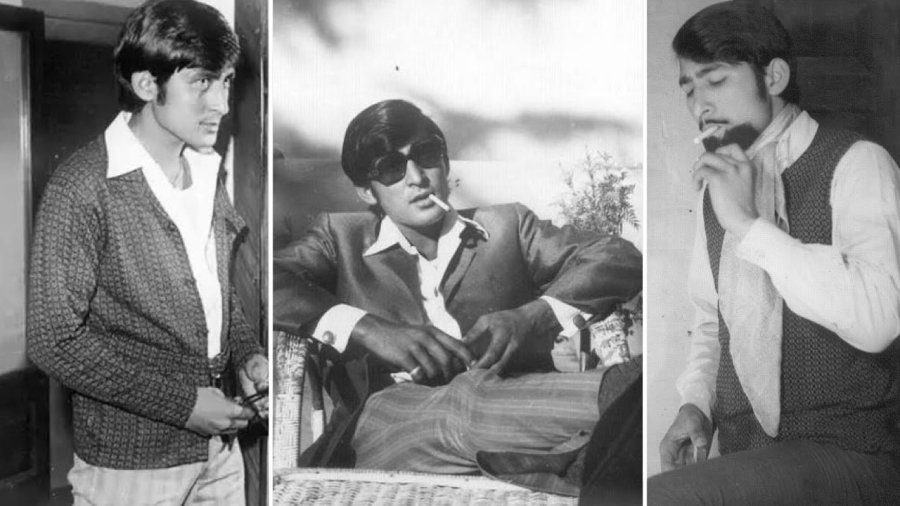
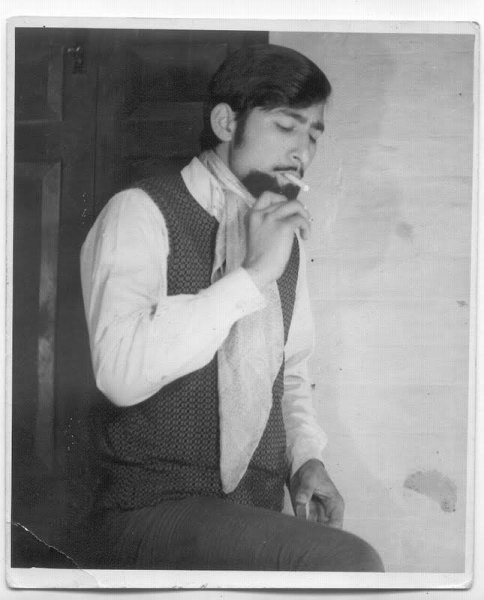
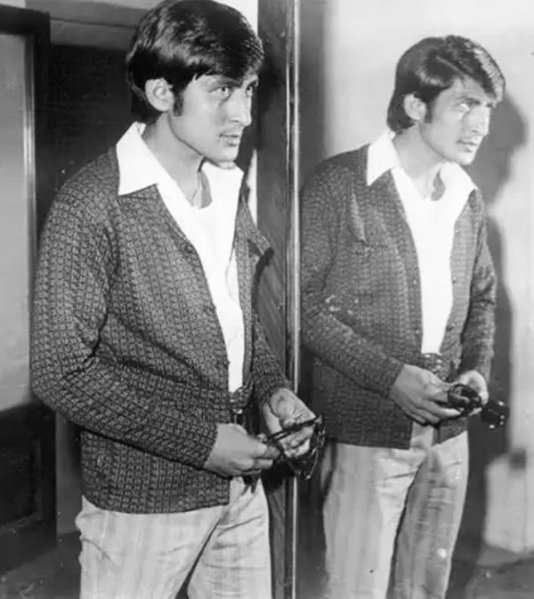
Ravindra Kaushik who served in (R&AW) ,famously known as Black Tiger was born in Sri Ganganagar, Rajasthan on 11 April 1952 in a Brahmin family.
Ravindra during his graduation days used to do drama plays and during this time Kaushik displayed his talent at the national level dramatic meet in Lucknow, Uttar Pradesh, which was witnessed by officials from the Research and Analysis Wing. After which he was contacted and offered a job of being an undercover Operative for Research and Analysis Wing in Pakistan.

After agreeing to work for R&AW Kaushik was given extensive training in Delhi for two years. He underwent circumcision so he could pass as a Muslim. He was taught Urdu, given Islamic religious education and acquainted with the topography and other details about Pakistan. Being from Sri Ganganagar, a city near Rajasthan’s border with Punjab, he was well versed in Punjabi, which is widely understood in Punjab and Pakistan as well., India. In 1975, at the age of 23, He was sent to Pakistan.
Kaushik was given the cover name “Nabi Ahmed Shakir” and entered Pakistan in 1975. He was successful in getting admission in Karachi University and from where he completed his LLB. He then joined Pakistan Army as a commissioned officer and eventually promoted to the rank of a major. While living in Pakistan under his cover he married a local girl named Amanat, the daughter of a tailor in one of the army units, and with whom he fathered a boy .

From 1979 to 1983, while working as an officer, he passed on valuable information to R&AW which was of great help to India. He was given the title of ‘Black Tiger’ by India’s then home minister late S. B. Chavan.

In September 1983, R&AW sent a low-level operative, Inyat Masih, to get in touch with Kaushik. However, Masih was caught by Joint Counterintelligence Bureau of Pakistan’s ISI and blew Kaushik’s cover. Kaushik was then captured, tortured for two years at an interrogation center in Sialkot. He was given the death sentence in 1985. His sentence was later commuted to a life term by the Supreme Court of Pakistan. He was kept in various jails in various cities, including Sialkot, Kot Lakhpat and in Mianwali jail for 16 years. He managed to secretly send letters to his family in India, which revealed his poor health condition and the trauma faced by him in Pakistani jails.He also adresses his thoughts on his country and department. In one of his letters he wrote:
“Kya Bharat jaise bade desh ke liye kurbani dene waalon ko yahi milta hai?” (Is this what people who sacrifice their lives for a big country like India get?”
In November 2001, he was caused with pulmonary tuberculosis and heart disease in Central Jail Mianwali in Pakistan.
He served for Research and Analysis Wing from 1975 to 1983.

“Writing about magic is harder than writing about spies because you’re dealing with something that doesn’t really exist.”

-Anthony Horowitz

A Struggle of many people to make Uttarakhand a state.

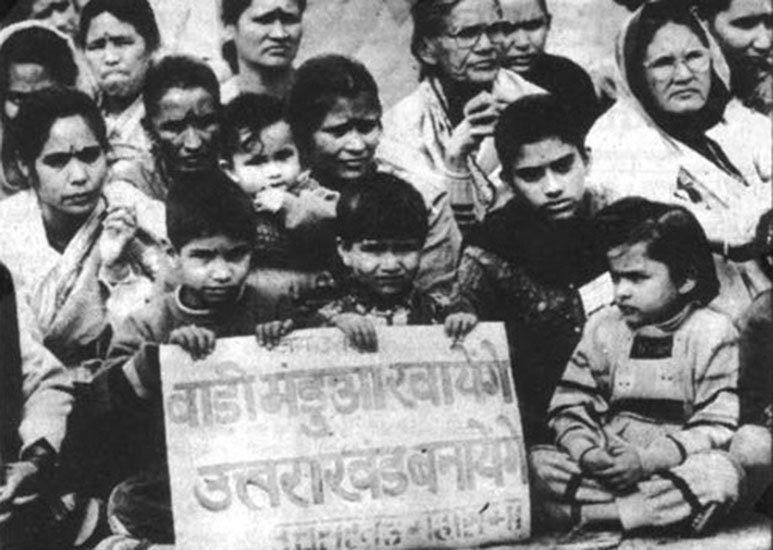
Uttarakhand became a state on November 9, 2000. The establishment of Uttarakhand was achieved after a lot of hard work and sacrifice. The voice for Uttarakhand to become a state was first raised in a special session of the Indian National Congress in Srinagar, May 5-6, 1938. In 1994, after a series of events, demand gradually increased for another state eventually which took the form of a mass movement, leading to the formation of India’s 27th state by 2000.

In March 1994, Uttar Pradesh Chief Minister Mulayam Singh Yadav recommended the Mandal Commission to secure 27% of government positions and places in schools and universities for socially and economically weaker classes,which was later on carried on. The Hill region OBC population was very small at 2.5% and reserving OBC seats meant that all government seats would go to the plains of Uttar Pradesh. This led to intensified protests against the nation.

In 1994, the students throughout the region participated in separate state and group movements for reservations. The Uttarakhand movement was further intensified locally by the anti-Uttarakhand statement by then-Chief Minister of Uttar Pradesh, Mulayam Singh Yadav. Uttarakhand leaders continued to support their call for another state until their death. State officials went on strike for three months, and the Uttarakhand movement was exacerbated by the blockade and confrontation with police. Uttarakhand activists in Mussoorie and Khatima were shot dead by police. On October 2, 1994, in Delhi, the capital of the country, a large-scale demonstration and protest was held in support of the state under the support of Samyukta Morcha. Uttarakhand activists marched to Delhi to participate in the struggle. Activists who participated in peaceful demonstrations near Ranpur Tiraha Junction in Muzaffarnagar were tortured and shot dead openly without warning. Police officers were also charged with obscene behavior and rape with female activists. Satya Pokhriyal was a leader who led all people out of misery and other Andolankari helped others and showed courage. Several people were killed and many were injured. These incidents has fueled the Uttarakhand movement. The next day, October 3, the destruction of gunfights across the region and protests over multiple deaths broke up.

On October 7, 1994, a female activists died after police brutally attacked her in Dehradun while she protested against the shooting at Rampur Tiraha and many activists attacked the police station in return. A curfew was imposed in Dehradun on October 15, and one activists was also killed on the same day. On October 27, 1994, then Indian Minister of Home Affairs Rajesh Pilot met with state activists. Meanwhile, a brutal police attack in Srinagar’s Sriyantra Tapu killed several activists while they were protesting.


On August 15, 1996, then Prime Minister H.D. Deve Gowda announced at the Red Fort of Delhi the forming of a new state Uttarakhand.

In 1998, the BJP-led coalition government at the centre sent the “Uttarakhand Bill” through the President of India to the Uttar Pradesh state government . The Uttar Pradesh State Assembly passed , the Uttarakhand bill with 26 amendments and sent back to the central government. On July 27, 2000, the central government submitted the 2000 Uttar Pradesh Reorganization Bill to the Parliament of India. Lok Sabha passed the bill on August 1, 2000, and Rajya Sabha passed the bill on August 10, 2000. The Uttar Pradesh Reorganization Act was approved by then President of India, K.R. Narayana on August 28, 2000 and on November 9, 2000, the new state of Uttaranchal was established as the 27th state of India, now known as Uttarakhand.

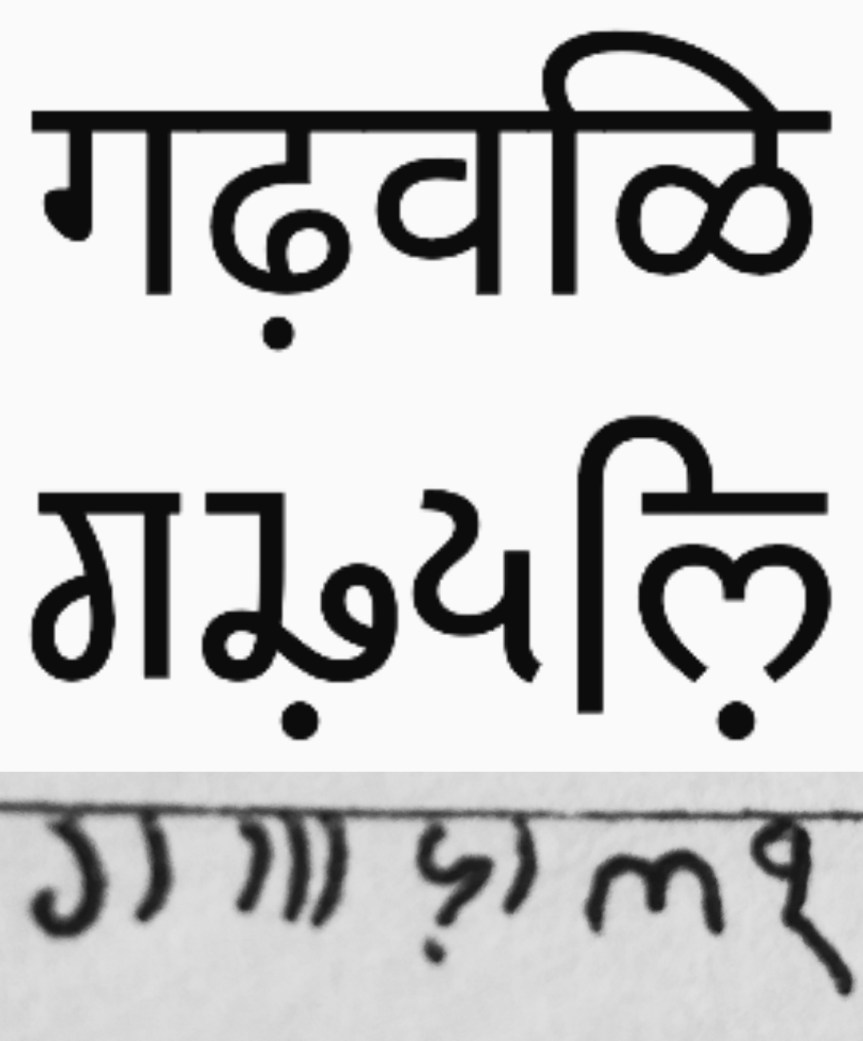
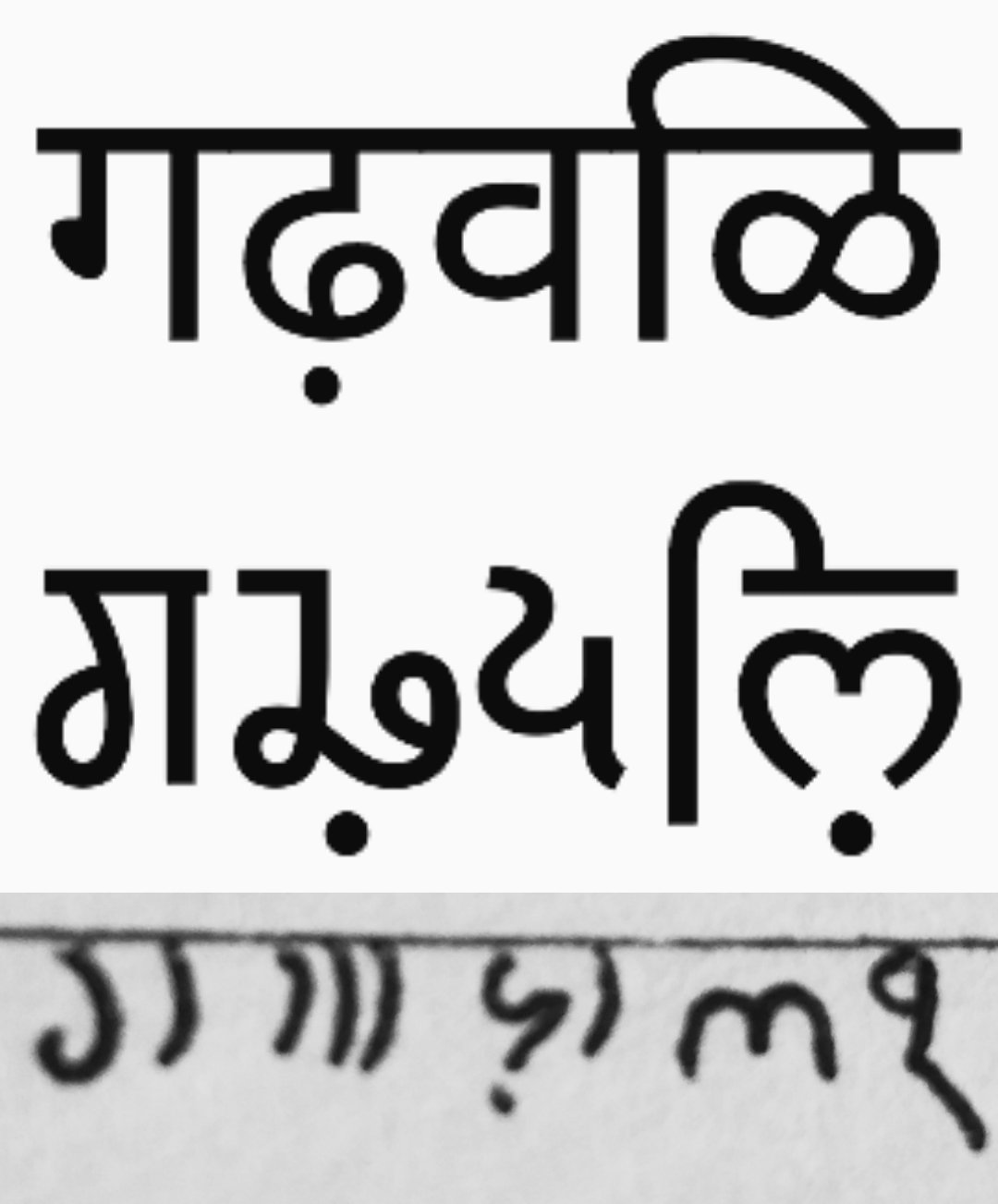
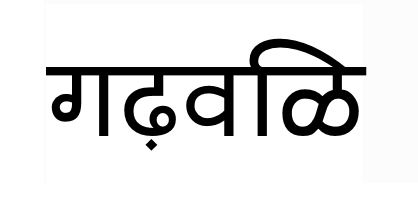
Garhwali Language it’s time to save it from getting fade.

Garhwali is the Indo-Aryan language of the Central Pahari Region which is mainly spoken by more than 2.5 million people in the Garhwal region of Uttarakhand, northern India, in the Himalayas of India, Uttarakhand. Garhwali is also spoken by Garhwali people living in other parts of India, such as Himachal Pradesh, Delhi, Hariyana, Punjab and Uttar Pradesh. According to various estimates, at least 3.5 million Garhwali migrants live in Delhi and other cities.


HISTORY
During the Middle Indo-Aryan era, there were various languages called Prakrit. Of which, Khas Prakrit language is believed to be the source of Garhwali language.The earliest forms of Garhwali can be traced back to the 10th century and can be found in temple stones, including numismatics, royal seals, copper plate inscriptions, royal orders and grants. An example is the inscription of King Jagatpal’s Temple Grant in Dev Prayag in 1335 AD. Most Garhwali literature survives in vernacular form and is transmitted verbally. But since the 18th century, Garhwali has developed a literary tradition.


LITERETURE & WRITERS
Among the famous Garhwali writers in hiastory of literature are Sudarsan Shah, Kumdanand Bahguna, Hari Dutt Sharma (Nautiyal), Hari Krishna Daurga Dutti Rudra, Urvi Dutt Shastri ,Mahidhar Dangwal, etc. , Satyasaran Raturi, Atma Ram Gairola, Devendra Dutt Raturi, Suradutt Saklani and more. Among historians are Mola Ram, Miya Prem Singh, Hari Dutt Shastri, Hari Krishna Raturi and Vijaya Ram Raturi.
Garhwali literature is thriving despite the ignorance of the government. Today, newspapers like Uttarakhand Khabarsar and Rant Raibaar are published entirely in Garhwali. Magazines such as Baduli, Hilaans, Chitti-patri and Dhaad have contributed to the development of GarhwaliGarhwali language.

Some Notable works of Gharwali writers:
•)Abodh Bandhu Bahuguna – (1927–2004) Garhwali writer. Some nitable writings include Gaad, Myateki Ganga, and Bhumyal.
•)Bachan Singh Negi – “Garhwali translation of Mahabharata and Ramayana”.
•)Lalit Mohan Thapalyal – “Achhryun ku taal”
•)Leeladhar Jagudi – (1944) Writer and novelist. PadmaShri
•)Lokesh Nawani – “Phanchi”
•)Madan Mohan Duklaan – “Aandi-jaandi saans”
•)Chandramohan Raturi – “Phyunli”
•)Chinmay Sayar – “Aunar”
•)Dr. Narendra Gauniyal – “Dheet”
•)Durga Prasad Ghildiyal – “Bwari”, “Mwari” and “Gaari”
•)Gireesh Juyal ‘Kutaj’ – “Khigtaat”.

Struggle of Official RecogItion:
Since the establishment of Uttarakhand in 2000, the state governments have made slow progress in promoting and developing the regional language of Uttarakhand. Like other languages in Uttarakhand, Garhwali, the most widely spoken language, is not officially recognized. In 2010, Hindi became the official language and Sanskrit became the second official language of Uttarakhand. In 2014, after making Garhwali the official language of Uttarakhand and demanding that it be taught at schools and universities for many years, the Uttarakhand State Government established Kumaoni and Garhwali departments at Kumaoni and Garhwali universities, respectively, to study the regional languages. At the national level, Garhwali is always required to be included in the 8th schedule of the Indian Constitution in order to be one of India’s schedule languages. In July 2010, Parliamentary member Satpal Maharaj of Pauli Garhwal submitted a legislative bill to Lok Sabha to include the languages of Garhwali and Kumaoni in the eighth schedule of the Constitution. Like most private citizen bills, the bill has not been discussed in Parliament and has since expired.

India’s first freedom fighter Narasimha Reddy.

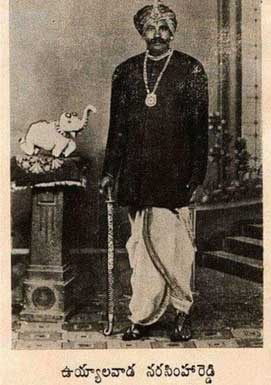
Uyyalawada Narasimha Reddy was an Indian freedom fighter and he was born in Rupanagudi village, on 24 November 1806.

The father of Narasimha Reddy was related to the Palegar family of Uyyalawada in Koilakuntla taluk who had married two daughters of the Palegar of Nossam. He had three sons, of whom Narasimha was the youngest son of the Palegar of Nossam, Seethamma. He married a woman named Siddhamma at the age of 6 .
The British East India Company’s preface to the Chennai Presidency of the 1803 endless agreement, which had first been legislated in Bengal Presidency ten times preliminarily, replaced the agricultural socio- profitable status quo with a further egalitarian arrangement where anyone could cultivate handed that they paid a fixed sum to the East India Company for the honor of doing so.
The Palegars and other advanced- status people who preferred the old agricultural system” represented the decadent social order”, were in numerous cases” arrivistes” and” were also the heirs at law of a social system in which colorful orders of Hindu society were integrated through periods”. These people were ousted of their lands, which were also redistributed, but the primary purpose of the changes was to increase product rather than to restructure the social order. In some cases, it coincided with a discipline because among the dispossessed were those who had lately been involved in fighting the East India Company in the Palegar Wars. Some entered pensions in lieu of the lost lands but at inconsistent rates.


The changes, which included the preface of the ryotwari system and other attempts to maximize profit, deprived vill helmsmen and other advanced- status people of their part as profit collectors and position as lodgers, while also impacting on lower- status tillers by depleting their crops and leaving them impoverished. The East India Company were economically exploiting the people and that those who were dependent on the traditional work were no longer had a means of making a living. As the old order collapsed into disarray, the formerly-authoritative Palegars, including Narasimha Reddy, came the focus of attention from victims, whose pleas fell on deaf cognizance. The Palegars saw a chance to rally peasant opposition both for genuine social reasons.
Narasimha Reddy’s own expostulations too was grounded on their issues. Compared to the Palegar of Nossam, the pension awarded to his family upon their acquisition was paltry and the authorities refused to increase it by redistributing some of the Nossam moneybags when that ultimate family came defunct in 1821. At the same time, some of his cousins were facing proffers for farther reductions in their land rights, including by a reform of the vill policing system.


WAR AGAINT BRITISH EMPIRE
Effects came to a head in 1846 when the Company authorities assumed land rights preliminarily held by colorful people who had failed in the townlets of Goodladurty, Koilakuntla and Nossum. Encouraged by the disgruntlement of others, Reddy came the statuette for an insurrection.
An fortified group, originally comprising those ousted of inam lands around Koilakuntla, was led by Reddy’s Right- hand man Vadde Obanna in July 1846. The Amusement Collector for the area Lord Cochrane, believed that Reddy had material support from fellow pensioners in Bhagyanagar and Kurnool, whose land rights had also been appropriated. The group soon attracted support from the peasantry and was reported by Company authorities to have rampaged in Koilkuntla, taking back the pillaged storeroom there and escaping the police before killing several officers at Mittapally. They also despoiled Rudravaram before moving to an area near to Almore, pursued by the East India Company forces who also girdled them.
A battle between Obanna’s 5000-strong band of revolutionists and a much lower British contingent also took place, with around 200 of the revolutionary being killed and others captured before they were suitable to break out in the direction of Kothakota, Giddalur where Reddy’s family were positioned. He with his family moved to Nallamala Hills . The British offered impulses for information regarding the whereabouts of the revolutionists, who were again girdled amidst reports that uneasiness was now growing in other townlets of the area. In a farther skirmish between the revolutionists and the British, who had transferred for mounts, 40 – 50 revolutionists were killed and 90 were captured, including Reddy. Although there was no substantiation of Obanna’s prisoner, he most conceivably was also a interned along with his leader.
clearances were issued for the arrest of nearly,000 of the revolutionists, of which 412 were released without charge. A farther 273 were bailed and 112 were condemned. Reddy, too, was condemned and in his case entered the death penalty. On 22 February 1847, he was executed in Koilkuntla in front of a crowd of over 2000 people. Reddy’s head on the stronghold wall in public view until 1877.


LEGACY
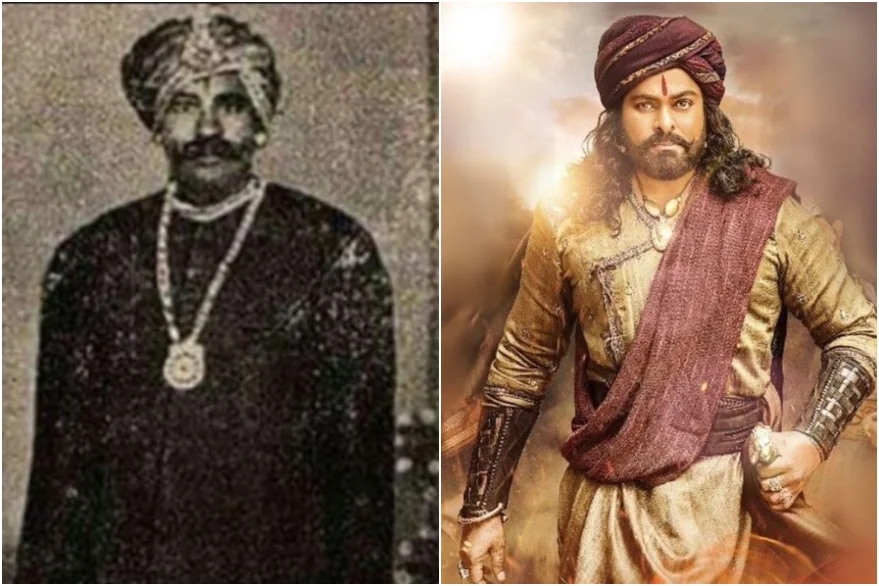
On 2 October 2019 , a film based on the life of Narsimha Reddy’s life named Sye Raa Narasimha Reddy was released . On 25 March 2021 Kurnool Airport at Orvakal was named as Uyyalawada Reddy Airport .

Independence Day of India: History, Significance, Facts and Celebration!

Happy Independence Day 2021: Wishes, Messages, Quotes, Images, Facebook &  Whatsapp status

It is the 75th Indian Independence Day this year which means India has achieved 74 years of freedom from the britishers. We as Indians pay respect to all the leaders who fought bravely for our nation’s freedom in the past. The Prime Minister of India hoisted our tricolour flag at the Red Fort, Old Delhi. He also delivered a speech to the nation as well. However, all cultural programs and school celebrations didn’t took place this year due to the COVID-19 pandemic. Independence day i.e. the 15th of August is declared as a national holiday which means every government office, post offices, banks and stores will remain shut.

History:-

India was ruled by the Britishers for many years. The East India Company ruled India for about 100 years. It was in 1757 when the East India Company won the battle of Plassey. It was after the win went the Company started exerting power over India. Our nation had its rebellion against the foreign rule for the first time in 1957. The entire country united against British power. It was an unfortunate event as India was defeated back then but after that time. Indian rule was then passed to the British who ruled our country till India got its independence.

Our nation faced a long campaign to gain independence. Britain then began to weaken after two world wars and India was finally free. India’s freedom struggle has always been an inspiration to the work as it was the most non-violent campaign in the world.

Significance of this Day:-

This day reminds us of all the sacrifices that were made by our freedom fighters in order to set India free from British rule. 15th August is a national holiday and the day is then celebrated with flag hoisting, parades and cultural events.

India’s Independence Day is significant as it stands as a reminder of the sacrifices that many freedom fighters made to get independence from the British rule. It is a national holiday and it is usually observed throughout the nation with the hoisting of the tricolour, parades and cultural events. India’s first prime minister Jawaharlal Nehru raised the Indian national flag above the Lahori Gate of Red Fort in Delhi on August 15, 1947. It is a tradition that has since been followed by the incumbent Prime Minister, followed by an address to the country.

Some Rare and Unique Facts:-

  1. The song ‘Bharoto Bhagyo Bidhata’ composed in 1911 by Nobel laureate Rabindranath Tagore was renamed as ‘Jana Gana Mana’ and adopted by the Constituent Assembly of India as the national anthem on January 24, 1950.
  2. The Indian national flag with three horizontal stripes of red, yellow and green was hoisted on August 7, 1906, at Parsee Bagan Square in Kolkata. The first variant of India’s current national flag was designed by freedom fighter Pingali Venkayya in 1921. The current flag with saffron, white and green colours and the Ashok Chakra in the middle was officially adopted on July 22, 1947, and hoisted on August 15, 1947.
  3.  Five other countries celebrate their independence on August 15 along with India. They are Bahrain, North Korea, South Korea and Liechtenstein.
  4. The Indian flag is manufactured and supplied from only one place in the nation. The Karnataka Khadi Gramodyoga Samyukta Sangha (KKGSS), located in Dharwad in Karnataka, has the authority to manufacture and supply the Indian national flag. According to the Bureau of Indian Standards (BIS), the flag is manufactured only with hand-spun and handwoven cotton khadi wafting.
  5.  Even after India’s independence, Goa was still a Portuguese colony. It was annexed to India by the Indian Army only in 1961. Thus, Goa was the last state to join the Indian territory.

Celebrations Throughout the Whole Country:

The national anthem is sung on this day, flag-rising ceremonies and drills are also conducted in every corner of the country. Indians make an effort to dress in a specific way to celebrate their nation and culture. Kite flying is another tradition that is followed on Independence Day with people of all age groups as participants. It represents the freedom that we achieved on this day.

The Prime Minister of our country hoists our flag at the Red Fort in Old Delhi. A parade with members of the army and police also takes place. A speech to the nation is delivered by the PM where he speaks on the country’s accomplishments in all these years. He even speaks about the goals for future developments to be taken place in the coming years.

JAI HIND JAI BHARAT!

Important Landmarks of Indian Freedom Struggle

A freedom movement is any organized effort within a society to promote, or attain, liberation or independence, based on social, political, economic, religious, or other ideological grounds. The Indian independence movement was a series of historic events with the ultimate aim of ending the British rule in India. The movement spanned from 1857 to 1947. The first nationalistic revolutionary movement for Indian Independence emerged from Bengal.

In ancient times, people from all over the world were keen to come to India. The Persians followed by the Iranians and Parsis immigrated to India. Lastly, the Britishers came and ruled over India for nearly 200 years. After the battle of Plassey in 1757, the British achieved political power in India.

Revolt of 1857

The Revolt of 1857 is also known as The Great Revolt of 1857 or the Sepoy mutiny of 1857. The sepoys of India who were oppressed by the British for a long time revolted. The 1st initiative was taken by sepoy Mangal Pandey . He had shot a British general. The British had ordered to arrest Mangal Pandey but the Indian sepoys did not follow his instructions. Under the leadership of Mangal Pandey on 29 March 1857 the Indian sepoys marched to Delhi and made the nawab of Delhi the emperor of India. After that many revolts broke out in India. But the British had been successful In suppressing all of them. The Bengali middle class people were however apathetic to the revolt of 1857. Even they did not want the revolt to be successful. This was because they feared that if the British would go back then India would return to Its age of darkness again .the little money and status that they had acquired during the British rule would be lost. Although the Revolt of 1857 was unsuccessful It is in some cases identified as the First War of Independence.

Indian National Congress Formed 1885

The Indian National Congress is a broadly based political party in India . Founded in 1885, it was the first modern nationalist movement to emerge in the British Empire in Asia and Africa . From the late 19th century, and especially after 1920, under the leadership of Mahatma Gandhi, Congress became the principal leader of the Indian independence movement. After India’s independence in 1947, Congress formed the central government of India, and many regional state governments. Congress became India’s dominant political party; as of 2015, in the 15 general elections since Independence, it has won an outright majority on six occasions and has led the ruling coalition a further four times, heading the central government for 49 years. There have been seven Congress Prime Ministers, the first being Jawaharlal Nehru (1947–1964), and the most recent Manmohan Singh (2004–2014). Although It did not fare well in the last general elections in India in 2014, it remains one of two major, nationwide, political parties In India, along with the right-wing, Hindu nationalist, Bhartiya Janata Party (BJP).

Partition Of Bengal 1905

Bengal was partitioned in 1905 by Lord Curzon, based on the Riley Report of 1904 which stayed that ‘ Bengal United is a power : Bengal divided will pull in several different ways.’ East Bengal was given to the Muslims and West Bengal to the Hindus. The reason given to the people was that the partition was necessary for administrative convenience. But the real reason was because Bengal was the center of all Revolutionary activity. The Partition of Bengal created widespread education among the people of Bengal. Hindus and Muslims came out Into the street singing Vande Mataram. The movement soon spread to other parts of India. People decided to Boycott foreign goods and Institutions and use Indian goods. Thus the movement came to be called the Swadeshi Movement. The success of the movement led some National leads to advocate ‘revolutionary terrorism’ as a means to end British rule. Bengal was reunited In 1911.

Formation Of Muslim League 1906

After the Revolt of 1857, the British government followed a policy of ‘divide and rule’. In the beginning, Muslims were discriminated against. They were kept out of the army and the services. However, when the nationalist movement started, the policy of the government underwent a change. The government branded the Congress as a Hindu dominated Party and encouraged the upper class Muslims to start their own organization against the Congress. The partition of Bengal led to a united protest movement. At the Calcutta session of the congress in 1906, a large number of Muslim delegates participated. Mohammad Ali Jinnah moved an amendment opposing reservation of seats, which was accepted. Any-how the Influence of the communal elements among Muslims became strong. The Muslim leadership feared that, by opposing the British government, the Muslim middle and upper class’s economic interests would suffer. The encouragement given to upper class’s Muslims led to the formation of the Muslim League. On 30th December 1906, the Muslim League was formed.


The main objects of the Muslim League were :
(I) To create feeling of loyalty to the British government.
(ii) To protect and advance the political rights and interests of the Muslims of India.
(Iii) To prevent the rise among Muslims of India of any feelings of hostility towards other communities.

Split of Congress 1907

The Indian National Congress (INC), which was established in 1885 by A.O Hume, was divided into two groups(in the year 1907) mainly by extremists and moderates at the Surat Session of the Congress. The period of 1885-1905 was known as the period of the moderates as moderates dominated the Indian National Congress. These Moderates used petition, prayers, meetings, leaflets and pamphlets memorandum and delegations to present their demands in front of the British government. Moderates were not able to achieve notable goals other than the expansion of the legislative council by the Indian Council Act of 1892. This created dis-satisfaction among the people. In 1907 the INC meeting was to be held In Nagpur and the extremists wanted Lala Lajpat Rai and Bal Gangadhar Tilak as president. But moderates wanted Rash Bihari Ghosh to be president. Gopal Krishna Gokhale changed the meeting place from Nagpur to Surat fearing that If Nagpur was to be held as meeting place then Bal Gangadhar Tilak would become President. The partition of Bengal became the rise of extremism In INC.

India’s Capital shifted From Kolkata to Delhi  1911

Calcutta (now Kolkata) was the capital of India during the British Raj until December 1911. Calcutta had become the epicenter of the nationalist movements since the late nineteenth century led to the Partition of Bengal by then Viceroy of British India Lord Curzon. This created massive political and religious upsurge Including political assassinations of British officials in Calcutta. The anti-colonial sentiments amongst public leading to complete boycott of British goods forced the colonial government to reunite the Bengal partition and Immediate shift of the capital to New Delhi. 

Delhi-Lahore Conspiracy 1912

The Delhi Conspiracy case, also known as the Delhi-Lahore Conspiracy, refers to a conspiracy in 1912 to assassinate the then Viceroy of India, Lord Hardinge, on the occasion of transferring the capital of British India from Calcutta to New Delhi. Hatched by the Indian revolutionary underground in Bengal and Punjab and headed by Rash Behari Bose, the conspiracy culminated on the attempted assassination on 23 December 1912 when a homemade bomb was thrown into the Viceroy’s Howdah when the ceremonial procession moved through the Chandni Chowk suburb of Delhi. Although injured in the attempt, the Viceroy escaped with flesh wounds, but his Mahout was killed In the attack. Lady Harding was unscathed. Lord Harding himself was injured all over the back, legs, and head by fragments of the bomb, the flesh on his shoulders being torn in strips. In the aftermath of the event, efforts were made to destroy the Bengali and Punjabi revolutionary underground, which came under Intense pressure for some time. Rash Behari successfully evaded capture for nearly three years, becoming Involved in the Ghadir conspiracy before it was uncovered, and fleeing to Japan In 1916.

Formation of Ghadir Party 1913

The Ghadir Movement was an important episode in India’s freedom struggle. A ship named Komagata Maru, filled with Indian immigrants was turned back from Canada. As the ship returned to India several of its passengers were killed or arrested in a clash with the British police. This incident made the Ghadir Party proclaim war and inspired thousands of Indian immigrants to come back and organize an armed rebellion against British Imperialism. However, this movement was crushed. This article deals with the important events of Ghadir Movement. Original name of Ghadir Party was Pacific Coast Hindustan Association. The founding president of Ghadir Party was Sohan Singh Bhakna and Lala Hardayal was the co-founder of this party. Headquarters of the movement were set up at Yugantar Ashram In San Francisco.

Hindu-German Conspiracy 1914-1917

The Hindu–German Conspiracy was a series of plans between 1914 and 1917 by Indian nationalist groups to attempt Pan-Indian rebellion against the British Raj during World War I, formulated between the Indian revolutionary underground and exiled or self-exiled nationalists who formed, in the United States, the Ghadir Party, and in Germany, the Indian independence committee, in the decade preceding the Great War. The conspiracy was drawn up at the beginning of the war, with extensive support from the German Foreign Office, the German consulate in San Francisco, as well as some support from Ottoman Turkey and the Irish republican movement. The most prominent plan attempted to foment unrest and trigger a Pan-Indian mutiny In the British Indian Army from Punjab to Singapore. This plot was planned to be executed in February 1915 with the aim of overthrowing British rule over the Indian subcontinent. The February mutiny was ultimately thwarted when British Intelligence infiltrated the Ghadarite movement and arrested key figures. Mutinies In smaller units and garrisons within India were also crushed.

Rowlett Satyagraha  1919

Rowlett Acts, (February 1919), legislation passed by the Imperial Legislative Council, the legislature of British India. The acts allowed certain political cases to be tried without juries and permitted internment of suspects without trial.
Sedition Act 1870. The Sedition Act, allowed the government to arrest or detain any person without a fair trial In the court who was seen protesting or criticizing the British authority. In 1919 Gandhiji gave a call for a Satyagraha against the Rowlett Act, passed by the British. The Act restricted the freedom of expression and strengthened police powers. Mahatma Gandhi, Mohammad Ali Jinnah and others strongly opposed this Act.

Jallianwala Bagh Massacre 1919

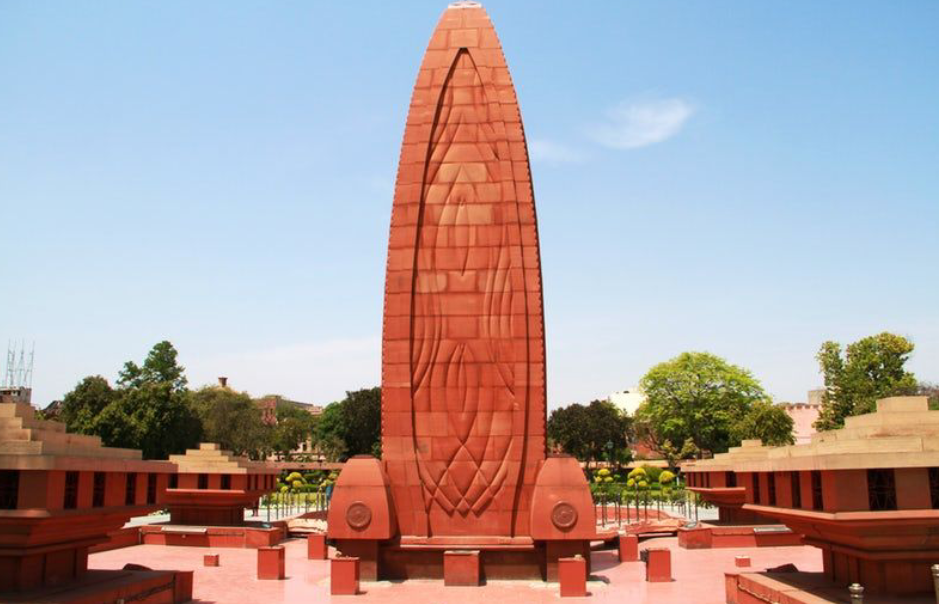
The Jallianwalah Bagh Massacre, also known as the Amritsar Massacre was a massacre that happened in Amritsar, in 1919. It is named after the Jallianwala Bagh [Temple] in the northern Indian city of Amritsar. On April 13, 1919, British Indian Army soldiers started shooting at an unarmed gathering of men, women and children. The person in charge was Brigadier-General Reginald Dyer, the military commander of Amritsar. The shooting lasted about ten minutes. According to official British Raj sources, 379 people were killed. According to other sources, there were over 1,000 deaths, with more than 2,000 wounded, and Civil Surgeon Dr. Smith said that there were 1,526 casualties.

The Khilafat Movement 1919-1924

The Khilafat Movement was organized by the Ali brothers – Mohammed Ali and Shaukat Ali in protest against the injustices done to Turkey (which had fought against Britain) after the First World War. Turkey was important to the Indian Muslims as the Sultan of Turkey was also the ‘Caliph’ (or Khalifa) and was the head of the Muslims throughout the world. The Khilafat leaders put pressure upon the British government to give better treatment to Turkey. Through this demand, Muslims were drawn Into the national movement in large numbers. The movement become a part of the national movement. The Congress leaders joined In the agitation and helped in organizing It throughout the country.

Non-cooperation Movement 1920-1922

In the year 1921 M.K. Gandhi launched the non-cooperation Movement in India. He made an appeal to the Indian people that since the rule of Britishers in India came with the cooperation of Indians, thus, the only way to end the British rule in India is non-cooperation. This movement was launched in different phases. In the first phase, the Indian people who were awarded by the British government In their field began surrendering their titles of honors. The second stage included the boycott of civil services,  congressional assemblies, courts, foreign goods and schools. In the third stage, It was believed that if the administration practiced suppression, a complete civil disobedience drive would be launched by the nationalist leaders.

Chauri Chauri Killing 1922

The Chauri Chauri incident occurred at Chauri Chauri in the Gorakhpur district of the United Province, British India on 4 February 1922, when a large group of protesters, participating in the Non-cooperation movement, clashed with police, who opened fire. In retaliation the demonstrators attacked and set fire to a police station, killing all of Its occupants. The incident led to the deaths of three civilians and 22 or 23 policemen. the Indian National Congress halted the Non-cooperation Movement on the national level as a direct result of this Incident.

Rastriya Swayamsevak Sangh (RSS) was founded 1925

Rastriya Swayamsevak Sangh, abbreviated as RSS “National Volunteer Organisation” or “National Patriotic Organisation”, is an Indian right-wing, Hindu nationalist, paramilitary volunteer organisation that is widely regarded as the parent organisation of the ruling party of India, the Bhartiya Janata Party. The RSS is one of the principal organizations of the Sangh Parivar group. Founded on 27 September 1925, and claiming a commitment to selfless service to India. The organisation Is the world’s largest voluntary missionary organization. The initial impetus was to provide character training through Hindu discipline and to unite the Hindu community to form a Hindu Rashtra (Hindu nation). The organisation promotes the Ideals of upholding Indian culture and the values of a civil society and propagates the ideology of Hindutva, to “strengthen” the majority Hindu community.

Simon Commission 1927

Simon commission is one of the factors leading to the civil disobedience movement. This commission was appointed in November, 1927. It is named after Sir John Simon, who was the chairman of the commission. It was appointed by the British Government to investigate the need for further constitutional reforms. The commission had seven British members but no Indian members. This was seen as a deliberate move to insult the self-respect of Indians ◦In 1927, the Congress decides to boycott the commission ‘at every stage and In every form’. Even the Muslim League agreed to boycott the commission. Next year, an ‘All India Hartal’ was organized by the people. When the commission reached Mumbai, people greeted the commission with slogan “Simon Go Back”. During these protests and hartals. Lala Lajpat Rai was arrested and beaten up. Finally, the commission was sent back with some suggestions and recommendations. 

Declaration of Poorna Swaraj 1929

The Purna Swaraj declaration ( or Declaration of the Independence of India, was promulgated by the Indian National Congress on 19 December 1929, resolving the Congress and Indian nationalists to fight for Purna Swaraj, or complete self-rule independent of the British Empire. ◦The flag of India was hoisted by Jawaharlal Nehru on 31 December 1929 on the banks of Ravi river, In Lahore, modern-day Pakistan. The Congress asked the people of India to observe 26th of January as Independence Day(see Legacy). The flag of India was hoisted publicly across India by Congress volunteers, nationalists and the public. But Bhagat Singh was the first person who gave call to purna swaraj (total Independence).

Beginning of Civil Disobedience Movement 1930

Launched on April 6, 1930, the Civil Disobedience Movement was the most significant movement in the freedom struggle of India. The formation of the Simon Commission, Demand for Dominion Status and Protests against the arrest of social revolutionaries was the three most important causes of this movement. Moreover, the newly introduced salt laws played an important role in launching the Civil Disobedience Movement. According to the new laws the Indian people were required to buy the vital mineral salt, on which the British government was practicing a monopoly. As salt was the basic need for all the sections of the society people under the leadership of M.K. Gandhi launched a March known as the “Dandi March” against the unjust laws of the British government.
This march was joined by thousands of Indians. Therefore, on April 6, 1930, Gandhi formally launched the Civil Disobedience Movement. The main objective of the Civil Disobedience movement Is that the people wanted to break the unjust laws such as the salt tax law. In support of this movement, Indian people continued the production of salt and boycotted foreign clothes and goods. Farmers of India denied paying revenue and Chowkidari taxes. Indian administrators quit their jobs and In many states, tribal people violated forest laws.

The First Round Table Conference was held in London 1930

First Round Table Conference was first among the three such conferences organized between 1930 and 1932 by British government towards constitutional reforms in India. These conferences were conducted as per 1930 report of Simon Commission. First Round Table Conference was held between November 1930and January 1931. It was officially inaugurated on November 12, 1930 at House of Lords at London by the British King (George V) and was chaired by then British Prime Minister, Ramsay MacDonald.

Participants The participants of the First Round Table conference Included :

  1. Total 16 delegates from three British Political Parties
  2. Total 74 delegate from India comprising 3.58 delegates from political parties In India 4.16 delegates from princely states

Second Round Table Conference was held 1931

The second round table conference was held in London (September 1931 – December 1931). Gandhiji represented the Indian National Congress. Gandhiji said that congress alone represented the political India. The untouchable of India are Hindus and does not need label of minorities and there is no need for spate electorate or special safeguard for Muslims or other minorities. This was rejected by other Indian participants. Gandhiji returned back empty handed, disappointed from the proceedings. However, the discussions lead to the passing of Government of India Act, 1935.

The Gandhi-Irwin Pact 1931

After the failure of First Round Table Conference efforts were made by the Government to make an agreement that  the congress  would attend the next Round Table Conference. The Viceroy, Lord Irwin, was authorised to hold talks with Mahatma Gandhi. Finally, Gandhi and Irwin made an agreement on 5 March 1931. The agreement is called Gandhi-Irwin pact. By this pact Government agreed to release most of the civil disobedience volunteers, against whom there was no allegation of violence. The Congress suspended the Civil Disobedience Movement and agreed to participate In the second Round Table Conference.

Poona Pact 1932

The Poona Pact refers to an agreement between B. R. Ambedkar and Mahatma Gandhi on behalf of depressed classes and caste Hindu leaders on the reservation of electoral seats for the depressed classes in the legislature of British India government. Contrary to popular belief, Mahatma Gandhi was not involved in signing the pact. It was made on 24 September 1932 at Yerwada Central Jail in Pune, India. It was signed by B.R Ambedkar on behalf of the depressed classes and Madan Mohan Malviya on behalf of the Caste Hindus as a means to end the fast that Gandhi was undertaking In jail as a protest against the decision by British prime minister Ramsay MacDonald to give separate electorates to depressed classes for the election of members of provincial legislative assemblies In British India. They finally agreed upon 148 electoral seats.

Government of India Act was passed 1935

In August 1935, the British gove3rnment announced the Government of India Act.

The main provisions of this act were :

  1. India was to become a federation if more than 50 per cent of the Princely States decide to join it.
  2. Provincial autonomy was granted. The ministers of provincial government s were to be responsible to the legislature. The power of the legislature was also increased. But the right to vote remained limited (only 14 per cent people had voting rights).
  3. Diarchy was abolished at the provincial level but Introduced at the Centre. The Viceroy became more powerful and was not to be responsible to the legislature.

The Act was rejected by the Congress. It, however, decided to contest the elections of the provincial legislative assemblies In AD 1937. The Muslim League also contested these elections.

Quit India Movement 1942

In August 1942, Gandhiji launched the Quit India Movement (“Bharat Chhodo Andolan”).
A resolution was passed on 8 August 1942 in Bombay by the All India Congress Committee, declaring its demand for an immediate end of British rule. The Congress decided to organize a mass struggle on non-violent lines on the widest possible scale. Gandhiji’s slogan of ‘Do or Die’ (‘Karo ya Maro’) inspired the nation. Every man, women and child began dreaming of a free India. The government’s response to the movement was quick. The Congress was banned and most of its leaders were arrested before they could start mobilizing the people. The people, however, were unstoppable. There were hartals and demonstrations all over the country. The people attacked all symbols of the British government such as railway stations, law courts and police stations. Railway lines were damaged and telegraph lines were cut. In some places, people even set up their Independent government. The movement was most widespread in Uttar Pradesh, Bihar, Bengal, Bombay, Odisha and Andhra Pradesh. Places such as Ballia, Tamluk, Satara, Dharwar, Balasore and Talcher were freed from British rule and the people there formed their own governments. The British responded with terrible brutality. The army was called out to assist the police. There were lathi-charges and firing at the unarmed demonstrators.

Cripps Mission 1942

The Cripps Mission was a failed attempt in late March 1942 by the British government to secure full Indian cooperation and support for their efforts in World War II. The mission was headed by a senior minister Sir Stafford Cripps, Lord Privy Seal and leader of the House of Commons. Cripps belonged to the left-wing Labour Party, traditionally sympathetic to Indian self-rule, but was also a member of the coalition War Cabinet led by the Prime Minister Winston Churchill, who had long been the leader of the movement to block Indian independence. Cripps was sent to negotiate an agreement with the nationalist Congress leaders, who spoke for the majority Indians, and Muhammad Ali Jinnah and the Muslim League, who spoke for the minority Muslim population comprising 35% of the total population. Cripps worked to keep India loyal to the British war effort In exchange for a promise of elections and full self-government (Dominion status) once the war was over. Cripps discussed the proposals, which he had drafted himself, with the Indian leaders and published them. Both the major parties rejected his proposals, and they were also unacceptable to Churchill; no middle way was found and the mission failed. Congress moved towards the Quit India movement whereby it refused to cooperate In the war effort; in response, the British imprisoned practically the entire Congress leadership for the duration of the war. Jinnah and the Muslims, to whom Cripps had offered the right to opt out of a future Union, supported the war effort and gained In status in British eyes. He was surprised to see that the right to opt out of a future Union was Included.

The great Bengal Famine 1943

The Bengal famine of 1943 was a major famine in the Bengal province in British India during World War II. An estimated 2.1–3 million, out of a population of 60.3 million, died of starvation, malaria and other diseases aggravated by malnutrition, population displacement, unsanitary conditions and lack of health care. Millions were Impoverished as the crisis overwhelmed large segments of the economy and social fabric. Historians have frequently characterised the famine as “man-made”, asserting that wartime colonial policies created and then exacerbated the crisis. A minority view holds that the famine arose from natural causes.

India gained its freedom from British rule  1947

India got its freedom from the British Rule on 15th August, 1947. Hence, we celebrate our Independence Day on 15th of August every year. There is national holiday on Independence Day. We all know that Freedom is not free. It took years of efforts, non-violence and other movement by our national freedom fighter to attain Freedom. On 15th of August, 1947, Pandit Jawaharlal Nehru raised the tri-color national flag of India at Red Fort, Delhi. There the National Flag Is hoisted and the National anthem is sung in chorus. Everybody takes a new oath to serve the country and to do everything to uplift her glory. The elders remember the martyrs who sacrificed their lives in the struggle for independence. They pay homage to the great leaders who suffered a lot to win our freedom. This day also Inspires us to follow the teaching of peace and non-violence that was preached by Mahatma Gandhi, the father of our nation.


Speech on Dowry


My favorite subject has always been English speaking and writing, so why not share it with you all?

So, “Dowry” is our first topic.


“I left my home, I left my parents, but it wasn’t worth’

they didn’t want me, they just wanted diamonds.”

The phrase I started with isn’t really a quote, but more a vision of a girl who has left everything for a new family, but they aren’t happy with her, they are happy with the dowry she brought with her. Isn’t this heartbreaking? But do any of us here even understand what dowry is exactly?

People believe that dowry is just money given by a bride’s family to a groom’s family at marriage, however, this is not the case.  

Dowry is a sum of money, property, or any other thing given by the bride’s family to the groom’s family at the time of marriage, but is there ever a limit to greed? Never, even after marriage, many women are tortured or physically abused as a result of it.

But when such a thing started, does it have any end? We are filled up with such questions.

It is an ancient custom and it continues to be expected and demanded as a condition to accept a marriage proposal in some parts of the world.


In Hindi, we call it Dahej or Dahej pratha it is followed in India for a very long time even before the British period. The thought behind this pratha is to ensure that the daughter is financially stable and well treated after her marriage but its a nightmare for many of the women out there, parents who can’t afford the demands of the groom and his family, and sometimes they have to take the marriage loans to get their daughter married. Sometimes the demands of the family get too much that marriages are canceled and such things leave their scar on the women and their families. 

The dowry system is essentially a manifestation of Indian society’s patriarchal structure, in which males are regarded as superior to women in terms of physical and mental qualities. With such a cultural system in place, women are frequently regarded as second-class citizens, only fit for household duties. Such beliefs are frequently linked to them being considered as a financial burden by their father and then by their husband. The dowry system, which feeds the perception that a girl child is a potential burden on family income, worsens this attitude. 

“I live in a society where giving and taking dowry is a pride.”

In our country, dowry is frequently used to demonstrate social status. The amount of money spent on a daughter’s wedding or the amount of gold given to them is frequently used to determine one’s social worth. This viewpoint strongly supports the practice of dowry demands. The boy’s family rises in social status as a result of the dowry their new bride brings in, which is a measure of his wealth.

Dowry was very popular in India, in ancient times. It’s not the case now though, but it isn’t finished even. It is even practiced in many parts of the country now also.


Do you know, how it changed over a period of time? What makes it a change? 


Everything over time has played its role and changed it, but we the youth were the most to make it possible. 


“It takes 2 hands to clap.” You won’t give, they won’t take.


Nowadays, the groom’s family does not even consider dowry, they just care about the girl. Also, from bride’s family, they just deny it directly if they are asked for it. But such families are still in small numbers. 

Moreover, females have become so independent and blunt they don’t want to marry a person who even thinks about it. 

But where we played the role? 

We played and have to play an important role until such practices get abolished. We need to educate everyone, that a life of girls matters, those materialistic things, money, or property are worthless over a female. 

We not only even need to educate people but also to stop such practices if we see them being practiced and just report them as the law is there.  


Several laws have been passed to prevent the practice of dowry and the discrimination it causes against women. The Dowry Prohibition Act was passed on May 20, 1961, to eliminate this heinous practice from society. Not only does the statute make it illegal to accept dowry, but it also makes it illegal to provide it. Property, valued security, such as cash and jewelry, are among the items that are exchanged during the marriage. Making dowry demands is punishable by a minimum of 5 years in prison and a fine of 15,000 rupees. Sections 498A of the Indian Penal Code and Section 198A of the Criminal Procedure Code deal with acts of cruelty committed by the husband or his relatives against the wife. The addition of Section 113A to the Indian Evidence Act allows the bride’s family to accuse the husband’s family of aiding and abetting the suicide of their daughter within seven years of the marriage. 


The government and people have always shown support for a social cause and we do need to too. Let’s just abolish it until a girl says

“I left my family, I left my parents, yes it was worth it

they wanted me, not the diamonds.”


The Cuban Struggle Of 2021

INTRODUCTION

In the past few months, the world has been made aware of the atrocities the Cuban people have endured for 62 years at the hands of their government. The content being shared is far from comfortable to view and it has been emotionally and mentally exhausting having to speak out so that the families on the island can have a chance at freedom.

I have the privilege of being able to post freely and criticize both the US and Cuban government without fear of prosecution, the people of Cuba don’t. Myself, and other Cubans as well, have been spreading imagery and stories of what is occurring to amplify their voices on a larger scale to garner international support. They don’t have a way of knowing we’re doing this because internet blackouts keep occurring, but it’s crucial to stand in solidarity with them because it’s been too long and we ask other non-Cuban friends for help.

I’ve found myself having to prove a country’s history and struggle to people who don’t have the full picture of what is going on. Having allies in this moment is crucial, the Cuban people have been screaming for years but now people are finally listening.

HOW CAN YOU HELP?

  1. Spread awareness- share photos, videos, and content about what’s going on social media.
  2. Lend your voice to the fight.
  3. Learn about the situation.
  4. Have conversations with Cubans to provide them emotional support.
  5. Find out and support the team on StudentsforafreeCuba.

Don’t let the movement die down, don’t let them keep suffering at the hands of an oppressive dictatorship.

FREE PALESTINE

Introduction

It’s so frustrating when people accuse us of being anti-Palestinians or they call us fascists, etc. after a post or comment we make in defense of the very misinformed & biased posts painting Israel like the devil while completely leaving out Palestinian militant’s & Hamas’ role in the conflict.

First of all, read a book or 2. Also, research the topic using unbiased sources as much as possible, or at least, differing perspectives.

Secondly, do you realize how sad it is that you associate hating Palestinians with supporting Jewish people’s right to also live peacefully in the land they ARE indigenous to? The two are not mutually exclusive; I support Palestinians freedom(FROM HAMAS) AND Israelis right to live in their land peacefully. That does not mean I agree or condone everything either group’s authorities do, but I don’t have to support everything government officials do in order to support their people and when you look at human rights violations as well as the other ways Palestinians are being oppressed you need to point your fingers at their very own ‘government’. Hamas causes way more damage to Palestinians than Israel does, not to mention, Israel’s actions are in defense of attacks from an organization that wants them all dead. I think that’s a good reason to fight back, don’t you?

Conclusion

To support Israel as Jewish people’s home, as its been from the beginning, & after being kicked out of every other country/land they tried to peacefully settle in plus loosing over 6 million of their ancestors in the Holocaust, seems very reasonable.

It doesn’t mean I don’t also believe Palestinians deserve to live peaceful lives free from oppression.

When did our fellow leftist liberals become so close minded & have you all always gotten your news from social media? Did no one explain that although social media is a good & entertaining place to start, it’s biased (yes, me too, although I at least attempt to be open & fair minded).

REPUBLIC DAY

A huge Republic Day procession begins early in the morning. Doordarshan broadcasts a running commentary on the programme. A large no of Army, Navy and Air Force personnel participate in this procession. Cadets of N.C.C., A.C.C. , Boy Scouts, Girl Guides also participate.

The country also exhibits its weaponry strength. The biggest attraction are the tableaux of various states and their cultures. Some departments also bring their own tableaux. The spectators cheer each and every activity happening at India Gate.

In the end, color balloons are released into the sky. Tricolor made by the aeroplanes is also a very memorable show. The whole environment is filled with patriotic zeal. Here we get a great opportunity to see the unity of India at one spot.

Not only in Delhi, Republic Day Celebrations take place in other parts of the country with same passion. In schools, especially, there is great atmosphere. There are activities – Cultural and Sports. There is also the Chief Guest of the Programme.

The activities include parade, P.T. exercises, speeches, songs, skits, fancy dress competition etc. The honorable speakers tell the students about Indian Freedom Struggle, role of Freedom fighters etc. They also urge them to work harder to serve the country in a better way.

So, Republic Day is a great Indian Festival. It creates feeling of patriotism among the people. It reminds us of the supreme sacrifices made by great freedom fighters. Republic Day also realizes us our responsibilities towards our country. It makes us feel proud to be Indian.

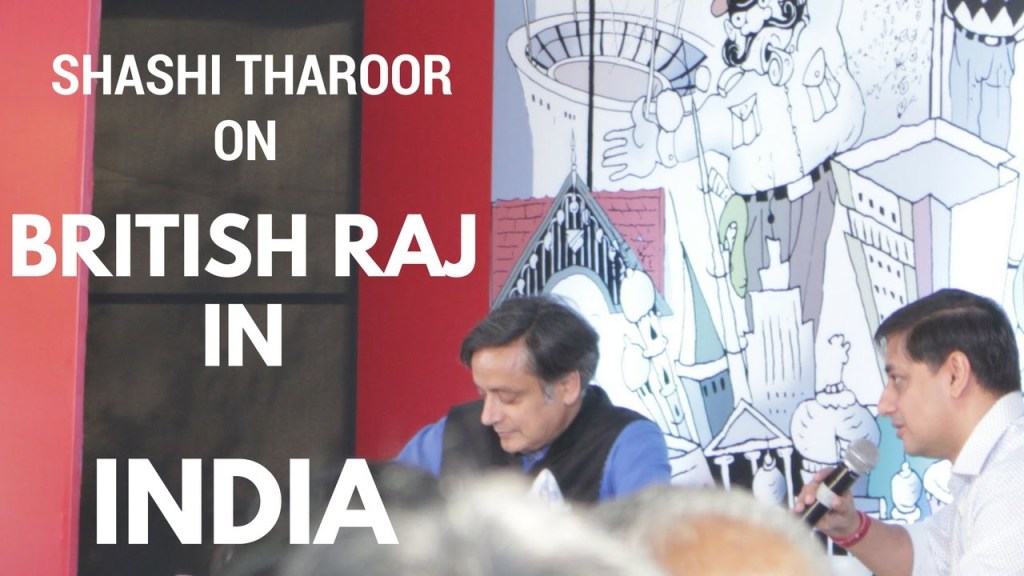
Shashi Tharoor and his ideology about the British rule in India.

Shashi Tharoor is an Indian politician, a prolific writer, diplomat and an active member of Parliament from Kerala since 2009. He wrote several fictional as well as non-fictional books including “An era of darkness: the British Empire in India, “Inglorious empire: what British did to India” and many more.
His collective ideology is assembled in every of his article and book that oppose the controversial notion that the British Raj was beneficial to India, in the long run. The damage that the British government did to India is beyond the act of reparation, quoted by Tharoor in his interview.


Furthermore, the British bequest such a Railways, rule of law, parliamentary democracy, and all those extravagant commodities were not intended for the betterment of Indians. The only motive of establishing “The Railways” was to siphon off the Indian resources to the Britain treasury. British entered India as an East India Company to trade spices and deceptively captured 2/3 of India including Bengal. Several policies such as the Free Market policy, The Malthusian policy, Victorian fiscal prudence were made by the British that worsens the conditions of Indians in their motherland even more. Poor Indians were forced to live in miserable situations with no basic rights. Millions of Indians died due to starvation in the year 1891-1900 due to over-exploitation of agricultural produce and partly due to Free-market policy up to some extent. To be more accurate, the policies made by the British had the hidden agenda of corruption and injustice that damage the country and countrymen altogether. Under British Raj, the most thriving textile industry in India perished into the thin air. It was a common practice of East India Company to mutilate the skilled workers by chopping off their fingers so that they couldn’t weave anymore, thereby destroyed the largest part of the Indian economy.

The Bengal Famine of 1943 is another outrageous event that happened under the British raj that costs millions of lives. According to a recent study, the famine was not only caused by the drought but also by the complete failure of the policy of British India under the Ministry of Winston Churchill, who is remembered as the man who caused the Bengal famine.

Besides corruption, brutality and the horrendous massacre, “The Jalianwala Bagh”, is the heinous crime for which The Royal family owe an apology to every Indian or at least to the family undergone terrible damage under the British reign.


Tharoor has written a total of 15 books in his career, and thousands of articles in publications including the New York Times, the International Herald Tribune, The Times of India and many more. His books are available in many languages across the globe such as French, Italian, Roman, Polish as well as Bengali and Malayalam. He is known for his humorous criticism of the inhuman system in a civilised manner.


“INDEPENDENCE DAY”

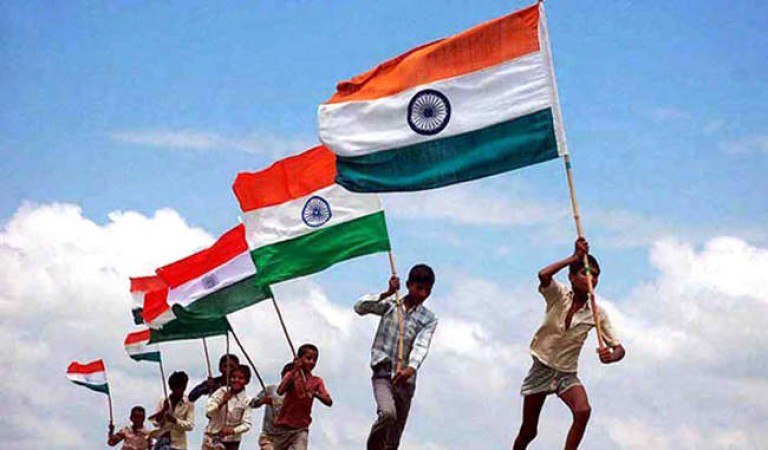
India’s Independence Day reminds the country’s citizens of all the sacrifices the freedom fighters have made to secure the country’s future. Since its independence, India has made stellar progress in every field, including education, military and space programmes.

History of Our Independence Day

For almost two centuries the Britishers ruled over us. And the citizen of the country suffered a lot due to these oppressors. British officials treat us like slaves until we manage to fight back against them.

We struggled for our independence but work tirelessly and selflessly under the guidance of our leaders Jawahar Lal Nehru, Subhash Chandra Bose, Mahatma Gandhi, Chandra Shekhar Azad, and Bhagat Singh. Some of these leaders choose the path of violence while some choose non-violence. But the ultimate aim of these was to drive out the Britishers from the country. And on 15th August 1947, the long-awaited dream come true.

Why We Celebrate Independence Day?

To relive the moment and to enjoy the spirit of freedom and independence we celebrate Independence Day. Another reason is to remember the sacrifices and lives we have lost in this struggle. Besides, we celebrated it to remind us that this freedom that we enjoy is earned the hard way.

Apart from that, the celebration wakes up the patriot inside us. Along with celebration, the young generation is acquainted with the struggles of the people who lived at that time.

Activities on Independence Day

Although it’s a national holiday the people of the country celebrate it with great enthusiasm. Schools, offices, societies, and colleges celebrate this day by organizing various small and big events.

Every year at Red Fort the Prime Minister of India host the national flag. In the honor of the occasion, 21 gunshots are fired. This is the begging of the main event. This event is later on followed by an army parade.

The school and colleges organize cultural events, fancy dress competitions, speech, debate, and quiz competition.
Importance of Independence Day

Every Indian holds a different viewpoint about Indian Independence. For some, it’s a reminder of the long struggle while for youngsters it stands for the glory and honor of the country. Above all, we can see the feeling of patriotism across the country.

The Indian’s celebrate Independence Day with a feeling of nationalism and patriotism across the country. On this day every citizen echoes with festive feeling and pride in the diversity  and unity of the people. It’s not only a celebration of Independence but also of the unity in diversity of the country.

John Stuart Mill

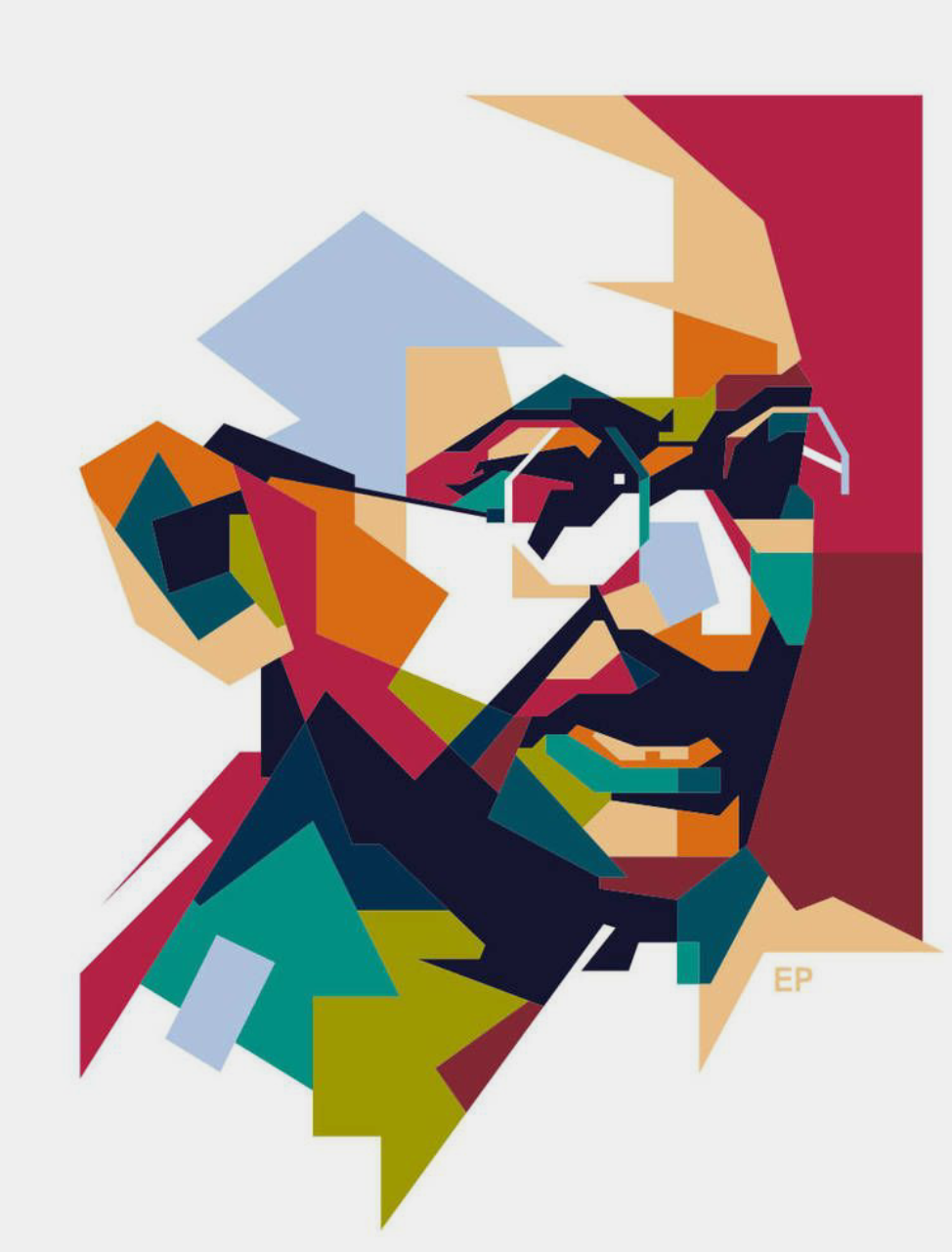
A lot of scholars and philosophers alike have discussed the various notions of freedom for centuries. One such important notion is provided by John Stuart Mill. Mill’s contribution to the conception of freedom is extremely valuable. As one of the pioneers of conceptualizing freedom, his philosophy has shaped the trajectories of liberal democratic political models all over the world, from the 19th and 20th centuries to the present day and age.

His conception of freedom is contingent upon his philosophical method of inductive reasoning and his emphasis on empiricism from which he derives most of his theoretical formulations. Derived from the principle of utility, Mill believes that happiness can only be achieved in an environment of social freedom as stated by Leo Strauss and Joeseph Crospey. This means that in advocating the attainment for higher pleasures, his defence of liberty is consistent with his utilitarian beliefs.

Mill’s basis for defence of liberty rests on the foremost freedom i.e. speech and expression. Jill Gordon states, all ideas as per Mill, must be expressed freely to serve the ultimate end of human progress. Mill opposes all forms of censorship in this respect and advocates ideas to be freely expressed whether the opinion is true or false, he especially upholds the right of minorities to express their opinion.
Irrespective of its share of limitations, Mill’s contribution to political philosophy and other fields of study cannot be negated. In claiming the same, it is important to recognise that Mill’s idea of freedom especially freedom of expression has become the basis for the operation or even the definition of liberal democracies. Hence, the current trajectory of politics needs to be taken into consideration with respect to Mill’s ideas. With China’s growing surveillance with its repressive internet laws and censorship regime, especially with the current trend extending to transnational censorship, there is a need to consider Mill’s conception of freedom not just as a human right but also in context of the individual intellectual development.

The censorship regime in China curbs the intellectual development of citizens into becoming model citizens; according to a unified idea of the state, making subordination, easier. However, the lack of freedom of expression in an authoritarian model like China, does not negate the problems of seeing the former as a panacea in liberal democracies. Here, Mill’s ideas lack his vision in practice, irrespective of their theoretical merit. We see the negatives of unconditional liberty provided to media houses which are becoming all too powerful. Such power has resulted in the generation of fake news; through social media platforms and misinformation dominating public debate.

Though Mill would support the circulation of fake news; as part of intellectual development, the spread of misinformation is detrimental in many ways. When viewed as a panacea, freedom of expression also leads to mob tendencies and formulation of opinion based on bandwagoning. This largely leads to unfavourable democratic decisions. Therefore, while liberty cannot be compromised upon, Mill’s idea of freedom in today’s times needs to be constantly considered, as well as challenged.

Anniversaries (as of 2019)

150th birth anniversary

•Mahatma Gandhi, the father of our nation is an inspiring person, who shaped world history. Gandhiji stands out among the great men of the world as a symbol of non violent resistance to political and social repression. Mohandas Karamchand Gandhi was born on October 2nd, 1869 in Gujarat. He became the leader of a movement that attracted millions in the struggle for freedom. He was strong advocate of non-violence. India got freedom on August 15th, 1947. Gandhiji was assassinated on January 30th, 1948.
100th birth anniversary

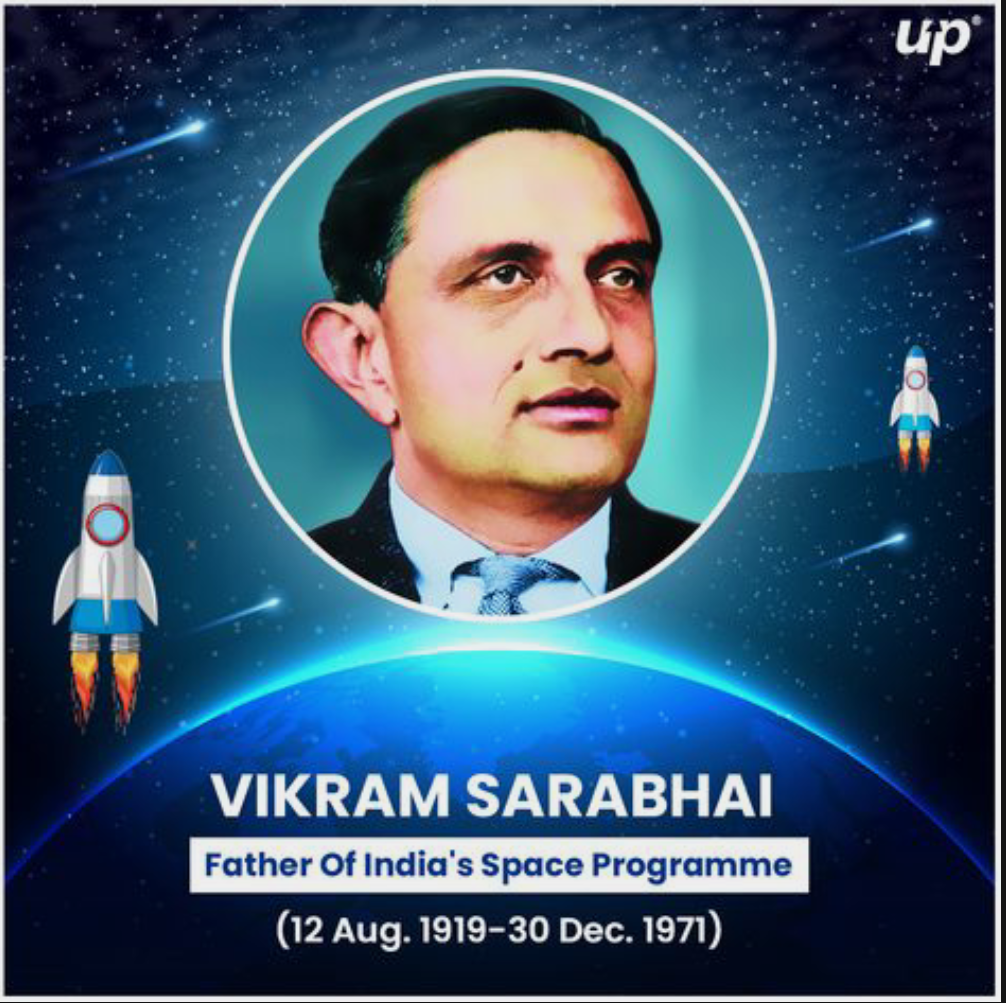
• The year 2019 marks the 100th birth anniversary of Dr. Vikram Sarabhai, the father of the Indian space programme. He was born on 12th August, 1919. Dr. Sarabhai has put India on the international map in the field of space research. In 1962, he became chairman of the Indian National committee for space research. The establishment of the Indian space research organisation, also known as ISRO, was one of his greatest achievements. Dr. Sarabhai died on 30th December 1971.

500th death anniversary

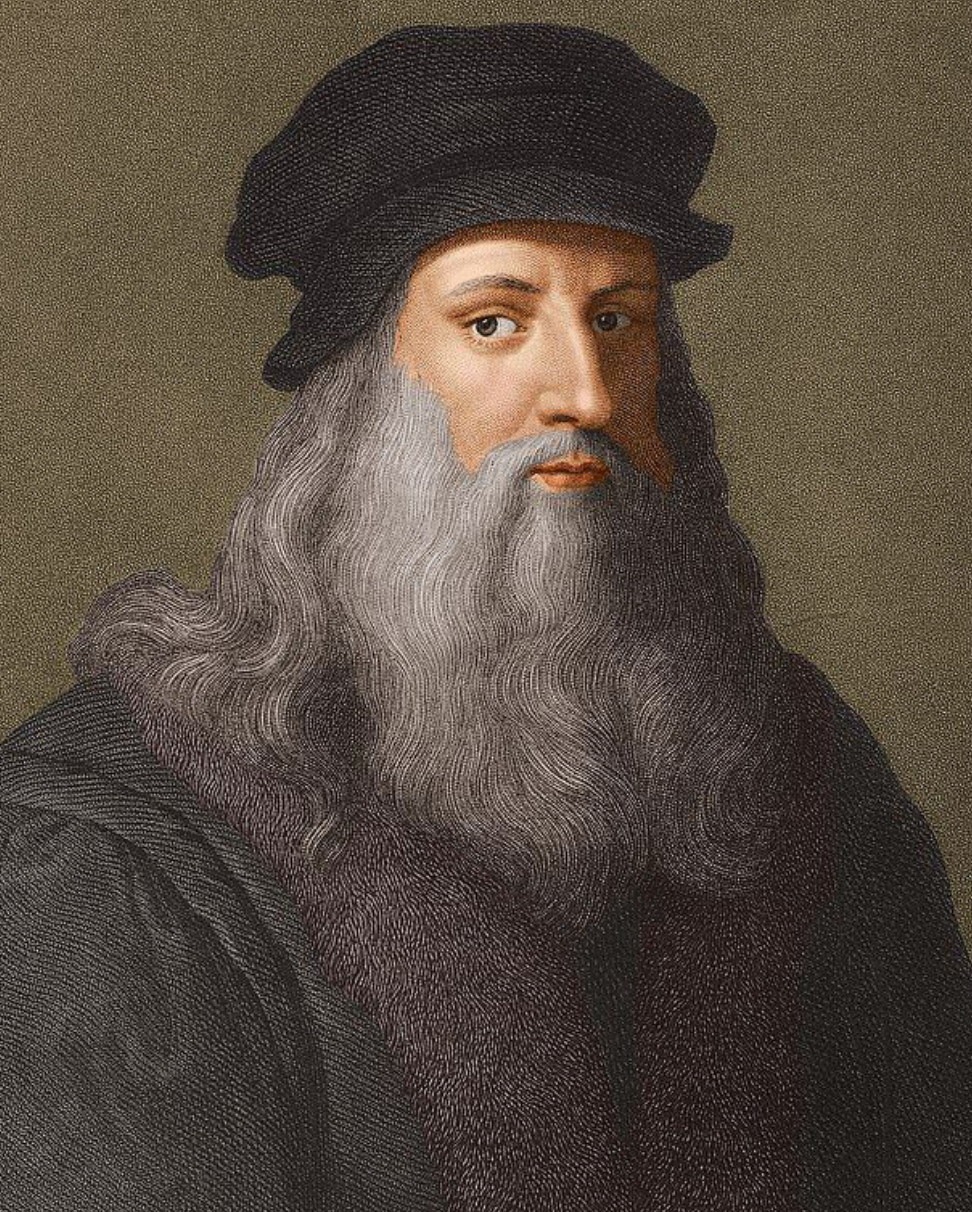
• Leonardo da Vinci was perhaps the most widely talented person ever to have lived. He was a consummate painter and sculptor, a great inventor, military engineer, scientist, botanist and mathematician! He lived during the Renaissance in Italy and while working in Milan as an artist, he began writing texts for his students and apprentices. His notebooks covered more than 1000 pages of observations and illustrations. They remained unpublished for more than a century and were printed only after his death. He was born on April 15th 1452 and died on May 2nd 1519.

150th anniversary

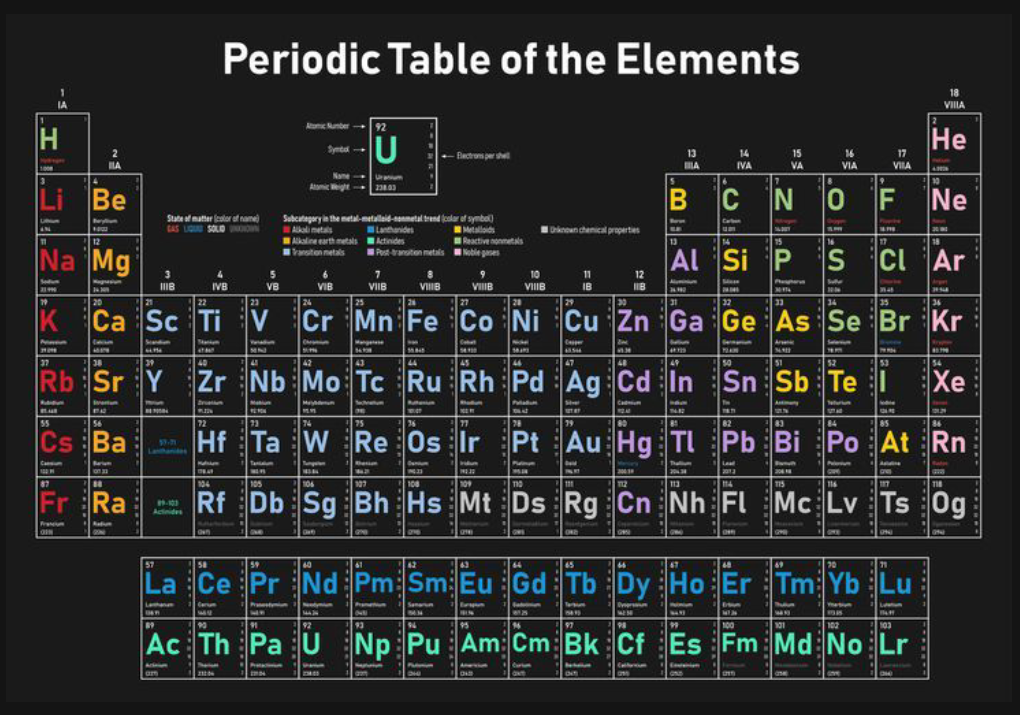
• The period table gives us information about element symbols and atomic weights. It brings order to information about the chemical elements and helps chemists to understand why elements react as they do. The milestone in the development of the periodic table was set by the Russian chemist Dmitri Mendeleev in 1869, who is acknowledged as the ‘father’ of periodic table though the title is also claimed by the German scientist Lothar Meyer. Today, the periodic table organizes the elements by order of increasing atomic number.

150th year of publication

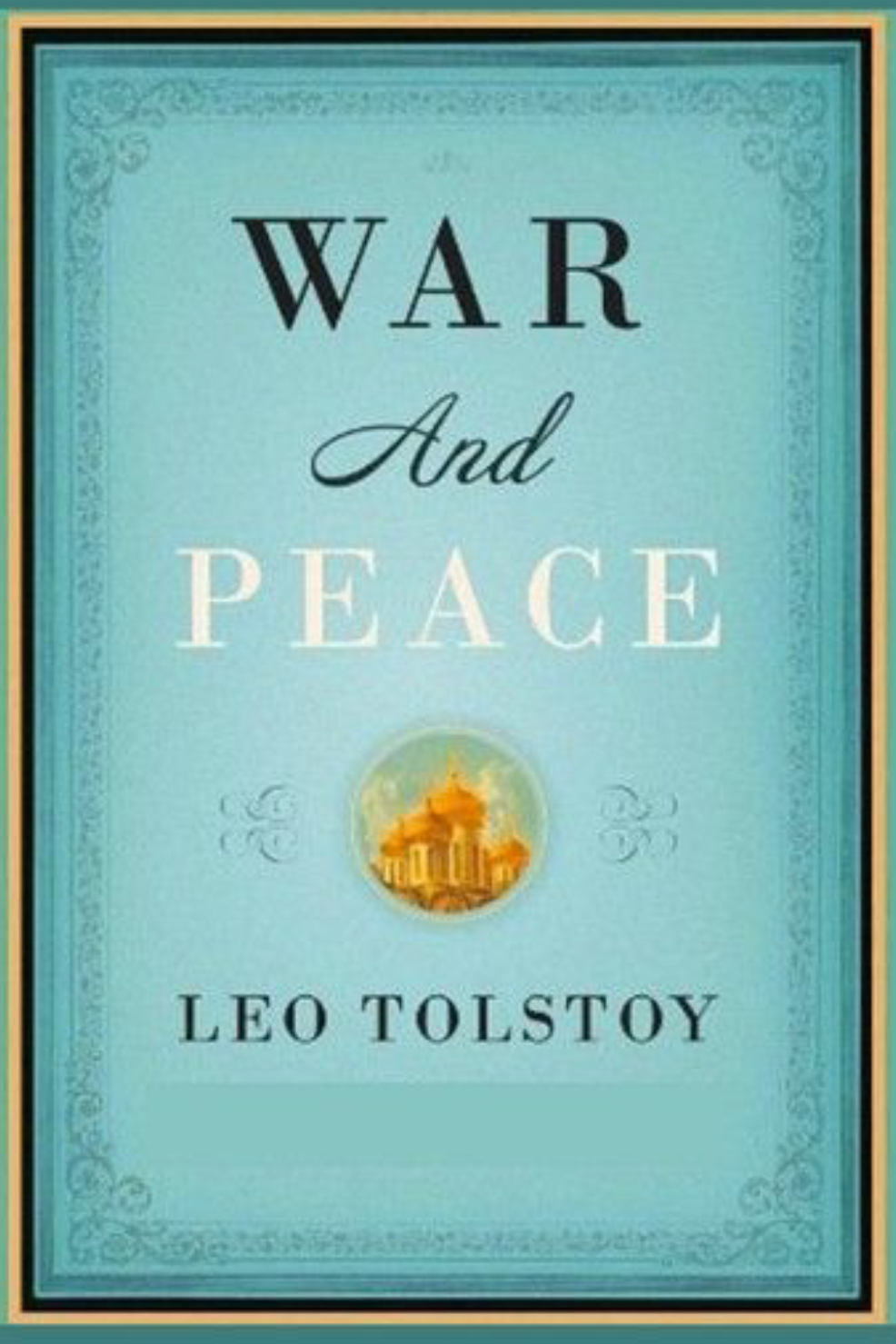
• 2019 marks the 150th year of one of the greatest novels ever written – Leo Tolstoy’s ‘War and Peace’. This classic work from Russia was first published in the book form in 1869. Tolstoy took almost 7 years to finish this epic work and a Russian magazine named ‘Messenger’ serialised some portions of it during 1865-67. But the full novel came out as a book only in 1869. The story woven around Napoleon’s invasion of Russia covers a period of over 15 years. The unique literary style and the historical context make ‘War and Peace’ a monumental work.

125th year of publication

• Is there anyone who isn’t familiar with the famous character ‘Mowgli’? Hopefully none. The main character of the evergreen ‘Jungle Book’, a collection of stories written by Rudyard Kipling is a huge part of our childhood. ‘The Jungle Book’ was first published in 1894.

100th anniversary

• The Jallianwala Bagh massacre was a turning point in our freedom movement. The British troops under the command of Colonel Reginald Dyer, opened fire on unarmed Indians on 13th April 1919. This event took place in the heart of Amritsar. Hundreds were killed and thousands injured. This was followed by widespread protests across a grieving country. Many Indians became convienced that the British had to be paid back in their own coin that violence has to be met with violence. The 100th anniversary of that cruel incident fell last year.

300th year of publication

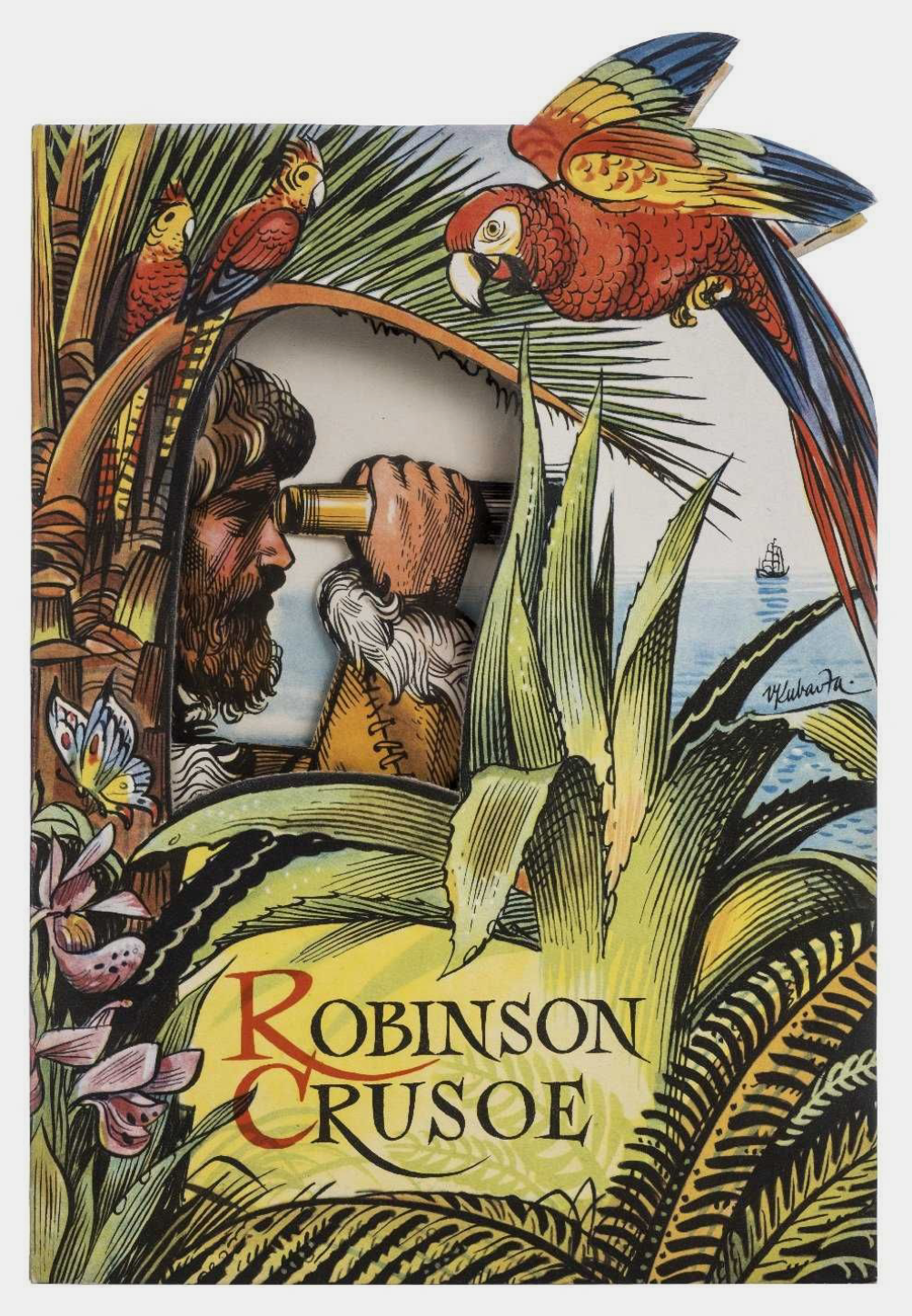
• Daniel Defoe’s ‘Robinson Crusoe’ has fascinated readers around the world for the last 300 years. Daniel Defoe was an English writer, famous for his novel Robinson Crusoe that was published in 1791. One reason for it’s popularity is that it us packed with excitement and adventure, with sailing ships, stormy seas and guns. Without doubt, Defoe’s ‘Robinson Crusoe’ established a realistic style of fiction and set the tone for modern novels.

Thank you for reading. Have a nice day!🌼