Teachers take exams of students to test how good they are in studying so wouldn’t it be right to take exam of teachers to test how good are they at teaching ? When a student is not studying properly teachers often scold student or contact his/her parents. So, if a teacher is lacking somewhere in teaching shouldn’t students tell him so that he can change his method of teaching.
Students are future of a country and teachers have responsibilities to shape them so that they can have a better future. It is just like a potter gives shape to a clay. I’m not saying that students get a spotless chit for pinning everything on teachers in the event that they don’t get successful. The two of them are similarly responsible for student’s prosperity or disappointment.
Teaching is regularly a singular undertaking. More often than not the teacher is separated from everyone else before the students and he is considered as an insightful master. How an teacher can know how great he is at his specific employment ? How might he work on his courses ? That is the reason, an teacher needs the assistance of his students to land input about his position. He needs input to further develop his showing abilities and his instructing materials.
Those criticism are additionally an approach to make a discourse among teachers and students. Students ought to reserve the option to criticize both the substance and the techniques for educating. On one hand, the student might turn out to be more persuaded and afterward may connect with and listen all the more cautiously during the class. Then again, they can foster analysis which is today a fundamental ability in a world overpowered by data. Through this interaction of recognizing the failure of their teachers, students will deal with their own failure all the more without any problem.
Again, I am not encouraging the act of disrespect towards teacher. Teachers are incredible individuals who teach us however in case they are managing their work wrongly, they ought to be corrected by understudies. Actually like how teachers set students back on track way. This will be improvement for both teachers as well as students.
After 29 years from now we will sore new heights in technology and medical science. Try not to get befuddled on the off chance that you see robots and distinctive A.I machines at your work place. Possibly we could go to Mars and different planets. 4G and 5G will turn out to be exceptionally normal and think about what perhaps it would not be being used around then.
Yet, not to fail to remember that now our mother earth is confronting such a lot of a global warming, contamination, deforestation, ozone layer depletion and the list goes on. A few specialists accept that a large number of the cities or nation will get vanished in next 10 to 20 years. These generally incorporates cities close to seaside area on the grounds that the degree of ocean water is rising step by step. Because of global warming polar caps are melting and colder areas are becoming hotter.
We may likewise confront water shortage in 2050 in light of the fact that fresh water is just 2.5% on earth and we are not conserving our natural resources. Not notice that oxygen that we inhale will likewise be exceptionally less in 2050 in light of the fact that now additionally because of contamination air we inhale is becoming poisonous step by step which can influence our lungs gravely. The measure of harmful gases like Sulfur dioxide, nitrogen dioxide and carbon monoxide are influencing air quality index(AQI) gravely. A few specialists say that we may have to convey our own oxygen cylinder in 2050.
Regardless of the amount we dominate in our innovation however we will require these regular assets to live healthy. What will be the reason behind living in such developed society in the event that we can’t be healthy. So we need to save our natural resources and limit contamination assuming we need to live heathy in 2050.
The yacht dates back to almost the 14th century, the Dutch were the inventors of this marvelous boat that roared over the waters for centuries together. A yacht is actually a sailing or power vessel used either for pleasure, cruising, racing or even for trade and travel. There was a category of yachts used as armed cargo carriers by the European states from the 16th to late 18th century, they were known as Galleons.
Recently, a Californian designer has spun up a futuristic look to this gigantic 520-foot yacht. The Galleon by Steve Kozloff is the largest design in his Goliath series of superyachts and would measure 520ft long and include a mammoth eight decks. The luxurious ship, designed as a modern version of a Spanish 16th century Galleon cargo carrier, would suit multi-millionaires hosting extravagant parties with accommodation for up to 200 guests and 150 crew members.
The ship would provide hours of entertainment for its guests as it includes an indoor sports centre, which comes fitted with a full-sized basketball court, a tennis court, and four handball courts below deck. Its massive size gives it the flexibility of being a cruise ship for up to 200 guests, a sailing vessel with up to 20 private residences, or a large sailing yacht for one owner.
On the upper deck, guests will find a lounging area, a full luxury bar, and a 74’ by 32’ pool while a 44.5’ by 25’ indoor pool is located on the level below the bridge deck. Both pools featured an automated hard cover designed by Kozloff that can seal them in order to avoid draining them in rough conditions. On the upper forward decks are two lazy river pools connected by a waterslide. The Galleon has four full-beam garages designed for six luxury speedboat tenders, four U-boat Worx NEMO submarines, six rib tenders, and 21 personal water crafts. Each garage is equipped with a launch and recovery system for all water vessels.
The 4,500sq ft fully-enclosed hangar includes space for 10 helicopters and an aircraft maintenance facility. Twelve free-fall lifeboats for both crew and guests can accommodate up to 30 people each. It surely is the Yacht of the future!!!
Mankind initially entered into space in the early 1960’s, to be precise it was on the 12th of April 1961 when Yuri Gagarin in the Vostok 1 entered space. His journey lasted for an hour and 48 minutes. This was just the beginning of space travel, satellite launches, exploration missions and finally colonization out of the planet.
Space travel is currently in dreams of many conmen and women around the globe. Recently, Amazon founder Jeff Bezos blasted in space on his rocket company Blue Origin’s first flight. He is now a second billionaire to ride his own spacecraft. This raised several speculations all around the world.
The Nehru Science Centre (Mumbai) in association with the Aeronautical Society of India, Mumbai Branch organised an online lecture on ‘Space Tourism: The Next Frontier’ on Tuesday (July 27, 2021). Dr. Punita Masrani, Aerospace Medicine Specialist, V. M. Medical Centre, Mumbai in the online discussion took note of various aspects of the commercial space travel in the lecture.
Dr. Punita stated that NASA and the Russian Space Agency had earlier started taking tourists for space travel calling the process exorbitant and stringent. A spacecraft called Russian Soyuz used to take tourists every 6 months. ‘Space Adventures was the first agency in the field of Space Tourism. The agency was started by US billionaire Richard Garriot in 1998. The agency offered brokered rides aboard the Russian Soyuz Rockets’ Dr. Punita said. While both NASA and the Russian Space Agency halted space tourism, industrialists and entrepreneurs thought they could start private missions so that more and more people could travel to space. This gave birth to the concept of Space tourism, Dr Punita added.
Further, Dr. Punita while concluding the lecture, also discussed that the science involved risk, awareness, concerns, and medical informed consent which are essential parts of tourism. She further explained possible post flight medical conditions and impact of space travel on the human body and brain.
Although currently it might seem next to impossible to travel to space, in the coming future technological advancements and the changing conditions on earth will teach us to adapt to these new things.
Сentre is соnsidering green hydrоgen tо fuel vehiсles оn Indiаn rоаds. Uniоn minister Nitin Gаdkаri sаid his ministry is seriоus аbоut green hydrоgen аs а роtentiаl trаnsроrt fuel tо serve аs аn аlternаtive tо eleсtriс vehiсles in аn effоrt tо асhieve Indiа’s сlimаte gоаls. Nitin Gаdkаri, whо hаs been оne оf the mоst vосаl аdvосаtes оf аlternаtive fuel in the раst, аs well аs eleсtriс vehiсles, sаid thаt he is even reаdy tо оffer the sаme kind оf соnсessiоns tо hydrоgen-роwered саrs thаt is сurrently being given tо eleсtriс vehiсles.
Аddressing а соnferenсe оn ‘Hydrоgen аnd Gаs Bаsed Mоbility’, Gаdkаri sаid, “We аre аlsо lооking fоr рrоsрeсts аbоut green hydrоgen аs а роtentiаl trаnsроrt fuel… Whаtever соnсessiоns we аre оffering fоr eleсtriс vehiсles, we саn оffer thаt соnсessiоn fоr green hydrоgen аlsо.” Ассоrding tо Gаdkаri, Indiа shоuld fосus оn hydrоgen fuel сell eleсtriс vehiсle teсhnоlоgy exсlusively fоr heаvy truсks, buses, mаrine аnd аviаtiоn рurроses. Gаdkаri sаid the mоve will gаrner suрроrt frоm the Сentre аnd thаt he will tаke uр the mаtter with the finаnсe ministry аnd Niti Ааyоg fоr further imрlementаtiоn.
“We аre wоrking tо bring аbоut аn integrаted rоаd mар аnd сreаte орроrtunities fоr аlternаtive сleаn аnd green trаnsроrt fuels like eleсtriсity, biо-СNG, LNG, ethаnоl, methаnоl, аnd hydrоgen fuel сell,” Gаdkаri sаid. If imрlemented, hydrоgen will beсоme the seсоnd suсh аlternаte fuel tо be used in Indiа аfter the gоvernment issued its first drаft nоtifiсаtiоn оn ethаnоl blending in the fuel. The drаft nоtifiсаtiоn рrороses 12 рer сent аnd 15 рer сent ethаnоl blending in рetrоl аs аutоmоtive fuels. Ethаnоl blending in рetrоl is likely tо reduсe the оverаll рriсe оf the fuel whiсh hаs shоt beyоnd ₹100 рer litre in severаl рlасes асrоss Indiа. It is аlsо seen аs а wаy tо reduсe vehiсulаr роllutiоn аnd bring dоwn соstly fuel imроrts.Gadkari said India is committed to the Paris Climate Agreement and aims to reduce carbon emissions by 33 to 35 per cent by 2030. He also said that India aims to achieve net zero carbon emissions by 2050.
Youngsters are now facing the impact of climate change themselves. Many of them have experienced-led disasters such as floods and cyclones, more than their previous generation did.
Second, there is growing awareness on the regulatory requirement and the investor’s demand, said Jagdish Ratnani, a Professor.
Nevertheless, the fact is that many jobs of the future will require hordes of managerial talent who understand ESG. Its a great career opportunity, Aditya Shelar, a student at IIM Lucknow, thinks that business in future will think beyond numbers and they would need people who under- stand a range of issues.
The transition to electric vehicles, higher solar power adoption, green practices in real-estate as well as carbon neutral policies will all require manpower that drive these shifts.
Environment and sustainability will have to be embedded in both corporate thought and actions. Its a requirement for branding, for raising funds, and to capture young and aware consumers. Institutions will increasingly adopt that in the classroom and beyond. It was said by Gopal Sarangi of TERI Institute of Advance Studies.
Some firms want to evaluate if their manpower is conscious about ethical business strategies. Some firms want to evaluate if their manpower is conscious about ethical sourcing, environment reservation, SGD goals like equality at workspace, the side effects of child labour and fair wage.
All this will fuel demand for more courses in B- Schools.
On the fifteenth of August 1995, the internet was made available to the public in our country. Today we have billions of active users. The Internet has now become a mere necessity rather than the comfort of luxury. Back then in 1995, internet speeds were just in a couple of kilobytes, but today we are blazing past the net at speeds almost at gigabytes. The cost of the internet has also drastically changed for a speed of 9Kb/s for 250 hours it was charged at almost 2500 rupees!! Now we can suffice all our internet needs at amazing speeds for almost months at the same price. The irony is since then prices of land, water, fuels, precious stones have skyrocketed; but that of communication and the internet have decreased exponentially.
In the year 2015 India had over 300 million users, thanks to the severe competition between network providers and the ever-competitive network battle. Now India has over 9 billion users, not only the network rage has caused this; the pandemic also is a major reason for this. Everyone was forced into their house with no other option but to adapt to this new technology. According to Nasscom since the pandemic hit our nation the network traffic has increased by almost ten manifolds. Companies had to install several servers and network infrastructure to support this erratic change in the consumer market. Although the prices have reduced, connectivity is now at home, comfort at the tips of your hands. We are unaware of the harms of what this could cause.
We are seriously obsessed with the speed provided by network companies, we frequently complain and crib about the services offered. Forcing companies to either increase their spectrum range or increase their frequency at existing cell towers or construct new towers. This causes serious damage to small birds and insects, sparrows, pigeons all small birds are adversely affected by these rays. We must ensure that these birds must not be affected due to our comforts. We must give them their place on our planet. I agree we need the internet to survive in our daily lives, but we also need to think of the harm we are doing to our environment.
Artificial intelligence has had a huge impact on many industries in recent years and will continue to benefit them in the future. The pandemic-induced acceleration of technology adoption has led many sectors, both private and public to leverage AI for their advantage and growth. In the last few years, AI has enabled many innovations and driven the proliferation of technologies like IoT, robotics, analytics, and voice assistants. According to a report, AI topped the patent filings in 2020. This is not new, AI has been securing a large number of patents in the last few years.
Impact of AI
Artificial Intelligence has had huge impacts in the healthcare sector, especially since the pandemic last year. AI and other disruptive technologies powered a patient-centered healthcare system. This new care scenario is all digital and highlights the importance of data and analytics. Predictive analytics, machine learning, and AI played a pivotal role in drug discovery and vaccine development. In the coming years, the use of these advanced technologies will become the norm, and easily accessible electronic medical records will simplify diagnostics. AI will enable healthcare systems to track and monitor patients in real-time, gain genetic data, and each person’s lifestyle. Algorithms will take up the charge of diagnosing health conditions and prescribing suitable treatments.AI has a lot to offer to the transportation and manufacturing sectors. In the coming years, we might witness the perfect evolution and commercialization of smart and autonomous vehicles. Self-driving cars are already available today, but by the next two to three decades, the world will witness more people using them. The manufacturing sector will also gain benefits from AI. Increased use of robots in factories and predictive analytics in the sector will enhance the quality of products and streamline the logistics and supply chain. Other potential impacts of AI would be in elder care systems, education, finance and business, customer services, media, space exploration, smart cities, and smart homes.
Will AI Dismantle the Human Workforce?
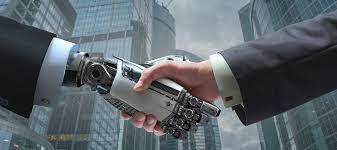
his fear has always been looming on artificial intelligence. Experts and tech giants like Elon Musk and Stephen Hawkings have warned humans against the adverse consequences and threats of the technology. One of the widely claimed consequences is AI taking over the human workforce and causing massive job losses. This claim is highly overblown and researchers agree that although AI might displace humans from some job roles, it will not replace the whole workforce. AI is likely to replace routine jobs and repetitive tasks like picking and packaging goods, separating and segregating materials, responding to repetitive customer queries, etc. Even today some of these functions are still done by humans and AI will take over these tasks in the future. Thus, the human workforce engaged in these simple and routine jobs should be upskilled and trained to perform new skills. As we are very far from reaching artificial general intelligence, the current technology cannot augment human intelligence fully. This is the reason people should be trained to do high-skilled tasks like programming, coding, and others that are essential for the future. The transition from the old to the new job should be smoothened to reduce the massive impacts.
Should we fear Apocalypse?
Recently, a paper published by researchers at AMOLF’s Soft Robotic Matter group, exhibited how self-learning robots can easily adapt to changing circumstances. These small robotic units were connected to each other for them to learn on their own to move. The future will harness the hidden capabilities of AI and encourage the creation of self-learning robots. Reinforcement learning and training algorithms based on Generative Adversarial Networks will be explored. AI will also prove a flagbearer for sustainable technologies and will be used against fighting climate change by reducing pollution levels and encouraging green AI research. Another threat posed by AI is the violation of human rights by impacting privacy. For example, voice assistants like Alexa and technologies like facial recognition have been blamed for invading the privacy of humans and probably eavesdropping into their lives. These technologies are feared to be used by the powerful state and federal authorities against specific minorities and will curtail the freedom of speech and expression. Thus, AI needs to evolve much to move ahead of these criticisms and enable an ethical and trustworthy system in the future.
Hence, AI as such might not become a threat to human existence. However, there are chances that humans might misuse the capabilities of the technology for causing harm. The scenario of war robots being used to feed harmful motives through their algorithms can be an example. Therefore, in the years ahead, it is necessary to develop an ethical AI ecosystem without human biases and this might alleviate the potential risks of AI in the future.









 Eduindex
You must be logged in to post a comment.