How are we, humans causing endangered species and how can we overcome it by wildlife conservation.

Wildlife conservation
Are we aware of the amount of deaths and the amount of endangered species around us? And of course, the answer would be an absolute NO. I would not like to include all single human beings, as there are organisations trying to help the species and working on conserving them, but I don’t think they can do it all alone. They need our help. The animals NEED our help.

How are we, humans, causing extinct species?
One of the main reason for extinction is habitat destruction. Humans destroy the habitats of species which cause them to die or suffer.The second main reason would be the diseases causing species to die because of us, example : taking pictures, polluting the area, hunting, deforestation and ect. These activities can be the major reasons for species extinction.

What are the well known critically endangered species? and why?
Amur leopards – being hunted for their fur for coating. it is also said that their habitat are continuously being destroyed – ( human causing )
Black rhino – their horns are being hunted for medicines. – ( human causing )
Hawksbill sea turtle – is being hunted for their shell and also for meat. the jelly fishes, water animals and also the Hawksbill sea turtle are being affected by the plastic covers being thrown on seas – ( human causing )
Mountain gorillas – being extinct due to deforestation also causes to destroy the trees which can be the food for animals – ( human causing )
pangolin – scales of the pangolin are believed that they are used for medical problems.
polar bear – global warming issues – ( human causing )
plants – yes! I would also like to include plants in endangered species. We all know humans are the main reasons for the dying of plants. plants are being dead by deforestation, cutting trees – for wood and paper, and pollution ( water, air, water)
What is India doing?
“India will work with Coalition countries to adopt cleaner energy sustainable production and consumption patterns and environment-friendly transport, agriculture, industry and waste management to promote clean air,” Minister Javadekar said. The central government gives all types of financial literacy and conserving and protecting the wildlife. National ban was imposed on tiger hunting in 1970 and the Wildlife Protection Act became effective in 1972.
countries that are helping the endangered species
The Philippines and Malaysia are trying to shield the animals. Individual European nations are taking actions to help and support their animals.

let’s do it together!
Nothing is impossible!All of us can do it together! There are a lot of tips for us to follow for conserving wildlife. If we follow them continuously we can achieve! The animals can achieve!
Join in organisations or wildlife agencies.
donate and volunteer
Learn about species and animals ( birds ) – increasing our knowledge.
Let’s raise awareness
Recycle
Build a wildlife garden
let’s stop using products made from animals
Let’s not eat meat or nonveg – try eating a low impact diet.
save energy, save water, save the environment
Avoid plastic
What are we supposed to do? Just… save the animals. save the planet!

Global Warming and it’s effect.

Global warming is the long-term heating of Earth’s climate system observed due to human activities, primarily fossil fuel burning, which increases heat-trapping greenhouse gas levels in Earth’s atmosphere.

Humans are increasingly influencing the climate and the earth’s temperature by burning fossil fuels, cutting down forests and farming livestock. This adds enormous amounts of greenhouse gases to those naturally occurring in the atmosphere, increasing the greenhouse effect and global warming.

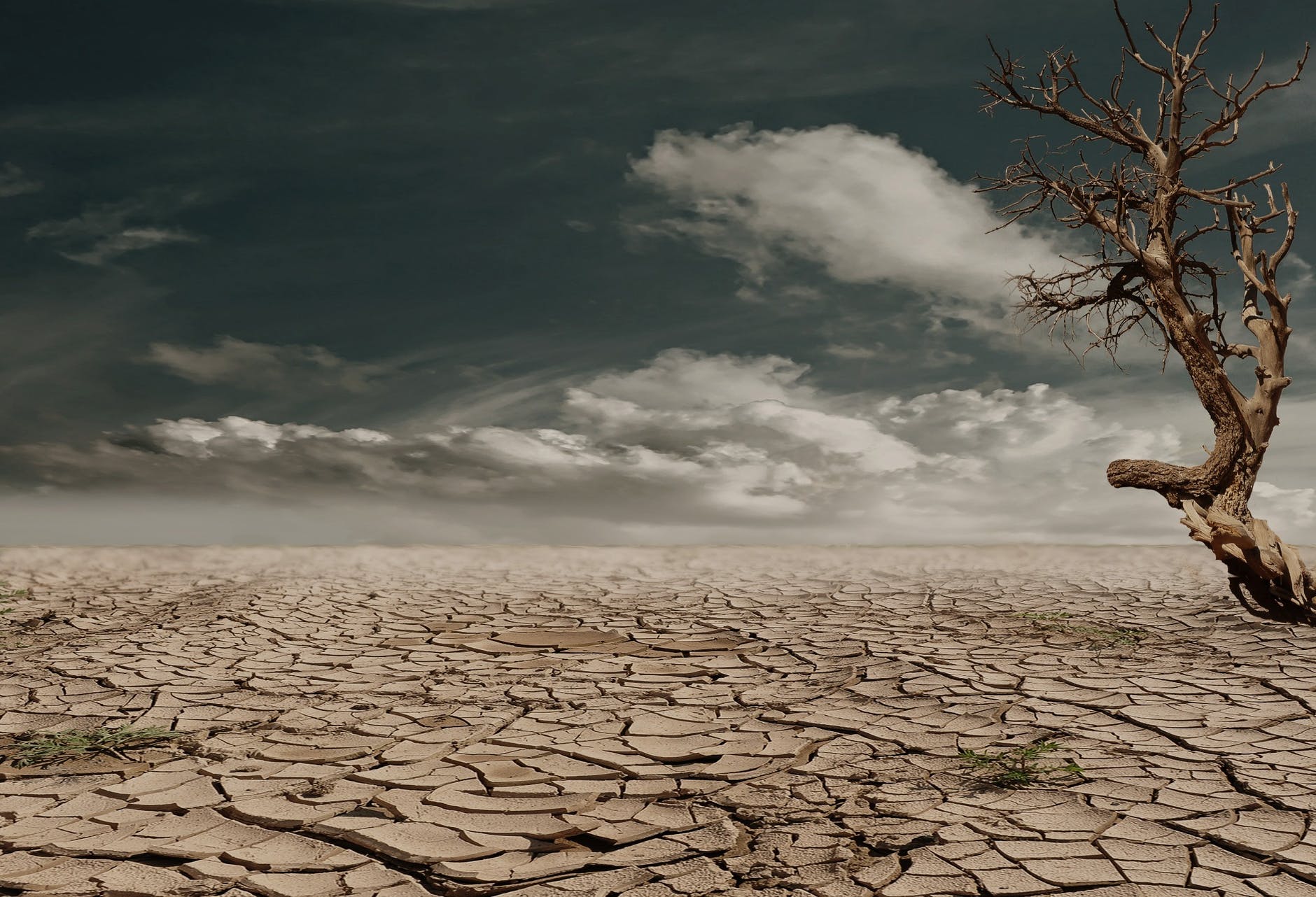
Global warming doesn’t just mean warming, which is why “climate change” has become the favored term among researchers and policymakers. While the globe is becoming hotter on average, this temperature increase can have paradoxical effects, such as more frequent and severe snowstorms. Climate change can and will affect the globe in several big ways: by melting ice, by drying out already-arid areas, by causing weather extremes and by disrupting the delicate balance of the oceans.

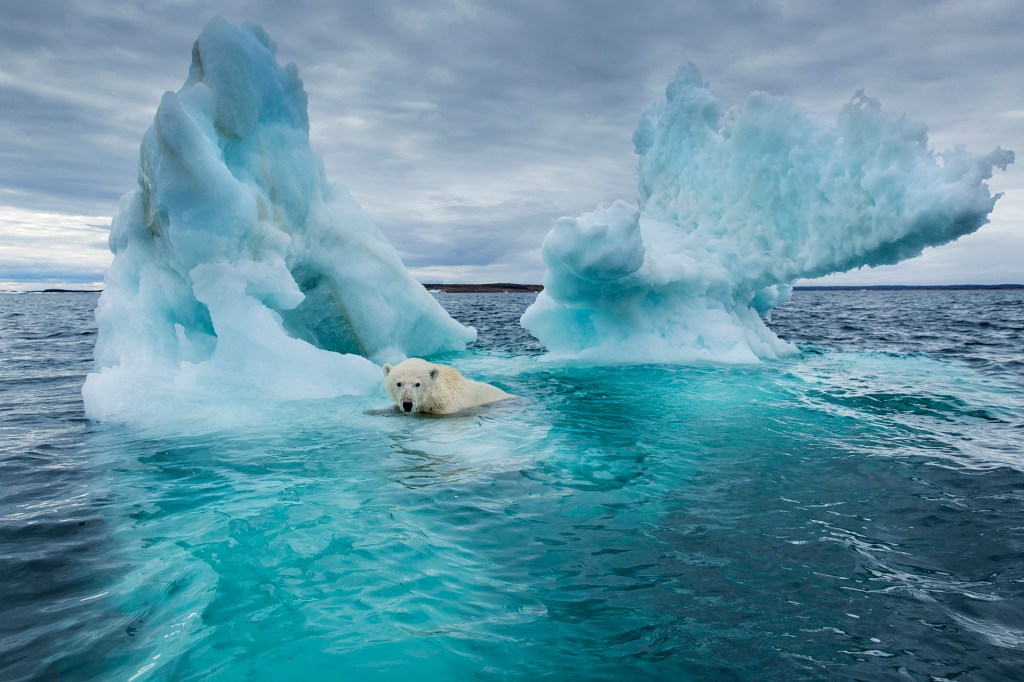
Canada, Nunavut Territory, Repulse Bay, Polar Bear (Ursus maritimus) swimming beside melting iceberg near Arctic Circle on Hudson Bay

The effects of global warming affect the humankind, plants and animals in numbers of ways. These effects, increase ocean levels, droughts and changed weather patterns.

Climate change can affect human health in two main ways: first, by changing the severity or frequency of health problems; and second, by creating unprecedented or unanticipated health problems or health threats in places where they have not previously occurred.

A reduction in yield and an increase in pests compromise food availability. This is aided by a loss of arable land and the need to implement irrigation systems when faced with a change in precipitation patterns. The long-term effects of global warming on this field can potentially cause famine.

Water scarcity is found in an increase magnitude around the world, affecting rich and specially poor countries. Nearly three billion people live in water scarce conditions, and this situation could worsen if current population growth trends continue.

Global warming affects us all. So, everyone must bring down his or her personal contribution.
Please spread the word about the effects of global warming, do your part and save the planet. 

The climate is changing , why aren’t we ?

Our climate is changing around us faster than predicted. From more frequent and extreme storms to unprecedented heatwaves, from landslides to earthquake , we’re feeling the impacts of human-caused global warming. Global warming is the long-term heating of Earth’s climate system observed since the pre-industrial period (between 1850 and 1900) due to human activities, primarily fossil fuel burning, which increases heat-trapping greenhouse gas levels in Earth’s atmosphere. Certain gases in the atmosphere block heat from escaping. Long-lived gases that remain semi-permanently in the atmosphere and do not respond physically or chemically to changes in temperature are described as “forcing” climate change. Gases, such as water vapor, which respond physically or chemically to changes in temperature are seen as “feedbacks.”

SOME OF THE GASSES THAT CONTRIBUTE TO CLIMATE CHANGE ARE :

  • Water vapor. The most abundant greenhouse gas, but importantly, it acts as a feedback to the climate. Water vapor increases as the Earth’s atmosphere warms, but so does the possibility of clouds and precipitation, making these some of the most important feedback mechanisms to the greenhouse effect.
  • Carbon dioxide (CO2). A minor but very important component of the atmosphere, carbon dioxide is released through natural processes such as respiration and volcano eruptions and through human activities such as deforestation, land use changes, and burning fossil fuels. Humans have increased atmospheric CO2 concentration by 48% since the Industrial Revolution began. This is the most important long-lived “forcing” of climate change.
  • Methane. A hydrocarbon gas produced both through natural sources and human activities, including the decomposition of wastes in landfills, agriculture, and especially rice cultivation, as well as ruminant digestion and manure management associated with domestic livestock. On a molecule-for-molecule basis, methane is a far more active greenhouse gas than carbon dioxide, but also one which is much less abundant in the atmosphere.
  • Nitrous oxide. A powerful greenhouse gas produced by soil cultivation practices, especially the use of commercial and organic fertilizers, fossil fuel combustion, nitric acid production, and biomass burning.
  • Chlorofluorocarbons (CFCs). Synthetic compounds entirely of industrial origin used in a number of applications, but now largely regulated in production and release to the atmosphere by international agreement for their ability to contribute to destruction of the ozone layer. They are also greenhouse gases.

The consequences of changing the natural atmospheric greenhouse are difficult to predict, but some effects seem likely:

  • Earth becomes warmer .
  • Stronger green house effect will warm the earth , melt the glaciers , increasing sea levels
  • Outside of a greenhouse, higher atmospheric carbon dioxide (CO2) levels can have both positive and negative effects on crop yields. Some laboratory experiments suggest that elevated CO2 levels can increase plant growth. However, other factors, such as changing temperatures, ozone, and water and nutrient constraints, may more than counteract any potential increase in yield. 

Global Warming

Global warming is the cumulative rise in average global temperatures on earth measured over a long period. It has been attributed to the large scale deforestation by man for different purposes. We consume a lot of fuel annually. With an increase in the human population, it has become impossible to meet people’s fuel requirements. Natural resources are limited, and we must use them judiciously. If we exploit natural resources like forests and water bodies, it will create an imbalance in the ecosystem. Global warming is not limited to the rise in temperature. It has other effects too.

Photo by Andrea Schettino on Pexels.com

Many parts of the world are witnessing natural disasters like hurricanes, floods, and avalanches. All these phenomena are a direct result of global warming. To prevent our environment from the harmful effects of global warming, we must restoring our ecosystem. Man has been exploiting natural resources without giving the environment anything in return. This needs to be stopped. We must all join forces to make this world a better place for our future generations who deserve this planet as much as we do. The basic step that we can follow to increase the overall health of our planet is planting trees. Afforestation should be our primary goal. The earth can become a better place if we pledge to plant as many trees as we can in our lifetime.

Global Warming is a term almost everyone is familiar with. But, its meaning is still not clear to most of us. So, Global warming refers to the gradual rise in the overall temperature of the atmosphere of the Earth. There are various activities taking place which have been increasing the temperature gradually. Global warming is melting our ice glaciers rapidly. This is extremely harmful to the earth as well as humans. It is quite challenging to control global warming; however, it is not unmanageable. The first step in solving any problem is identifying the cause of the problem. Therefore, we need to first understand the causes of global warming that will help us proceed further in solving it. In this essay on Global Warming, we will see the causes and solutions of Global Warming.

Causes of Global WarmingGlobal warming has become a grave problem which needs undivided attention. It is not happening because of a single cause but several causes. These causes are both natural as well as manmade. The natural causes include the release of greenhouses gases which are not able to escape from earth, causing the temperature to increase.Further, volcanic eruptions are also responsible for global warming. That is to say, these eruptions release tons of carbon dioxide which contributes to global warming. Similarly, methane is also one big issue responsible for global warming.

After that, the excessive use of automobiles and fossil fuels results in increased levels of carbon dioxide. In addition, activities like mining and cattle rearing are very harmful to the environment. One of the most common issues that are taking place rapidly is deforestation.

So, when one of the biggest sources of absorption of carbon dioxide will only disappear, there will be nothing left to regulate the gas. Thus, it will result in global warming. Steps must be taken immediately to stop global warming and make the earth better again.

DEFORESTATION

What Is Deforestation?


Deforestation is the removal, destruction, or deforestation of another species intentionally, naturally or by accident. It can occur in any densely populated area of ​​trees and other plant species, but most of them currently occur in the Amazon rain forest.

Loss of trees and other vegetation can cause climate change, increased desertification, soil erosion, fewer crops, floods, increased greenhouse gases, and more problems for indigenous peoples.

Deforestation occurs for a number of reasons, including farming, with 80% deforestation from large-scale cattle farming, and logging and development. It has been going on for thousands of years, apparently since man began his transformation from hunter / gatherer to agricultural-based communities, and he sought out large, unrestricted land tracks to keep cattle, crops, and houses. It was only after the beginning of the modern era that the plague broke out.

The Environmental Impact of High-Forests Deforestation


Loss of Habitat

One of the most dangerous and unfortunate consequences of deforestation is the loss of species and the loss of species. 70% of the world’s species of animals and plant species live in forests. It is not only deforestation that threatens the species we know, but also those that do not.

The trees of the forest that provide shelter for other species also provide a temperature-controlled bed. Deforestation is causing more and more global warming, such as desertification, which can kill many residents.

Increased Heat Gases


In addition to the loss of habitat, the lack of trees also allows a large amount of greenhouse gases to be released into the air. Healthy forests absorb carbon dioxide from the atmosphere, acting as carbon dioxide. Deforested areas lose that ability and release more carbon.

Water in the Atmosphere


Trees also help control the water level in the atmosphere by helping to regulate the water cycle. In forested areas, there is little air in the air that should be returned to the soil. This in turn creates dry soil and inability to grow crops.

Environmental Impact of Deforestation From Below


Soil erosion and flooding


Other effects of deforestation include soil erosion and coastal flooding. Trees help the soil to store more water and soil, providing rich nutrients for further forest life.

Outside the forests, the soil is eroded and washed away, allowing farmers to move forward and continue the cycle. Barren land left behind by these unsustainable agricultural practices could be at risk of flooding, especially along coastal areas.

Effects of Deforestation on Indigenous Peoples


Destruction of the Homelands


With the removal of vast tracts of forest, it allows the exposed land to get there and die and the habitats of countless species have been destroyed, and indigenous communities that live there and rely on the forest for their livelihood are also at risk.

Deforestation has an immediate and direct impact on their way of life that we in the industrialized parts of the world, despite our reliance on what the rain forest has to offer, will never know. The rate of speed is increasingly increasing for indigenous peoples.

National governments with rainforests on their borders often try to drive out indigenous peoples before cutting clear boundaries. This is one of the consequences of deforestation.

Global Warming

The global yearly temperature has risen by a little more than 1 degree Celsius, or roughly 2 degrees Fahrenheit, during the Industrial Revolution. It increased by 0.07 degrees Celsius (0.13 degrees Fahrenheit) every ten years between 1880 and 1980, when accurate recordkeeping began. However, the pace of rise has more than doubled since 1981: The worldwide yearly temperature has risen by 0.18 degrees Celsius (0.32 degrees Fahrenheit) every decade during the previous 40 years.

The world has never been hotter. After 1880, nine of the ten warmest years have occurred since 2005, with the five warmest years on record all occurring since 2015. Climate change doubters claim that rising global temperatures have slowed or stopped, however multiple studies, including one published in the journal Environmental Research Letters in 2018, have refuted this claim

Climate scientists have now concluded that we must limit global warming to 1.5 degrees Celsius by 2040 if we are to avoid a future in which the worst, most devastating effects of climate change: extreme droughts, wildfires, floods, tropical storms, and other disasters that we collectively refer to as climate change, will be part of everyday life around the world.

These effects are felt by all people in one way or another but are experienced by the underprivileged, the economically marginalized, and people of color, for whom climate change is often a key driver of poverty, displacement, hunger, and social unrest.

Photo by Andrea Schettino on Pexels.com

CAUSES FOR GLOBAL WARMING

When carbon dioxide (CO2) and other air pollutants accumulate in the atmosphere, they absorb sunlight and solar radiation that has bounced off the earth’s surface, causing global warming. Normally, this radiation would escape into space, but these contaminants, which may persist in the atmosphere for years to centuries, trap the heat and cause the earth to warm.

Greenhouse gases are heat-trapping pollutants such as carbon dioxide, methane, nitrous oxide, water vapor, and synthetic fluorinated gases, and their impact is known as the greenhouse effect.

Though natural cycles and fluctuations have caused the earth’s climate to change several times over the last 800,000 years, our current era of global warming is due to human activity—specifically, our burning of fossil fuels like coal, oil, gasoline, and natural gas, which results in the greenhouse effect.

Transportation accounts for 29% of greenhouse gas emissions in the United States, followed by power production (28%), and industrial activities (28%). (22 percent).

To avert disastrous climate change, drastic reductions in emissions are required, as well as the widespread usage of alternatives to fossil fuels. The good news is that, as part of the 2015 Paris Climate Agreement, governments around the world have publicly pledged to reduce their emissions by setting new targets and developing new policies to meet or even exceed those standards.

The bad news is that we aren’t working quickly enough. According to scientists, we need to cut global carbon emissions by up to 40% by 2030 to prevent the worst effects of climate change. To achieve this, the international community must take quick and tangible efforts to decarbonize electricity generation by fairly transitioning from fossil fuel to renewable energy production.

Warming temperatures are generating longer and hotter heat waves, more frequent droughts, more rains, and more intense hurricanes, according to scientists.

The earth’s ocean temperatures are also rising, allowing tropical storms to pick up more energy. To put it another way, global warming has the potential to transform a category 3 storm into a more dangerous category 4. In reality, scientists have discovered that the frequency of North Atlantic hurricanes, as well as the number of storms that reach classifications 4 and 5, has increased since the early 1980s.

Photo by Pixabay on Pexels.com

Communities are suffering and death tolls are rising as heat waves, droughts, and floods linked to climate change grow more common and intense. Scientists think that if we don’t lower our emissions, climate change would kill over 250,000 people per year and push 100 million people into poverty by 2030.

Climate change affects everyone, yet not everyone is affected equally. Indigenous peoples, people of color, and those on the margins of society are often the hardest hit.

Even while these communities have done the least to contribute to climate change, inequities built into our housing, health-care, and labor systems render them more exposed to its worst effects.

As a major contributor to global warming, the US has a responsibility to assist the world in moving toward a cleaner, safer, and more equal future. Other countries care about our duty, and we should care about it as well.

Climate Change: learning it again after 7 years

Global Warming vs. Climate Change | Resources – Climate Change: Vital Signs  of the Planet
I learnt of Climate change and global warming in high school and just revisited it after 7 years.

On the 6th of June 2018, Texas was hit by a hail storm – in the middle of a summer. The Artic has lost more than 50% of its ice. Russia, US, Scandinavian countries and many more are already on their way to claim the resource rich seas. The average temperature of the world is higher than ever. The awe that people had when the skies were clearer during the near global lockdown due to COVID-19 was evident. The amazon rainforests are on fire, yes, they still are. The Canadian and European forests are burning faster and earlier than in recorded history. There have been cases of untimely forest fires in India as well, not to forget that a large part of Australian bush wilderness was lost in 2020. To add to this, a million cubic meters of the Gulf of Mexico is dead, Antarctica is browning, Yemen has lesser water than the already no water situation and many countries have brought green energy into their federal budgets. That’s a lot many things happening together.

When I was still a high school student, we had studied about all the important conventions and their goals with regards to the planet – the Kyoto protocol, the Montreal Protocol and so on. Then came the Paris Accords. To add to it was the information that global temperatures must be limited to a degree and half more than the 1950 level or else the planet will go berserk. I don’t know how old the new news is, but the news is that the scientists concluded that there is no way the goal can be achieved. And now we must try to limit the temperature at four and a half degrees above the previously said level to avoid the loss of agricultural lands across the planet.

That is a huge leap of faith for me and maybe for many more people who do not really invest even very small amounts of time to know the news that the planet has to give. We are too occupied with corruption, civil wars and international blame games. To be frank, I try not to waste water, electricity or even throw plastics or dump trash outside a bin or a designated area. I try to walk or cycle and as of now, just lie around in my room for most of the time. And the trouble is, the environmental problems are too large now. Because one, everyone doesn’t carry out the simple acts of being considerate towards the environment and two, the emissions by the rich and the ones not so rich but busy in producing what we consume are too big and have restrictions full of loop holes on them. The environment norms are yet not very sturdy. Sturdy is not strict, rigid and harsh. Sturdy are the ones that help. For instance, to implement rules eliminating the use of fossil fuels based vehicular fuel eliminates the exhaust the vehicles shall produce. However, in most countries, especially the most populated ones in Asia, South America and Africa still produce their energy using fossil fuels. How are these countries going to charge electric vehicles? Using fossil fuels. That in turn means the use of “dirty” energy is itself not eliminated. There are several more examples like the flawed system of Carbon credits and so on.

What can we do? Be more considerate to the world to reduce domestic output of toxins. And to reduce consumption of goods that are harmful to this planet. And google is a sufficient enough aid for knowing which products do that and which don’t.

Global warming

Global warming is the slow increase in the average temperature of the earth’s atmosphere because an increased amount of the energy (heat) striking the earth from the sun is being trapped in the atmosphere and not radiated out into space.

The earth’s atmosphere has always acted like a greenhouse to capture the sun’s heat, ensuring that the earth has enjoyed temperatures that permitted the emergence of life forms as we know them, including humans.

Without our atmospheric greenhouse the earth would be very cold. Global warming, however, is the equivalent of a greenhouse with high efficiency reflective glass installed the wrong way around.Ionically, the best evidence of this may come from a terrible cooling event that took place some 1,500 years ago. Two massive volcanic eruptions, one year after another placed so much black dust into the upper atmosphere that little sunlight could penetrate. Temperatures plummeted. Crops failed. People died of starvation and the Black Death started its march. As the dust slowly fell to earth, the sun was again able to warn the world and life returned to normal.Today, we have the opposite problem. Today, the problem is not that too little sun warmth is reaching the earth, but that too much is being trapped in our atmosphere.

So much heat is being kept inside greenhouse earth that the temperature of the earth is going up faster than at any previous time in history. NASA provides an excellent course module on the science of global warming.

What Causes Global Warming?

There are three positions on global warming: (1) that global warming is not occurring and so neither is climate change; (2) that global warming and climate change are occurring, but these are natural, cyclic events unrelated to human activity; and (3) that global warming is occurring as a result primarily of human activity and so climate change is also the result of human activity.The claim that nothing is happening is very hard to defend in the face or masses of visual, land-based and satellite data that clearly shows rising average sea and land temperatures and shrinking ice masses.The claim that the observed global warming is natural or at least not the result of human carbon emissions (see Climate Skeptics below) focuses on data that shows that world temperatures and atmospheric CO2 levels have been equally high or higher in the past. They also point to the well understood effects of solar activity on the amount of radiation striking the earth and the fact that in recent times the sun has been particularly active.

  • Greenhouse Gases Are the Main Reasons for Global Warming. …
  • Cause #1: Variations in the Sun’s Intensity. …
  • Cause #2: Industrial Activity. …
  • Cause #3: Agricultural Activity. …
  • Cause #4: Deforestation. …
  • Cause #5: Earth’s Own Feedback Loop.

The evidence is clear: the main cause of climate change is burning fossil fuels such as oil, gas, and coal. When burnt, fossil fuels release carbon dioxide into the air, causing the planet to heat up.

How to stop global warming ?

There is no one-size-fits-all approach to stopping or slowing global warming, and each individual, business, municipal, state, tribal, and federal entity must weigh their options in light of their own unique set of circumstances. Experts say it is likely many strategies working together will be needed. Generally speaking, here are some examples of mitigation strategies we can use to slow or stop the human-caused global warming :

  • Where possible, we can switch to renewable sources of energy (such as solar and wind energy) to power our homes and buildings, thus emitting far less heat-trapping gases into the atmosphere.
  • Where feasible, we can drive electric vehicles instead of those that burn fossil fuels; or we can use mass transit instead of driving our own cars.
  • Where affordable, we can conserve energy by better insulating our homes and buildings, and by replacing old, failing appliances with more energy-efficient models.
  • Where practicable, we can counterbalance our annual carbon dioxide emissions by investing in commercial services that draw down an equal amount of carbon out of the atmosphere, such as through planting trees or carbon capture and storage techniques.
  • Where practical, we can support more local businesses that use and promote sustainable, climate-smart practices such as those listed above.
  • We can consider placing an upper limit on the amount of carbon dioxide we will allow ourselves to emit into the atmosphere within a given timeframe.

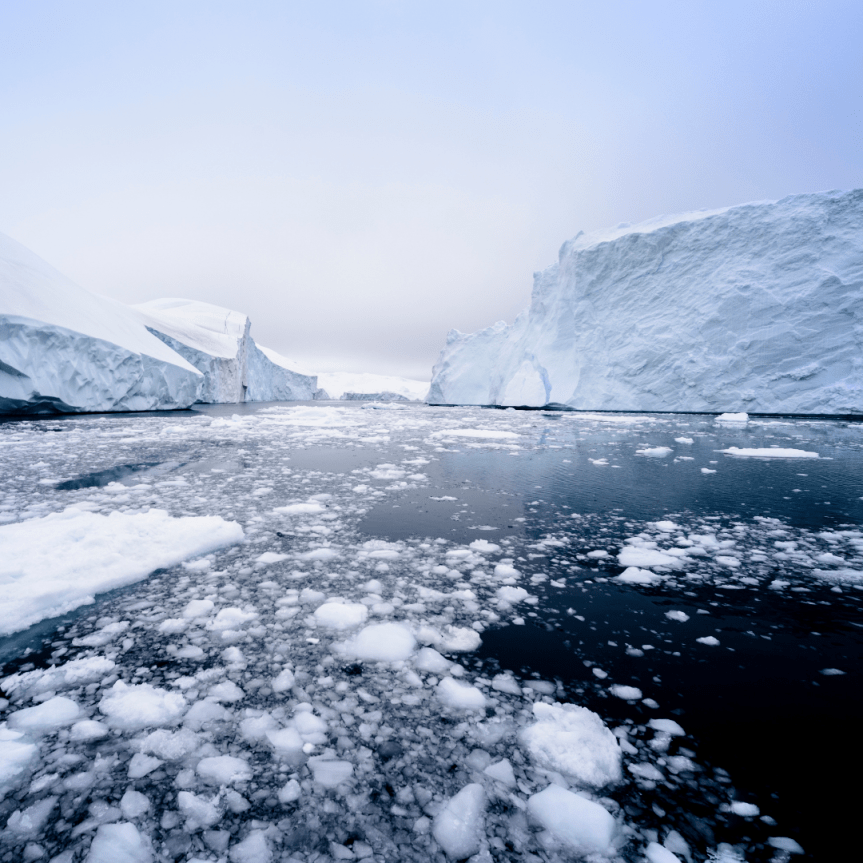
Iceberg Melltdown

Scientists who assess the planet’s health see indisputable evidence that Earth has been getting warm in some cases rapidly. Many believe that human activity, especially the burning of fossil fuels and the resulting collection of greenhouse gases in the atmosphere, have caused this warming trend. In the last decade scientists have documented record-breaking average annual surface temperatures and have observed other signs of change all over the planet: in the distribution of ice and temperatures of the oceans.

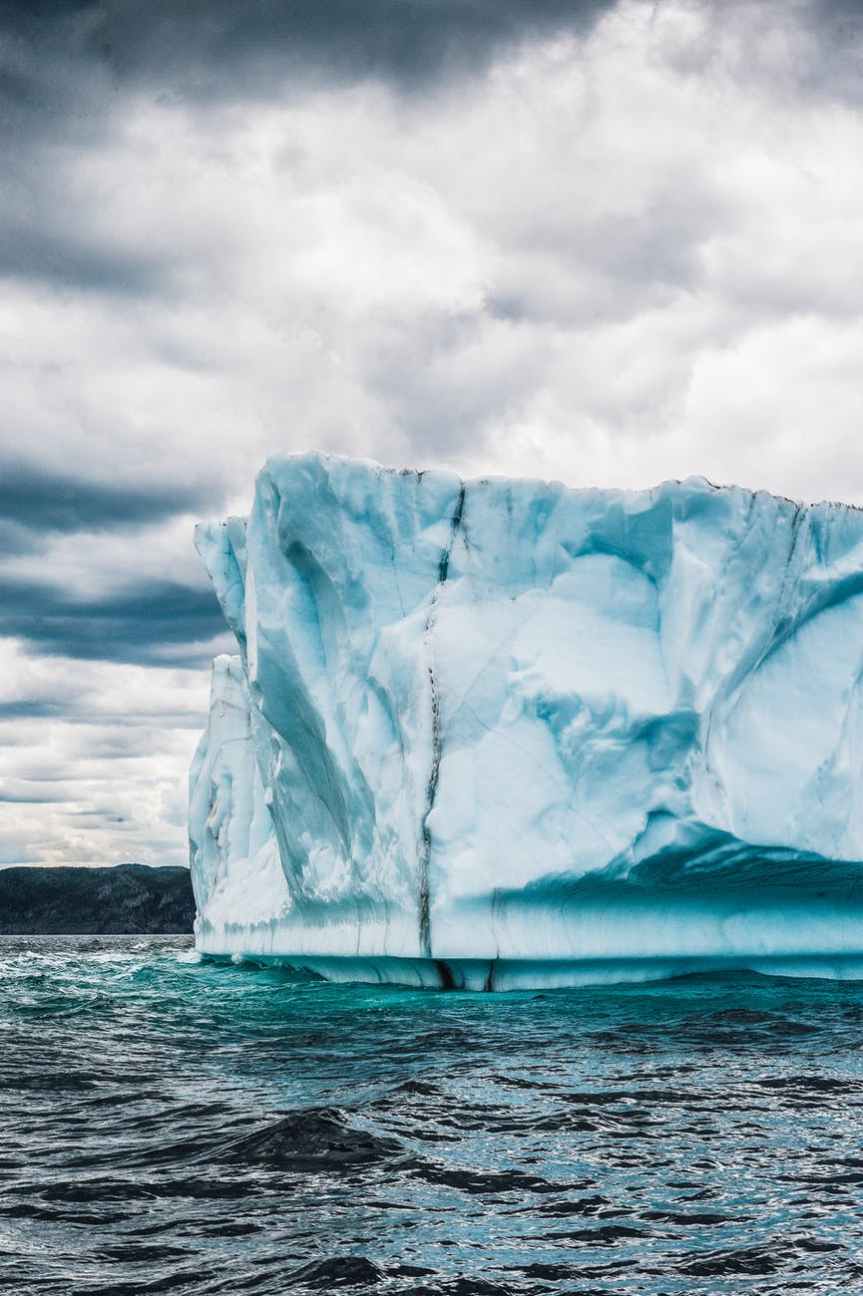
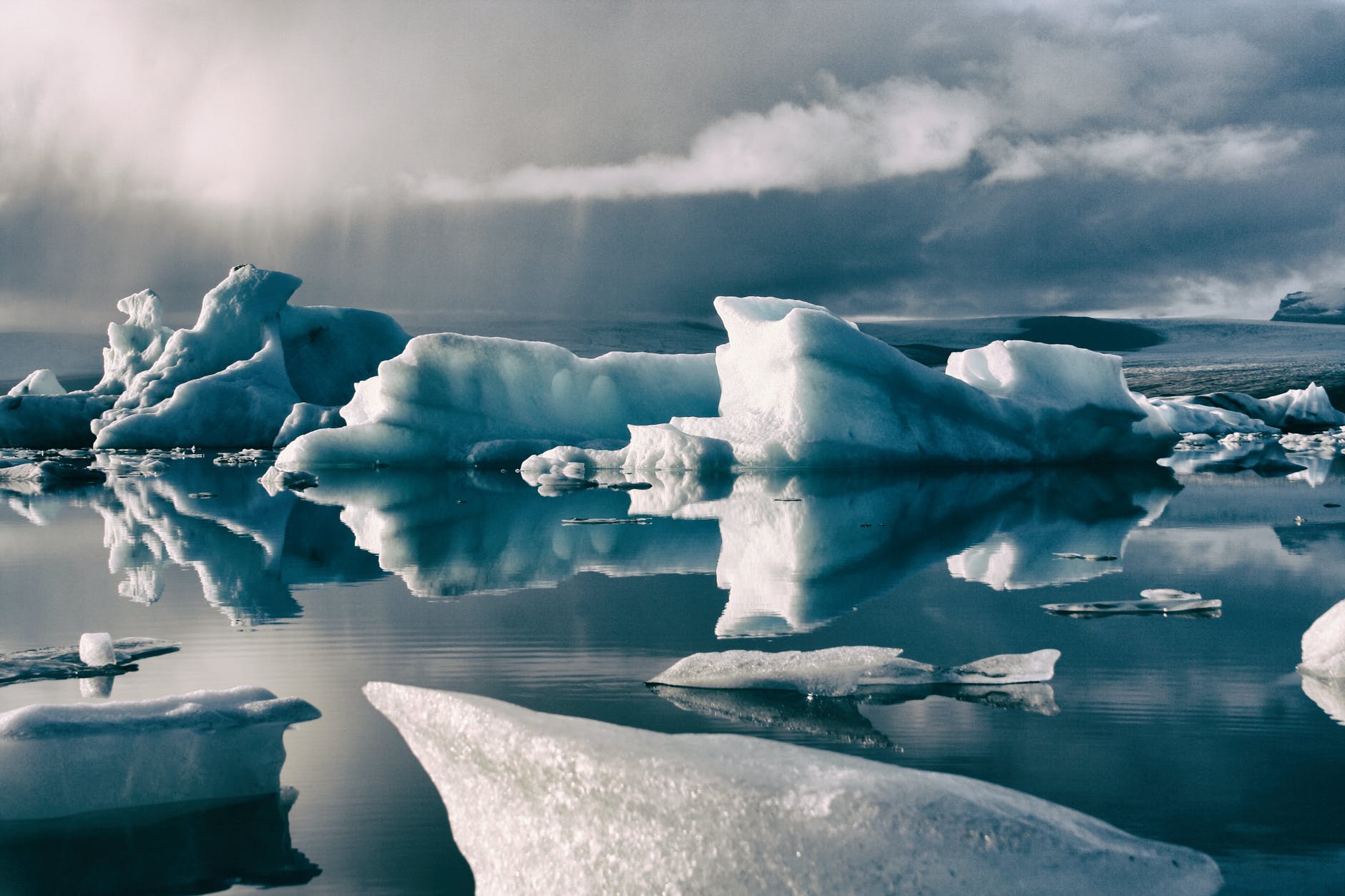
Ice is changing everywhere on the Earth. The famous snows of Kilimanjaro have melted more than 85 percent since 1911. Glaciers in the Indian Himalayas are retreating so fast that researchers fear that most central and eastern Himalayan glaciers could actually disappear by 2035. Arctic sea ice has thinned so much over the past half century, and its extent has declined by about 10 percent in the past 30 years. NASA’s repeated laser altimeter readings show the edges of Greenland’s ice sheet shrinking continuously. Freshwater ice breakup in the Northern Hemisphere now occurs nine days earlier than it did 150 years ago, and autumn freeze-up ten days later. When temperatures rise and ice melts from the icebergs, more water flows to the seas from glaciers and ice caps, and ocean water eventually warms and expands in volume. This combination of effects is the most important factor in raising average global sea level between ten and twenty centimeters in the past hundred years, according to the Intergovernmental Panel on Climate Change (IPCC).

There are absolutely no words to describe how much, and how fast, the ice is changing. Researchers predicted long ago that the most visible impacts from a globally warmer world would occur first at higher latitudes: rising sea temperatures air, earlier snowmelt, later ice freeze-up, reduction in sea ice, worse erosion, increase in storm intensity. All these impacts have been documented in Alaska. “The changes observed here provide an early warning system for the rest of the planet,” says Amanda Lynch, an Australian researcher who is the chief investigator on a project that works with Barrow’s residents to help them implement scientific data into management decisions for the city’s infrastructure.

Ian Hall, also of Cardiff University, who co-directed the scientific expedition, indicates that the results can contribute to understand how the Earth’s climate will respond to anthropic changes. Similarly, Jiménez Espejo, noted that last year, during an expedition aboard Hespérides, the French Navy research vessel, they were able to observe the various huge icebergs that had just broken into several pieces next to the islands of South Georgia. Ocean warming may cause the trajectories and the melt patterns of these large icebergs to change in the future, in a way affecting the currents and, therefore, our climate and the reliabilty of the models that scientists can use to predict it.

The Arctic’s last ice area

 A region present in Northern Greenland was named the Arctic’s last ice area. This was named as such because scientists believed that this area was the strongest and most resistant to global warming. Global warming has caused some major effects around the globe melting of ice caps, ever-rising sea levels, erratic weather conditions all of these occur due to global warming. Due to various human activities, harmful gases and pollutants are released into the atmosphere which results in increasing the temperature and also causing a breach in the ozone layer.

Let’s take a close look into what the last ice area means; the National Geographic in the year 2015 estimated the climatic changes and their effects on our environment and predicted that by the end of 2040, the final place to able to withstand global warming would be this area. It’s devasting to imagine that in another two decades there will only be a small island on which global warming would not have its effect. Furthermore, the World Wildlife Fund also stated that the current climatic conditions are majorly responsible for the shrinking Arctic and are not a good sign for the future. They also made it clear that not only the animals residing in the Arctic are exposed to danger, but also the local Inuit societies that survive on these lands.

This area was regarded important as it would help sustain several species that require the habitat as and when the surrounding areas would have melted. This area is now prominent with several polar bears who use this region as their hunting grounds. But now this area has begun to melt, raising concerns all around the globe. Researchers have stated in a Journal published in “Communications Earth & Environment” in August 2020 this region recorded an ever-low concentration of sea ice; suggesting that the Last Ice area has begun to deteriorate.

The main question that arises is that when did the melting start. Well According to research led by the University of Washington, the initial signs of melting were observed in the year 2018.  They also claimed that about 80% of melting had occurred due to weather-related scenarios like winds and the other 20% was due to global warming. This has resulted in the gradual melting of ice caps throughout the Arctic region, causing panic among the locals.

With the additional help of satellite imagery researchers have identified that sea ice levels were less than 50%. Although satellite imagery cannot be considered to be accurate, it does give us an idea about how worse the situation is. The lead author of the study under the University of Washington also stated the alternate reason for the melting was maybe due to the open ocean causing a cycle of absorbing heat energy from the ice, forcing it to melt.

Although the results and studies are unsatisfactory in giving any accurate reason behind this, it tells us that the effects due to global warming have begun sooner than we had expected and we must get together and must prevent further harm to our environment.

The Future of Geothermal Energy in our nation

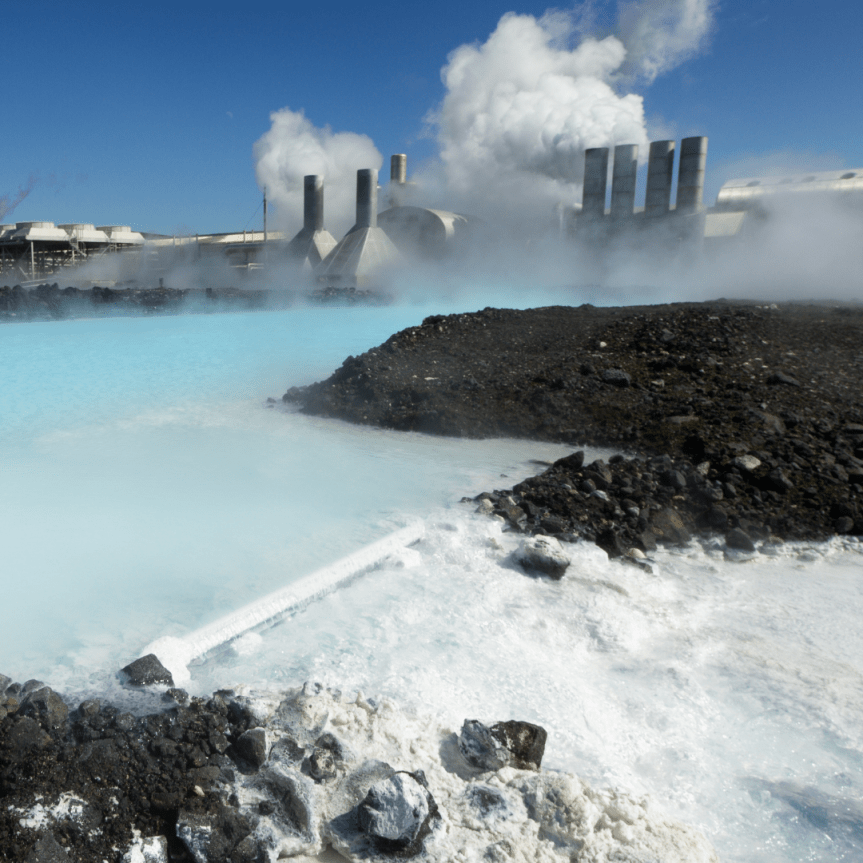
Geothermal energy is considered to be a clean source of energy. It mainly involves absorbing energy from the Earth’s molten core. Beneath the Earth’s surface is a hot layer of magma that erupts at some geological positions on the Earth. This eruption generates steam sufficient enough to rotate the blades of a turbine which generates electricity. The electricity generated can be then used to power up several houses or even small-scale industries solely depending on the velocity and pressure of the steam that vents out through the crust.

An alternative method is also present, known as thermal energy; this method involves burning coal or other fuels to generate steam which in turn rotates the blades to power up houses or industries. However, thermal energy is not considered a green source since it involves the combustion of several non-renewable fuels which only add up to the emissions emitted into the atmosphere. Whereas, geothermal is considered to be a more cost-effective and reliable source of energy. Some places are particularly favored to be potential geothermal points, as they can have access to steam within just a few hundred meters, therefore, avoiding drilling.

In the year 2010, the United States was the leader in geothermal power generation having a capacity of over 3000MW from over 70 plants present throughout the nation. The Philippines too followed the footsteps of the United States containing a capacity of around 1900MW powering up 18% of the nation’s electric grid.

In our nation according to a report in the year 2011, six prominent regions were identified as potential points for geothermal power generation. Located within these six regions where over 400 hot springs were used to estimate the thermal gradient present underneath the crust. The region in India containing the highest potential for a geothermal power plant was identified to be the Himalayan regions. These regions have a heat flow of 100w/m2 due to the highly built-up mountain ranges surrounded by them.

A 5kW installed capacity in Manikaran was abandoned in the year 2016 due to a catastrophic landslide. The energy obtained from this plant was used to suffice cold storage units, hot water baths and many other applications. Besides Manikaran, Tattapani too has a geothermal plant that helps sustain several mushroom cultivation industries, sericulture industry and also cold-storage production houses.

The government of our nation drafted a policy in the year 2019 which intends to get our nation to the top of the leader board in geothermal production. This policy intends to make our nation have a capacity of over 1,000MW by the end of 2022. The Ministry responsible for Renewable energy has put up an aim to develop 1000MW for thermal purposes and 20MW for electricity by 2022 and expect it to grow to 10,000MW and 1000MW respectively by the end of 2030.

By increasing the capacity for geothermal energy, we are not only reducing the effects of global warming or reducing our carbon footprint; we are also preparing sources for the erratic demand for energy we might experience in the coming years due to population explosion. We would require more economical sources of energy to help sustain the livelihood of the billions of people in our nation. This is merely just considered a start towards making our planet a better place to live in.

Hence, our nation is preparing itself to counteract several climate change phenomena by shifting to safer and cleaner modes of energy production. We must in every possible way either contribute our part in this shift to a cleaner world or just co-operate with people involved in this process.

The Hot Planet Story

Two frogs are playing in a pond, then suddenly, BAM! They are kidnapped and taken to a kitchen by a chef. The chef boils up a pot of water and throws one frog inside. Sensing danger, the frog jumps out of the pot and escapes. The chef tries a different strategy with the other frog. This time, he turns on the heat slowly so that the frog doesn’t realize that it is being cooked.

REST IN PEACE Froggy.

Are we not facing the same situation? Yes, Global Warming.

Photo by Pixabay on Pexels.com

Global warming is the increase in the average temperature of the earth. It is one of the greatest environmental challenges.

Global warming is caused due to many reasons, the primary one being human activity. Greenhouse effect is the main cause of global warming. A greenhouse is made of glass which helps the plants stay warm even when it is cold outside. Similarly, the greenhouse gases like methane and carbon dioxide act as an insulation to keep us warm. This is a natural process. But if more and more greenhouse gases enter the atmosphere, the earth becomes warmer rapidly. But what causes this?

Here we go again….. Human activity.

Over population

Deforestation

Burning of fossil fuels

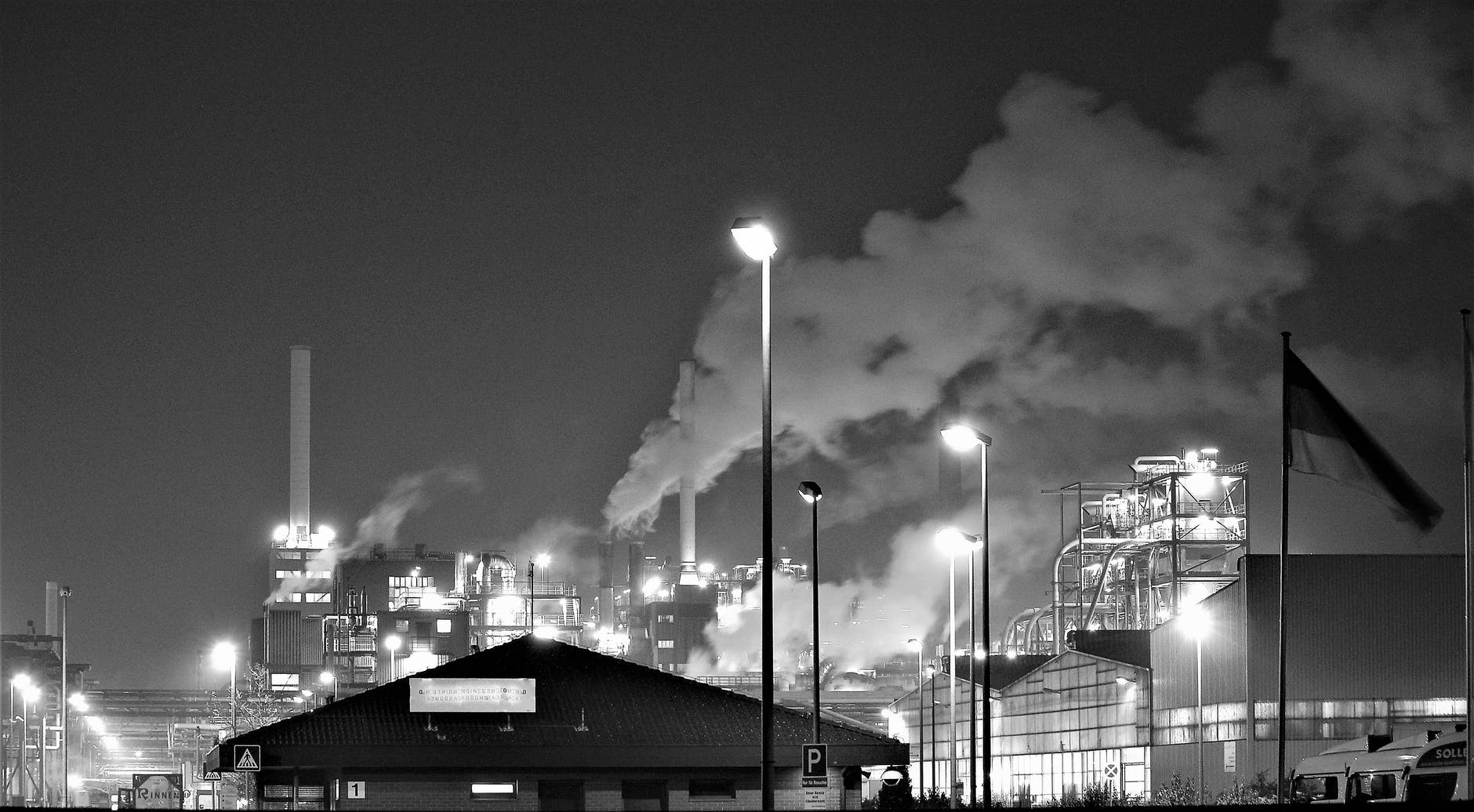
Industrialization

All this leads to melting of glaciers which increases the sea level. This further leads to change in ecosystem. Rise in droughts, forest fires, hurricanes, and desertification are also caused due to global warming

Still, global warming remains to be a controversy, leading to many debates. Some people believe that global warming is just a natural cycle and the drastic climate changes have nothing to do with human activity. In my opinion, blaming the nature is not right. Since we are greedy and don’t want to fix the issue, we find such excuses.

Now moving on the solutions.

  • Spreading awareness, is a great step to fight against global warming, that is what this article is about, isn’t it?
  • Simple solutions like unplugging devices when not in use, carpooling, using LED lights and CFLs, planting trees and recycling can both save money and reduce our carbon footprint.
  • Using renewable energy sources, zero-carbon technologies like wind turbines, solar panels, and biomass boilers can be built to conserve energy.
  • Start-ups that develop such technologies should be encouraged and offered tax and loan incentives.

We can take such measures to protect our planet. Together we shall fight climate change and protect our dearest planet.

Photo by Olya Kobruseva on Pexels.com

Climate Change and its Immediate future in India

One of the significant regions that will be affected by environmental change in its furthest point in the near future is South Asia, particularly India principally due to its different territory. Environmental change is required to have a genuine effect around here as the nation is quickly debilitating its regular assets subsequently, annihilating its current circumstance generally because of “urbanization, industrialization and financial development.” 

India faces a disturbing ecological and financial test in its push to ensure its quick draining of normal assets. Water and air quality are deteriorating step by step because of the increase of different toxins in the air. Furthermore, the areas that will be exposed to the most noteworthy openness to environmental change are the country’s waterfront eco frameworks, biodiversity and farming efficiency. Additionally, the locale is as of now subject to regular dangers, for example, the 2013 Uttarakhand floods, landslides, the 2015 Chennai flood and the 2016 dry spell. 

There is additionally proof of unmistakable expansions in the force or potential recurrence of numerous outrageous climate occasions, for example, heat waves, expanded droughts and serious precipitation. The antagonistic effects of such calamities range from hunger, weakness to infections, loss of pay and livelihoods.15 According to the World Bank, an increment of 2°C on the planet’s normal temperature in the following not many years will just make India’s rainstorm more erratic. The change in downpour designs across India is anticipated to leave various regions submerged and others without enough water in any event, for drinking. 

“In India, over 60% of the harvest region is downpour taken care of, making it profoundly defenseless against environment instigated changes in precipitation designs. It is assessed that by the 2050s, with a temperature increment of 2°C-2.5°C contrasted with pre-modern levels, water for rural creation in the stream bowls of the Indus, Ganges and Brahmaputra will decrease further and may affect food sufficiency for about 63 million individuals.” 

A hotter environment is likewise expected to hinder the neediness decrease rate. Despite the fact that environmental change will influence everybody’s lives in the area, poor people will be the most influenced as they are the once generally subject to rain-based farming and have no or insignificant assets to support their business. An expansion of 2°C by the 2040s will hit crop creation in South Asia as well and will lessen the yield by 12%, requiring more imports to satisfy needs at home. Likewise, diminishing food accessibility would lead to extensive medical conditions particularly among ladies and youngsters. Dissolving of icy masses and loss of 

Snow presents a critical danger to solid water assets in India. Fundamental waterways like the Ganges, Indus and Brahmaputra, rely altogether upon snow and frosty dissolved water, which makes them even more vulnerable to unfavorable effects of a dangerous atmospheric deviation. This could additionally expand the danger of flooding of low regions and represent a danger to horticulture. Having momentarily investigated the effect of environmental change, the accompanying area will have an endless supply of the new climate occasions that were generally an immediate consequence of environmental change in India.

Lower-carbon improvement, however, could yield quick advantages, for example, cleaner air, more prominent energy security and fast occupation creation. India’s environment targets are viewed as ‘2°C viable’, for example a decent amount of worldwide exertion. Be that as it may, seeking after a cleaner, more asset productive way could invigorate a quicker, more attractive monetary recuperation and secure India’s thriving and seriousness in the long haul.

‘Climate change and Corporate responsibility’

“We don’t inherit the earth from our ancestors, we borrow it from our children”   


According to united nations framework convention on climate change “Climate change means a change of climate which is attributed directly or indirectly to human activity that alters the composition of the global atmosphere and which is in addition to natural climate variability observed over comparable time periods”.

Climate is determined by many factors influencing energy flows the most important being greenhouse gases. Sun’s energy influences climate on earth. The amount of heat radiations which the earth receives depends on how far the sun is from the earth and the sun’s emission power. The sunlight received by earth, a part of it is reflected back to space by the atmosphere, clouds, land, water surface and ice. Aerosols tiny particles in the atmosphere can increase the reflection of sunlight. This solar energy absorbed by earth is returned to space as infrared (heat) radiations. Not all gases interact with infrared radiations. Some gases like water vapor, methane and carbon-dioxide absorb infrared radiation flowing upwards from earth’s surface and re-radiate it in all directions. They thus impede outward flow of infrared energy from earth to space. This is called ‘greenhouse effect and the gases that cause it are called greenhouse gases.


Climate change is a phenomenon which mainly occurs through natural or anthropogenic factors. Latitude, ocean currents, wind and air masses, elevation, relief and nearness to water are some important natural factors that affect climate change. Anthropogenic factors affecting climate change include air pollution from vehicles, crackers and industrial activity, overuse and exploitation of natural resources like fossil fuels and infrastructure activities lay roadway to development but at the same time affects climate severely.


Reducing climate change involves reducing the factors that affect it like greenhouse gases. We as citizens can reduce the human interference with climate change by lowering our fuel consumption which in turn is possible by using cycles instead of two or four wheelers, by using community vehicles more often, by walking to nearby areas instead of using vehicles, switching off power plugs when not needed, saving water by not wasting it while we bath, brush or clean things. United nations framework convention on climate change (UNFCCC) is an international environmental treaty addressing climate change, negotiated and signed by 154 states at the united nations conference on environment and development informally called the earth summit.  UNFCCC has its main objective to stabilize greenhouse gas concentrations in the atmosphere.  Today it has 197 member countries which ultimately works to prevent dangerous human interference with the climate system. Under this framework the industrialized countries have to report regularly on their climate change policies and measures, including issues governed by Kyoto protocol. They must also submit an annual inventory of their GHG emissions.


Kyoto protocol is an international treaty which extends the 1992 UNFCCC. Under this 192 nations committed to reduce their emissions by an average of 5.2% by 2012 which would be 29% of world’s total emissions. 

In 2019 a report published by the United Nations said that to limit the temperature rise to 2 degree Celsius, the world will need to cut emissions by 2.7 % each year from 2020 to 2030, and triple the climate targets. Even if all the Paris agreement pledges as they are in 2019, are fulfilled the temperature will rise by 3.2 degrees this century.  

“Corporate social responsibility is a concept whereby companies integrate social and environmental concerns in their business operations and in their interaction with their stakeholders on a voluntary basis.” 


CSR is termed as “triple-bottom-approach” which helps the companies in promoting itself as well as in fulfilling its responsibility that it hold towards the society at large. According to United Nations Industrial Development Organisation, CSR based on triple bottom line approach can help countries in the developing bracket to accelerate their socio-economic growth and help them become more competitive. Companies can fulfill their responsibilities through various activities like pollution control mechanisms, waste reduction or by contributing in educational and social programs. CSR is said to improve brand image of a company and increase its goodwill. 


There are three basic principles that comprise CSR- 

Sustainability- If resources of an organization are utilized efficiently then they will be available for the future generations too after satisfying needs of present generations. As the availability of resources is limited and non-renewable resources like oil, natural gas, minerals which are used in abundance are regenerated after long spans of years resources must be used optimally. 


Accountability- The main aim of a business organization is to maximise its profits. But apart from making profits a company should be accountable to its employees and community members. A satisfied and motivated workforce will work more productively than exploited workers. 


Transparency – From government’s point of view transparency is very essential for an organization. All its activities must be transparent so that if any organization tries to hide anything about the conduct of its activities it can be easily located.


Any actions that the organization undertakes has an effect on its external environment in which it resides whether it be social, legal, cultural or economic environment. An organization can have very significant effect on its external environment and can actually change that environment through its activities. Organizational activities can affect utilisation of natural resources, competition between various firms, land transformation or degradation dur to raw material extraction, distribution of wealth among owners and workers of the firm and the greatest of all affected is climate change due to greenhouse gas emissions. 


The most recent concern that every organization faces is effect of its activities on climate. Companies act, 2013 has formulated section 135, companies (corporate social responsibility) rules, 2014 and schedule VII which prescribes mandatory provisions for the companies to fulfill their CSR. A company or subsidiary of the company having net worth of Rs. 500 crore or more or turnover of Rs 1000 crore or more, or net profit of Rs. 5 crore or more during the immediately preceding financial year must undertake CSR activity. A foreign company having its branch office or project office in India, which fulfills the above criteria is applicable for CSR. However, if a company ceases to meet the above criteria for 3 consecutive financial years then it is not required to comply with CSR provisions till such time it meets the specified criteria.

Every company on which CSR is applicable is required to constitute a CSR committee with directors on its board. 


Functions of CSR committee- 


Formulate and recommend to the board a CSR policy which shall indicate all the activities to be undertaken by the company Recommend the expenditure required on the above mentioned activities. 

Monitor the CSR policy from time to time. 

Institute a transparent monitoring mechanism for implementing the CSR projects or programs undertaken by the company. The board of directors shall disclose contents of CSR policy in its report and the same shall be displayed on the company’s website. 

Schedule 7 of the act states the activities that the companies can undertake under CSR- 

Eradicating hunger, poverty and malnutrition, promoting health care including preventive health care and sanitation. 

Rural development projects.

Slum area development. 

Promoting education, including special education and employment enhancing vocation skills. 

Promoting gender equality, empowering women, setting up homes and hostels for woman and orphans, setting up old age homes, day care centers etc. 


About 20 most influential companies contribute one-third of all the greenhouse gas emissions that we have presently. Companies can reduce their greenhouse gas emissions as a part of social obligation, by following stringent guidelines. Smart thermostats and motion-activated lights can be used to avoid wasting energy, reducing GHG emissions. Companies can measure and analyse GHG emissions and accordingly reduce its energy consumption. They can use renewable energy sources, can use environment-friendly infrastructure and transport, promote environment-friendly ways of working and most important of all it can spread awareness among its employees and various stakeholders. 


Companies take actions to reduce GHG emissions in the environment. Microsoft has pledged to reduce operational emissions by 75% by 2030, but has been operating as 100% carbon neutral since 2012. Tata chemicals spent the highest on CSR in 2019, although its prescribed CSR budget for 2019-2020 was 21.39 Crores, the company spent 37.81 Crores on community development projects. Tata chemicals as a part of its CSR responsibility established Tata chemicals society for rural development in 1980 as a society and trust. 


Since the lockdown began TCSRD has been actively supporting government by distributing disinfectants, stitching masks, ensuring food security and providing medical help. Infosys Ltd. Spent 2% of its profit towards various schemes of corporate social responsibility. BHEL a government company as a part of its corporate social responsibility for COVID-19 relief , organized ‘Swachhata Pakhwada 2020’ from July 1 to 15, 2020. Mahindra and Mahindra ltd company spent 93.50 Crores out of which 8.36 Crore was spent on project Nanhi kali which provides educational support to underprivileged girls in India through an afterschool support programme.


 

Creating miracles while fighting air pollution- The inspiring story of Bhutan

Flag Of Bhutan

The amount of carbon dioxide emission is increasing day by day causing a rise in overall temperature and global warming. Main reason behind the increase is that most of the energy producing sources emit carbon dioxide (for e.g. in thermal plants), burning of combustible substances and even our vehicles and transports emit carbon dioxide.

Usually, the plants and trees are able to absorb most of the carbon dioxide that is emitted but due to increase in deforestation it has become hard to maintain that balance.

While most of the countries are struggling to become carbon neutral that is trying to find a balance between carbon dioxide emission and absorption, Bhutan has already achieved that milestone.

Bhutan may be a small country but it is the only country in this world that is carbon negative.

Carbon negative can be explained by the comparison between total amount of carbon dioxide released to total amount carbon dioxide absorbed in the atmosphere as total amount of carbon dioxide released is lower than the amount of carbon dioxide absorbed.

Bhutan produces around two million tonnes of Carbon Dioxide and absorbs around 7 million tonnes of carbon dioxide.

This milestone was achieved because the 4th king of Bhutan-King Jigme Singye Wangchuck’s belief that Gross National Happiness of the population of Bhutan was more important that Gross National Product. And further development was done by keeping this ideology in mind.

Few steps that were taken to achieve this are as follows-

-By maintaining 60+% of forest cover at all the times and not letting it go below that number played a huge role.

-By building Biological Corridors- People of Bhutan believe in co-existence that is why they have built biological corridors between forests to enable the free movement of wildlife throughout the forests

-By using Hydro-Power plants to generate electricity without causing pollution, and they highly promote the use of sustainable resources.

-By planting more trees, in 2016 on the birthday of the last prince they planted over 1 lakh trees, they even have the Guinness World record for planting the highest no. of trees in one day in the year 2015.

But despite its great efforts to maintain the balance, Bhutan is still suffering from the global warming without any of its own fault. China and India, two of those countries which contribute the most to the world’s pollution, surround Bhutan from two sides and is causing it to suffer from global warming, melting glaciers resulting in flash floods. Some states in India and China have the highest pollution index in the world. Unless some strict actions are taken, it is not possible reduce the pollution. We should learn from Bhutan, even though is has a smaller economy than most of the developed and developing countries but it is still better at controlling the air pollution than most of them.