Finding the best healthcare staffing solution can make your work life easier. The right agency helps you get good pay, steady work, and support on the road. With so many options, it’s important to choose the one that fits your needs.
Keep reading to learn how to find the best staffing solutions for travel nurses.
Best Travel Nurse Agencies
Finding the right agency can make travel nursing easier. Good agencies offer fast placement and strong support. They help with housing, licenses, and paperwork. Some even give bonuses and extra benefits. Pay is often higher with trusted staffing solutions.
Nurses can choose where and when they want to work. Agencies connect nurses with top hospitals and clinics. To get started, just browse openings and apply. It’s a simple way to begin your travel nurse journey.
Quick Job Placement
Travel nurses need fast options. Waiting too long can cause stress. Good agencies act fast. They match nurses with jobs in days. Some jobs even start within a week. This helps nurses stay on track. There’s no need to wait for months. Agencies know which hospitals need help now.
They take care of all the details. That includes contracts, housing, and travel. Nurses just need to say yes. You can browse anytime. It’s simple and doesn’t take long. Fast placement makes travel nursing easier.
Top Pay Opportunities
Travel nurses can find high-paying jobs through top staffing agencies. These agencies offer better pay for urgent needs. Nurses with special skills often earn more. Agencies may also give bonuses for tough assignments. Overtime pay can increase earnings.
Some jobs offer extra benefits like free housing and travel. With the right agency, nurses can find jobs that pay well. This makes travel nursing a great option for earning more.
Reliable Staffing Help
The best staffing solutions offer clear communication and support. Nurses need an agency that understands their needs and offers flexibility. Competitive pay and benefits are important when choosing a staffing agency. A good agency will provide assistance with housing and travel arrangements.
They should also offer a variety of assignments to match nurses’ skills. Nurses can benefit from agencies that offer 24/7 support during assignments. Trusted agencies build long-term relationships with healthcare facilities. These connections ensure travel nurses are always in demand.
Supportive Recruiter Teams
Supportive recruiter teams play a key role in matching travel nurses with the right job opportunities. They listen carefully to nurses’ needs and preferences. Good recruiters provide clear communication throughout the hiring process. They help nurses navigate paperwork, housing, and licensing.
Supportive teams are available when questions or issues arise. Their goal is to build trust and long-term relationships. With the right recruiter team, travel nurses can focus more on patient care and less on job logistics.
Learn More About the Best Healthcare Staffing Solutions
Travel nursing can be a great way to grow your career and see new places. With the right agency, you get better pay, faster job placement, and full support.
Whether you want steady work or a new adventure, a trusted staffing team can help. Take the next step and find the agency that fits your goals. Your perfect travel nurse job is waiting.
Looking for more tips and ideas? We’ve got you covered. Check out some of our other posts now.
Socio-Cultural Factors and Attitudes Affecting the Health Status of Rural Communities
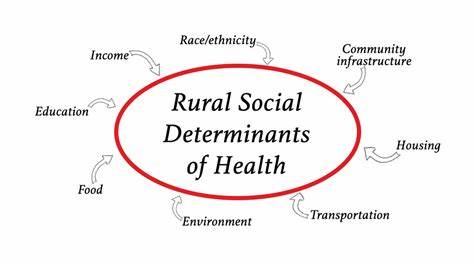
Health is a multidimensional concept influenced by biological, environmental, and socio-cultural factors. Among rural communities, socio-cultural factors and attitudes often play a crucial role in determining health outcomes. These factors are deeply embedded in the social fabric and cultural norms of rural societies, influencing health behaviors, access to healthcare, and overall well-being. Understanding these influences is critical for designing effective health interventions and policies tailored to rural populations.
1. Socio-Cultural Factors Influencing Health
1.1 Traditional Beliefs and Practices
Many rural communities rely on traditional health practices and remedies passed down through generations. While some of these practices may be beneficial, others can hinder timely medical intervention. For instance:
Faith in Folk Healers: Many rural residents consult local healers or shamans before seeking formal medical care, delaying diagnosis and treatment.
Herbal Remedies: Although some herbal remedies are effective, unregulated use can lead to complications or interfere with prescribed treatments.
1.2 Gender Norms and Roles
Gender dynamics significantly affect health outcomes in rural areas:
Maternal Health Neglect: Women’s health, particularly during pregnancy and childbirth, is often deprioritized due to traditional gender roles.
Limited Autonomy: In patriarchal rural settings, women may lack the authority to seek healthcare independently, exacerbating health issues.
Preference for Male Children: This can lead to neglect of the nutritional and healthcare needs of female children, affecting their long-term health.
1.3 Literacy and Education
Low literacy rates and lack of health education are major barriers to improving rural health:
Limited Awareness: Poor understanding of hygiene, nutrition, and disease prevention leads to high incidences of preventable illnesses.
Misinformation: Superstitions and myths about diseases like tuberculosis or HIV/AIDS further stigmatize affected individuals and impede treatment.
1.4 Social Hierarchies and Caste
Caste-based discrimination and social hierarchies can restrict access to healthcare for marginalized groups:
Healthcare Disparities: Lower-caste individuals may face discrimination at healthcare facilities or hesitate to seek care due to perceived inferiority.
Social Exclusion: Fear of ostracism often discourages marginalized communities from addressing sensitive health issues.
2. Attitudes Toward Health and Healthcare
2.1 Perceptions of Illness
Cultural perceptions of illness influence how rural communities respond to health problems:
Fatalistic Attitudes: Many believe illnesses are a result of fate, divine punishment, or witchcraft, leading to resignation and inaction.
Stigma: Diseases like leprosy, mental illness, and sexually transmitted infections are often stigmatized, preventing individuals from seeking treatment.
2.2 Preference for Traditional Over Modern Medicine
Resistance to modern medicine is prevalent due to:
Mistrust of Modern Healthcare: Skepticism toward doctors and hospitals arises from lack of familiarity, previous negative experiences, or perceived high costs.
Accessibility Issues: Long distances to healthcare facilities and inadequate transportation reinforce dependence on local remedies.
2.3 Attitudes Toward Preventive Care
Preventive healthcare is often undervalued in rural communities:
Low Vaccination Rates: Misinformation and fear of side effects reduce vaccine uptake.
Neglect of Routine Checkups: Seeking healthcare is often reserved for emergencies, neglecting preventive measures like regular screenings.
3. Structural Challenges and Their Socio-Cultural Impact
3.1 Limited Healthcare Infrastructure
Inadequate healthcare facilities and professionals in rural areas amplify the socio-cultural barriers to health:
Scarcity of Female Healthcare Workers: Cultural norms may prevent women from consulting male doctors, reducing access to maternal and reproductive healthcare.
Overburdened Systems: Overcrowded and understaffed facilities lead to long wait times, further discouraging rural residents from seeking care.
Healthcare Costs: The high cost of modern medical treatments often drives rural residents toward cheaper, traditional alternatives.
Opportunity Costs: Rural families may prioritize daily wage labor over addressing health issues, leading to delayed care.
3.3 Government and NGO Interventions
While initiatives like mobile health clinics and telemedicine aim to bridge gaps, their effectiveness is often limited by:
Cultural Mismatch: Programs not tailored to local beliefs and practices face resistance.
Lack of Community Involvement: Exclusion of local leaders and influencers from planning processes reduces program acceptance.
4. Strategies to Improve Rural Health Outcomes
4.1 Promoting Health Education
Awareness Campaigns: Using local languages and traditional media to disseminate health information can improve understanding and acceptance.
School-Based Programs: Introducing health education in rural schools ensures early exposure to preventive healthcare practices.
4.2 Culturally Sensitive Interventions
Engaging Local Leaders: Collaboration with community elders and religious leaders can build trust and ensure program success.
Integrating Traditional and Modern Medicine: Recognizing the value of certain traditional practices while promoting evidence-based modern treatments can foster acceptance.
4.3 Empowering Women
Self-Help Groups: Encouraging women’s groups to discuss health issues and pool resources for medical care can enhance access and awareness.
Training Female Healthcare Workers: Employing and training women from local communities to provide healthcare can overcome gender-related barriers.
4.4 Strengthening Healthcare Infrastructure
Decentralized Services: Establishing more primary health centers and mobile clinics can improve accessibility.
Subsidized Healthcare: Government subsidies for healthcare services and medicines can alleviate financial barriers.
Conclusion
The health status of rural communities is intricately linked to socio-cultural factors and attitudes that influence healthcare behaviors and access. Addressing these challenges requires a holistic approach that combines culturally sensitive health interventions, robust infrastructure, and community empowerment. Policymakers, healthcare providers, and NGOs must work collaboratively to bridge the gap between traditional beliefs and modern healthcare, ensuring equitable and effective health services for rural populations. Only through such inclusive efforts can we hope to achieve sustainable improvements in rural health outcomes.
References
Abdullah, M. A. (1993). Traditional practices and other socio-cultural factors affecting the health of children in Saudi Arabia. Annals of tropical paediatrics, 13(3), 227-232.
Amadi, L., Wordu, S., & Ogbanga, M. (2015). Sustainable Development in Crisis? A Post Development Perspective. Journal of Sustainable Development in Africa, 17(1), 140-163.
Chelogoi, D. N., Jonyo, F. O., & Amadi, H. (2020). The influence of socio-cultural factors in access to healthcare in Kenya: A case of Nairobi County, Kenya. Journal of Social and Political Sciences, 3(3).
Ogbanga, M. M. (2024). Oil, Gender and Unemployment: Social Issues in the Niger. Eduindex.
Riemenschneider, H., Balázs, P., Balogh, E., Bartels, A., Bergmann, A., Cseh, K., … & Voigt, K. (2016). Do socio-cultural factors influence medical students’ health status and health-promoting behaviors? A cross-sectional multicenter study in Germany and Hungary. BMC Public Health, 16, 1-10.
Uzobo, E., Ogbanga, M. M., & Jackson, J. T. C. B. (2014). Socio-cultural factors and attitudes affecting the health status of rural communities: a study of Danmusa, Katsina State, Nigeria. Int J Sci Res, 3(3), 837-844.
The Bureau of Indian Standards (BIS), India’s National Standards Body is addressing growing need for reliable and affordable medical assistive technology. The Bureau is developing standards for innovative products such as therapeutic footwear, portable ramps, braille displays, and fall detectors, which support individuals with disabilities and enhance their quality of life.
In line with the National Medical Device Policy, 2023, BIS is prioritizing standards development for 214 critical medical devices. These have been identified in consultation with the Department of Pharmaceuticals (DoP). It includes septal closure devices, plasma sterilizers, and phototherapy machines. The initiative is set for phased completion by December 2025.
The Bureau is also driving improvements in healthcare quality, safety, and reliability by developing robust medical device and service standards. By aligning with the Medical Devices Rules, 2017, and the National Medical Device Policy, 2023, BIS is proving to be instrumental in establishing a robust regulatory framework that prioritizes public safety while fostering innovation.
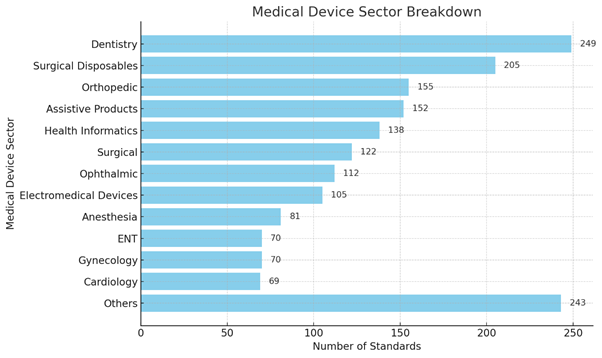
BIS has published over 1,700 standards for the medical sector, covering specialities such as cardiology, neurology, orthopaedics, ophthalmology, and more. Of these, around 1,200 standards specifically focus on medical devices critical to healthcare, including:
Life-saving devices: Cardiac pacemakers, heart valves, ventilators, and haemodialysis machines.
Assistive technology: Hearing aids, wheelchairs, Jaipur Foot, and tactile pathways for visually impaired individuals.
BIS standards in this sector ensure that Indian medical devices are safe, effective, and globally competitive. These efforts build trust among healthcare providers, consumers, and international stakeholders while solidifying India’s reputation as a leader in healthcare innovation.
Key Standards for Medical Devices:
Some of the key Indian Standards developed by BIS include:
Cardiac Pacemakers: IS 13450 (Part 2/Sec 31): 2021
Heart Valves: IS 17840
Hip and Knee Implants: IS 12375
Ventilators: IS 13450 (Part 2/Sec 12): 2023
Infant Incubators and Radiant Warmers: IS 13450 (Part 2/Sec 19): 2023 for incubators and IS 13450 (Part 2/Sec 21): 2023 for radiant warmers
Haemodialysis Machines: IS 13450 (Part 2/Sec 16) : 2019
Infusion Pumps: IS 13450 (Part 2/Sec 24): 2019
Advanced Diagnostic Tools:
X-ray and CT Machines: IS 7620 (Part 1) : 1986
MRI Systems: IS 13450 (Part 2/Sec 33) : 2018
Ultrasound Devices: IS 13450 (Part 2/Sec 37): 2019
ECG: Covered under IS 13450 (Part 2/Sec 25): 2018
Monitoring Devices:
Blood Pressure Monitors: IS 13450 (Part 2/Sec 34): 2019
Africa is home to several top-tier medical institutions that offer quality medical education and are renowned for their research contributions and clinical training. Many African medical colleges produce skilled professionals who contribute significantly to the healthcare systems in their countries and globally. Below are some of the top medical colleges across various African nations:
1. University of Cape Town (UCT) Faculty of Health Sciences – South Africa
The University of Cape Town is one of the most prestigious institutions in Africa. Its Faculty of Health Sciences offers a range of medical programs, including MBChB (Bachelor of Medicine and Bachelor of Surgery). UCT’s medical school is well-known for its world-class research, particularly in areas such as HIV/AIDS, tuberculosis, and cardiovascular diseases. Its affiliation with Groote Schuur Hospital, where the first successful heart transplant was performed, adds to its prestige.
2. Stellenbosch University Faculty of Medicine and Health Sciences – South Africa
Another top medical college in South Africa, Stellenbosch University is recognized for its academic excellence and medical research. Its Faculty of Medicine and Health Sciences offers comprehensive training in medicine, with a strong emphasis on research and clinical experience. The university has a global reputation in fields like immunology and health sciences.
3. University of Nairobi School of Medicine – Kenya
The University of Nairobi’s School of Medicine is one of the leading medical schools in East Africa. It is known for its robust medical programs and contribution to healthcare research. The school plays a pivotal role in training medical professionals who serve in Kenya’s healthcare sector, and it has made strides in research on infectious diseases, including malaria and HIV.
4. Makerere University College of Health Sciences – Uganda
Makerere University in Uganda is among the oldest and most prestigious universities in Africa. Its College of Health Sciences offers medical degrees and is known for its pioneering work in health research, particularly in HIV/AIDS and other infectious diseases. Makerere’s medical school has been instrumental in producing skilled healthcare professionals for Uganda and the East African region.
5. Cairo University Faculty of Medicine – Egypt
Cairo University’s Faculty of Medicine is one of the top medical schools in North Africa. Established in 1827, it offers high-quality education in medicine and surgery. Cairo University is known for its comprehensive medical curriculum, with strong research initiatives in fields like oncology and neurology. It has collaborations with various international medical institutions, enhancing its global profile.
6. University of Ibadan College of Medicine – Nigeria
The University of Ibadan’s College of Medicine is the premier medical school in Nigeria. It offers undergraduate and postgraduate medical programs and is well-respected for its contributions to medical research and healthcare training in West Africa. The college has made significant contributions to research in areas like sickle cell anemia and maternal health.
7. Addis Ababa University College of Health Sciences – Ethiopia
The College of Health Sciences at Addis Ababa University is the leading medical school in Ethiopia. It offers a wide range of medical programs and has been instrumental in training healthcare professionals for the country. The university is also involved in critical health research projects, including those focused on public health and infectious diseases.
8. Kwame Nkrumah University of Science and Technology (KNUST) School of Medical Sciences – Ghana
KNUST’s School of Medical Sciences is one of the top medical schools in Ghana and West Africa. The institution is known for its comprehensive medical education programs and research initiatives. KNUST has partnerships with international medical organizations and is highly regarded for its work in tropical medicine and public health.
9. Cheikh Anta Diop University Faculty of Medicine, Pharmacy, and Dentistry – Senegal
This prestigious medical school in Senegal offers high-quality medical education and training in various health-related disciplines. Cheikh Anta Diop University is a leader in health sciences in West Africa, with strong programs in medicine, pharmacy, and dentistry. The university contributes significantly to research in tropical diseases and public health in Francophone Africa.
10. Muhimbili University of Health and Allied Sciences (MUHAS) – Tanzania
MUHAS is the top medical university in Tanzania, offering a variety of medical programs, including MBBS, nursing, and public health. The university is known for its clinical training and medical research, particularly in infectious diseases and non-communicable diseases such as diabetes and hypertension.
Conclusion
African medical colleges are making significant strides in global health, education, and research. Institutions such as UCT, Makerere University, and Cairo University not only provide excellent medical training but also contribute to cutting-edge research in fields critical to Africa’s health challenges. These universities produce healthcare professionals who play a vital role in improving the healthcare landscape in Africa and beyond.
Picture a doctor’s office a decade ago, dominated by paper charts and manual test results. Fast forward to today, and imagine walking into a tech-savvy healthcare facility where your entire medical history is at the physician’s fingertips, available in an instant with the click of a button. This is the revolution of technology in healthcare. Gone are the days when healthcare professionals were forced to work with outdated methods. Now, technology is transforming medicine into a futuristic realm where efficiency, precision, and patient care are optimized like never before.
To truly appreciate the impact of modern technology on healthcare, it’s essential to look back at the past. The evolution of technology in medicine has been nothing short of remarkable. In the early days, medical advancements were slow and laborious, relying heavily on trial and error. However, with each passing decade, the pace at which technology influenced medicine began to accelerate.
Initially, technological innovations were limited to basic tools and equipment. The invention of the stethoscope in the 19th century, for example, marked a significant leap in diagnostic capabilities. Fast forward to the 20th century, and the introduction of X-ray machines revolutionized the way doctors diagnosed and treated patients. These early technological advancements laid the foundation for what was to come.
The late 20th century saw the emergence of computers in healthcare. Electronic health records (EHR) became a game-changer, allowing for better organization and accessibility of patient information. This era also witnessed the rise of sophisticated imaging techniques such as MRI and CT scans, providing unprecedented insights into the human body. While these advancements were groundbreaking in their own right, they merely scratched the surface of what technology could achieve in healthcare.
Current State of Affairs
Today, we find ourselves in an era where technology is seamlessly integrated into every facet of healthcare delivery. The landscape has evolved dramatically, with cutting-edge technologies reshaping how healthcare is administered, making it more efficient and patient-centric.
Artificial intelligence (AI) is at the forefront of this transformation. AI-powered algorithms analyze vast amounts of data, assisting in diagnosis and treatment planning. For instance, ophthalmology EMR software leverages AI to provide ophthalmologists with accurate patient data, streamlining their practice. AI is also used in predictive analytics, enabling healthcare providers to anticipate potential health issues and intervene proactively. Many modern health-care providers are now embracing customizable AI EMRs that can be tailored to a clinic’s specific workflows. This flexibility helps reduce administrative work, streamline documentation, and ultimately allow care teams to spend more time focused on patients rather than paperwork.
Telemedicine, another technological marvel, has gained immense popularity, especially in the wake of the COVID-19 pandemic. Patients can now consult with healthcare professionals from the comfort of their homes, reducing the need for physical visits. This convenience is not only beneficial for patients but also alleviates the burden on overcrowded healthcare facilities.
Wearable devices, such as smartwatches and fitness trackers, have empowered individuals to take charge of their health. These gadgets monitor vital signs, track physical activity, and even provide reminders for medication. The data collected from wearables can be shared with healthcare providers, offering valuable insights into a patient’s daily health habits.
Challenges and Opportunities
While the integration of technology in healthcare offers immense promise, it is not without its challenges. One of the primary challenges is ensuring data security and privacy. With the digitization of patient records, protecting sensitive information from cyber threats is paramount. Healthcare providers must invest in robust cybersecurity measures to safeguard patient data.
Additionally, the adoption of technology in healthcare requires significant investment, both in terms of infrastructure and training. Healthcare professionals need to be well-versed in using new technologies to maximize their benefits. This necessitates continuous education and training programs, which can be resource-intensive.
Despite these challenges, the opportunities presented by technology in healthcare are vast. Improved diagnostic accuracy, enhanced patient engagement, and streamlined administrative processes are just a few of the benefits. By leveraging technology, healthcare providers can deliver more personalized and efficient care, ultimately improving patient outcomes.
Future Trends
Looking ahead, the future of healthcare technology is promising, with several trends set to further transform the industry. One such trend is the continued development and integration of AI into healthcare processes. AI is expected to play an even more significant role in areas such as personalized medicine, where treatment plans are tailored to an individual’s genetic makeup.
The Internet of Things (IoT) is another technology poised to revolutionize healthcare. IoT-enabled devices can collect and transmit data in real-time, allowing healthcare providers to monitor patients remotely. This capability is particularly valuable for managing chronic conditions, as it enables early intervention and reduces hospital visits.
Furthermore, blockchain technology holds potential for enhancing data security and interoperability in healthcare. By providing a decentralized and tamper-proof way of storing and sharing data, blockchain can improve trust and transparency in healthcare transactions.
Conclusion
In conclusion, technology is revolutionizing modern healthcare, from the evolution of medical tools to the integration of AI, telemedicine, and wearables. While challenges like data security and training remain, the potential for enhanced healthcare delivery is enormous. As we move forward, stakeholders must proactively adopt and adapt to these advancements to ensure optimal patient care and operational efficiency.
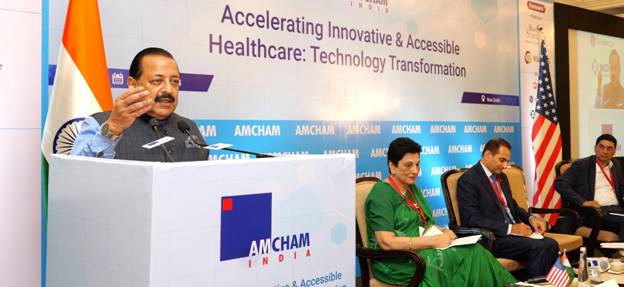
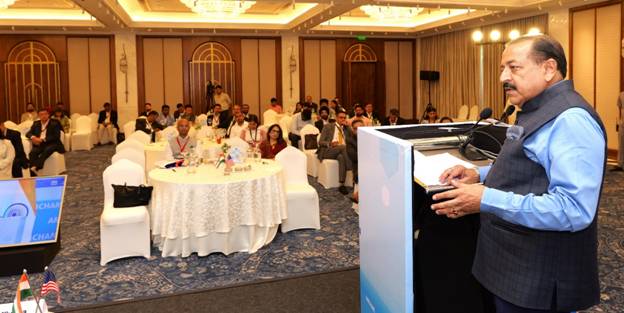
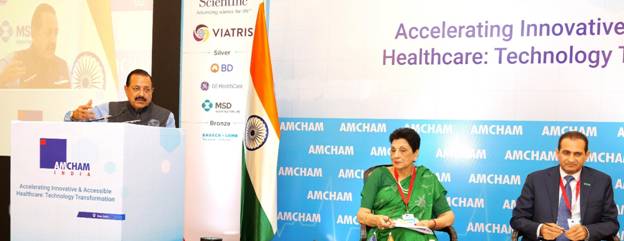
Addressing the 2nd “Healthcare Summit” of “American Chamber of India” (AMCHAM) at Hotel Taj here, Union Minister Dr. Jitendra Singh emphasised the use of latest technology for accessible, affordable healthcare.
The Minister also described India among the top 6 Bio-manufacturers of the world with one of the most cost-effective and efficacy-based Bio-manufacturing as well as cost-effective healthcare destination.
Union Minister of State (Independent Charge) for Science and Technology, Minister of State (Independent Charge) for Earth Sciences, MoS PMO, Department of Atomic Energy and Department of Space, MoS Personnel, Public Grievances and Pensions, Dr. Jitendra Singh, said in his opening remarks, “I would like to extend my gratitude to AMCHAM for organizing this pivotal healthcare summit and inviting me to articulate the Government’s vision for healthcare in India.” He expressed his happiness at being a part of the fraternity gathering and discussing the subject of health, which is his area of interest.
Incidentally, the Minister is himself a renowned endocrinologist with a three-decade long career in medicine. He pressed on the new burden of metabolic disorders and the challenges it posed with a wide spectrum of diseases and an increased life span bringing novel diseases.
The Minister appreciated the theme of the summit, i.e., ‘Accelerating Innovative and Accessible Healthcare: Technology Transformation.’ He said the theme is quite relevant to India’s contemporary health issues and government efforts to ensure affordable healthcare f toor all.
Dr. Jitendra Singh underscored that summits of this nature are instrumental in convening key stakeholders-healthcare professionals, technology experts, policymakers, and industry leaders to deliberate on fortifying the U.S.-India partnership in healthcare.
Speaking on the transformation in healthcare brought about in recent times, Dr. Jitendra Singh said, “Prime Minister Narendra Modi has a vision for a healthy India with the elimination of communicable diseases and reduction in non-communicable diseases, developing health indices and making steady progress.” He said, “India carried out the world’s largest vaccination drive in COVID pandemic; this reaffirms that Modi Govt. 3.0 firmly believes that accessible healthcare is a right for every citizen.
“Gone are the days when people used to visit other developed nations to access medical facilities; now India has become a hub and is the most sought-after destination for medical tourism and among the frontline nations in preventive healthcare.” According to the Science and Technology Minister, in the last decade, healthcare has been a priority sector for the government. He recalled the achievements such as the Ayushman Card which ensured cashless medical treatment to the citizens. The Digital healthcare mission, PM Jan Aaushadi and its integration with other medical streams such as Ayush.
Dr. Jitendra Singh stated that technology plays a crucial role in ensuring equitable access to healthcare. Technology is revolutionizing the healthcare sector, and the integration of Artificial Intelligence (AI) and Machine Learning (ML) tools can significantly enhance our capabilities by leveraging technology, we can enhance efficiency, reduce wait times, and improve overall healthcare delivery. Sharing his experience with Telemedicine, the minister shared how it has transformed healthcare and made services accessible even to the remotest villages in Jammu and Kashmir.
Dr. Jitendra Singh emphasized the increased cooperation in the public and private sectors. It is important to understand that public health is not just the responsibility of the government; private participation is equally important and we as a society as a whole have to take steps in the right direction. The Minister said opening up of the Space sector had ushered a private investment of more than Rs 1,000 crore within a few months and boosted the Startup numbers from one startup in 2022 to 200 plus startups currently and having global capacity.
The Minister also recalled the efforts of the Department of Biotechnology and their achievements for fostering research and development in translational health sciences. He said the Bio- manufacturing and bio-foundry has grown 10 times from $13 billion in 2014 to $130 billion in 2024.
Highlighting the vitality of the pharmaceutical sector the minister said, “India supplies four out of every ten prescriptions filled in the U.S, highlighting our pharmaceutical manufacturing capabilities.” Going further he highlighted that partnership between India and the United States is critical.
Ms. Ranjana Khanna Director General, CEO AMCHAM; Mr Som Satsangi, Chairman, AMCHAM & Sr Vice President and MD, India Hewlett Packard Enterprise; Dr Rajeev Singh Raghuvanshi, Drug Controller General of India; Mr. Madan Krishnan, Vice President and Managing Director India Subcontinent, Boston Scientific and Mr Chaitanya Sarawate, Managing Director Wipro GE Healthcare also participated in the Summit.
Health estimates play a pivotal role in shaping healthcare policy, resource allocation, and individual health decisions. These estimates, often based on rigorous research and data analysis, provide valuable insights into various aspects of health, including disease burden, healthcare utilization, mortality rates, and the efficacy of public health interventions. In this essay, we will delve into the significance of health estimates and their impact on healthcare systems and individual well-being.
Health estimates encompass a wide range of quantitative assessments related to public and individual health. They can be broadly categorized into the following key areas:
Disease Burden: Health estimates provide essential information about the prevalence and incidence of diseases within a population. These estimates help policymakers and healthcare professionals understand the scope of health challenges, allocate resources effectively, and prioritize interventions.
Healthcare Utilization: Analyzing healthcare utilization patterns allows for the assessment of healthcare access, disparities, and the efficiency of healthcare delivery systems. It helps identify areas where healthcare services may be underused or overused.
Mortality Rates: Estimations of mortality rates are fundamental for tracking the impact of diseases and interventions over time. These estimates guide public health initiatives, especially during epidemics and pandemics.
Efficacy of Interventions: Health estimates are crucial for evaluating the effectiveness of healthcare interventions, such as vaccination programs, treatment modalities, and preventive measures. They aid in evidence-based decision-making and can inform policy adjustments.
Importance of Health Estimates
Informed Decision-Making: Health estimates serve as the bedrock of informed decision-making for healthcare policymakers and practitioners. By providing accurate and up-to-date data, estimates enable the formulation of targeted strategies to address health challenges.
Resource Allocation: Limited healthcare resources must be allocated judiciously. Health estimates guide resource allocation by identifying areas with the greatest need, thus optimizing the utilization of healthcare funds and infrastructure.
Monitoring and Evaluation: Health estimates provide benchmarks for evaluating the impact of healthcare policies and interventions. Regular assessments help refine strategies and ensure that resources are directed toward the most effective initiatives.
Public Health Preparedness: In the face of emerging threats, such as infectious disease outbreaks, health estimates are indispensable for gauging the potential impact and planning effective response measures. Timely and accurate estimates can save lives during public health emergencies.
Personal Health Decisions: On an individual level, health estimates can empower people to make informed decisions about their own health. For instance, understanding the prevalence of risk factors for certain diseases can motivate individuals to adopt healthier lifestyles and seek timely medical care.
Challenges and Limitations
While health estimates are invaluable, they are not without challenges and limitations. Some of these include:
Data Quality: The accuracy of health estimates relies heavily on the quality and availability of data. In some regions, data collection may be incomplete or unreliable, leading to less accurate estimates.
Assumptions and Modeling: Many health estimates are based on mathematical models that involve assumptions. These assumptions can introduce uncertainty into the estimates, making it important to communicate the limitations associated with them.
Resource Constraints: Conducting comprehensive health surveys and studies can be resource-intensive. Some countries, particularly low-income ones, may face challenges in obtaining sufficient data for accurate estimates.
Conclusion
Health estimates are a vital tool in modern healthcare. They guide policymakers, healthcare providers, and individuals in making informed decisions about public health, resource allocation, and personal well-being. As we continue to navigate the complex landscape of healthcare challenges, the importance of accurate and up-to-date health estimates cannot be overstated. Investing in data collection, research, and analysis is essential to improve our understanding of health trends and to develop effective strategies for promoting better health outcomes for all.
There has been a good amount of research done on the brain and memory loss in particular. Dementia can be a devastating diagnosis for the patient as well as the family members who love and care for them. When you have seen this type of cognitive deterioration, fear could leave you frantically researching solutions and preventative measures. The hard truth is that most memory loss is not entirely preventable. However, there are a few things that have been shown to help at least somewhat. If you or a loved one do struggle with a form of dementia, memory care might be the best option. Pocatello memory care offers activities for their residents in all three of the following ways.
When we exercise our heart pumps blood at a faster rate. That blood doesn’t just go throughout our bodies, but it goes to our brains too. Exercising just thirty minutes a day is essential for heart and brain health. Heart health has become a big topic of conversation, but our mental health should be just as important to us.
Increasing our heart rate intentionally each day is crucial to preventing memory loss and maintaining a sharp mind for as long as possible. In tandem with that, exercise can also decrease symptoms of mental illness such as depression and anxiety.
Mental Activities
This one is pretty self explanatory. When we challenge our brains, it keeps them working healthy and strong. Scientists recommend occasionally using your less dominant hand to perform daily tasks like brushing your hair and teeth, opening a bottle, or cleaning a dish. This essentially will exercise different parts of the brain. In a memory care or assisted living facility, they have regularly scheduled activities. Games like bingo, crosswords, and even coloring are a good way to keep your brain sharp.
Social Involvement
It may seem strange, but it is a fact that more social involvement is connected to a slower decline in cognitive ability. In a way, being socially active is mentally stimulating. When we are with other people we engage in conversations, are typically more physically and mentally active in association with spending time with friends, family or neighbors.
It could be argued that part of the reason that we are seeing more memory loss in the elderly is not just because they are living longer giving their brains more time to deteriorate, but also because our society does not cater to them. The elderly people have less opportunities to be out in the community. Living in a facility with other older people is a good way to increase social interactions.
Memory Care Activities
Every facility is different. When looking for a memory care facility for your loved one be sure to ask about activities, because now you know how important they are for preventing worsening memory loss.
The following are a few examples of activities that the memory care residents in Pocatello have available to them.
In a world that promotes hustle culture, stress is often glorified.
If you are an engineering student or know someone who is, you would understand the demanding nature of the field.
It will not come as a surprise that a comparative study on students of Engineering, Medicine, and Nursing, identified a tremendous amount of stress on Engineering candidates which goes beyond the pressure of regular study, examinations, or competitiveness among peers.
Did you know almost half of the students in the U.S. do not complete their graduation? The US and several other countries have trouble producing sufficient young talent due to this overwhelming stress of the Science and Engineering disciplines.
According to the Kessler Psychological Distress Scale (K10), around 38% of engineering students were susceptible to high mental illness.
The issue is more severe in countries like India, where there is a shared obsession with engineering. The outcome is a high suicide rate amongst students despite getting admissions in reputed engineering colleges of the nation. This is a direct outcome of the stress that students in the engineering streams endures.
Remember Joy Lobo from the movie 3 Idiots, played by actor Ali Fazal? His death in the film is not exaggerated for creative purposes but depicts the real issues prevailing. The movie is a pioneer in addressing the various types of mental stress facing by Engineering graduates. Each character had their own mental pressure to deal with and was a wake-up call for the parents.
Apart from educational stress and less help from the faculty, caste discrimination is also a significant issue in countries like India.
Reasons for Stress Among Engineering Students
This could be the outcome of academic stress, financial pressure, concerns about one’s career, or some other factors. According to the survey by the International Journal of Scientific Engineering and Applied Science (IJSEAS), the standard categories of trigger points are as follows:
Tight schedules, low grades, and deadlines in education.
Poor time management skills that result in increased academic stress.
The social pressure of being successful in life and maintaining a social camaraderie
Non-academic factors, like financial conditions and the pressure of part-time jobs that international students do.
Stress of traveling.
Irregular sleep schedule.
Therefore, it is difficult for students to focus on a demanding stream when their mental health is misused. These issues may prevail for college students in general, but some issues are more prevalent among engineering students.
When it comes to engineering students in India, various factors add to the issue:.
The burden of excessive research required for B. Tech courses.
Pressure of semester examinations.
Maintaining the percentage of attendance.
High-expectations of the faculty.
Long preparation hours.
The burden of curriculum.
Challenging Experiences for Students All over the World
The COVID-19 pandemic added more stresses to students worldwide. Students need to adjust for remote learning methods. There has been immense pressure of adapting to new learning methods in a rapidly changing environment. The result was an increased workload and a feeling of isolation.
An online survey done in the UK, discussed the deteriorating mental health conditions of students pursuing higher education. Almost 50% of the Northern England University students showed significant signs of anxiety and depression.
The U.S National Academics of Sciences, Engineering, and Medicine (NASEM) produced a similar report depicting the severity of the situation.
What Do Experts Have to Say on the Issue?
The issue of the deteriorating mental health amongst students is new to the faculties, and various universities are addressing it. A study by the American Council on Education enlisted reports from different university presidents. In the study, 68% have expressed concern over their students’ mental health.
Even the National Academic Report has blamed student attrition on poor student mental health. Alan Leshner, the chairman of the U.S NASEM, has been very vocal in drawing the attention of authorities towards the issue.
The chief executive emeritus of the American Association for the development of too has warned the public about the decline due to lack of proper intervention. According to him, Universities need to build the proper infrastructure for assessing the importance of the situation. This has to go beyond simple counseling or general health services.
Helping students understand the importance of stress and not glorifying it as a cultural norm.
Focusing on implementing a positive relationship between the faculty and the student community so they can reach out in need.
Allowing teachers to conduct social exercises within the class to build connections among the students.
Conducting workshops, teaching students to manage their time better.
Enforcing positive emotions within the students by acknowledging their efforts.
Inducing deeper learning instead of just rushing through lessons.
Promoting physical activity for the students.
Providing mental health care to students.
Funding the training of faculties and making them aware of the issues of students.
Although it is not always possible to cater to the students’ individual needs, the faculty can help by being more mindful. In this, the teachers and the administration need to work together if they want to achieve a positive outcome.
Engaging in healthy activities with friends, investing some time into their passion, and not taking life too seriously is key to living well. Even blogging about their feelings on random topics can be therapeutic in relieving stress.
How Families Can Help?
Families need to be aware of the mental condition of their children.
Half of the children in the U.S do not receive proper treatment for mental health disorders. Now the numbers may be all-inclusive of the children and teens within the country, but the same logic applies to engineering students as well.
Students take up such complex studies in the hope of living up to family expectations. Over time, their inability to cope with the stress can make them more detached.
Parents can play a significant role in helping the students cope better in these situations. Simply having a heart-to-heart conversation with your children can work wonders. Also, paying attention to their sleeping patterns and nutrition will provide a holistic approach to the issue.
Simultaneously, Indian parents need to stop giving importance to societal pressure and understand that studying engineering is not the only way to succeed. Families need to stop encouraging discussions about students’ career choices. Your son or daughter’s career should be their decision alone, preferably based on their abilities.
The parents can be there as advisors, but anyone outside the family should not be entertained. Even after completion, there should be room for engineers to opt for other courses, like art and photography.
Parents need to consult with their children to understand their goals better and encourage them to pursue their interests freely.
Wrapping Up
The truth is, the world needs more engineering students. With the opening of new engineering jobs in the coming years, the need is delete only going to increase. Sure, this particular field of study is demanding, but it provides good opportunities in terms of career building.
As the great saying goes, “with great power comes great responsibility.” However, this time, the responsibility falls on everyone to take the correct initiative to ensure a healthier future.
COVID-19 pandemic added more stress to the students worldwide. Students need to adjust for remote learning methods.
Rising costs of care homes often dictate that elderly family members need to find an alternative when it comes to a place to call home. Caring for a loved one requires hard work, patience, and understanding.
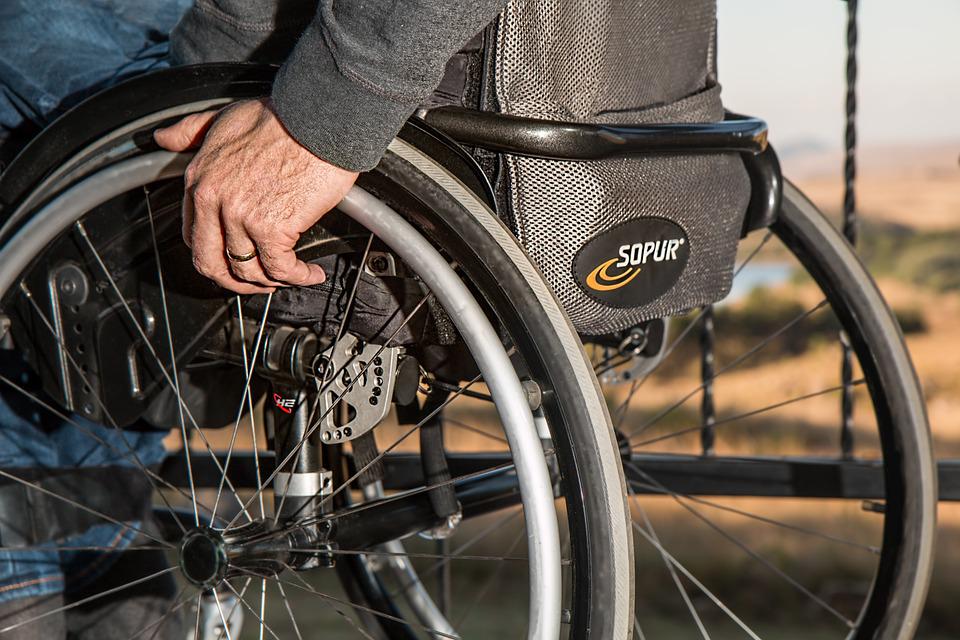
There is also the financial burden of unforeseen expenses along the way. You might have to install ramps around the house to accommodate a wheelchair. In some cases, minor renovations need to take place to make bathrooms and bedrooms more practical.
However, the family member that you are taking care of might not be considered a senior. It may be a younger member of your family who has been injured in an accident.
If a member of your family or someone close to you is dealing with a long-term disability as a result of an accident, a personal injury lawyer can help to ensure that every effort is made to make sure the injured person gets compensated. This can go a long way in managing the on-going care costs of anyone who has a disability.
There are a few common mistakes people make when caring for a family member or close friend with a disability. One of these is to rush through tasks and not be present. A person dealing with a disability already feels discouraged because they often can’t do things for themselves.
Quite often, despondent patients become depressed and feel helpless. They need someone to sit with them and talk to them. They want conversation and to have a connection either emotionally or physically. Humans have an innate need to be loved and cared for; it is no different from people who suffer from medical conditions.
Be Patient
We live in a world where instant gratification is a reality. Unexpected obstacles throw us off course, and we find ourselves losing our patience with our loved ones. Tasks that seemed simple yesterday are suddenly monotonous and impossible to deal with.
It’s essential to slow down and remember why you are doing what you are doing. Taking care of someone who can’t help themselves is challenging, but it teaches us humility and to appreciate what we have.
Have A Support Network
It’s perfectly normal to reach out to other family members and share the load. Schedule regular family meetings to discuss how you can each work together to provide care and support. Giving yourself time to do the daily tasks needed for your personal care. This will also give the loved one in your care a fresh face to spend time with.
Remember To Take Care Of Yourself
After devoting hours to caring for another, we often aren’t compelled to pamper ourselves and take some time out. Instead, we try to tackle all our other chores and burn the candle at both ends. We end our days feeling exhausted and empty.
Self-care is a gift you can give yourself. To care for someone else, you need to make sure that you are healthy and well. Maintain doing the things that you love. Whether it’s baking or reading or riding a bike, take breaks and enjoy some sunshine and fresh air.
The Bottom Line
There are many ways that you can support loved ones suffering from a disability. It’s perfectly normal to feel frustrated and tired; at times, it’s necessary to allow you to blow off some steam.
Listen to your own body and lookout for signs that you need a break. Let friends and family members in; don’t be afraid to ask for help when you need it.
Running your own dental practice is no easy feat. There are so many things that are associated with making sure that everything runs smoothly. Sometimes, trying to keep track of everything yourself may seem like too much to handle. However, it does not have to be that way. It is important when running any sort of small business to hire people to help you make sure that everything is happening that needs to be. A dental practice is no exception. Dental accountants can be just the help that is needed to help a dental practice run smoothly and more efficiently. In this article, we are going to talk about three signs that indicate that you may need to hire a dental accountant for your practice.
A lot of times, small business owners have the belief that they should save their money by not hiring an accountant for their business. However, it usually costs them a lot of time, headaches and mistakes by choosing not to hire an accountant. When a dental accountant is hired, there will not be any mistakes made on the taxes, as the accountant will be well versed as to what needs to be on taxes for the dental industry specifically. Cooper Norman dental accountant will take the time and make sure that all of your taxes are done correctly, and in a way that will maximize the return that you will be getting.
It is Taking Your Focus Away from Dentistry
Another common sign that you should hire a dental accountant is that the accounting portion of the business is taking away from the dentistry that you are specialized in. If you are constantly focused on accounting and are having a hard time focusing on or making time for dentistry, then this is an apparent sign that you should hire a dental accountant. As you choose to hire an accountant for your practice, that will open up the better opportunity for you to focus on your specialty, which is dentistry. It is better to have someone who is specifically trained to be an accountant so that you can worry about the teeth of your patients.
It Is Taking up too Much of Your Free Time
When trying to accomplish all of the accounting is taking away all of the time from your family, this may show that you should consider hiring an accountant. As a business owner, it may sometimes feel as though you need to do everything yourself, which ends up taking all of your time and efforts. This is something that causes a really quick burnout in most business owners. It is important to not spend so much time on your business that it completely takes over your life and all of your free time. If you hire an accountant, it will ensure that you will have some extra free time.
Conclusion
Although it may not seem like the best investment to hire a dental accountant, it is something that is worth your money. It will save you a lot of time and headache. If you see any of these signs in your practice, you may want to consider hiring an accountant.
Health estimates play a pivotal role in shaping healthcare policy, resource allocation, and individual health decisions. These estimates, often based on rigorous research and data analysis, provide valuable insights into various aspects of health, including disease burden, healthcare utilization, mortality rates, and the efficacy of public health interventions. In this essay, we will delve into the significance of health estimates and their impact on healthcare systems and individual well-being.
Health estimates encompass a wide range of quantitative assessments related to public and individual health. They can be broadly categorized into the following key areas:
Disease Burden: Health estimates provide essential information about the prevalence and incidence of diseases within a population. These estimates help policymakers and healthcare professionals understand the scope of health challenges, allocate resources effectively, and prioritize interventions.
Healthcare Utilization: Analyzing healthcare utilization patterns allows for the assessment of healthcare access, disparities, and the efficiency of healthcare delivery systems. It helps identify areas where healthcare services may be underused or overused.
Mortality Rates: Estimations of mortality rates are fundamental for tracking the impact of diseases and interventions over time. These estimates guide public health initiatives, especially during epidemics and pandemics.
Efficacy of Interventions: Health estimates are crucial for evaluating the effectiveness of healthcare interventions, such as vaccination programs, treatment modalities, and preventive measures. They aid in evidence-based decision-making and can inform policy adjustments.
Importance of Health Estimates
Informed Decision-Making: Health estimates serve as the bedrock of informed decision-making for healthcare policymakers and practitioners. By providing accurate and up-to-date data, estimates enable the formulation of targeted strategies to address health challenges.
Resource Allocation: Limited healthcare resources must be allocated judiciously. Health estimates guide resource allocation by identifying areas with the greatest need, thus optimizing the utilization of healthcare funds and infrastructure.
Monitoring and Evaluation: Health estimates provide benchmarks for evaluating the impact of healthcare policies and interventions. Regular assessments help refine strategies and ensure that resources are directed toward the most effective initiatives.
Public Health Preparedness: In the face of emerging threats, such as infectious disease outbreaks, health estimates are indispensable for gauging the potential impact and planning effective response measures. Timely and accurate estimates can save lives during public health emergencies.
Personal Health Decisions: On an individual level, health estimates can empower people to make informed decisions about their own health. For instance, understanding the prevalence of risk factors for certain diseases can motivate individuals to adopt healthier lifestyles and seek timely medical care.
Challenges and Limitations
While health estimates are invaluable, they are not without challenges and limitations. Some of these include:
Data Quality: The accuracy of health estimates relies heavily on the quality and availability of data. In some regions, data collection may be incomplete or unreliable, leading to less accurate estimates.
Assumptions and Modeling: Many health estimates are based on mathematical models that involve assumptions. These assumptions can introduce uncertainty into the estimates, making it important to communicate the limitations associated with them.
Resource Constraints: Conducting comprehensive health surveys and studies can be resource-intensive. Some countries, particularly low-income ones, may face challenges in obtaining sufficient data for accurate estimates.
Conclusion
Health estimates are a vital tool in modern healthcare. They guide policymakers, healthcare providers, and individuals in making informed decisions about public health, resource allocation, and personal well-being. As we continue to navigate the complex landscape of healthcare challenges, the importance of accurate and up-to-date health estimates cannot be overstated. Investing in data collection, research, and analysis is essential to improve our understanding of health trends and to develop effective strategies for promoting better health outcomes for all.
In today’s fast-paced and globalized world, supply chain management plays a critical role in ensuring the efficient flow of goods and services. However, traditional supply chain systems often lack transparency, traceability, and accountability. This is where Bitcoin Era, which is an Online trading platform, comes into the picture. VeChain is a blockchain-based platform that leverages the power of distributed ledger technology to revolutionize supply chain management. If you want to invest in Bitcoin then you can visit online trading platforms like https://immediate-booster.io/
The Power of VeChain
VeChain is an innovative platform that merges blockchain technology with the Internet of Things (IoT) to create a secure and efficient ecosystem for supply chain management. By leveraging a decentralized ledger, VeChain allows businesses to track and verify every step of the supply chain process, from the sourcing of raw materials to manufacturing, distribution, and retail. This transparency and traceability enable businesses to identify bottlenecks, optimize processes, and ensure the authenticity of products.
The integration of IoT with VeChain further enhances its capabilities. By connecting physical assets to the digital realm, VeChain enables real-time data collection and analysis, leading to improved automation and operational efficiency. Additionally, the use of blockchain technology ensures the security and immutability of the recorded data, protecting against counterfeit products and fraudulent activities. Overall, VeChain revolutionizes supply chain management by providing a reliable and transparent system that fosters trust among stakeholders and enables businesses to make informed decisions for a more efficient supply chain.
Enhancing Transparency
One of the key features of VeChain is its ability to enhance transparency within the supply chain. By recording every transaction and interaction on the blockchain, VeChain ensures that all stakeholders have access to accurate and real-time information. This transparency not only promotes trust and accountability but also helps to identify and mitigate issues such as counterfeit products and supply chain inefficiencies.
Ensuring Product Authenticity
Counterfeit products pose a significant challenge for businesses across various industries. They not only erode brand value but also compromise consumer safety. VeChain tackles this problem by assigning a unique digital identity to each product on its platform. This digital identity is stored on the blockchain and contains detailed information about the product’s origin, manufacturing process, and distribution history. By scanning a product’s QR code, consumers can easily verify its authenticity and make informed purchasing decisions.
Supply Chain Optimization
VeChain’s blockchain technology allows businesses to optimize their supply chain operations by streamlining processes, reducing costs, and minimizing waste. Smart contracts, powered by VeChain’s blockchain, enable automated and trustless transactions, eliminating the need for intermediaries and reducing administrative burdens. This efficiency not only saves time and resources but also enhances overall supply chain performance.
Sustainability and Social Responsibility
In addition to enhancing operational efficiency, VeChain also promotes sustainability and social responsibility within supply chains. By providing a transparent and traceable platform, VeChain enables businesses to monitor and improve their environmental and social impact. This is particularly crucial in industries such as fashion, food, and pharmaceuticals, where ethical sourcing and production practices are of utmost importance.
Real-World Applications
VeChain has gained significant traction across various industries due to its practical and scalable applications. Here are some real-world examples of how VeChain is revolutionizing supply chain management:
Luxury Goods
VeChain’s technology has been adopted by luxury brands to combat counterfeiting. By using VeChain’s platform, consumers can verify the authenticity and origin of high-end products, ensuring that they are purchasing genuine items.
Food Safety
VeChain’s blockchain provides a transparent and tamper-proof system for tracking food products from farm to table. This enables consumers to trace the entire journey of their food, ensuring its safety, quality, and ethical sourcing.
Pharmaceutical Industry
VeChain’s platform is being used to track and authenticate pharmaceutical products, reducing the risk of counterfeit medicines entering the market. This enhances patient safety and ensures the integrity of the pharmaceutical supply chain.
Automotive Industry
Automobile manufacturers are leveraging VeChain to create digital passports for vehicles, storing information about manufacturing, maintenance, and ownership history. This improves trust, facilitates second-hand car sales, and reduces the risk of odometer fraud.
Conclusion
VeChain is revolutionizing supply chain management by harnessing the power of blockchain technology. With its transparent and traceable ecosystem, VeChain enhances transparency, ensures product authenticity, optimizes supply chain operations,and promotes sustainability within supply chains. The real-world applications of VeChain span across various industries, including luxury goods, food safety, pharmaceuticals, and the automotive sector.By leveraging VeChain’s blockchain platform, businesses can gain a competitive edge by providing consumers with trusted and verifiable information about their products. This transparency builds brand trust and loyalty while mitigating risks associated with counterfeit goods and unethical practices.
The concept of a “metaverse” has been around for some time, but it has recently gained significant attention due to advancements in technology. The metaverse refers to a virtual world where users can interact with each other and with digital objects in a three-dimensional environment.
One of the primary technologies driving the development of the metaverse is virtual reality (VR). VR technology has come a long way in recent years, with companies like Oculus, HTC, and Sony offering high-quality VR headsets. These devices allow users to enter a fully immersive virtual world, where they can interact with digital objects and other users.
Another technology that is important to the development of the metaverse is blockchain. Blockchain technology allows for secure and decentralized transactions, which is important for the creation of virtual economies within the metaverse. Blockchain-based currencies, such as Bitcoin and Ethereum, are already being used in some virtual worlds, and this trend is expected to continue as the metaverse becomes more popular.
Artificial intelligence (AI) is another technology that will be essential to the development of the metaverse. AI can be used to create intelligent agents that can interact with users in a natural way, enhancing the user experience. AI can also be used to create realistic virtual environments and characters.
The development of the metaverse will also require advancements in networking and cloud computing. As the metaverse becomes more popular, it will require massive amounts of computing power and bandwidth to support the large number of users and the complex virtual environments.
One potential use of the metaverse is in education. Virtual classrooms could be created where students can interact with each other and with digital objects in a way that is not possible in traditional classrooms. This could lead to more engaging and effective learning experiences.
The metaverse could also have significant implications for entertainment. Virtual concerts and sporting events could be held in the metaverse, allowing users from all over the world to attend. Virtual reality films and television shows could also be created, offering a new form of immersive storytelling.
Another potential use of the metaverse is in healthcare. Virtual reality therapy is already being used to treat a variety of conditions, and the metaverse could expand the use of this technology. Virtual support groups could also be created, allowing people to connect with others who are going through similar experiences.
HIPAA compliance is critical for those organizations that handle sensitive patient health information in the United States. All regulated entities must ensure they have established Policies & Procedures and have employees trained in HIPAA privacy, security, and breach notification standards. Failing to meet these requirements can result in civil or criminal charges, as well as costly fines. To protect themselves and their patients, organizations should strive to keep up to date on all HIPAA updates, take steps to monitor patient data, regularly test security systems, and securely destroy confidential information. By proactively ensuring HIPAA compliance, organizations will be better protected, their patients will rest assured that their personal data is secure and treated with respect.
In December 2020, the Department of Health and Human Services released startling findings that 69% of organizational investigations discovered non-compliance with HIPAA regulations. This finding, combined with the rising healthcare costs associated with violations, highlights an urgent need for organizations to reduce HIPAA challenges in order to prevent monetary losses and protect confidential patient information. Organizations must move quickly to assess their existing security and privacy controls, ensuring they stay conscious of current regulatory compliance requirements. It is possible to reduce HIPAA challenges, but meaningful change requires thoughtful planning and commitment from leadership teams.
Cybersecurity Challenges
1. Limiting Access to PHI
One of the major cybersecurity challenges organizations face is limiting access to PHI. This means ensuring that only authorized personnel have access to any patient data. Organizations need to ensure that all PHI is stored securely on a server or database, and use strong encryption methods or multi-factor authentication mechanisms for accessing it. They also need to ensure that all employees understand how important it is to limit access to PHI and use proper security protocols when sharing any sensitive information.
2. Using Secure Connections
Another significant challenge organizations face when it comes to HIPAA compliance is using secure connections for data transmission and storage. All patient data should be encrypted before sending or storing in order to prevent unauthorized access or manipulation by third parties. Organizations should also consider using a Virtual Private Network (VPN) as an additional layer of security, as this will help protect any sensitive data while in transit over public networks such as the internet.
Technical Challenges
1. Authorization Processes
Organizations also need to establish robust authorization processes for controlling who can access PHI and which systems they can use for doing so; this includes implementing policies related to user accounts, passwords, authentication tokens, etc., in order to make sure no unauthorized users can gain access without being properly vetted first. Additionally, organizations should regularly review their authorization processes in order to identify any weaknesses or vulnerabilities that could be exploited by attackers.
2. Audit Control Systems
Organizations need audit control systems in place in order to monitor changes made within their networks or databases; this will allow them to detect suspicious activity quickly and take action accordingly if needed. Additionally, these systems can also help organizations comply with certain HIPAA requirements such as logging user activity and reviewing system logs periodically in order to detect potential breaches before they happen.
Device Security Measures
As an administrator, it is imperative to protect not only the e-PHI itself but also the devices that gain access to it. To ensure maximum protection, companies may provide their staff with systems that have secure encryption. If your organization allows employees to bring their own devices for work purposes, confirm that those confidential data sources are encrypted. In order to certify this type of security, employee education is essential. Should negligence arise due to lack of training, a data breach may occur and run afoul of HIPAA compliance regulations. For comprehensive safety and peace of mind, guarantee your employees are properly trained on how to handle sensitive materials.
So, organizations also need to ensure that any devices used for storing or transmitting PHI have appropriate security measures in place. This includes using antivirus and anti-malware programs, as well as encryption technologies such as disk encryption to protect against unauthorized access and data loss. Additionally, organizations should consider using remote wiping technology in order to be able to erase all PHI if a device is lost or stolen. So, these are some of the major device security challenges organizations face when it comes to HIPAA compliance. With proper planning and preparation, however, these can be addressed and managed effectively.
Risk Analysis Assessments and Tools
When considering HIPAA compliance, risk assessment is a crucial step in the process. A risk assessment identifies possible areas where vulnerabilities and/or discrepancies could occur within your security measures. To help mitigate any security risks, the Office of Civil Rights and the Office of the National Coordinator for Health Information Technology created a Security Risk Assessment tool to aid with the process. This tool is available to download free of charge, helping you check off what standards are being met while also creating a plan to manage your risk assessment going forward. With an SRA tool in place, you’ll be able to more accurately determine any potential risks that face your business.
Lastly, organizations must conduct risk analysis assessments periodically in order to identify potential risks associated with their IT environment’s security posture including unauthorized access attempts from outside sources; from these assessments, organizations can develop countermeasures against potential threats utilizing tools such as penetration testing or vulnerability scanning in order determine weaknesses in their environment that could lead attackers into gaining access into sensitive information assets containing ePHI data elements; these tools enable healthcare providers proactively assess their security posture rather than just reacting when a breach occurs after the fact.
Final Thoughts:
In conclusion, while HIPAA compliance poses numerous challenges associated with both cybersecurity and technical best practices related implementation of various controls; taking proactive steps towards ensuring all required safeguards are implemented while also periodically testing its effectiveness is vital for remaining compliant with HIPAA regulations and protecting patient health information from unauthorized personnel looking exploit vulnerable areas in an organization’s IT infrastructure.
Doctors Versus Physical Therapists
When it comes to muscle or joint pain or even back pain, seeing a physical therapist is a must. Their specialization in these categories is going to kick start your journey in feeling better and addressing the pressing needs on a straining body. A physical therapist can also help address any potential harmful issues and movements that could cause you more pain later on down the road. Getting consultations can help determine if going to a physical therapist is a logical step in discussing your health needs before seeing a doctor. In some cases, you may need to see a doctor first to diagnose the particular issue to then be seen by a physical therapist -but that is not always the case. Physical therapists will always send you to a doctor if they feel they can not adequately address the issues you are facing. While doctors and therapists can work hand in hand, they are not always needed together and you can see one without the other.
Injuries That Require Physical Therapy
Ligament strains are the most common injuries seen among physical therapists for treatment.
Ankle sprain
Hamstring sprain
Muscle sprain
Back pain is also frequently treated with physical therapy if it has been identified by a doctor as caused by an injury to the back ligaments and muscles. Achilles tendon injuries are also an injury seen often by physical therapists that requires physical therapy in order to properly heal. Soft tissue injuries (muscles and ligaments) as well as strain and tear injuries are all injuries that require physical therapy to help you recover and get back on your feet again.
Skip the Wait…and the Money!
When dealing with specialized issues of your muscles and joints, many times you will be referred to a physical therapist by a doctor. But due to the Direct Access Legislation, you do not need a referral from your doctor to start a treatment regime from a physical therapist. Many insurances cover physical therapy costs and by heading straight to physical therapy you can cut out doctor bills and unnecessary wait times. Physical therapy is also cost effective in the sense that doctors may jump to surgery as an option, and many times an expensive option, when physical therapy could be the way to help you start feeling better and stay feeling better. So, skip the wait and look toward Pick PT for specialized care today and start the journey to feeling better without waiting on the doctor!




















 Eduindex
You must be logged in to post a comment.