Eggs are very filling and nutrient-dense. Compared to refined carbs like bagels, eggs can suppress appetite later in the day and may even promote weight loss.
2.leafy greens
Leafy greens are an excellent addition to your weight loss diet. Not only are they low in calories but also high in fiber that helps keep you feeling full.
3.cruciferous vegetables
Cruciferous vegetables are low in calories but high in fiber and nutrients. Adding them to your diet is not only an excellent weight loss strategy but may also improve your overall health.
4. Salmon
Salmon is high in both protein and omega-3 fatty acids, making it a good choice for a healthy weight loss diet.
5.Boiled Potatoes
Boiled potatoes are among the most filling foods. They’re particularly good at reducing your appetite, potentially suppressing your food intake later in the day.
6.Lean Beef and Chicken Breast
Eating unprocessed lean meat is an excellent way to increase your protein intake. Replacing some of the carbs or fat in your diet with protein could make it easier for you to lose excess fat.
7.Soups
Soups can be an effective part of a weight loss diet. Their high water content makes them very filling. However, try to avoid creamy or oily soups.
The plant world is an immense store of active chemical compounds. Nearly half = the medicines we use today are herbal in origin, and a quarter contains plant extracts or active chemicals taken directly from plants. Many more are yet to be discovered, recorded and researched; only a few thousand have been studied. Across the globe, the hunt will always be on to find species that could form the bases of new medicines. Humans have always used plants to ease their pains. They imbued them with magical powers and then gradually learnt to identify their properties. We can now enjoy the benefits of herbal medicines because, over thousands of years, our ancestors discovered which plants were medicinally beneficial and which were highly toxic.
Thousands of years ago, the ancient Egyptians discovered simple ways to extract and use the active ingredients within plants. Egyptian papyrus manuscripts from 2000 B.C. record the use of perfumes and fine oils, and aromatic oils and gums in the embalming process.
In ancient Greece in the 5th and the 4th centuries BC, Hippocrates, the father of medicine, was already recommending asparagus and garlic for their diuretic qualities, poppy as a way of inducing sleep and willow leaves to relieve pain and fever. In the 1st century AD, another Greek doctor, Dioscorides, established the first collection of medicinal plants. His treatise on the subject was translated into Arabic and Persian. Centuries later, his work was also used by the Muslim scholars who influenced great universities of the period, particularly at Montpellier, Europe’s most famous centre for the study of botany.
As a result of trade with Africa and Asia, the Western world’s store of herbal medicines was enriched by the inclusion of camphor, cinnamon, ginger, ginseng, nutmeg, sandalwood, turmeric and henna. For a long time, however, the use of both local plants and those with more distant origins was based on more or less fanciful beliefs. Throughout the Middle Ages herbal medicine consisted of a mixture of magic, superstition and empirical observation. From the Renaissance onwards, scientists and their scientific studies, discoveries and inventions came to the fore, rejecting alchemists’ elixirs and other magical remedies. Local plants were carefully collected and widely used to make infusions, decoctions and ointments. These plants make up the major part of the traditional cures that we have inherited.
Chandan or sandalwood sticks.
History behind Nature’s Medicines:
In the late 1700s, Carl Wilheim Scheele, a gifted Swedish chemist, obtained tartaric acid from grapes, citric acid from lemons and malic acid from apples. The techniques that he and his contemporaries used led to the isolation of the first purified compounds from plants that could be used as drugs. First came the isolation of morphine from the opium poppy in 1803, then caffeine from coffee beans in 1819, quinine from cinchona bark and colchicines from meadow saffron both in 1820 and atropine from deadly nightshade in 1835.
Image Source -google.
One tree that generated considerable interest among scientists was the willow. In the early 1800s, chemists from Germany, Italy and France began the search for the compounds responsible for the acclaimed pain-relieving effects of its bark. In 1828, the German pharmacist, Johann Buchner, was the first to obtain salicin, the major compound in a pure form. In 1838, the Italian chemist, Raffaele Piria also obtained salicylic acid from the bark by various chemical processes. But these early compounds caused blisters in the mouth, and stomach upsets when ingested. In 1853, a French chemist, Charles Frederic Gerhardt, synthesised a modified form of salicylic acid-acetylsalicylic acid. But still it wasn’t further modified form developed for more than 40 years until a German chemist, Felix Hoffman, working for Bayer, rediscovered Gerhardt’s compound. Hoffman gave it to his father who suffered from arthritis and reported the beneficial effects.
Bayer decided to market the acetylsalicylic acid as a new drug for pain relief and patented the compound acetylsalicylic acid in 1899. At last from the willow, the first modern drug was born and, with 12000 tons of aspirin sold every year throughout the world, it has kept its number one position.
From the 1930s onwards, advances in chemistry have made it much easier to reproduce the active ingredients in plants. But plants will continue to have a medicinal importance in their own right. Their active constituents may be slightly modified to improve their efficiency or to reduce their undesirable effects, but they are still vital for the treatment of disorders such as cancers and heart diseases or as a means of combating malaria. And they remain the essence of herbal medicine-an area that has still not been fully understood and explored.
India is home to more than 12% of world smokers. In India alone, 10 million people die each year due to smoking. Smoking as a habit is seen more common in youngsters these days. These habits then become so addictive that for some people it is even carried to their death bed. But there are more habits that are as dangerous as smoking. We often ignore these habits but they have the potential of causing us the same harm as smoking does.
Loneliness:
Research has proven that loneliness can affect our overall health. Its impact is more significant on brain health. There are also studies that point out the connection between loneliness and developing diseases such as dementia and Alzheimer’s. In India, almost 22% of elders stay alone.
Poor diet:
We all know that food is necessary to maintain good health but not many of us practice that on daily basis. Many of us eat junk foods, and foods rich in salt and sugars. Not just those, we often do not include vegetables and fruits in our diet. Taking poor diet causes diseases like obesity, diabetes, etc. In India, people consume more cereals and avoids proteins, fruits, and vegetables. There is an increasing status of obesity among men and women, especially in urban areas.
Inactive lifestyle:
In the contemporary world, we all sit long hours in front of the screen. A study in 2014, by the University of Regensburg in Germany, showed that every 2 hours a person sit, increases the chances of colon cancer by 8% and chances of lung cancer by 6%. This was regardless of other physical activity during the day.
Sleep deprivation:
Sitting long hours before the screen aids in sleep deprivation as well. The blue light from the screen has been linked with problems like strained eyes, blurred vision, and even cataracts. Almost 33% of adults in the country suffer from insomnia and the bigger problems.
Pessimistic attitude:
We all have heard of the phrase that does not let negative attitude ruin your life. But negative attitude and pessimism are now a widespread problem. Pessimism is when you think that things will go wrong or will not go according to your plans. This leads to depression and unwanted stress.
These 5 habits are as dangerous as smoking. So, give up on that negative attitude, sleep well, be more active in daily life, eat balanced food and be happy. You will see positive results in your mind, body and spirit once you give up on all these 5 habits.
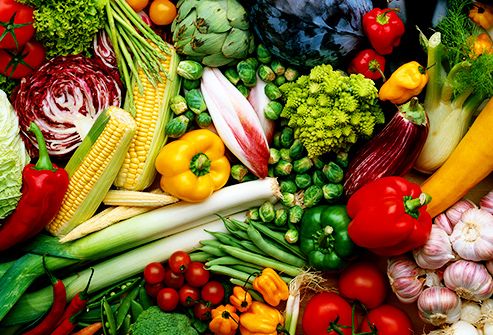
Every child is taught to eat healthy food including vegetables and fruits. Adding vegetables to your diet will help to stay healthy and disease-free. Intake of some vegetables can be more useful in treating health issues rather than consuming medicines. Vegetables are low in fats and calories and can also reduce the risk of heart problems, cancer, digestive problems, etc. They also provide the essential requirements of our body such as vitamins, potassium, fiber, etc. But we are also taught that everything has a limit. Consuming something more than its need will always cause serious problems in life. Likewise, consumption of some vegetables daily may also react negatively and lead to health problems. One should always know the limits before consuming any vegetable on daily basis.
Here are some vegetables and it’s negative effects
Spinach
Spinach is filled with vitamin A, vitamin C, vitamin K, iron, and even calcium. But on the other hand, spinach can cause bloating, gas, and even stomach cramps if consumed excessively. A limited amount of spinach should be consumed daily.
Carrots
Carrots are the best source of keeping blood sugar levels under control and can lower the risk of diabetes. But eating too much carrot on daily basis can cause carotenemia which can discolor the skin.
Cauliflower
Cauliflower is extremely gassy and can cause bloating. These conditions occur when it is eaten in excess. A moderate amount of cauliflower can provide antioxidants and can help you prevent cancer.
Potatoes
Potatoes are a good source of fiber and can also prevent heart diseases and strokes. But consuming damaged potatoes, green potatoes and sprouts can cause headaches, gas, stomach cramps, diarrhea, restlessness, this occurs because these potatoes contain poisonous chemicals which cannot be destroyed.
Okra
Eating okra daily can worsen kidney stones and gall bladder stones. Eating too much okra can cause bowel problems too.
Always research before eating any vegetable on daily basis.











 Eduindex
You must be logged in to post a comment.