The Easiest is to be Happiest😃…How to be happy???

  1. To live by is that one day you will be gone it may be in 50 years it may be in 50 weeks it may be next week or even today. I don’t know you don’t know nobody knows and rather than live in fear of this we should embrace the fact that this life is short and unpredictable knowing this we must live fully today it’s not a recipe for recklessness rather a recipe to offer your all today to offer your absolute best today in everything you do to give your greatest energy. To this day to your family to everyone you encounter today it’s a reminder for you to go away your best self in each moment what if they couldn’t speak to you tomorrow what if you were gone tomorrow what would they speak of you what are you able to do this will leave an enduring positive memory within the lives.
two men laughing
Photo by Ketut Subiyanto on Pexels.com
  1. There is nothing you cannot be do or have if there has been someone even one person on this planet that has done it before that means you can – it doesn’t mean it will be easy but it does mean it is possible and as long as it is possible you can work towards it you can make a plan learn what must be finished you to measure your craziest most abundant life a life most would consider impossible.
  2. Nothing is worth it if it doesn’t make you happy if it doesn’t a make you happy or B make you better don’t make time for it now before and if you jump on this let me clarify nothing is worth it if it doesn’t make you happy. It means if it doesn’t make you happy now while you’re doing it or it isn’t going to make you happy as a result of doing it most likely is not worthwhile almost everything worth fighting for goes to need a true fight to win an excellent prize. You will need to suffer and sacrifice for nearly anything worthwhile in life but you ought to ask yourself this question about everything you are doing in your life does this make me happy if the solution is not any ask yourself will this sacrifice i’m making cause more happiness within the future if not you ought to let it go.


student with documents and laptop happy about getting into university
Photo by Ketut Subiyanto on Pexels.com
  1. Be yourself always no exceptions it’s such a tragedy to see so many people on this planet living lives they don’t want to live just because they listen to other people who did an equivalent the sole way you’ll live happy during this life. The only way you’ll achieve success is that if you be you let me repeat that because perhaps it’s the foremost important thing you’ll ever apply to your life the only way you can be happy in this life the only way you can be successful is if you will never be truly happy in life. If you are constantly doing things to please others to compete with others or to be like another you are unique and that is your greatest gift when you follow your own path regardless if that matches in with others you open up space for nice things to enter your life compare yourself to nobody compete with no other make your own decisions and it’ll cause your greatest vital principle .
  2. Everything you would like is already within you during this world we see endless samples of people that seemingly have it all materially speaking but they’re empty inside things will never complete you people will never complete you no matter what Terry McGuire says “needing nothing attracts everything”. When you come from an area of needing nothing of seeking nothing outside yourself to form you cheerful you open up space for more amazing things to enter your life and if things don’t come that’s fine you don’t need them real happiness is never found outside of us it is not found in possessions or wealth happiness is always and only found within us. It is a state of mind never forget this happiness is the highest level of excess do what feels good the rest will follow principle.
happy children lying on bed with father
Photo by Ketut Subiyanto on Pexels.com
  1. there’s no room for toxic people but there is never-ending space for positive energy and positive people surrounding yourself. With energy killers is one of the worst things you can do if you want to live a happy fulfilled and successful life unfortunately not everyone including families and friends will share an equivalent positive energy you’ve got some will take a short time some might never get there allow them to run their own race, while you specialise in living your own happiness. Those who are truly aligned with you’ll never hold you back from living the life you would like to measure don’t ever dim your lights to suit in with others shine bright those that see your spark will shine with you remember you can’t live an excellent life a cheerful life if you surround yourself with toxic people.
  2. Whatever you focus on you will find if you search for negativity in this world you will find plenty of it. If you look for hate anger violence and sadness you’ll find it but an equivalent is true on the flip side if your only intention is to look for the great you’ll find only the great whatever meaning you give your life becomes your life. It can be a failure or a lesson heartbreak or character building life is against you making you stronger because there is no such thing as reality we choose our own reality by the meaning we give each moment in our lives make it your intention to seem for the great in your life, to note the great in others to be grateful for what you do have to see challenges as opportunities.
happy young woman opening cosmetic bottle while standing against white background
Photo by Karolina Grabowska on Pexels.com


Sherlock- the ever changing phenomenon.

Celebrities and icons, they are a staple in our lives constantly being showcased no matter where we go. We grow up idolizing them, praising their works, this can make them iconic within their own fields. However, these icons can also be fictional. Many a character from TV shows and books have become common household names due to their immense popularity. But none more than the greatest detective to ever walk the fictional works of Arthur Conan Doyle, the London sleuth himself, Sherlock Holmes. More than a century after first emerging into the fogbound, gas-lit streets of Victorian London, Sherlock Holmes is universally recognizable. His wardrobe comprising of the Inverness cape, deerstalker hat and the calabash pipe. With figures such as his best friend and housemate Dr John Watson, arch nemesis Moriarty and house keeper Mrs Hudson, Sherlock and his associates have become part of the popular consciousness, as have his infallible powers of deduction utilized in the name of law along with his catchphrase “Elementary, my dear Watson”. And yet many of his most recognizable features don’t appear in Arthur Conan Doyle’s original stories. So, who exactly is Sherlock Holmes? Who’s the real “great detective,” and where do we find him?

We can often see Conan’s Sherlock speculate, guess and even make false guesses. Furthermore Mrs. Hudson is barely mentioned, never does he say his iconic catchphrase, and his sidekick spend most of the time apart and even his arch nemesis Moriarty, is featured only in two stories. His drug use is infrequent after the first two novels and Holmes is seen preferring his own sense of justice rather than being enthralled by the English justice system. Even the most iconic elements of the Holmesian legend aren’t Doyle’s either. The cape and hat were imagined by Sidney Paget, the story’s initial illustrator, the curved pipe added by American theater actor William Gillete and his iconic phrase was coined by author and humorist P.G. Wodehouse. Thus, we can see that the Sherlock we know is vastly different than the one imagined by Sir Conan Doyle. Many believe that he was inspired by his university mentor Dr Joseph Bell. But today Doyle’s version has long since been eclipsed by various different interpretations of the character, making the original virtually unrecognizable. There have been thousands of adaptations of Holmes, making him one of the world’s most adapted fictional character. This process began with Victorian stage plays and has since accelerated with the emergence of film, there were more than 100 adaptations of Holmes in the first two decades of the 20th century alone. Adding to the fact many thousands more in print, film, television, stage and radio it makes much sense that the character would take on different variations as it is played on by different perspectives. To showcase this, we can see clearly that during the WWII Holmes was featured in a number of allied anti- Nazi propaganda, with both Churchill and Roosevelt being avid enthusiasts, going so far to name one secret base as Baker street. On the other side of the coin, we see that he was adapted in German as well some being the favorite of Hitler. Another can be seen in the modern era, the vast differences in Downey’s and Cumberbatch’s portrayal of the same character. While the soul of the character stays the same, he simply dons different characteristics with each portrayal. So, the truth is that this world of adaptations has made him a palimpsest.

Sherlock is a cultural text, repeatedly altered over time as each new interpretation is superimposed over the earlier one. One can almost see Sherlock like a phoenix, rising anew from its predecessor’s ashes, thus continually evolving embodying ideas and values far removed from those in Conan Doyle’s version. But never the less, the baker street resident will forever be the greatest detective of all times, Sherlock Holmes.

The Shopping…

Shopping is an activity during which a customer browses the available goods or services presented by one or more retailers with the potential intent to get an appropriate selection of them. A typology of customer types has been developed by scholars which identify one group of shoppers as recreational shoppers, that is, those that enjoy shopping and consider it as a leisure activity.

In antiquity, marketplaces and fairs were established to facilitate the exchange of products and services. People would buy goods at a daily market in nearby towns. However, the transient nature of stalls and stall-holders meant the consumers needed to form careful inspection of products before purchase. In ancient Greece, the agora served as a marketplace where merchants kept stalls or shops to sell their goods. Ancient Rome utilized an identical marketplace referred to as the forum. Rome had two forums; the Forum Romanum and Trajan’s Forum. Trajan’s Market at Trajan’s forum, built around 100-110CE, was a huge expanse, comprising multiple buildings with tabernae that served as retail shops, situated on four levels.

Archaeological evidence suggests that the British engaged in minimal shopping within the early Middle Ages. Instead, they provided for his or her basic needs through farming practices and a system of localized personal exchanges. However, by the late Middle Ages, consumers turned to markets for the acquisition of fresh produce, meat, and fish, and therefore the periodic fairs where non-perishables and luxury goods might be obtained. Women were liable for everyday household purchases, but most of their purchasing was mundane. For the most part, shopping was seen as a chore instead of a pleasure.

The modern phenomenon of buying pleasure is closely linked to the emergence of a bourgeoisie within the 17th and 18th-century Europe. As standards of living improved within the 17th century, consumers from a broad range of social backgrounds began to get goods that were quite necessities. An emergent bourgeoisie or bourgeoisie stimulated demand for luxury goods and commenced to get a wider range of luxury goods and imported goods, including Indian cotton and calico; silk, tea, and porcelain from China, spices from India and South-East Asia and tobacco, sugar, rum and occasional from the New World. The act of shopping came to be seen as an enjoyable pass-time or sort of entertainment.

undefined

Recently, the number of individuals who purchase various products and services online is increasing quite ever before. This has certainly affected the business of shopping centers to an excellent extent. E-shopping is usually considered to be more convenient for patrons than in-store purchasing. Perhaps, this is often because, many of us, nowadays, are unable to seek out adequate time to travel shopping as they’re too busy with professional or personal responsibilities. for instance, virtual shopping websites like, eBay and Amazon provide a good range of products online, which cater to the requirements of people from the comfort of their home. Moreover, such shopping sites have considerably reduced major inconveniences related to shopping, like traveling to distant shops, parking vehicles in crowded cities, and spending a substantial amount of your time.

shopping online allows consumers to browse for products and checking prices between these online shops. during this way, people can make a far better decision to shop for what they like after taking prices, sizes, and models into consideration. From my experience, people wont to buy a chic dress at a virtual shop, which was cheaper compared to some shops near their living area. as an example, popular online shops in India, namely Flipkart and Jabong haven’t only provided detailed information about their products on sale but also customers’ opinions and reviews on their product experience. Besides, placed orders on these websites are often altered or canceled by customers, and purchased products also can be returned if they are doing not meet the assured quality.

The fact that online shopping encourages us to shop for things that we don’t need or use can’t be denied. this will cause debts. Also, there are security concerns. once you buy things online, you run a little risk of getting your financial information exploited by hackers. Of course, good anti-virus and anti-malware programs offer an excellent deal of protection. But almost hebdomadally, we hear about data breaches at major online retailers.

undefined

Every person has information regarding the Black Friday, which celebrated by people all around the world, by shopping product from malls and online shops, As the first day after the last major holiday before Christmas, it marks the unofficial beginning of the Christmas shopping season. Additionally, many employers give their employees the day off as part of the Thanksgiving holiday weekend. In order to take advantage of this, virtually all retailers in the country, big and small, offer various sales including limited amounts of door buster/door crasher/door smasher items to entice traffic. The early 2010s have seen retailers extend beyond normal hours in order to maintain an edge or to simply keep up with the competition. Such hours may include opening as early as 12:00 a.m. or remaining open overnight on Thanksgiving Day and beginning sale prices at midnight. in year 2019, Black Friday shoppers spent $7.4 billion online, the second-largest Internet shopping day ever, according to data compiled by Adobe Analytics, 174 million US consumers went shopping online or in-store last year.

The world’s most mysterious book

Books, a medium for recording information in the form of writing or images, typically composed of many pages bound together and protected by a cover. The technical term for such a physical arrangement is called as codex. Books and tomes are an important part of our lives. They help us gain knowledge and pen it down for future generations.  Thus, it is important for them to be understandable not only to the present generation but also to the future generations. However, there are certain tomes and books out there that are in the form of code or ciphers. Most of them are pursued relentlessly so as to be decipher them by both trained officials and the general public enthusiasts. Yet there seem to be many indecipherable mysterious books that seem to stump any who try to decode them. One such book can be found in the Yale university’s Beinecke Rare Book and Manuscript library. There lies the only copy of a two forty-page tome, known as The Voynich Manuscript.

Photo by Suzy Hazelwood on Pexels.com

Its mostly referred to as the worlds most mysterious book, because to date there has been little to no progress made in being able to understand this tome. Its vellum pages feature a looping handwriting, and hand drawn illustrations that seem to be out of some dream. It contains many weird images such as real and imaginary plants, floating castles, bathing women, astrology diagrams, zodiac signs and suns and moons with faces upon them, all of which are accompanied by text. At first glance it seems like something out of a stoner’s hallucination, but this 24×16 centimetres book is one of history’s biggest unsolved mysteries. Its name originates from Wilfrid Voynich, a polish bookseller who came across this soon to be world famous document at a Jesuit College in Italy in 1912. Having purchased it from the cash-strapped priest of the college, he eventually brought the book to the US where experts have subsequently puzzled over it for more than a century. Many cryptologists agree that the writing has all the characteristics of a real language, just one that no one has ever seen before. What makes it seem real is that in actual languages we often see letters and groups of letters appear with consistent frequency which the language of the Voynich manuscript follows, thus eliminating the possibility for it to have been generated by any random language generator. Other than that, so far, we know little more that what we can see. What makes it interesting is that it is littered with scroll like embellishments and that it seems to have been written by two or more hands and illustrated by yet another. Over the years three main theories have emerged, each with its varied following amongst the populace. The first theory establishes that it is written in cipher, with a secret code that is meant to hide a secret meaning. The second theory puts forward that it is a hoax, written in gibberish, to make money off a gullible buyer. Many believe that this is the work of a medieval con man, while some believe it was Voynich himself. The third theory which so far has the most backing within the cryptology department is that this manuscript contains an actual language but in an unknown script. Perhaps its medieval authors were trying to create letters for a language that was spoken but not yet written. In such a case the Voynich manuscript could be like the rongorongo script from Easter island, which is unreadable now as the culture that made it has collapsed. However, a few breakthroughs have been seen, the first in carbon dating. Its provenance can be traced to Rome in 1612, while its carbon dating of the vellum pages shows it to be around 1420. Also, linguistic researchers have recently proposed a few provisional identifications of a few words from the tome.

The question remains, what will we find when we finally decode this manuscript? The dream journal of an illustrator, a bunch of nonsense or the lost knowledge of a forgotten culture?

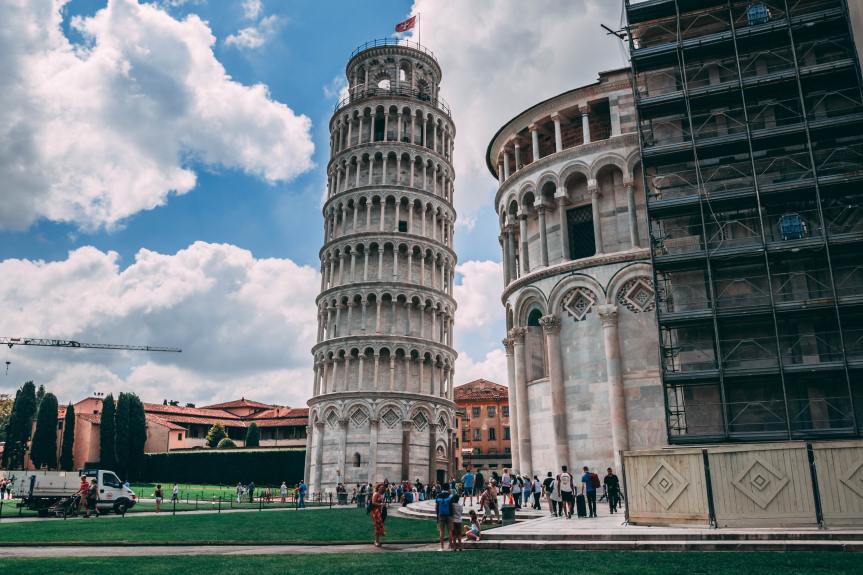
A brief look at the history of the Leaning Tower of Pisa

Monuments, a reminder of proud heritage or history as well as architectural wonders, they are present throughout the world. These sites are also a source of revenue for their respective cities or towns. Most of the monuments that fall under the category of architectural wonders are tourist places with a lot of monetary value, people tend to visit them to gaze upon the marvelous creations of man. One such monument is the leaning tower of Pisa. In 1990, the Italian government enlisted the help of the world’s finest engineers to stabilize the famous leaning tower. There have been many attempts in its 800-year history but this one was a race against time as the tower had already leaned on to a 5.5 degree whereas it had been projected that the tower would topple should it reach an angle of 5.44. It was a miracle that the tower was still standing but the crisis was still imminent.  

In the 12th century famous maritime town of Pisa, set about to turn its cathedral square to a magnificent landmark. So, in 1173, construction began on a free-standing campanile or bell tower and while the engineers and architects of the time were masters of their craft, they knew far less about the soil that they stood on. Pisa’s name had a Greek origin which meant “marshy land”, which clearly describes the clay, mud, and wet sand composition below the city’s surface. With a three-meter foundation to support the structure, it was no surprise that within less than five years the tower’s southern side began to sink beneath the surface. Such a mistake should normally have been a fatal flaw however, the construction halted for nearly a century while the tower was at the fourth story due to prolonged warfare that descended onto Pisa.  This long pause allowed the soil beneath the tower to settle and when the construction resumed in 1272, the workers saw the structure to be on slightly more stable ground. Under the guidance of architect Giovanni de Simone, the workers compensated the minor tilt by making the southern side slightly taller. But due to the extra weight of the masonry, the southern side continued to tilt even further. And by this time the tilt had increased to 1.6 degrees. For centuries engineers tried numerous strategies to address the lean, they even tried to dig a walkway to examine the sunken foundation but the removal of the supporting sand only worsened the problem, and thus with many such failed attempts all the engineers managed to do was worsen the ever-increasing tilt. However, in the years following WWII, researchers developed tests to examine the problem whereas, in 1970, engineers finally managed to calculate the center of gravity of the tower. Thus, with the modern tools at hand, the engineers could finally address the real problem and calculate different ways in order to stabilize the monument. They finally calculated the amount of excavation needed to stop the tilting of the monument and in 1992, a team drilled diagonal tunnels to remove 38 cubic meters of soil from underneath the tower’s north end, and temporarily balanced its weight with 600 tonnes of lead ingots and subsequently anchoring the base with steel cables. Thus, nearly six centuries after the completion of the tower, it had finally been straightened…to a tilt of about 4 degrees. The Italians didn’t want the tower to fall but they also didn’t want to lose the landmark’s most iconic feature. Today the tower stands at about 56 meters height and according to the estimates made by the engineers of the project, it should remain standing for another 300 years or so.

This is the tale of the monument that stands to show the beauty in imperfection. As Haruki Murakami wrote, “Don’t pointless things have a place too, in this far-from-perfect world”.

Rasputin: The death that changed history

Mystics and holy men, some call them the voices of gods while some refer to them as shams and con-men who try to trick the gullible people of society. Whatever be the truth, the fact is that they have been influential in shaping history throughout the world since time immemorial. These kinds of people often gain a large popularity, are hailed as having the power of gods and yet like every other person, have skeletons on their closets. One such man who changed the course for the Russian monarchy is Grigori Yefimovich Rasputin, a Russian mystic and self-proclaimed holy man who befriended the family of Emperor Nicholas II, the last monarch of Russia, and gained considerable influence in late imperial Russia.

Photo by Mitja Juraja on Pexels.com

Born to a peasant family in rural Siberia, Rasputin lived an obscure life till adolescence and might have continued to do so had he not converted himself to the Russian Orthodox church. After being inspired by many of the wandering humble monks of his generation, Rasputin moved aimlessly from one holy site to another. He spent years of his life on pilgrimages across Russia, and along his travels he amassed a large following due to his charismatic and magnetic presence. He was even believed to have had the power of divination and healing. And despite his repetitive acts of petty theft, heavy drinking and over promiscuous nature with the ladies, he was hailed as a holy monk across Siberia, and he gained the attention of both the powerful orthodox clergymen and common people.  Once he finally reached St. Petersberg, he used his innate charisma and gained popularity and connections to win the favour of the imperial family’s spiritual advisor and soon wormed his way up and was introduced to the Tsar Nicholas II. He like all other “holy men” before and after him had the ability and know-how to milk every opportunity to the fullest. Like every opportunist mystic in the world, he researched about his targets and found out that the Tsar and his wife were devout believers of the supernatural and mysticism.  Rasputin cemented his control in the Tsar’s court by performing a “miracle”. The young heir to the throne had a disease known as hemophilia, a life-threatening blood disease. He refused to let the doctors administer anything to the heir and when Alexie’s health got better, he was hailed as a mystic with supernatural powers. What actually happened was that the doctors had prescribed him aspirin which worsens the hemophilia’s effect in the body, thus it seemed that the young heir got better. Thus, to cement his place of power, he proclaimed that should he die or be deserted the royal crown and their son would also disappear. Due to his increasing popularity in court and his ill habits of theft and skirt-chasing, the orthodox had begun to hate him and decided to have him killed prevent his further acts of corruption to the royal family and to stabilize the kingdom, not taking into account that to the public Rasputin was hailed as the public’s hero. In 1916, a group of nobles led by Felix Yusupov, tried to kill Rasputin by lacing his pastries with cyanide or so they thought as one of their co-conspirators had changed the poison with something harmless out of pity for Rasputin. As that plan failed, Yusupov shot Rasputin at point blank range, which again Rasputin miraculously survived and punched away his assailant and ran away. However, the group of noblemen gave chase and shot Rasputin dead and dumped his body in the Malaya Nevka river. However rather than stabilizing the kingdom, his death enraged the peasantry who were already on a boil from decades long political tensions within the area, saw this as the tipping point and took down the Tsar’s regime. As Rasputin prophesised his death was soon followed by the royal families. Thus, ended the tale of a monk who reshaped the Russian history.

The cat families…Part 1

Felis catus also called house cat or domestic cat, domesticated member of the family Felidae, order Carnivora, and the smallest member of that family. Like all felids, domestic cats are characterized by supple low-slung bodies, finely molded heads, long tails that aid in balance, and specialized teeth and claws that adapt them admirably to a life of active hunting. Cats possess other features of their wild relatives in being basically carnivorous, remarkably agile and powerful, and finely coordinated in movement.

there are more than, 45 types of cat family members are present around the globe, which include the king lion, tiger, leopard, and many more. Here is the information regarding it.

1.Abyssinian:
undefined
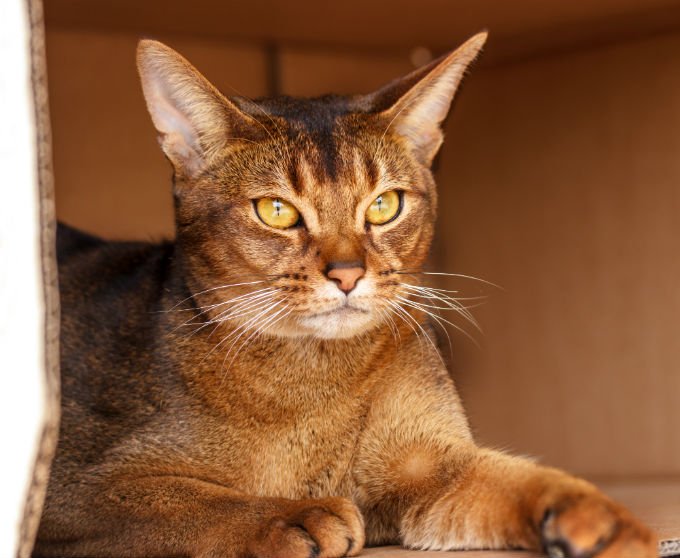
Abyssinian, breed of domestic cat, probably of Egyptian origin, has been considered to approximate the sacred cat of ancient Egypt more closely than any other living cat. The Abyssinian is a lithe cat with relatively slender legs and a long, tapering tail. The short, finely textured coat is ruddy reddish-brown, with individual hairs of the back, sides, chest, and tail distinctively ticked, or tipped, with bands of black or brown. The nose is red, the eyes are hazel, green, or gold, and the tail tip and backs of the hindlegs are black. The Abyssinian is noted for being affectionate and quiet, though generally shy with strangers.

2.African wildcat:
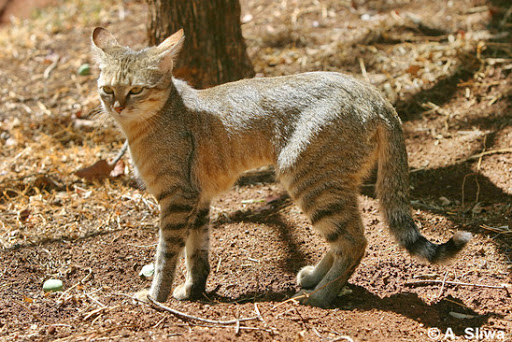
undefined
The African wildcat, also called Egyptian wildcat, small, tabby like a cat (family Felidae) found in open and forested regions of Africa and Asia. Likely the first cat to be domesticated, the African wildcat is somewhat larger and stockier than the modern house cat, with which it interbreeds readily. Its coat, paler in the female, is light or orange-brown with narrow dark stripes. The length of the animal is about 70 cm (28 inches), excluding the 40-cm tail; shoulder height averages 23 cm (9 inches), and the cat weighs about 3.5 kg (7.7 pounds). The African wildcat is a solitary nocturnal hunter that preys mainly on birds and small mammals. Mating generally occurs early in the year, and a litter of two to five kittens is born about 56 days later.

3.black panther:
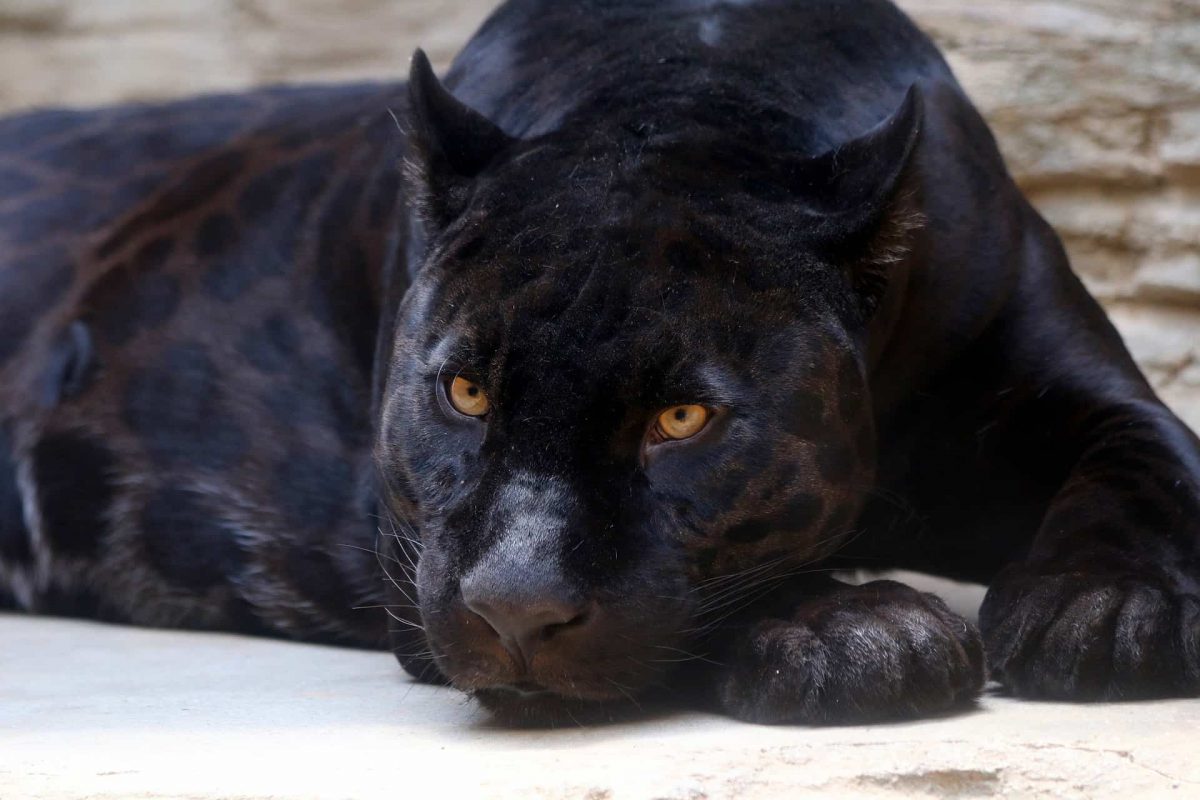
undefined
Black panther, colloquial term used to refer to large felines classified in the genus Panthera that are characterized by a coat of black fur or large concentrations of black spots set against a dark background. The term black panther is most frequently applied to black-coated leopard of Africa and Asia and jaguars of Central and South America; black-furred variants of these species are also called black leopards and black jaguars, respectively. Besides, the term is sometimes used to describe dark-colored bobcats, lynx, jaguarundis, tigers, and pumas, even though reports of black-colored representatives of some species, such as the puma, have not been confirmed.

4.bobcat:
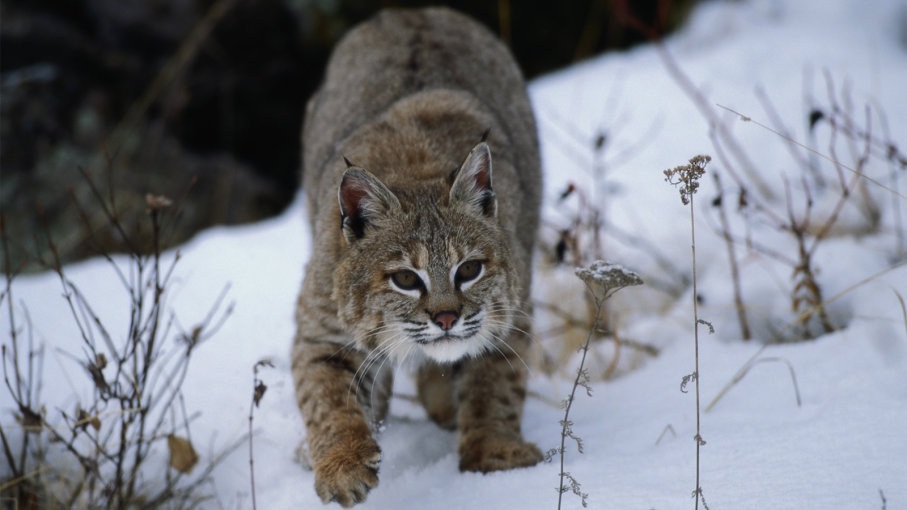
undefined
Bobcat, also called bay lynx or wildcat, bobtailed North American cat, found from southern Canada to southern Mexico. The bobcat is a close relative of the somewhat larger Canada lynx.

5.calico cat:

undefined
Burmese, breed of domestic cat, presumably of Asian origin. The Burmese are a compactly built cat with a small, rounded head and wide-set, round, yellow, or golden eyes. The short, finely textured, and glossy coat darkens from a milk-chocolate color in the kitten to a rich sable brown in the adult. The underside is paler than the coat; the ears, face, legs, and tail may be darker. The tail is tapered and may be either straight or kinked near the tip.

6.caracal:
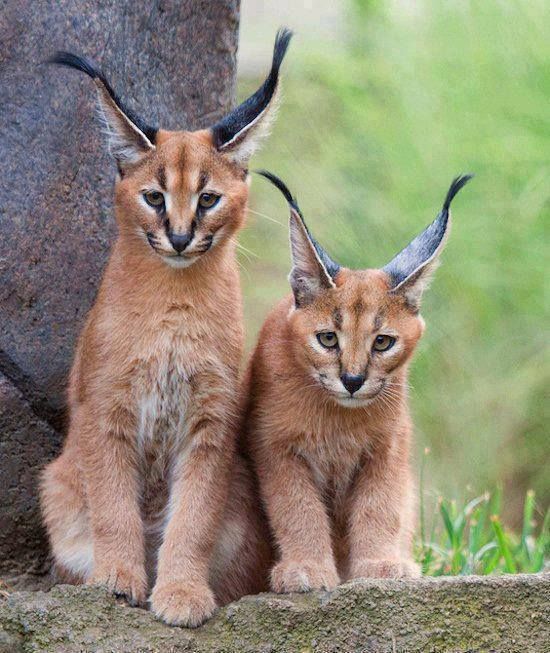
undefined
Calico cat, In North America, a blotched or spotted domestic cat, usually predominantly white with red and black patches (a pattern also called tortoiseshell-and-white). Because the genetic determination of some coat colors in cats is linked to the sex chromosome, calicoes are almost always female.

7.cat:
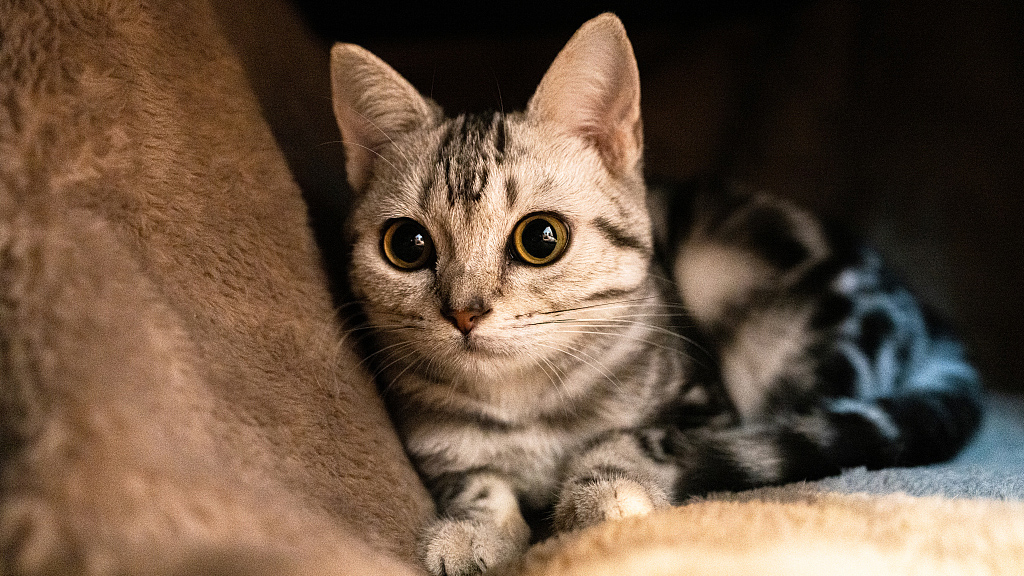
undefined
Cat also called house cat or domestic cat, domesticated member of the family Felidae, order Carnivora, and the smallest member of that family. Like all felids, domestic cats are characterized by supple low-slung bodies, finely molded heads, long tails that aid in balance, and specialized teeth and claws that adapt them admirably to a life of active hunting. Cats possess other features of their wild relatives in being basically carnivorous, remarkably agile and powerful, and finely coordinated in movement.

8.cheetah:
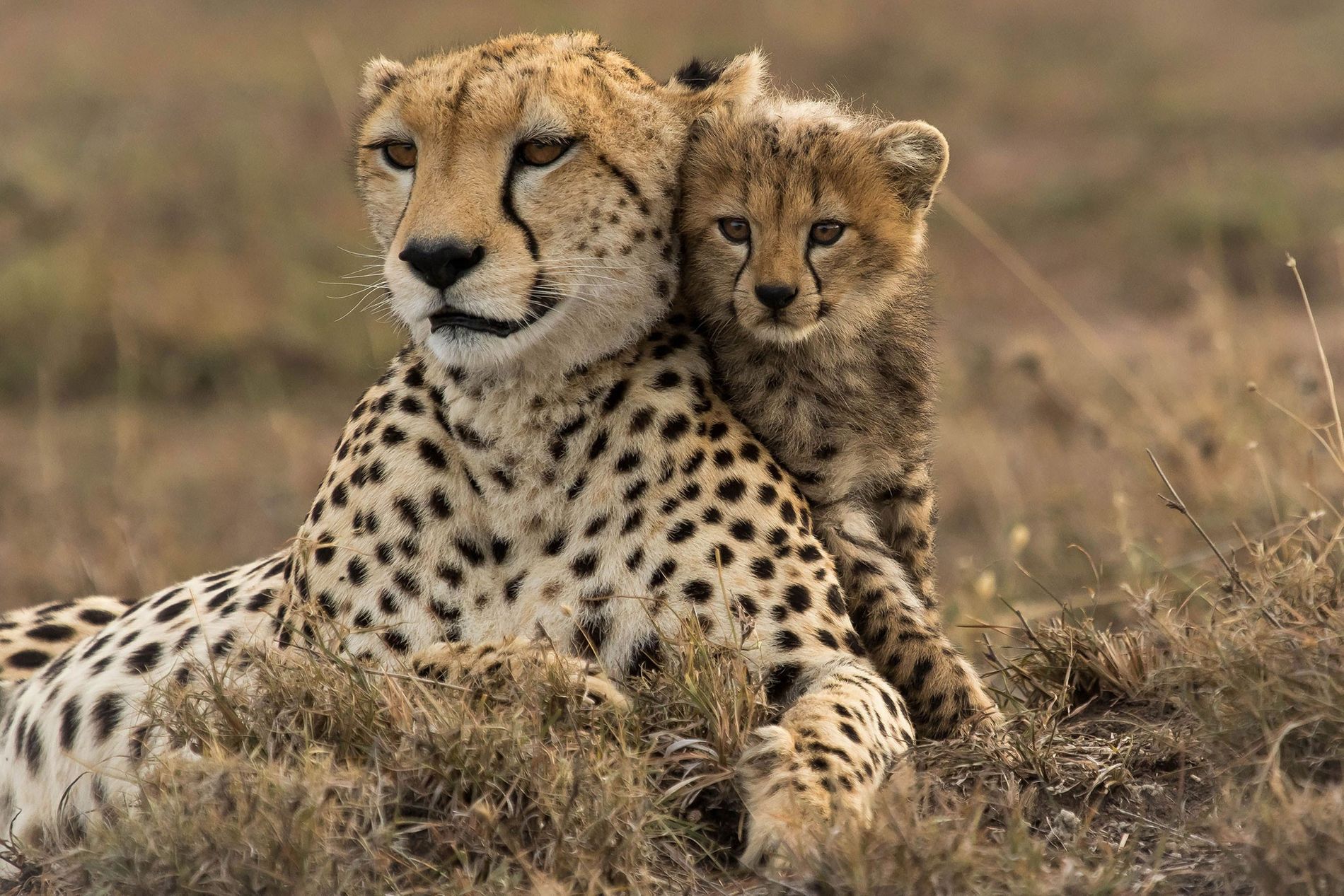
undefined
Cheetah, one of the world’s most-recognizable cats, known especially for its speed. Cheetahs’ sprints have been measured at a maximum of 114 km (71 miles) per hour, and they routinely reach velocities of 80–100 km per hour while pursuing prey. Nearly all the cheetahs remaining in the wildlife in Africa.

9.clouded leopard:
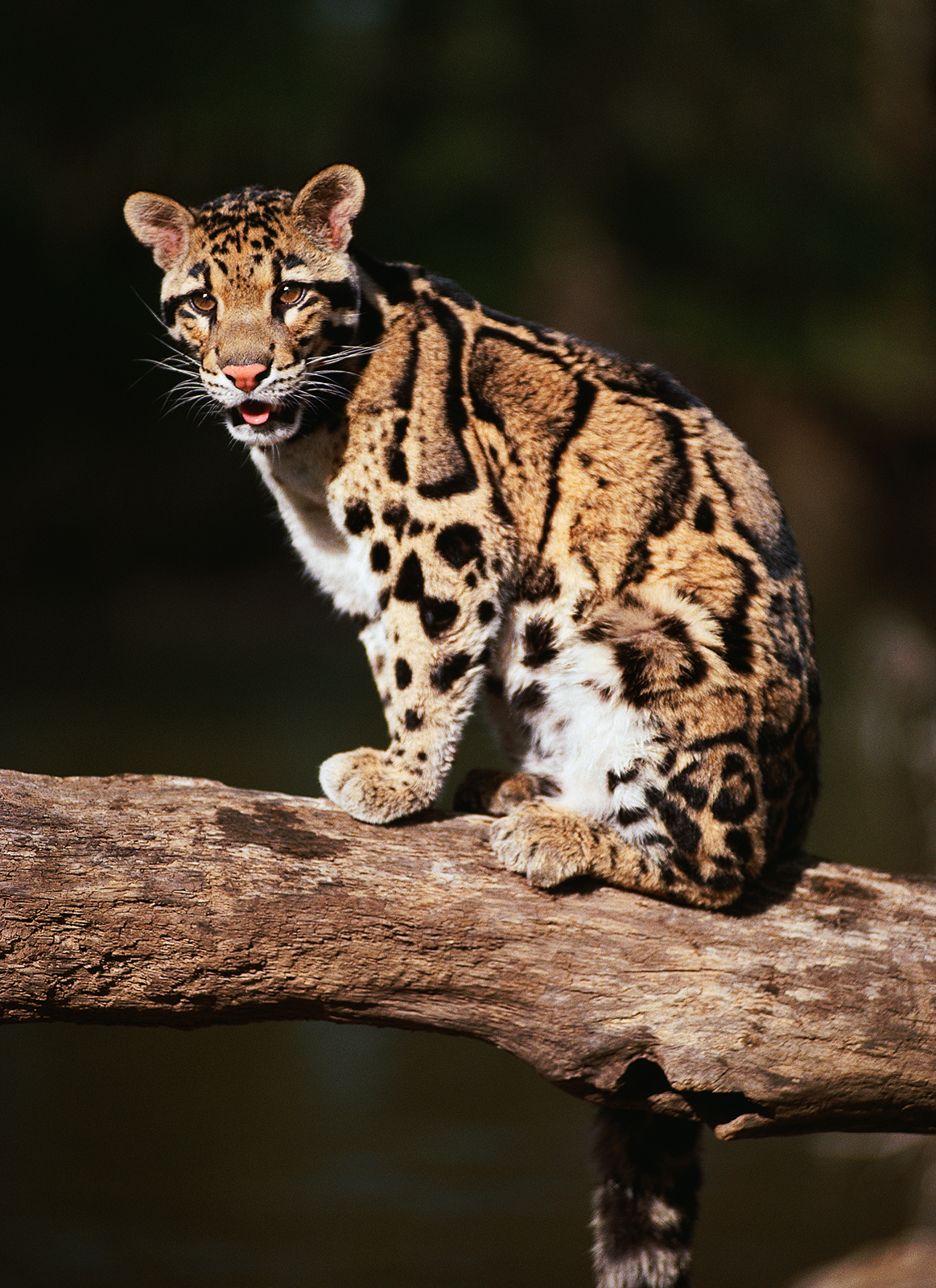
undefined
Clouded leopard, also called clouded tiger, strikingly marked cat, very similar in coloring and coat pattern to the smaller, unrelated marbled cat . There are two species of clouded leopard, which are genetically distinct from one another. Neofelis nebulosa, found on the mainland of southeastern Asia, particularly in forests and other wooded regions, and N. diardi, found on the islands of Sumatra and Borneo, are thought to have diverged about 1.4 million years ago. The population of clouded leopards declined sharply in the latter half of the 20th century as a result of hunting and deforestation. They are reported to be nocturnal and to live in trees; they prey on birds and small mammals, such as pigs and monkeys.

10.domestic shorthair:
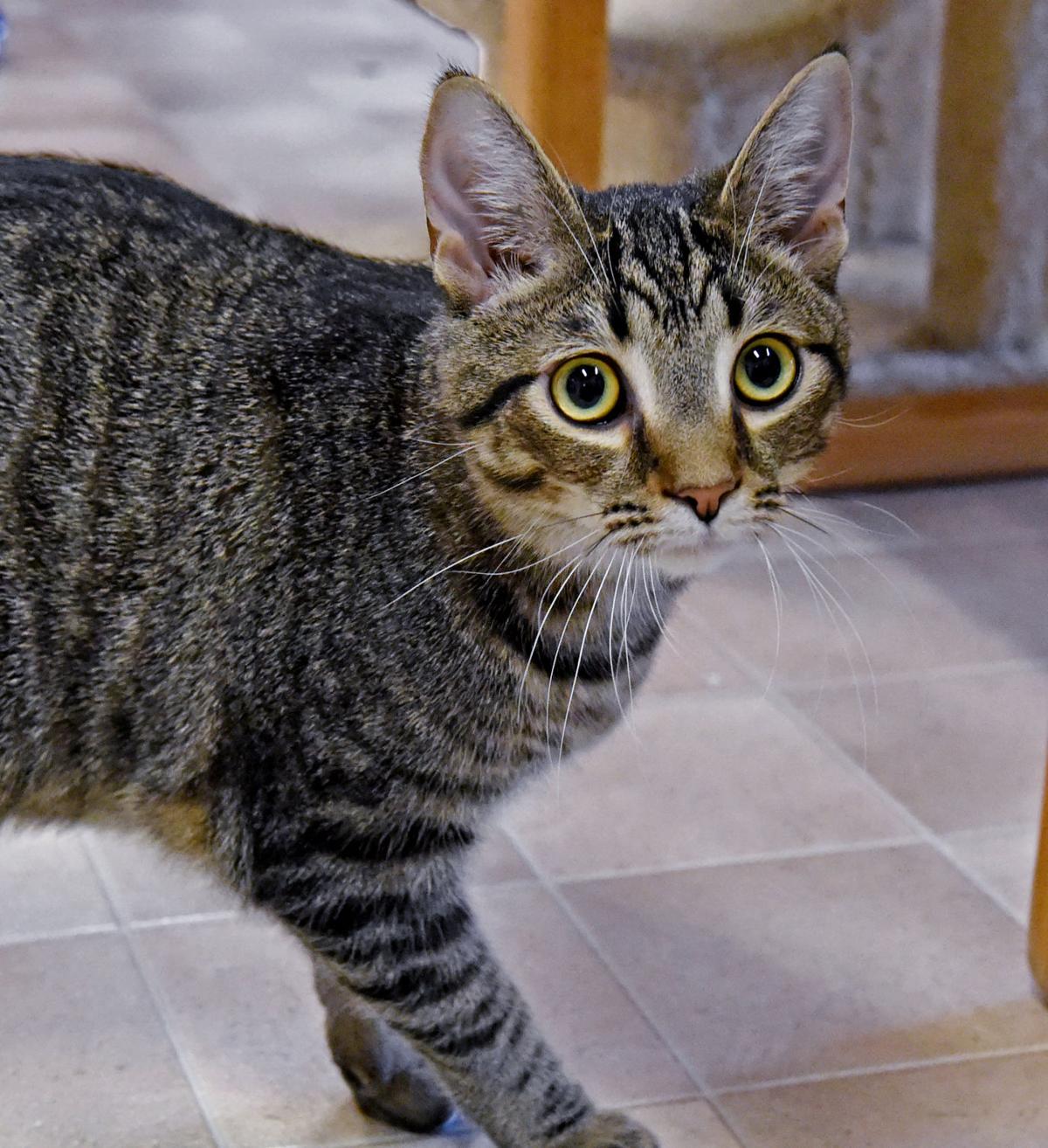
undefined
Domestic shorthair, also called British Shorthair, breed of a domestic cat often referred to as a common, or alley, cat; a good show animal, however, is purebred and pedigreed and has been carefully bred to conform to a set standard of appearance.

11.feline:
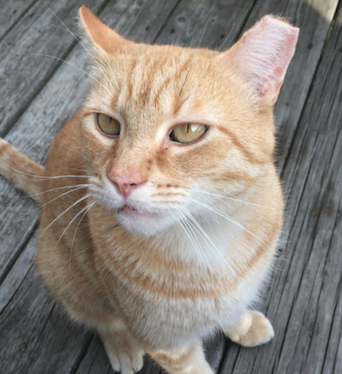
undefined
Feline any of 37 cat species that among others include the cheetah, puma, jaguar, leopard, lion, lynx, tiger, and a domestic cat. Cats are native to almost every region on Earth, except Australia and Antarctica. They are carnivorous mammals that live in a wide variety of habitats, but they are typically woodland animals.

12.fishing cat:
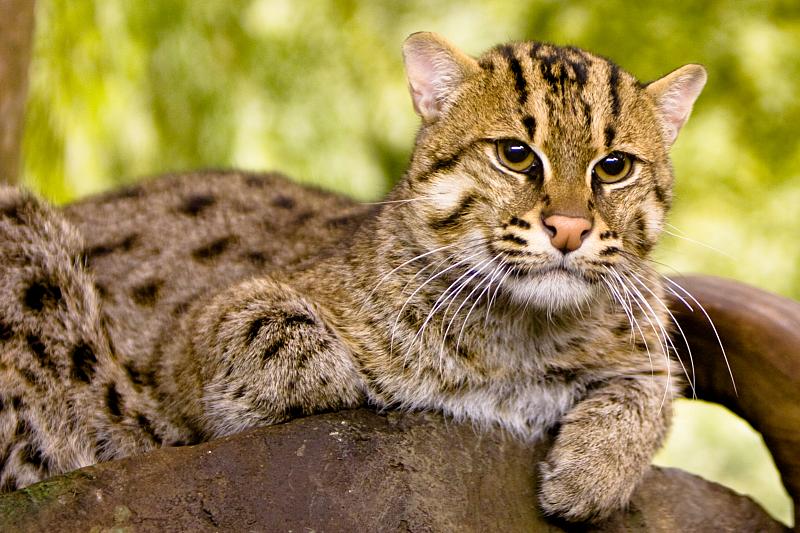
undefined
Fishing cat a tropical cat of the family Felidae, found in India and Southeast Asia. The coat of the fishing cat is pale gray to deep brownish-gray and marked with dark spots and streaks. The adult animal stands about 40 cm (16 inches) at the shoulder, weighs 8–11 kg (18–24 pounds), and is from 60 to 85 cm long, excluding the black-ringed tail, which accounts for an additional 25–30 cm. The fishing cat lives near water and in jungles, reed beds, and marshes. It is reported to fish by scooping its prey out of the water.

13.flat-headed cat:
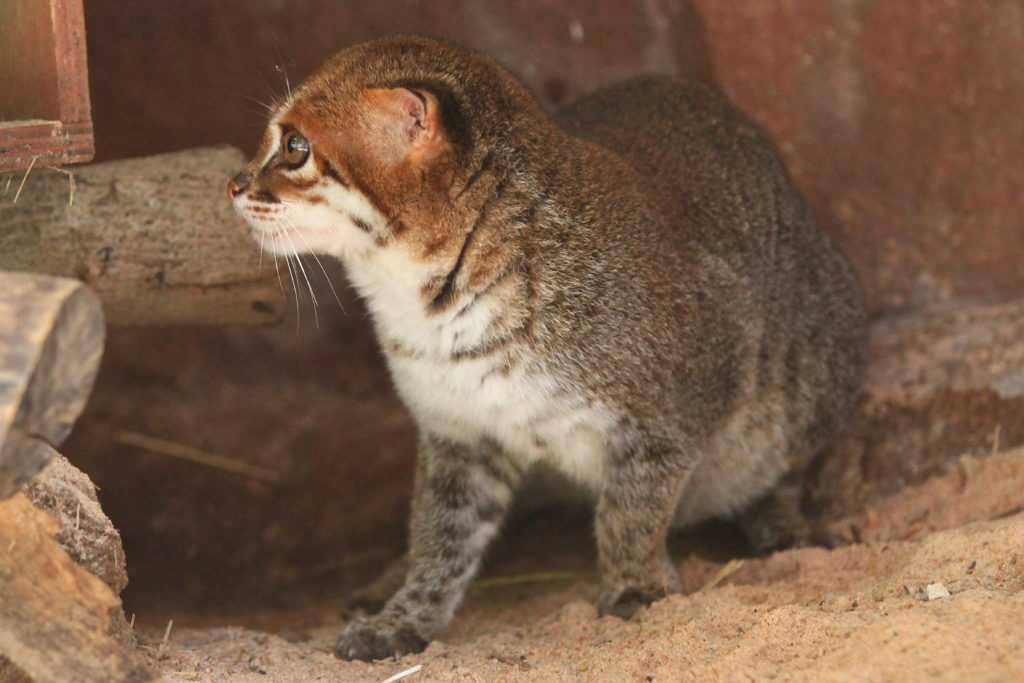
undefined
Flat-headed cat extremely rare Asian cat found in the Malay Peninsula, Sumatra, and Borneo. One of the smallest members of the cat family, Felidae, the adult is from 40 to 60 centimeters (16 to 24 inches) long without the 15–20-cm tail and weighs from 1.5 to 2.5 kilograms (3.3 to 5.5 pounds). Its coat is reddish above and white with red spots below; there are white markings around the eyes. It is the only felid known to include any substantial amount of vegetation in its diet, with a preference for fruit and, when available, sweet potatoes and similar foods. Little else is known about this cat, which is reported to be nocturnal and to hunt fish and frogs along rivers.

14.Florida panther:
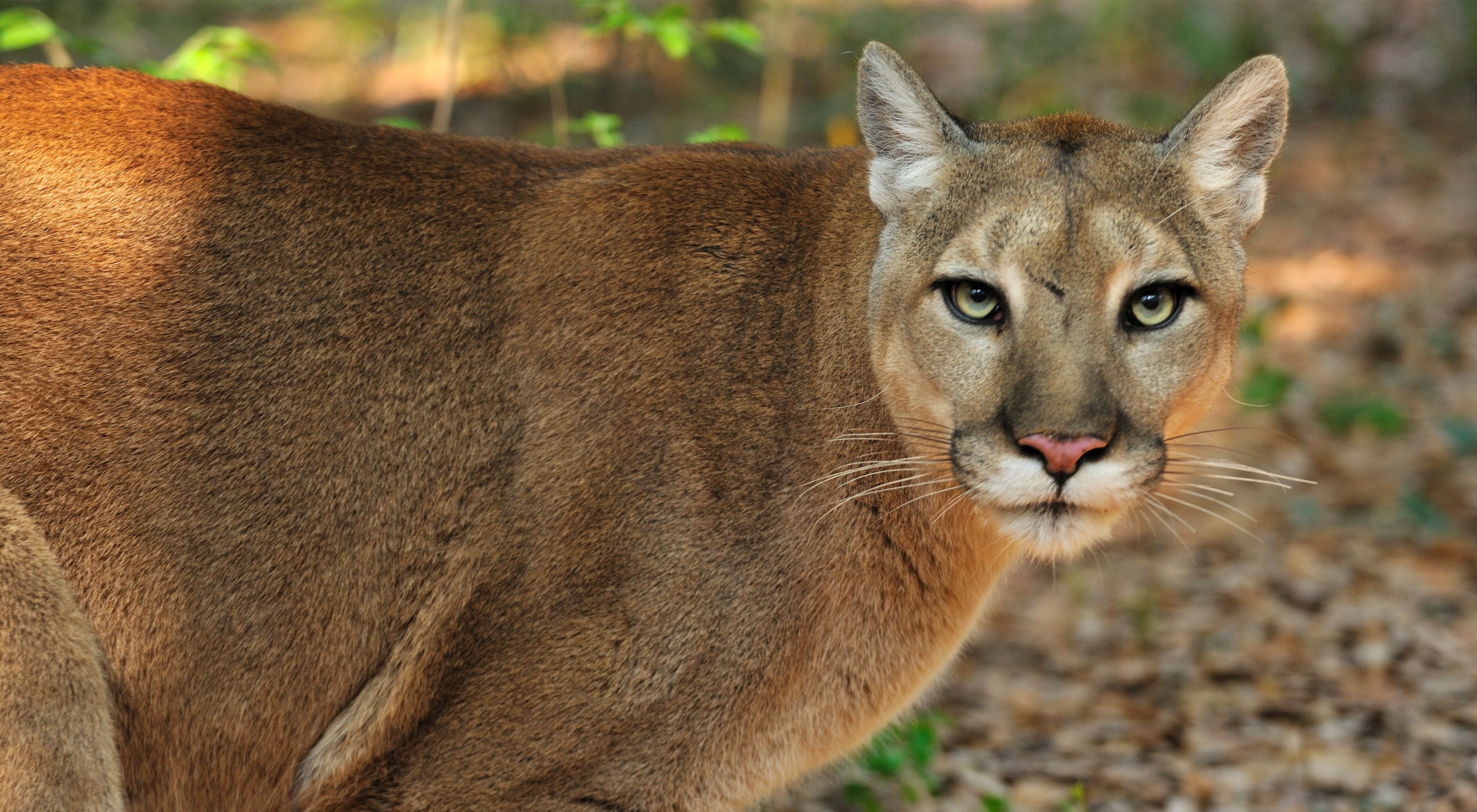
undefined
Florida panther, member of a population of large New World cats belonging to the species Puma concolor, family Felidae, confined to a small, isolated, and inbred group in southern Florida. This population is the only breeding group of pumas in the eastern United States. The Florida panther was traditionally classified as a distinct subspecies of puma and was reclassified as a population of the P. concolor cougar subspecies in 2017 after genetic analysis. The Florida panther was one of the first animals listed under the Endangered Species Act when the law first passed in 1973, and it is recognized as the state animal of Florida.

15.Geoffroy’s cat:
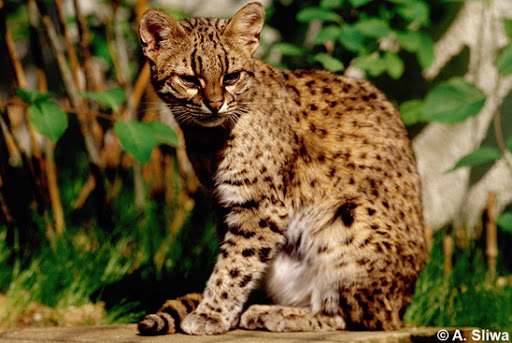
undefined
Geoffroy’s cat South American cat of the family Felidae, found in mountainous regions, especially in Argentina. It is gray or brown with black markings and grows to a length of about 90 cm (36 inches), including a tail of about 40 cm (16 inches). Geoffroy’s cat climbs well and preys on small mammals and birds. It breeds once a year; litters consist of two or three kittens.

17.Himalayan:
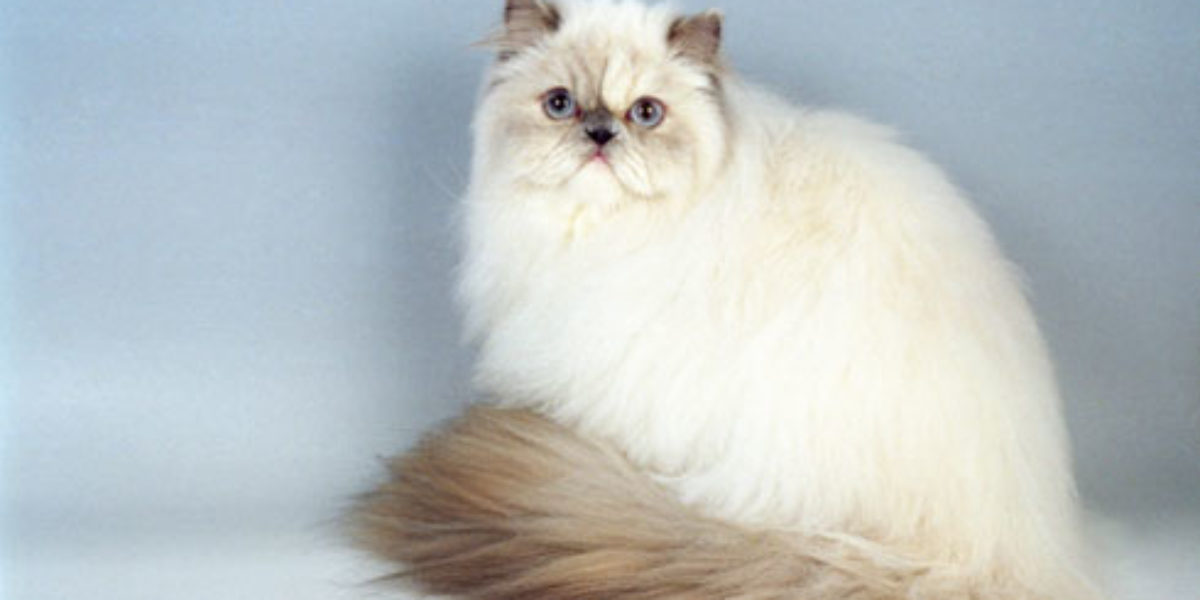
undefined
Himalayan, also called colorpoint, or colorpoint, breed of domestic cat with the coloring of the Siamese and the build and coat of the longhair, or Persian. The Himalayan is produced by matings between Siamese and longhairs followed by selected breeding of the offspring to bring out the proper coloring, coat, and build. A good Himalayan is cobby and short-legged with long, soft fur, a broad, rounded head, and round blue eyes. Born cream-colored, it later develops the darker points (ears, face, legs, and tail) of the Siamese. The points, as in the Siamese, maybe deep brown (seal point), lighter brown, blue-gray , pinkish-gray , or reddish-orange .

18.jaguar:
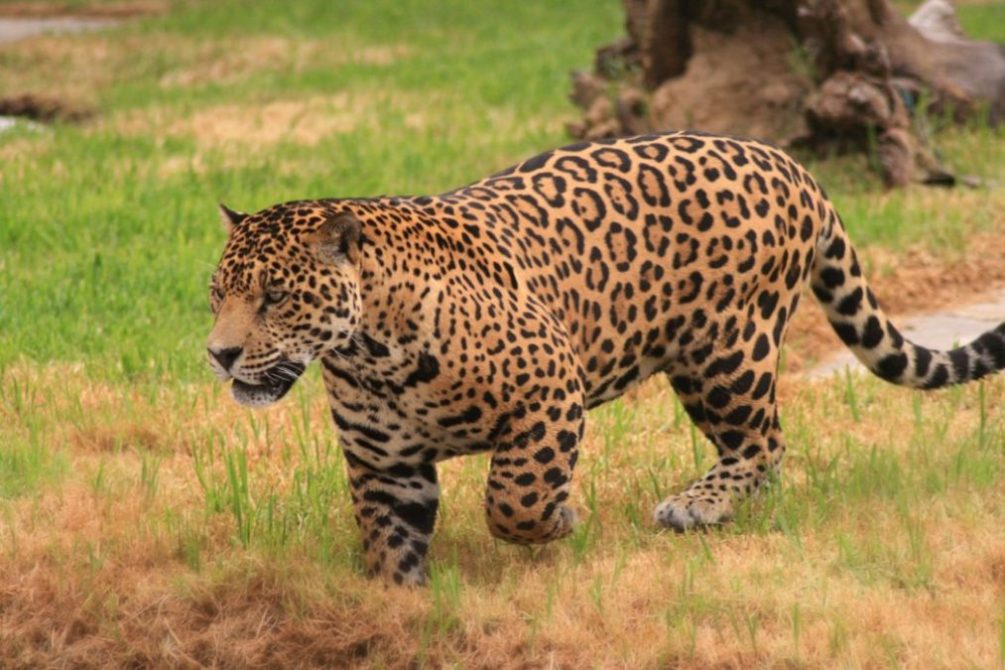
undefined
Jaguar also called el Tigre or Tigre americano, the largest New World member of the cat family, once found from the U.S.-Mexican border southward to Patagonia, Argentina. Its preferred habitats are usually swamps and wooded regions, but jaguars also live in scrublands and deserts. The jaguar is virtually extinct in the northern part of its original range and survives in reduced numbers only in remote areas of Central and South America; the largest known population exists in the Amazon rainforest.

19.jaguarundi:
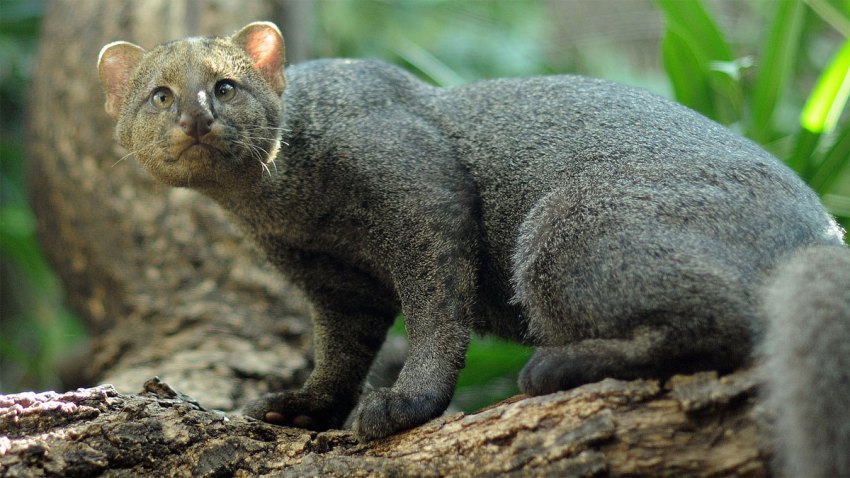
undefined
Jaguarundi, also spelled Jaguarondi small, unspotted New World cat (family Felidae), also known as the otter-cat because of its otterlike appearance and swimming ability. The jaguarundi is native to forested and brushy regions, especially those near water, from South America to the southwestern United States; it is, however, very rare north of Mexico.

20.leopard:
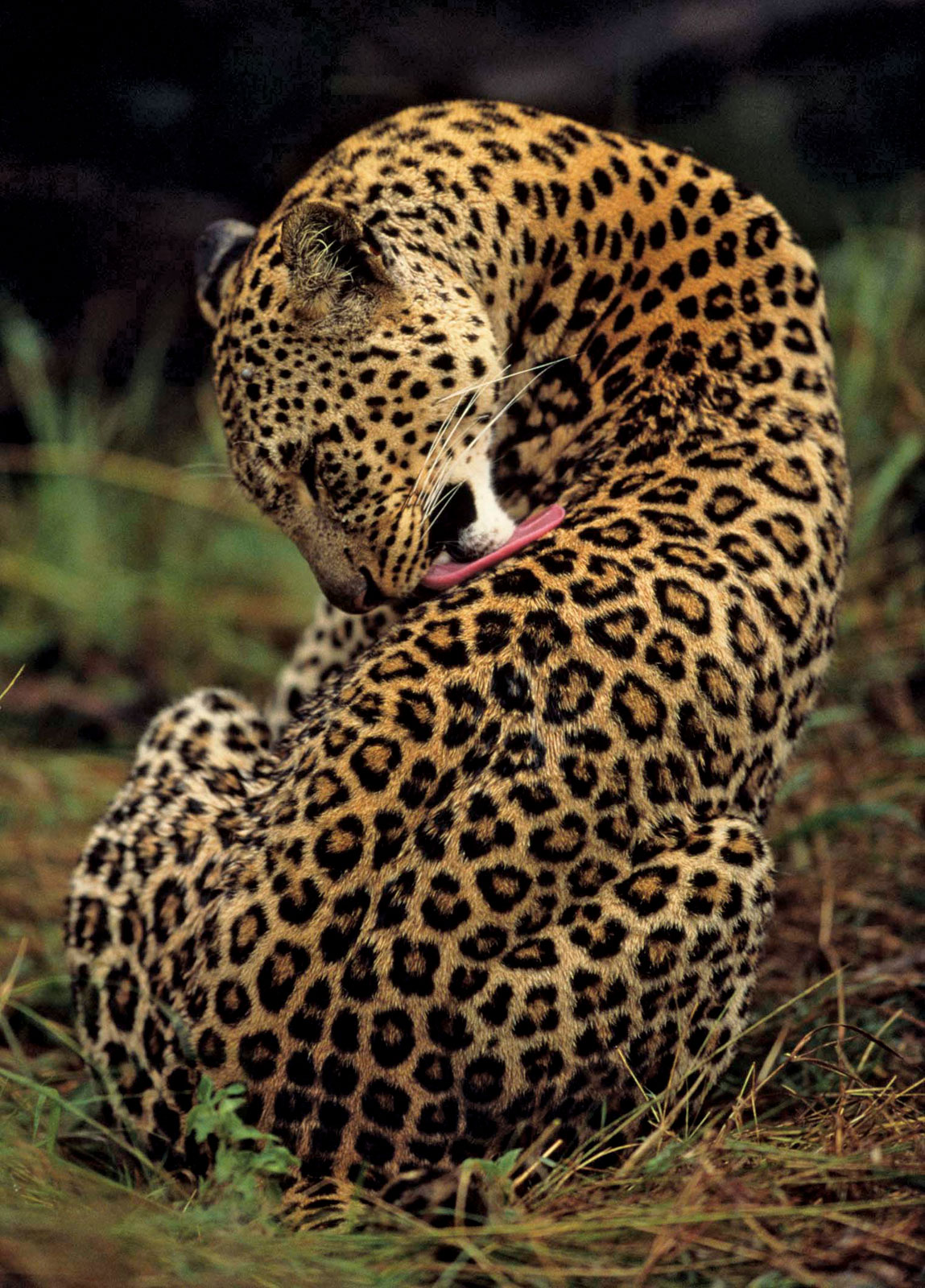
undefined
Leopard also called a panther, large cat closely related to the lion, tiger, and jaguar. The name leopard was originally given to the cat now called cheetah—the so-called hunting leopard—which was once thought to be a cross between the lion and the pard. The term pard was eventually replaced by the name leopard.

21.leopard cat:
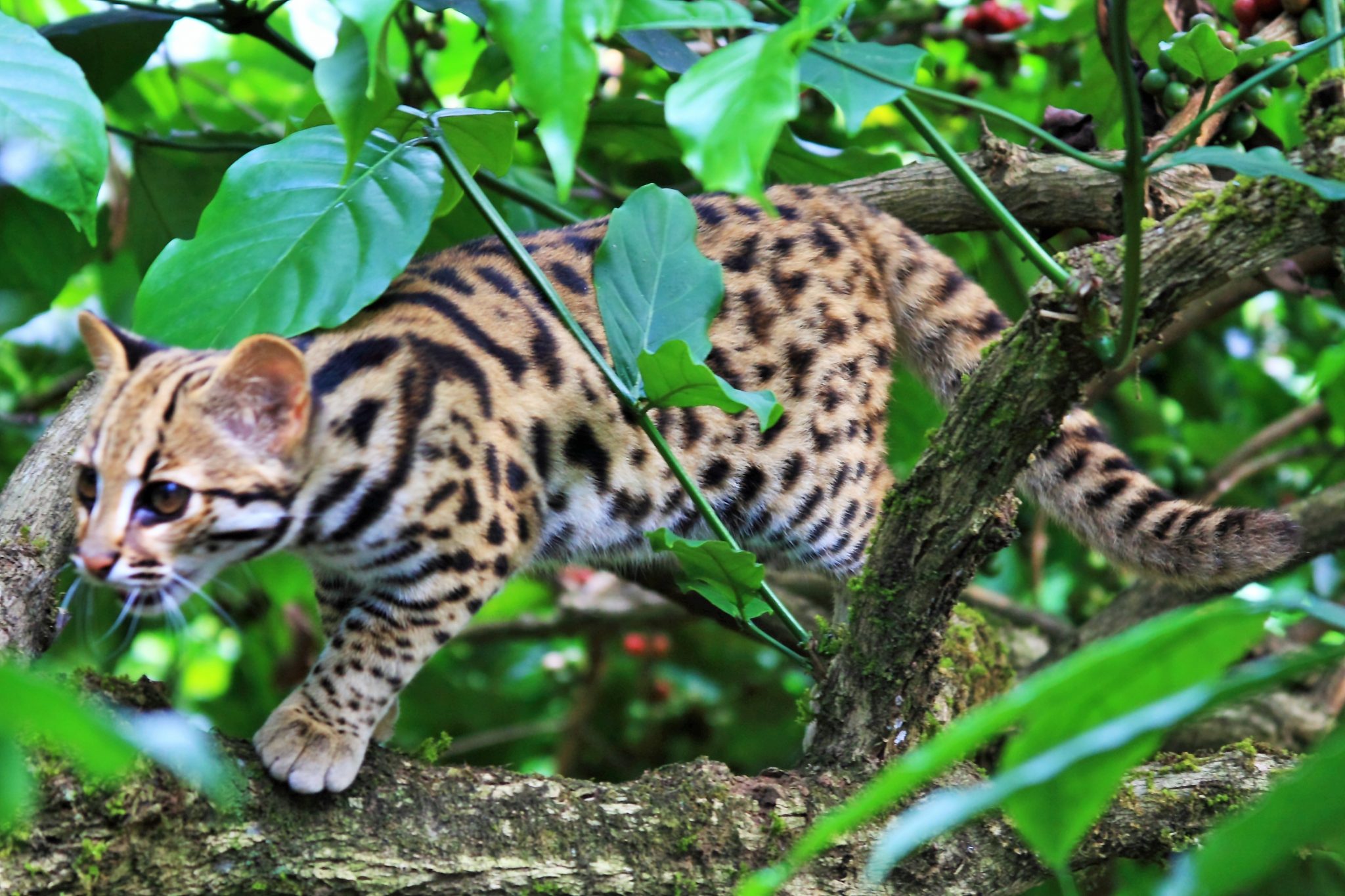
undefined
Leopard cat forest-dwelling cat, of the family Felidae, found across India, Southeast Asia, and nearby islands. The leopard cat is noted for its leopard-like coloring. The species is generally divided into one mainland subspecies, P. bengalensis bengalensis, and several island subspecies—including P. bengalensis borneoensis in Borneo, P. bengalensis Heaney on Palawan, P. bengalensis rabori on the Philippine islands of Cebu, Negros, and Panay, P. bengalensis javenensis on Bali and Java, and P. bengalensis sumatranus on Sumatra and Tebingtinggi.

22.liger:
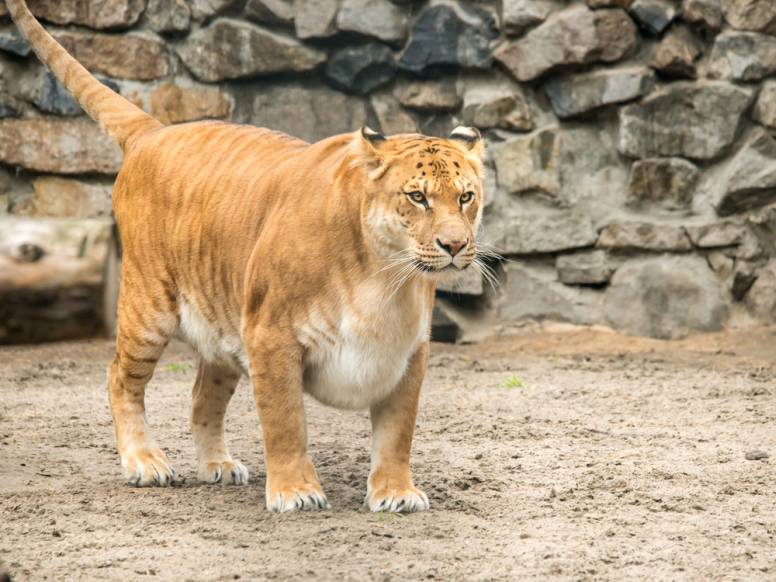
undefined
Liger, offspring of a male lion and a female tiger. The liger is a zoo-bred hybrid, as is the tigon, which is the result of mating a male tiger with a female lion. The liger and the tigon possess features of both parents, in variable proportions, but are generally larger than either. It is thought that most, if not all, male ligers and tigons are sterile. The females, however, on occasion, may be able to produce young. The terms liger and tigon are portmanteaus of the words lion and tiger.

23.lion:
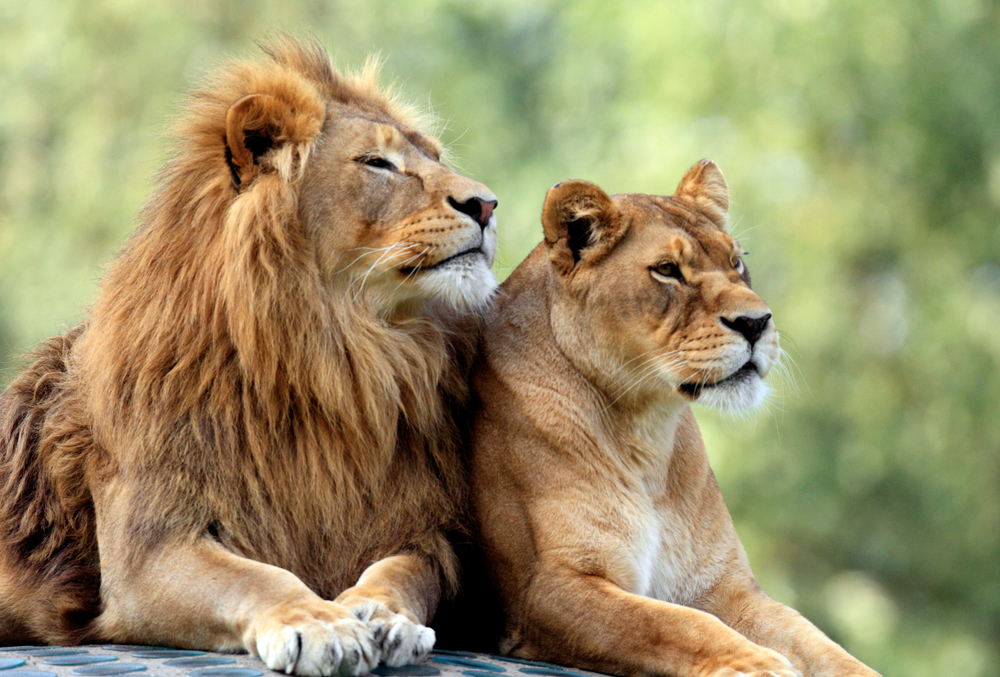
undefined
Lion is large, powerfully built cat that is second in size only to the tiger. The proverbial “king of beasts,” the lion has been one of the best-known wild animals since the earliest times. Lions are most active at night and live in a variety of habitats but prefer grassland, savanna, dense scrub, and open woodland. Historically, they ranged across much of Europe, Asia, and Africa, but now they are found mainly in parts of Africa south of the Sahara. An isolated population of about 650 Asiatic lions constitutes a slightly smaller race that lives under strict protection in India’s Gir National Park and Wildlife Sanctuary.

24.longhair:
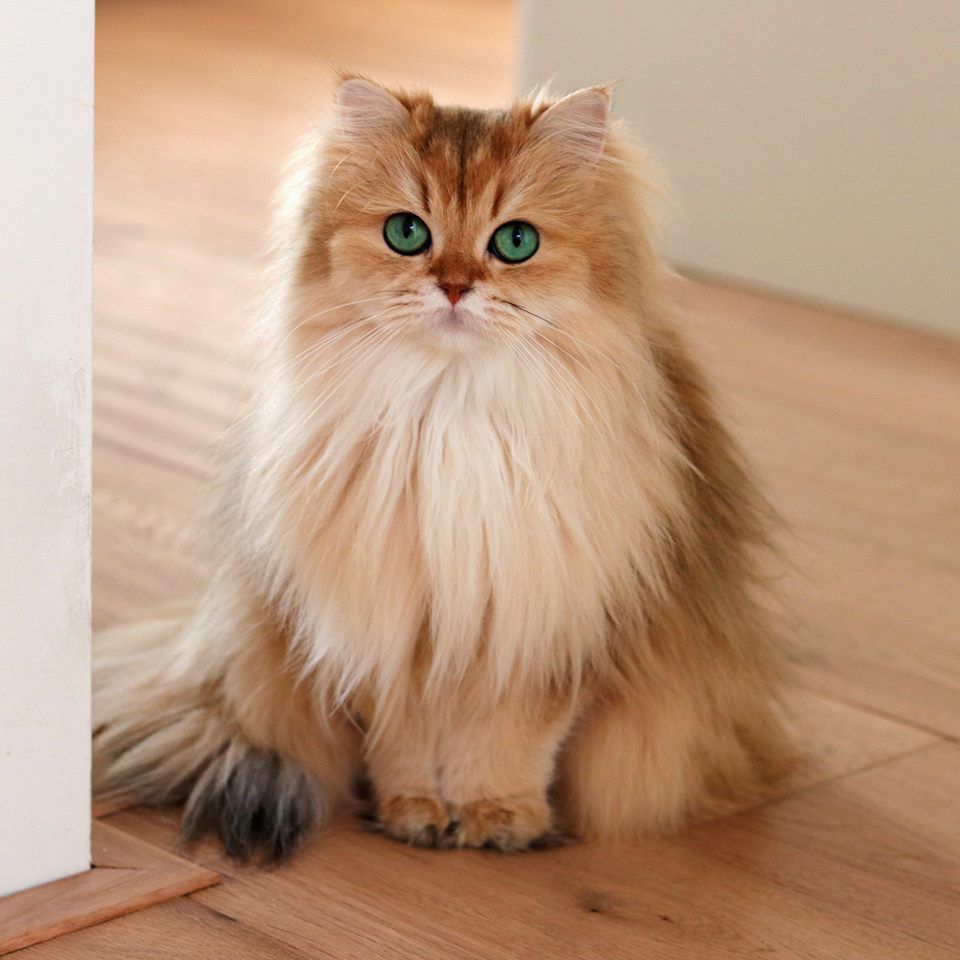
undefined
Longhair, also called Persian, breed of domestic cat noted for its long, soft, flowing coat. Long-haired cats were originally known as Persians or Angoras. These names were later discarded in favor of the name longhair, although the cats are still commonly called Persians in the United States. The longhair, a medium-sized or large cat with a cobby , short-legged body, has a broad, round head, a snub nose, and a short, heavily haired tail. The large, round eyes may be blue, orange, golden, green, or copper-colored, depending on the color of the cat. The soft, finely textured coat forms a heavy ruff about the neck.

25.lynx:
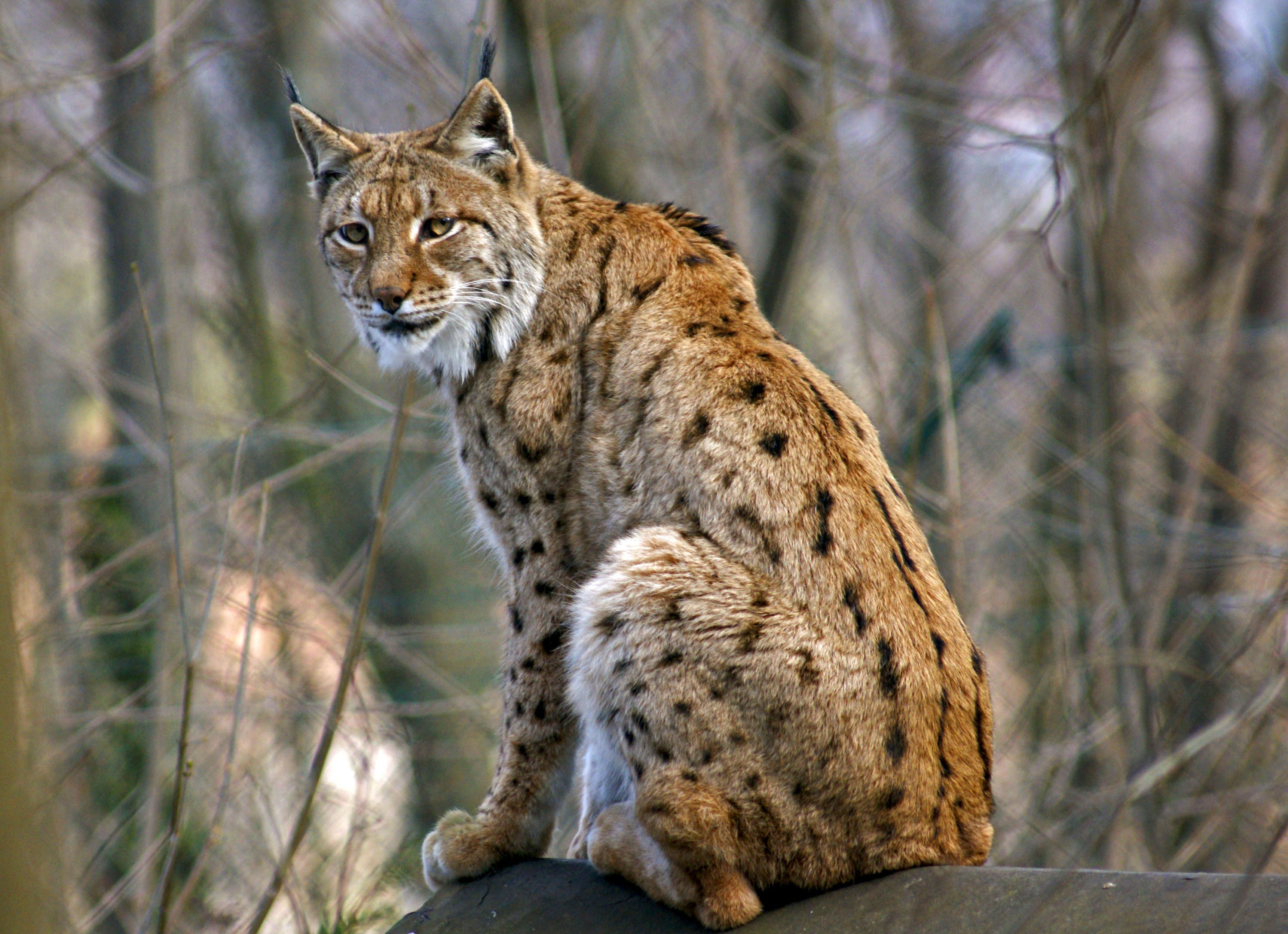
undefined
Lynx, (genus Lynx), any of four species of short-tailed cats found in the forests of Europe, Asia, and North America. The Canada lynx and the bobcat live in North America. The Eurasian lynx and the Iberian lynx are their European counterparts. The Iberian lynx is the most endangered feline; as of 2013, possibly fewer than 300 individuals remained in the mountainous scrubland of southern Spain.


An interesting case of forgery

Art heists, we see them countless times in movies as well as read about them in newspapers. They can be daring swiping of art works or plain robbing them outright. One such type of thieving is forgery. Forgery is a white-collar crime that generally refers to the false making or material alteration of a legal instrument with the specific intent to defraud anyone. Forgery in itself requires a lot of skill and mental acumen to pull-off. And as all crimes go once caught, one must prove their innocence in court to live freely. However, one case in Holland which included forgery was a little different, here the accuse pleaded guilty and tried to convince the court of his guilt. This was the case of  Han Van Meegeren in 1947.

Photo by u00b6Project Atlas on Pexels.com

Like the cliché which goes with art forgers, Meegeren was an artist whose original works failed to bring him renown so he set put to make fools of those who shut the door to the art world on him. Like it was stated this kind of thievery requires a lot of skill and practice. Meegeren worked for nearly 6 years, studying all about the old masters, their styles, their biographies, their techniques and their materials.  He chose a baroque painter from the 17th century by the name of Johannes Vermeer, a rather difficult choice given that Vermeer is celebrated throughout the art world for his technical brilliance in portraying domestic scenes. He carefully made meticulous practice pieces, going as far as to making his own brushes, and paint from his knowledge of Vermeer’s time. He was partly successful in his forgeries due to the fact that the sophisticated means of testing that are available now weren’t as advanced or widespread then. The other factor was his planning, the originality of the art work being tested depends on the art specialist reviewing them, and their popularity which is subjective. From his research he knew that the leading expert on Vermeer believed that he had an early fixation on religious painting and as there was no proof of this theory, Vermeer decided to provide one. Even thought it had some inconsistencies, as it was considered an early piece, it got the stamp of approval and he sold his fake for an equivalent of $4 million dollars. The success prompted him to make and sell more forgeries.  However, his triumph was to be short lived, soon Nazi Germany occupied holland, and Hitler’s top general Herman Goring wanted a Vermeer painting for his collection. And Van Meegeren was more than happy to sell his fake. However, when the allies won the world war, Meegeren was tried for his “treasonous” act and was to be sentenced to the electric chair for selling a Dutch “masterpiece”. Thus, began Meegeren’s trial and his fight to prove that it wasn’t an original. To prove this, he explained step by step how he had forged it. However, he faced an ironical obstacle, the very man he had used to dupe the world, now came forward to take him down. The very expert who had enabled him to do the scam, now fought to protect his own reputation. Thus, to prove his innocence Meegeren made another fake and submitted to the court and was thus acquitted for collaborating with the Nazis, but sentenced to one-year imprisonment for fraud. Thus, he went from the scum who collaborated with Nazis to the folk hero who managed to swindle them. Due to his notoriety his works became valuable is his own right. Later down the line even his son forged his father’s paintings to gain money.

Thus, his “lack of talent” in his peer’s eyes was actually the fuel that unlocked his real talent in his eye for detail and dealing the art.

The origin of life-RNA WORLD?????

The origin of life depends on the singe question – How did early cells could have arisen?
Modern cells consist at a minimum of plasma membrane enclosing water in which numerous chemicals are dissolved and sub cellular structures float. It was thus believed that the first self-replicating entity was much simpler than even the most primitive modern living cells. Before there was life, and yes, Earth was a different place: completely hot and anoxic, with an atmosphere which was completely rich in gases such as hydrogen, methane, carbon dioxide, nitrogen, and ammonia. Earth’s surface was like a pre biotic soup in which chemicals reacted with one another, randomly “testing” the usefulness of the reaction and the stability of the resulting molecules. Some reactions released energy and would eventually become the basis of modern cellular metabolism. Other reactions which occurred created molecules that could function as catalysts, some aggregated with other molecules to form the predecessors of modern cell structures, and others were able to replicate and act as units of hereditary information.
Proteins have two major roles in modern cells – structural and objective.
Catalytic proteins are called enzymes, in cells. Thus enzymes act as the workhorses of the cell. DNA stores hereditary information and can be replicated to pass the information on to the next generation. RNA is involved in converting the information stored in DNA into proteins. Proteins can do cellular work, but their synthesis is dependent on their proteins and RNA, and information stored in DNA. DNA can’t do cellular work. It’s only work is to store genetic information and it is involved in its own replication process which is a process that requires proteins. RNA is synthesized using DNA as the template and proteins as the catalysts for the reaction.
Based on these considerations, it seemed to evolutionary biologists that at some time in the evolution of life there must have been a single molecule that could do both cellular work and replicate itself. A possible solution to the nature of this molecule was suggested in 1981 when Thomas Cech discovered an RNA molecule in the protest Tetrahymena that could cut out an internal section of itself and slice the remaining sections back together. Since then, other catalytic RNA molecules have been discovered, including an RNA found in ribosomes that is responsible for forming peptide bonds – the bonds that hold together amino acids, the building blocks of proteins. Catalytic RNA molecules are now called ribozymes.
The discovery of ribozymes suggested the possibility that RNA at some time had the ability to catalyze its own replication, using itself as the template. In 1986, a term was coined – RNA WORLD to describe a precellular stage in the evolution of life in which RNA was capable of storing, copying, and expressing genetic information. Also it catalyzes other cellular chemical reactions. This important evolutionary step is easier to imagine than other events in the origin cellular life forms because it is well known that lipids, major structural components of the membranes of modern organisms, form liposomes which are bounded by a lipid layer.

A glimpse at the most famous medical practitioner.

Biology, a term that defines the study of all living things. A major branch of biology is anatomy or the branch of biology concerned with the study of the structure of organisms and their parts. The study of anatomy has led early doctors and physicians to know more about the body and how to mend it or reduce its ailments. Almost all branches of the practice of medicine can in some way trace their origins to the study of anatomy. One of the most renowned physicians of medical history is Galen of Pergamon, who is also the most notorious. This towering figure in the field of medicine had doctors all of the world fearing and revering him not only during his lifetime but nearly 1300 years later as well. He was a Greek physician, author, and philosopher, working in Rome, who influenced both medical theory and practice until the middle of the 17th century CE.

Photo by cottonbro on Pexels.com

As a teen Galen left his hometown to pursue his love of medicine to the Mediterranean. When he returned, he was now seemingly an expert in anatomy and a very gifted surgeon. Ever the showman, he would enter public anatomy contests to show up his fellow physicians. HE did a lot of things which were outlandish and in taunting his rivals, he made them lose their reputations. He once made a pig lose its voice by tying of its nerve, in another instance he disembowelled a monkey and then did a surgery to repair it. A meticulous man, he milked the branch of anatomy for all its worth. While his peers would discuss symptoms and origins of various diseases, Galen was focused on anatomy. But since he was a physician in the roman era, and the roman law prohibited the use of human cadavers, he had to make do with animals. He carved up nearly every kind of animal he could find in his pursuit to realize his theory, that each organ had its own function. He did numerous experimentations and despite his handicap of not being able to use human cadavers, he produced some remarkable results. Galen was the one who proved that it was the brain that controlled the body and not the heart. he did so with one of the most outlandish experiments ever, which needed someone to be crazy and zealous as well as insanely talented according to those times. Fortunately, for Galen, he checked all the boxes. To prove this theory, cracked open the cranium of a cow while it was alive and prodded different parts of it to link to various functions. However, these experiments also resulted is misconceptions which were way off the actual truth. He thought that the liver and not the heart pumped blood and it would deplete completely in a one-way trip. He also gave his overwhelming support to a dreadfully wrong theory of the Four Humors. This stated that that the body functioned through the balance of four body fluids. This created a lot of problems and resulted in many unnecessary deaths. Galen, being ever so vain, penned down each of his discoveries ranging from anatomy to nutrition to bedside manner. Galen’s books became a staple for anyone pursuing the medical science. He was so revered that even when doctors would open up human cadavers, they would repeat Galen’s mistakes despite seeing clear evidence against it. He was so popular that the few practitioners who contradicted them were either ridiculed, ignored or silenced. It wasn’t until the !7th century that renaissance anatomist Vesalius who contradicted him, and successfully changed the mind of people. Even then it took nearly 300 years for the misguided works of Galen to fade away.

This serves as a reminder that science is evolving every day, what might be considered a plain fact today, might be a gross misconception tomorrow.

Life after corona…

In amidst this global pandemic,life has become very harsh for many poor and middle class people. This lockdown has also locked the earnings making them struggle everyday to meet their daily needs. The biggest question of the hour has turned out to be”when will this pandemic meet an end?”.But it is necessary that we must focus on life after corona.

This corona virus has taught us many things ,it has helped in integration of people not only in the country but also worldwide. This virus has taught us that discrimination of people on basis of caste,religion,region has no sense. It has also became agent of mother earth wherein it brought the pollution levels significantly down all over the world. 

It is clear indication that we must start using non-conventional energy sources after this crisis. It is clear that we must understand that humanity is the only religion and serving needy is next to serving god. 

We should maintain social distancing at least for following year and help needy. If we all stand United and act wisely we will surely be victorious in this situation and once again we can live that golden days enjoying railway rides, shouting for our favourite team in stadiums and the birds chirping in the forest without our intervention, but for now we must stay home stay safe. 

How Tea drinking has evolved around the world

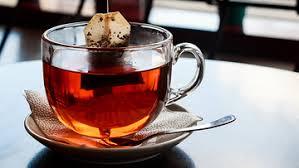
When you get up early in the morning and start your day the first thing you aspire for is tea. Tea is refreshing, energetic drink that sets up your day. we get to know about the popularity of tea from the fact that it is 2nd most consumed drink after water all around the globe. Tea is an aromatic beverage commonly prepared by pouring hot or boiling water over tea powder prepared by crushing leaves of the Camellia sinensis , an evergreen shrub (bush) usually found in East Asia . Tea is very ancient drink as its origin dates back to around 3rd century AD which is mentioned in medical records of Hua Tuo in the regions of today’s worlds North Burma and southwestern China.

Tea: history and origin

Tea has been in use as energetic and recreational drink since ancient time. During 18th-19th century tea had become very popular among Britishers who were using it as recreational drink. They were so much addicted to tea that they had started trading Opium drug derived from the seed capsules of the opium poppy Papaver somniferum grown in mostly Northeast part of India for the miraculous plant leaves Camellia sinensis from plantations of China. Later the Chinese liberals started fights against this conspiracy of western countries against Asian countries especially against East Asia. This led to famous Opium wars between two countries.

Tea and Health

Tea has many positive effects on health.If you are up to lose your weight then tea can be your best partner.Many researchers have stated that consumption of Tea helps in reducing risk of heart attacks as it lowers cholesterol level,it also helps in maintaining blood pressure.Green tea drinking is very effective to reduce risk against cancer and also it improves brain functioning.

Though it has many good health effects but its over consumption can lead to caffeine overload leading to dizziness,nervousness and disturb in sleep. It can also cause muscle pain , heartburn etc. It is recommended that daily intake of caffeine should not exceed 40 milligrams.

Tea: beverage of the world

Tea has gained popularity in almost over 100 countries where people enjoy this drink in various forms. A balanced consumption of tea is like boon to us.Tea has evolved over the centuries from native to only China and east Asia in 3rd century AD to almost in every household of the world in this 21st century.

HISTORY OF JAIPUR- WHY IS IT PINK?

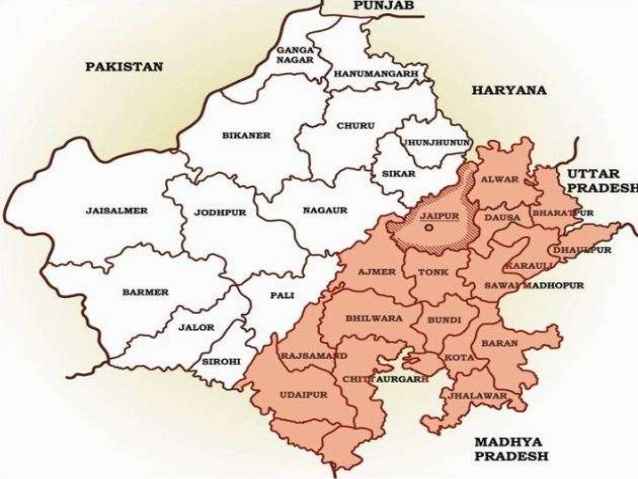
The capital city of Rajasthan, known for its unique architecture and tradition. One among the largest and the most visited places by the tourists. It has royalty in every facet and has two UNESCO World Heritage sites.

The reason behind it’s naming.
The main reason behind it’s naming is because of its founder, as it was founded by the ruler of Amer, Jai Singh II on 18 September,1727. Yes, it is one of the oldest cities in the country and the most populated too with a population of more than 30 lakh i.e. 10th in India.

Why is it known as the pink city?
The eldest son of Queen Victoria and Prince Albert of Saxe-Coburg and Gotha was Albert Edward who was welcomed in the city during the rule of Sawai Ram Singh 1st. In the year 1876 in the honor of HRH Albert Edward, Prince of Wales it was painted pink as pink denotes hospitality, since then some of the buildings remained pink quoting it as the ‘pink city’. There are certainly other reasons like The devotion of Maharaja towards Lord Shiva whose favorite color was Terra Cotta.

Why did the Maharaja change the capital from Amber to Jaipur?
● Amer (Amber)was not able to expand due to its geography.
● Jaipur had the potential to develop into a city with proper drinking water.
● As Jaipur is situated near Aravali hills, it could be easy to provide some building materials.

Contribution to Architecture. The major contribution to the architecture of the city was by Bengali architect Vidyadhar Bhattacharya. The architecture of Jaipur is worldwide famous due to its specialized detailing and beauty based on Indian Vastu Shastra. As Maharaja Sawai Jai Singh II was an incredible astronomer and a town planner, he intended to design a town according to the principles of the Hindu architectural concept with the Vidyadhar and it took shape as Pink City Jaipur. It was divided into 9 blocks, two containing state-building, and palaces, while the rest seven were assigned to the public. Jaipur, which is deemed by many urbanists to be one of the best planned cities. While the city was under construction, it’s architecture was incredibly advanced and the best in the Indian subcontinent.
Famous for. Havelies, forts, museums, shopping markets, textiles, lac bangles, Teej festival, camel rides, city gates, and of course it’s traditional food including Ghevar, Kachori, Laal maas,paintings and certain accessories like jewelry, carpets.

Some famous sites-

Hawa Mahal. Made with pink and red sandstone, built in the year 1799 by Maharaja Sawai Pratap Singh, the grandson of Maharaja Sawai Jai Singh, the sole founder of the city Jaipur. Commonly known as the Palace of wind. The main thing which makes Hawa Mahal unique is it has about 953 windows, these windows were designed so that royal ladies we’re able to glance at the daily lifestyle, market, and festivals which were celebrated in the streets.
Jantar Mantar, a scientific architecture. An astronomical piece of artwork built-in the early 18th century, known for its cosmological concepts and by far India’s most preserved historic observation. The Jantar Mantar is protected under the Rajasthan Monuments Archaeological Site and Antiquities Act, 1961, under Sections 3 and 4. It was designated a monument of national importance in 1968. https://whc.unesco.org/en/list/1338/

TOURISTS AND TRAVELLERS SHOW A GREAT INTEREST IN THIS CITY AS IT HAS VARIOUS OTHER SIGHTSEEING PLACES, SO IF YOU ARE A TRAVELLER THIS PLACE IS A MUST TO INCLUDE IN YOUR TRAVEL DIARY.

The Great Chola Empire

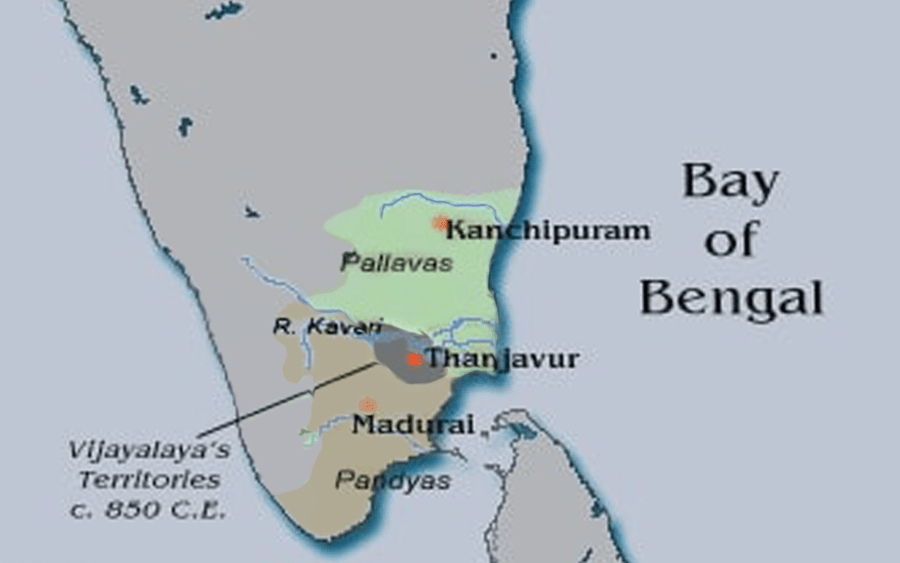
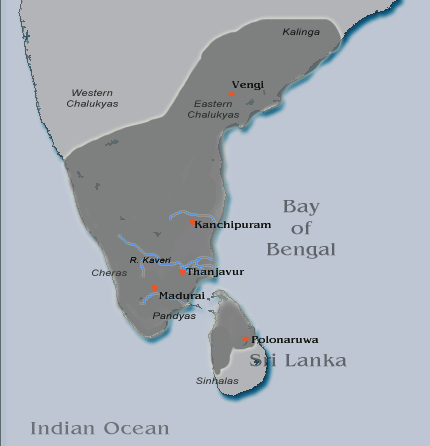
The Chola Dynasty is one of the finest and longest-ruled dynasties in India, it was the Tamil Kingdom and has a vast empire, it was first established in 300 BCE during the Sangam period but the real existence was known from Ashoka’s inscription on three great Tamil kingdoms in the southern part of India and it is one of the Three crowned kingdoms in south India along with the Pandyas and Cheras. The Chola dynasty was not during the earlier times i.e., during the Sangam period as the evidence was washed away due to natural calamities and but the known and the first king of Chola dynasty was Vijayalaya who was a feudatory to the Pallava Dynasty and took the opportunity to capture Thanjavur as there was tension prevailing between the Pandyas and Pallavas and Thanjavur was ruled Mutharaiyar a small community and established the Chola dynasty and in the present day of Thanjavur.


The above picture depicts the region occupied by Vijayalaya and after the demise of Vijayalaya his son Aditya I ascended the throne and brought the downfall of Pallavas and defeated the Pandyas in Madurai and annexed some parts of the Kannada territory and had ties with Western Ganga kingdoms. After him, his son Parantaka I defeated Rashtrakuta Dynasty in the battle of Vallava and he also annexed parts of Sri Lanka.
The two great rulers of the Chola kingdom under whom the Chola dynasty flourished in trade, governance, and power were the great Rajaraja Cholan and his son Rajendra Cholan I under whom the Chola dynasty attended the zenith of power.

Rajaraja Cholan

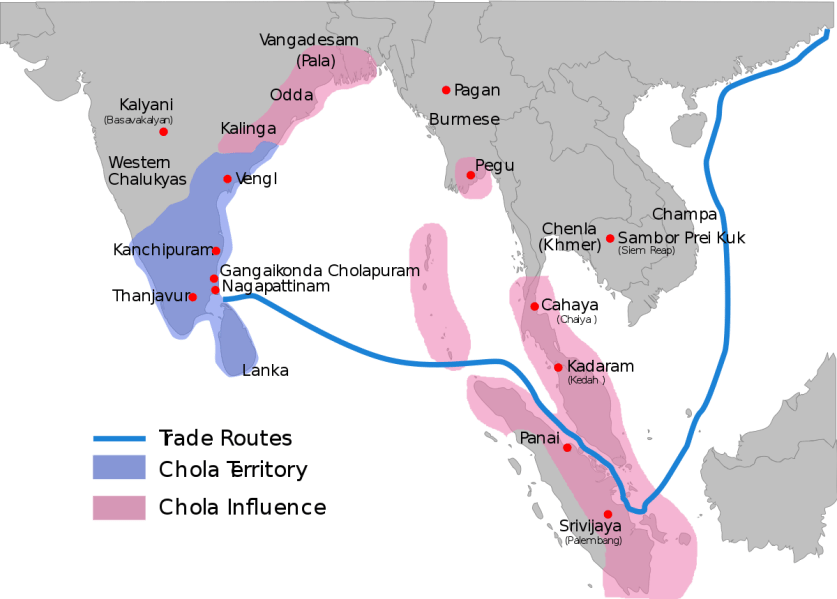
Rajaraja Cholan was born as Arulmoli Varman but changed has to Rajaraja Cholan after ascending the throne in 985 CE and ruled until he died in 1014 CE. He was a great king and an exceptional military solider who expand his kingdom to vast areas. When he ascended the throne the kingdom was relatively small in area and did not have the resources to build the kingdom and was recovering from the Rashtrakuta invasion and Rajaraja Chola was abled administrated and an efficient king who took the task of rebuilding the kingdom and succeeded in it. He restructured the Chola kingdom by taking land surveys and utilizing the resources to great extend and on the military side, he led and successfully captured and annexed various kingdom including Madurai and the Cheran region of parts of Kerala and led an invasion into Sri Lanka and successfully capturing parts of Sri Lanka and captured the kingdoms belonging to Rashtrakuta, Western Chalukyas, Hoysalas, Kalinga and various other kingdoms. He led the successful expedition into the Maldives and this act was deemed as the power of the Cholan Naval Fleet. He was an able administrator and build a powerful and well-structured society and was Succeeded by his abled and fearsome son Rajendra Chola.

Rajendra Cholan I

Under Rajendra Chola, the Chola kingdom was at the power of prosperity and became the most powerful kingdom in the southern region. He ascended the throne after the death of his father in 1014 CE. He led the conquest that his father left for him with the help of his abled and fearsome warrior son Rajadhiraja Chola who is known as Military king as he leads his army from the front and fights along with his soldiers and the other warrior is his commander-in-chief General Senapati Narakkan Sri Krishnan Raman both who was fierce in the battlefield and have helped his father to expand to other parts of Sri Lanka, Maldives, the South-Asia and other regions including Kalinga and some parts of Bengal. He was always supported by his fearsome son Rajadhiraja in every battle and the father-son due ruled the kingdom together, until his death in 1044 CE and was succeeded by his son Rajadhiraja I.

Pride Month 2020: #21daysallychallenge

Pride march

Every year, in the month of June, the LGBTQ community hosts pride celebration in various ways. It is a month long celebration of diversity, love, acceptance, inclusion and unabashed self-pride. Various events are held across the globe during this commemorative month as a way of recognising the LGBTQ community and their influence around the world.

Why the month of June?

The month of June was chosen for LGBTQ pride month to memorialise the riots held by LGBTQ community members against a police raid that occured at the Stonewall Inn, a gay club, in New York City on June 28, 1969.

The message was clear; to peacefully protest and raise political and social awareness of the issues facing by the community. The queer community wanted to be open about their sexual orientation and be free to go anywhere without the fear of being arrested.

Pride Month 2020: #21daysallychallenge

This year, because of the social distancing norms across the world, many pride parades and events are on hold. But still we would not be restricted to celebrate all forms of love. Due to the global pandemic concerns, this year a different approach have been taken by the Pride Circle to take aware and conscious steps to acknowledge and redress stereotypes and biases about the LGBTQ community and bring about social change.

The aim of the challenge is to bring together individuals and influencers from over 28 countries and 70 organisations to establish a global community of LGBTQ allies. It started on June 1, there will be 21 mini-challenges extended over a period of 21 days in the month of June. As per the Pride Circle’s Statement, “this is based on science that it takes 21 days to form a new habit. Anyone can participate free-of-cost and sign up for it by clicking on the link – https://thepridecircle.com/21daysallychallenge/

Some of the challenges of the initiative include building awareness about the existence and journey of an LGTBQ person, for instance, read or watch or find out about the coming out story of an LGTBQ person, laws associated with the community; show your allyship, test your biasness- have you ever made fun of or discriminated an LGBTQ. Wear something symbolic or just shout out, let the world know that you’re an ally. Build your knowledge about the community. Learn about the art and literature by them and go all out. Don’t hold back, talk about the stigma and bias against LGBTQ persons.

In our country, decriminalisation of homosexuality is yet to complete 2 years, this initiative which has sprouted in India could become our leap of faith to ignite a global movement to look out for equal rights and fair treatment for the people belonging to that community. Allies would be able to contribute in creating a safe space where people of every sexual orientation is welcome and respected. It will help bridge the gap and let people understand the importance of treating others, who may be different from them, with equality, fairness, acceptance and mutual respect. The #21daysallychallenge could be a favourable step in the direction of building and inclusive and conscientious society with support and trust.

The movement is supported by various organisations, along with eminent academic institutions such as IIMs, IITs, NMIMS, MICA and the only school in India participating in Pride month celebrations, Tagore International School, Vasant vihar. This is a great achievement towards creating safer schools, workplaces and society for the coming generation. Such support from organisations like these is the need of the hour as it plays a vital role in the bigger fight to advance the community and promote inclusion in all spheres of life.

Pic credit: The Hindu

https://www.google.co.in/amp/s/www.thehindu.com/society/celebrating-pride-month-in-june-with-the-21daysallychallenge/article31720256.ece

Now, more than ever, we, the people of India, should encourage everyone who believes in LGTBQ equality to come out and be an ally or support in the best possible way. It’s time we move towards being a more accepting society and initiatives like these is the fundamental step towards that larger goal of “vasudhaiva kutumbakam”, i.e. “the world is one family”.