Ethics

Ethics is a branch of philosophy dealing with the issue of morality. It implies the concepts of what right and wrong conducts are. Ethics define how a person should act in some specific situations. It is not a new term, but it has been there since the Stone Age. Different religions and many philosophers have also made a substantial contribution to ethics.

There are different branches of ethics. First of all, comes descriptive ethics. Descriptive ethics include what people actually consider right and wrong. Accordingly, laws are made regarding that and if they are even acceptable or not. The moral principles of society keep on changing from time to time. However, the basic ethics remain the same. Descriptive ethics are also called comparative ethics. They are given the name comparative ethics as they are used to compare the ethics of past and present scenarios. Also, they are used to compare the ethics of different societies as well.

Then comes the next branch of ethics- Normative Ethics. Normative Ethics deals with some specific norms or a set of considerations. These norms indicate how people should act in some given situations. These ethics set out the rightness or wrongness of people’s actions. Normative Ethics are also known as prescriptive ethics. This name is given as there are principles involved with these ethics and those principles determine whether the actions of people are right or wrong in different situations.

Types of ethics :

1. Deontological Ethics :
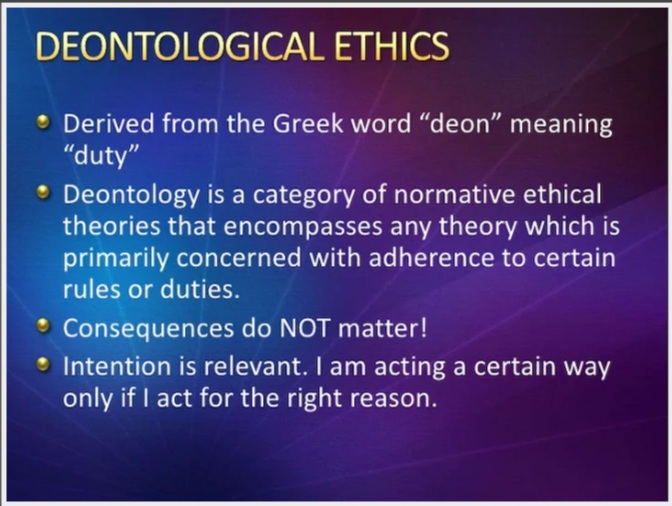
* In moral philosophy, deontological ethics or deontology is the normative ethical theory that the morality of an action should be based on whether that action itself

* Deontology is an ethical theory that uses rules to discern the moral course of action. Diffusion of responsibility. Diffusion of responsibility occurs when people fail

* Deontology morality is about following a system of rules, like ” Do Not Lie ” or ” Do Not Steal” .

* Ethics or moral philosophy is a branch of philosophy that involves systematizing, defending Deontological ethics.

2. Utilitarianism :

* The most common example of normative ethical theories are utilitarianism, kantian duty- based ethics and divine command theory.

* utilitarianism means, act in your own self- interest. Utilitarianism is that which is moral only if the act produces the greatest.

* Utilitarianism is a moral theory that implements fair choices is an effort to ensure the least amount of harm is done to all parties involved.

* However, some contemporary utilitarians , such as peter singer, are concerned with maximizing the satisfaction of preferences, hence prefernce utilitarianism.

* utilitarianism is an ethical theory that asserts that right and wrong are best determined by focusing on outcomes.

3. Consequentialism :
* consequentialism refers to moral theories that hold the consequences of a particular action form the basis for any valid moral judgment about that action.

* consequentialism is a class of normative, teleological ethical theories that holds that the consequences of one’s conduct are the ultimate basis for any judgment.

* consequentialism is an ethical theory that judges an action’s moral correctness by its consequenes. Corporate social Responsibility.

* on our definition of consequentialism, only the direct view is a genuinely consequentialist position, and rule consequentialism.

4. Professional Ethics :

* Rules imposed on an employee in a company, or as member of a profession. For instance, journalists, doctors, lawyers. Etc.

* professional ethics encompass the personal and corporate standards of behavior expected by professionals.

5. Applied ethics :
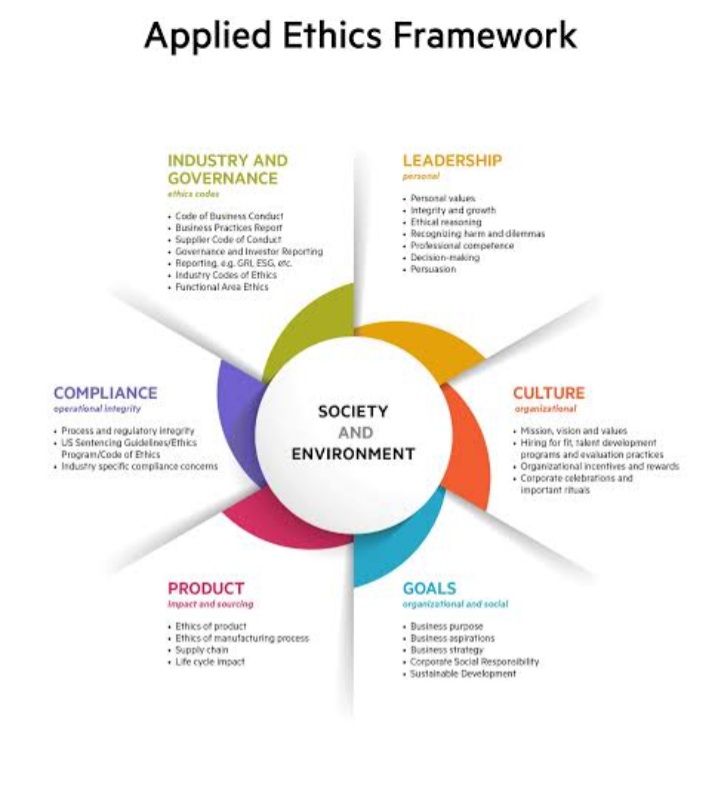
* Applied ethics is the branch of ethics which consists of the analysis od specific, controversial moral issues such ad abortion, animal rights, or euthanasia.

*Applied Ethics includes a philosophical examination of certain public and private life problems. The examination of those issues generally takes place from a moral standpoint. This branch of ethics is generally used by professions like doctors, teachers, etc.

* Applied ethics which deals with the actual application of ethical priniciples to a particular situation. While it is helpful to approach the field of ethics.

6. Virtue Ethics :
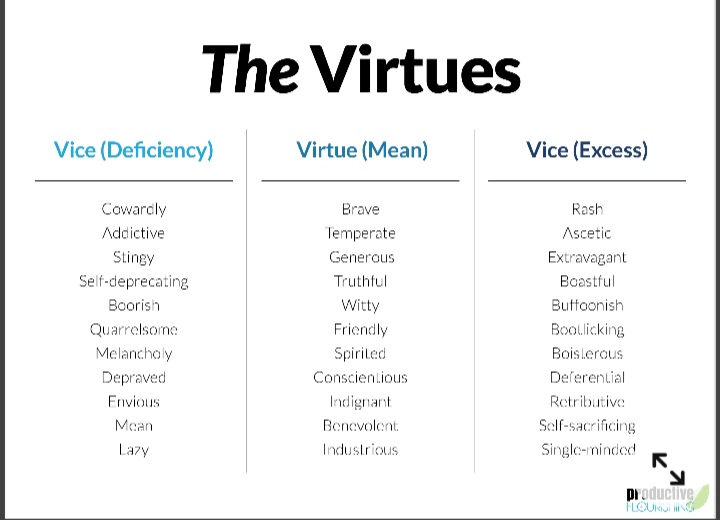
* virtue ethics is an approach to ethics that emphasizes an individual’s character as the key element of ethical thinking, rather than rules about the acts themselves.

* virtue ethics not only idea deals with the rightness or wrongness of individual actions, it provides guidenece as to the sort of characteristics and behaviour a good person will seek to achieve.

An abstract way of analyzing ethics is called Meta-Ethics. They do not deal with whether the actions are right or wrong, rather they question what morality is.
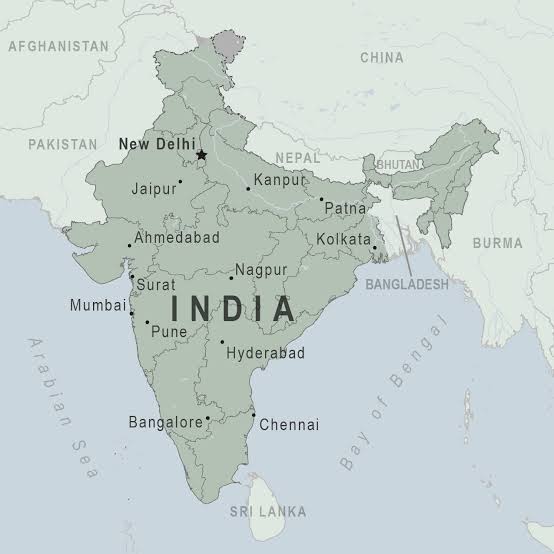
Indian Culture – Varied but one


India is a country with vast culture and several religions within itself. Before, getting into the context let us know what exactly the word culture mean.


Culture can be defined as knowledge of a particular group of people, cuisine, religion, rituals, language, arts and music, etc.


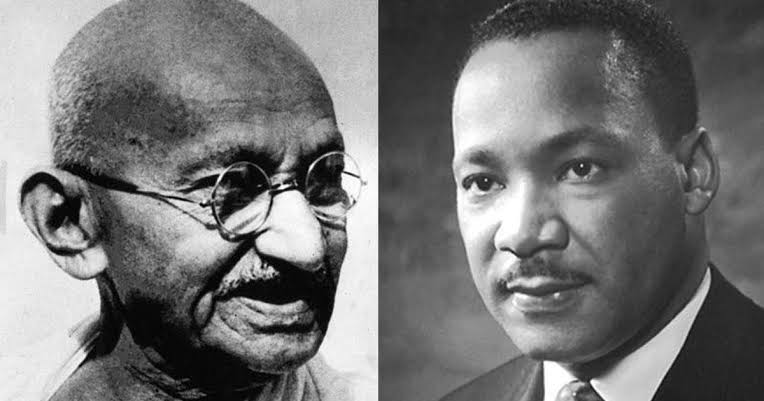
Indian culture is one of biggest and most complex cultures to understand in the world. With 29 states and 8 union territories and more than 4 religions in a single country, India stands rich in its literature. Even though, the nation has 80.5% Hindus, 13.4% of Muslims, 2.3% Christians, 1.9% Sikhs with 2 billion followers in total the unity of the nation holds strong. There is always culture in everything from God to Art in India . It has to be mentioned here that ‘Indian Gods’ play a major role in the ocean-like Indian mythologies. From Mahabharat, India has had the culture of giving priority to prayers. The religions that originated in India are based on the concepts of dharma and karma (Hinduism, Jainism, Buddhism and Sikhism). Ahisma, being an important aspect of Indian culture, has played a major role in India’s struggle for Freedom. Mahatma Gandhi, a freedom fighter, followed Ahimsa to gain freedom for the nation which was later took as an inspiration by Martin Luther King Jr.
Atheism is seen as a rejected concept by most of the Indians. Atheists are seen as aliens in the country. Even though, it is a personal choice of a person it is often not understood by many, which shows their deep passion for religions, gods and prayers.

Mahatma Gandhi (left) and Martin Luther King Jr ( right)


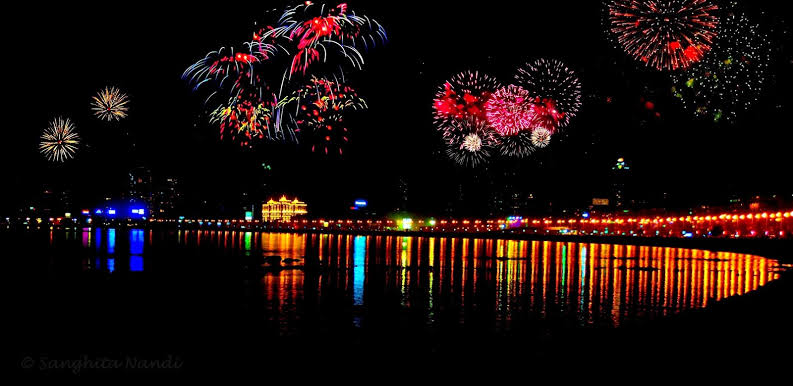
This country with vast culture celebrates several festivals. With half of them being celebrated by the nation together (Diwali, festival of lights) and rest celebrated by a particular group of people from an area or state (Onam being celebrated by Keralites). The three national holidays in India, the Independence Day, Republic Day and Gandhi Jayanthi are celebrated with great enthusiasm.

Diwali – festival of light


India has five major languages that includes Hindi, Tamil, Telugu, Malayalam and Kannada. Each language has its own history with Tamil being considered as one of the oldest and classical languages in the world. Hindi being considered as the national language by many.


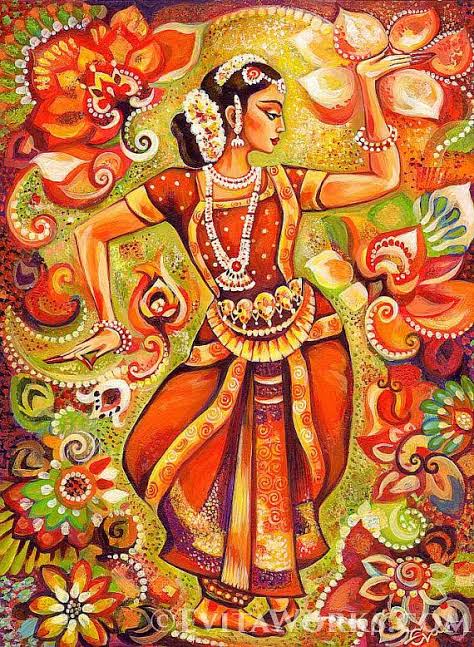
India has eight classical forms of dance. Indian Art has always had mythological elements in it. With Bharatanatyam from Tamil Nadu, Kuchipudi from Andhra Pradesh, Mohiniattam from Kerala, Yakshagana of Karnataka, Manipuri from Manipur, Odissi from Odisha, Sattriya from Assam and Kathak from Uttar Pradesh. Apart from the classicals dance forms, Indian regions have a strong dance tradition from Bhangra of Punjab to Dekhnni of Goa.

Bharatanatyam- a classical dance form


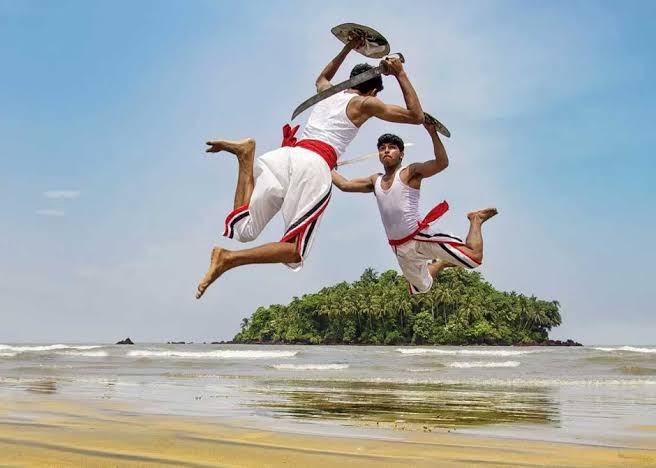
Hockey is often seen as the national game of India, though Indian Government has denied it. Indian Government has clarified India currently doesn’t have any national game. Martial Arts being another traditional sport that originates in Kerala. Kalaripayattu (400 BCE-600 CE) in the Sangam literature is one of the oldest martial arts in the world. Ayurvedic Massage with Sesame oil is also considered as a form of Martial Arts.
India being a roof for varied cultures and religions, still stays together and strong.

Kalaripayattu – martial arts

ZIKA VIRUS

At present India slowly returns back to a state of normalcy and the implications of the second wave of coronavirus decreased. On Thursday, Kerala reported 13 cases of mosquito-borne viral infection called Zika virus for the first time.

As per the reports, the first case of Zika virus involves a 24-year-old pregnant woman in Thiruvananthapuram,Kerala. Samples from 13 persons are collected, suspected to be positive for Zika virus, have been sent to the National Institute of Virology in Pune. 

Zika virus spreads by the bite of an infected Aedes species mosquito. The mosquitoes bite both during the day and night. The Aedes mosquito also known as Ae. 

According to the Centre for Disease Control and Prevention, Zika can be passed from a pregnant woman to her fetus and infection during pregnancy can cause certain birth defects.

Centre for Disease Control also suggested that people infected with the Zika virus can transmit it to their sex partners.

symptoms of Zika virus are mild. Most common symptoms include fever, rash, headache, red eyes, muscle pain and joint pain.

While the incubation period is said to be between 3–14 days, the symptoms can last for 2–7 days. However, according to the World Health Organization (WHO), individuals infected with Zika virus do not develop symptoms. The CDC believes that infected people usually don’t get sick enough to be hospitalised and very rarely do they die of Zika.

There is no specific vaccine or medicine for Zika virus, depending on symptoms effected people will be treated with related medication available.

As Zika virus spreads through the bite of an infected mosquito. We should opt clean surroundings, mosquito-ridden areas and avoid mosquito bites using mosquito and insect repellents. Clean the areas that could become a possible hub for mosquito breeding.

An Inhumane Incident:Case of Bruno

Death of Bruno:
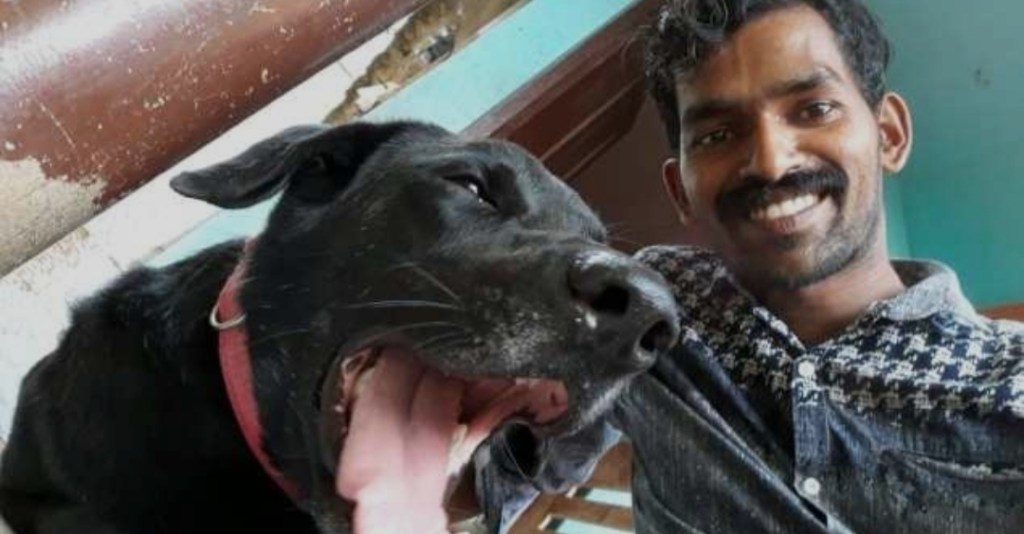
Bruno was the name of the dog that went through the unpleasant fate. Bruno was a friendly black Labrador in the care of Christuraj.The heart-breaking incident that lead to the death of Bruno took place in Adimalathura Beach,kottukal.The atrocious act happened in the state of Kerala, India.

On June 28,Monday three men at the Adimalathura Beach assaulted Bruno to death by hanging the dog to a fish hook of a boat and then Bruno was beaten by sticks. The accused Sunil(20), Silvester(22), and a 17 year old boy were arrested after this incident was filed as a complaint by the owner Christuraj. This vicious act was done to Bruno as it was resting under the boat of the accused.This incident came to light after the video of Bruno being beaten to death went viral on social media.The video was shared by the dog’s owner,christuraj. According to the police, Sunil one of the miscreants seemed to have some issues with his neighbour, Christuraj. The owner Christuraj was threatened by the culprits after the incident.

Bruno Dog:
The owner Christuraj was shocked after this brutal incident done to Bruno. He claimed Bruno as a friendly dog. Bruno was a 9-year old dog that usually has a habit of playing in the beach everyday.

Bruno’s Case:
Following the barbarous incident, Celebrities like Alia Bhatt, Tiger Shroff have raised their voices against the culprits. Kerala HC renamed Bruno’s case as “Tribute to dog brutally killed”.The court believed that this would be a tribute to the deceased dog.A great number of people raised their voices against this ruthless incident.
A similar case have been reported in Bangalore, two weeks ago. A man has brutally murdered a stray dog in the city and threw it in a drain. The video of the incident have been caught on camera and surfaced online. The police have filed a case against the man under the Prevention of Cruelty to Animals Act, 1960.

Picture of Bruno with his caretaker, Christuraj.

Laws against animal brutality:
The amendment to the Prevention of Cruelty to Animals Act, 1960 have been proposed by the Union Government. Importance of Animal safety must be ensured as much it is ensured for the human beings.

Importance of Animal safety:
Animals are the most affectionate and lovable beings. Taking care of them with extreme protection is a primary duty to all of us. Animals must never be subjected to violence. In case of any difficulty caused unknowingly by them, it should be reported to helplines.The wide prevalence of today’s technology enables one to find help trouble-free.
Similarly animal cruelty must be reported to defend the animals. Laws can help to punish the culprits against the brutal act. Animals would never try to harm human beings unless we act as a threat to them. Hence, Violence against animals is a punishable offense and atrocious. Not only animals, other creatures must also never be harmed unnecessarily. It can later lead to serious consequences.

#CaseofBruno#Brunodog

Also Read:

https://indianexpress.com/article/opinion/when-anti-cruelty-laws-dont-protect-animals-and-only-harm-humans-7245350/

https://indianexpress.com/article/cities/delhi/ex-armyman-son-booked-in-noida-for-assaulting-man-feeding-stray-dogs-7367377/

Heaven in India

Heaven In India

Have you visited The Sahara Desert? or the Snow-capped mountains of Switzerland? If you haven’t, it’s perfectly alright. Why visit so far when you can see such places in India too. India has deserts, snow-covered mountains, waterfalls, historic places, and a lot of greenery. You name it and we have it!
There are so many breathtakingly beautiful places in India that one doesn’t need to go out.

Here are some spots you should visit before you kick the bucket.

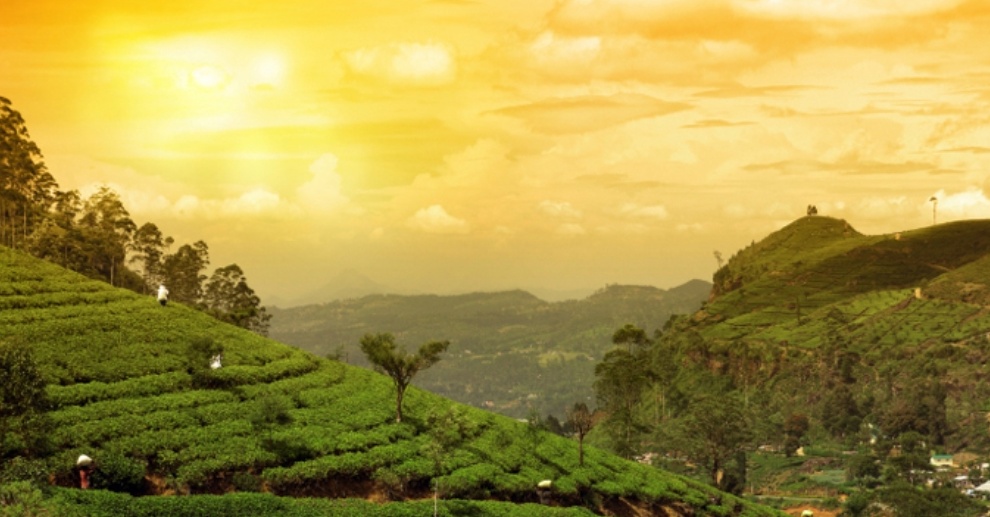
 • Tea Garden Hills of Munnar

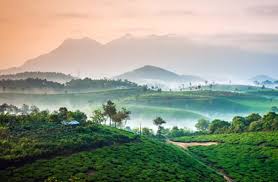
Munnar is situated in God’s own country, Kerala. It is a famous hill station in Kerala. It is well-known for its tea plantations and lush green hills.
The best time to visit these tea garden hills is between November – February.

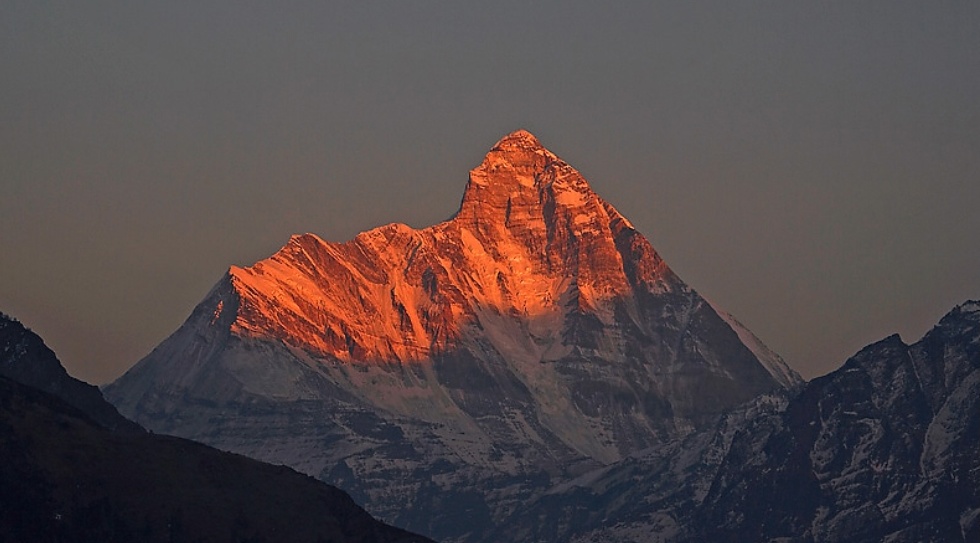
 • Nanda Devi

Nanda Devi is the second-mosy noteworthy mountain in India. It is located in the Himalayan Mountains in the northern part of India. It is extremely famous for its remarkable view.
From 15 June to 15 September is the best time to visit Nanda Devi.

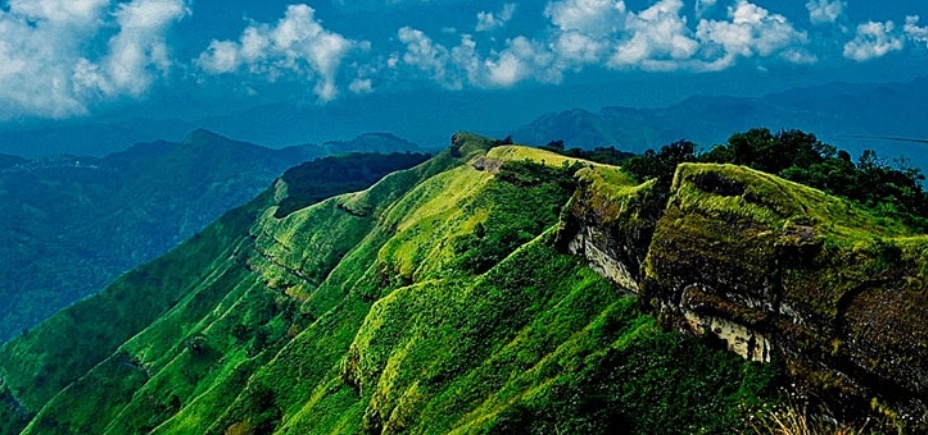
 • Mizoram

Mizoram is a land of hills, lakes, rivers, and valleys. It is a state in northeastern India. It is known for its evergreen hills, rivers, and high sparkling waterfalls.
The best time to visit Mizoram is during October, November, and December.

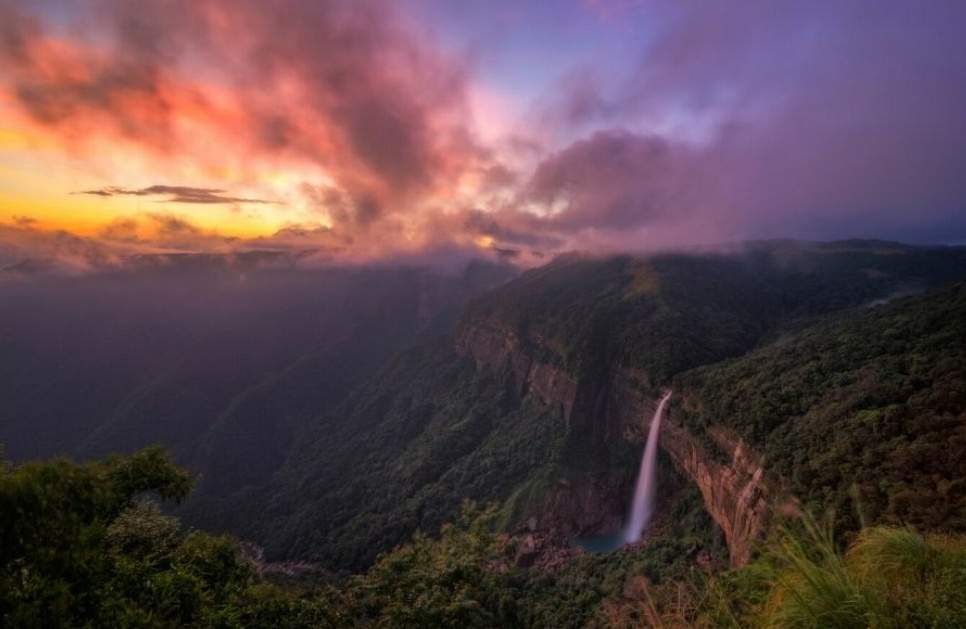
 • Nohkalikai Falls, Cherrapunji

Nohkalikai is the highest waterfall in India. It is located in the state of Meghalaya which is in the northeastern part of the country. It is known as the wettest place on Earth
The best time to visit is in September and October.

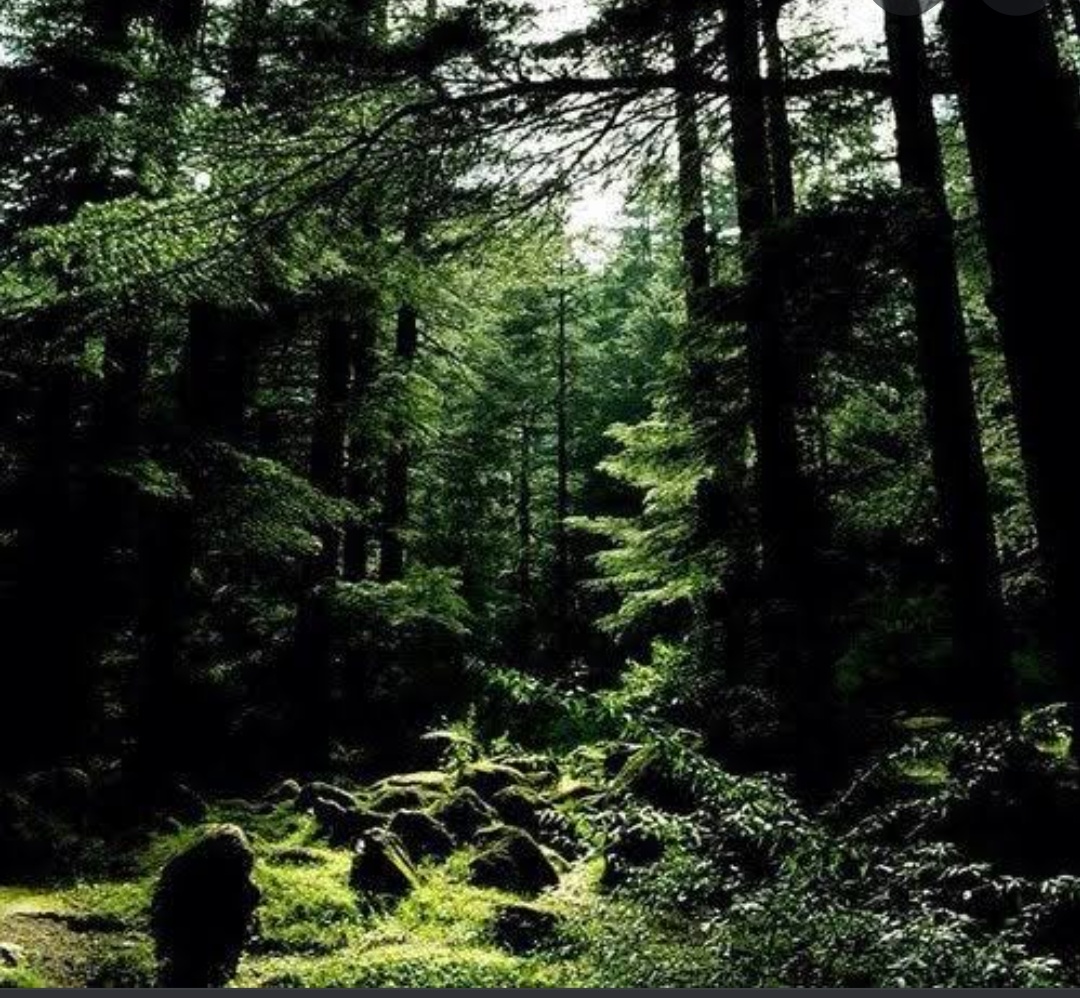
 • Deodar Forest, Himachal Pradesh

Deodar forest is located in Himachal Pradesh and it is famous for its pine trees, Cedrus deodar tree species.
The best time to visit is between February to June.

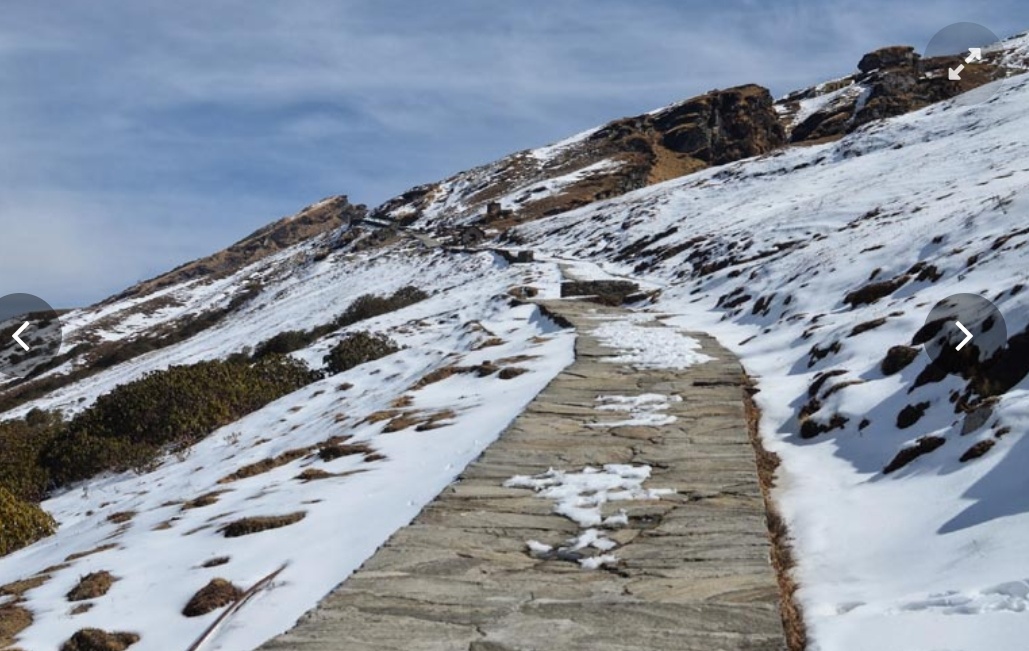
 • Tungnath, Uttarakhand


You can find the oldest Hindu Shrine of Lord Shiva here surrounded by the tungnath mountains. It is the best place if you’re looking for a trek.
One can visit throughout the year

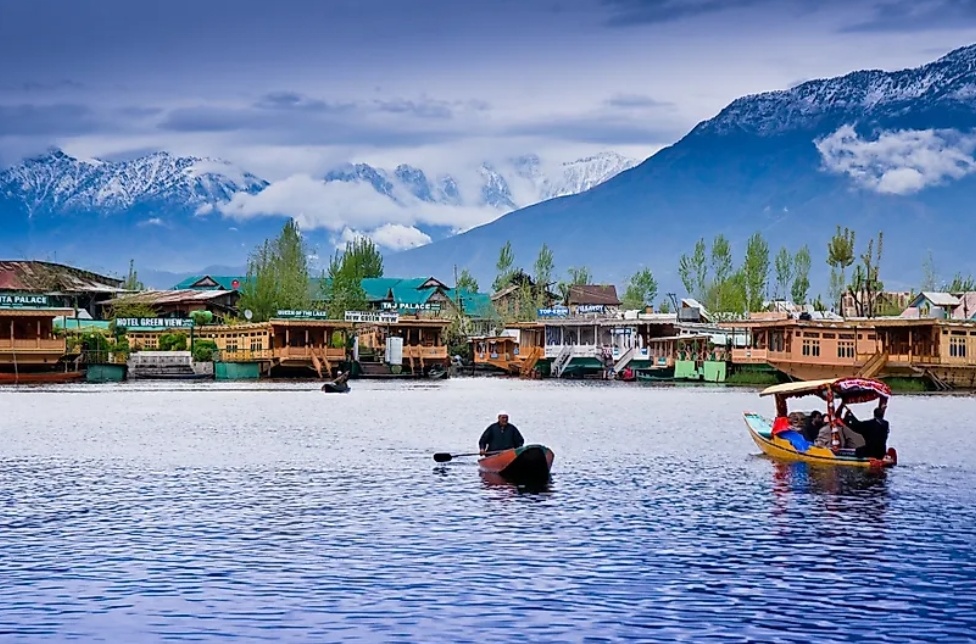
 • Kashmir

Kashmir is also known as ‘ Paradise on Earth’.
It is very famous for its snow-capped mountains, wildlife, monuments, and mesmerizing scenic beauty.
March to August is the best time to visit Kashmir.

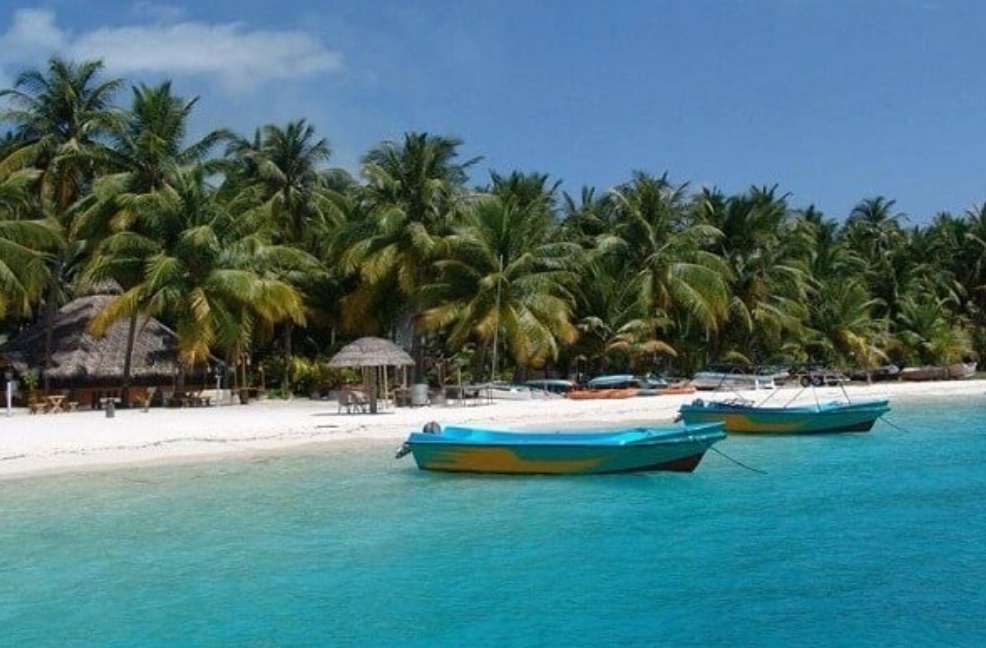
 • Lakshadweep

Lakshadweep is a renowned Island located in the Arabian sea. It is known for its flora and fauna and crystal clear waters.
The best time to visit this island is from October to mid-May.

ONAM- THE HARVEST FESTIVAL

ONAM – the festival of colour in Kerala

Onam is one of the famous festivals of the colourful India. It is actually a major event  of kerala. The people inside and outside of Kerala enjoy it too much. It is a harvest festival . 

According to history, Onam has a long religious context and history of Kerala. According to an earlier reference , Onam is found in Maturaikkaci – a Sangam ers Tamil poem. It says that when games and duels were held in Madurai temple , immolation was sent to the temple , then  the people wore new clothes and celebrated it. On the other hand , in the 9th-century according to Pathikas and Ballads by Periyazharwar , Onam is celebrated as offerings to Vishnu God with feasts and community events. 

According to Kurup  , Onam is a historical hindu-temple based cultural festival which is celebrated for many days. This is a harvest festival and its significance is of 2 Hindu-legends, Mahabali legend and Parashurama legend.

According to the Malayalam calendar Chingam is the 1st month  and the Onam is celebrated in this month. It is marked as the Malayalam New Year. It is celebrated over 10 days and concludes with Thiruvonam. The ten days are sequentially known as Atham, Chithira, Chodhi, Vishakam, Anizham, Thriketta, Moolam, Pooradam, Uthradam and Thiruvonam. The first and the last day are particularly important in Kerala and to Malayalee communities elsewhere.

The 1st day of this festival is Atham ws marked at Vamanamoorthy Thrikkakara temple in Kochi. This temple is the focal center of this festival and the abode of Mahabali legend with raising their festive flag. There are celebrated the parades and those are colourful ,whimming  and floating.

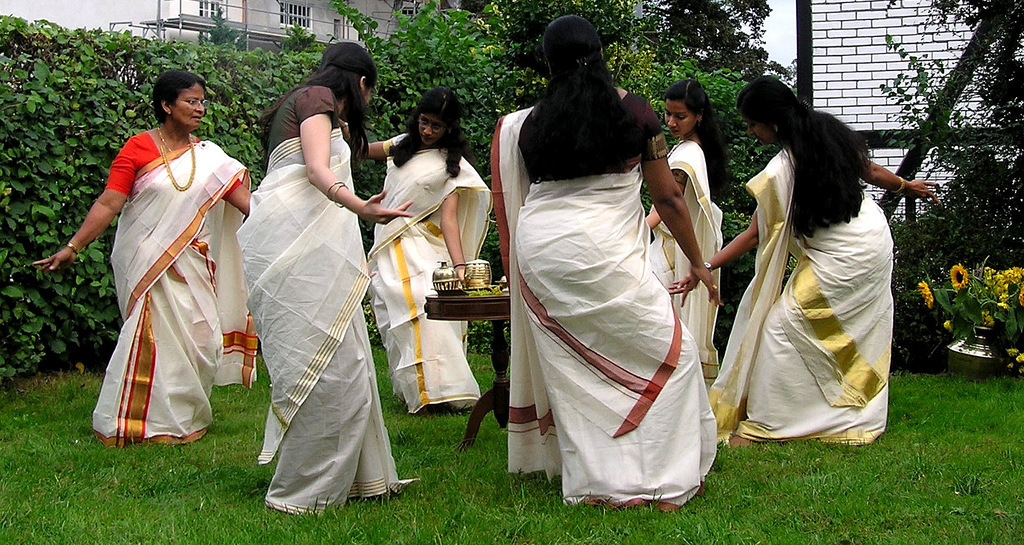
On other days there are celebrated different types of events like boat races which are most popular and stunning , different types of cultural programmes , martial arts, dance, rangoli etc.  People celebrate their times in those days by shopping, donating time or food for the charities and spending quality times with family. The men and women wear their traditional dress . Basically women wore Kasavu saree on this day. 

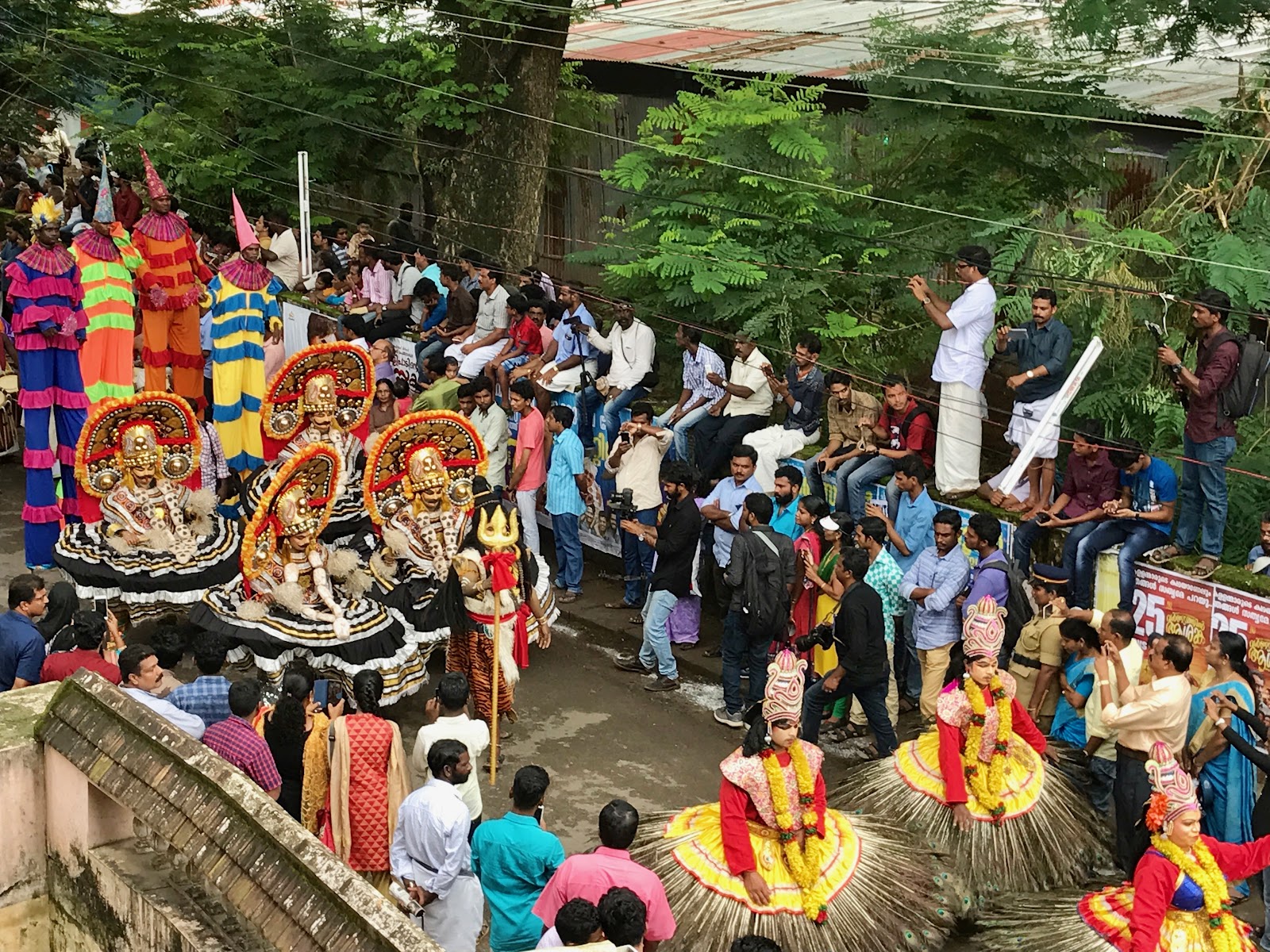
At Tripunithura near Kochi the Onam is celebrated with a grand procession which is called ‘Athachamayam’ , it is also addressed by ‘Thripunithura Athachamayam’. There are elephant marching, drum beats and other music , floats, folk art forms and colourful dressed people and with their masks which is wonderful. According to Kerala history the Kochi king conducted a grand military procession which has now become a state-supported event

There are epic scenes from Mahavarat and Ramayana in this traditional float procession . There are also themes from the Bible .From Tripunithura to the Vamanamoorthy Temple in Thrikkakara, Ernakulam district , is the traditional path. It is  the temple of Vishnu in his Vamana (dwarf) avatar. After arrival at the temple, the marchers offer a prayer.

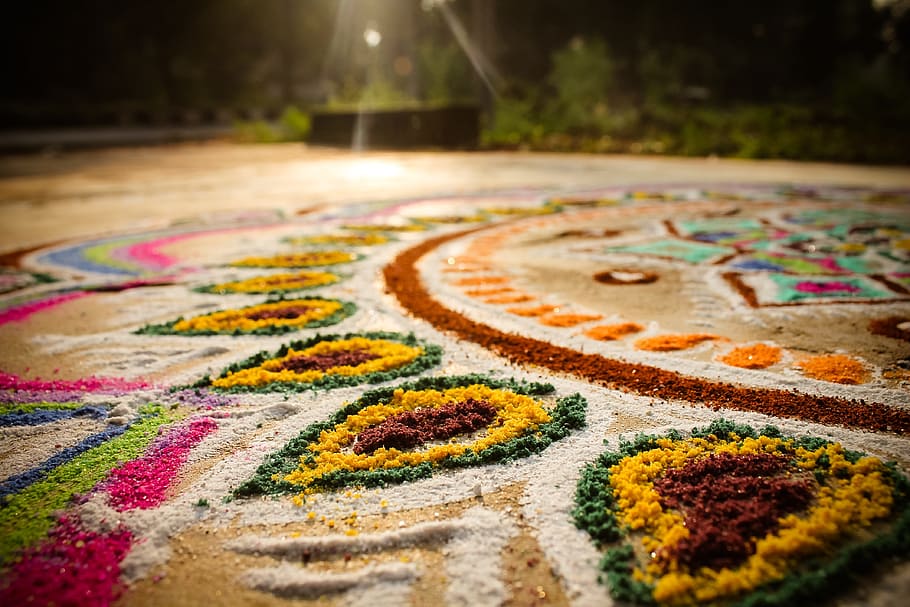
In this festival ‘Pookalam’ , which is called floral rangoli in general, is an attraction. It is known as Onapookalam or Pookalam. There are so many types of flower, basically marigold is the main blossom. It is decorated particularly at the entry point and temple premises like a flower mat. On Atham the Pookalam is called Athspoo and for this day it is comparatively small in size. It grows in size gradually with each day of this festival. In this Pookalam the Dasapushpam (10 types of flower) is used. In Kerala Pookalam competitions are common everywhere on Onam day.

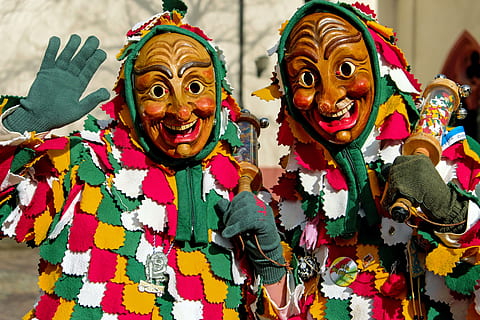
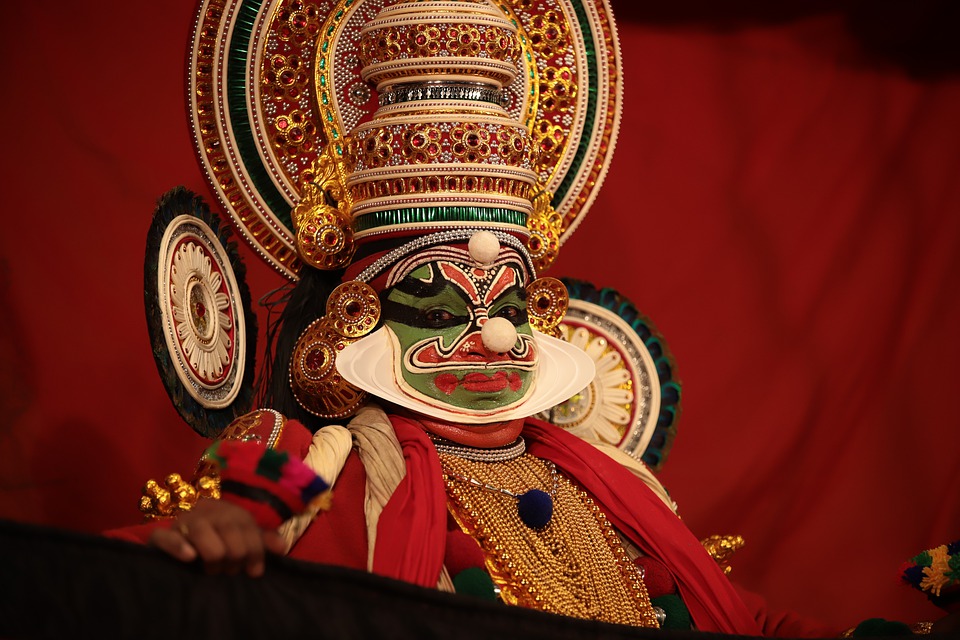
In this festival there are so many types of traditional dance performed like Kathakali , Pulikali, Kummattikali, Thumbi Thullal, Onam Kali etc. Thiruvathira Kali is a women’s dance, where they circle around a lamp. Kummattikali , which is a colorful-mask dance. In Thrissur, festivities include a procession consisting of caparisoned elephants surrounded by Kummatikali dancers. Onam Kali is a form of dance where players circle around a pole or tree or lamp,dance and sing songs from the Ramayana and other epics.  Kathakali is the most famous dance type. 

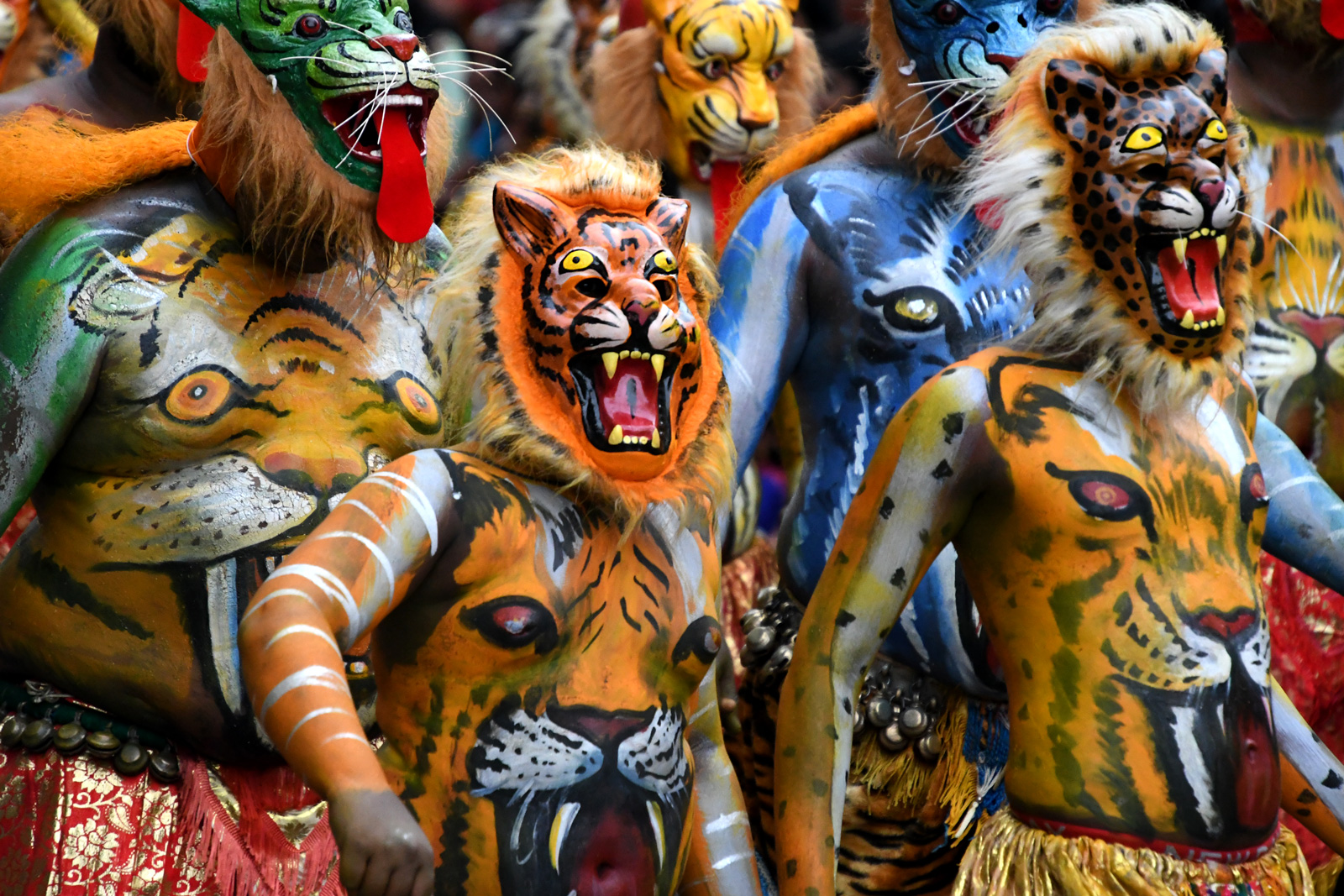
Pulikali is a different type of dance which is known as Kaduvakali during this festival where the performer is painted like tigers in bright yellow, red and black, and dances to the beats of instruments like Chenda and Thakil. It is a type of folk dance.

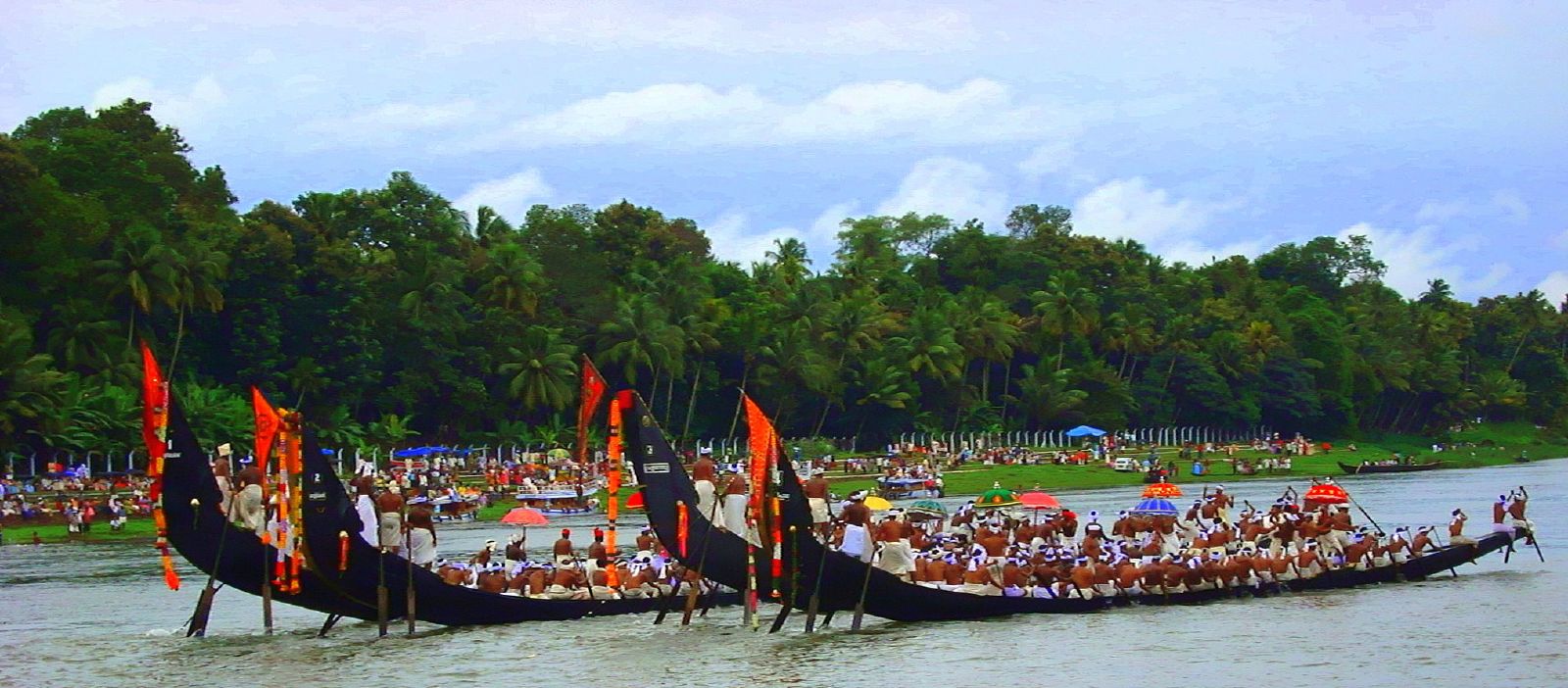
Another amazing part of this festival is Vallamkali which is a snake boat race. In this boat race numerous oarsmen row huge snake-shaped boats and men and women come from far and near to watch and cheer the snake boat race through the water. Particularly it happened on the Pampa River.

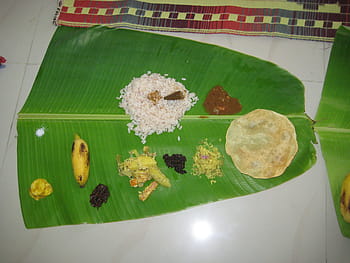
The Onam sadya, which is the feast, is  another amazing part of Thiruvonam and it is observed in every Keralite attempt . Chips , Sharkaraveratti ,Pappadam, various vegetable and soups such as Injipuli, Thoran, Mezhukkupuratti, Kaalan, Olan, Avial, Sambhar, Dal served along with a small quantity of ghee, Erisheri, Moloshyam, Rasam, Puliseri, Kichadi and Pachadi, Moru , Pickles both sweet and sour, and coconut chutney are the menu.

So it is the very interesting festival of our colourful India which is more colourful and delightful to us.

KERALA’S BIGGEST SOLAR FLOATING POWER PLANTS COMMISSIONED AT COCHIN INTERNATIONAL AIRPORT

Cochin International Airport, the largest and busiest airport in Kerala which handles about 10 million passenger movements in and out the state annually, is located at Nedumbassery in the outskirts of Cochin city. With the inauguration of a dedicated solar plant in 2015, Cochin International airport won the title of world’s first fully solar-powered airport. The CIAL solar power project comprises 92,150 solar panels laid across 94 acres, generating 100,000 units of electricity on a daily basis. The airport authority has been honoured with the Champion of Earth award by the United Nations in 2018 for their excellence in the large-scale introduction of sustainable energy sources.


On 17th January 2021, CIAL crossed yet another glorious milestone with the commission of one of the biggest floating solar power plants in Kerala. The cost-effective high-density polyethylene floats, using most modern French technology, are laid over two artificial lakes in the CIAL golf course. The floats consist of 1300 photovoltaic cells and have a capacity of 452 KWh helping the airport to produce around 1.60 lakh units of power a day as against its daily consumption stands around 1.30 lakh units, the authorities said.
CIAL sets an example of Total Sustainability Management by treating the sewage water for water harvesting in its golf course with the help of 12 artificial lakes. The water from these lakes was earlier used for irrigating the lawns but now with the installation of these floating solar panels, they have taken another step forward in sustainable and environment friendly resource management.

The Managing Director of CIAL, Mr V J Kurian said, “The pre-commissioning trials showed that these panels which cost around Rs 2 crore to the company are producing power with maximum output efficiency among the eight solar power plants installed by CIAL at various locations in the airport premises. CIAL has been reinventing itself since its formative days. One of our innovations which proved that relying upon green energy is possible even for the high energy consumers like an airport has won us the champions of the earth award instituted by the United Nations. We are committed to the protection of nature and trying our best to reduce carbon footprints.” 

The installation of floating solar panels are usually very expensive when compared to the ground-mounted and rooftop ones. CIAL was able to overcome these limitations and bring down the cost using the novel technology as the  French company CIEL TERRA provided technical assistance. The solar panels are also connected to the KSEB power grid which helps them to bank the excess energy produced.

KOCHI TO GET AN INFRASTRUCTURAL FACELIFT IN 2021

The year 2021 will be witnessing a grandiose infrastructural facelift of Kochi, the stupendous port city of Kerala. Kochi has undergone a massive transformation during the past decade, with the launch of Cochin International Airport, Cochin Shipyard, Infopark, Kochi Metro etc which has uplifted it from a tiny port city to a metropolitan urban city we see today. Enormous investment in the construction and expansion of roads and bridges has increased the pace of life in the city. 

With the inauguration of the Vytilla and Kundannor flyovers, the two major projects which Kochi has been anticipating for a long time; the city has kickstarted its infrastructural facelift of 2021. The Vytilla Kundanoor flyovers built under the supervision of  Roads and Bridges Development Corporation of Kerala (RBDCK) are expected to reduce the traffic congestion at the busiest junctions of the city. With the completion of the Palarivattom flyover by Delhi Metro Rail Corporation in the coming months, commutation through and within the city will become facile.

The first phase of Kochi Water Metro, a project introduced as an alternative public transport system to reduce traffic congestion within the city with minimal pollution is expected to be completed by mid-2021 under the supervision of Kochi Metro Rail Limited. Kochi will become the first city in the country to have an integrated road, metro rail and water transport system under one roof with the launch of this project. The Phase I extension of the Kochi Metro to Tripunithura is expected to be completed this year. 

Efforts to resolve the waterlogging and flooding in Kochi during monsoon season as a follow up to Operation Breakthrough is said to begin in March 2021. Several innovative projects such as rooftop solar panel projects and Intelligent Traffic Management System have been rolled out by Cochin Smart Mission Limited (CMRL). A walkway development project, an open-air theatre and renovation of Dutch Palace premises in the Fort Kochi area will also be carried out this year.

The Ernakulam Medical College Hospital was transformed earlier this year into a state-of-the-art healthcare hub that the state can be proud of. The commissioning of the GAIL pipeline in January by the Prime Minister marked a historical achievement as the city and the government had to tackle numerous hard knocks to make the project a reality. With the launch of numerous infrastructural and economically uplifting projects, Kochi is expected to become one of the leading metropolitan cities in the coming decade.

KOCHI WATER METRO PROJECT; FIRST OF ITS KIND IN THE COUNTRY NEARS COMPLETION

Kochi, the bustling commercial port city of Kerala is witnessing a massive infrastructural and transportational facelift with enormous investment and technological upgrade. The inland water transport system which once served as the backbone of Kochi connecting its Islands and eyots, faced a severe decline in the past decade as people started depending more on land transportation facilities. The increase in the number of private vehicles on road demanded a return back to water transport as it is more energy and cost efficient. The Kochi Water Metro Project is introduced as an alternative public transport system to reduce the traffic congestion in the city with minimal pollution, providing the population along the city’s shores easy access to the commercial centres.

The Project aims at developing 15 identified water routes that connect 10 islands benefitting over 1,00,000 people by improving their livelihoods. This socially inclusive water transport system is expected to cover a total span of 78 km with a fleet of 78 fast, electrically propelled hybrid ferries plying to 38 jetties. Specially designed environment-friendly and energy-efficient boats equipped with advanced technology will be commissioned for the project. The boat services will start from major jetties between every 10 to 20 minutes; navigational buoys and night navigational assistance will also be ensured. The terminals are designed to have state-of-the-art facilities including automated fare collection and turnstile system for passenger counting. Pontoons(floating jetties) that adapt during high tide and low tide are built to facilitate easy boarding and deboarding for physically challenged personals.

In addition to the ferry services, the project integrates the waterway system with the city’s other public transport system and also intends the development of areas around the waterways through commercial property development along with tourism initiatives. As the project aims to be environment friendly,  the management of waterweed and floating waste will also be taken care of.

The construction activities of the water metro under the supervision of KMRL (Kochi Metro Rail Limited) is progressing at a fast pace and the project is expected to be completed very soon. Almost 50 per cent of piling works of the high court boat jetty have been completed along with the construction of floating pontoons and other civil constructions. “Construction work on terminals at Vyttila and Kakkanad is in the final stage. Work is also progressing at Eloor, Cheranalloor, South Chittoor, Bolgatty, High Court, Vypeen, Mulavukad North, Paliyamthuruth and Kadamakkudy. Cochin Shipyard is expected to deliver the first boat soon,” a KMRL spokesperson said.

With the construction of the jetties at Kakkanad and Vyttila entering the final stage, the first ferry service under the water metro project is expected to be kick-started in this route in the upcoming months. The Cochin Shipyard has been delegated with the manufacturing of the specially designed ferries with different passenger capacities for the project. The water metro project is assumed to be completed within an expenditure limit of Rs.747 crore, excluding the land cost. Once the water metro project is completed, Kochi will become the first city in the country to have an integrated road, metro rail and water transport system under one roof.

CNG: A SINE QUA NON OF THE PRESENT DAY

In the current rapidly evolving world where exploitation of nature and its resources are taking place under the tag of development, what we need is sustainable development through which we can meet the needs of today without compromising the needs of tomorrow. Developing countries like India are more prone to severe air pollution compared to developed countries accounting to the rapid urbanization, fast-paced industrial development, underdeveloped combustion technologies and continued use of traditional fuels. The deterioration of ambient air quality has been attributed with 1.24 million premature deaths and 38.7 million disability-adjusted life-years (DALYs) loss in India resulting in a national public health crisis. The national capital New Delhi is one of the most polluted cities in the world where the population is literally living in a gas chamber with noxious air quality. According to studies, 28 % of the total pollution in Delhi is contributed by vehicular emissions which necessitated the monitoring of PM measurement of outdoor air pollution. The air quality index of Delhi hit an all-time low as the pollution levels crossed seventy times the safe limit last year.

Several management plans were implemented to better the air quality of the city and various control measures were introduced to minimize the pollution. The Delhi government launched a broad CNG programme to convert the city’s public transportation to CNG and the national capital ended up the cleanest public transportation system in the world by replacing the diesel buses with CNG by 2002. This transformation has brought a significant impact on air quality and pollution levels as it helped reduce the premature death rate in the city.

CNG (Compressed Natural Gas) is one of the least toxic and cleanest burning eco-friendly fuel available.  The use of CNG reduces carbon monoxide emissions up to 97 per cent as it is processed from biological waste, marking it as a sustainable replacement to fossil fuels. When compared to other fuels, CNG is safe to store and transport. Besides being eco friendly, CNG provides numerous economic benefits as well. The cost of CNG when compared to other traditional fuels is considerably low and its abundant presence in nature promises its availability for future purposes. 
India is setting an example of sustainable development by reducing the use of fossil fuels and shifting to eco-friendly fuels like CNG. On Tuesday, Prime Minister Narendra Modi has inaugurated a 450 km natural gas pipeline between Kochi and Mangalore built by Gas Authority of India Limited, which will supply safe and affordable fuel to households in the form of piped natural gas (PNG) and compressed natural gas (CNG) to the transportation sector. The pipeline is a part of the country’s journey towards ‘one nation-one gas grid’, said the Prime Minister. A total of 1,544 km pipeline had been laid as part of the National Gas Grid in 2020. India plans to spend $60 billion in creating gas infrastructure till 2024. These projects are incorporated as India plans on developing a gas-based economy, reducing the use of traditional fossil fuels and thereby aiming to cut down its greenhouse gas emission levels to improve the environmental and climatic conditions.

ARYA RAJENDRAN: YOUNGEST MAYOR IN THE HISTORY OF INDIA

On Monday 28th December 2020, Arya Rajendran a 21-year-old graduate student from Kerala created history becoming the youngest Mayor in the country. She was elected as the Mayor of Thiruvananthapuram corporation, the largest urban body in Kerala. Arya, a second-year BSc Mathematicss student of the All Saints College here, won from the Mudavanmughal ward of the city corporation, bagging 2,872 votes, 549 more than the rival Congress candidate. The Thiruvananthapuram district secretariat of the ruling CPI(M) had recommended Arya Rajendran’s name for the post of Mayor as two of their Mayor candidates of CPI(M) failed to win the election from their respective wards. After she was elected Mayor, Arya took the oath administered by  Collector Navjot Khosa inside the closely packed council hall of Thiruvananthapuram Corporation.

Arya Rajendran began her political journey as a child activist in Balasangam, the children’s wing of CPI(M) in Kerala. At present, she is the state president of Balasangam and state committee member of Student’s Federation of India (SFI). 

As a staunch party activist hailing from a hardcore Marxist family, she said: “I have faced the election with confidence and courage. I am ready to shoulder any responsibility entrusted with me by my party. My dream is to take forward politics and my studies together.”

Arya being elected as the mayor of the capital city of Kerala in itself is a declaration from CPI(M), that age and gender will never be used as a constraint in determining a true leader. She is redefining the existing norms by setting an example to the youth, especially girls who are reluctant to come to the forefront of politics at a young age. 

When asked about her role model, Arya was quick and clear with her answer. 

“When it is a party like the LDF (Left Democratic Front) there will be many people to be cited as models – it is a party of cadres. Like our respected Chief Minister who has proven to be a crisis manager during these difficult times, and the influence he’s had on the common man. It is very important to be a leader who stands with the people at times of crisis,” she said.

Arya being elected as the Mayor of the capital city can be seen as the first of many changes from CPI(M) in Kerala ahead of the forthcoming assembly elections. After a stunning victory in the civic election across the state, CPI(M) is aiming to continue their winning streak to the upcoming assembly elections and thereby creating the history of becoming the first government to continue for two consecutive terms since its inception in 1950.

Most UNDER-RATED Holiday DESTINATIONS in INDIA

Osian, Rajasthan

Adventure Activities & Sports in Rajasthan - Rajasthan Tourism

Osian village in Jodhpur district in Rajasthan is a delight for those who love historical architecture and the fact that you get to see all of it in an oasis in the Thar Desert makes it a double whammy. The 8th to 11th century temples there make this village a must-visit destination.

Tarkarli, Maharashtra

MTDC RESORT TARKARLI (Maharashtra) - Resort Reviews & Photos ...

Frankly, almost any beach on the Konkan coast could have qualified for this spot. Tarkarli, in Sindhudurg district in Maharashtra, with its pristine waters, long and narrow beaches with Shuru trees in the background, managed to earn some extra points. It’s one of the most peaceful and non-commercialized beaches in India.

Gavi, Kerala

Gavi, Kerala - Wikipedia

We usually associate trekking with mountains and hills. But this is one wildlife trek you wouldn’t want to miss. Located in Pathanamthitta district in Kerala, on the highway connecting Kollam and Madurai, Gavi is part of the Periyar Tiger Reserve. It is said that the only two gopher trees in India can be found in Gavi.

Kasar Devi/Crank’s Ridge, Uttarakhand

Kasar Devi Temple Almora - Timings, Entry Fees, Location, Facts

If you’re interested in the hippie-way of life but are tired of the huge number of tourists in Himachal Pradesh, you need to make it a point to visit Kasar Devi village near Almora in Uttarakhand. Crank’s Ridge, or Hippie Hill as the locals call it, on the way to Kasar Devi temple is also a historical place for hippies. Legends like Allen Ginsberg, Bob Dylan and Cat Stevens are some of the few people who visited this place during the peak of the Hippie movement in the sixties.

Lonar Crater, Maharashtra

Lonar Crater Lake | District Buldhana, Government of Maharashtra ...

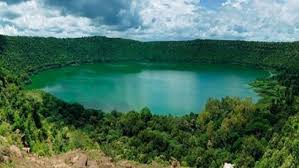
Located in Buldana district in Maharashtra, the Lonar Crater Lake was formed around 570,000 years ago due to a meteor impact. Owing to its high concentration of carbonate salts it’s categorized as a saline soda lake. So, it’s a soda lake formed by a crater.

Krem Mawmluh & Krem Ri Blai, Meghalaya

Travelstruck - Krem Mawmluh & Krem Ri Blai, Meghalaya... | Facebook

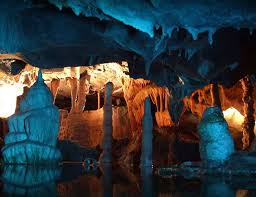
Cave exploration hasn’t taken off in a big way in India, which is really surprising considering there are so many options to do so in this country. Krem Mawmluh and Krem Ri Blai, in Mehgalaya, are natural horizontal and vertical caves respectively. Make it a point to visit them at least once in your life.

Ziro, Arunachal Pradesh

Arunachal Pradesh Itinerary Service - Dibrugarh Ziro Pasighat ...

Ziro is a town in the Lower Subansiri district in Arunachal Pradesh and it has been hosting the Ziro Festival of Music for the past three years. But here’s the thing – the quaint little town is so attractive, that even without a crowd pulling event, it would find a spot on this list.

Wayanad, Kerala

GRASSROOTS WAYANAD (Kalpetta, Kerala) - Guesthouse Reviews, Photos ...

This piece of trivia goes out especially to those trying to escape the city life for a while – Wayanad district is only 3.79% urbanized. Yep, lots of greenery here. Ancient history geeks can also trip out on the Edakkal caves where they can see actual pictorial writings from the Neolithic period.

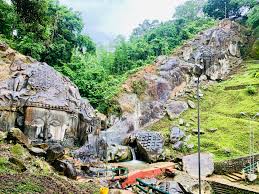
Unakoti, Tripura

Unakoti - Wikipedia

The stone carvings in Unakoti in Tripura are one of the most detailed ones in India and yet, this place is rarely visited. As per Hindu mythology, when Lord Shiva was going to Kashi along with one crore gods and goddesses, he made a night halt at this location. He asked all of them to wake up before sun rise. It is said that in the morning, except Shiva himself, no one else woke up on time. So Shiva set out for Kashi on his own cursing the others to become stone images. Perfect for both spirituality and history enthusiasts, this is truly one of the most underrated places in the country.

Monsoon

Last Sunday morning my father entered from balcony for lifting up his call he was looking annoyed after attending the call, when I enquired what was the reason he told me that he was dreaming and this telephone woke him up from the dream and brought him back to the reality.

As he told he was dreaming about his lost childhood…….

On a lazy Sunday morning, sitting in balcony, sipping hot tea and enjoying rain is an unparalleled experience. Vivid memories of past passes through the mind like sequence of a movie. People from hinterlands of the country migrate in search of job and choose to stay in busy cities like Mumbai always bear a nostalgic feeling about their “lost villages”. Rain always help memories to take shape and take back us to the “good old days”.

During Late 60s and 70s, each Kerala village use to have one or two primary schools and one high school.  Study after seventh standard involve some extra walking through paddy fields or palm groves along with rocky areas. To reach nearest High school, some students used to take bus for a short distance. My village was blessed with a high school with reasonable educational facilities and excellent set of teachers.

Education starts from home, enjoying walk through paddy fields crossing a canal and then the most difficult balancing act of crossing a narrow path way over slippery rock and flowing water during monsoon. After reaching school there will be a foot ball session till the school bell rang. Playground used to be uneven and filled with stones and hard rock pieces. Some areas were slippery and hard. These challenging conditions never affect the zeal of players. Injuries were order of the day due to hard condition of ground as well as aggressive nature of few individual players.

Way back home after school was also equally interesting. People discuss about the day’s events and express their views. Some interactions used to end up in fight between two groups. Walking back home in heavy rain used to be a normal affair during monsoon. Summer evening used to be hot and sticky. People used to prefer shady routes to reach home.

On Sundays and school holiday we used to go to the nearest forest for grazing cows. The forest was not dense, but it used to be the source for fresh grass for cattle and timber for households. Women folk used to go to the forest during early hours of the day and collects logs. They used to pack their days collection and carry by head and exit the forest area before the forest guards become active.

Villages in Kerala were always blessed with its natural water bodies and amazing greenery. Area close to Sahya mountains receive heavy rain from June to October. Due to this the nature used to be fresh and clean during most part of the year but hot and humid during the summer. From February to mid of May, weather used to be very hot and humid during the day. Summer is the time of heat and humidity as well as the temple festivals. Evening Summer rain used to give respite from scorching heat often. Smell of the soil after the first rain fall was a refreshing experience.

April and may were mid-summer vacation days for schools. Day start with busy playing session in harvested paddy fields along with friends and an hour-long bath and swimming session in village pond by noon. After noon was the time for relishing summer delicacies such as mangos and jackfruits. Visiting temple on special days to witness annual temple fest was in the card on few days of the month. During this period, porticoes of temple used to witness various temple art forms like ‘Kalmezhuthu Pattu’ (Color full Rangoli display of portraits of goddess on floor and a musical concert), Chenda  melam (a drum concert). Some temples used to organize Kathakali during late evening. Annual festival used to prolong from twelve to fifteen day for each temple with final day as “Vela” or “Uthsavam’. A procession of elephants along with plots depicting men dressed in various Hindu gods and legendary heroes used to be a common mix in these processions. The tallest among the tuskers   will carry the deity on its back with ceremonial outfits and other elephants will position either side during the procession. The culmination of the fortnight long festival will be marked with heavy fireworks which will tremble the whole village.

The ringing phone caught my attention and I was brought back to reality. As expected that my boss’ s call. Working from Home gives him a privilege to call me even on holiday morning when I was trying to go back to my golden days in my lost village.

Worst incidents of 2020 till date!!!

2020 is probably the year of histories to be created and to taught in the coming decades that how intelligent and cruel are the humans!!!

There is the series of bad events on it self starting of the year…again and again humans are proved that the level of damage can be upmost by them. We are taking ourselves to the path of destruction which might not have any end. Let us see what are the events that give us hint that 2020 will be written in history.

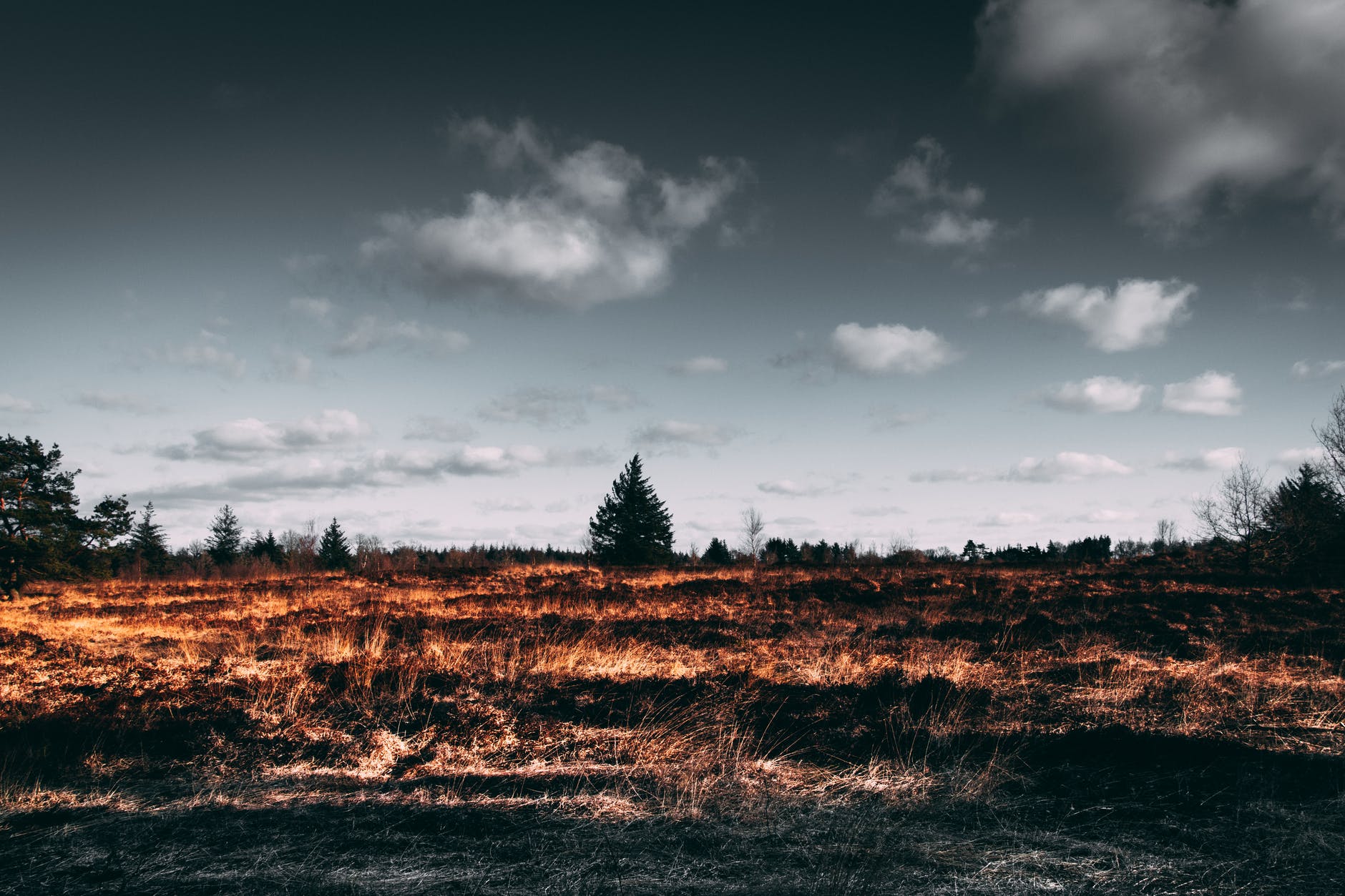
1- Australian forest fire

Australia encounters fires almost every year but this time it gave a new signal. Over 1 billion animals are believed to be dead and an estimated 2,000 homes were lost, the overall damage and economic losses would reach 100 billion US$.

brown open field
Photo by Matthis Volquardsen on Pexels.com

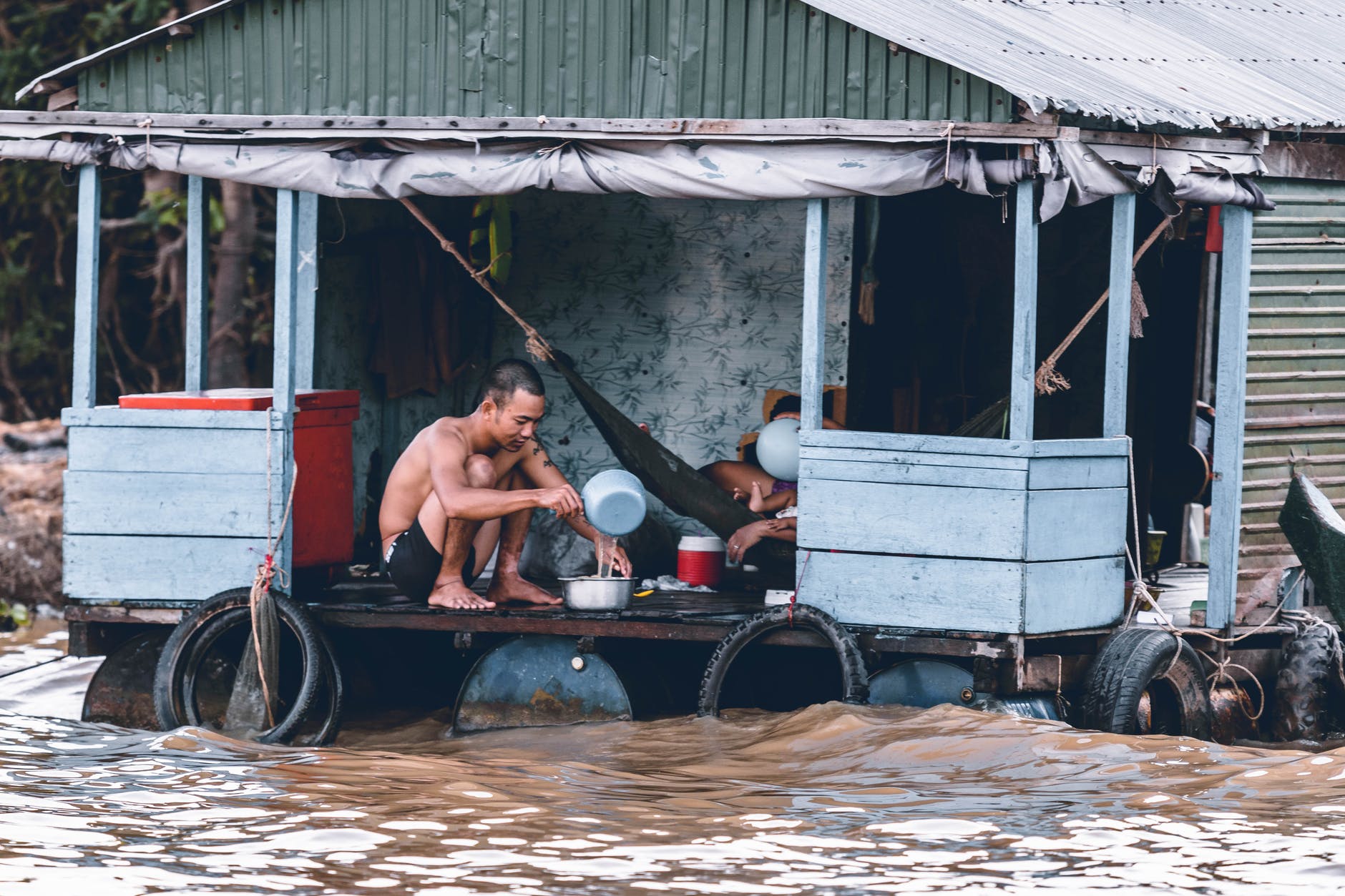
2- Flood in Jakarta- Indonesia

In Indonesia, flooding is common particularly during the rainy season of October-April, but this particular flood occurred in January and killed almost 70 people on Sulawesi Island and hundreds of people were displaced by heavy rain in West Java.

man pouring water from dipper on blue and grey house
Photo by hitesh choudhary on Pexels.com


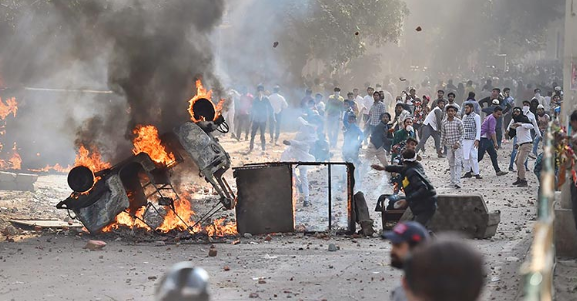
3- Riots in Delhi

Riots in Delhi was based on anti-CAA protest in which violence, property destruction and also rioting that killed 53 people, most of whom were Muslims shot, slashed with kicks and set on fire by Hindu mobs in North East Delhi.

image-75

Image source: This week

4- The Pandemic- COVID-19

This is the worst situation till date of 2020 a 2 gm virus( research says that total molecules of corona virus from all over the world would weigh 2 gm i.e. equal to a coin weigh) it almost broke the economic condition of every country in the world.

pexels-photo-4031867.jpeg
Photo by Edward Jenner on Pexels.com

5- Olympics & IPL- 2 biggest event of world brought to halt.

Due to COVID-19 outbreak 2 most popular event were called off which was very disappointing for the players as well as their supporter.


6- Brutal killing of Saints

This incident took place in Palghar were people of village mysteriously attacked the van on saints which was heading towards their senior saints funeral program. People on investigation said that they were informed that this van contain corona virus patient, it was more worse when police also joined people in this attack.

Man-Lynched

Image source: Siasat.com

7- Gas leakage- Visakhapatnam

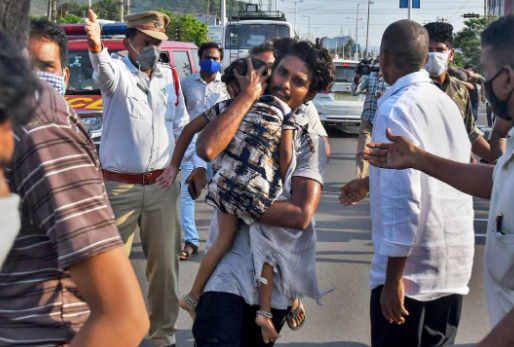
This was a major gas leak in LG polymers chemical plant in Visakhapatnam which killed 11 people, 800 were hospitalized and many more faced issues like headache, ill, vomiting etc.

image-4

Image source: The Hindu

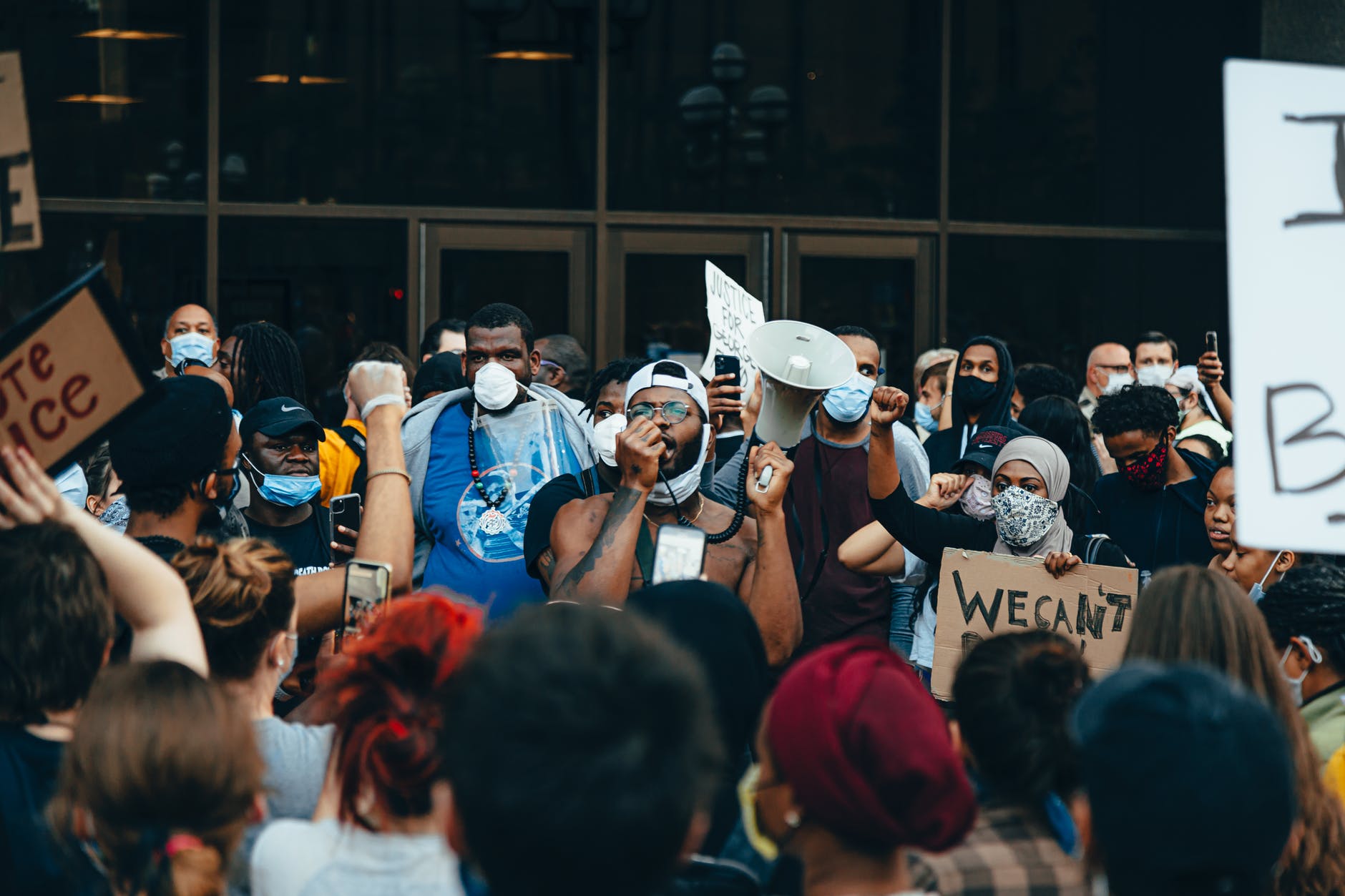
8- Justice for Blacks

The conflict raised when George Floyd, 46, died on May 25, after a video showing a white Minneapolis police officer kneeling on his neck for almost 9 minutes.

crowd of protesters holding signs
Photo by Josh Hild on Pexels.com

9- Indian cinema lost 2 gems

Bollywood lost 2 precious gems Irfan Khan an Rishi Kapoor. Actor Irfan Khan were facing problem related to Neuroendocrine tumor which became the reason for his death where as on the other hand actor Rishi Kapoor died by Leukemia.

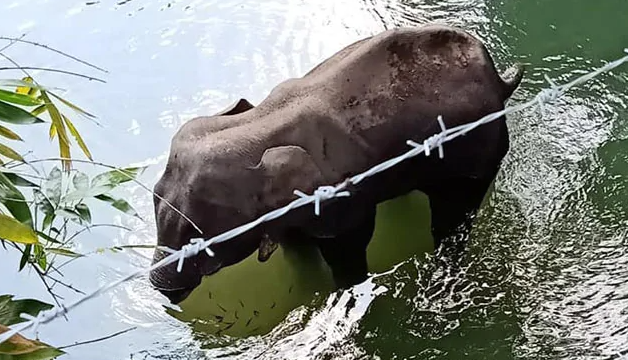
10- Brutal death of a pregnant Elephant- Kerala

This incident took place in Velliyar River in Kerela where a pregnant elephant came in search of food where local offered a pineapple loaded with fire cracker which exploded in her mouth, doctors tried to save her but unfortunately couldn’t save. Suspect was arrested by forest officials and was interrogated. This shows how cruel has mankind became over the years.

image-5

Image source: Facebook


Like, Comment and Share the post if you agree.

EVOLUTION VS CIVILIZATION

Humans are gradually developing themselves since the very beginning of the creation. They are continuously evolving. What is most important while evolving is to maintain the civilization, so that the society in which a person lives, does not get harmed or affected. Today, we have come a long way in terms of evolution but the question is, would we be able to protect the civilization?


Animal abuse by humans is not a new thing. Though cruelty to animals is a punishable offence, we, the so-called civilized humans cannot resist ourselves from tormenting those helpless and innocent creatures, just for mere entertainment. Our planet is blessed with diverse species, but because of the cruelties caused upon them some of the very beautiful species are on the verge of extinction. The humans have threatened their existence to such an extent that the Earth is no more a safe place for the animals to live. Being the strongest species in the entire eco system, humans are going beyond their limits to commit brutality on the pure and beautiful animals.


Recently, in a small village called Malappuram, in Kerala an extremely heinous crime was attempted by some of the villagers on a 15 years old pregnant elephant, who came into the village in search of food. The innocent elephant was fed a pineapple loaded with firecrackers by some of the villagers. The crackers exploded in her mouth causing severe injury to her tongue and jaws. To get some relief and to save her unborn child the elephant ran to a river nearby and stood in the water for a long time, but inspite of her brave attempts, she could not save herself and her child. These people do not deserve to be called civilized. How much regression is needed to commit such an atrocious crime to a guiltless, pure animal, is really not known. Since the humans have been thinking from a very long time now that they are the superior species amongst all, so, they can do anything they want and most of the times they even do not get punished for these mischievous acts. Being the superior creature, humans should be venerated for what facilities they have got. Instead, some of them are acting as demons by misusing those advantages and heading towards destruction.


Though it is not proved yet, if anyone deliberately fed the crackers stuffed pineapple to the pregnant elephant, they are still at fault. Even if the pineapple was lying on the road and the elephant ate it accidentally, how could anyone keep fruits stuffed with firecrackers on the roads knowing that animals can eat them? Human behavior will always remain an enigma. Elephants are the most expressive animals. There are conjectures that elephants’ mind react to humans the same way humans’ mind reacts to puppies. If the humans do not cause discomfort to them or torment them, they do not harm anyone. The innocent elephant trusted humankind and delightfully ate the food she got at the vicinity. As a result, she got deceived. Even in writhing pain, while running towards the river, she did not harm a single human. She knew the value of lives more than any human out there. May be because, she herself was creating a life inside her.


What happened with the innocent and voiceless elephant in Kerala, was really shameful as well as reprehensible. Yet the enlightened humans across the world are politicizing this incident and also quoting Kerala’s literacy rate since it has the highest literacy rate in India. What they have forgotten is literacy rate has nothing to do with animal maltreatment. Humanistic values do not come entirely from formal education. Humanity and literacy do not go in hand in hand. Many illiterate people may have more humanistic values than some highly educated people. More than being empathetic to the poor animal, some so-called educated people of our society are showing their hypocrisy by targeting and taunting Kerala for its highest literacy rate.


These incidents point out how we are evolving. From throwing stones or water to the stray dogs to feeding fruits loaded with explosives to a pregnant elephant, humans have shown how they have retained their civilization. May be, the animals have not evolved much, that is why corruption could not enter into their world. The speechless, innocent animals are already suffering a lot for the humans’ unending experiments and adventures. Our planet is as much theirs’ as ours’. Together we have to make the Earth a safe place for the animals to live on. Only then we will be able to evolve with the civilization in right means.