Ecological Organization of Organisms

All organisms are interdependent and interrelated with one another and with their environment. This concept applies at all levels from a small pond to the world. Implicit in ecological organization is the idea that plants and animals do not occur randomly, but rather that particular kinds are especially adapted to a certain complex of environmental conditions and therefore coexist with others of similar requirements and tolerance in communities.

All individuals of a particular species constitute a population. A community, therefore, is an aggregation of populations. Maintenance of a community is dependent upon flow of energy through functional strata of populations. One stratum is com posed of producers, the plant species which, through photosynthesis, convert solar energy to chemical energy contained in plant tissues. the second stratum consists of consumers, the animals which ingest plants or other animals that have fed upon plants. the third stratum is the de-composers, mainly bacteria and fungi but also including many kinds of small animals which decompose dead organisms and organic debris to release basic chemical substances to the environment to be taken up by living plants. These strata, their activities, and energy transfer through the community constitute an ecosystem. Ultimately, the total ecological organization is recognized as the world ecosystem, or ecosphere (also called biosphere).

In the context of ecological organization and the ecosystem are embodied a number of basic ideas which give meaning to the inter relatedness of life. One of the most important of these is environment, and although the term has been used freely up to this point, it bears defining. Environment comprises the sum of all the external factors, processes, and conditions that affect a living system. These may be other living systems (the biotic environment) or nonliving factors (the abiotic environment). Thus inside an animal a single nerve cell may be embedded in a biotic environment of muscle cells and other nerve cells and subjected to abiotic states such as oxygen and salt concentration in the tissue The biotic environment of a hickory tree in a deciduous forest commonly includes other hickory trees, along with beech, maple, poplar, and birch, a rich understory of shrubs, and animals such as deer, squirrels, tree-nesting birds, numerous insects, and many others. Abiotic conditions and processes, including rainfall, ice, wind, evaporation, light, temperature, and soil type, together with biotic constituents, all affect the hickory tree.

Of greatest significance in ecological organization is the concept of dynamism in ecosystems. Organisms do not simply live side by side in the abiotic environment. Rather, there are constant, often complex, action systems in which all living systems exert some effect on one another and on the nonliving surroundings, which in turn influence the living mechanisms of the organisms present. Furthermore, there is great variation among ecosystems from tropical to polar regions, from sea level to oceanic depths and mountain tops, through geological time, and through changing climates and land-water distribution, through seasons, and night and day. Abiotic factors, such as oxygen, carbon dioxide, nitrogen, and water, are constantly being cycled in various ways throughout the world community. Water, for example, covers 70 percent of the earth’s surface, and is the primary environment in which life exists since every living cell must be moist. Distribution of this important liquid is de pendent upon a world hydro-logical cycle.

Solar energy must be transformed into chemical energy and passed to all organisms for maintenance of their life and growth. Autotrophic organisms serve as the basis or core of ecosystem food webs that are actually energy-transfer systems. Unlike chemical nutrients that are cycled, energy must be supplied constantly, for it is used and transformed to heat. Thus through photosynthesis and eating and being eaten, organisms are intensely interdependent and interrelated. They are further bound through requirements and contributions relative to breeding sites, cover, shading, predation, competition, and numerous other aspects of living.
Members of vitamin B-Complex: Chemistry, Functions And deficiency

vitamins are the substances that you need in your diet in small amounts to perform biological functions for maintaining normal health. During evolution the capacity to synthesis most of the vitamins was lost and hence humans need to obtain them from diet.

vitamins are widespread in occurrence including plants and animals. Normally all foodstuffs contain more than one vitamin in them. Plants can synthesis almost all vitamins but animals can synthesis only few. Human body can synthesis vitamin-A from its precursor carotene and vitamin-D from UV light irradiation of ergosterol and 7- dehydrocholesterol. All cells of the body store vitamins to some extent and they carryout functions in very low concentration hence daily requirement is low. They are most effective when taken orally. Now vitamins are also synthesized artificially.

members of vitamin b complex

Vitamin B complex are water soluble vitamins. There are 8 members in the vitamin B complex family. They play crucial role in red blood cells synthesis. Even though the members are chemically distinct, they exist together in the same food.

VITAMINE B1 ( THIAMINE ):

It is a sulfur containing compound and partially heat labile. Presence of pyrimidine ring and thiazole ring joined is the prominent feature.

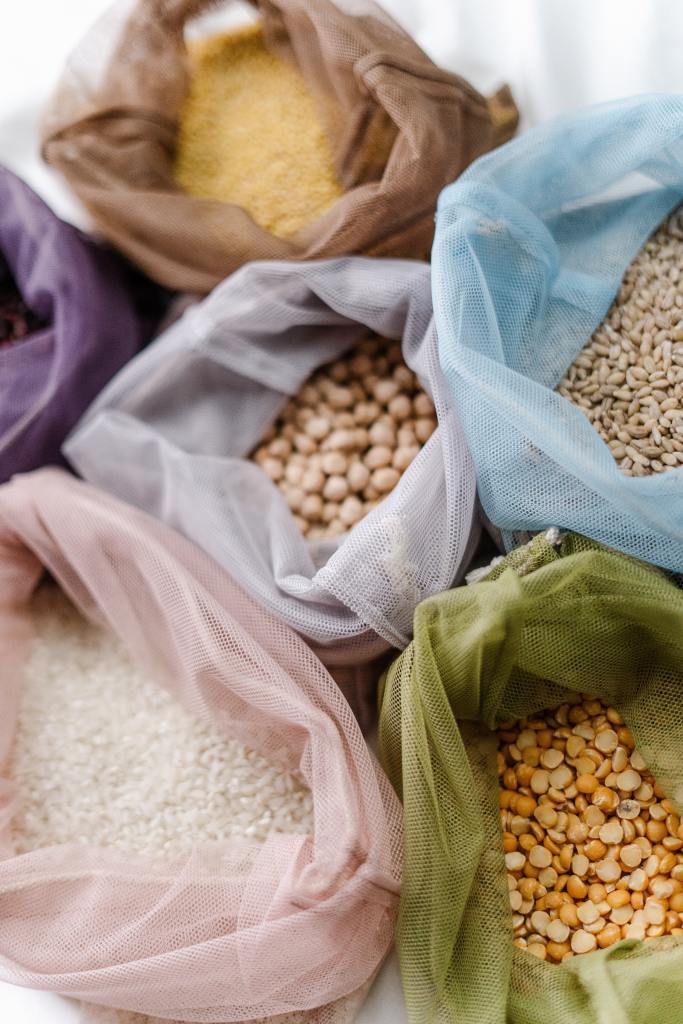
Vitamin B1 is found in outer coat of rice and wheat. Yeast is also one of the good source. Whole cereals, pulses, oil seeds and nuts are also one of the source.

It is essential for carbohydrate metabolism and convert them into energy. Thiamine pyrophosphate is the prosthetic group of enzyme participated in oxidative decarboxylation of keto acids. It is used in functions of muscle contraction and relaxation and nerve signal conduction.

deficiency in adults results in beriberi. The main symptom of this is insomnia. In Wet beriberi cardiovascular system is affected and in Dry beriberi Central nervous system is affected. In infants it causes infantile beriberi.

VITAMIN B2 ( RIBOFLAVIN) : Riboflavin contains isoalloxazine ring and rabitol- a sugar alcohol in its structure. It is stable to heat and acidic pH.

It helps in releasing energy from proteins. It acts as prosthetic groups in many enzymes. It is important in electron transport chain, acts as antioxidant. It is also helpful in vision improvement. treatment of acne, muscle cramps involves vitamin B2.

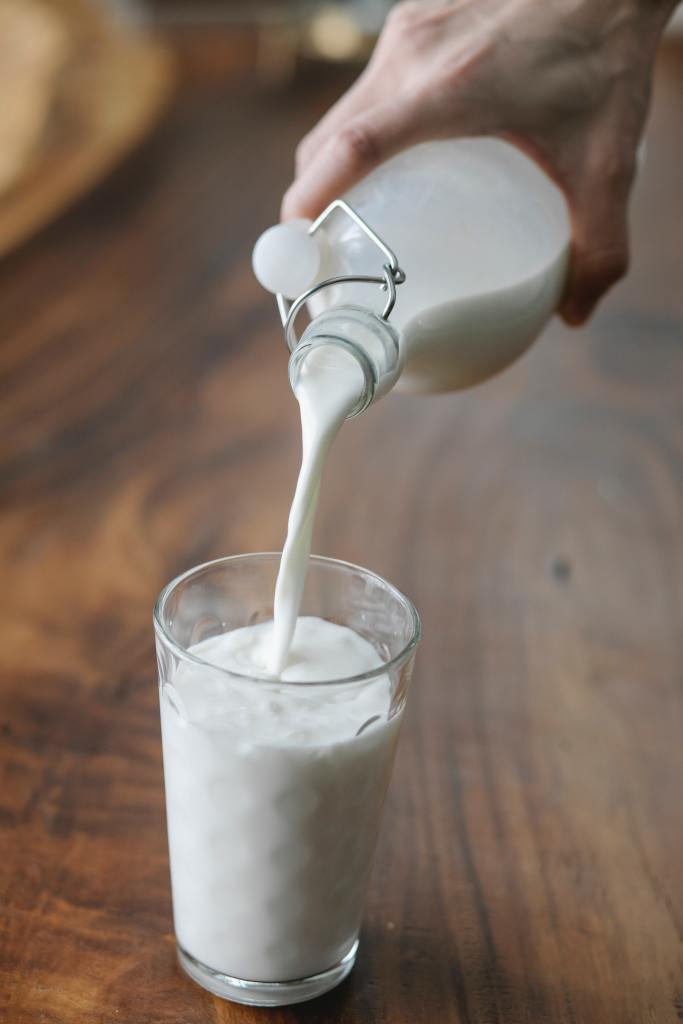
green leafy vegetables are the main source of this. pulses, egg, milk also contain this vitamin. Fruits and some vegetables contain it in moderate amount.

Deficiency of vitamin B2 in humans causes oral facial and ocular lesions. It also caused hyperemia, hair loss and reproductive problems. In experimental animals deficiency resulted in growth retardation, cataract and corneal problems.

VITAMIN B3 (NIACIN): Niacin is the derivative of two pyridine derivatives called nicotinic acid and nicotinamide. It is stable to heat and alkaline pH.

This is found in legumes ,yeast, fish, whole grains and meat are also good sources.

This also plays a role in converting carbohydrates into glucose. It also functions in fat metabolism. And functioning of nervous system.

deficiency causes pellagra. In this disorder skin, gastrointestinal tract and nervous system are affected. Glossitis and stomatitis are also symptoms of niacin deficiency.

VITAMIN B5 ( PANTOTHENIC ACID): Chemically it is amide of beta-alanine and dihydroxy dimethyl butyric acid. It is unstable to acid or alkali but stable to heat.

cereals, legumes, meat, liver, milk and eggs are the good source f vitamin B5.

It has a role in breakdown of fats and carbohydrates. It is important in red blood cell formation. It is a component of coenzyme A. It is required for the synthesis of phosphopantotheine of fatty acid synthase complex.

its deficiency is rare in humans. But sometimes its deficiency symptoms may include insomnia, tiredness depression vomiting and pain in stomach area.

VITAMIN B6 (PYRIDOXINE): Certain compounds derived from pyridine like pyridoxine, pyridoxal and pyridoxamine show vitamin B6 activity. These are stable to heat but sensitive to light and alkali.

pulses, liver, whole grains and yeast contain adequate amount of this vitamin. Leafy vegetables, milk and eggs also contain moderate amount.

Deficiency in children causes epileptic form convolutions. Growth retardation problems also seen. Skin lesions are found. Microlytic hypochromic anemia is also a deficiency symptom.

VITAMIN B7 (BIOTIN): It is a sulfur containing vitamin and consists of imidazole ring. It is stable to heat but sensitive to alkaline medium.

Green leafy vegetables like cabbage, spinach, mint leaves, pulses, eggs and liver are good sources. Milk and cereals also contain adequate amount.

Biotin is the prosthetic group of enzymes like pyruvate carboxylase, acetyl coA carboxylase etc. It is involved in carrying of carbon dioxide in carboxylation reduction. It promotes perfect functioning of nervous system. It is important for liver metabolism. Helps in strengthening of hair and nails.

deficiency causes dermities , depression, muscular pain and anemia.

VITAMIN B9 (FOLIC ACID): It consists of pteridine nucleus, para aminobenzoic acid and glutamate. It is sensitive to light and acid. But it is stable to heat.

This is found in green leafy vegetables, Bengal gram, black gram and eggs, Coconut contains adequate amount of folic acid.

It works with vitamin C in production of new proteins. It also helps in synthesis of DNA. It also acts as carrier of carbon units.

In humans deficiency causes megaloblastic anemia, particularly in pregnant women. Bone marrow and intestinal cells are affected. Leucopenia, diarrhea and weakness are also some of the symptoms.

VITAMIN B12 ( CYANOCOBALAMINE) : Cyanocobalamine is made made of tetrapyrrole ring system known as corrin ring with a central cobalt atom.

Animal sources like kidney, liver, brain, fish and eggs are the good source.

It helps in making DNA and blood cells. helps in the maintenance of body’s nervous system.

weakness shortness of breath is of common symptoms of deficiency. It can also cause anemia and nerve problems.

Photography as a career

Vaishali Singh

Photography is one of the major things of everyone’s life today,

All of us want to freeze the moments we live day to day in a photograph, the new developing technology has made it very easier for people to document their lives easily through photographs and videos and the advancements in technology helps you to put your documented photographs or videos on the platforms like YouTube, Instagram etc. and build your career out of it but the question is how to get started? Now, basically if you want to get started with photography then you do not need a professional degree or course the only thing you need are skills and that’s it but if you’ll do a course or major in photography or cinematography then it will help your chances of getting jobs in the Multi national companies, but if you want to make a career out of blogging vlogging youtubing or photographer then a degree is not a compulsion, what important is teaching yourself about the principles of capturing an image and the lighting conditions and then just go out start practising in real world, now you can learn everything by yourself but it takes time to develop a skill, what’s more important in photography is light.

The word “Photography” itself depicts the meaning as drawing using light. The word photography is made of two words PHOTO and GRAPHEIN where Photo means light and Graphein means to draw.

So, light plays the major role in photography,  after learning the basic principles of photography and light the practising comes into play.

Now, the answer of the question how to get started is very simple just start practising right away, reach out to people, at the earlier stage do the unpaid shoots then build your profile, work as an intern and gain experiences overtime after building your name you can start to earn money through photography and can begin your own photography career. 

http://www.webyurt.com/images-o/images/photography-mountains.jpg