COPING STRATEGIES ADOPTED DURING LOCKDOWN

GOOD SAY OR BAD ADOPTING COPING STRATEGIES OR HOBBIES ARE THE THING ON WHICH NOBODY HAS A CONTROL OVER DURING THE LOCKDOWN.

The COVID-19 pandemic and ensuing lockdown measures have created unprecedented circumstances that increase stress and anxiety, thus leading individuals experiencing home confinement to adopt various coping strategies that contribute to building resilience. Given the novelty and recency of the COVID-19 lockdown, factors of coping and resilience in this specific context of home confinement remain undefined. Some put this time in effective routine to get good result but there were some who waste their time with some bad coping strategies.

SOME COPING STRATEGIES WERE-

  • COOKING– people have learnt to cook for them-self. People who live alone and deprived from the food delivery option have taken up the ladle, some who have no choice and some who see this as a opportunity to learn or put their confined time to some effective work or activity.
  • DUSTING AND CLEANING- people have to take this activity without any choice as with this lockdown and without any house help their hands were tied or say only their hands were the one left to do the job. Some saw this as an opportunity to cover their missed fitness routine and some did because they didn’t have any choice but to keep their house clean.
  • READING- This is one of the good coping strategies people have taken up in this lockdown. Prior to this covid-19 lockdown, people with their busy and anxious schedule and working hours with no time left to give to literature or reading has taken this opportunity for an mind relaxing time with reading .
  • SCREEN TIME – This is the most adopted and with too much used time, it’s seen as and become a bad coping strategy and habit especially during this lockdown. Most people coped this confined and with too much time on digital screen with movies, shows and net etc, under these most people are kids and students with no school and colleges.
  • YOGA – Yoga during this lockdown has replaced the gym for fitness routine and mental health also. Some has adopted it to replace the gym but some ha adopted it to relax their mind from this anxious and confined situation. And surprisingly during lockdown it has become a big hit among all age of people from kids to adult and old people also.

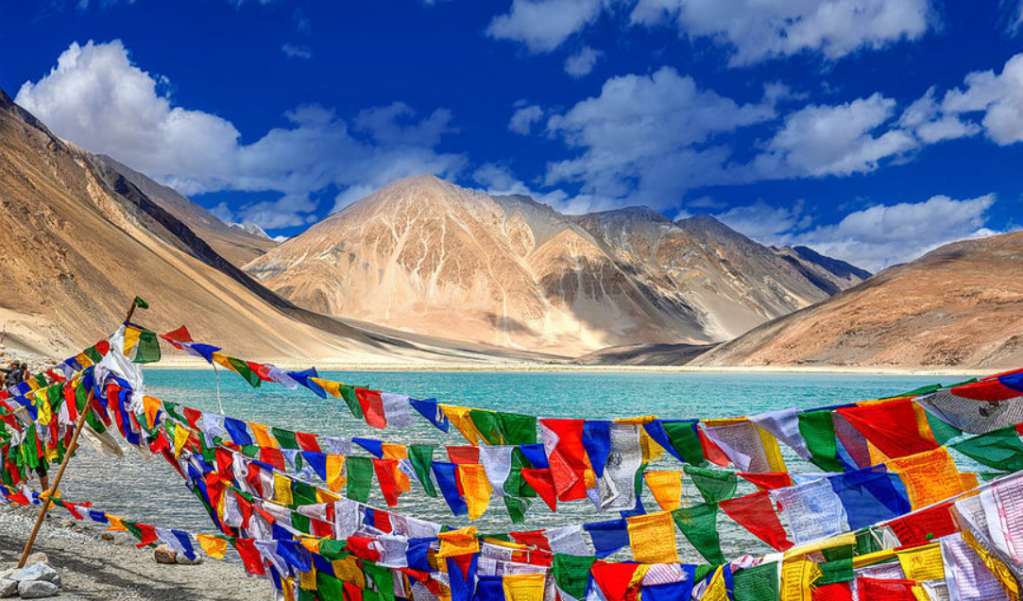
Central University in Ladakh

Ladakh – Ladakh is a region administered by India as a union territory, and constitutes a part of the larger Kashmir region, which has been the subject of dispute between India, Pakistan, and China since 1947.It was established on 31 October 2019, following the passage of the Jammu and Kashmir Reorganisation Act. Ladakh is bordered by the Tibet Autonomous Region to the east, the Indian state of Himachal Pradesh to the south, both the Indian-administered union territory of Jammu and Kashmir and the Pakistan-administered Gilgit-Baltistan to the west, and the southwest corner of Xinjiang across the Karakoram Pass in the far north. It extends from the Siachen Glacier in the Karakoram range to the north to the main Great Himalayas to the south. The eastern end, consisting of the uninhabited Aksai Chin plains, is claimed by the Indian Government as part of Ladakh, and has been under Chinese control since 1962.

The largest town in Ladakh is Leh, followed by Kargil, each of which headquarters a district.

Image coutesy – Northlines

State to UT

In February 2019, Ladakh became a separate Revenue and Administrative Division within Jammu and Kashmir, having previously been part of the Kashmir Division. As a division, Ladakh was granted its own Divisional Commissioner and Inspector General of Police.

Leh was initially chosen to be the headquarters of the new division however, following protests, it was announced that Leh and Kargil will jointly serve as the divisional headquarters, each hosting an Additional Divisional Commissioner to assist the Divisional Commissioner and Inspector General of Police who will spend half their time in each town.

In August 2019, the Government of India barred all broadband as well as mobile internet services in the region to prevent the deliberately fabricated falsehood on social media. In January 2020, 2G internet was resumed with no access to social media.

The lockdown started on 5 August 2019 following Revocation of the special status of Jammu and Kashmir via scrapping of the Article 370 of the Constitution of India, Article 35A of the Constitution of India and the introduction of Jammu and Kashmir Reorganisation Act, 2019. Since 5 August, no foreign journalists have been granted permission from the Indian government to report in Kashmir.

According to a September 6 report of the Indian government, nearly 4,000 people have been illegally arrested and detained in the disputed region. Among those arrested were more than 200 politicians, including two former chief ministers of Jammu and Kashmir (J&K), along with more than 100 leaders and activists from All Parties Hurriyat Conference.

The lockdown ended with the resumption of all communication services, allowing 4G and 3G Internet services, in early February 2021.

Central UNI

The Union Cabinet has given its approval of the formation of a Central University in Ladakh. This project cost for the formation of this university will be Rs 750 crore.

  • In four years the first phase of the university will be completed.
  • To facilitate the formation of Central University in Ladakh the bill for amending Central Universities Act, 2009 will be introduced.
  • Establishing this university will aid the propagation of higher education in this region.
  • The jurisdiction of this Central University will cover the entire region of Ladakh including Kargil and Leh

Other important announcements

  • The formation of an integrated multipurpose corporation was also announced by the cabinet. This corporation will shoulder development projects in Ladakh.
  • This corporation will also look after the development of tourism, industries, and various transport services in Ladakh as well as marketing of the regions handicrafts and local products.
  • This corporation will also aid in the development of infrastructure in this region and will as Ladakh’s the primary infrastructure construction agency.
  • This corporation will be formed under the Companies Act and will have an authorised share capital of Rs 25 crore with an annual outlay of Rs 2.42 crore.
  • This corporation will also create job opportunities in this region.

IMPACT OF COVID-19 ON CARBON EMISSIONS

The unprecedented global disruption caused by the coronavirus pandemic is likely causing a sharp, brief drop in carbon emissions. 

  • Due to global lockdown ‘s impact on transport, demand for oil has fallen at an unprecedented scale. 
  • Gas demand falls less than oil or coal. 
  • The country’s CO² emission fell down by 15% during March and fell 30%in April. 
  • According to Daily data from the national grid. Coal – fired power generation fell 15% in March and 31% in April. 
  • Renewable energy generation increased by 6.4% in March. 
  • Due to reduced power generation, Industrial activity and transport volume. Thus, it has reduced fossil – related and cement – induced CO² emission. 

China is  the first country where the virus’s impact on carbon emissions  became visible

Carbon dioxide emission in China

According to China Emissions Accounts and Datasets(CEADs) :

  • Reduction of 257.7 Mt. (11%) over Q1 2019
  • Secondary industry contributed 186.8Mt.(72.5%) CO² to the total reduction (largely due to lower coal consumption and cement production). 
  • Hubei contributed 40.6Mt. reduction (due to decrease of 48.2%in secondary industry).
  • Transportation significantly contributes 65.1Mt. With a change of – 22.3% in freight transport and – 59.1% in passenger transport compared with Q1 2019.

      Globally :

  • Aviation decreased by 75%.
  • Surface Transport by 50%.
  • Power generation by 15%.
  • Industry – uncertain but~35%.
  • Small increase in residential buildings of 5%.

     Fossil Fuel:

  • Drop 8% in 3 month and peak drop 17% unprecedented 
  • Emissions in individual countries decreased by ~27%.
  • Emission from surface transport accounted for 43% of decrease, industry and power together accounted 43% and aviation. 
  • Drop in CO² Emissions had no detectable impact on atmospheric CO² or Climate change 
  • It is extremely small compared to the emission accumulated. 

Carbon dioxide emissions in India 

  • As lower power demand growth and competition from renewables weakened the demand for thermal power generation through the last 1 year. 
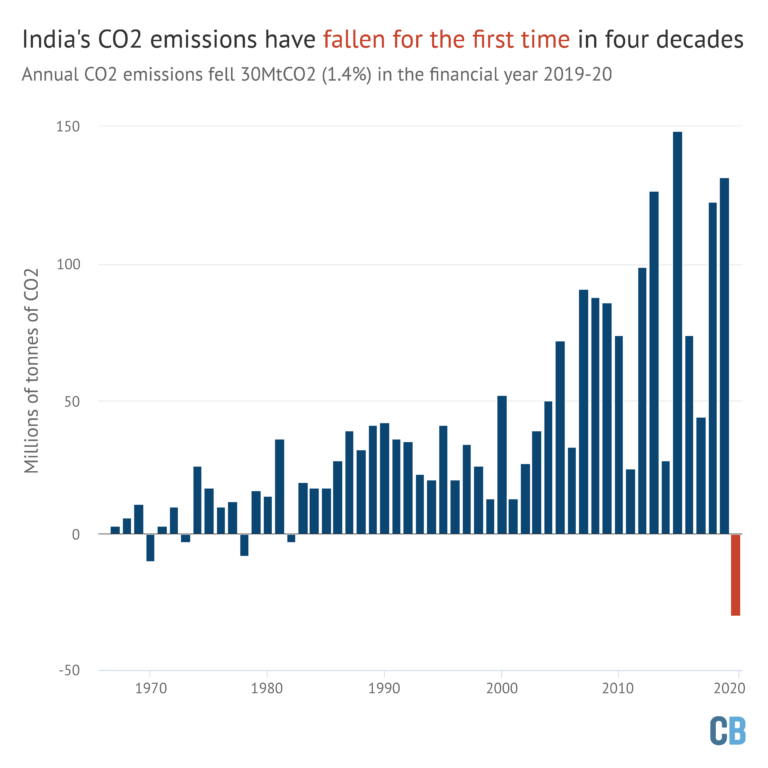
  • CO² emission fell by an estimated 15% during March and 30% in April. 
  • The fiscal year ending March, coal sales by main coal producer Coal India Ltd. Fell by 4.3%.

Coal import increased by3.2%

Total coal delivery fell by 2%

  • In March, coal output increased 6.5%. 

     Oil Demand :

  • Oil consumption slow down since early 2019.
  • During national lockdown, oil consumption fell 18% on March 2020.
  • Crude oil production in India decrease 5.9% compared to last financial year.

Thus, CO² emissions fell by 30mt.(1.4%) in fiscal year ending March. 

Environmental health due to Carbon Emission during Global lockdown

  • The positive effect of lockdown is to decrease the CO2 emission by −17% (−11 to −25%) by 7th April 2020 with respect to the mean level of emission in 2019.
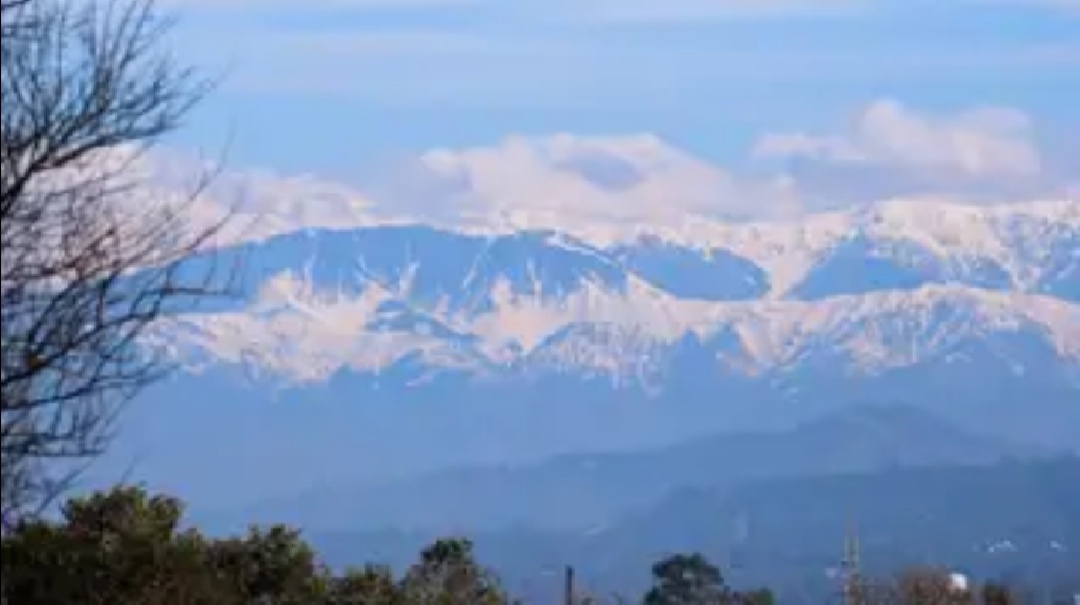
  •  Air quality index (AQI) is the assessment of air quality. The lower the AQI value, the better is the air. The normal air quality index range is (100−200) and presently it is in the satisfactory range (50–100) category as reported by Gurfam being a scientist at SAFAR. 
  • Zambrano-Monserrate et al. (2020) reported that the air quality index (AQI) has decreased by 44%, 33%, 29%, 15% and 32% in north, south, east, central and western India respectively. 
  • The same study also shows that from March 16th to April 14th, 2020, 22 cities of India show the reduction of PM10 (Particulate matter), PM2.5, CO, NO2, by 43, 31, 10 and 18%. During the quarantine period in COVID-19, the amount of NO2 was decreased by 22.8 μg/m3 and 12.9 μg/m3 in Wuhan and China respectively. 
  • In 367 cities, the PM2.5 fell by 18.9 μg/m3. As per the report of CAMS 2020 reduction of 20–30% of PM2.5 is observed in a wide area of China.
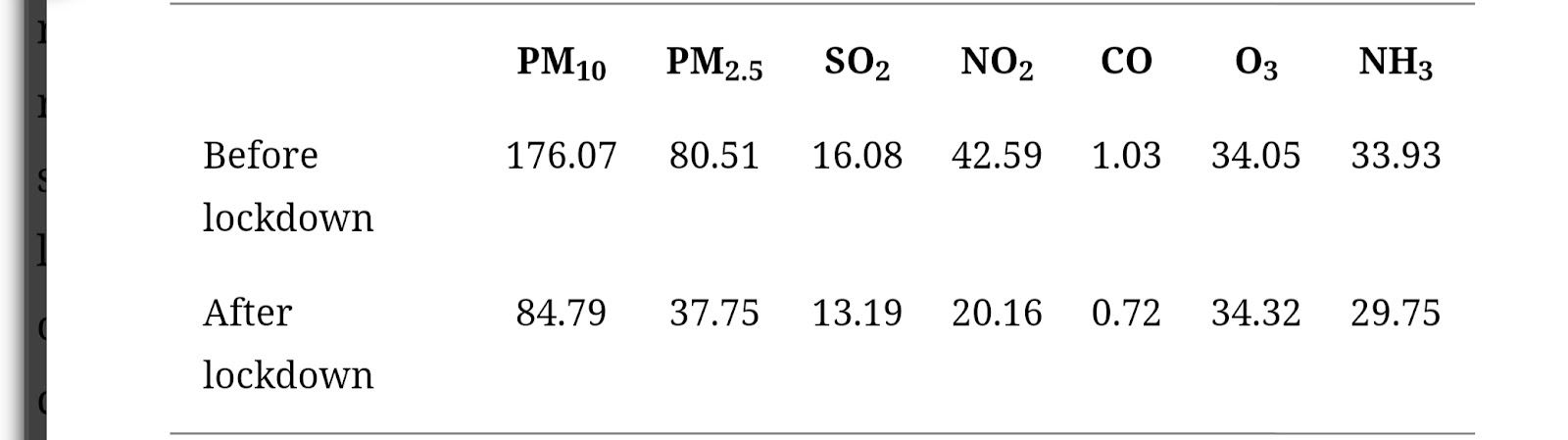
  •  Mahato et al.investigated that after three weeks of lockdown period from 24th March 2020, pollution of the Delhi, India, has experienced a noticeable reduction of different air pollution causing materials in the following Table

Comparison between different pollutants present in air before and after lockdown.

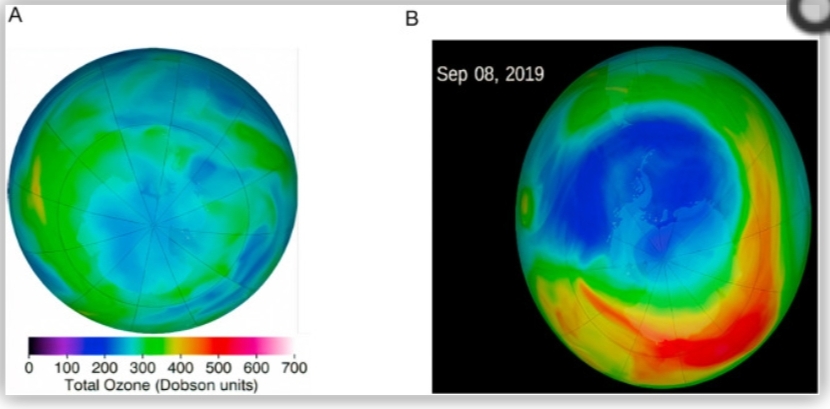
Reduction in carbon emission also lead to Ozone layer recovery over Antarctica:

  • The ozone layer is found in the upper atmosphere called the stratosphere between 10 and 50 km from the earth. 
  • The ozone layer acts as a natural sunscreen and plays a very important function by absorbing the harmful U—V rays from the sun. 
  • Ozone-depleting substances (ODS) are gases such as chlorine and/or bromine which breaks the ozone layer in the stratosphere. Various ODS are present in the environment are chlorofluorocarbon (CFCs), hydrochlorofluorocarbon (HCFCs), Methyl chloride and various halones.
  •  By the reaction with UV sunlight, these gases form chlorine and bromine and they are responsible for the depletion of the ozone layer. 
  • The international community signed the Montreal Protocol on substances about the depletion of the ozone layer, 30 years ago.
    •  According to the protocol, the consumption and production of ozone-depleting compounds should be regulated.
    •  By banning chlorine-containing synthetic compounds the rate of depletion declined and scientists expect to recover back to the 1980 level up to 2070.
    •  As per the scientific data of 2018, the stratosphere recovered at the rate of 1–3% per decade since 2000.
  •  After the lockdown began on Jan 23, the particulate matter pollution decreased by an average of 35% and NO2 decreased by an average of 60%. 
  • At the same period, scientists found the average surface ozone concentration increased by a factor of 1.5–2. 
  • Emission of ozone-depleting substances is also natural or man-made.
  •  All man-made emission is controlled because of lockdown during COVID-19. 
  • Production and consumption of ODS are also reduced. The World meteorological Organization (WMO) states that economic activity has been limited during COVID-19 which results in a decline in CO2 emission.
  •  In 2019, As per NASA and NOAA reported that the south pole region of Antarctica has warm temperature in the upper atmosphere which caused a small ozone hole since it was first seen in 1982 . 
  • On 23rd April 2020 Copernicus, atmospheric monitoring services (CAMS) announced that the largest hole was ever seen in the ozone layer over the arctic has been closed.
  •  Although lockdown is surely showing the prominent sign of nature, balance restoration of the ozone layer .
The map of holes in the ozone layer over Antarctica (a) 23rd May, 2020  (b) September 08, 2019

Impact of COVID 19 on Energy resources

The breakout of the Coronavirus Disease (COVID-19) toward the end of 2019 and its culminating transformation into a global pandemic sent shockwaves across the nations. Not only people lost their lives to it, but also numerous industries and governments as a whole succumbed to its impacts. To prevent the spread of the disease, many countries have resorted to observing country-wide lockdowns, damaging the normalcy of their economy. The world economy has seen new lows by trillions of dollars during this period, giving rise to times of constant anxiety about the future. The renewable energy sector, which has always been one of the leading areas to promote sustainability in terms of the environment, too is not spared from being affected by the pandemic. An amalgamation of the effects of the pandemic on the global economy and fluctuating oil prices resulting from country-wide lockdowns across the world further triggered its impact on the renewable energy industry. This work highlights the extensive impacts of COVID-19 on the renewable energy sector of India, a country that has proved itself to be proactive and progressive when it comes to solutions toward sustainable development. It showcases the present impacts of the pandemic on the sector and highlights future projections of the way it may continue to affect this sector as the world continues to struggle with the pandemic. The authors have brought up a set of their opined regulations that the administration and policymakers of the renewable energy sector of India can adopt to avert or reduce the extensivity of the impact of COVID-19 on their sector.

ONLINE VS OFFLINE CLASS – WHICH MAKES BETTER SENSE?

We all live in a society where education is taught in schools and colleges in the classroom environment. We have been following this method of teaching from a very old time. Suddenly we were forced to face a situation like a pandemic and were told to make ourselves ready for whatever is going to happen next. As a result of the lockdown schools, colleges and all other educational institutions were shut. The government advised the institutions to take up classes through online mode. When all the students and teachers heard this, it created a mere shock. But we had no other option to choose. So, we started to adapt ourselves to the situation. It has been almost more than a year by now since schools and colleges started to function online. Having a year of experience taking up classes online, I would like to describe the pros and cons of both online and offline classes that I have understood.

ONLINE CLASS 

Starting with the advantages we gained through online classes, all of us would have felt that we got more time for relaxing and engaging ourselves in doing our hobbies. When we had offline classes, we would spend time dressing up and traveling to school or college. But online, we don’t have to spend our time on all that and we could use it effectively. Also, the training or lectures can be conducted from anywhere in the world. Participants are just needed to log on to their internet from anywhere. Online learning is more flexible as it is offered through many platforms. Another advantage that I felt personally is that people who were reluctant to open up and speak in the classroom gained some confidence and interacted in the online mode. This would help introverts to come out of their cages. It would also help them to build their interpersonal skills and come out of their comfort zone. In online teaching, the lectures are taken through videos, presentations, or activities which is more interactive than the conservative classroom environment and encourages students to engage with interest. 

OFFLINE CLASS

Although we have considerable advantages in online learning, we always prefer offline classes as we are conditioned to listen to lectures in that way from our childhood. Maybe online classes would be comfortable for kids even after when they grow since they are practiced to that way of learning. If we ask ourselves a question, whether we are comfortable with online class, we would say no but yes, we got used to it by now. Not only this we have many advantages in offline learning. The concepts related to mathematics and algorithms were clearer when it was taught in the board-chalk method and it would be easier for us as students to clarify our doubts. The student-teacher relationship is developed better in offline classes than on virtual platforms. The subjects that needed laboratory training would be possible only through offline mode. In offline classes, we would be made to sit in one place to listen to the lessons and we are not allowed to move from there. This would make something go into our heads as we have to look at the teacher’s face and make eye contact frequently. So even if we are not in the mood to listen, we would end up listening in one way or the other. But in the online way of teaching, there is no one to monitor us and our activities. We can do whatever we wanted to whenever it’s a boring session. This would affect only us as the students during their exams and skill test. Another one is that we couldn’t spend time with our friends virtually as we do in our schools and colleges. Those moments that we share in between the classes and breaks are heavenly and nothing can replace the joy that we get through chitchatting and roaming around with our gang.

So, both offline and virtual learning have their advantages but the online mode cannot provide as much pleasure and enjoyment as the real meetings. Let us hope and pray to get things better and come back to our normal lives with a bang.

Engaging activities for the lockdown period

The lockdown period bothers everyone especially when all the social gatherings and meet ups are halted. We get plenty of time in our hands. This is the time when we can learn new skills and brush up the old ones. So why not look out for some interesting and productive activities which can be carried out even during lockdown.

>Catch up with old friends

It’s a great time to catch up with all the friends and family members you haven’t talked in a while. Chat with them on video call, play online games or just plan an online get together.

>Read books

Treat yourself with a good book. Reading is not just a great past time but also a productive activity. Read to get inspired or simply to learn something new and advance your vocabulary. Look for some good and easily accessible e-books.

>Get an online internship

During the time of lockdown on-site jobs and opportunities might not be possible but a virtual internship might prove beneficial. Many companies, associations and organizations are providing online internships to individuals which can be done from home. Look for the best suited internship for yourself. This might later help in grabbing good job opportunities post lockdown.

>Learn to cook

Try cooking and let your friends and family taste it. Start with basic and easy-to-cook recipes. Reach out to family and friends for cooking hacks and tips or just surf online for your favourite recipe. Participate in online workshops for cooking to master the skill.

>Maintain your personal diary

Ever read ‘The Diary of a Young Girl’ which is a collection of diary entries of a young girl during the Nazi rule in Germany? If you wish to do something similar, this is the right time. We are experiencing a pandemic and what better than this can be the theme for your diary entries. Create time line of events, collect newspaper articles and picture. This can also act as a pandemic time capsule. One day, you’ll be able to narrate these stories to your children and grandchildren.

>Get hands on a new skill

This can prove to be the perfect time to grab a new skill. Explore your creative side. Try out drawing, sketching or painting. If interested in music, go on to learn singing or instruments. Dancing, photography and art are also fun to do and really engaging.

>Start your kitchen garden

If you are an expert gardener and love to grow plants, this is the ultimate opportunity for you. Kitchen gardening is one of the most popular activities done during lockdown. What can be better than eating what you grow?

>Create a YouTube channel

Since most of the entertainment these days is digital, YouTube is a platform for fresh content. Just like most of the celebrities, you too can begin a YouTube channel and start uploading your fun and engaging videos.

10 Simple ways to deal with stress

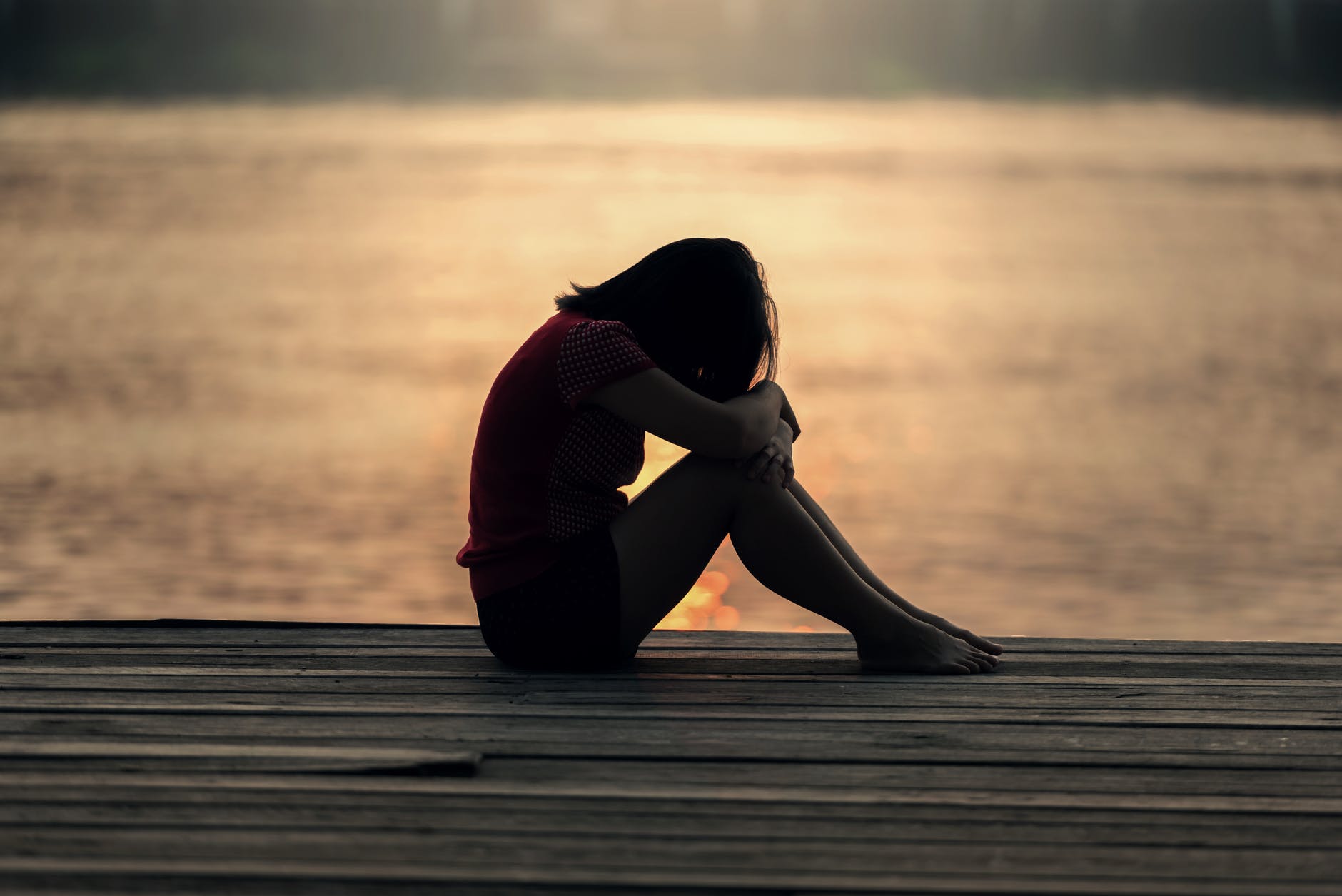
Photo by Pixabay on Pexels.com

Tips to manage stressful situations

It might surprise you to learn that biological stress is a fairly recent discovery. It wasn’t until the late 1950s that endocrinologist Hans Selye first identified and documented stress.

Symptoms of stress existed long before Selye, but his discoveries led to new research that has helped millions cope with stress. We’ve compiled a list of the top 10 ways to relieve stress.

Listen to music

If you’re feeling overwhelmed by a stressful situation, try taking a break and listening to relaxing music. Playing calm music has a positive effect on the brain and body, can lower blood pressure, and reduce cortisol, a hormone linked to stress.

We recommend cello master Yo-Yo Ma playing Bach, but if classical really isn’t your thing, try listening to ocean or nature sounds. It may sound cheesy, but they have similar relaxing effects to music.

Talk it out with a friend

When you’re feeling stressed, take a break to call a friend and talk about your problems. Good relationships with friends and loved ones are important to any healthy lifestyle.

They’re especially important when you’re under a lot of stress. A reassuring voice, even for a minute, can put everything in perspective.

Talk yourself through it

Sometimes calling a friend is not an option. If this is the case, talking calmly to yourself can be the next best thing.

Don’t worry about seeming crazy — just tell yourself why you’re stressed out, what you have to do to complete the task at hand, and most importantly, that everything will be okay.

Eat right

Stress levels and a proper diet are closely related. When we’re overwhelmed, we often forget to eat well and resort to using sugary, fatty snack foods as a pick-me-up.

Try to avoid sugary snacks and plan ahead. Fruits and vegetables are always good, and fish with high levels of omega-3 fatty acids have been shown to reduce the symptoms of stress. A tuna sandwich really is brain food.

Laugh it off

Laughter releases endorphins that improve mood and decrease levels of the stress-causing hormones cortisol and adrenaline. Laughing tricks your nervous system into making you happy.

Our suggestion: watch some classic Monty Python skits like “The Ministry of Silly Walks.” Those Brits are so hilarious, you’ll soon be cracking up, rather than cracking up.

Drink tea

A large dose of caffeine causes a short-term spike in blood pressure. It may also cause your hypothalamic-pituitary-adrenal axis to go into overdrive.

Instead of coffee or energy drinks, try green tea. It has less than half the caffeine of coffee and contains healthy antioxidants, as well as theanine, an amino acid that has a calming effect on the nervous system.

Be mindful

Most of the tips we’ve suggested provide immediate relief, but there are also many lifestyle changes that can be more effective in the long run. The concept of “mindfulness” is a large part of meditative and somatic approaches to mental health and has become popular recently.

From yoga and tai chi to meditation and Pilates, these systems of mindfulness incorporate physical and mental exercises that prevent stress from becoming a problem. Try joining a class.

Exercise (even for a minute)

Exercise doesn’t necessarily mean power lifting at the gym or training for a marathon. A short walk around the office or simply standing up to stretch during a break at work can offer immediate relief in a stressful situation.

Getting your blood moving releases endorphins and can improve your mood almost instantaneously.

Sleep better

Everyone knows stress can cause you to lose sleep. Unfortunately, lack of sleep is also a key cause of stress. This vicious cycle causes the brain and body to get out of whack and only gets worse with time.

Make sure to get the doctor-recommended seven to eight hours of sleep. Turn the TV off earlier, dim the lights, and give yourself time to relax before going to bed. It may be the most effective stress buster on our list.

Breathe easy

he advice “take a deep breath” may seem like a cliché, but it holds true when it comes to stress. For centuries, Buddhist monks have been conscious of deliberate breathing during meditation.

For an easy three- to five-minute exercise, sit up in your chair with your feet flat on the floor and hands on top of your knees. Breathe in and out slowly and deeply, concentrating on your lungs as they expand fully in your chest.

While shallow breathing causes stress, deep breathing oxygenates your blood, helps center your body, and clears your mind.

Learn more about stress relief

Stress is an unavoidable part of life, but that doesn’t mean you should ignore it. Too much untreated stress can cause potentially serious physical and mental health problems.

The good news is that in many cases, stress is manageable. With some patience and a few useful strategies, you can reduce your stress, whether it’s family stress or stress at the workplace.

I hope these tips help you.

Thank you.

LOCKDOWN WIDENS THE VOID BETWIXT QUEER COMMUNITY AND SOCIETY

The past year was indeed a difficult time for the world owing to the COVID 19 pandemic and the lockdown imposed following it. Though the entire population got affected by this adverse conditions, there were certain minor communities and groups like the transgender community which had the bitter taste of it. There were active discussions and discourses on the impact of the lockdown on women facing domestic abuse, but the atrocities and adversities faced by the LGBTQ communities were the least spoken about. Being the have-nots of normal society, the life of the queer community in a pandemic affected locked down scenario was found to be the worst. 

The basic social liberties were always denied to the queer accounting to their physical and psychological divergence and aberant sexual orientation. They were neither included in the mainstream by the government nor had any access to public health care, education, steady job opportunities etc which along with the lack of support from their families resulted in the financial subsiding of the community. In many cases, staying home also became a potential danger to many, where they fell prey to violence from their family members or partner.

For a section whose normal daily life in itself is a hurdle, life in lockdown was nothing but catastrophic. While the majority of us worried about being confined into the comforts of our home during lock down, these destitutes were perturbed over losing the shade over their head. The Indian Hijra community who depended on the streets for their livelihood got literally ‘locked’ inside their residences with no basic supplies or access to money. As they were disdained from the ordinary jobs, street dancing, prostitution and begging were their only source of income and these ‘jobs’ required immense social interaction which was impossible during lockdown. The void between the society and queer community got widened with the imposition of lockdown and the already outlying community was pushed off to further disdain. The society along with the government should consider them at least as humans if not as citizens and take necessary measures for eradicating the stigma regarding the marginalized communities by making them a part of relief programs. 

Isolation or ‘I Have Solution’

In order to prevent the infection of corona and prevent it to a certain level, all the countrymen are following the lock-down nowadays. Due to this type of lock-down, we are imprisoned in homes. All external activities have stopped in a way. This contrasting situation has affected our psychological aspect the most. If you talk to your neighbours, friends and distant relatives, you will find that they are all going through the same mental state – fear of boredom and survival.

When I say boredom, it simply means that we have nothing new to do. This is because we are not at home of our own free will, we have to stay for a long time without any plan and only when we have nothing new, we call our mood boredom in psychological language. 

Let us understand the psychological reasons behind this. Most of us are accustomed to live life in a certain pattern. For example our daily behaviour, our jobs, our social responsibilities, shopping time and walking etc. In this way, our daily behaviour becomes the product of our fixed life pattern and whenever this pattern changes against our will, it has a direct effect on our behaviour and this is exactly the situation that we are facing right now. The second important thing is the possibility of a crisis in our existence at present. Today this apprehension has made a large population stressed. In this context, I would like to say that it seems that this virus has reached very close to our brain and the most contribution to this is the exaggerated news and analysis that we are seeing or hearing all the days and our mood accordingly is being made. We are forgetting why we are taking stress even when we are taking all precautions and are healthy. This is because we are creating this tension ourselves. 

In this context, I recall a story by the Russian writer ‘Anton Chekhov’ – ‘The Bet’. The story is based on the condition of a lawyer and a banker. As the story opens, a banker misses the opportunity for a bet he made fifteen years ago. At the party they were hosting that day, all the guests got involved in the discussion of capital punishment. The banker saw it as more humane than life imprisonment, while a young lawyer disagreed, stating that he would choose life in prison rather than death. They agreed to a condition. If the lawyer can spend fifteen years in total isolation, the banker will pay him two million rubles. The lawyer has no direct contact with any other person, but he could communicate with the outside world and note down whatever he wishes.

Confined in a guest room on the banker’s property, the lawyer first experiences loneliness and depression but eventually begins to read and study in a wide range of subjects. As he takes advantage of the solitude to be educated and amuses himself in various ways over the years, the banker’s fortunes begin to wane. He realizes that if he loses, paying by stakes will go bankrupt. In the early hours of the day when the fifteen-year period is about to expire, the banker resolves to kill the lawyer, and one night goes to kill him but a note written by the lawyer on the table shows that he has chosen to relinquish the condition, knowing that material things are transitory and have the value of divine salvation more than money. The watchman then reports that the lawyer has gone out from the window and escaped with the property at stake. To prevent the spread of rumours, the banker locked the note in his vault. 

Just today, this story can become an inspiration for us. First of all, for this time period, you need to move away from your fixed life pattern and make new work plans, such as spending personal time with parents and children. This will be a great experience for you. You can engage yourselves creatively by creating new projects for children. Every new task will fill you with a new kind of energy and yes, above all, it is time to make a harmony with nature, because at this time due to lack of human activities, nature is in its purest form, so the open air in the morning of your courtyard Go, see the beauty of the flowers of the garden. There was no time before in your fixed life pattern for this. Then your existence will never put you in crisis, but you will feel connected with your presence.

Stay Home, Stay Safe …..

E-learning during Lockdown

The Corona pandemic has made a global impact in the past weeks and continues to hit most of the sectors, with education being one of the most affected ones. Students across the world are losing valuable time in their education during the imposed lockdown amidst fears of pandemic. The situation has forced the schools to shutdown and students to stay at home.A major factor that frames student life is a set routine comprising school, homework, coaching or tuition classes, co-curricular activities, and more studies with a dash of entertainment thrown in. But this routine has completely been disrupted – the boundaries between study time, play time and me-time having merged these days, owing to the governmental regulations.Nearly 600 faculty members from national, international colleges and universities joined the webinar virtually. The webinar is being organised at a time when all educational institutions are taking the e-learning route to complete the syllabus due to coronavirus lockdown. The COVID-19 has resulted in schools shut all across the world. Globally, over 1.2 billion children are out of the classroom.As a result, education has changed dramatically, with the distinctive rise of e-learning, whereby teaching is undertaken remotely and on digital platforms.Research suggests that online learning has been shown to increase retention of information, and take less time, meaning the changes coronavirus have caused might be here to stay.Students will get more motivated and engaged when you give them a sense of control and ownership. So, give them the choice to choose topics, units, and assignments. This will help them to select relevant content quickly, learn about specific topics, or pick the delivery method that they prefer. Let them select the order in which they want to learn some topics. This will empower and engage your learners.

Social impact of Covid 19 :-

The COVID-19 pandemic has had far-reaching consequences beyond the spread of the disease itself and efforts to quarantine it, including political, cultural, and social implications.

pandemic on politics :-
A number of provincial-level administrators of the Communist Party of China (CPC) were dismissed over their handling of the quarantine efforts in Central China, a sign of discontent with the political establishment’s response to the outbreak in those regions. Some experts believe this is likely in a move to protect Communist Party general secretary Xi Jinping from people’s anger over the coronavirus pandemic. Some commentators have suggested that outcry over the disease could be a rare protest against the CPC. Additionally, protests in the special administrative region of Hong Kong have strengthened due to fears of immigration from mainland China. Taiwan has also voiced concern over being included in any travel ban involving the People’s Republic of China (PRC) due to the “one-China policy” and its disputed political status. Further afield, the treasurer of Australia was unable to keep a pledge to maintain a fiscal surplus due to the effect of the coronavirus on the economy. A number of countries have been using the outbreak to show their support to China, such as when Prime Minister Hun Sen of Cambodia made a special visit to China with an aim to showcase Cambodia’s support to China in fighting the outbreak of the epidemic.

The United States president Donald Trump was criticised for his response to the pandemic. He was accused of making several misleading or false claims, of failing to provide adequate information, and of downplaying the pandemic’s significance. Trump was also criticised for having closed down the global health security unit of the United States National Security Council, which was founded to prepare the government for potential pandemics.

The Government of the Islamic Republic of Iran has been heavily affected by the virus, with at least two dozen members (approximately 10%) of the Iranian legislature being infected, as well as at least 15 other current or former top government officials, including the vice-president. Advisers to Ali Khamenei and Mohammad Javad Zarif have died from the disease. The spread of the virus has raised questions about the future survival of the regime.

Sovereignty

Geoeconomics and country risk-experts have emphasized the potential erosion of political and economic sovereignty that may affect some already-enfeebled countries like Italy: Edward Luttwak has called Covid-19 “the virus of truth”. M. Nicolas Firzli, director of the World Pensions Council (WPC) and advisory-board member at the World Bank Global Infrastructure Facility (GIF), refers to the pandemic as “the Greater Financial Crisis”, that will “bring to the surface pent-up financial and geopolitical dysfunctions … [many] national economies will suffer as a result, and their political sovereignty itself may be severely eroded”.

Civil Rights and Democracy :- Iran, Jordan, Morocco, Oman, and Yemen banned the printing and distribution of newspapers. On 30 March, the parliament of Hungary granted Prime Minister Viktor Orban the power to rule by decree for an indefinite period.

World Peace :- The coronavirus pandemic appears to have worsened conflict dynamics; it has also led to a United Nations Security Council resolution demanding a global ceasefire. On March 23, 2020, United Nations Secretary-General António Guterres issued an appeal for a global ceasefire as part of the United Nations’ response to the COVID-19 coronavirus pandemic. On 24 June, 2020, 170 UN Member States and Observers signed a non-binding statement in support of the appeal, rising to 172 on 25 June, 2020. On 1 July 2020, the UN Security Council passed resolution S/RES/2532 (2020), demanding a “a general and immediate cessation of hostilities in all situations on its agenda,” expressing support for “the efforts undertaken by the Secretary-General and his Special Representatives and Special Envoys in that respect,” calling for “all parties to armed conflicts to engage immediately in a durable humanitarian pause” of at least 90 consecutive days, and calling for greater international cooperation to address the pandemic.

Education impacts ;- The pandemic has affected educational systems worldwide, leading to the widespread closures of schools and universities. According to data released by UNESCO on 25 March, school and university closures due to COVID-19 were implemented nationwide in 165 countries. Including localized closures, this affects over 1.5 billion students worldwide, accounting for 87% of enrolled learners.

Coronavirus and inequality :-
Low income individuals are more likely to contract the coronavirus and to die from it. In both New York City and Barcelona, low income neighborhoods are disproportionately hit by coronavirus cases. Hypotheses for why this is the case include that poorer families are more likely to live in crowded housing and work in the low skill jobs, such as supermarkets and elder care, which are deemed essential during the crisis. In the United States, millions of low-income people may lack access to health care due to being uninsured or underinsured. Millions of Americans lost their health insurance after losing their jobs. Many low income workers in service jobs have become unemployed.

Religious Impact :- The pandemic has impacted religion in various ways, including the cancellation of the worship services of various faiths, the closure of Sunday Schools, as well as the cancellation of pilgrimages surrounding observances and festivals. Many churches, synagogues, mosques, and temples have offered worship through livestream amidst the pandemic. Relief wings of religious organisations have dispatched medical supplies and other aid to affected areas. Adherents of many religions have gathered together to pray for an end to the pandemic, for those affected by it, as well as for the God they believe in to give physicians and scientists the wisdom to combat the disease; in the United States, Trump designated 15 March 2020 as a National Day of Prayer for “God’s healing hand to be placed on the people of our Nation”.

Psychological impact

On 18 March 2020, the World Health Organization issued a report related to mental health and psychosocial issues by addressing instructions and some social considerations during the COVID-19 outbreak.

Due to doubts if pets or other livestock may pass on coronavirus to humans, many people were reluctant to keep their pets fearing transmission, for instance in the Arab World, celebrities were urging people to keep and protect their pets. Meanwhile, people in the U.K. tended to acquire more pets during the coronavirus lockdown.

Suicide :- The coronavirus pandemic has been followed by a concern for a potential spike in suicides, exacerbated by social isolation due to quarantine and social-distancing guidelines, fear, and unemployment and financial factors.

Personal Gatherings :-

The impact on personal gatherings has been strong as medical experts have advised, and local authorities often mandated stay-at-home orders to prevents gatherings of any size, not just the larger events that were initially restricted. Such gatherings may be replaced by teleconferencing, or in some cases with unconventional attempts to maintain social distancing with activities such as a balcony sing-along for a concert, or a “birthday parade” for a birthday party. Replacements for gatherings have been seen as significant to mental health during the crisis. Social isolation among alcohol users has also adopted a trend towards Kalsarikänni or “pantsdrunking“, a Finnish antisocial drinking culture.

Domestic violence :- Many countries have reported an increase in domestic violence and intimate partner violence attributed to lockdowns amid the COVID-19 pandemic. Financial insecurity, stress, and uncertainty have lead to increased aggression at home, with abusers able to control large amounts of their victims’ daily life. United Nations Secretary-General António Guterres has called for a domestic violence “ceasefire”

Elderly care

Older people are particularly affected by COVID-19. They need special attention during the COVID-19 crisis, and their voices, opinions and concerns are important in formulating responses.

Global data are extremely uncertain at present, nonetheless, the heightened risks of COVID-19 for older persons are evident in all national data. The scale of testing and nature of reporting vary between governments and hence there is risk of misinformation by generalizing from the experience and reports of a given country.

While the number of older persons is relatively and absolutely smaller in developing countries, particularly in Africa, this coincides with other serious structural risks. Countries with the fewest older persons (such as many of the least developed countries), have the fewest health resources, limited experience caring for older patients (including few geriatric specialists), less institutional care for older persons, and far fewer public or NGO support structures for outreach, screening and community-based care of older persons.

Older persons living in long-term care facilities, such as nursing homes and rehabilitation centers, are particularly vulnerable to infection and adverse outcomes from COVID-19. Older persons who live alone may face barriers to obtaining accurate information, food, medication, and other essential supplies during quarantine conditions and community outreach is required. Older persons, especially in isolation, those with cognitive decline, and those who are highly care-dependent, need a continuum of practical and emotional support through informal networks (families), health workers, caregivers, and volunteers.


UNLOCK 4

India on Saturday issued fresh guidelines of lock down in ‘Unlock 4’, allowing opening up of more activities in areas outside the containment zones, marking gradual opening of the country and economy amid coronavirus disease (Covid-19) outbreak. Many features of this unlock down had changed or improved than previous ones. New guidelines had make many shut down industry to give a new start. According to MHA the new guidelines are based on feedback received from states and UTs and extensive consultations held with related central ministries and departments.

Here is the list of institutions which are free to have a start-

  • Metro trains will be allowed to resume services in a graded manner from September 7.
  • Open air theaters will be allowed to open from September 21.
  • Social, academic, sports, entertainment, political, cultural and religious functions and gatherings will be allowed with a maximum of 100 people from September 21. Face masks and social distancing are however mandatory in all such gatherings.
  • No restrictions on inter-state and intra-state movement of people and goods. No separate permission or e-permits will be required.
  • Schools and educational institutions will remain shut till September 30 and online classes will continue. However students of classes 9 to 12 may be permitted to visit their schools, outside containment zones only, to take teachers’ guidance. This will require a written consent of their parents.
  • 50 per cent of teaching and non-teaching staff can be called to schools at a time for online teaching.
  • Skill or entrepreneurship training will be allowed in institutes registered with the government.
  • Research scholars and post-graduate students of technical and professional programmers who need laboratory practicals will be permitted by the government.
  • Movie theaters, swimming pools, entertainment parks will remain shut.
  • International air travel of passengers will remain banned, except for those allowed by the centre.
  • Only essential services will be allowed in containment zones. Lock down will continue in the containment zones till September 30.

This is a huge step taken by centre to create an environment of safety and spirit to fight this virus. The wait for vaccine is still not known but one thing which we all can do is to follow these guidelines to keep our self and others safe.

Unlock 4 : New Covid Rules

The Government of India had announced a lockdown over the last few months due to the Coronavirus pandemic. A lockdown was imposed on the whole country from the month of April. The lockdowns were imposed as a preventive measure for the pandemic. Since rates of infection have still not gone down, these measures are being continued.. Recently there has been a change in the guidelines and a new system of “Unlock” is being introduced in the country. Today, a new set of guidelines were announced regarding the unlock. The Ministry of Home Affairs has issued a new guideline about the opening up of more institutions and activities. Metro train services and open air theatres are to be allowed in areas other than Containment Zones. A new set of lockdowns is being extended in the country and the rules will apply to zones where there are active cases and places labelled as containment zones. Other zones will have less strict Unlock rules. These guidelines will be extended in the country till 30 September.

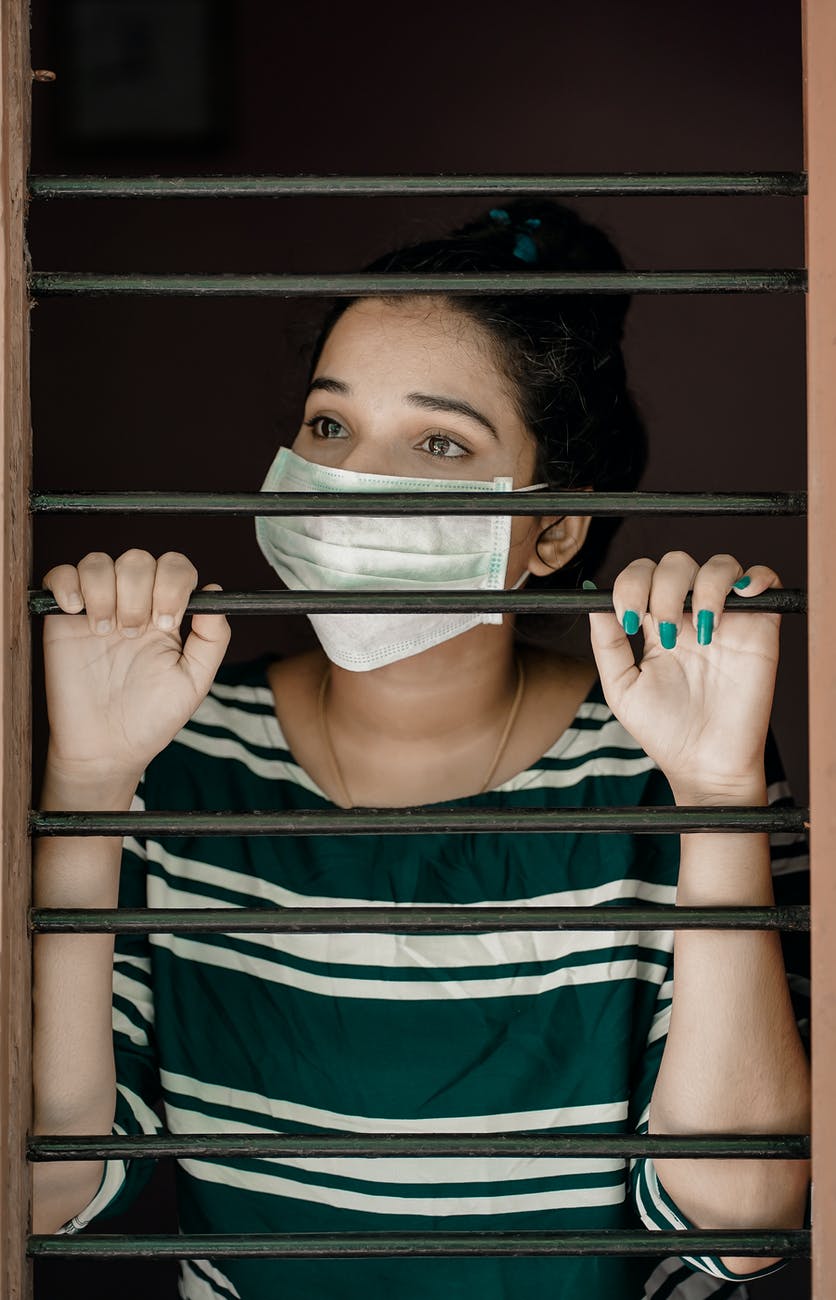
Photo by Nandhu Kumar on Pexels.com

The Centre has said,”The new guidelines, issued today, are based on feedback received from States and UTs, and extensive consultations held with related Central Ministries and Departments.” After issuing the guidelines, the Home ministry also announced opening up of more activities, like the resumption of Metro train services and open air theatres. Closed theatres have not been permitted to be kept open. Until further notice they will be closed. The re-opening of activities rule will only be applicable in areas outside the Containment Zones, said the Ministry. The Centre has allowed the states and Union Territories to permit up to 50 per cent of its teaching and non-teaching staff to be allowed to go to the schools for online teaching and other official and related work. States will also be allowed to permit students of classes 9 to 12 to visit their schools, but only in areas which are not included under the containment zones, said the government order. The Centre, however, has allowed reopening of higher education institutions. But this is only for research scholars and post-graduate students of technical and professional programmes which require necessary laboratory or experimental works in labs or other institutions. The previous Unlock3 guidelines which were issued on July 29 had allowed the opening up of yoga institutes and gymnasiums. It had also removed restrictions on movement of individuals during night curfew.

School, colleges and other educational institutions will continue to remain closed for students, said the Centre on Saturday as it issued the guidelines for the month-long fourth phase of easing down the restrictions for the pandemic – “Unlock4” – which begins from September 1. The Home Ministry, issuing the guidelines, announced opening up of more activities, like restarting of Metro train services and open air theatres. The re-opening of activities will only be allowed in areas outside the Containment Zones, according to the Ministry guidelines.

The Unlock3 guidelines issued on July 29 had allowed opening of yoga institutes and gymnasiums and removed restrictions on movement of individuals during night curfew. In its latest order, the States have also been asked not to impose any local lockdown restrictions in places outside Containment Zones. According to the government data, India’s COVID-19 numbers rose to 34,63,972 with a single-day spike of 76,472 new infections, while the death count climbed to 62,550 in 24 hours.

Was the Environment Healing During the Pandemic?

While the outbreak of the Covid 19 pandemic prompted lockdowns in many countries all over the world, the resultant decrease in emissions may have improved the health of our planet. Incidents where endangered animals have been spotted in certain areas were all around social media.

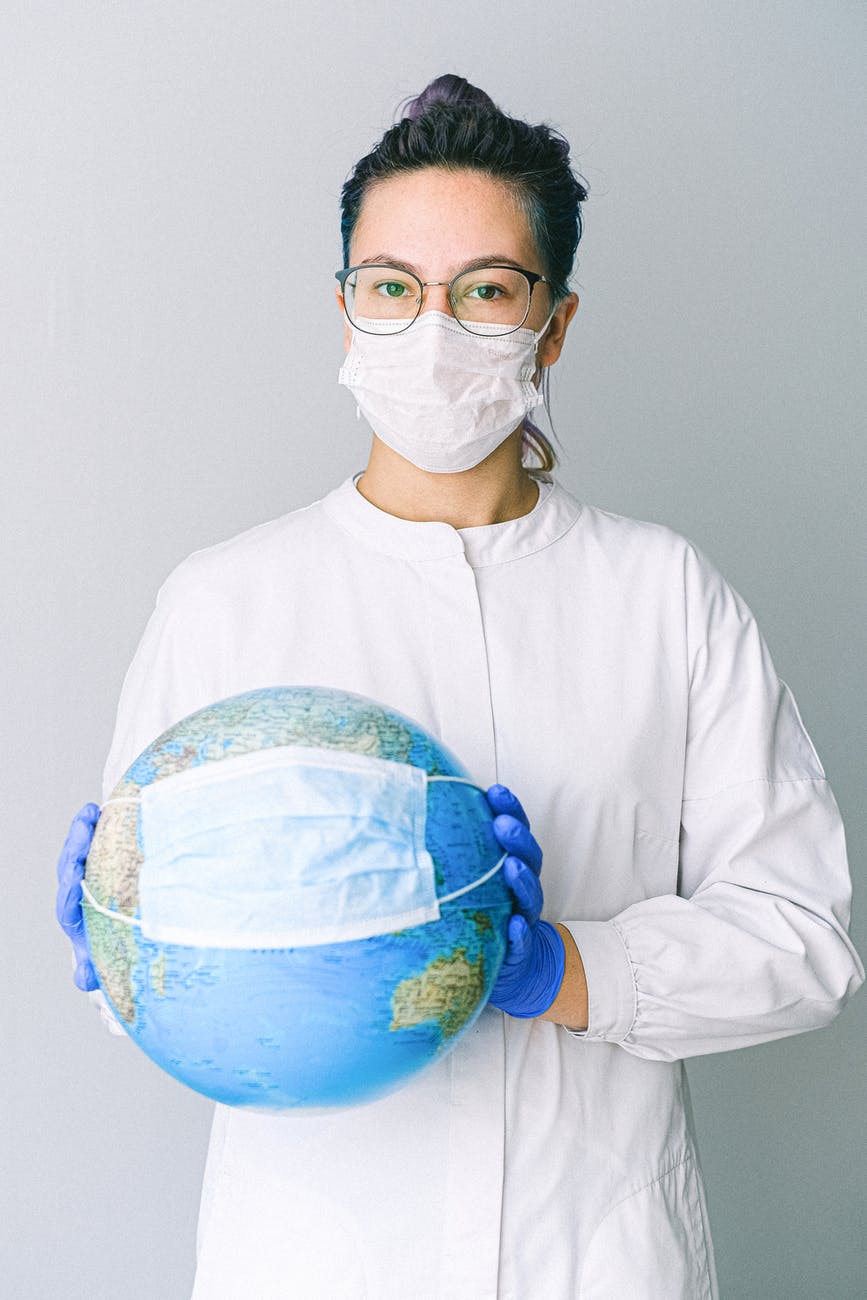
Photo by Anna Shvets on Pexels.com

The worldwide disruption caused by this has resulted in great impacts on the environment and the climate. Also, the considerable decline in travel has caused many regions to experience a large drop in air pollution. Carbon emission rates have reduced across countries significantly. There have been many instances where considerable changes in environmental conditions were observed. In China, lockdowns and similar measures have resulted in a 25 percent reduction in carbon emissions and 50 per cent reduction in nitrogen oxides emissions. One scientist estimated that this may have saved at least 77,000 lives over the course of two months. When compared with indexes of last year, pollution levels in New York have decreased almost by 50% this year. Satellite images have shown that Nitrogen dioxide emissions have started to decrease in Northern Italy, Spain and United Kingdom.

As most people had to stay at home due to lockdown and travel restrictions, many animals have been spotted in several cities. Sea turtles were spotted laying eggs on beaches they once avoided. This was found in coasts of the Bay of Bengal due to the lowered levels of pollution and human intervention. In the United States, dangerous vehicle collisions with animals such as deer, elk, moose, bears, mountain lions were very common. These incidents have reduced greatly and the rates fell by 58% during March and April. Endangered animals were visible in urban cities. A group of Nilgai deers were spotted on the roads of Noida near New Delhi. Dolphins which were seen in the Ganges many years ago, were also spotted in the river during the lockdowns. Several migratory birds were spotted across cities.

Gabon, an African country, had decided to ban the human consumption of certain animals like, bats and pangolins. This was done to reduce the spread of zoonotic diseases because the novel coronavirus is thought to have transmitted to humans through these animals.

According to a study published in May 2020, it was found that the rate of daily global carbon emissions during the lockdown in early April fell by 17%. This could possibly lead to an annual carbon emissions decline of up to 7%, which would be the biggest drop in emissions since World War II according to the study. Researchers suggest that these decreases are mainly due to the reduction of transportation usage and industrial activities. It is true that rebounding and returning to our previous routine and lives could diminish these reductions due to the more limited industrial activities. Due to the reduction in flights, air pollution levels have also dropped significantly.

Temporary changes have affected the environmental conditions. However, whether this pandemic will have a lasting impact on the environment is yet to be known. None of us would have wanted to lower emissions in this way, but it has shown us what we can do together in times of need. Covid-19 has shown us the importance of lives, health services, jobs and mental health. It has also shown us the difference that people and communities can make when they work together – this has given us hope that we can show the same zeal while dealing with climate change and saving our planet.

TOP 9 Small Business & Start-Up Ideas for 2020 (ONLINE FROM HOME)

Today, we’re going to talk about TOP business ideas for 2020. They are not going to be those obvious ideas that you can think of yourself like starting a restaurant or a car wash; we are going to talk about ideas based on recent trends, recent growing markets.

How To Start A Business

A very important rule! If you decide to start your own business, your motivation shouldn’t be because someone said: “It’s going to be a great business!”. Your perfect business idea should consist of the following things: it should be something you like doing and it should be something you are really good at.

1. Coworking Space

Remote workers are spurring on a new revolution for white-collar professionals, as many roles traditionally set in the office space transition to working via the web. Since loneliness is an all-too-common affliction for remote workers and working from a coffee shop isn’t always the quietest choice, the appeal of shared coworking spaces grows each year.

2. Posture Corrector

Nowadays, people constantly hunch over their phones and laptops, it’s no surprise that there’s been a rise in back and neck pain. The keyword “posture corrector” gets about 74,000 monthly searches proving to be a great startup idea for new entrepreneurs.

3. Fitness Tech

Apps related to diet and fitness account for 3.31% of all app on the Apple Store. People are constantly on the move. Making it possible for consumers to fit daily workouts conveniently into their crazy schedules closes another barrier to a healthy lifestyle.

4. Men’s Cosmetics

Men’s cosmetics industry is worth approximately $3.4 billion. One of the most popular niche products targeting men is beard oil, a part of the male grooming industry that makes approximately $6 billion in annual sales. Approximately 39% of American men have beards.

5. Food truck

Food trucks represent all the benefits of a restaurant but without the initial investment of a brick and mortar business space. Only 10-20% of food trucks fail, whereas the failure rate for new restaurants can be as high as 90%.

6. Healthy Fast Food

Think about why people flock to their favorite fast-food chains. The price, speed, and convenience offer consumers a quick way to eat on the go and on a budget. With high demand and low competition, healthy fast food makes a great business idea for 2020.

7. Reusable Bags

As people become more conscious of the waste they produce in their homes, some are starting to use reusable bags to lower the amount of plastic waste. Business ideas centered around preserving the environment can help you build a socially conscious brand.

8. Smart Apparel

With smart apparel’s surging growth rates, this niched industry is looking to net over $4 billion by 2024. This subsector is still so new, making it fresh for innovative ideas from budding entrepreneur techies.

9.Travel Consulting

If traveling is your passion and you are always updated about things like best airplane ticket options and hotel deals, then you fit the bill. You can start by helping your family and friends, securing the best travel deals and selling rewards flights.

Hope these ideas are useful to young budding minds out there looking forward to being Entrepreneurs of tomorrow!

Mini-lockdown in West Bengal

5 days back on July 20, the Chief Minister of West Bengal, Mamata Bannerjee and the Home Secretary, Alapan Bandopadhyay conducted a meeting where it was jointly decided to impose a 2-day lockdown for every week in West Bengal. The sole reason for this lockdown is community transmission at some places in West Bengal. Due to such high rise of spread of infection, it was came as a verdict that offices, transports services and all the local shops will be closed on these 2 days. For this week 19th July to 25th July, those 2 days were Thursday (23rd July) and Saturday (25th July).

Due to the increase in the number of positive cases in west Bengal, our state minister had to take such a drastic step to contain the transmission. It was also decided that there will be further reviews if there arises any change in decision. To promote the mandatory 2-day lockdown, the city police have also undertaken quite a few steps to ensure compliance. They have released a mask-wearing awareness anthem, sung by Usha Utthup. At the same time, an awareness campaign ‘Mask-up Kolkata’ was promoted by Anuj Sharma, Police Commissioner.

West Bengal Lockdown 4.0 Guidelines: State to issue notification ...
Police raiding the streets of Kolkata

For one, the cases in West Bengal have been rising at an alarming rate. Apparently, Monday recorded 2,282 new cases, taking the total to 44,769. So to take this under control, the West Bengal police is also taking very strict steps to ensure that the citizens are following the lockdown rules. Around 10,000 policemen have hit the streets of West Bengal at around 5:30 am to curb the normal trends. Throughout the day, multiple cases came out where the house maids were trying to reach their places of work, shop owners even tried to open their shops with much disregard for the policemen and so much so, people just wandered off to the street saying that they were not aware of the rules of this new lockdown. But sadly, this time the police was there to check their behaviour and to make sure that there is no relaxation of the rules. The state ensured to circulate drones so as to prohibit people from leaving their homes. Cases arose where the bike riders tried to get away from the situation or where the shop owners forcefully tried to open their shops, ultimately resulting in police booking.

Yes at the end of the day, police cases arose from the places which had been declared as containment zones. As per Thursday’s report, 256 FIRs were registered, 1,273 people were arrested, 19 vehicles were seized, 665 people were booked for not wearing the masks and 128 people were caught for spitting openly on the roads. But in most of the cases, the victims complained that they were not aware of the exact conditions of this 2-day lockdown.

West Bengal, especially Kolkata, is doing a great job while trying to combat the increased transmission. But it is very necessary for Kolkata to stick to its own words to achieve success in this mission. And more importantly, we, the citizens should be cooperative enough to make this mission successful.

Source: https://www.timesnownews.com/kolkata/article/kolkata-west-bengal-govt-imposes-2-day-lockdown-every-week-after-community-transmission-detected-in-few-areas/625057

https://timesofindia.indiatimes.com/city/kolkata/kolkata-all-boxes-ticked-for-lockdown-day-ii/articleshow/77161203.cms