Body Positivity

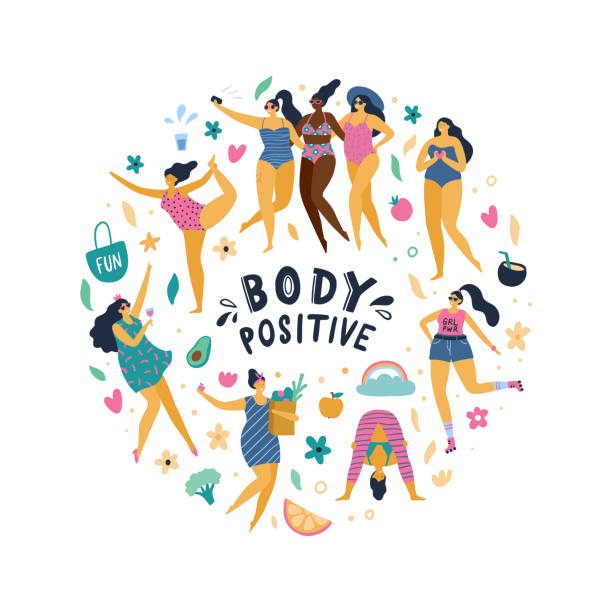
Body positivity is the belief that everyone deserves a good body image, regardless of how society and popular culture define ideal shape, size, or appearance.
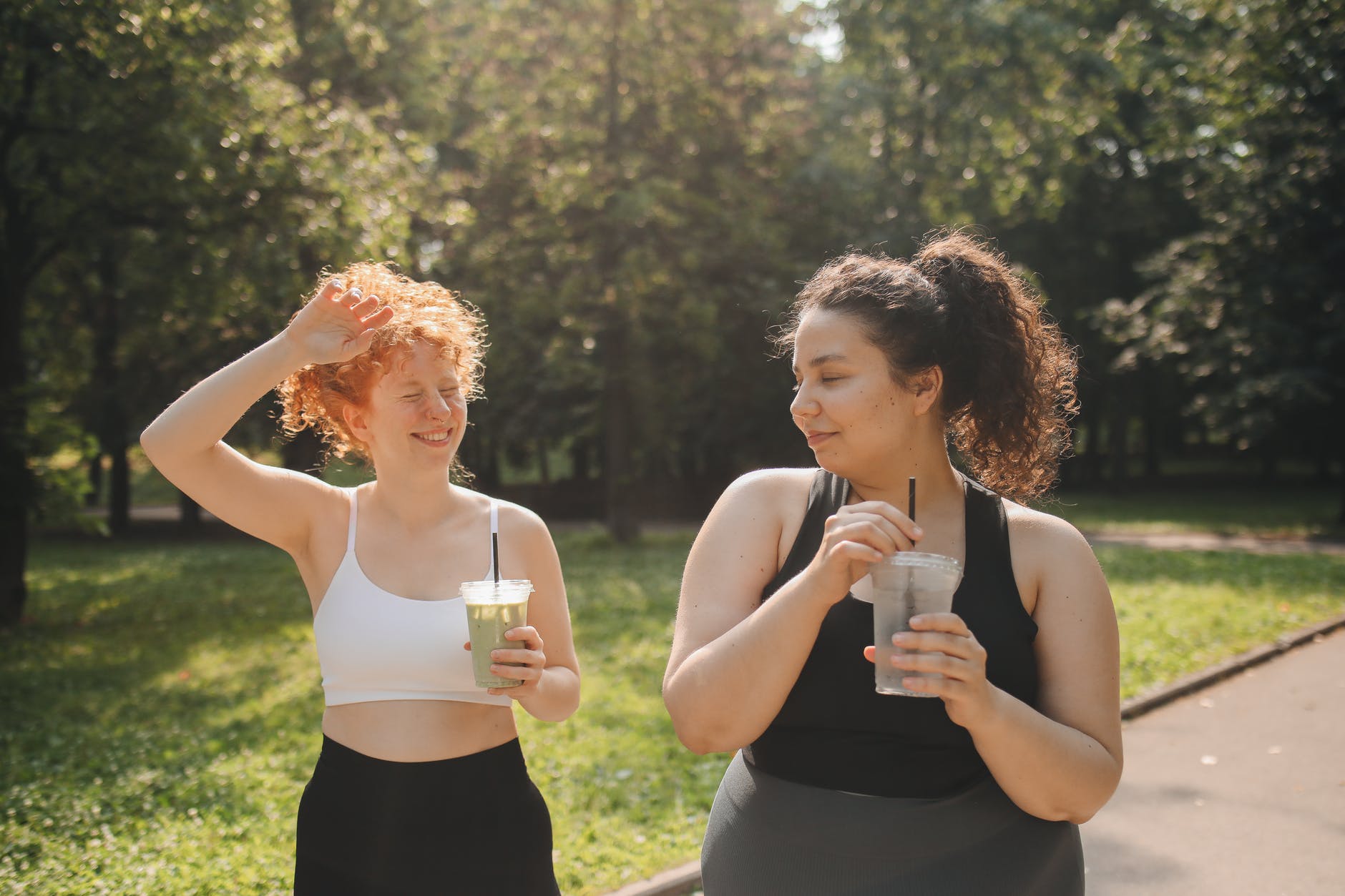
Photo by Polina Tankilevitch on Pexels.com

The following are some of the goals of the body positivity movement:

1)Questioning society’s perceptions about the body

2)Advocating acceptance of all people’s bodies

3)Assisting people in developing self-esteem and acceptance of their own bodies

4)Confronting unattainable physical standards

Body positivity, on the other hand, is about more than just questioning how society views people based on their physical size and shape. It also acknowledges that race, gender, sexuality, and disability are frequently used to make judgments.

Body positivity also tries to educate people on how popular media themes influence people’s attitudes toward their bodies, including how they feel about food, exercise, clothing, health, identity, and self-care. People may be able to create a healthier and more realistic relationship with their bodies by better comprehending the impact of such forces.

HISTORY OF BODY POSITIVITY

Body positivity has its origins in the late 1960s fat acceptance movement. Fat acceptance aims to put an end to the culture of fat shaming and prejudice against those who are overweight or obese. The National Association to Advance Fat Acceptance was founded in 1969 and is still working to change the way people talk about their weight.

When a psychologist and an individual who had undergone eating disorder treatment launched the website thebodypositive.org in 1996, the phrase “body positive” was coined. The site provides information and instructional materials to help people feel good about their bodies by shifting the focus away from dieting and exercising in unhealthy ways.

In its current form, the body positivity movement emerged around 2012, primarily focusing on opposing unrealistic feminine beauty standards. As the movement gained traction, the emphasis shifted from weight acceptance to the idea that “all bodies are beautiful.”

Despite the fact that body positivity is becoming more mainstream, many individuals are still unsure what it entails. One of the reasons why body positivity is so misunderstood is that there are so many diverse interpretations of what the movement entails.

REASON BEHIND BODY POSITIVITY

One of the main goals of body positivity is to address how body image affects mental health and well-being. People’s feelings about their appearance and even how they assess their self-worth are influenced by their body image. According to research, having a bad body image is linked to an increased risk of mental illnesses such as depression and eating disorders.

A person’s subjective perception of their own body—which may differ from how their body actually appears—is referred to as body image. Body image feelings, emotions, and actions can have a significant impact on your mental health and how you treat yourself.

The creation of one’s body image begins at a young age. Even small infants, however, can experience body dissatisfaction. More than half of girls and nearly a third of boys between the ages of 6 and 8 believed their ideal body weight was smaller than their present weight, according to a research published by Common Sense Media. The findings also found that 25% of children had tried some form of dieting activity.

While the concept of body positivity is meant to make people feel better about themselves, it is not without flaws and criticism.

One issue is the notion that body positivity entails people doing whatever they think they need to do in order to feel good about their appearance. Unfortunately, people are constantly assaulted with messaging implying that smaller, fitter people are happier, healthier, and more attractive.

Body positivity is meant to promote acceptance and love of one’s own body, yet it can be a struggle that adds to the pressure and unrealistic expectations. The idea of body positivity is that you should modify how you feel about yourself, yet it can also be seen as yet another demand.

SELF CARE IN IMPORTANT

Self-care can sometimes be misconstrued as a means of altering or controlling one’s looks, but it should instead focus on activities that make you feel good about the body you have now.

Respect yourself and your body. Consume nutritious foods to keep your mind and body in good shape. You should exercise because it makes you feel strong and energized, not to change or control your physique.

Remove profiles from your social media feeds that make you feel bad about yourself. You’re less likely to feel good about yourself if you’re continually comparing yourself to others.

Follow accounts that pique your curiosity and leave you feeling uplifted. Many Instagram accounts, in example, are solely dedicated to showcasing perfection or an idealized view of the body.

While it may be difficult, improving the portrayal of all body types in popular media may aid in the fight against poor body image.
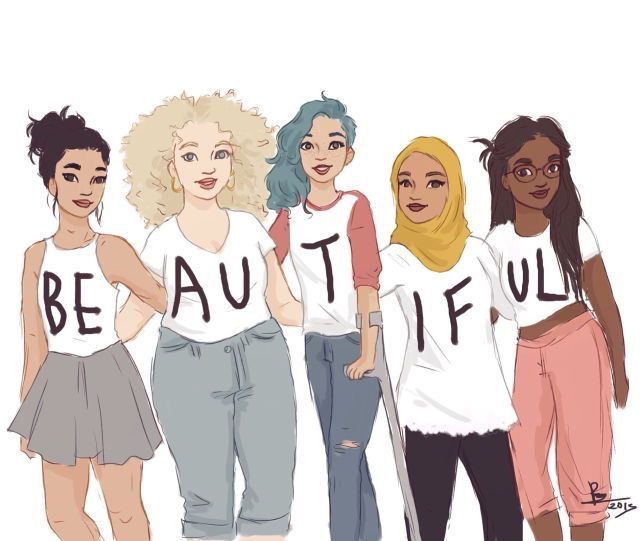
What is Body Positivity?

Hardly, anyone can say these days they love themselves the way they are or they love their bodies. Everyone now wants a flawless body. Every time a woman saw another woman walking on the street back then, she would walk away. But now ever time a woman sees another woman, all they notice is whether she is slim or fat. Realizing a woman has slimmer body, you question your size and beauty because that’s what society thinks is an acceptable size for a woman. This idea of being socially accepted through disregard for overweight bodies is what lead to body shaming, also known as Fat Shaming. This action of humiliating not only one’s appearance but other people’s appearance as well resulted in damaging people’s perception about self-love irrespective of size, shape or color. Sadly, women are not the only victims of body shaming. Men go through this emotional trauma as well.

Over the years, people have been emotionally struggling. They have been too hard on themselves to look perfect. They thought the only way they could be accepted by the society is if they lose weight and maintain unrealistic body standards. To challenge this society’s view on bodies and promotion of acceptance of all body sizes, Body Positivity had emanated.

The history of Body Positivity dates back to 1960’s. It emerged with the Fat Rights Movement. A man from New York was unhappy with the way people treated his wife because she was overweight. He handed out copies of an article he had right about a man who had been going through the same problem. Soon, he gathered people and created an association for fat Americans. It’s focus was to address the culture of people discriminating on the basis of their size and shape. In 2012, Body Positivity had gained . But, this time it was supported by people across the world through social media. The message of this movement now focused on ‘all bodies are beautiful’.

Social media played a pivotal role in increasing the popularity of body positivity. It helped people from various parts of the world to share their stories and be part of this movement. The concept of body positivity was foreign to most of the people. There were people who were severely affected by the constant criticism. Body Positivity Movement gave them a voice they were looking for.

However, body positivity has always been misunderstood by the people. It is limited to not one definition. It can mean accepting yourself they way you are or loving and feeling confident in your body. Though, body positivity strives to change people’s perspective about certain bodies, it focuses on self-acceptance and self-love. Embrace your flaws and love yourself unconditionally.

How do I a start journey of self-love?

  1. Think positively about your body. Do not let anybody tell you are fat. Speak for yourself.

2. Exercise not to be thin but to adopt a healthy lifestyle. It is not about the size, but about your mental and physical health.

3. Be around positive people. The more you are with negative people, the more negative vibes you get. Avoid negative self-talk.

4. Focus on yourself. Think about the things you love and are passionate about.

5. Always love yourself and embrace your true beauty.

Body positivity

I have thighs that giggle a little when I run. So what?

I like it that way.

When I adorn myself in a new black dress some tell that it adds on to my darkness. So what?

I like it that way.

People presume that I may have any syndrome as I appear very thin. So what?

I like it that way.

You would be shocked to know that 20% of adults feel shamed and depressed of their body weight. Adults say that the images used in magazines and advertisements have caused them to worry about their body weight. 64% of teenage boys and 94% of teenage girls are being body shamed for the way their body looks. A doctor says that she sees patients as young as six years old with body image issues. Anorexia Nervosa is an earing disorder causing people to obsess about their body weight with an unwarranted fear of being overweight. It is the most lethal of all psychiatric conditions. It is the leading cause of death of many teenage girls.

Is being plus body sized, dusky, dark complexed or being very thin becomes a stigma or an an insecurity or does it mean that a person isn’t beautiful enough?

Body positivity renders a great response to all of these alike questions. Body is neither an object of shame nor an entitlement. Body positivity is a social movement initially laid to empower and popularize overweight women and men, while also challenging the ways in which the society presents and views a physical body. The movement advocates the acceptance of all physical bodies irrespective of size, race, appearance or physical ability. It asserts that all people over here deserve to have a positive body image, regardless of how others view them. It also recognizes that judgements are often made based on race, gender, shape, and appearance.

What do we mean by being beautiful? Is it being fair, slim, tall, chubby cheeks and rosy lips? The definition of beauty is being switched over randomly by people in line with their marketing of products. A Hair product adverts that silky and smooth hair is beauty. A skin product adverts that the soap and creams they vend makes you more beautiful. A diet product adverts that the food they provide you, turns you to size zero. All of these beauties just end up being a fantasy. What actually beauty means? It is possessing the quality that gives pleasure or satisfaction to see hear and think about. It is about being genuine, authentic and real, being yourself. Dimple chin or double chin doesn’t matter, DARE TO BE YOURSELF.

By whom are these are these beauty standards being framed ? Day in and day out people are being influenced by several factors like advertisements, brands, magazines and influencers who device body image problems and then exploit them. When we were young we would have had a great craze for barbie dolls which dictated the definition of beauty( fair, slim and tall). According to a study done the barbie dolls does have a huge effect on a younger and older girls’ self esteem because if a child is raised with dolls such as barbie wouldn’t their idea of perfect body image come from their experience by playing with their perfect barbie dolls. When we grow up beauty brands define perfect skin, fair and spotless. Images used in magazines, televisions and newspapers influence the concept of an ideal body weight of nearly 70% adolescent girls. In this world where beauty care is an investment people are expecting the providers of said products to deliver results. There are still products who actually do what they claim and invest on the actual research of products. However in this world where persuasion is done by emotion a lot of beauty care brands invest in advertisements rather than on the real products. If we think in depth beauty brands use hashtags like #loveyourself and #beyourself but are they really encouraging us to do so? They obliquely delude us that we aren’t beautiful enough and impose their selling of products on us. By using our ignorance the cosmetic industry climbs up and up the ladder.

Be aware of the business behind the products you use. Get rid of the unreal things happening around you. Body positivity is the only weapon to overcome these unreal beauty facts created by random people and stop getting influenced. It is the idea that one should be proud, happy and comfortable of ourselves regardless of the size and looks. Body positivity movement has flooded the timeline for years now. There are some who say that it promotes unhealthy lifestyle and encourages obesity, but the movement is all about self acceptance and not letting your physical appearance let you down. Don’t try hard to stick to the stereotypical order that someone has created. KNOW YOUR WORTH AND DEFINE YOUR OWN BEAUTY. There are many ways to motivate you to lose or gain weight but if you dont wish to do so gain enough confidence lose your timidness and confront others valiantly.

DONT TRY TO IMPRESS PEOPLE BY BECOMING FAIR OR SLIM , INSPIRE THEM BY BEING YOURSELF!!!