How to manage time.

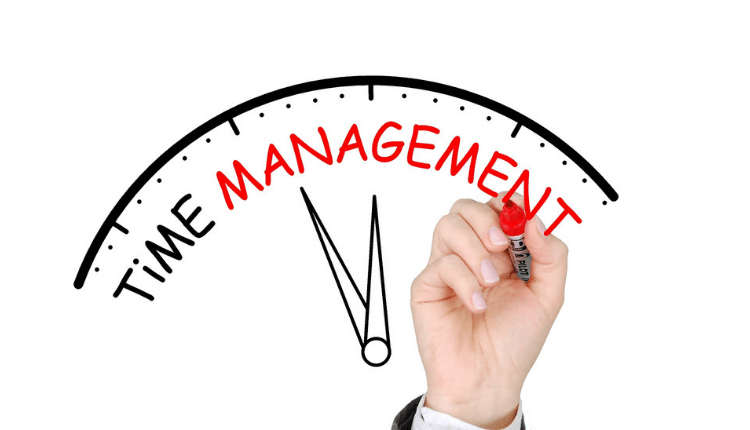
Time management is an art rather skill that is not easy for everyone. Often, we spend our entire time after college work or office work and it became difficult for us to take out time for our family. Time is very necessary for strengthening the bond that we often take for granted. Everyone is having a busy schedule these days especially because of online classes or work from home situations, but some manage time quite well and manages everything and have a balanced life, while others stay pretty engaged in their official work only that makes the situation stressful.

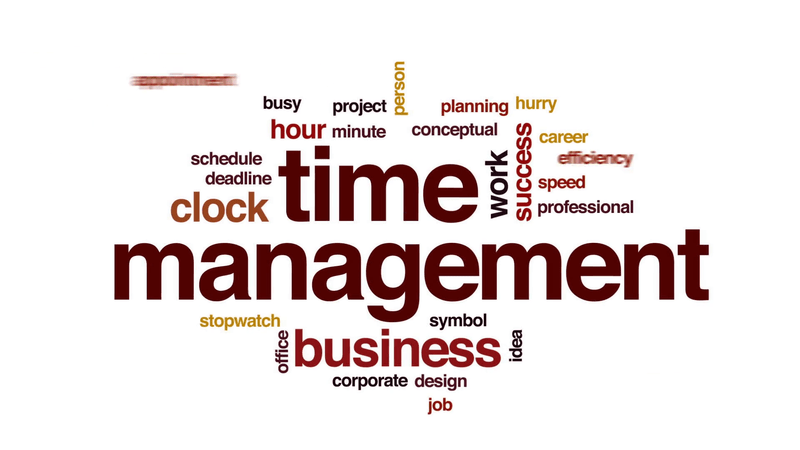
“Time management” refers to the way that you organize and plan how long you spend on specific activities. Failing to manage your time effectively can have some very undesirable consequences. Being conscious of time will result in self-improvement and goal achievement.

Here are some ways to manage time effectively.

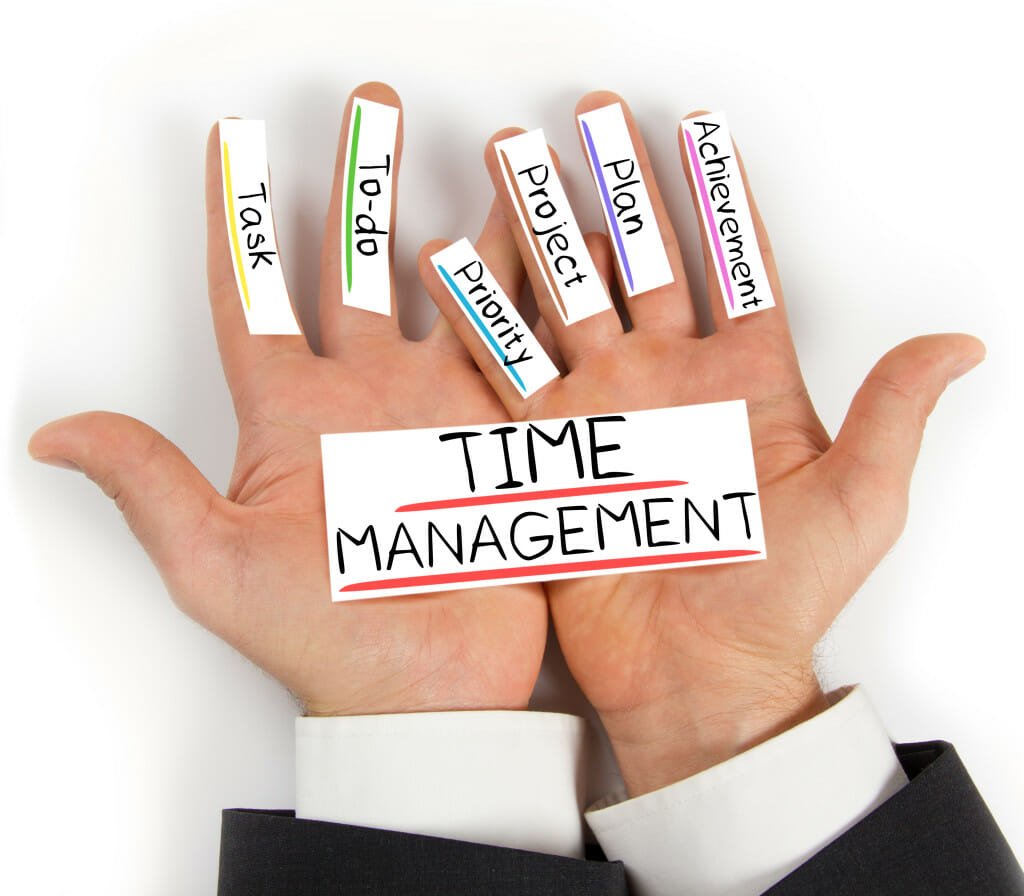
  • Have a to-do list : Having a list is always a time saver. If you have a list, you’ll never have to wonder what’s on the daily agenda or what to do next. Indeed, a list keeps you focused and motivated, focused on feeling that sweet satisfaction every time you tick off a task from your list. Lists also let you see – and monitor – your progress. Even if you’re surrounded by distractions, your list will keep you on the right track.
  • Plan Ahead : Planning ahead is a critical part of time management. Ideally, you should plan ahead for the week or at least the day before. When you know exactly what needs to get done for the day or week, you’ll stay organised and focused. You can break tasks across days to see, in advance, how much time is needed to complete a project. Even spending just a few minutes planning ahead can transform how you work.
  • Be Decisive : Decide each day what the goals are by order of importance and stick to them. If you work in a shared office, avoid unnecessary conversations until you’ve done your task. Don’t get stuck on long telephone calls when you have a deadline looming and write short, polite responses to emails to keep lines of communication open.
  • Stay focused : Try not to let distraction get the better of you. Staying focussed on the particular job at hand is key to your success as a small business start-up. Try staying focused for short amounts of time, say 20 minutes at a go, and then have a short break before diving in again. Being mindful of how long you have to spend per task will help ensure you stay within your timeframe.

Time Management

“Time and tide wait for no one,” as the saying goes. To be successful in all parts of life, a person must grasp the value of time. People who waste time are those who have not developed their own personality.

What is Time Management ?

  • Time management is the process of properly managing time so that the appropriate amount of time is allotted to the appropriate task.
  • Individuals who use effective time management can assign particular time slots to tasks based on their value.
  • Time management is the process of making the best use of one’s time, which is constantly finite.

Consider which activity is more essential and how much time should be devoted to it. Determine which tasks should be completed first and which may wait a bit longer. Time Management plays a very important role not only in organizations but also in our personal lives.

Time management includes the following:

  • Planning that works:- Make a detailed plan for your day. Make a To-Do List or a “TASK PLAN.” Make a list of the key tasks that must be completed in a single day, together with the amount of time that should be allotted to each task. High priority tasks should be prioritised first, followed by those that do not require much of your attention at the present. Complete all outstanding chores one by one. Do not start new work until you have completed your prior assignment. Tick the ones you’ve already finished. Make certain that you complete the assignments within the time period specified.
  • Establishing goals and objectives:- Working in an organisation without goals and aims is like to the captain of a ship being disoriented at sea. Yes, you’d be lost. Set goals for yourself and make sure they are reasonable and attainable.
  • Establishing deadlines:- Set deadlines for yourself and work hard to do projects ahead of time. Don’t wait for your bosses to ask you every time. Learn to accept responsibility for your job. You are the only one who has the authority to establish deadlines. Consider how much time and how many days you need to commit to a specific activity. Use a calendar to keep track of crucial dates and deadlines.
  • Responsibilities are delegated:- Learn to say “NO” at work. Don’t try to accomplish everything on your own. There are others as well. Accepting something that he knows is tough for him is not a good idea. Employees’ roles and duties must be allocated based on their interests and specialisations in order for them to complete assignments on time. A person who is unfamiliar with something requires more time than someone who is well-versed in the subject.
  • Organizing tasks according to their importance:- Sort the jobs according to their significance and urgency. Understand the distinction between significant and urgent tasks. Determine which chores should be completed within a day, which should be completed within a month, and so on. The most critical tasks should be completed first.
  • Investing the appropriate amount of time in the appropriate activity:- Make it a habit to do the right thing at the right time. Work completed at the wrong time is of little value. Don’t squander a whole day on something that can be completed in an hour or two. Also, set aside some time for personal calls or monitoring Facebook or Twitter updates. After all, a human is not a machine.

For Effective Time Management one needs to be:

  • Organized:- Keep piles of files and mounds of paper away from your desk. Throw away whatever you don’t need. Make folders for crucial papers. Keep the files in their designated drawers, with labels on the top of each file. It saves time that would otherwise be spent on ineffective searches.
  • Don’t misuse time:- Do not kill time by loitering or gossiping around. Concentrate on your work and finish assignments on time. Remember your organization is not paying you for playing games on computer or peeping into other’s cubicles. First complete your work and then do whatever you feel like doing. Don’t wait till the last moment.
  • Be Focussed:- One needs to be focused for effective time management.

Benefits of Time Management:

  • Time management teaches a person to be punctual and disciplined. As a result of efficient time management, one learns to work only when necessary. Individuals should construct a “TASK PLAN” or a “TO DO” List at the start of the day to jot down tasks that need to be done in a certain day based on their significance and urgency against the precise time slots allotted to each activity. A Task Plan provides employees with a feeling of direction at work. An individual understands how his day will unfold and works appropriately, resulting in greater productivity.
  • As a result of efficient time management, one gets more organised. Keeping things in their appropriate placements saves time spent searching for documents, essential files, folders, stationery items, and so on. Individuals maintain their workstations, study zones, cubicles, and meeting places clean and tidy to improve time management. People learn to manage their time well as a result of Time Management.
  • Effective time management increases a person’s morale and confidence. Individuals become well-known in their organisations and among their peers as a consequence of their ability to complete assignments within the time constraints imposed by Time Management. People who appreciate the value of time are the ones who stand out in a crowd. Individuals who complete their task on time are looked up to by others and are constantly the centre of attention.
  • Individuals that stick to a time schedule achieve their goals and objectives in the least amount of time. Effective time management enables staff to fulfil objectives well ahead of deadlines and complete tasks just when they are needed.
  • Effective time management enables an individual to reach the peak of success fast and to remain there for an extended period of time. An employee who works just for the purpose of working makes no impact and is never taken seriously at work. Effective time management is critical to enhancing an individual’s productivity. When people manage their time properly, their output improves significantly.
  • Better time management contributes to better planning and, ultimately, better forecasting. Individuals learn to prepare ahead of time and know where they stand in five years.
  • According to research, those who complete activities on time are less likely to experience stress and worry. Remember that spending time and cribbing afterwards is pointless. Finish any outstanding job on time, and you’ll have enough of time for your friends, relatives, and family members.
  • Time management allows a person to prioritise jobs and activities at work. It is stupid to continue to be overwhelmed. You should not accept everything that comes your way.
  • Time management enables an individual to take a methodical approach.

ETHOS OF VEDANTA IN MANAGEMENT

Ethos of Vedanta are based on supreme truth & supreme soul. If you do good to someone , you will get good . If you are good , the whole world is good to you . Management ethics is the ethical treatment of employees, stockholders, owners and the public by a company. A company, while needing to make a profit, should have good ethics. Employees should be treated well, whether they are employed here or overseas. By being respectful of the environment in the community a compound ethics, and good, honest records also show respect to stockholders and owners. Most of us would agree that it is ethics in practice that makes sense; just having it carefully drafted and redrafted in books may not serve the purpose. Of course all of us want businesses to be fair, clean and beneficial to the society. For that to happen, organizations need to abide by ethics or rule of law, engage themselves in fair practices and competition; all of which will benefit the consumer, the society and organization.

When ethics are used in management , organization grow at a different level .

In these days of globalization, Vedanta-based values will surely have to make a sympathetic assessment of values of those brought up according to Islamic or Christian faith. However desirable it may be to universalize the teachings culled from the Vedanta philosophy, ultimately one will have to find in that same school the lessons of co-existence with alien cultures and roots.

Ethics are about making choices that may not always feel good or seem like they benefit you but are the ‘right’ choices to make. They are the choices that are examples of ‘model citizen’ and are the examples of ‘golden rules’ like; don’t hurt, don’t steal, don’t be dishonest, don’t lie. But if we take Ethics as a subjective philosophy then what will happen to these golden rules. Especially at the time of facing any ethical dilemma how one should decide-what is ethical and what’s unethical? Organization provides rules, regulations, code of conduct, protocols which provide guidelines to work, it shows how to walk, but it does not show the correct path to walk on. Ethical dilemmas faced by managers are often more real to life and highly complex with no clear guidelines, whether in law or often in religion. Ethics gives us a message to always look forward , which gives a message to look at a long go . Ethics teaches a management the most important thing that is forward looking approach . With this forward looking approach , it teaches to be always true to the organization .

Some of the principles of Indian ethos are :

  1. Know who you are & what is your purpose of existence , this concept is used in management because a management’s main motive is to know what who they have to manage & what they have to deal through
  2. Holistic approach : We should behave with others in the manner which we expect from them . Effectiveness & efficiency of an organization increases when the employees are highly motivated.
  3. Service motive : A person should have service motive & at the same time should have a smiling face while providing that service . An organizations main motive is to provide service to other , & they should not be profit oriented .
  4. Self sacrifice : One should have self sacrifice attitude , means sacrificing self ego , & should always be helpful to others

Tender and its types

WHAT IS TENDER?
In this system the entity invites suppliers to give their
quotations.
The supplier with the lowest quotation wins the contract.
It is a kind of contract mostly followed by large organisations
and governments when purchases are of large value.

Open Tender
This is where an opportunity (including all tender documents) is
advertised inviting providers to bid directly for a contract.
All interest parties then submit a tender.
Scoring takes place and the successful organisation is
awarded the contract.
Sometimes there is a selection stage first, which is then
followed by the award stage.

Restricted Tender
This involves the opportunity being advertised in the relevant
places and media.
Organisations will then submit an expression of interest and fill
in a pre qualification questionnaire.
Successful organisations will go onto select list and be given
an invitation to tender with the tender documents.
Tender documents are completed and submitted.
From the submitted tender documents scoring takes place and
the successful organisation is awarded the contract.

Advantages:
Competitive
Lower Cost
Transparent Process
Disadvantages:
Low Price usually Detriment of Quality
Time consuming

PROCESS

Invitation
Pre/Post
Qualification
Questionnaire
Bid Bond
Site Visit Tender Box
Receipt of Tenders
Withdrawal of Offer
Tender Offerings Evaluation
Recommendations
Letter of Award
Conditions of Award

BLANKET ORDER

Company purchase many small items on day to day basis. It
becomes difficult to have inventory for all.
It is most popular method for purchasing items which are used
regularly.
There are two methods:
Agreement is made to supply a Fixed Quantity of the product at
a Fixed Price for a Specific Period.
Agreement is made to supply for a Specific Period but the
Quantity is unknown.

Purchasing method

A method used by businesses to buy products and/or services.
A purchasing system manages the entire acquisition
process, from requisition, to purchase order, to product
receipt, to payment.
Purchasing systems are a key component of effective inventory
management in that they monitor existing stock and help
companies determine what to buy, how much to buy and when
to buy it.

FUNCTIONS OF PURCHASE DEPARTMENT

Purchase materials at lowest possible cost while maintaining quality. Maintain good relationship with the suppliers. Take advantage of economies of scale. Maintain records efficiently. Develop highly competent personnel. Co-ordinate with all the departments of the organization.

TYPES OF PURCHASING SYSTEM Tender System Stockless Purchase System Blanket Order E-Purchasing / E-Procurement Subcontracting Rate Contract Method Petty Cash System Capital Equipment Purchase

Subcontracting refers to the process of entering a contractual agreement with an outside person or company to perform a certain amount of work. The outside person or company in this arrangement is known as a subcontractor. Many small businesses hire subcontractors to assist with a wide variety of functions

. Example: A small business may use an outside firm to prepare its payroll.Subcontracting is probably most prevalent in the construction industry, where builders often subcontract plumbing, electrical work, drywall, painting, and other tasks. In some cases, a general contractor may only be used as the construction manager or supervisor. In that case, subcontracting accounts for all of the physical work done on the premises. The general contractor’s only responsibility is to approve the contracts, keep the project within budget, and inspect the work.

https://www.google.com/url?sa=t&source=web&rct=j&url=https://www.vskills.in/certification/tutorial/methods-of-purchasing/%3Famp&ved=2ahUKEwjr6o6LvdbxAhVUOysKHSTHAmMQFjAHegQIBBAG&usg=AOvVaw1jnaDBnawTcfblhlrQ4p7q&ampcf=1

https://www.google.com/url?sa=t&source=web&rct=j&url=https://www.yourarticlelibrary.com/purchase-management/methods-of-purchasing-materials-8-methods/53168&ved=2ahUKEwjr6o6LvdbxAhVUOysKHSTHAmMQFjAQegQIIxAC&usg=AOvVaw1Tu70iCs1-rQ6pDorj59D5

Objectives of MRP

The objectives of material requirement planning in operations management are:

(a) It determines the quantity and timing of finished goods demanded.

(b) It determines the time phased requirements of the demand for materials, components and sub-assemblies over a specified planning time horizon.

(c) It computes the inventories, work-in-process batch sizes and manufacturing and packing lead times.

(d) It controls inventory by ordering materials and components in relation to orders received rather than ordering them from stock level point of view.

(e) It improves customer service by meeting delivery schedules promised and shortening the delivery lead times.

(f) It reduces inventory cost by reducing inventory levels.

(g) It improves plant operating efficiency by better use of productive resources.

Material requirements planning (MRP) is a production planning and inventory control system. An MRP integrates data from production schedules with that from inventory and the bill of materials (BOM) to calculate purchasing and shipping schedules for the parts or components required to build a product.

There are three primary functions of an MRP system. First, the system helps ensure that the appropriate materials are available for production and the necessary products are available for customers to avoid shortages. Second, MRP reduces waste by maintaining only the lowest possible materials and product levels in stock. Lastly, an MRP system helps plan manufacturing functions, delivery schedules and purchasing. When an MRP system is doing its job, it reduces material waste while also avoiding product shortages. Data integrity, however, is a major issue for successful material requirements planning. The data fed into the system must be accurate; otherwise, serious production and stock errors may occur.

MRP was developed by engineer Joseph Orlicky as a response to the Toyota Production System, the famous model for lean production. The first computerized MRP system was tested successfully by Black & Decker in 1964.

Material requirement planning

Material Requirement Planning is a special technique to plan the requirements of materials for production. For the manufacturing company to produce the end items to meet demands the availability of sufficient production capacity must be coordinated with the availability of all raw materials and purchased items from which, the end items are to be produced.

In other words, there is a need to manage the availability of dependent demand items from which the products are made. Dependent demand items are the components, i.e., materials or purchased items, fabricated parts or sub-assemblies that make up the end product.

One approach to manage the availability of dependent demand items is to keep a high stock of all the items that might be needed to procured the end items and when the on-hand stock drops below a present re-order level, the items are procured or bought as the case may be to replenish the stock to the maximum level.

However, this approach is costly due to the excessive inventory of components, fabricated parts and sub-assemblies to ensure high service level.

An alternative approach to manage these items is to plan for procurement or manufacture of the specific components that will be required to produce the required quantities of end products as per the production schedule indicated by the master production schedule (MPS). The technique is known as Material Requirement Planning (MRP) technique.

https://www.google.com/url?sa=t&source=web&rct=j&url=https://www.twi-global.com/technical-knowledge/faqs/what-is-material-management&ved=2ahUKEwj6xaWE7tPxAhUJ4zgGHQLcBEgQFjAfegQIGxAC&usg=AOvVaw3iPV9U4G6DVDyzhqrjim1W

https://www.google.com/url?sa=t&source=web&rct=j&url=https://www.toolshero.com/management/materials-management/&ved=2ahUKEwj6xaWE7tPxAhUJ4zgGHQLcBEgQFjAgegQIIhAC&usg=AOvVaw0Q0D2QED4kJwgSL82fe_XY

Course Description: Bachelor of Management Studies

Introduction

Bachelor of Management Studies or BMS is an undergraduate program for management studies offered by many universities throughout the world. The course allows you to obtain the knowledge and skills needed to assume management positions in a wide range of organizations. Management studies program provide students with a solid foundation in organizational behavior and human resource management while electives in labor-management relations, negotiation, conflict resolution, compensation systems and organizational development allow students to develop deeper knowledge in specific areas of interest. In addition to business management course, it will equip you to understand how organizations work, how they are managed, and how they interact with object oriented programming using c++ and data structures, national and international environments.

Course Structure

  • Core and Major Curriculum

This program enables students to develop advanced knowledge and skills in a range of business functions while setting them within the wider context of current business practice. In the first and second years, students have a variety of choices with an understanding of the role of the core business disciplines:

  • Accounting
  • Introduction to finance
  • Operations and Information management
  • Human resource management
  • Introduction to marketing
  • Micro Economics
  • Organizational Behavior
  • Business Law

In third year, students will study Organizational Strategy and they will have a choice of subjects from a list of options, based on their own interests and career aspirations. These options offer excellent opportunities to gain relevant work experience to prepare for their careers or add an international dimension to their undergraduate study.

Main Course Descriptions

  • What is Management?

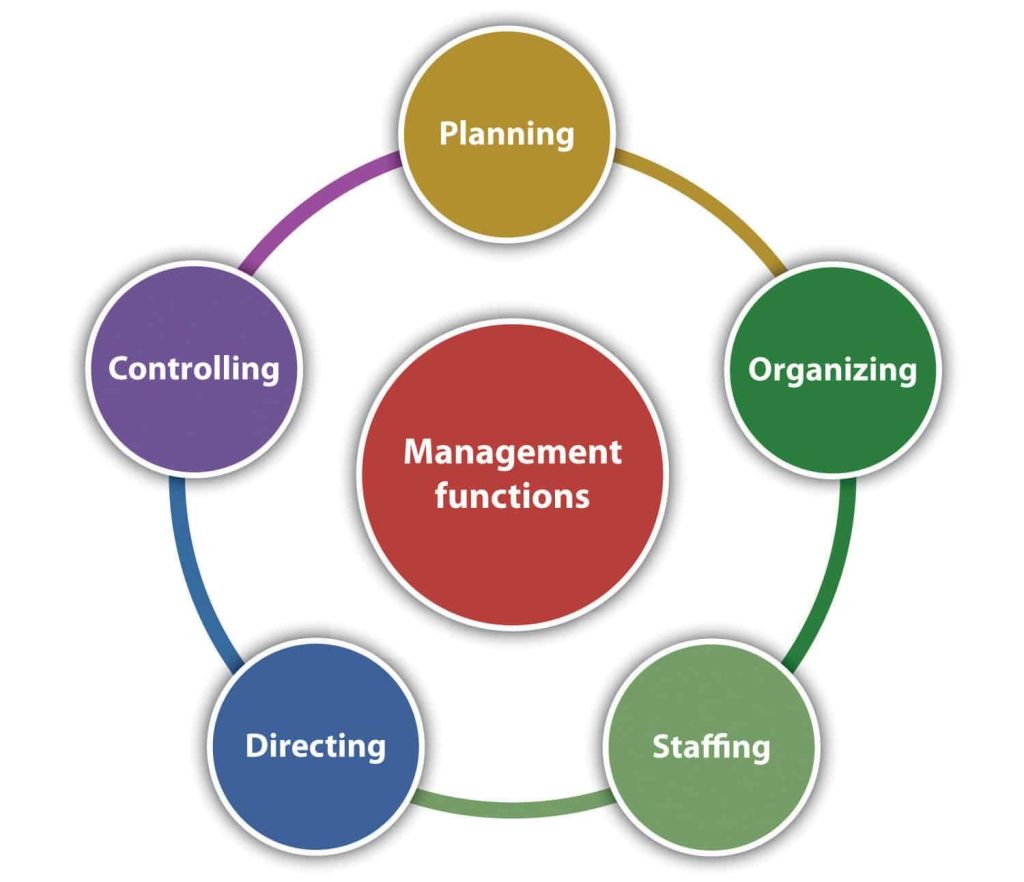
This course gives a brief introduction to the critical management skills involved in planning, structuring, controlling and leading an organization. It provides a framework to help students understand managing and being managed. Thus, leading them to become a more effective contributor to organizations that they join. Students can develop a system view of organizations through examining organizations as part of a context. It aims to train the learners to diagnose and suggest the suitable solutions to various managerial and organizational cases.

  • What is Human Resource Management

The focus of this course is to explore the principles of leading and managing people efficiently in today’s global enterprises. In this field, students access HR policy and practice in the areas of employment law, job analysis, employee relations and international HRM.

  • What is Organizational Behavior

This organizational behavior course combines classic arguments and contemporary empirical debates by discussing different elements of organizational structure. It introduces theoretical and empirical research on individual, interpersonal and group effectiveness at work. Course topics can be extended from decision making, motivation, leadership, teamwork to organizational culture. The learning method highly focuses on applying the essential tools of human side of management in role-play exercises and group projects in global organizations.

  • What is Economics for Management

The objective of the course is to show students how economics theory is related to the applications in managerial decision making and how resources are allocated and coordinated to achieve the organizations’ end goal. It emphasizes microeconomics ideas to solve problems and define the main concepts and models used in economic analysis. “Course topics covered include consumer theory, production, applications to the labor market, market structure, monopoly, oligopoly, product differentiation, pricing, decision analysis, bargaining, auctions, and asymmetric information.”

  • What is Law and Policy

The primary aim of the course is to make students aware of the basic legal concepts and implications affecting business transactions. It fosters a deeper practical sense of how to critically manage the important relationship between business and the natural environment 

  • What is Organizational Strategy

The first half of the course studies strategic situations and learn how to utilize the analytical tools to evaluate a firm’s position in the industry. Due to the modeling foundation of game theory, students will be tackled the real-world challenges and build the appropriate action plans .The second half of the course explores the evidence of different managerial styles and the impact on firm process, organizational change and corporate culture that constitute today’s collaborative business environments.

Optional Courses

The flexible management courses share a common first year before allowing you to focus on your chosen specialism to enhance your career prospects. The dissertation and optional modules allow students considerable opportunities to focus their studies on areas of special interest. Students are able to choose some elective modules (optional courses) from a selection list include:

  • Strategic management
  • Managerial Economics
  • Bank Strategy and Management
  • Entrepreneurship
  • Introduction to International Business
  • Leadership
  • Advanced Financial Accounting

Conclusion

Business management focuses on the organising, planning and analysing of business activities that are required to efficiently manage and run a business.You will learn what makes an organisation successful in a saturated global business environment and will gain the knowledge and skills required to work for businesses of all sizes – from multinational companies to start-ups. 

Introduction to Bits Pilani

Photo by Ekrulila on Pexels.com

The Birla Institute of Technology & Science, Pilani, popularly known as BITS Pilani, was established in 1964. It is a Deemed to be University for higher education. BITS Pilani is accredited by the NAAC with ‘A’ Grade with a 3.45 CGPA. In addition, BITS Pilani is ranked among the top 10 Engineering institutes in India by India Today 2020 Ranking survey.

The campus of BITS Pilani is sprawled over an area of 328 acres and is equipped with all necessary facilities. It specifically emphasises research and development and considers it as an integral part of its higher education ecosystem. The Centre for Material Science & Technology, Embedded Controller Application Centre and Centre for Robotics and Intelligent System are a few among many research centres that are there at BITS Pilani campus.

BITS Pilani provides decent infrastructure throughout the college. Following are the key highlights:

  • Hostels:  There are eleven hostels for boys and one hostel complex for girls.
  • Sports: Swimming Pool, Volleyball Court, Tennis court, etc.
  • Laboratories: Civil Engineering Lab, Chemistry Lab, Computer Lab, Design Lab, Electrical Lab, Electronics Lab, Mechanical Lab, Physics Lab, Petroleum and Petrochemical Lab, etc
  • Library: Library has room for up to 8,000 students, offers 738 open-access study places and 246 open-access IT work stations. As well as the books and periodicals you expect, it is home to computing facilities for students.
  • Other facilities: Gym, Cafeteria, Wi-Fi campus. AC Classrooms, etc.

https://www.google.com/url?sa=t&source=web&rct=j&url=https://www.bits-pilani.ac.in/&ved=2ahUKEwiM-LfdjsfxAhWyILcAHZvnCZsQFjANegQILBAC&usg=AOvVaw2xUo3sgWjB8sN3Atv8Q2TH

https://www.google.com/url?sa=t&source=web&rct=j&url=https://www.bitsadmission.com/&ved=2ahUKEwiM-LfdjsfxAhWyILcAHZvnCZsQFjAPegQIMRAC&usg=AOvVaw01a4501s38SJU_HqRst1sn

All about CMAT exam

Photo by Thirdman on Pexels.com

CMAT or the Common Management Admission Test is an aptitude test conducted by the National Testing Agency (NTA) for admission to MBA/PGDM courses in over 1,000 B-Schools across India.

Eligibility Criteria

  • The CMAT aspirant must have completed graduation in any discipline or equivalent from a recognized university
  • Final year Graduation students (10+2+3) are also eligible to apply for CMAT 2022 but they will have to present passing certificate at the time of admission

It evaluates a candidate’s ability in Quantitative Technique, Logical Reasoning, Language Comprehension and General Awareness areas. A new optional section on Innovation and Entrepreneurship with 25 questions of 30 minutes duration is also added.

  • The first option is of 3 hours Exam which is divided in 4 sections with 25 questions in each section. The sections are Quantitative Technique, Logical Reasoning, Language Comprehension and General Awareness
  • The second option is of 3½ hours exam which is divided in 5 sections with 25 questions in each section. The sections are Quantitative Technique, Logical Reasoning, Language Comprehension, General Awareness and Innovation and Entrepreneurship
  • There will be 100 questions for 3 hours exam and 125 questions for 3½ hours exam.
  • All are of objective type questions in MCQs form.
  • Question difficulty level is easy to moderate
  • Each correct answer is awarded +4 Mark
  • Each wrong answer is penalized with negative marking of -1 mark
  • No Individual Time limit to attempt question paper. Candidates can attempt any question from any section within the overall CMAT exam time limit
  • Merit Score and percentile is calculated on the basis of 4 sections.
  • CMAT score card displays Actual score obtained out of 400/500 Marks, Sectional score obtained and the sectional and overall percentile obtained in the Exam

Leadership: Vision and Responsibility

Definition

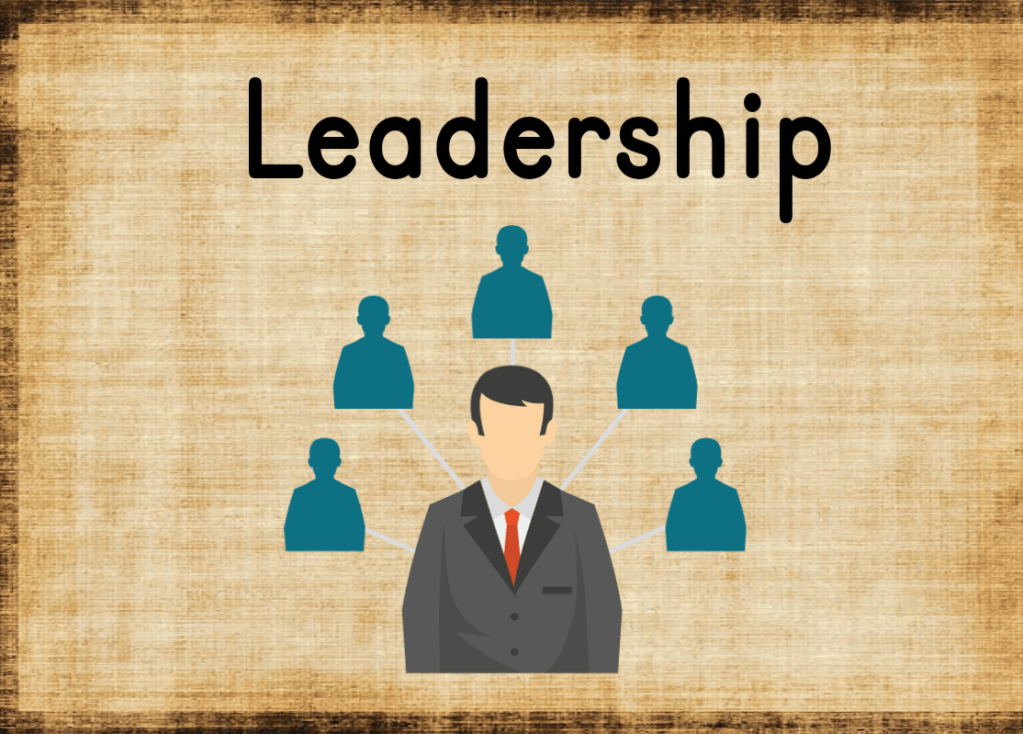
Leadership is the ability to motivate a group to focus on a particular goal to achieve it. In an organisation, managers have a right to do managerial task and not all managers have ability to lead effectively. Leader is an important person he can manage tasks as well as influence or motivate other members to achieve the goal.

Importance of Leadership

  1. Commencement of work: Leader initiates or starts the work by explaining plans and regulations to subordinates who all are working together in a team.
  2. Counselling: It is the duty of leader not to only supervise his subordinates but also counsel and guide them about their work, so that they can perform their work effectively and efficiently.
  3. Motivation: Leader also plays a role of motivator. He motivates his subordinates by giving then opportunities and rewards based on their performance.
  4. Developing confidence: It is important for every employee to be confident about their work, and leader is the person who can boost their confidence by encouraging them.
  5. Coordination: For achieving any organisational goal, coordination is very important amongst employees and leader can maintain synchronisation through effective coordination.
  6. Establish work environment: In every organisation it is important to maintain effective work environment. Employees are human resource for any organisation, it is necessary that leader should have personal contact with every subordinate and listen their concerns.

Qualities of leaders

A leader has special or unique trait which distinguish them from others. There are various qualities in a leader which enhances his work ability and which effectively motivates other to work hard.

  1. Neutral: Leader should be neutral towards every individual. He should not be bias on any basis towards his subordinates, rather be logical and make fair decision.
  2. Physical Characteristics: Physical appearance is important for every leader. Physique and health are necessary for leader so that subordinates can focus on what he wants to convey.
  3. Communication ability: Good leader must have this quality because communication is the way to explain what he wants from his subordinates. With good communication skills leader can explain the policies and procedure to subordinates easily.
  4. Responsible: Leader must be responsible towards his authority then only he can maximize his skills and capabilities in performing his role. Before motivating others he should himself feel motivated and give his best in performing each task.
  5. Intelligence: Leader must be intelligent along with responsible then only he can find out solution for every problem faced by a team and he can analyze the advantages and disadvantages of a situation arise in an organization.

 Leadership Styles

Leadership style is a way or attribute in which leader works in a group with other group member or perform in a team. There are various leadership styles which prevail in an organization:

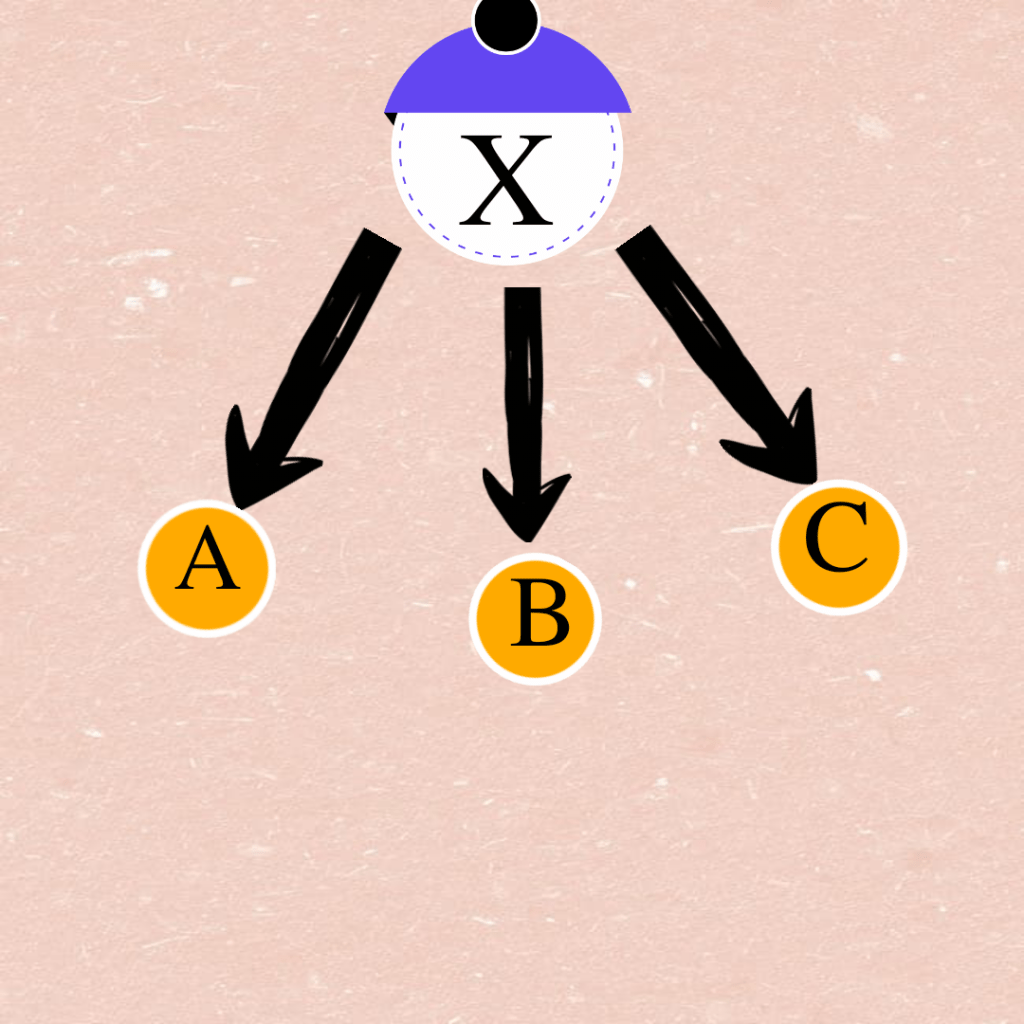
  1. Authoritarian Leadership

In this type of leadership, autocratic leader have full authority and responsibility of the work. He gives instructions and explains duties to his subordinates without consulting with them. He holds the power and has authority of decision making. This style of leadership has negative effect as leader himself takes all decisions, and doesn’t concern for his subordinates opinion. In autocratic leadership, less time is consumed in taking action because here leader is the one person who decides, give orders and employees do work accordingly. But somewhere, it have a negative impact on employees because may be they feel that their opinions and suggestions are of no use. Basically, in this type of leadership there is no delegation of authority by leader.

Autocratic Leadership

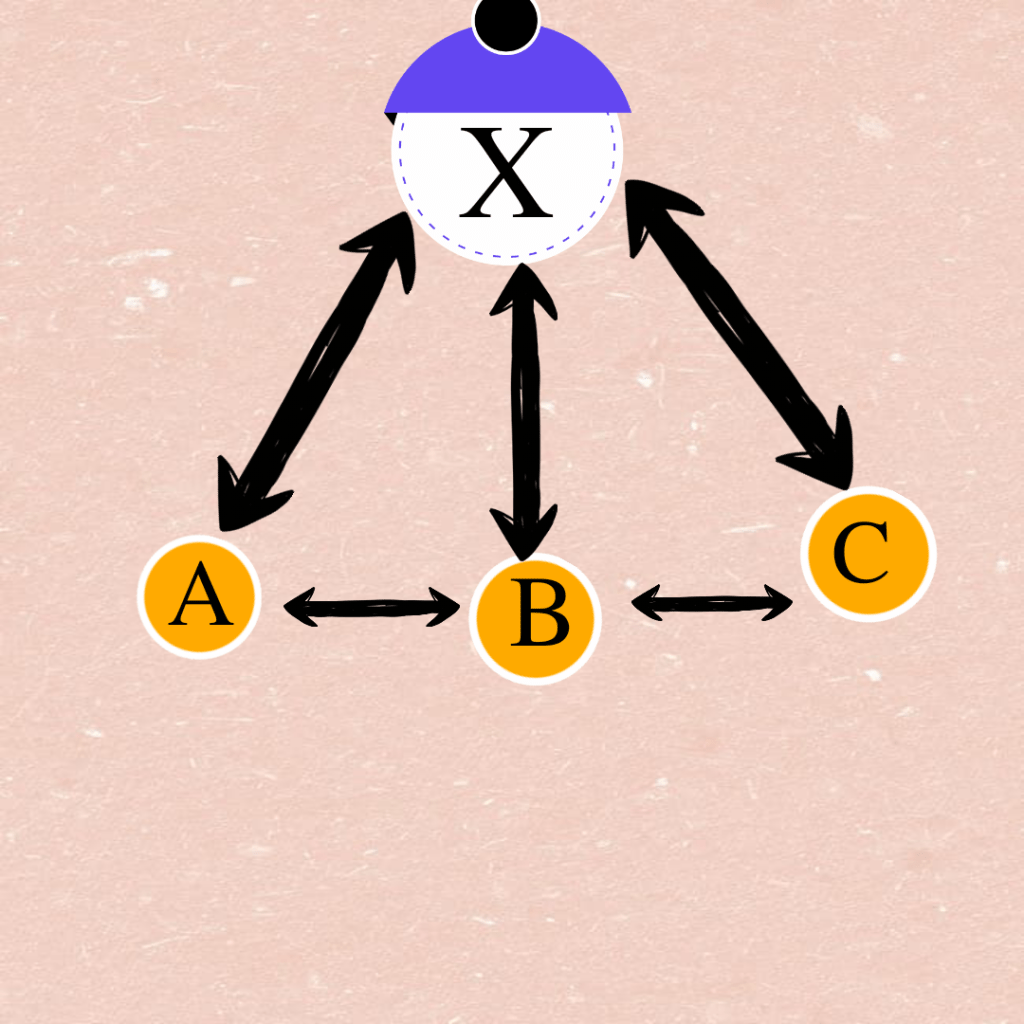
2. Democratic Leadership

In this type of leadership, leader includes every individual in decision making process or any policy formulation. He consults with his subordinate before taking any decision and let them influence his decision sometimes as per the requirements of management. He decentralise his authority by doing so. Leader himself forces his subordinates to give their input or ideas which will be beneficial for the management. It also helps in boosting morale or motivating employees, they feel that their participation is also important in decision-making process.

Democratic Leadership

3. Free-rein Leadership

This style of leadership is different from above two style of leadership in many ways. Here, leader delegate his responsibility to subordinates for decision making and he himself doesn’t intervene. He gives no order or direction to his subordinates and permits the group to work as per their opinion or ideas. He wants that each individual gives his best and take all efforts to achieve the set goals.

Free-rein Leadership

References:

https://www.managementstudyguide.com/qualities_of_a_leader.htm

https://www.yourarticlelibrary.com/business-management/4-different-types-of-leadership-styles/2550

SOFT SKILLS

What are soft skills?

Soft skills are the traits that make your character. These are the skills that are common for anyone who is seeking a job regardless of the work domain. Soft skills are opposite to the hard skills that are completely related to the job stream. Hard skills differ from person to person while soft skills are common to all. These are the skills that should be demonstrated in our work environment and cannot be added to the resume. Some of the soft skills are communication, leadership, interpersonal skills, teamwork, critical thinking, creativity, work ethic, and many more.

Communication

Communication is the most important soft skill that anybody can possess. It is the speaking and writing skills that show the way you express yourself and your thoughts. It is a crucial skill for people in sales fields. Some common skills that fall under communication are presentation, public speaking, verbal and non-verbal communication, and listening.

Leadership

It is the quality that takes a person to higher positions. It shows how you mentor and your co-workers and employees and guide your teams. This includes the quality of volunteering and taking responsibility. This skill helps you to grow in your career. It is also critical for entrepreneurs. The leader must be able to take decisions. It includes decision-making skills, management skills, and mentorship.

Inter-personal skills

Inter-personal skills are the ones that we use unknowingly on a daily basis. These include the way we communicate with our teammates and co-workers. The relationship we maintain with others in the work environment and the optimistic approach towards things also are considered interpersonal skills. Some other skills which come under this are empathy, patience, diplomacy, etc.

Teamwork

It is the coordination that you maintain within the team. Taking the consent of each team member before starting work, giving equal opportunity and priority to each member’s opinion, discussing the plans and executing it in the right way, working together and faster to accomplish tasks – all these are combined and said as teamwork.  

Critical thinking

It is the ability to analyze and understand the problems and find out a solution for them. The person should have the quality of making the right decisions and changing them if they went wrong. The situations need to be handled smoothly without tension and stress. Observation, logical thinking, troubleshooting, flexibility, curiosity, and acceptance of changes come under critical thinking.

Work ethic

This is the quality of being punctual, organized in their works, submitting reports before the deadline. It is most essential for any type of job, be it small or big. Some of the work ethics are being independent, dedication, attentiveness, multitasking, time management, and so on. Employers are more likely to offer the job to a person with a good work ethic as it shows your professional behavior and organized approach towards work.

Creativity

It is a skill that requires innovative thinking to find a solution. It is needed in every field but it is most indispensable for designers, architects, and artists. Some skills that are included in creativity are thinking out of the box, imagination, mind mapping, application of the idea, experimenting, etc.

Apart from these, there are many more soft skills like planning, management, business ethics, business etiquette, self-confidence, time management and stress management, decision making, etc. You can cultivate these skills by practicing in your day-to-day life with your colleagues and friends.

Do check this course to learn more about it. 

Source: https://learning.tcsionhub.in/courses/career-edge-young-professional/

DON’T LET YOUR ANGER CONTROL YOU.

Anger is a common, normally healthy, human emotion. But if it goes out of control and becomes destructive, then it can lead to problems—dilemmas at work, in your relations, and the overall state of your life. 

Anger is “an irrational state that varies in intensity from mild irritation to intense fury and rage,” according to Charles Spielberger, Ph.D., a psychologist who specializes in the study of anger. Like other emotions, it is accompanied by physiological and biological changes; when you get angry, your heart rate and blood pressure go up, as do the levels of your energy hormones, adrenaline, and noradrenaline.

Anger can be induced by both external and internal events. You could be annoyed at a specific person or event, or your anger could be caused by agonizing or thinking about your difficulties. Thoughts of traumatic or infuriating situations can also trigger hostile reactions. Failing to control your temper can begin to a variety of difficulties like stating things you lament, shouting at your kids, abusing your co-workers, posting rash emails, growing health problems, or even resorting to material violence. But not all anger problems are that severe. Instead, your rage might mean losing time pondering about bothering matters, becoming frustrated in traffic.

Controlling your anger doesn’t signify getting annoyed. Instead, it means discovering how to identify, cope with, and display your rage in healthful and productive ways. Anger control is a skill that everyone can acquire. Even if you believe you hold your temper under check, there’s always scope for progression. Wrath is an emotion that can vary from mild exasperation to extreme fury. While numerous people classify violence as a completely “negative emotion,” it can be positive. Resentful reactions may push you to reach up for someone or they may lead you to build convivial change.

Although when left unchecked, hostile reactions can direct to destructive behavior, like shouting at someone or damaging goods. Bitter emotions also may make you retreat from society and transform your rage within, which can affect your energy and welfare. Anger can become unsettled if it’s felt frequently or too deeply or when it’s displayed in harmful forms, which can take a toll physically, psychologically, and ethically. For this purpose, anger control tactics can be useful and can aid you to explore fine means to display your emotions.

Concentrate on the bodily responses of rage: While it may appear unreasonable, harmonizing in the way your body responds while you’re annoyed usually reduces the fiery force of your rage.

Get running: A quick walk or run nearby the block is a fabulous opinion. Physical movement discharges repressed energy so you can approach the circumstances with a calmer front.

Apply your feelings: You can use vision, olfaction, sound, touching, and taste to instantly reduce tension and calm down. You can try hearing your favorite music, relishing a mug of beverage.

Stretch areas of tautness: Rotate your arms if you are tensing them, for instance, or lightly rub your nape and scalp.

Steadily count till ten: Concentrate on the counting to make your rational mind make up with your emotions. If you still feel out of control by the time you reach ten, start counting again.

Acquire adequate sleep: Deprivation of sleep can intensify cynical thoughts and leave you seeming disturbed and gruff. Try to take seven to nine hours of good quality slumber.

Workout frequently: It’s an efficient method to burn-off anxiety and relieves tension, and it can leave you sensing more comfortable and positive during the day. Try to spend at least 30 minutes every day. 

Be clever regarding booze and narcotics. Even consuming too much caffeine can make you more irritable and prone to anger.

Despite all your attempts, something will occur that will provoke your fury; and seldom it will be defensible anger. Life will be filled with disappointment, grief, failure, and the random activities of others. You can’t correct that, however, you can improve the approach you let such issues concern you. Managing your hostile acknowledgments can prevent them from causing you even more miserable.

Interpersonal Skills

Interpersonal skills basically refer to the communication skills. How we deal with others and the mode of our communication. But unlike other skills which can be acquired by the medium of training and experience, interpersonal skills are natural and inherent in a person. The moment we are born, we all start interacting accordingly, and with the growing year if we gain more experience, our interpersonal skill tends to be refined. People with good interaction skills connect with others easily, because they know when to say what, and this makes the communication pleasing and interesting. Interpersonal skills are natural talent possessed by an individual, not something that can be taught in a school.  

When we consider an organization, recruiters will select a person who is blessed with excellent interpersonal skills because of his/her ability to project a positive attitude and seek a smart solution to the problems. But those with poor interpersonal skills will not be considered for the job openings. Management students need to have an excellent command with the interpersonal skills, right from the time when they crack the CAT and other such competitive exams till the interview, management course and finally the campus placements, they should be proper in such skills. This will provide a stepping stone to their career and interpersonal skills of course acts as a confidence booster, which will be really fruitful for them in the job sector.   

What Are Interpersonal Skills ?

Interpersonal skills are the behaviors and tactics a person uses to interact with others effectively. In the business world, the term refers to an employee’s ability to work well with others. Interpersonal skills range from communication and listening to attitude and deportment. Interpersonal skills are often referred to as social intelligence. They depend on reading the signals others send and interpreting them accurately in order to form a response.

Everyone has a personal style and an interpersonal style, but some are more successful than others. While interpersonal skills may be based in part on personality and instinct, they also can be developed.

Understanding Interpersonal Skills

Interpersonal skills can be developed but they cannot be learned solely from a textbook. They come naturally to some people, while others have to work at cultivating them.

In many organizations, employees with strong interpersonal skills are valued for their pleasant demeanor and positive, solution-oriented attitude. These employees are seen as team players, who work well with others to achieve a goal. In more human terms, everyone likes being around them, and that never hurts.

Interpersonal skills are strongly linked to a knowledge of social expectations and customs, whether learned or acquired. People with the strongest interpersonal skills adjust their tactics and communications on the fly depending on the reactions of others.

Interpersonal Skills in the Job Search

Interpersonal skills are highly valued in the business world. Job seekers should use every opportunity to show their interpersonal skills at interviews and on resumes.

Among the interpersonal skills often required in business are active listening—the ability to elicit and fully process information from a speaker. Negotiation is a skill that is prized in sales, marketing, law, and customer service. Other desirable interpersonal skills include public speaking, conflict management, team building, and collaboration.

Improving Interpersonal Skills

Interpersonal skills are best honed by practice. Expressing appreciation for team members and support staff, displaying empathy, moderating disputes quickly, and controlling displays of temper are all good exercises. Active listening can be practiced by repeating back a speaker’s comment to make sure true communication is taking place. If all that isn’t enough, there are courses that teach these skills.

Interpersonal Skills in the Workplace

Strong interpersonal skills such as negotiating, problem-solving, and knowledge-sharing are the main requirements for many jobs. Other skills are seen as essential qualifications for all employees, including :

  • Teamwork
  • Verbal and written communication
  • Dependability
  • Responsibility
  • Empathy

It’s difficult to imagine a company thriving if its employees do not have these interpersonal skills.

This is all based on human psychology and understanding of human behavior. A positive interpersonal skill makes an individual different from the crowd and the organization in which he/she works for, will have more credibility and productivity. Even during adverse situations, those with good interpersonal skills will react appropriately and control their feelings rather than getting overwhelmed by emotional outburst. It is all about the way we behave with people and how well we carry ourselves.  

Interpersonal skills not only mean proper communication but one should also possess good listening ability, balanced attitude and demeanor. Yet there are several programmes and seminars organized on interpersonal skills training and development. In the business domain, interpersonal skills include leadership, strong reliable networking and team work. The other three skills can be only possible if one succeeds in the interpersonal skills. This goes without saying that, interpersonal skills are a prerequisite not only in professional front but in also in the personal. Effective skills will help the employees to overcome challenges in workplace.    

Yet technical ability and intelligence is not all that one requires, interpersonal skills should not be taken for granted. It is required to communicate, counsel, motivate, negotiate and also to deal amicably with senior employees, subordinates and business delegates. Seeing the globalization and cut throat competition in the corporate sector, where things are uncertain, interpersonal skills is the need of the hour. Effective communication and emotional intelligence is an inborn talent and cannot be taught.   

Empathy, good conduct, analytical skills, logic, good presentation skills, finding immediate solution to the problems are the excellent intra personal qualities. It becomes easy to infuse more talent and training to a sharp employee, but it becomes all the more difficult rather impossible to train a dull person who have poor interpersonal skills. If communication is required for an individual to be called a human being, good interpersonal skills is the lifeblood for any given company or organization.   

In most of the cases it has been observed that a hard working employee gets less payment while the other employee in the same post gets more than him, even when the latter is not that technically advanced and skilled in his profession. Now this happens because the latter has good interpersonal and communicative skills and hence he steals the show. Technical expertise is requires but it should be inclusive of good interpersonal skills for a person and organization to be successful and thriving. 

THE ROLE OF COMMUNICATION IN ENHANCING LABOUR MANAGEMENT RELATIONS

INTRODUCTION

Effective communication is essential to comprehensive labour relations. Positive communication can be vital to the existence of an institution and reduces the possibility of conflict and labour strife within the institution.

According to Louis Allen, “Communication is the sum of all things, one person does when he wants to create understanding in mind of another. It involves systematic and continuous process of telling, listening and understanding”.

Katz and Kahn (1978), opined that communication is the exchange of information and the transmission of meaning, it is the very essence of a social system of an organization. It involves the transfer of information from the sender to the receiver with information being understood by the receiver.

Communication is the means by which people in organization exchange information and transmit meaning from sender (encoder) to receiver (decoder) regarding the operations of the organization. It involves some interchange of ideas, emotions and facts between and among people through words, letters and symbols.

Hence, it is the process of sending and receiving information. It is also the sharing of ideas for mutual understanding. For an effective communication, there must be a common frame of reference between the sender and the receiver. In order words, there must be a common understanding of the intent and purposes of the message sent by the receiver. Therefore, communication can only take place when a message is sent, received and well understood by both parties. In essence, for communication to be effective, the message must be meaningful and relevant.

Labour relations is a composite and dynamic discipline and it is all about interface. Labour relations as a three-way relationship has various essential participants involved in the process, namely employees, employers and the state. This relationship is a human relationship, administered by rules and regulations. The parties to the employment relationship should be cheered to communicate and collaborate in resolving differences and in remedying workplace issues in a rigorous labour environment.

WHAT IS COMMUNICATION?

Communication is a means of inter-changing behaviours, perceptions and values, of getting others to act and to sense in a different way, and of forming understanding. . Communication is a fundamental feature in the labour relationship, aimed at guaranteeing that common understanding is achieved in the fulfilment of a desired outcome. Communication is a process whereby a sender sends a message to a receiver, who then interprets the message and donates it with meaning. The receiver may then reply, communicating their own message. The efficacy of the communication is determined by whether the message transferred is interpreted by the receiver as having the same meaning that the sender intended. It is therefore vital that the intended message is passed on.

Communication comprises verbal (both written and oral) and nonverbal communication (kinesics behaviour, object language, proxemics and paralanguage), both of which can be found in the labour relationship. Communication is information in passage and employers and employees need to receive and transmit information to coordinate their actions and perform their tasks. Communication is the procedure through which the receiver’s attitude or behaviour and knowledge are altered or confirmed in some determined manner.

WHAT IS LABOUR RELATIONSHIP?

Labour relations are a very important part of society’s overall behaviour, and one will know the factors affecting labour and their relations. Labour relation as an interdisciplinary area of research deals with the current processes of control of dynamic individual and collective labour relations and organizational leadership. It operates in a wider environment, with a consideration of the conditions under which the work is carried out in such a way that the meets the desires of all parties. The relationship of labour is complex and of both person and collective in nature.

Relationships between labour and management are the most complex set of relationships that any HR Manager can deal with. Effective management of labour relations lets HR Managers create a harmonious atmosphere within the enterprise that in turn lets the company accomplish its goals and objectives efficiently. Well-managed employee ties offer a strategic edge for organization by negating the hassles arising out of labour or union related issues and conflicts. Even though communication remains one of the significant component in the labour relationship, limited organizations and their managers give ample attention, time and resources to ensure that effective communication processes and systems are in order. Communication as a process should receive much attention from both employers and employees and the communication flow should be enhanced to ensure that the message sent and the message received are alike.

EFFECTIVE COMMUNICATION IN ORGANISATIONS

A trustful environment has to be formed in any institution to ensure the finest possible communication. The organization in the institution refers to the alliance of the workforce to reach the objectives of the institution.

4 types of messages used in the communication process in an institution:

1. Maintain healthy relationships

2. Define responsibilities and everyday jobs

3. Providing coaching and instructions

4. Communicate the goals and philosophy of the institution.

Employees should be at liberty to claim their rights, but not at the cost of others. If aggression and the manipulation of other workers can be avoided, the atmosphere should be favourable to people listening to each other and understanding each other. Labour relations are concerned with the worker, not only as a factor of production but also as an individual who brings needs, expectations and goals to the workplace.

Labour relations in the public sector focuses mostly on remunerations and situations of service. However, in practice this relationship includes negotiations and bargaining on issues such as involvement in policy making in terms of issues such as transformation and favourable action. These issues create achievers and losers, new collectivises and alliances, all of which call for new labour relations and communication processes.

The Labour Relations Act, 66 of 1995 (LRA), brought new labour relations procedures in the public sector. Workers were permitted to organise and bargain freely with managers about the establishment of the Public Service Coordinating Bargaining Council (PSCBC), the right to join unions and the right to strike. Union membership improved speedily and a number of agreements were struck. The PSCBC struggles to further good communication between the state as the employer and public servants as the employees. It is a formal communication channel and has the charge of maintaining the authority structure. Proceedings can be validated and official feedback is ensured. The employer and the employee can share information on an official basis.

The International Labour Organisation (ILO) issued a Recommendation[1] on the subject of communication in the labour relationship. The Recommendation reads `it is in the common interest (of employers and employees) . . . to recognise the importance of a climate of mutual understanding and confidence within undertakings that is favourable both to the efficiency of the undertaking and to the aspirations of the workers’.

The ILO regards communication with employees as extremely important and recommends that employees should constantly be consulted when establishing communication channels in an institution, as employee would confirm effective communication and a positive labour relations ambience.

The guidelines for an effective communication policy include the following:

1. The policy of the institution should ensure that ‘information is given and that consultation takes place between the parties concerned before decisions on matters of major interest are taken by management.’

2. The method of communication should ‘in no way derogate from the freedom of association should in no way cause bias to the freely chosen workers’ representatives or to their organisations’. Communication should therefore not be guided through any other person if a representative body has been established.

3. Steps should be taken ‘to train those concerned in the use of communication methods and to make them as far as acquainted with all the subjects in respect of which communication takes place’. Training for shop agents or any other employee representatives should therefore be promoted and given when needed.

4. Means should be made available for employee agents to communicate any information to employees.

 5. Two-way communication should be promoted between management and employee representatives (although direct communication between employees and management is strongly advised), through a proper communication system in the organisation.

6. It is recommended that the communication policy should be ‘adapted to the nature of the undertaking concerned, account being taken of its size and of the composition and interests of the work force’.

7. National practice and the circumstances of each particular situation should be taken into consideration when determining the medium of communication as well as the timing.

CONCLUSION

Labour relations is all about people in the workplace. It involves elements that are part of all human relationships, such as friendship and any other forms of union between people. This dynamic relationship should also be based on what is required to make any relationship work. Therefore, communication as one of the keystones of any effective and successful relationship is also part of the labour relationship. Communication is an essential feature for survival and no institution can exist without it. The labour relationship and communication are composite and involve participants working together to create meaning through switching information in the work surroundings. The rules that an institution must comply with in the labour relationship and communication in an institution are nationally determined through legislation and internationally through recommendations by institutions such as the International Labour Organisation.


[1] No.129 of 1967https://www.managementstudyguide.com/labor-management-relations.htmhttp://www.globalacademicgroup.com/journals/