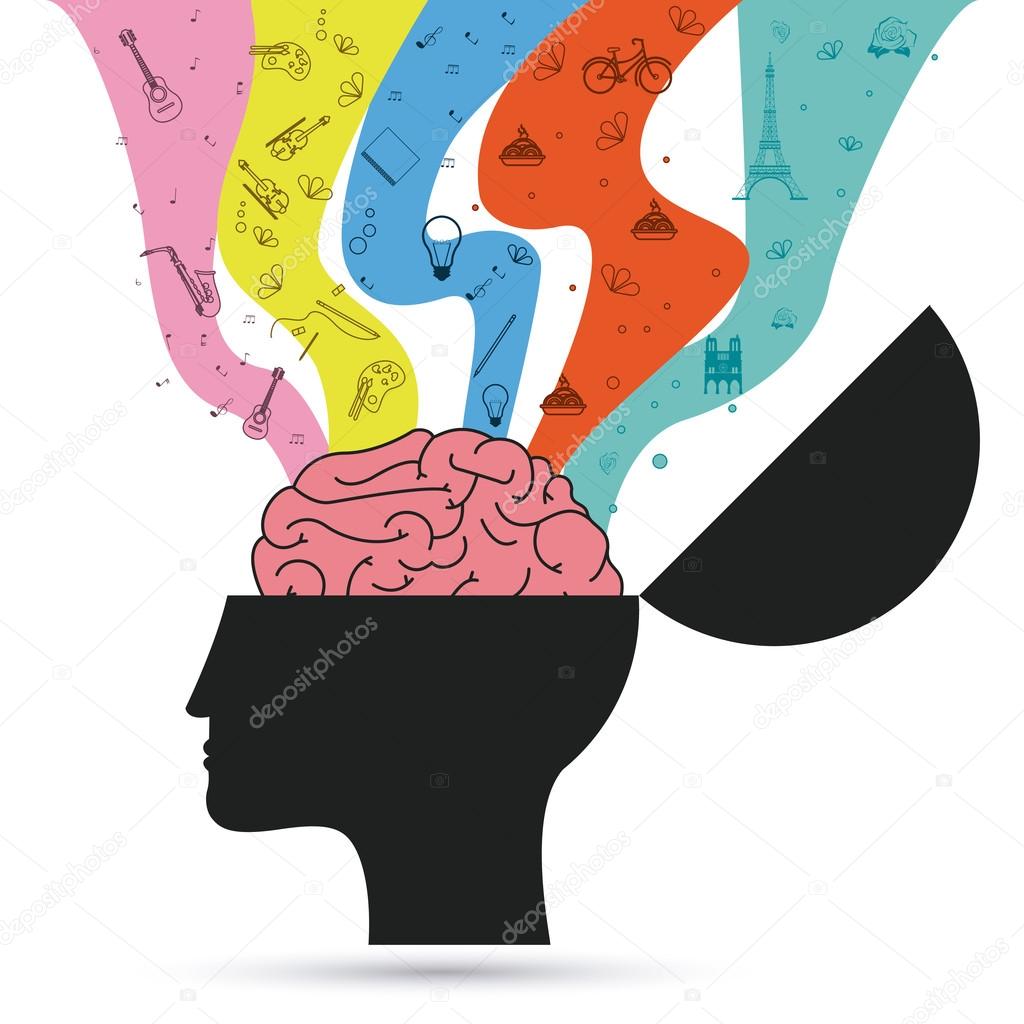
Reasons Emotions Are Important!

[Bhoomika Saini]

Emotions can play an important role in how you think and behave. The emotions you feel each day can compel you to take action and influence the decisions you make about your life, both large and small.

Emotions can be short-lived, such as a flash of annoyance at a co-worker, or long-lasting, such as enduring sadness over the loss of a relationship. But why exactly do we experience emotions? What role do they serve?

Photo by Andrea Piacquadio on Pexels.com

Emotions Can Motivate You to Act

Emotions motivate us
Brand New Images / Getty Images

When faced with a nerve-wracking exam, you might feel a lot of anxiety about whether you will perform well and how the test will impact your final grade. Because of these emotional responses, you might be more likely to study.

Since you experienced a particular emotion, you had the motivation to take action and do something positive to improve your chances of getting a good grade.

You also tend to take certain actions in order to experience positive emotions and minimize the probability of feeling negative emotions. For example, you might seek out social activities or hobbies that provide you with a sense of happiness, contentment, and excitement. On the other hand, you would probably avoid situations that might potentially lead to boredom, sadness, or anxiety.

Emotions increase the likelihood that you will take an action. When you are angry, you are likely to confront the source of your irritation. When you experience fear, you are more likely to flee the threat. When you feel love, you might seek out a partner.

Emotions Help You Avoid Danger

Emotions help us avoid danger
Adam Mitchinson / Getty Images

Naturalist Charles Darwin was one of the earliest researchers to scientifically study emotions. He believed that emotions are adaptations that allow both humans and animals to survive and reproduce.

He suggested that emotional displays could also play an important role in safety and survival. If you encountered a hissing or spitting animal, it would clearly indicate that the creature was angry and defensive, leading to you back off and avoid possible danger.

Emotions can also prepare the body to take action. The amygdala, in particular, is responsible for triggering emotional responses that prepare your body to cope with things like fear and anger.

Sometimes this fear can trigger the body’s fight-or-flight response, which leads to a number of physiological responses that prepare the body to either stay and face the danger or flee to safety.

Emotions serve an adaptive role by motivating you to act quickly and take actions that will maximize your chances of survival and success.

Emotions Can Help You Make Decisions

Emotions help us make decisions
Jon Feingersh / Getty Images

Your emotions have a major influence on the decisions you make, from what you decide to have for breakfast to which candidates you choose to vote for in political elections.

Researchers have also found that people with certain types of brain damage affecting their ability to experience emotions also have a decreased ability to make good decisions.

Even in situations where you believe your decisions are guided purely by logic and rationality, emotions play a key role. Emotional intelligence, or your ability to understand and manage emotions, has been shown to play an important role in decision-making.

Research has found that experiencing fear increases perceptions of risk, feeling disgusted makes people more likely to discard their belongings, and feeling joy or anger causes people to leap into action.

Emotions Help Others Understand You Better

Emotions aid social interaction
franckreporter / Getty Images

When you interact with other people, it is important to give clues to help them understand how you are feeling. These cues might involve emotional expression through body language, such as various facial expressions connected with the particular emotions you are experiencing.

In other cases, it might involve directly stating how you feel. When you tell friends or family members that you are feeling happy, sad, excited, or frightened, you are giving them important information that they can then use to take action.

Research suggests that people experience positive emotions 2.5 times more frequently than they do negative emotions.

Emotions Allow You to Understand Others

Emotions allow us to understand others
Geber86 / Getty Images

Just as your own emotions provide valuable information to others, the emotional expressions of those around you also give a wealth of social information. Social communication is an important part of your daily life and relationships, and being able to interpret and react to the emotions of others is essential.

It allows you to respond appropriately and build deeper, more meaningful relationships with your friends, family, and loved ones. It also allows you to communicate effectively in a variety of social situations, from dealing with an irate customer to managing a hot-headed employee.

Understanding the emotional displays of others gives us clear information about how we might need to respond in a particular situation.

Which part of the brain processes emotions?

The emotional processing network is the group of brain regions and structures responsible for processing emotions. Parts of the brain involved in this process include the amygdala, the hippocampus, the prefrontal cortex, and the cingulate cortex.5

Why are emotions an important part of decision-making?

Emotions can help a decision-maker determine which aspects of a decision are the most relevant to their specific situation. They may also help people make faster decisions.3

What is the appraisal theory of emotion?

This theory suggests that emotions step from the cognitive evaluations that people make about specific events. In other words, it implies that people must think about a situation before having an emotional response.
Stress..?

[Bhoomika Saini]

What Is Stress?

Stress can be defined as any type of change that causes physical, emotional, or psychological strain. Stress is your body’s response to anything that requires attention or action. 

Everyone experiences stress to some degree. The way you respond to stress, however, makes a big difference to your overall well-being.

Sometimes, the best way to manage your stress involves changing your situation. At other times, the best strategy involves changing the way you respond to the situation.

Developing a clear understanding of how stress impacts your physical and mental health is important. It’s also important to recognize how your mental and physical health affects your stress level.

Signs

Stress can be short-term or long-term. Both can lead to a variety of symptoms, but chronic stress can take a serious toll on the body over time and have long-lasting health effects.

Some common signs of stress include:

  • Changes in mood
  • Clammy or sweaty palms
  • Decreased sex drive
  • Diarrhea
  • Difficulty sleeping
  • Digestive problems
  • Dizziness
  • Feeling anxious
  • Frequent sickness
  • Grinding teeth
  • Headaches
  • Low energy
  • Muscle tension, especially in the neck and shoulders
  • Physical aches and pains
  • Racing heartbeat
  • Trembling

Identifying Stress

Stress is not always easy to recognize, but there are some ways to identify some signs that you might be experiencing too much pressure. Sometimes stress can come from an obvious source, but sometimes even small daily stresses from work, school, family, and friends can take a toll on your mind and body.

If you think stress might be affecting you, there are a few things you can watch for:

  • Psychological signs such as difficulty concentrating, worrying, anxiety, and trouble remembering
  • Emotional signs such as being angry, irritated, moody, or frustrated
  • Physical signs such as high blood pressure, changes in weight, frequent colds or infections, and changes in the menstrual cycle and libido
  • Behavioral signs such as poor self-care, not having time for the things you enjoy, or relying on drugs and alcohol to cope

Causes

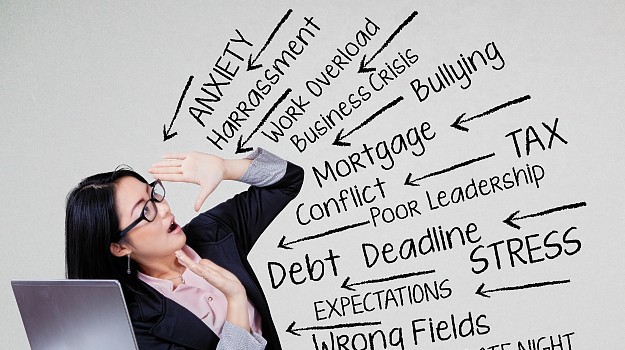
There are many different things in life that can cause stress. Some of the main sources of stress include work, finances, relationships, parenting, and day-to-day inconveniences.

Stress can trigger the body’s response to a perceived threat or danger, known as the fight-or-flight response. During this reaction, certain hormones like adrenaline and cortisol are released. This speeds the heart rate, slows digestion, shunts blood flow to major muscle groups, and changes various other autonomic nervous functions, giving the body a burst of energy and strength.

Originally named for its ability to enable us to physically fight or run away when faced with danger, the fight-or-flight response is now activated in situations where neither response is appropriate—like in traffic or during a stressful day at work.

When the perceived threat is gone, systems are designed to return to normal function via the relaxation response. But in cases of chronic stress, the relaxation response doesn’t occur often enough, and being in a near-constant state of fight-or-flight can cause damage to the body.

Stress can also lead to some unhealthy habits that have a negative impact on your health. For example, many people cope with stress by eating too much or by smoking. These unhealthy habits damage the body and create bigger problems in the long-term.

Types of Stress

Not all types of stress are harmful or even negative. Some of the different types of stress that you might experience include:

  • Acute stress: Acute stress is a very short-term type of stress that can either be positive or more distressing; this is the type of stress we most often encounter in day-to-day life.
  • Chronic stress: Chronic stress is stress that seems never-ending and inescapable, like the stress of a bad marriage or an extremely taxing job; chronic stress can also stem from traumatic experiences and childhood trauma.
  • Episodic acute stress: Episodic acute stress is acute stress that seems to run rampant and be a way of life, creating a life of ongoing distress.
  • Eustress: Eustress is fun and exciting. It’s known as a positive type of stress that can keep you energized. It’s associated with surges of adrenaline, such as when you are skiing or racing to meet a deadline. 

Impact of Stress

The connection between your mind and body is apparent when you examine the impact stress has on your life.

Feeling stressed out over a relationship, money, or your living situation can create physical health issues. The inverse is also true. Health problems, whether you’re dealing with high blood pressure or you have diabetes, will also affect your stress level and your mental health. When your brain experiences high degrees of stress, your body reacts accordingly.

Serious acute stress, like being involved in a natural disaster or getting into a verbal altercation, can trigger heart attacks, arrhythmias, and even sudden death. However, this happens mostly in individuals who already have heart disease.

Stress also takes an emotional toll. While some stress may produce feelings of mild anxiety or frustration, prolonged stress can also lead to burnout, anxiety disorders, and depression.

Chronic stress can have a serious impact on your health as well. If you experience chronic stress, your autonomic nervous system will be overactive, which is likely to damage your body.

Stress-Influenced Conditions

  • Diabetes
  • Hair loss
  • Heart disease
  • Hyperthyroidism
  • Obesity
  • Sexual dysfunction
  • Tooth and gum disease
  • Ulcers

THE POWER OF YOUR MIND

YOUR MIND CAN DO FOR YOU MORE THAN YOU CAN EVEN THINK OF. IT CAN HELP YOU SAIL YOUR BOAT THROUGH THE MOST DISASTEROUS SITUATIONS AND IT CAN DROWN YOUR BOAT IN THE OCEAN .

IT ACTS LIKE A GINNIE. IF YOU SAY ” I AM SICK ” OR ” I HAVE LOST EVERYTHING ” , IT WILL SAY “YOUR WISH , MY COMMAND”. THIS IS WHAT IS GOING TO GET MANIFESTED. YOU SHALL GET IN A SITUATION WHEREIN, YOU WILL FACE ISSUES.

ON THE OTHER HAND IF YOU SAY, ” I HAVE EVERYTHING ” OR ” I AM HEALTHY”. NO MATTER IN WHAT SITUATION YOU ARE, YOU SHALL SURELY BE ABLE TO OVERCOME IT AND BE IN A STATE OF COMFORT.

creativity

YOUR MIND AND UNIVERSE ACT LIKE A MAGNET. THEY ATTRACT EACH OTHER.

THINK GOOD, ATTRACT GOOD

FIND THE GOOD IN BAD

YOU SHALL ACHIEVE WHAT YOU WANT