CIVILIZATION PROGRESSES ON THE LAP OF FOREST

“Earth provides enough to satisfy every man’s needs, but not every man’s greed.” ― Mahatma Gandhi

FORESTS: SOURCES OF MANY ESSENTIAL MATERIALS

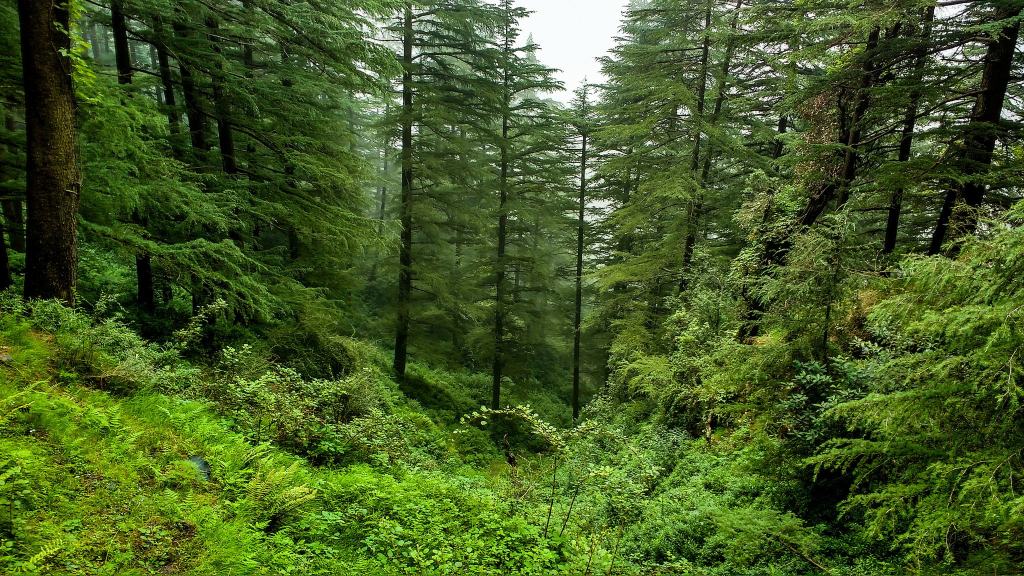
Forests are very important for the survival of man on earth. They fulfil our fundamental needs-food, clothes and shelter. Whatever we eat are the product of plants and trees. The clothes we wear are made from the plant fibre. The houses we live in are made of wood or have wooden materials. Not only this, the plants and trees are the sources of many essential materials-firewood, varieties of resin and gum, herbal medicines, etc. They also attract clouds and thus cause rain which is essential for agriculture. They defend soil from erosion and purify atmosphere by absorbing carbon-di-oxide and releasing oxygen. They also give shelter to birds and animals.

POPULATION EXPLOSION AND DEFORESTATION: DANGEROUS

“To be poor and be without trees, is to be the most starved human being in the world. To be poor and have trees, is to be completely rich in ways that money can never buy.” ― Clarissa Pinkola Estés, The Faithful Gardener: A Wise Tale About That Which Can Never Die

But the growth of civilization has led to the removal of forests. The population explosion and industrialisation have led to the indiscriminate felling of trees. It has proved to be very dangerous. It has reduced the amount of rainfall. As a result, vast areas of land have become barren. Many pools and ponds have lost their existence. The rarity of pure air has led to many dangerous diseases. The pollution of air has caused crack in the ozone-layer which saves life on earth from the scorching sunrays. The rise of atmospheric temperature year by year is the result of deforestation.

PRESERVATION OF FORESTS IS VERY NECESSARY

“Wildness is the preservation of the World.”― Henry David Thoreau, Walking

So, the preservation of forests is indispensable. Deforestation was done for the progress of civilization; afforestation is necessary for the continuity of civilization. Destroy forest is to destroy life; to save forest is to save life. Nature does not betray the heart that loves her; she does not spare the heart that disturbs her. Man’s ignorance has upset the balance of Nature; Nature’s wrath has upset the joy of man.

Benefits of the Evergreen Neem

(By Bhoomika Saini)

This popular medicinal plant Neem, is famous for its healing properties. Neem, also known as Indian Lilac is commonly known for its antiseptic, anti inflammatory and antioxidant properties. It contains great sources of fatty acids, minerals and vitamins that has some medicinal properties that could be beneficial for you in many ways.

Either you have skin problems, hair problems or any other, Neem is here for the rescue. Let’s take a glance at the great benefits of this evergreen herb that could provide you many benefits.

Benefits of neem for skin:

1.Soothes irritated skin

Neem has antibacterial and anti-inflammatory properties that may pacify irritated skin. With the advantage of getting a cooling effect on the skin, neem is beneficial for treating skin sensitivity. Additionally, neem features a soothing effect on dehydrated or dry skin.

2. Fight signs of ageing

Neem leaves are stuffed with antioxidants, moisturizing triglycerides and vitamin E, which makes it an ideal anti-ageing treatment. They lower wrinkles, fines lines and dark spots and make your skin look firm and toned.

3. Treats acne

The antibacterial properties of neem fight acne-causing bacteria, which helps in the treatment and prevention of acne. Also, it’s extremely useful in controlling oil production in the skin.

4. Tackles blackheads and whiteheads

Neem on your face is helpful to say goodbye to whiteheads and blackheads when used regularly. It pulls back large pores and works as an exfoliating agent to pull out impurities and tighten pores.

Benefits of neem for hair:

1. Relieves itchy scalp

Neem has antifungal properties that may help within the treatment of dandruff. The effective use of neem to your hair can relieve the itchiness, inflammation, and irritation associated with dandruff.

2. Intensify hair growth

The regenerative properties of neem help in reducing hair fall. Gently, massaging your scalp with neem oil can increase the blood circulation in the scalp and help in enhancing the speed of hair growth.

3. Avert premature greying of hair

Neem is rich in antioxidants that curb the action of free radicals that cause premature greying of hair. Regular usage of neem powder or neem oil for the same is also useful.

4. Conditions under nourished hair

Neem contains a significant ingredient called fatty acid which help the scalp to nourish thereby keeping the hair smooth.

So, to get those clear skin goals or to get those luscious hair locks, Neem is all you need.

THE ART OF NATURE

Helloooo guys!! Hope you all are doing good😊.

Before we jump right into the topic .

I have a few questions to ask.

What do you think is the most popular pick for any photographer or an artist?
From where do you think are the musicians getting inspired from?

Why is the sun shining so bright in the morning and it’s so dark in the night?
Why are the water bodies blue? Why are trees green?

Ok ok I asked too many questions, haha sorry guys
I will ask only one question .

Why is the nature so beautiful?

All this points to only one thing that is

” The art of NATURE”

It’s the art of nature because the nature is deciding the beautiful and colourful strokes needed for the beings to live.

Nature has everything that is needed to be learnt by us humans .Every aspect of it is something special.

Nature is magic.”

Nature has many qualities like discipline, strictness, sincerity, love, care
The definition of beauty is nature.”


Nature is so free, boundless.
But at the same time it is not reckless or careless.

Nature is has its own will but it also bends the will if needed .
It forms it’s rules and abides by it but when it breaks those rules the living beings have to face dire consequences.

It’s as if the process of crafting is so beautiful that your in awe .

It’s make you feel every bit of emotion that exists but you cannot express all in it few words.


The ocean, sea, rivers, all forms of water bodies are like vast blankets that cover the earth as if protecting us .

The sky so free that when we stare at it makes you feel as if the limiter we have set is broken .When we stare at nature there is an immense silence and its as if nothing can stop you from experiencing the freedom .

The clouds are like the drawings that kids draw with pure heart although not perfect, it fills our heart.

We definitely have to talk about the starry night skies that fill our eyes with glitters ,words are not enough describe the beauty of the nature.

This feeling of satisfaction is similar to that of watching an art piece of your favourite artist in an art museum .

Nature gives food, water, what not it gives everything that we need so that we can sustain our lives on earth .

Because of its unconditional love we are leading happy lives .

Everyone calls it “mother nature” .In my view nature is god because of its pure love towards every being living or non living. It doesn’t discriminate anyone on any basis . Nature embraces us, protects us, even when we destroy, pollute it still accepts us.

So in return our only responsibility as on the receiver side is to protect the nature and its beauty
so our next generations can also see the “Art of nature”
.

THANKYOU^^

LEGEND OF THE BERMUDA TRIANGLE

The Bermuda Triangle is an imaginary area in the Atlantic Ocean bordered by Miami, Bermuda, and Puerto Rico where scores of ships and aeroplanes have vanished. Some of these incidents are shrouded in mystery, such as one in which the pilots of a squadron of US Navy bombers became disoriented while flying over the area; the planes were never discovered. Other boats and planes appear to have departed from the area in fair weather, without even transmitting distress signals. However, despite the fact that a plethora of fantastic theories have been suggested on the Bermuda Triangle, none of them establish that strange disappearances occur more frequently there than in other well-traveled areas of the ocean. In reality, individuals navigate the region without issue every day.

THE BEGINNING-The Bermuda Triangle, sometimes known as the Devil’s Triangle, covers approximately 500,000 square miles of ocean near the southeastern coast of Florida. When Christopher Columbus sailed through the area on his first voyage to the New World, he reported seeing a gigantic flame of fire fall into the water one night and a weird light arise in the distance a few weeks later. He also wrote of inconsistent compass readings, maybe because the Bermuda Triangle was one of the few sites on Planet where true north and magnetic north lined up at the time.William Shakespeare’s play “The Tempest,” which some academics believe was inspired by a real-life Bermuda disaster, may have added to the area’s mystique. Nonetheless, until the twentieth century, accounts of mysterious disappearances did not fully attract the public’s attention. The sinking of the USS Cyclops, a 542-foot-long Navy cargo ship carrying over 300 soldiers and 10,000 tonnes of manganese ore, occurred in March 1918, somewhere between Barbados and the Chesapeake Bay. Despite being able to do so, the Cyclops never sent out an SOS distress signal, and an exhaustive search turned up no wreckage. “Only God and the sea know what happened to the mighty ship,” later stated US President Woodrow Wilson. Two of the Cyclops’ sister ships vanished without a trace along nearly the same route in 1941.

PLANE VANISHED-A pattern purportedly began to emerge in which watercraft navigating the Bermuda Triangle either vanished or were discovered abandoned. Then, in December 1945, five Navy bombers carrying 14 personnel took out from an airport in Fort Lauderdale, Florida, to practise bombing missions over local shoals. However, because his compasses appeared to be malfunctioning, the mission’s leader, known as Flight 19, became seriously lost. All five planes flew aimlessly until they ran out of fuel and had to land at sea. On the same day, a rescue plane and its 13-man crew vanished. After a large weeks-long search yielded no results, the official Navy report stated that it was “as if they had gone to Mars.”

THEORIES AND COUNTER THEORIES– By the time author Vincent Gaddis invented the moniker “Bermuda Triangle” in a 1964 magazine article, more inexplicable mishaps had occurred in the area, including three passenger flights that crashed despite sending “all is good” communications. Charles Berlitz, whose grandfather founded the Berlitz language schools, fueled the legend even further with a sensational bestseller on the subject in 1974. Since then, scores of other paranormal writers have blamed the triangle’s supposed lethality on everything from aliens, Atlantis, and sea monsters to time warps and reverse gravity fields, while more scientifically minded theorists have pointed to magnetic anomalies, waterspouts, or massive eruptions of methane gas from the ocean floor. However, there is unlikely to be a single theory that solves the mystery. Trying to find a same cause for every Bermuda Triangle disappearance, as one sceptic put it, is no more plausible than trying to find a common cause for every vehicle accident in Arizona. Furthermore, while hurricanes, reefs, and the Gulf Stream can make navigation difficult, Lloyd’s of London, the world’s largest maritime insurance company, does not consider the Bermuda Triangle to be particularly dangerous. Neither does the United States Coast Guard, which claims that “after a review of many aircraft and vessel losses in the area over the years, nothing has been revealed that would indicate that casualties were the product of anything other than physical causes.” There have never been any unusual factors discovered.”

NATURE: THE TRUE HEALER

MOMENTS OF SOLLITUDE WITH MOTHER NATURE IS SUNSHINE TO A SOUL.


The purest sense where both serenity and wildness coexist in harmony, the most vital source of wonder and inspiration – NATURE, the most incredible gift we need to be grateful about . There is nothing as peaceful as being deep in forest and being immersed in the natural world completely.

Nature is the true antidote to today’s busy and stressful world as the more time we spend in nature the more tuned we we become towards our life. Nature is the most powerful force when it comes to healing the mind, body and spirit. It influences us to connect to one another. Spending mindful moments in nature helps us to reconnect with ourselves, our loved ones and moreover with the entire natural world around us.

Our natural surroundings really do support our innate healing capacity. It’s our responsibility to connect with the peaceful rhythms of the nature by walking barefoot ( to get connected with the positive vibes with the ground), sleeping outdoors, getting the morning vibes from sun by getting rich vitamin D and listening to the beautiful chirpings of the birds in the morning as they mark out to their deafening noise as they settle down to roost in the evening.

Exposure to the outdoors can help us feel calmer, boosts our immunity and enables us to sleep more soundly than ever before. Spending our quality time with nature can not only enhances our mental sharpness but increases our problem solving capacity and inspire creativity.

One study was conducted by the scientists in Japan to monitor the effects of a practice known as “Shinrin-yoku” which means forest-bathing and also refers to natural mindfulness walks. This study involved field experiments in 24 forests across Japan and there were more than 280 participants participating in this Shinrin-yoku experiment. In each experiment, the scientist sent one half of the participants into the deep woods and the other half into a city. The next day, the participants who spent time in the deep woods were sent into a city and vice versa.

At the end of the experiment, the scientists found that those who spent their time in forests had literally lower concentration of cortisol, lower pulse rate and even lower blood pressure. This experiment beautifully proved that the nature was very much effective in creating perfect health when they were in forest as compared to urban environment.

Not just one study, now there are infinite studies available revealing with utmost accuracy that the people who appreciates, extends gratitude towards nature and most importantly spends time in it are the most happier, healthier and innovative as the nature reduces the stress, pressure and solely helps one to find the true meaning of life and connect with themselves. Thus, all of the research points conclude that the closer we are to nature, the happier we feel.

 Anne frank well said that “The best remedy for those who feel lonely or unhappy is to go outside”. This makes us firmly believe that nature brings solace to all troubles as it improves our cognitive abilities and ignites our power of imagination. With absolutely no surprise that the immortal achievements of our ancestors or history’s greatest pieces of art, literature and music produced by them was possible because of their quality time spent with the mother nature.

But the most bitter truth is we all take nature for granted. One must not forget that what is taken for granted will eventually be taken away. We took nature for granted which is the most indispensable thing highly deserving our gratitude. It’s never too late let’s now understand our priorities and give huge respect to the Mother Nature!

Ice Volcanoes ~ Nature never fails to amaze us

Recently a 45 feets tall ice volcano was seen in the Almaty region of Kazakhstan . Yes , you read it right , it’s a ice volcano.

This volcano is formed over an underground hot spring , which is in Almaty region of the country , between the villages Kegan & Shrganak.

The volcano is a cone- shaped frozen structure which was formed by the spouting water of spring. As the hot water spouts out from the spring it freezes almost instantly due to the extreme cold weather.The volcano also sprays water from the top vent.

Last year also , a small ice volcano was observed here. But the recent one is more organised. Ice volcanoes were also witnessed at the Oval Beach in Saugatuck, Michigan in February 2020. 

An ice volcano is a conical mound of ice formed over a terrestrial lake via the eruption of water and slush through an ice shelf. The formation process is wave-driven , & the wind is energy provider for the waves to cut through ice & form the volcanoes.It may take hours or days for the formation. Their formation is temporary , frequently destroyed by the storms & warm weather. It requires precise conditions for the formation of these volcanoes.

Such ice volcanoes are often observed along the southern coast of Lake Erie and Lake Ontario in North America during specific conditions.

CNG: A SINE QUA NON OF THE PRESENT DAY

In the current rapidly evolving world where exploitation of nature and its resources are taking place under the tag of development, what we need is sustainable development through which we can meet the needs of today without compromising the needs of tomorrow. Developing countries like India are more prone to severe air pollution compared to developed countries accounting to the rapid urbanization, fast-paced industrial development, underdeveloped combustion technologies and continued use of traditional fuels. The deterioration of ambient air quality has been attributed with 1.24 million premature deaths and 38.7 million disability-adjusted life-years (DALYs) loss in India resulting in a national public health crisis. The national capital New Delhi is one of the most polluted cities in the world where the population is literally living in a gas chamber with noxious air quality. According to studies, 28 % of the total pollution in Delhi is contributed by vehicular emissions which necessitated the monitoring of PM measurement of outdoor air pollution. The air quality index of Delhi hit an all-time low as the pollution levels crossed seventy times the safe limit last year.

Several management plans were implemented to better the air quality of the city and various control measures were introduced to minimize the pollution. The Delhi government launched a broad CNG programme to convert the city’s public transportation to CNG and the national capital ended up the cleanest public transportation system in the world by replacing the diesel buses with CNG by 2002. This transformation has brought a significant impact on air quality and pollution levels as it helped reduce the premature death rate in the city.

CNG (Compressed Natural Gas) is one of the least toxic and cleanest burning eco-friendly fuel available.  The use of CNG reduces carbon monoxide emissions up to 97 per cent as it is processed from biological waste, marking it as a sustainable replacement to fossil fuels. When compared to other fuels, CNG is safe to store and transport. Besides being eco friendly, CNG provides numerous economic benefits as well. The cost of CNG when compared to other traditional fuels is considerably low and its abundant presence in nature promises its availability for future purposes. 
India is setting an example of sustainable development by reducing the use of fossil fuels and shifting to eco-friendly fuels like CNG. On Tuesday, Prime Minister Narendra Modi has inaugurated a 450 km natural gas pipeline between Kochi and Mangalore built by Gas Authority of India Limited, which will supply safe and affordable fuel to households in the form of piped natural gas (PNG) and compressed natural gas (CNG) to the transportation sector. The pipeline is a part of the country’s journey towards ‘one nation-one gas grid’, said the Prime Minister. A total of 1,544 km pipeline had been laid as part of the National Gas Grid in 2020. India plans to spend $60 billion in creating gas infrastructure till 2024. These projects are incorporated as India plans on developing a gas-based economy, reducing the use of traditional fossil fuels and thereby aiming to cut down its greenhouse gas emission levels to improve the environmental and climatic conditions.

Let’s get lost in this moment

Loneliness sometimes feels very pleasant in itself, often it connects us with nature spontaneously. Many times you must have felt as if you go miles away, with the rustle of the wind, you become adrift on hearing the clash of the leaves. And suddenly find yourself only with nature.

Nature is indeed the true companion of humans. When no one is with you, you are with nature or maybe it is with you. No one can fulfil the shortage that nature can do in human life. We may forget to think about nature in the catastrophe of our physical life, but it always makes us feel our own.

Nature just like our mother gives us everything in its invisible form. When we get scorched by the strong sunshine and hot winds of May-June, suddenly the cloud covers us and takes all the heat from the first spray of rain. 

We are very lucky that we are able to see this wonderful, so beautiful nature in our human form, we can experience it, we can enjoy it. On the other hand, there is also regret on the destiny of those who cannot see it, only feel it.

The relationship between nature and civilization is considered to be unbreakable and authentic. Many poets, writers and authors wrote their classic compositions in harmony with nature. Poets like Jaishankar Prasad, Mahadevi Verma, Suryakant Tripathi ‘Nirala’, Sumitranandan Pant and Ramkumar Verma are called poets of nature. Nature has made people poets and painters.

Usually, we call nature as a spring, a bird’s tweet, a variety of grains, the fragrance of flowers, raindrops, cool winds and the swing of trees. But in reality, nature exists among us with its undivided forms. While on one hand, it displays it’s motherly love in all the above forms, on the other hand, it also comes before us in dire forms like electricity, storm, typhoon, tornado, earthquake, cyclone and volcano. Just like a mother gets fed up with the impishness of her child and gets over her patience, she burst out on them.

Poets are on the other side, they can also make a cool breeze as the subject of their poems and also the invasive volcano. But, an ordinary man expects everything in his life to be simple, easy and calm. He likes to see the sounding waves moving in the ocean.

Nature is situated in human sensibilities. Whenever we are unhappy, we take shelter of nature and when we are happy, we want the support of nature. We must ever feel that nature cries and also laughs with us.

Khawa Ijen: The Electric Blue Beauty

Nature has its own way to astonish us. Sometimes, in the forms of blooms, sometimes in the form of volcanoes. Now, when we hear volcane, the first picture that comes to our mind must be of red, hot and viscous lava, flowing down the edges of the volcano. But that image is going to change soon, hopefully. And the credit goes to the Ijen, a volcano complex in Indonesia.

The Blue Beauty

Indonesia, apart from being the country with the largest number of volcanoes, also houses a natural uniquiety, Kawah Ijen volcano. Part of the Ijen volcano complex, situated in East Java, Indonesia, this volcano is famous for two things: a mass of electric blue liquid flowing down the sides of the volcano and the lake situated in its crater. Also known as the Kawah Ijen Crater lake, this lake has the status of being the largest highly acidic crater lake. The acidity of the water can be as high as 0.5  at the edges and 0.13  in the middle, in terms of pH. Due to the high levels of acidity, the water of this lake maintains a turquoise shade. This lake also happens to be the origin source of the river Banyupahit, which obviously, also has a high concentration of acidic compounds and metals. 

The reason behind the high acidity of the lake is that the water is saturated with hydrochloric acid. The source of this hydrochloric acid is the hydrogen chloride gas emitted by the volcano. The hydrogen chloride gas, when reacts with the water, gives rise to hydrochloric acid, with pH upt almost 0. The acidity sometimes imparts a slightly strong green colour to the water sometimes.

The reason for this electric blue wonder, though, is just pure, simple chemistry. Between sulphur and oxygen. Sulphuric gas, originating under high pressure and temperature (600°C) conditions, emerge through cracks and vents in the volcano structure. Coming in contact with the atmosphere (360°C), specifically oxygen, triggers the sulphur to combust, in the process, shooting flames at a height upto 5 metres (16 feet). 

When the gases condense into liquid sulfur, while burning, this liquid flows down the volcano slopes, along with the sulfur rich lava, giving the ultimate spectacle of blue flames. Infact, this phenomenon is also known as the Api Biru (Blue Fire) amongst the locals.

Needless to say, there is a vast expanse of sulfur in this volcanic structure. And as a part of the industrial development, this treasure mine of a resource has also been tapped. Naturally, the burning gases, on gradual condensation, deposit sulphur around the lakes. To speed up the production of sulphur, a mining company has devised their own system to aid the condensation. They have installed ceramic pipes on an active vent near the edge of the lake, which condenses and liquefies the sulfur gases passing through them. To assist this process, miners often spray cold water over the pipes. This liquid sulfur is diverted through the vent slopes to get deposited onto the sulfur mats, where they solidify. 

The miners cut these sulfur into manageable pieces and take them down the mountains on their back. They are known to carry loads of around 80 to 100 kilograms once everyday, or twice, if they work through the night. Apart from that, they also collect sulphur stalactites, which sometimes form from the dripping sulphur drops, to sell to the tourists. And for the elemental chunks of sulphur, they get about 680 Indonesian rupiah (about 6 USD cents) per kilo. 

The Darker Side 

The working conditions are far from ideal. Not only have they been exposed to highly toxic volcanic ashes and gases, more so due to the lack of protection, but also are at risk due to the dangerous trek they need to do to reach the carter. Many miners suffer from chronic and severe health problems due to the inhalation of the toxic sulfuric air, over a long period of time. Several media houses and individuals have made documentaries and pieces regarding the plight of these local sulfur miners.

Speaking of the tourists, this incredible phenomenon got its due attention when National Geography mentioned about this place. Since then, Ijen has witnessed a surge of tourists, whose most preferred activity is a night time, two hour hike to enjoy the electric blue flames in the fullest glory. But certainly not without precautionary measures!

Website Reference:

https://www.nationalgeographic.com/news/2014/1/140130-kawah-ijen-blue-flame-volcanoes-sulfur-indonesia-pictures/

https://en.wikipedia.org/wiki/Ijen

https://interestingengineering.com/blue-lava-largest-sulfuric-acid-lake-ijen-volcano

Image Credit: Reddit

VISIT TO SAGUNA BAUG

Nature is essential to our lives – from the food on our plates to the clothes we wear, from medicines to mental health benefits. Pressures of daily life mean we’re increasingly detached from nature even though nature in many forms is there for us. One such place which made me realize the importance of nature is Saguna Baug which I visited on 23rd December 2019 for our Travel and Tourism Management trip. We reached there by 9:30 in the morning. The journey to there was fun filled with friends. Light refreshment were provided. All students and teacher were served with yummy breakfast cuisines . After that we started our bright sunny morning with knowing the importance of Honey Bees. Bees are known for their elaborate hives. They also build homes for millions of insects. Bees are renowned for their role in providing high quality food like honey, royal jelly and other products used in health care and other sectors (beeswax) etc. A third of the world’s food production depends on Bees. Bees are a sign of well-functioning ecosystem.

After that we were taken for a guided tour. The place is covered with paddy fields, coconut trees, cinnamon, nutmeg, bottle brush, lemon etc. Enjoying the beauty of water lilies and lotus we came to know about rare facts of lotus seed. Lotus seeds are benefiting the spleen, kidney, and heart it also helps stop diarrhea associated with qi deficiency. The seed also has calming properties that alleviate restlessness, palpitations, and insomnia

We enjoyed different activities. For me kayaking was the most thrilling activity among others as my friend and I had a fun time. Then we went for camel carriage ride and it was gratifying experience and the exhilarating Bullock cart ride was entertaining with all my friends shouting and telling the cart driver to stop. We even went for paddle – wheel boating. We even came to know what Mallakhamba is a traditional sport, originating from the Indian subcontinent, in which a gymnast performs aerial yoga postures and wrestling grips in concert with a vertical stationary or hanging wooden pole, cane, or rope. The word Mallakhamb also refers to the pole used in the sport.

They even gave us information about the practice of fish farming. A sustainable approach to fisheries and aquaculture will help to protect our natural resources. Aquaculture, in particular, has tremendous potential to enhance food security. Small-scale aquaculture is especially important for meeting the world’s growing demand for fish. They even told us that Emu farming. The Emu is an Australian flightless bird and its farming is now very well established in states of Maharashtra, Tamil Nadu, Gujarat and Andhra Pradesh. Presently emu farming is also being supported by various government organizations all over India which are providing farmers with offers. It was an unforgettable and fun experience getting to know about the importance of Nature and animal farming. Saguna Baug trip was indeed a very valuable experience for all which gave not only knowledge but memories too.

Curiosity (science)

• Why do we wake up from sleep?

Sleep is essential to give the brain and nerves some rest. While we sleep, our bodies too, get a chance to recover from the fatigue caused by daily activities. When we are well rested, both physically and mentally, we wake up. Sometimes, we wake up because we feel cold or hungry or because a bad dream has made us afraid.

To sum up, we all have an internal body clock that tells our brain to wake our bodies up after a certain amount of time. However, some things or situations such as noise, temperature in the room or sunshine interrupt our sleep and wake us up too.

• Why doesn’t glue stick to the insides of the bottle?

The regular white glue that we use is made up of a variety of chemicals that are either sticky or stretchy. White glue also contains water. Water acts as a solvent that keeps the glue liquid until you want it to stick. When you put glue on a piece of paper, the water in it is exposed to air. The water eventually evaporates and as it does so, the glue dries and hardens and holds the things that need to be glued, stuck together.

When the glue is inside the bottle, there’s not enough air inside the bottle to cause the water to evaporate to make the glue sticky. The bottle protects the glue from the air and keeps the glue runny. This is also why if you’ve ever left the top off a glue bottle for a while, the next time you try to use the glue, it would have dried up.

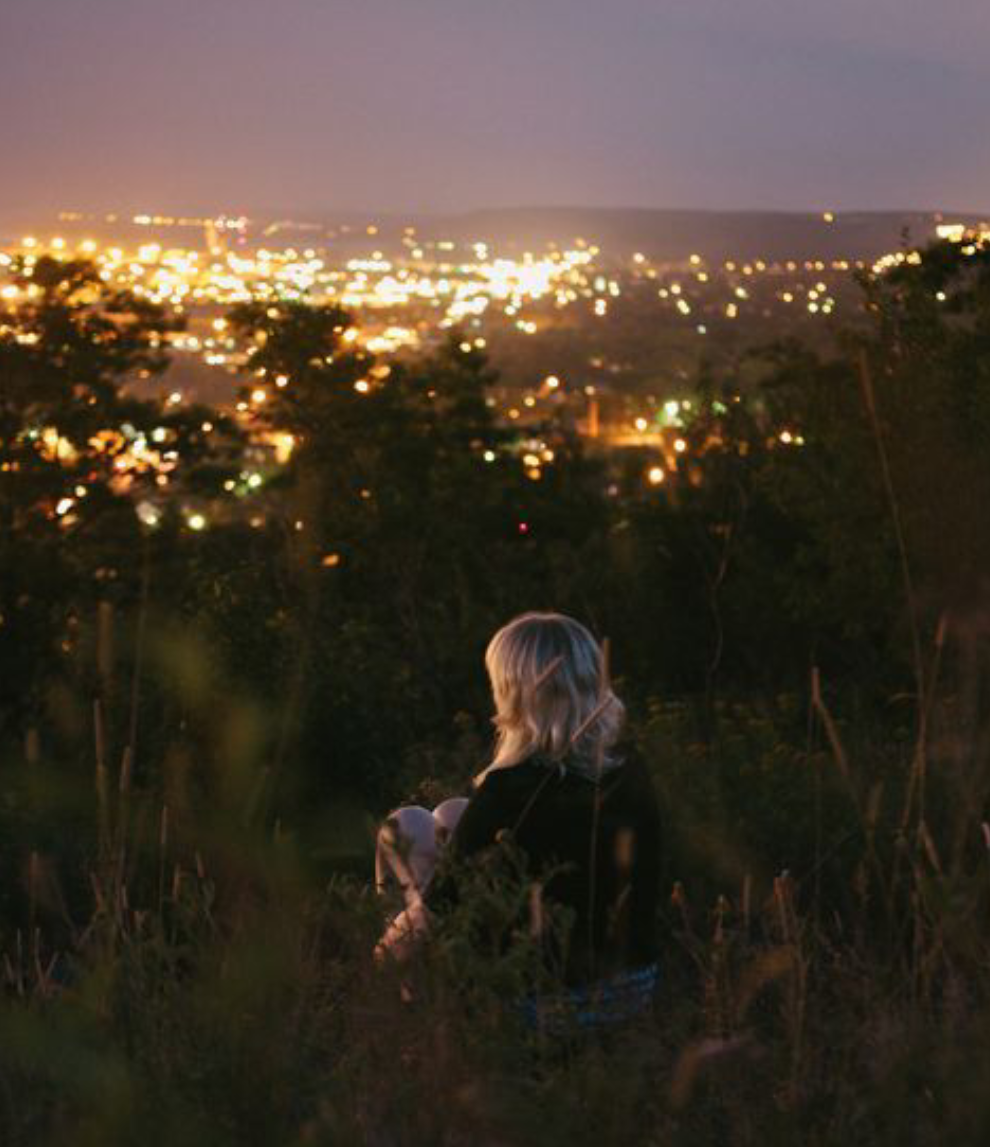
• Why do the lights of a distant town appear to twinkle?

When you are traveling at night, the lights of towns in the distance appear to twinkle. This is because of the constant movement of air above towns. The air above towns is warm, as a result of the heat given off from buildings. Warm air keeps moving up to be replaced by cold air which then gets heated and rises. This constant movement of air is known as turbulence.

When we are near a town or in it, we don’t notice the turbulence because it is quite small and the lights are nearly. However, when we are some distance away, the lights are far away too. They appear as only pinpricks. The warm and cold air that make up the turbulence above the town have different densities and light passing through the layers is bent at different angles because of this difference. As a result it appears as though the lights of the distant town are twinkling.

• Why do clouds have different shapes?

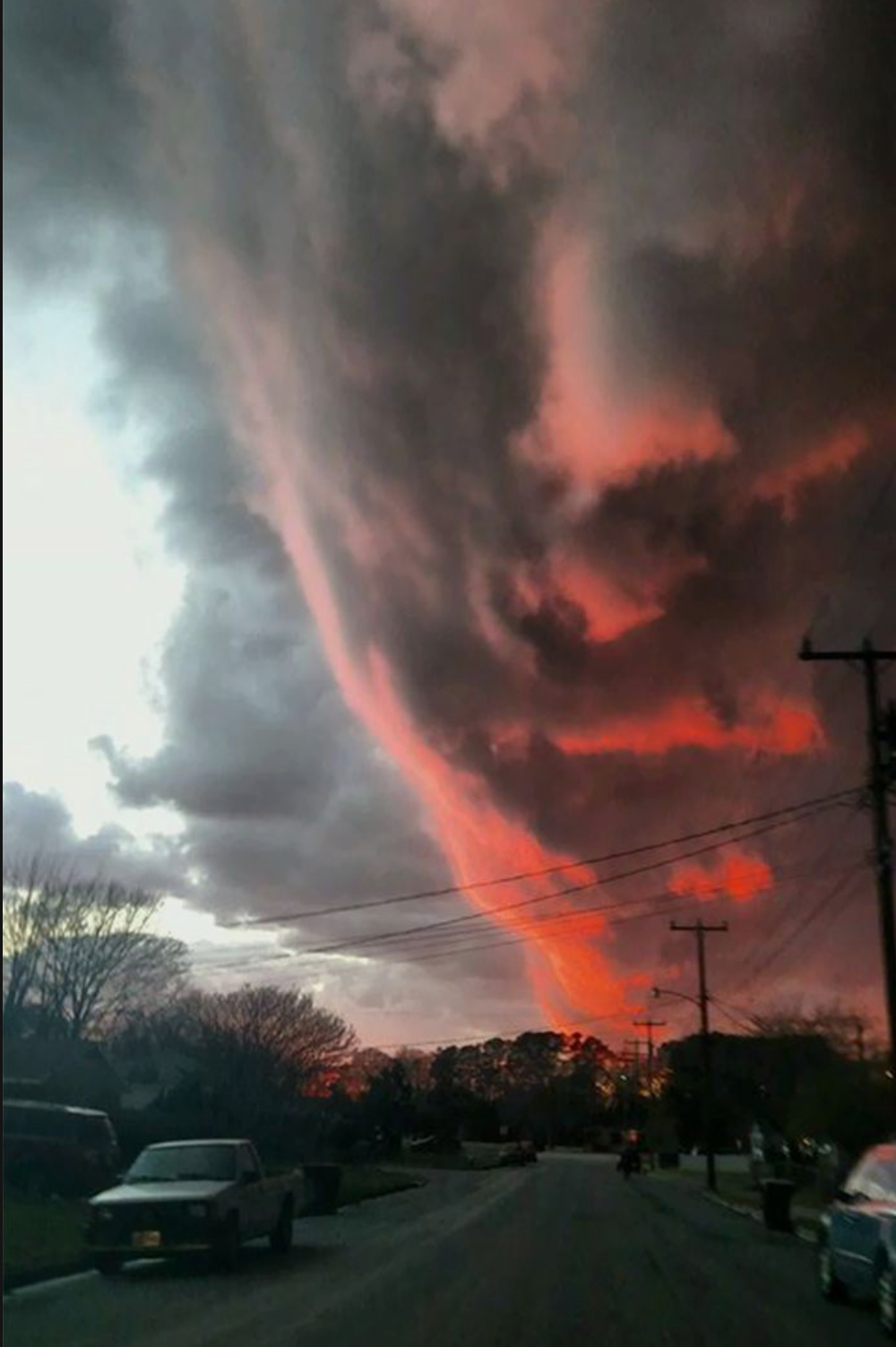
Clouds are made up of tiny droplets of water vapour or ice particles or both. The shape of the cloud depends on its height and temperature. Cumuliform clouds are shaped liked mushrooms and are formed when rising warm air cools as it goes up. Stratiform clouds come in flat, dull layers and are formed when air sinks in a high pressure area, creating a layer of cold air near the ground that doesn’t rise or rises only very slowly. Cirriform clouds are clouds that have risen on a front or tropical cyclone and frozen into ice crystals at very high altitude. They look like thin hair. The shape of cloud also depends on the time of the day.

Towards evening, clouds tend to be thinner and flatter than during daytime. Changes in wind patterns also change the shapes of cloud.

Thank you for reading. Have a nice day!🌼

Curiosity (animals)

• Why don’t woodpeckers get a headache?

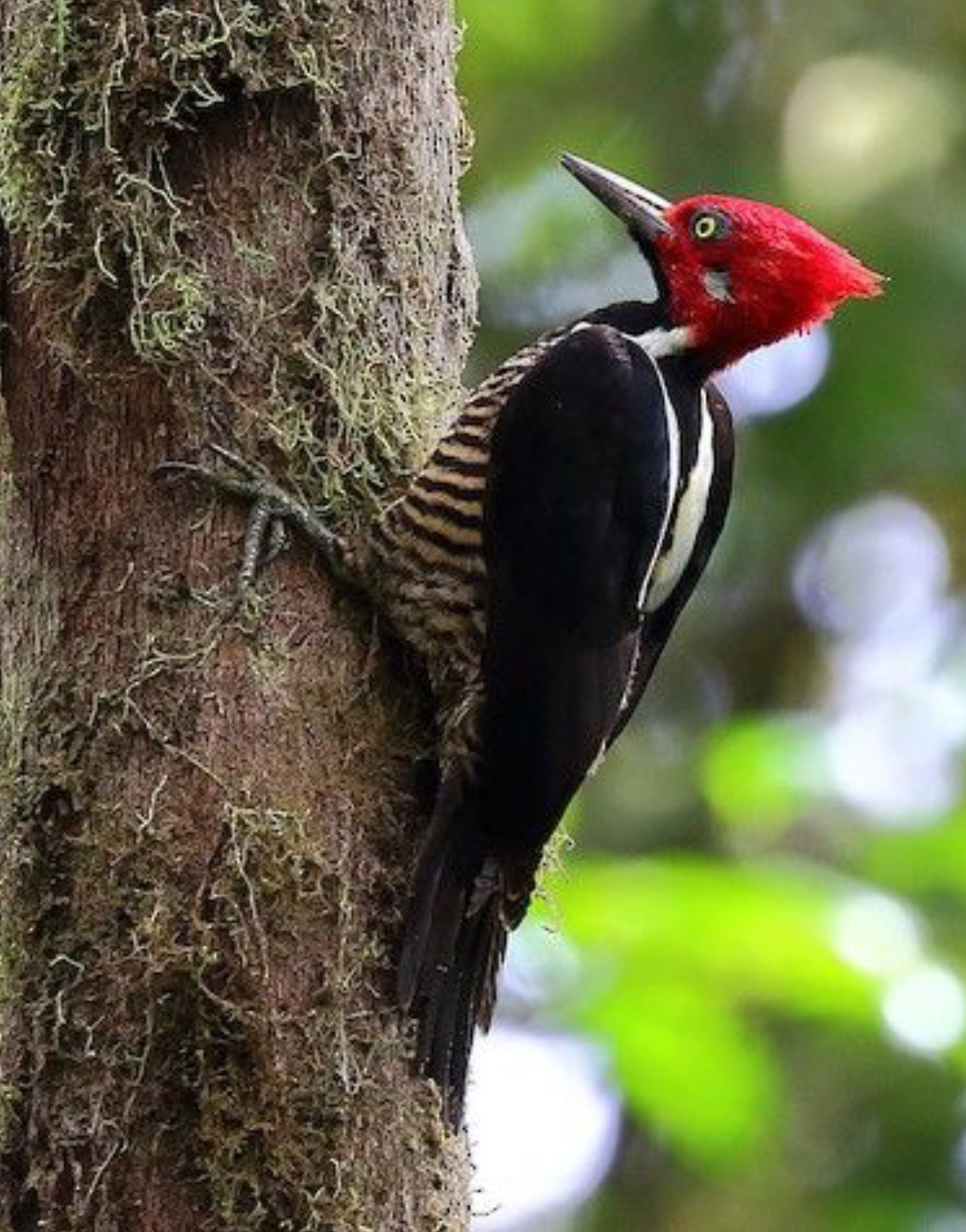
Have you ever seen woodpeckers striking trees with its long beaks? Woodpeckers hit the trees 20 times per second. Yet they don’t get a headache or any other head injury. The reason for thus is that woodpeckers are born with a helmet for the brain, which is formed of strong, thick muscles and sponge like bones in their skull. A woodpecker’s body too is specially designed to absorb the impact of the hit.

A millisecond before a woodpecker’s bill strikes on a tree dense muscles in the neck contract. Some of the force radiates down the neck muscles and protect the skull from a huge impact. A compressible bone in the skull offers a cushion effect too.

• Why aren’t spiders caught in their own webs?

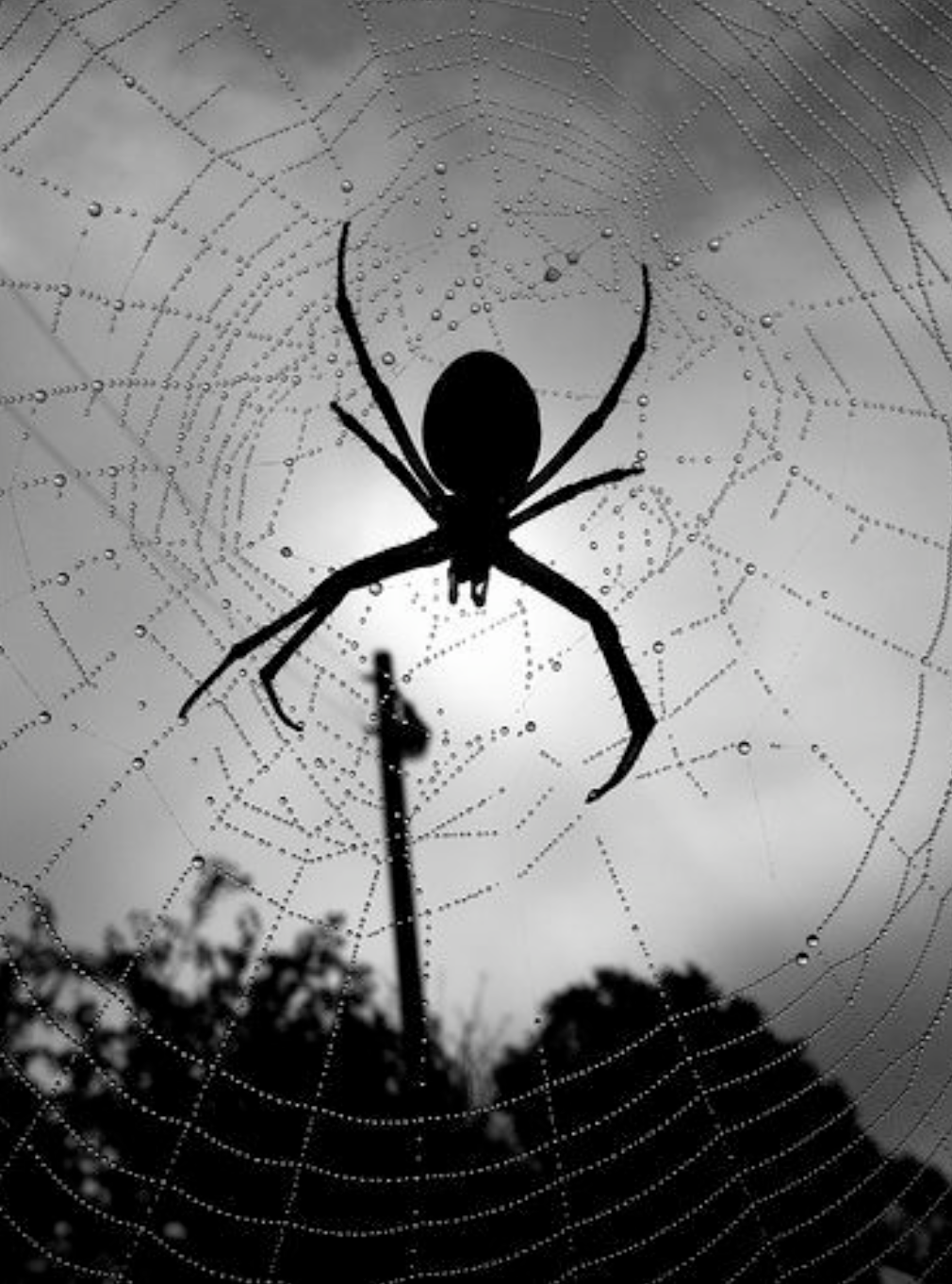
Spiders spin their webs in a circular pattern that is spotted with sticky glue. When an insect brushes against these drops – each thread can carry several dozen per millimetre – it gets stuck and the spider rushes over to inject it with venom or cocoon it in silk. The question of course is how does the spider escape its own glue tracks? The answer lies in the fact is that the web is the spider’s home and it knows its way around the glue traps. There are some threads in the web that have no glue on them and the spider is careful to move only on these threads. It is also believed that spiders use an oily coating on their legs to protect themselves from getting stuck in their own webs!

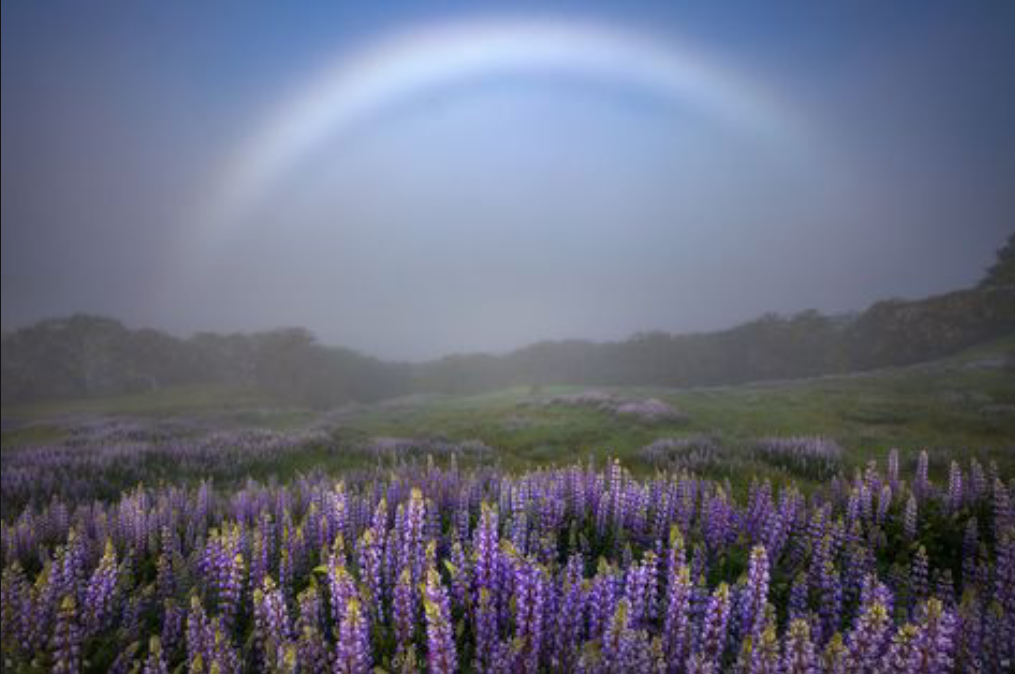
Colourless rainbow

There are some rainbows that are colourless. They are called fogbows and are formed when the sun shines through a fog. The drops of water in the fog are too small to split up light into it’s different colours, so the fogbow is white in colour.

• What do we know about left handed animals?

Most people are right handed, though about one in ten among us is left handed. Animals like chimps, hump back whales and even toads favour one hand, paw, claw or fin over the other. Chimpanzees use both hands with ease, but have a preference for the right hand. Toads also prefer their right side to perform differ functions. Polar bears on the other hand, are left handed.

Some species of parrot such as the sulphur- crested cockatoo are entirely left handed, while others, including the king parrot are mainly right handed. The majority of parrots – including the budgie, galah and rainbow lorikeet use both claws comfortably. Female cats are more inclined to be right handed while male cats favour their left paws. The same is true for dogs. Interestingly, dogs wag their tails to the right when relaxed and to the left when agitated!

Thank you for reading. Have a nice day!🌼

Climate Change

The phenomenon of rising temperatures of the Earth resulting in change of climate, seasons, rainfall patterns etc. Is called global warming. Global warming and its effects are together referred to as Climate Change. While these changes have been seen before but the rate of change has increased rapidly from the middle of the 20th century. Findings from different recognized scientific organizations support these claims. According to the Intergovernmental Panel on Climate Change (IPCC), “human influence on climate has been the dominant cause of observed warming since the mid-20th century”. The emission of greenhouse gases as a result of human activities have been one of the largest causes for this. Fossil fuels, Chloro-fluro carbons (CFCs), deforestation, rise in different forms of pollution are all behind this.

Photo by Markus Spiske on Pexels.com

Temperature change is also accompanied by loss of snow cover, melting permafrost, frequent natural disasters like cyclones. Land surfaces heat more quickly which have resulted in heat waves, forest fires, increase in desert area. These temperature changes are the highest in the Arctic region. Changes in environmental conditions have led to extinction of several wildlife species in forests, coral reefs etc. Rising carbon dioxide emissions lead to rising sea levels, ocean temperatures and ocean acidification. These changes bring in frequent droughts, extreme weather conditions affecting the equilibrium and natural balance.

Almost all countries have come together for climate change under the umbrella of the United Nations Framework Convention on Climate Change (UNFCCC). The convention aims to “prevent dangerous anthropogenic interference with the climate system”. It has instructed policy makers that there is much greater risk to human and natural systems if the warming goes above 1.5 °C compared to pre-industrial levels. Under the Paris Agreement, nations have made climate pledges to reduce greenhouse gas (GHG) emissions, but even after following those, global warming would still reach about 2.8 °C by 2100. To prevent this from happening and limit the warming to 1.5 °C, methane emissions need to decrease to near-zero levels and carbon dioxide emissions should reach net-zero by the year 2050.

Photo by Markus Spiske on Pexels.com

Governments should act immediately and policies should be constructed to reduce fossil fuel emissions, increase reforestation, forest prevention, use of low carbon energy technologies, food preservation. All societies should work together towards dealing with future global warming problems in a scientific way. Development of more resistant crops, better disaster management should also be considered.

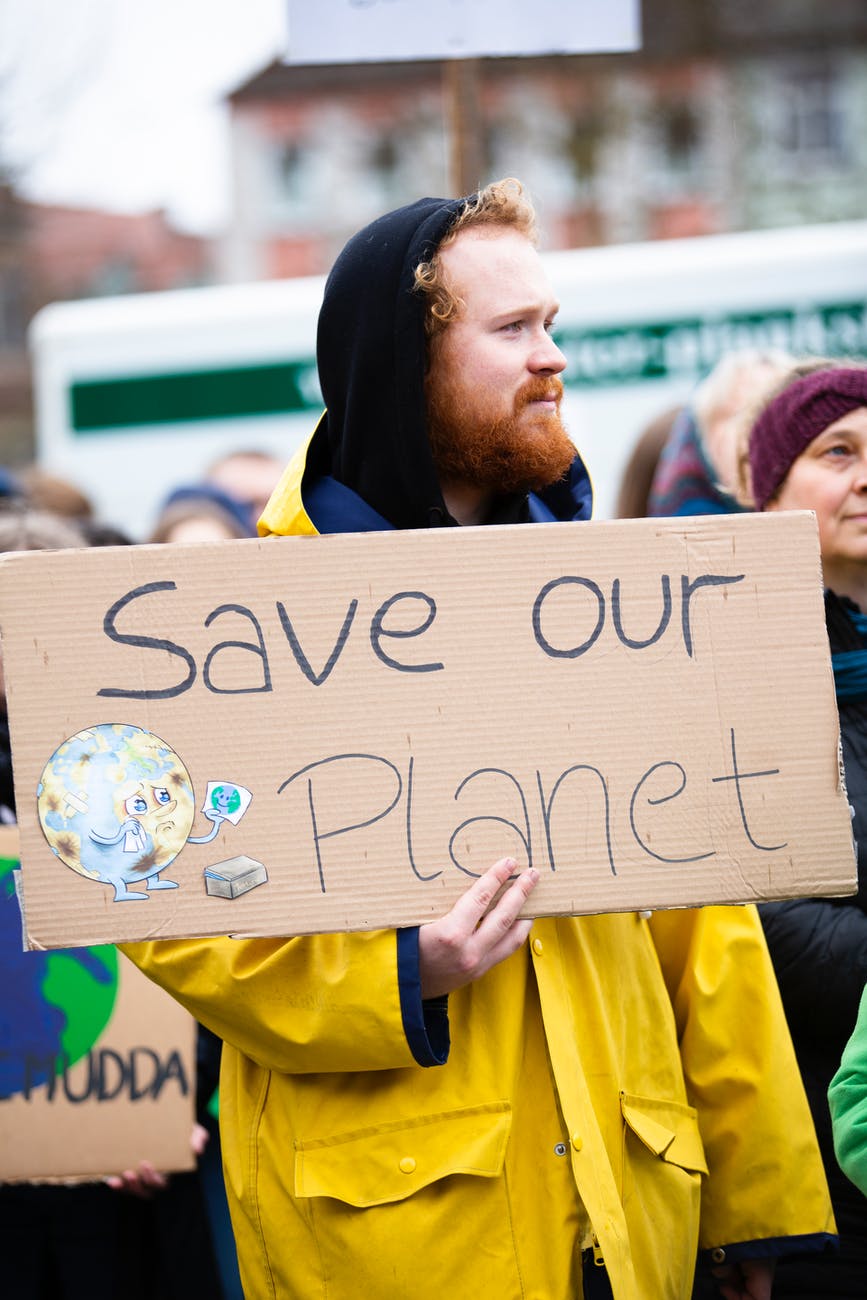
Several international movements have taken place like Fridays For Future where school students take time off from school to aware people and demand climate change action from governments. They demand action from political leaders of the world for the fossil fuel industry to convert to renewable energy and take immediate measures for climate change. This movement was publicised after Greta Thunberg started a protest outside the Swedish parliament with a poster saying “School strike for climate”. She is an environmental activist who has spoken at several internationally recognised platforms. She started her journey as an activist from the time when she had convinced her parents to change their lifestyle for reducing their carbon footprint. She is known for her straight forward manner of speaking at public platforms and criticizing world leaders for their failure to address climate change. She has participated in the United Nations Climate Change Conference (2018) and UN Climate Action Summit (2019). She has also got several awards and made it into the Forbes list of The World’s 100 Most Powerful Women (2019). Though her popularity at such a young age has made her a target of critics, but she continues to work and struggle towards her goal with indomitable spirit.

World Nature Conservation Day

‘The Earth is a fine place and worth fighting for’Ernest Hemingway

Indeed it is. Today, 28th July, 2020 marks the World Nature Conservation Day, a day when we pledge to provide ultimate protection to our Mother Earth and its bountiful resource. This day is celebrated to create an awareness that it not always justifiable to always use the natural resources but it is also essential to give back to the nature. Our resources – air, water and trees, is continuously depleting due to man-made activities and this day essentially reminds us that we should adopt sustainable practices to prevent dwindling of these natural, yet depleting resources.

July 28th was initially introduced as a day to educate people about the best practices to protect the natural resources on the earth and also to create an awareness that Earth only has a limited resources to cater to the upcoming human generations.

Part 39 >> July 28, 2017 " World Nature Conservation Day " — Steemit

To embark upon the World Nature Conservation Day, as inhabitants of this earth, we can adopt some very simple measures at individual and at group level. Some of these measures are:

  • Reduce plastic use. Be it buying groceries or food delivery or throwing away our sanitary pads, we should be concerned with plastic use and substituting by either paper or cloth bag. Used plastic thrown out as garbage usually ends up in water bodies and landfills, causing death of marine life, organisms and land animals mostly due to choking. It is not biodegradable and natural process takes years for the plastic to degrade.
  • Reduce electricity consumption. Dams built across the rivers might generate thousands of watts of electricity which is a renewable source of energy but it is harmful for the marine life. Records show that it disrupts the water ecosystem which will ultimately affect the human life, at least in the long run. So care has to be taken to minimize or stop the use of electrical appliances, unless there is an emergency.
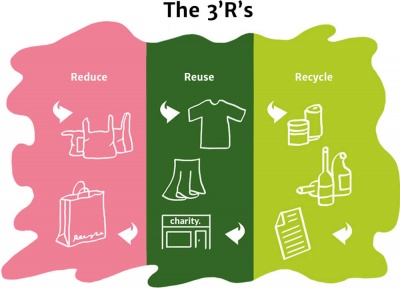
  • Tactical management of waste. Ensure to desegregate the daily wastes into degradable and non-degradable before dumping it into the ground. Human beings should religiously follow reduce, reuse and recycle mantra for waste management.
  • Reduce water consumption. In some countries, we receive water as if it is our birth right but other countries sweat to just receive a mug of it. We should ensure justified consumption of water so as to allow equitable distribution across all geographic nations.
  • Plant trees but save paper. Our world is getting depleted of trees day by day. A suggestion here is that each individual should take the onus to plant one sapling once a year, anywhere on this earth. Isn’t is satisfying to nurture it from time to time and to see it grow every day? But just growing trees is not a feasible solution if we do not take a chance to protect it. One way is to switch over to digital mode for reading like e-newspaper and e-books rather than going out and buying books and newspaper. Consequently, while shopping for groceries, switch to cloth bag which can be used multiple times, rather than single use of paper or plastic bags.

These are the few ways by which we can protect our Earth and the limited resources that it possess. And just by pledging to protect will not work unless we modify our shopping, eating and especially our consumer habits.

Source: https://www.hindustantimes.com/more-lifestyle/world-nature-conservation-day-2020-history-significance-how-to-live-sustainably/story-HWYhl06t7oYlZtFmT3RSJI.html

Raising an ECO-FRIENDLY Generation

We as a generation were born with resources available to us at a switch of a button. But would that be the same considering our irresponsible usage?

Let’s make a few lifestyle changes and teach our kids to become eco-friendly and live in a sustainable environment and household.

  • WATER CONSERVATION:
Cropped image of woman putting toothbrush under water - Stock ...

Do not encorage your kids to take long showers. Teach them to take a bucket water bath and advice them on keeping the taps shut. If they brush their teeth with running tap water, show them how water is needed only while rinsing the mouth. Tell them the importance of water in our lives and how it is essential to survive.

  • PAPER WASTAGE:
Using Technology To Reduce Paper Waste - Food & Nutrition Magazine

Encourage your children to use both sides of the paper. Tell them how papers are made from trees and the importance of trees in our lives. Adopt paper savvy techniques like using of eco-friendly notebooks and e-newspapers instead of hardback papers.

  • PLANT TREES, INHALE FRESH:
How to start your own tree planting project — TreeSisters

Plant trees in your backyard with them. You can teach them the art of gardening and also tell them about compost pits. It is a good hobby for your kids to row up nurturing a living organism and to be compasssionate towards others.

  • BEST OUT OF WASTE:
Best Out Of Waste Ideas : Best Things Made From Car Tyres

Making interesting and useful objects at home from waste will be a good bonding activity. One can make creative items like newspaper wall hangings, old plastic bottles can be made into show pieces or pen stands,etc.Show them how to reusee than discarding and hence creating less wastage.

  • REUSE- REDUCE -RECYCLE:
Reduce, Reuse, Recycle - Knowledge Bank - Solar Schools

Use tote bags or bins when shopping, say no to the plastic shopping bag. Select packaging that does not have a lot of excess waste. Use dinnerware that can be washed instead of paper plates and plastic ware. Only buy things that you will use in the immediate future.

Give your discards a chance at a second life by holding a yard sale or donating items to Goodwill, the Salvation Army, Habitat for Humanity, or other charitable outlets.  Contact schools and nursery schools to find out different types of items they reuse for art projects.  Donate used books to the Library.  Several organizations take used cars and even boats.