United Payment Interface (UPI), a term unheard or unbelieved until April 2016, but in Modern India, UPI is the flag-bearer of the ongoing Financial Revolution.
From a tea vendor selling a Rs 10 Cutting Chai to a showroom with a pricey product range, a large section of our society has adapted to UPI. It actively utilises the mechanism for seamless payments. In the early stages, a year after the launch of UPI, the total number of payments was 6% compared to 36% of Card payments. However, in FY 2021, UPI’s share expanded to 63%, while the percentage of Card payments shrunk to 9%. The progressive advancement of UPI has not just constructed an efficient payment instrument, but it has connected millions on an inclusive and well-structured Digital platform.
It must be noted that the underlying infrastructure of Immediate Payment Service (IMPS) has been paramount for UPI’s grand success. Adopting a UPI ID rather than entering bank account numbers and IFSC codes has made transactions effortless. Integration with Bharat Bill Payment System (BBPS) for recurring Bill Payments has been crucial in creating an innovative platform.
The Indian real-time payments market is well developed when directly compared with other markets like the US, the UK, Canada and Australia, according to a report published by ACI Worldwide. The report also forecast that the share of all transactions occurring via real time instrument was expected to increase to 70.7 per cent in 2026 from the present 31.3 per cent. The report predicted that in 2026, business and consumer level benefits due to India’s real time instant payment was expected to reach $92.4 billion, adding, that it will have an impact of $54.9 billion or 1.12 per cent in India’s GDP.
India’s forex reserves are at an alarmingly low stage and have dropped with the aid of 23 months of use. For the week ending September , India’s overseas foreign exchange (forex) reserves fell to $553. The lowest level in over a year, consistent with figures from the Reserve Bank of India (RBI).
The Reserve Bank of India saved its currency and intervened to save the rupee from falling beyond eighty to the greenback at some point every week whilst the greenback surged to over-decade highs, inflicting India’s forex reserves to plummet to their lowest stage in more than a decade and staining the third consecutive week of decline.
The rupee has fallen from around seventy-four to close to eighty against the greenback, a trend that experts say the RBI has maintained vehemently, echoing a drop in FX reserves of slightly more than sixty-seven billion since the Ukraine disaster and more than eighty billion from all-time highs last year. The effect of the appreciation or depreciation of non-greenback currencies like the Euro, British Pound Sterling, and Japanese Yen held in forex reserves is blanketed within the overseas forex belongings expressed in US dollars.
Experts say that the forex reserves have witnessed a fall as a result of the Reserve Bank of India’s (RBI) intervention to rein the currency volatility. In 2022, the rupee has declined by about 7 per cent, which has also made imports costlier. Even though India’s forex reserves have seen a decline in the past few months, experts say the situation is not at all alarming. Experts say the country has a significant amount of forex reserves.
MSME has introduced in the year 2006 in India. There are still some service sector that was not yet included in this sector was included in the definition of the Micro, Small and Medium-sized Enterprises making a historic change to this Act.
The MSME sector in India gave a major boost to the economy. Over 63 million MSMEs spread across the country contributed 30.5% to India’s GDP in FY19 and 30% in FY20. It also created many employment opportunities. Based on a study conducted by the Ministry of Statistics & PI between July 2015 and June 2016, the MSME sector employed 111 million workers. Compared with large-scale companies, MSMEs aided in the industrialisation of rural areas at minimal capital cost. The sector has made significant contributions to the country’s socio-economic growth and complemented major industries as well. MSMEs account for approximately 40% of India’s total exports, 6.11% of GDP from the manufacturing sector and 24.63% of GDP from the services sector.
The significance of the MSMEs sector can be noted from the fact that it is the second-largest employment provider, after agriculture in India. This sector has proven the instrumental in the growth of the nation, leverage exports, creating huge employment opportunities for the unskilled, fresh graduates, and the underemployed. It also extended the opportunities to banks for giving more credit to enterprises to MSME Sector. The government should take the special care by addressing the importance of MSME in terms of providing more and more MSME Registration advantages by implementing better regulations and enable financial institutions to lend more credit at less interest rate for sustainability of this sector.
To ensure that MSMEs continue to lead the country towards economic growth, the Government of India has from time to time announced various schemes to support the development of this sector. Recently, in view of the economic hardship caused by covid 19, the government has announced few schemes under ‘Aatmanirbhar Bharat’ i.e. Self-reliant India initiative. Accordingly, the criterion for classifying MSME has also been revised. Under the revised criterion, the combined factors of ‘Investment in plant and machinery’ and ‘Turnover’ are required to be considered to determine whether a business should be classified as a micro, small or a medium enterprise. In contrast, earlier the classification of an MSME unit was based only its investment in plant and machinery; and also depending on whether the enterprise was in the manufacturing sector or in the services sector.
Semiconductors are materials that have electrical conductivity between conductors generally metals and non-conductors or insulators. Due to their role in the fabrication of electronic devices, semiconductors are an important part of our lives. Anything that’s computerized or uses radio waves depends on semiconductors. Semiconductors are an essential component of electronic devices, enabling advances in communications, computing, healthcare, military systems, transportation, clean energy, and countless other applications.
The country responsible for the most semiconductors in the world is China, Taiwan, South Korea, and Japan. The Indian semiconductor market was valued at USD 27.2 billion in 2021 and is expected to grow at a healthy CAGR of nearly 19 percent to reach $64 billion in 2026. But none of these chips is manufactured in India so far.
A joint venture of the Indian conglomerate Vedanta and Taiwanese electronics manufacturing giant Foxconn signed a Memorandum of Understanding on September 14 2022 with the Gujarat government to set up a semiconductor and display manufacturing unit in the state. The project is worth around 20 billion USD. This upcoming facility will mark the beginning of chip manufacturing in India. This is also strategically important for India because it will reduce our dependence on other countries.
Out of the total investment of Rs 1,54,000 crore, Rs 94,000 crore will go into setting up the display manufacturing unit while Rs 60,000 crore will be invested for the semiconductor manufacturing facility, the official said in event of MoU. The FAB (fabrication facility) manufacturing unit in the state facility in Gujarat would create one lakh job opportunities.
As per the MoUs signed by both parties, the Gujarat government will facilitate the investor in obtaining necessary permissions and clearances from the state departments concerned. Among the subsidies and assistance under the state policy, Gujarat will provide additional capital assistance at 40 percent of the capital expenditure assistance extended by the Centre for the projects approved under the India Semiconductor Mission. One-time reimbursement of 100 percent stamp duty and registration fees paid to the government, fixed water tariff at Rs 12 per cubic meter for five years, and a capital subsidy of 50 percent for a desalination plant are the financial benefits under the new policy.
A massive shortage in the semiconductor supply chain last year affected many industries, including electronics and automotive. To cut dependence on imports from nations like Taiwan and China, the government brought a financial incentive scheme for manufacturing semiconductors in the country. Vedanata-Foxconn is one of the successful applicants for the Production Linked Incentive (PLI) scheme for semiconductors and is also a step towards achieving self-reliance in the semiconductor field for the country.
The practice of journalism requires collecting, researching,
synthesizing, and presenting news and information. Additionally, it is a
byproduct of these actions.
Certain distinguishable traits and practices make journalism
distinct from other pursuits and outcomes. These characteristics not only set
journalism apart from other types of communication, but also make it essential
in democracies. History demonstrates that a society tends to have more news and
information the more democratic it is.
Benefits of Journalism
1.You may
get to travel
Since it’s difficult to cover news globally,
However, working as a sports or entertainment journalist occasionally allows
you to travel extensively.
While exploring and moving around, you can talk
about current events. Who doesn’t enjoy travelling, right? This, in my opinion,
is one of the greatest advantages of journalism.
2.You can
meet different people
No matter what profession you are in, exposure
is crucial for your personal development. When you work in journalism, you are
exposed to many different things, which aids in your recognition.
Meeting all of those folks enables you to make
some really great friends as well as realize how relative life is and how our
way of life back home is merely one of many other lives that people celebrate
across the world.
3.You can
share your ideas
The
capacity to further your opinions and convictions is another benefit of working
as a journalist. In general, you can publish anything you want as long as it
abides by local laws, especially if you’re a freelance journalist who doesn’t
work for a media company. As a
result, if you see something you disagree with, you could become more conscious
of it and thereby feel better.
4.You can
cover a variety of genres
In
general, journalism offers you a wide range of topics on which to write. You
can never learn everything because there are so many new things introduced
every day.
As a
result, you won’t ever run out of topics to write about, and you’ll have the
freedom to focus on the subjects you think will be most important to and
interesting to your readers.
The field
of journalism is not standardized. In fact, you will pick up fresh information
every day because you will be speaking with a range of people.
5.You will
never find it boring
If you work as a newscaster, you won’t become
bored. They have a wide range of jobs and frequently interact with different
people, so I’m confident they’ll always have topics of conversation.
Additionally, you typically work in unfamiliar
environments and face problems every day. Journalism is one of the never-ending
careers as a result, so if you’re curious and want to be surprised, being a
journalism specialist can be the best choice for you.
6.You can
create your new comfort zone
A great way to step outside of your comfort zone
is to become a journalist. Because we humans are generally afraid of making a
mistake, we tend to want to stay in our comfort zone and refrain from trying
too many new things.
This might be exceedingly limiting, though, as
character development occurs solely as a result of new experiences. In
journalism, you must be willing to speak with people you otherwise would not
have. Throughout your work, you’ll also discover some unexpected items.
If you’re reading this, then chances are that you are looking for some way to improve your life. Maybe you need help with personal development or maybe you’ve been thinking about starting a new job or volunteering at an organization. Whatever your reason for wanting to make changes in your life, it’s important that we keep our eyes open and try new things so we can be successful in achieving our goals.
Without encouragement, it is difficult to change.
Without encouragement, it is difficult to change. You need to believe in yourself and think that you can improve your life by making positive changes. The first step is believing that you can improve for the better—that’s because it will make all the difference. If you do not believe that things can get better, then no one else will either.
If someone says they are going through hard times or struggling with something difficult right now, try giving them some words of encouragement as a way of showing them how much strength there is inside themselves despite their circumstances (or lack thereof). This could mean saying something like “I know what it’s like when things keep getting worse instead of better.” Or maybe even just “I’m sorry about everything happening right now.” These small gestures go a long way towards helping those around us feel supported during times when we feel isolated from others’ understanding due to our own struggles.
You are most likely to succeed if you focus on one change at a time.
The key to success is to focus on one change at a time. This can be as easy as focusing on improving your diet, or it may be more complex—it depends on what you’re trying to accomplish and how long it will take for you to reach your goal.
For example: If you want to lose weight, then focus on eating healthier food and making more exercise a part of your daily routine. Once that’s accomplished and needs adjusting (such as adding more fruits or vegetables), move onto the next step by increasing the amount of exercise in your schedule again until all of these changes have been completed successfully.
Changing your life takes time and daily effort.
Changing your life takes time and daily effort. You can’t change a habit overnight, nor can you expect to change your lifestyle or attitude overnight.
You have to commit to making positive changes in the way you think and act for them to stick. This includes changing negative beliefs about yourself and others, as well as changing other people’s perceptions of you—for example, by doing something nice for someone else instead of taking advantage of them.
The changes you make will have an impact on other people, so talk to them about what you are doing.
Make sure you have a support network:
You can’t do it alone! You need people who believe in you and want to help support your goals.
Be honest with yourself:
Don’t let yourself get discouraged by results because they won’t always be immediate or easy to achieve; this is just another step in the process of self-improvement.
You are more likely to change your behavior if you write down your goals and track your progress toward them.
If you want to make changes in the way that you live your life, it’s important to write down your goals. The more specific and detailed they are, the easier it will be for you to stay focused on achieving them.
You can use a notebook or spreadsheet as a place where you put down all of the things that matter most to you—including what motivates each goal and any additional details about how long until completion or other deadlines associated with achieving each goal (if applicable). Then once per month or so (depending on how often progress is made toward those goals), go back through this list of ideas and see where there are still opportunities for improvement or new additions which may help bring about change faster than otherwise would be possible otherwise.”
Sometimes people need a second or third try before they can achieve their goals.
Change is a process that can happen gradually if we give ourselves permission to not be perfect.
It’s okay to fail. You don’t have to make every mistake in the world, but you do need to take risks and learn from them. If you’re going through a difficult time, it may feel like everything is stacked against you, but remember: You’re stronger than that! Don’t let anyone else dictate what your limits are; set boundaries for yourself so that everyone around you knows where they stand with respect toward how much weight/pressure/stressors they bring into your life (and vice versa).
You can’t change everything at once! Change takes time and effort—you might not see results right away on day one of starting something new at work; sometimes there are things we need practice doing before learning how good our new skills actually feel like coming out of our mouths (or fingers). Make sure whatever goal(s) this month has been focused on has been well-thought out beforehand so as not waste valuable resources unnecessarily trying out half-baked ideas prematurely – because even though change doesn’t happen overnight…it does happen eventually
Conclusion
If you are ready to start changing your life and make some changes in your life, then this is the right time. Start now.
Stress is a natural part of life, and like many things, it’s important to learn how to manage it. If you’re suffering from stress, here are some helpful tips for coping:
Find a hobby
If you’re looking for a way to manage stress and unwind, a hobby can be an excellent option. It doesn’t have to be something specific or intense; you could simply enjoy doing something that inspires you every day.
Whatever it is that makes your heart race with excitement, there’s probably an outlet for it in your life—if not now then at some point in the future. Taking up knitting or painting might seem like an odd choice when you’re stressed out by midterms and finals, but these activities can become routine sources of relaxation as well as hobbies!
When we were kids growing up, many of us were fond of playing sports: football or baseball games were favorite pastimes at our houses during the summer months because they gave us something physical (and occasionally competitive) to do together after school hours were over. Nowadays however there are plenty other ways for parents and kids alike alike enjoy getting involved together outside on weekends – whether through volunteering with community organizations like Habitat For Humanity; going camping together on family camping trips; taking part in organized activities such as dance lessons where everyone learns new moves together while having fun at once too 🙂
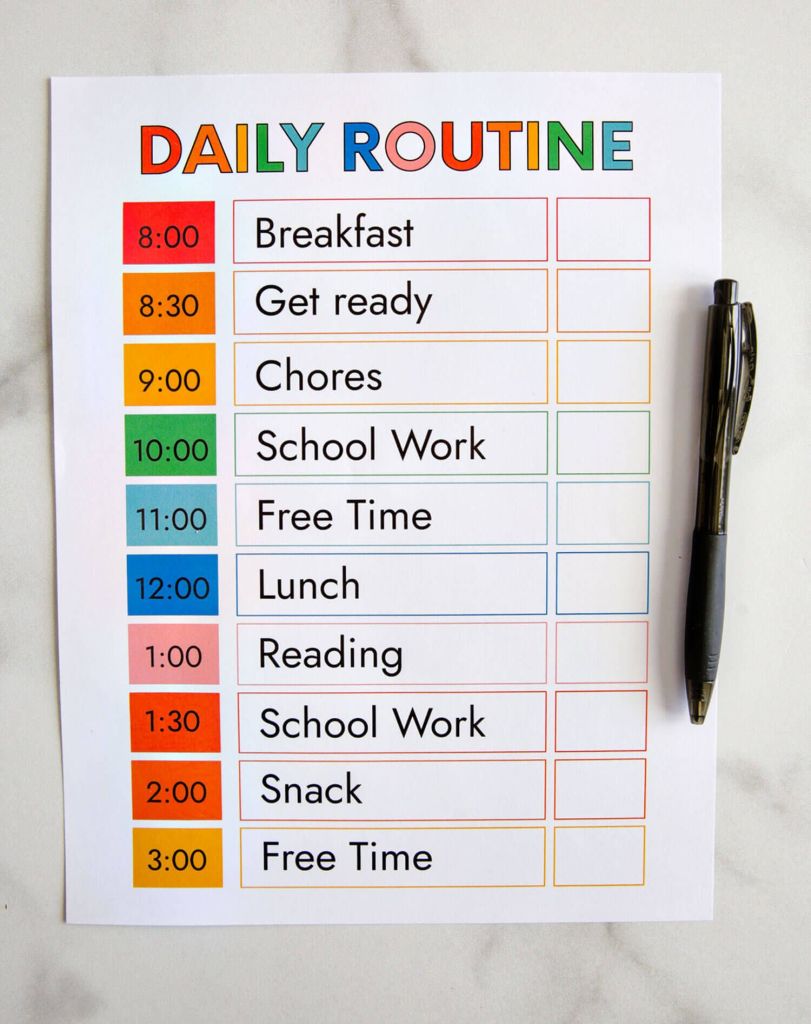
Build a daily routine
The first step to managing stress is building a daily routine. A morning routine, afternoon routine and evening routine are all good places to start.
Make sure you have your coffee (or tea) before 7:30 AM. This will help you get going in the morning and prevent late-night cram sessions later on in the day when you’re tired or distracted by something else that needs doing.
Get through at least one workout session per week—even if it’s just walking around campus for 30 minutes with friends or playing basketball with teammates after class! Exercise helps burn off energy so that mentally challenging tasks don’t seem insurmountable anymore; moreover, exercise has been shown to reduce anxiety levels as well as improve moods overall.* Go grocery shopping once per week rather than buying food from convenience stores because they tend to have higher prices than supermarkets do; however replacing fast food with healthy alternatives like salads instead of burgers will save money while still providing nutritious meals throughout each day.* Try not using social media sites like Facebook or Twitter too frequently either during lunch breaks at work because this causes users’ lives outside office hours become blurred together into one giant blur which makes everything seem more difficult than before since now there’s no separation between work life & personal life anymore.
Eat healthy food
Eating a balanced diet is key to managing stress. It helps you feel more energized and less tired, which can help you avoid getting sick or stressed out by hunger pangs. If possible, eat a healthy breakfast every morning—this will give you the energy boost that makes it easier for you to get through your day!
If eating junk food is something that stresses out your stomach (and let’s be honest here: who doesn’t love pizza?), try finding healthier snacks like fruit salad bites or even granola bars instead of sugary ones. The key here is moderation; no one should ever eat too much junk food because this will only make them feel worse afterwards.
Get in touch with your family
Stress is a normal part of life and as such, it’s important to find ways to manage your stress. One way you can do this is by talking with your family about how they can help.
Family members are a great source of support when it comes to helping you manage stress—and they may not even realize how much they’re helping! If you have parents or siblings who live nearby, consider asking them if they’d like some help managing their own lives and those around them. You could even offer up some of your time (or money) in exchange for their assistance so that everyone benefits from their efforts together.
Get enough sleep
Sleep is important for learning and memory.
It’s also linked to stress reduction.
Getting enough sleep can help reduce your stress levels, which will make you more productive at school or work.
Go for a walk
You can get away from the stress of school by going for a walk.
Go for a walk alone or with friends if you’d like, but don’t worry about being seen—the point of walking is just to move your body, not impress others. Listen to music while you walk (or listen in silence), and try to take in some fresh air too. Take your dog for a long walk around the neighborhood; they’ll love it! If possible, try walking at least 10,000 steps each day—that’s equivalent to running one mile per hour continuously for 30 minutes straight! When I was younger and had more energy than I do now as an adult who’s trying everything she can think of not only stay healthy but also keep fit at age 55+.
Listen to music
Music is a great way to relax and de-stress. You can listen to any music you like, but try not to choose something that’s too hard or fast. Music can also help you focus on what’s important in your life, which will help keep things in perspective when they get overwhelming.
Music can also help with sleep! I recommend listening before bed because it helps calm your mind enough so that it doesn’t keep tossing and turning at night because of all the stressors going through your head during the day (or even week).
Meditate
Meditating is a great way to relax and unwind. It can help you deal with stress, anxiety and depression, improve your memory and creativity, even slow down the aging process.
If you’re new to meditation or have never tried it before there are plenty of ways that beginners can begin:
Sit comfortably in a comfortable position (sitting or lying down).
Close your eyes if possible – this might help you focus better on what you are doing (most people choose not to cover their eyes).
Start by breathing normally through both nostrils for one minute without counting the breaths or trying anything else at first; this will help clear any thoughts from your mind so that when they come back again later on during meditation they won’t distract us from our task at hand which is meditating.
Talk to someone about your stressors
Talking to someone about your stressors is an important part of managing them. You can talk to your friends and family, but it’s also helpful to talk about the stressors with a therapist or counselor. If you feel comfortable talking about this issue with a doctor, go for it! The same goes for religious leaders, coaches and mentors who have experience dealing with similar issues in their own lives. And if none of these people are available yet, teachers are usually willing to listen when students come seeking guidance from them (or even just want advice on how they should handle their own problems).
Few more steps to encounter stress
Stress can be caused by a variety of factors including work-related issues, relationships with friends and family members or even just having too much on your plate at once. In order to manage stress effectively there are some steps that you can take:
Start taking breaks from time to time during the day (even if only for 5 minutes). This will help you relax and recharge so that when you return back into work mode again; everything feels fresh again.
Try getting outdoors more often during the day so that there’s less time spent indoors where all these feelings tend to accumulate over time because there isn’t much else going on besides watching TV shows while eating pizza as opposed being outside enjoying nature around us all… You get what I mean? 🙂
I hope this article has given you some useful tips for managing your stress. Remember that the best way to deal with a stressful situation is to stay calm and take action. Use our tips above and find something that helps you relax, like giving yourself time away from your responsibilities or getting some exercise – anything will do.
India has overtaken the UK to become the fifth-largest economy in the world. Economists and business executives anticipated that India’s position would continue to improve in the years to come due to greater economic growth.
According to figures from the International Monetary Fund (IMF), India passed the United Kingdom (UK) to become the fifth-largest economy in the world in the last quarter of 2021. India’s economy currently ranks just four nations ahead of it in terms of size in dollars. The United States, China, Japan, and Germany are the only nations with economies larger than India’s. The UK is currently in sixth place, just behind India.
IMF’s own forecasts show India overtaking the UK in dollar terms on an annual basis this year, putting the Asian powerhouse behind the US, China, Japan and Germany. A decade ago, India ranked 11th among the largest economies, while the UK was fifth. The government is expecting the economy to grow at 7-7.5 per cent in 2022-23, in line with its projections made at the beginning of this financial year. India registered a growth of 8.7 per cent in 2021-22.
While India has overtaken the United Kingdom in terms of the size of the economy, the per capita income in India remains very low. When it comes to per capita income, which is a measure of how much money is made per person in a country, India is ranked 122 out of 190 countries.
India is set to become the third largest economy in the world by 2029. A State Bank of India report said India will surpass Germany in 2027 and most likely Japan by 2029 at the current rate of growth. The report said that the country has undergone a large structural shift since 2014 and is now the 5th largest economy overtaking the United Kingdom.
India got its first Indigenous Aircraft Carrier with Prime Minister Narendra Modi commissioning INS Vikrant in Kochi, marking a significant step towards strengthening the ‘Aatmanirbhar Bharat’ goal in the strategic sector of defence.
The Vikrant has 76 per cent indigenous content, which includes combat management system, electronic warfare suite, data network, and integrated platform management system, among others. As far as the origin of the word goes, the ‘Vi’ prefix in the Sanskrit word Vikrant denotes something that is distinctive or extraordinary, and the ‘krant’ suffix means to move or advance in a direction.
Named after her illustrious predecessor, which had played a vital role in the 1971 war, INS Vikrant is designed by the Indian Navy’s in-house Warship Design Bureau (WDB) and built by the Cochin Shipyard, a public sector shipyard. With the commissioning of Vikrant, India will have two operational aircraft carriers, which will bolster the maritime security of the nation.
Stretching to 262m, Vikrant in its length exceeds that of two football fields and is 62m wide. Its height of 59m packs in 14 decks in all and the vessel features over 2,300 compartments and provides room for a crew of 1,600 personnel and includes specialised cabins for women officers. Construction of the vessel began in 2009 at the Cochin Shipyard Ltd (CSL) and the total cost involved is around Rs 23,000 crore.
An aircraft carrier is one of the most potent marine assets for any nation, which enhances a Navy’s capability to travel far from its home shores to carry out air domination operations. Many experts consider having an aircraft carrier as essential to be considered a “blue water” navy — that is, a navy that has the capacity to project a nation’s strength and power across the high seas. An aircraft carrier generally leads as the capital ship of a carrier strike/ battle group. As the aircraft carrier is a prized and sometimes vulnerable target, it is usually escorted in the group by destroyers, missile cruisers, frigates, submarines, and supply ships.
India is home to some of the most stunning natural attractions and historical sites in the world. With so many places to visit and things to do, it’s hard to know where to start. But if you want something off-the-beaten path, these 10 destinations are sure to satisfy your wanderlust.
1. Goa
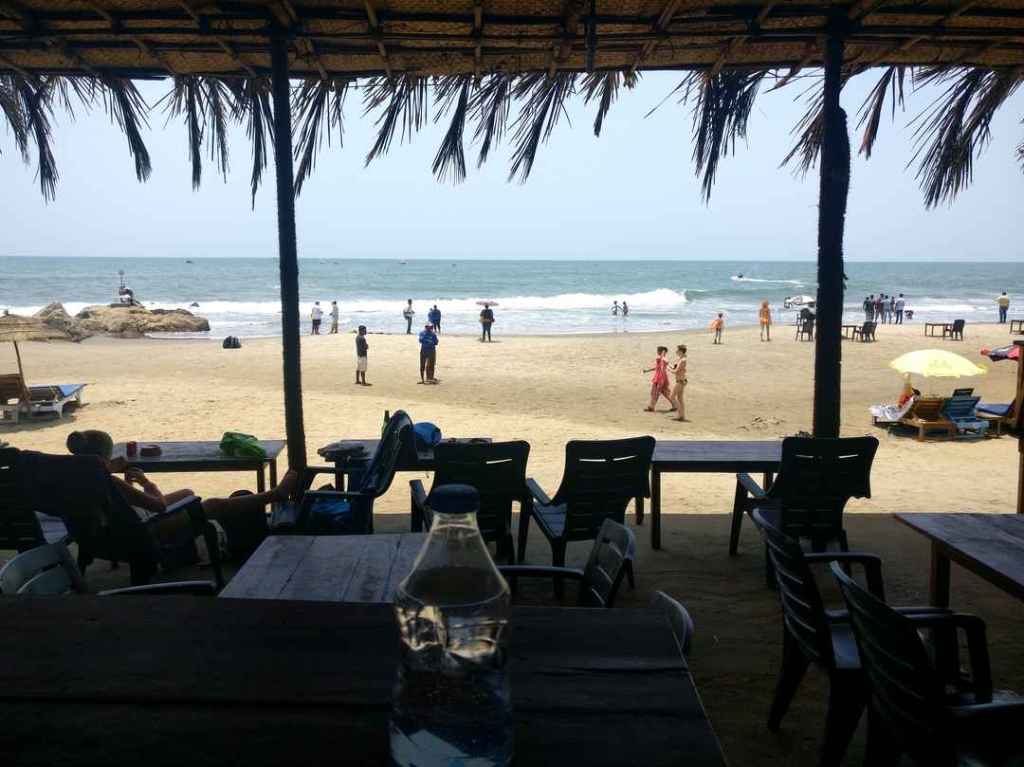
Vagator Beach, Goa
Goa is a popular tourist destination in India and has been attracting visitors for years. It’s known for its beaches, which are clean and have plenty of space to relax on them.
Goa also has great food, music and culture. The best way to experience all this is by staying at an airbnb or other bed & breakfast type place that hosts travelers from around the world!
2. Kerala
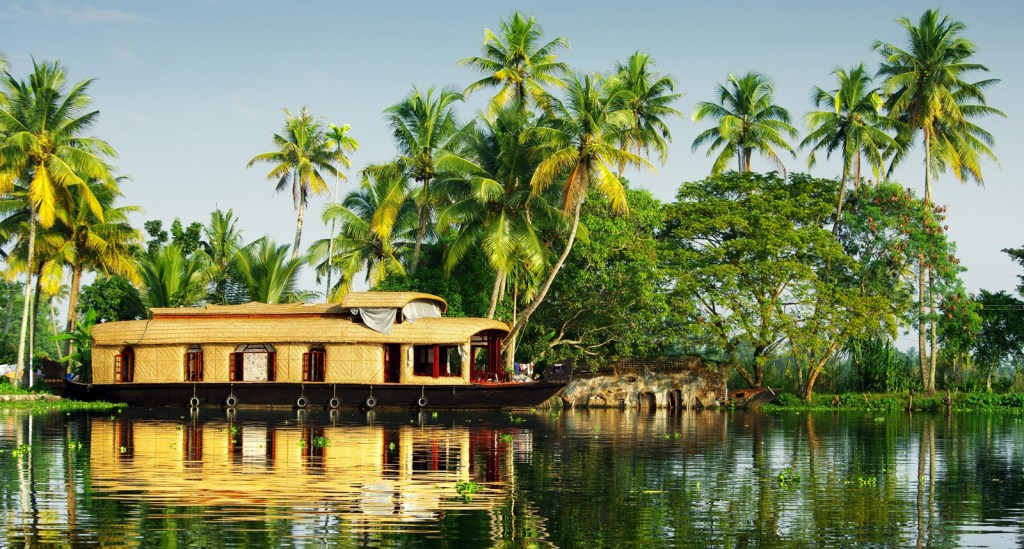
Kumarakom, Kerala
Kerala is a beautiful place to visit in India. It has many beaches, backwaters and historical sites. One of its most famous attractions is the backwaters of Alleppey that are home to some interesting wildlife sanctuaries. The state also has many temples which are a must-see during your trip here.
3. Andaman and Nicobar Islands
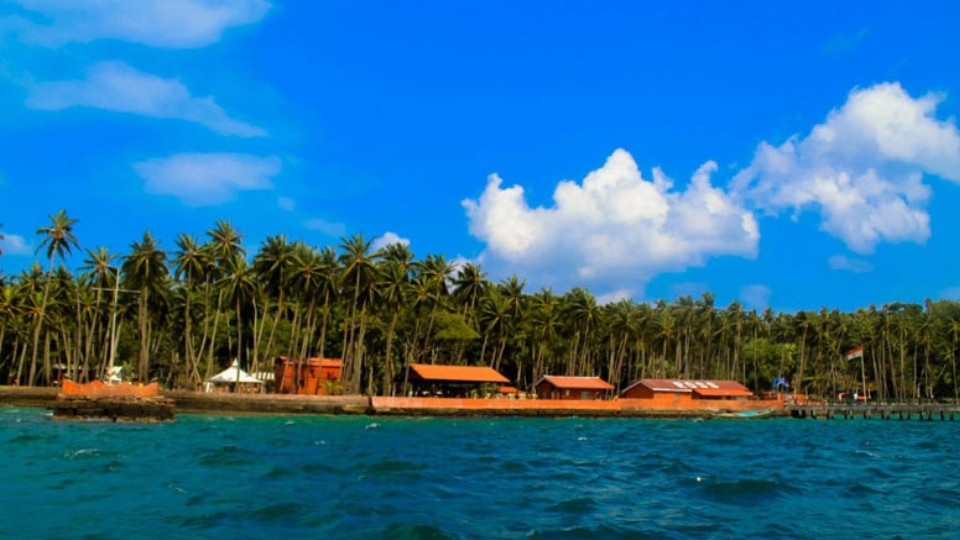
Andaman
The Andaman and Nicobar Islands are located in the Bay of Bengal, just off India’s coast. These islands are a part of India and home to many different tribes. The islands have a great climate for relaxation, as well as beaches with white sand.
4. Pondicherry
Serenity beach, Pondicherry
Pondicherry is a city in the union territory of Puducherry. It was formerly known as Pondicherry and it is located on the Coromandel Coast, India’s east coast, which is known for its beaches and resorts. The city has an old-world feel to it with buildings that date back to French rule over India during the 19th century.
Pondicherry has many beaches where you can go swimming or just relax on your day off from work.
5. Leh Ladakh
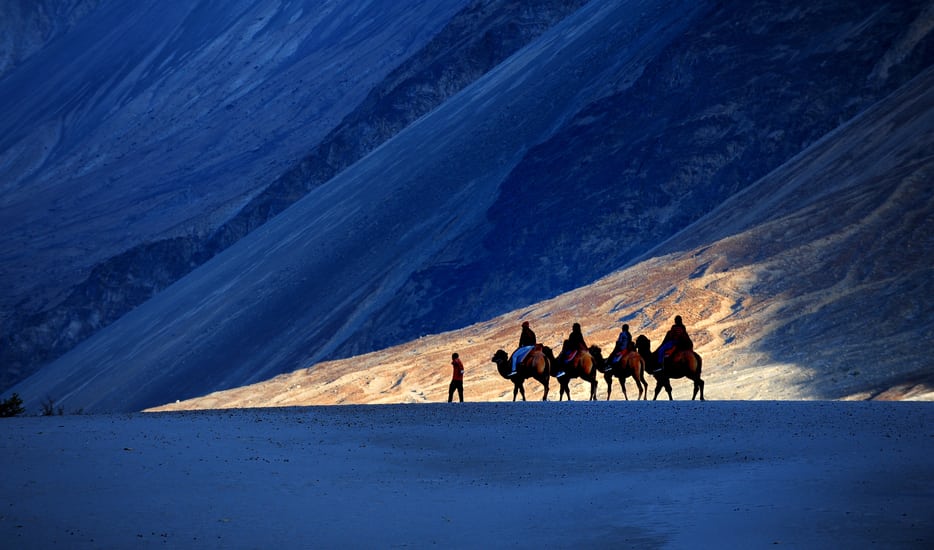
Nubra Valley, Ladakh
Leh Ladakh is a cold desert in the Himalayas, close to the Chinese border. It’s a great place to visit if you want to see the mountains and enjoy some hiking or trekking. There are many places where you can go for this activity, but one of them is called “Nubra Valley”. In this valley there are many different things that you can do: horseback riding (on horses), skiing down from a mountain peak or just walking around looking at all those beautiful views.
6. Rajasthan
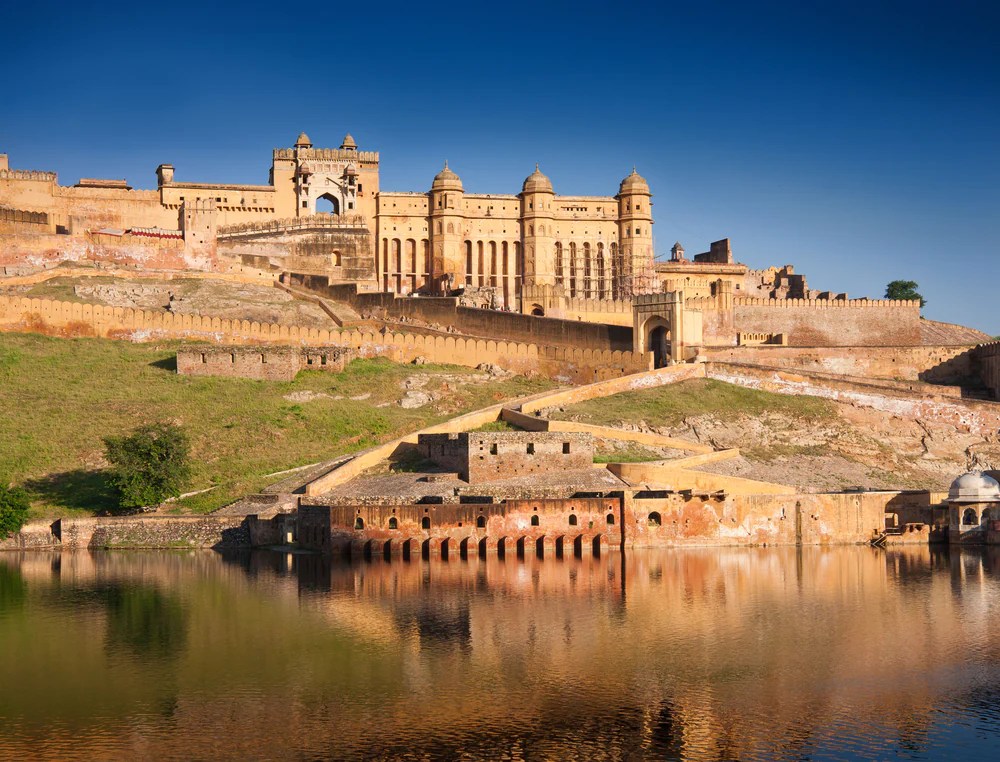
Amer fort, jaipur
Rajasthan is a state in northern India. It has a desert climate, but it’s also known for its palaces and forts. The city of Jaipur is home to several of these attractions, including the Amber Fort and Jantar Mantar Observatory. It also has many lakes, some famous (Lake Pichola) and some not so much (Kumbhalgarh). Some people visit these lakes during wintertime because they’re warm then; others go there in summer because it looks like an ice skating rink. There are plenty of temples as well: we’re talking about hundreds of them.
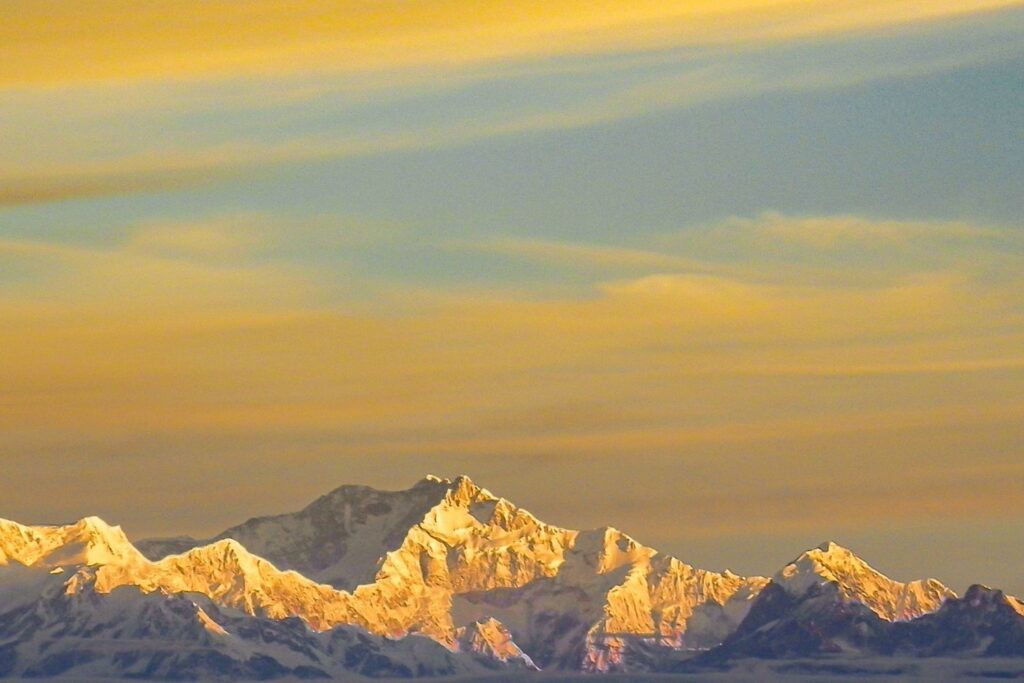
7. Darjeeling
The Kanchenjunga
Darjeeling is a hill station in West Bengal. The city is located on the foothills of the Himalayas and offers panoramic views of the plains below.
The town has been known for its tea plantations since 1834 when it was first discovered by British colonists. It’s also a popular destination for trekkers, who can choose from several trails to explore this beautiful area along with its rich history and natural beauty.
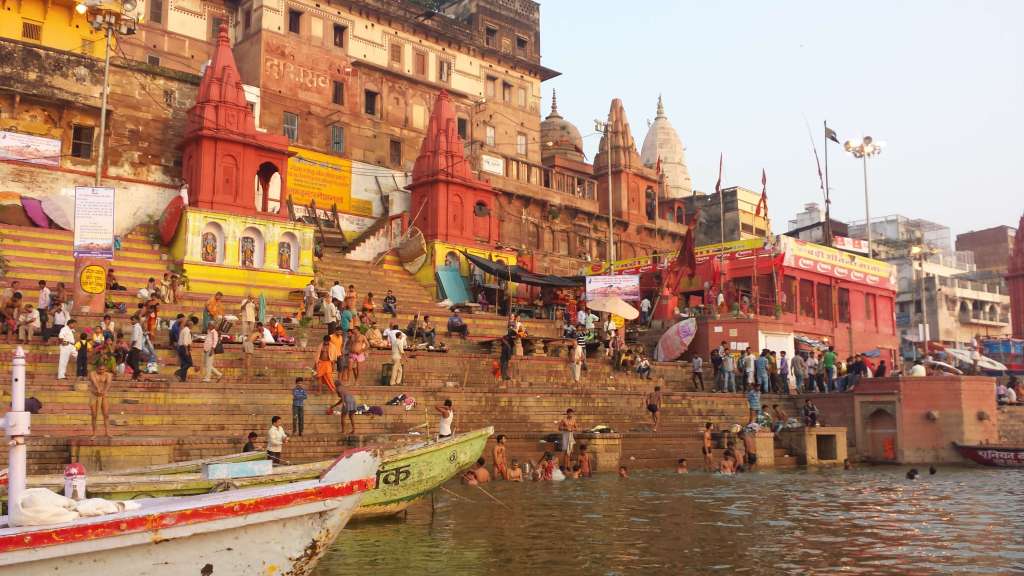
8. Varanasi
A ghat in varanasi
Varanasi is a religious, cultural and historical city located on the banks of River Ganges. It has been called one of the most sacred places in India as it’s believed that Lord Shiva resided here for some time before passing away.
The city is known for its ghats (steps leading down to the river), temples and food which are all part of its rich history. Varanasi offers tourists everything they need during their stay – from budget accommodation options to luxury hotels & resorts offering everything from pampering spa treatments to yoga classes at sunrise. Not only this but there are plenty of things to do when you visit Varanasi including visiting one or more ghat sites where pilgrims perform rituals during monsoon season when temperatures rise up high enough so visitors can bathe in freezing waters without getting cold feet.
9. Rishikesh
Rafting in Rishikesh
Rishikesh is full of amazing sights—from its spectacular natural surroundings to its historic temples and churches. Other sights include Lakshman Jhula Bridge built between 1822–1823 across River Ganges near Yamuna Sagar Lake during British rule; Vishwanath Temple dedicated specifically because he was considered Hindu god Vishnu’s favorite son; Kedarnath Temple built by King Bhagwan Nand Lal in memory of his father who died while building this temple during his lifetime. River rafting and other fun activities are organised here.
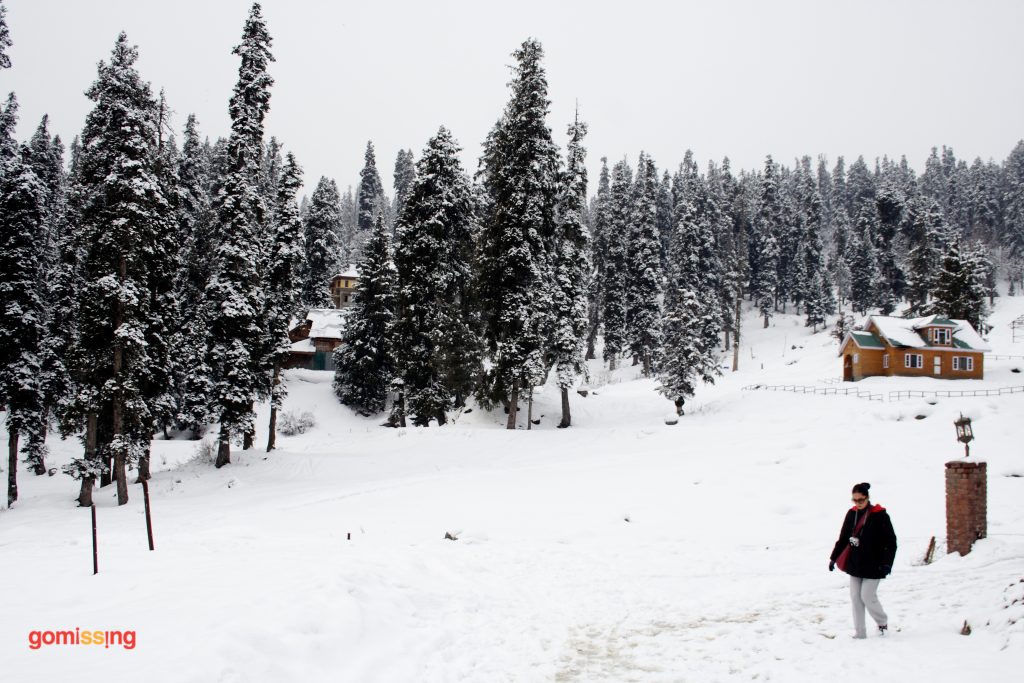
10. Gulmarg, Jammu and Kashmir
Gulmarg Golf Club area
Gulmarg is a ski resort in Kashmir, located at an altitude of 11,500 feet. It is one of the oldest and most popular tourist destinations in Jammu and Kashmir. The area has 300 km of pistes that can be reached by cable cars or snowshoes. Gulmarg also hosts many other activities like skiing, heli-skiing, snowboarding and more.
These are just a few of the travel destinations in India that you can experience and enjoy.
The Supertech twin towers were demolished on Sunday (August 28). The demolition of the Emerald Court project in Noida is leading to a loss of about Rs 1,000 crore to developer Supertech. It also took nearly Rs 20 crore to raze the building.
A part of Supertech’s Emerald Court project, the two 40-story towers, that stand on Noida-Greater Noida expressway, houses over 900 flats in an area of around 7.5 lakh sq. feet. The twin towers (namely Apex and Ceyane) are located at Sector 93A in Noida. One of the buildings has an altitude of 103 metres, while another is around 97-metre tall.
The twin towers are being demolished because of serious violations of building codes. Supreme Court said, the Noida Authority and Supertech had engaged in “nefarious complicity” and ordered the company to demolish the buildings at its own expense under the guidance of the Noida Authority.
The ‘Supertech Emerald Court’ housing society was proposed to be built in Noida’s Sector 93A in 2004. The next year, the Noida authority sanctioned the building plan that showed 14 towers and nine floors.
But this plan was later revised. And in 2012, the Noida authority reviewed the new plan, in which the height of the twin towers was fixed at 40 floors.
Following this, Residents’ Welfare Association (RWA) of the society moved to Allahabad High Court stating that the construction was illegal. Accordingly, in 2014, the court directed the authority to demolish the twin towers within four months (at its own expense) from the date the order was filed.
Later, in August 2021, Supreme Court upheld the Allahabad HC order, and ordered the demolition, noting that the structures had come up violating construction norms.
The Supreme Court’s decision was the result of a number of petitions submitted by homebuyers in support of and opposition to the Allahabad High Court’s ruling. According to the Supreme Court, August 28 had affirmed as the date of destruction.
For the demolition, about 3,700 kg of explosives were brought from Palwal (Haryana) to be used. It was a mix of dynamite, emulsions and plastic explosives.
The Indian IT sector continues to charge ahead on its trajectory of growth and transformation, with SaaS (Software as a Service) setting the stage for the next wave of disruption, according to a study.
India is home to about 100-plus unicorns across different segments with an accelerated pace of entrepreneurship and is rapidly emerging as a hub for SaaS start-ups, cited the study by EY and CII, titled “India: The next global SaaS capital.”
Over 80 per cent of the SaaS promoters feel there is the need to build a robust talent pool, according to the EY-CII study. While the landscape is mainly driven by small and medium businesses with a focus on large enterprises, SaaS companies in the SMB market are structured very differently from those catering to the enterprise market.
“Macro-economic environment notwithstanding, the funding activity in the first two quarters of this year surpassed the funding activity in 2021 – which was a breakout year with over $4.3 bn in funding for SaaS start-ups,” said EY India.
According to other reports, the Indian SaaS market is expected to grow multi-fold by 2025, accounting for almost seven to ten per cent of the global SaaS market, from 2-4 per cent at present.
Led by Freshdesk and Zoho Corporation, India now has 18 SaaS unicorns as compared to one in 2018, with India being the third largest SaaS ecosystem globally, after the US and China. The number of SAAS companies in the country have more than doubled in 2021 as compared to 2019 and the funding too increased from $2.6 billion in 2019 to $6 billion in 2021.
According to the EY-CII report, SaaS providers are also doubling down on their customer acquisition, retention, and success strategies by upselling and cross selling to existing customers. The study also pointed towards the need for skill development in areas like product management and design to cater to the growing talent demand in the SaaS industry.
On the occasion of senior citizen’s day August 21, 2022, I salute senior citizens because I believe senior citizens are still the guiding spirit of any country, any society, or even any family. Senior citizens as per Income Tax’s interpretation in India, “An individual resident who is 60 years or above in age but less than 80 years at any time during the previous year is considered as Senior Citizen for Income Tax purposes. A Super Senior Citizen is an individual resident who is 80 years or above, at any time during the previous year”. According to the law in India, a “senior citizen” means any person being a citizen of India, who has attained the age of sixty years or above. The concept of World Senior Citizen Day was initiated by the former President of the United States, Ronald Reagan. He instituted it the day after signing a Proclamation on August 19, 1988. Later on December 14, 1990, the United Nations General Assembly (UNGA) declared August 21 as World Senior Citizens Day. Anyway, in the context of India, it may be mentioned that “according to Population Census 2011 there are nearly 104 million elderly persons (aged 60 years or above) in India; 53 million females and 51 million males. A Report released by the United Nations Population Fund and HelpAge India suggests that the number of elderly persons is expected to grow to 173 million by 2026. According to the Report of the Technical Group on Population Projections for India and States 2011-2036, there are nearly a 138million elderly persons in India in 2021 (67 million males and 71 million females) and is further expected to increase by around 56 million elderly persons in 2031. Both the share and size of the elderly population are increasing over time. From 5.6% in 1961 the proportion increased to 8.6% in 2011. The proportion increased to 10.1% in 2021 and is further likely to increase to 13.1% in 2031. For males, it was marginally lower at 8.2%, while for females it was 9.0%”. (vikaspedia.in/social-welfare/senior-citizens-welfare).
In the context of world senior citizens, I wish to mention a few points from the Report on “World Population Ageing 2019” published by the Department of Economic and Social Affairs of the United Nations, New York, 2020. “Globally, there were 703million persons aged 65 or over in 2019. 1 The region of Eastern and South-Eastern Asia was home to the largest number of older persons (261million), followed by Europe and Northern America (over 200 million)”. Another important finding is “Over the next three decades, the number of older persons worldwide is projected to more than double, reaching more than 1.5 billion persons in2050. All regions will see an increase in the size of the older population between 2019 and 2050. The largest increase (312 million) is projected to occur in Eastern and South-Eastern Asia, growing from 261 million in 2019 to 573million in 2050. The fastest increase in the number of older persons is expected in Northern Africa and Western Asia, rising from 29 million in 2019 to96 a million in 2050 (an increase of 226 percent). The second fastest increase is projected for sub-Saharan Africa, where the population aged 65 or over could grow from 32 million in 2019 to 101 million in 2050 (218 percent). By contrast, the increase is expected to be relatively small in Australia and New Zealand (84 percent) and in Europe and Northern America (48 percent), regions where the population is already significantly older than in other parts of the world”. It may be noted here that “Not only has the absolute number of older persons increased globally but also the share of older persons in the total population has increased and is projected to continue to grow in all regions. The percentage of persons aged 65 or over worldwide has grown from 6 percent in 1990 to 9 percent in 2019 and is projected to increase further to 16 percent in 2050”. Lastly, I wish to mention from the Report that, “In 2019, the largest numbers of persons aged 80 or older were found in Europe and Northern America (53.9 million) and in Eastern and South-Eastern Asia (48.6 million). By 2020, more than half of the population at ages 80 years and above will live in Eastern and South-Eastern Asia (177 million), followed by Europe and Northern America (109 million.). The largest increments in the population at ages 80 and above – in all cases over 250 percent – are projected for Northern Africa and Western Asia, for Oceania, and for Eastern and South-Eastern Asia”. From the UN Report, it is evident that the longevity of senior citizens (65 years and above, UN has taken into account 65 years as a senior citizen) in the world has been increasing.
I was born in a joint family and observed the behaviour of some citizens in our family and still cherishing their knowledge, wisdom, and guidance, which in one word is fantastic.
In the august meeting of the committee of the apex bank, the Reserve Bank of India (RBI) hiked the repo rate by 50 basis points to 5.4 per cent, its third hike in the current financial year continuing its fight to tame stubbornly high inflation.
The decision of the six-member Monetary Policy Committee (MPC) of the RBI, which met on August 3 to Aug 5, 2022 was largely in line with expectations. Financial markets were largely unchanged at mid day as the hike was on expected lines. The central bank said it would continue its stance of withdrawal of accommodation to ensure that inflation moves close to the target of 4 per cent over the medium term, while supporting growth.
RBI has been increasing policy rates since May, with a cumulative rate hike of 140 basis points being done so far, India’s retail inflation for June inched down in June to 7.01% from 7.04% in the previous month, but it remained above the 7% mark for the third successive month and above RBI’s 2-6% tolerance level for a sixth straight month.
But the estimates for July show that India’s inflation problem seems to have bottomed out sooner than the MPC thought. At its latest meeting earlier this month, RBI retained inflation projections for FY23 at 6.7% and estimated inflation to average 7.1% in the September quarter. There is more evidence that inflation in India has peaked for now, and it is likely to slow faster than RBI’s published trajectory, coming into the target band by October, according to our latest tracking estimates. The Central government working with RBI target to curb inflation from the economy in all possible way, the objective of these steps as expected by the committee is to lower the prices of basic commodity and works toward appreciation of the rupee against dollar.
सत्य और अहिंसा के पुजारी महात्मा गाँधी के जीवन से जुड़े किस्से और कहानियां काफी रोचक रही हैं।आज भी गाँधी जी को श्रद्धांजलि अर्पित करने और सम्मान देने के लिए प्रतिवर्ष उनकी पुण्यतिथि पर याद किया जाता है। राष्ट्रपिता महात्मा गाँधी ने भारत की आजादी में महत्वपूर्ण भूमिका निभाई। उनका पूरा नाम मोहनदास करमचंद गांधी है लेकिन भारतीय स्वतंत्रता संग्राम में अहम योगदान और महान कर्मों से उन्हें राष्ट्र के पिता, महात्मा और बापू भी कहा जाता हैं।गाँधी जी बचपन से ही बहुत ईमानदार थे। यह बात इस छोटी सी कहानी से साबित होती है। एक बार स्कूल में शिक्षकों ने सभी छात्रों से कुछ अंग्रेजी शब्दों की स्पेलिंग लिखवायी। सभी बच्चों ने स्पेलिंग लिखी।शिक्षक ने सभी बच्चों की स्लेट्स इकठ्ठा की। उन्होंने देखा की गाँधी की स्पेलिंग गलत थी। उन्होंने गाँधी से इशारा किया की अपने पास के बच्चे की स्पेलिंग की नकल करो। लेकिन गाँधी ने ऐसा नहीं किया।परीक्षा के अंत में शिक्षक ने गाँधी से पूछा की तुमने नकल क्यों नहीं की? मैंने तुम्हें इशारा किया, तुमने देखा नहीं। तो गाँधी बोले, गुरूजी मुझे नकल नहीं करनी थी। शिक्षक बोले, तुम अकेले हो जिसका उत्तर गलत है।गाँधी बोले, मैं जानता हूँ गुरूजी पर मैं गलत रास्ता अपनाना नहीं चाहता। गाँधी के बचपन से जुड़ी इस घटना से यह पता चलता है कि महात्मा गाँधी बचपन से ही ईमानदार रहे थे।इसके साथ साथ गांधीजी एक जागरूक पत्रकार थे उन्होंने “यंग इंडिया”, नवजीवन और हरिजन जैसे समाचार पत्र प्रकाशित किए। उन्होंने समाचार पत्र का इस्तेमाल आंदोलनों के आयोजन में अहिंसा के उपयोग के संबंध में अपनी अनूठी विचारधारा और विचारों को फैलाने के लिए किया और पाठकों से ब्रिटेन से भारत की अंतिम स्वतंत्रता के लिए विचार करने, संगठित करने और योजना बनाने का आग्रह किया। साथ ही में गांधीजी एक कामयाब वकील भी थे।






.jpg)














 Eduindex
You must be logged in to post a comment.