Curtains drawn on the 43rd edition of India International Trade Fair

On the concluding day of November 27, 2024, the curtains fell on the historic 43rd edition of the India International Trade Fair (IITF). Shri Premjit Lal, ED, ITPO announced that this year a good amount of business was generated by the participants. He indicated that more than one million visitors witnessed the fair.  He praised the media for their wide coverage not only in print media but social media too. 

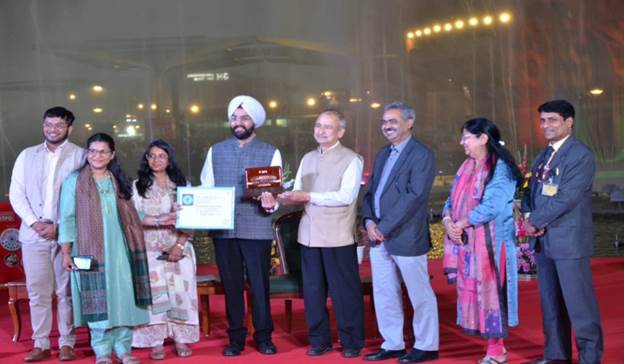
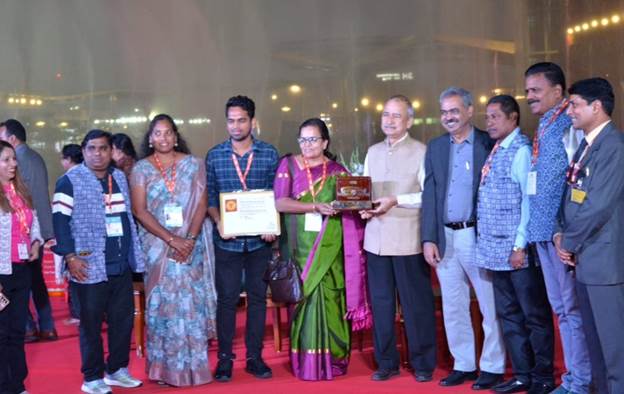
Puducherry  won  the  Gold   Medal, the Silver Medal was  presented   to Meghalaya and  the  Bronze Medal  to Karnataka in the States and Union Territories Category,  Special Appreciation Certificates  was  also  conferred  to Punjab, West Bengal and Tripura.

In the Thematic Presentation by the States Category, Madhya Pradesh won the Gold Medal, the Silver Medal was presented to Odisha and Bronze to Assam.  Special Appreciation Certificates were also given to Maharashtra, Punjab and Tamil Nadu.

At IITF, the ITPO also observed and celebrated Swachh Bharat Abhiyaan, raising awareness about cleanliness and sanitation among exhibitors and visitors and the award was also given to Swachh Pavilion – Gold to Goa, Silver to Kerala, Bronze to Haryana and Commendation was also awarded to Uttarakhand and Gujarat.

In the   Foreign   Pavilionsthe Embassy of the Republic of Tunisia was commended with the Gold Medal and Egypt (Milano Bazar) won the Silver while the Bronze Medal was presented   to Turkey, Tillo Hediyelik Eşya Sanayi tic itet Ltd. Serketi and Thailand (Thai SMEs Exporter Association).

In the Ministries and Departments, PSUs, PSB and Commodity Boards   category, Reserve Bank of India bagged the Gold Medal, Punjab National Bank (PNB), received the Silver Medal respectively, while State Bank of India (SBI) won the Bronze Medal. Special Appreciation Certificates were received by the Coal India Limited and Central Bank of India.

In the Empowering India (Ministries & Govt. Department/SARAS/KVIC/Min. of Social Justice)the Gold Medal was conferred to Ministry of Rural Development (SARAS), the Silver Medal to Khadi and Village Industries Commission (KVIC), Ministry of Micro, Small and Medium Enterprises (MSME) and Ministry of Panchayati Raj  bagged the Bronze Medal.  Special Commendation was awarded Pt. Deendayal Upadhyaya Institute for Persons with Physical Disability and Department for Promotion of Industry and Internal Trade (DPIIT) and NHDC-National Handloom Development Corporation (NHDC)

In the Private Sector, Jina Ranjit and Sons LLP won the Gold Medal, The Supreme Industries Limited (Supreme Furniture) received the Silver Medal and Ananda Dairy Limited bagged the Bronze Medal.  Special Commendation was awarded to Mittal Electronics (Sujata), Hamdard Foods India and Romana Herbal Care Pvt. Ltd. (Rosa, Hychating Mist).

Complimenting all the Award winners in different categories, Shri Premjit Lal appreciated the participants and visitors for their continued faith in the IITF format.  He also appreciated Delhi Police and other law enforcement agencies for their continued efforts in making the event incident free.ITPO also conferred awards to exhibitors in different categories.

***

Commemorative postage stamps on Paris Olympics

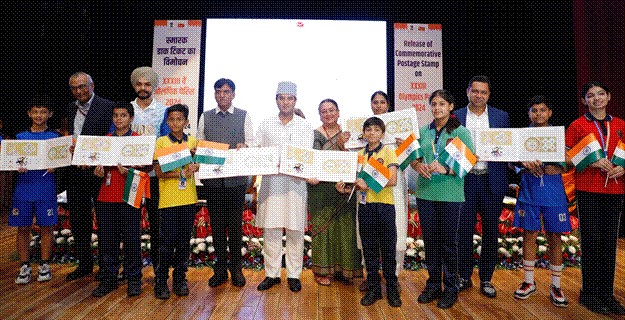
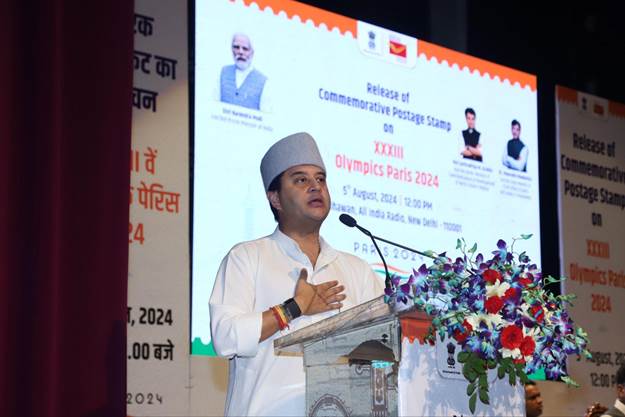
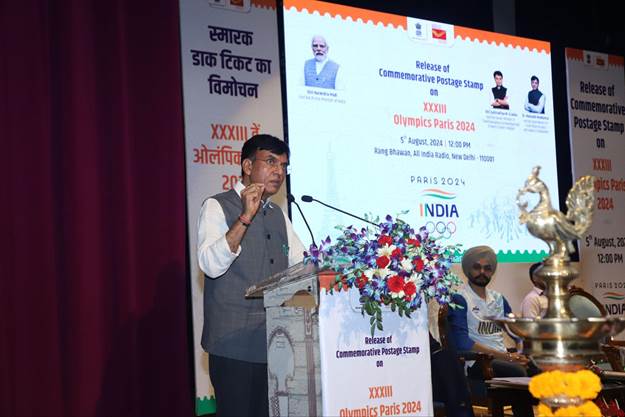
 Union Minister of Communications & Development of the North Eastern Region, Shri Jyotiraditya M Scindia, and Union Minister of Youth Affairs & Sports and Labour & Employment, Dr Mansukh Mandaviya, unveiled a set of commemorative postage stamps today to celebrate the XXXIII Paris Olympics. The event was held at Rang Bhawan, All India Radio, New Delhi, and featured the participation of esteemed dignitaries and renowned athletes, marking a significant moment in India’s support for the Olympic Games.

The event was further enriched by the presence of distinguished sports icons, including recent bronze medal winner Sarabjot Singh, who excelled in the 10m Air Pistol Mixed Team event at the Paris 2024 Olympics. Other notable attendees included former cricketer Aakash Chopra and steeplechase athlete Sudha Singh.

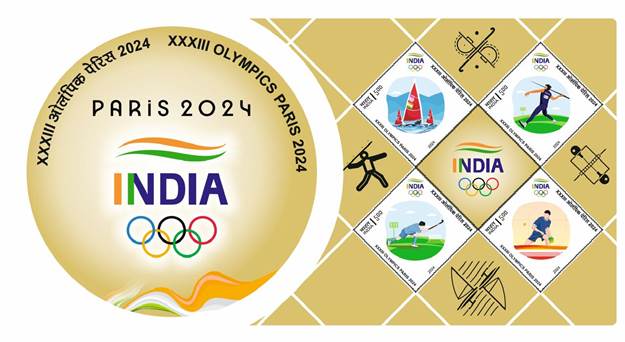
The commemorative stamp has been designed to capture the spirit of the Olympics, symbolizing unity among nations through sports and reflecting India’s rich sporting heritage. This special stamp is now available for purchase online at the e-Post Office (https://www.epostoffice.gov.in/). Collectors and enthusiasts are encouraged to grab a copy and own a piece of history.


Shri Jyotiraditya M Scindia and Dr Mansukh Mandaviya officially unveiled the commemorative stamp, expressing their pride in India’s Olympic legacy and the role of sports in promoting global unity. The ministers and athletes shared insights into the importance of sports in fostering international cooperation and friendship, emphasizing the Olympics as a platform for showcasing talent and dedication.

Shri Jyotiraditya M Scindia remarked, “The new stamp honoring the Olympics 2024 celebrates our sports heroes who have made India proud on the global stage. This tribute will inspire young talents and strengthen our nation’s sports ecosystem. I congratulate our Department of Posts, which through several initiatives has always promoted sports culture and with the launch of this stamp has added to its legacy of celebrating the achievements of India through philately. I also extend my best wishes to the Indian contingent in the Paris Olympics 2024.”


Addressing the gathering, Dr Mansukh Mandaviya said, “Sports is not just competition; it is a way of living. The release of postage stamps reflects India’s commitment to sports, serving as a symbol of national pride and encouragement for athletes.” Dr Mandaviya further articulated that sports foster a healthier nation, essential for wealth and prosperity, and bring people together, enhancing both individual fitness and national well-being.


This initiative underscores India’s commitment to promoting sports and honoring its athletes on the international stage.


Social Media Links:

https://x.com/JM_Scindia/status/1820377309905666264

https://x.com/JM_Scindia/status/1820426966690079140

https://x.com/IndiaPostOffice/status/1820418701025255885

https://x.com/mansukhmandviya/status/1820397272083087774

https://x.com/mansukhmandviya/status/1820396169996247465

Next Summer 2024 Olympics in Paris, France

The Olympics is a major international multi-sport event in which athletes worldwide compete against each other. The first modern Olympic Games were held in Athens, Greece in 1896, and since then, the Olympics have been held every four years (with some exceptions due to war) alternating between the Summer and Winter Games.

The Olympics feature a range of sports, with the Summer Olympics typically including sports like athletics, swimming, gymnastics, and basketball, while the Winter Olympics feature sports like skiing, ice hockey, and figure skating. The Olympics provide a platform for athletes to showcase their skills and compete at the highest level, while also promoting international unity and sportsmanship.

The next Summer Olympics are scheduled to take place in Paris, France in 2024. The Paris Olympics will mark the 33rd edition of the Summer Games and the third time the French capital has hosted the Olympics. The previous two times were in 1900 and 1924. The Paris Olympics are scheduled to take place from July 26 to August 11, 2024, and will feature over 10,000 athletes from over 200 countries.


Source – Olympics

The Paris Olympics will feature 28 sports and a total of 329 events. These sports include athletics, swimming, gymnastics, cycling, fencing, boxing, and more. One of the most exciting events to watch in the Paris Olympics will be the introduction of breakdancing as an Olympic sport. Breakdancing will be making its debut at the Paris Olympics, and it is expected to be a popular event.

It will feature several new venues, including the Paris La Défense Arena, which will host the basketball and wheelchair basketball events, and the Olympic Village, which will be located in the Seine-Saint-Denis area. The Paris Olympics will also feature several iconic venues, including the Stade de France, which will host the opening and closing ceremonies, and the Roland Garros Stadium, which will host the tennis events.

The 2024 Olympics are expected to have a significant economic impact on the French economy. It is estimated that the Paris Olympics will generate over $16 billion in economic activity and create over 240,000 jobs. The Paris Olympics will also provide an opportunity for the city to showcase its culture and tourist attractions, such as the Eiffel Tower, the Louvre Museum, and the Champs-Élysées.

The Paris Olympics will also prioritize sustainability and environmental responsibility. The organizers of the Paris Olympics have made a commitment to carbon neutrality, zero waste, and sustainable sourcing. The Paris Olympics will feature several green initiatives, such as the use of renewable energy, the reduction of single-use plastics, and the promotion of sustainable transportation.

“International Event: OLYMPICS”


The word “olympics” itself is an emotion. The international sports festival which held in every 4 years in about 206 countries of the world. It is the worlds foremost athletic competition among the most promising & commendable citizens of the respective 206 countries. Olympics gives the opportunity to the citizens to showcase their aptitude and ability in every sport despite of any sense of discrimination among them. Olympics gives a friendly nature, a sense of peace and prosperity among the countries. It’s an international level sport which gives justice to each and every citizen to showcase their talent and their earnest nature in the name of their country, showcasing your country on an international level is something beyond reproach, it’s indescribable.

THE 5 RINGS OF OLYMPICS.

The five rings represent the five continents of the world that participate in “the fruitful rivalries” Of the Olympics games. The colors – blue, yellow, black, green and red – stand out against the white background which shows the sense of unity and togetherness of every colour under the white background despite of measuring the wavelength, tone and frequency in all the 5 colours, which represents that each and every citizen of every country can represent their nation without any sense of discrimination under the same sky.The six colors can be combined in any number of ways to reproduce the flag of every country without exception. It gives the opportunity to the citizens to showcase themselves in the name of their respective nations in different sports without any kind of inequity and bias among them.

IMPORTANCE OF OLYMPICS IN THE MODERN WORLD

As with the changing times, the youth of the world has become more generous and they have the sense of being vocal about their thoughts and their abilities which gives an ever-growing impression in the world. With the modern world, the youth has all the elements to showcase their respective interest in different fields. Since olympics gives an opportunity to the youth to represent their desire and talent in their respective best sport they are in, it gives a learning atmosphere for the youth to inspire and learn through a sport. Representing your culture, your country on a global level gives an indescribable emotion from which the youth seeks the importance of culture, its meaning. 

Young athletes exhibiting their respective countries in 100’s of different sports in an international level competition and earns medals through their hard work, desire and generosity. It’s an unimaginable moment for the athlete who wins on a global level among 206 countries, Olympics truly gives so many of opportunities to the citizens, to earn through their hard work and desire without getting judged or discriminated in any form.


“HISTORY OF OLYMPICS”

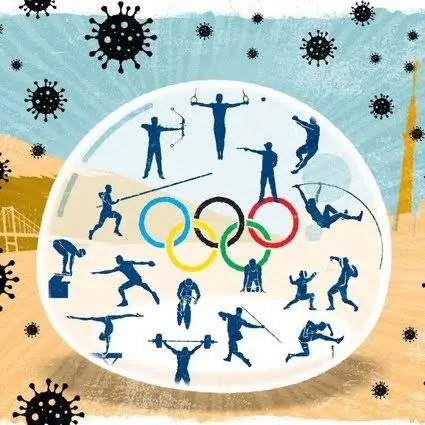
The Olympic Games, which originated in ancient Greece, 3,000 years ago, were revived in the late 19th century and have become the world’s prominent sporting competition. From the 8th century B.C. to the 4th century A.D., the Games were held every four years in Olympia, located in the western Peloponnese peninsula, in honor of the god Zeus. The first modern Olympics took place in 1896 in Athens, and featured 280 participants from 12 nations, competing in 43 events. Since 1994, the Summer and Winter Olympic Games have been held separately and have alternated every two years. The 2020 Summer Olympics, delayed one year because of the COVID-19 pandemic, will be held from July 23 to August 8, 2021 in Tokyo, Japan.

INDIA IN OLYMPICS

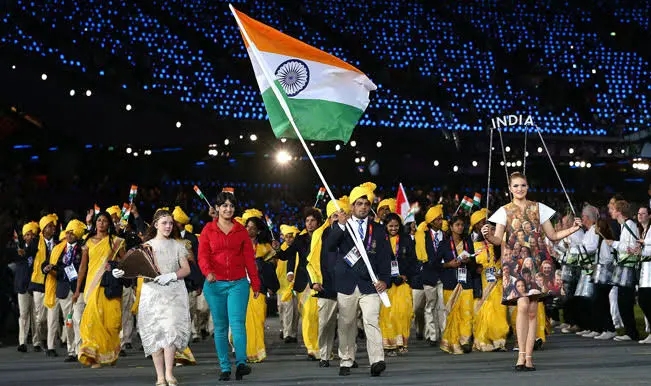
India has been participating in Olympics since 1900. Being the most diversified and culturally active country, it has been the most commendable and honoured country in the platform of Olympics as well. No doubt, India in the race of Olympics is not so graceful as compared to other countries, but India being the 2nd most populated country gives cultural competition to many other countries, it has gained prosperity in each and every sector, but in Olympics, India has a little disgraceful exhibition among the several countries.

WHERE INDIA LACKS?

  • Excess importance to cricket

We, as a country, are obsessed with a singular sport and that is cricket. It is only during major events like Olympics when other sports are given a part of the limelight and fan cheering. For the rest of the year, we stay ignorant of who’s who of other sports. They are promoted less, there are fewer sponsors for the other sports, there are even less fans hooting and cheering them to do better and then we go about complaining and trolling athletes when we do not get enough medals.

  • Lack of encouragement

The foremost factor right from the very beginning, youth in India are discouraged from pursuing a career in sports. Our parents are obsessed with the likes of medical and engineering. And for girls, the scenario is even worse with list of drawbacks and hindrances they have to face before they could persuade their parents to allow them to play. Most of them are forced to quit sports in order to do something that would give them better job security. Our success as an academically-oriented people proves that we are excellent at pursuing something that pays well, so does India’s obsession with cricket.

  • Poor administration

There is no proper governing of Administrative issues is the prime concern with Indian sports. Non-Involvement of ex-sportsman in administrative staff is also a major reason why India lacks in this sector. Our economy has been prospering and allotment of funds to different fields of development has been improvising with each year’s budget. However, there is still relatively very less allotment of funds for sports given the sheer number of youths who are willing to take up sports seriously. Enough of IITs and IIMs, when will we get a dedicated sports university?

-SUKHMANI PANESAR

Letting Go

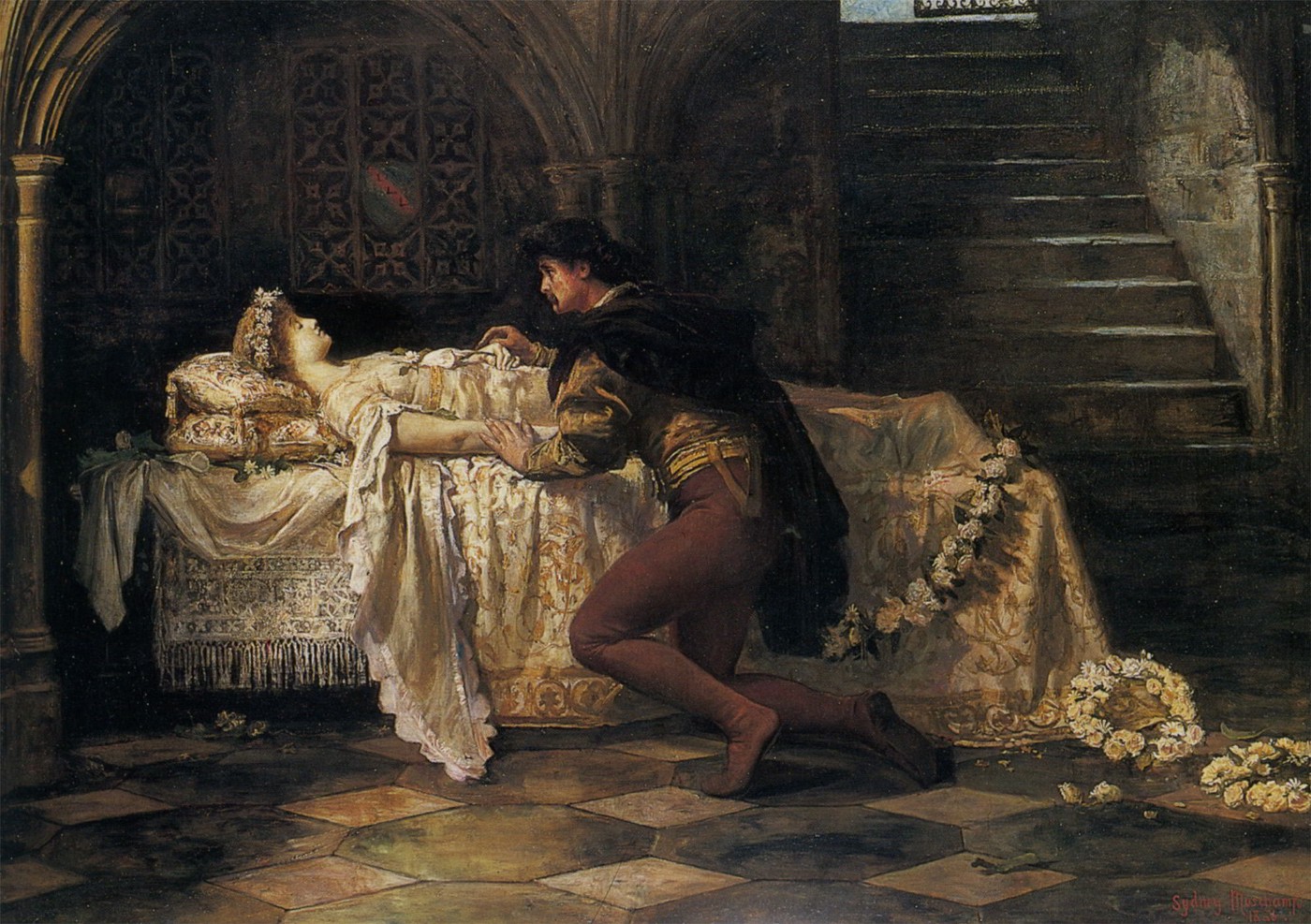
Romeo and Juliet is probably one of the best known pieces of fiction in the world. Two lovers separated by family differences find each other only after death makes them meet in the world beyond.

What Are the Real Origins of Shakespeare's “Romeo and Juliet?” | by Julia  Rose Harmon | The Smartie Newsletter | Medium

Now, it is a very philosophical way of saying, but in life, sometimes, one must know how to give up. Giving up is not the part where one never tries but the part where one realizes that he or she or they are done trying – to their best. And it is not a sign of cowardice but a very healthy exercise when giving up is accompanied by letting go.

The American star Olympian Simone Biles announced her early return from the Tokyo Olympics citing mental health reasons, the most decorated Gymnast of all time was clearly being braver and more conscious of herself than the way in which many conservatives in her country tried to portray her. She knew that she could not perform if she could not keep calm and that would only make it worse for her – deep in her head. Let us not forget that she holds 32 medals combining World championships and Olympics. In the 2016 Olympics, she singlehandedly won 3 gold and 1 bronze medals and another gold medal in teams event. She, by no means lacks the resources to be the champion. But she understood her mind.

Biles smiling and waving

The process is difficult. One might argue that giving up is like admitting defeat. Admitting defeat in the face of a certain defeat is honesty! And although your mind requires some straining, it is up to you to decide to what extent can you strain the same.

Next time, when you are giving your best and after several attempts, it seems futile to continue, give it a thought. Should you or should you not continue.

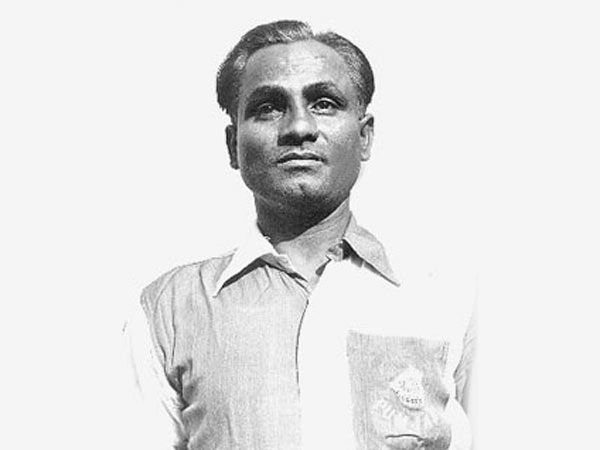
DHYAN CHAND – THE HOCKEY LEGEND

On Friday, Prime Minister Narendra Modi stated that the Rajiv Gandhi Khel Ratna Award will now be called the Major Dhyan Chand Khel Ratna Award.

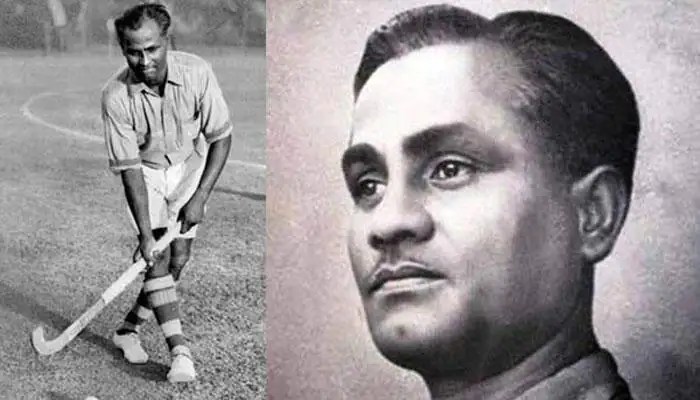
Dhyan Chand – the man who charmed everyone with his smooth stick movement. He was nicknamed ‘the hockey wizard.’

Dhyan Chand, the hockey wizard, was born on August 29, 1905, in Allahabad, to Sharadha and Sameshwar Singh. He was enamored with hockey from an early age, and he, like his father, enlisted in the army at the age of 16 & continued playing his beloved sport.

Celebrated for his unparalleled goal-scoring ability, he was a Phenomenal field hockey player who scored over 1000 goals during his illustrious career spanning over 20 years ( 1926–1948).

In 1956, he was honored with Padma Bhushan, the third-highest civilian award of the country. In India, Dhyan Chand’s birthday, August 29, is celebrated as National Sports Day to honor the hockey ace.

Dhyan Chand was a member of India’s first-ever Olympic hockey team. India’s golden boy, he won three Olympic gold medals for the country. He made billions proud & delighted back home.

 Amsterdam 1928

By scoring 29 goals in five games, the Indian hockey team earned their first-ever Olympic gold medal. The hockey whiz Dhyan Chand scored 14 goals, including a hat-trick in the final against the Netherlands. It was India’s first Olympic medal in hockey.

 Los Angeles 1932

The Indian hockey team initially defeated Japan 11-1. Dhyan Chand’s younger brother, Roop Singh, scored ten goals and the wizard added eight to lead India to a stunning 24-1 victory over the US and a second consecutive Olympic gold medal.

 Berlin 1936

The Indian hockey team won a hat-trick of Olympic golds in Berlin, 1936, led by Dhyan Chand. India tallied 38 goals in five games.

The Indians were unable to get through the German defense in the first half of the final against Germany. The German goalkeeper clashed with Dhyan Chand during one of his rallies, and the goalkeeper’s hockey stick injured him in the face. Dhyan Chand had to be helped from the field after collapsing. Meantime, the Germans rushed and scored a goal. Germany had a one-goal lead at halftime. He recovered after losing a few teeth and then chose to switch from stud-soled shoes to his usual rubber-soled canvas PT shoes.

India won thanks to Dhyan Chand’s second hat-trick in the Olympic finals. Hitler walked out of the match in the middle of it. India won by a score of 8 to 1 against Germany.

Chand’s last international match was in 1948.

The eight-goal victory over Hitler’s Germany

Dhyan Chand was the subject of intense media criticism. The next day, after India defeated Hungary 4-0, the Statesman’ reported, “Most disappointing was the revelation that Dhyan Chand, the world’s greatest center forward, is past his best days…”

India also defeated the USA 7-0 and Japan 9-0. In a practice match, the Germans defeated the Indian hockey team 4-1. The press forecasted that “if Germany wins, it will be a lesson to India that she deserves.”

After France was thrashed 10-0 and Germany was beaten 8-1 in the final, the tone and tenor of the debate shifted, with Berlin’s ‘Morning Post’ praising India’s performance.

As per lore, Dhyan Chand wished to enhance his speed and mobility, therefore he wore rubber-soled footwear instead of traditional spiked footwear on the grassy patch. It enabled him to dribble at a high rate. He tallied 12 points, and the match report in the ‘Morning Post’ had some memorable lines.
“These players it is said glided over turf as if it is a skating rink and the flickering sticks had the Japanese, normally so agile, mesmerized.”

During the same Olympics, Berlin’s entire city was plastered with banners proclaiming- “Visit the hockey stadium to watch the Indian magician Dhyan Chand in action.”

GLORY OF DHYAN CHAND

Dhyan Chand is claimed to have once failed to score a goal against the other team while playing. After failing to score despite numerous attempts, he complained with the referee over the goal post’s measurement, which was proven to be inconsistent with the official width of a goal post under international standards.

A tube station in London has been named after Dhyan Chand. An Astro-turf pitch at the Indian Gymkhana Club in London is also named after him.

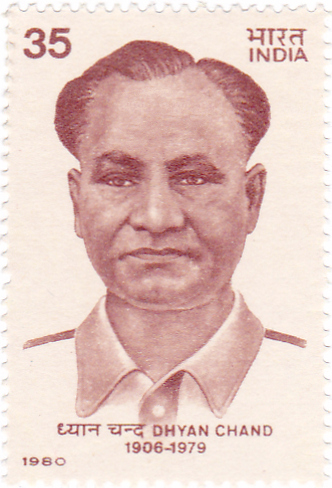
In honor of Dhyan Chand, the Indian government released a commemorative postage stamp and a First Day Cover. He is the only Indian hockey player to be honored with a stamp.

Dhyan Chand was such a hockey prodigy that authorities all across the world broke his stick to see if it contained a magnet.

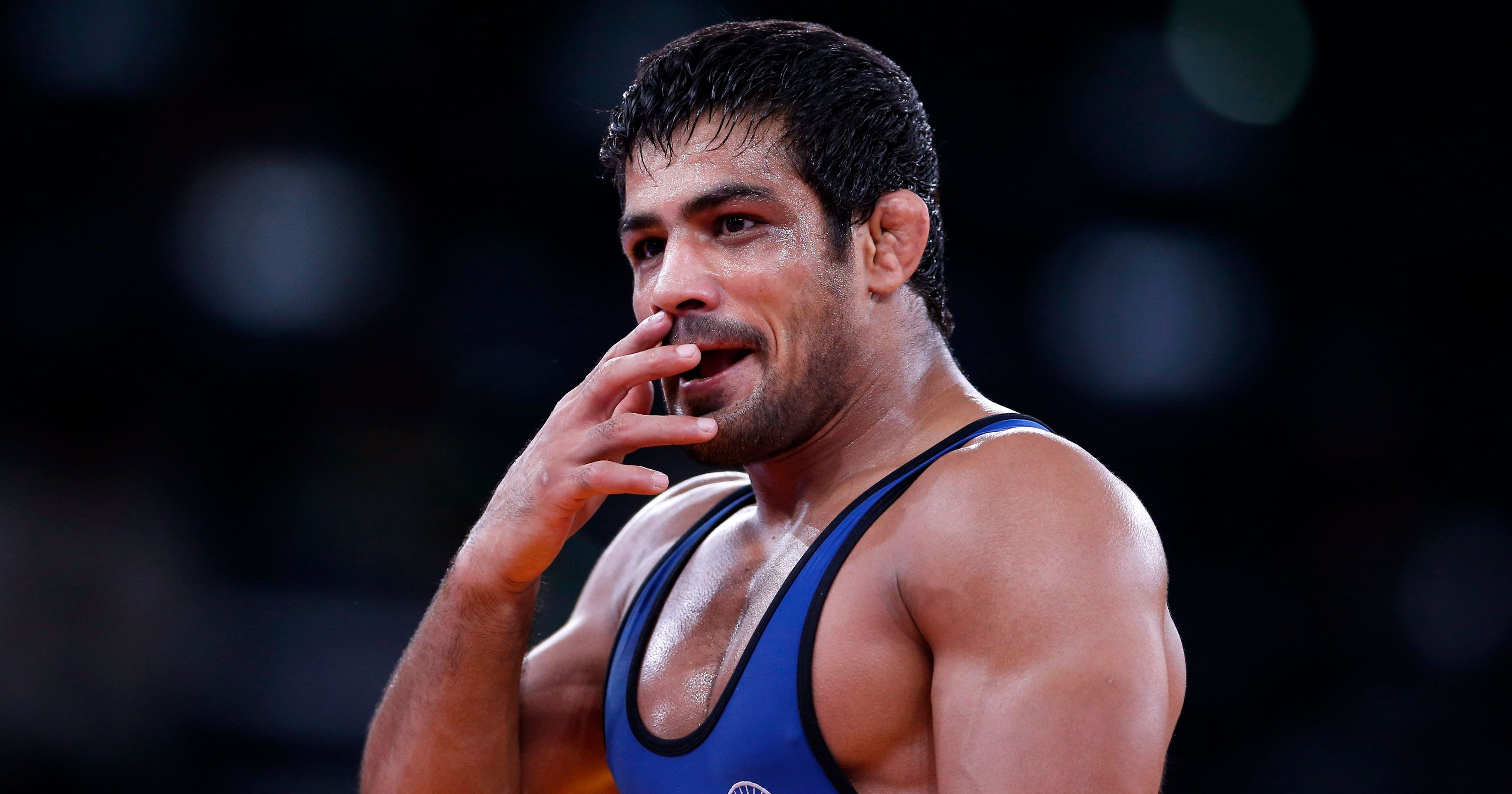
The Downfall of Sushil Kumar

From making India proud by winning medals in two different Olympics to becoming the main accused in a murder case, decorated wrestler Sushil Kumar has come a long way, and fans are left gutted with the big twist in his life. Sushil’s international success triggered a revolution and created an inspirational legacy. The reserved grappler from Najafgarh’s Baprola village is till date India’s only world champion (2010) in the sport. He is also the only one to claim two individual Olympic medals, an exceptional feat for a country that has seen very limited success at the Games. But, now the goodwill, respect, honour that Sushil earned so far in his career is at stake as for the nation he is not just an Olympic medalist but also an absconder in a murder case.

Early Life

Son of DTC bus conductor, Sushil grew up in a non-descript village called Baprola on the outskirts of Delhi. He was inspired to take up the sport by his cousin Sandeep. However, Sandeep quit the sport because the family could support just one wrestler and Sushil was the chosen one. At the age of 14, Sushil started training at the Chhatrasal Stadium’s akhada under the guidance of pehalwans Yashvir and Ramphal and later by Arjuna awardee Mahabali Satpal Singh and then at the Railways camp by coach Gyan Singh. But it was not until he met former wrestler and Coach Satpal Singh, Sushil recognised his potentials in freestyle wrestling.

Struggle

Where other international athletes had their own equipment and training facilities, Kumar had to struggle with whatever he could do by himself and the support of his Guru Satpal. Being a pure vegetarian, he couldn’t eat flesh which is a usual dose for wrestlers. However, his family supported him for his dreams by sending him tinned milk, Ghee, and fresh vegetables so that he doesn’t rely on mess meals only. But what made him unique was that he never thought of quitting his dreams despite the lack of facilities. Instead, Sushil toiled hard to earn success and eventually awarded victory in the year 2003 by dominating the Commonwealth Wrestling Championships and also won a bronze at the Asian Wrestling Championship.

Rise to Fame

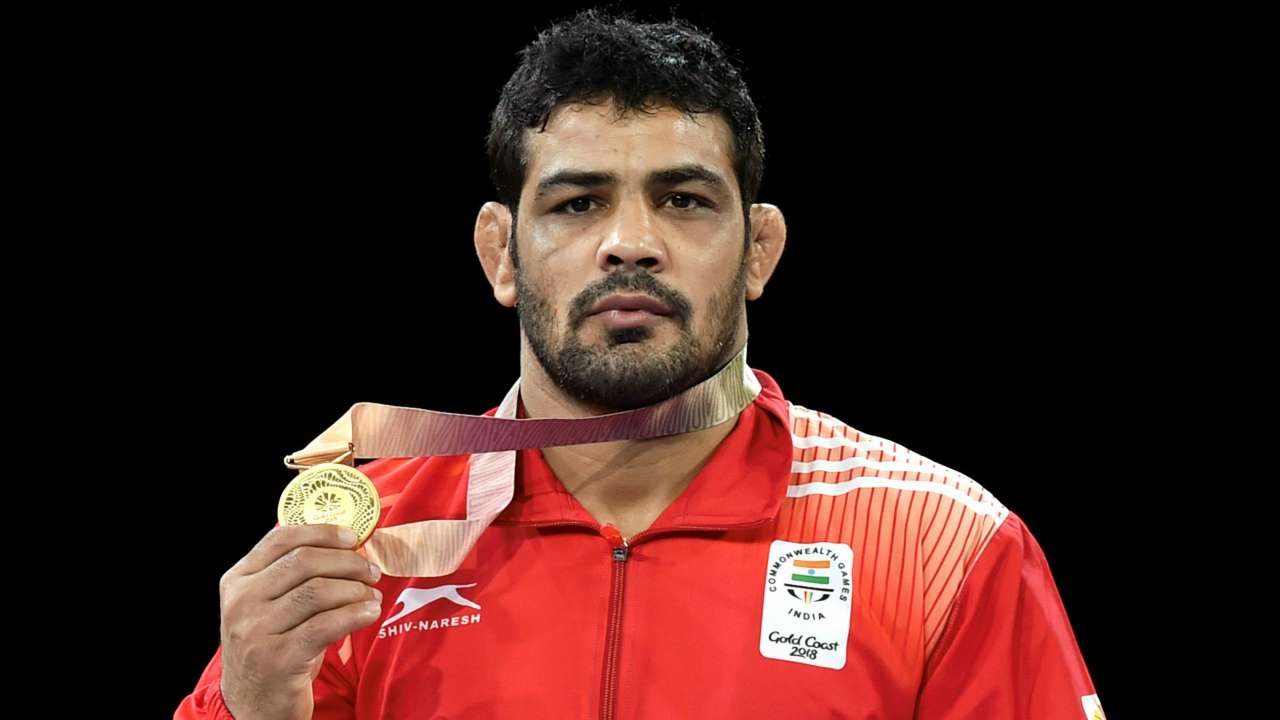
In 2008, Sushil’s bronze medal at the Beijing Olympics had ended India’s 56-year-long wait for an Olympic medal in wrestling following which he became a household name by coming out of nowhere and landing India a bronze in the Olympics. From training in mud pits to sleeping with 20 other boys, it was a giant leap for the grappler. The achievement had a tremendous impact as Indian wrestling witnessed the rise of Yogeshwar Dutt, Geeta, and Babita Phogat, their cousin Vinesh, Rio bronze medallist Sakshi Malik and World medallists Bajrang Punia, Ravi Dahiya, and Deepak Punia after that. For the bronze medal at the 2008 Beijing Olympics, Sushil was awarded the Rajiv Gandhi Khel Ratna award, India’s highest sporting honour.Sushil credits his ‘father figure’ Satpal, under whom he has trained for 13 years, as someone who has inculcated in him discipline and dedication. In 2010, Sushil created history when he became the first Indian to win a gold medal at the FILA World Wrestling Championships held in Moscow. The same year, he also competed at the Commonwealth Games and made everyone shell-shocked with his unfazed and undeterred performance as he clinched the gold medal. Owing to his superb show, Kumar was chosen to represent the nation by bearing the Indian flag in the 2012 London Olympics and once again made the country proud by winning a silver medal in the 66 kg category which was India’s third Olympic medal in wrestling. Sushil then went onto win gold medals in the 2014 and 2018 Commonwealth Games in the 74 kg category, thus creating a stack of 3 Commonwealth gold medals through his sturdy performances at three consecutive Games.

The Downfall

Sushil first made the headlines for all the wrong reasons when in 2016 he had been involved in a dispute with the national wrestling federation over the matter of representing India at the Rio Olympics. Although another wrestler — Maharashtra’s Narsingh Yadav — had won the quota, Sushil, by virtue of his record, had wanted trials to be held. Yadav eventually ended up failing a dope test just weeks before the Olympics. Yadav claimed he was the victim of conspiracy and filed an FIR accusing a young wrestler from Chhatrasal of tampering with his food. That case remains unresolved. Then in 2018, Sushil once again found himself stuck neck-deep in a swamp when following an ill-tempered bout, Sushil’s opponent Parveen Rana and his brother were assaulted by a group of people he said were supporters of the Olympic medalist. Rana and his brother ended up requiring hospital treatment and an FIR was registered against Sushil and his supporters.

Murder Accusation?

Sushil Kumar is one of the accused in the Chhatrasal Stadium scuffle incident where Sagar Rana, a former junior national champion, lost his life on May 4. Sushil, who has been absconding since the night of the scuffle, is said to be involved in the incident where two factions of wrestlers allegedly opened fire on each other, leaving several injured and 23-year-old Sagar Rana dead. Following the incident, an FIR of murder, abduction, and criminal conspiracy was registered against Kumar. Meanwhile, the Delhi Police on Monday (May 17) said they will reward an amount of Rs one lakh to anyone, who can provide intel about two-time Olympic medallist Sushil Kumar. The police have also stated that a sum of Rs 50,000 will be given to individuals, who will pass information regarding Ajay, also an accused in the same matter. As per the latest development in the case, Rohini Court in New Delhi will hear the anticipatory bail plea of two-time Olympic medalist Sushil Kumar on Tuesday (May 18) apropos the case. Of course, the case is under investigation and Sushil’s involvement needs to be proved in a court of law. He remains innocent until proven otherwise, but the events leading to Sagar’s death and Sushil’s subsequent disappearance have already tarnished the decorated wrestler’s image and reputation.

WHY INDIA STRUGGLES TO WIN MEDALS IN OLYMPIC ?

India is nation of 1.3 billion individuals yet we are aching for gold medals. Though little nations like France, Japan and Germany have more gold medals than our complete awards till now. What could be the explanation ? Do our people need potential or difficult work ? No, we have potential however we don’t utilize it.

Since our youth we are advised to do well in examinations, we scarcely have any games period in our school. Numerous nations have sports like gymnastic, volleyball and swimming in their school however we don’t have any. A few guardians don’t permit their children to play any games since they imagine that it could influence their scholarly.

In our nation sports like cricket are given more significance. Cricketers are viewed as God though scarcely anybody knows the names of our Hockey players which is our national sport. Cricket isn’t directed in Olympics. Simply 10 to 12 nations play cricket and we feel extraordinary in the wake of winning a World cup directed between those 12 nations. Cricket is a game which brought by Britishers while games like Kabaddi and wrestling are from India.

Tokyo Olympics Daily: India wins hockey bronze after years of  disappointment | Financial Times

Our Government additionally spend extremely less cash on sports. A portion of the players don’t have appropriate equipment. They additionally need to battle a great deal since some of them come from small towns. They need to confront analysis which the players of different nations don’t confront.

After this load of issues we anticipate that our country should win medals and assuming we don’t, we censure our players. We have been playing Olympics from 100 years while China from 69 years then additionally they have all out 250 gold medals though our all out awards are scarcely 40. Our players are not lacking anyplace they simply need our help and legitimate offices. Assuming we need our nation to more win medals in next Olympics then we should chip away at these issues.

Tokyo Olympics​: India celebrates wrestler Bajrang Punia's wrestling  bronze- The New Indian Express

India’s best Olympic ever

Today is the closing ceremony of the Tokyo Olympics 2020 , which has definitely become India’s best Olympic ever. India has managed to win 7 Olympic medals which is the highest number of medals in a single Olympic for India breaking the record of London Olympics where India won 6 medals back in 2012.

In this Olympics , there were many athletes who were considered as favourites to win a medal. some were able to cop up with the expectations of 1.3 billion Indians but some crumbled in pressure or by other reasons.

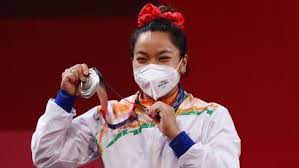
India’s first Olympic medal in Tokyo 2020 came in very first day of Olympics when India’s weightlifter Mirabhai chanu won Silver medal in 49 kg category. All of a sudden India’s medal came in day 1 of the Olympics and we thought this Olympics will be ours . But after day 1 , Indian athletes disappointed and could not increase the medal tally for few days, especially our shooters from whom we were having lot of expectations to win medals disappointed us.

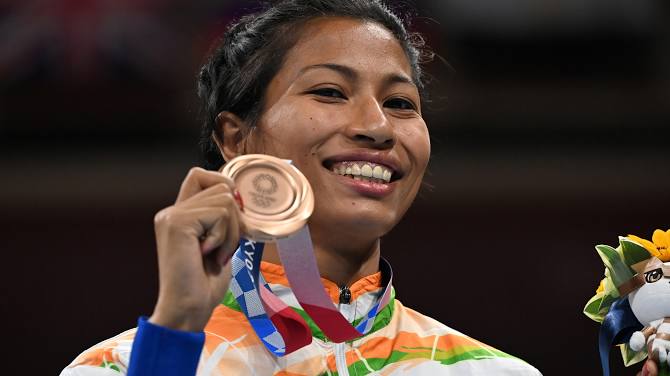
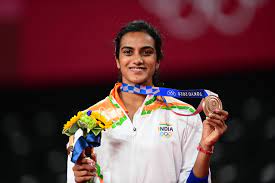
But soon India was assured their second medal when Indian boxer Lovlina borgohain was qualified for semifinals in 69 kg category. she was assured of at least a bronze medal . unfortunately , she lost the semifinal match but she had already won bronze medal for India. she became 3rd boxer for India to win medal in boxing after Marykom in 2012 and Vijender Singh in 2008. In between some disappointed performances , some Indian athletes did really well. After Lovlina, it was the time for PV Sindhu , silver medalist from Rio Olympics. She started really well but lost in semifinal match against Chinese Shuttler TY Tai. But soon made great comeback and won bronze for India.

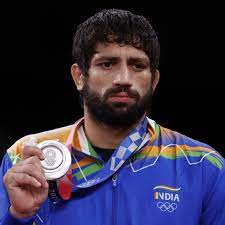
Till then , India had won 3 medals and was already better from last Olympics where we we only won 2 medals but India’s best was about to come after that . Indian Hockey team was doing consistently good from their first match and soon they qualified for semifinal after many years. Indian women hockey team started poorly but they soon came in their best and qualified for Olympics semi finals but unfortunately ,our both teams lost in semifinals after playing good throughout the match. At the same time , wrestling was also going on where Ravi Dahiya entered finals of freestyle wrestling in 57 kg category. and Deepak Punia after qualifying for semifinals , unfortunately lost his match and was later unable to win bronze medal. Ravi Dahiya later won Silver medal.

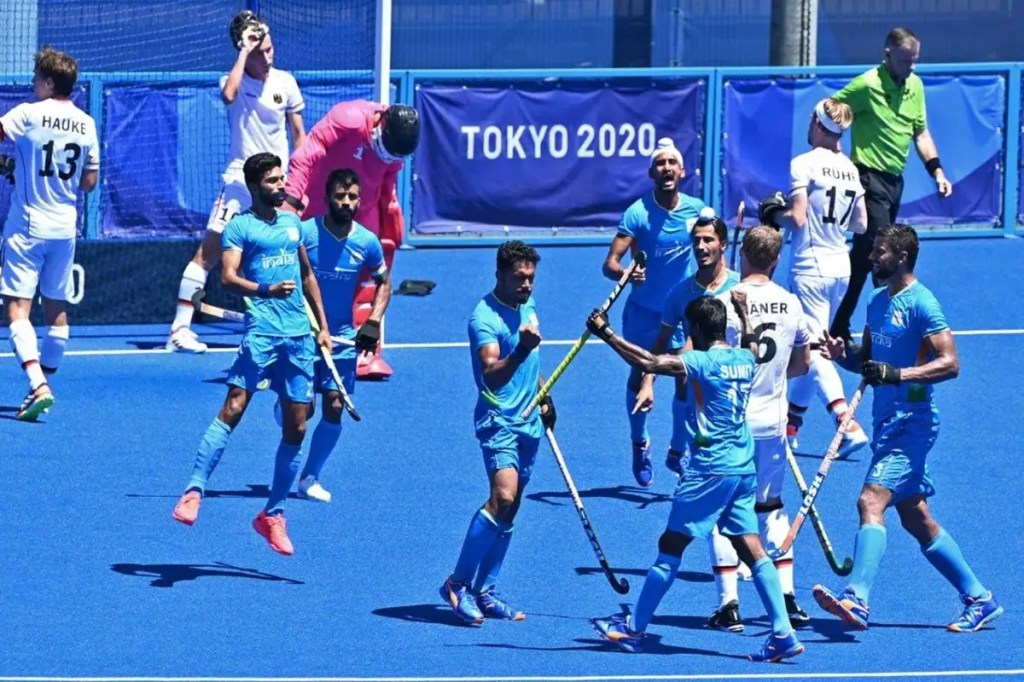
But the historic moment came soon when Indian men hockey team won bronze medal match against Germany and won an Olympic medal after 41 years. that was a very historic and special moment for Indian fans. though Indian women hockey team could not win a medal but they won our hearts by playing outstanding hockey. till now, India had won 5 medals.

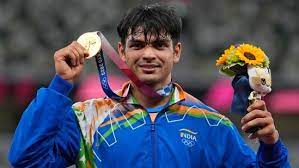
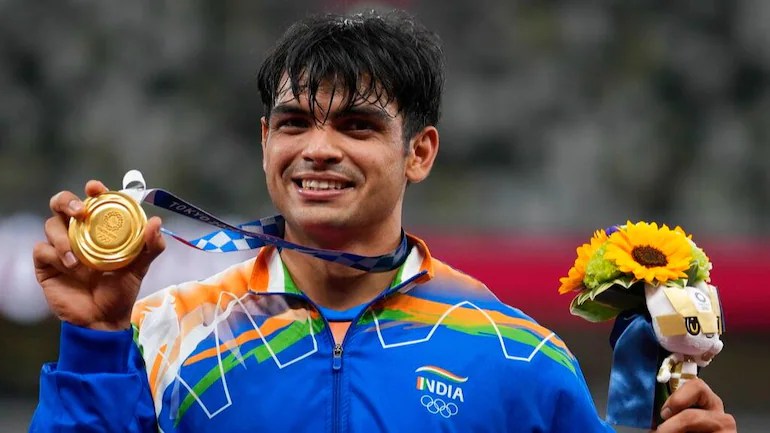
But the most historic and remarkable moment came yesterday when Indian athlete Neeraj Chopra won Gold medal in javelin throw event finals with a record 87.53 m distance. It was India’s first gold medal in Track and field events and 2nd individual gold medal after Abhinav Bindra’s gold medal in 2008 Beijing Olympics. And in the same day, India’s one of the biggest medal hopes Bajrang Punia also won a Bronze medal in 65 kg category.

That is why , this Olympic has become India’s best Olympics ever. There were some amazing performances who were not able to win a medal but won our hearts like Indian women hockey team , golfer Aditi Ashok, Kamalpreet kaur and many others.

.

First Athletics Gold in Olympics

Neeraj Chopra won Gold in the men’s Javelin throw final with a throw of 87.58 to win the first gold medal in athletics for India and the second gold overall.

This is India’s 7th medal at Tokyo Olympic, the best ever medal haul for India at a single edition of the games.

The first Gold medalist in Olympics for India was Abhinav Bindra in shooting and Neeraj becomes the second Gold medalist for India in the history of Olympics.

So far, India won 1 gold, 2 silvers and 4 bronze at Tokyo Olympics.

Sixth medal for India at Tokyo Olympic

Bajrang Punia became the sixth ever Indian wrestler to win an Olympic medal, and the second wrestler from India to win a medal at Tokyo Olympics.

Indian wrestler Bajrang Punia defeated Kazakhstan’s Daulet Niyazbekov to win the bronze medal in men’s freestyle 65kg wrestling at Tokyo Olympics.

Punia won the 6th medal for India at the games this year, and the 4th bronze for the nation.

Now India is eyeing it’s highest Olympic medal haul in an Olympic campaign (as India equals best ever Olympics medals haul of 6 medals now.)

Indian women’s Hockey team in Olympics

The time the women had made their first Olympic apperance was at the 1980 games in Moscow. The second Olympic appearance was at the 2016 Olympics in Rio de Janeiro.

The Indian Women’s hockey team had created history after they had entered the semi-finals of the big tournament. While they lost against Argentina, they will now play for the bronze in their maiden Olympic podium clash at Oi Hockey Stadium against Great Britain tomorrow (6th August,2021) at 7 AM.

India’s performance in Olympics today

Today was a very historical day for Indian hockey in Olympics. Today was day 13 of Tokyo Olympics. India started on a bright note by defeating a strong side Germany in a mouth watering contest by 5-4 , and winning an Olympic medal in hockey after 41 years .

It was a very emotional moment for Indian hockey and players. Indian team made a wonderful comeback because at one stage they were behind by 1-3 . In the match Simranjeet Singh scored India’s first goal of the match but Germany made a roaring comeback and scored 2 goals straightaway and score was 3-1 after that , but just after few minutes Hardik Singh and Harmanpreet Singh scored goals for India and leveled the scorecard with 3-3. After the end of 2nd quarter,

The third quarter went very good quarter for India as India added 2 more goals in their scorecard. Rupinder pal Singh scored 4th goal of the match for India with the help of penalty stroke. The scorecard only got better after that as Simranjeet Singh again scored a goal and gave a 5-3 lead to India. Germany was under pressure .However, Germany scored a goal in 4th quarter but it was not enough as India won a hard fought match by 5-4.

In wrestling, wrestler Vinesh phogat won her first match convincingly by 7-1 but in the next round Vinesh Phogat was defeated by V Kaladzinskaya in 53 kg weight category . But there was a still a way win a bronze medal by winning repechage round but this dream was shattered when V Kaladzinskaya was defeated by Chinese wrestler. Vinesh Phogat was one of the biggest medals hopes for India.

In golf, Aditi Ashok is on a verge of winning historic Olympic medal in golf, after carding a flawless five- under 66 in the second round with five birdies. she is currently on second position after worlds no 1 Nelly Korda of USA .In 20 km race walk, India’s K T Irfan finished 51st , Rohit Rohilla finished 47th and Sandeep Kumar finished 23rd in the race. (source : https://sportstar.thehindu.com/olympics/tokyo-olympics/olympics-2020-mens-womens-freestyle-wrestling-live-streaming-updates/article35731746.ece)

Then came two important matches of India in wrestling where India’s Ravi kumar Dahiya was in finals of the 57 kg category against defending champion Zavur Uguev . But unfortunately, Ravi Dahiya lost a hard fought match by 4-7, and ended with a Silver medal. It was a wonderful performance from wrestler Ravi Dahiya. After that , wrestler Deepak Punia was against M Anime in 86 kg weight category. He was giving a tough fight but unfortunately he lost the match in last seconds of the match.

Today was a very mix kind of day for India, after winning a historic bronze medal in hockey India star wrestler Vinesh Phogat was knocked out of Tokyo Olympics. Aditi Ashok was a big positive for India. Ravi Dahiya won Silver medal but Deepak Punia was unable to win Bronze medal.

Tomorrow is also a very interesting day in Olympics for India as India women hockey team will play against Great Britain and India’s one of the biggest medal hopes Bajrang Punia will start his campaign tomorrow.

Hockey medal for India after 41 years

India creates history as the Indian men’s hockey team win bronze medal after 41 years at Tokyo Olympic.

Hockey which was considered as the national game of India but this is the third time the team clinched the medal in Olympics, the other two came in 1968 (Mexico City) and 1972 (Munich games).

India defeated Germany,the Bronze medal winner in Rio Olympic 2016 by 5-4 goals.

why is china so successful in olympics ?

In terms of athletes from a young age, training hard, and often away from families to go to training centers, this is true, but one needs to understand the context within China, the opportunities that present to these athletes (pay, education, better life), and these athletes’ background (from low socioeconomic families), before passing simple judgment. I will elaborate on this below at the bottom, as I also did in comment on someone else’s answer.

These facts below however are true of why China athletes succeed at the Olympics:

1) The Chinese train harder than anyone else in the world; as other foreign coaches working with China’s Olympic Team have stated in media in past: The Guardian. Following Confucius beliefs, the Chinese believe hard work gets results, and following a progressive long-term athletic development model with repetition of technique and skill they perfect every movement until optimised (thus why they succeed in sports like table tennis, diving, gymnastics, and even weightlifting requires perfection of technique).

2) Centralised Training Program with High Government Support & Funding: The Chinese government has a heavily fund and centralized top-down training model; with the one goal to achieve Olympic Gold. The exact figures of the funding are unknown, and not as transparent as other nations, but still estimated to be the highest funded high performance program in the world. These funds help to pay athletes’ salaries, have full-time staff supporting those athletes, get the best coaches & foreign expertise to improve it further, build big training facilities, and really do anything they want. With a structured pyramid program, with around 5000 sports schools, filtering into province training centers, and then the best up into the Olympic center. Ensuring that the Chinese Olympic program can run smoothly and succeed at its goal.

3) Foreign Expertise: The big jump made at Beijing 2008 and beyond, had a lot to do with foreign expertise. The sourced the world for the best coaches, the best staff. Head coaches alone, there were 28 foreign coaches for the last Olympics; so to say Chinese coaches are “torturing” kids, then ask yourself but what about the foreign coaches? I even know examples where athletes get injured and they fly in experts from around the world for their opinions. This spending of money for an athlete is rarely done elsewhere.

4) Strong talent Identification and Long-term Athletic Development Model: At young ages they look for kids who have the physical capabilities that will allow them to succeed in a sport, and then build on-top of that strong base with a long-term athletic development plan. E.g., start with basic skills and foundation until that is perfected, then build on top of that with another skill, etc.

5) Top-down sports system vs. bottom-up: China is a top-down sports system, a system where the top level controls and manages everything with the goal to achieve Olympic success. Meaning the entire reason athletes enter the system at the bottom (the sports schools), is with the aim to achieve the government’s goal of Olympic success. Some other Asian nations however have similar systems. This contrasts however to Western nations, whereas it’s a bottom-up system, whereas the community and club levels develop athletes, and athletes enter sport for their own goals. One where they just naturally develop going through lower levels, until they have a talent, and then get recognised and selected for national program (and not until then does the government or national sports governing body have much influence on that athlete’s life). Of course arguments and debate on which is optimal. However it’s not hard to see that if you have a control of athlete’s life and sports development from the day they enter sport, and plan & goal for those athletes to succeed at Olympics, then it is much easier to plan for accomplishing that goal (in point 4 above), e.g., what education do they need, what skills do they need, what physical requirements do they need, how much sleep do they need, what medical support do they need, etc.

6) Year round structured training (More prepared): Not to say not all athletes train year round, but the Chinese have a 365 days/year training together as a team generally in most sports. Although some sports like Basketball they have around 6 months (as they spend the other 6 months in their professional teams), but that’s still lot more time together in national team than other nations. What does this mean? Well it means they are going to function better as a team, be more prepared to work with the national coach, better skilled, and better in team environment & teams culture, and with the physical resilience and technical skills to succeed. A lot of other programs in Olympic sports around the world do not follow such a professional program, for example some Olympic teams athletes train independently and then only come together to join the national team in the months or even just weeks before the games.

7) Smart Allocation of Funding: They concentrate on sports that they can win, or succeed at, be it sports that they see an opportunity (less competitive) or sports that they know they win (e.g., table tennis). For example many gymnasts are changed into snow boarding, aerial skiing, and diving. Because of the Chinese athletes’ great gymnastic abilities, they thus would make a good for a similar sports that requires these skills to help and thus can become more competitive then people without those same gymnastic abilities. They also focus on sheer medal numbers; they concentrate on sports with different weight classes (e.g., weight lifting or wrestling) or sports with more medals (e.g., swimming). But then this same approach is done by most centralized sports systems, including Australia.

8) Repetition of Skill or Technical Focused Training: the old rule, repeat until you are perfect or ‘practice makes perfect’. Very much following Confucius thinking here, in China the kids do ONE sport, and repeat the same skill over and over, day in and day out. This is something not done or rare in many nations, for example kids in Australia or America would play many sports in their childhood, they develop better motor skills and coordination but not fine tuning one skill like the Chinese. Is thus the reason China often succeed in technical focused sports like table tennis, diving, gymnastics, because they have trained until they perfected the routine. However all sports do have a technical focus, even track & field, weightlifting, and swimming; related to efficiency and ease of movement.

9) Rewards for Athletes & Better Life: The rewards for those who make it are great. Some Olympic athletes earn more a week than their poor family can in a year. That way it’s a great way forward for poor families to jump to a better social class. This provides excellent motivation for them to train hard. China Olympic champions are suggested to get $200,000USD for an Olympic Gold (figure appears to vary in different sources), and add in houses, a high level job within the government upon retirement; even winning the All-China Games grants athletes $100,000USD (depending on the province). Most of these athletes come from families that work in factories, and/or farms, earning just enough to feed the family.

10) National Pride: sports is seen as a sign of power similar to GDP. A collective culture still, looking to better the community they are within. They do it for the family, nation, and less for themselves (opposite to the west). A way to show a strong and powerful nation.

However above all, one big factor: they want it more than anyone else in the world (similar to the Kenyans in distance running), that motivational factor is big thing in elite sport.