DEPRESSION

N kavya

Depression is a mood disorder that causes a persistent feeling of sadness and loss of interest, also called major depressive disorder or clinical depression. It affects how you feel, think, and behave and can lead to a variety of emotional and physical problems. Depression is not a weakness; you cannot simply “snap out “of it. Depression may require long-term treatment. But we should not feel discouraged because most people with depression feel better with medication, psychotherapy, or both.

Let us see know about the symptoms of depression –:

• Feelings of sadness, tearfulness, emptiness, or hopelessness
• Angry outbursts, irritability or frustration, even over small matters
• Loss of interest or pleasure in most or all normal activities, in their hobbies or sports
• Sleep disturbances, including insomnia or sleeping too much
• Tiredness and lack of energy, so even small tasks take extra effort
• Reduced appetite and weight loss or increased cravings for food and weight gain
• Anxiety, agitation, or restlessness
• Slowed thinking, speaking, or body movements
• Feelings of worthlessness or guilt fixating on past failures or self-blame
• Trouble thinking, concentrating, making decisions, and remembering things
• Frequent or recurrent thoughts of death, suicidal thoughts, suicide attempts, or suicide
• Unexplained physical problems, such as back pain or headaches.

People dealing with depression may occur only once during their life, people typically have multiple episodes, and during these episodes, symptoms occur most of the day, nearly every day which also affects their day-to-day activities, such as work, school, social activities, or relationships with others. Some people might even feel generally miserable without really knowing the exact reason.

• Depression in children and teens may include sadness, irritability, clinginess, worry, aches, pains, being extremely sensitive, feeling misunderstood, anger, and poor performance.
• Depression in symptoms in older adults may include memory, difficulties or personality changes, fatigue, and often wanting to stay at home, rather than go out to socialize or do new things.

Causes of depression –:

• Biological differences – People with depression appear to have physical changes in their brains. The significance of these changes is still uncertain.
• Brain chemistry – Neurotransmitters are naturally occurring brain chemicals that likely play a role in depression.
• Hormones – Changes in the body’s balance of hormones may be involved in causing or triggering depression.
• Inherited traits – Depression is more common in people whose blood relatives also have this condition. Research shows genes may be involved in causing depression.

Risk factors of depression –:

• Certain personality traits, such as low self-esteem and being too dependent, self-critical, or pessimistic
• Traumatic or stressful events, such as physical or sexual abuse, the death or loss of a loved one, a difficult relationship, or financial problems.
• History of other mental health disorders, such as anxiety disorder, eating disorders, or post-traumatic stress disorder. Abuse of alcohol or recreational drugs.
• Serious or chronic illness, including cancer, stroke, chronic pain, or heart disease. Certain medications may also trigger depression such as some high blood pressure medications or sleeping pills.

Complications in depression – :

• Excess weight or obesity, which can lead to heart disease and diabetes
• Pain or physical illness
• Alcohol or drug misuse
• Anxiety, panic disorder, or social phobia
• Family conflicts, relationship difficulties, and work or school problems
• Social isolation
• Suicidal feelings, suicide attempts, or suicide
• Self-mutation, such as cutting
• Premature death from medical conditions

Prevention of depression -:

There is no fixed way to prevent depression but these strategies may play a major role –
• Take steps to control stress
• Reach out to family and friends
• Get treatment at the earliest sign of a problem
• Consider getting long–term treatment because it helps to prevent a relapse of symptoms.

Types of depressive disorders -:

• Major depressive disorder
• Anxious distress, Melancholy, Agitated (Major depression looks different in different people. So they are characterized into three types.)
• Persistent depressive disorder
• Bipolar disorder
• Seasonal affective disorder (SAD)
• Psychotic disorder
• Peripartum (Postpartum) Depression
• Premenstrual Dysphoric Disorder
• ‘Situational ’Depression
• Atypical depression
• Clinical depression

ONLINE PROFESSIONAL DEGREE.

ONLINE PROFESSIONAL DEGREE

Imagine you are a bright student and a very ambitious student. You have certain aims and goals to achieve for which you need to study at the best place. You decided to study in London and counted your expenses and fees. I am sure everyone will hesitate at this moment. It’s not easy to spend lakhs and lakhs of money. Unfortunately, you cancel the plan but deserve to study at the best college, which is absolutely correct. 

What will you do? Will you stop chasing your dreams? Will you compromise with your dream? Or will you find another way to study the best course from the best place?

In this type of situation online learning can be a lifeline for you, Paul Levison said that” online learning can be a lifeline to those who have obstacles such as geographical distance or physical disabilities.”   If you are a student you must have experienced online learning in the past couple of years. If you are an employee you would have experienced working from home. The world is at your fingertips, the world is online now.  The education is vast, we have hundreds of degrees. Nowadays you don’t have to go to an institution and get a degree. This is a modern world, study online rather than studying abroad. You can perceive any degree or course from your home. Where there is a will there is a way. 

You can study professional degree online, and you have new technologies. 

 Advantages of studying online:-

  1. You can perceive a degree from the best institution you want to study.

  2. No need to migrate.

  3. You will have your comfort zone and preferred facilities.

  4. Economic problems will be less

  5. low course fees.

  6. Enough content to prepare yourself for challenges.

  7. Compete at national and international levels.

  8. No one will judge you.

  9. Availability of teachers.

  10. Feedback and reviews of teachers.

Every coin has two sides, if online learning has advantages, it will also have disadvantages.


Disadvantages of online learning:-


  1. Distraction and laziness.

  2. Video recommendation.

  3. Less motivation and seriousness.

  4. Less practical learning as compared to offline education.

  5. Natural issues like network and connectivity. 

  6. Social media attractions.

  7. An extra comfort zone will not allow us to study well.

  8. You will not enjoy campus recruitment.

  9. Less socialized.

What’s your point of view on online education?

 It’s okay if you are pursuing your degree online and it’s worthy. Everything in this world has advantages and disadvantages. Do not need to worry about it. Decide on online learning if your course is less practical and mostly dependent on your conversation. But if you are going for a course with includes more practical learning you must prefer offline learning. Suppose if you pursuing a language professional course, it’s okay if you complete it online but in case you are pursuing a degree in engineering or doctorate then it’s going to be tough for you to learn online, in those cases you should prefer offline learning. 

Education is the most powerful weapon in this world which can help you to change the world. Let the way of education be online or offline, it depends on you, how curious you are? How passionate you are?  A.P.J. Abdul Kalam said, ” you have to dream before your dreams come true.”


General issues on Environmental ecology

The environment plays a significant role to support life on earth. But there are some issues that are causing damages to life and the ecosystem of the earth. It is related to the not only environment but with everyone that lives on the planet. Besides, its main source is pollution, global warming, greenhouse gas, and many others. The everyday activities of human are constantly degrading the quality of the environment which ultimately results in the loss of survival condition from the earth.There are hundreds of issue that causing damage to the environment. But in this, we are going to discuss the main causes of environmental issues because they are very dangerous to life and the ecosystem.

Pollution – It is one of the main causes of an environmental issue because it poisons the air, water, soil, and noise. As we know that in the past few decades the numbers of industries have rapidly increased. Moreover, these industries discharge their untreated waste into the water bodies, on soil, and in air. Most of these wastes contain harmful and poisonous materials that spread very easily because of the movement of water bodies and wind. Greenhouse Gases – These are the gases which are responsible for the increase in the temperature of the earth surface. This gases directly relates to air pollution because of the pollution produced by the vehicle and factories which contains a toxic chemical that harms the life and environment of earth. Climate Changes – Due to environmental issue the climate is changing rapidly and things like smog, acid rains are getting common. Also, the number of natural calamities is also increasing and almost every year there is flood, famine, drought, landslides, earthquakes, and many more calamities are increasing.

Development recognises that social, economic and environmental issues are interconnected, and that decisions must incorporate each of these aspects if there are to be good decisions in the longer term.For sustainable development, accurate environment forecasts and warnings with effective information on pollution which are essential for planning and for ensuring safe and environmentally sound socio-economic activities should be made known.


THE EARTH IS WHAT WE
ALL HAVE IN COMMAN

Women organizations and their role in India

Women’s Organisations emerged in India as a result of the spread of education and the establishment of the notion of the new woman. There was an improved level of communication among women which made them aware of the different problems that they faced and their rights and accountabilities in society. This awareness led to the upsurge of women’s organizations that fought for and signified women’s causes

An exclusive feature of the Indian women’s crusade is the fact that early efforts at women’s liberation were set in motion by men. Social reformers such as Raja Ram Mohan Roy, Maharishi Karve, and Swami Dayanand Saraswati challenged the conventional subservience of women, stimulated widow remarriage, and supported female education and impartiality in matters of religion, among other issues. Mahila mandals organized by Hindu reformist organizations such as the Arya Samaj and Brahmo Samaj encouraged women to go out of the boundaries of their homes and interact with other members of society. Pandita Ramabai, who was considered as one of the innovators of the feminist movement, with the help of Justice Ranade established the Arya Mahila Samaj in 1882. She envisioned creating a support network for newly educated women through weekly lectures and lessons at homes, where women could learn and gain confidence through interactions.

Women’s auxiliaries of general reform associations also served as a ground for women to deliberate social issues, express opinions, and share experiences. The Bharata Mahila Parishad of the National Social Conference was the most protruding among such opportunities. Though the National Social Conference was formed at the third meeting of the Indian National Congress in 1887, the Mahila Parishad was launched only in 1905.

The pre‐Independence period saw women’s issues related to the nationalist agenda at various junctures. In this period, a major enhancement of women was in terms of political participation of women, calling for a redefinition of conventional gender roles. Women began openly demonstrating their opposition to foreign control by supporting civil disobedience actions and other forms of protest against the British. Opportunities to organize and participate in agitations gave women much‐needed confidence and a chance to develop their leadership skills. Cutting across communal and religious barriers, women associated themselves with larger problems of society and opposed sectarian issues such as communal electorates. Political awareness among women grew, owing to a general understanding that women’s issues could not be separated from the political environment of the country. During this period, the initial women’s organizations formed within the historical background of the social reform movement and the nationalist movement were as follows.

•The Women’s India Association (WIA).
National Council of Women in India (NCWI).
•The All India Women’s Conference (AIWC) in 1917, 1925, and 1927 correspondingly.
•Each of these organizations emphasized the importance of education in women’s progress.
•The WIA, created by Margaret Cousins in Madras, worked widely for the social and educational emancipation of women. •Associated with the Theosophical Society, it encouraged non‐sectarian religious activity and did creditable work in promoting literacy, setting up shelters for widows, and providing relief for disaster victims.
•Women in Mumbai, Chennai, and Kolkata through networks developed during World War I work, allied their associations together, and created the NCWI in 1925. A national branch of the International Council of Women, its most prominent member was Mehribai Tata, who aggressively campaigned against inert charity and advised men to support female education.
•The most important of the women’s organizations of the time was the All India Women’s Conference. Though its initial efforts were directed towards improving female education, its scope later extended to include a host of women’s issues such as women’s franchise, inheritance rights.

The Constitution of India enlisted in 1950 which permitted equal rights to men and women. Rights such as the right to vote, right to education, right to enter into public service, and political offices brought in satisfaction among women’s groups. In this period, there was limited activity in the area of women’s rights. Many women’s organizations such as the National Federation of Indian Women (1954) the Samajwadi Mahila Sabha (1559) were formed to work for supporting the cause of Indian women. Since the country was facing a social, political crisis after British rule, many demands of the women activists were not supported by the Government. But during this period from 1945, the Indian women got an opportunity to participate in confrontational politics.

In post-independent India, the women’s crusade was divided, as the common opponent, foreign rule, was no longer there. Some of the women leaders formally joined the Indian National Congress and took a powerful position as Ministers, Governors, and Ambassadors. Free India’s Constitution gave universal adult franchise and by the mid-fifties, India had fairly liberal laws concerning women. Most of the demands of the women’s movement had been met and there seemed few issues left to organize around. Women’s organizations now observed that there was an issue of implementation and consequently there was a pause in the women’s movement.

Some women organizations such as the Banga Mahila Samaj, and the Ladies Theosophical Society functioned at local levels to promote contemporary ideas for women. These organizations deal with issues like women’s education, abolition of social evils like purdah and Child marriage, Hindu law reform, moral and material progress of women, equality of rights and opportunities.

It can be believed that the Indian women’s movement worked for two goals.

•Uplift of women.
•Equal rights for both men and women.

Currently, there are many women organizations in India:

•All India Federation of Women Lawyers
•All India Women’s Conference
•Appan Samachar
•Association of Theologically Trained Women of India
•Bharatiya Grameen Mahila Sangh
•Bharatiya Mahila Bank
•Confederation of Women Entrepreneurs
Durga Vahini
•Friends of Women’s World Banking
•Krantikari Adivasi Mahila Sangathan

The major objective of this organization is:

•Strengthening and building new initiatives, networks, forums, etc., for protecting women’s rights
•Monitoring the Government of India’s commitments, implementing the Platform for Action with special focus on the eight-point agenda discussed at the Conference of Commitment, CEDAW, the Human Rights, and other United Nations Convention.
•Advocacy, lobbying, and campaigning on women-related issues.
•Information Dissemination and Documentation.
•Solidarity and linkages with other regional and global forums.


Another women organization in India is Swadhina (Self-esteemed Women) which was formed in 1986. It is principally a civil society organization focused on the Empowerment of women and Child Development based on Sustainable Development and Right Lively hood. At Swadhina, it is believed that positive social change has a direct effect on the lives of women and that change is possible only through equal and spontaneous participation of Women. Organization members are active in five states across the country in remote tribal districts of Singbhums in Jharkhand, Purulia, and West Midnapur in West Bengal, Kanya Kumari in Tamil Nadu, Mayurbhanj in Orissa, and East Champaran in Bihar.

Due to the women’s movement, several legislations were passed like the Equal Remuneration Act, Minimum Wage Act, Maternity Benefit Act, etc. to ensure equal status to women in society & more importantly at work. However, illiteracy amongst the major women workforce (87% of women are employed in the unorganized sector), fear of losing employment & lack of awareness of the laws enacted to protect them, make it difficult for women to benefit from them.


A girl should be two things:

who and what she wants.

Online Vs Offline Education

This is one of the most common topics nowadays on all social media like Facebook, WhatsApp, Twitter, Instagram, and also in newspapers, articles, etc… While some opt for online education and others opt for offline education. There are certain advantages to both. Let’s see some of them.

Photo by Pixabay on Pexels.com

Online Education

Online education is not something that was established just after covid. It has existed before the coronavirus too, but the need for online education is not there. It was a highly considered method during this pandemic due to the inability due to spread the contagious virus. The classes which were conducted with board and chalk are replaced with PowerPoint presentations and mouse cursors. It was a bane to some, while it was a boon to others.

Advantages of Offline education

  1. Environment : May it be a school, college or work place the most important factor is the environment surrounding it. It is the environment that gives us the exposure and the needed opportunities and chances to fall and raise again. Even if we fall, we will definitely will have someone to pull up again and there are will be some who will share their experiences on the current field.
  2. Doubt Solving : In Offline, anyone can ask doubts to teachers and professors at any time. There is no need of waiting for the right place and the right time. Either as a school student or a college student , we can ask doubts at the period at that time itself.
  3. Guidance : We can always ask our doubts to our seniors who had experienced similar situations. There will be no barrier between them and us.
  4. Discipline : Discipline is one of the core principles of life and it will be taught only in offine education. Everyone will be regular to their respective places , maintaining obedience and discipline. The value of discipline is not realised until the 20’s. It will make us reach heights of life even we wouldn’t have dreamed about it.
  5. Consistency : Consistency comes together with people who are disciplined. Consistency is the way to learn any skill and be talented in that. It will not be a problem for disciplined people since they follow it everyday and keeps their day productive as possible.

Advantages of Online education

  1. Recorded Sessions : The main advantage of online education is the videos can be seen any number of times at any place. If some doubt sarises, we can refer the videos. Most of the online classes nowadays are recorded to provide the students this wonderful facility to clear doubts.
  2. Time Saving : Online classes saves a lot of time such as travelling time. Students can use this time to upskill themselves and to be productive.

Disadvantages of Online education

  1. Non-availability of Phone : Even though online education is a convenient,flexible and cost efective method of education, not everyone can afford smart devices like Phone, Laptop, Tablet etc… This disadvantages is mainly for people who face difficulty in even afford daily expenses. This was quite proven in many places during this pandemic.
  2. Network facilities : After Smart devices, internet facility is another important thing to see online classes.
  3. Lack of Discipline
  4. Lazyness
  5. Losing the ability to think
  6. Increased usage of devices

Conclusion

Each has its own advantages and disadvantages. If we think and follow online classes just like offline classes, the productivity will be maximum and there will be no issue .

Steps taken to provide online education amidst COVID-19 pandemic

 The Government has taken various steps to provide online education amidst COVID-19 pandemic. These include PRAGYATA Guidelines on Digital Education, Internet access under BHARAT NET scheme, etc

PRAGYATA Guidelines on Digital Education:Keeping in view the availability of digital infrastructure, guideline briefs on various modes of digital education including online mode that depends more on availability of internet, partially online mode that utilizes the blended approach of digital technology and other offline activities, partial and offline mode that utilizes television and radio as a major medium of instruction of education. The guidelines can be accessed at:

https://mhrd.gov.in/sites/upload_files/mhrd/files/pragyata-guidelines_0.pdf

Internet access under BHARAT NET scheme has been made available to Govt institutions and to improve the internet connectivity in rural areas the CSC e-Governance Services India Ltd (CSC-SPV) of MEITY has been assigned the task of providing Fibre to the Home (FTTH) connectivity to the Government Institutions, including schools. This project is for providing Internet connection to Government schools in respective Gram Panchayats.

The states & UTs have been advised to Map the students school wise with their individual performance. Accordingly, the state governments have been directed to act based on the situation prevailing at every place to meet the demands of all students for providing them with the digital access required for learning digitally.

In order to enable online education benefit to the children of every categoryandteachers,Learning Enhancement Guidelines have been issued.

https://www.mhrd.gov.in/sites/upload_filehs/mhrd/files/Learning_Enhancement_0.pdf

IISc,IITs,IIITs,IISERs and NITs to review the situation of COVID management and imparting online education

 Union Minister of Education Shri Ramesh Pokhriyal ‘Nishank’ today chaired a meeting with Directors of IISc/IITs/IIITs/IISERs and NITs through Video Conferencing. Minister of State for Education Shri Sanjay Dhotre also attended the meeting. During the meeting, Shri Amit Khare, Secretary, Higher Education Ministry of Education and Directors of IITs, IISc, IISERs, NITs, IIITs were also present.

Union Minister exhorted that there is a need to maintain the quality education in these Institutes of National Importance besides taking adequate safety measures for managing COVID-19 situation. The status of imparting online education, virtual laboratory courses by these Institutes was also reviewed by the Minister. Directors of the institutes mentioned that they have already started online teaching since the commencement of initial lockdown in March’20.  Some of the institutions have also developed their own app for online teaching and evaluation.  They also informed that for students facing connectivity issue, the lecture contents were made available even for later use which they can download from anywhere and study. Teachers have interacted through online classes with their students and guided them.

The status of COVID cases in the campus of these institutions and handling of situation arising thereon by these Institutes was also discussed. The Minister impressed that the positive thinking and positive reactions to the current situation could avoid unnecessary anxiety among the students and teaching community.  An effort by the Institutes would be helpful in creating positive atmosphere in the Society. 

Shri Dhotre appreciated all the institutions for ensuring continuation of academic sessions during the covid period. He urged them to focus on science and technology and work on new innovations to tackle the unprecedented challenges caused due to covid. He spoke about the importance of emphasizing on hybrid learning to cater to the education needs of the students. He also stressed upon the need of implementing the National Education Policy to provide world class education to students.

The Institutes detailed their COVID-19 management strategy and also voluntary service extended to local administration for awareness and supply of necessary support for management of the situation in the respective State. The Institutes also briefed about the vaccination drive undertaken for the campus residents in consultation with local administration and as per the guidelines.

The main discussion was on the Research undertaken by these institutions of National importance in tackling Covid situation. Union Education Minister commended the institutes in developing low cost RT-PCR machines, kits, ventilators, mathematical modelling of predicting the trend of COVID-19 and successfully placing them at the disposal of State Health Departments.  Many of the research products have been commercialised through the Incubation Cells and Start ups set up by these Institutes.

Few of the notable research work done by these institutions includes development of Corona testing kit ‘Corosure’, research for development of vaccine which can be stored at room temperature, Genome sequencing to identify the variants of Corona Virus, ‘COVIRAP’ device for rapid diagnostic of pathogenic infection, methods to optimize use of Oxygen in ventilators, development of Oxygen concentrators, low cost portable ventilators, etc.

With regard to National Education Policy, 2020, it is noted that many of the institutions have already started new department/ multi- disciplinary programs. IISc Bangalore and IIT Kharagpur are soon to start courses in Medical sciences. Emphasis has been put by the institutions on teachers training/ mentorship and Internationalisation as well as academia- industry interaction.

******

Initiatives of Government in ensuring Safety in Online Education

 Central Board of Secondary Education (CBSE) has launched a ‘Cyber Security Handbook’ to ensure safe and healthy digital habits among students. This module covers topics in cyber safety, such as cyber bullying, including social exclusion, intimidation, defamation, and emotional harassment, online sexual abuse, cyber radicalisation, online attack and frauds, and online enticement. The ‘Cyber Security Handbook’ can be accessed at this link:http://cbseacademic.nic.in/web_material/Manuals/Cyber_Safety_Manual.pdf

Indian Computer Emergency Response Team (CERT-In) under Ministry of Electronics & Information Technology has prepared guidelines to handle the security concerns about various video conferencing apps, which can be found at this link:

https://www.cert-in.org.in/s2cMainServlet?pageid=PUBWEL01

The National Commission for Protection of Child Rights (NCPCR) has also issued advisory to all secretaries at school education department of all states to ensure safety of students in online classes.

PRAGYATA guidelines for school heads and teachers describe the need assessment, planning and steps to implement digital education while ensuring cyber safety and privacy measures. The guidelines can be accessed at:

https://www.education.gov.in/sites/upload_files/mhrd/files/pragyata-guidelines_0.pdf

Steps taken by the government to provide online education to students

 A comprehensive initiative called PM eVIDYAhas been initiatedas part of AtmaNirbhar Bharat Abhiyaan on 17th May, 2020, which unifies all efforts related to digital/online/on-air education to enable multi-mode access to education. The initiative includes: 

  • DIKSHA (one nation, one digital platform)is the nation’s digital infrastructure for providing quality e-content for school education in states/UTs and QR coded Energized Textbooks for all gradesare available on it.
  • One earmarked SwayamPrabha TV channel per class from 1 to 12 (one class, one channel).


  • Extensive use of Radio, Community radio and CBSE Podcast- ShikshaVani.
  • Special e-content for visually and hearing impaired developed on Digitally Accessible Information System (DAISY) and in sign language on NIOS website/ YouTube.

All these schemes/programmes are free of cost and available to all the students across the nation.

Also, to reach out to those students who lack access to technology various innovative activities are being done at national, state or district level such as Gali-GaliSim-Sim, Tili-Mili programme, Motor Eskool, Roving Teacher, Project SMILE (Social Media Interface for Learning Engagement), e-Kaksha, formation of Whatsap and other social media groups, Work Book Distribution at home, Teacher calling to maintain connects with students.

School Education is in the Concurrent List of the Constitution and the state governments have been directed to act based on the situation prevailing at every place to meet the demands of all students for providing them with the digital access required for learning digitally. Depending on the states’ requirement the Ministry of Education provides Rs.6.40 Lakh for setting up computer labs and Rs.2.40 Lakh for smart classroom. Also, the approval in 2021-22 for ICT, DIKSHA and Smart classrooms are given below:

  • An amount of Rs. 68685.2 Lakh is approved under Non- recurring head for ICT lab in 10727 schools. 
  • An amount Rs. 94633.20 Lakh is approved for smart classrooms in 42204 schools under the Non- Recurring head.
  •  An amount of Rs.1098.01 Lakh is also recommended under DIKSHA for development of digital contents. 


Online Education in Backward Areas

 Covid-19 was an unprecedented crisis across the world and has affected all the countries. The pandemic has led to severe disruption in normal life, including closure of schools.

Education is in the concurrent list of the Constitution and majority of the schools are under the domain of respective State and UT Governments. However, in order to ensure that every student including those residing in rural and educationally backward districts of the country, gets continued access to education, a multi-pronged approach has been adopted. A comprehensive initiative called PM e-VIDYA has been initiated as part of Atma Nirbhar Bharat Abhiyan on 17th May, 2020, which unifies all efforts related to digital/online/on-air education to enable multi-mode access to education. The initiative includes:

  • DIKSHA (one nation, one digital platform) is the nation’s digital infrastructure for providing quality e-content for school education in states/UTs and QR coded Energized Textbooks for all grades are available on it. 35 of the 36 states and UTs have on boarded on DIKSHA platform and contextualised the content as per the local need.
  • One earmarked Swayam Prabha TV channel per class from Class 1 to 12 (one class, one channel).
  • Extensive use of Radio, Community radio and CBSE Podcast- Shiksha Vani.
  • Special e-content for visually and hearing impaired developed on Digitally Accessible Information System (DAISY) and in sign language on NIOS website/YouTube.

Further, an Alternate Academic Calendar has been prepared for providing learning solutions for grade 1 to 12 and ‘Students’ Learning Enhancement Guidelines’ prepared by NCERT suggest models for the following three types of scenarios to ensure that no child is deprived of reach of education:

a)         Learning Enhancement during COVID-19 for students without digital devices;

b)         Learning Enhancement during COVID-19 for students with limited accessibility to digital devices &

c)         Learning Enhancement during COVID-19 for students with digital devices.

Also, PRAGYATA guidelines issued to States/UTs to facilitate continued education through various modes. The guidelines inter-alia includes situations where internet connectivity is not available or available with very less bandwidth where resources are shared through various platforms like television, radio etc that do not depend on internet.

Besides, the Ministry has undertaken a proactive initiative, named, ‘MANODARPAN’ covering a wide range of activities to provide psychosocial support to students, teachers and families for Mental Health and Emotional Wellbeing during the COVID outbreak and beyond.

The Ministry had conducted a survey in the month of July, 2020 with the help of Kendriya Vidyalaya Sangathan (KVS), Navodaya Vidyalaya Samiti (NVS) and Central Board of Secondary Education (CBSE) to understand the scenario of Online Learning of school students in COVID-19 pandemic situation. The details of the survey and findings are given in Chapter – 3 of the Learning Enhancement guidelines, which may be accessed at the following links:

1.  https://www.education.gov.in/sites/upload_files/mhrd/files/Learning_Enhancement_0.pdf

2. https://seshagun.gov.in/sites/default/files/update/Learning_Enhancement.pdf

3https://ncert.nic.in/pdf/announcement/Learning_%20Enhancement_Guidelines.pdf

National Achievement Survey (NAS) is conducted to enable States/UTs to identify gaps in learning outcomes, and take remedial steps. NAS 2021 has been conducted on 12th November 2021.

 The Central Government is constantly advising States/UTs through guidelines and meetings with respect to interventions for reducing impact of pandemic on education. The guidelines issued so far are given below:

Sl.

Intervention

Links of Guideline

1.

Guidelines for Children of Migrant Labourers

https://www.education.gov.in/sites/upload_files/mhrd/files/Migrant%20labour%20guideline.pdf

2.

Guidelines for Out of School Children and Mitigation of Loss of Learning

https://www.education.gov.in/sites/upload_files/mhrd/files/guidelines_oosc.pdf

3.

PRAGYATA Guidelines on Digital Education

https://www.education.gov.in/sites/upload_files/mhrd/files/pragyata-guidelines_0.pdf

4.

Learning Enhancement Guidelines for Continuous Learning

https://ncert.nic.in/pdf/announcement/Learning_%20Enhancement_Guidelines.pdf

5.

Covid-19 Related Health and Safety Sop/Guidelines for School Re-Opening

https://www.education.gov.in/sites/upload_files/mhrd/files/SOP_Guidelines_for_reopening_schools.pdf

6.

Covid Action Plan for School Education

https://www.education.gov.in/sites/upload_files/mhrd/files/Covid_Action_Plan.pdf

7.

Alternate Academic Calendar

Secondary- https://www.education.gov.in/sites/upload_files/mhrd/files/Academic%20Calender%20-%20Secondary%20-%20Eng.pdf Primary- – https://www.education.gov.in/sites/upload_files/mhrd/files/Eight_Weeks_AAC_Primary_%28English%29%5B1%5D_0.pdf

8.

Guidelines for JNV –Residential Schools

https://drive.google.com/file/d/1LAc4iKQTqTJkNVDGc5glEDsrDGdAXwC8/view

9.

Guidelines for parents on Home Based Education

https://www.education.gov.in/sites/upload_files/mhrd/files/MoE_Home_Learning_Guidelines.pdf

10.

Guidelines for orphaned Children

In this regard, a joint DO letter No. 13-10/2021-IS-11 dated 16.06.2021 from Secretary DoSEL, MoE and Secretary, MWCD has been issued to all States and UTs.

11.

Guidelines for developing E-content for CWSN

https://www.education.gov.in/sites/upload_files/mhrd/files/CWSN_E-Content_guidelines.pdf

12.

CBSE competency-based assessment framework

http://cbseacademic.nic.in/web_material/Manuals/Safal_handbook.pdf

13.

NCTE Guidelines for TEIs

https://ncte.gov.in/WebAdminFiles/RecentAnnouncement/0_20_08_2020_637335320672297662.pdf

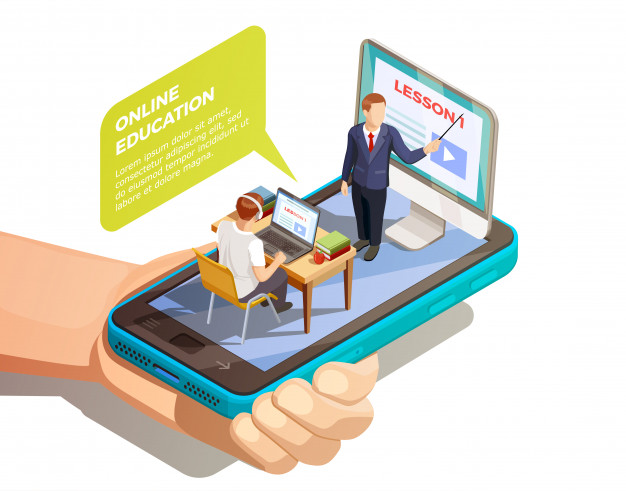
ONLINE EDUCATION:-

WHAT IS ONLINE EDUCATION:-

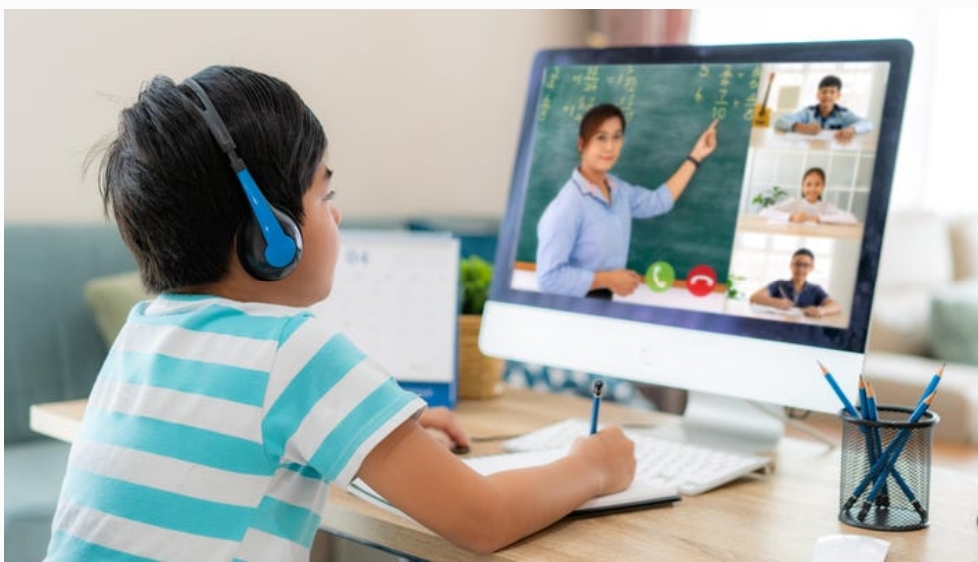
A classroom is method of using cell phones and computers to make teacher and student in connection.This method of education is popularized during the corona.

ONLINE EDUCATION IS EFFECTIVE:-

In my perception online education is not that much effective when compare to the offline classes.Because we started schooling in offline class,Immediate change in method is not acceptable.In offline class we can ask doubts.But in online classes some not get good network.

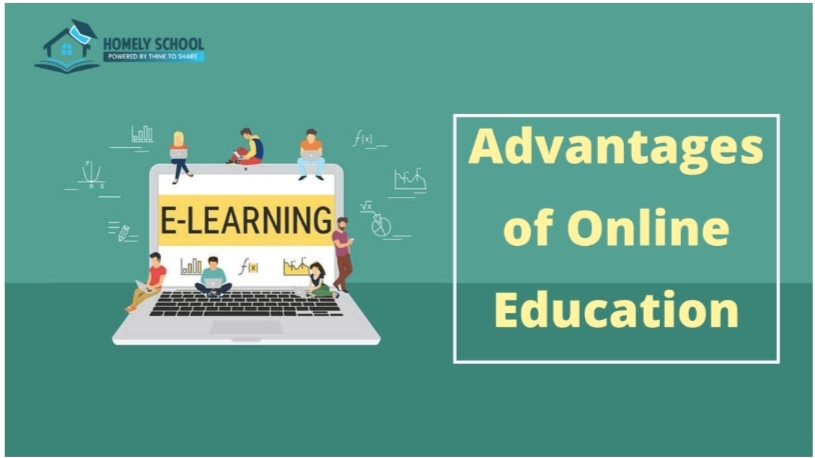
ADVANTAGES OF ONLINE EDUCATION:-

* It reduce financial costs for students in transportation,meals.

* we can feel more comfortable than offline class.

* Another advantage of online education is that it allows students to attend classes from any location of their choice.

* online lectures can be recorded, archived, and shared for future reference.

DISADVANTAGES OF ONLINE EDUCATION:-

* Little or no face-to-face interaction.

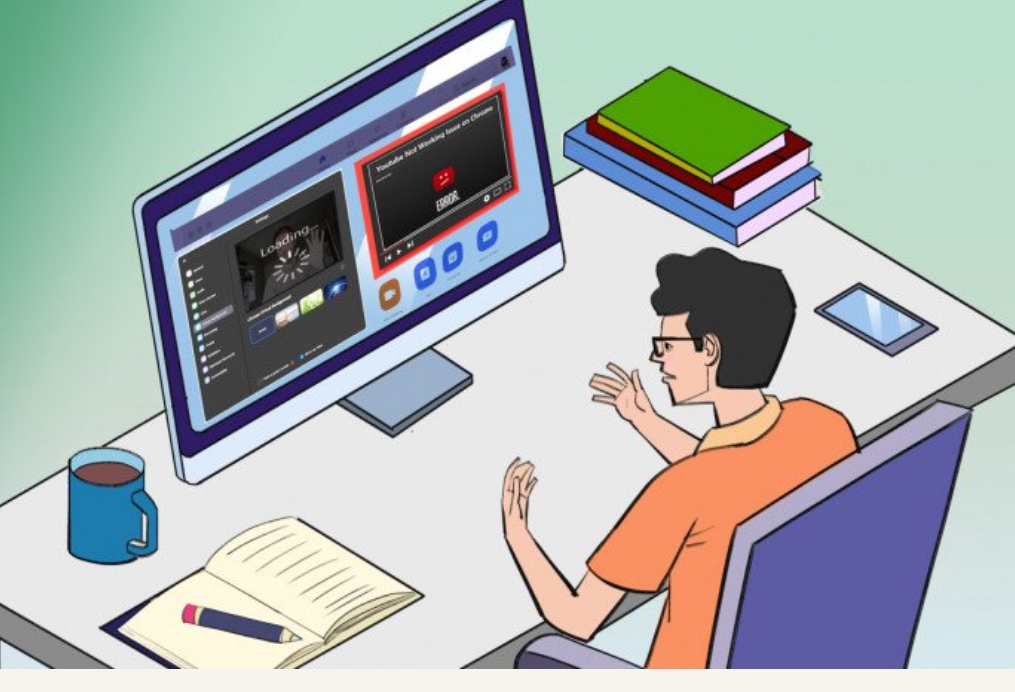
* In online education we have to see screen more time cause headache,damage eyes.

* Another disadvantage is some have network issues unable to ask questions.

* Online courses require more time than on-campus classes.

* Online courses may create a sense of isolation.

HOW WE CAN MAKE ONLINE EDUCATION EFFECTIVE:-

* By Creating shorter content.

* Assign group and pair work.

* Take care in setting up your home environment.

* By giving break or reducing time of class.

* By creating individual learning plans.

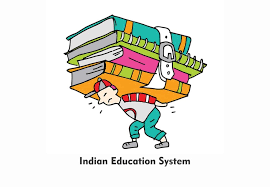
Indian Education System

Education plays an important role in the development of an individual and making him a knowledgeable citizen. It is the education that makes an individual self-reliant, helps to suppress the social evils and contribute towards the development of the society and nation as a whole. Education helps in unravelling the mystery of nature. It enables us to understand and improve the working of our society. It creates conditions for a better life. Education brings out the capabilities to fight injustice happening in society. Every individual has the right to education. 

Indian Education is one of the largest and complex education systems in the world along with China. India is committed to providing basic education to its citizens, the framework of which is defined in the National Policy of Education. Elementary education is now compulsory in India. At the time of Independence, only 14% of India’s population was literate. Now after so many decades since Independence, the number of literates has increased by fivefold.

History of Education System

The history of Indian education system comes from the times of Ramayana and Mahabharata. The historic Indian education system is also called the Gurukula system. There were gurus then who are now known as teachers and shishyas who are called students now. The gurus and the shishyas lived together under one roof in Gurukula until the completion of their education. The shishyas were expected to help the guru in all the daily chores as part of their learning. The children belonging to higher strata of the society were taught all the subjects from Sanskrit to Holy Scriptures and mathematics to metaphysics by the gurus. The Gurukulas during those times focused on the practical aspects of life. The students were taught in the open classroom in the surrounding area of nature. This early system of education in India continued for many years until the modern education system came into the picture in the nineteenth century.

In the early 19th century, during the British period, the modern education system was brought into our country by Lord Thomas Babington Macaulay. The basic strength of this modernized education system was the examinations and a well-defined curriculum, which gave importance to subjects like science and mathematics and subjects like philosophy, metaphysics were given a back seat. The brick and mortar classrooms replaced the open classrooms in the Gurukulas. The essence of the guru shishya bond was taken over by a more formal relationship between the teacher and the student. To understand the progress of any student, examinations were conducted at frequent intervals. The focus of the education system shifted from learning to memorizing of the concepts to score good marks in the examinations.

Problems of Indian Education System

Over a period of time, it has been observed that there are many loopholes in the system of education in India. Instead of understanding the concepts, students started cramming and memorizing the lessons. Knowledge is given a backseat and scoring in high rankings takes importance. The modern parents have tuned their mindsets accordingly and their goal is to ensure that their children score good marks instead of acquiring knowledge right from the primary level. 

Private schools and colleges have been rapidly increasing in the country but the results produced by them are far beyond satisfactory. It has also been observed that the quality of teachers deteriorated with the passing of time. Our examination system is responsible for the wide skill gap. India is producing lakhs of engineers and professionals every year but only a fraction of this number is actually getting employed. This is because the Indian examination system focuses more on scoring good percentages rather than the actual continuous comprehensive evaluation. 

Research and development, which should be the cornerstone of our system, are given the least importance. The private schools and colleges focus on the admission of more students and are least interested in the quality of their education. This is the major reason why the faculties and the teachers lack skills and specialization. This is quite evident from the fact that a single professor is assigned to teach multiple subjects. 

How Can We Improve the Indian Education System?

First and most importantly we should improve the grading system. Rote learning should be discouraged completely. Teachers and faculties should focus more on the analytical skills of the students and grade them accordingly. There should be more focus on comprehensive evaluation instead of scoring only good marks. Workshops must be organized for teachers on a regular basis to keep them updated about the latest developments in the sector of education. At the same time, the curriculum should be reframed according to the present needs of education in India. 

The payroll structure of the teachers and the faculties especially in the government institutions should be improved. This step will help in motivating the teachers to develop their skills and they will take a keen interest in grooming or shaping up a student’s life and career. The government and other entities who are associated with the education sector, need to understand the importance of quality of education. Education should be a holistic process that must focus on the overall development of the physical, emotional, social and cognitive skills of a child. It needs to be a slow and cyclic process and must take place gradually to help the child develop into an autonomous, independent and knowledgeable individual.

Conclusion

An educated individual is an individual who should be able to contribute towards the betterment of the economic and social development of the society as well as the country. The true goal of education must exceed awarding the degrees and certificates to the students. Education is not a tool to earn livelihood but it is a way to liberate the mind and soul of an individual. 

Are online classes worth it?

As you know COVID-19 destroyed the world economy to a great extent and still we are not fully back on our track. The major impact of this can be seen on education as well. All the schools and universities shut down causing the harm to the students. They are forced to complete their education by the means of internet only just by sitting at their homes. Internet no doubt provides us with alot of opportunities and ed-tech is one of them but it also leads to huge destruction of students carrier and their mind. When the virus hitted the economy the teachers started taking the classes online by the way of various available platforms and both the negative as well as the positive impact for the students were observed.

Agree that there are various advantages of online classes that a student can learn on their time just by sitting at their homes but it has a disadvantage in itself because most of the students just join the classes but don’t give due care to the lectures.Some students don’t feel comfortable asking their queries in class so in an online class they can pause videos or return to concepts covered in previous modules. But this opportunity is not taken by most of the students because they are one who are completely ignoring the lectures and doing something else in their home.

Teachers are also facing alot of issues in this as the network issues hits alot while taking the classes. Also video can’t be open by the students who are living in remote areas. If we also look up in the worst ground then there are students who are even not having the proper equipment to attend the classes and also not able to give exams which is the reason of stress and anxiety among them.

We can just pray together that everything comes back on the track very soon so that we can see the happy faces going to schools and universities rather attending classes just by being on their bed.

ONLINE EDUCATION: EXHAUSTION FOR STUDENTS RATHER THAN KNOWLEDGE

Specially for students of age 4 to 9 years

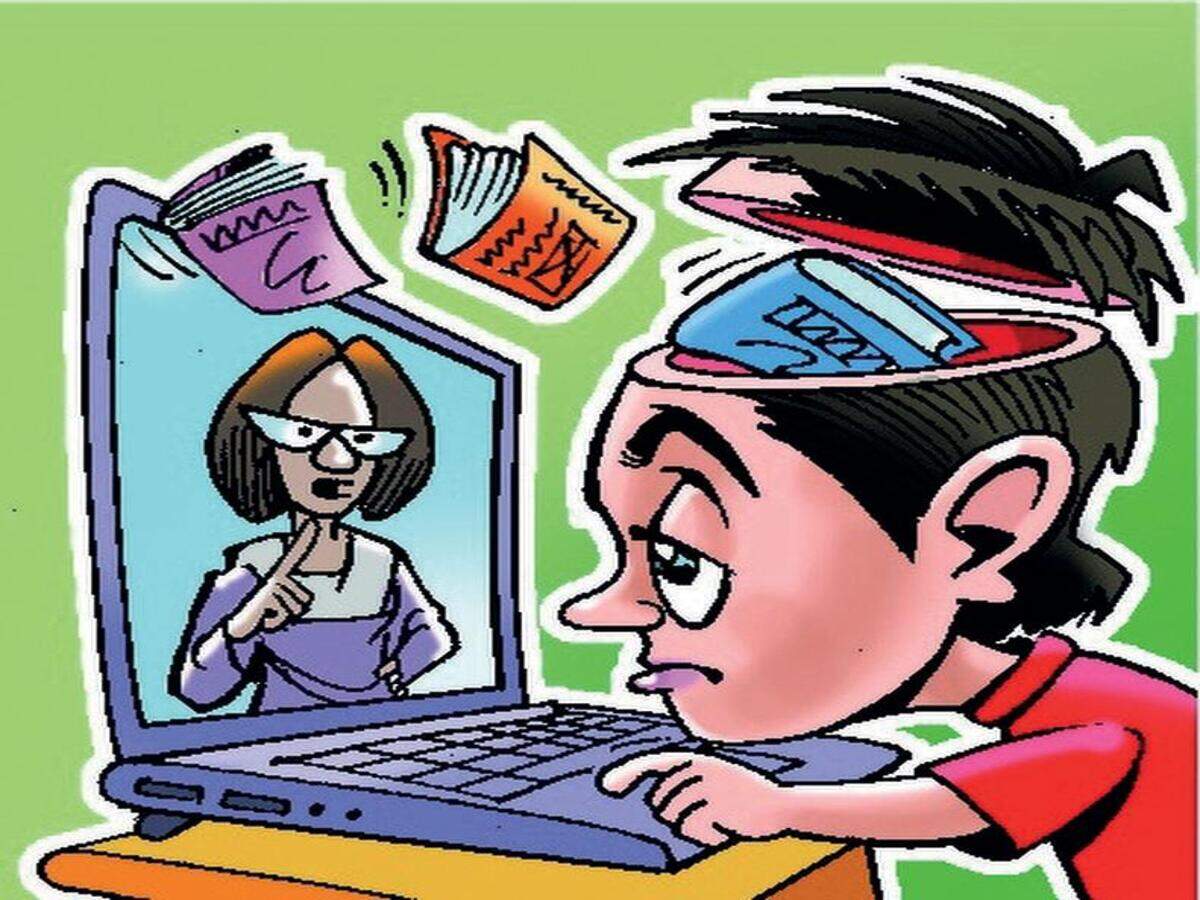
Everything has a positive and negative side. Similarly, online classes has both positive and negative sides. On one hand, the e-education and online classes have emerged as a solution for the educational crisis in current pandemic and thanks to these technological advancements which helped the students to continue their education. But on the other hand, online learning has numerous negative consequences also. In this article. we will try to identify and understand some these negative consequences and effects of online learning.

Due to pandemic, everybody lost many things, everyone’s life and lifestyle have changed and society has been altered but the there’s a huge impact of this pandemic is on the children’s of age group 4 to 9. These children’s should be learning new thing now, exploring and playing and making friends but all these things are nearly impossible for them in current situation. The pandemic forced the kids to moveout from the learning zone with which they were acquainted, like a classroom and are setup in the completely opposite scenario, where the students have missed many essential part of their education. The sudden transition of education from classroom studies to online learning will also have a huge impact on them. However, the new generation is very internet savvy but the e learning has certain limitations. Online learning comes with many challenges that has many impact on the students.

The main issue here is the lack of consistency… Children are more attentive and curious to learn things when they were in class but in this online learning scenario, the consistency of these children to be focused on studies and concentrated decreases. A students interest to answer the questions and clear doubts is more in classes but this is reduced in online learning. The willingness of a student to get his or her doubts cleared and participate in the class decreases due to the lack of one to one reaction with the teachers.

Reduced Concentration and Self Discipline… The major limitations that the students are currently facing in the online learning is reduced concentration in the class and self discipline. A school classroom provides the complete atmosphere which boosts the interest and concentration of students to learn. And such environment and structure which is effective for learning is not present at home. This classroom atmosphere give the best environment to student where they can learn, complete their assignment. Homes lack such things and as a result of which students struggle to finish their homework’s and assignments, lack of motivation and lower goals for themselves. This also discourages the students to do better in academics and explore new things.

Reduced Interaction with Peers… In addition to lack of motivation to study, the very important part of a child’s school life is also missed. This is their interaction with friends. Schools provide a neutral environment for students where they can study as well as enjoy. There is scope of social interactions which aids in developing many new skills such as understanding people of different personalities, setting boundaries, learning cooperation and empathy etc. These skills are very important for the students as it helps them in socializing with others. But such facilities cannot be provided in the homes due to the current pandemics. Because of this the students get isolated and a sense of isolation can emerge in them.

Health Hazards of Online Teaching… Online learning required continuous focus of screens which has many physical health and mental health hazards. The increase in screen time is one the major concerns and disadvantages of online learning. Some students may also develop bad posture and physicals problems. It has serious impacts on the eye sight of the students also.

How Indian Education System is getting infected due to Appraisal of Online Classes

Photo by Julia M Cameron on Pexels.com

All our lives have been paused and shattered due to the arrival of the Covid 19 Virus which has devasted humans Globally and created tough times for every Human being who is striving to survive from this fatal disease.

It is no surprise how this deadly virus has become horrible nightwear for everyone and it provided a gift of Loss in every section of society. Globally it had provided huge losses in all types of professional fields. In these challenging times, one of the major sectors had been at a sea since a massive breakdown in the education sector due to the online classes and pandemic life.

Indian Students and unfavorable effects of Covid 19 on Education System :

 It is majorly remarked that 1.2 billion children in 186 countries have been affected by school closures due to the epidemic of the Covid Virus. There is no doubt that E-Learning platforms have gained wide recognition in such time and the importance of technology in the world of humans has portrayed that human needs Technology to survive in such tough times.

As per in the field of Education sector it is noticed that India has around 320 Million learners who had shifted to E-Learning since the nation closure. Living in the era where E-Learning has become a prominent part of every student’s life, has also shown how difficult it has become for both students and teachers in India.

Since India is still a developing country, there are several drawbacks that Indians are facing in this Contemporary Epidemic. The situation of the education system is worse than the deadly disease which is slaughtering human communities.

India being the world’s 2nd largest school system, after China, has certain factors which are weakening the academic life of students, among these factors, there are several factors:  

  1. Lack of  Sufficient Network Ability: As looking into the current situation, Internet consumption has been a major necessary element in a pandemic life. Everyone coming from all sorts of backgrounds and fields needs network connectivity for their respective purpose to fulfil.

The youngsters significantly need network broadband for their daily online classes and as a student network has become a mandatory part to get educated in the present condition. But sadly the scenario of Rural Indian households is much worsening as we get to observe that fewer than 15%, have Internet access ( as opposed to 42% of Urban Indian households).

  • Gender Barrier is still a Hindrance: This might be an unreal fact to process for many people, but rural Indian household is still not developed in gender equality and educating there children especially when it comes to the girl child. 8.5% of Females use the Internet in Rural India and suffer from the obstacle of getting education because either due to unavailability of network or due to prioritizing male child teachings. Hence, there has been more number of dropouts of children from the online education system.
  • Online System – A major obstacle for the older generations :

In our education system, not only students are suffering from the inconvenience set by the online classes, but it is also the teacher community that is in a state of perplexing when it comes to the usage of technology.

There are times when technology made our elder generations uncomfortable because it is something new for them to learn. In this instance, many teachers leave their jobs due to the uncomfortable environment set by the online classes.

So we can say that online classes are somewhere a curse for everyone in the education system.

Future Generation striving with the adversity:   

Though the times are tough for everyone, as a human we should have the enduring capacity to work on our weakness.

Prominently, the youngsters, who would be the future minds must keep this as a note that, as millennial generations, we have many opportunities to turn the curse into a blessing and provide inspiration for many people globally.

As students, we can create an environment a comfortable zone for the teachers and our elders by making them aware of technology, and that we will be some minute steps which can make our country a developed country and not developing.