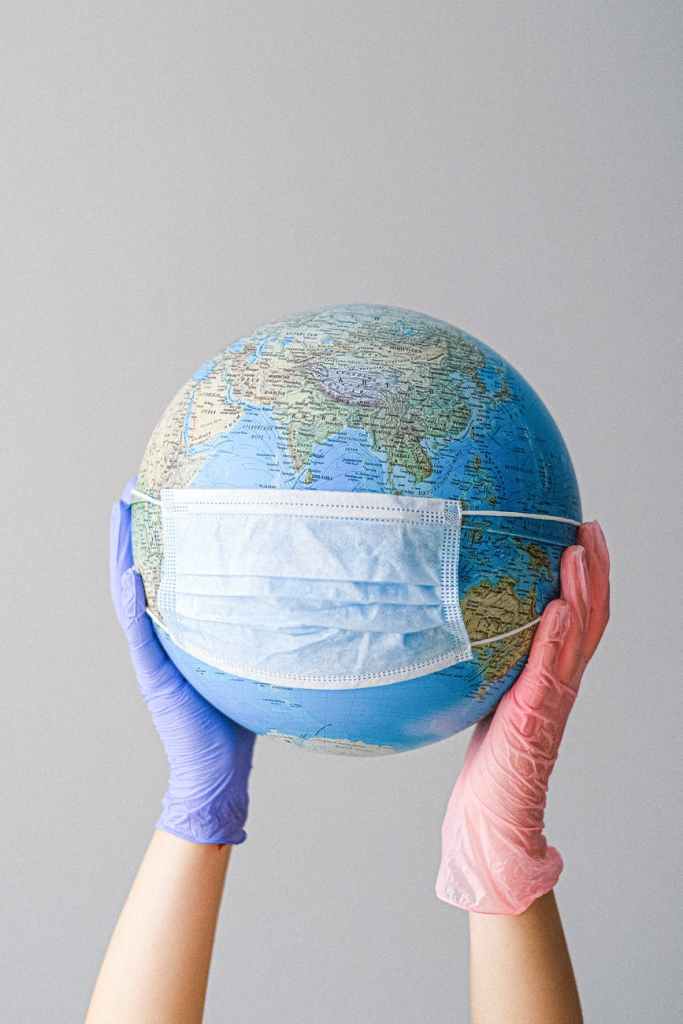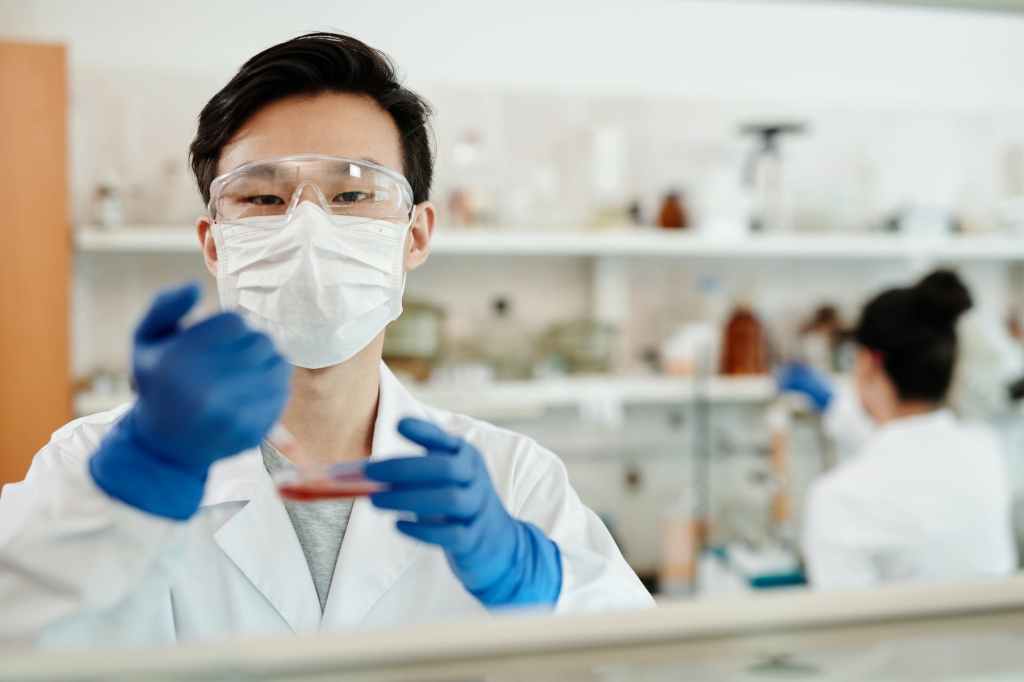
Creating a Pandemic-proof Infrastructure

During the last few years, the world saw a crisis that shook every aspect of human life. A crisis that comes once in many decades. Almost every country experienced a complete lockdown at some point in time. Many countries with previously thought-to-be world-class health-care systems have also been tried, pushed to the limit, and in some respects found wanting. The pandemic took all countries by surprise and the discussion on appropriate national and global strategies is very diverse. The COVID-19 epidemic has demonstrated what is at risk, upending the lives of families worldwide. Millions of people have died, and a generation of kids has experienced a learning catastrophe.

The two years of the pandemic highlighted the current inadequacies of our healthcare delivery system and the need for urgent improvisation. The two years have seen us go through harrowing times—patients died for want of hospital beds and oxygen; the ventilator supply ran dry; high infections led to a severe manpower crunch at hospitals; there were not enough vaccines available then. Our healthcare system had crumbled under pressure, and our frontline workers, both in public and private hospitals, had burned themselves out. And now with cases rising, there is fear of a return to the past among healthcare workers.

Although the pandemic has eased, the virus is still alive and mutating and more pandemics are expected to follow. In the wake of this scenario, it is important for the world community to better equip ourselves to tackle such situations in the future. It is the moment that we realise the importance and need to strengthen healthcare infrastructure globally. It is time to work on making a pandemic-proof healthcare system for the future. Below are the areas that need to be focused on:

  • ·         Curative services – there is a need for the expansion of telemedicine from triage, diagnosis, and follow-up services covering all conditions (acute to chronic). Making institutions adapt and become centres of knowledge dissemination- telemedicine and all possibilities of e- and m-health and provide knowledge to people at home, on what symptoms to look out for, where to test, how to self-care, etc for not only Covid-19 but for other conditions too.
  • ·         Improve primary health care – Better primary health care will help us protect against future pandemics. Improving primary health care includes recruiting, training, and prioritising healthcare workers, and establishing effective surveillance and response systems, building confidence in health services through community outreach.
  • ·         Improve logistics and supply – There are a lot of logistics that are needed in a healthcare system. Some examples include masks, gloves, PPEs, disinfectants, etc. Apart from there’s also the supply of syringes and the cold chain storage that’s been necessary to make sure that the vaccines are stored at the proper temperature and don’t go to waste.  Increased investments in this type of infrastructure will assist to guarantee that communities obtain the immunizations they require while also protecting them from future outbreaks.
  • ·         Promotive and preventive healthcare services – The pandemic has demonstrated that having an underlying condition like diabetes, hypertension or obesity predisposes one to complications, long hospital stays, and mortality. Because of all these reasons, COVID-19 has been categorised as a syndemic rather than a pandemic. It is necessary to provide preventive and promotive health services like boosting one’s immune system through diet, exercise, and supplements, in different formats, online, face-to-face, or through home visits.
  • ·         Mental health services – Mental health issues during the pandemic are threatening to become the next pandemic. Stress and mental health issues related to lockdowns affect everyone but tend to affect the weaker segments of society more severely. It is necessary to create awareness about mental health and make mental health services available, accessible, and affordable to all.

It is true that we need to build pandemic-proof health infrastructure. But does Covid-19 expose our health sector only or show us the reality of other aspects also? Working only on health will not be sufficient. We also need to improve our social, educational and political infrastructure. The world saw a huge dropout of students because of online classes during pandemic. Some of the major reasons given for dropping are fairly obvious: technology problems, lack of support, poorly designed courses, and technologically inexperienced educators. This demands due consideration and commitment. The epidemic has impacted numerous nations’ governmental and political systems, resulting in declarations of emergency, suspensions of legislative activity, isolation or death of multiple lawmakers, and postponing of elections owing to worries of viral transmission.Furthermore, in certain areas, the epidemic has posed various problems to democracy, causing it to be weakened and harmed. Hence, building a pandemic-proof political infrastructure will not only ensure an efficient response to tackle the crisis but also provide basic institutional support to the nation and to the world as a whole.

This is a unique moment where we have an opportunity to learn from this pandemic and prevent others in the future. The legacy of COVID-19 mustn’t be one of disruption and disparity, but instead a moment of monumental change.

Creating a Pandemic-proof Infrastructure

During the last few years, the world saw a crisis that shook every aspect of human life. A crisis that comes once in many decades. Almost every country experienced a complete lockdown at some point in time. Many countries with previously thought-to-be world-class health-care systems have also been tried, pushed to the limit, and in some respects found wanting. The pandemic took all countries by surprise and the discussion on appropriate national and global strategies is very diverse. The COVID-19 epidemic has demonstrated what is at risk, upending the lives of families worldwide. Millions of people have died, and a generation of kids has experienced a learning catastrophe.

The two years of the pandemic highlighted the current inadequacies of our healthcare delivery system and the need for urgent improvisation. The two years have seen us go through harrowing times—patients died for want of hospital beds and oxygen; the ventilator supply ran dry; high infections led to a severe manpower crunch at hospitals; there were not enough vaccines available then. Our healthcare system had crumbled under pressure, and our frontline workers, both in public and private hospitals, had burned themselves out. And now with cases rising, there is fear of a return to the past among healthcare workers.

Although the pandemic has eased, the virus is still alive and mutating and more pandemics are expected to follow. In the wake of this scenario, it is important for the world community to better equip ourselves to tackle such situations in the future. It is the moment that we realise the importance and need to strengthen healthcare infrastructure globally. It is time to work on making a pandemic-proof healthcare system for the future. Below are the areas that need to be focused on:

  • ·         Curative services – there is a need for the expansion of telemedicine from triage, diagnosis, and follow-up services covering all conditions (acute to chronic). Making institutions adapt and become centres of knowledge dissemination- telemedicine and all possibilities of e- and m-health and provide knowledge to people at home, on what symptoms to look out for, where to test, how to self-care, etc for not only Covid-19 but for other conditions too.
  • ·         Improve primary health care – Better primary health care will help us protect against future pandemics. Improving primary health care includes recruiting, training, and prioritising healthcare workers, and establishing effective surveillance and response systems, building confidence in health services through community outreach.
  • ·         Improve logistics and supply – There are a lot of logistics that are needed in a healthcare system. Some examples include masks, gloves, PPEs, disinfectants, etc. Apart from there’s also the supply of syringes and the cold chain storage that’s been necessary to make sure that the vaccines are stored at the proper temperature and don’t go to waste.  Increased investments in this type of infrastructure will assist to guarantee that communities obtain the immunizations they require while also protecting them from future outbreaks.
  • ·         Promotive and preventive healthcare services – The pandemic has demonstrated that having an underlying condition like diabetes, hypertension or obesity predisposes one to complications, long hospital stays, and mortality. Because of all these reasons, COVID-19 has been categorised as a syndemic rather than a pandemic. It is necessary to provide preventive and promotive health services like boosting one’s immune system through diet, exercise, and supplements, in different formats, online, face-to-face, or through home visits.
  • ·         Mental health services – Mental health issues during the pandemic are threatening to become the next pandemic. Stress and mental health issues related to lockdowns affect everyone but tend to affect the weaker segments of society more severely. It is necessary to create awareness about mental health and make mental health services available, accessible, and affordable to all.

It is true that we need to build pandemic-proof health infrastructure. But does Covid-19 expose our health sector only or show us the reality of other aspects also? Working only on health will not be sufficient. We also need to improve our social, educational and political infrastructure. The world saw a huge dropout of students because of online classes during pandemic. Some of the major reasons given for dropping are fairly obvious: technology problems, lack of support, poorly designed courses, and technologically inexperienced educators. This demands due consideration and commitment. The epidemic has impacted numerous nations’ governmental and political systems, resulting in declarations of emergency, suspensions of legislative activity, isolation or death of multiple lawmakers, and postponing of elections owing to worries of viral transmission.Furthermore, in certain areas, the epidemic has posed various problems to democracy, causing it to be weakened and harmed. Hence, building a pandemic-proof political infrastructure will not only ensure an efficient response to tackle the crisis but also provide basic institutional support to the nation and to the world as a whole.

This is a unique moment where we have an opportunity to learn from this pandemic and prevent others in the future. The legacy of COVID-19 mustn’t be one of disruption and disparity, but instead a moment of monumental change.
Covid – 19 Pandemic

Covid – 19

Covid – 19 or coronavirus is a disease which is spread through the air when we talk or sneeze. The first coronavirus case have been identified in Wuhan, China in December 2019. After that, it spread all over China and after that, it spread all over the world. It has been declared a pandemic. From March 2020. The lockdown has been imposed by the government in India and many countries in the world. All the schools, colleges, offices, markets, shopping malls and everything has closed except hospitals. Millions of people have died from this disease and many of them lost their jobs which led to unemployment again. Many small children have lost their parents and family and many problems have bee arrived at that time because no one can help each other at that time. Teenagers and youngsters were in depression due to their loss of studies, some have lost their and many more.

The main symptoms of covid – 19 are –

1. Cough
2. Fever
3. Loss of smell and taste
4. Headache
5. Body pain
Whenever someone has tested positive for covid-19 they suffer a lot because they can’t eat properly due to loss of smell and taste. Their body and fever are high. They have to regular medicines and should check their oxygen level in an oximeter. Those who have suffered from covid – 19 they can feel what happen to their body at that particular time.

Precaution for covid -19 

1. We should regularly wash our hands before eating or giving something to others.
2. We should use sanitiser
3. Wearing a mask when you go out
4. Maintain proper hygiene
5. Clean our house and surroundings
6. Avoid going out unnecessarily
Vaccines have been invented and arrived in the whole world and 99% of people have taken their vaccination but taking vaccines is not the solution to get away from that disease. Now also we have to take precautions for covid – 19 then only we can stay safe. 
This pandemic has changed a lot in everyone’s life. We can thank God for helping out and we can pray to God that never such a pandemic comes into our life.

The evolution in the Life Insurance industry post pandemic.

Photo by Kindel Media on Pexels.com

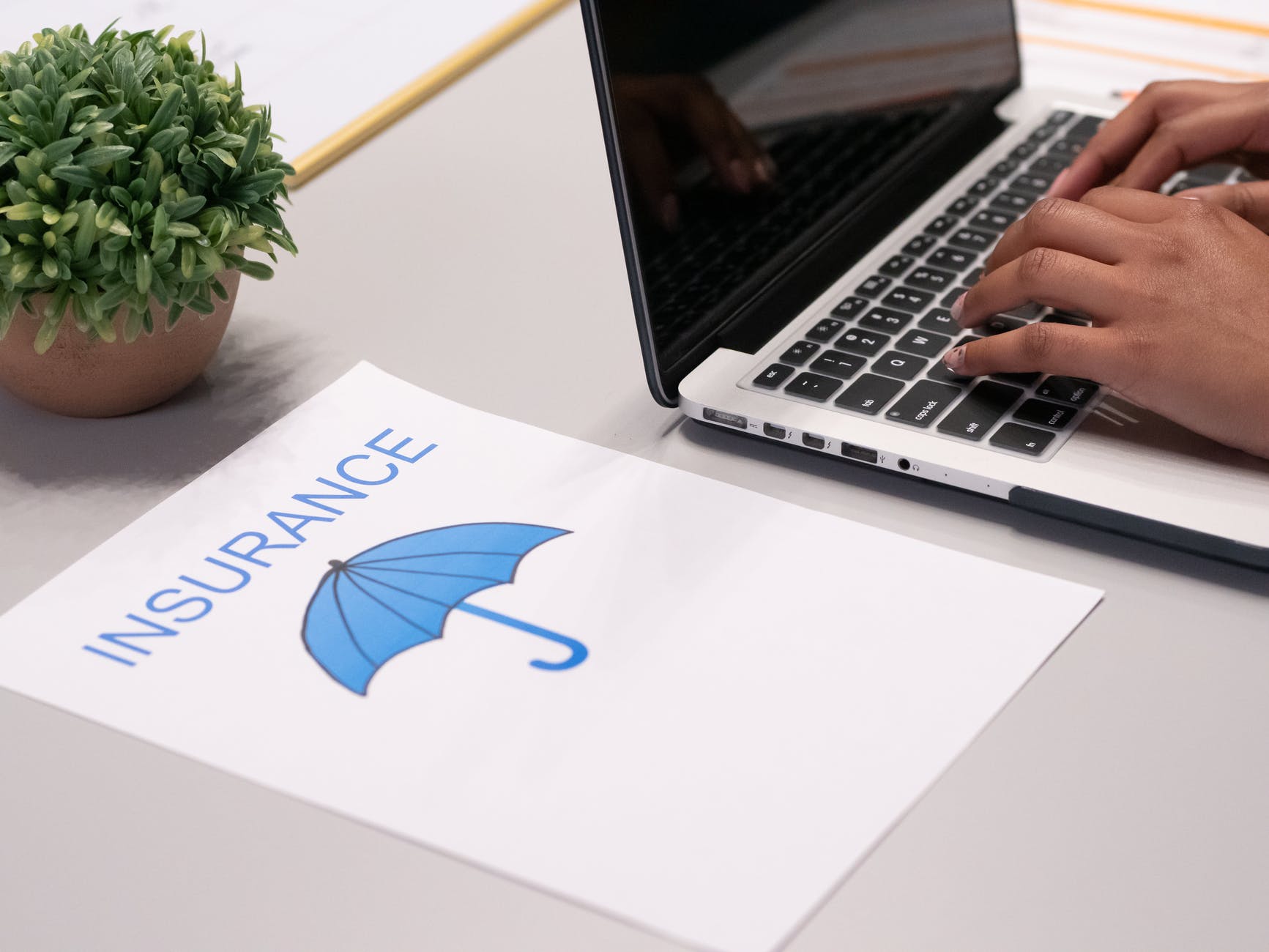
The global pandemic of covid-19 has created a atmosphere that have made humans realize the value of one’s life. Pandemic has made potential risks to human life and business starkly visible, forcing the entire civilization and economies to reorient their way of living. The life insurance sector has also seen this impact, the industry settled more claims in the year 2021 than in 2020 due to this global event. A sudden demand for life insurance policies and increased claims induced operational changes for the insurance industry.

The recent trend in the life insurance sector can been seen in below mentioned five points.

  • Increase in the policy holders.

There has been a noticeable shift in who and how life insurance solutions are being consumed. A particular increase was witness among the young insurer those in the age group of 20-30 years have become more conscious about life insurance.

  • Implementation of technology in operation.

Insurance advisors earlier engaged potential customers in face-to-face conversations due to the challenges posed due to social distancing. They had to change to online meetings quickly. The advantage of online video conversations is that they can be done at any convenient time or even on-the-go.

  • Offering of wider range of policies by insurance companies.

With the increase in the demand, it has made mandate for the insurance companies to offer a wide range of policies that can cater to the need of the groups of people. Introduction of specific policy for health care workers, for younger generations, for the one who have been got in the disease of covid are some of the different segment that have got been introduced amid pandemic.

  • Sustainability and Environment, Social and Governance.

Among financial services companies, life insurers are better positioned to invest based on Environment, Social and Governance (ESG) principles under the broader theme of sustainability. The long-term capital that they hold is an enabler. They can invest in businesses that commit to environmental goals, sustainability, and better governance.

  • Restoring customers faith by Insurers.

In 2022, insurers will have to make efforts to restore customers’ faith in the industry, as well as minimizing customer losses in the wake of premium rises. Insurers will no doubt focus on improving the customer experience by increasing transparency and simplifying the claims process in order to boost retention rates and strengthen consumer brand loyalty.

This year also like the preceding one will be a difficult year for many insurers, with some industries still predicting losses a year ahead. Hopefully, many of the changes insurers can make to automate and streamline their workflows in the coming years can mitigate these losses in the wake of the pandemic.

Women Entrepreneurship in India

Confucius once said ‘Choose a job you like , and you will never have to work a single day in your life’, and this stands true for all the entrepreneurs out there, who are following their passion, and dedicating their time, sweat and blood for the creation of their product or service. Entrepreneurship is a field which requires the individual to accept ambiguity and challenge despite being exposed to uncertainties and criticisms.

We all have heard and know of male entrepreneurs who envision their dreams into reality. However, this is not the case for the female counterpart. Female entrepreneurs have to break through centuries old conventions and take a stand for themselves to venture into the business world.

According to Forbes India, Women make up to 13.76 percent of entrepreneurs in India, this is fairly less than its male counterpart. However, it can be seen that the numbers are accelerating at an impressive rate.

Need of the Hour

According to an article by Times of India, Women owned business in India are likely to rise 90 percent in the next five years, as compared to the US (50%) and UK (24%). Such statistics are clearly impressive as it not only established the potential Indian women entrepreneur possess, but also encourages the younger generation to propagate venture on their own and not just depend on employers.  

The urge to have women entrepreneurs onboard will not only benefit to boast the economy of the country but also help to manifest the socio-political and economic development of women.

Government schemes for women entrepreneurs

The Government of India has launched substantial number of programs and schemes, that would benefit women entrepreneurs in India. According to an article by Indifi, GOI launches 9 such schemes that empowers women entrepreneurs. Few of the schemes are:

  1. Annapurna Scheme- this scheme provides loans to women in food catering industries who are still establishing their small scale business.  
  2. Dena Sakti Scheme- this scheme is for women entrepreneurs in the field of agriculture, retail, manufacturing or micro-credit business.
  3. Mudra Yojana Scheme- this scheme tries to improve the status of women by providing them loans to make them self-reliant and financially independent.

There are more such schemes that are especially catered to help empower women entrepreneurs coming from all walk of lives.

Pandemic and women entrepreneurs

The pandemic has affected employment all over the world, and women employees are no exception to it. With the on-going lockdowns many lot their jobs, and thus in order to make their living we could see a number of small women entrepreneurs trying to make their living by selling handmade masks, jewellery, embroidery, selling home cooked food on the streets and much more. This provided them the opportunity to be financially independent and make a living for themselves in their own terms. Although the sales and profit are not guaranteed, it at least helps them feed themselves, which is a better alternative to unemployment.

The pandemic also saw the rise of small urban-women owned businesses such as selling handmade crochets, macramé, resin products and much more, whose primary medium of marketing are through social networking sites. These are mainly owned by the young women who are treating it as a side hustle, along with focusing on their respective careers and educations. Thus, being self-reliant along with having a career alternative.

                   Being an entrepreneur requires a vision and dedication to achieve this goal. Falguni Nayyar started her entrepreneurship journey with Nykaa at the age of 50 and now she is one of the first two women self-made billionaires in India. Its never too late to start a venture of your own.

Online Education and Work from home: Have we arrived in virtual world?

In the recent years, the life of human beings have been greatly stirred by the Covid-19 pandemic and still continues to do so, no area is left unaffected. As the disease spreads from contact between individuals, it is essential to maintain distance and thus the people are compelled to be confined inside their homes. The students and the working class have seemingly been afflicted more. The modern era is changing fast with times. Today is the digitalization age, where everything is computerized and programmed. The education sector is also at par with the digitalization. Throughout the world, online learning is of great significance today. It has become convenient for the students to attend classes from the comfort of their houses. The working class is also relieved from travelling everyday to the place of their work. Due to the pandemic, the state of being alone and separate is being experienced by the population worldwide. In order to eliminate this loneliness, it somewhat becomes necessary to interact with the surrounding. Technology has played a vital role in it by creating an environment of interaction and relationship via online mode of learning and building healthy relationship at work by the initiative of work from home. ” Man is a social being”, rightly said by a well known philosopher Aristotle.

This pandemic has led to closure of schools, colleges and various educational institutions for about more than an year now. Around 1.2 billion children are barred from classrooms today. Consequently, a new era of e-learning has come into existence imparting knowledge at various cyber platforms. ‘Bharat Padhe Online Campaign’ was launched by the Indian government to lessen the educational loss due to the pandemic crises. There is great demand of education in online mode and subsequently cost free learning services are being provided by a number of digital learning platforms such as Unacademy, GradeUp, BYJU’S etc. Online education has proved to be time saving and a better mechanism for imparting knowledge at large scale. Quality education is easily available to all. The online dependence has also reduced the necessity of copies and books ,thus being beneficial to the environment. Taking into account the current situation of the world, the online education has proved to be a boon. The road ahead is seemingly bright and many more revolutions are believed to come in the sector of education but it is required to be adopted with care.

In order to make one’s life easier, various innovations and services came into existence. The most adaptive initiative that came into being is work from home, allowing the employees to work to operate online at the ease of their homes. Working in a household environment provides much more flexibility and satisfaction in work. It has also helped to create a better balance between work and life, by encouraging oneself to plan not only a suitable work schedule but also a schedule for spare time as well as a holiday.

“If working remotely is such a great idea, why isn’t everyone doing it? I think it’s because we’ve been bred on the idea that work happens from 9 to 5, in offices and cubicles. It’s no wonder that most who are employed inside that model haven’t considered other options or resist the idea that it could be any different. But it can.”

– Jason Fried

One can organize the task along with the time, taking into account their requirements and wishes personally. Subsequently, no resources are required in addition to form a place for work. Work from home is proved to be cost-effective for both the employees as well as the company, there is no need for any individual to travel from one place to another. Thus, it saves both time and money. However, it solely depends on the individual to carry out their task the way they want, making the work more productive.

In this contemporary age, technology has spread its wings far wide. The online mode of office work and education was only functioning during the pandemic period when all the educational institutions and offices were closed. By the advancing of digital era, the employees were allowed to work virtually from home and maintain their routine of work without going to their workplace. A sight of the working of the virtual world is seen in this pandemic. Such virtualization has greatly helped us to operate from the comforts of our homes and also helped in saving time and money. Online education is in great demand and trend today and in near future it would replace the traditional classroom teaching mechanism. The virtual world came into light a long time back but today its existence is widely recognized all over the world.

Thus, these are clear indications that post-pandemic revolutionary changes would be observed in the sector of education and working class and in the future ahead remote learning would be irresistible and more virtualization would perceive.

Time Heals Everything

Past two years have all been about deaths and losing our loved ones. It is nobody’s fault yet everybody had to pay. We might have been able to get the statics about the number of people who left us forever but there can never be the data regarding the emotions that accompanied those deaths. Some lost their parents, some their children, some their grandparents, some their brothers and sisters and others their friends and some their life partners. But one thing that is common among them is the vacuum they all feel in their lives and hearts with the loss of their loved ones. It is said that time heals everything, that people move on as time passes but can we really say that these people who lost their loved ones? One moment they were there smiling and the next moment they were in the hospital begging for oxygen, waiting for their turns on their death beds. Can we say them to be okay?

The fact that death is inevitable and the only truth of the life is all accepted but the suddenness with which individuals lost their family can never make them accept the truth of the life. They all had it in one moment and the next second they lost it altogether forever. They are left with a hole in their hearts, cried their eyes out, breath their lungs out for the people they lost to the havoc of the pandemic and with what fault? That they were not able to arrange oxygen for them in time or that they were poor to even afford an ambulance or that they just decided to wait long enough? No. Their mistake was to believe that the pandemic a conspiracy by some nation against them, their mistake was to accept the fact that covid is dangerous, their mistake was socializing when government even rolled out advisory, their mistake was that they left their home and their mistake was that they were naive enough to commit these stupid mistakes.

Now, as the world is getting towards normalcy, as the citizens are getting back at their lives as did before the pandemic hit the world, they want to believe that everything will be all fine, they want to have faith and hope in their lives ahead. Though it is difficult to even think of lives without our loved ones in it, it is far more difficult to even live the pain, but they will have to. Life has always been beautiful for one or the other reason, they had always been able to cope in one way or the other but this time it might be different but they have to for this is the right thing. They have to live on, for themselves, for their loved ones, for they live within them and live through them. They are allowed to miss them for they love them, but aren’t allowed to step back, to become fragile and lose what they are left with. They need to hang in there for it is the right thing to do, for no matter how hard one is affected, time indeed heals everything.

Impact of Pandemic on School’s Education of Girls.

Given that the patriarchy in vivid as well as in subtle way has been ingrained in the functioning of society since time immemorial – women have to struggle harder for anything and everything. Every gender has their own share of struggle to keep trudging forward, however, given the limited scope of time and resources, the article attempts to understand the impact of pandemic on school’s education on girls, precisely adolescent girls.

The Pandemic has not only ruined the very fabric of health but also has ravaged every sector and sections of society. One of the most impacted sectors of importance is the Education sector. According to the United Nation’s report, about 24 million children are at risk of not returning to school. Further, more than 1.6 billion learners across the world have been affected and the condition is worse in low-income countries. For instance, as reported by The Hindu (2020), ‘during the second quarter of 2020, 86% of children at the primary level have been effectively out of school in poor countries, compared to 20% in highly developed countries.’ Moreover, UNESCO has estimated that about 23.8 million children and youth might have to drop out of the school next year because of the pandemic. Out of these, 5.95 million are from South and West Asia as compared to the other regions. The pandemic has also increased the disparities in the imparting of education across the world. The low and middle-income countries have resorted to cut in funding to deal with the crisis.

In India, the pre-pandemic statistics weren’t already promising – as per NSS 75th Round Household Survey 2017-18, around 3.22 crore children in the age group of 6-17 years were out of school and about 31 percent never attended one (Sonawane, 2020). The pandemic has only worsened it. UNESCO reports that the school closures have affected about 30 million students in India. However, only 37.6 million children across 16 states are continuing education through various online sources, UNICEF states. This school closure has not affected every section with the same intensity. The worst bearer again here are the girls especially those of poor households and so-called lower castes. In India, various social processes and factors already deter girls from completing their education successfully – for instance, as per the NSS, 30.2 percent girls reported that they discontinued education due to their engagement in domestic activities. The number is higher in rural areas (31.9%) than in the urban areas (26.7%). Moreover, U-DISE Flash Statistics for 2016-17 estimate that adolescent girls are more likely to dropout from secondary education (19.8%) than primary education (6.3%) and this figure is higher for government schools (26.8%). Given such dire situation already, the Malala Fund estimates that 10 million more secondary school age girls could be out of school after the COVID-19 crisis has passed especially from developing countries like India (Sonawane, 2020).

These numbers do not show the entire picture, if we would delve a bit deeper, it will be noticed that the disparities are only growing wider. However, given the limits, this section of article focuses on the reasons behind the estimation of school dropout by the girls. One of the most common reason cited is the increasing involvement of the girls in domestic work. During lockdown, the time spent doing the household-chorus has increased leading to ultimate tiredness and missing out on classes. The foremost decision of a family to fight increasing financial instability is to cut off the funds invested on the education of the girl child – prioritizing the education of the male child, as per the gender norms.

The switch to online classes has only brought out the ‘gender digital divide’, which has become another hurdle in female education. Though the gap is narrowing, the gender gap in mobile internet use in low-and middle-income countries remains substantial, with over 300 million fewer women than men accessing the internet on a mobile. This gender gap is still the widest in the South Asia (51%). Study has revealed that in India, in 2020, 79% of the males were mobile owners as compared to 63% of female mobile owners. Furthermore, with respect to mobile internet users, 42% of males had access to internet on mobile while just 21% of women had access to internet on mobile (GSMA, 2020). Such disparities are sharper in poor households, wherein girls always have to give up their education and during this pandemic, when everything has turned online – girls are ultimately bound to struggle. The statistics have brought into light that most dropout are expected to be from government schools – this only shows that poverty and financial instability are one of the main causes of dropouts.

Another important factor in play is the consideration of girl as the ‘burden’ on the family and this thinking is still prevalent – one of the consequences of which is the Child Marriage. Though, the practice has been lawfully banned, it has not vanished entirely. During and after lockdown, a surge in child marriage cases have been reported. Childline in India claims to have compiled reports of 5214 child marriages reported between March to June (National Herald, 2020). These are the just the reported cases, it is likely that there must be a number of such cases which are going unreported. Such prevalent practices pose another major hurdle in the completion of education of the girl child.

The Pandemic has hit the jobs of many but it has been widely reported that the women has been worse hit. The situation of women in the labor market is already dire – there is huge disparity in terms of opportunity of work, wages etc., and pandemic has only added to their woes. Given the drop in source of income, mothers too find themselves incapable of standing or supporting their girl child, in most cases.

Thus, it is necessary that NGOs should involve into different such issues at the very grassroot level – channeling the help to lower level. The involvement of community to spread the reach and help can be quite impactful. The co-operation between local government, local community and the NGOs can be a powerful force against the odds we are in.

Image Credit: Pinterest

दुनिया के चाहने पर खत्म होगी महामारी: WHO


विश्व स्वास्थ्य संगठन के प्रमुख ट्रेडोस ऐडनोम घेबरियस ने बर्लिन में आयोजित अपने एक वर्ल्डहेल्थ समिट को संबोधित करते हुए कहा कि जब सभी देश उपलब्ध स्वास्थ्य उपकरणों का प्रभावी ढंग से उपयोग करना शुरू कर देंगे,तब जाकर कोरोना महामारी खत्म हो जाएगी। उन्होंने कहा कि जब दुनिया इसे खत्म करना चाहेगी, तब यह समाप्त होगा। यह हमारे हाथों में है। वह सभी उपकरण हमारे पास मौजूद है,चाहे प्रभावी सार्वजनिक स्वास्थ्य उपकरण हो या प्रभावी चिकित्सा उपकरण,जिनकी हमे अवश्यकता है। परंतु दुनिया ने इसका अच्छी तरीके से उपयोग नहीं किया।एक सप्ताह में करीब 50 हज़ार मौतें हुईं हैं तो अभी महामारी खत्म नहीं हुई।


उन्होंने सम्मेलन में बोलते हुए कहा कि वह को भी ने टीकाकरण के लिए एक वैश्विक रणनीति शुरू करने के लिए WHO प्रमुख में शामिल हुए,जो सभी देशों में लोगों को टीके वितरित करने के लिए एक लागत और विश्वसनीय प्रभावी योजना का सुझाव देता है।

WHO प्रमुख ने जी 20 देशों का पहले से ही 40% अपनी आबादी को कोवैक्स तंत्र में सक्रिय रूप से संलग्न कर देने के लिए भी आव्हान किया। रविवार को संयुक्त राष्ट्र महासचिव एंटोनियो गुटेरेस ने जी-20 देशों से पूरी दुनिया में कोविड-19 के टीका का उचित वितरण सुनिश्चित करने के लिए 8 बिलियन अमेरिकी डॉलर इकट्ठा करने में मदद का एलान किया।

बता दें, WHO पहले से भी कोरोना को लेकर पूरी दुनिया को चेतावनी देता रहा है। एक बार फिर से भारत में कोरोना से मरने वालों की संख्या में इजाफा देखा गया है। पिछले 24 घंटों में 443 लोगों की मौतें हुई है। वहीं एक दिन में 14,306 कोरोना के नए मामले सामने आए हैं।

अनन्या कौशल द्वारा संपादित।

Are more women dying of Covid-19 in India?

New research by a group of scientists in India and US shows that although men make up the majority of infections, women face a higher risk of dying from the coronavirus than men.


The study, based on Covid-19 deaths in India until 20 May, shows early estimates that 3.3% of all women contracting the infection in India were dying compared to 2.9% of all men. (India had a caseload of more than 110,000 with 3,433 deaths and a fatality rate of 3.1% when the study was conducted.)In the 40-49 age group, 3.2% of the infected women have died, compared to 2.1% of men. Only females have died in the 5-19 age group.

Five key questions about India’s rising Covid-19 infections
I asked SV Subramanian, a professor of population health at Harvard University and one of the leader authors of the study, what this implied.


He told me that the narrative of calculating the Covid-19 fatality rate by groups has conflated two key metrics – mortality risk and mortality burden.

Mortality risk measures the probability of death in a specific group- in this case, total number of deaths of women divided by confirmed infections among women.

On the other hand, mortality burden gives you the number of deaths among women as a percentage share of the total deaths, both men and women.Prof Subramanian says for the large part, the statistics have looked at the latter – men having a greater share of total deaths (63% in India, hewing to international data) – but “inferred the former risk”.


“Our overall conclusion is that, when infected, women do not seem to have any specific survival advantage [in India],” says Prof Subramanian.

“How much of this can be attributable to biological factors and how much of this is associated with social factors is unclear. Gender can be a critical factor in Indian settings,” he says.

The ‘mystery’ of lndia’s low Covid-19 death rates
But the findings are certainly striking because they run counter to what has been observed elsewhere in the world.

For one, men are more likely to suffer from co-morbidities or underlying health conditions, like cardio-vascular disease and hypertension, says Kunihiro Matsushita, a professor of epidemiology at the Johns Hopkins Bloomberg School of Public Health.

Men also smoke more than women in many countries, and some studies have shown that men wash their hands less frequently than women.

Prof Matsushita says that studies he had participated in had shown that male patients have a higher risk of contracting severe Covid-19 infection.

Scientists also believe that women have a lower mortality risk because of sturdier immune defences. And have hormones like oestrogen which has “beneficial effects on upper and lower airways and is associated with stimulation of the immune response to upper airway infections”.

“In that regard, a higher case fatality rate in women than men in this report is certainly unique,” Prof Matsushita told me.

But he says the research data needs to be scrutinised in the context of how Covid-19 is diagnosed in India. “For example, is the opportunity to get a test same between men and women?” he wonders.There could be more to this puzzle than what meets the eye.

Women outlive men in India and there are more older women than men. Is this leading to more deaths among women, as elderly people are vulnerable to the infection?

Also, women in India are more likely to delay going to doctors, and often self-medicate at home. And a woman’s health is more likely to be ignored in a household. So are women arriving late for testing and treatment?

Homemaker caregivers are more prone to contracting the infection – during the 1918 Spanish flu more women in India – relatively undernourished, cooped up in unhygienic and ill-ventilated dwellings, and nursing the sick – died than men.


“We need to dissect the gender data to find out more about what’s going on,” says T Jacob John, a retired professor of virology at Christian Medical College, Vellore.

Researchers agree. “We will keep a close watch and keep updating the results,” Prof Subramanian says.

Written by: Ananya Kaushal

Impact of Covid-19 on the Corporate Sector in India


The impact of coronavirus pandemic on India has been largely disruptive in terms of economic activity as well as a loss of human lives. Almost all the sectors have been adversely affected as domestic demand and exports sharply plummeted with some notable exceptions where high growth was observed. An attempt is made to analyze the impact and possible solutions for some key sectors.


Food & Agriculture

Since agriculture is the backbone of the country and a part of the government announced essential category, the impact is likely to be low on both primary agricultural production and usage of agro-inputs. Several state governments have already allowed free movement of fruits, vegetables, milk etc. Online food grocery platforms are heavily impacted due to unclear restrictions on movements and stoppage of logistics vehicles. RBI and Finance Minister announced measures will help the industry and the employees in the short term. Insulating the rural food production areas in the coming weeks will hold a great answer to the macro impact of COVID-19 on Indian food sector as well as larger economy.


Aviation & Tourism

The contribution of the Aviation Sector and Tourism to our GDP stands at about 2.4% and 9.2% respectively. The Tourism sector served approximately 43 million people in FY 18-19. Aviation and Tourism were the first industries that were hit significantly by the pandemic. The common consensus seems to be that COVID will hit these industries harder than 9/11 and the Financial Crisis of 2008. These two industries have been dealing with severe cash flow issues since the start of the pandemic and are staring at a potential 38 million lay-offs, which translates to 70 per cent of the total workforce. The impact is going to fall on both, White and Blue collar jobs. According to IATO estimates, these industries may incur losses of about 85 billion Rupees due to travel restrictions. The Pandemic has also brought about a wave of innovation in the fields of contactless boarding and travel technologies.


Telecom

There has been a significant amount of changes in the telecom sector of India even before the Covid-19 due to brief price wars between the service providers. Most essential services and sectors have continued to run during the pandemic thanks to the implementation of the ‘work from home’ due to restrictions. With over 1 billion connections as of 2019, the telecom sector contributes about 6.5 per cent of GDP and employs almost 4 million people. Increased broadband usage had a direct impact and resulted in pressure on the network. Demand has been increased by about 10%. However, the Telco’s are bracing for a sharp drop in adding new subscribers. As a policy recommendation, the government can aid the sector by relaxing the regulatory compliances and provide moratorium for spectrum dues, which can be used for network expansions by the companies.


Pharmaceuticals

The pharmaceutical industry has been on the rise since the start of the Covid-19 pandemic, especially in India, the largest producer of generic drugs globally. With a market size of $55 billion during the beginning of 2020, it has been surging in India, exporting Hydroxychloroquine to the world, esp. to the US, UK, Canada, and the Middle-East.

There has been a recent rise in the prices of raw materials imported from China due to the pandemic. Generic drugs are the most impacted due to heavy reliance on imports, disrupted supply-chain, and labour unavailability in the industry, caused by social distancing. Simultaneously, the pharmaceutical industry is struggling because of the government-imposed bans on the export of critical drugs, equipment, and PPE kits to ensure sufficient quantities for the country. The increasing demand for these drugs, coupled with hindered accessibility is making things harder. Easing the financial stress on the pharmaceutical companies, tax-relaxations, and addressing the labour force shortage could be the differentiating factors in such a desperate time.


Oil and Gas

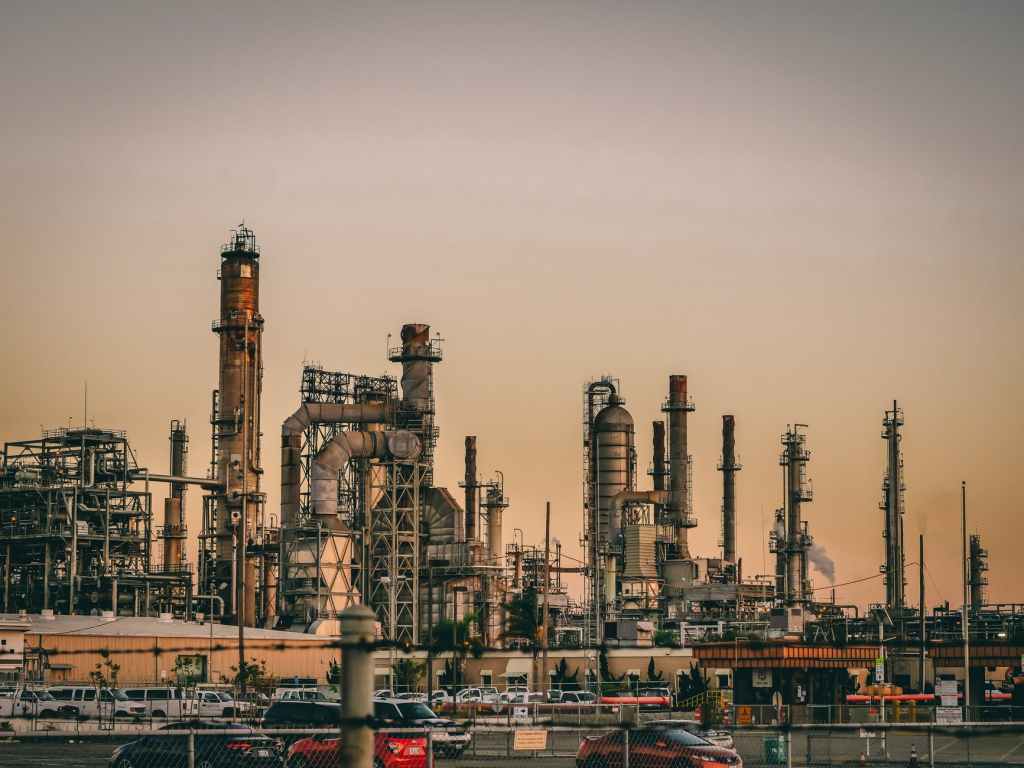
The Indian Oil & Gas industry is quite significant in the global context – it is the third-largest energy consumer only behind USA and Chine and contributes to 5.2% of the global oil demand. The complete lockdown across the country slowed down the demand of transport fuels (accounting for 2/3rd demand in oil & gas sector) as auto & industrial manufacturing declined and goods & passenger movement (both bulk & personal) fell. Though the crude prices dipped in this period, the government increased the excise and special excise duty to make up for the revenue loss, additionally, road cess was raised too. As a policy recommendation, the government may think of passing on the benefits of decreased crude prices to end consumers at retail outlets to stimulate demand.


Beyond Covid: The new normal

In view of the scale of disruption caused by the pandemic, it is evident that the current downturn is fundamentally different from recessions. The sudden shrinkage in demand & increased unemployment is going to alter the business landscape. Adopting new principles like ‘shift towards localization, cash conservation, supply chain resilience and innovation’ will help businesses in treading a new path in this uncertain environment.

Coronavirus (COVID-19), a virus that grew stealthily has become one of the deadliest viruses that are killing people worldwide. This virus took birth in Wuhan city of China and since then have traveled to more than 160 countries. The World Health Organization (WHO) has declared Coronavirus as a pandemic. It has become a mass scare and is leading to the deaths of thousands of people in numerous countries including China, Italy, Iran, Spain, the US, and many more. In India, this pandemic started on 30 January 2020 by affecting an individual who had a travel history from Wuhan, China.


The world economy is seeing its greatest fall ever. Coronavirus has largely impacted the growth of almost every country and is responsible for the slump in GDP worldwide. Like other countries, India is also impacted by this virus but not largely. Almost every industry sector has seen a fall in their sales and revenue. India’s GDP growth has fallen to 4.7% in the third quarter of 2020.


Inflation and Affected Industry:

China is one of the largest exporters of many raw materials to India. Shutting down of factories has damaged the supply chain resulting in a drastic surge in the prices of raw materials. Some of the other products that have seen a rise in their prices are gold, masks, sanitizers, smartphones, medicines, consumer durables, etc. The aviation sector and automobile companies are the hardest hit among the rest. With no airplane landings or take-offs globally and restricted travel has brought the aviation and travel industry to a halt.


Slump in Share market:
Share markets that include Sensex and Nifty are on nose dive since the occurrence of this pandemic (COVID-19). Sensex has declined close to 8000 points in a month. As of 12 March 2020, share market investors have lost approximately Rs. 33 lakh crore rupees in a month. This could be the beginning of a recession that the Indian market will never want to witness. Investors are advised to stay safe and invested in this virus-infected stock market. Few industries that can benefit from novel coronavirus during the time of the market crash are pharmaceuticals, healthcare, and Fast Moving Consumer Goods (FMCG).


Cash flow Issue:
Due to this outbreak, almost 80% of Indian companies have witnessed cash flow difficulty and over 50% of companies are facing operations issues. As per the Federation of Indian Chambers of Commerce and Industry (FICCI), 53% of companies are impacted by COVID-19. Slow economic activity is resulting in cash flow problems eventually impacting repayments, interest, taxes, etc.


Coronavirus (COVID-19), a virus that grew stealthily has become one of the deadliest viruses that are killing people worldwide. This virus took birth in Wuhan city of China and since then have traveled to more than 160 countries. The World Health Organization (WHO) has declared Coronavirus as a pandemic. It has become a mass scare and is leading to the deaths of thousands of people in numerous countries including China, Italy, Iran, Spain, the US, and many more. In India, this pandemic started on 30 January 2020 by affecting an individual who had a travel history from Wuhan, China.


The world economy is seeing its greatest fall ever. Coronavirus has largely impacted the growth of almost every country and is responsible for the slump in GDP worldwide. Like other countries, India is also impacted by this virus but not largely. Almost every industry sector has seen a fall in their sales and revenue. India’s GDP growth has fallen to 4.7% in the third quarter of 2020.


Efforts from CII and Govt. of India:
Confederation of Indian Industry (CII) has suggested the RBI reduce repo rate up to 50 basis points and also asked for a reduction of 50 basis points on the cash reserve ratio. The government is planning to set up an amount to support MSMEs to overcome the crisis during this phase of shut down, cash flow difficulty, and working capital issues.

Written by: Ananya Kaushal

BLESSING IN DISGUISE

BY DAKSHITA NAITHANI

The year 2020, as we all know, will be a major change in our life. It has also demonstrated the opposite side of existence. We continued to count things for the future, and when the pandemic struck, it reminded us of how unexpected life can be; different aspects of life were affected, and working conditions were significantly altered. There was a lot of misunderstanding in the education industry about how to teach pupils, how to start lessons, and so on. However, technology was the solution to all problems.

People have used mobile phones for social interactions and pleasure in the past, but they have now evolved into a source of information, and we can say that school has come within our grasp. This situation is very similar to one of the chapters in NCERT’s English course book for class 9 called “The fun they had,” in which two children from the future (2050) got their hands on a real hardcover book from their grandfather and were amused by the idea of a real school and school building where all the children of the same age group used to study together under one roof and thought that happiness was being together with their friends. Did the pupils in this circumstance realise that this narrative would become so relevant and genuine to them? Many parents used to refuse to let their children to use cell phones, but it has now become a necessity.

Although there are always two sides to a coin, sales of smart phones soared as a result of the epidemic, since every home needed one additional one for their children to attend courses. Technology has also played a significant role in education, and how we use it can have positive or negative consequences. Phones have evolved into more than simply a means of communication; they have also become a lifeline and an indispensible component of our lives in some manner. It was a struggle for teachers to not only teach their material but also to engage with their pupils throughout these testing periods. They’ve also learned to utilise technology in a variety of ways, including not just communicating but also using various digital classrooms, boards, and audio and visual teaching and learning methods. They were not only effective in speaking with pupils, but also with their guardians, and despite the challenges, they were able to establish an emotional bond with them.

Many parents lost their jobs as a result of industry losses and were obliged to shift their children from private to government schools, but many were pleased to do so because the curriculum is on par with top institutions. The government and teachers have made it a point to link each and every kid with them. Many teachers aided their students financially as well as academically. Many teachers have also attempted to offer phones or internet connections to their kids, demonstrating that humanity bears primary responsibility in any scenario.

The desire for change in school education emerges as a result of continual changes in society on psychological, social, and economic levels. As a result, we must constantly introduce and upgrade a framework. As you can see with the current pandemic, a lot of adjustments are required both during and after the crisis. With this in mind, the Delhi government began giving curriculum-based work sheets to children of all grades, as well as training their teachers.

Teachers’ ability and efficiency have been improved via the use of webinars and online seminars on a regular basis. Regular trainings were provided to demonstrate how to use Google products to make the teaching and learning process more engaging and beneficial. The government has also launched a number of applications, such as Chalklit and Diksha, to provide a platform for various trainings and to keep instructors informed about innovative ways of teaching and learning. It was remarkable that students continued to attend courses on a regular basis, whether they were in the same city or in their village; their desire to study grew day by day, and they began to respond positively.

COVID'S IMPACT ON ECONOMY


IMPACT OF COVID-19 IN INDIAN ECONOMY

COVID’s IMPACT

The outbreak of COVID-19 became a challenge for the Indian economy due to the potential drop in GDP. However, the second wave was much more severe when compared to the first which made a downside risk to the economic activity due to National level lockdown.  Several segments like manufacturing, small scale, Information technology, small unions are lost in the pandemic. The supply chain management with the global economy along with the procurement was drastically affected.

The immensity of the impact is directly proportional to the health crisis and duration of the lockdown. In this the analysis had been done on the affected segments and the Government concentrations of lockdown to increase the capital expenditure and to implement the structured reforms as well.

CHANGES

There are several sectors which are impacted by the COVID-19 and the chances of their revival are not in the near future. Their profitability is continuously decreasing and fixed cost is intact. Like media and entertainment industry; all multiplexes are closed and people do not want to visit the multiplexes in the near future. Many organizations have taken loans from commercial banks and other financial institutions. They have to pay interest on the loan despite of poor financial position.

Increase in the income provisions for the supportive measures of the rural and urban population The productive way is to increase recovery rate by emergency approval of the foreign vaccines when the demand for the vaccines increases in India. The Government and the RBI need to keep interest rate low despite borrowing on policy basis. The Success of the borrowing program depends on RBI support, by providing indirect liquidity which is really big as this is pandemic. However, liquidity expansions have their own limits.

FORECOMING CHALLENGES

The sectors like construction, trade and transport, hotel, mining, quarrying sectors and some other services are having a strong base effect on the challenging recovery part. These kind of hard situation are monitored clearly and the demand for those kind of sectors are faltering due to the crisis which would become more aggressive and would be the most unavoidable once for the upcoming years. The country’s long term goal is affected badly and the performance needed to withhold by hard efforts for the further improved output.

THE YOUTH OPPORTUNITY


THE YOUTH OPPORTUNITY

BETWEEN THE NECESSITY THERE LIES THE OPPORTUNITY

India is a country where we have nearly 28% of the youth population in contrast to 37 in China and 45 in Western Europe. This says about the enormous growth opportunity that India will have as the highest number of people in the workforce. In some other words, we could say that the India’s non working population would be out numbered by the working population leading to the demographic dividend which is to be in favor.

Climatic effects

The increased use of non-degradable plastics, bio-medical waste have created climatic deterioration. The pandemic had paved the way for the increased use of plastics and also we have no other go to end up without being safe. This effects leads to the increased landfilling which would cost fisheries, tourism and maritime transport and service industries with an additional billion dollars according to the report given by the UN Environmental Program.

The changes

Though the population of youth in India with the high level of unemployment is high, still there is chance of silver line beyond it. By concentrating on the demographic dividend, this leads to the increase in labour force, which in turn leads to the productive outcome. This accelerates the industrial growth. As the purchasing power of the population is high, there is no doubt in the increased domestic growth and increasing opportunities. By analyzing all these factors into the current situation, India will become the third largest country by 2030.

The younger the people the more conscious they are. They are much more of the climatic changes and impact of the land population which affects the sustainability of their growth. The natural disasters and less number of natural resources are even known to the children as it affects climate badly. The UN report also tells us that nearly half a million of the youth generation are taking action against the polluted lands through small initiatives they can make around their schools, colleges, surroundings and other communities.

The future

Sustainable future, socio-economic progress with the flourishing economies need a gradual vibrant to be empowered for the best future of the great version. India’s youth are interested in the green job as they have a great belief that healing the environment is the sustainable way to move forward. India is often in the forefront of bringing the change but there are issues like inequality which still goes in the Environment. Although the UN government has set up various employment programmes, the dominance of the informal economy still makes it difficult to reap profits.

The rising youth young population provides India with a great opportunity for growth. The labour intensive sectors needed to more skillful for the better job creation. Ensuring the components of the life skills along with the technical skills makes one to get the better satisfaction in the life.

Covid-19 and Global Food Security

 The unprecedented pandemic has impacted the world in multiple ways. It has affected the years of development done in terms of food security in the countries. The Covid pandemic has increased the global food insecurity, and its impact is expected to be seen in 2021 and 2022. Initially, as the pandemic broke out, sudden closure of borders, trade restrictions and lockdown measures had disrupted the food supply and distribution pattern completely. 

It reduced the access to inputs and services, as labour movement and transports were blocked. The farmers struggled to access the market to sell and buy products properly during the lockdown in different countries. The locust outbreak that happened in 2020, also destroyed the food and other crops in the agricultural lands. Farmers were the worst hit by this locust crisis. 

Higher pricing of food and reduced income in the households is another prime reason that has impacted the accessibility of food. Due to financial shortage caused by lower income or loss of livelihood, more and more households have been forced to reduce their quality and quantity of food consumed. A number of countries reported food inflation during the pandemic. 

Climate change has led to adverse climatic conditions all over the globe. Extreme weather conditions seen in different places such as temperature rise, heat waves, extreme rainfall and drought have impacted agriculture and food production. This has further disrupted the food supply chain system, leading towards food insecurity.

A survey done by the World Bank in 48 countries reveals that people were either running out of food or were lowering their consumption. This reduced calorie intake can affect the health of the people, due to lack of essential nutrients. The UN’s report on “State of food security and nutrition in the world” states that between 720 to 811 million people worldwide, went hungry in 2020. Lower consumption of food is a major health concern. It can lead to problems like malnutrition, especially among children. The pandemic has led 1.6 million children out of their schools, depriving them from the nutritious meals provided. 

The World Food Programme‘s (WFP) annual review of 2020, shows that the pandemic pushed 124 million people into poverty, leading to an increase in hunger and the threats of famine in some areas. But WFP states that the goal of achieving zero hunger by 2030, is still possible with worldwide efforts and cooperation to plan out a better future. 

Such difficult times call for global solidarity and support. The government and the international organizations should cooperate in order to help those affected by food insecurity. Monetary help as well as access to adequate food resources can be provided to them.

This food insecurity in the times of pandemic has highlighted the importance of developing long-term sustainable strategies to deal with the challenges in agriculture and food supply.